It is Your Turn Now!

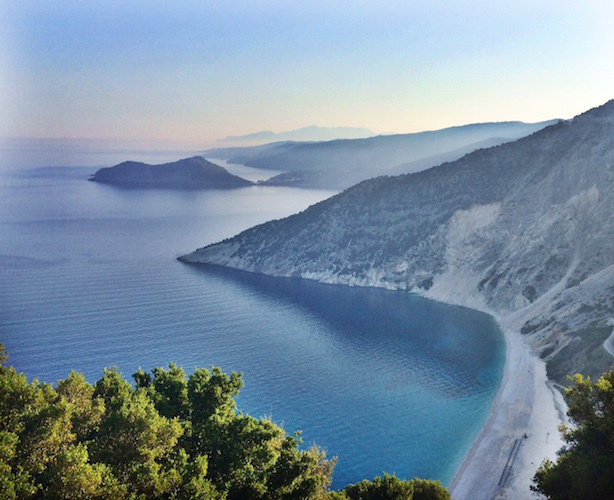
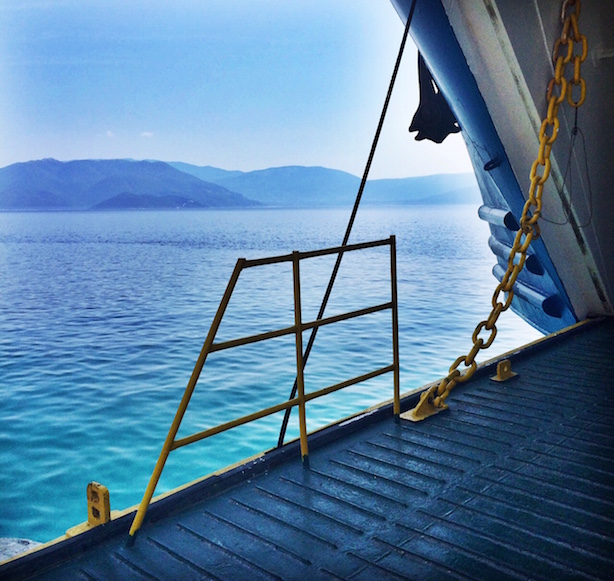
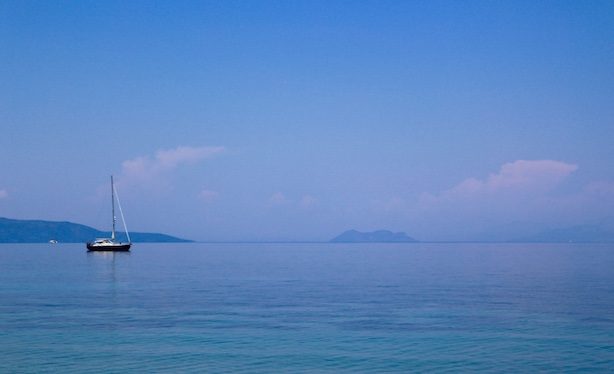
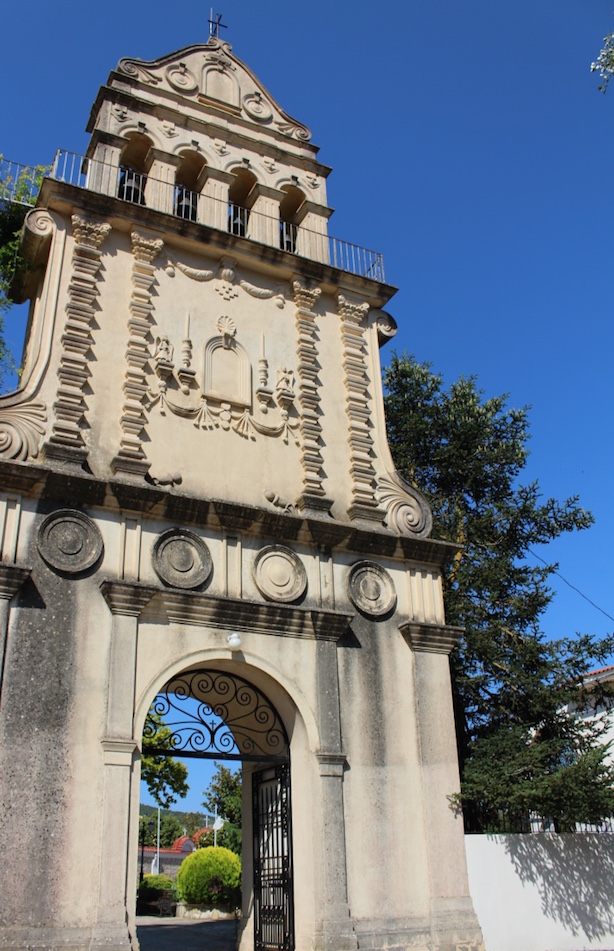
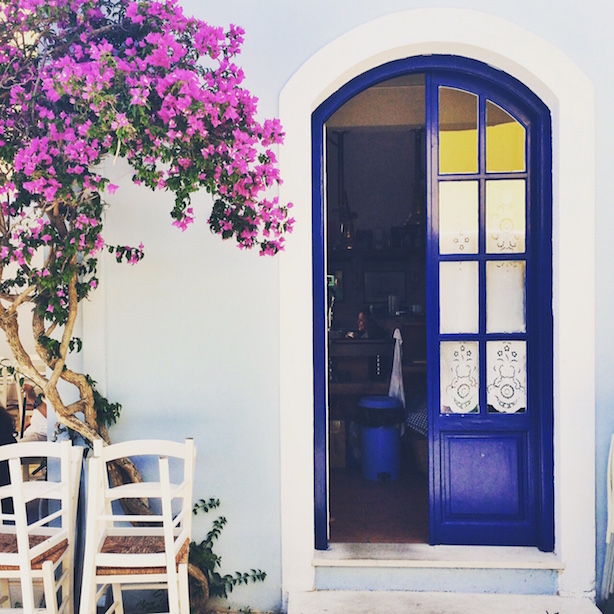
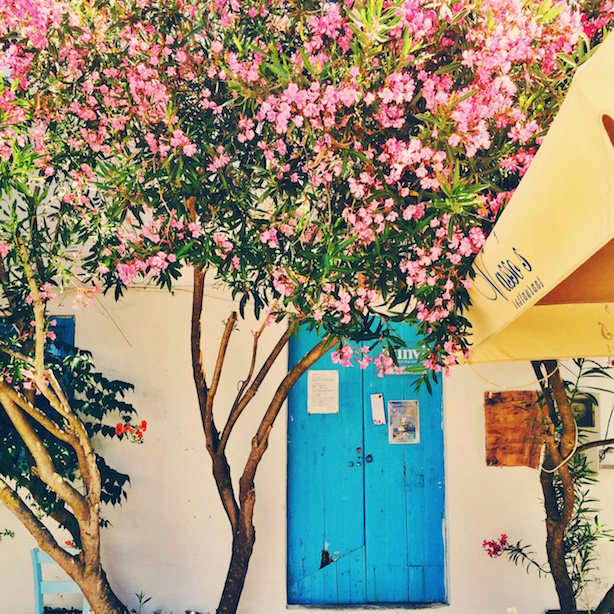
 Happy New Church Year! New Beginning Wishes from Cephallonia, a Story of Repentance, a Rumi Sufi poem, a robin singing and the little city hermit’s name day  ☺️

kef1

Myrtos Beach

kef5.jpg

kef6

kef7

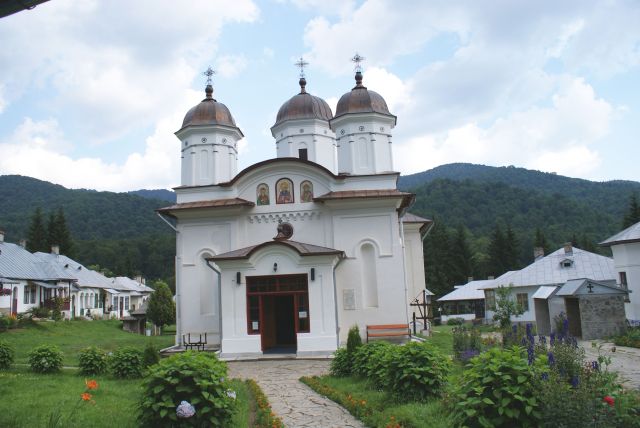
Monastery of Agios Gerassimos

kef2.jpg

Fiskardo, Kefalonia

kef4.jpg


It Is Your Turn Now!

Transform your inner pearl.

It is your turn now,

You waited, you were patient.

The time has come,

For us to polish you.

We will transform your inner pearl
Into a house of fire.

You’re a gold mine.

Did you know that,

Hidden in the dirt of the earth?

It is your turn now,

To be placed in fire.

Let us cremate your impurities.

By Rumi

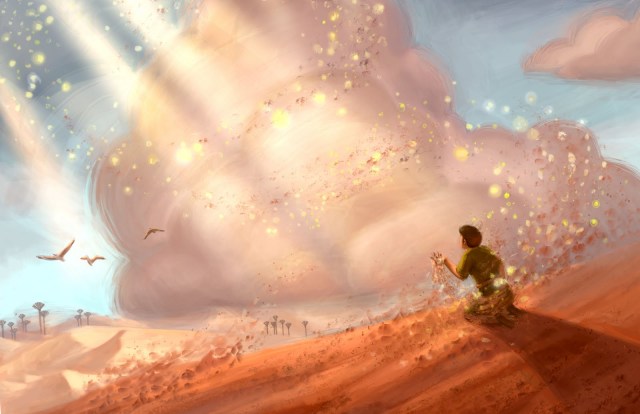
alchemist.jpg

A Story of Repentance

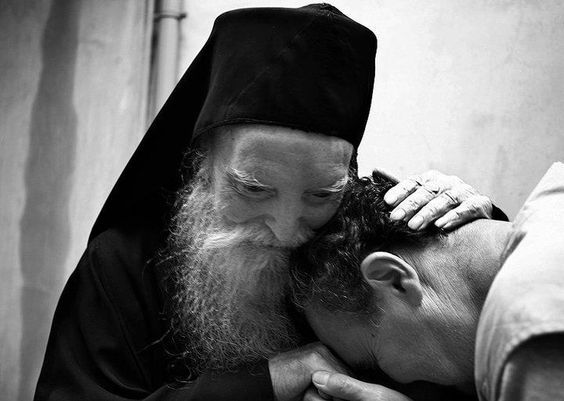
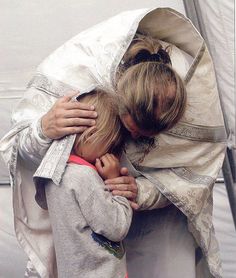
We knew virtually nothing…I had come to make my confession for the first time in my life. Shortly beforehand I had become a Christian by the grace of God. I had no deeper knowledge either of Christianity or of the church – who could have taught me? I and my newly-converted girl friend, both in the same position, learned what to do by imitating our old women, who zealously preserved the Orthodox faith and practices. We didn’t know anything. But we had something which in our day should perhaps be treasured more than knowledge: a boundless trust in the church, belief in all its words, in every movement and demand. Only yesterday we had rejected all authority and all norms. Today we understood the deliverance that we had experienced as a miracle. We regarded our church as the indubitable, absolute truth, in minor matters just as much as in its main concern. God has changed us and given us childhood: ‘Unless you become as children, you will not enter into the kingdom of heaven.’

I only knew that it was necessary to go to confession and to communion. I knew that both confession and communion were high sacraments which reconcile us with God and even unite us with him, really unite us with him in all fullness, both physical and spiritual. I was formally baptized by my unbelieving parents as a child. Whether they did that out of tradition or whether someone had persuaded them to do it, I never discovered from their explanations. Now at the age of twenty-six I had decided to renew the grace of baptism.

confession.jpg

Like a hardened crust

I knew that the priest himself – the well-known confessor Father Hermogen – would ask me questions and guide my confession. Then the day before I read a little booklet in order to prepare myself for confession, I discovered that I had transgressed all the commandments of the Old and New Testaments. But quite independently of that it was clear to me that the while of my life was full of sins of the most varied kind, of transgressions and unnatural forms of behavior. They now pursued me and tormented me after my conversion, and lay like a heavy burden on my soul. How could I have not seen earlier how abhorrent and stupid, how boring and sterile sin is? From my childhood my eyes had been blindfolded in some way. I longed to make my confession because I already felt with my innermost being that I would receive liberation, that the new person which I had recently discovered within myself would be completely victorious and drive out the old person. For every moment after my conversion I felt inwardly healed and renewed, but at the same time it was as though I was somehow covered with a crust of sin which had grown around me and had become hard. So I to longed for penance, as if for a wash. And I recalled the marvellous words of the Psalm which I had recently learned by heart: ‘Purge me with hyssop, and I shall be clean: wash me and I shall be whiter than snow.’


confession5

The experience of a miracle

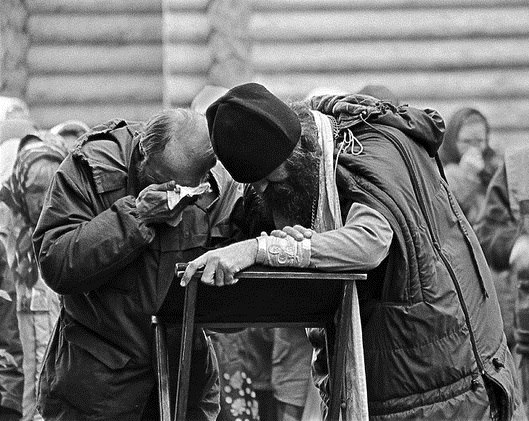
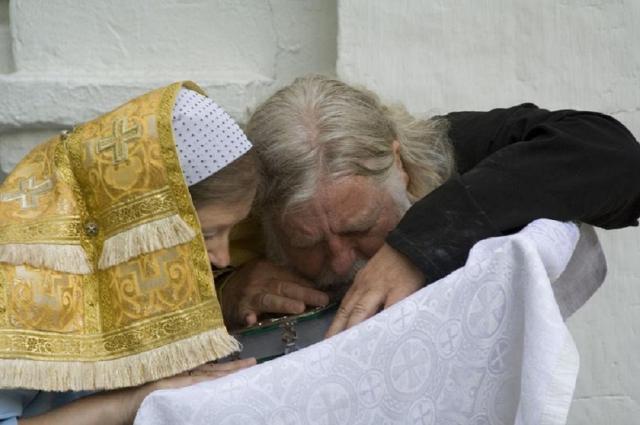
And so my turn came. I went up, and kissed the gospel and the cross. Of course because I felt dismay and apprehension, I was afraid to say that I was confessing for the first time. Father Hermogen began by asking,

‘When did you last fail to go to church? What festivals have you deliberately neglected?’

‘All of them,’ I replied.

Then Father Hermogen knew that he was dealing with a new convert. In recent times new converts have come into the Russian church in large numbers, and they have to be treated in a different way.

He began by asking about the most terrible, the ‘greatest’ sins in my life, and I had to tell him my whole biography: a life based on pride and a quest for praise, on arrogant contempt for other people. I told him about my drunkenness and my sexual excesses, my unhappy marriages, the abortions and my inability to love anyone. I also told him about the next period of my life, my preoccupation with yoga and my desire for ‘self-fulfillment’, for becoming God, without love and without penitence. I spoke for a long time, though I also found it difficult. My shame got in the way and tears took away my breath. At the end I said almost automatically: ‘I want to suffer for all my sins, and be purged at least a little from them. Please give me absolution.’

Father Hermogen listened to me attentively, and hardly interrupted. Then he sighed deeply and said, ‘Yes, they are grave sins.’

I was given absolution by the grace of God: very easily, it seemed to me: for the space of several years I was to say five times a day the prayer ‘Virgin and Mother of God, rejoice’, each time with a deep prostration to the ground.

This absolution was a great support to me through all the following years. Our sins (the life of my newly-converted friend was hardly different from my own) somehow seemed to us to be so enormous that we found it hard to believe that they could disappear so simply, with the wave of a priest’s hand. But we had already had a miraculous experience: from the nothingness of a meaningless existence bordering on desperation we had come into the Father’s house, into the church, which for us was paradise. We knew that with God anything is possible. That helped us to believe that confession did away with sin. And the starets also said, ‘Don’t think about it again. You have confessed and that is enough. If you keep thinking about it you are only sinning all over again.’ (Tatiana Goricheva, a member of the “intelligentsia” and a Soviet-era dissident, Talking About God Is Dangerous)

Repentance and the Orthodox Sacrament of Confession

It Is Your Turn Now! 

*

“It is later than you think! Hasten, therefore, to do the work of God.”

+ Fr. Seraphim Rose, Fr. Seraphim Rose: His Life and Works

*

“When someone makes a decision, he is really diving into a strong current that will carry him to places he had never dreamed of when he first made the decision.” (The Alchemist)

confession2

Happy New Year!

* September 1st is the start of a new liturgical in the Orthodox Church

and

the little city hermit‘s name day 😊 


Suzana Monastery Retreat I


SONY DSC


Part A: How the little city hermit became a bird, a fountain, a tree and a pearl!


Deep peace of Christ, silence, hesychia, these are the words that come to my mind when I remember Suzana monastery and my three-day retreat there this summer. Also, self-emptying, kenosis. But above all, silence!


Only through poetry can such silence be conveyed, so I will paraphrase a favourite poet of mine, Rumi, to convey to you what I experienced here.


I had begged the Wise One to tell me
 the secret of my existence, my calling in this world.
 Gently, gently, He whispered at Suzana monastery “Be quiet,
the secret cannot be spoken,
 It is wrapped in silence.”


I ground myself, strip myself down, to this overpowering Silence. I feel spiraling into a void of silence where a hundred voices thundered messages I longed to hear.


At its unfathomable bottom I encounter a vast fullness, the Spark of LIFE and LOVE, a secret passage to the WAY which wandering talk blocks, a dimension where HE was waiting for me, for my soul to shake.


I was carrying so much baggage while seeking the signs of the Way.


But at Suzana* monastery, I am ‘forced’ to stop, open up, surrender to this thundering silence, be invaded by ‘It’, and 
stay there until I Saw, until I looked at this blinding Light 
with infinite eyes.


This overpowering Silence kidnaps me to the core of Life. There is a sacredness in it. Silence is indeed the language of God, and all else is poor translation.


This is exactly what I experience when I am trying to write a poem, how I feel especially when I finish a poem. A great silence overcomes me and I wonder why I ever thought to use language.

suzana6

Silence is indeed the sea, and speech is like the river. The sea is seeking you: don’t seek or walk into the river. Don’t turn your head away from the signs offered by the sea. Listen to the ocean.


The sound of Waters and the sound of Silence is a motif in Suzana monastery. At least for me. Everywhere the sound of waters reaches you, so overwhelmingly that I often feel the need to stay in my ‘cell’ and not even venture out.


Just listening to that sound was so overwhelming! The very moment I set my foot on this monastery, the sound of Living waters immobilized me, an ocean wave, a mighty river in flood, a cascading waterfall, a fountain of benediction, a Life- Giving spring, welling up to Eternity.


Isaiah 43:19

19 Behold, I will do a new thing,
Now it shall spring forth;
Shall you not know it?
I will even make a road in the wilderness
And rivers in the desert.


John 7:38

38 He who believes in Me, as the Scripture has said, out of his heart will flow rivers of living water.”


Kenosis is also another state I suffered there:

“And they shall build the old wastes,

they shall raise up the former desolations,

and they shall repair the waste cities,

the desolations of many generations.” (Isaiah 61:4)


I needed so desperately such ‘Decluttering’ in my life, a Relentless Focus, a Subtraction, Becoming ‘poor’, an Unburdening, a Curtail, a Reduction and Emptying, Until my rebellious bones sore.


suzana1

This silence, this moment, every moment, this silence brought all what I needed. I sat quietly, and listened for a voice which told me ‘Be more silent.’ ‘Die’ and be quiet. Maybe quietness is the surest sign that you’ve ‘died’. My old life was such a frantic running from silence. Suzana monastery moved me, even for a little, outside the tangle of fear-thinking.


In the end, I became a pearl!


“And since I have wandered in thee, pearl,

I will gather up my mind

And by having contemplated thee,

Would become like thee,

In that thou art all gathered up into thyself;

And as thou in all times art one,

One let me become by thee!” (St Ephraim, The Pearl)


This very old, poor, secluded, fairy-tale monastery, surrounded by forests, mountains and springs, and steeped in holiness, is most certainly God’s special Providence for my tired, exhausted self.


I feels like coiling in a virginal womb, unwinding time, beholding


“The memory of the glory that I had when I was entirely with You and entirely in You, before time and temporal illusions.


When I, too, was a harmonious trinity in holy unity, just as You are from eternity to eternity.


When the soul within me was also in friendship with consciousness and life.


When my soul also was a virginal womb, and my consciousness was wisdom in virginity, and my life was spiritual power and holiness.


When I, too, was all light, and when there was no darkness within me.


When I, too, was bliss and peace, and when there were no torments of imbalance within me.


When I also knew You, even as You know me, and when I was not mingled with darkness.


When I, too, had no boundaries, no neighbors, no partitions between “me” and “you.” (St. Nikolai Velimirovich, Memories – Prayers By the Lake XXX)


Even the very fact that I cannot not speak Romanian, just barely understand it, is an added blessing, an extra ‘precaution’, a ‘just in case’ … Speaking all too often impoverishes, drenches us. As St. Seraphim of Sarov wisely urges us, “Keep away from the spilling of speech”.


Hesychia, Deep peace of Christ wrapped me in green leaves like a tree;

I breathed like a tree in the quiet light!


* Suzana Monastery is a Romanian monastery about 5.5 to 6 hours away from Rasca monastery in Bucovine, North Moldavia, where Fr. Seraphim Aldea was tonsured as a monk in 2005. After my retreat here I have a slightly better, more ‘intimate’ understanding of ‘Romanian’ Orthodoxy and Fr. Seraphim’s calling to found the first Orthodox monastery, Mull monastery, in the Hebrides in over a millennium. In a sense only a Romanian hieromonk would be really equipped, spiritually, emotionally, as well as intellectually, to undertake such a huge task! Glory to God for everything!


Continue to Part II

Romanian Monasteries Pilgrimage —Suzana Monastery

My next stop:  Suzana Monastery. The Suzana Orthodoxe Convent, hidden in a forest of beeches on the road of Valeni-Cheia gladdens the hearts of those who visit by the tranquillity that reigns here. This monastery now has 62 nuns who share in community prayer and work. I am invited to stay 3 days here. Lets see now how I can survive in a place where no one speaks English and I understand (little) their native language but cannot speak it!

IMG_0759IMG_0670IMG_0642IMG_0551IMG_0529IMG_0472

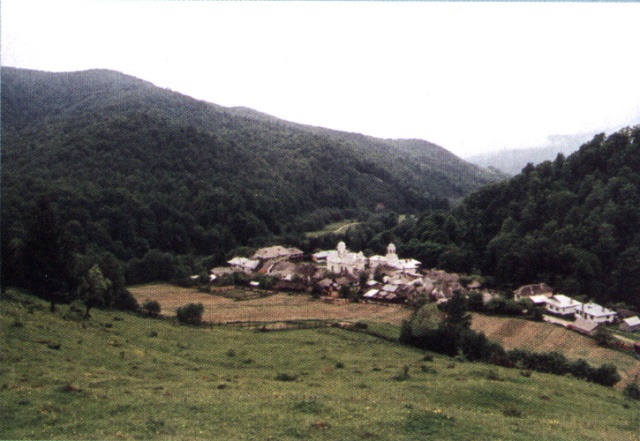
The Suzana Monastery of nuns took refuge along the Teleajenului stream, some 40 km from Valenii de Munte, at the highest point of the foot of Bobul Mare. The waters of the Teleajenul, Stanca and Iepurasul come together at this monastery in the form of a cross and run off together as a single stream. From above, the settlement looks like a tiny village, a cluster of houses stuck together, as if they were afraid of flying away in a storm. The houses are attractive and well kept.


A few stories with some elderly nuns

AT THE MONASTERY, EVERYTHING HAS A PURPOSE…”Leave us be, says an elderly nun, as we have no time for posing in magazines. We have a lot of work.” She then disappears into the abbey to announce the arrival of some…guests. Out comes the Mother Superior …”Please, do come into the living room and have a syrup drink.” A homemade syrup made of caramelized sugar is brought in with glasses of water.

“Our monastery is not very well-off,” says the Mother Superior. “We work hard, there are few young nuns and quite a number of very old nuns who need our constant care like young children …”

Someone knocks on the door. A nun curtseys and kisses Mother Superior’s hand. Snatches of words, choked by timidity: “Mother Superior…the bell…blessed.”


The girls come to the monastery from places you cannot even imagine, from all over the country. They come from Sighetul Marmatiei, from Moldova. But they do not all stay here, some cannot get used to life in a monastery. First they must learn about order. The monastery has its own rules, its own system, and none can do as she pleases. And then these girls have to be taught some skill, to be useful, and they learn to weave carpets”.

HOW LADY ARSICU SURVIVED THE STORM. Suzana Arsicu, the monastery’s founder, raised a church of beams. The wealthy woman was from Sacele, in Ardeal, and this was her way of thanking God for having saved her from a storm. She was the monastery’s first Mother Superior.


The church, whose Patron Saint was St. Nicholas (Dec 6), lasted one century and was replaced by another. At that point the church council decided to change its patron to the Mother of God whose anniversary is celebrated in summer, on the 15th of August, and the monastery can be more easily reached during that season than during the winter religious festival with the snows. On the eve of the dedication, however, the sky got covered with clouds, the streams overflowed from their beds and flooded the valleys. The torrent took everyone who came for the feast by surprise, washing away all their bags, their habits, their books and their holy paraphernalia. They all escaped unharmed, and instead of holding a dedication they held a mass, to thank God for having averted the danger. They then decided that they would not change the patron Saint for the church, and celebrate on December 6, the anniversary of St. Nicholas.


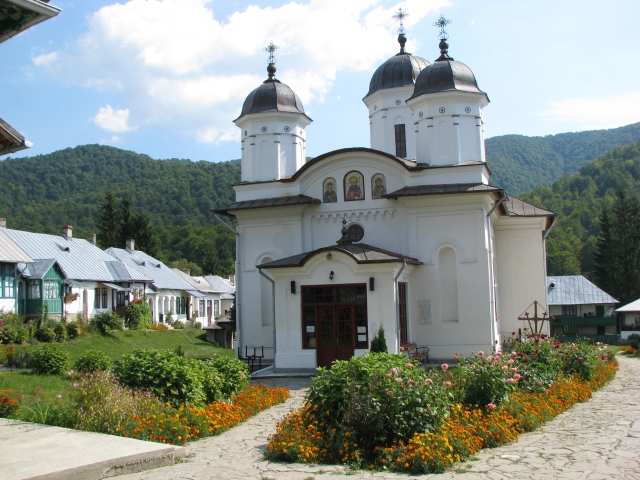
Today’s church was raised between 1880-1882, during the time of a Mother Superior named Natalia Perlea. She kept the same patron, and no one has ever thought again of changing him. The monastery has another tiny church, Paraclisul, built during the time of Mother Superior Tomaida Perlea.

THIS IS MY HOME. The story of a nun: “This cannot really be called a community life, as we have little work in the field where we might meet. It is more of a solitary life. Each nun receives a house for which she is responsible. Some have novices, and when these become nuns in their own right, they take over the house. There are two or three nuns to every house. There is enough space.


The monastery courtyard is wide open, but the buildings are stuck together in such ways that the space is compact, built to last. This house and that one over there are the settlement’s oldest, dating back to around 1860. That over there is a guesthouse. It does not have a lot of rooms. From time to time officials come here and then can be befittingly received. The nuns put people up in their homes. All of them rent out rooms. But if there were some sort of organized tourism it would be difficult to keep the visitors and the monastery’s daily routine apart. There would be people coming and going in the courtyard, in the church. If we had a guesthouse separate from the monastery, things would be different.

The green house is mine. This house in which I have received you is the abbey, as the inscription shows above the door, but the green one is mine.”


NOTHING IS POSSIBLE WITHOUT HARD WORK. “I came to the monastery in 1940. Now I am 79 years old. In 1990, I offered to step down. I told them: “Perhaps you want a younger nun.” But what would a younger nun do with such a burden on her shoulders? It is a great responsibility.

The nuns earn a little money from their icons and candles…The money does not go far, as everything is expensive these days. The church walls were painted, and look how they are peeling . A company from Bucharest did the job, but they did not scrape off the old paint.

Other than that, there are some hayfields that are in the care of the people. Half belongs to them and half to the monastery. We grow potatoes as nothing else grows around here because of the weather. It rains, it is chilly…And the fruit does not last long here because of the rain.” Two nuns put aside the forks with which they were gathering grass and begin talking. The man with the scythe watches them silently.

“We used to have seven cows, but now we have five. There is a lot of work, but everything requires toil. Now we bring everything we need to the monastery by car, but for a long time we even carted things on our backs.

The work would be impossible without the help of people of means, who make contributions.” These people of means paid some workers whom the Mother Superior met at a dinner at the Archbishop’s. “Now we have some craftsmen building paths, and only when this work is finished can we send for someone to cut the grass, which has grown very long.

PEOPLE WANT TO COME STAY WITH US. The oil painting in the church is the work of Master Petre Nicolau, an apprentice of Gheorghe Tattarescu. The monastery also owns a collection of icons painted on wood and glass, numerous old books and other religious objects. The icons are finished with gilded silver.
An 18-year-old nun leads a group of children around the man-made miracles. There is not enough light, and the nun who serves as guide and is wellgrounded in modern civilization explains that the neon bulb is 60 watt while tha starter is only 20. “They need to be the the same to light properly.”
The children have written their comments in the 48-page guest book at the entrance: “This monastery is truly special,” “I visited this beautiful monastery,” “I enjoyed this visit so much as I saw very old and special things”. Mother Superior Singlitichia Marin mentions, “We must get another guest book, a real one.
For the time being the monastery has no priest. There is a priest who comes to hold services, but he is not employed permanently. He is a young priest, too young. A priest who serves at a monastery of nuns should be older. One will eventually be hired, as the need becomes evident. This is another problem that requires resourcefulness.”
On major holidays we hold services from 7:30 p.m. to around midnight. People come from town, from Valeni, even from Ploiesti, to get married or to baptize their children. At first we were criticized, and were asked why we allow people from outside the parish to come here. I replied: “What should I do? Turn them away at the gates of the monastery? The church cannot do this. You do something to encourage them to come to you, so that they no longer want to come here.” After that no one said anything anymore.”
INSIGHT, Summer 2001

Part A

For more photographs, go here

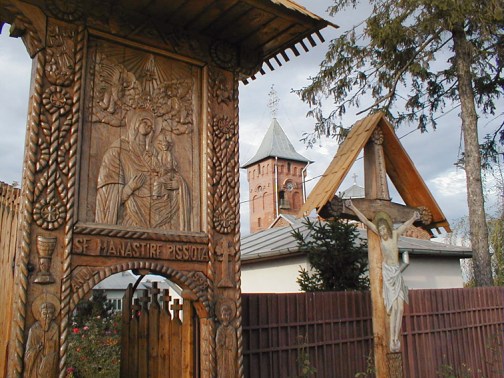
Romanian Monasteries Pilgrimage — Mânăstirea Pissiota

Most hospitable next stop: Mânăstirea Pissiota!

Romanian Monasteries Pilgrimage Mânăstirea Pissiota Orthodox city hermit pilgrimage

Romanian Monasteries Pilgrimage Mânăstirea Pissiota Orthodox city hermit pilgrimage

Romanian Monasteries Pilgrimage Mânăstirea Pissiota Orthodox city hermit pilgrimage

The monastery of Pissiota, located in Poienarii Burchi, was built between 1928 and 1929 by Nicolae Pissiota (1860-1940), a great man of culture, and his wife, Zoe Pissiota (1868-1940), on the estate bought from the family of General Gheorghe Angelescu (1850-1923), an important name in the 1877 war.

Romanian Monasteries Pilgrimage Mânăstirea Pissiota Orthodox city hermit pilgrimage

The first record of the village of Poienarii Burchi dates back to 21st September 1594, on the former „Poeana” estate of Lady Stanca, the wife of Michael the Brave. The village was dedicated by Lady Stanca to the Simonopetra monastery of Mount Athos, in 1594. The original document is kept at the Archives of the State in Bucharest.

Romanian Monasteries Pilgrimage Mânăstirea Pissiota Orthodox city hermit pilgrimage

The engineer Nicolae Pissiota, of Macedonian origin, born in Greece and settled in Walachia, had a huge fortune that allowed him to build this place of worship. The church was designed by the architect Ioan Giurgea – a harmonious combination between Italian Renaissance style and the Byzantine elements that are specific to Romanian churches.

Romanian Monasteries Pilgrimage Mânăstirea Pissiota Orthodox city hermit pilgrimage

Romanian Monasteries Pilgrimage Mânăstirea Pissiota Orthodox city hermit pilgrimage

Romanian Monasteries Pilgrimage Mânăstirea Pissiota Orthodox city hermit pilgrimage

Famous names were called to decorate the church: Costin Petrescu (1877-1954), the one that painted the interior frescoes of the Romanian Athenaeum, or the Cathedral of Alba Iulia, and his apprentice, Gheorghe Eftimiu.

The portraits of the patrons and of the Patriarchs Miron Cristea and Justinian Marina were done by the painter Vasile Rudeanu (in 1956). The iconostasis is carved in rosewood and cherry wood, brought from Greece, creating a balance between sensitivity and detail, influenced by Italian art.

The furniture was carved of oak wood, with ethnic motifs, by the sculptor Anghel Dima, in 1928, the author of Mihai Eminescu’s sculpture in front of the Romanian Athenaeum. The floor is made of red Carrara marble; underneath the church lie the marble crypts where the patrons and their families are buried. Inside the church there are icons and silver icon lights, in Brancoveanu style, as well as triodyons, Pentecostarians and hymn books.

Romanian Monasteries Pilgrimage Mânăstirea Pissiota Orthodox city hermit pilgrimage miraculous icon

Romanian Monasteries Pilgrimage Mânăstirea Pissiota Orthodox city hermit pilgrimage

Romanian Monasteries Pilgrimage Mânăstirea Pissiota Orthodox city hermit pilgrimage

The defining religious element in the Holy Monastery of Pissiota is the Icon of the Holy Virgin with the Child – miracle-working icon. The icon is painted on oak wood, against a background of Byzantine brocade, signed by the famous painter Gheorghe Eftimiu, the apprentice of the great Costin Petrescu.

For two decades after the opening, between 1928 and 1948, the monastery was a monk monastery. In 1948, the Patriarch Justinian Marina transformed it into a monastery of nuns, and this is how it remained until 1962, when it was discontinued. In 1993, after 31 years in ruin, the monastery resumed its community life.

Currently, the monastery is inhabited by 23 nuns and a priest; prayer is in harmony with work, as there are tailoring workshops where priestly vestments and clothes are made, allowing people to add the little money they have for the restoration of the monastery.

Abbess Monahia Ioana Irina Calin


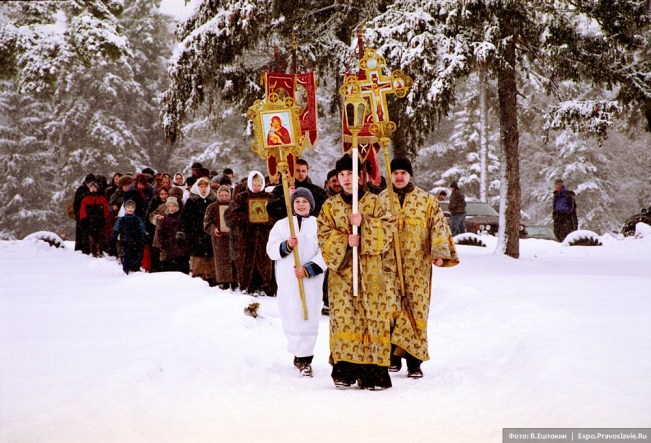
Russia in Winter


winter1

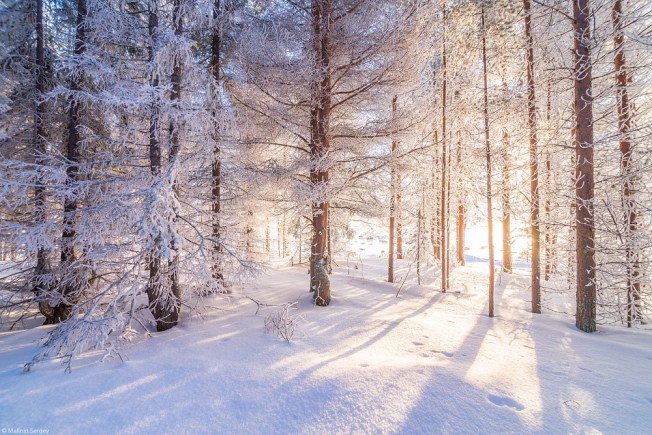
Sunny forest (photo by Sergei Malinin)

winter2

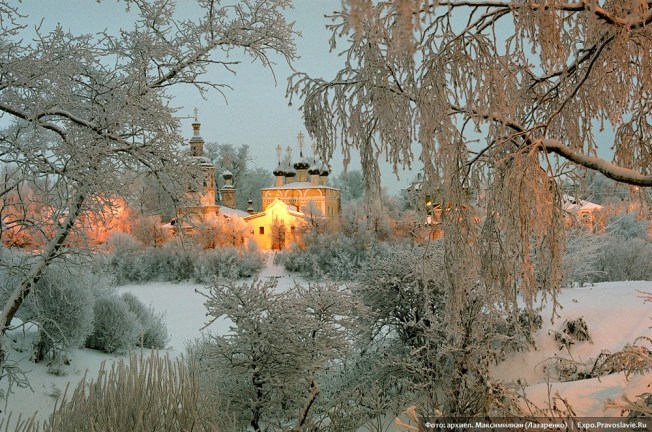
Frost on Theophany (photo by Archbishop Maximilian (Lazarenko) / Expo.Pravoslavie.Ru)

winter3

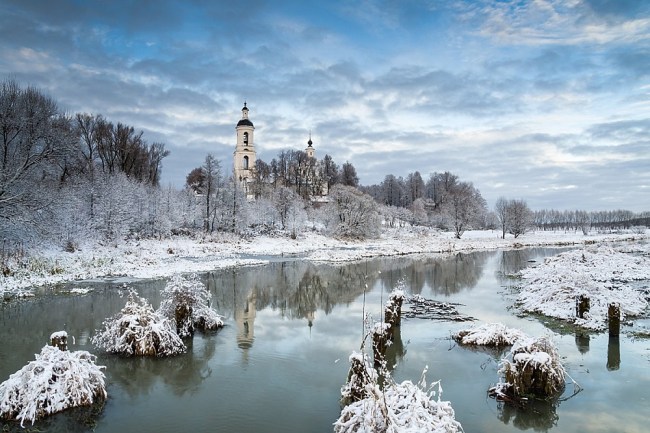
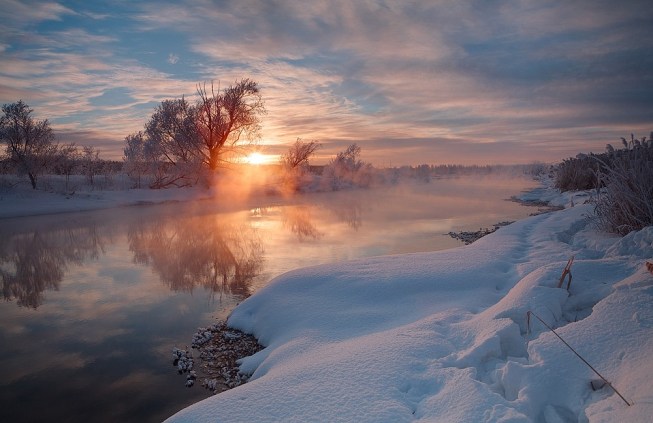
First snow on the Sherna river (a river in the Vladimir and Moscow regions). A view of the St. Nicholas Church (photo by Irina Beloturova)

winter4

The Kantyube Mountain, Urals (photo by Alexei Klekovkin)

winter5

The Church of St. Dimitry Prilutsky on Navolok, the city of Vologda
(photo by Archbishop Maximilian (Lazarenko) / Expo.Pravoslavie.ru)

winter6

(Photo by Archbishop Maximilian (Lazarenko) / Expo.Pravoslavie.ru)

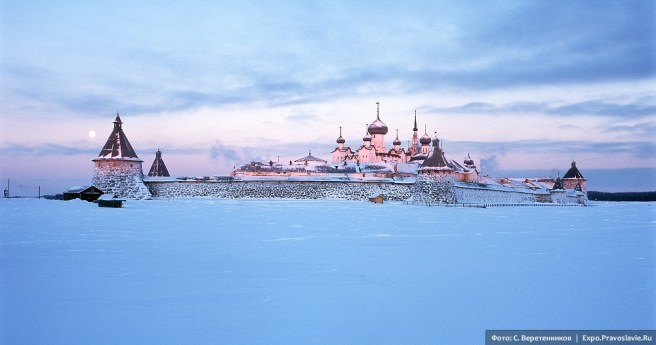
winter7

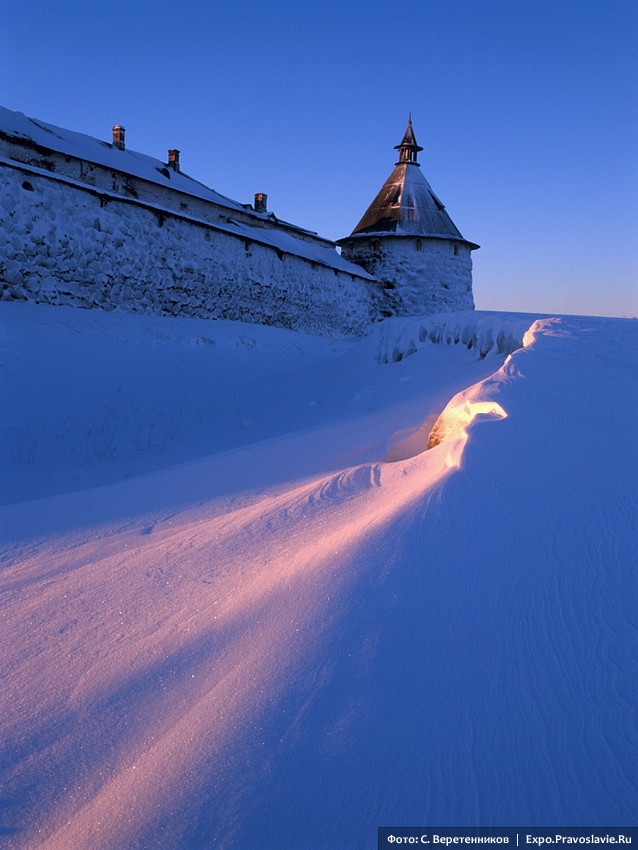
Solovki Monastery (photo by Sergei Veretennikov / Expo.Pravoslavie.ru)

winter8

St. Andrew’s Church (photo by Sergei Veretennikov / Expo.Pravoslavie.ru)

winter9

(Photo by Sergei Veretennikov / Expo.Pravoslavie.ru)

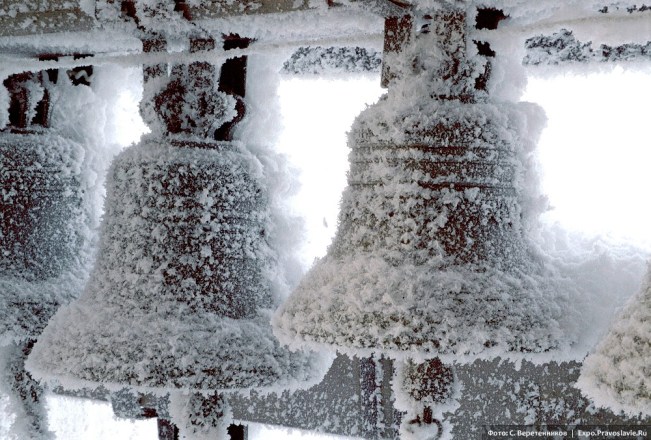
winter10

The bells ring joyfully in frosty weather (photo by Sergei Veretennikov / Expo.Pravoslavie.ru)

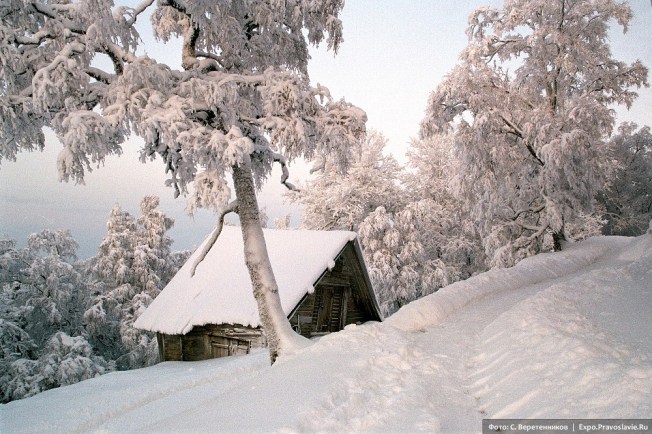
winter11

(Photo by Sergei Veretennikov / Expo.Pravoslavie.ru)

winter12

The first ray of light (photo by Sergei Veretennikov / Expo.Pravoslavie.ru)

winter13

Theophany immersion (photo by Vladimir Khodakov / Expo.Pravoslavie.ru)

winter14

Sunset (photo by Anatoly Zabolotsky / Expo.Pravoslavie.ru)

winter15

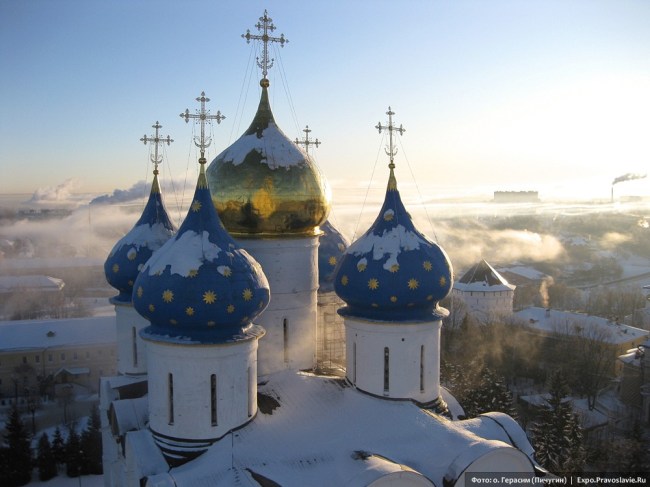
The Lavra (photo by Hierodeacon Gerasim (Pichugin) / Expo.Pravoslavie.ru)

winter16

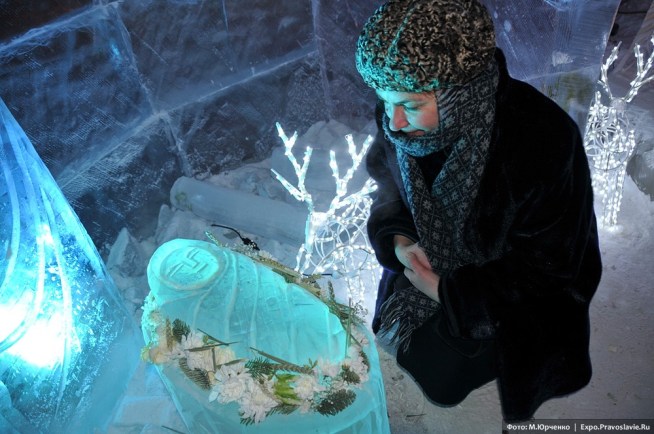
A Nativity scene in Yakutia (photo by Marina Yurchenko / Expo.Pravoslavie.ru)

winter17

A Nativity scene in Yakutia (photo by Marina Yurchenko / Expo.Pravoslavie.ru)

winter18

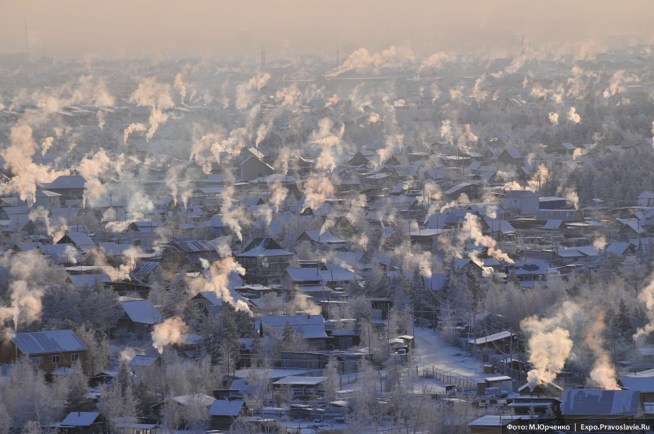
Frosty haze (photo by Marina Yurchenko / Expo.Pravoslavie.ru)

winter19

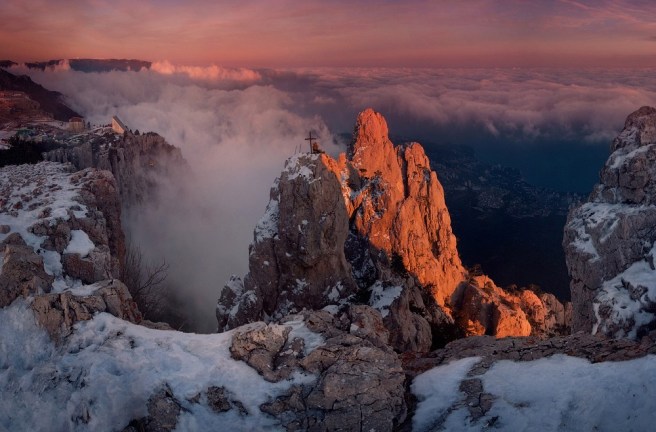
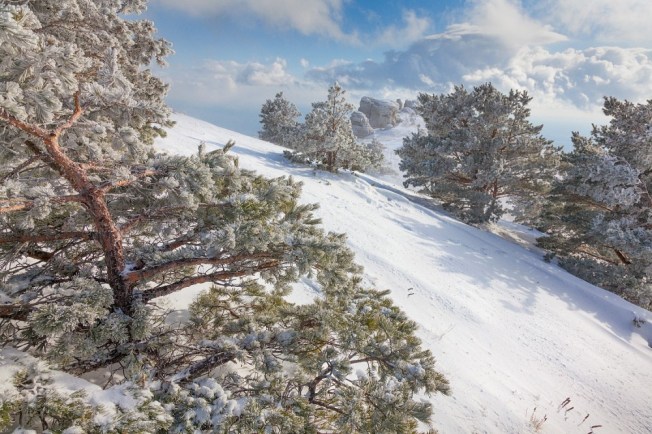
The Crimea in winter (photo by Daniel Korzhonov)

winter20

The Crimea in winter (photo by Sergei Yershov)

winter21

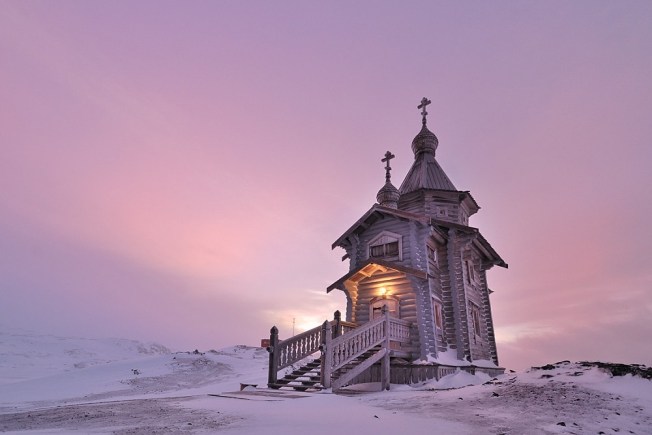
The Holy Trinity Church in Antarctica

winter22

The last ray (photo by Daniel Korzhonov)

winter23

Photo by Vladimir

winter24

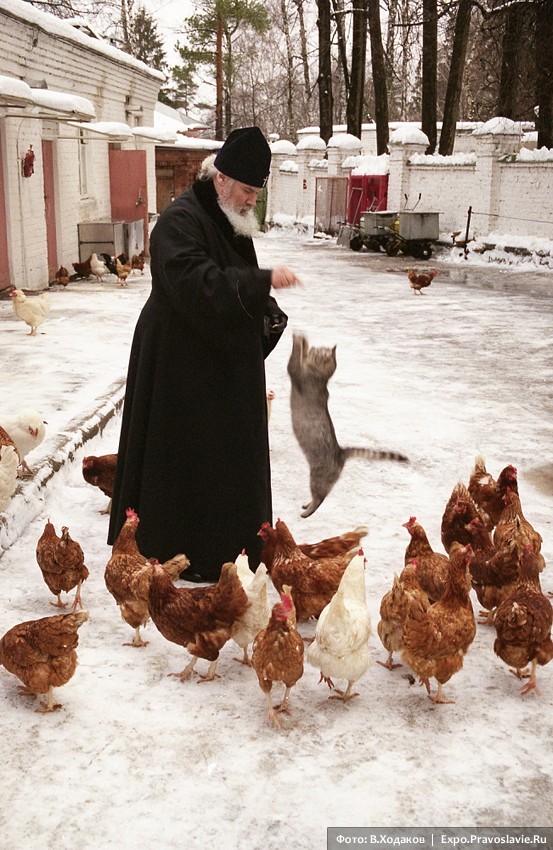
His Holiness Patriarch Alexis II of Moscow and All the Russias photo by Vladimir Khodakov / Expo.Pravoslavie.ru

winter25

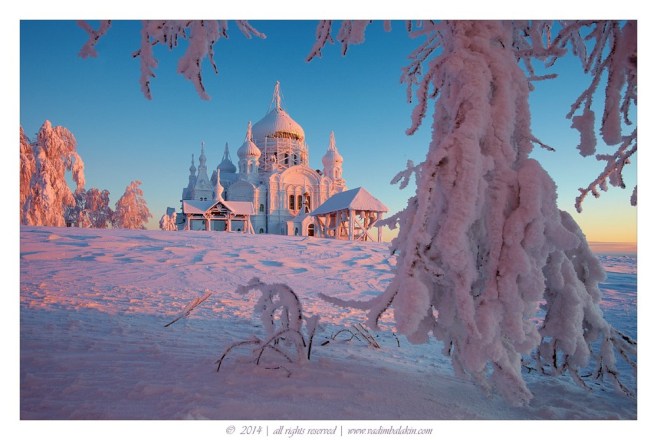
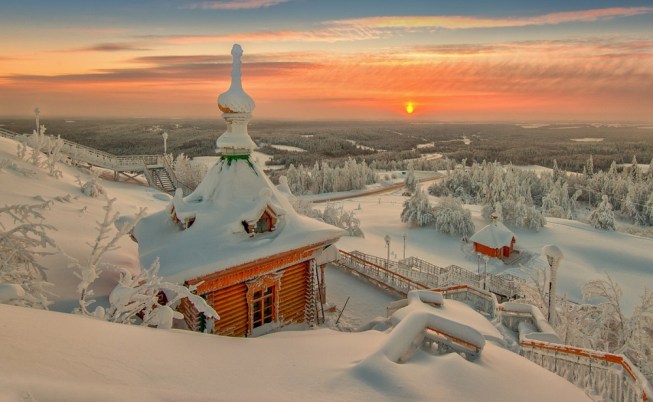
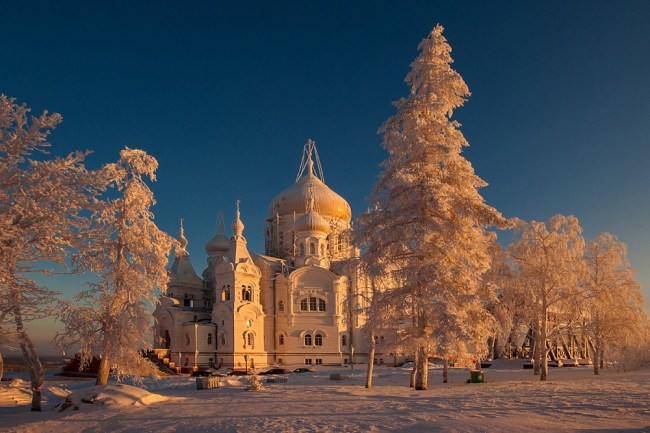
Belaya Gora (White Mountain) and surroundings (a name of a mountain and village in the Perm region)

winter26

Belogorsky St. Nicholas Monastery, Perm region (photo by Vadim Balakin / Severniye Zemli)

winter27

Around Belaya Gora (photo by Vladimir Chuprikov)

winter28

A winter landscape in Belaya Gora area (photo by Vladimir Chuprikov)

winter29

Winter magic (photo by Vladimir)

winter30

Svetlaya (Bright) Bay, sea of Okhotsk (photo by Alexei Gnezdilov)

winter31

The Baptism of the Lord (photo by Vladimir Yeshtokin / Expo.Pravoslavie.Ru)

winter32

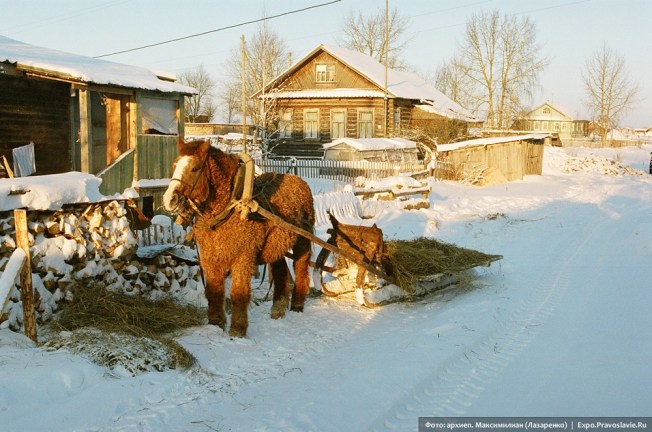
A Russian village

winter33

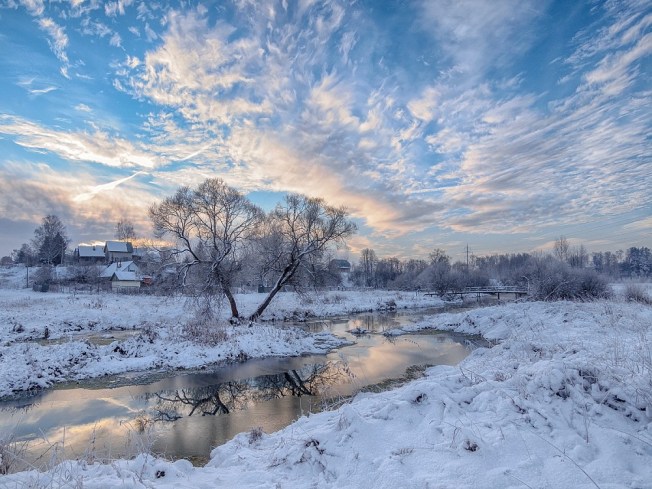
Winter sunrise above the Istra river, the Moscow region (photo by Andrei Ulyashev)

winter34

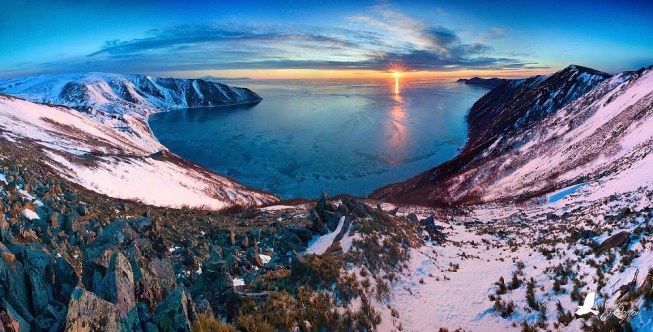
Ice on Lake Baikal (photo by Daniel Korzhonov)

winter35

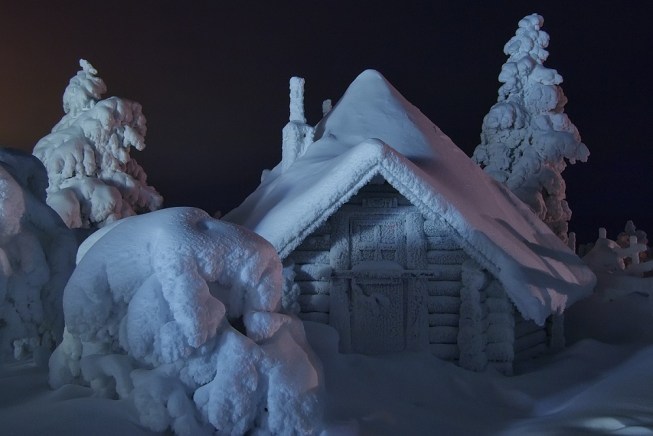
Nighttime fairy tale (photo by Maxim Yevdokimov)

winter36

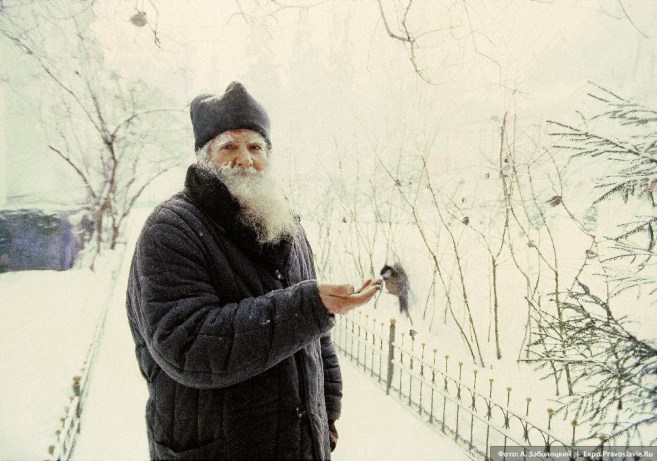
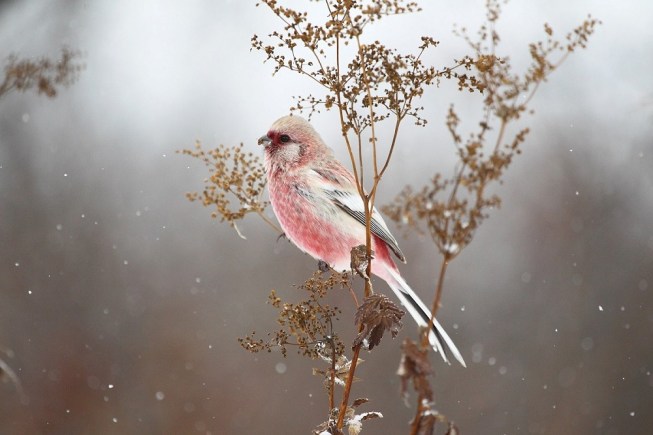
A monk fees a winter bird (photo by Anatoly Zabolotsky / Expo.Pravoslavie.Ru)

winter37

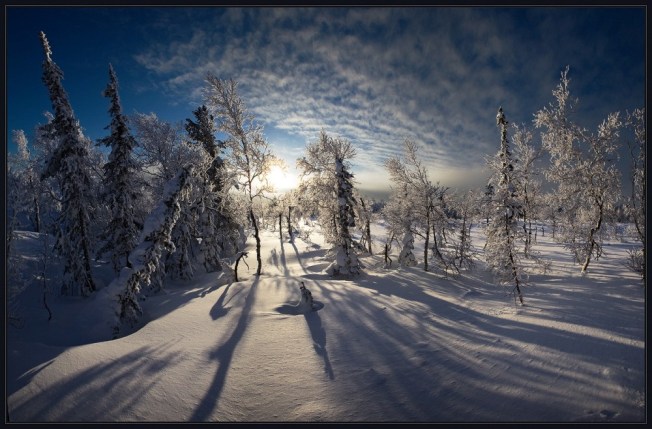
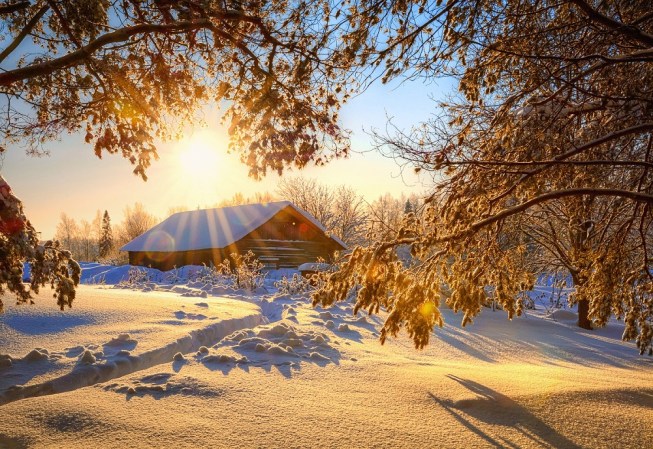
The sun illumines the trees covered in hoarfrost (photo by Vitaly from N-sk)

winter38

Photo by Marateaman

winter39

Friends (photo by Elena Shumilova)

winter41

(Photo by Elena Shumilova)

winter42

Kazakhstan, Lake Borovoye, the Goluboy Zaliv (Blue Bay) inlet (photo by Leonid Dyachenko)

winter43

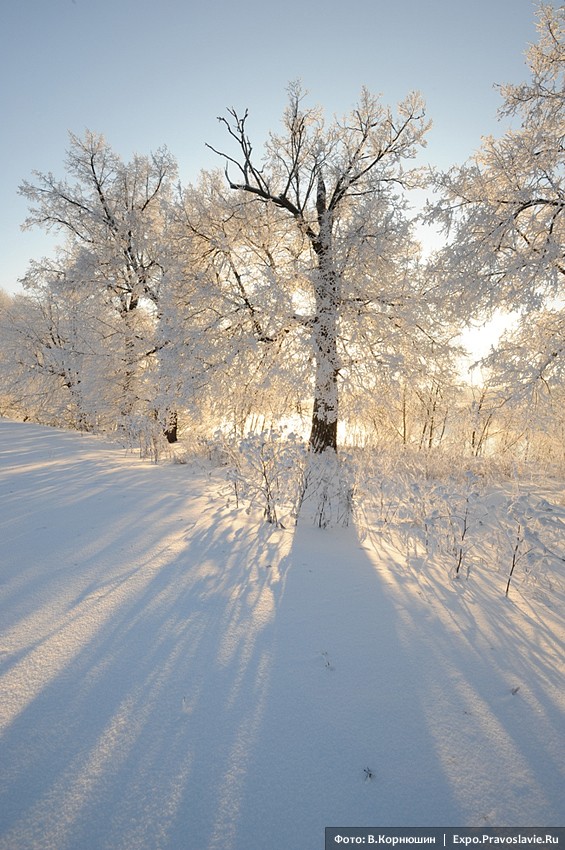
Frost and the sun (photo by Viktor Kornyushin / Expo.Pravoslavie.Ru)

winter44

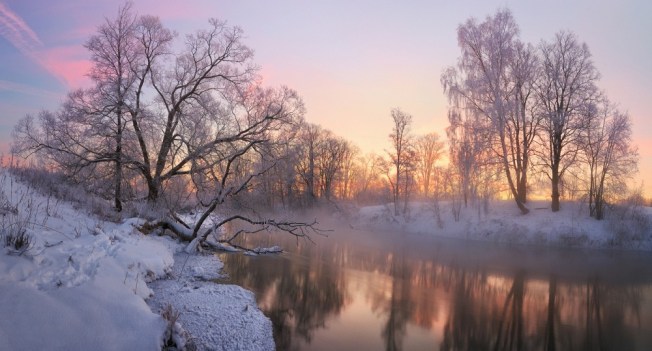
Winter sunrise (photo by Ilia Melnikov)

winter45

Winter sleep (photo by Tatiana Smirnova)

winter46

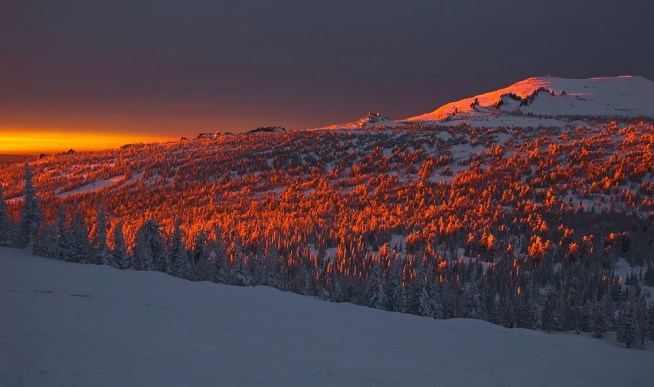
A lovely evening on Green Mountain, Sheregesh, the Kemerovo region
(photo by Valery Peshkov)

winter47

Frost and the sun (photo by Marina Nikiforova)

winter48

The ragged sky (photo by Marina Brydnya)

winter49

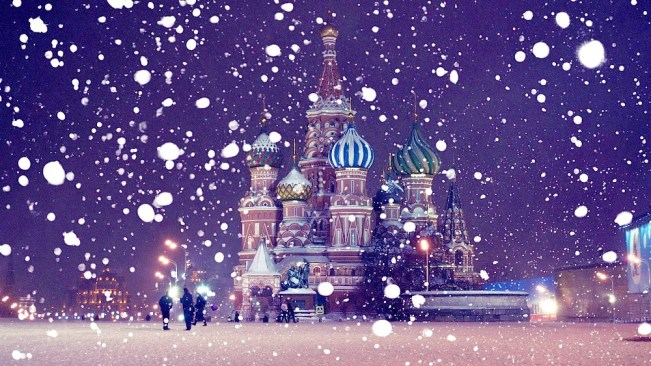
The Church of the Protecting Veil of the Mother of God in Red Square


Source: http://www.pravoslavie.ru/foto/set1466.htm

In the Eye of the Storm

ocean

Silver Helix (1)

*

“Hell is empty and all the devils are here.” 

― William Shakespeare, The Tempest

storm1

*

There was once a wave in the ocean, rolling along, enjoying the warmth of the sun and the swiftness of the breeze.

It smiled at everything around it as it made its way toward the shore.

But then, it suddenly noticed that the waves in front of it, one by one, were striking against the cliff face, being savagely broken to pieces.

‘Oh God!’ it cried. ‘My end will be just like theirs. Soon I, too, will crash and disappear!’

Just then another wave passing by saw the first wave’s panic and asked:

‘Why are you so anxious? Look how beautiful the weather is, see the sun, feel the breeze…’

The first wave replied:

‘Don’t you see? See how violently those waves before us strike against the cliff, look at the terrible way they disappear. We’ll soon become nothing just like them.’

‘Oh, but you don’t understand,’ the second wave said.

‘You’re not a wave. You’re a part of the ocean.’ (2)

*

storm0

*

Katsushika Hokusai’s Under the Wave off Kanagawa, also called The Great Wave has became one of the most famous works of art in the world—and debatably the most iconic work of Japanese art. The Great Wave is part of the legendary series Thirty-six Views of Mount Fuji. (3) “The preeminence of The Great Wave —said to have inspired both Debussy’s La Mer and Rilke’s Der Berg—can be attributed, in addition to its sheer graphic beauty, to the compelling force of the contrast between the wave and the mountain. The turbulent wave seems to tower above the viewer, whereas the tiny stable pyramid of Mount Fuji—Japan’s sacred, national symbol of Beauty, Spirituality and Immortality–sits in the distance. The eternal mountain is envisioned in a single moment frozen in time.

*

Hokusai characteristically cast a traditional theme in a novel interpretation. In the traditional meisho-e (scene of a famous place), Mount Fuji was always the focus of the composition. Hokusai inventively inverted this formula and positioned a small Mount Fuji within the midst of a thundering seascape. Foundering among the great waves are three boats thought to be barges conveying fish from the southern islands of Edo.” Nonetheless, “Hokusai has arranged the composition to frame Mount Fuji. The curves of the wave and hull of one boat dip down just low enough to allow the base of Mount Fuji to be visible, and the white top of the great wave creates a diagonal line that leads the viewers eye directly to the peak of the mountain top.”(4)

*

To the Japanese eye, accustomed to reading from right to left—the great claw of a wave appears almost to tumble into the viewer’s face, the surging breakers may seem to swamp the boaters, even Mount Fuji appears fragile, about to be engulfed by the uncontrollable energy of the water, and still  the humans in their tiny boats “doomed” to perish in the sea do not look panicked! On the contrary, they look like hanging to their rows in full discipline. It looks like they are experienced and know how to cope with such a situation. (5)


storm2


Jennifer Rundlett, a fellow blogger, sees “through” its art “the many trials of life and how overwhelming we often find them, being so focused battling our problems, and trying not to be consumed by them”, whereas “the wave is pointing our eye to [Mount Fugi] the focal point or meaning….that beauty and immortality is in how we ride out these storms.” (6)

*

This Japanese painting brought to my mind an English Romanticist, William Turner’s famous seas, stormy skies, sinking ships and tempests studies, with a very different theme to Hokusai’s.

storm5

*

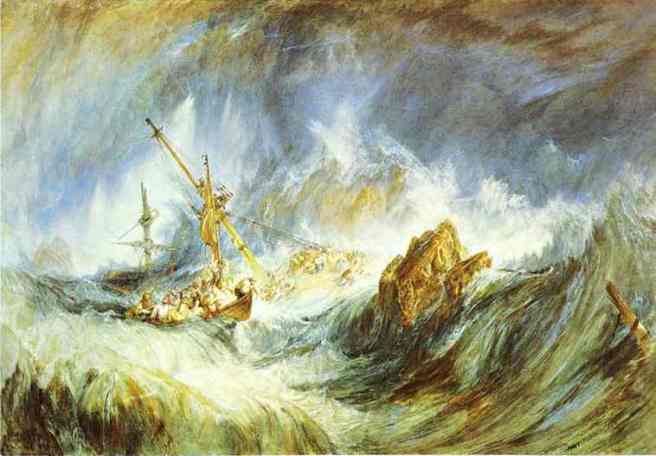
The power of the storm versus man’s inabilities was a main theme in Turner’s work. Dreadful catastrophe was a common theme in English romantic art period and Turner specifically painted themes of shipwreck a number of times throughout his life, exploring the effects of an elemental vortex. The romantics had taken a liking to natural phenomena and shipwreck became a popular subject. 19th century Britain specifically was very familiar with shipwreck as it was a period of great English shipping.  … The craftsmanship of these ships did not deter the fact that the man made vessel was still at the mercy of the wind.

*

storm3

*

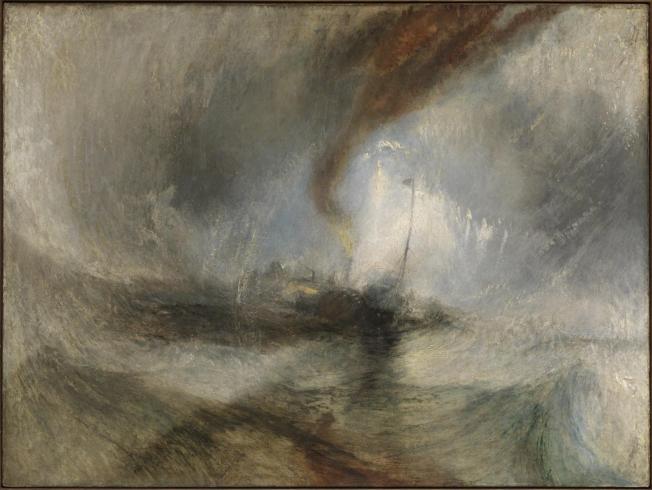
Let us have a good look at Turner’s most famous storm painting: The Snow Storm – Steam-Boat off a Harbour’s Mouth (1842), http://www.tate.org.uk/art/work/N00530 Snow Storm – Steam-Boat off a Harbour’s Mouth shows a ship off the English coast struggling to persevere through a storm.  The steam-boat resides in the center of the vortex.   Turner’s untamed brushwork creates a swirling composition of chaotic colors and lighting. The swirling storm creates a composition that leaves the eye to circle around the canvas repeatedly. The black of the wind and the waves of the sea create a circle around the doomed ship. Through the windy peephole, the viewer can see the helpless ship at the mercy of nature’s violent motion. One can imagine the ship swaying to and fro as its crew desperately tries to take control of the sail and stay afloat. In this context the vessel can be interpreted as a symbol of mankind’s futile efforts to combat the forces of nature. 

*

Snow Storm - Steam-Boat off a Harbour's Mouth exhibited 1842 Joseph Mallord William Turner 1775-1851 Accepted by the nation as part of the Turner Bequest 1856 http://www.tate.org.uk/art/work/N00530

*

In Snow Storm – Steam-Boat off a Harbour’s Mouth Turner uses a muted color palette. Pale blues and deep browns cover the canvas in swirling motions. Though the palette is predominately neutral, which usually creates a calming tone, the swirling motions and lighting create the chaotic effect Turner was going for. He wanted to simulate the true nature of a storm at sea. The bright white of the sail draws the eye directly to the ship, even amidst the swarming colors around it. Turner creates a pocket of light amidst a dark and shadowy canvas to illuminate the ship. Since he lights the ship in such a way, all focus is immediately drawn to the ship. The shadowing swirling winds only emphasize the ship more. The focus is relentlessly on the plight of the ship. This painting clearly invokes fear in a man or keeps him in his place as the weaker.  Here the emphasis is on the raw, merciless force of Nature and Man’s frailty and helplessness. (7)

*

It is famously said that Turner conceived this image while lashed to the mast of a ship during an actual storm at sea to get a better account of the wind and ocean and what the ship must’ve felt like in the midst of it. This seems to be nothing more than fiction, but the story has endured as a way of demonstrating Turner’s full-blooded engagement with the world around him, and is stunningly dramatized in the famous Mast scene of the mesmerising, highly maginative and richly detailed 19th century period biopic Mr Turner (2014) https://www.youtube.com/watch?v=lYN6HwLSvyg

*

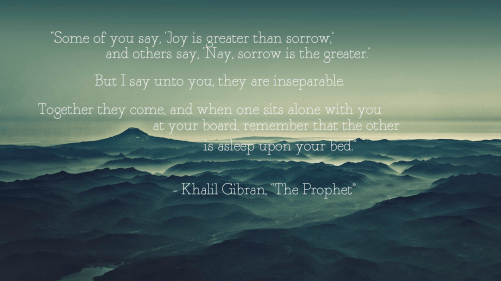
Khalil Gibran  makes ample use of the “storm/sea/wave” imagery in “The Prophet” and explains how we all are “travellers” and “navigators” in the sea of life, our “pain being the breaking of the shell that encloses [our] understanding”. (8)

*

storm10

*

For an auditory raw, rough storm experience, let us not forget Aretha Franklin’s duet with Joe Ligon in the old time gospel  “I’ve Been In The Storm Too Long ” https://www.youtube.com/watch?v=YUujg0BTIjk&list=PLkGwJ-k-JlPEDnwXWd5RDpNmjbUa0fi6y

“I’ve been in the storm… too long, Lord too long
mmmmm… I’ve been in the storm… too Long, Lord too long
Lord, please let me…have a little more time, I need a little more time to pray
Oooh…I’ve been in the storm too long…”

storm7

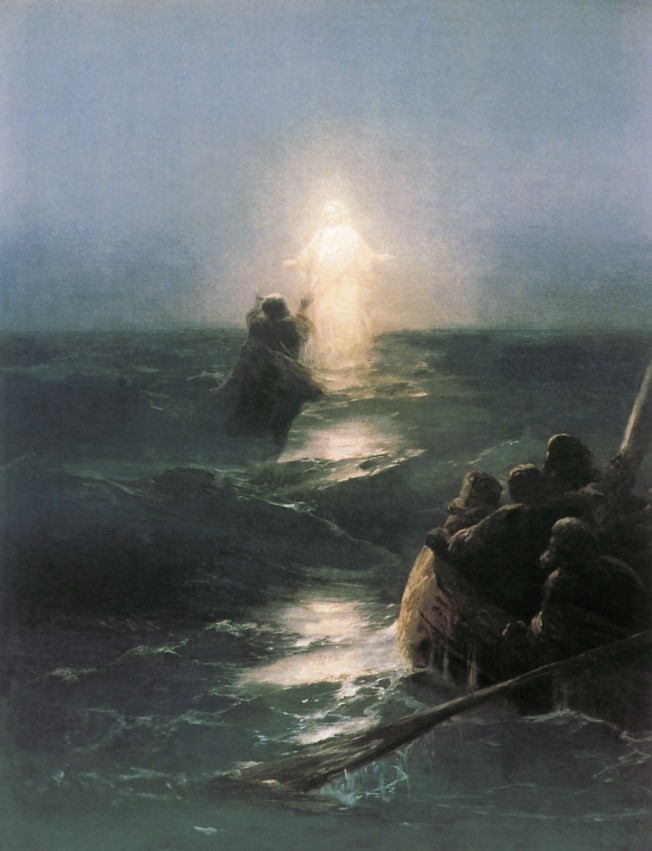
Jesus walks on water, by Ivan Aivazovsky (1888)

*

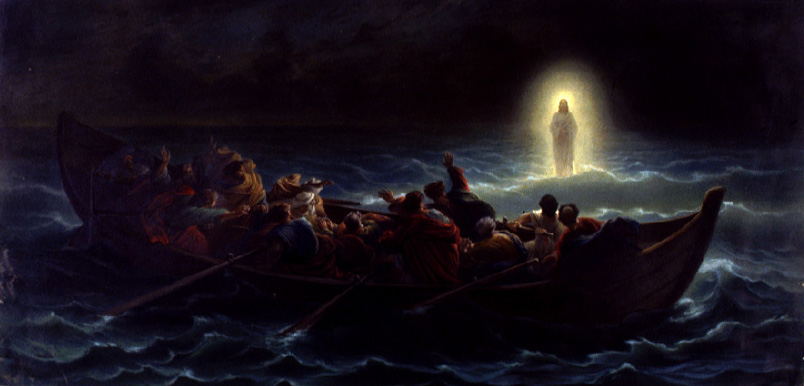
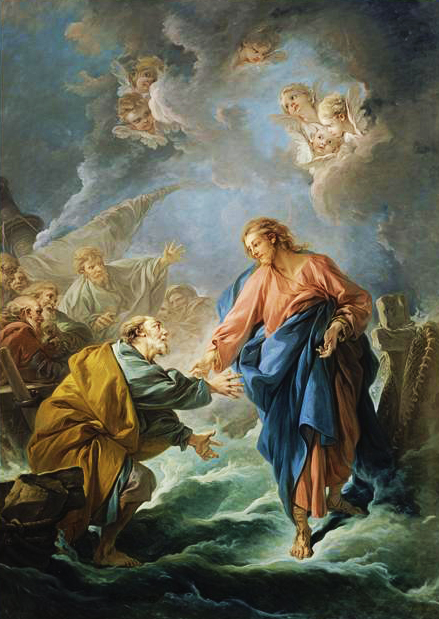
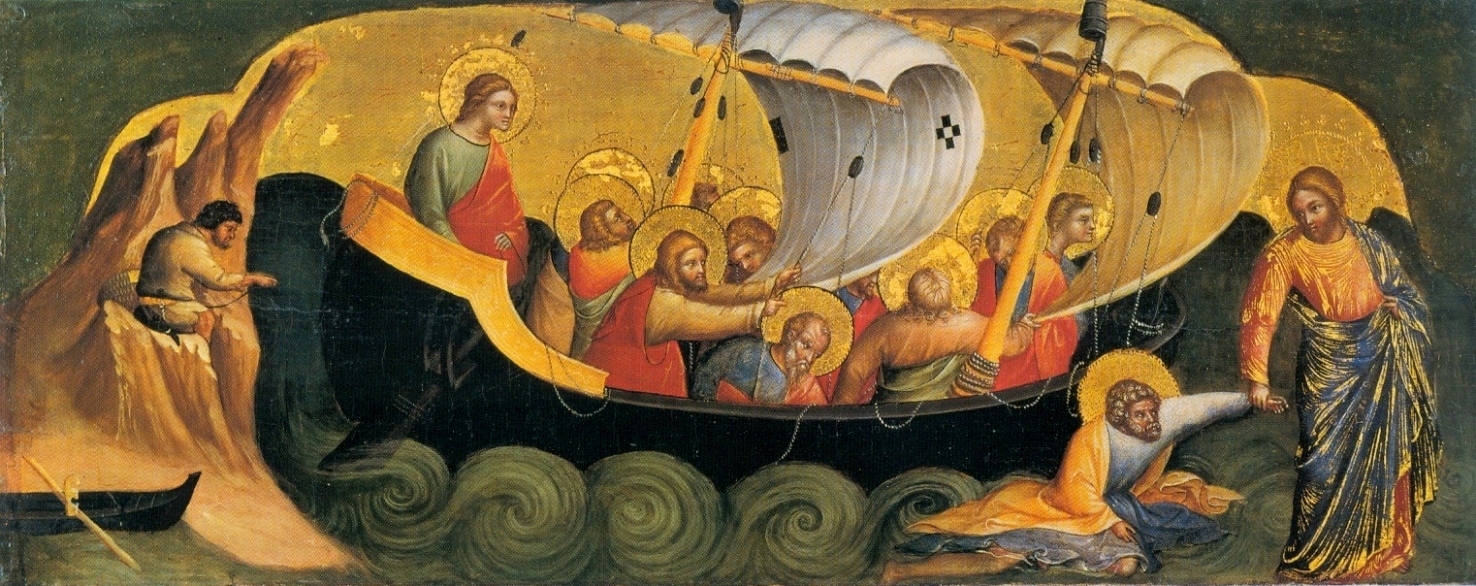
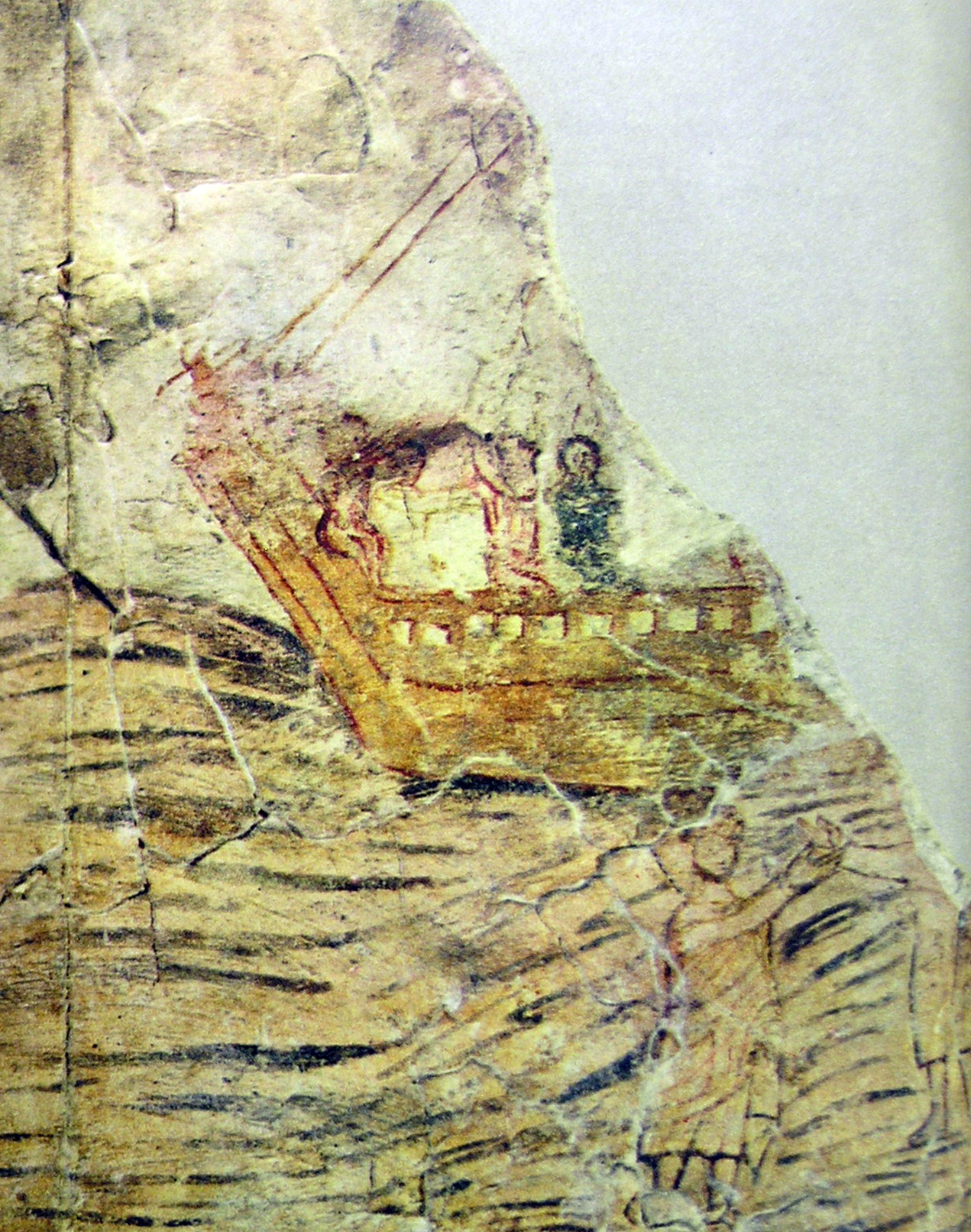
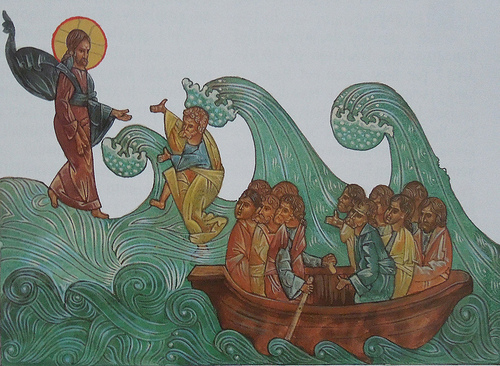
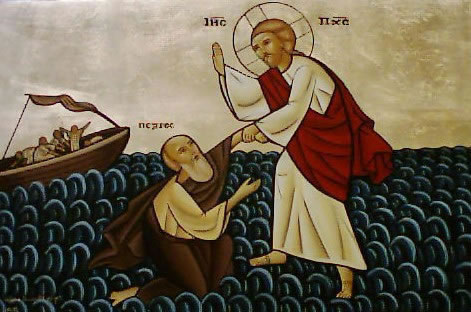
Yet, whether competent or helpless, I personally want to bring God in all these “storms”. So that I can walk on the water, towards Him, and when I see “the wind boisterous, … [am] afraid; and beginning to sink”, I can cry “saying, Lord, save me.” And He immediately will stretch forth His hand, and catch me, and say unto me, ‘O thou of little faith, wherefore didst thou doubt?’ (Matthew 14:29-31, KJB) And He will still the storm–within and without my mind–to a whisper and hush the waves of the ‘sea’  (Psalm 107:29) and (Mark 4:39).


*

storm1

Christ walking on the sea, by Amédée Varint

storm9

François Boucher Cathédrale Saint-Louis (1766) Versailles

storm20

Walking on water, by Veneziano, 1370.

OLYMPUS DIGITAL CAMERA

storm40

storm50

*

Sources:

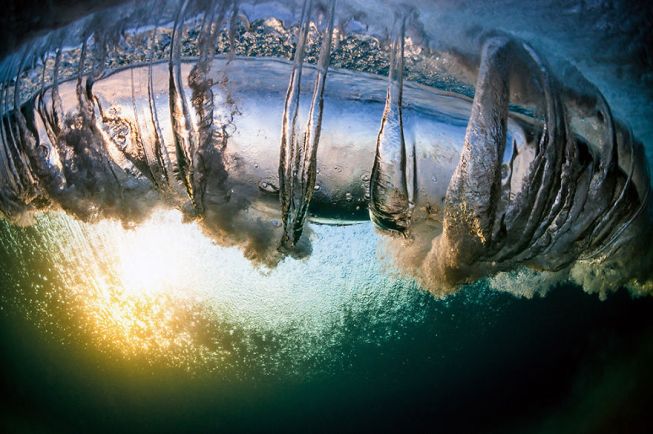
  1. “I Capture The Majestic Power Of Ocean Waves”, amazing collection of underwater vortex and wave photographs at http://www.boredpanda.com/moments-in-the-ocean-images-created-from-water-light/
  2. “The missing rose” by Serdar Ozkan, cf. Paulo Coehlo’s blog http://paulocoelhoblog.com/2014/03/21/30-sec-read-you-are-not-a-wave/
  3. For the full collection, go to http://Source: https://en.wikipedia.org/wiki/Thirty-six_Views_of_Mount_Fuji
  4. The Metropolitan Museum of Art at http://www.metmuseum.org/toah/works-of-art/JP1847 For more analysis, watch Thompson, curator of the Hokusai exhibition at the Museum of Fine Arts, Boston, delving into the story behind this world famous print  at https://www.youtube.com/watch?v=dbPHPfVw6zQ
  5. https://www.khanacademy.org/humanities/art-asia/art-japan/edo-period/a/hokusai-under-the-wave-off-kanagawa-the-great-wave and http://www.artic.edu/aic/collections/artwork/24645 and http://www.artelino.com/articles/the-great-wave.asp
  6. For more details, go to her inspirational blog site, dedicated to sharing with insights of God’s love through meditations using art and music, at https://jrundlett.wordpress.com/2014/03/09/new-perspectives-god-given-problems/
  7. http://www.artble.com/artists/joseph_mallord_william_turner/paintings/snow_storm_-_steam-boat_off_a_harbour’s_mouth
  8.  Lebanese-American artist, poet (1883 – 1931), chiefly known in the English-speaking world for his 1923 book The Prophet, an early example of inspirational fiction, including a series of philosophical essays written in poetic English prose, and the third best-selling poet of all time, behind Shakespeare and Lao-Tzu or Lao-Tze.

Church Vertigo

Church-of-St-Vincent-Ferrer

Richard Silver (previously) has a unique way of looking at architecture, building composite photographs from several images that seamlessly reveal a structure’s interior. His new series captures the insides of New York churches … These images are composed of 6-10 shots, forming a vertical panorama so cohesive that it might give you vertigo.

Although Silver has been to hundreds of churches during his career and many years of travel, it’s only recently that he figured out how to capture the expansive inner beauty of their architecture. “Finding the perfect location in the center aisle then shooting vertically from the pew to the back of the church gives the perspective that only architecture of this style can portray,” says Silver.

church-2
Church of St. Stephen / Church of St. Paul the Apostle

Silver was born and raised in New York and has visited 75 countries in his life, including 13 last year alone. His previous careers involved computer science, real estate, and a stint on Wall Street, but he embraced photography full-time in 2011. You can see more of his vertical church series on his Flickr page here.

Calvary-Episcopal-Church
Calvary Episcopal Church

church-4
Serbian Orthodox Cathedral of St. Sava / Church of the Village

Church-of-St.-Francis-Xavier
Church of St. Francis Xavier

church-6
Vincent St. de Paul / Most Holy Redeemer Church

St-Monica's-Church
St. Monica’s Church

Source: “Vertical Panoramic Photographs of New York Churches by Richard Silver” Colossal http://www.thisiscolossal.com/2015/09/vertical-panoramic-churches/

Memento Mori

There’s something about abandonment that resonates strangely with the human spirit; and the sight of human buildings reclaimed by nature has a twofold effect. Firstly, it hints at hidden histories, at stories and perhaps lives lost – but more powerful still, is the underlying message that reminds us how all things must one day return to the earth. How interesting it is then, to contemplate the decline of our monuments to religion: more than mere function, these structures carry the weight of our beliefs, our dreams, our hope and our faith.

From time to time in my travels, I’ve come across the derelict remains of churches; some of them boarded and fenced off in city centres, others left to rot in fields or forests. I felt it was about time I shared a few of these locations … and so here are five of the most memorable religious ruins that I’ve had the opportunity to explore.

THREE ABANDONED CHURCHES AND A CELLAR FULL OF SKULLS

Derelict Church and Bell Tower, Bulgaria

I came across this first site one year ago – on Boxing Day, to be precise – nestled amongst bushes and tumbled stone walls, in the middle of a remote Balkan village.

The village was much like many others in the area; half a dozen houses clustered around a potholed road, and half of those properties most likely uninhabited. Over the past couple of decades Bulgaria has seen radical depopulation in its more rural settlements, as young people typically move to the cities – or now, increasingly to other EU nations – in search of work. As a result, many of Bulgaria’s more remote villages have begun to look a little starved of life and vitality.

From the road it didn’t look like much more than a collapsed barn; the creepers and brambles already taking a hold on the old stones, pulling them down in a deadly stranglehold. It was a war memorial in the graveyard that caught my eye, however – a peculiar, kneeling figure, sat atop the Bulgarian crest and brandishing a WWI-era rifle. The face seemed somehow twisted at first, but the more I looked the more I read a profound pathos etched into that stone mask.

I walked through the graveyard to the derelict building behind, a structure I’d barely given a second look until then. Here though, approaching from the main entrance I was greeted by the faded yet familiar symbols of the Bulgarian Orthodox Church; and stepping through an arched double doorway, for just a moment I was able to imagine the building whole.

At a guess, I’d say the church had been built sometime in the early 19th century. It wasn’t until 1878 that Bulgaria finally achieved independence from Ottoman rule, before which these people were strictly forbidden from building churches that rose taller than the invaders’ mosques. As a result, Bulgarian Orthodox churches built before that were typically dug deep into the ground, to form semi-subterranean spaces of worship that wouldn’t offend their Muslim overlords.

This building, approached by a series of three stone steps descending into a shallow, one-storey church, seemed to fit the mould perfectly.

The site also featured a bell tower, built in a more ornate style and topped with a proud cross, which would certainly have been raised post-liberation – such an unashamed statement of christianity would never have met with Ottoman approval. In fact, during those years even bells themselves were banned from churches; the subjugated Christians would rather have made do with wooden clappers, that drew less attention to their heathen practices.

It was sad to see the church, along with its more recently acquired bell tower, in such a squalid state of disrepair; the roof had long since been stripped, leaving nothing of value and only old, moss-covered stones to hint at what had once been here. Such is the nature of depopulation, however. With only a handful of elderly residents left, there was barely a congregation to be found in the village – let alone the work force required to keep the church and tower well maintained.

The sun was setting by the time I left the main body of the church. I glanced up at the stone tower as I crossed the graveyard, and at that moment I caught the reflection of sun beams glinting dully on the brass body of a bell. Immediately, I knew I wanted to climb the tower.

The bell tower wasn’t tall, perhaps little over four floors high by average building standards. What made the climb difficult however, was the state of the wooden staircase within. Some steps were missing altogether, others splintered, grown over with moss, while just a few seemed to promise the illusion of stability.

I spread my weight across as many steps as I could at any given time, taking the climb at a painfully slow rate. The structure creaked and groaned in protest, as I crawled up the rotten corkscrew.

At last, however, I made it to the top. Coming round one final corner of the warped and weathered staircase I met a square of blue above – where day’s last light was spilling in through windows in the stone to illuminate the bell ringer’s platform.

Pulling myself up and onto the larger beams that formed a floor for the tower’s topmost chamber, I caught my breath and looked out at the view – the sleepy hamlet, the lake beyond, the mountains disappearing into mist. In all the years this church and tower had suffered the onslaught of the elements, wood and stone giving way to the inevitable pull of natural decay, the view itself had likely never changed. Now that I was here, I couldn’t resist but ring the bell. It tolled a deep and dissonant sound that echoed out across the landscape … but by now there was no one left to hear it ring.

Christ the Savior Cathedral, Kosovo

In November last year I took a trip to Pristina, the capital of Kosovo. One of the sites I explored that week was an unfinished cathedral, located in a park just off George Bush Boulevard.

The building – titled the “Christ the Saviour Cathedral” – is a perfect example of the Orthodox form with its tower and dome, its simple cross placed up top. Here however, in the largely Islamic capital of Kosovo, the unfinished building stands out in sharp contrast against its surroundings.

Nowadays this building (and what it stands for) is caught at the heart of a heated political debate.

Construction began on the cathedral back in 1995, when it was intended as a place of worship for Pristina’s Serbian Orthodox population. Things would soon change however, with the outbreak of the Kosovo War in February 1998. The construction project was stalled as war ravaged the country, Albanians pitted against Serbs in a battle for independence. The following years would see attempted ethnic cleansing, bombing raids and eventual UN intervention … and by the time the Republic of Kosovo had been established as an independent nation in July 1990, the unfinished Serbian cathedral in its capital had become an uncomfortable reminder of their past oppression.

Built on the grounds of Pristina University, the Christ the Saviour Cathedral remains a brickwork shell to this day. It isn’t guarded, and the construction team never got as far as giving the building doors which might be locked to keep out trespassers; and so I sauntered in freely, to explore the vast brickwork arches and domes of a cathedral that never was.

While some Kosovo Albanians have called for the complete demolition of the building – branding it a symbol of the regime of Slobodan Milošević – there are others here who like it just the way it is. Speaking to an Albanian Muslim friend just a few days later, I was told that there are some in Pristina (and particularly amongst the younger population) who consider this ghostly shell a kind of trophy;

“Every time I look at this ruin, it reminds me of our victory against the Serbs,” my friend told me over burek and macchiatos.

Inside the cathedral I caught the scent of something foul, and turning a corner, I found that the altar space had recently been used as a public toilet. Whether this too carried a political message – or was simply the work of someone who’d been caught short in the park – I’d never know.

Abandoned Orthodox Church, Romania

Perhaps the most beautiful building featured on my list, this Romanian Orthodox church was also the most severely dilapidated.

The church lies on the edge of a tiny village, surrounded by open fields and roughly an hour’s drive from Bucharest. I never would have found the remote location on my own, but rather I made the trip with my Romanian friend Ovidiu, and co-conspirator Nate (the man from Yomadic).

Ducking beneath a lintel of jagged, severed bricks, we stepped into the church through a breach in one wall; a breach created after one large section of the building had torn away altogether, to crumble into the long grass.

Immediately I was struck by the simplistic beauty of the place. Frescoed walls and pillars in warm shades of orange, delicate arches and the most exquisite murals painted in blue, gold and red.

Unlike the building above, which I had witnessed being pulled aggressively apart by power tools and bulldozers, the ugly work of human hands and gas-fuelled vehicles of destruction, the atmosphere in this place was altogether different. Here there was a sense of balance, a serenity about the decay, as green growth sprouted out of old bricks … and vines reached in through windows to steal the minerals back from the very walls themselves.

The death of this church was a beautiful thing, a painless passing wrapped within the loving arms of mother nature.

Though the space inside was small, we spent a good long while exploring it – most of that time poring over faded frescos, admiring the painstaking detail in every scene. At one point we even climbed up onto the walls themselves … moving slowly, ever cautious not to dislodge the stones. From the broken end of the nave we looked down on the altar from above, our view level with the bell tower that somehow, against all odds, stood tall and square above the ruin even now.

Outside the church, where the graveyard bordered onto a small village square in which children chased chickens and three old women in shawls had sat on a wooden bench and watched us pass, there stood a gatehouse.

Like the church, this building too had clearly seen better days – but for now at least, it managed to maintain some structural integrity. I decided to climb it.

Stood beneath the stone archway, I ran my hand through the space where once a staircase would have been – wet chips of rotten wood now hanging in heavy cobwebs, while the chewed-off ends of steps still jutted out of slots in the wall at regular intervals. There was a square hatch above, leading to the tower room with its balcony – but 10 feet up without a ladder, I wasn’t going to get there on my own.

Using Ovidiu as a human climbing frame, I managed to get a hold on the ledge above … before pulling myself up and over the lip, rolling into a square grey chamber adjacent to the central tower.

The space inside the upper portion of the gatehouse had, apparently, long since been taken over by the pigeons. Moving through the mounds of muck and feathers, I crossed to where a wooden hatch opened onto the central tower. Above me, sunlight streamed in through a wide rent in the tin roof.

The main tower of the building had lost its floor – where once the boards had been, now only a couple of wooden planks extended from one end to the next, a delicate balancing act above a 10-foot drop.

I put my best foot forward, placing it on the wooden beam with the hope of crossing, and making it out onto the balcony beyond. It wasn’t to be, however; the moment I put weight on the wood I felt it shift beneath me, the surface crumbling to a grit with the texture and consistency of coffee grounds. I took one last look at that door opening out onto the balcony, then looked down again to the powdery mess my foot had made of the walkway.

Nope, I thought, not worth it.

Before we left, the churchyard had one more surprise in store for us.

Beneath a nearby tree there sat a heavy stone sarcophagus, its lid carved with ornate script and a sculpted wreath. At each corner, the tomb was supported on stones fashioned into the shape of feet.

I was just admiring the letters carved into the tomb, when I spotted a square hole opening up in the earth beside the sarcophagus. It was deep – too deep to make out the bottom – and suspecting I might be stood above some kind of buried crypt, I began looking around for the entrance.

We found it, sure enough; a series of slab-like steps that descended beneath the graveyard, into a deep, dark chamber filled with stones and rubble. The space wasn’t large, and felt all the more cramped for the piles of broken things which had been cast down from the opening above. There were cracked tombstones, pieces of pillar, even shards of splintered wood; presumably from coffins.

And after that we bid the church farewell. In one sense it was tragic to see such art left out to rot, and I wondered why no effort had been made to preserve it; the more time I spent in and around that building however, the more I experienced an inexplicable feeling that everything was exactly as it should be … and from then on I was simply grateful for the opportunity to admire the church before it had been swallowed back into the earth altogether.

Monastery Crypt, Bulgaria

My last location was not abandoned; neither was it a church, strictly speaking, but rather a picturesque little monastery nestled beneath a cliff in the mountains of Bulgaria.

While the monastery itself was undoubtedly beautiful – not to mention unique, at least in terms of structure and geography – my main reason for visiting the place was a small, half-buried chamber that would usually not be seen by visitors.

Stepping around the corner of a chapel, we followed the graveyard path that wound around and down; a flight of stones steps descending to the cellar door. We tried the handle and though the door was stubborn to open – the wood swollen from moisture – it had been left unlocked, as expected.

Inside the dim chamber beyond, a number of wooden boxes had been stacked in clumsy piles, a muddle of mismatched chests and caskets. “костилница,” read lettering on the wall: “Ossuary.”

Many of the boxes were labelled with names, presumably corresponding to the one-time owners of the bones that lay inside. I wondered where these bones were headed – or if these wooden boxes were indeed the final resting place of monks, martyrs, or whoever else this may have been in life.

Not all these holy bones were hidden though, and on a recessed shelf at the back corner of the crypt were arranged a series of human skulls. Following the same tradition I saw on my recent visit to a Czech ossuary, these bones had been boiled clean … but after that, the monks here had painted names and dates across each skull in delicate brushstrokes.

The effect was strangely beautiful; a repurposing of death, skulls used in place of headstones. These bones had served as vessels of information in life, why not allow them to continue to speak beyond that point?

It did trouble me a little to see the bones left open to the air … the skulls on the shelf showed signs of disintegration, while the stacked boxes were beginning to collapse under the weight of those piled above. Perhaps, though, such desire for preservation is itself an unnatural urge – maybe it’s healthier to accept the passing of time, and to embrace the inevitable decay that comes with it. These skulls seemed to serve the purpose of memento mori in every sense: both a reminder that all things must end, and also an admission that such processes can yet be beautiful.

Guinness Record Church in Russia

The temple of St. Andrew the Apostle. Guinness Record Church in Russia

*The temple of St. Andrew the Apostle. In the morning mist*

Away from the hustle of big cities, on the water surface of the Vuoksa, stands the temple of St. Andrew the Apostle. The temple is mentioned in Guinness Book of Records as the world’s only church built on a tiny island, the foundation of which serves the monolithic rock protruding from the water. It was built in 2000, by Andrei Rotinov, an architect (passed away by now), according to ancient canons. Nothing like this has been ever built. There is no mass pilgrimage, no pompous ceremonies (though services are held on schedule), and other things like that. This place is more for solitude with nature, to reflect on the events of your life, meditation and quiet conversation with God in a relaxed atmosphere. Around the picturesque banks of the Vuoksa, with rocks protruding from the water, and singing birds … idyll or peace.

Guinness Record Church in Russia

* The church at the dawn*

An example for the architectural solution was the oldest church of the Ascension in Kolomna. While in the world, there are other “Churches on the water,” among which the church in Volgograd, Kondopoga, Church of the Assumption in Slovenia and surprisingly similar to Priozersky temple church in the town of Kalyazin on the Volga, but St. Andrew the Apostle church on the island Vuoksa surprises all.

Guinness Record Church in Russia

*The lonely church against misty background*

The temple is named after one of the twelve disciples of Jesus Christ – according to church tradition, it was in these places people were baptized in the local waters. Andrew is the patron saint of sailors, so every ship is bound to have Andrew’s flag, and possibly surrounded by water from all sides church refers to this fact. The area of ​​the island is only 100 square meters. To get here is possible by boat or ferry, but in the near future will be built a bridge, way to the dock and the pool for baptizing.

Guinness Record Church in Russia

*The Church in the winter landscape*

The site is located near the village of Vasilevo of Priozersk District, in the suburb of St. Petersburg. From St. Petersburg the trip takes about 2 hours.

The temple of St. Andrew the Apostle

The temple of St. Andrew the Apostle

Winter landscape

Winter landscape

Panoramic view of the church at sunset

Panoramic view of the church at sunset

Guinness Record Church in Russia

The temple of St. Andrew the Apostle. Photographer Michael Vorobyev

Guinness Record Church in Russia

The temple of St. Andrew the Apostle. Photographer Michael Vorobyev

Guinness Record Church in Russia

The temple of St. Andrew the Apostle. Photographer Michael Vorobyev

Guinness Record Church in Russia

The temple of St. Andrew the Apostle. Photographer Michael Vorobyev

Photographer Michael Vorobyev

The temple of St. Andrew the Apostle. Photographer Michael Vorobyev

Pink sunset, panoramic view of the church

Pink sunset, panoramic view of the church

Absolute beauty

Absolute beauty

Autumn landscape

Autumn landscape

Beautiful sunrise

Beautiful sunrise

Beautiful sunset

Beautiful sunset

Church on the rocks

Church on the rocks

Covered with snow church

Covered with snow church

Frozen with ice river

Frozen with ice river

The sign with the name of the Church

The sign with the name of the Church

Wooden architecture, detail

Wooden architecture, detail

Wooden church, detail

Wooden church, detail

Inside the church

Inside the church

Guinness Record Church in Russia

Soaring on Eagles’ Wings

“And God saw that it was good” (Genesis 1)

)yann26

yann25

“Exceedingly sad is the blindness of the sons of men, who do not see the power and glory of the Lord.

There is too much of You, O Lord, my breath, therefore people do not see You. You are too obvious, O Lord, my sighing …”

yann24

yann23

“A bird lives in the forest, and does not see the forest. A fish swims in the water, and does not see the water. A mole lives in the earth, and does not see the earth … “ Velimirovic (1880 – 1956), Prayers by the Lake,  VII

yann22

yann21

“… … The world is a mirror of infinite beauty, yet no man sees it. It is a Temple of Majesty, yet no man regards it. It is a region of Light and Peace, did not men disquiet it.”

yann20

yann19

“You never enjoy the world aright, …. till every morning you awake in Heaven; see yourself in your Father’s Palace; and look upon the skies, the earth, and the air as Celestial Joys … “

yann18

yann15

“It is the Paradise of God. It is more to man since he is fallen than it was before. It is the place of Angels and the Gate of Heaven. …”

 yann14

yann13

“You never enjoy the world aright, till the Sea itself floweth in your veins, till you are clothed with the heavens, and crowned with the stars: Till you can sing and rejoice and delight in God, as misers do in gold, and Kings in sceptres, you never enjoy the world.”

yann12

yann11

“You never enjoy the world aright …Till your spirit filleth the whole world, and the stars are your jewels …”

Thomas Traherne (1636 or 1637 – ca.1674) English metaphysical poet, ecstatic theologian and clergyman — Centuries of Meditation, ‘almost the most beautiful book in the English language’, according to CS. Lewis

Discovered at https://afkimel.wordpress.com/2015/09/13/you-never-enjoy-the-world-aright/

yann8

yann2

“The Earth is Art, The Photographer is only a Witness”

― Yann Arthus-Bertrand, Earth from Above

For more information go go to Yann Arthus-Bertrand official website at http://www.yannarthusbertrand.org/en AND to a captivating image-filled Ted talk, where Yann Arthus-Bertrand displays his three most recent projects on humanity and our habitat — his stunning aerial photographs in his series “The Earth From Above,” personal interviews from around the globe featured in his web project “6 billion Others,” and his soon-to-be-released movie, “Home,” which documents human impact on the environment through breathtaking video.  https://www.ted.com/talks/yann_arthus_bertrand_captures_fragile_earth_in_wide_angle?language=en

For Yann Arthus-Bertrand stunning latest opus Human, for promo material and trailers go to https://www.google.com/culturalinstitute/u/0/collection/human-the-movie, for excerpts to https://www.youtube.com/user/HUMANthemovie2015  and for the whole movie to http://www.human-themovie.org