Pilgrimage and Nature Excursion
In Honour of Saint Paisios
Konitsa, Samarina and Metsovo
9–11 July 2026
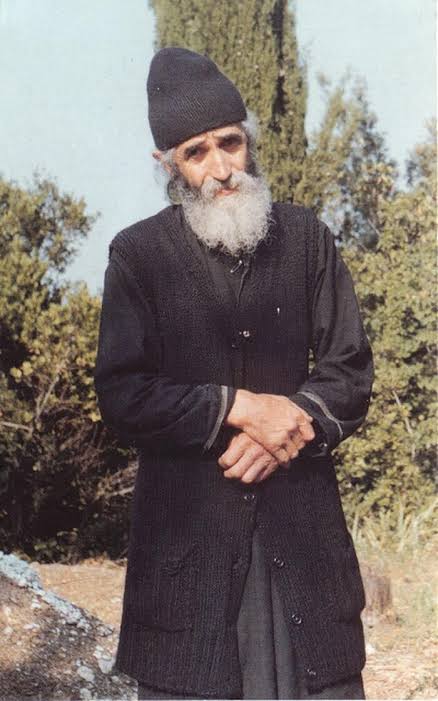
On the occasion of the three-day celebrations in honour of our beloved Saint Paisios, we undertook a pilgrimage to Konitsa and the surrounding region, combining prayer and worship with the beauty of the mountains, rivers and historic villages of Epirus and Western Macedonia.
Day One
Samarina and Konitsa
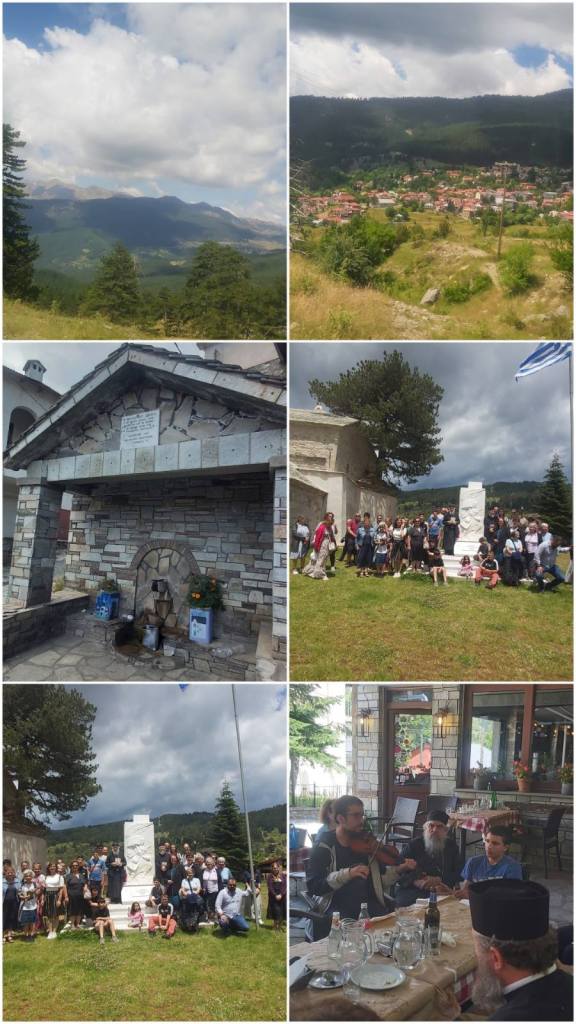
Our pilgrimage began with a visit to Samarina in the region of Grevena, one of the most beautiful mountain villages of the Pindus and one of the best-known historic Vlach villages.
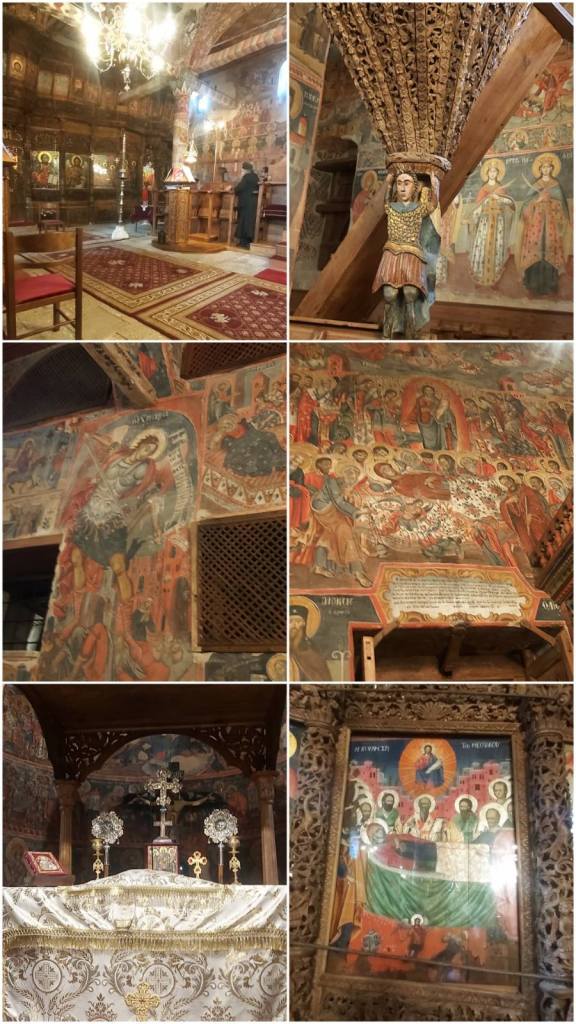
There, we visited the Church of the Nativity of the Theotokos, commonly known as the “Great Panagia,” and venerated the grace-filled presence of the Mother of God.
Reconstructed in 1819, the imposing church stands at the heart of the village. It is renowned for its magnificent carved wooden iconostasis, its remarkable frescoes painted by local iconographers, and the centuries-old pine tree that rises through the roof of the sanctuary.
The church celebrates its feast on 15 August, when Samarina welcomes the great annual gathering of the Vlachs in a vibrant atmosphere of faith, tradition and communal joy.
Interior of the Church of the Great Panagia in Samarina
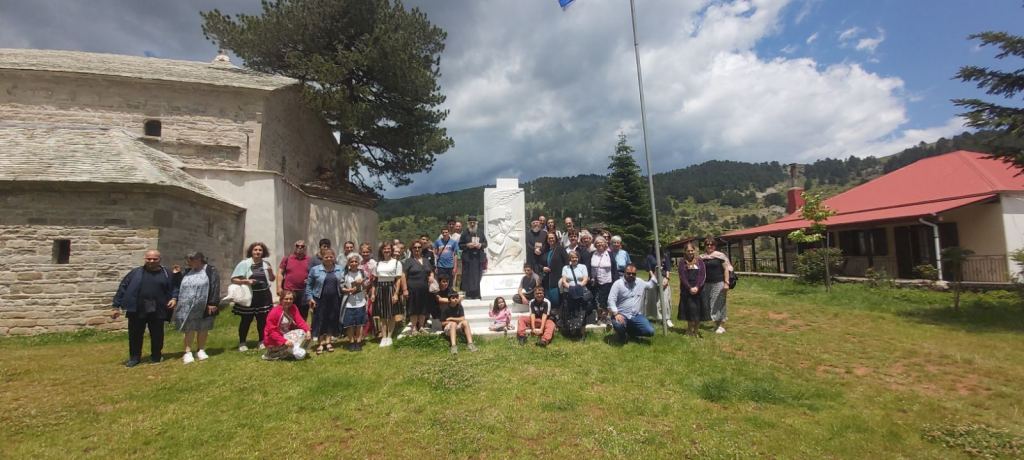
Samarina

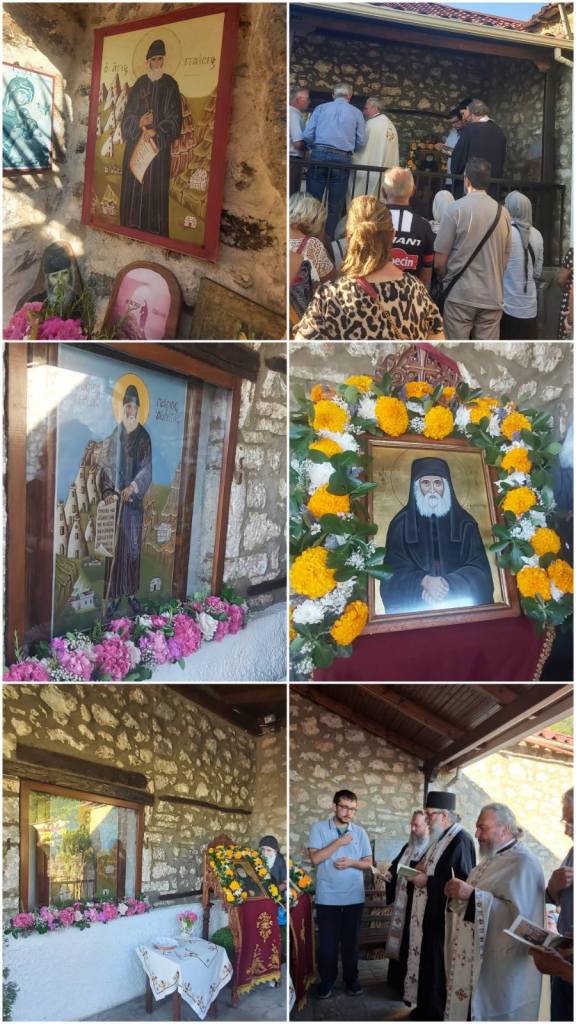
The family home of Saint Paisios and a Supplicatory Service in his honour
*
In the afternoon, we travelled to Konitsa and visited the family home of Saint Paisios. There, a Supplicatory Service was celebrated in his honour, in the very place associated with his childhood and early years.
Later that afternoon, we made our way to the Chapel of Saint Barbara, where Saint Paisios experienced a divine manifestation. In the quiet and prayerful atmosphere of the chapel, we celebrated Compline.
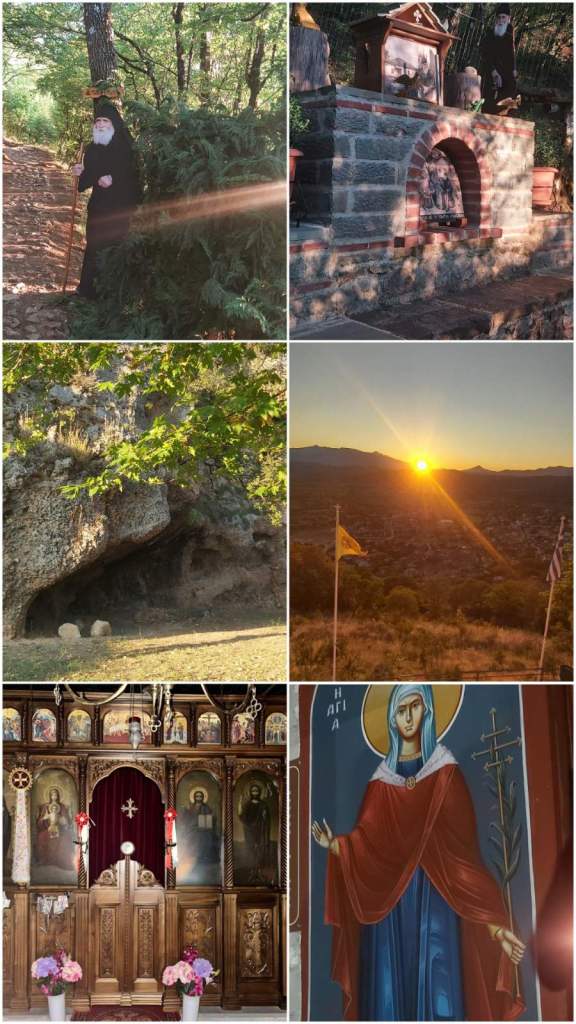
Chapel of Saint Barbara in Konitsa
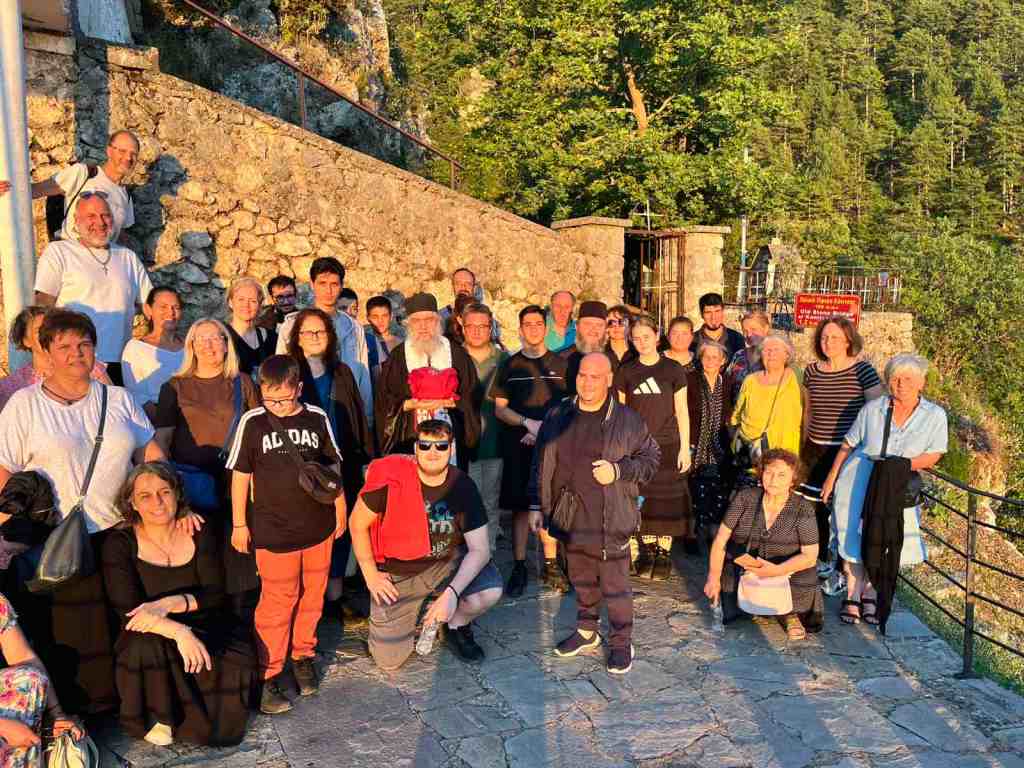
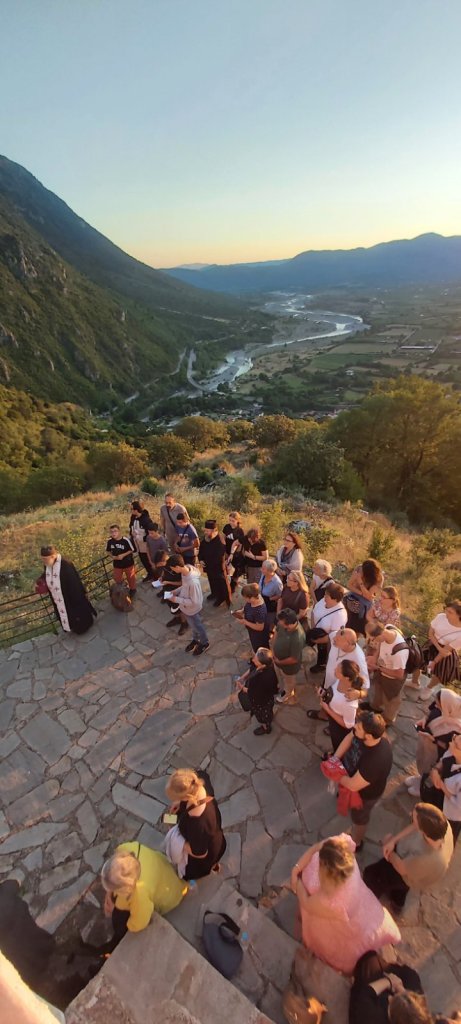
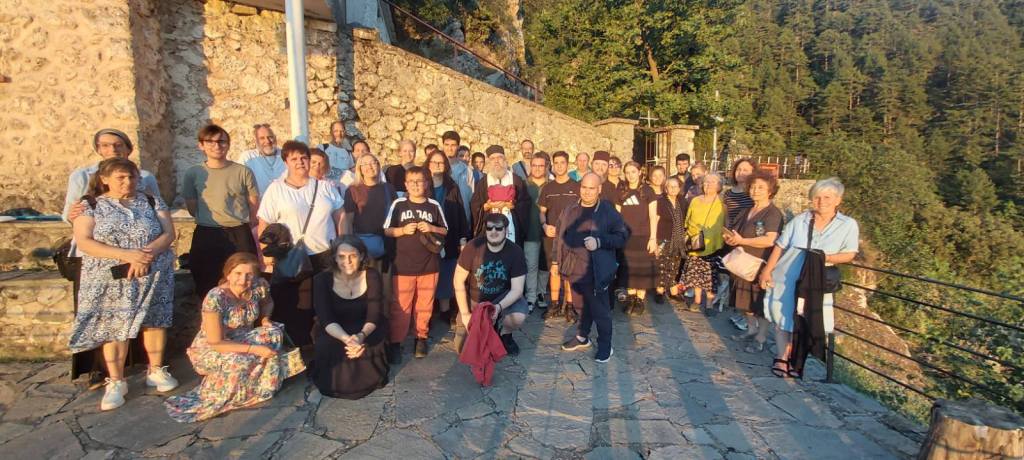
Compline at the Chapel of Saint Barbara
*
Day Two
The Pilgrimage to the Monastery of Stomio
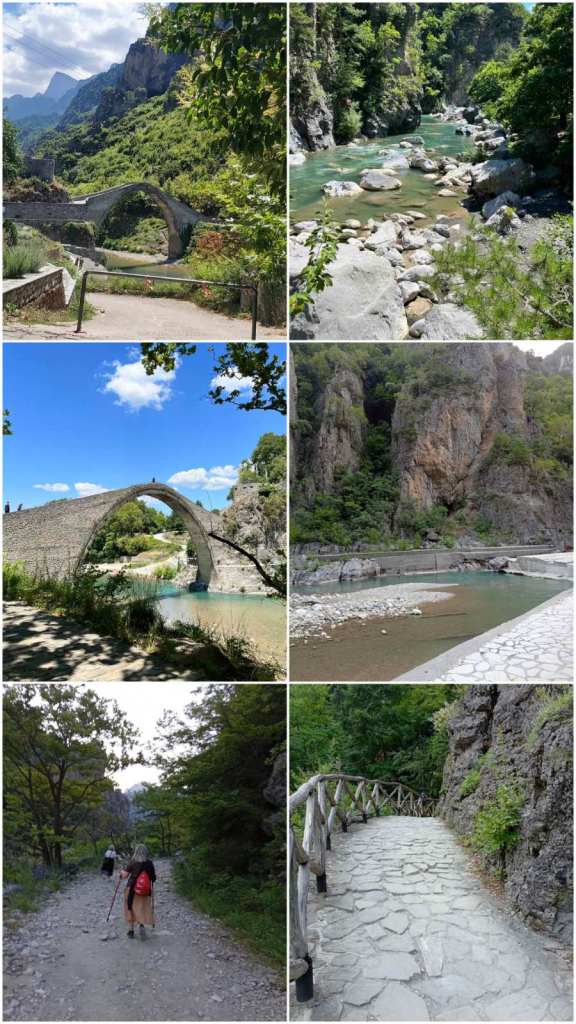
The walk to the Monastery of Stomio
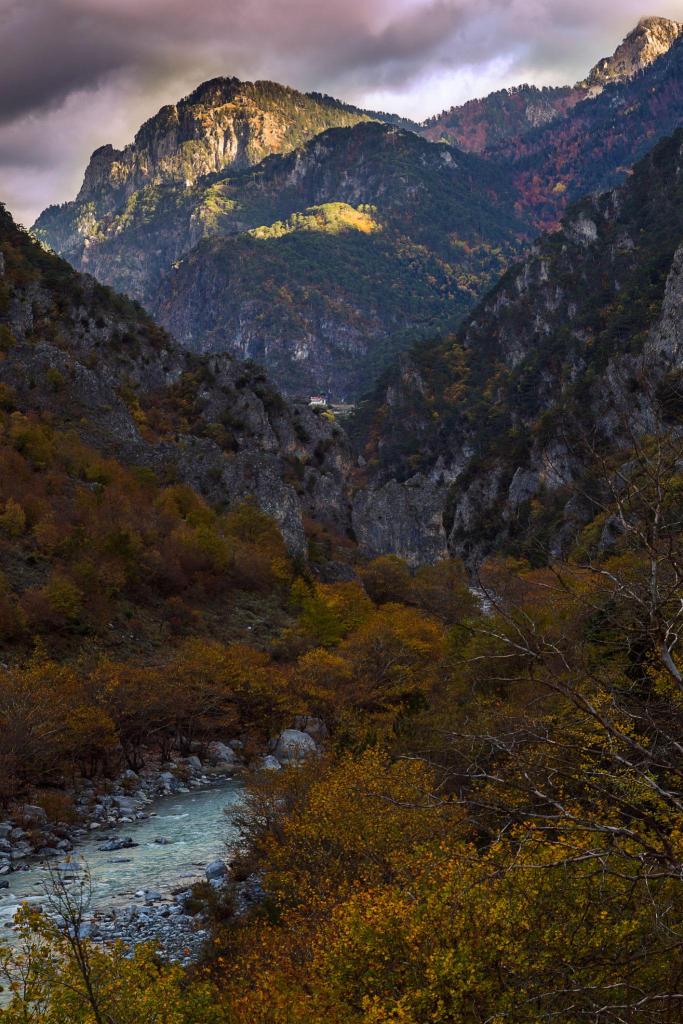
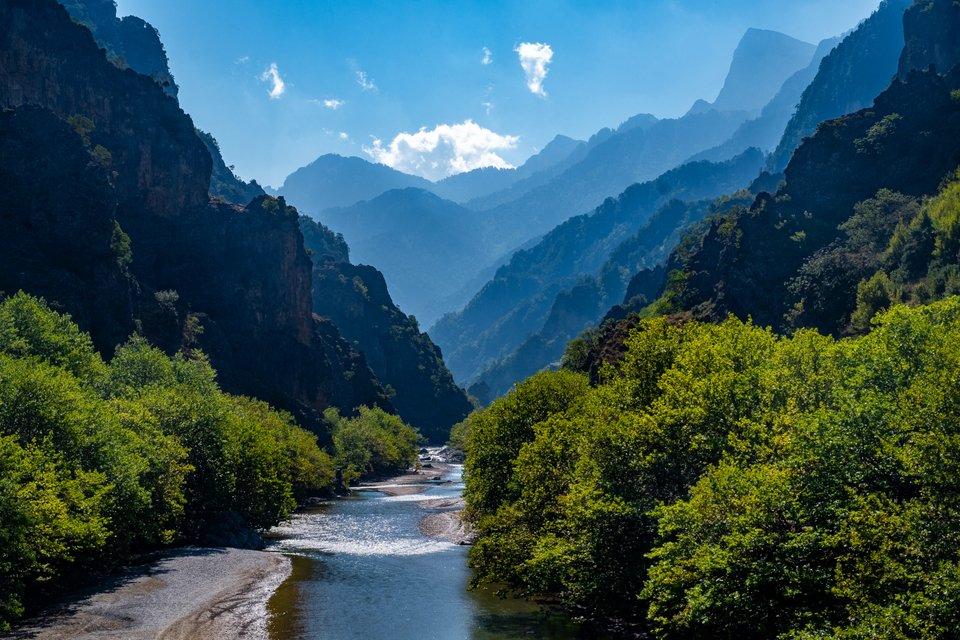
The scenery is dramatic! The Monastery of Stomio is dwarfed by the vast Aoos Gorge. The Aoos River winds between the mountains. Look at the narrow, steep-sided gorge with its turquoise waters, and in another season, the gorge in autumn, with dramatic light, cliffs, and layered mountain peaks.
Before dawn, we departed from the historic arched bridge of Konitsa and began the five-kilometre walk to the Holy Monastery of the Nativity of the Theotokos at Stomio.
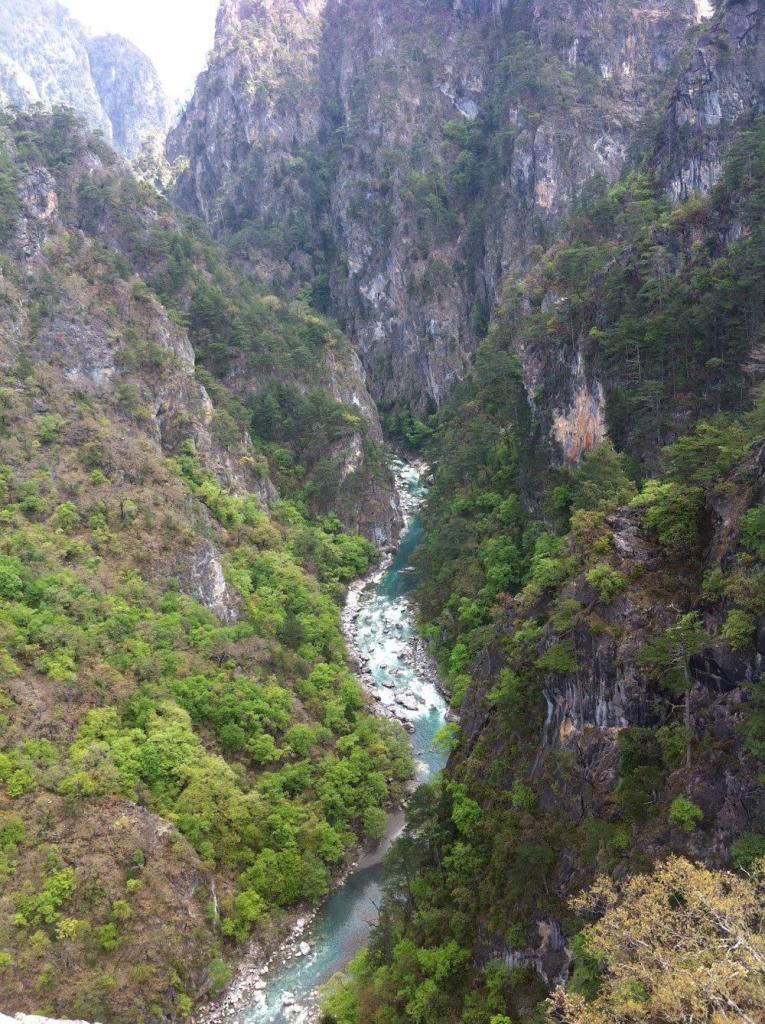
The path followed the course of the Aoos River through a landscape of exceptional natural beauty. The stillness of the early morning, the sound of the river and the surrounding mountains gave the journey the character of a true pilgrimage.
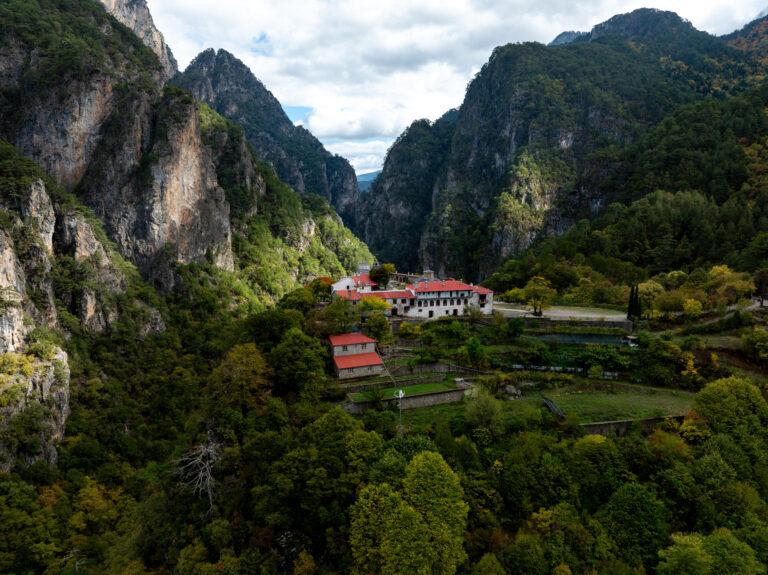
At the end of the path, we reached the monastery where Saint Paisios lived in asceticism for four years. During his time there, he laboured tirelessly to restore the monastery, which had been extensively damaged after being burned by German forces during the war.
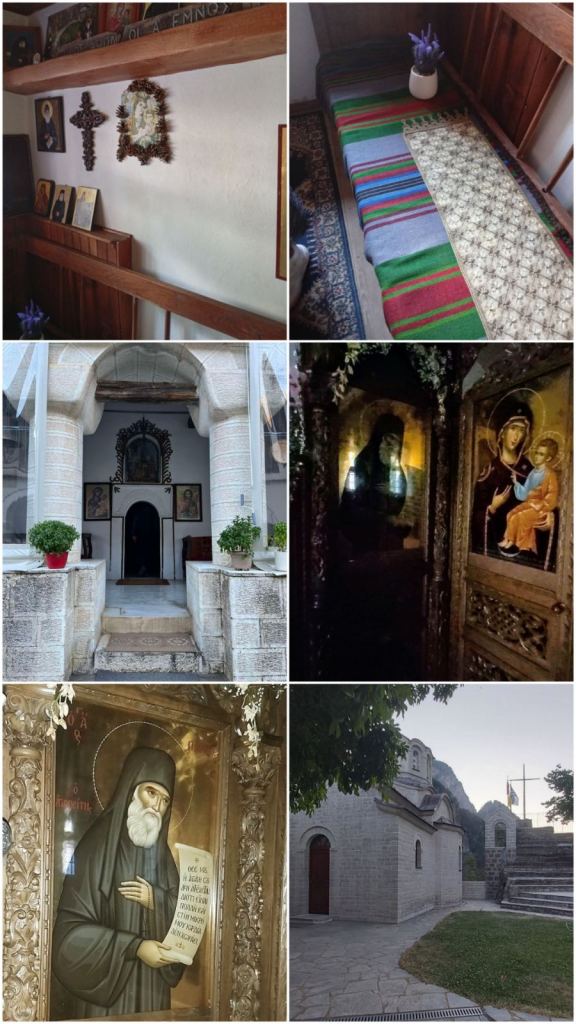
At Stomio, we celebrated the Divine Liturgy and venerated the Saint’s humble cell, the newly built church dedicated to him, and the grave of the former abbot, Fr Kosmas.
After the traditional monastic hospitality, the new abbot of the monastery, Fr Maximos, spoke to us about Saint Paisios, his life at Stomio and the spiritual legacy he left behind.
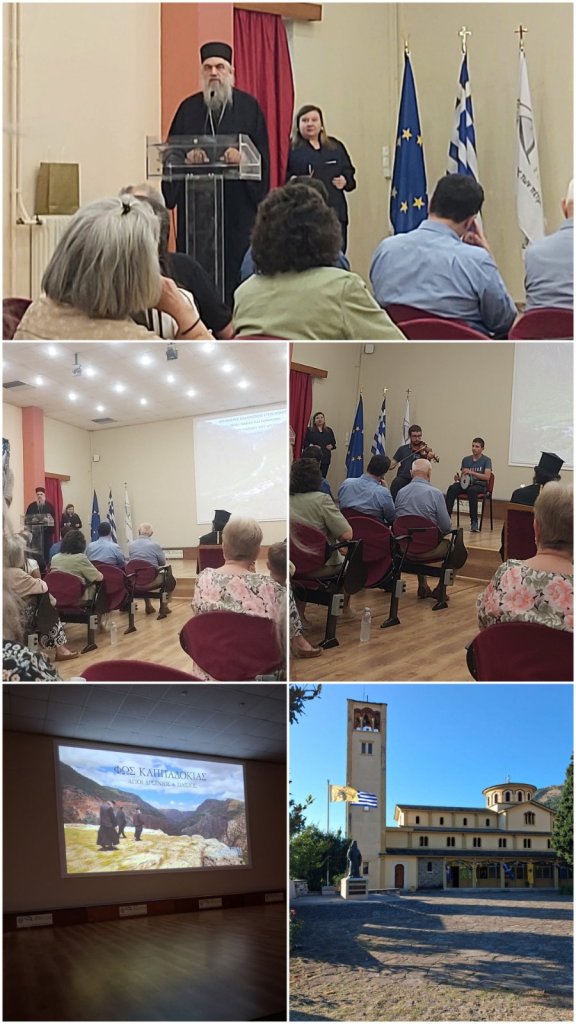
In the afternoon, we visited the Holy Monastery of Saint Kosmas of Aetolia, where we venerated the holy relics preserved there, including the relics of Saint John of Konitsa.
That evening, we attended the presentation of the documentary Light of Cappadocia at Konitsa Town Hall. The event took place in the presence of His Eminence Metropolitan Alexios of Dryinoupolis, Pogoniani and Konitsa.
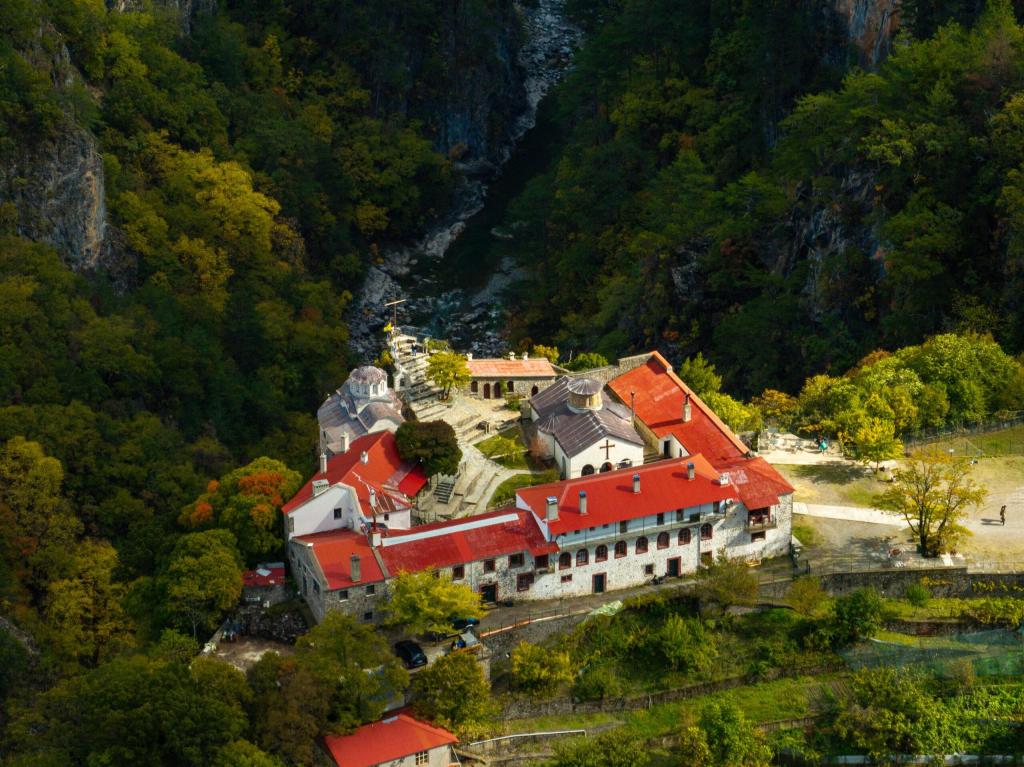

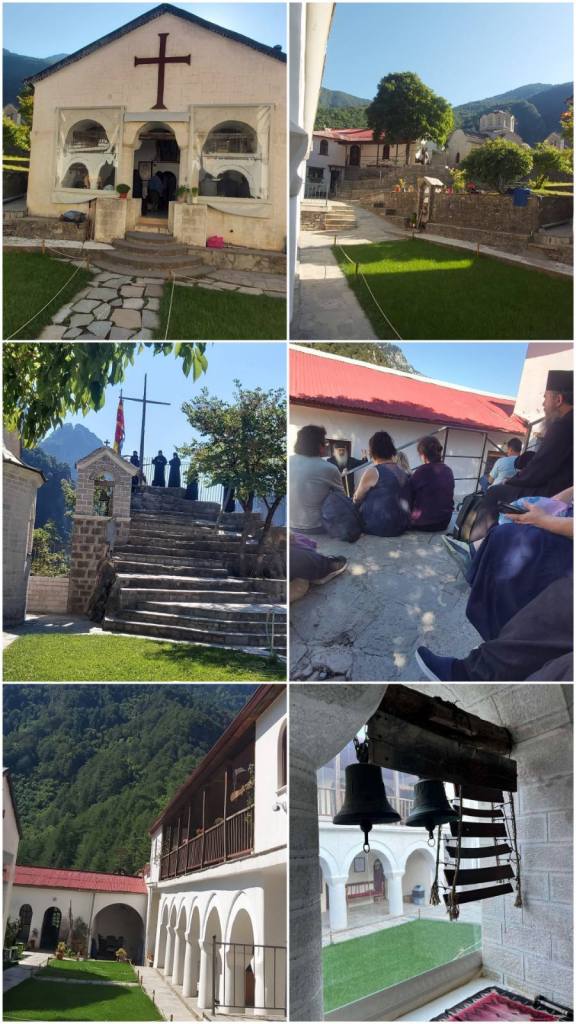
Holy Monastery of the Nativity of the Theotokos at Stomio
The Cell of Saint Paisios and the Church of Saint Paisios
The Holy Monastery of Saint Kosmas of Aetolia and the presentation of the documentary Light of Cappadocia at Konitsa Town Hall
*
Day Three
Molyvdoskepastos and Metsovo
The Holy Byzantine Monastery of Molyvdoskepastos
Veneration of the Miraculous Icon of Panagia Pogonianitissa
On Saturday morning, we attended the Divine Liturgy at the historic Byzantine Monastery of Molyvdoskepastos.
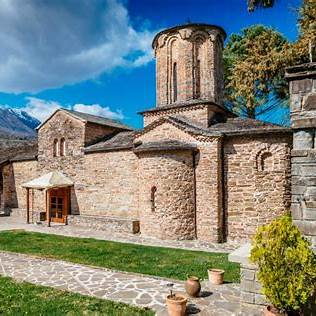
Dedicated to the Dormition of the Theotokos, the monastery stands in a place of striking beauty, only four hundred metres from the Greek–Albanian border, near the confluence of the Aoos and Sarantaporos rivers.
There, we venerated the miraculous icon of Panagia Pogonianitissa and prayed before the sacred treasures of this ancient monastery.
In the courtyard, behind the sanctuary, lies the tomb of Metropolitan Sevastianos, the renowned hierarch and tireless defender of Orthodoxy and Hellenism. Nearby is the tomb of the former abbot, Fr Theodoros, where we offered a Trisagion memorial service for the repose of his soul.
After receiving the traditional monastic hospitality, we departed for Metsovo, the beautiful fir-covered Vlach town of the Pindus.
There, surrounded by the beauty of the mountains and the distinctive character of the town, we shared a final meal before beginning our return journey.

The Holy Byzantine Monastery of Molyvdoskepastos, where we venerated the miraculous icon of Panagia Pogonianitissa.
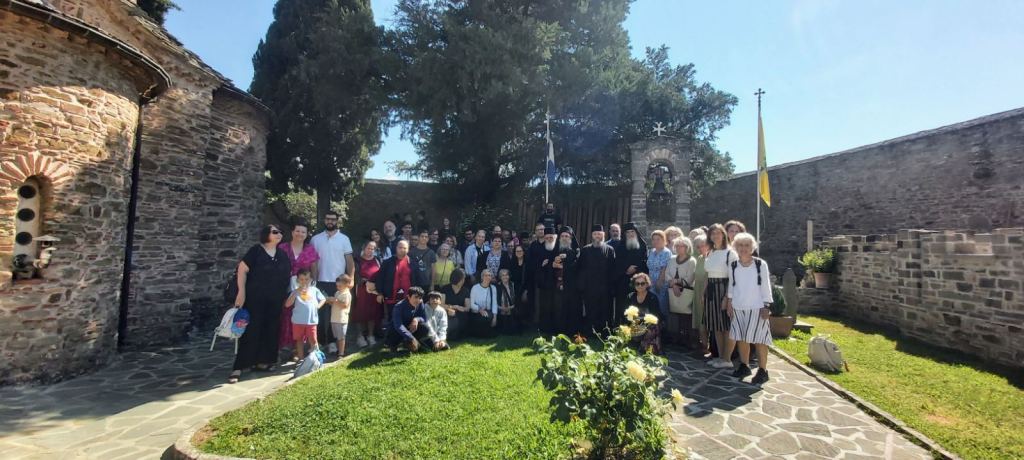
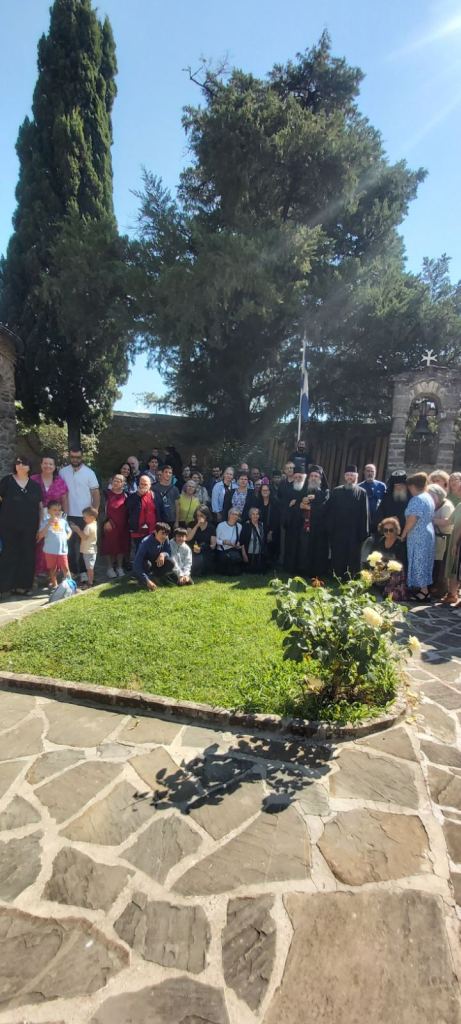
Thus concluded three days filled with prayer, spiritual blessing, fellowship and the beauty of God’s creation.
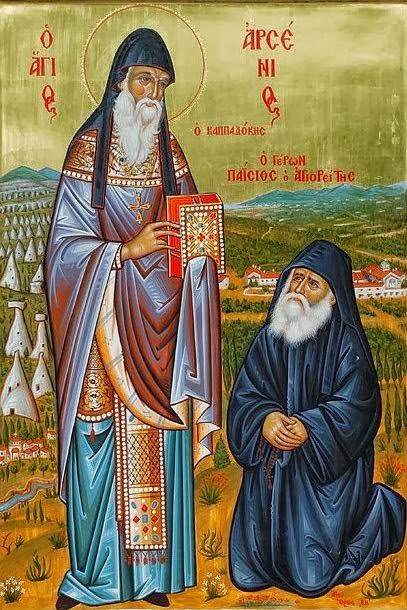
May Saint Paisios intercede for us and help us all!