From Hell to Paradise


unlit candle.jpg

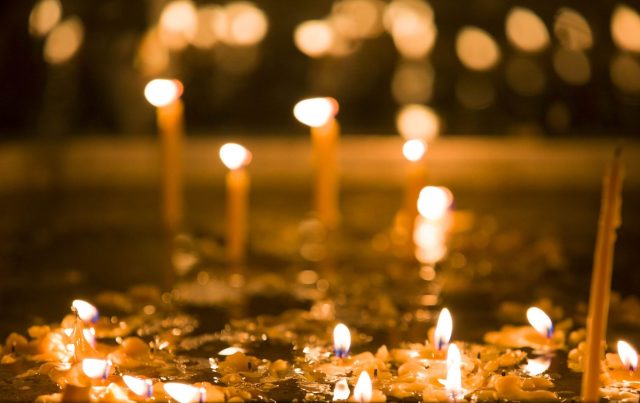
A unlit candle among the burning candles in the candle stand of Vatopaidi Monastery (Mount Athos). Blessed are the humble ones because they have the true light and ceaselessly give it to the others within a burning joy. They feel united with the others, even with the lesser and worst of all people, and for this humbleness God gives them His blessing, his peace.  The proud one prematurely feels the singularity and darkness of hell from this life. Source: The Ascetic Experience 


The following is the story that Elder Aimilianos told of his own mystical experience, but he told it in the third person:

“Permit me to tell you [runs the story] about a certain monk I once knew. Just as all of us have moments of difficulty, he too was passing through a very critical period of his life. The devil had cast fire into his brain, and wanted to strip him of his monastic dignity, and make him a miserable seeker of alleged truth. His soul roared like breaking waves, and he sought deliverance from his distress. From time to time, he remembered the Prayer of the Heart, but it resounded only weakly within him, because he had no faith in it. His immediate surroundings were of no help. Every­thing was negative. His heart was about to break. How wretched man becomes when he is beset by problems! And who among us has not known such terrible days, such dark nights, and agonizing trials?

Our monk did not know what to do. Walks did nothing for him. The night stifled him. And one night, gasping for air, he threw open the window of his cell in order to take a deep breath. It was dark – about three o’clock in the morning. In his great weariness, he was about to close the window, hoping to get at least a few moments of rest. At that very moment, however, it was as if everything around him – even the darkness outside – had become light! He looked to see where such light might be coming from, but it was coming from nowhere. The darkness, which has no existence of its own, had become light, although his heart remained in the dark. And when he turned around, he saw that his cell had also be­come light!He examined the lamp to see if the light was coming from there, but that one, small oil lamp could not become light itself, neither could it make all things light.

Although his heart was not yet illumined, he did have a certain hope. Overcome with surprise and moved by this hope, but without being fully aware of what he was doing, he went out into the black courtyard of the monastery, which had often seemed to him like hell. He went out into the silence, into the night. Everything was clear as day. Nothing was hidden in the darkness. Everything was in the light: the wooden beams and the windows, the church, the ground he walked on, the sky, the spring of water which flowed continuously, the crickets, the fireflies, the birds of the night – everything was visible, everything! And the stars came down and the sky lowered itself, and it seemed to him that everything – earth and sky had become like heaven!And everything together was chanting the prayer [i.e. of the heart], everything was saying the prayer.And his heart strangely opened and began to dance; it began to beat and take part involuntarily in the same prayer; his feet barely touched the ground. He did not know how he opened the door and entered the church, or when he had vested; he did not know when the other monks arrived, or when the Liturgy began. What exactly happened he did not know. Gone was the ordinary connection of things, and he knew only that he was standing before the altar, before the invisibly present God, celebrating the Liturgy. And striking, as it were, the keys of both his heart and the altar, his voice resounded above, to the altar beyond the heavens. The Liturgy continued. The Gospel was read. The light was no longer all around him, but had built its nest within his heart. The Liturgy ended, but the song that had begun in his heart was endless. In his ecstasy, he saw that heaven and earth sing this prayer without ceasing, and that the monk truly lives only when he is animated by it. For this to happen, he needs only to cease living for himself.”

*

An Antidoro from Elder Aimilianos’ many teachings available in print due to the tireless efforts of the Ormylia nuns for the last 23 years after Gerondas receded into silence. More would have survived had not Elder Aimilianos set fire on his own manuscripts decades ago in an act of self-effacing humility before the horrified eyes of his disciples

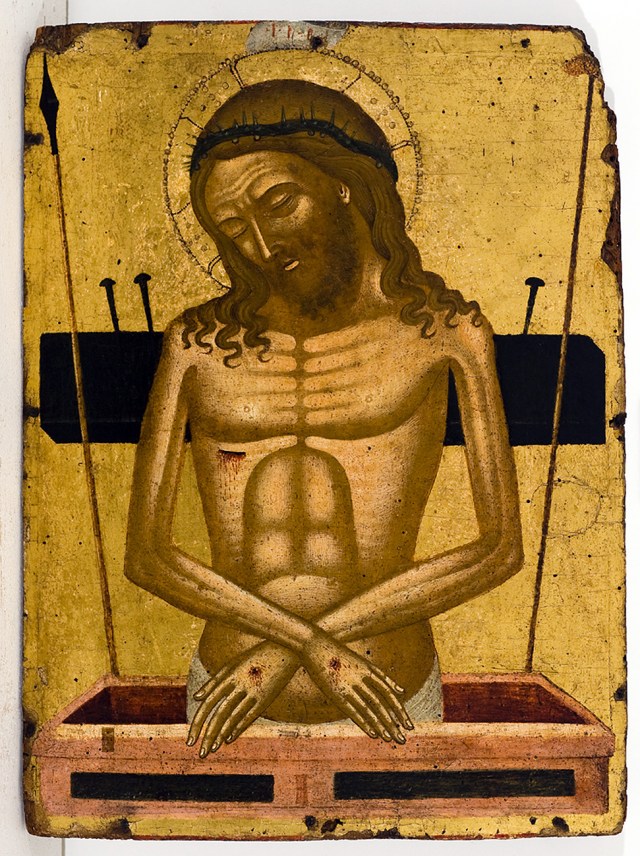
 

Welcome, illness, welcome, failure, welcome, suffering!

akra tapinosi.jpg

Christ, Man of Sorrows, end of 15th century

“Unforeseen things turn up constantly in our way because we have our will and our desires. Those unforeseen things are contrary to our will and desires; this is why they appear unforeseen to us, although they really are not. Because the person who loves God expects whatever may come, saying always “your will be done!” Rain will come, a storm, hail, thunder? “Blessed be the name of the Lord!” These are unforeseen because they come in contact with our ‘fleshly’ way of being. Therefore, in order not to be unsettled every time and to be upset, not to fret and succumb to anxiety, you have to expect all, and bear whatever may come. You must always say: “Welcome, illness, welcome, failure, welcome, suffering!” This will bring about meekness, without which there cannot exist a spiritual life.” (Elder Aimilianos Simonopetra)
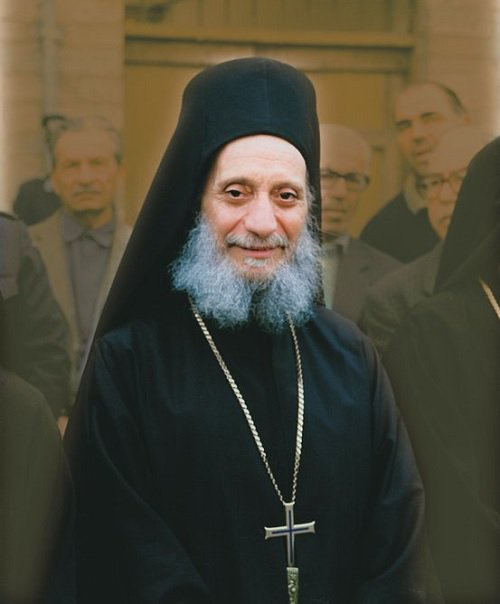


Elder Aimilianos and Christ Pantokrator

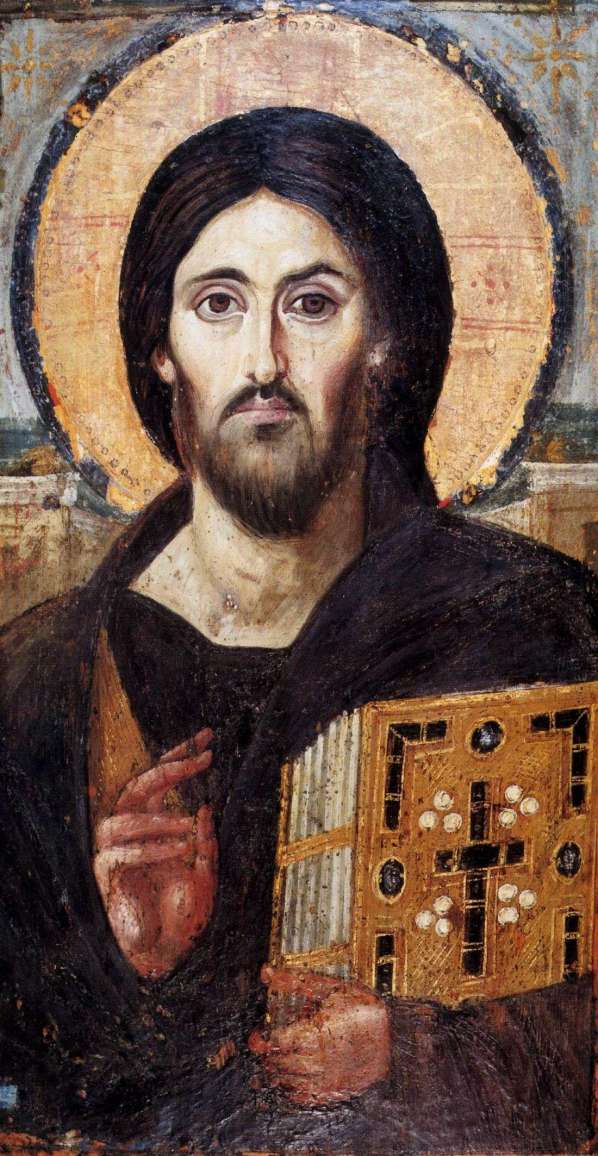
christ sinai

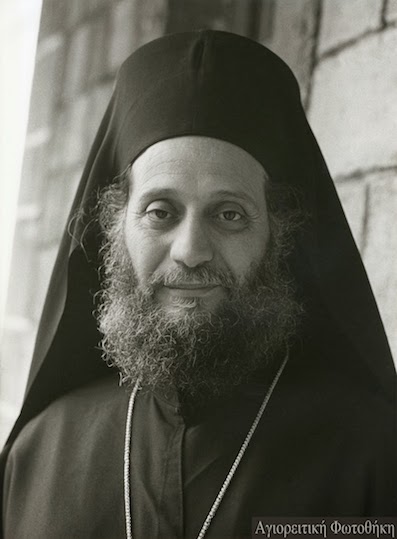
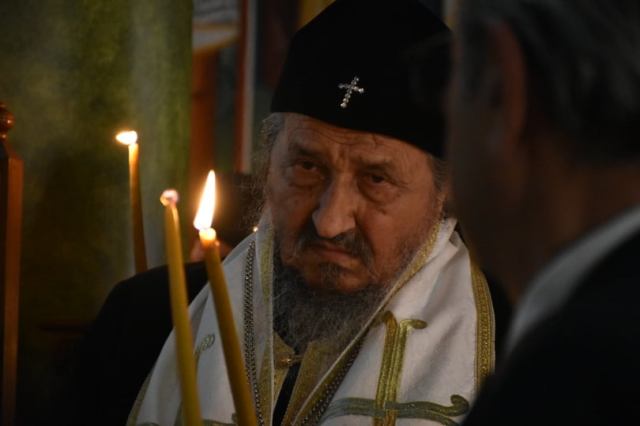
Please have a look at the eyes of the Elder how much they resemble Christ’s ‘different’ eyes and left vs right features in that famous Sinai icon*. Isn’t this a striking similarity? I am completely mesmerised, if I may use such an expression, with this photograph of the Elder, and I have been spending really a lot of time simply looking at him, ever since his repose in Christ. Compassionate, Peaceful, yet Stern too. It feels like an icon to me, and not a photograph. Your thoughts?

Elder aimilianos

*

Many (1) agree that the icon represents the dual nature of Christ, illustrating traits of both man and god, perhaps influenced by the aftermath of the ecumenical councils of the previous century at Ephesus and Chalcedon. Christ’s features on his left side (the viewer’s right) are supposed to represent the qualities of his human nature, while his right side (the viewer’s left) represents his divinity.

(1) Cf. Manaphēs, Sinai: Treasures, 84; Robin Cormack, Oxford History of Art: Byzantine Art (Oxford: Oxford University Press, 2000), 66.


The Causes of Sorrows and Trials

trial.jpg

There are many causes which generate trials and sorrows in our life. Besides that, their combinations can be quite complex, so we are in a labyrinth of factors.

However we can distinguish four big categories of influence which will help us to avoid and protect ourselves from unwanted happenings in our life.

Sorrows Because of our Sins. When we sin, because the sin is an existential distortion, spiritual law will try to re-establish the equilibrium. If we will try by ourselves, through repentance, confession, and asking for forgiveness to fix our mistake, then sorrow will not come. Otherwise, it will happen after a certain time when it will be clear that we didn’t have an analogous repentance.

Blocking Trials. We make a plan and begin to follow it. However, we cannot see too much in advance. God, which knows everything, sees that in front of us is a deep tar pit, a trap which will harm us badly. That’s why He will allow a blocking trial to happen in order to close our path towards the trap. That’s why the Holy Fathers say, “When God closes a door, don’t break the doorknob”. You will repent of it after.

Advancing Sorrows. Someone can advance spiritually but (s)he cannot or (s)he doesn’t want and/or (s)he doesn’t know how to advance. In such cases, God gives us a trial, a sorrow, in which we will gain virtues like prayer, patience, humility, and other qualities upon which we will advance spiritually.

Trials for Example. Everyone is a sinner but there are times in which we don’t do such sins in order to trigger the spiritual law in a big degree. Even then, God might put us in a trial in order to be an example to follow, a light for others. We have here the classical example of Job in the Old Testament period. In the New Testament period, there is, firstly, the example of our Lord Jesus Christ and, after Him, a lot of saints.

Based on Elder Joseph of Vatopaidi, Saint Paisios the Athonite

Source: Ascetic Experience

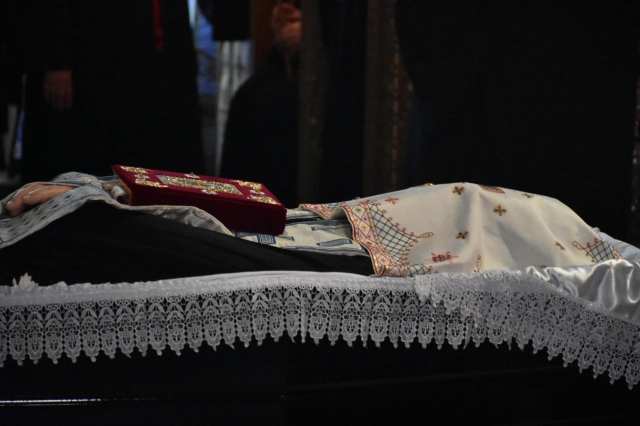
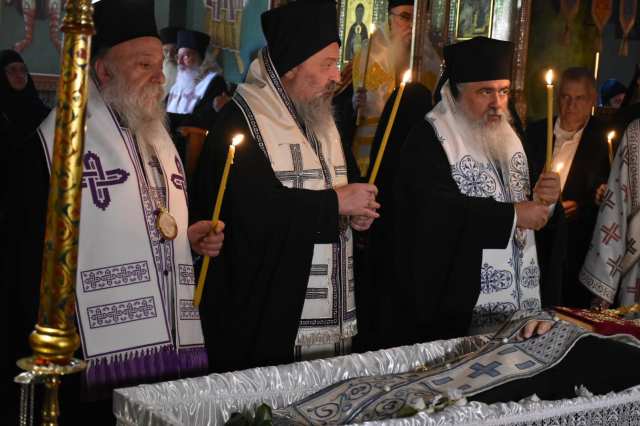
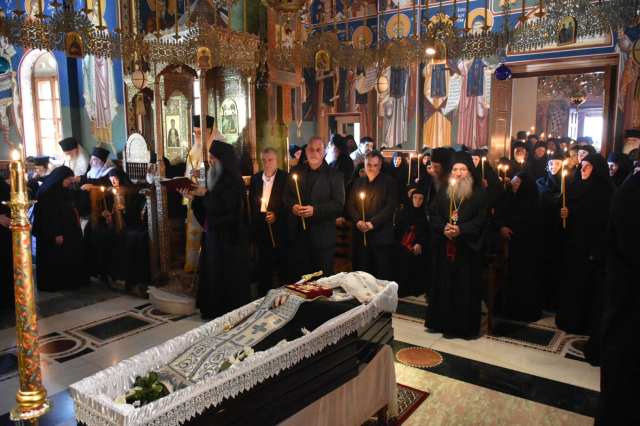
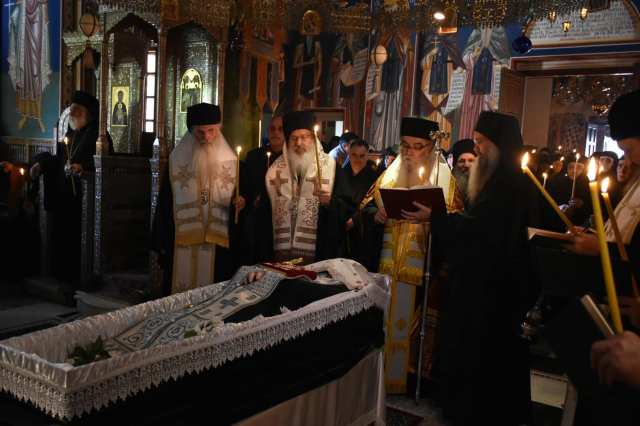
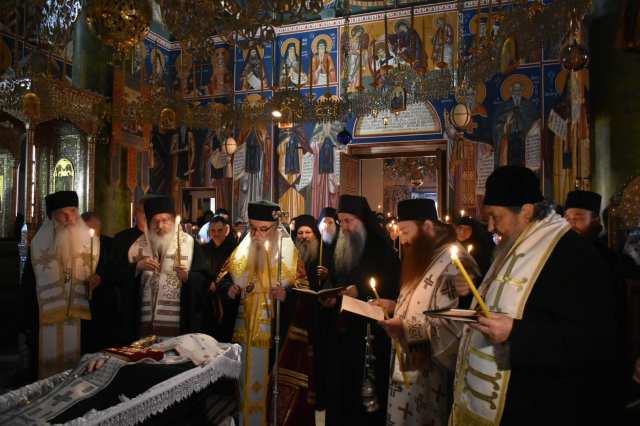
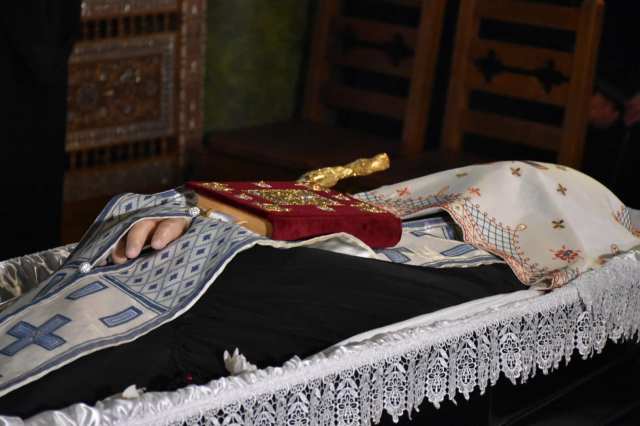
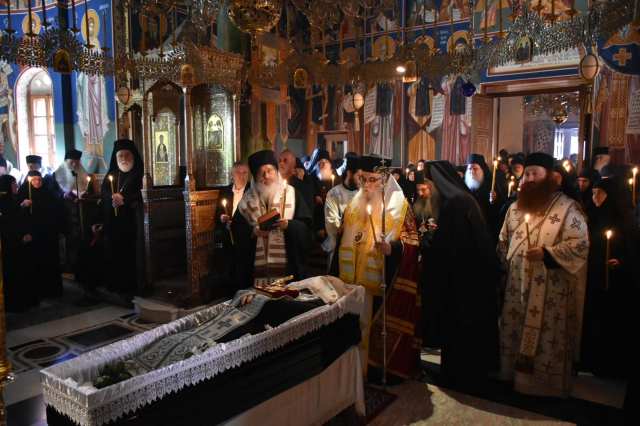
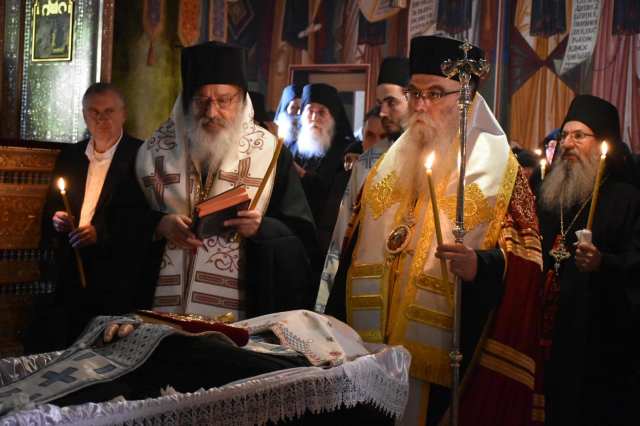
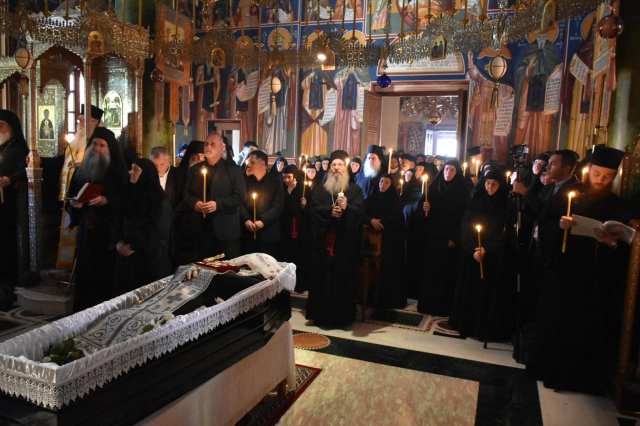
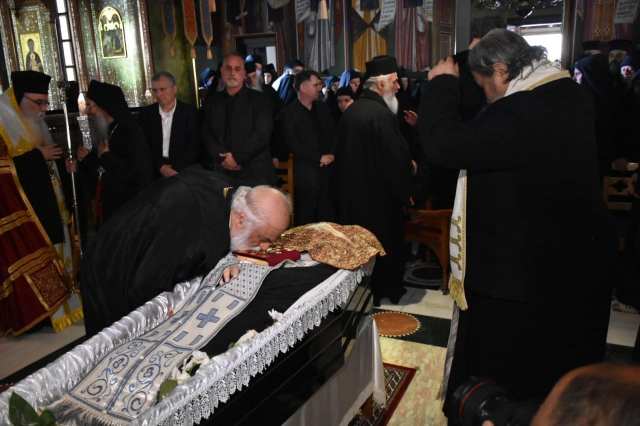
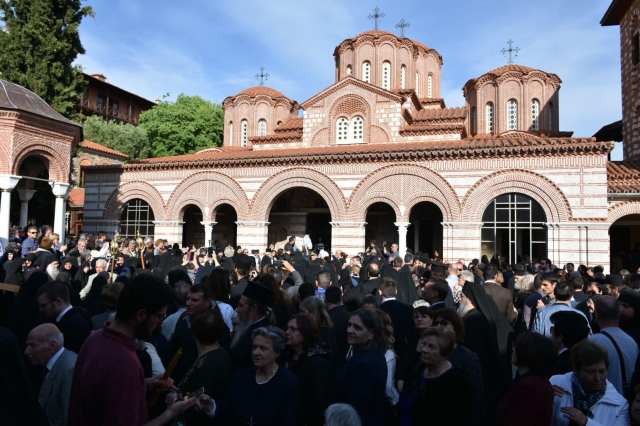
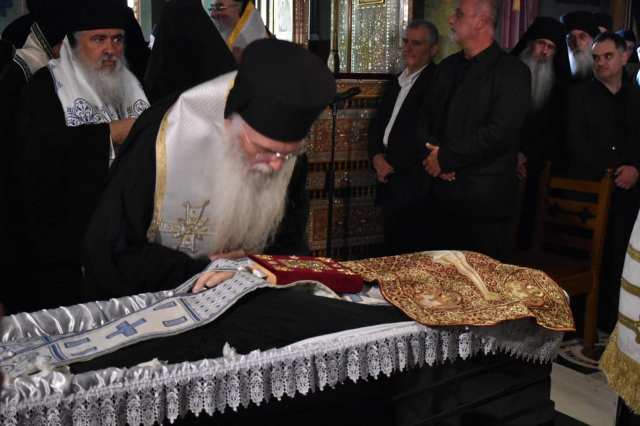
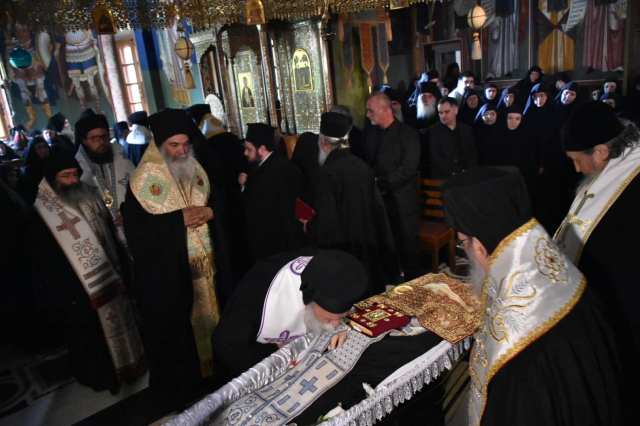
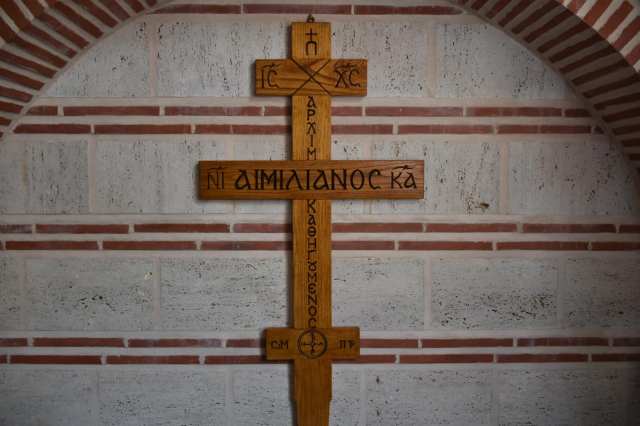
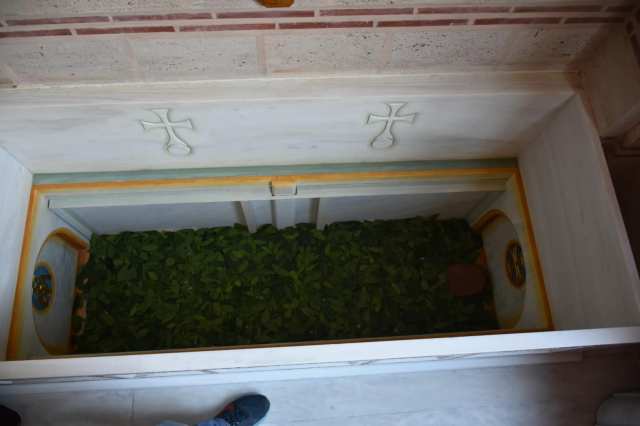
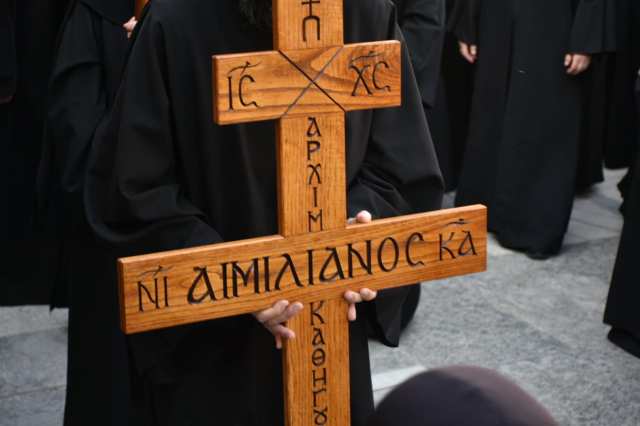
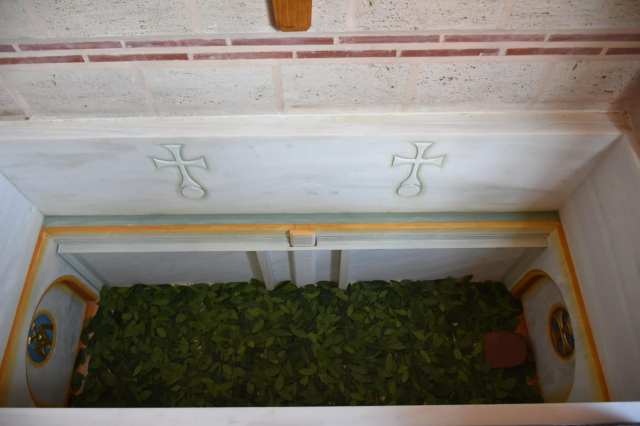
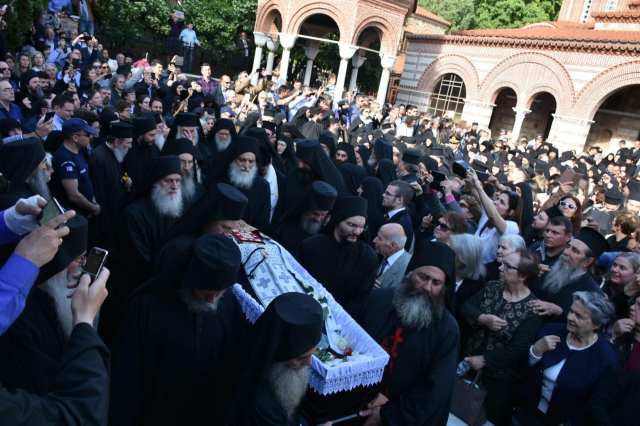
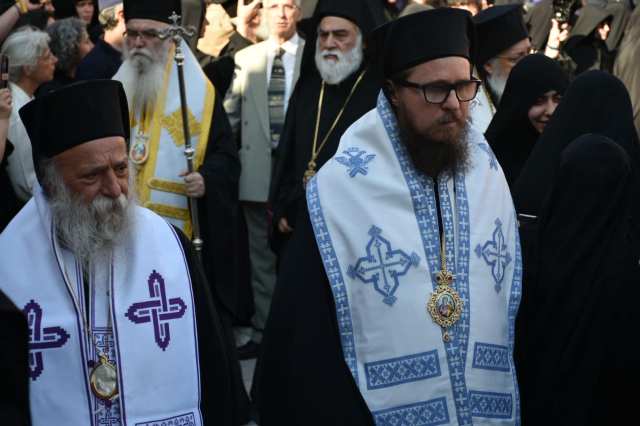
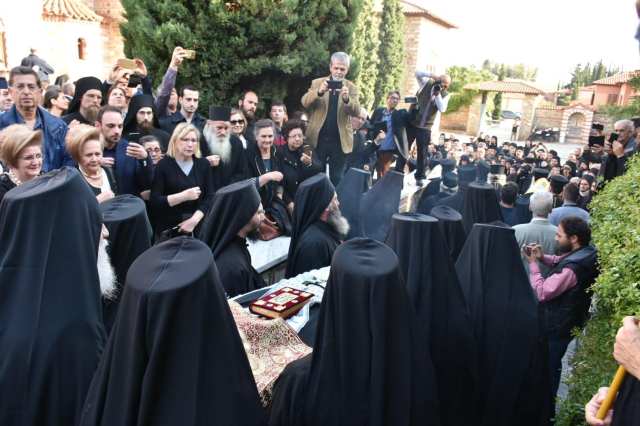
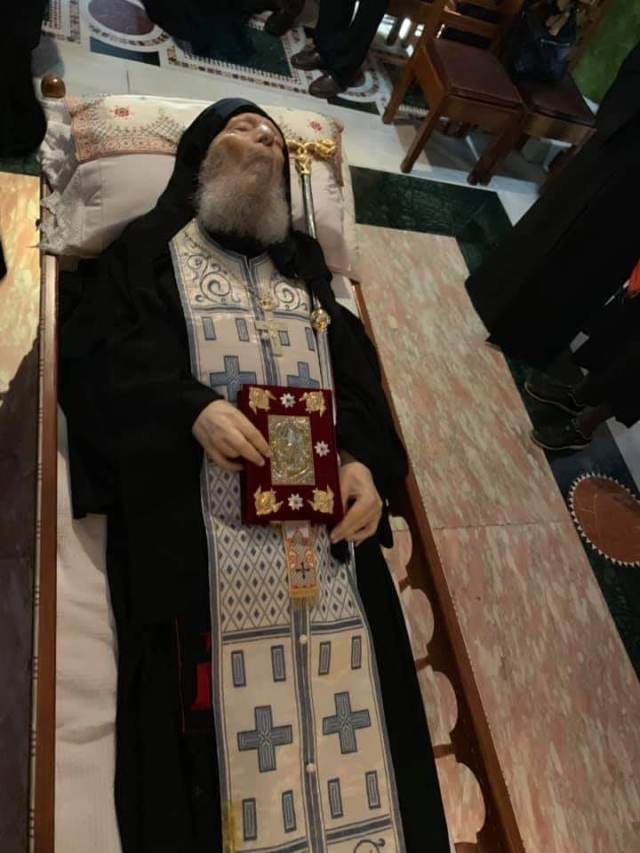
Elder Aimilianos Simonopetritis Has Departed This Life

Gerondas Aimilianos

Newly reposed Elder Aimilianos, 23 years of illness. Memory Eternal! Such a special spiritual father! I have known him through his books, homilies and my friends’ testimonies, how he intervened and changed their lives.

aimilianosA

You have made known to me the ways of life; you will fill me with joy with your countenance (Ps. 15, 11)

*

*As for the little city hermit, he has disappeared because he has to undertake a Mission Impossible at his Spiritual Father’s word. Prayers are requested since it does feel like a Mission Impossible.

On Martyrdom

christian-martyrs-alban.jpg

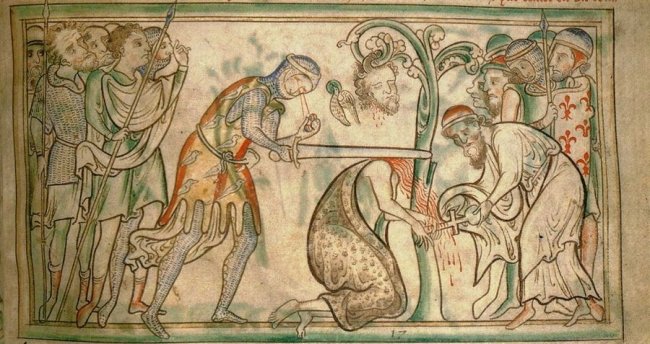
In the end, every soul will suffer martyrdom, to be saved. Either suffer martyrdom in one’s conscience or suffer martyrdom by giving one’s physical life, bearing witness unto death, literally shedding one’s blood. Until then though, until that soul reaches that point, somebody else will suffer martyrdom; some other people will suffer martyrdom before that soul, for that soul.

+ Elder Symeon Kragiopoulos of Blessed Memory


Why Some Priests Can Refuse to Be Spiritual Fathers

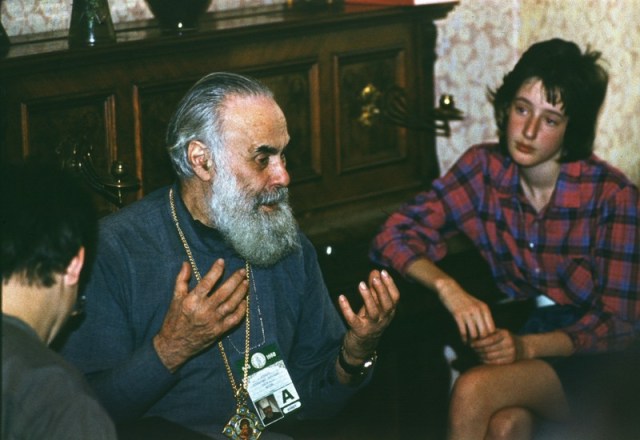
1988.06.15.-Vstrecha-s-mitr.-Antoniem.-05-1.jpg

“I want to say something which is not a commentary on the Gospel. Time and again, not only I but every priest is asked by someone or other to become his spiritual father. And many are troubled by the fact that all of us say no; this we can not do. This is beyond our strength. This is not a refusal to care; it is not a refusal to take upon our shoulders the lost sheep. No; it is an assertion that we can be your companions on the journey to the Kingdom of God but we ourselves are not mature enough to show you all the way. Each of us can say to those of you who come, “I have walked part of the road. I will be your companion on the road. And then, when we come to a point which I have not yet myself trod, let us walk together, following the only One who can be our guide; indeed, the only One who is not only our guide but our Saviour, who is the road itself, and the truth, and life.” And therefore, when you come to a priest in confession, open your hearts to him, or more truly to the Lord Jesus Christ in his presence, and he, according to the prayer which we read before confession will be the witness of your openness, sincerity, truth and repentance. He will listen to what you say to Christ. He will pray that Christ receives you as He receives every sinner — at the cost of His life and death. He will pray. And he will never forget either you or your confession. He will accept to be a martyr, not only a witness but carrying the pain, the horror, the suffering of the sins he can hear of. Everyone who comes to confession to a priest puts on his shoulders the burden of his own sins, and it is in compassion that the priest will for ever carry them before God. Therefore be content with the love, with the compassion, with the honesty of the priest to whom you come. Don’t ask him to do the impossible. If we go into the mountains we ask a guide who has gone all the way already and come back alive. None of us can say that we have gone all the way to the Kingdom of God and entered into it. We can only say, “We are on the way and we shall walk with you, share with you all our knowledge, support you at moments of weakness, do all we can for you to reach the Kingdom of God.” Who of us can say that he has? St Seraphim of Sarov refused to be the spiritual father of those who came. He promised to pray for them. He promised to hold them before God; and indeed his prayer was salvation. And in the Life of St Macarios of Egypt we hear that when he died a disciple of his, in a dream, saw the soul of St Macarios moving heavenwards; and the devils had set barriers on the way. And at each barrier they tested him on one or another sin. And he passed, free. And when he reached the gates of the Kingdom, the devils saw that at least one thing they can try to destroy him. At the very gate of the Kingdom they applauded him and shouted, “Macarios, you have conquered us.” And Macarios turned round, smiled, so his Life says, and said, “Not yet.” And only then did he enter into the Kingdom. This is far beyond anything we priests can do. But what we can do is to walk step by step with you, be a light to hold you before the face of God, and ask Him who is the way, who is the truth, who is life, who is our salvation, to be your guide, your way and your salvation. Amen.”

By

Source: The Catalog of Good Deeds


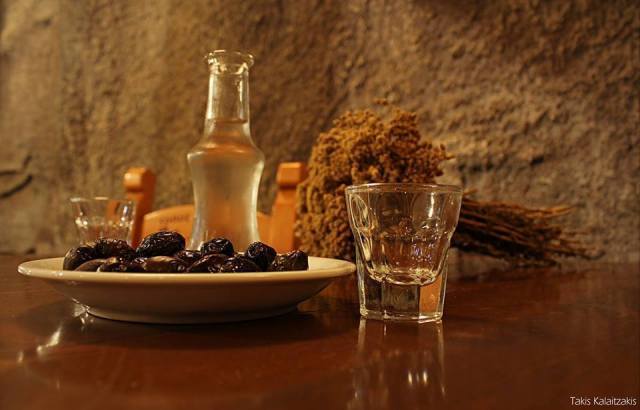
A sip of raki

raki.jpg

When one sins, he is heavy because of his selfishness. He can neither read nor pray because praying and kneeling seem daunting. Since then, you cannot pray, nor keep vigil, at least force yourself to study the Psalms. The Psalms express prayer, repentance, praise, thanksgiving, and contain feelings and experiences that can raise even the weakest man. Just like, when the other loses his senses, you give him a bit of raki, and you revive him, precisely so, read the Psalms, and they will resurrect you again.(Elder Aimilianos)

As a fruitful vine

st nektarios

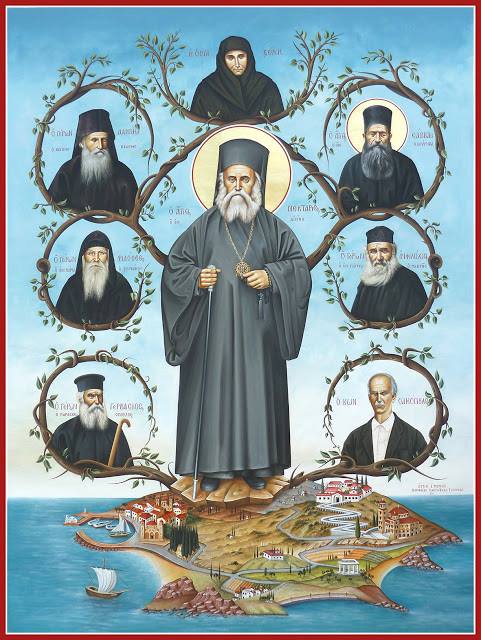
St. Nektarios and his spiritual children. May he intercede for us!

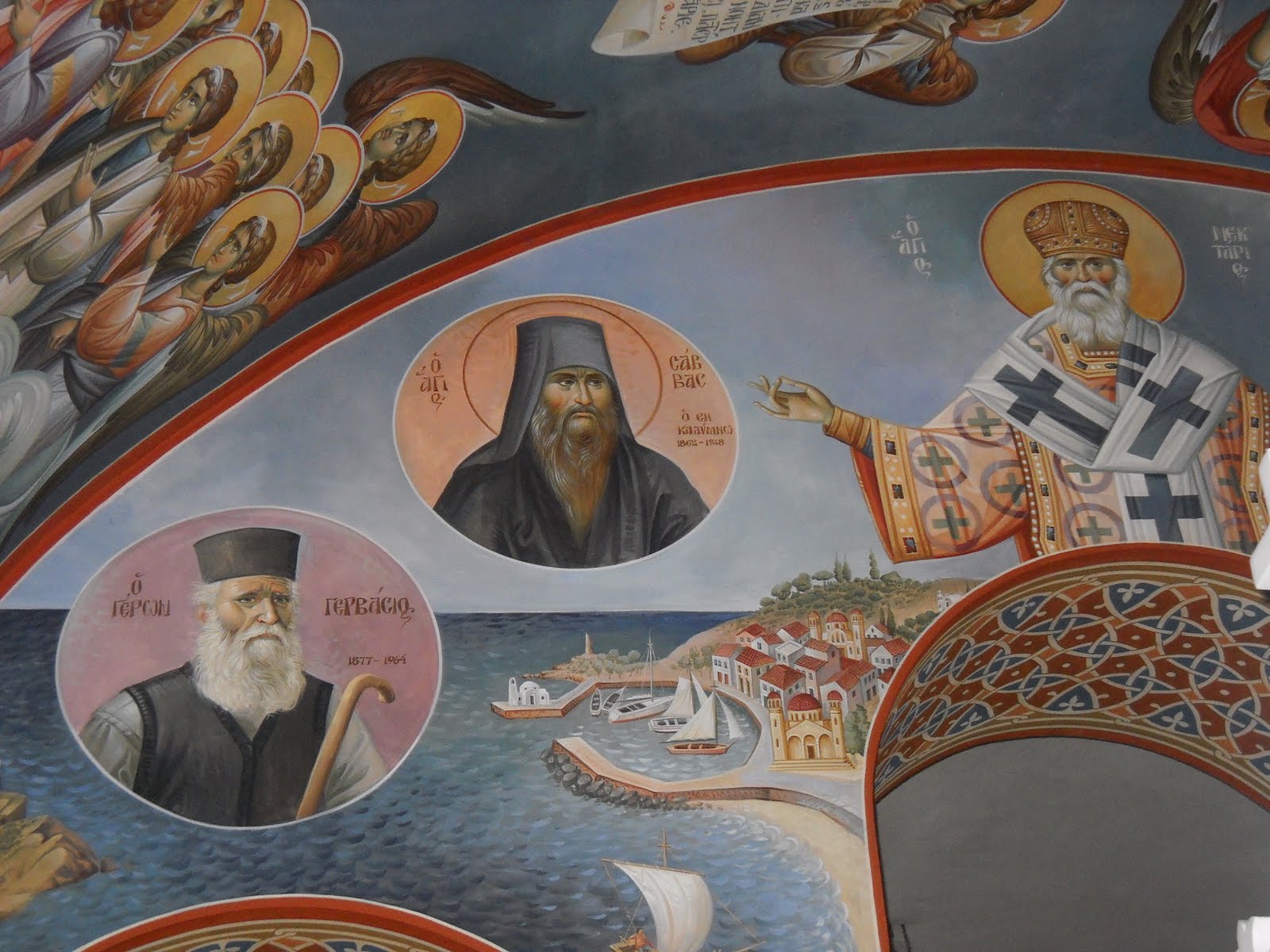
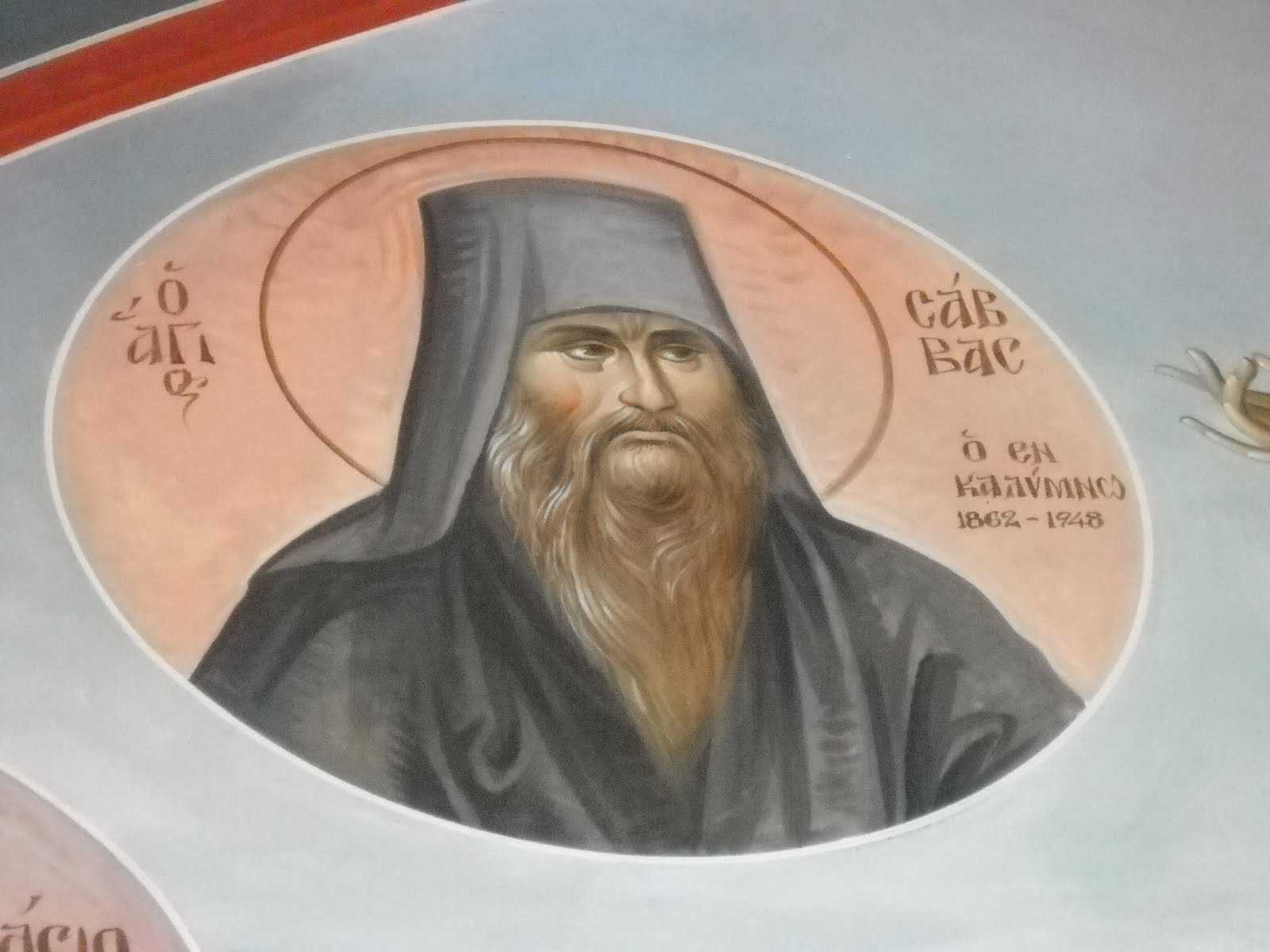
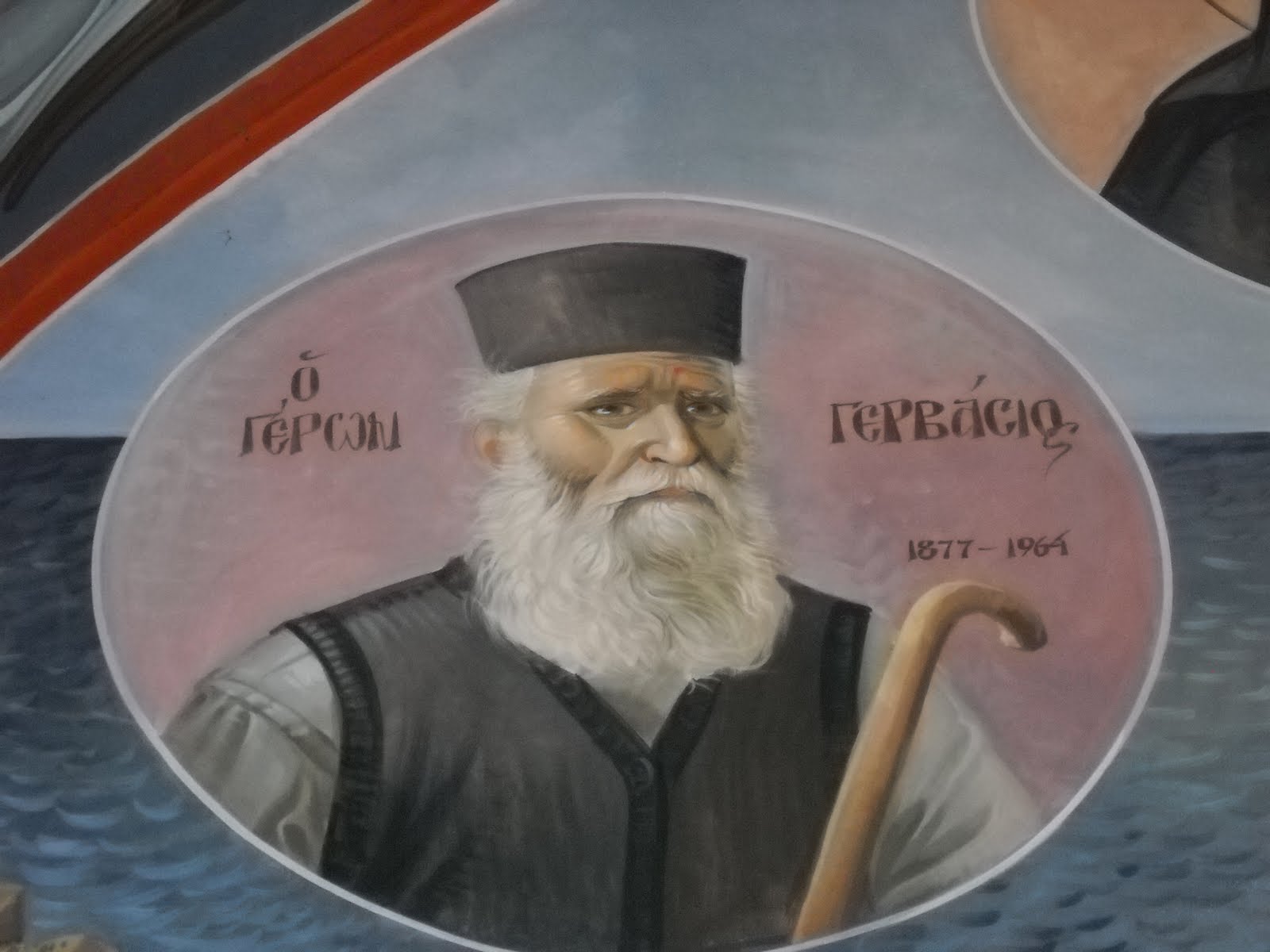
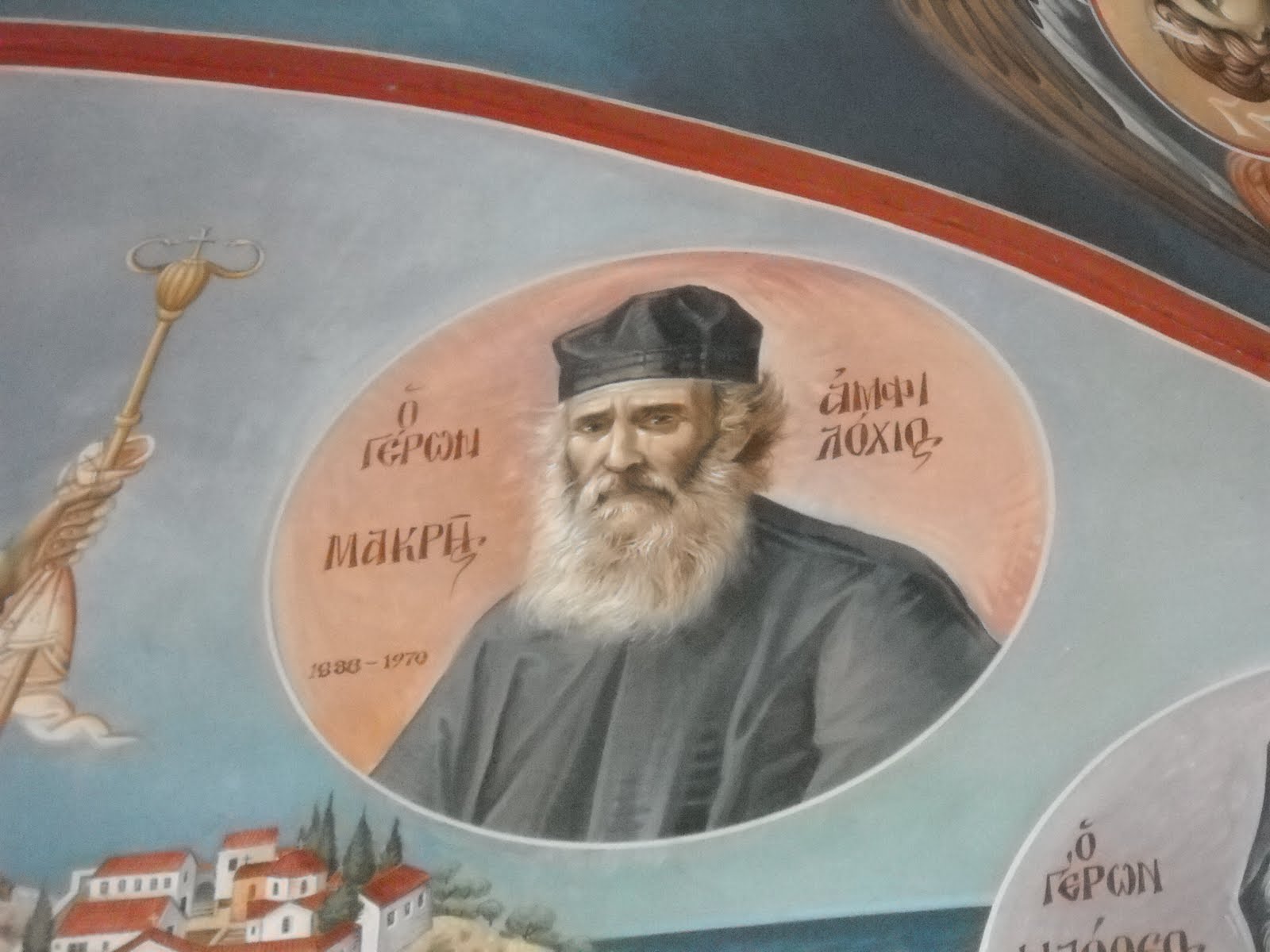
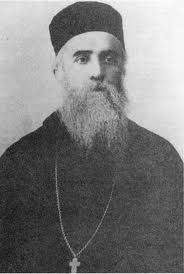
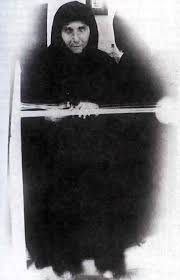
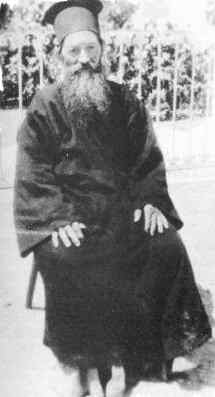
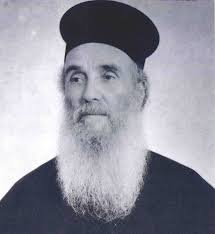
From right to left: Blessed Xenia, the blind, first abbess of St. Nektarios’ monastery in Aegina; Saint Savvas the New of Kalymnos; St. Amphilochios Makris of Patmos; Konstandinos Sakkopoulos, a little city hermit and St. Nektarios’ ‘right hand’; Elder Daniel Katounakiotis; Elder Philotheos Zervakos; Elder Gervasios Paraskevopoulos.


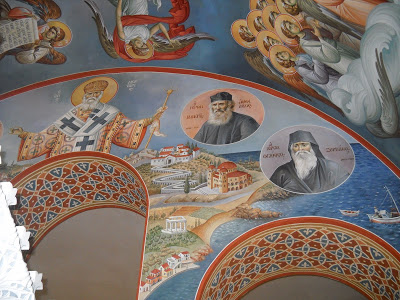
The following depiction is in the Church of Saint Nektarios in Aegina:

elder gervasios
+ May they all intercede for us!