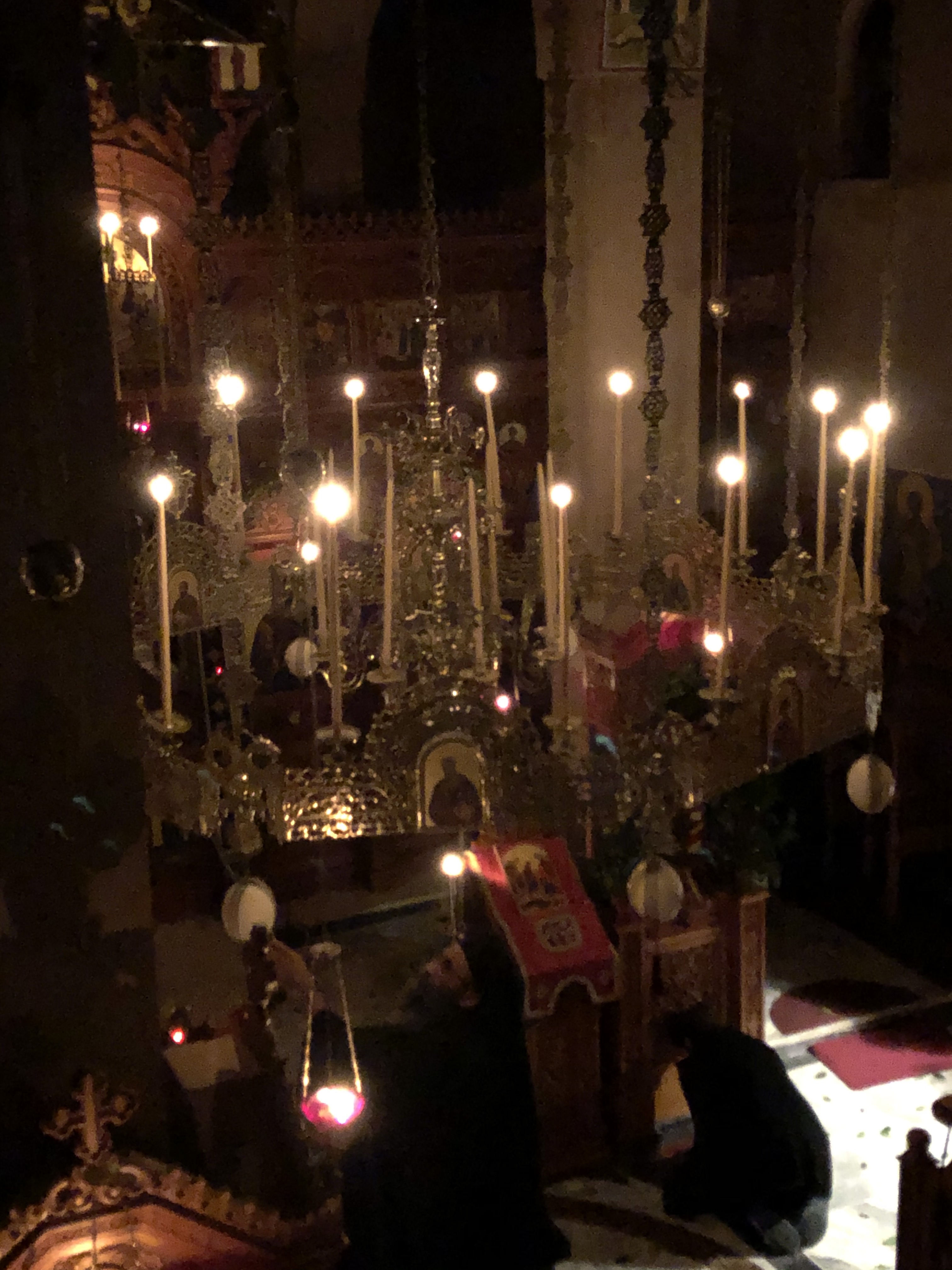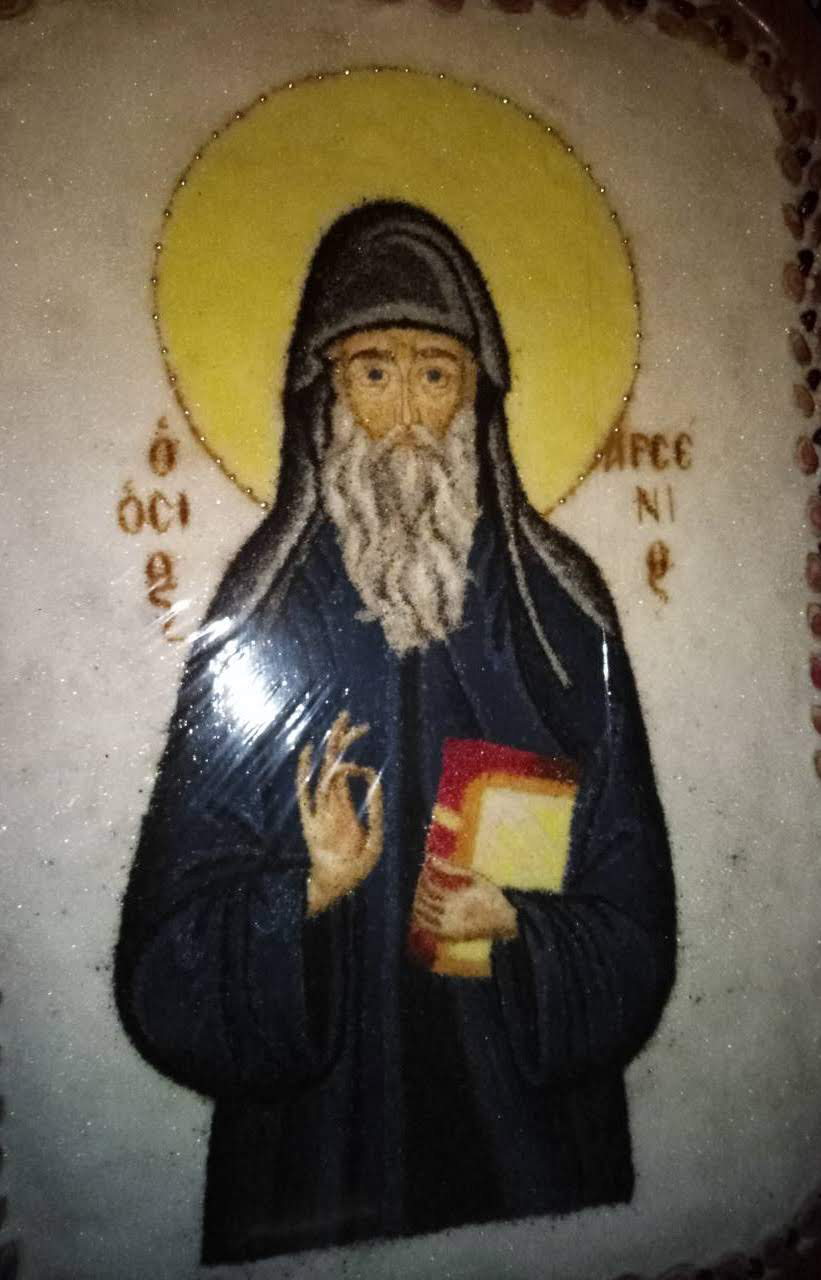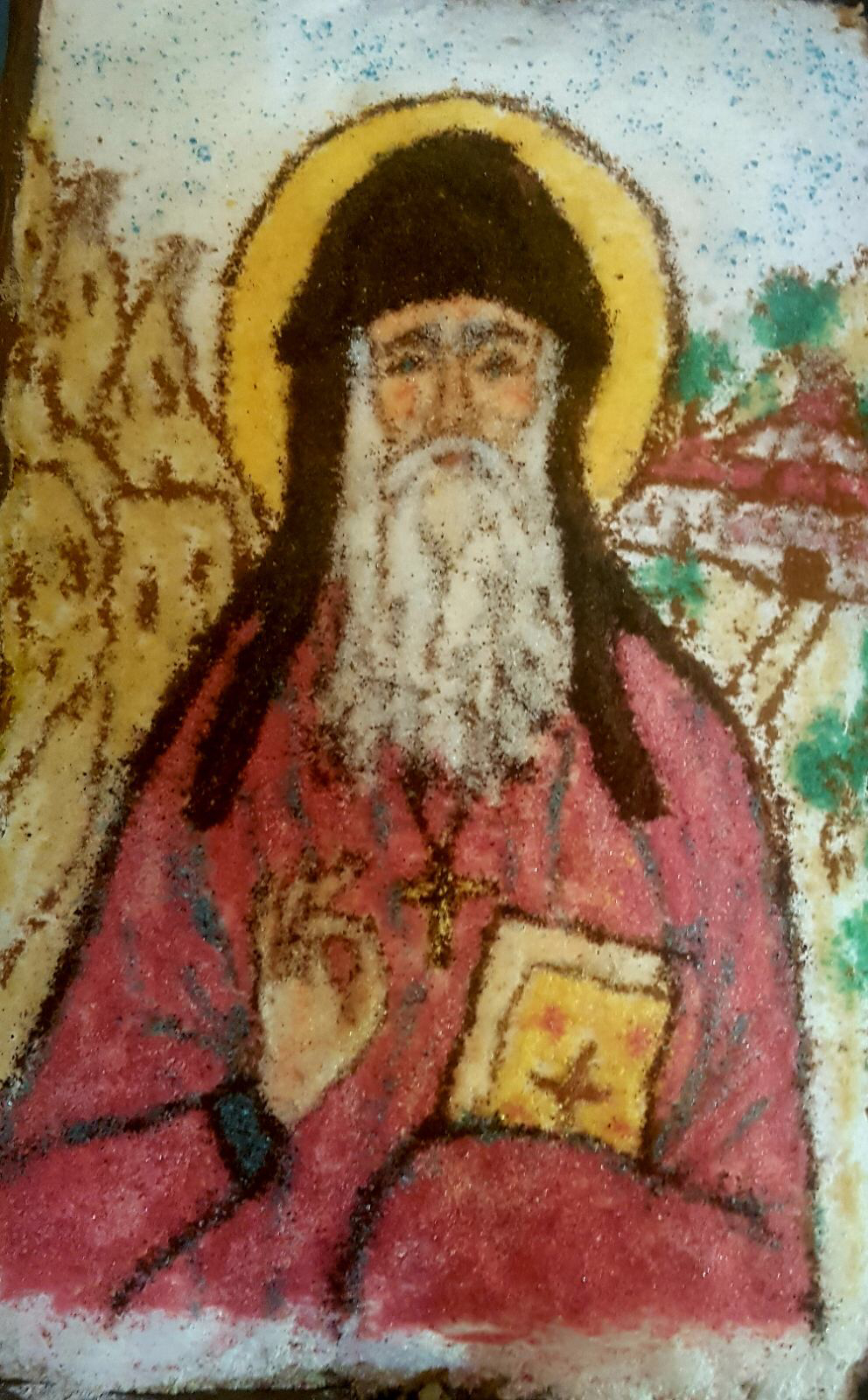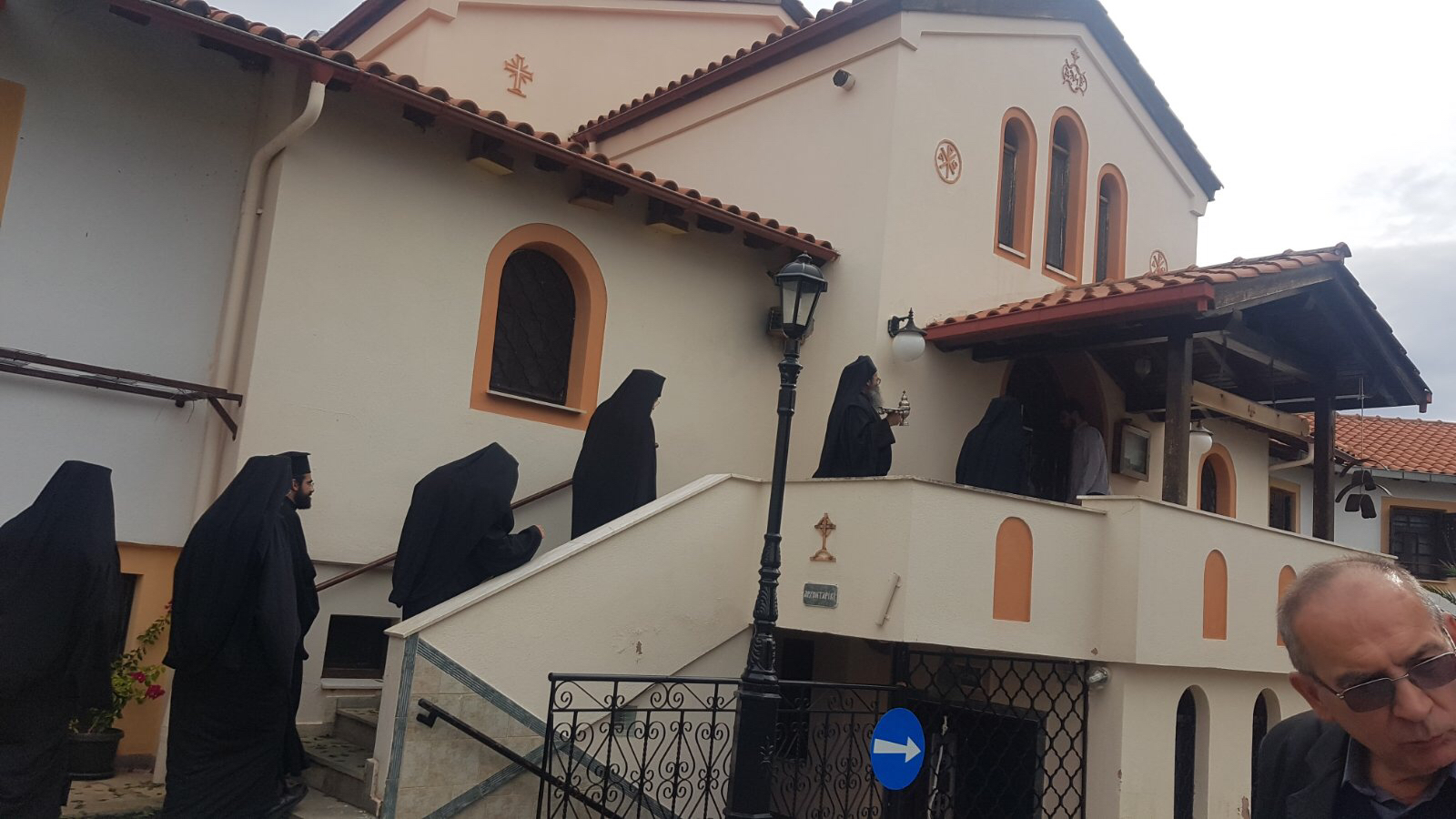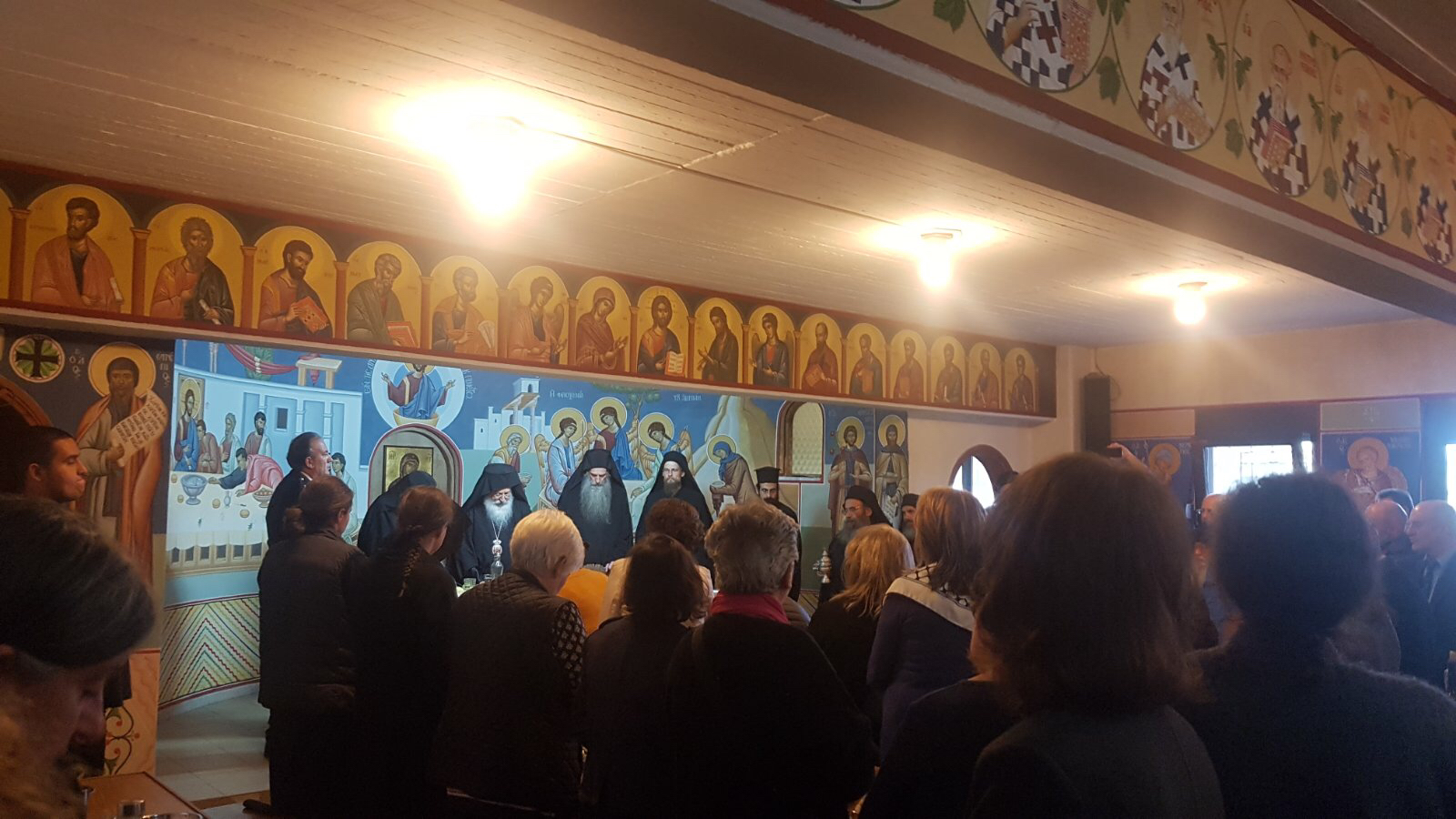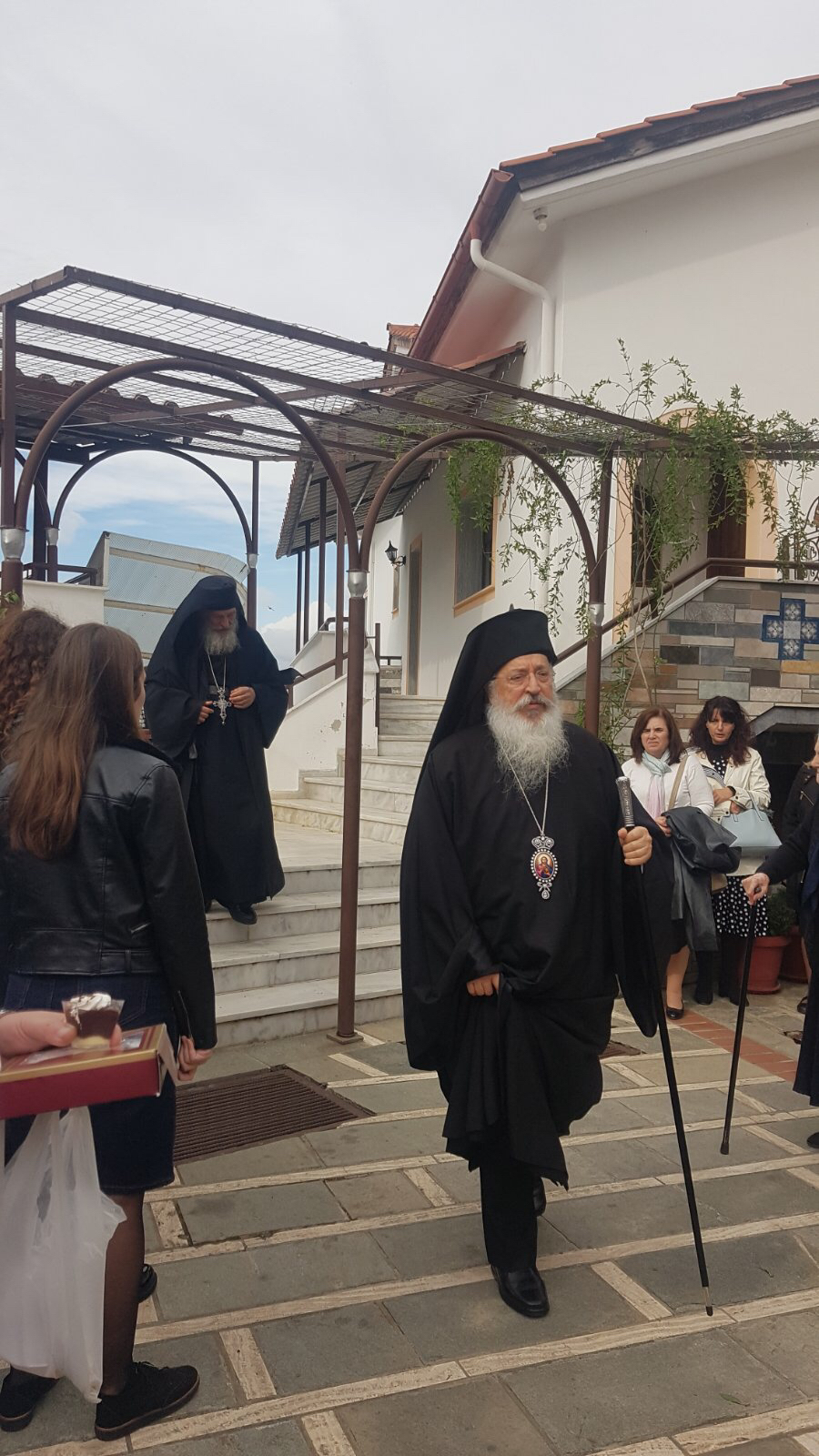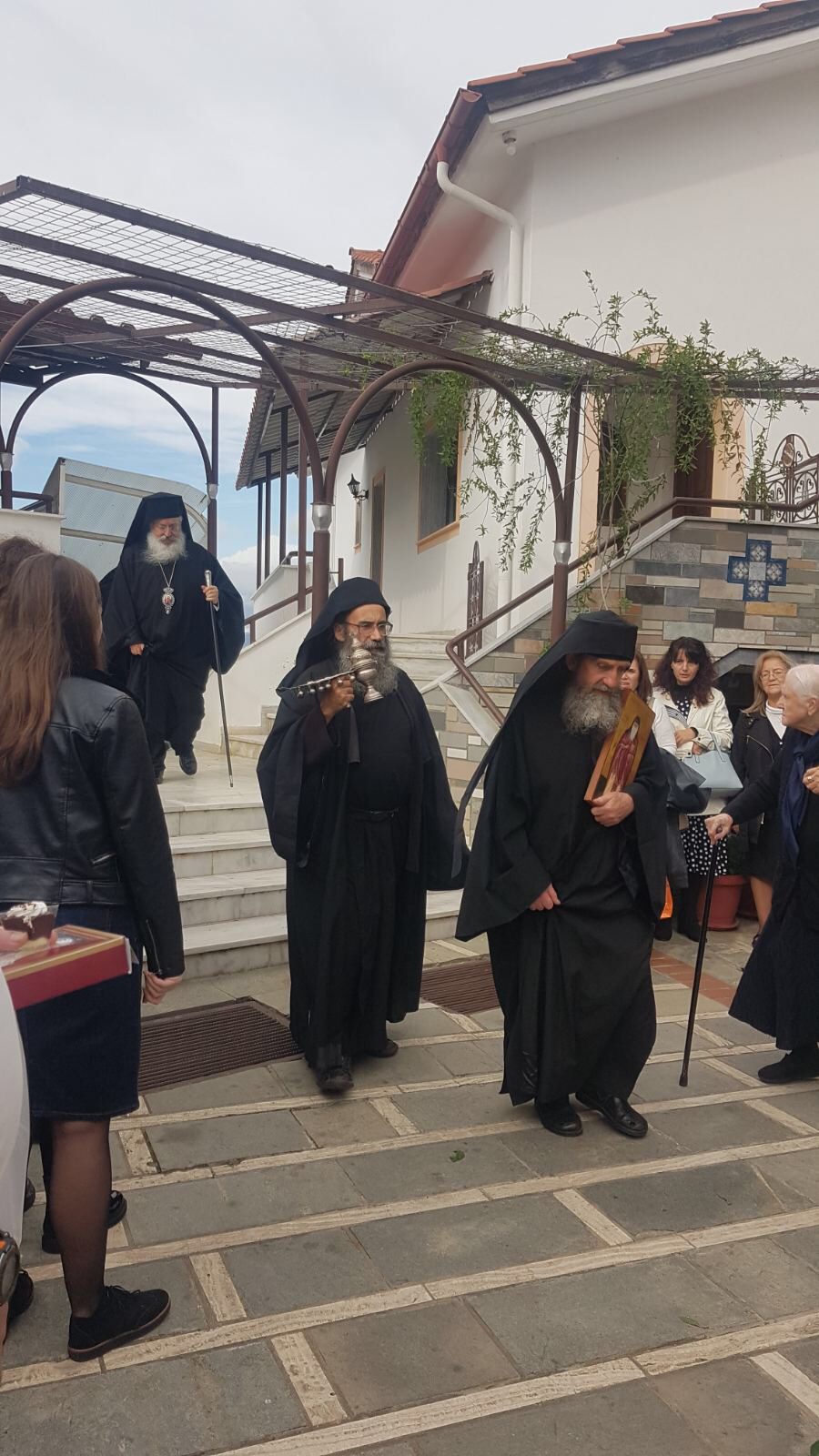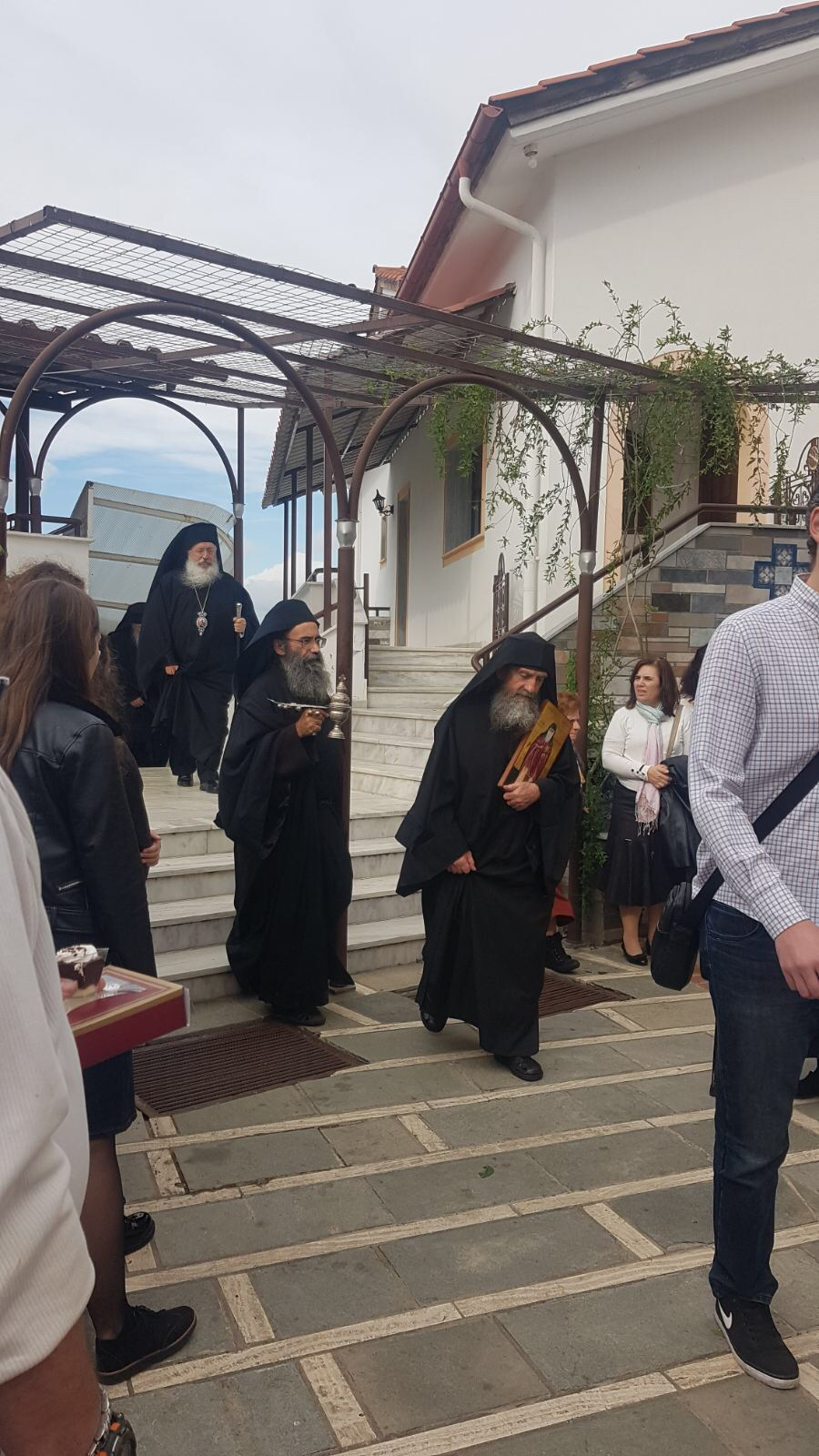
Following last Friday’s celebration of the memory of Saint Theodora of Sihla, we continue our Romanian pilgrimage through the forests and monasteries that still bear witness to her life of prayer and ascetic struggle.
Leaving behind the holy city of Iași and the places associated with Saint Stephen the Great, our pilgrimage continued into Neamț County, one of Romania’s most remarkable monastic regions. Hidden among forests, mountains and secluded valleys lies a land that has nurtured generations of ascetics, spiritual fathers and saints, whose witness continues to inspire the Orthodox world today.
Our destination was a cluster of monasteries and hermitages closely associated with some of Romania’s most beloved saints: Saint Theodora of Sihla, Saint Elder Cleopa (Ilie) and Saint Elder Paisios (Olaru). Their lives transformed these forests into a living school of prayer, making this region one of the foremost pilgrimage destinations in Romania.
Sihăstria Monastery
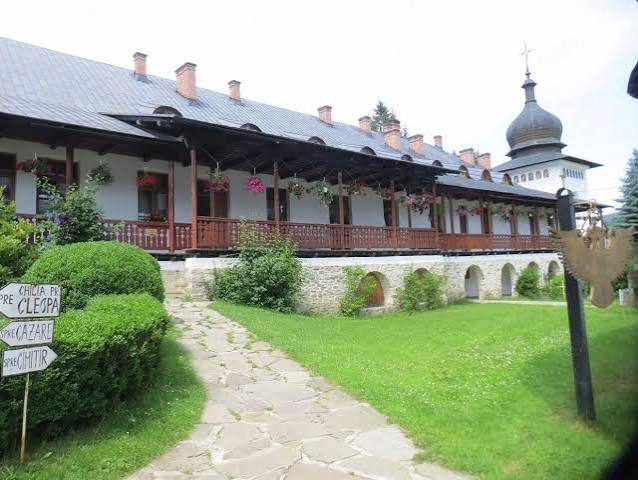
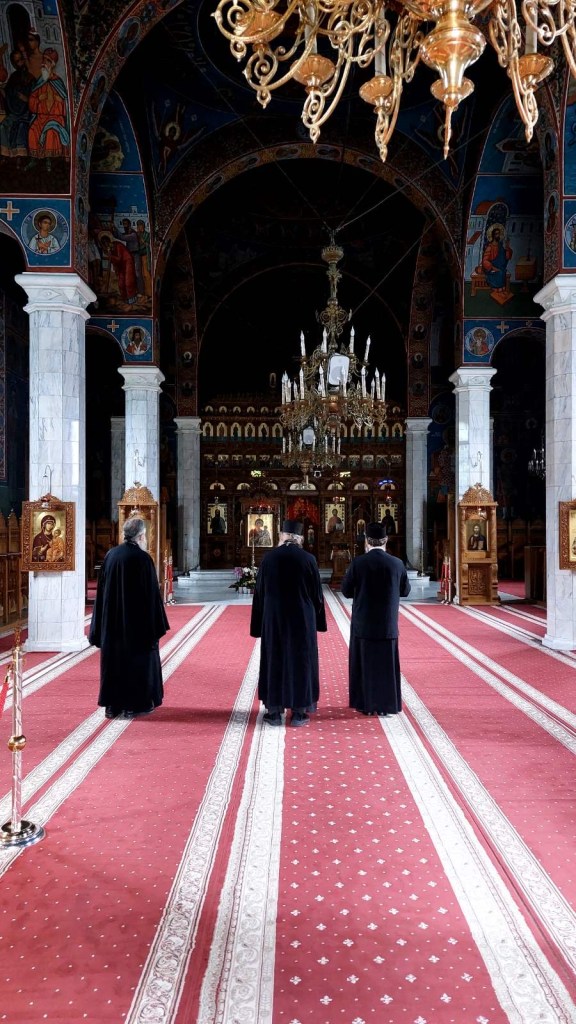
Our first stop was Sihăstria Monastery, one of the best-known monasteries in Neamț County, situated in the historical region of Moldavia. Founded in 1655, it has grown into a large monastic complex comprising the old church, the new katholikon, the monks’ cemetery, the bell tower, the winter chapel, the ecclesiastical museum, the library, accommodation for both monks and pilgrims, and a shop offering religious books and devotional items.
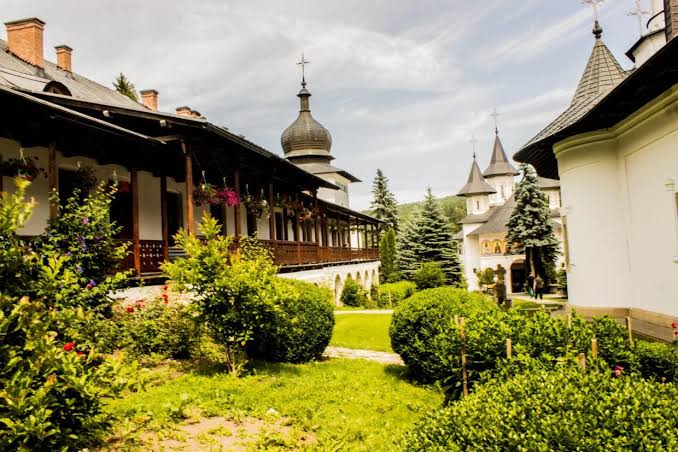
Surrounded by forests of remarkable natural beauty, Sihăstria has long been a place of prayer, asceticism and spiritual guidance. It is especially associated with Saint Elder Cleopa (Ilie) and Saint Elder Paisios (Olaru), two of the most revered Romanian elders of the twentieth century, whose wisdom and holiness continue to draw pilgrims from throughout Romania and beyond.
On Sundays and great feast days, thousands of faithful come to Sihăstria, continuing a deeply rooted Romanian tradition of pilgrimage to the country’s great monasteries. Even today, the monastery remains a vibrant spiritual centre where the ancient hesychast tradition is still very much alive.
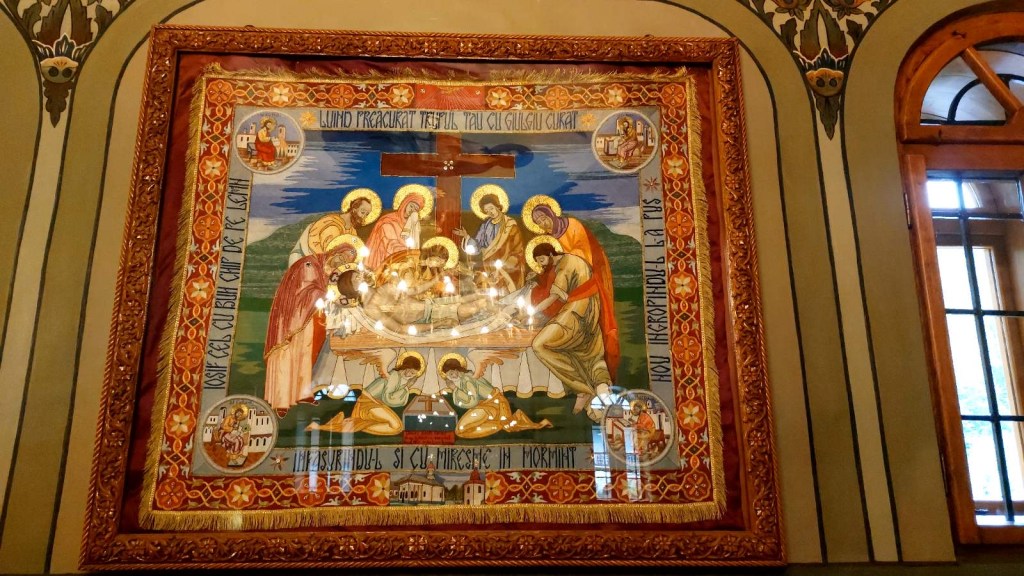
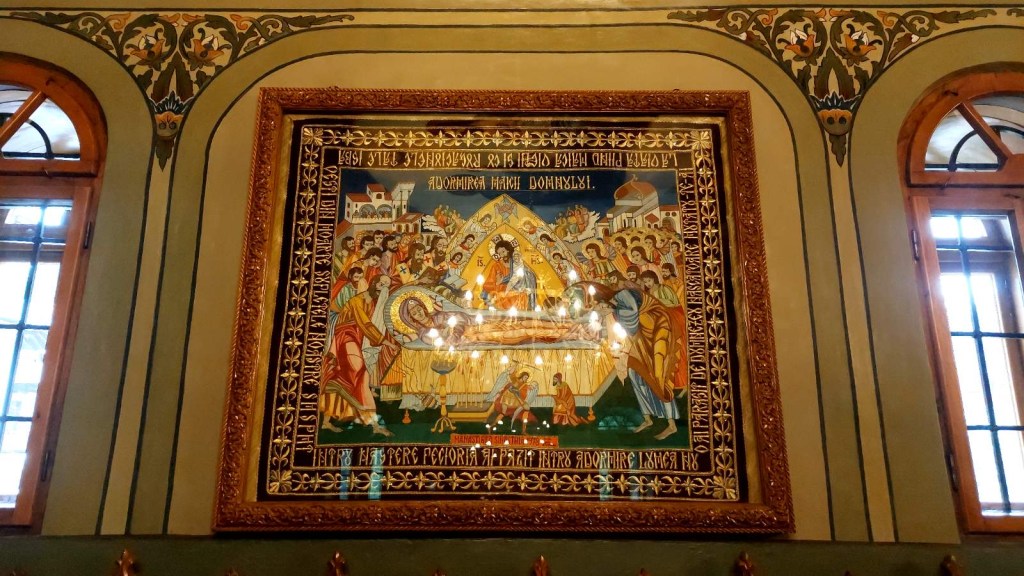
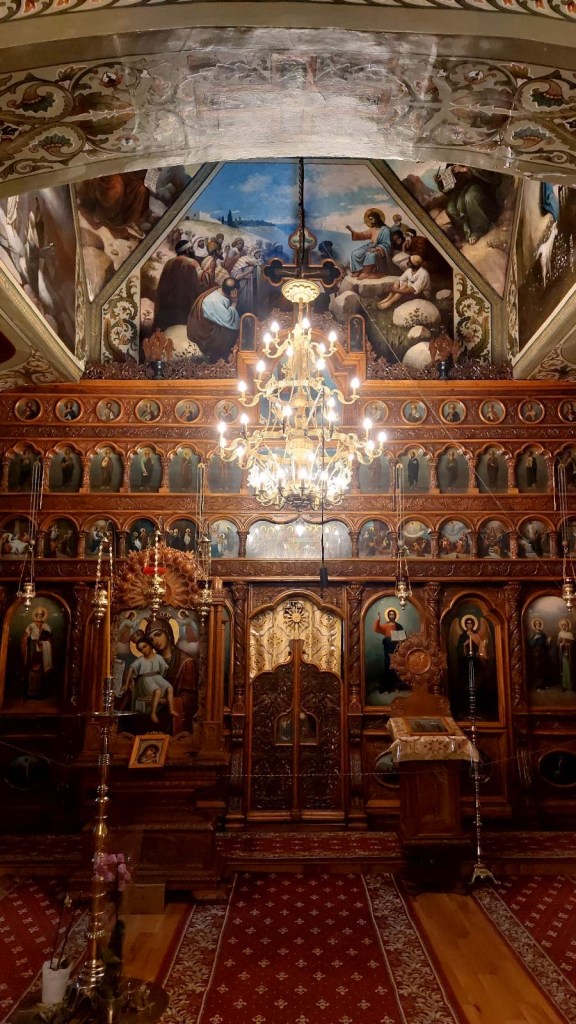
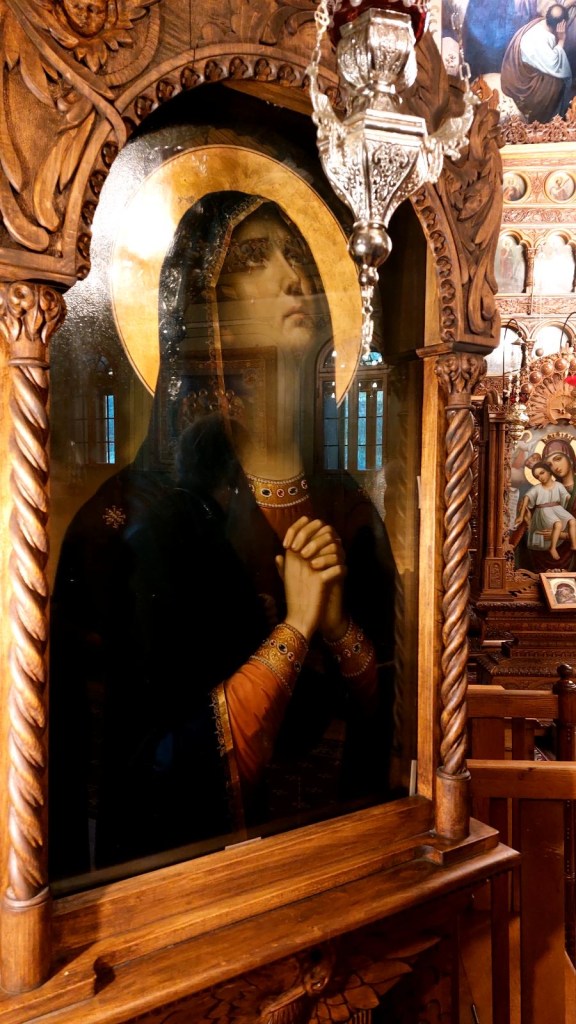
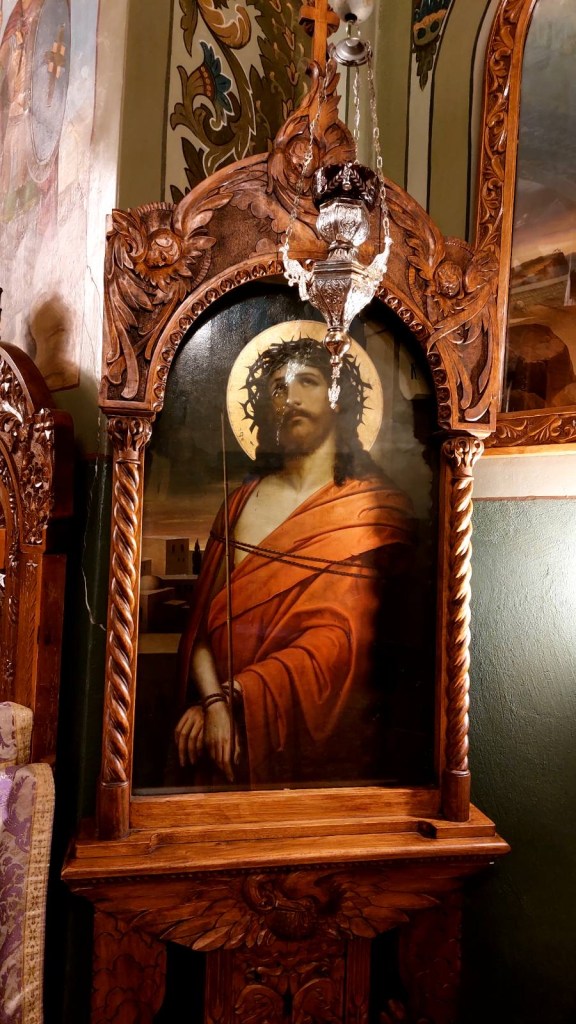
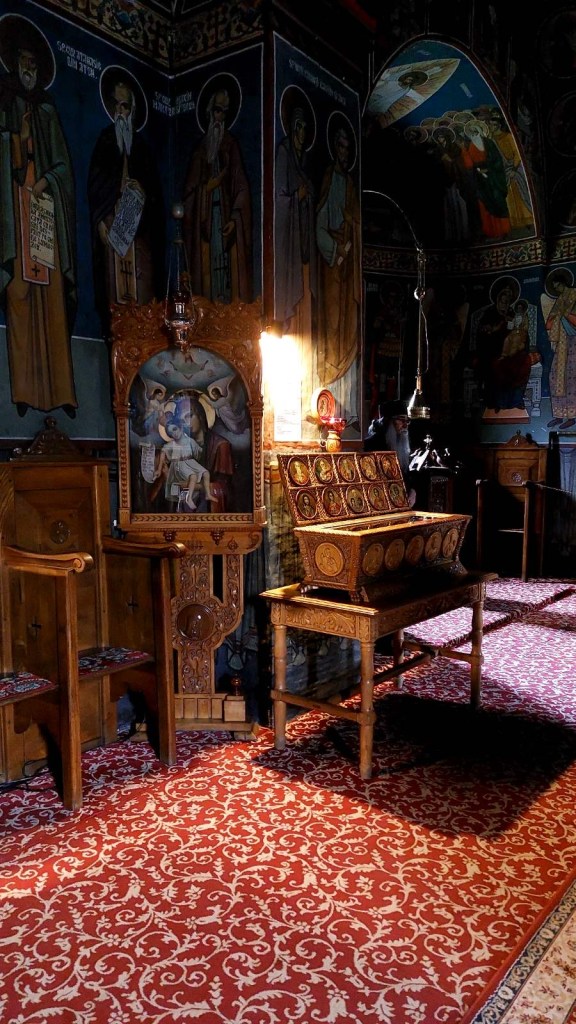
The Church of Saint Theodora of Sihla
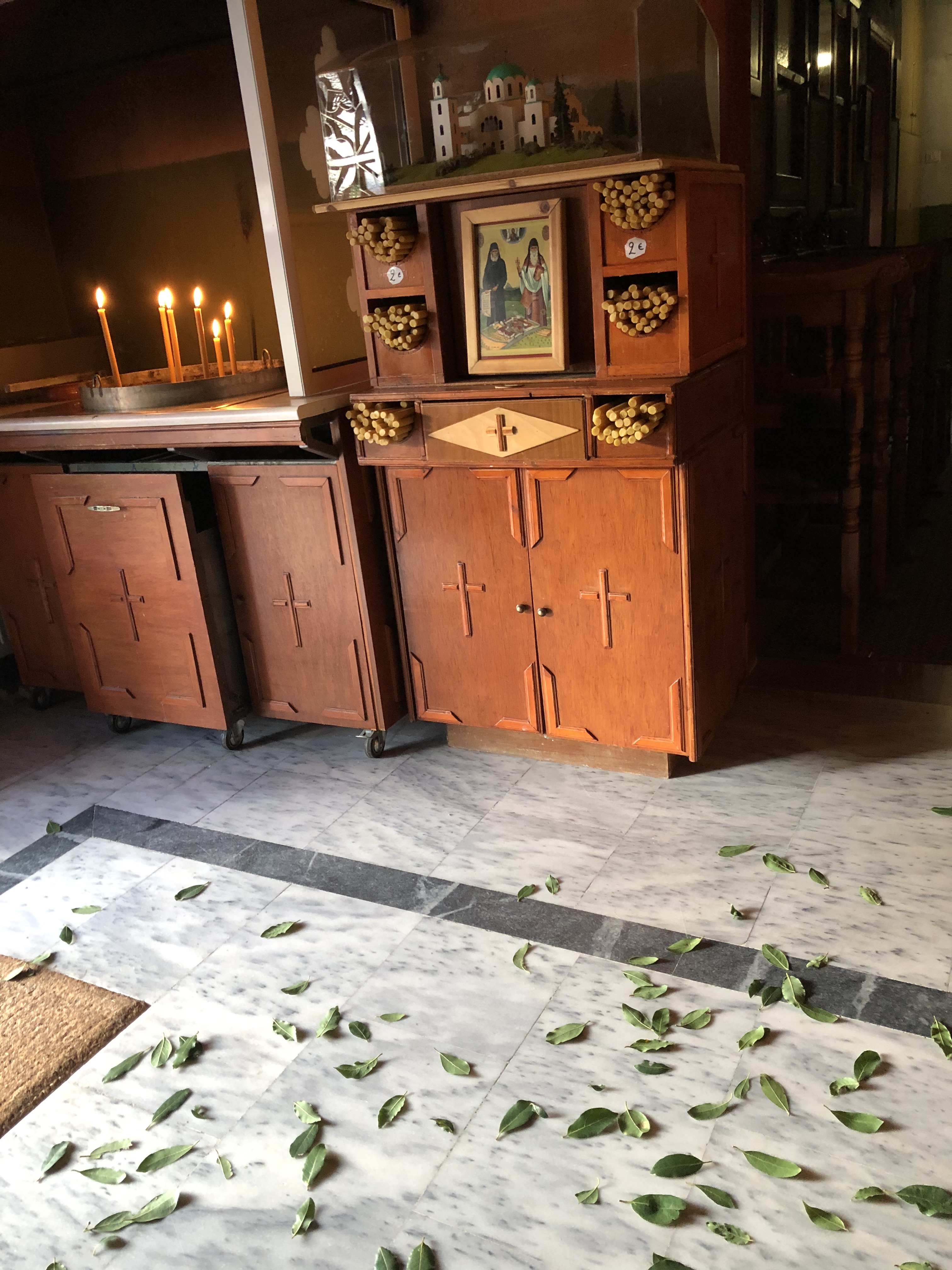
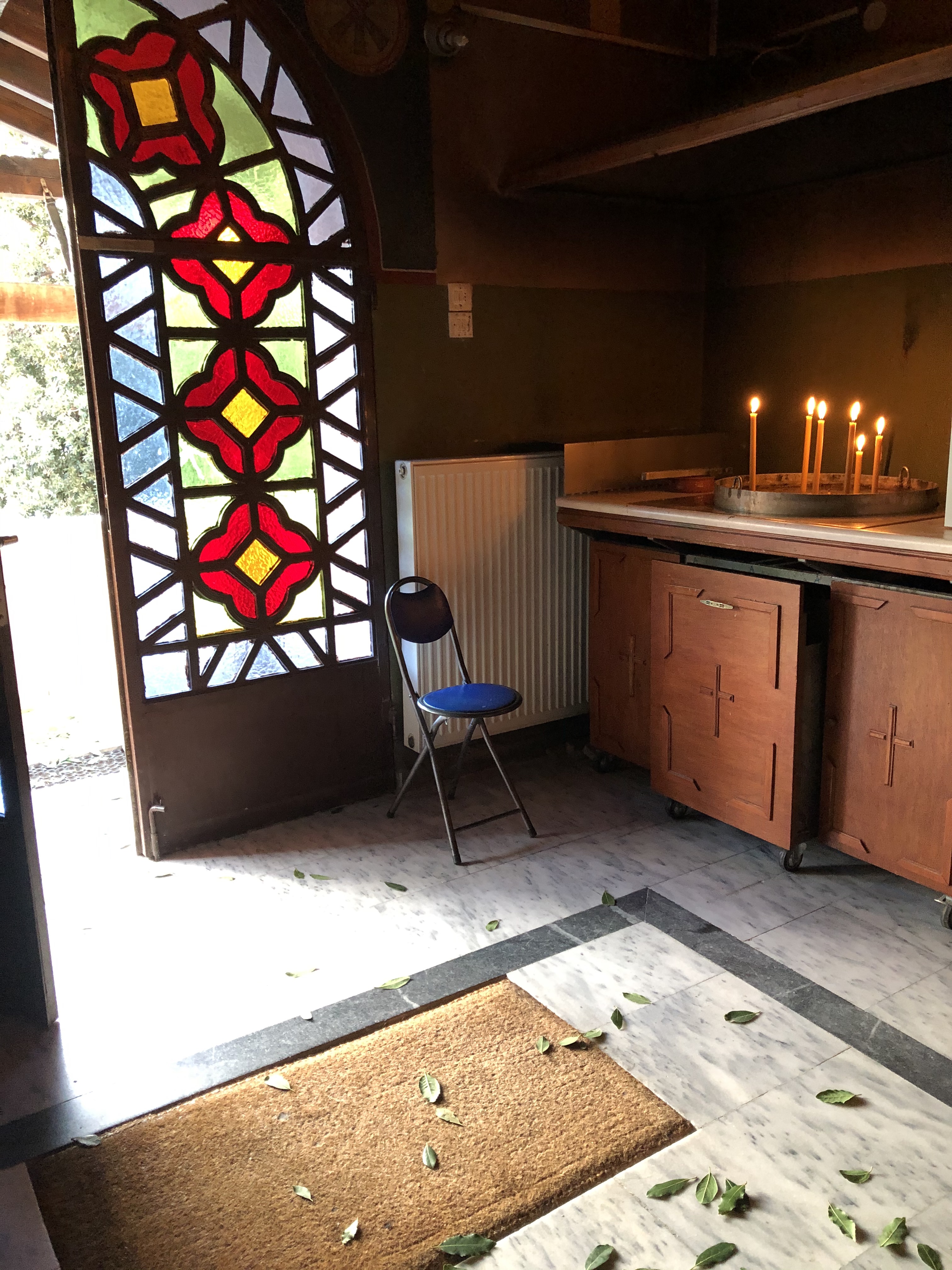
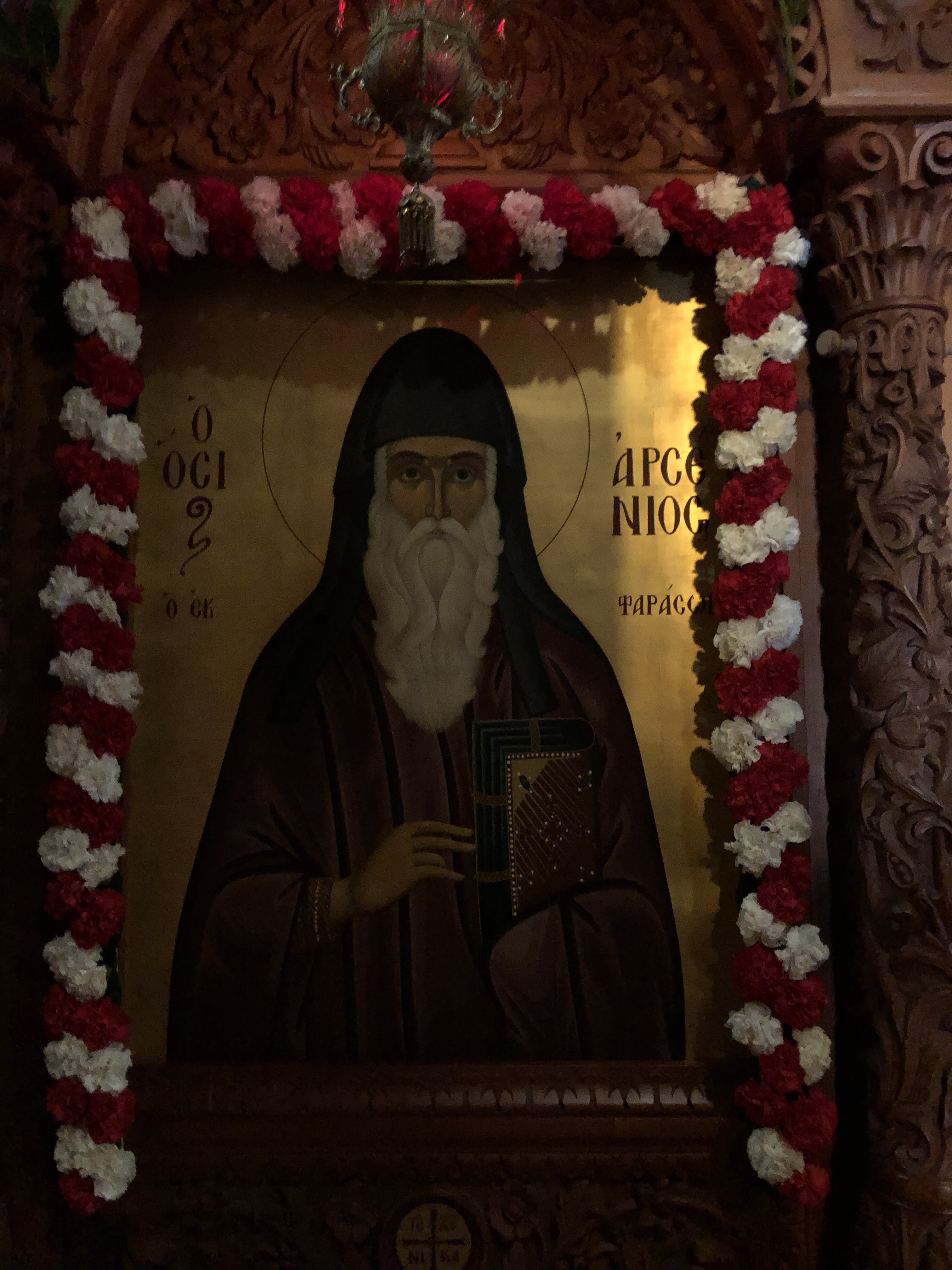
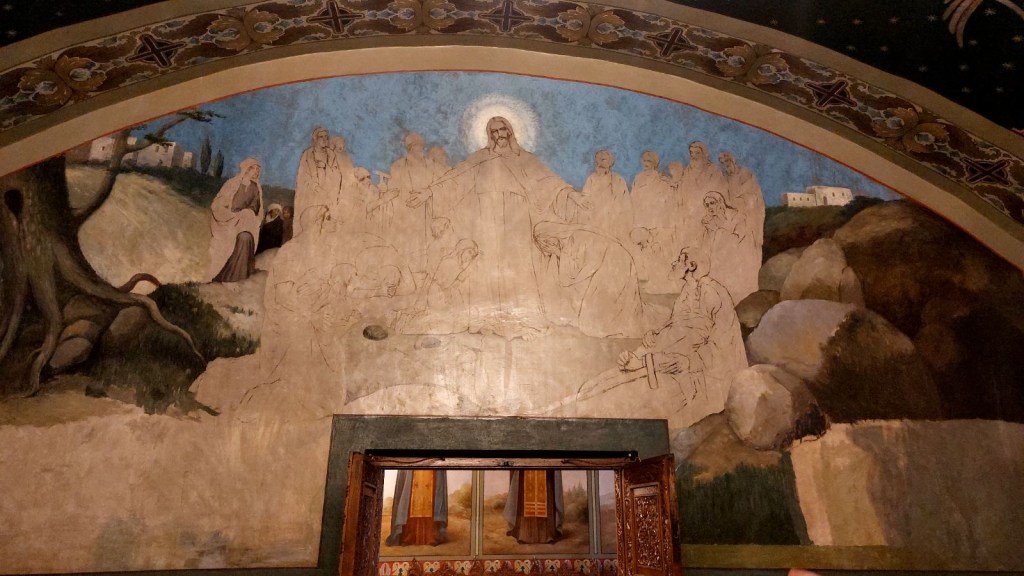
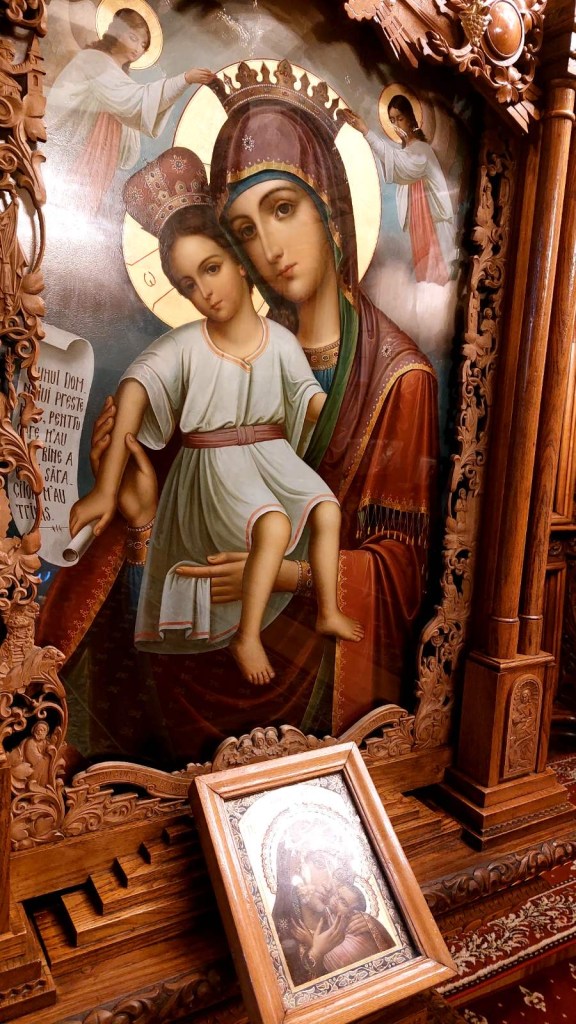
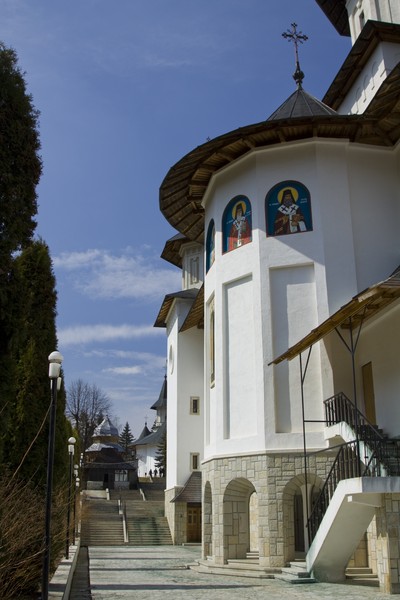
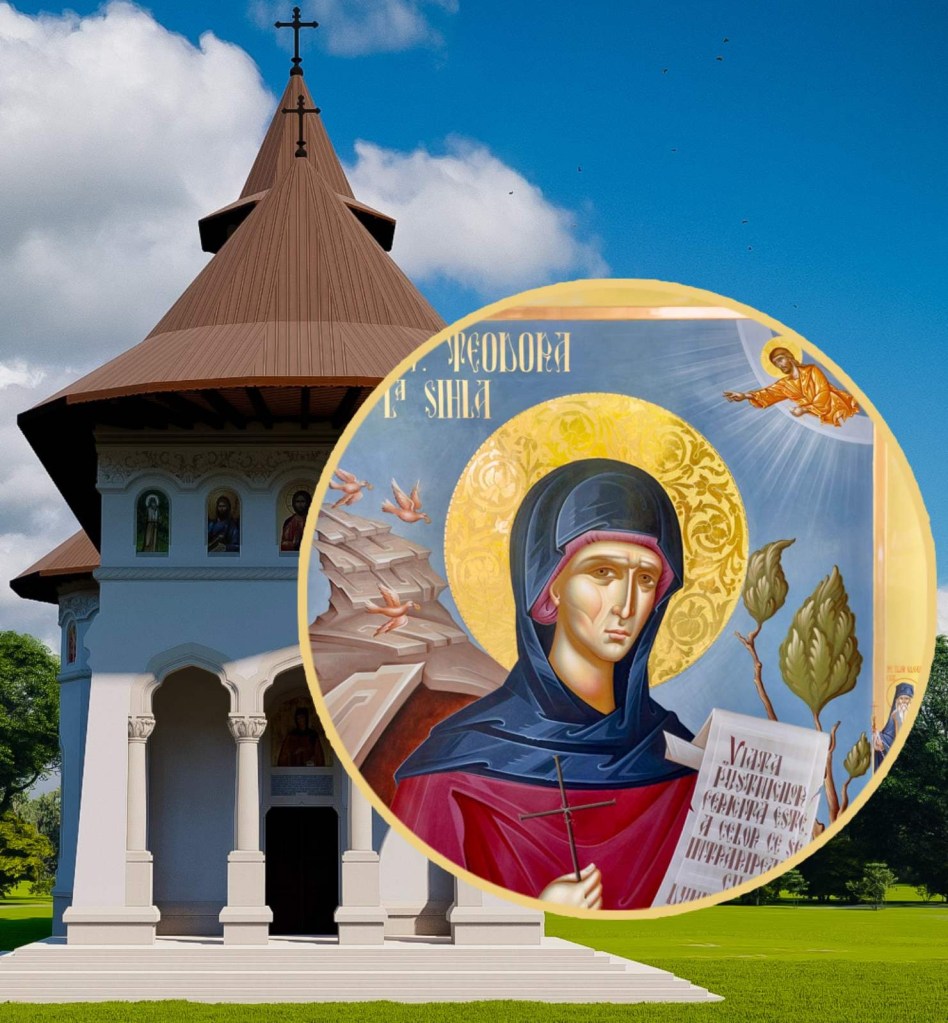
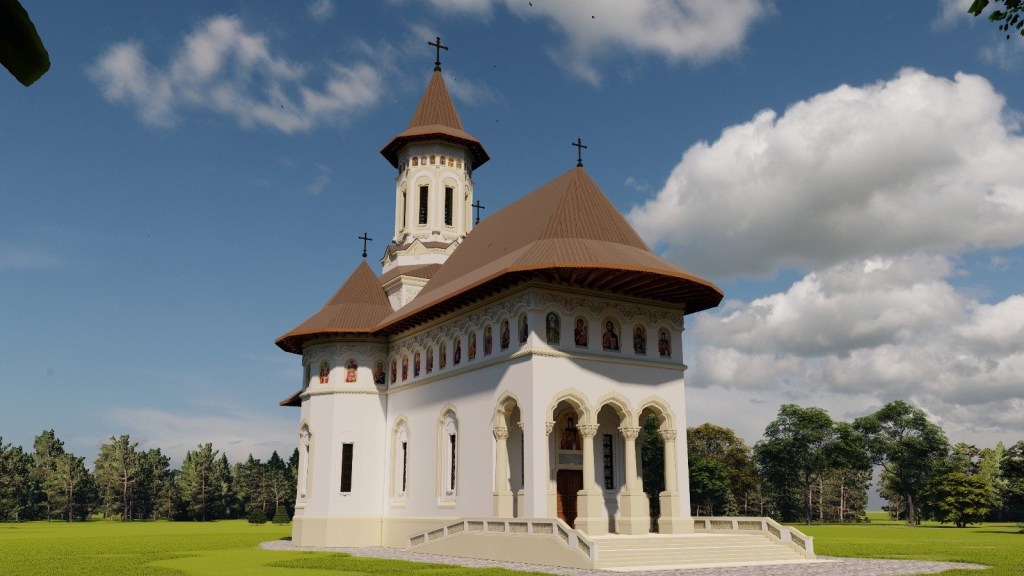
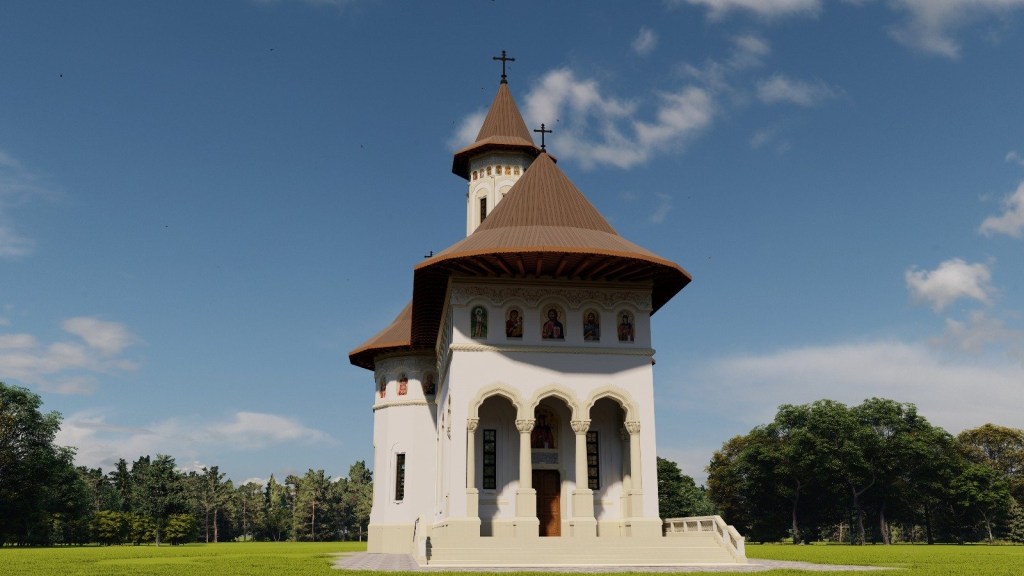
Within the grounds of Sihăstria Monastery stands the Holy Church of Saint Theodora of Sihla, dedicated to one of Romania’s most beloved women saints and greatest ascetics.
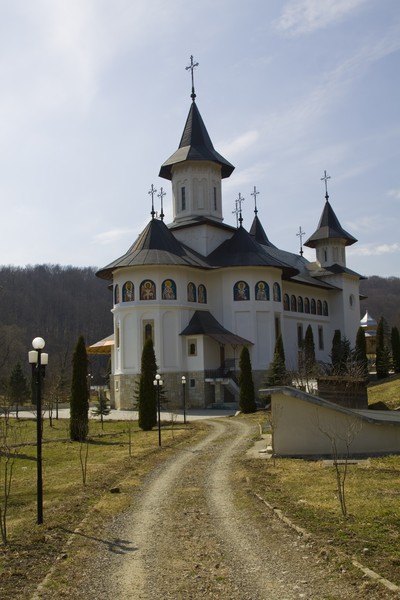
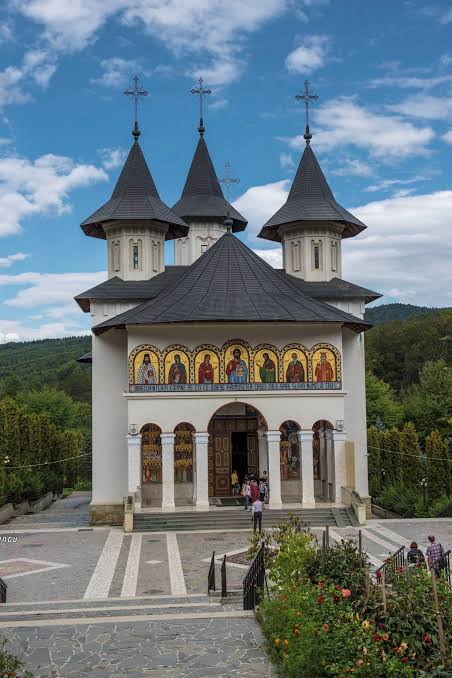
The church honours the memory of the seventeenth-century hermit who withdrew into the forests and mountains of Neamț to dedicate her life entirely to prayer, fasting and unceasing communion with God. Today, pilgrims visit this peaceful sanctuary before continuing to her nearby hermitage and the cave where she spent many years in solitude.
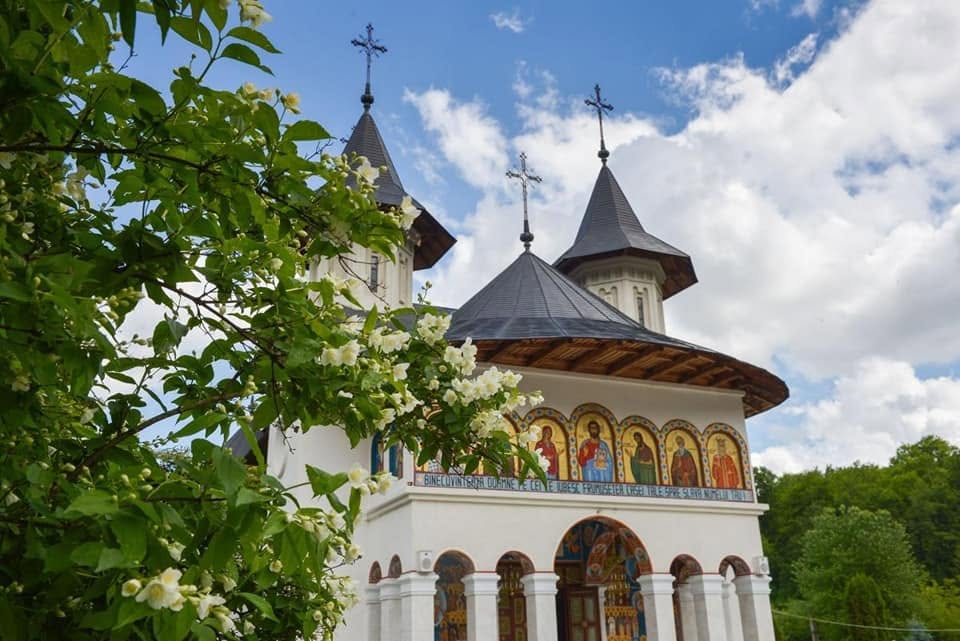
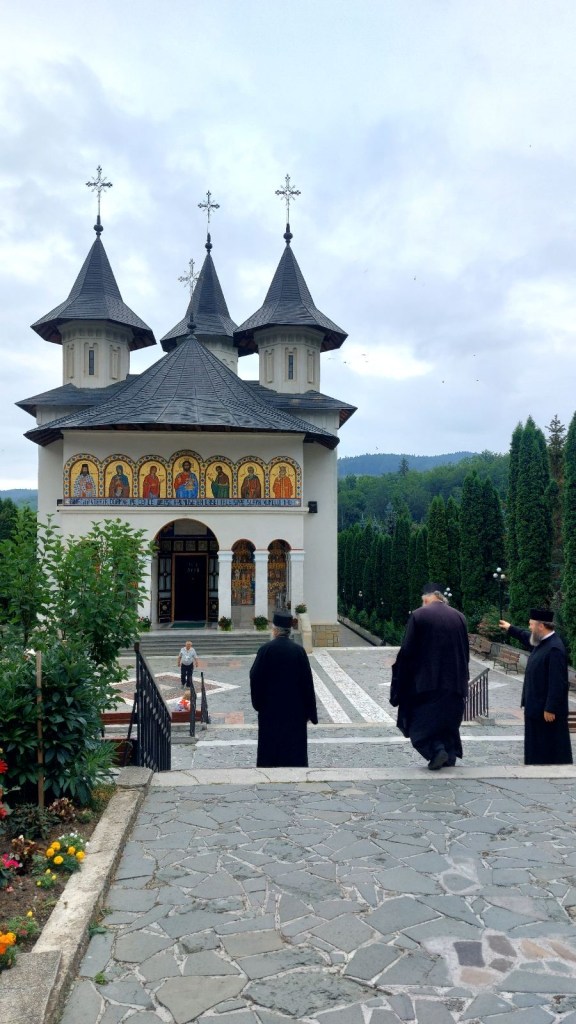
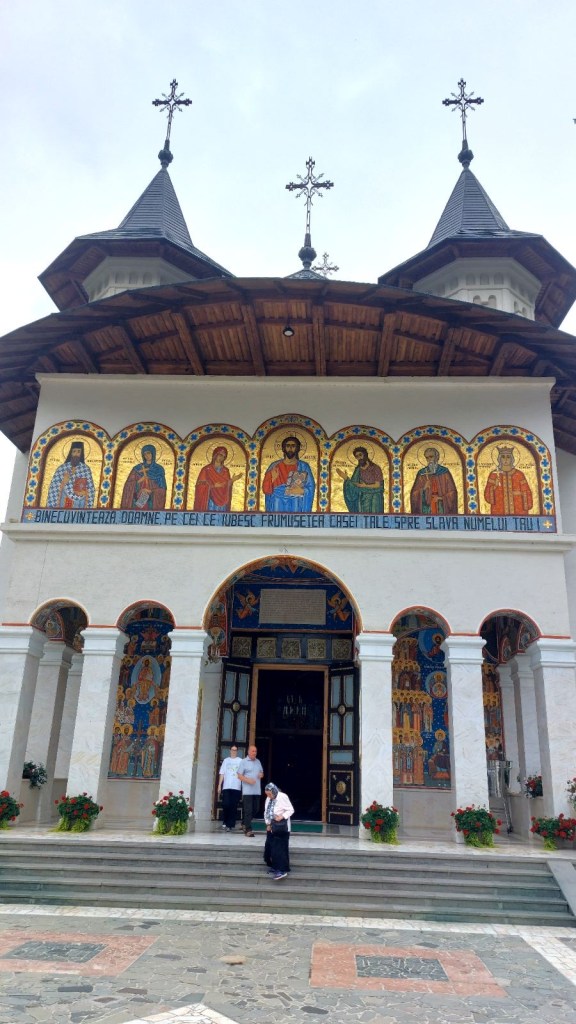
The simplicity and serenity of the church beautifully reflect the hidden life of the saint whose witness continues to inspire countless pilgrims seeking a deeper life of prayer.
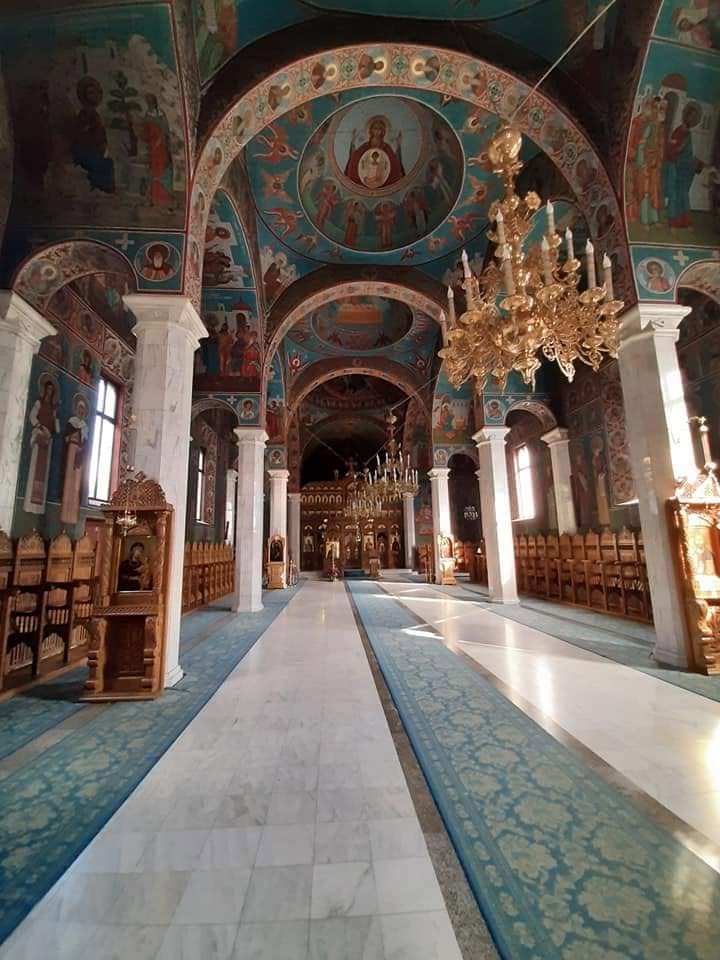
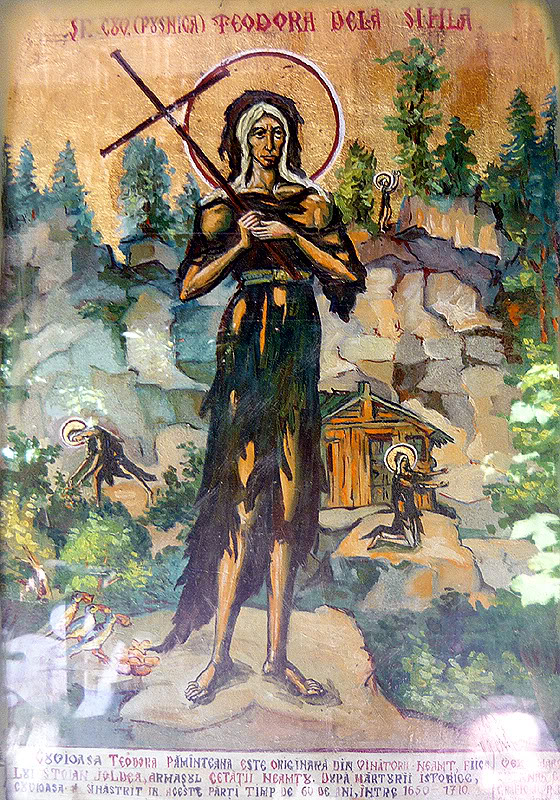
Saint Theodora of Sihla, one of Romania’s most beloved saints and greatest women ascetics, was born in the region of Neamț during the first half of the seventeenth century. After she and her husband mutually chose to embrace the monastic life, Theodora entered the Skete of Poiana Mărului, where she soon became known for her obedience, humility and deep life of prayer.
Following the destruction of her monastery during the Ottoman incursions, she withdrew into the forests and mountains of Sihla, where, with the blessing of the elders of Sihăstria, she lived as a hermit for more than thirty years. Sustained by prayer, fasting and complete trust in God’s providence, she devoted her life entirely to Christ. According to Romanian tradition, birds brought her bread, while the spring beside her cave provided her with water—a place still known today as Saint Theodora’s Spring.
Shortly before her repose, she received Holy Communion for the last time and peacefully surrendered her soul to God. She was buried beside the cave where she had spent the greater part of her ascetic life, and her tomb soon became a place of pilgrimage. Although her holy relics were later transferred to the Kyiv Caves Lavra, her hermitage, cave and spring continue to draw pilgrims from across Romania and throughout the Orthodox world.
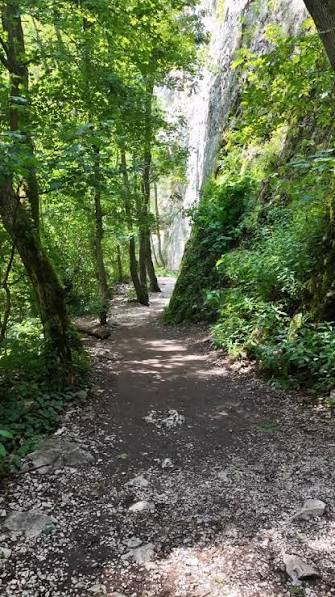
Standing in these silent forests today, one begins to understand why Saint Theodora chose this hidden wilderness. It remains a place where the stillness of nature quietly speaks of a life wholly dedicated to God.
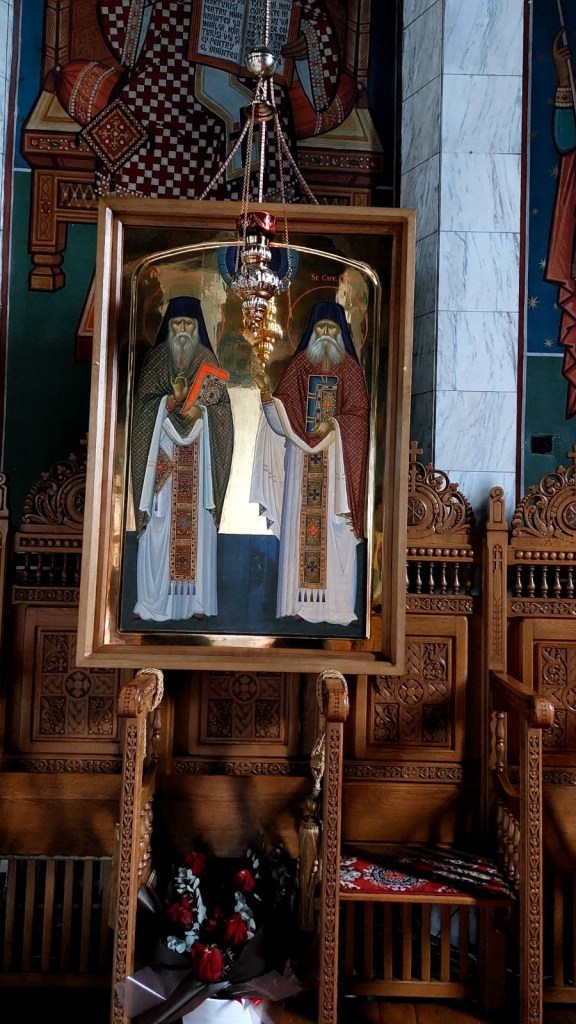
Saints Paisios (Olaru) and Cleopa (Ilie)
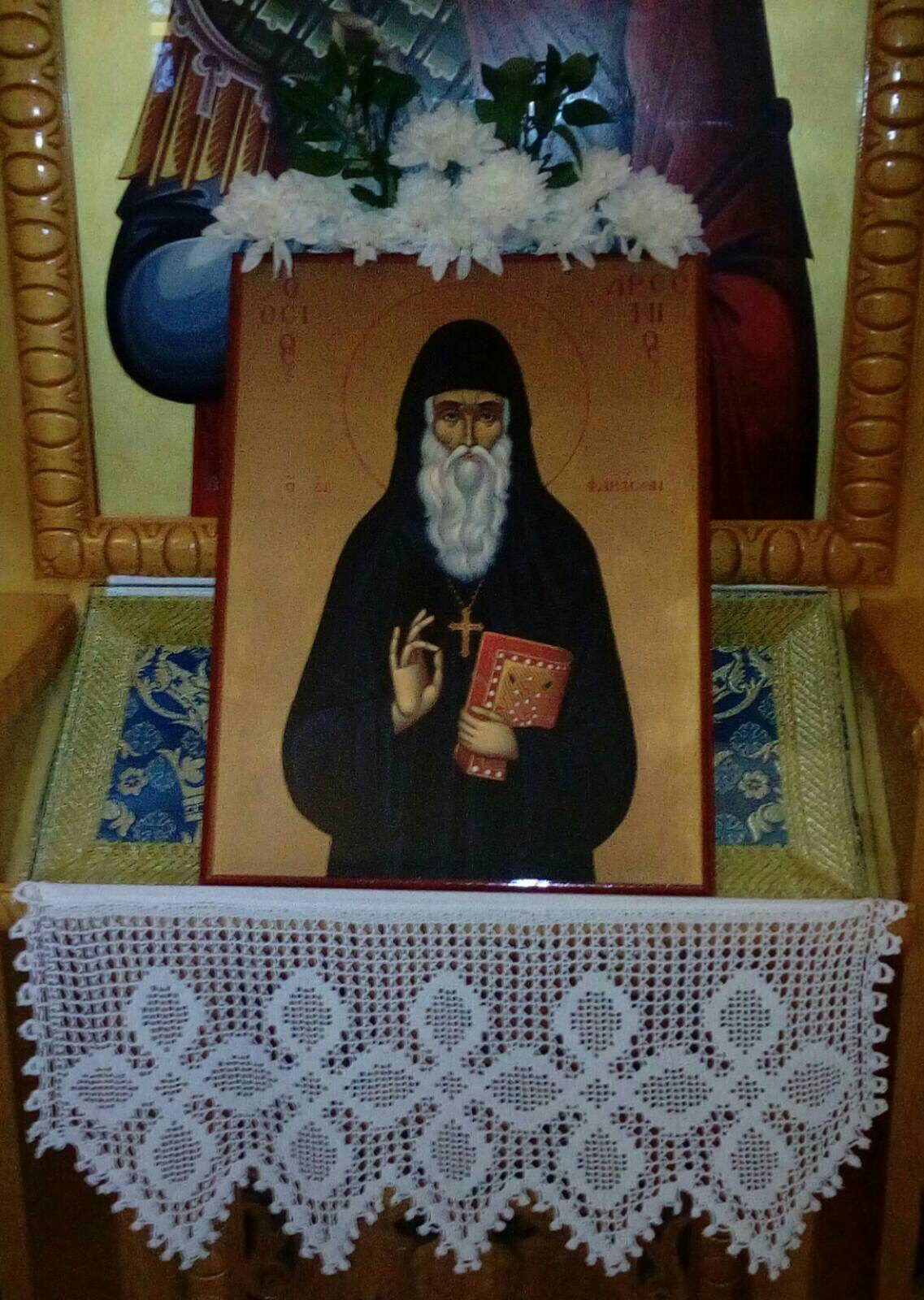
Sihăstria Monastery is inseparably linked with two of Romania’s most beloved spiritual fathers of the twentieth century: Saint Elder Paisios (Olaru) and Saint Elder Cleopa (Ilie). Through their lives of prayer, humility and wise spiritual counsel, both elders attracted countless pilgrims and became guiding lights for generations of Orthodox Christians.
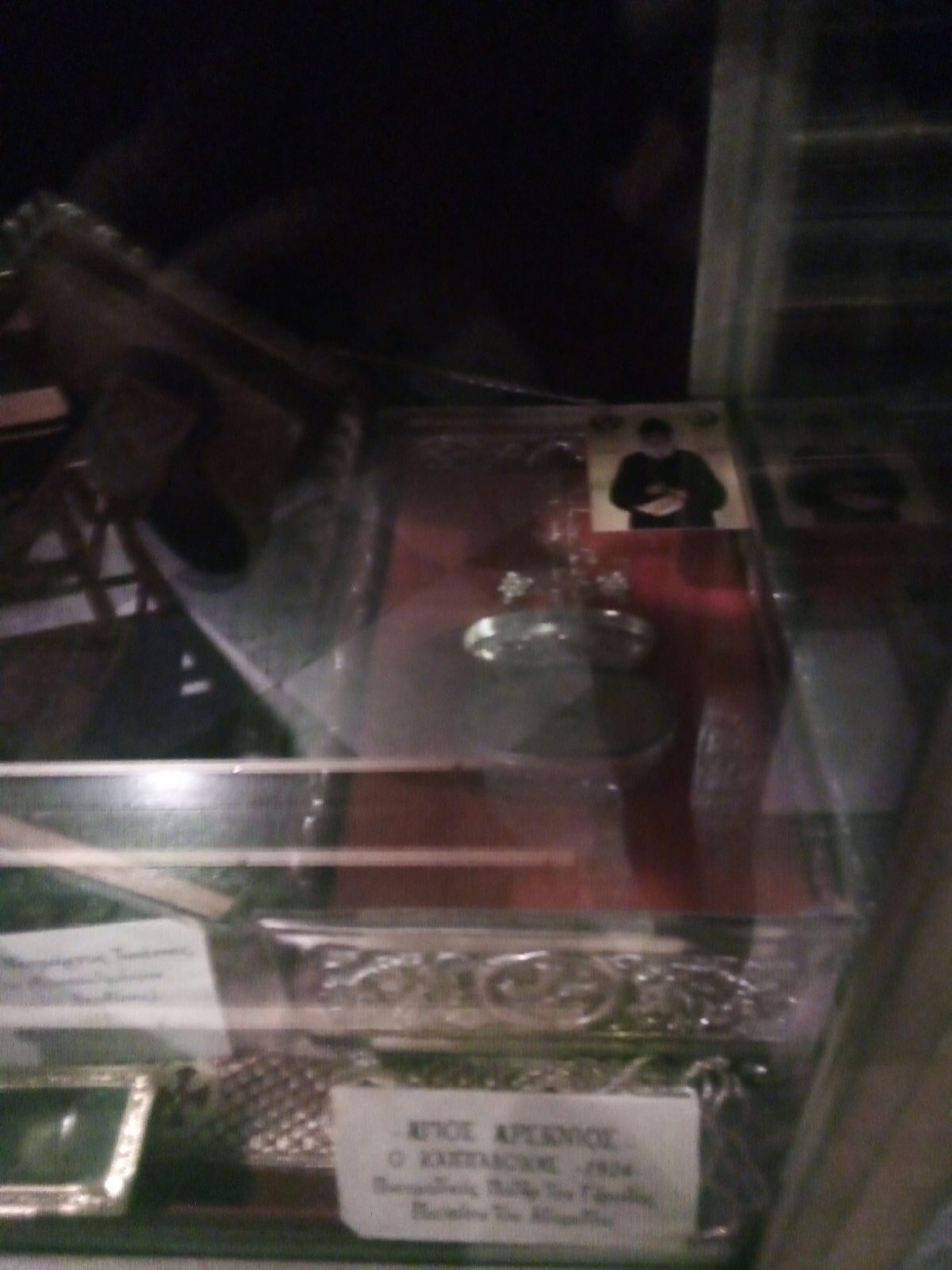
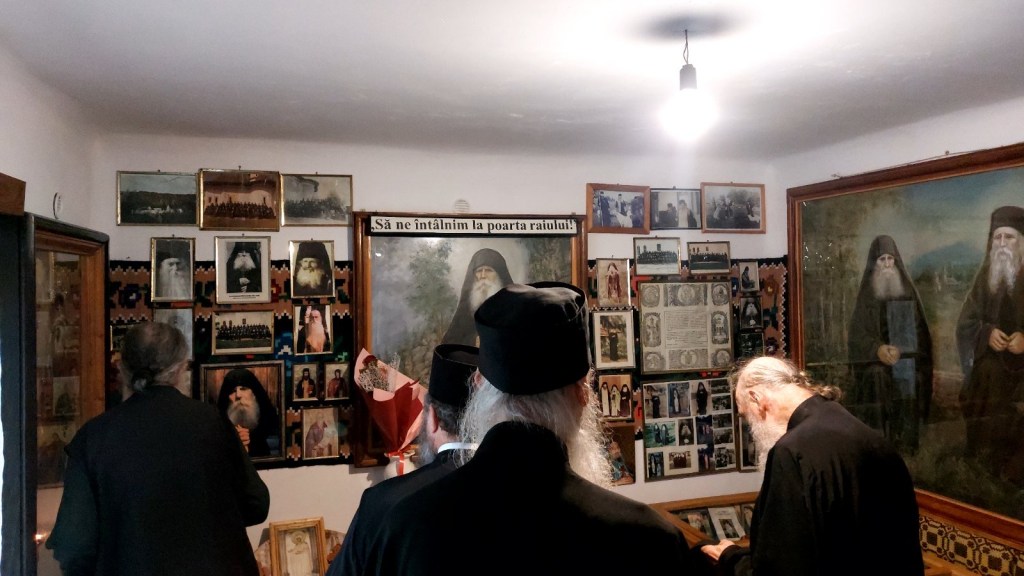
Today, their holy relics rest within the monastery, while their preserved monastic cells continue to bear silent witness to lives wholly dedicated to Christ. Pilgrims from across Romania and far beyond come to venerate their relics, visit the humble places where they lived, and seek inspiration from their enduring spiritual legacy.
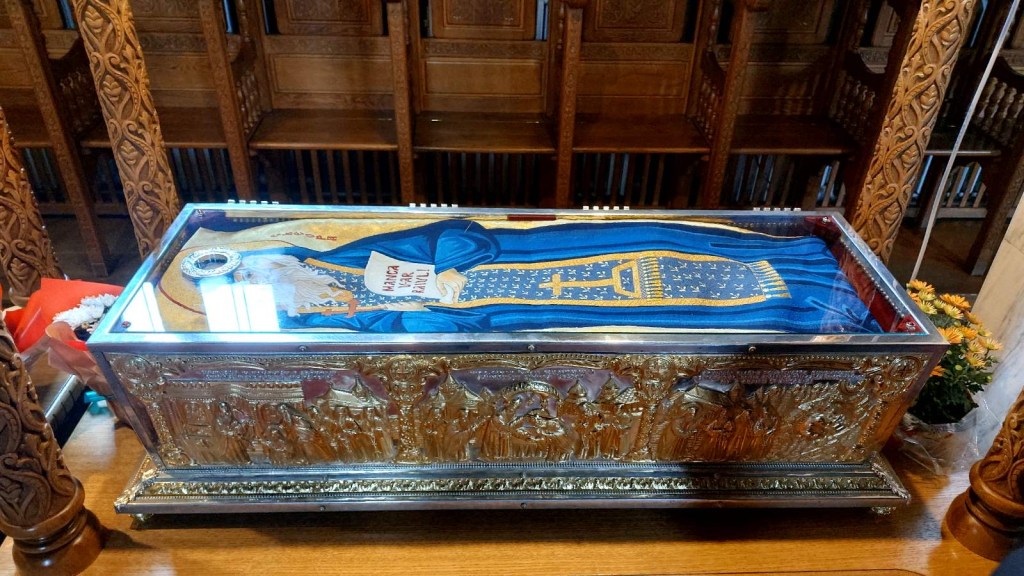
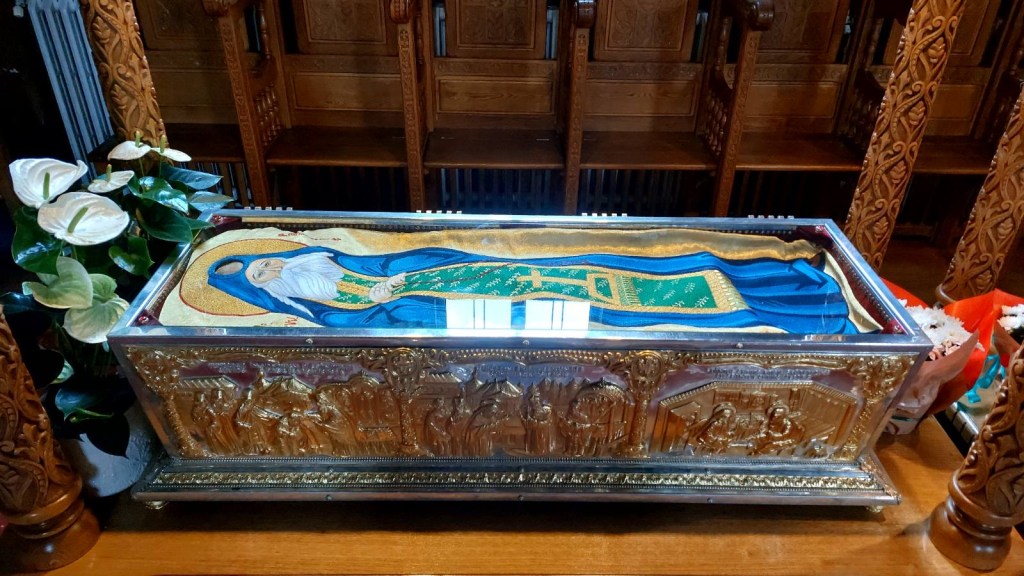
Saint Paisios (Olaru)
Saint Elder Paisios (Olaru) (1897–1990) was one of Romania’s most beloved spiritual fathers and confessors. Renowned for his profound humility, gentleness and gift of spiritual discernment, he devoted his life to hearing confessions, comforting the afflicted and quietly guiding countless souls towards Christ. Although he sought no recognition, his holiness became known throughout Romania, and pilgrims travelled great distances simply to receive his blessing and fatherly counsel. His peaceful presence and unwavering trust in God’s mercy continue to inspire Orthodox Christians today.
Saint Cleopa (Ilie)
Saint Elder Cleopa (Ilie) (1912–1998) is widely regarded as one of the greatest Romanian elders of the twentieth century. A gifted preacher, theologian and spiritual father, he combined deep asceticism with remarkable pastoral wisdom, making the treasures of the Orthodox faith accessible to thousands through his sermons, writings and personal conversations. His life at Sihăstria Monastery, marked by humility, prayer and fearless witness during difficult times, has left an enduring legacy that continues to attract pilgrims from around the world.
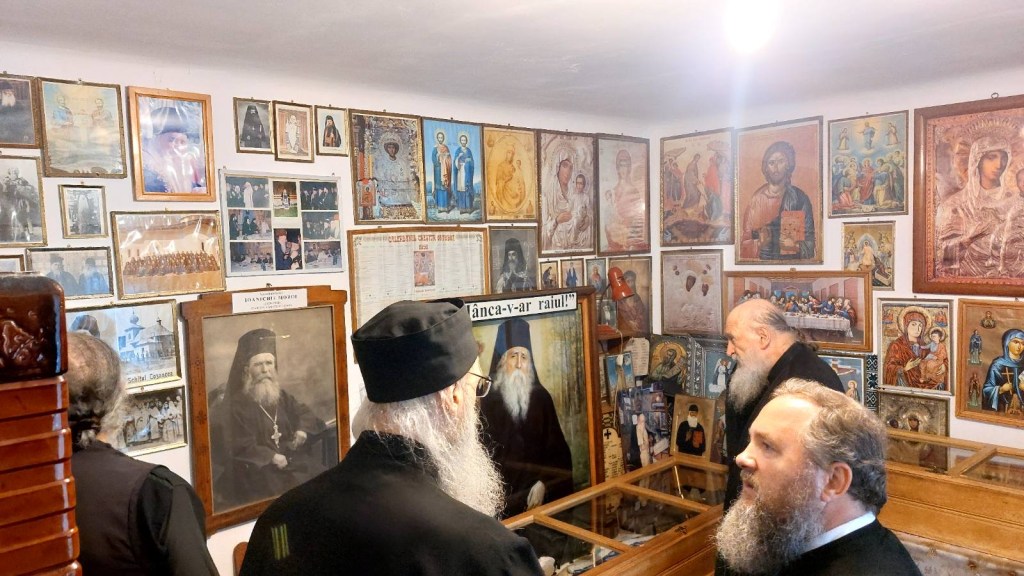
The preserved monastic cells and personal belongings of Saints Elders Paisios (Olaru) and Cleopa (Ilie).
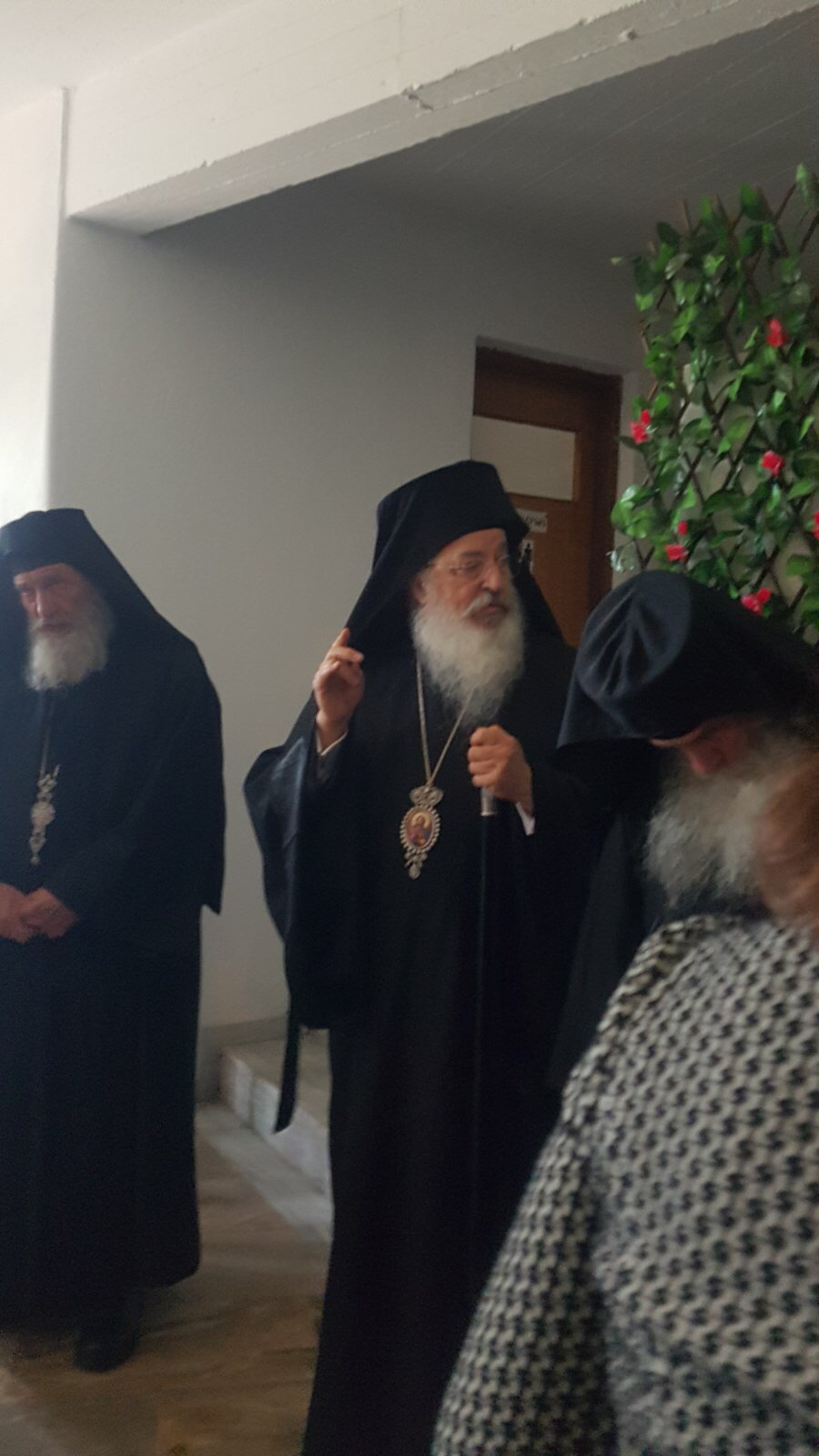
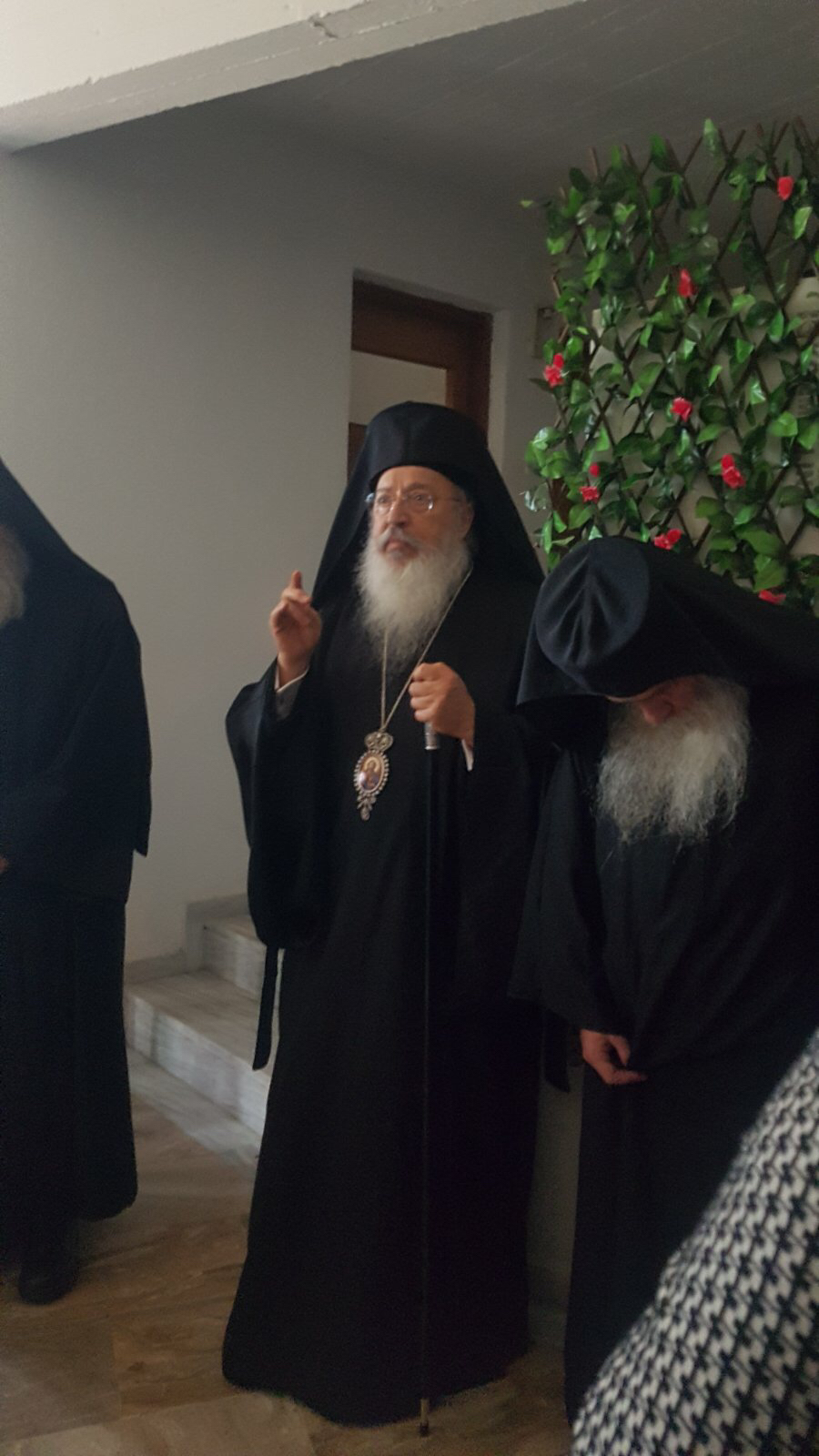
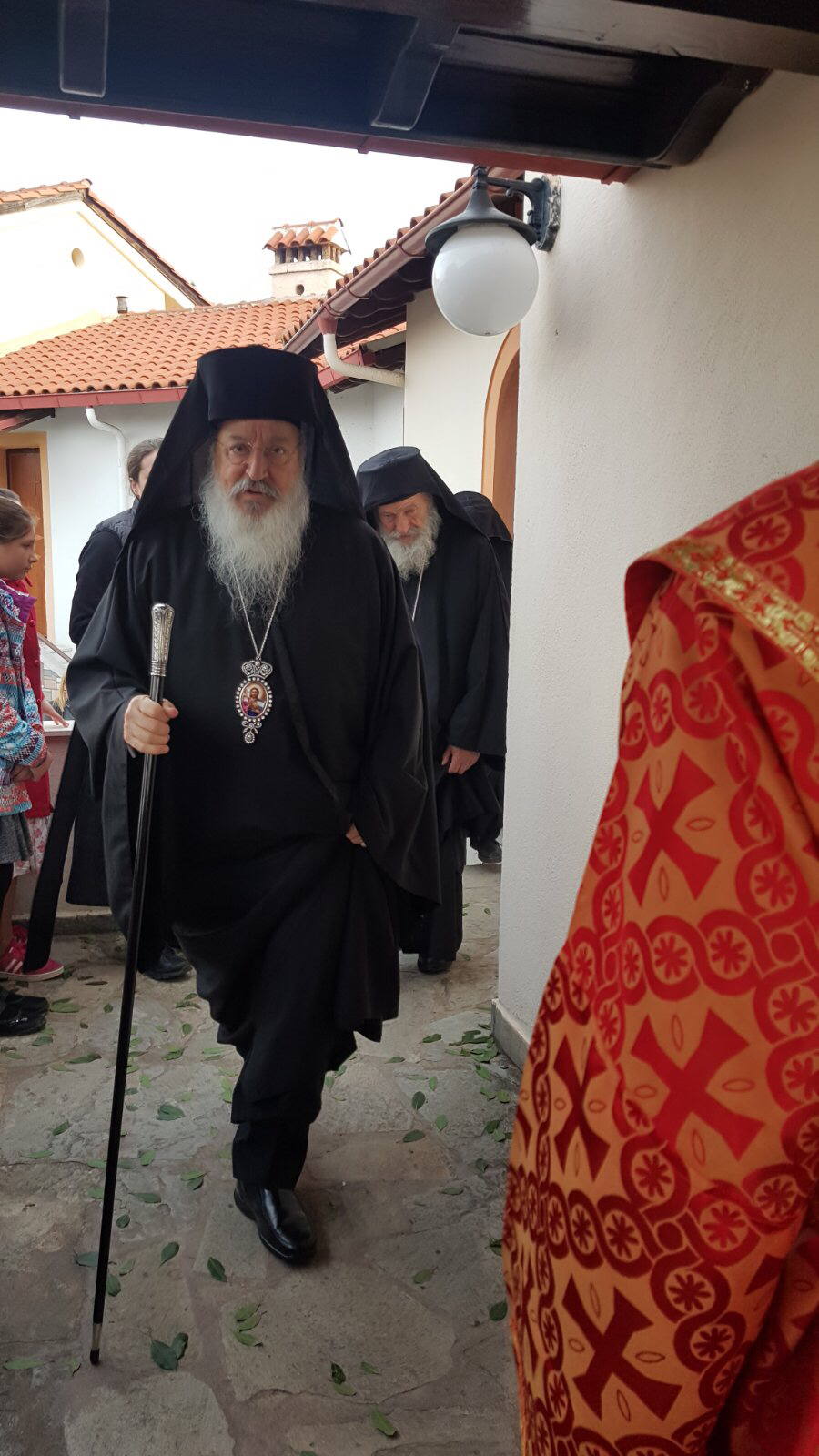
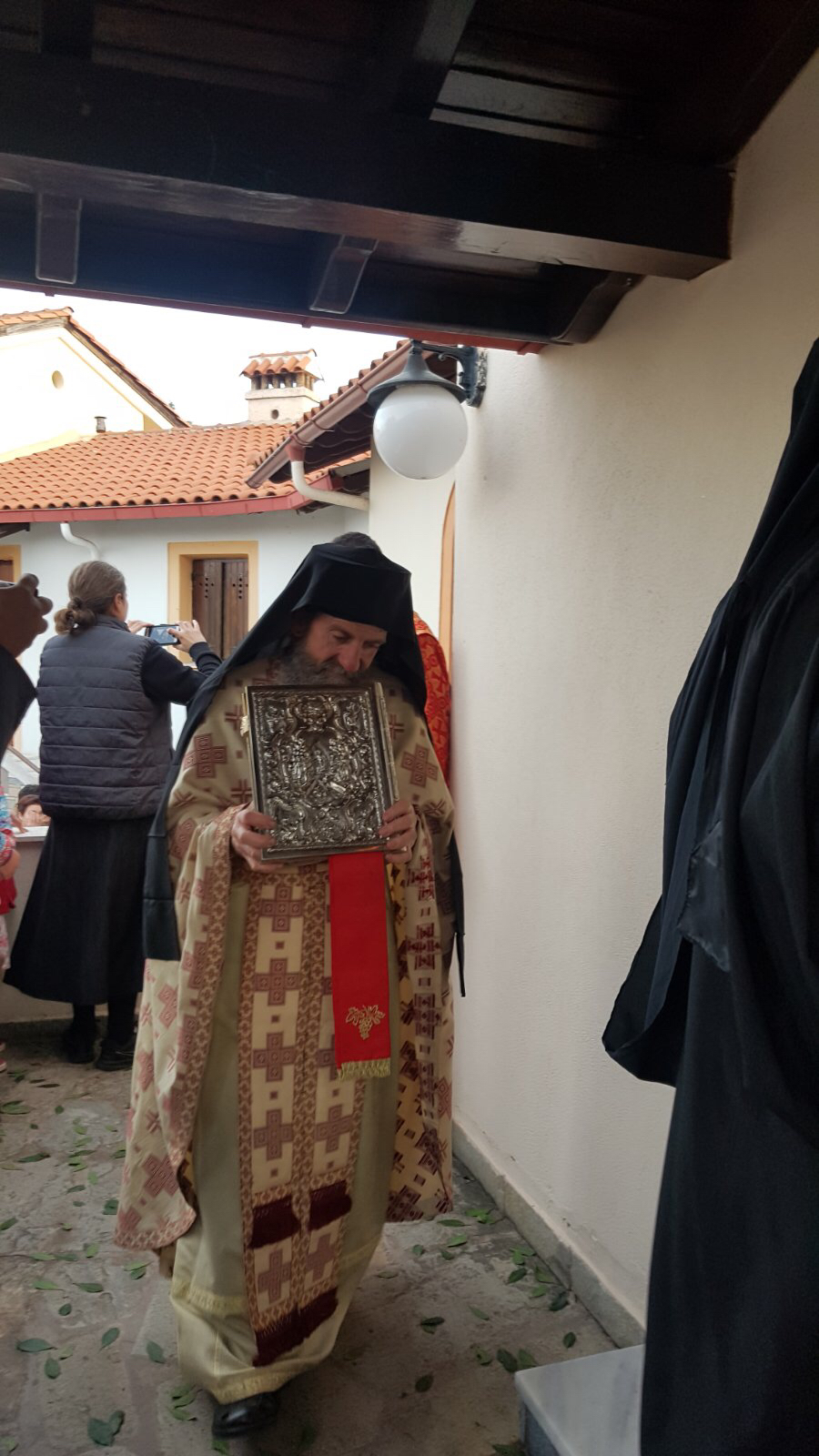
ΓΕΡΩΝ ΘΕΟΚΛΗΤΟΣ ΣΤΗ ΡΟΥΜΑΝΙΑ ΓΙΑ ΑΓΙΟ ΠΑΙΣΙΟ
Conferință și concert bizantin și coral la Hramul Parohiei Sfântul Ștefan cel Mare, Iași” on YouTube
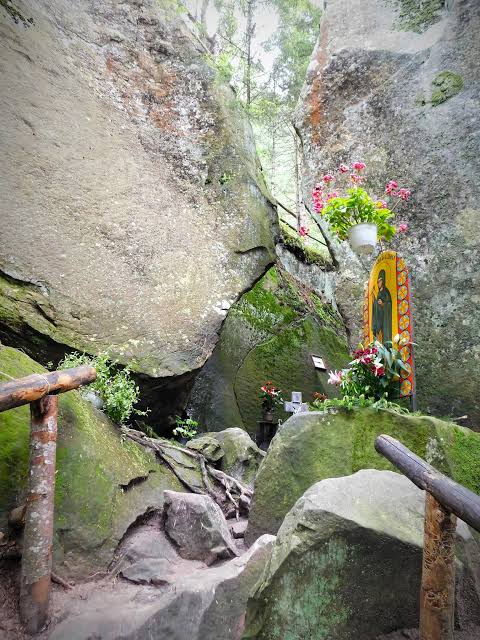
The Hermitage of Saint Theodora of Sihla
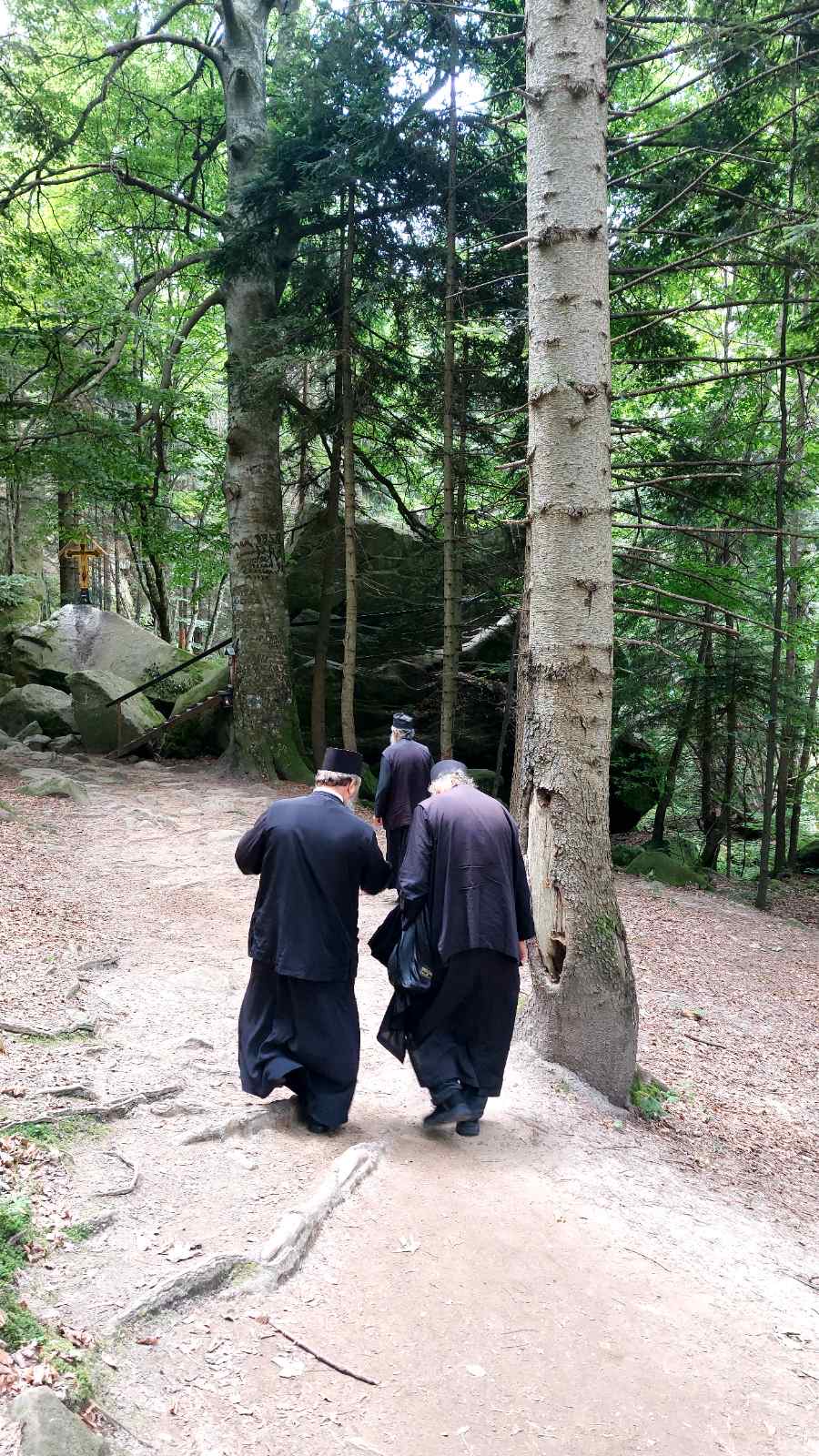
Leaving Sihăstria Monastery behind, our pilgrimage continued through the forests towards one of Romania’s most cherished places of prayer—the Hermitage of Saint Theodora of Sihla.
Hidden among the cliffs and dense woodland, this peaceful retreat marks the place where Saint Theodora spent the greater part of her ascetic life in solitude and unceasing prayer. Nearby are the cave where she lived and the spring that, according to tradition, sustained her throughout those many years in the wilderness.
Even today, the silence of these forests invites every pilgrim to pause, pray, and remember that holiness often blossoms far from the noise of the world.
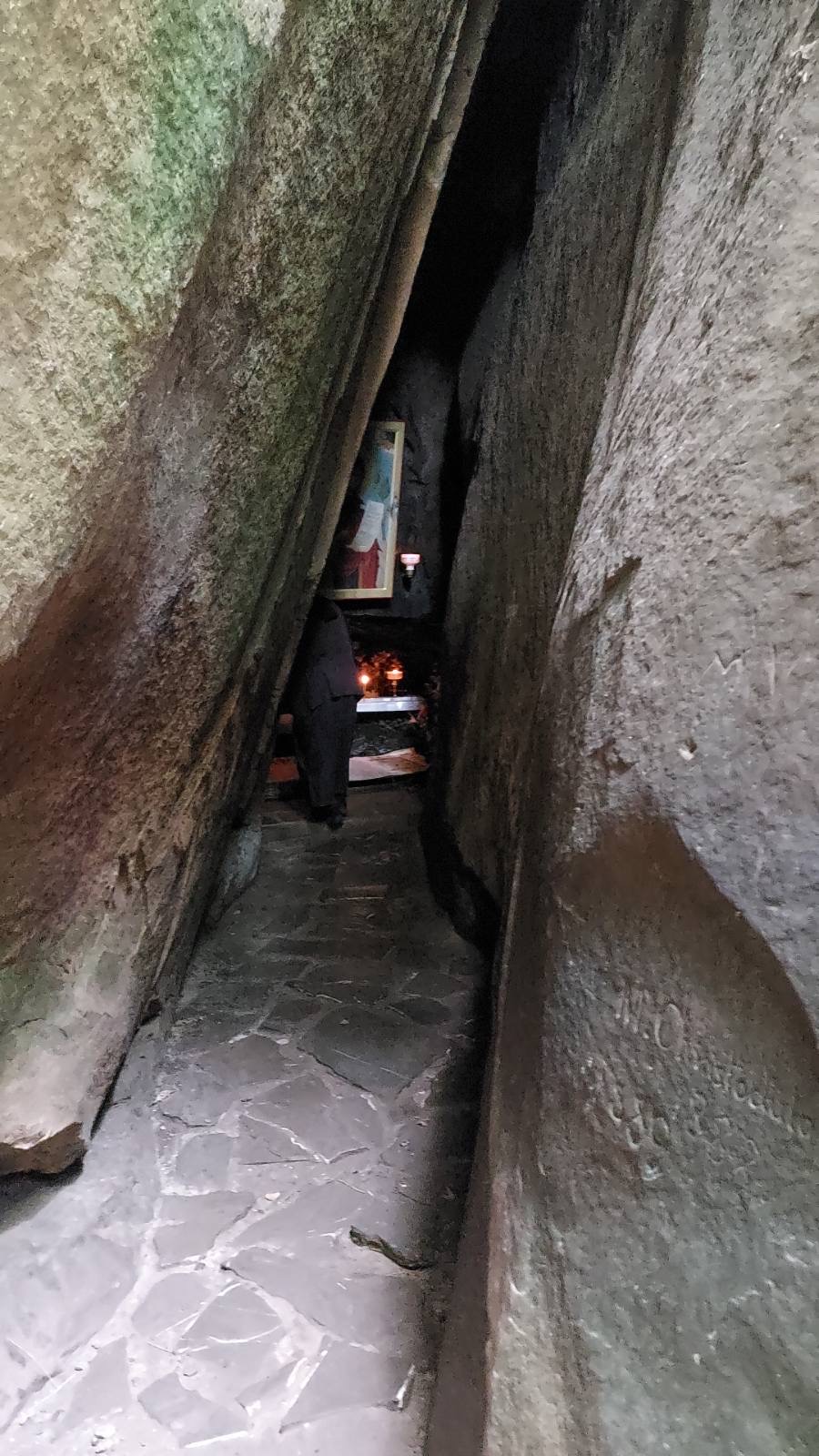
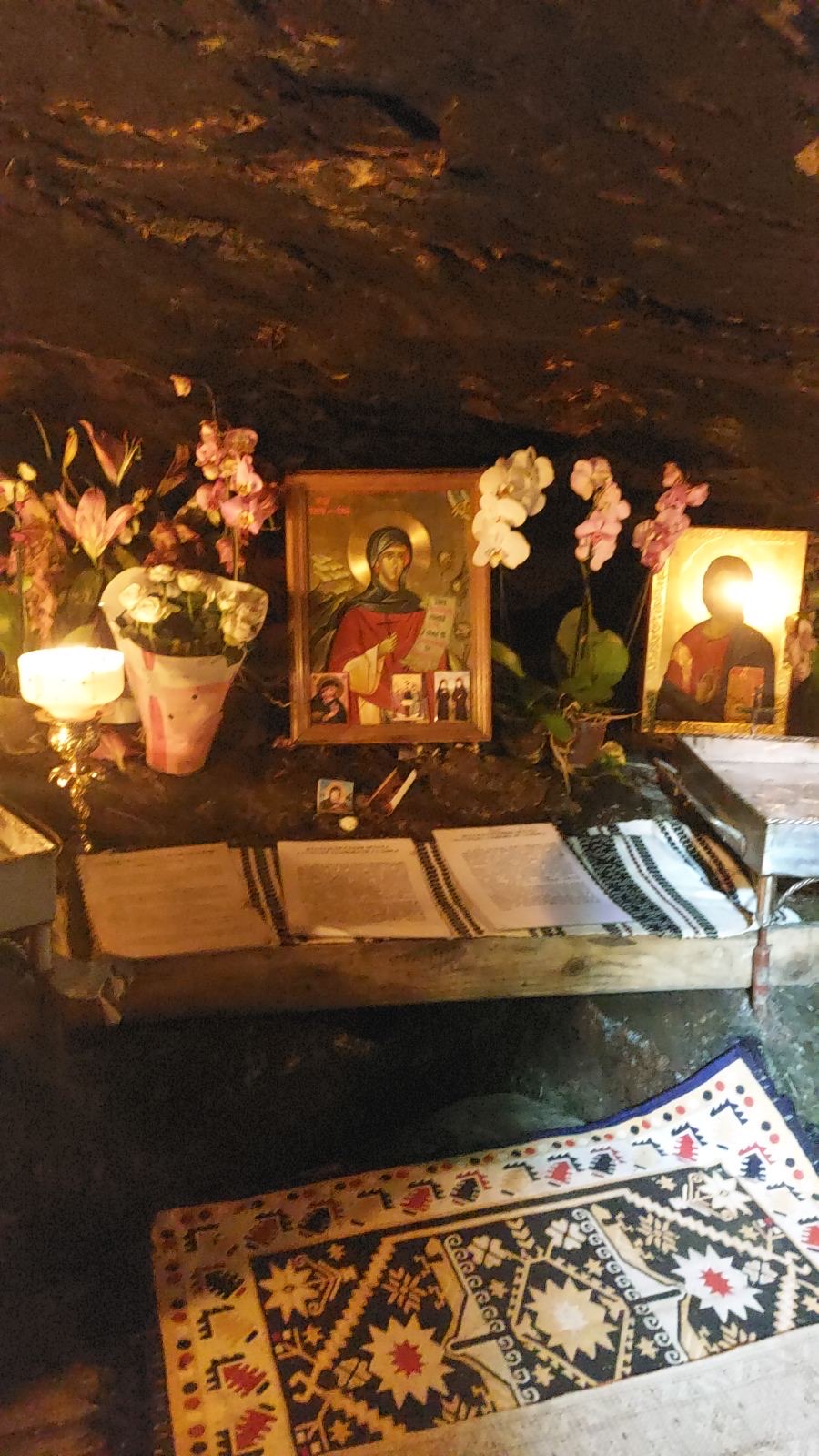
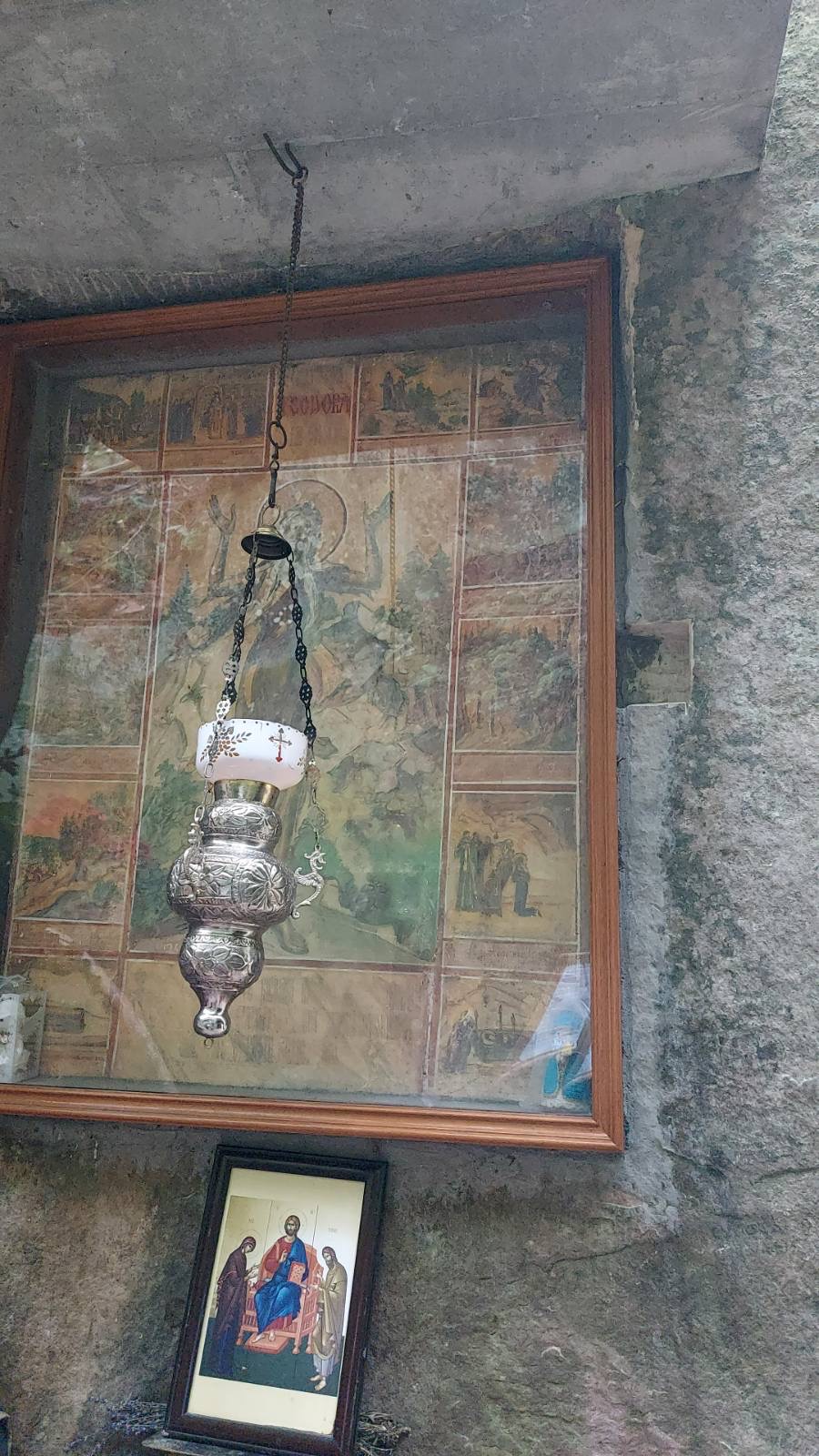
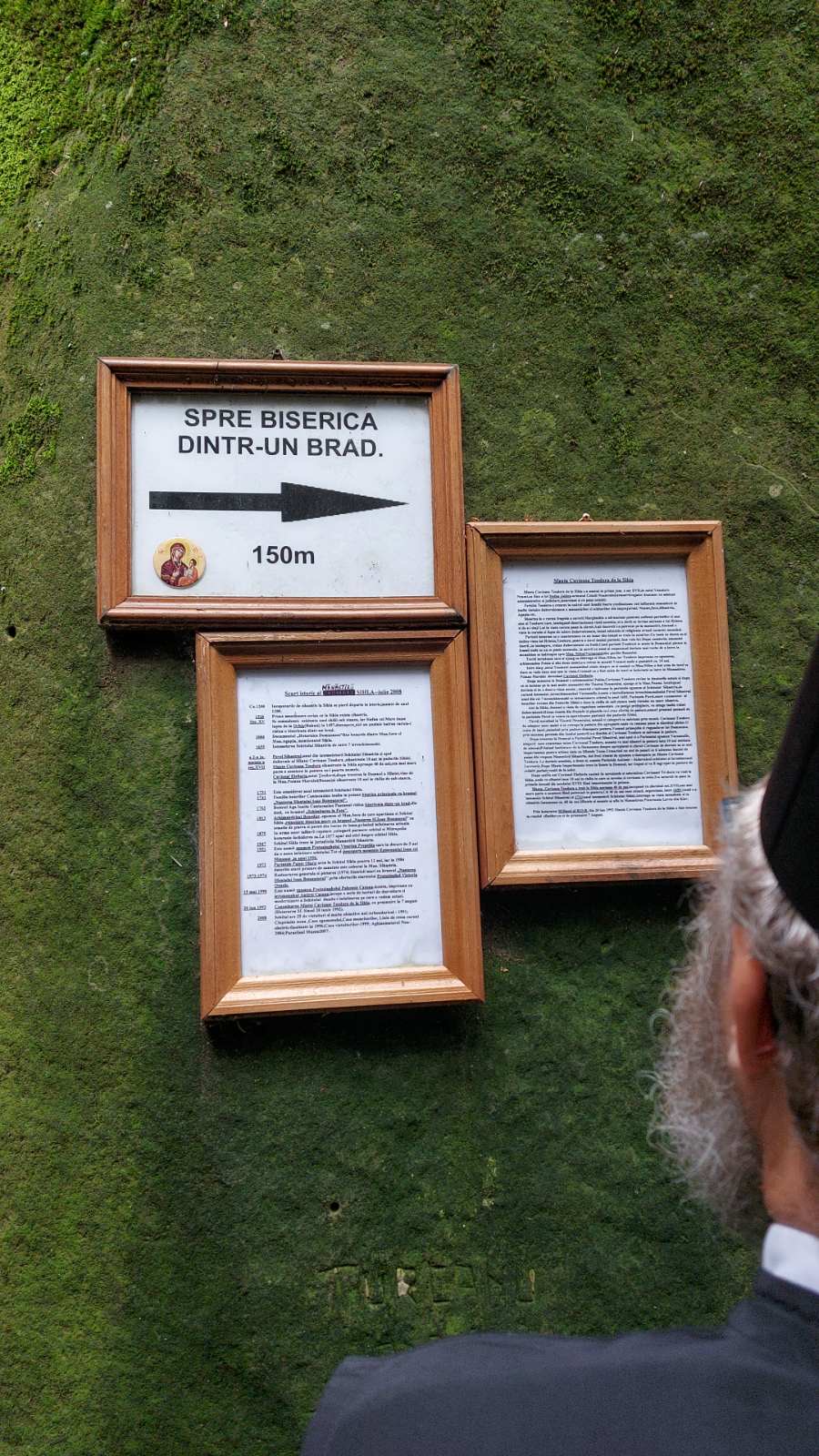
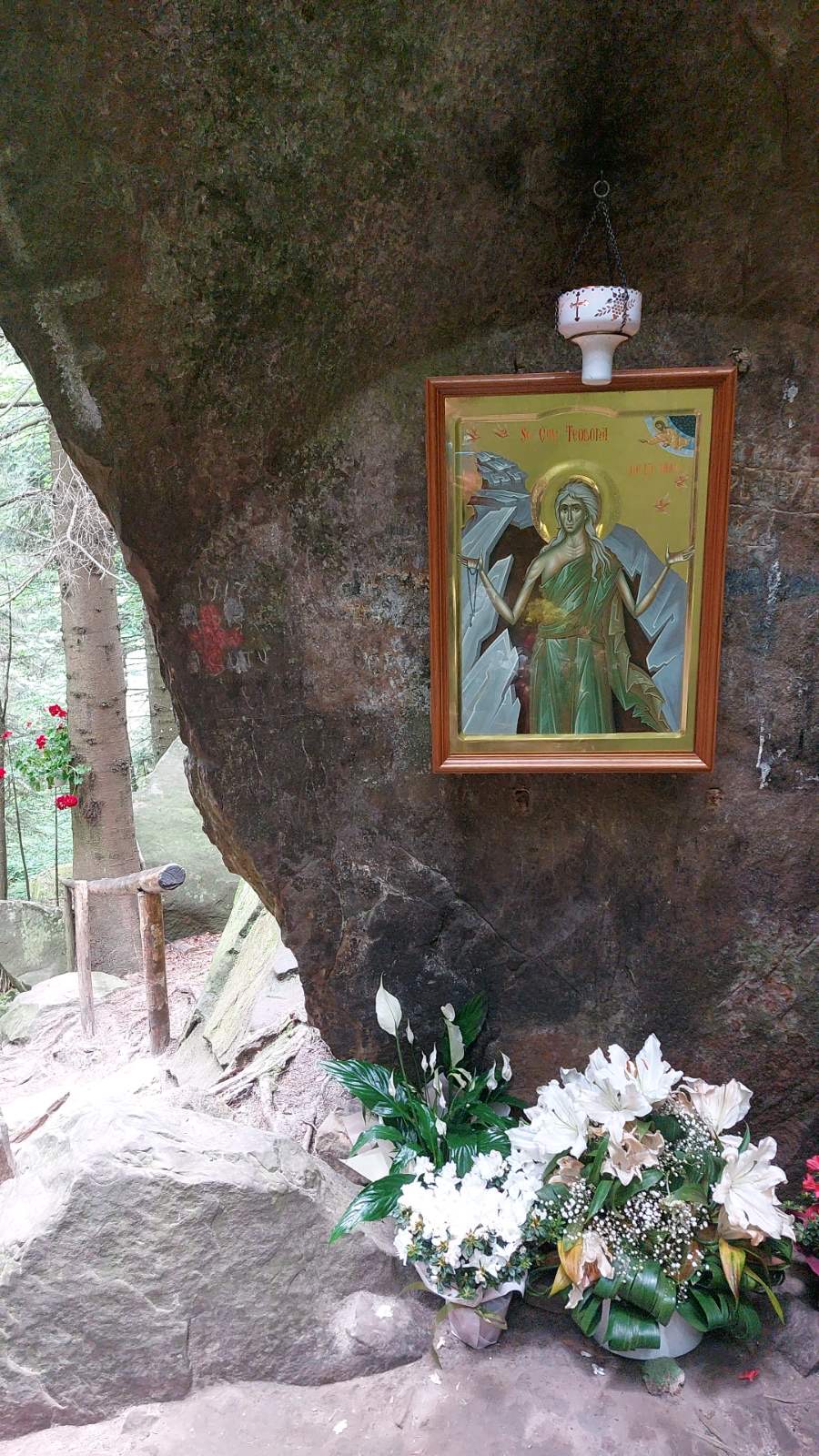
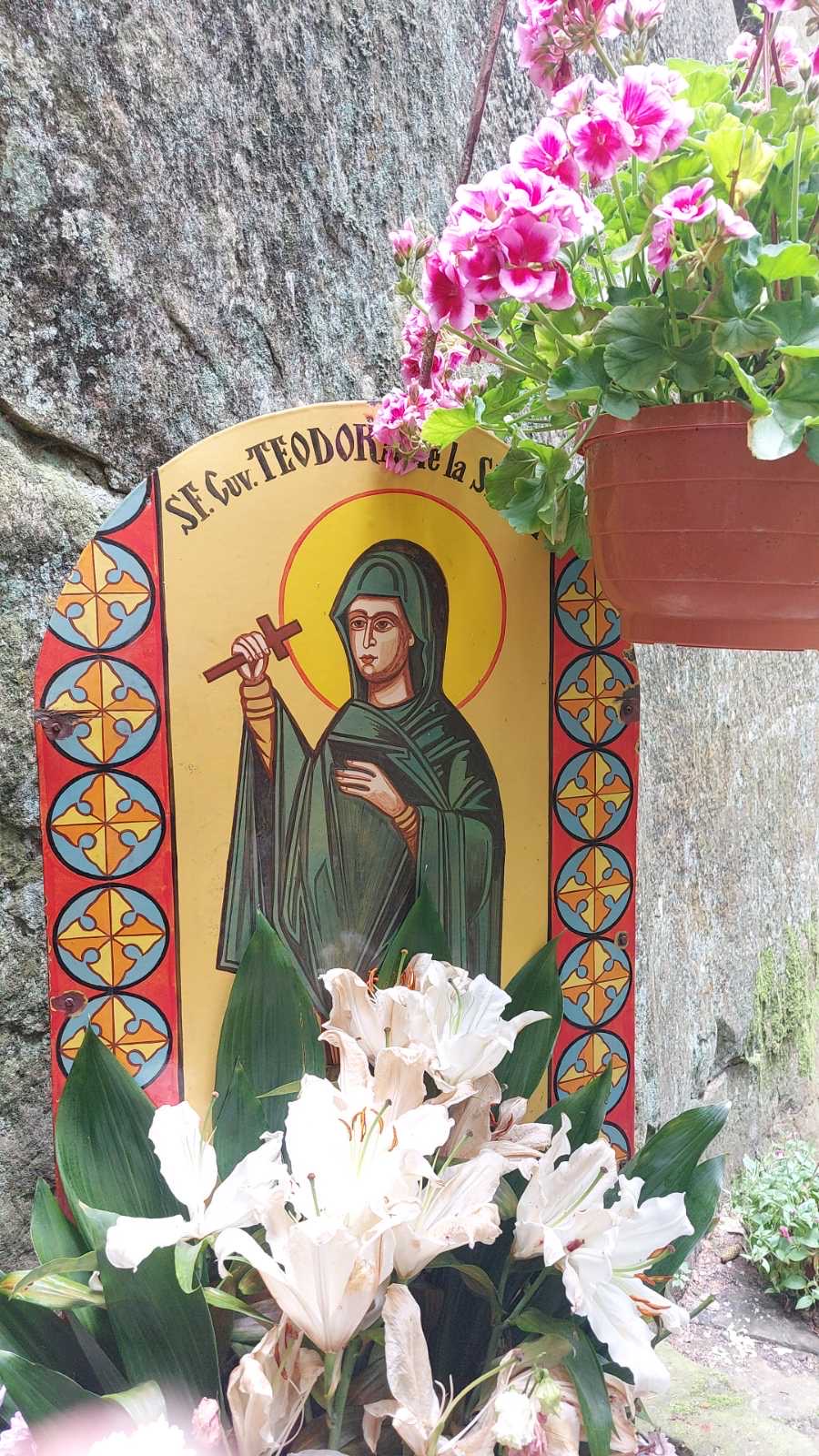
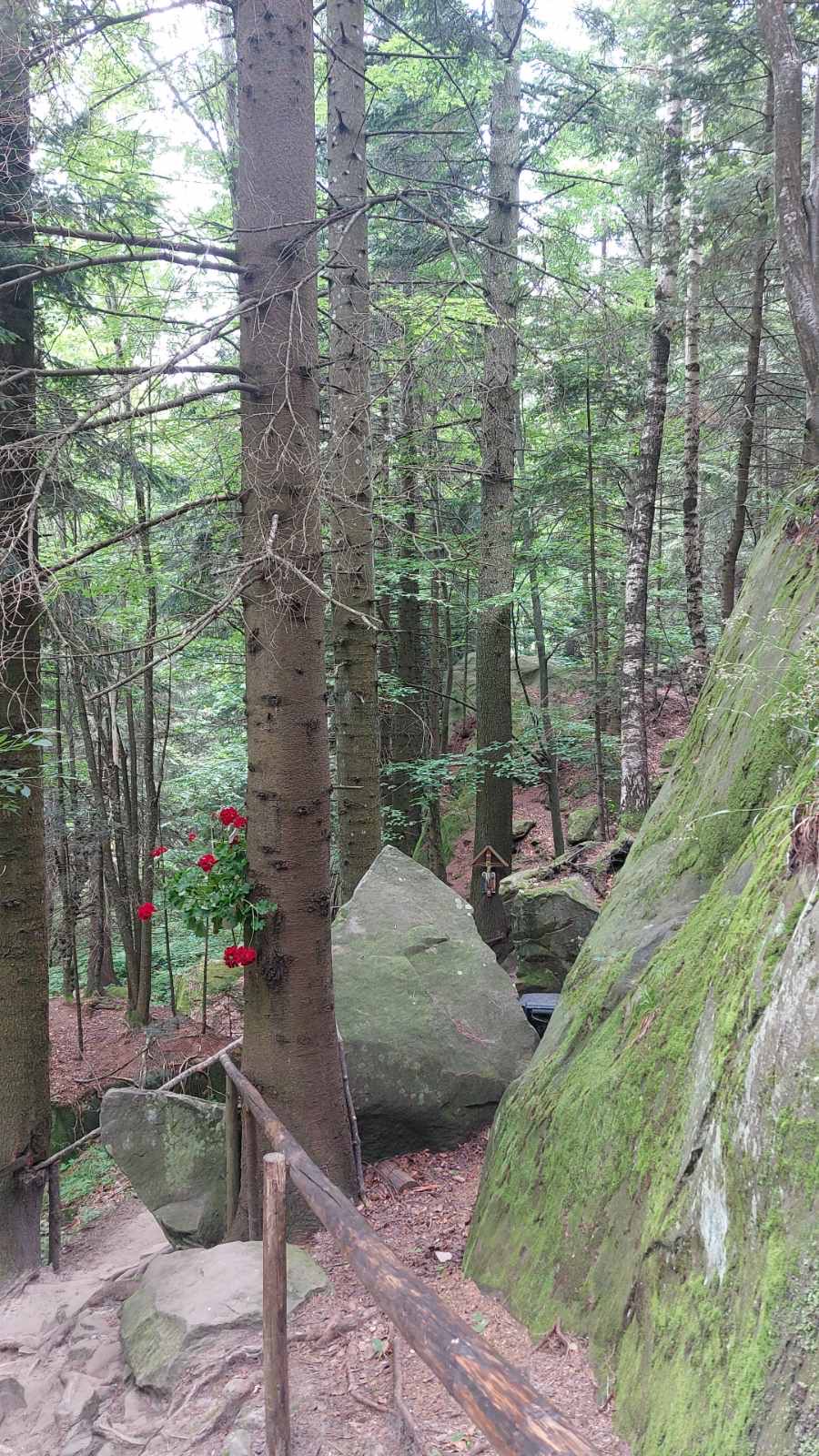
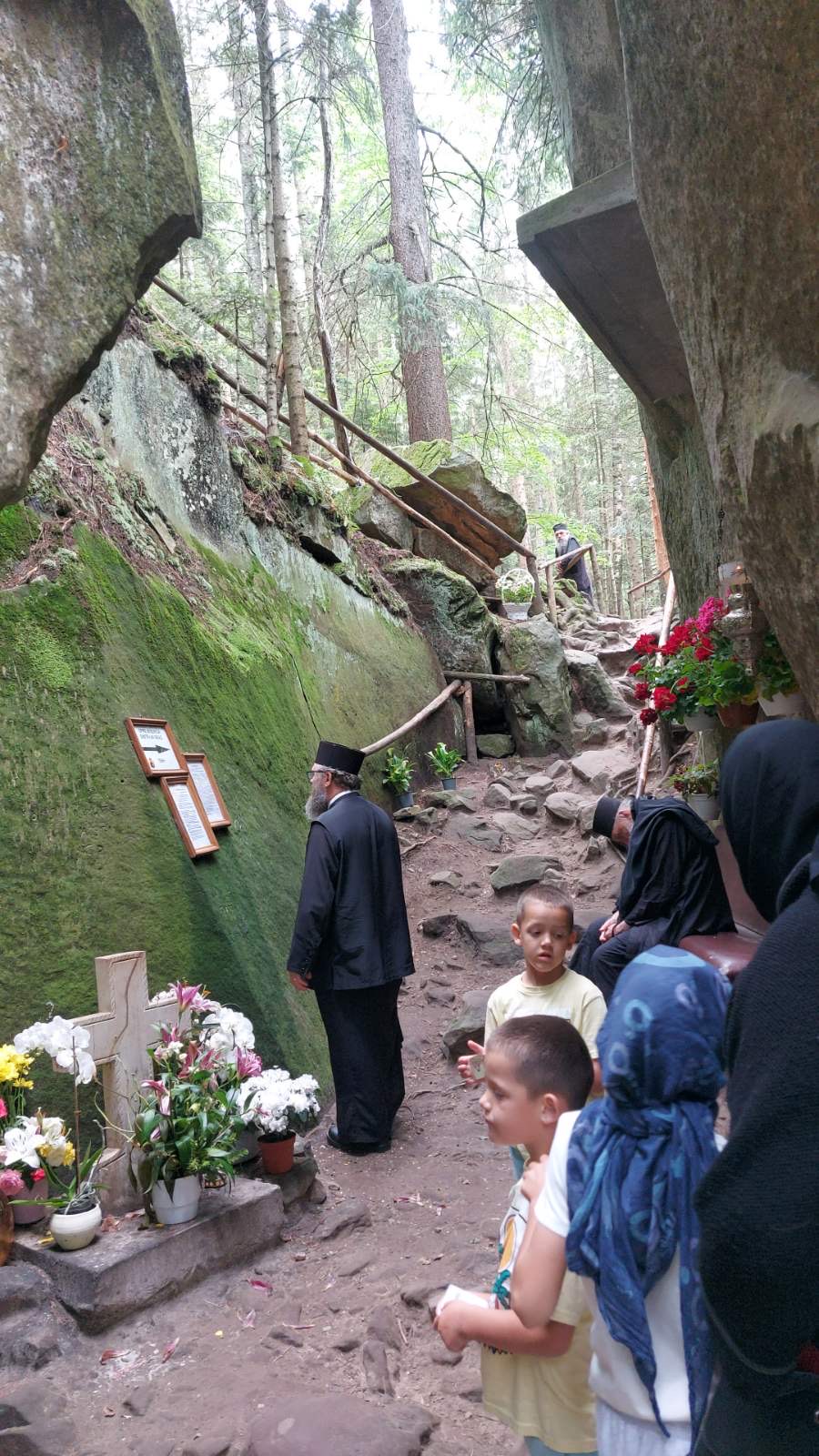
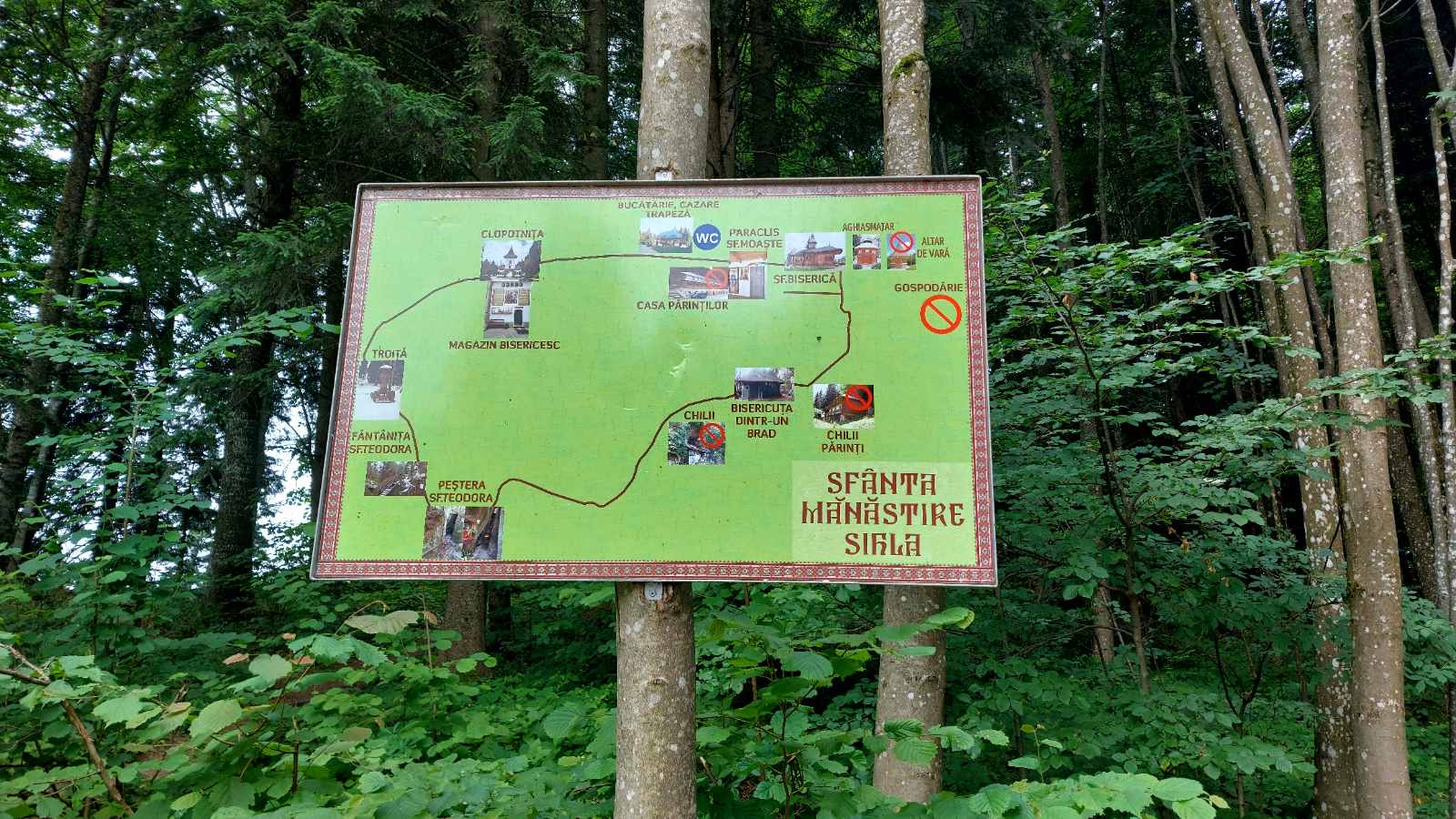
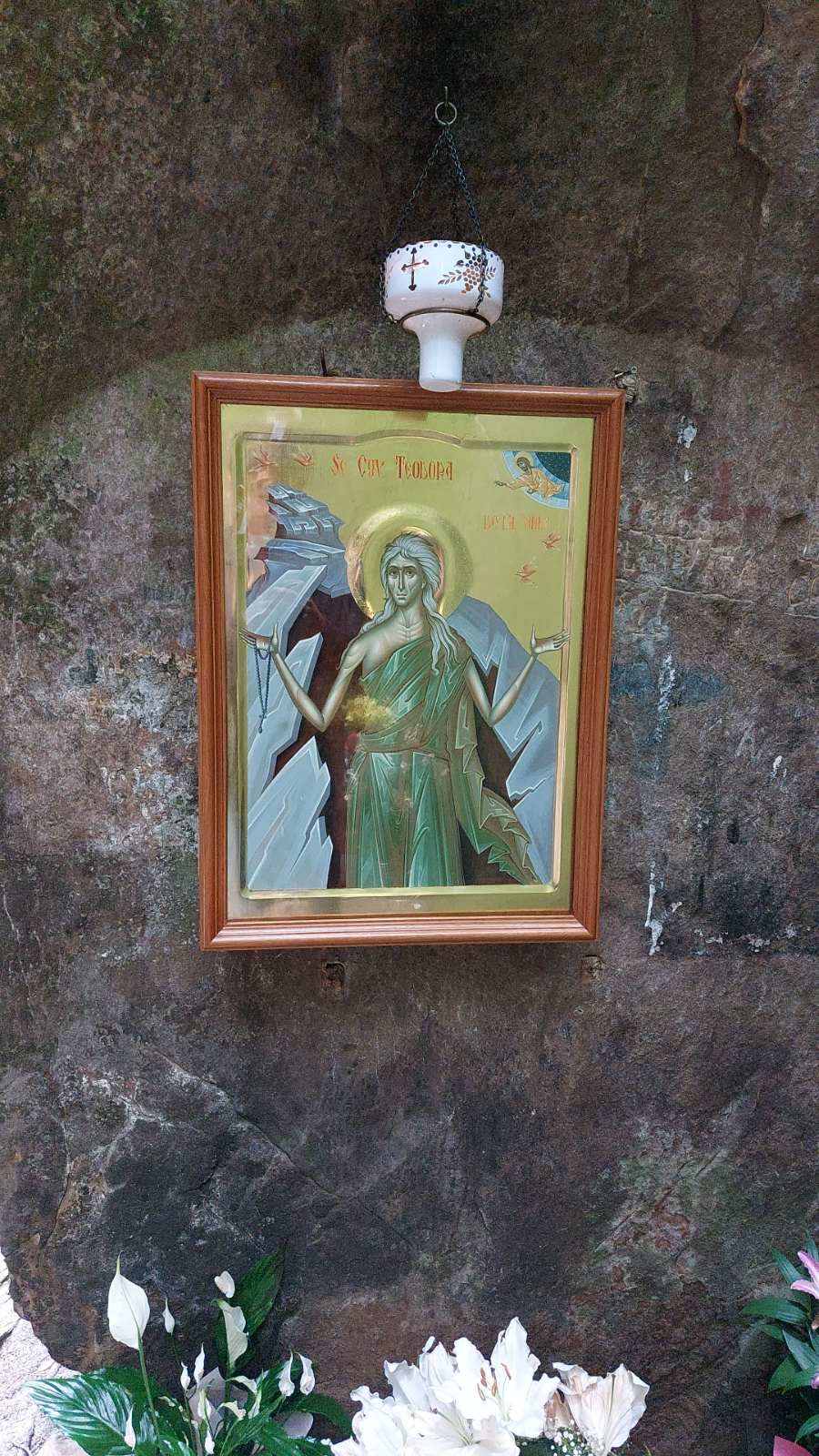
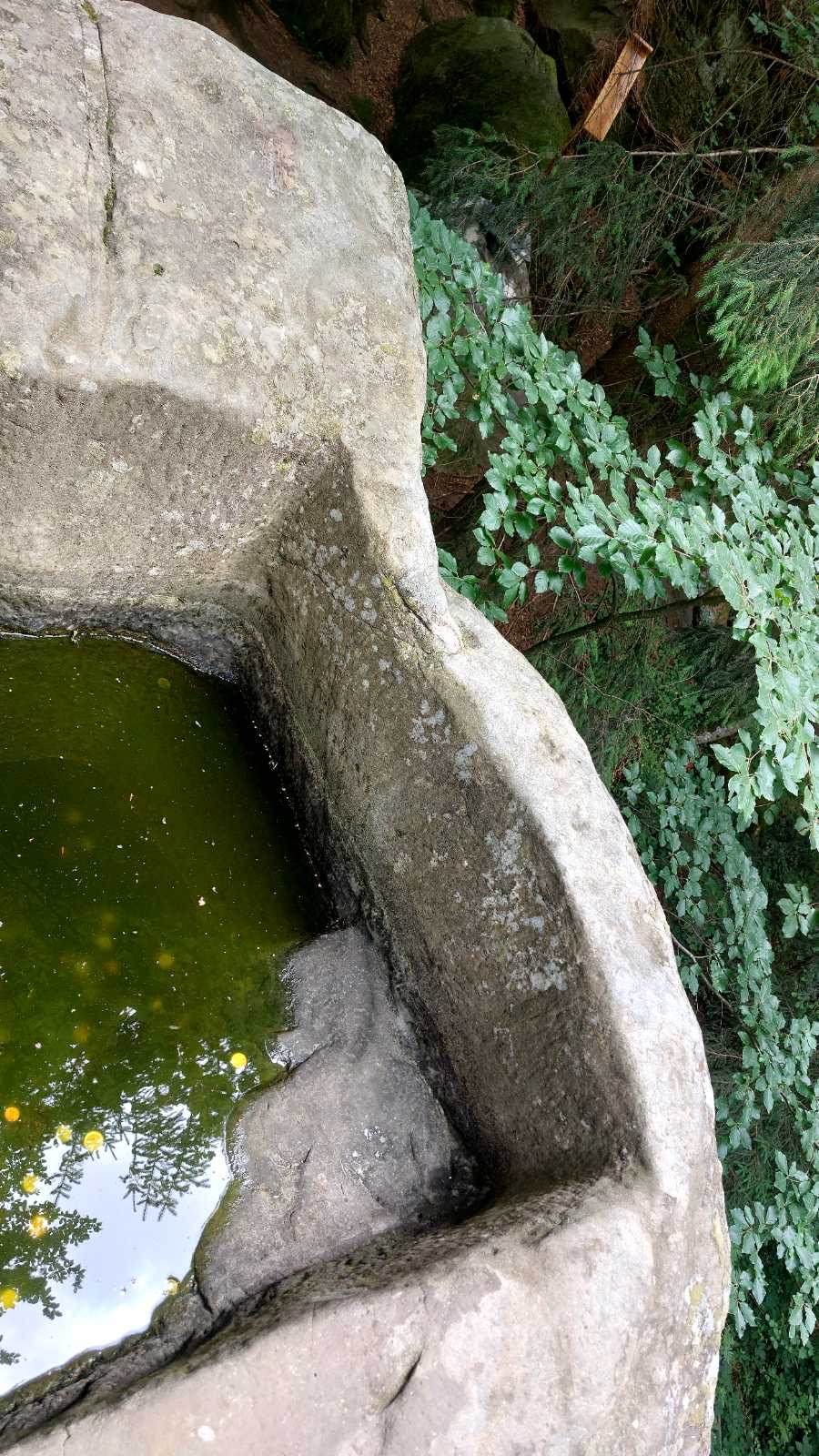
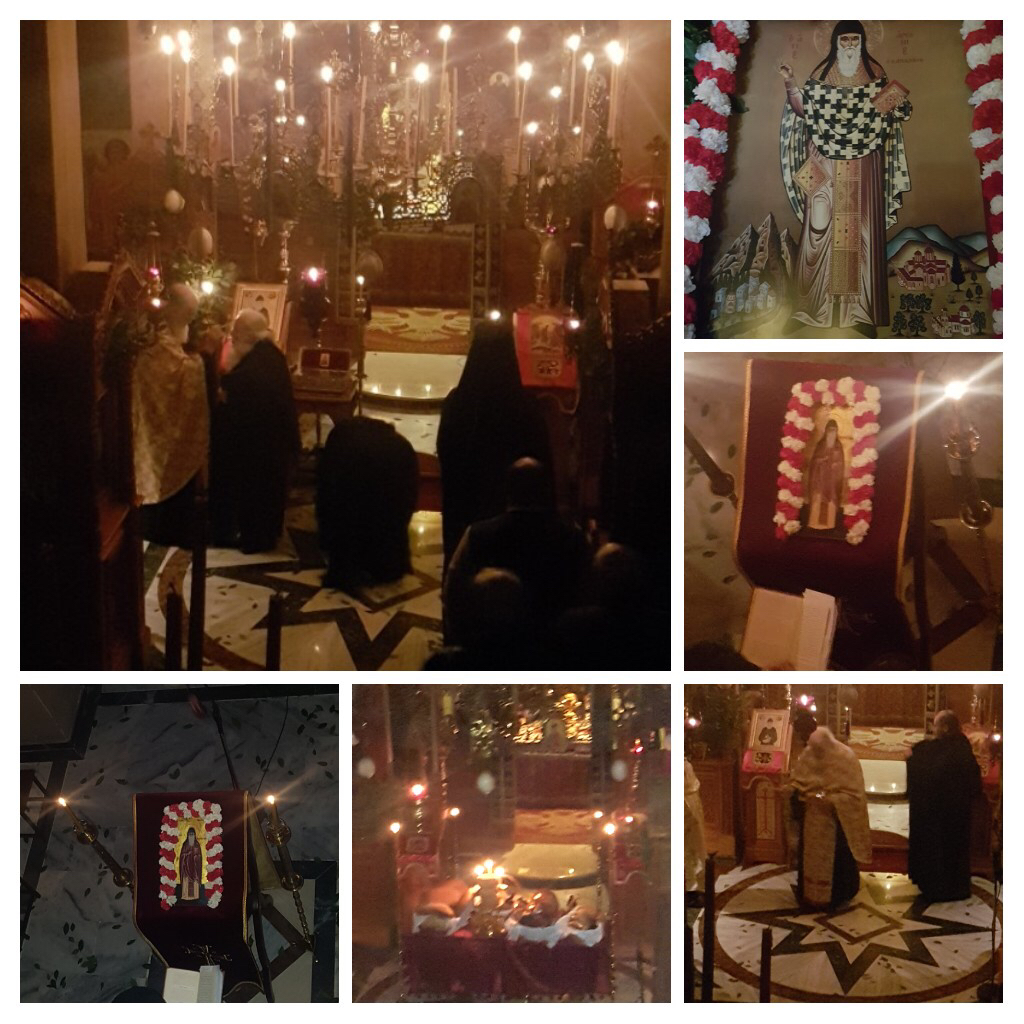
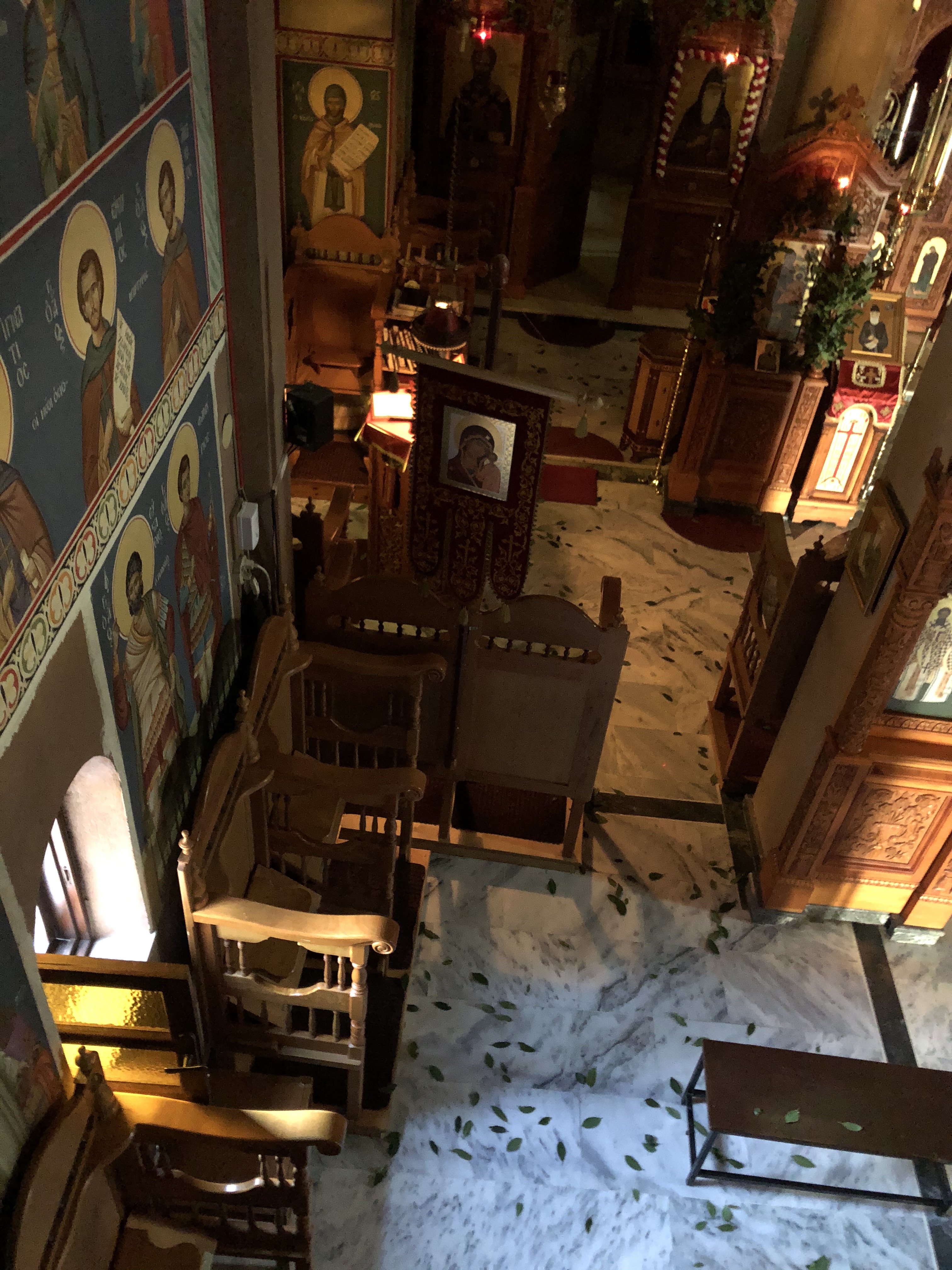
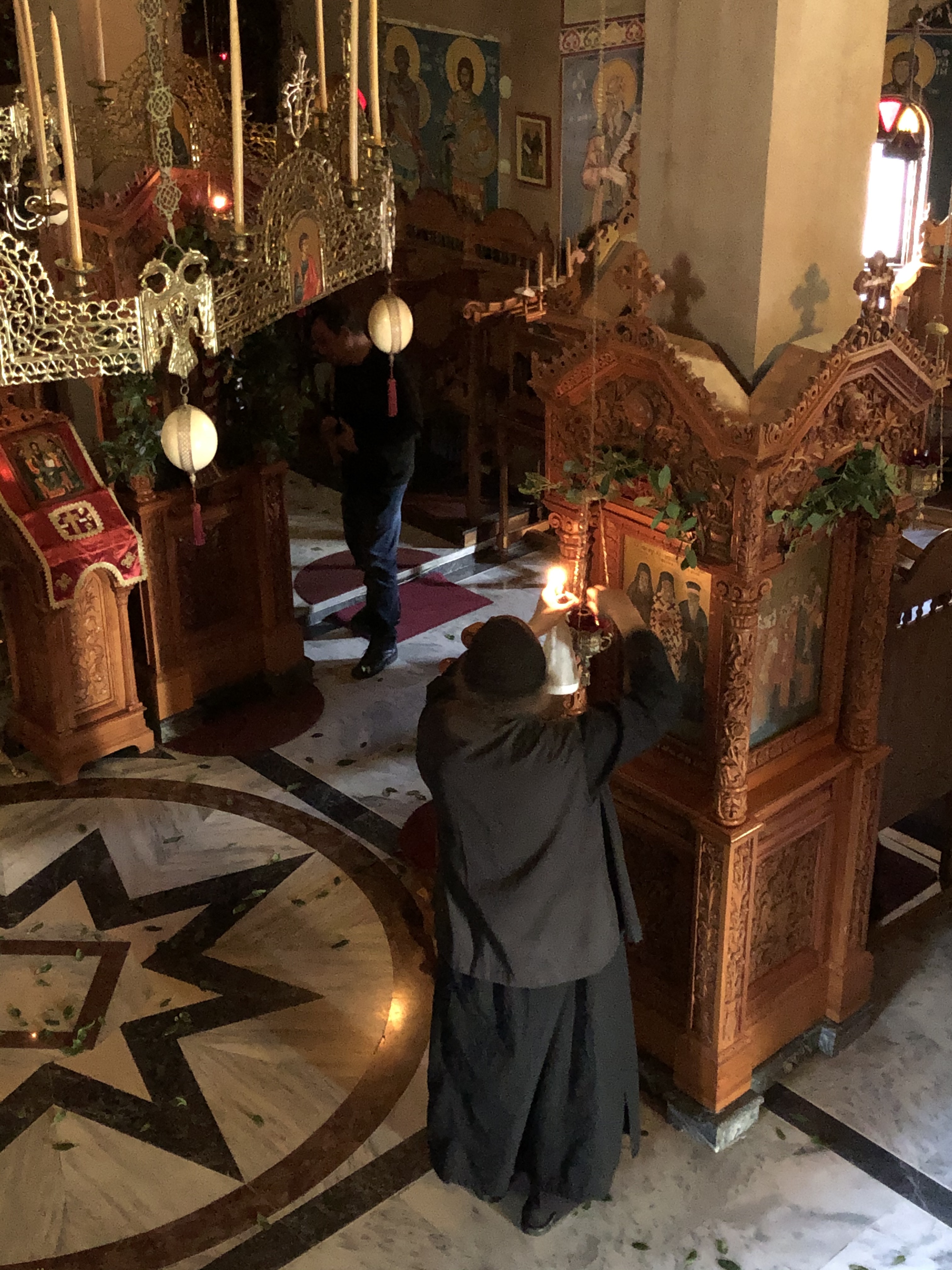
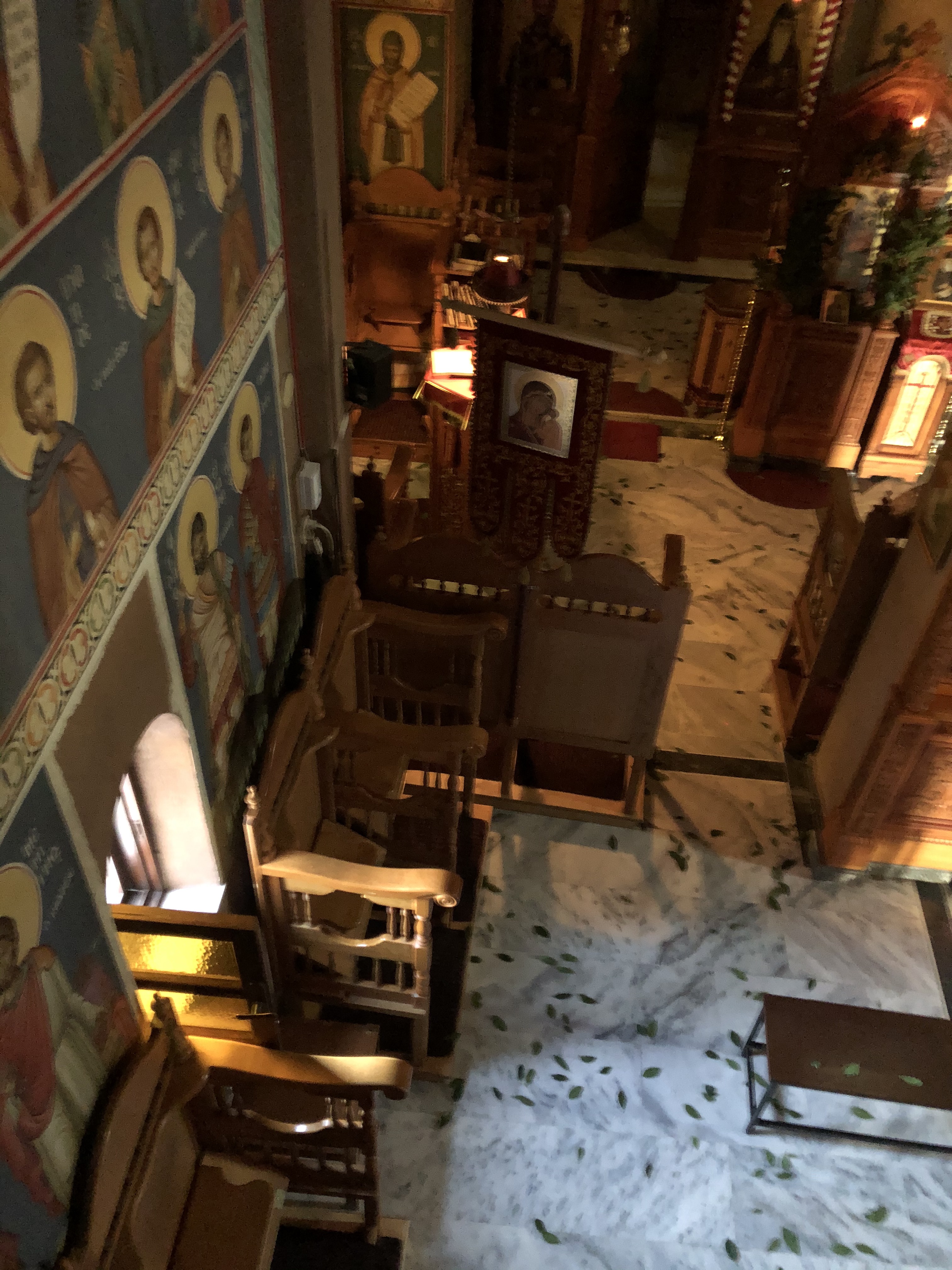
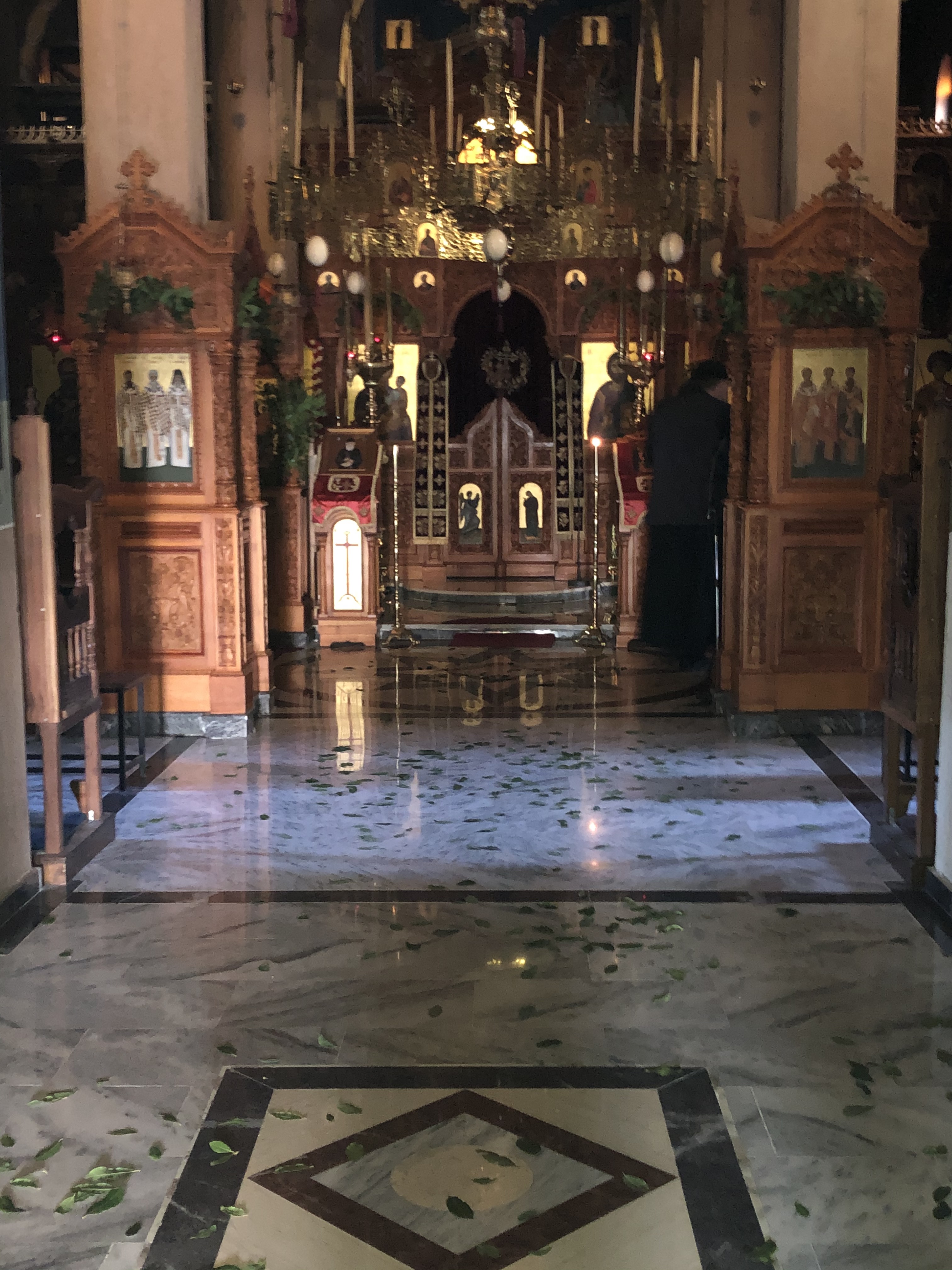
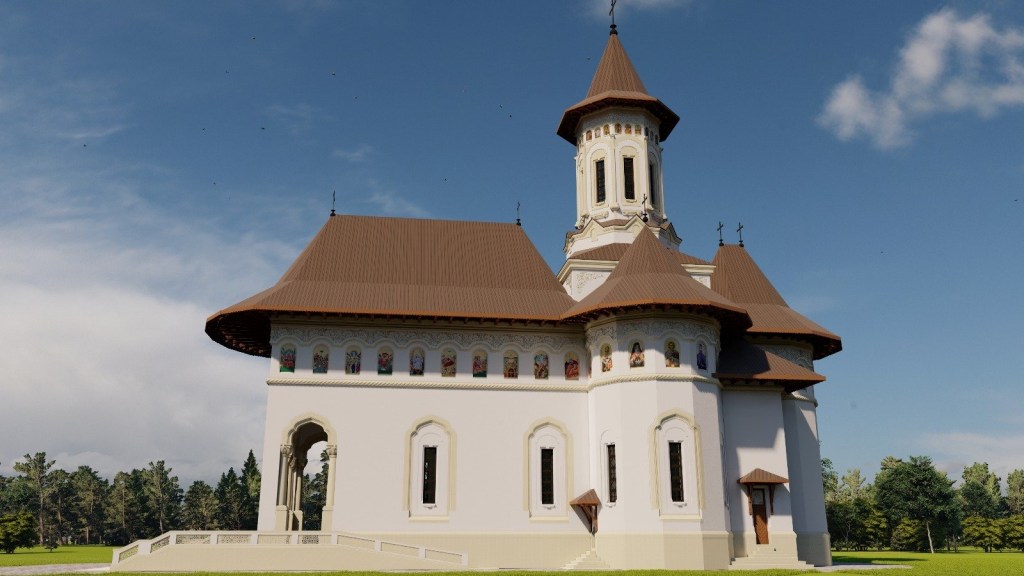
Photographs of the Church of Saint Theodora of Sihla, currently under construction at the Holy Monastery of Sihla in Romania
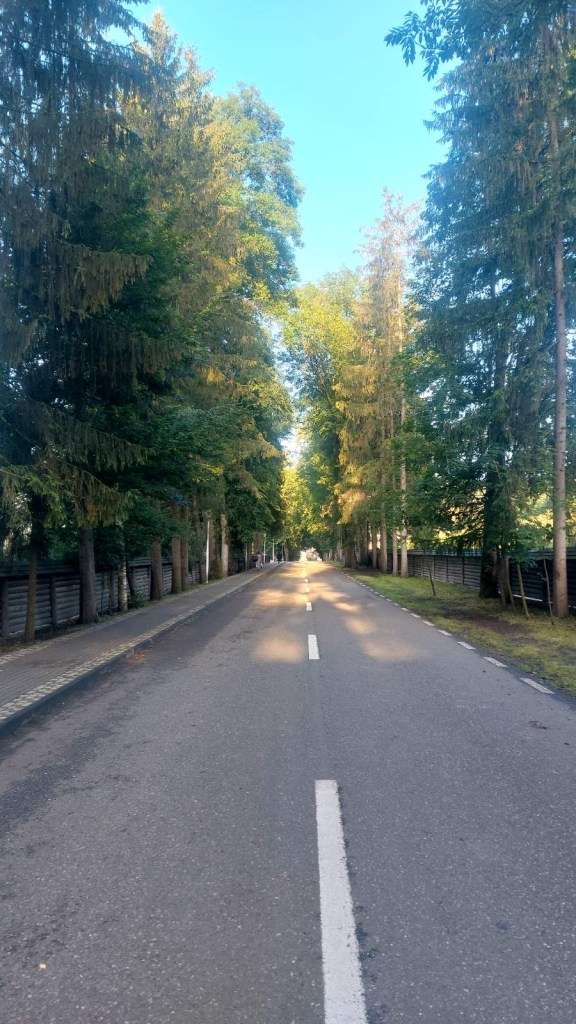
Neamț Monastery
Our pilgrimage next brought us to Neamț Monastery, the oldest and one of the most important monastic foundations in the historical region of Moldavia. Often referred to as the “Jerusalem of Romanian Orthodoxy,” it has served for centuries as a great centre of prayer, theological learning and monastic culture.
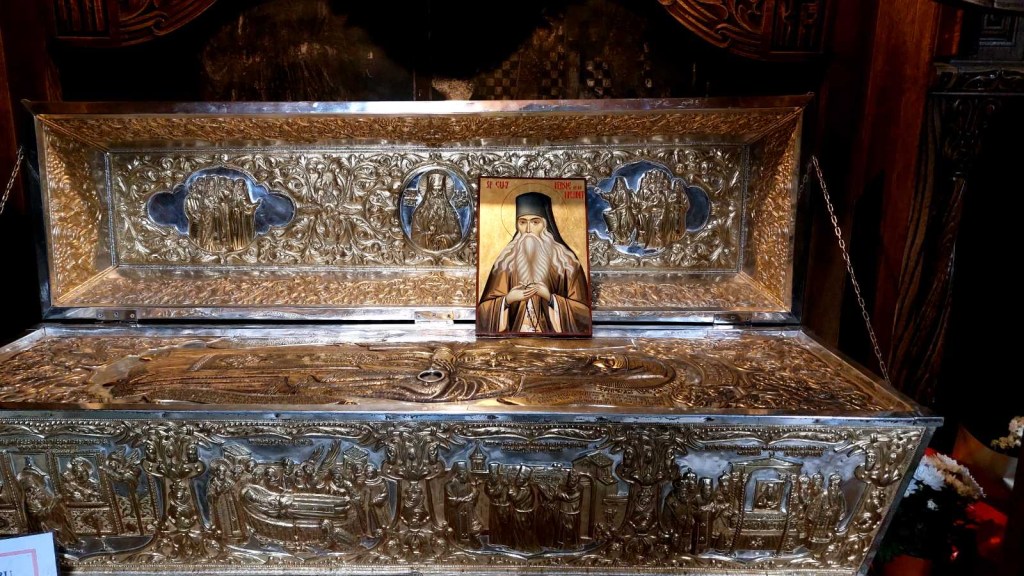
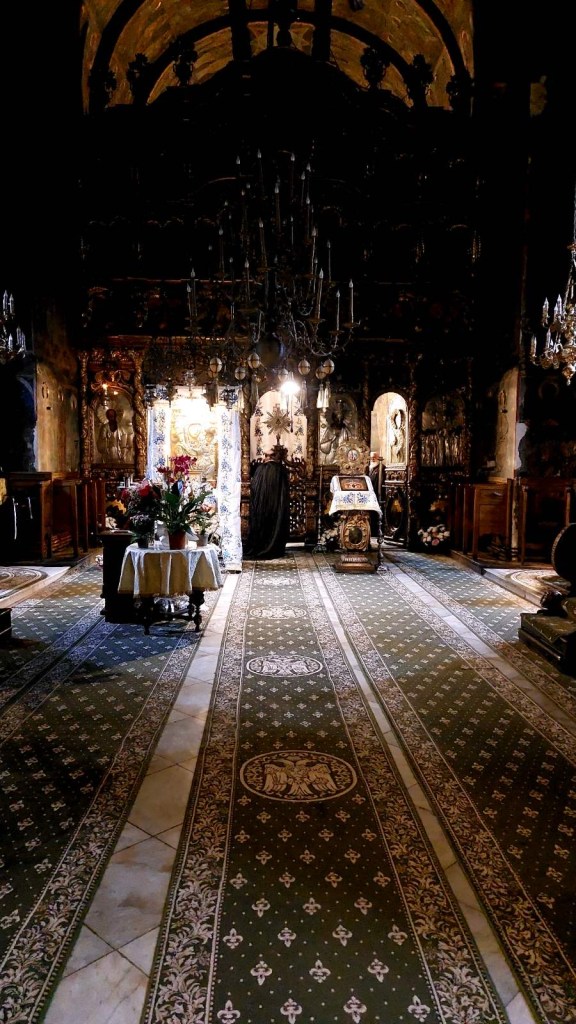

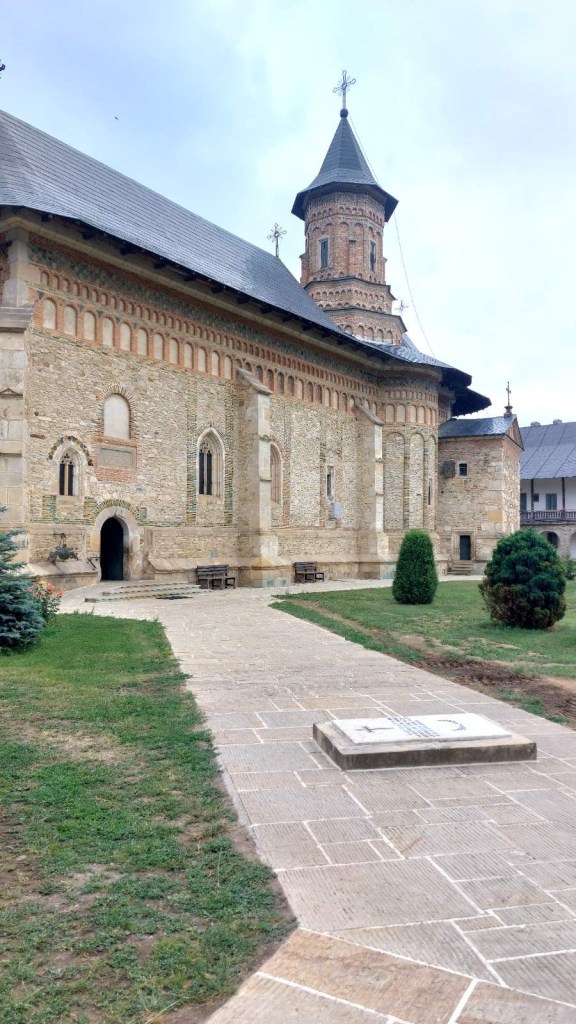
Its magnificent katholikon was built by Saint Stephen the Great in 1497, while the monastery’s renowned library—one of the oldest and richest monastic libraries in Romania, preserving more than 18,000 volumes—bears witness to its enduring contribution to the spiritual and intellectual life of the Romanian Orthodox Church.
Today, Neamț Monastery remains one of Romania’s foremost pilgrimage destinations, where centuries of prayer continue to shape the life of the monastery and all who visit it.
The Ecclesiastical School
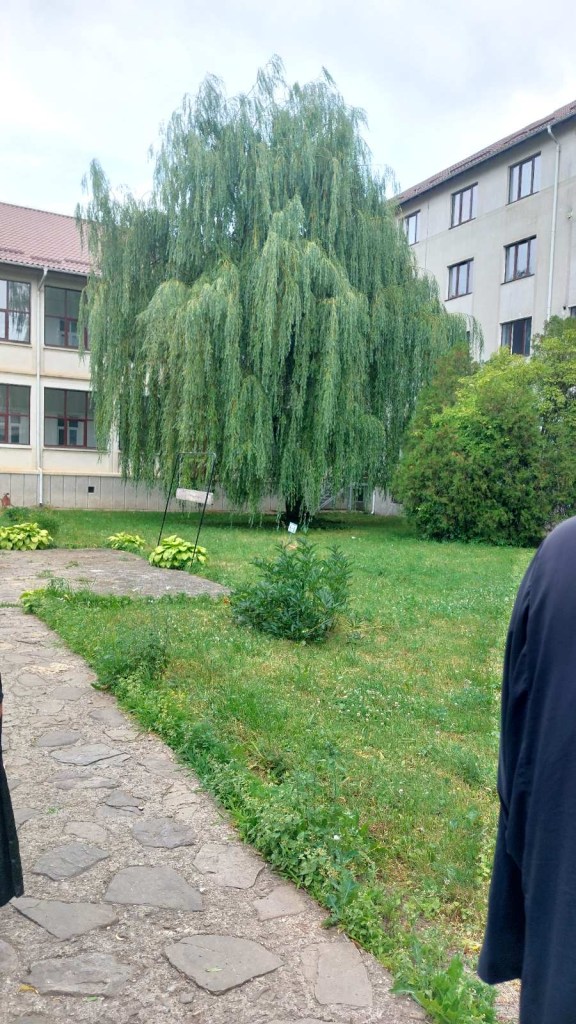
Within the grounds of Neamț Monastery is the Ecclesiastical School, where future clergy, monastics and church workers continue to receive their theological and spiritual formation. It stands as a reminder that Romania’s great monasteries have long been centres not only of prayer, but also of learning, preserving the Orthodox faith through education as well as worship.
Putna Monastery
Our pilgrimage next brought us to Putna Monastery, one of Romania’s greatest spiritual treasures and the heart of Bucovina. Founded in 1466 by Saint Stephen the Great (Voivode), it became both the spiritual centre of his kingdom and the place he chose for his own burial.
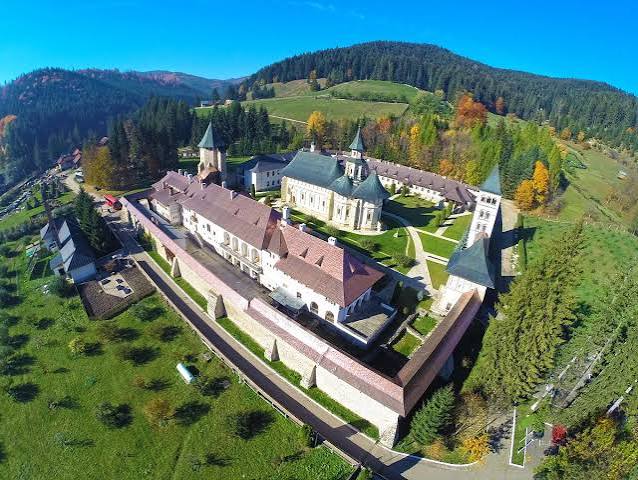
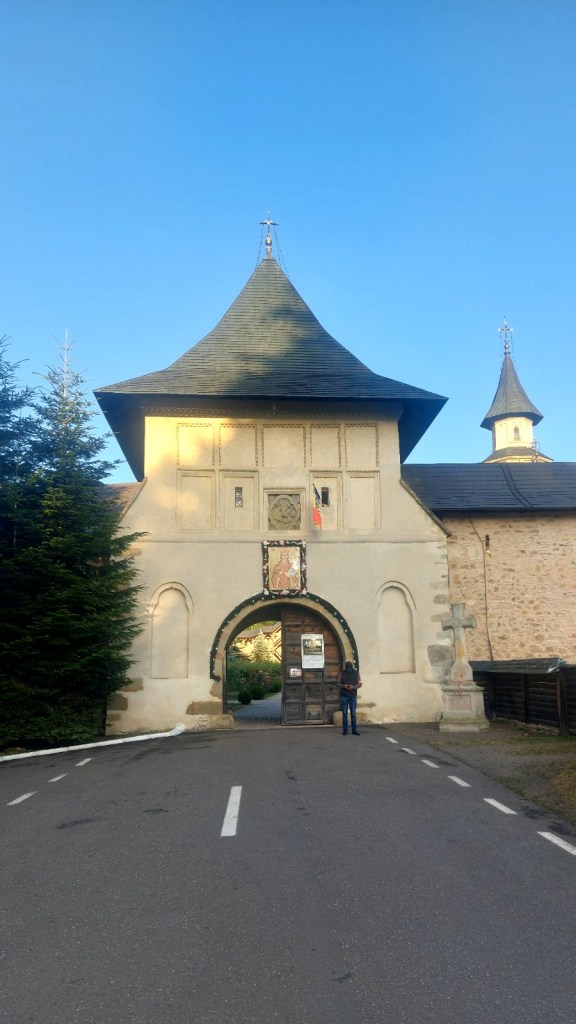
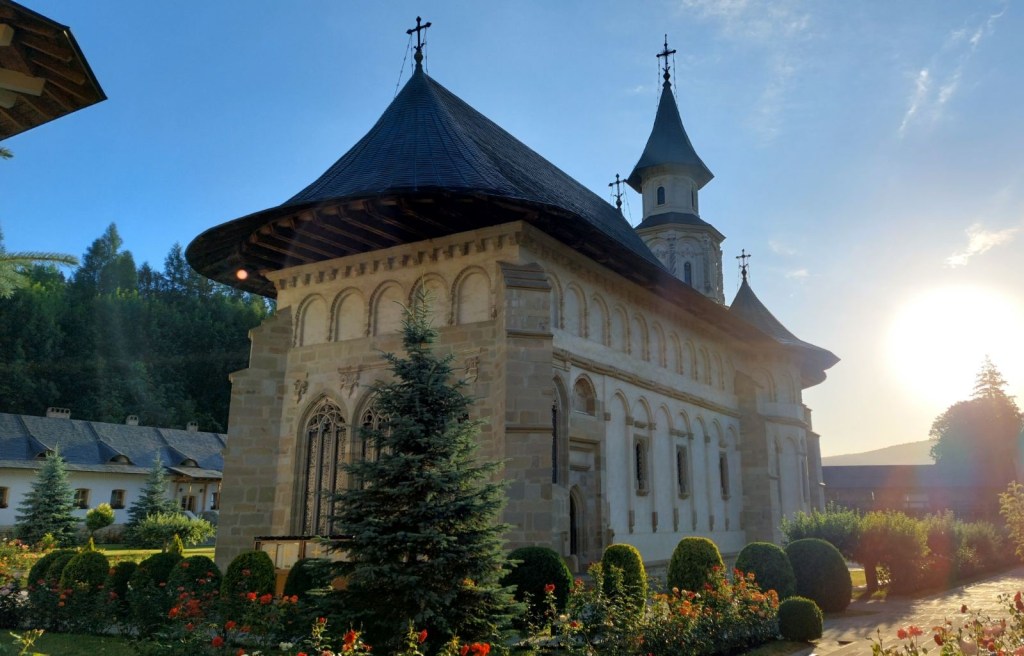
More than five centuries later, Putna remains a living monastery and one of the foremost pilgrimage destinations in Romania. Surrounded by the peaceful forests of Bucovina, it continues to draw countless pilgrims who come to venerate the tomb of Saint Stephen the Great, revered not only as a remarkable ruler, but also as a saint whose life united courage, humility and profound faith in Christ.
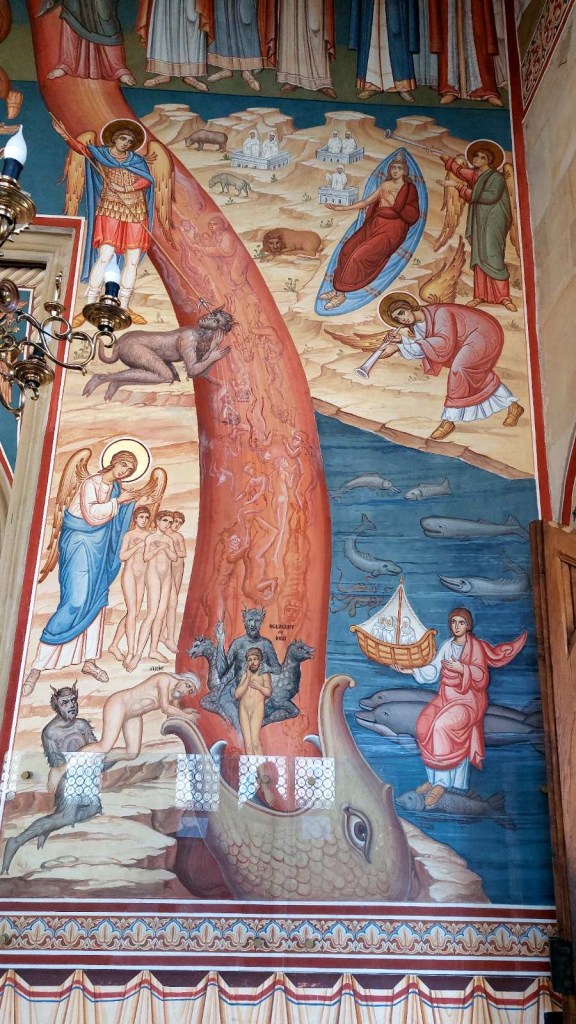
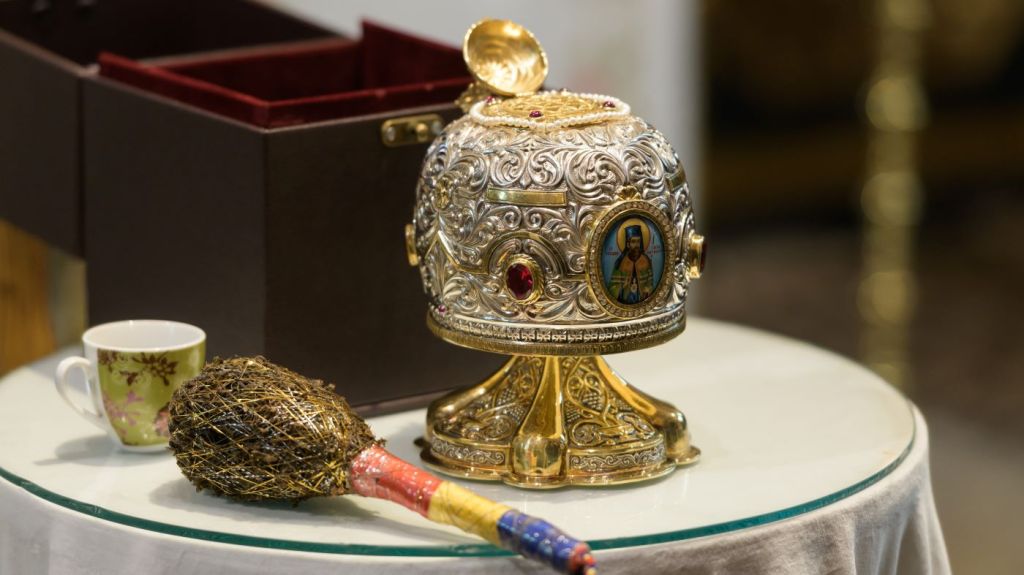
One of the highlights of our visit was the Museum of Putna Monastery, which preserves an outstanding collection of manuscripts, icons, embroidered vestments, liturgical vessels and other treasures of medieval Moldavia. Together they bear witness to the remarkable spiritual, artistic and cultural heritage that flourished under Saint Stephen’s patronage.

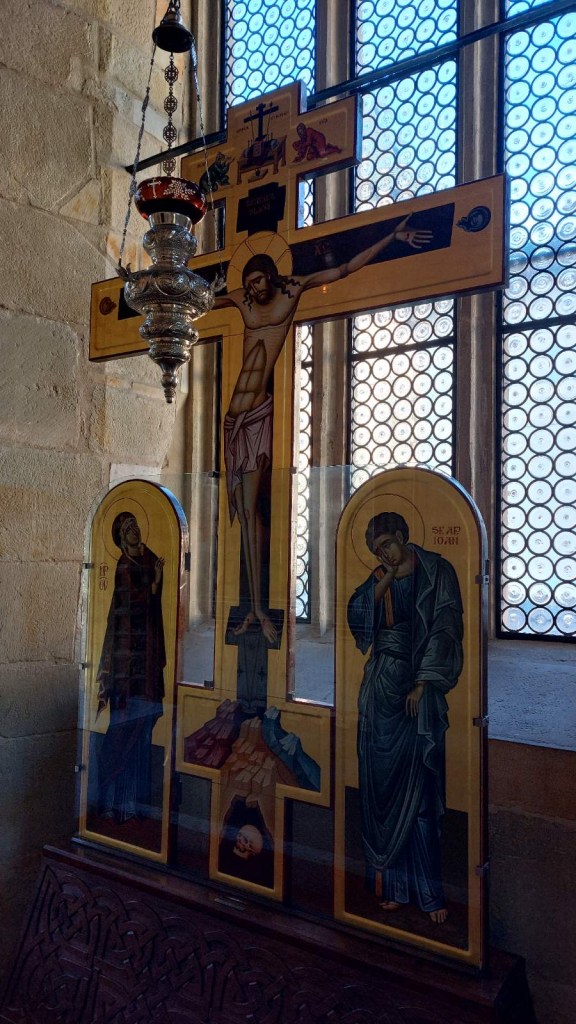
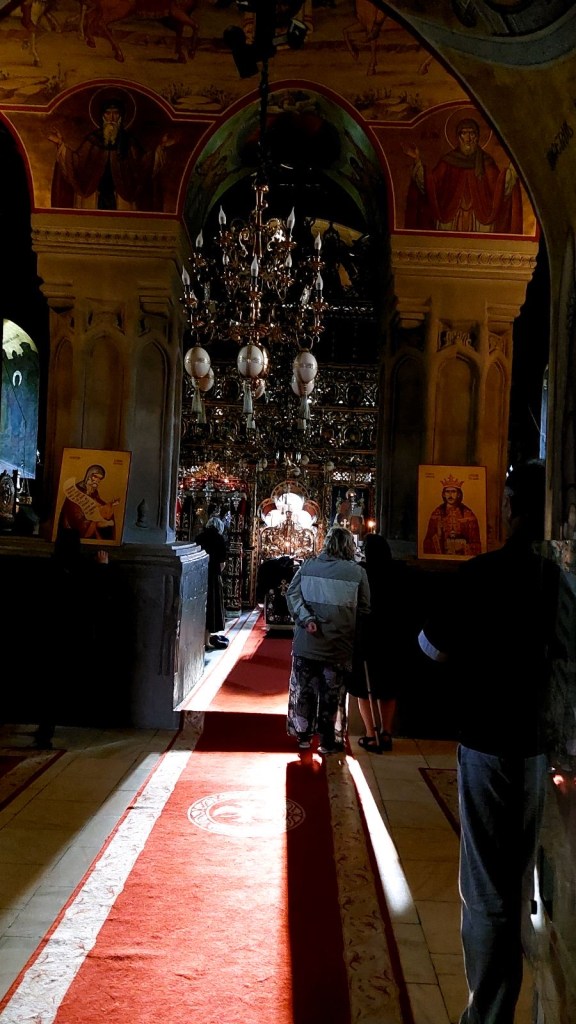
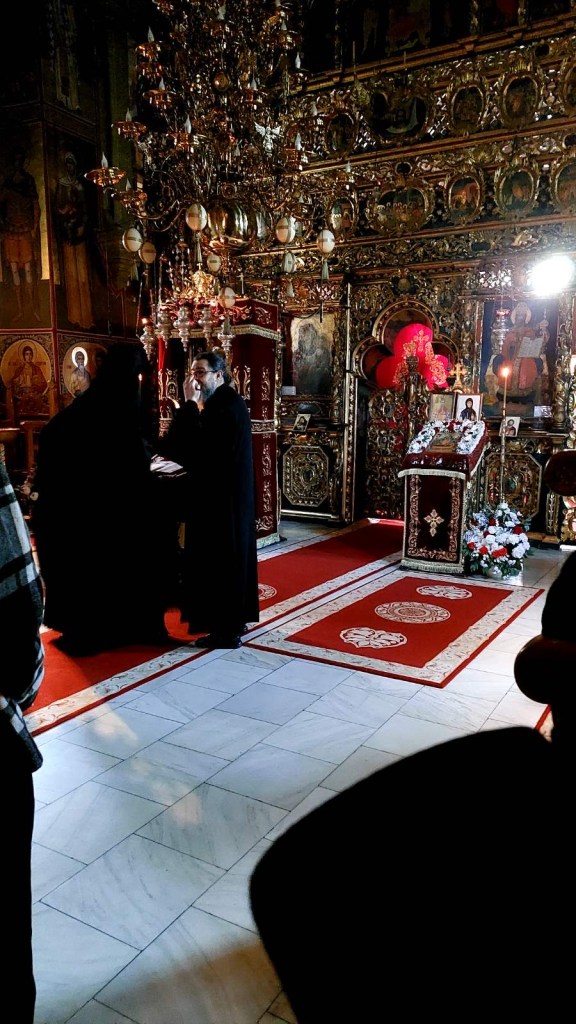
Standing before his tomb, one quickly understands why Putna has remained a place of prayer, remembrance and hope for generations of Orthodox Christians. It is not simply a monument to the past, but a living witness to the enduring faith of the Romanian people.
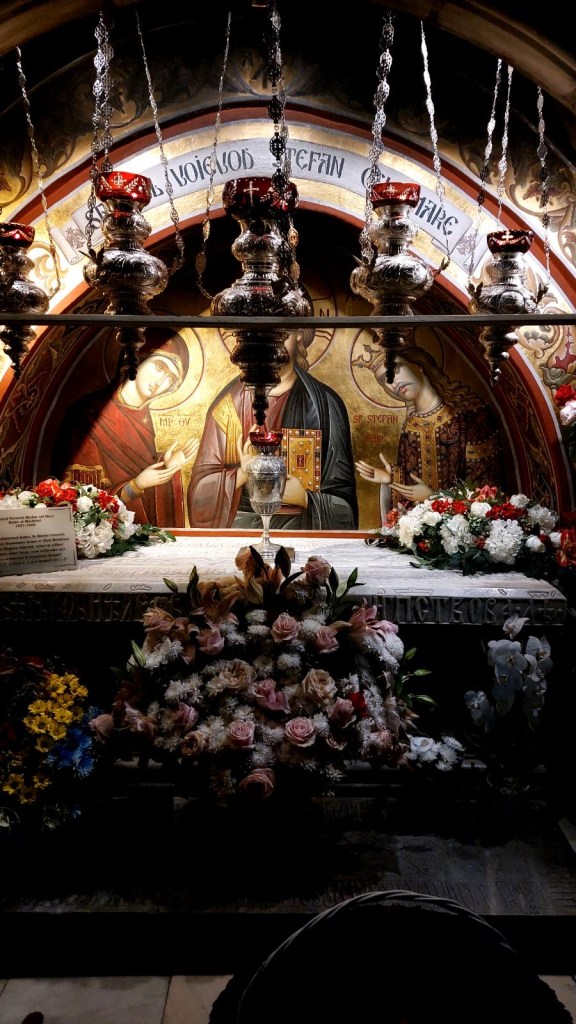
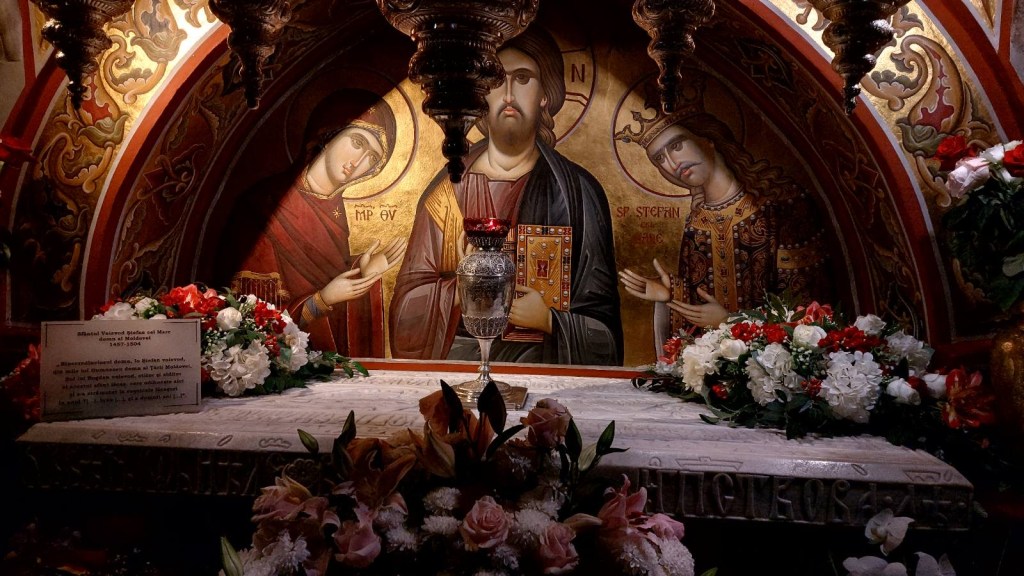
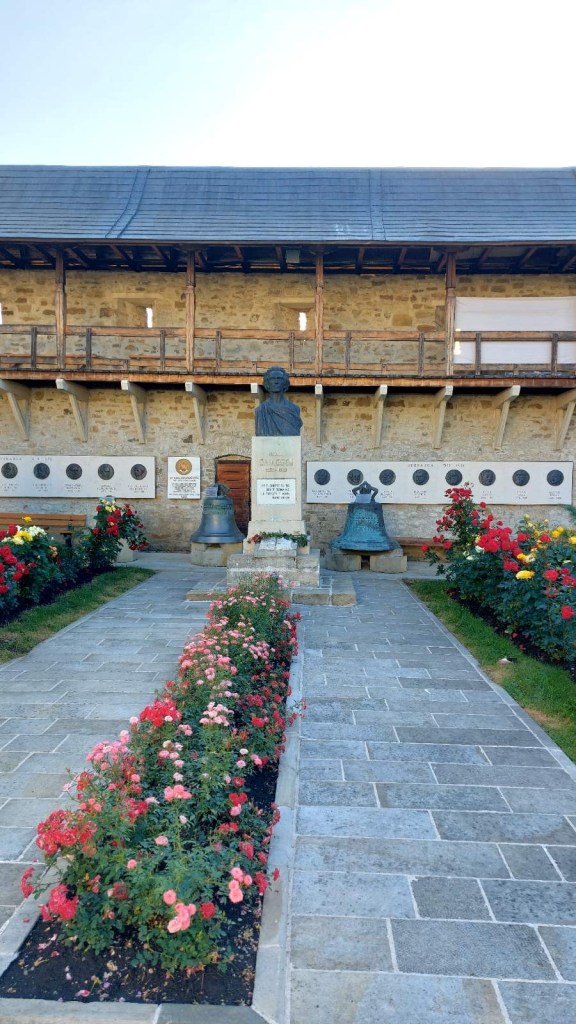
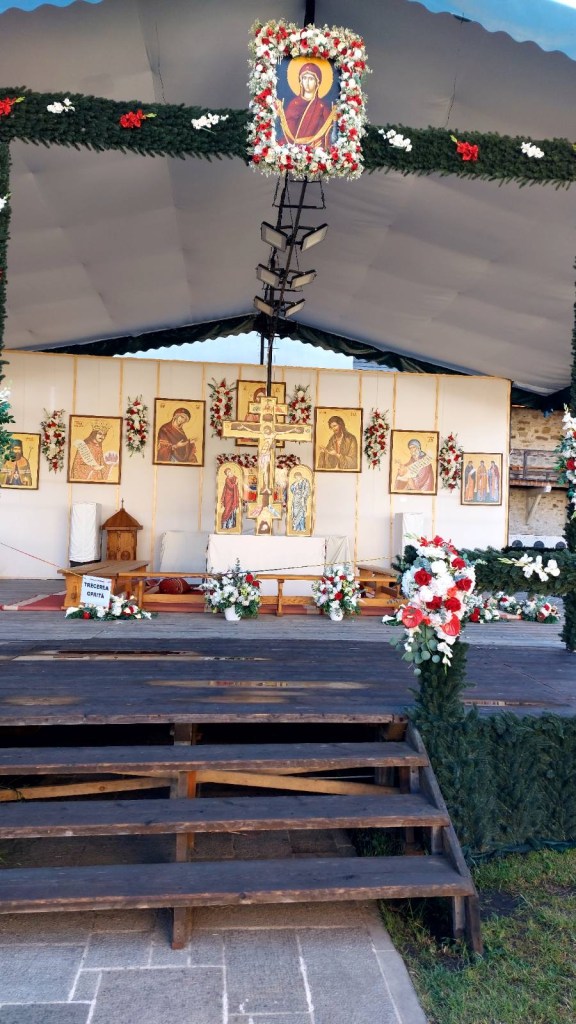
Photographs: Putna Monastery; the Tomb of Saint Stephen the Great (Voivode); the Chapel of the Holy Relics; the Holy Relics of Saint John of Trebizond; the Museum of Putna Monastery; and the monastery grounds.
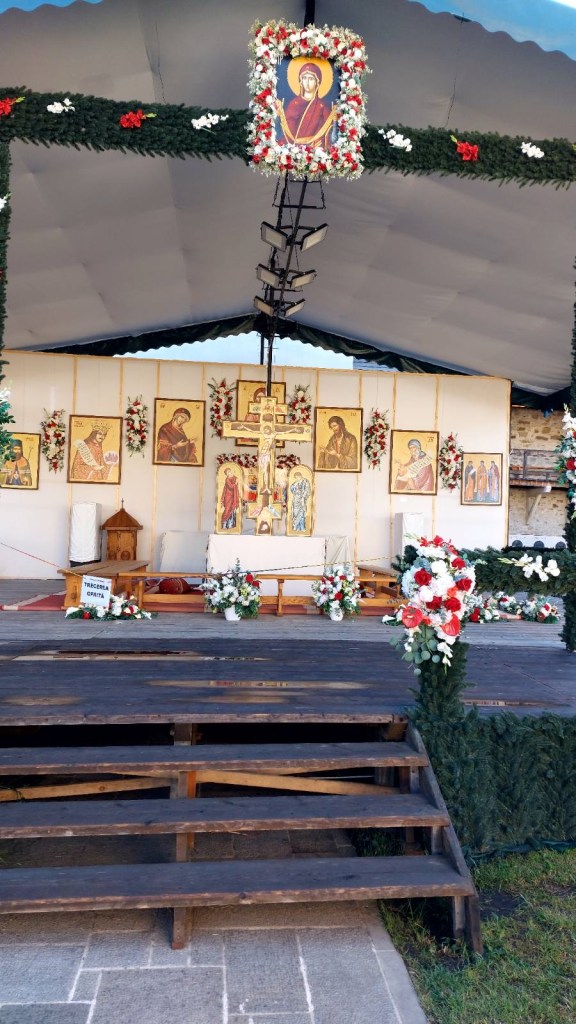
The outdoor sanctuary where the Divine Liturgy and other liturgical services are celebrated.
The Chapel of the Holy Relics at Putna Monastery.
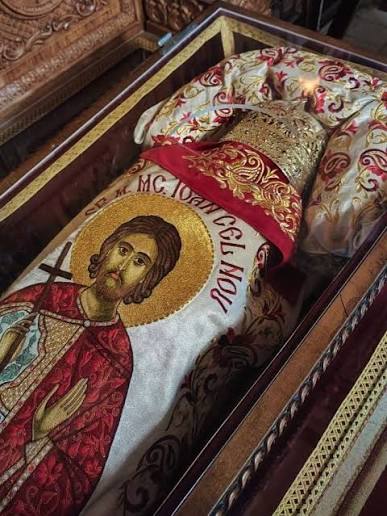
The Holy Relics of Saint John of Trebizond, whose feast we had celebrated at his monastery only a few days earlier.
As we left the forests of Neamț and Bucovina behind, one impression remained above all others. Every monastery we visited, every hermitage hidden among the trees, every saint whose relics we venerated, bore witness to the same enduring truth: holiness is born in a life centred on Christ.

From the hidden asceticism of Saint Theodora of Sihla, to the gentle wisdom of Saints Paisios (Olaru) and Cleopa (Ilie), and finally to the steadfast faith of Saint Stephen the Great, this part of our pilgrimage became far more than a journey through beautiful monasteries. It became a journey through living examples of prayer, humility, perseverance and unwavering trust in God. May their prayers accompany us, and may their lives encourage us to seek, each in our own circumstances, the same path that leads to Christ.
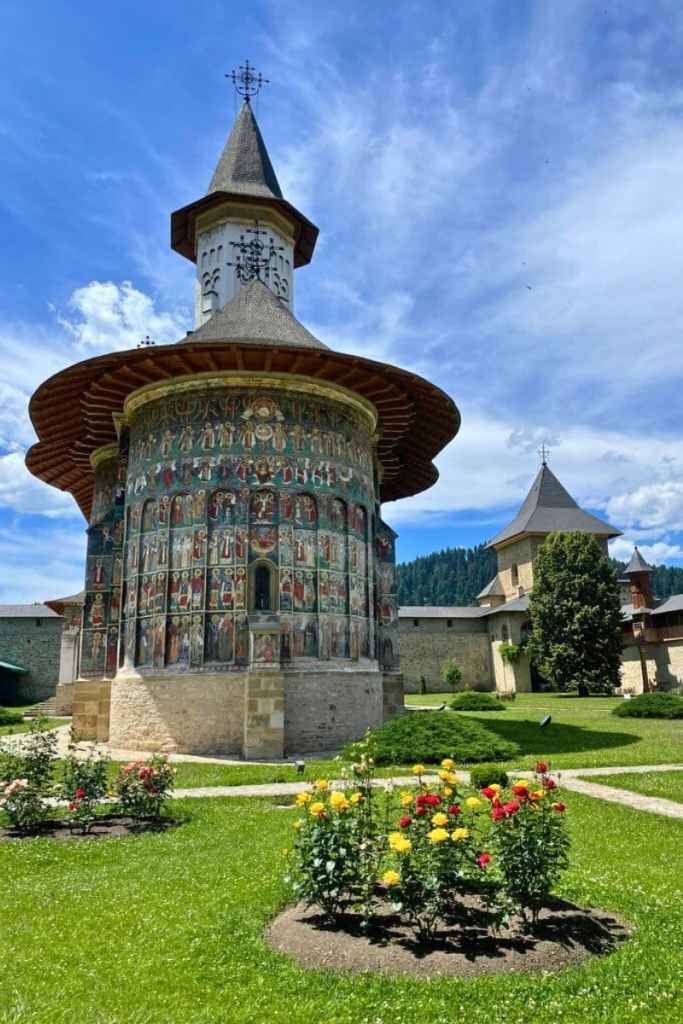
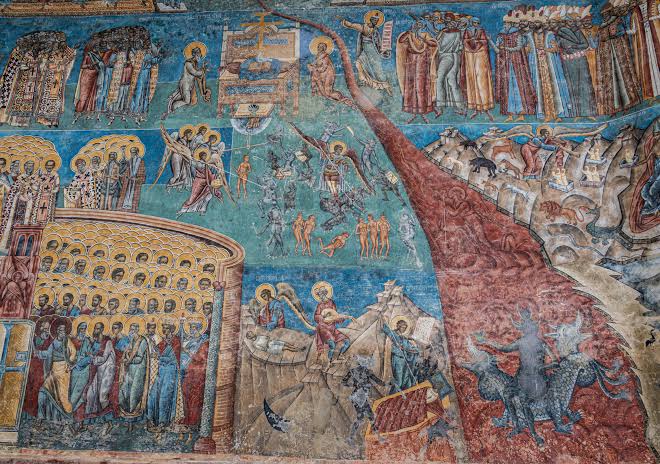
As our pilgrimage through Romania drew to its close, we departed with far more than photographs and memories. We left carrying the quiet witness of a land where monasteries still breathe with prayer, where the lives of the saints remain deeply woven into the life of the people, and where history continues to speak through places sanctified by faith and sacrifice.
From the holy city of Iași to the forests of Neamț and Bucovina, from the hidden cave of Saint Theodora of Sihla to the humble cells of Saints Paisios (Olaru) and Cleopa (Ilie), and finally to the tomb of Saint Stephen the Great at Putna, each step of the journey revealed another facet of Romania’s rich Orthodox heritage. Different centuries, different vocations and different circumstances, yet all bore witness to the same Gospel lived with faithfulness and love.
Perhaps that is the greatest gift of pilgrimage. It reminds us that holiness is never confined to one place or one age. The saints whom we honour were ordinary men and women who responded wholeheartedly to God’s call, and their witness continues to encourage all who seek Christ today.
As we returned home, we carried with us not only admiration for Romania’s monasteries and sacred treasures, but also gratitude for the living faith that continues to sustain them. May the prayers of all the saints of Romania strengthen our own pilgrimage, until we too reach the heavenly homeland, where every earthly pilgrimage finds its true fulfilment.