The Blood of the Lamb

daniil-sysoev6

Fr Daniil Sysoev (1974-2009)

*

“And they overcame him by the blood of the Lamb, and by the word of their testimony; and they loved not their lives unto the death.” (Revelation 12:11)

*

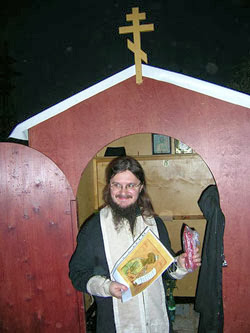
With the rising wave of genocidal persecution of Christians by Muslims, we can properly begin speaking of the ‘New Martyrs of the 21st Century under the Sword of Islam’. One of the most important of these New Martyrs, if not the pre-eminent, is the righteous Priest-Martyr Fr. Daniil Sysoev of Moscow (1974 -2009), who was killed by a masked Muslim gunman in front of the altar at the church he founded. Sysoev’s murder was claimed by a militant Islamic group based in the North Caucasus. According to a statement made by Russian Islamists “One of our brothers who has never been to the Caucases took up the oath of (former independent Chechen president Doku Umarov) and expressed his desire to execute the damned Sysoyev.”

*

Fr Daniil was not any ordinary casualty of Islam’s renewed war on Christians in the early third millennium after Christ’s First Coming in the Flesh. He was a towering figure in the Russian Orthodox Church, a theologian, writer, evangelist and missionary, extending his endeavours to all Muslims, neo-Pagans, Jews, Protestants, excluding none.. He particularly engaged in open debate with Muslims, and converted scores of them from Islam to the Orthodox Gospel, including a number of Wahhabi extremists. In the Islamic space of Russia he had earned the nickname “Russian Salman Rushdie”.

*

For his profound faith and tireless efforts, he has earned the titles of Confessor, Evangelist, Apostle to the Muslims, and Pillar of Orthodoxy in the 21st Century. That his zealous but loving and peaceful missionary work among Muslims enraged some of them to resort to murder in order to silence him, proves the strength and validity of his witness to Christ, and seals his life’s work with the pure blood of holy martyrdom.

daniel2

The purpose of this page is to provide a representative collection of essential resources on New Martyr Fr. Daniil Sysoev, to promote the veneration of Father Daniil as a Saint of the Church, and to inspire others to follow his example, take up their crosses, and labour for our Lord Jesus Christ.

†Nov. 19, 2009

Give rest, O Lord, to the soul of thy servant

daniel1

Special Resource Page

You Wish to See Many Miracles? – You Should Become a Missionary or a Martyr!

Fr. Daniel’s Autobiography and the Interview with Him on the Occasion of the Opening of the Missionary Centre

http://facingislam.blogspot.gr/2013/11/you-wish-to-see-many-miracles-you.html

http://www.pravmir.com/article_793.html

*

Writings of Fr. Daniel Sysoev now available in English

http://facingislam.blogspot.gr/2015/02/new-martyr-fr-daniel-sysoevs-writings.html

daniel7

New online store for book ordering, plus digital publication on the ISSUU platform, bring Fr. Daniel’s works to the English-speaking world. Numerous titles available with many more to follow. More info with links here.

http://facingislam.blogspot.com/2015/02/new-martyr-fr-daniel-sysoevs-writings.html

https://lessonsfromamonastery.wordpress.com/2015/03/02/book-review-catechetical-talks-by-new-martyr-daniel-sysoev/

daniel4

Fr. Peter Alban Heers: Podcasts on New Martyr Fr. Daniil Sysoev

Three audio podcasts from 2011…

daniel5

Orthodox Word #268, ‘The Blood of the Martyrs is the Seed of the Church’

The Life and Martyric Death of the Righteous Missionary, Father Daniel Sysoev

*

http://facingislam.blogspot.gr/2013/11/fr-daniil-sysoevs-last-sermon-video.html

Fr. Daniel Sysoev’s Last Sermon (VIDEO)

With English subtitles. A message on Christian love and concord, full of scriptural references and spiritual truths.

daniel6

Priest-Martyr Fr. Daniil Sysoev with His Family, Video

http://www.johnsanidopoulos.com/2009/11/priest-marty-fr-daniil-sysoev-with-his.html

*

Interview with Fr Daniil

http://www.johnsanidopoulos.com/2009/11/interview-with-fr-daniil-sysoyev-on-his.html

*

ON THE DEATH OF MY HUSBAND: THE MATUSHKA OF THE MARTYRED PRIEST DANIEL SPEAKS AND REVEALS THAT A PROPHECY HAS BEEN FULFILLED

Fr Daniel had already foreseen his death several years before it happened. He had always wanted to be worthy of a martyr’s crown. … He used to say that they would kill him. I would ask him who would look after us. Me and the three children. He would answer that he would put us in safe hands. ‘I‘ll give you to the Mother of God. She’ll take care of you’. Read her full, moving testimony at http://www.pravoslavie.ru/english/32818.htm

*

Can One Consider the Death of Fr. Daniel Sysoev to be a Martyrdom? by Hieromonk Job Gumerov

Death is the last event in a person’s earthly life. For a missionary, death is the last homily, the last message preached, the last witness for Christ, Whom the missionary loved with complete readiness to sacrifice his or her life for the sake of the triumph of the Faith. Father Daniel Sysoev[1] had prepared himself for this sacrifice long before…  Read the full article.

daniel3

Serbian Conversations, Part 1 – An Interview with Fr. Daniil Sysoev and Dcn. Yuri Maximov

To shortly describe Fr. Daniel, he walked before God. … He walked with a light step, like a person who knows where he is going and why, one who is calm in the present and that does not worry about the future because he has entrusted all his cares to the Lord, Who is as close to him as a Loving Father. Read the full article and interview.

*

Serbian Conversations, Part 2 – An Interview with Fr. Daniil Sysoev and Dcn. Yuri Maximov

“True Christianity is having pity for the perishing people. Fear to be punished by the Lord for burying one’s talent and desire to receive great reward in heaven-these are what must move a missionary. We should walk with God as the Lord said of Enoch, Enoch walked with God and…God took him (Gen. 5:24). Just that walking with God is the root of missions. “Read the full interview…
daniel8

Orthodox Priest Murdered in Moscow for his anti-Muslim stance

(Pravda, Moscow, 11/20/2009) Orthodox Priest Daniil Sysoyev was assassinated in Moscow on the night of November 19. … The unidentified assassin was wearing a doctor’s mask when he attacked the priest, Interfax reports. The criminal entered Holy Apostle Thomas Church in the south of Moscow on Thursday night, at about 10:40 p.m. …The man rushed into the church and shouted: “Who is Sysoyev here?” The 35-year-old priest came forward, the attacker pulled out a gun with a silencer, and shot him in the neck and in the head. … Read the full article.

*

On the Murder of Father Daniil Sysoev. By Fr. Sergei Sveshnikov

http://www.pravmir.com/article_792.html

*

For Daniel Sysoev’s biography .. «the good shepherd giveth his life…» John. 10,11…Read the full article at http://mission-center.com/en/daniil-sisoev

*

Father Daniel, priest and martyr

“… His clerical colleagues called him the “Orthodox Wahhabi” for the fire gleaming in his eyes and his passionate speeches. …

The day he was assassinated was the 24th Sunday after Pentecost …I preached on Sunday in Mamelodi. And .. Father Daniel preached in Moscow. But he didn’t merely preach it, he lived it, and died for it.” Read the full interview at https://khanya.wordpress.com/2009/11/24/father-daniel-priest-and-martyr/

*

Remembering Fr. Daniel Sysoev By ARCHPRIEST OLEG STENIAEV

…We met in the mid-1990s: I was a priest and he was still a deacon. … Thereafter we were in constant contact. …He felt no animosity towards people of other faiths. He himself mentions this in his lectures: “I love these people, but I do not share their faith and beliefs.” … They killed him out of fear. … I said to him: “They’re going to kill you!” To which he replied: “What are you talking about? I’m unworthy!” He felt that if he were killed for the faith he would become a martyr. There was no shadow of fear in him, only reverence before martyrdom. …Read the full interview at http://www.pravmir.com/remembering-fr-daniel-sysoev/

*

Fr. Daniel Sysoev: “To Make the Whole World Love Christ”

He very much loved to preach about Christ; and I can say for myself that the greatest commandment that I received from my preceptor is this: “The purpose of a missionary is to make the whole world love Christ.” Read the full interview at

http://www.pravmir.com/daniel-sisoev-to-make-the-whole-world-love-christ/

*

Seraphim Maamdi’s memories of Father Daniel

“My acquaintance with Fr. Daniel was God’s mercy toward me. … When I met him I was impressed by his burning faith and the brave spirit which he was able to share with those around him. … inspired me to go by the same path. ….Fr. Daniel told me to fear nothing, that the Muslims had threatened him personally fourteen times, saying that they would behead him — but should we hold back out of fear? The important thing, he said, is to firmly and bravely bear the Word of God, and to be witnesses of Christ … He often said spoke of martrydom, as if he knew that the Lord would glorify him in precisely this way. And behold, the Lord made him worthy of a martyr’s crown. The ancient Christians rejoiced in this situation, but we were saddened. .. I remember that when I learned of his death I was very grieved and thought, “If only he could have had a few more years.” But later I acknowledged that the will of God is in all things. Read the full article at http://www.pravmir.com/daniel-sisoev-to-make-the-whole-world-love-christ/

*

MANY MUSLIMS WERE BAPTIZED AFTER THE DEATH OF FR. DANIEL SISOYEV

http://www.pravoslavie.ru/english/57085.htm

*

Priest Daniel Sysoev: Even Provincial Imams Come to our Church … “Russian Salman Rushdie”

http://www.pravmir.com/priest-daniel-sysoev-even-provincial-imams-come-to-our-church/

*

“DON’T BE AFRAID TO PREACH CHRIST”

Three men from the Caucasus region, Monk Madai (Maamdi), a Kurd Mikhail, a Kabardinian and Nectary Mikhaelyan, an Armenian recount how Fr. Daniel Sisoyev influenced their lives. Read the full article at http://www.pravoslavie.ru/english/75392.htm

*

FATHER DANIEL SISOYEV’S POSTHUMOUS MISSION: THREE STORIES: Aviv Saliu-Diallo (Switzerland), Stanoe Stankovic (Serbia), Oana Iftime (Romania). Read the full article at http://www.pravoslavie.ru/english/57660.htm

*

Sources:

http://facingislam.blogspot.gr/p/new-marty.html

Pravoslavie;  Pravmir

Edited and Updated

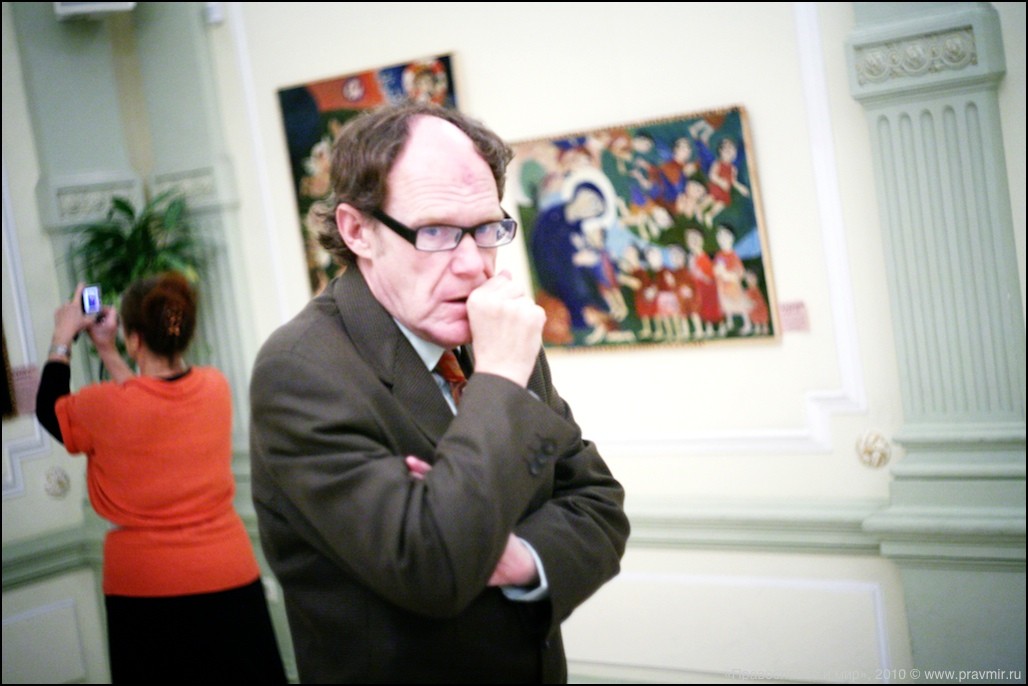
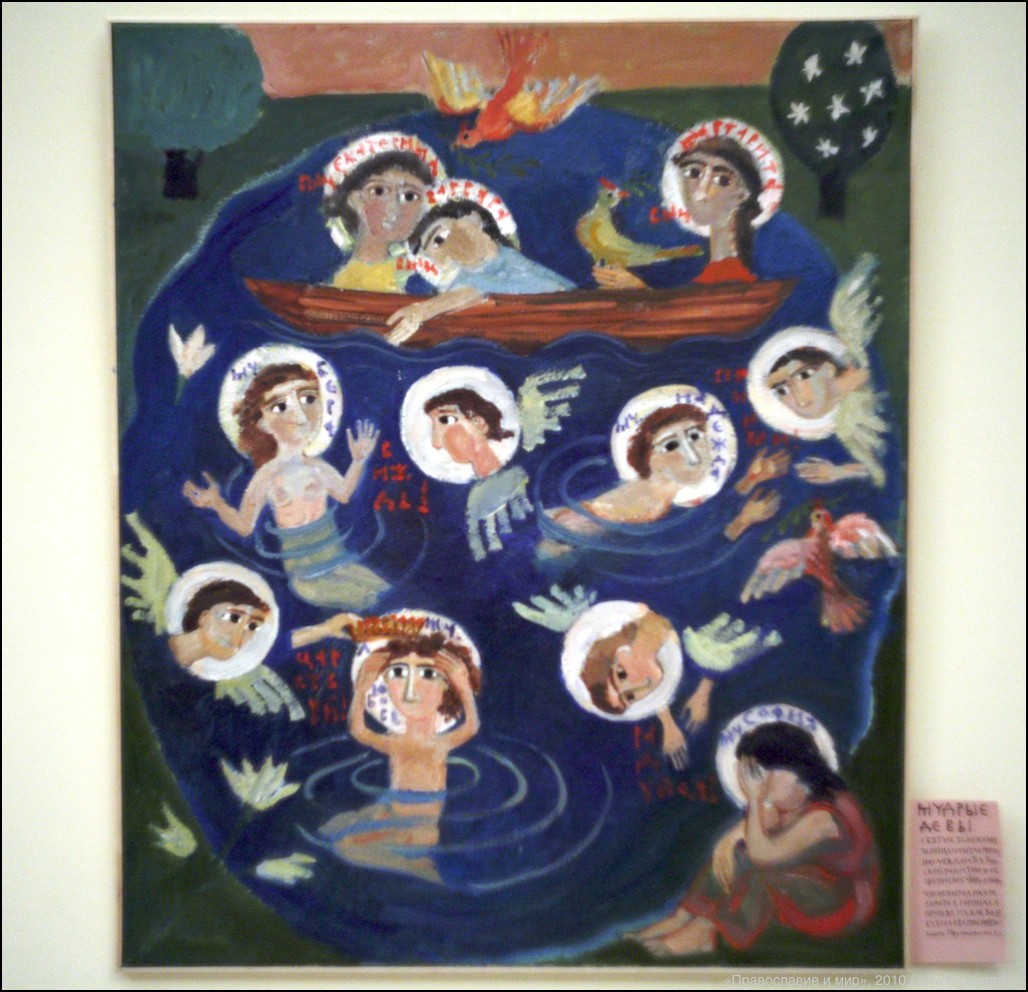
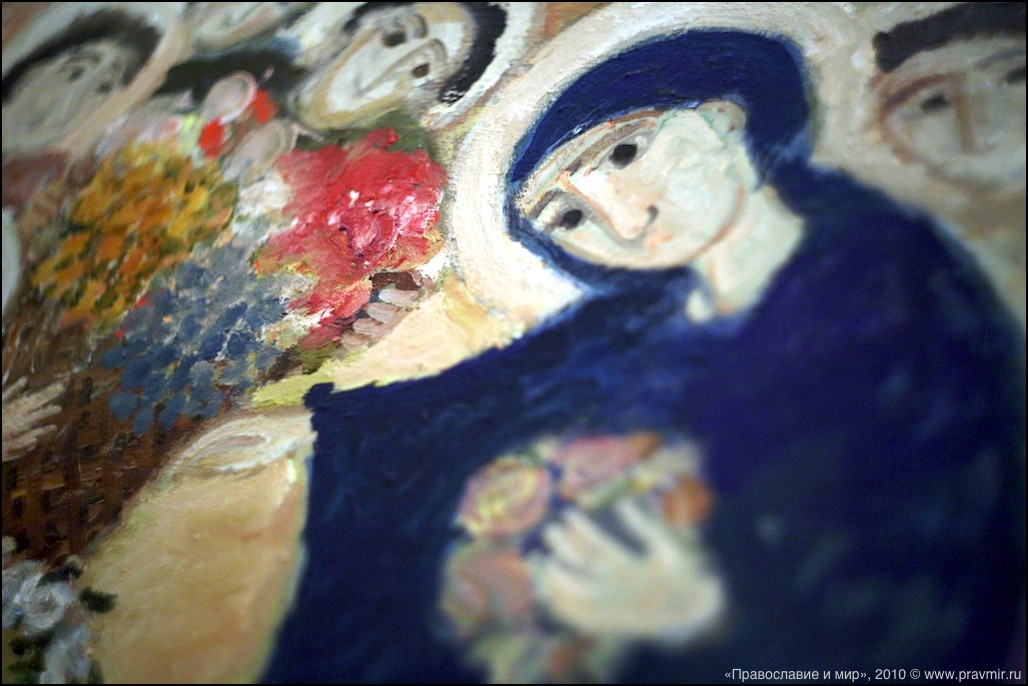
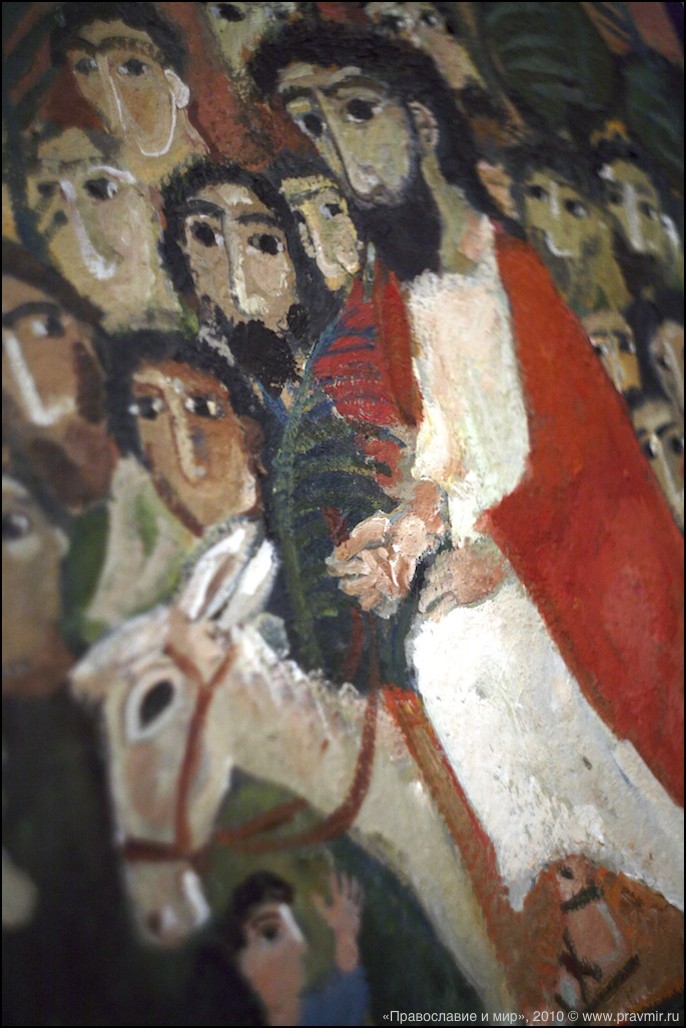
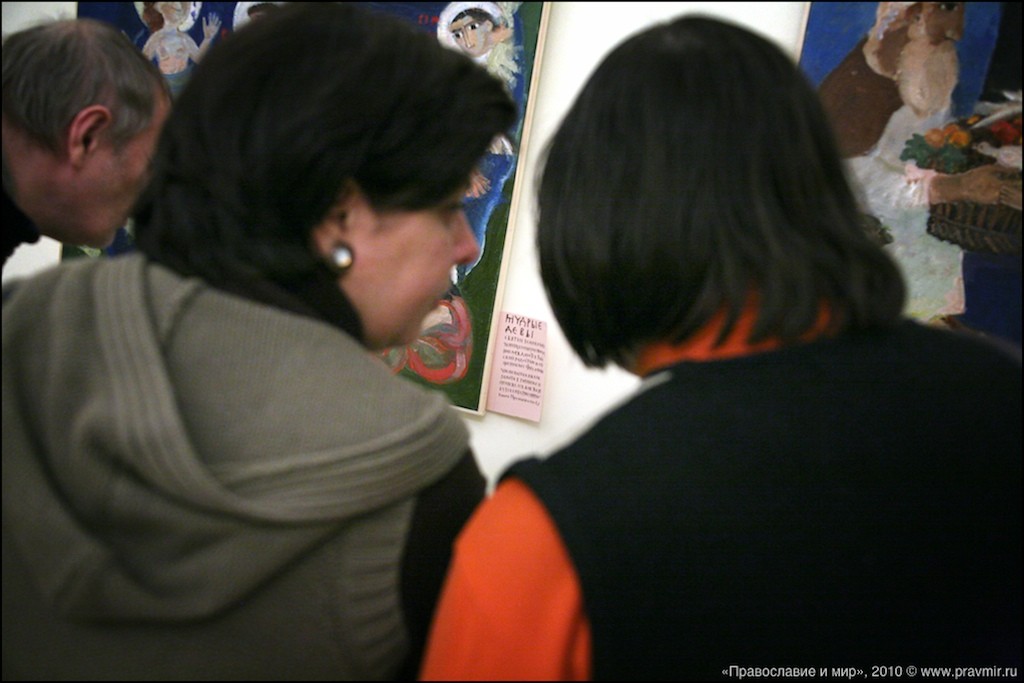
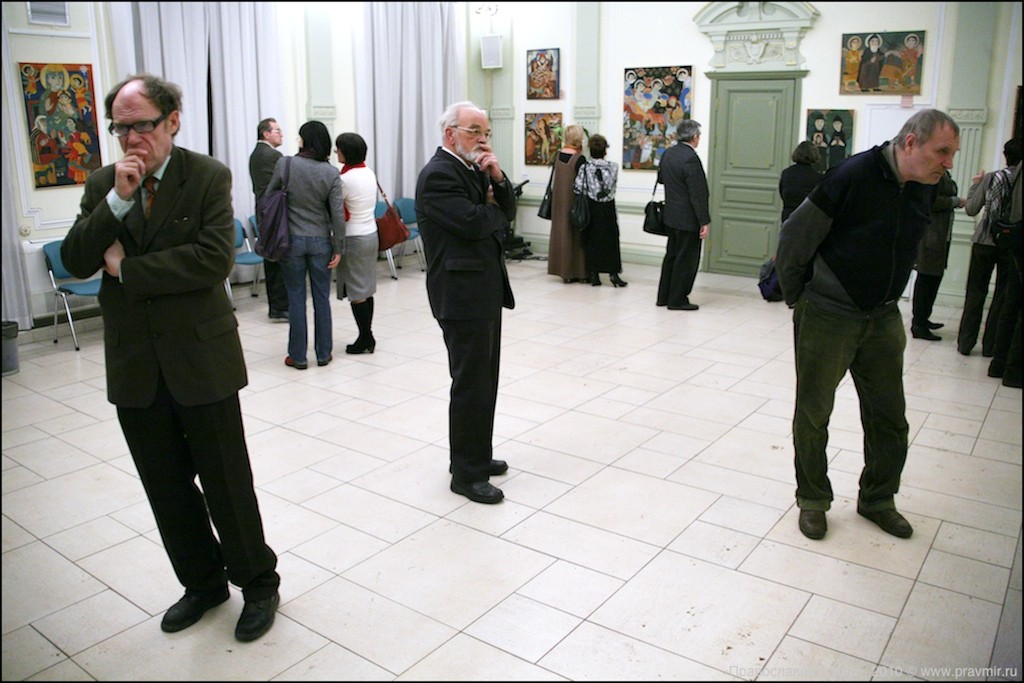
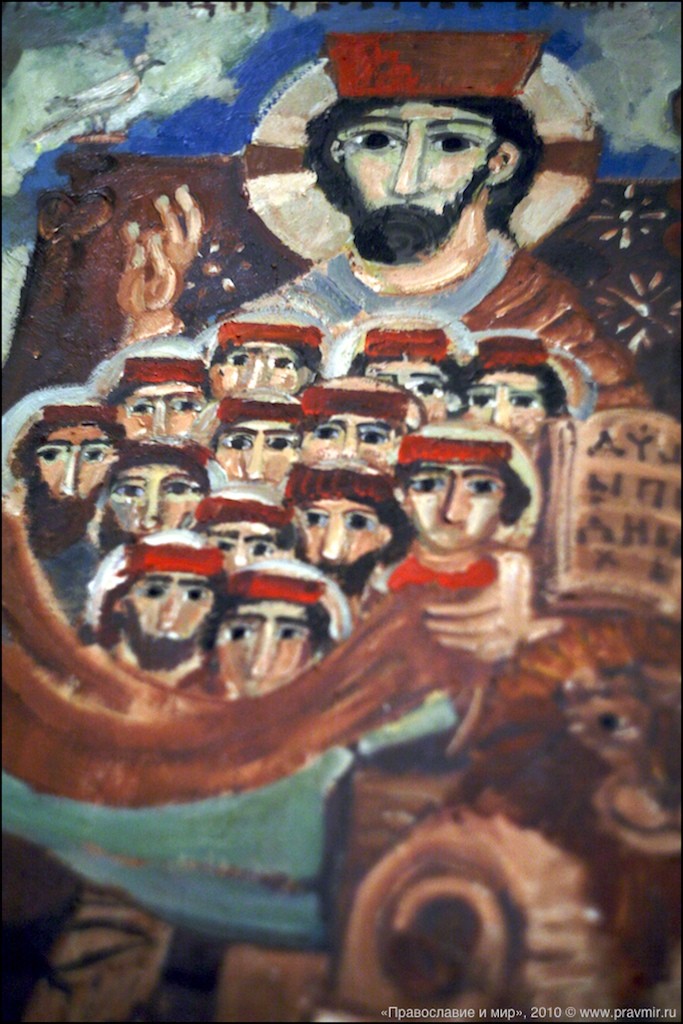
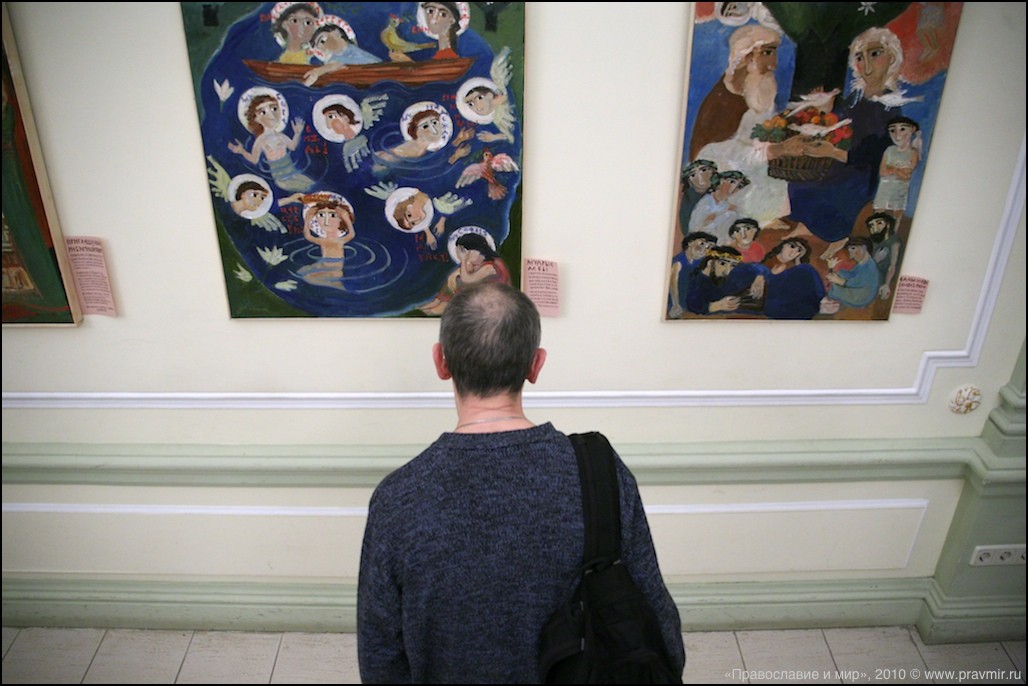
Through the Eyes of a Child

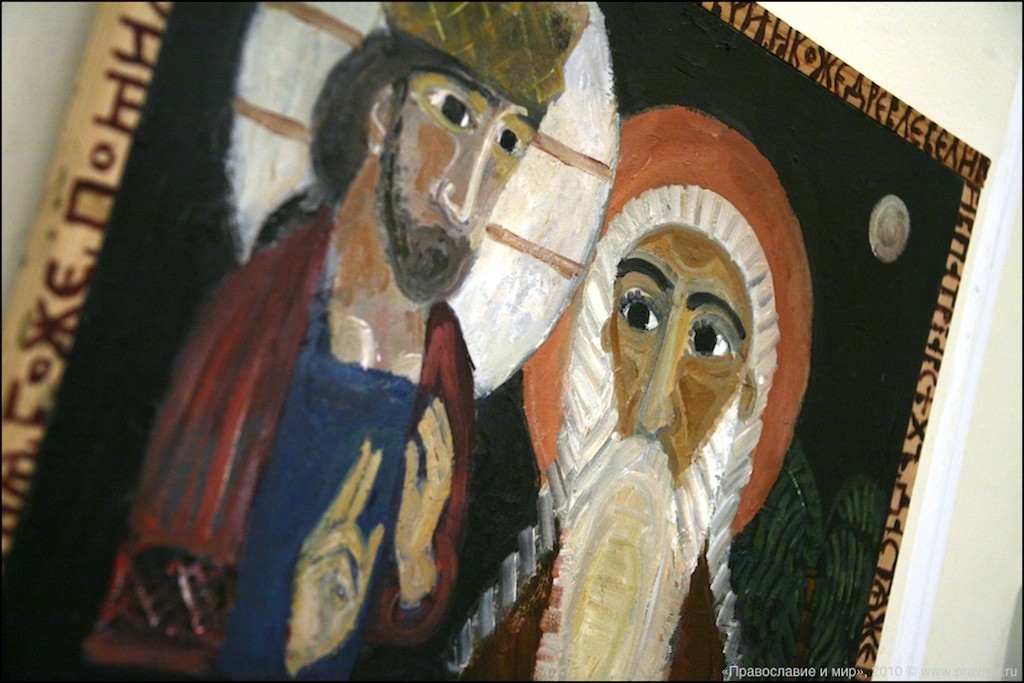
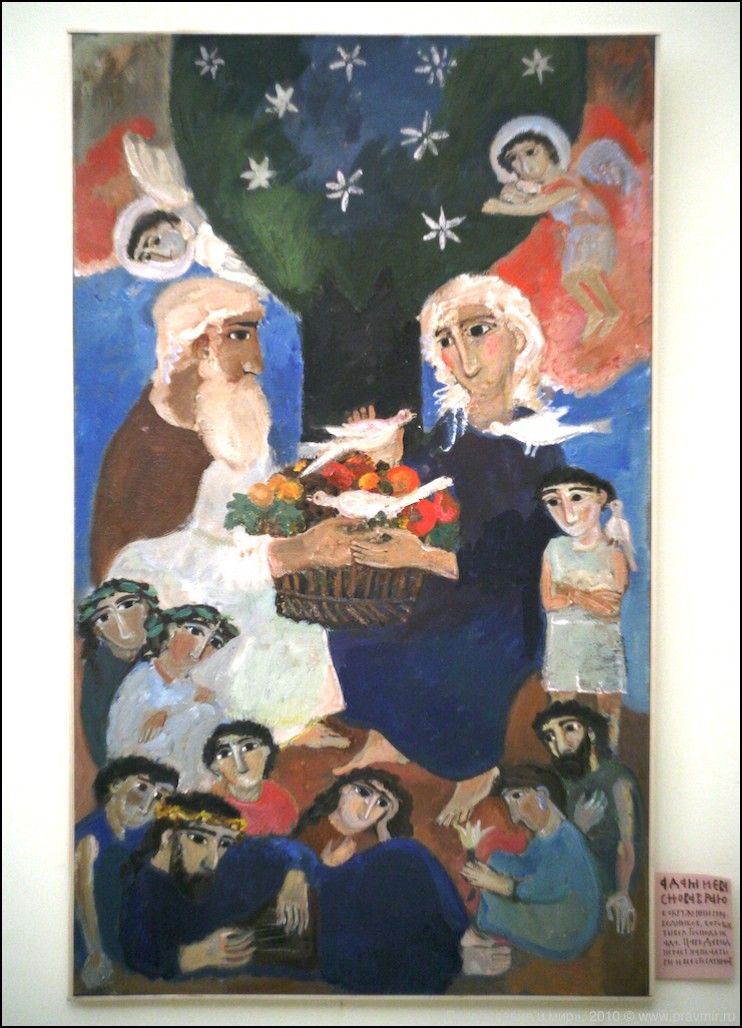
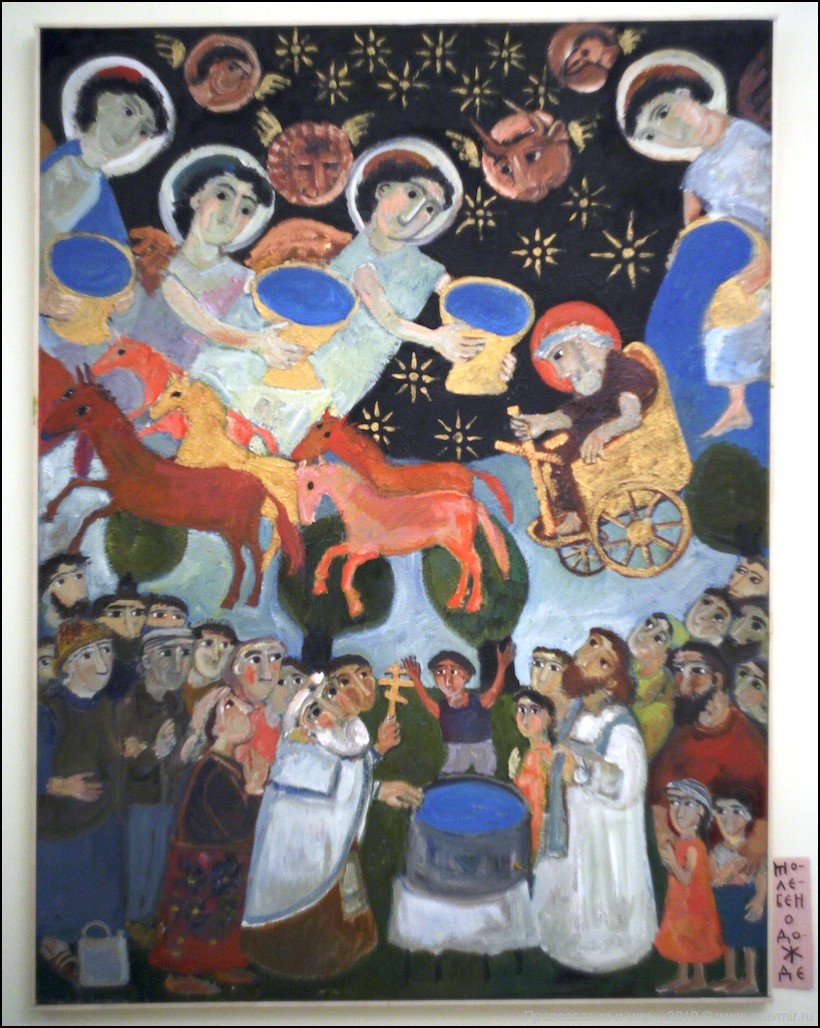
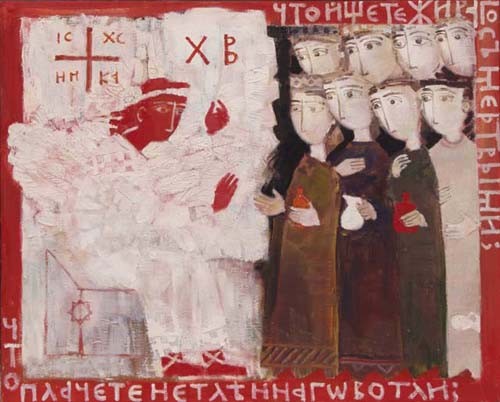
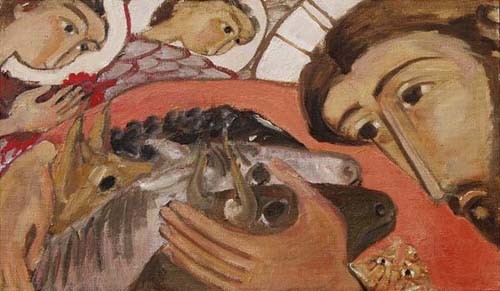
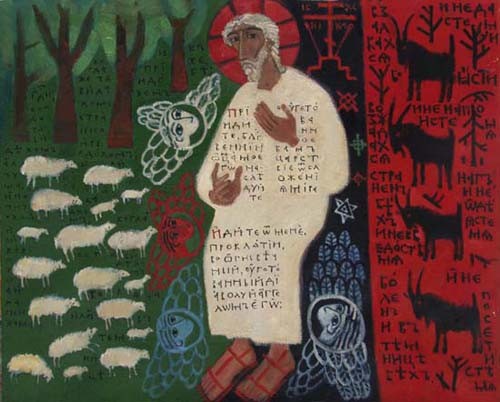
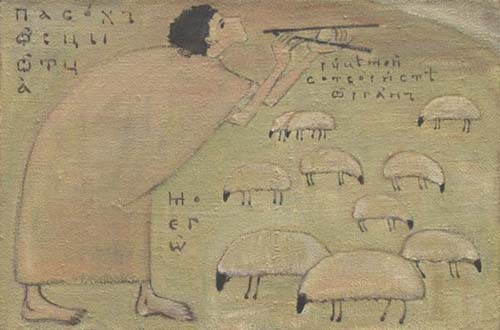
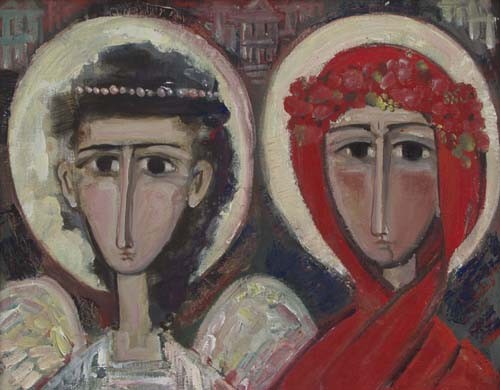
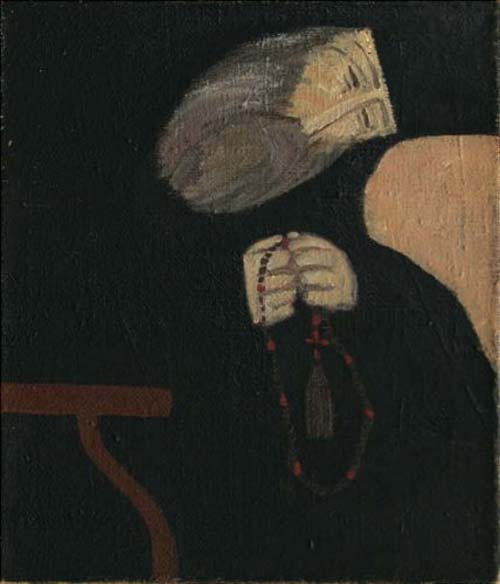
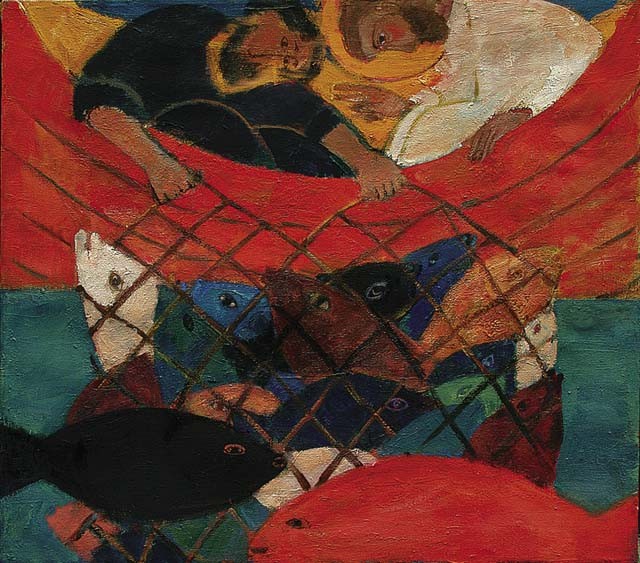
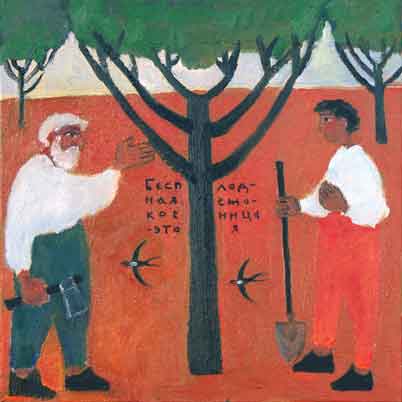
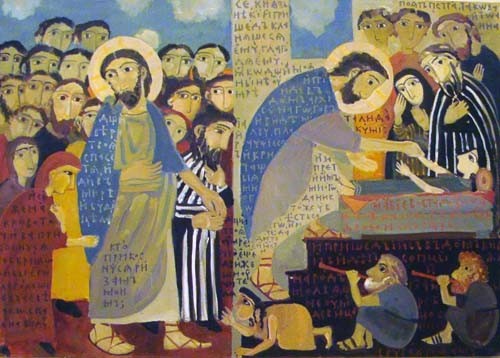
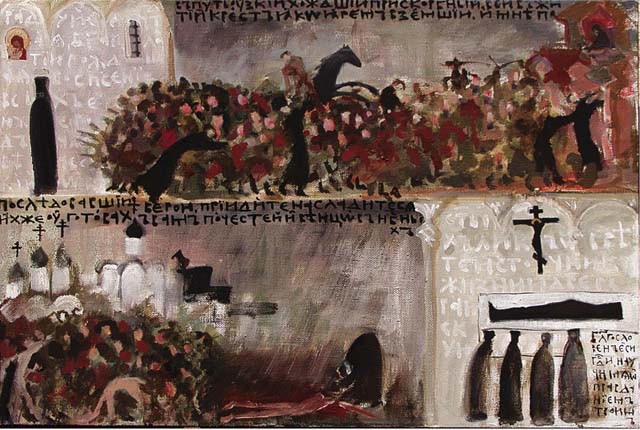
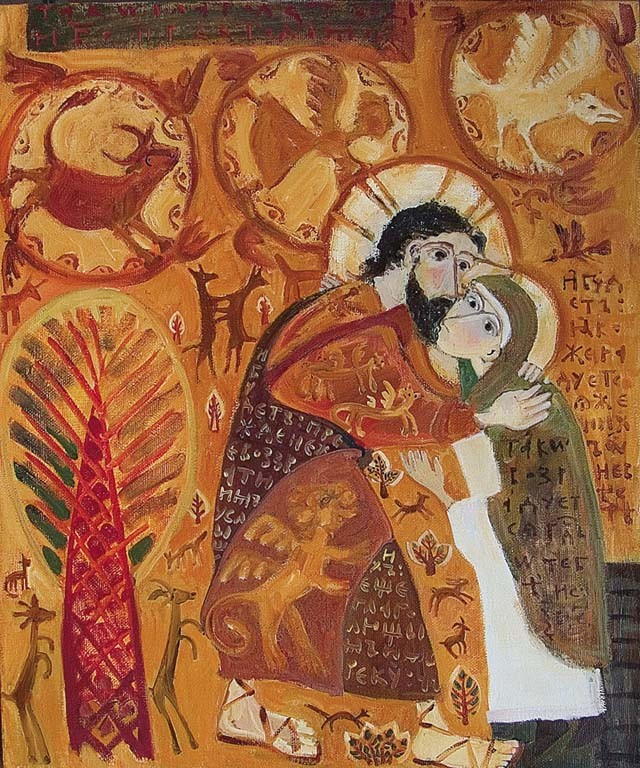
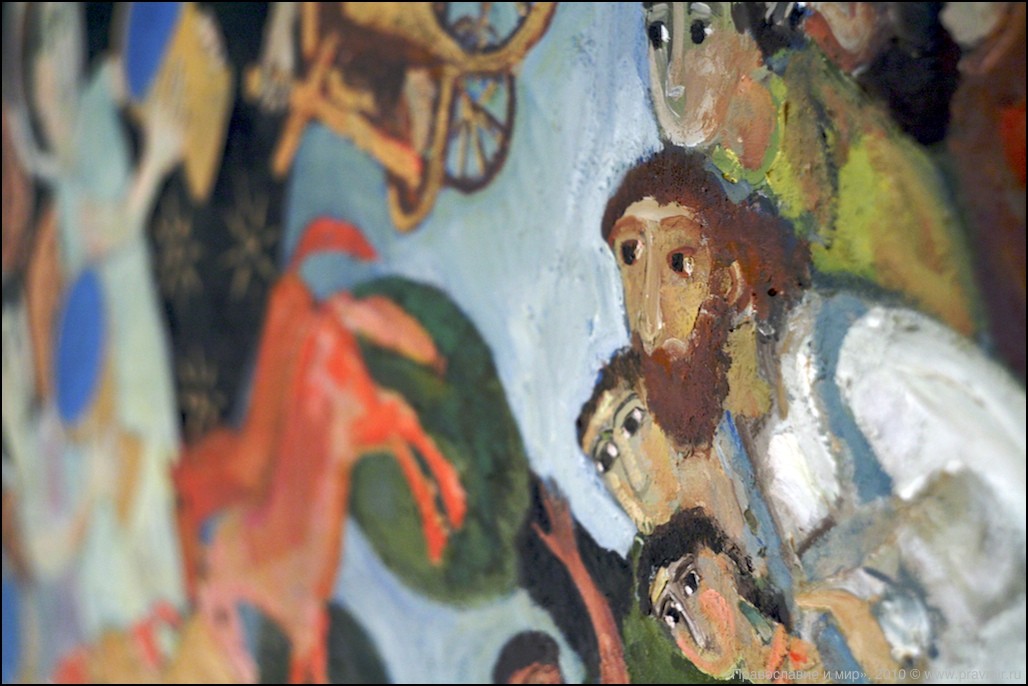
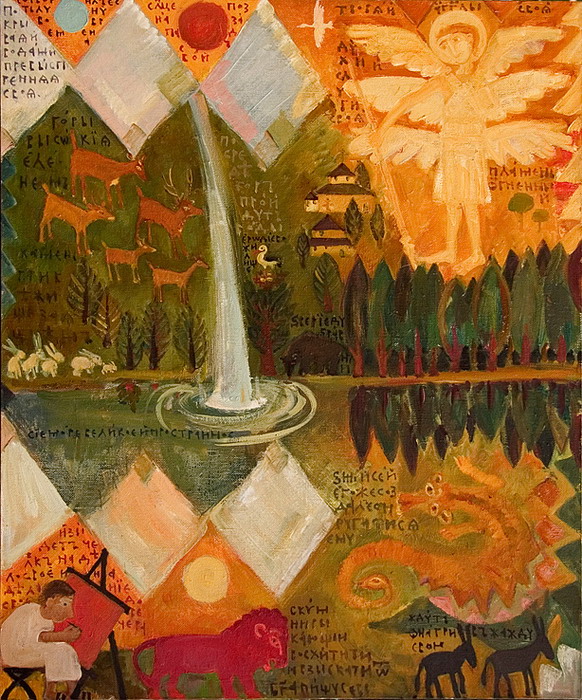
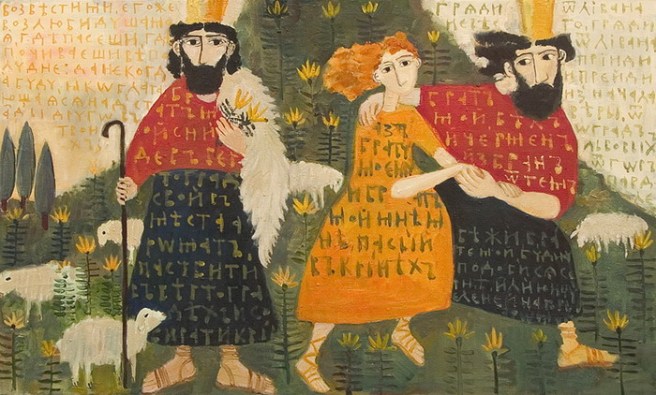
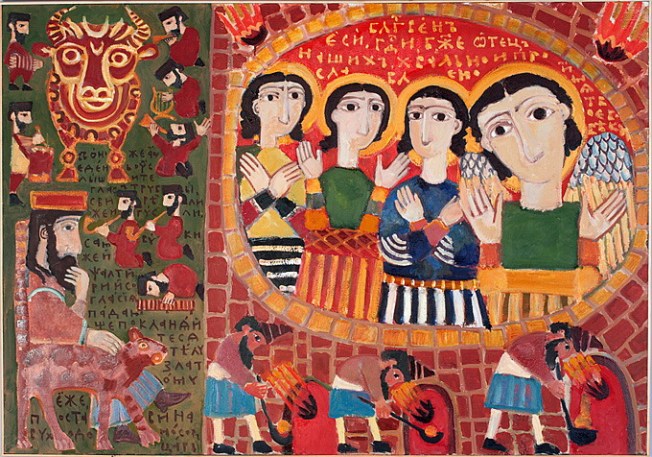
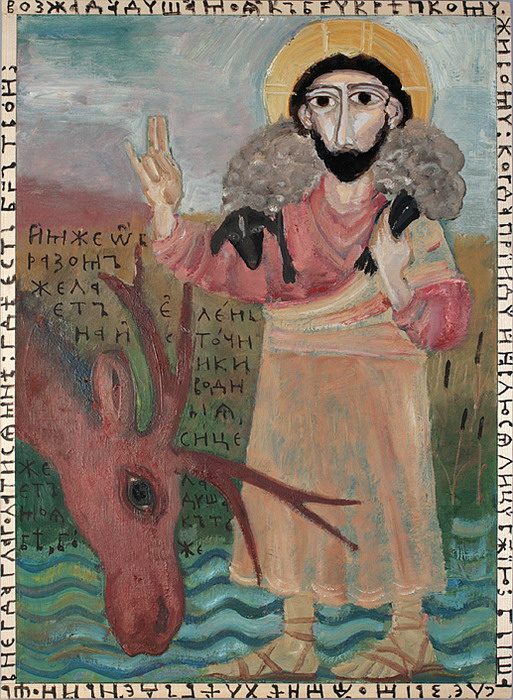
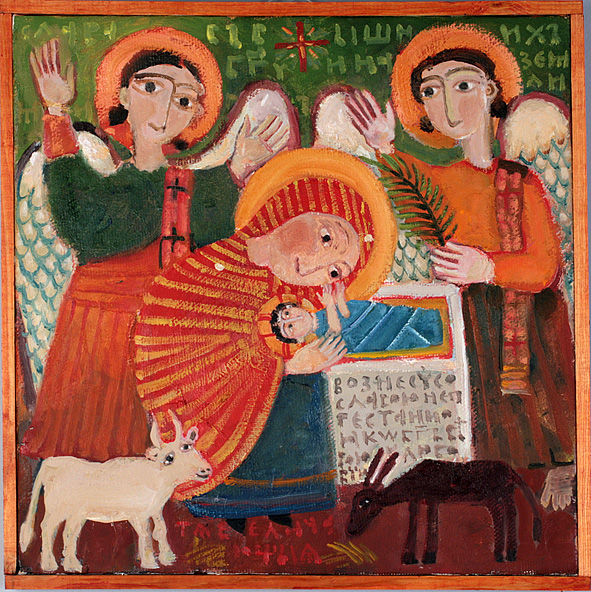
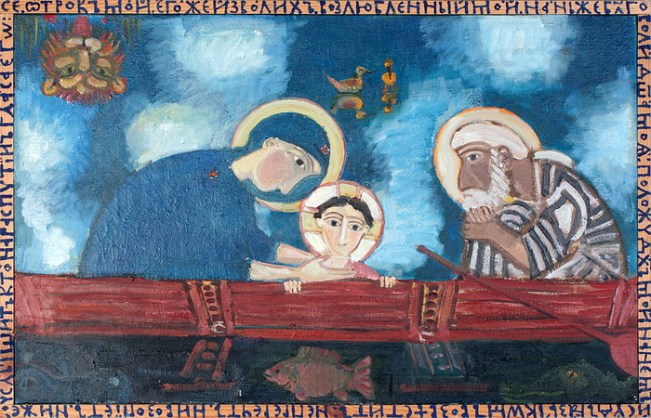
 “The quiet art of Helen Cherkasova seems simple at first sight – simple even to the naivete. And for much it is true if we imply by naivete pure natural sources and the belief in the clear divine spring of any real creative act.  As usual, dimensions of her works are not great. Nevertheless, some of them bear evident epic traits that are inherent to such monumental arts as mosaic or fresco.” (William Meiland, March, 1998)
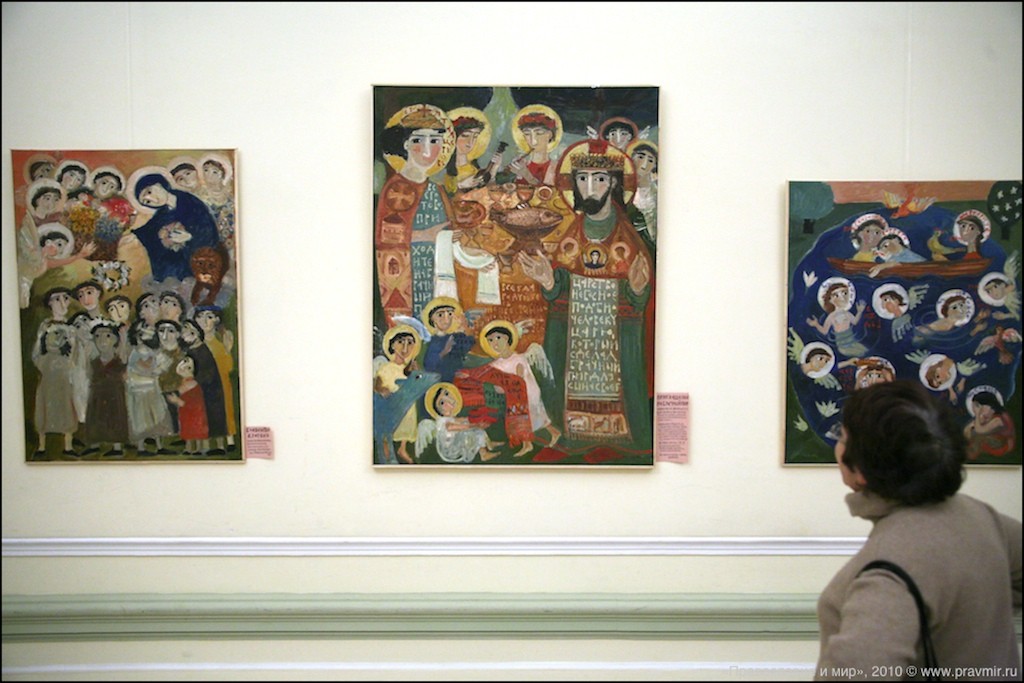
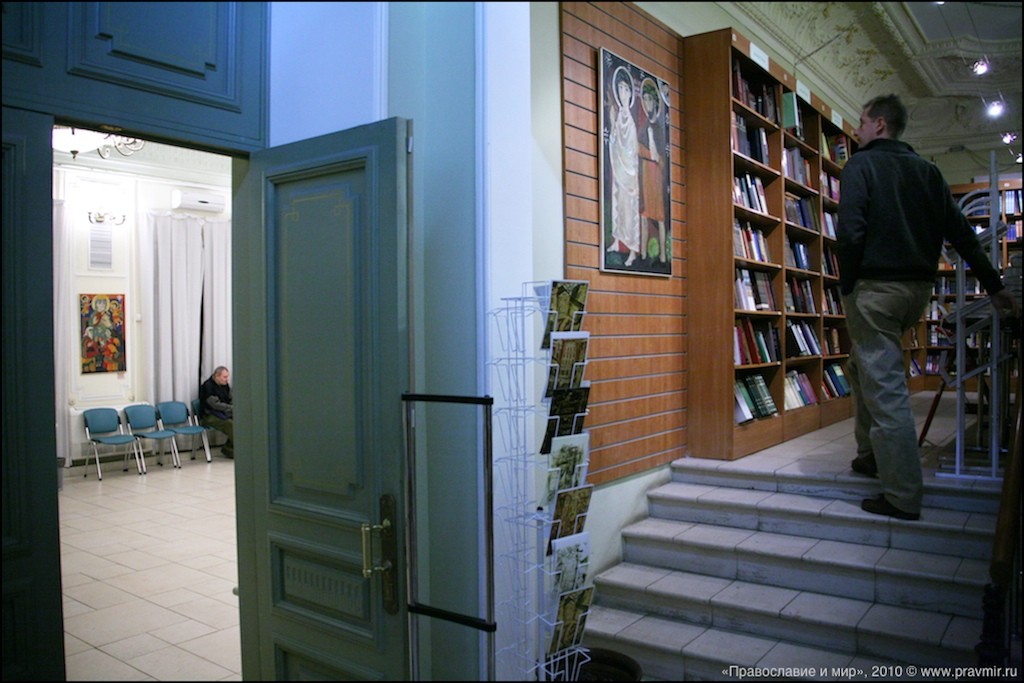
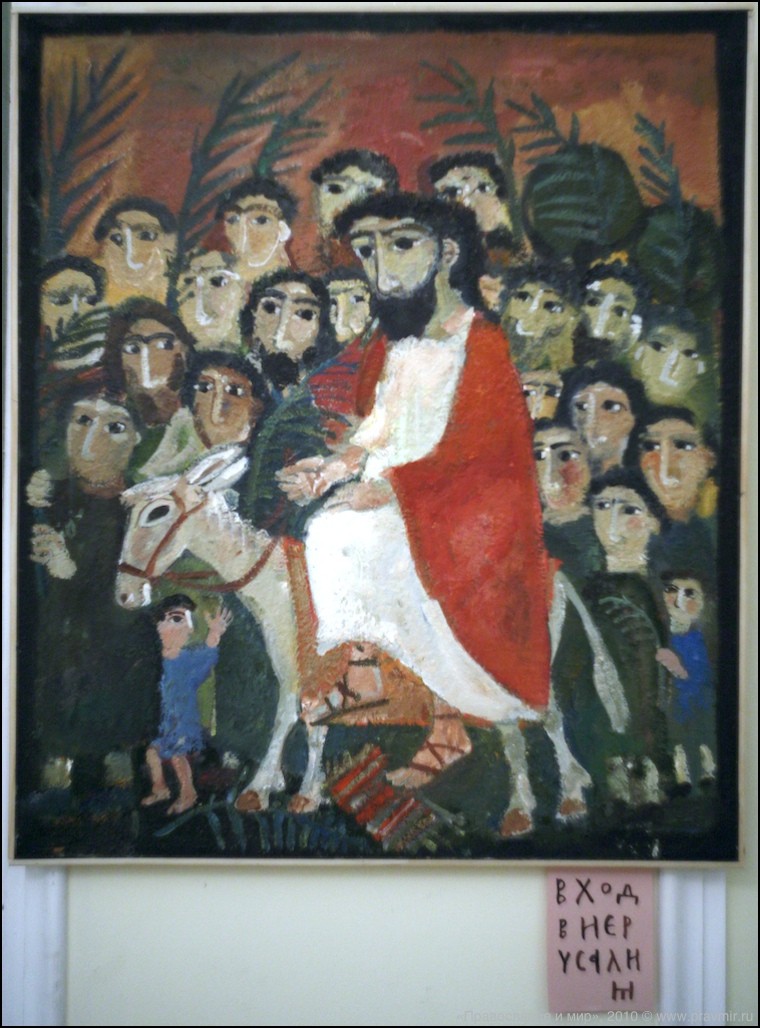
Helena Cherkasova was born in Moscow in 1962. Finished art school in Moscow. Painted icons for orthodox churches. Now she paints by oil landscapes, still lifes and compositions mainly with religious topics. Participant of exhibitions in Russia and abroad. Lives and works in Moscow.

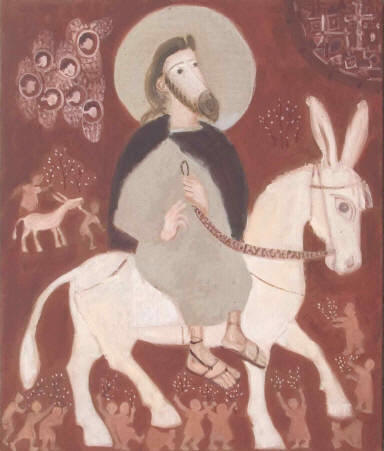
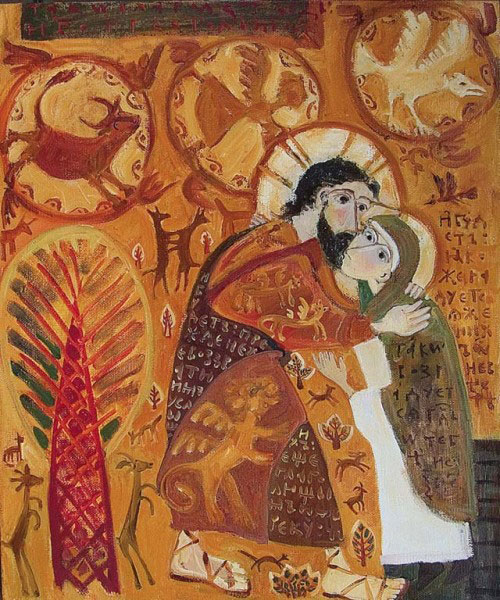
Lord’s Entrance into Jerusalem

Nativity

Blessedness of the meek

Wise virgins

The kingdom of heaven is like unto leaven, which a woman took, and hid in three measures of meal, till the whole was leavened.

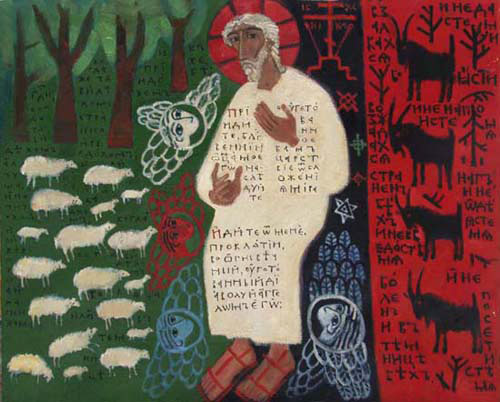
Psalm 127

Prayer for rain

cherk_20

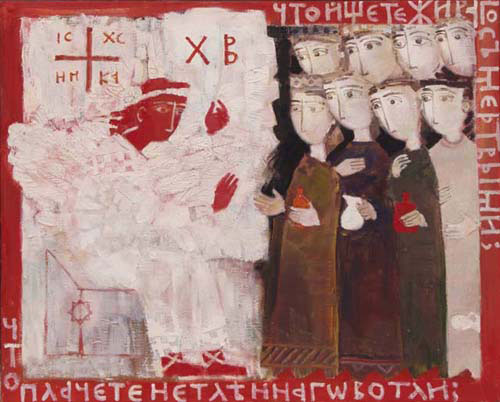
Angel speaks to the myrrh-bearin women

cherk_14

cherk_12

cherk_5

cherk_4

cherk_3

A monk

b_70

smokv

rai010

PC249278
Lord’s Entrance into Jerusalem
memra05

memra04

kraski
793614

the Tsar’s family

kolimpiade
Letters of St. John Chrysostom to Olimpiada
iliin
Prophet’s Eliah’s day

cherk_39

b_65

cherk_36

b_69

St. Seraphim of Sarov

b_68

Prince Igor’s murder

b_66

A bird from Heaven

b_64
The righteous soul enters Heaven

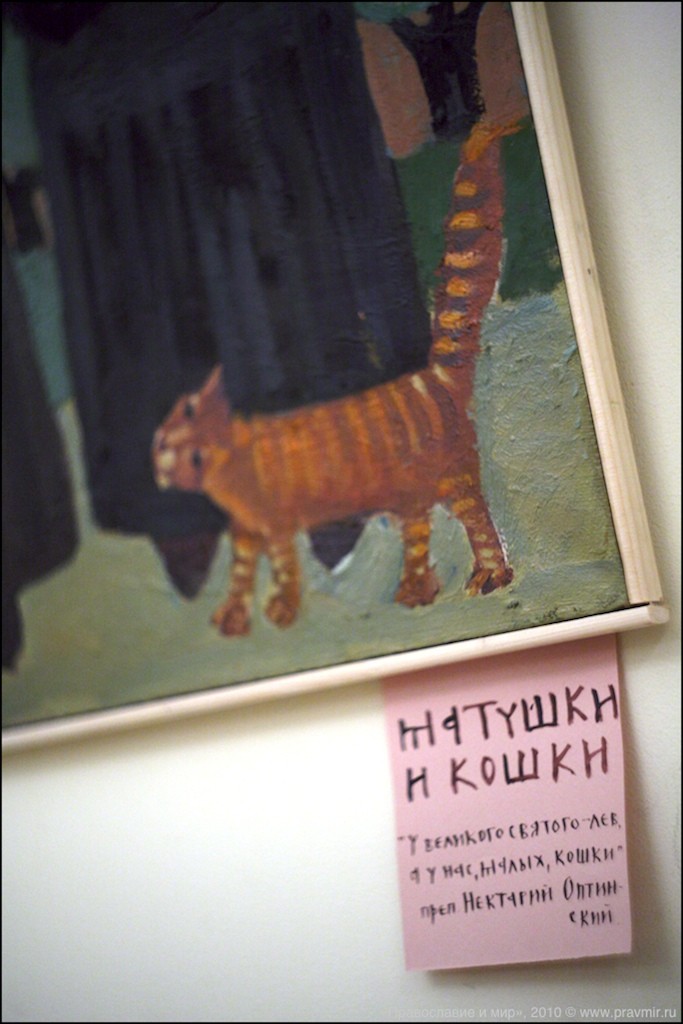
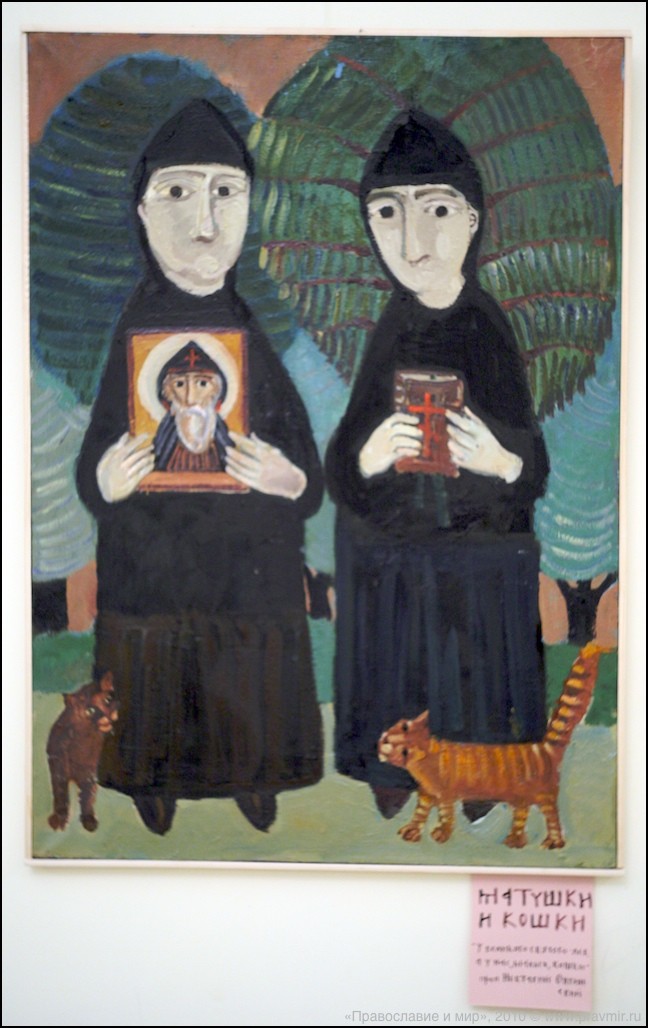
Matushki and cats

Matushki and cats

icon1

“103rd Psalm”

icon2

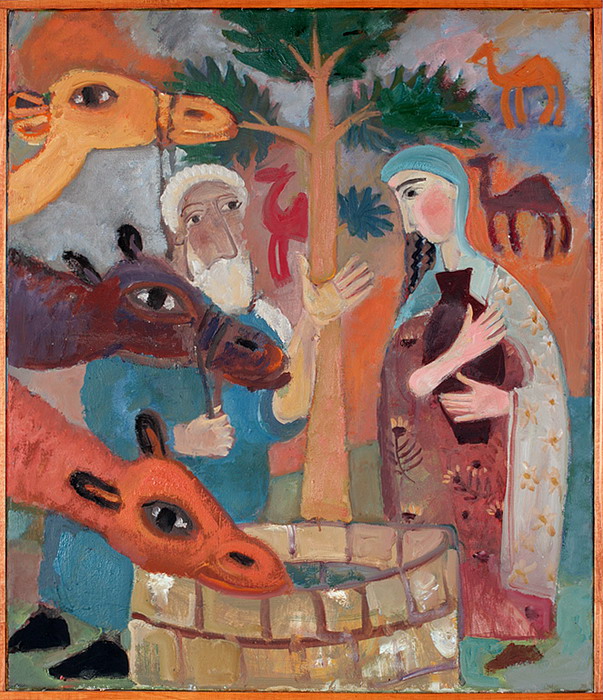
“Eleazar and Rebekah”

( the Old Testament story of the marriage of Isaac)
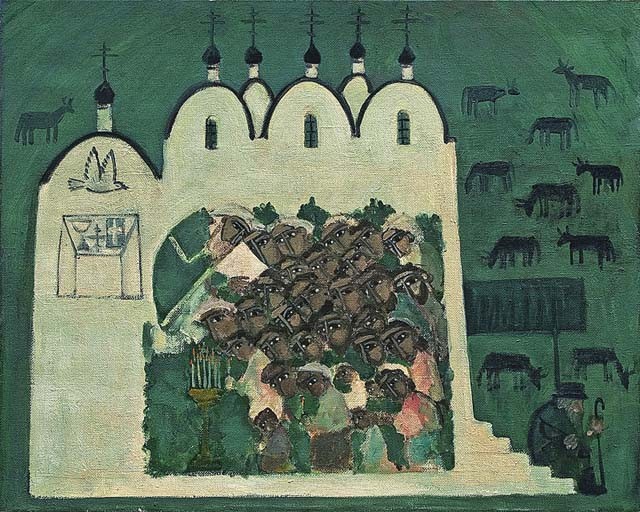
icon3

“Song of Songs”

icon18

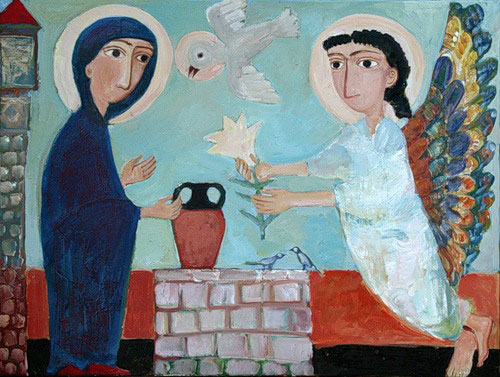
Annunciation

icon4

“Teens in the furnace” Daniel

icon5

“As the deer pants for streams of water, so my soul pants for you, O God!”  “Psalm 41”

icon6

“Nativity”

icon7

“The Holy Family”

icon9

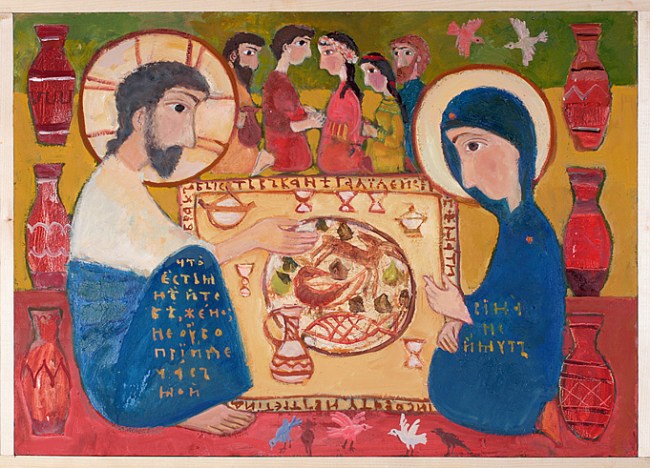
“Marriage at Cana”

converted PNM file

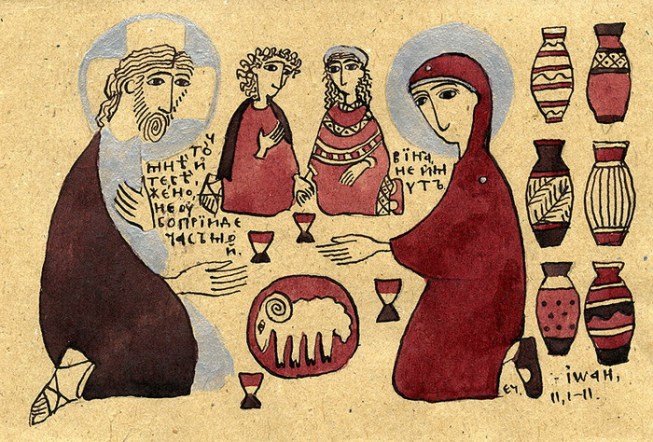
Another option of the marriage at Cana

converted PNM file

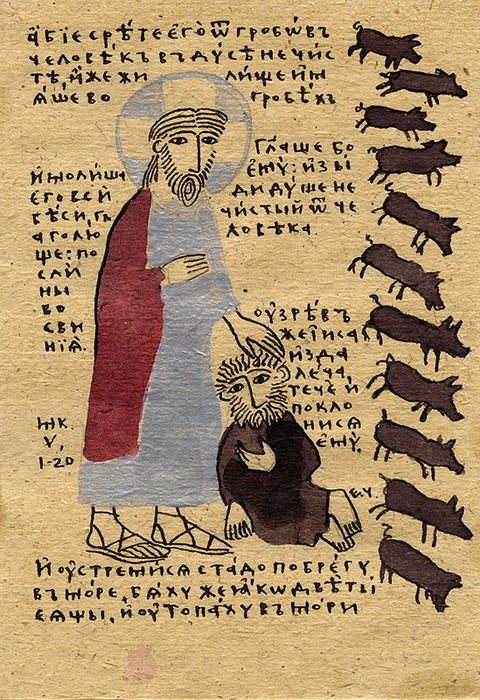
Healing the Demoniac of the Gadarene

converted PNM file

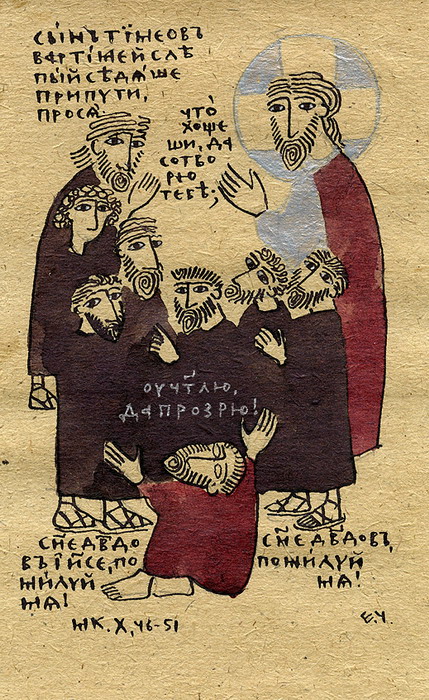
“Healing the Blind”

icon12

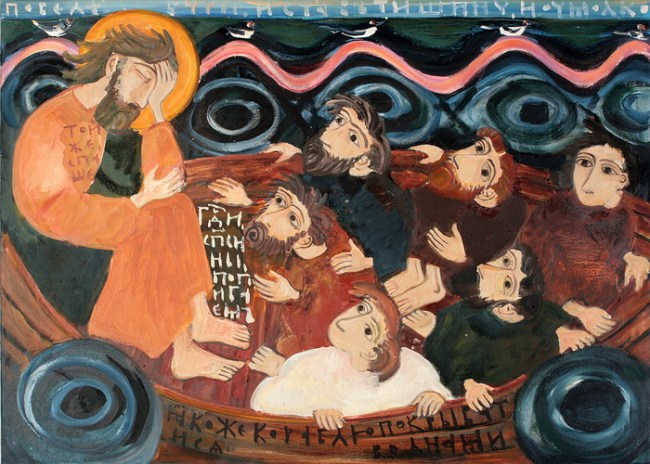
“The storm on the lake”(Mk . 4 , 35-41 )

icon13

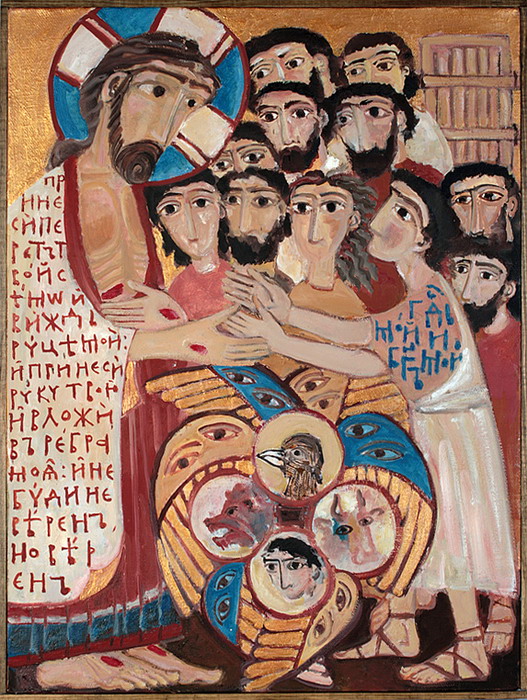
Doubting Thomas ( Jn. 20 , 24-29 )

OLYMPUS DIGITAL CAMERA

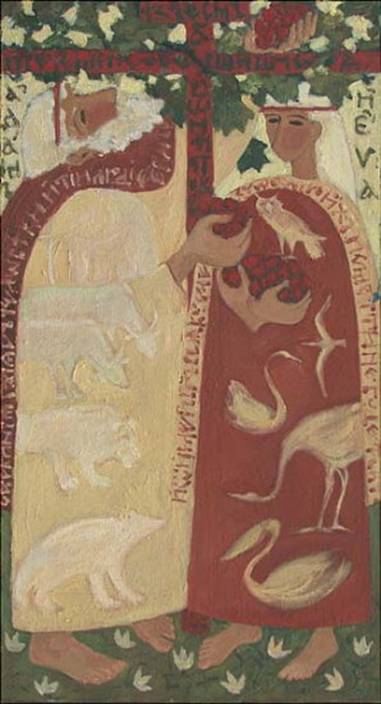
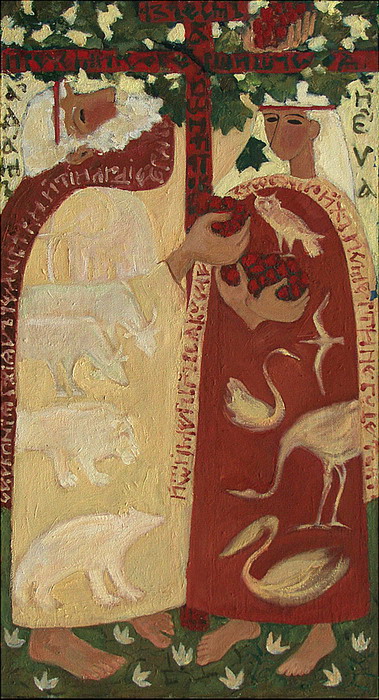
“Adam and Eve in paradise again”

icon22

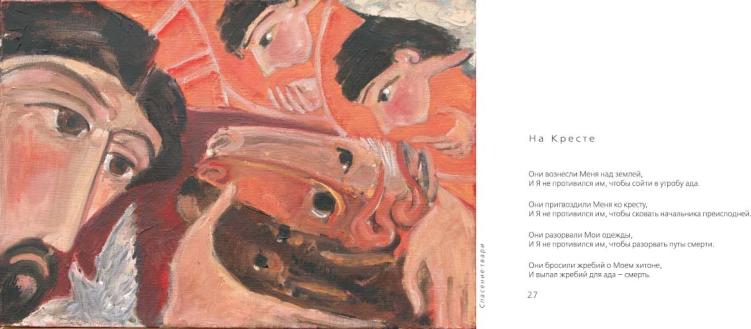
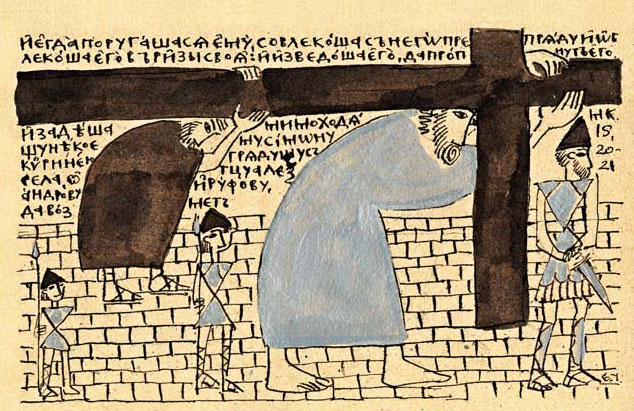
Way of the Cross

icon26

The Resurrection of Christ

icon23

Last (Final) Judgment — Day of Judgment

icon25

The entry of a righteous soul in paradise

icon28

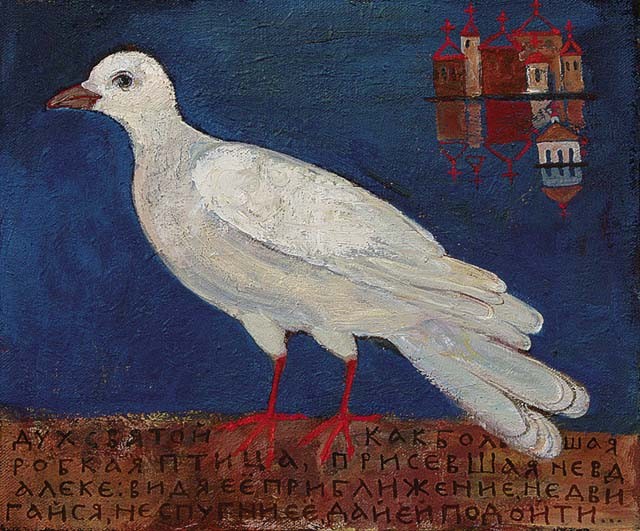
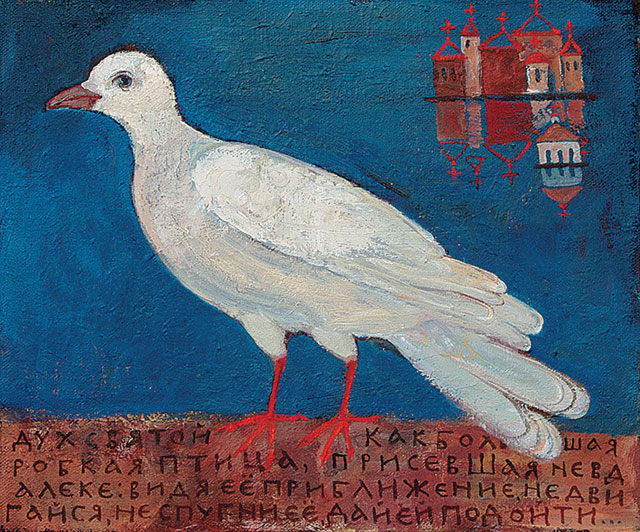
The Holy Spirit – a timid bird

Photos by Michael Moiseev
Source: Pramvir

O Death, Where is Thy Sting?

Anastasis_at_Chora

Let us contemplate our own mortality and ‘refute’ the nihilism of ‘mercy’ killing with artworks of Beauty. Classic Christian art such as ‪Purcell’s Elegy for the Funeral of Queen Mary can be so uplifting! Let us also draw upon all Art that has something of God in it, or that through it something of God can be refracted, such as Kurosawa’s Dreams and Rumi’s poetry.

*

Purcell’s Elegy

Man that is born of a woman

hath but a short time to live, and is full of misery.

He cometh up, and is cut down like a flow’r.

He flee’th as it were a shadow,

and ne’er continueth in one stay.

In the midst of life we are in death:

of whom may we seek for succour,

but of thee, O Lord, who for our sins art justly displeased?

Yet, O Lord God most holy, O Lord most mighty,

O holy and most merciful Saviour,

deliver us not into the bitter pains of eternal death.

*

For sublime Purcell please go to: https://www.youtube.com/watch?v=AYELAu9hqdU

*

Kurosawa’s Dreams ends with a funeral procession for an old woman in a village that plays like a wedding. Instead of mourning, the people celebrate joyfully as the proper end to a good life. The whole village turns out for her funeral. Kurosawa stages the funeral procession as a celebration of a life. Music is played, a song is sung, people dance in the procession as if it is a parade, and it’s a joyous scene. At the end, the traveler picks and places his own flower on the rock like the children before him.

For Kurosawa’s last Dream, watch: https://www.youtube.com/watch?v=rEEOfJdGzcQ

*

As for Rumi, the mystic poet and Spiritual Sufi Master, let the ecstatic vision of his hauntingly beautiful ‘Death’ poem speak of itself!

When I die …

When my coffin

Is being taken out

You must never think

I am missing this world.

*

Don’t shed any tears,

Don’t lament or feel sorry

I’m not falling

into a monster’s abyss.

*

When you see

My corpse is being carried

Don’t cry for my leaving,

I’m not leaving,

I’m arriving at eternal love.

*

When you leave me

In the grave

Don’t say goodbye.

Remember a grave is

Only a curtain

For the paradise behind.

*

You’ll only see me

Descending into a grave.

Now watch me rise.

How can there be an end?

*

When the sun sets or

The moon goes down

It looks like the end,

It seems like a sunset,

But in reality it is a dawn.

*

When the grave locks you up,

That is when your soul is freed.

Have you ever seen

A seed fallen to earth

Not rise with a new life?

*

Why should you doubt the rise

Of a seed named human?

Have you ever seen

A bucket lowered into a well

Coming back empty?

*

Why lament for a soul

When it can come back

Like Joseph from the well?

*

When for the last time

You close your mouth,

Your words and soul

Will belong to the world of

No place, no time.

For Rumi’s “When I Die”, please watch: https://www.youtube.com/watch?v=SEwJm-RPhNE

*

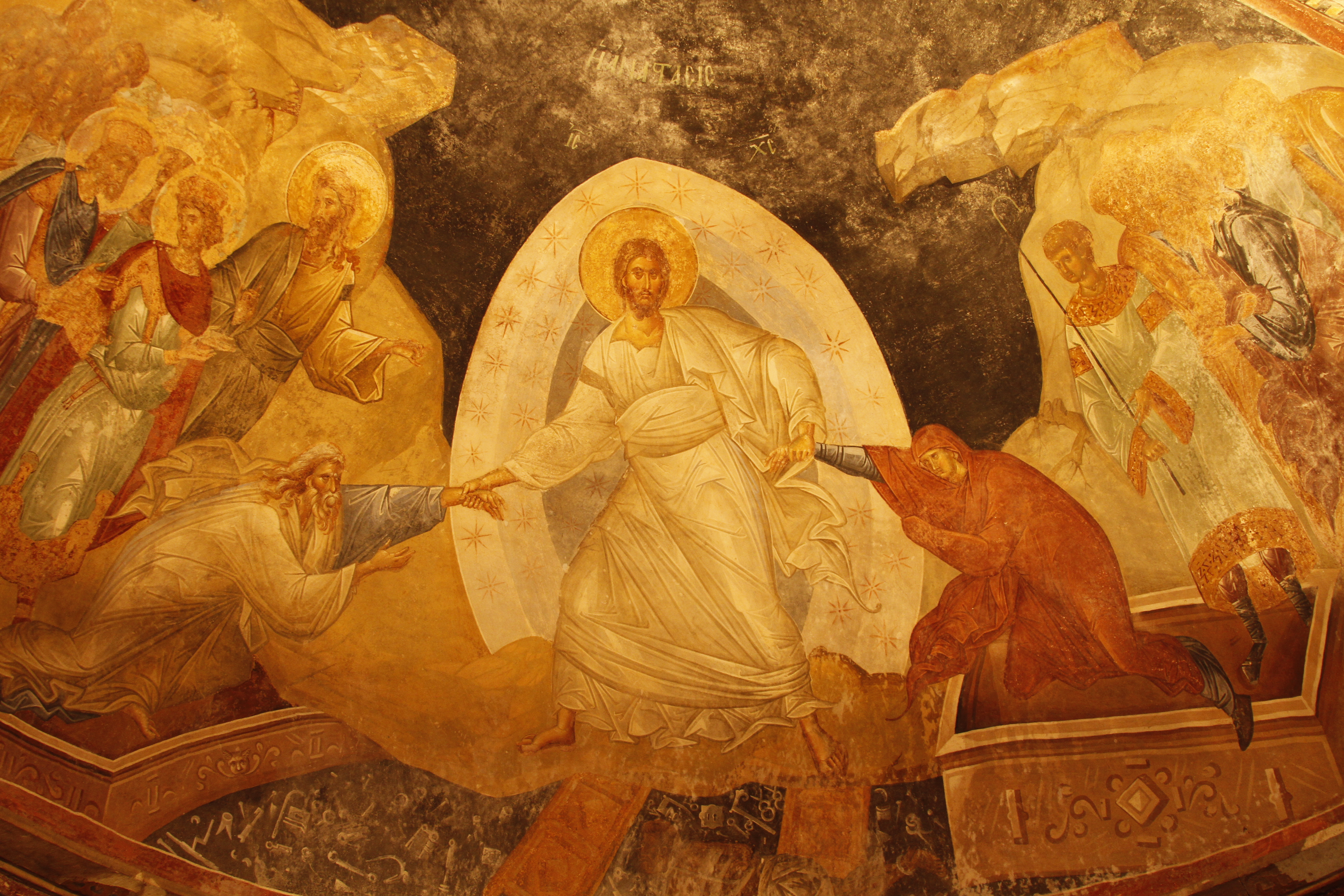
  • Icon on top: Harrowing of Hades, fresco in the parecclesion of the Chora Church, Istanbul, c. 1315;  raising Adam and Eve is depicted as part of the Resurrection icon, as it always is in the East.

Solomon, I have outdone thee!

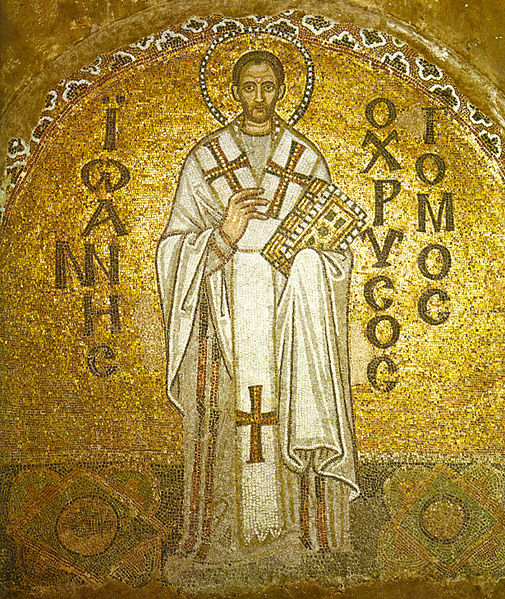
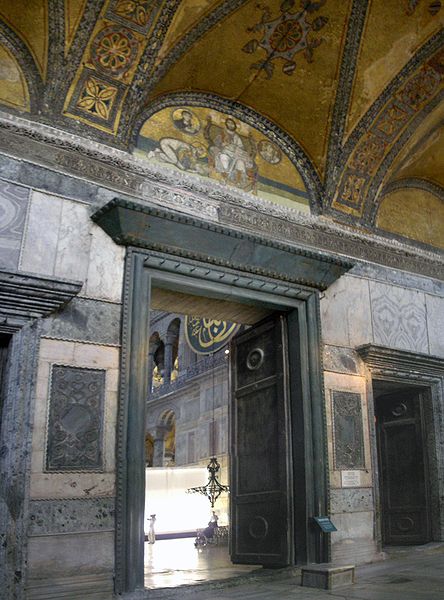
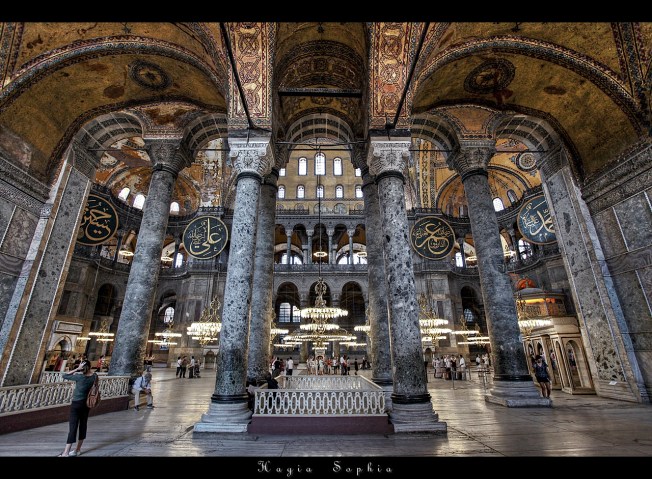
An excellent documentary and a unique website featuring the grandest Byzantine church of them all, “Hagia Sophia”, Church of the Holy Wisdom in Istanbul, Turkey  


agia1

Iconographer and Russian historian launches unique website featuring “Hagia Sophia,” Church of the Holy Wisdom

agia2

agia5

 agia4

agia6     agia9

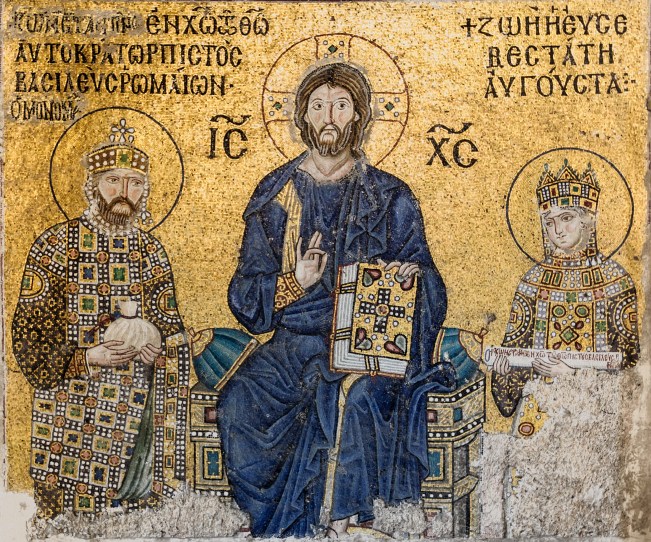
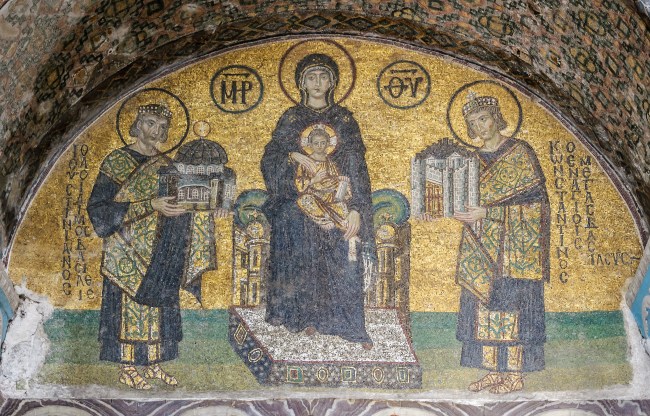
Mosaïque de l'impératrice Zoé, Sainte-Sophie (Istanbul, Turquie)    Mosaïques de l'entrée sud-ouest de Sainte-Sophie (Istanbul, Turquie)

Deisis

An interesting new site illustrating the history of Constantinople’s Church of the Holy Wisdom — popularly known as “Hagia Sophia” — recently appeared on the internet.

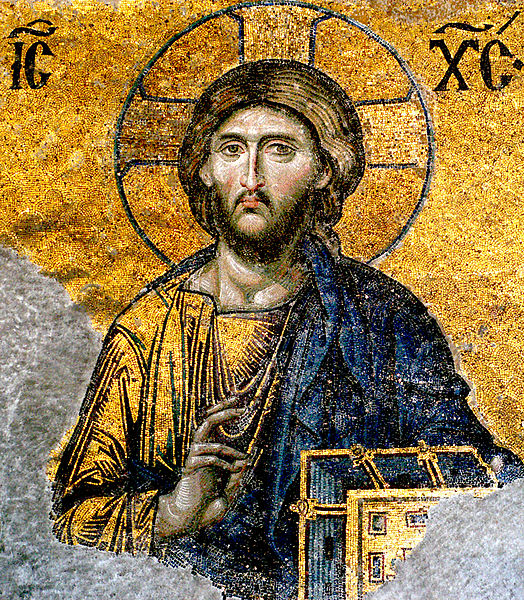
A “must visit” for Orthodox Christians, especially those interested in Church history, iconography, mosaics, and ecclesiastical architecture, the site gives special attention to the magnificent “Deesis” mosaic in the church’s south gallery.  Depicting Christ flanked by the Theotokos and Saint John the Forerunner, the exquisite mosaic was uncovered in the 1930s.  It is one of the world’s most beloved images of Our Lord.

Built by the Byzantine Emperor Justinian in the early sixth century, Hagia Sophia replaced two earlier churches, the first built in 380 AD.

* In the time of Justinian, it had a thousand clergy and in Neara, Herakleion, there is a catalogue listing in the 7th century 600 people, consisting of “80 priests, 150 deacons, 40 deaconesses, 70 sub-deacons, 160 lectors, 25 cantors, and 75 door-keepers”.

http://pemptousia.com/2016/01/haghia-sophia-such-ecstasy-can-never-be-forgotten/

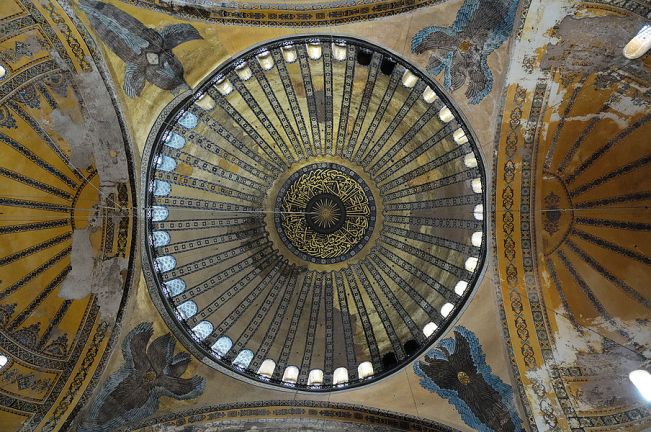
It is an engineering marvel, inasmuch as its massive freestanding central dome — the world’s largest of its kind — has withstood everything from earthquakes to invasions for 1500 years.  After the fall of Constantinople in 1453 AD, it became a mosque.  Its current status — that of a state museum — dates back to the early 1900s.

The site is the work of Bob Atchison, an iconographer and Russian historian from Seattle, WA who now lives in Austin, TX.  His interest in Hagia Sophia, and especially it’s Deesis mosaic, dates back to his childhood.

The site, which includes invaluable historical information, illustrations, maps and plans, and original photographs not readily found elsewhere, is of special interest to Orthodox Christians in general, and specifically to those desiring deeper insights into Orthodox Church history, iconography, liturgy, and ecclesiastical architecture.

*
When Justinian had finished the construction he supposedly proclaimed, “Solomon, I have outdone thee!”

*
The site may be accessed here : http://www.pallasweb.com/deesis


Source: http://oca.org/news/oca-news/iconographer-and-russian-historian-launches-unique-website-featuring-hagia

Archangel Ethiopian Manuscript

A selection of folios from an illuminated manuscript of 17th century Ethiopia, produced during the cultural boom, especially in painting, brought about by the establishment of a permanent court at Gondar by the Solomonic emperor Fasilädäs (who reigned 1632-67). The nearly 50 full-page illuminations of this particular manuscript tell the story of the Archangel Michael who, under the patronage of Emperor Zär’a Ya’eqob, had became the most venerated of all archangels in Ethiopia. He is depicted undertaking a vast host of miracles and heroic feats including saving the faithful from the burning flames of hell, healing the sick and treading on Satan. The illustrations can also teach us about the Ethiopia of the time. According to The Walters Art Museum, “the minutely rendered textiles in these pictures suggest a connection with the fashions of the Gondarine court and indicate that the painters depicted their scriptural subjects using a visual language rooted in contemporary culture.”

Left – Above: How Astaraniqos slept on his bed using the picture of St. Michael as a pillow; Below: How a blacksmith toiled in making a panel for the picture of St. Michael. Right – Above: How Satan flew away like a raven/crow when Euphemia showed him the picture of St. Michael; Below: How Satan came (again) looking like four women and St. Michael trod on him.
Left – St. Michael rescues the faithful from the flames of Hell. Right – The Faithful Rescued by Saint Michael in Paradise.
The Archangel helping Hezekiah of Judah defeat Sennacherib of Assyria.
The Archangel paying tribute to Adam.
The Archangel casting an evil spirit from his church.
The Archangel healing a sick woman.
The Archangel helping seafarers.
The Archangel healing a Jew.
The Archangel helping Susanna preserve her purity.
The Archangel rescuing the Three Holy Children.
The story of Qison continues.
The Archangel rescuing the child from drowning.

Source: The Public Domain Review

99 Year-Old ‘Beggar’ Fool-For-Christ

This 99-Year-Old Man Begs Every Day And Gives It All Away To Churches And Orphanages

To the unfamiliar passerby, Dobri Dobrev, 99, may come off as a haggard beggar who depends on the kindness of strangers to get by in life.

dobri dobrev

But, for the residents of Sofia, Bulgaria, Dobrev is nothing of the sort. Rather, the area’s fixture has been called a “saint” and a “divine stranger,” according to a website dedicated to Dobrev.

imgur, meet Dobri Dobrev

Dobrev lost most of his hearing during World War II, according to Yahoo News Canada. He lives more than 15 miles outside of Sofia, a distance he used to trek by foot, but he now relies on the bus, according to SaintDobry.com. He spends his days asking people for money, but he doesn’t keep a cent.

The generous guy lives off of his monthly pension of 80 euros (about $100) and gives all his donations to institutions that are most dear to him: churches and orphanages.

dobri
Photo credit: Laura / Panoramio 

Last year, Reddit user Nullvoid123 wrote on the site that he has met Dobrev a number of times and that the beneficent man said he once “did a bad thing,” and is now trying to make up for his past transgressions by helping others.

Dobrev has made a number of generous donations throughout the years to churches, but one of his largest gifts was when he gave 35,700 lev (more than $24,000) to the St. Alexander Nevsky Cathedral, according to a video released by the church. He has also been known to give money to orphanages to help them pay their utility bills. “The good will is just and true. Everything in it is good,” Dobrev said in the film “Mite,” which was produced in 2000. “We must not lie, nor steal, nor commit adultery. We must love each other as God loves us.”

Source: Huffington Post

http://www.huffingtonpost.com/2014/02/27/dobri-dobrev_n_4867974.html

Just Remember That Death Is Not The End

365050.TIF

In the last two days the subjects of death and euthanasia have come up frequently on Christian websites. For example, yesterday I read an article in Pravoslavie.ru from the National Review concerning a Dutch doctor who was sued for “Saying No to euthanasia”. Christian Headlines.com say that in Quebec doctors are being forced to comply with the assisted suicide (ie. euthanasia) programme even if they are morally opposed to it.  For anyone who may still have doubts as to where all this “end-the-suffering-by-ending-the-sufferer” cult may lead to, I would recommend Fr. Philip LeMasters’s recent post http://blogs.ancientfaith.com/easternchristianinsights /2015/09/27/an-orthodox-christian-argument-against-physician-assisted-suicide/.

I would like to add my own protest along with other Christian voices to the gross distortion of God’s commandments that I believe “mercy”killing to be. What a gross, appalling violation against the essential sanctity of all Life! How profoundly evil, ugly and merciless such a vision of ‘mercy’ death is!

LEAD Technologies Inc. V1.01

Today, rather than any debate, let the haunting beauty and profound spirituality of two Tavener classic works’ refute their arguments. Tavener’s Song for Athene and Funeral Ikos are deeply moving musical works which convey God’s grandeur and sovereignty over life and His overcoming of death. Tavener converted to Orthodox Christianity in 1977, and his compositions after that date are in his own words “icons in sound”, heavily influenced by Byzantine ecclesiastical music. He said he wanted to produce music which is “the sound of God”. In his recent book, The music of silence, Tavener said “If you listen to the music of the East, somehow the divine is already there. It is – which is a parallel with the eternal ‘I am’.” Ivan Moody, the noted Orthodox musicologist and priest, argues that Tavener’s music has “dynamic stasis” in its attempt to convey the theology and spirituality of the Orthodox Church.

Tavener’s Song for Athene is one of his best-known works, since it was sung at the funeral of Diana, Princess of Wales, consisting of the Hebrew Alleluia (“let us praise the LORD”) sung six times as a ‘refrain’ to excerpts from the Eastern Orthodox funeral service and from Shakespeare’s Hamlet. In the Byzantine tradition a continuous ison, or drone, underlies the work, adding a profound solemnity in the face of death. Mother Thekla, an Orthodox nun and Tavener’s ‘spiritual mother’ wrote the lyrics. “Let flights of angels sing thee to thy rest” from Hamlet overcomes the ugliness of death; “the Choir of Saints have found the well-spring of life and door of paradise”. “Come enjoy crowns and rewards I have prepared for you” emphasizes the final triumph of life over death. The opening of the song in Tavener’s words should be very tender, “with great inner stillness and serenity”. This corresponds to the Orthodox hesychastic tradition of stillness in prayer, whereas the climactic crescendo, conveying “the resplendent joy in the Resurrection”, the heart of the Orthodox faith, seals appropriately the end of the piece.

*

Tavener’s Funeral Ikos is a musical setting of words for the Orthodox Service for the Burial. The words offer great consolation, but they soberly admonish us to prepare for the gateway to Paradise as well.

*

Why these bitter words of the dying,

O brethren, which they utter as they go hence?

I am parted from my brethren.

All my friends do I abandon, and go hence.

But whither I go, that understand I not, neither

what shall become of me yonder; only God,

who hath summoned me knoweth.

But make commemoration of me with the song: Alleluia.

*

But whither now go the souls?

How dwell they now together there?

This mystery have I desired to learn,

but none can impart aright.

Do they call to mind their own people, as we do them?

Or have they forgotten all those who mourn them

and make the song Alleluia.

*

We go forth on the path eternal and as condemned,

with downcast faces,

present ourselves before the only God eternal.

Where then is comeliness?

Where then is wealth?

Where then is the glory of this world?

There shall

none of these things aid us,

but only to say oft the psalm: Alleluia.

*

If thou hast shown mercy unto man,

O man, that same mercy shall be shown thee there;

and if on an orphan thou hast shown compassion,

the same sball there deliver thee from want.

If in this life the naked thou hast clothed,

the same shall give thee shelter there, and sing the psalm:

Alleluia.

*

Youth and the beauty of the body fade

at the hour of death,

and the tongue then burneth fiercely,

and the parched throat is inflamed.

The beauty of the eyes is quenched then,

the comeliness of the face all altered,

the shapeliness of the neck destroyed;

and the other parts have become numb,

nor often say: Alleluia.

*

With ecstasy we are inflamed

if we but hear that there is light eternal yonder;

that there is Paradise,

wherein every soul of Righteous Ones rejoiceth.

Let us all, also, enter into Christ, that all we may cry

aloud thus unto God: Alleluia.

*

For TAVENER’S SONG FOR ATHENE, please watch https://www.youtube.com/watch?v=2ma_Ouv74_8

For TAVENER’S FUNERAL IKOS, please watch https://www.youtube.com/watch?v=4ZRrbixpVV0

*

Sources for Tavener’s music:

http://www.theguardian.com/music/tomserviceblog/2013/feb/19/contemporary-music-guide-john-tavener

http://www.gimell.com/recording-john-tavener—ikon-of-light—funeral-ikos—the-lamb—tallis-scholars.aspx

http://www.fulcrum-anglican.org.uk/articles/contemplating-tavener/

http://www.naxos.com/mainsite/blurbs_reviews.asp?item_code=8.555256&catNum=555256&filetype=About this Recording&language=English.

http://www.nytimes.com/2013/11/13/arts/music/john-tavener-dies-at-69-composer-with-eye-on-god.html?_r=2&

*

Die Before you Die

crucifixion-scene-christ-on-the-cross-with-mary-and-john-1516

“If you die before you die, you will not die when you die” (Greek Orthodox monastery)

*

“… This week, I noticed a pattern in popular music of our time that I had not noticed before. It was something I heard in song lyrics. I’ll quote some for you from a few different songs:

So cut me from the line / Dizzy, spinning endlessly / Somebody make me feel alive /
And shatter me. (Lindsey Stirling / Lzzy Hale, “Shatter Me”)

Don’t let me die here / There must be something more / Bring me to life (Evanescence, “Bring Me to Life”)

How can the only thing that’s killing me make me feel so alive? (Parachute, “She (For Liz)”)

I could lie, couldn’t I, couldn’t I? / Every thing that kills me makes me feel alive. (OneRepublic, “Counting Stars”)

Do whatever I’m yours / Do whatever I’m sure / Anything, anything, anything, anything to feel alive (Jhené Aiko, “Drinking and Driving”)

When everything feels like the movies /Yeah, you bleed just to know you’re alive (Goo Goo Dolls, “Iris”)

Those are from six different songs. I could quote lots more like this, but this sample should suffice. These are all popular songs from the radio.

So what is the pattern? There are two things here. First, there is a cry out to be made to “feel alive” or to “come alive.” I did a Google search on a large popular song lyrics website, and there were nearly 1,100 songs that mentioned wanting to “feel alive.” Almost 1,300 used the phrase “come alive.” 100 used the phrase “bring me to life.”

I started clicking around when I saw this pattern and looked at the full lyrics to a few dozen songs. And the second pattern I noticed was that this language of wanting to feel alive was often paired with language about death and/or violence. For many of these lyricists, the key to feeling “alive” was first to die, to feel the pain of violence or to commit violence.

… So what is the point of this little tour through pop music? This is just one way of taking the temperature of our culture, of getting a sense of where we are as a people. There is a sort of anesthetization of life these days. We’re always trying to feel better, to feel entertained, to feel alive. And our pop songs sing about violence—even self-violence. And the movies and TV get more graphically violent. And the consumption of pornography is nearly off the charts. And we watch wars in other countries on TV as a perverse form of entertainment. …

Compare all this violence with Apostle Paul’s words: “I bear in my body the brand-marks of the Lord Jesus.” …  Into our culture of virtual violence and screaming out for the feeling of life come these words of the Apostle Paul: “But God forbid that I should boast, except in the Cross of our Lord Jesus Christ, through Whom the world is crucified to me, and I to the world.”

It’s not clear exactly what Paul means when he says that he bears in his body “the brand-marks of the Lord Jesus.” But he is probably speaking of his own suffering, that he has been physically wounded for his confession of faith. Paul is no stranger to violence. He feels pain. He is beaten. He is thrown into prison. He will be beheaded. Paul knows about violence. He knows about death.

… Paul embraces the death of the world! And he embraces his own death. But not because he just wants to feel alive. He embraces death because he knows that in the crucifixion of Jesus Christ is life. He embraces death because he knows that he himself must be crucified with Christ so that his death can be joined with Christ’s death.

This is the paradox of our great hope as Christians—that we seek life, just like the pop songs! And we seek death and even violence, just like the pop songs! But it is not just any death or any violence that brings us life. It is the suffering and death of Jesus, to which we join our own suffering and death by repentance, by confession, by the sacraments, by love.

… The pop songs get it right, but not quite right. There is more to life than merely “feeling alive.” Life is not found in mere violence and death. Life is found in sacrifice and resurrection. Life is found in Jesus Christ, and in His Cross we therefore glory. Like Paul, we boast. Like Paul, we are crucified to the world, and the world is crucified to us. And death is slain. And we are made truly alive. And with Christ we will rise from the dead.”

Source: Road from Emmaus blog

By Fr. Andrew Stephen Damick

http://blogs.ancientfaith.com/roadsfromemmaus/2015/09/13/you-bleed-just-to-know-youre-alive/

O Isaiah, Dance for Joy

    wedding1
O Isaiah, dance for joy, for the Virgin is with child.
Composer: John Tavener

Meant to convey a series of verbal and musical impressions of a village wedding in Greece, Tavener’s music is set to a mix of texts from Angelos Sikelianos’ poem” Village Wedding” interspersed with many repetitions of the line “O Isaiah, dance for joy, for the Virgin is with child” taken from the Orthodox wedding service.

Text, by Angelos Sikelianos, translated from Greek by Philip Sherrard and Edmund Keeley

Wedding-1

To my beloved, who breaks my heart.
O Isaiah, dance for joy, for the Virgin is with child.

Do you listen within your veil, silent, God-quickened heart?
O Isaiah, dance for joy, for the Virgin is with child.

O depth and stillness of virginity! Follow your man.
O Isaiah, dance for joy, for the Virgin is with child.

Wedding-4

Let them throw white rice like a spring shower.
O Isaiah, dance for joy, for the Virgin is with child.

Like a spring cloud, let her now tenderly spread her bridal veil.
O Isaiah, dance for joy, for the Virgin is with child.

O the peace of the bridal dawn.
O Isaiah, dance for joy, for the Virgin is with child.

Wedding-2
And he listens, and he listens.
O Isaiah, dance for joy, for the Virgin is with child.And, as in front of a fount of crystal water,
Let the girls pass in front of the bride,
Observing her look from the corner of their eyes,
As though balancing pitchers on their heads.
O Isaiah, dance for joy, for the Virgin is with child.O, like Leto giving birth to Apollo,
Do you listen within your veil?
O Isaiah, dance for joy, for the Virgin is with child.

Wedding-3
When standing, her hands slight and pale,
(Let them throw white rice…)
O Isaiah, dance for joy, for the Virgin is with child.She clasped the ethereal palm tree on Delos,
Like a spring cloud.
O Isaiah, dance for joy, for the Virgin is with child.May you her mystical image…
O the peace of the bridal dawn.
O Isaiah, dance for joy, for the Virgin is with child.

Held by your husband’s strong heart,
And he listens.
O Isaiah, dance for joy, for the Virgin is with child.

Bring into the world with a single cry your child,
As the poet brings forth his creation.
O Isaiah, dance for joy, for the Virgin is with child.

wedding6

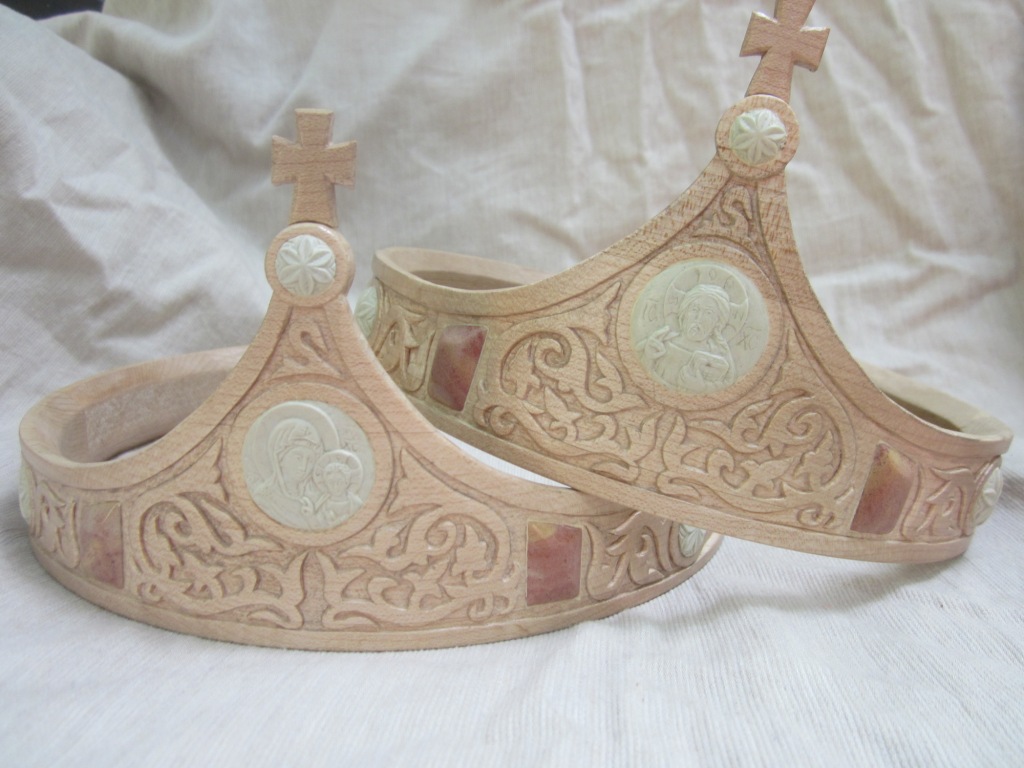
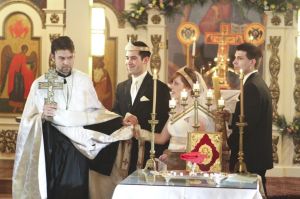
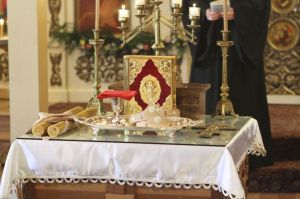
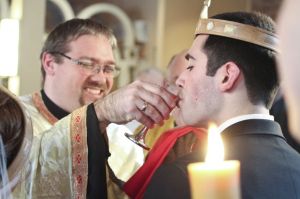
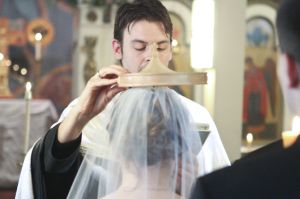
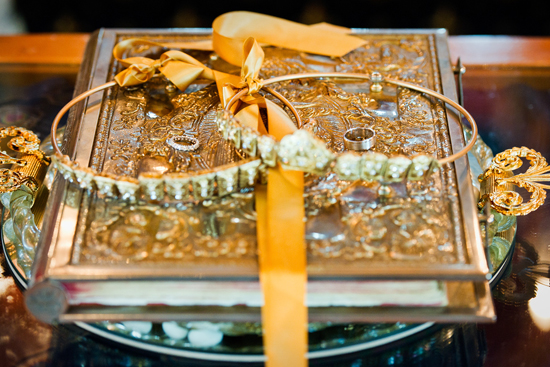
*The Dance of Isaiah is one of the integral parts of the Wedding/Crowning Service (Sacrament of Holy Matrimony) in the Orthodox Church (Byzantine Rite) and involves a the triple procession around a center table. The priest, holding the Gospel or Blessing Cross and the clasped hands of the groom and bride, and followed by the best man (or woman) who holds the newlyweds’ crowns above their heads, and the bridesmaids holding the lit white candles, walk three counterclockwise turns around the table in a celebratory “dance”. Each of the three turns is accompanied by each of the three hymns, which return once more to the theme of martyrdom and union with Christ. These are the hymns that, since ancient times, the Church has used to emphasize God’s blessings, and the same ones sung at ordinations to ecclesiastical orders. They signify that this couple has been set apart from the mundane world to live a life in Christ:

wedding7

Rejoice, O Isaiah! The Virgin is with child,

And shall bear a son Emmanuel,

Who is both God and Man,

And Orient is His Name,

Whom magnifying we call, the Virgin blessed.

O Holy Martyrs,

who fought the good fight and have received your crowns,

Entreat ye the Lord,

That He will have mercy on our souls.

Glory to Thee, O Christ God.

The Apostles boast,

The Martyrs Joy,

whose preaching was the Consubstantial Trinity.

*

To watch how the celebrant actually leads the marriage couple and the witnesses around the wedding table three times at the Orthodox Wedding/Crowning Service (Byzantine Rite), while chanting this religious hymn,  go to: https://www.youtube.com/watch?v=wyTQnV5W24A

Wedding Photographs: Wedding with Carved Crowns
Source: Orthodox Arts Journal