For Whom the Bell Tolls: Europe Migrant Crisis

an-inspector-calls

Why now is the perfect time for An Inspector Calls

* “The following review does NOT contain spoilers!”

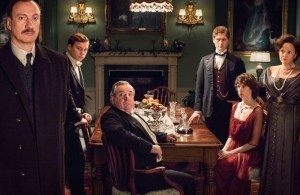
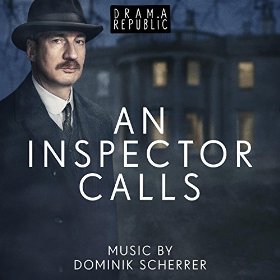
BBC One’s adaptation of JB Priestley’s An Inspector Calls couldn’t have aired at a more apt political moment…

… The BBC’s An Inspector Calls is airing in a week where front pages are dominated by people fleeing war in desperate need of help, and the political conversation is about who should be responsible for these strangers.

J.B. Priestley’s 1945 story about the corrosive nature of class privilege was always a fierce call for compassion. Arriving on BBC One after recent headlines, its message feels white-hot. … Set in 1912, the story tells of the collective role members of a wealthy family played in the suicide of a young working class woman. With its dead body, manor house, dinner party, visiting inspector and would-be aristocratic suspects, it first assumes the shape of a detective drama but quickly reveals itself to be an entirely different beast”

an inspector calls5

An Inspector Calls is available now on BBC iPlayer and previous BBC versions and older films in YouTube.

http://www.bbc.co.uk/iplayer/episode/p02z80kq/an-inspector-calls

Reviews:

http://www.denofgeek.com/tv/an-inspector-calls/36928/why-now-is-the-perfect-time-for-an-inspector-calls

http://www.telegraph.co.uk/culture/tvandradio/tv-and-radio-reviews/11858583/An-Inspector-Calls-BBC-One-review-subtle-as-a-sledgehammer.html

Watch now: Exclusive interviews with the cast of the BBC’s An Inspector Calls

https://www.thestage.co.uk/news/2015/watch-now-exclusive-interviews-cast-bbcs-inspector-calls/
WARNING: Embargoed for publication until 08/09/2015 - Programme Name: An Inspector Calls - TX: 13/09/2015 - Episode: An Inspector Calls (No. n/a) - Picture Shows: Eva (SOPHIE RUNDLE) - (C) BBC/Drama Republic - Photographer: Laurence Cendrowicz

I recommend it wholeheartedly, and I do find its Christian subtext intriguing, my only objection being, in total agreement with Anita Singh, that this part drawing room whodunit, part classic thriller, part socialist manifesto, part twentieth-century morality play, has the subtlety of a sledgehammer!
it_tolls_full_600

no-island

John Donne

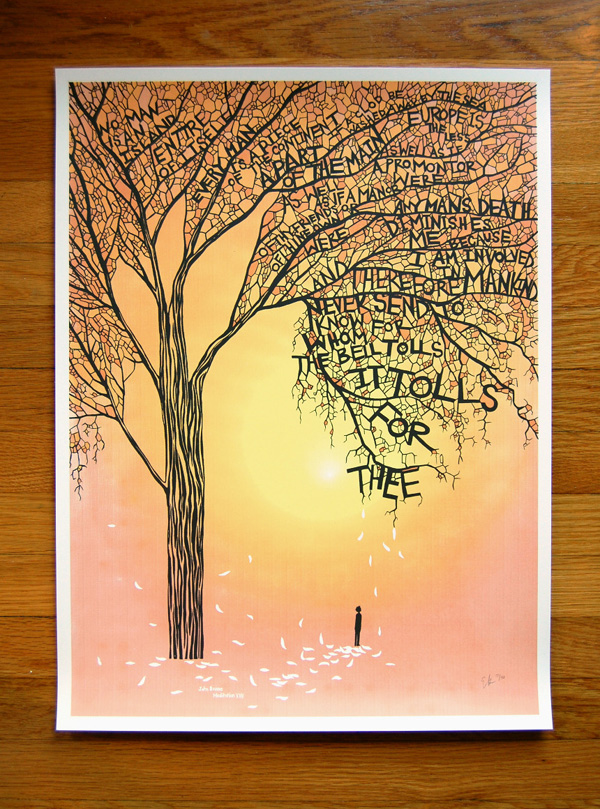
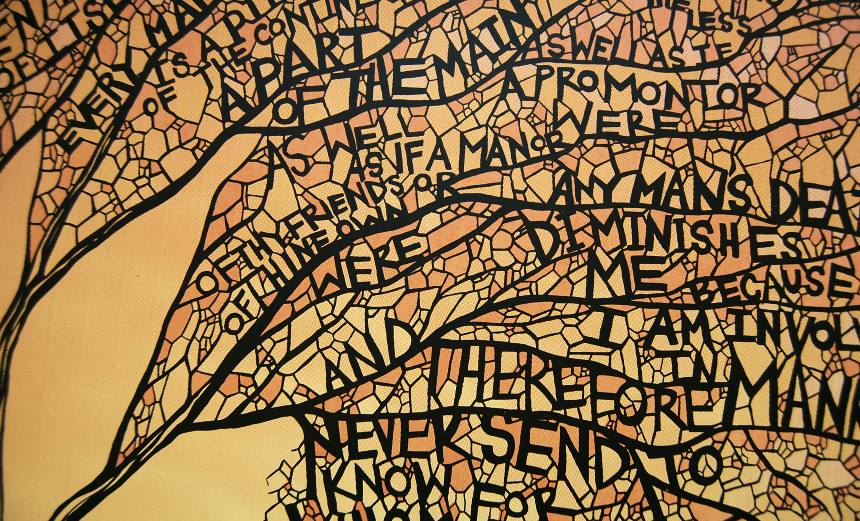
No man is an island,
Entire of itself.
Each is a piece of the continent,
A part of the main.
If a clod be washed away by the sea,
Europe is the less.
As well as if a promontory were.
As well as if a manor of thine own
Or of thine friend’s were.
Each man’s death diminishes me,
For I am involved in mankind.
Therefore, send not to know
For whom the bell tolls,
It tolls for thee.

From Meditation 17

Cosmic Dawn

 cosmic_dawn_by_harrietta

Cosmic Dawn: The Real Moment of Creation

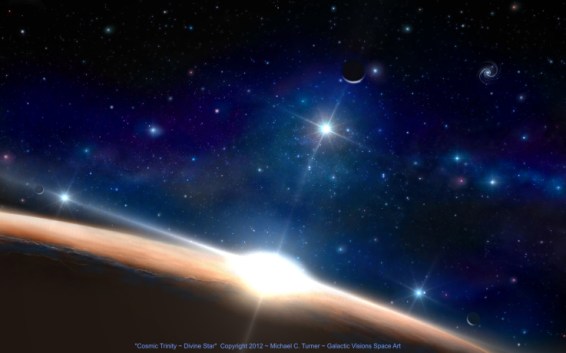
Horizon reveals the real moment of creation – the Cosmic Dawn, the moment of first light. This is the scientific version of the story of Genesis.

Re-Creation

Beyond all things was God the Word

From the void of eternity

Time and space in creation heard

The Voice speaking infinitely.

cosmic dawn

Spirit of God on the waters

Divine Word of life in the night

“Creatio ex nihilo”

Father said “Let there be light!”

cosmic2

You divided light from darkness

You split the first atom to say

How we should separate evil

And distinguish the night from day.

CosmicTrinityDivineStarCosmicDawnWEB

Lord, you brought chaos to order

Your great Wisdom cushioned the deep

Recording a holy cosmos

Awakening formless sleep.

cosmic3

You placed the orbits and quasars

Winding the clock into time

The coherence behind the laser

The reason within the rhyme.

From ground-based telescopes, this cosmic object - the glowing remains of a dying, sun-like star - resembles the head and thorax of a garden-variety ant. This NASA/ESA Hubble Space Telescope image, released on February 1, 2001, of the so-called

You bring pure joy out of sadness

You still bring life out of breath

Sanity in human madness

Gladdening sorrowing death.

cosmic4

The real hub in revolution

The one who planted the Tree

Adam and Eve-lution

The One who caused things to be.

sunrise cosmic 1920x1080 wallpaper_www.knowledgehi.com_61

The Great Mover pushed the button

Silence before seraphim sang

Infinite God formed the finite

The Big One made the Big Bang.

*

By Father Jonathan Hemmings

Healing the Wounded Soul

confession1

The Difference between a Spiritual Father and a Psychologist

By Metropolitan of Nafpaktos Hierotheos*

The spiritual Father, ought to perform his task on the basis of the Orthodox Tradition, it is clearly different from the psychologist, who works on the basis of an anthropocentric view of man and his life The psychologist wants to make people psychologically balanced. The spiritual father aims at man’s deification. The psychologist uses the views of whichever school of psychology he represents. The spiritual father uses the eternal word of God, which was revealed to the prophets, Apostles and saints.

The psychologist believes that illness is due primarily to traumatic experiences in the past, or so-called repressed experiences. The spiritual father is well aware that it is not simply a matter of memories of the past or repressed experiences stored up in the subconscious. A specific faculty of the soul is ill, the nous, which is the eye of the soul. The psychologist employs the method of questioning and listening. He tries to assist the person to become aware of his problem and helps him to mature psychologically. The spiritual father, illumined by the grace of God, locates the problem, which is the darkness of the nous or fantasies, and tries to lead the person to theoria of God by means of the Orthodox method of purification and illumination. The psychologist acts on the human level using thoughts and ideas. The spiritual father acts in a theanthropic way, on both the divine and human level. He uses the therapeutic method, but also sends Gods grace into the sick person’s heart through the Sacraments.

The psychologist thinks that everything happens on a human level, He does not acknowledge the existence of the devil and the energy of the uncreated grace of God. The spiritual father knows the difference between the grace of God, the energy of the devil, and spiritual and physical illness. The psychologist confines himself to making the ill person aware of his problem and enabling him to cope with it. The spiritual father guides the person to repentance, which means his complete transformation. He does not simply lead him to a point of rejecting certain states, but guides him towards the transformation of his passions. It is possible to find other significant differences between, a psychologist and a spiritual father, and the difference between anthropocentric and theocentric psychotherapy.

We accept the views of contemporary psychology and psychotherapy in two cases, as a concession. Firstly, in cases of people whose nervous system has been harmed for various reasons, such as physical or psychological problems. Secondly, in the cases of people who, by choice, have nothing to do with the Church and its Sacraments. I think they can be helped by modern psychology and psychotherapy, so as not to deteriorate further. Psychology can act as a pain-killer to comfort them in the dreadful despair in which they are imprisoned.

But, I repeat, man is created in the image of God and he must reach His likeness. This is, I could say, the final aim and secret entelechy of man. As long as this yearning is not satisfied and a person remains far from God, his suffering increases. Inasmuch as his basic destiny on earth, communion with God, is not fulfilled, no matter how much medicine he takes or how much psychoanalysis he undergoes, he will always be homeless and engaged in a tragic search. We want more than psychological balance; we are looking for fullness of life. We do not simply wish to develop religious feelings, but want our lives to be filled.

  • Yesterday a meeting with a young student of mine I really care about left me sleepless. Such anguish and suffering! Such a dead end! Still imprisoned in her psychiatric disorders, still refusing medication, still held captive by her vicious circle psychotherapy sessions, still trusting her therapist as God, still away from the great hospital for sick souls : the Church, still rejecting Christianity.

That Sleep of Death

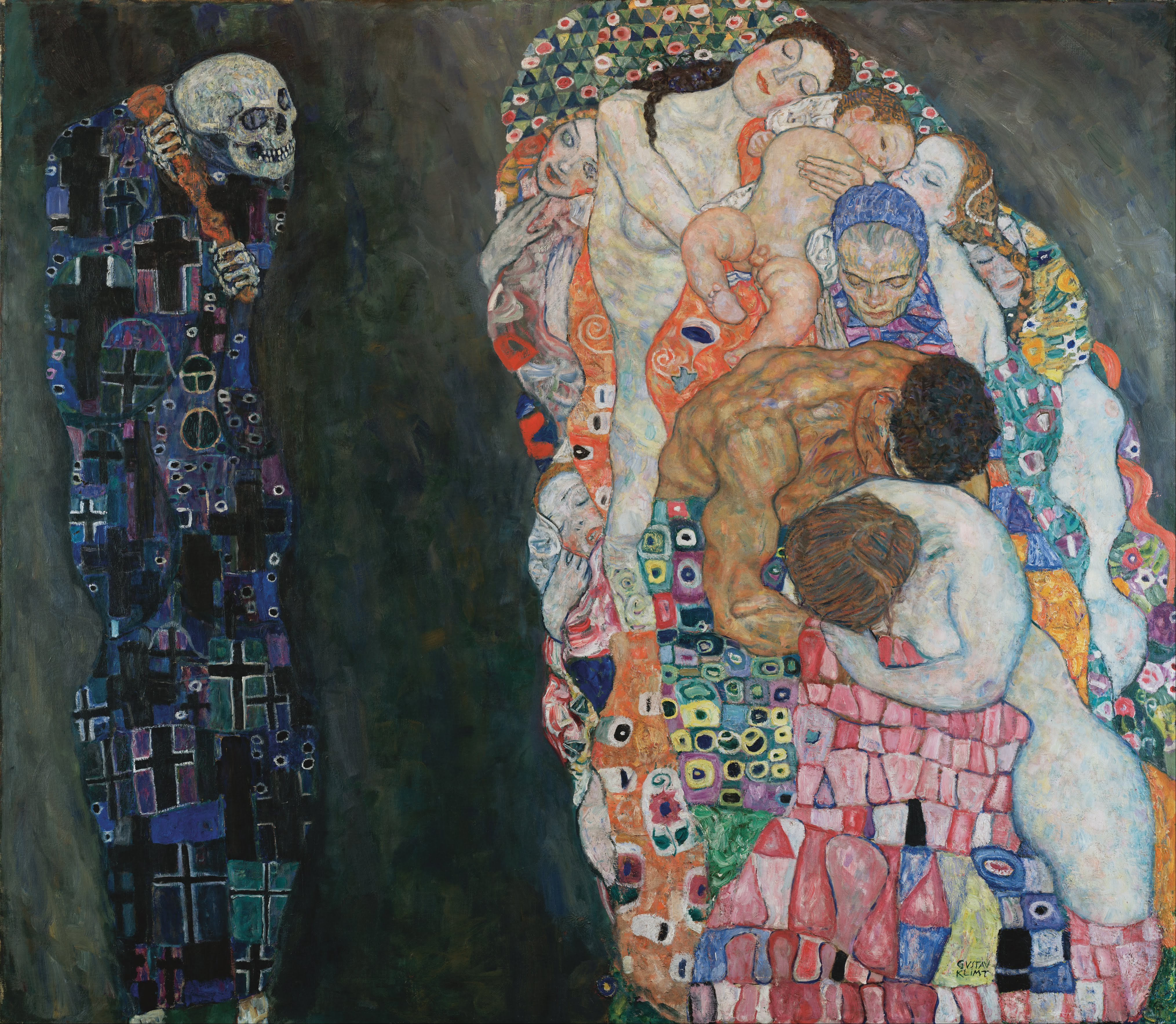
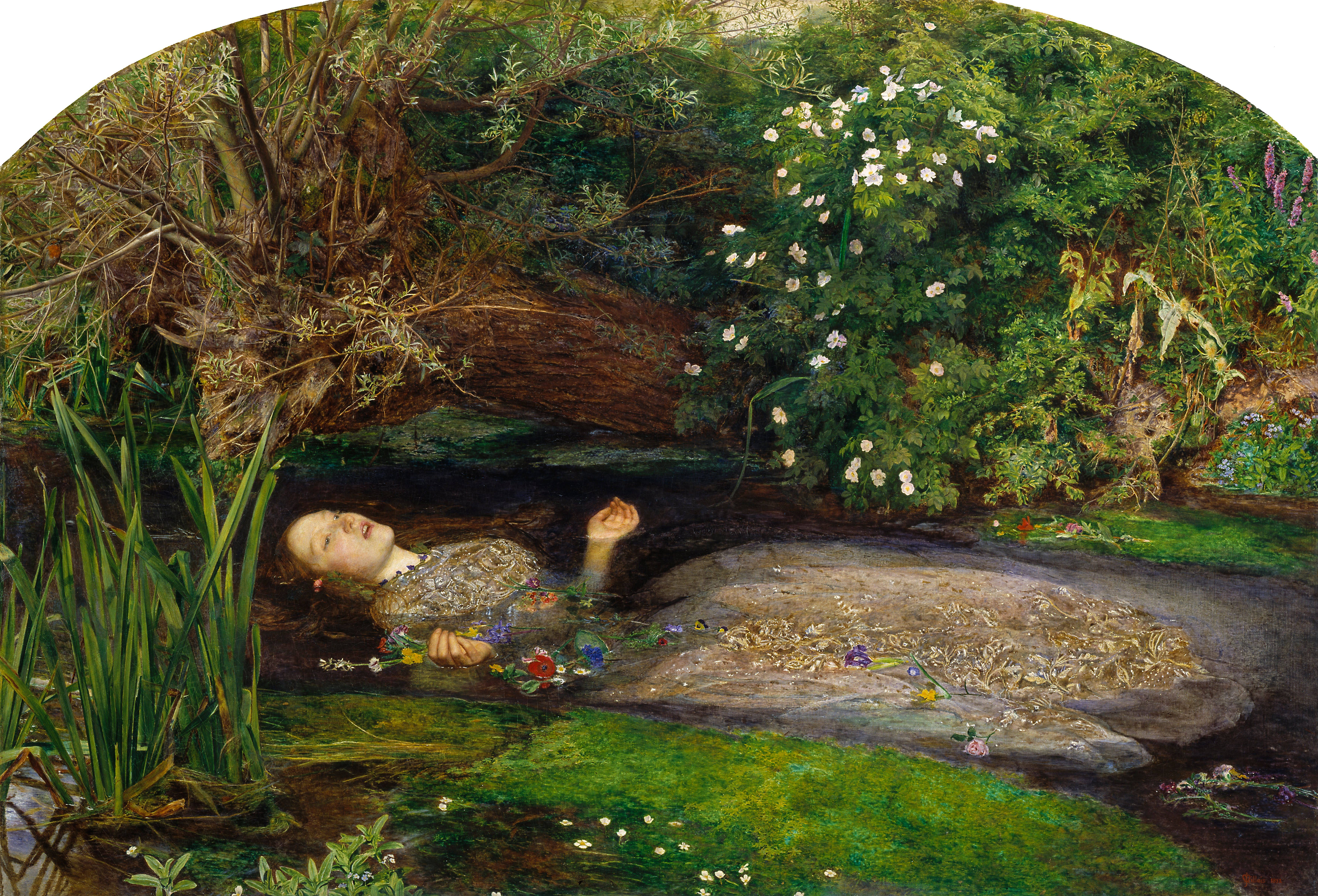
Death scenes from Le Jeune Homme et la Mort ballet & Henry Purcell’s opera, Dido and Aeneas

death10

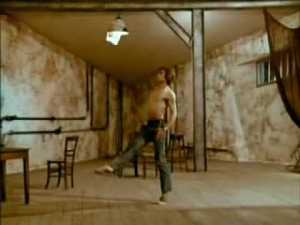
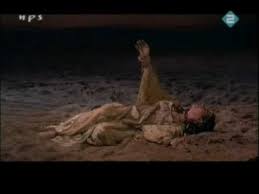
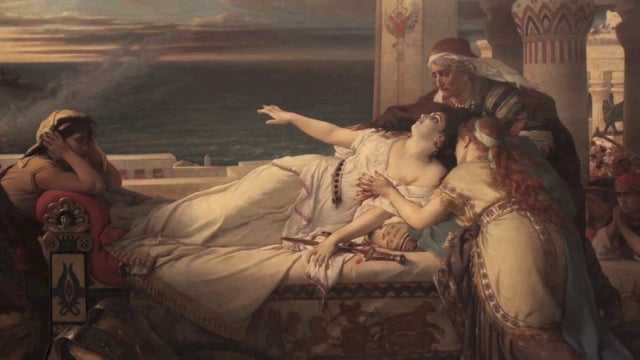
Both the anonymous young man and Dido, Queen of Carthage, are heartbroken and about to kill themselves. Yet how “ugly” and merciless and “cold” (very Cocteau-esque) is Le Jeune Homme et la Mort for all the exquisite beauty of J.S. Bach’s Passacaglia and Fugue in C Minor and Baryshnikov’s and Noureyev’s mesmerising performances.

ophelia

https://www.youtube.com/watch?v=6ptNz8rBk7Y (Noureyev)

https://www.youtube.com/watch?v=Er0-aAdC2n4 (Baryshnikov)

* That must have been incredibly hard for Baryshnikov to do – his mother hung herself when he was a small child, and he discovered her hanging from the rafters in their home.

ballet4

Compared to the supremely forgiving and uplifting Dido’s Lament, sung with pure clarity‪ and charity, at Henry Purcell’s opera – Dido and Aeneas:

dido1

“When I am laid, am laid in earth,

May my wrongs create No trouble,

No trouble in thy breast”

* quietly sobs *
Hauntingly Beautiful! True heart breaker! A most precious friend of mine asked me once to forgive him in the exact words of Dido, although there was nothing to forgive, and I promised him to play this song on his funeral, for all the world to know what a most gentle, kind, noble and selfless love he had for everyone. Ever since I cannot listen to this without remembering him and welling up ..

Is it possible to hear this masterpiece by without sobbing? I think emphatically not. Dido’s Lament from Purcell‘s opera Dido and Aeneas is arguably the saddest piece of music ever written. But how exactly does Purcell manipulate our emotions to make sure we well up each and every time we hear it?

Legendary harpsichordist and conductor Trevor Pinnock, explains why  it breaks our heart every single time and exactly how Purcell reduces us to tears every time.

http://www.classicfm.com/composers/purcell/guides/trevor-pinnock-didos-lament/#iKWe3zIsJVq33irX.97

For opera connoisseurs, the great Jessye Norman’s rendition is in my opinion classic for its great depth and superb diction, https://www.youtube.com/watch?v=_R7BYSgz8xY

Elin Manahan Thomas‘ is more ethereal and crystalline

https://www.youtube.com/watch?v=uGQq3HcOB0Y

and Xenia Meijer‘s quite beautiful and moving

https://www.youtube.com/watch?v=ivlUMWUJ-1w (Opera)

death30

For more classic paintings on the theme of Love and Death, go to https://vimeo.com/89692541, which features a recording of the famous Aria, arranged for classical guitar and illustrated by several paintings of Heinrich Füger, Nathaniel Dance-Holland and Joseph Turner.

  • That Sleep of Death

Aye, there’s the rub,
For in that sleep of death, what dreams may come,
When we have shuffled off this mortal coil,
Must give us pause.

From Shakespeare, Hamlet: Act 3, Scene 1, Hamlet’s Famous Soliloquy: “To Be or Nor to Be”

Art of Being — Being of Art

rumi2

My Symphony

To live content with small means.
To seek elegance rather than luxury,
and refinement rather than fashion.
To be worthy not respectable,
and wealthy not rich.
To study hard, think quietly, talk gently,
act frankly, to listen to stars, birds, babes,
and sages with open heart, to bear all cheerfully,
do all bravely, await occasions, hurry never.
In a word, to let the spiritual,
unbidden and unconscious,
grow up through the common.
This is to be my symphony.
By William Ellery Channing

A Spectral Array of Blues

blue4

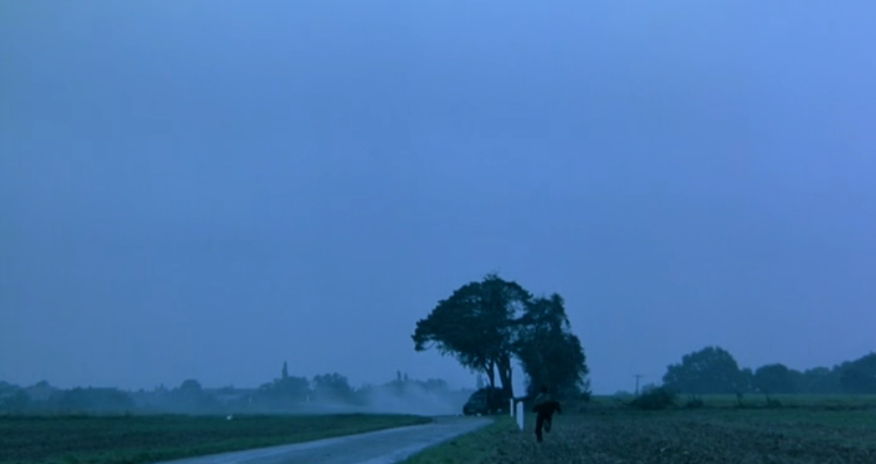
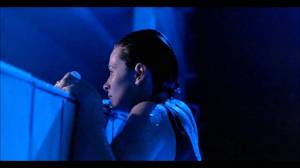
TROIS COULEURS: BLEU (1993) is a stunning film from one of the world’s preeminent directors, a rich, dark film with all the Kieslowski marks: death, silence, depression, and inner torment of the protagonist. Bleu is an impressive, inspired and inspiring anatomy of Loss, Death & Mourning with certain Christian overtones.

Desson Howe notes that “in Krzysztof Kieslowski’s “Blue,” the rehabilitation of a human spirit after painful tragedy is given stunning, aesthetic dimension. A story about a woman (Juliette Binoche) who loses her family (her composer-husband and 5-year-old daughter) in a car crash, this Polish-French production is also a spectral array of blues — cold, heart-chilling and beautiful.

blue5

For the trauma of loss and persistence of memory, watch https://www.youtube.com/watch?v=osu3j7N1fGU

Emotionally, “Blue” is a grim ordeal, as Binoche (still in the hospital recovering from the accident) attempts suicide, then retreats into deep-freeze mourning. But Kieslowski, cinematographer Slawomir Idziak, set designer Claude Lenoir and composer Zbigniew Preisner infuse the harrowing atmosphere with stylistic rhapsody.” (Washington Post, March 04, 1994 )
blue5

More importantly, unlike Michael Rosen’s Sad Book, certain Christian themes throughout the movie offer the hope of redemption. Throughout Kieslowski implies a form of divine intervention or destiny at work, forcing Julie to come to terms with her past, others, and herself and serving as an agent of epiphanic inspiration.

There is also specifically love and forgiveness: Julie for example discovers that her late husband was having an affair. She tracks down Sandrine, Patrice’s mistress, and finds out that she is carrying his child; Julie arranges for her to have her husband’s house and recognition of his paternity for the child. What a ray of hope and redemption for such a “bleak” film, focusing on death and mourning, to end with the ultrasound of a baby, waiting to be born! Life conquers Death because Love is Life, and nothing, nobody can defeat Love, not even Death, the ultimate enemy.

blue3

Then, there is humility, self-effacement and sacrifice. After the crash, in an attempt to blot out the trauma of loss, Julie destroys the score for her late husband’s last commissioned, though unfinished, work—a piece celebrating European unity, following the end of the Cold War. It is strongly suggested that she wrote, or at least co-wrote, her husband’s last work. Throughout there is an implication that she has hidden her own work behind the public face of her husband. In the final sequence she rewrites and completes the score and the Unity of Europe piece is played, while images are seen of all the people Julie has profoundly affected by her actions.

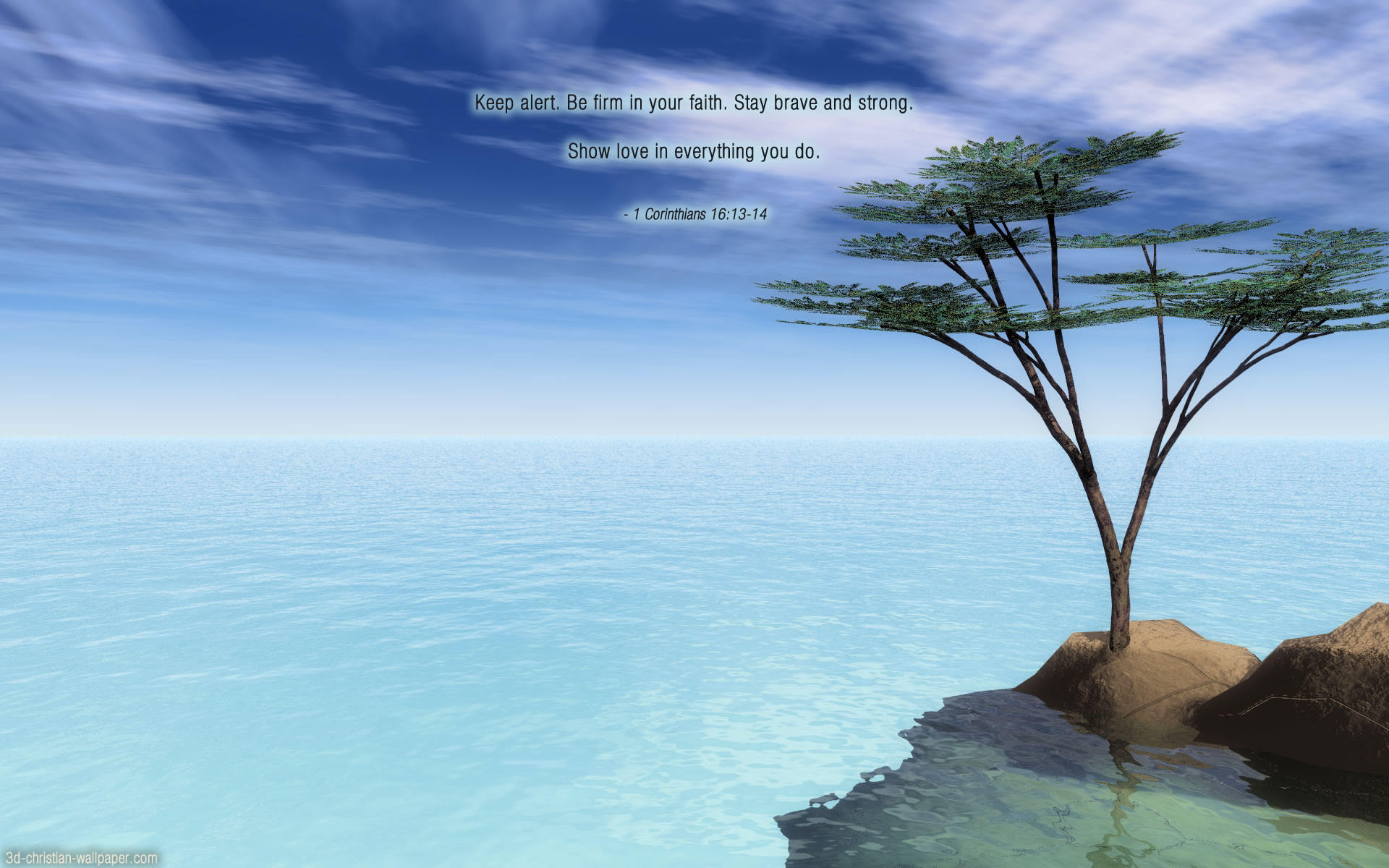
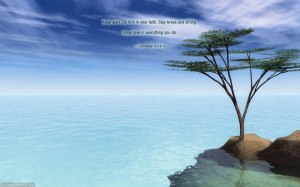
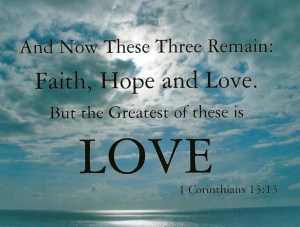
Significantly, this climactic piece which features chorus and a solo soprano is Saint Paul‘s 1 Corinthians 13 epistle in Greek, the hymn of love.

For a profound rendition of the Christian Hymn of Love (1 Cor, 13) , watch Trois Couleurs: ‘Bleu’ finale: https://www.youtube.com/watch?v=jmQ88PWzvR0

bleu1

13 Though I speak with the tongues of men and of angels, and have not charity, I am become as sounding brass, or a tinkling cymbal.

2 And though I have the gift of prophecy, and understand all mysteries, and all knowledge; and though I have all faith, so that I could remove mountains, and have not charity, I am nothing. 

6 Rejoiceth not in iniquity, but rejoiceth in the truth;

7 Beareth all things, believeth all things, hopeth all things, endureth all things.

8 Charity never faileth: but whether there be prophecies, they shall fail; whether there be tongues, they shall cease; whether there be knowledge, it shall vanish away. 

13 And now abideth faith, hope, love, these three; but the greatest of these is love.
love1

So, although there are some scenes, themes and plot developments in Bleu which conflict in my opinion with a Christian outlook, such as the typical French twist with Julie and her husband’s friend becoming lovers, still I find this film so much more comforting, uplifting and inspiring than The Sad Book* and its like, so plenty in modern art!

*See https://orthodoxcityhermit.com/2015/09/17/heartbreaking-anatomies-of-loss-death-mourning-iexemption/
love2

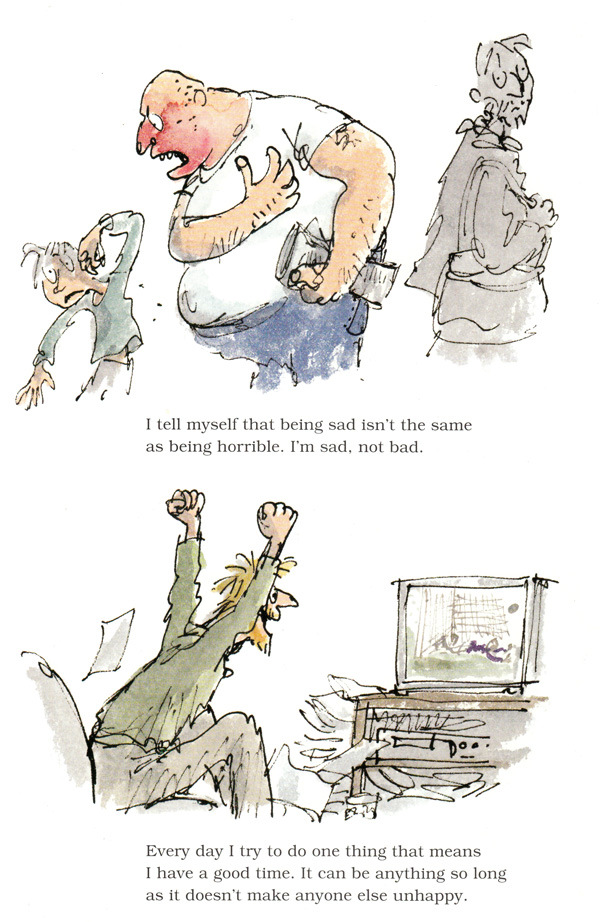
I’m Sad, not Bad

sad1

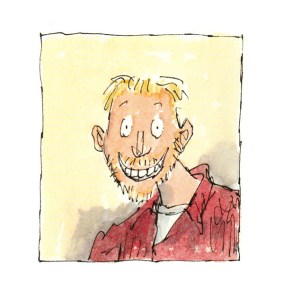
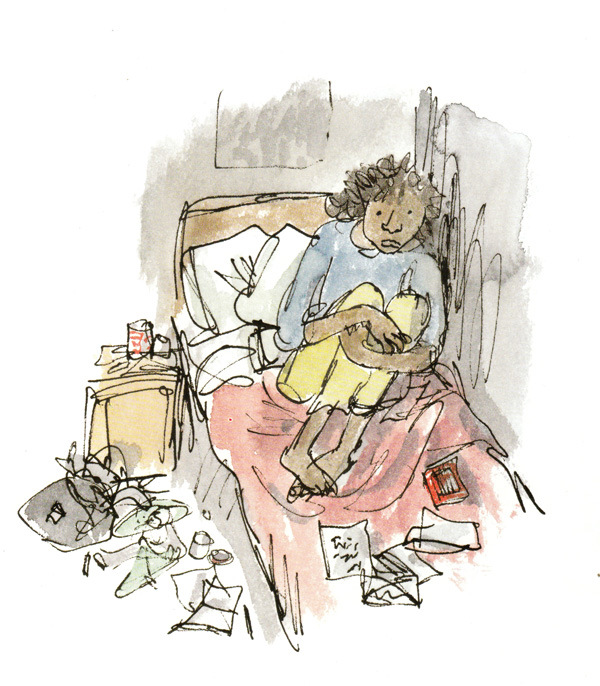
This is me being sad.

Maybe you think I’m happy in this picture.

Really I’m sad but pretending I’m happy.

I’m doing this because I think people won’t like me if I look sad.

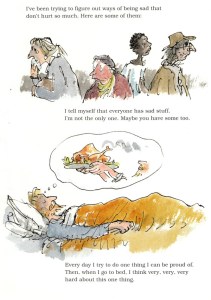
Sad Book by Michael Rosen: darkness in literature

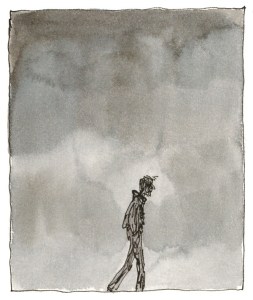
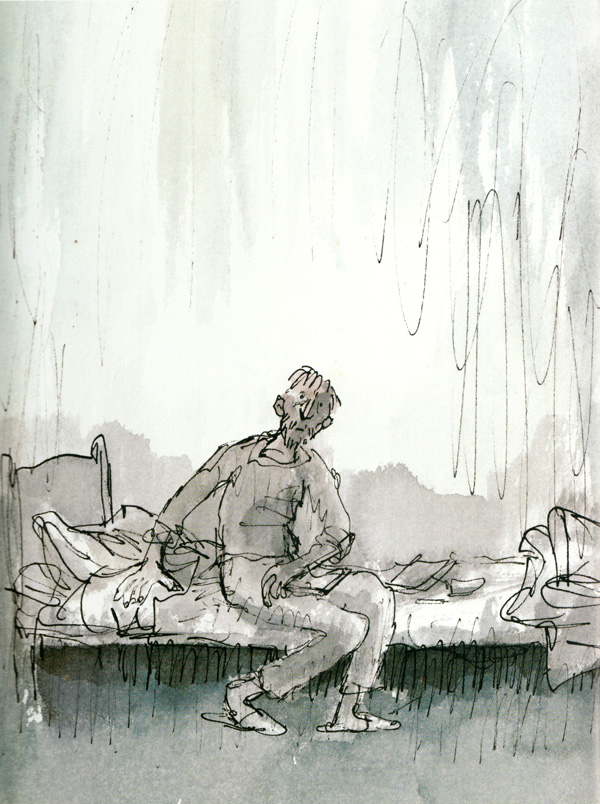
Sometimes sad is very big.

It’s everywhere. All over me.

sad3

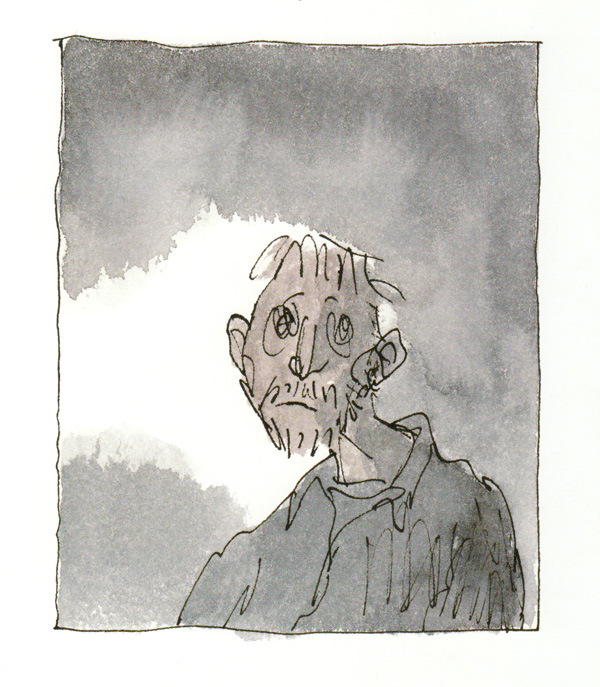
Then I look like this.

And there’s nothing I can do about it.

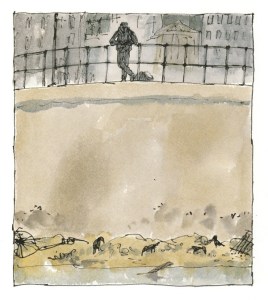
What makes me most sad is when I think about my son Eddie. I loved him very, very much but he died anyway.

sad12

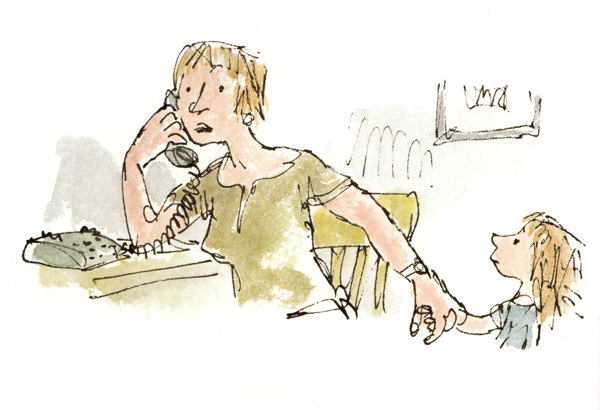
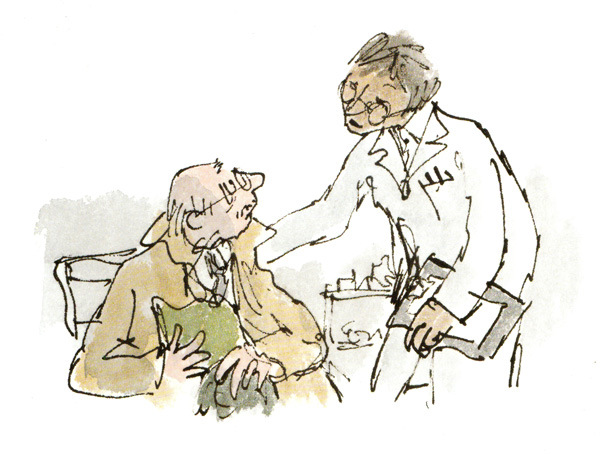
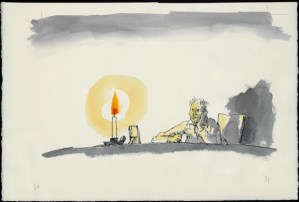
Michael Rosen’s Sad Book: A Beautiful Anatomy of Loss, Illustrated by Quentin Blake

“Grief, when it comes, is nothing like we expect it to be,” Joan Didion wrote after losing the love of her life. “The people we most love do become a physical part of us,” Meghan O’Rourke observed in her magnificent memoir of loss, “ingrained in our synapses, in the pathways where memories are created.” Those wildly unexpected dimensions of grief and the synaptic traces of love are what celebrated British children’s book writer and poet Michael Rosen confronted when his eighteen-year-old son Eddie died suddenly of meningitis. Never-ending though the process of mourning may be, Rosen set out to exorcise its hardest edges and subtlest shapes five years later in Michael Rosen’s Sad Book (public library) — an immensely moving addition to the finest children’s books about loss, illustrated by none other than the great Quentin Blake.

sad2

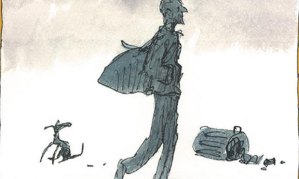
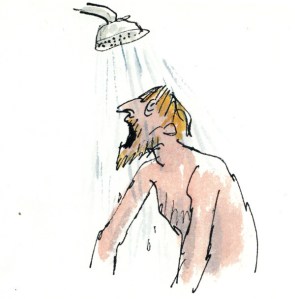
With extraordinary emotional elegance, Rosen welcomes the layers of grief, each unmasking a different shade of sadness — sadness that sneaks up on you mid-stride in the street; sadness that lurks as a backdrop to the happiest of moments; sadness that wraps around you like a shawl you don’t take off even in the shower.

sad16

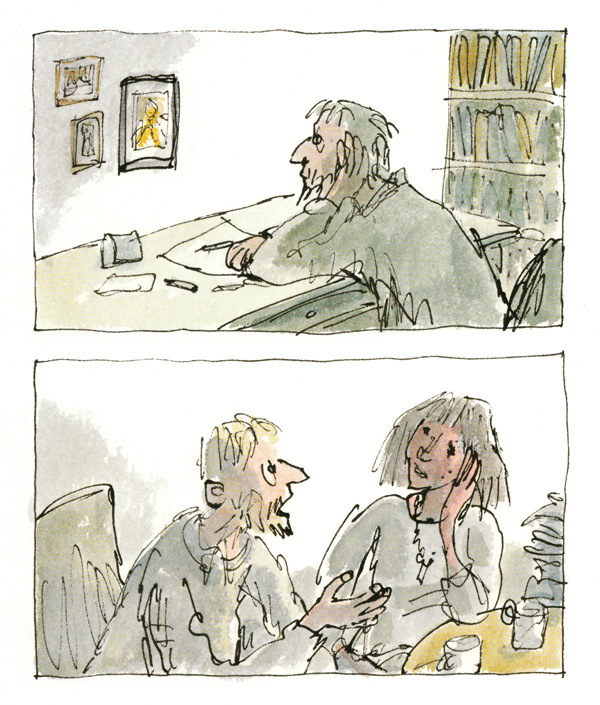
Blake, who has previously illustrated Sylvia Plath’s little-known children’s book and many of Roald Dahl’s stories, brings his unmistakably expressive sensibility to the book, here and there concretizing Rosen’s abstract words into visual vignettes that make you wonder what losses of his own he is holding in the mind’s eye as he draws.

sad11

What emerges is a breathtaking bow before the central paradox of the human experience — the awareness that the heart’s enormous capacity for love is matched with an equal capacity for pain, and yet we love anyway and somehow find fragments of that love even amid the ruins of loss.

sad10

With exquisite nuance, Rosen captures the contradictory feelings undergirding mourning — affection and anger, self-conscious introspection and longing for communion — and the way loss lodges itself in the psyche so that the vestiges of a particular loss always awaken the sadness of the all loss, that perennial heartbreak of beholding the absurdity of our longing for permanence in a universe of constant change.

sad19                sad22

But what makes the story most singular and rewarding is that it refuses to indulge the cultural cliché of cushioning tragedy with the promise of a silver lining. It is redemptive not in manufacturing redemption but in being true to the human experience — intensely, beautifully, tragically true.”

Where is sad?

Sad is everywhere.

It comes along and finds you.

sad23

When is sad?

Sad is anytime.

It comes along and finds you.

sad24

Who is sad?

Sad is anyone.

It comes along and finds you.


sad25

By Maria Popova

Source: http://www.brainpickings.org/2015/08/25/michael-rosens-sad-book-quentin-blake/
http://www.michaelrosen.co.uk

*

Be sure not to miss Michael Rosen’s absolutely breath-stopping telling of his story and reading of his book at:

https://www.youtube.com/watch?v=V-SQE_bDWFY

*

 sad13

Still, I would really like to disagree very strongly with both Maria Popova’s and Michael Rosen’s conclusions as a Christian. Yes, it is all this, but there is so much more to it. What do you think? I have never experienced such profound loss myself, so maybe I don’t know what I am really talking about, but there must be more to it than all this pain and mourning.  But more about this on my next post …

Ashes and Snow — Qadeeshat Lamayouta

ashes5

Qadeeshat Hyeltana

Qadeeshat Lamayouta

Itrahem Alain

ashes1

Holy God

Holy Mighty One

Holy Immortal One

Have Mercy on us

For the stunning, heavenly singing of the Aramaic hymn, listen:

https://www.youtube.com/watch?v=U6tV679wXIU

https://www.youtube.com/watch?v=TwNkBaWxz_Y

ashes4

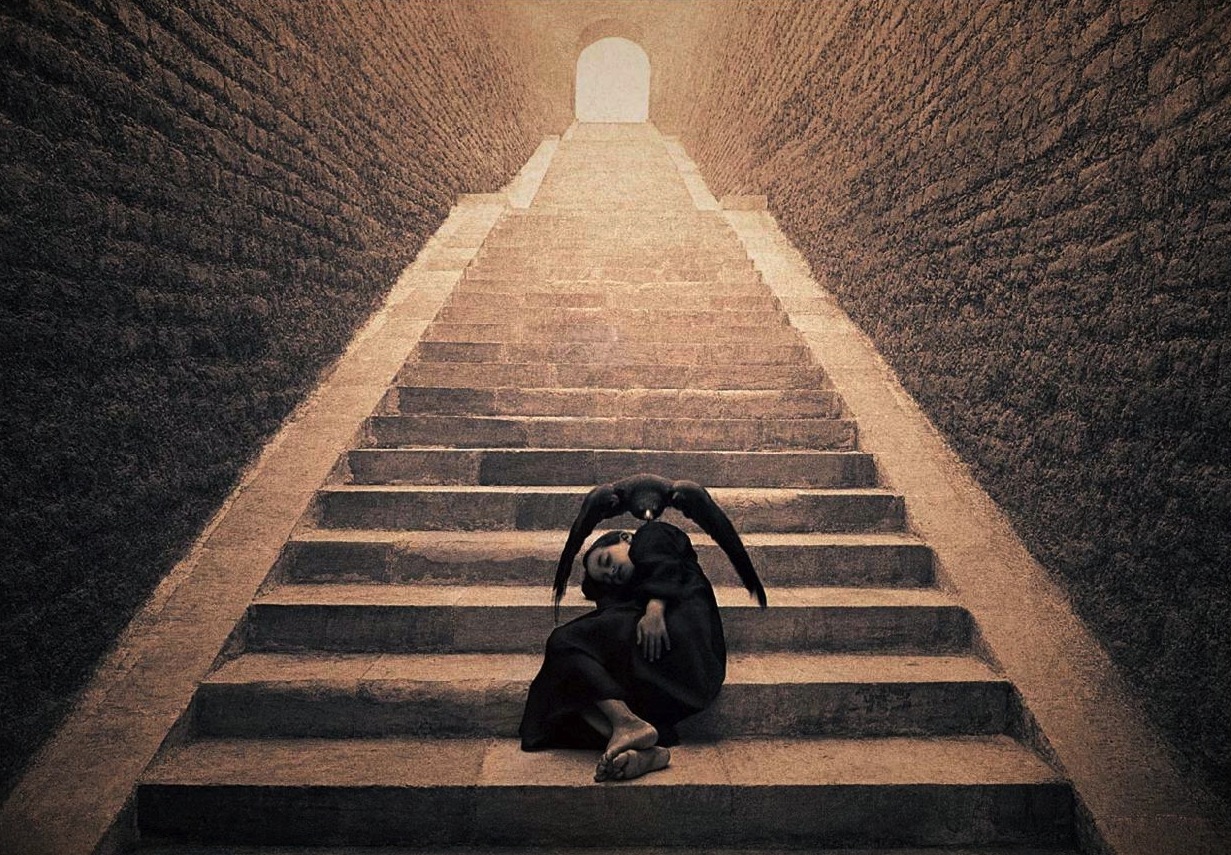
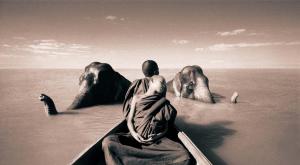
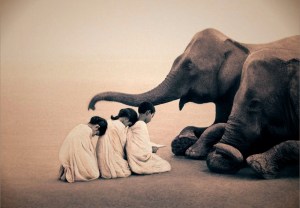
Worshipping God in Aramaic the language of Jesus the Semitic language of Israel, Levant, and Mesopotamia, by Father Seraphim and his choir from Georgia, brought me to mind Gregory Colbert’s Ashes and Snow images, visceral yet dreamlike, returning us to a place we long for but cannot name, reawakening an ancient memory in us of a time when we lived in balance and harmony with Nature and God.

ashes2

Gregory Colbert’s Ashes and Snow is an ongoing project comprised of photographic artworks, a one-hour film and two short film “haikus,” and a novel in letters all presented in a purpose-built temporary structure called the Nomadic Museum.

“Feather to Fire
Fire to Blood
Blood to Bone
Bone to Marrow
Marrow to Ashes
Ashes to Snow.”

ashes3

For the full text, go to: http://www.mycity.rs/Knjizevnost/Ashes-and-Snow-by-Gregory-Colbert.html

For the mesmerising videos watch:

https://www.youtube.com/watch?v=gSX444hQ5Vo&list=PLF8BA0D1D7E544A00&index=1

https://gregorycolbert.com

Drunken to the Ray of Light

 quote2

Poem of the Atoms

By Rumi

*

O’ day, arise!

shine your light , the atoms are dancing

Thanks to Him the universe is dancing,

overcome with ecstasy , free from body and mind

I’ll whisper in your ear where their dance is leading them.

All the atoms in the air and in the desert are dancing ,

puzzled and drunken to the ray of light,

they seem insane.

All these atoms are not so different than we are,

happy or miserable,

perplexed and bewildered

We are all beings in the ray of LIGHT from The Beloved,

nothing can be said.

Do not miss the exquisite singing adaptation of the poem by Salar Aghili (motion picture . Bab’Aziz – The Prince Who Contemplated His Soul -Armand Armand) at:
https://www.youtube.com/watch?v=GaNGDrKKasA

st sophrony

“The soul of the Christian needs to be refined and sensitive, to have sensibility and wings, to be constantly in fight and to live in dreams, to fly through infinity, among the stars, amidst the greatness of God, amid silence. Whoever wants to become a Christian must first become a poet” (St Porpyrios, Wounded by Love, 107)

*

We are more truly in heaven than on earth.
— Julian of Norwich

*

God hugs you.
You are encircled by the arms
of the mystery of God.
— Hildegarde of Bingen

quote4

Soaring on Eagles’ Wings

“And God saw that it was good” (Genesis 1)

)yann26

yann25

“Exceedingly sad is the blindness of the sons of men, who do not see the power and glory of the Lord.

There is too much of You, O Lord, my breath, therefore people do not see You. You are too obvious, O Lord, my sighing …”

yann24

yann23

“A bird lives in the forest, and does not see the forest. A fish swims in the water, and does not see the water. A mole lives in the earth, and does not see the earth … “ Velimirovic (1880 – 1956), Prayers by the Lake,  VII

yann22

yann21

“… … The world is a mirror of infinite beauty, yet no man sees it. It is a Temple of Majesty, yet no man regards it. It is a region of Light and Peace, did not men disquiet it.”

yann20

yann19

“You never enjoy the world aright, …. till every morning you awake in Heaven; see yourself in your Father’s Palace; and look upon the skies, the earth, and the air as Celestial Joys … “

yann18

yann15

“It is the Paradise of God. It is more to man since he is fallen than it was before. It is the place of Angels and the Gate of Heaven. …”

 yann14

yann13

“You never enjoy the world aright, till the Sea itself floweth in your veins, till you are clothed with the heavens, and crowned with the stars: Till you can sing and rejoice and delight in God, as misers do in gold, and Kings in sceptres, you never enjoy the world.”

yann12

yann11

“You never enjoy the world aright …Till your spirit filleth the whole world, and the stars are your jewels …”

Thomas Traherne (1636 or 1637 – ca.1674) English metaphysical poet, ecstatic theologian and clergyman — Centuries of Meditation, ‘almost the most beautiful book in the English language’, according to CS. Lewis

Discovered at https://afkimel.wordpress.com/2015/09/13/you-never-enjoy-the-world-aright/

yann8

yann2

“The Earth is Art, The Photographer is only a Witness”

Yann Arthus-Bertrand, Earth from Above

For more information go go to Yann Arthus-Bertrand official website at http://www.yannarthusbertrand.org/en AND to a captivating image-filled Ted talk, where Yann Arthus-Bertrand displays his three most recent projects on humanity and our habitat — his stunning aerial photographs in his series “The Earth From Above,” personal interviews from around the globe featured in his web project “6 billion Others,” and his soon-to-be-released movie, “Home,” which documents human impact on the environment through breathtaking video.  https://www.ted.com/talks/yann_arthus_bertrand_captures_fragile_earth_in_wide_angle?language=en

For Yann Arthus-Bertrand stunning latest opus Human, for promo material and trailers go to https://www.google.com/culturalinstitute/u/0/collection/human-the-movie, for excerpts to https://www.youtube.com/user/HUMANthemovie2015  and for the whole movie to http://www.human-themovie.org