Pilgrimage to Georgia – Day 2: Mtskheta and Jvari
With God’s help, our group continues the pilgrimage to Georgia.
The day began with a journey to the ancient capital of Mtskheta, a place sanctified by centuries of Christian witness and home to several of the most revered holy sites in the country.
1. Svetitskhoveli Cathedral – The Life-Giving Pillar
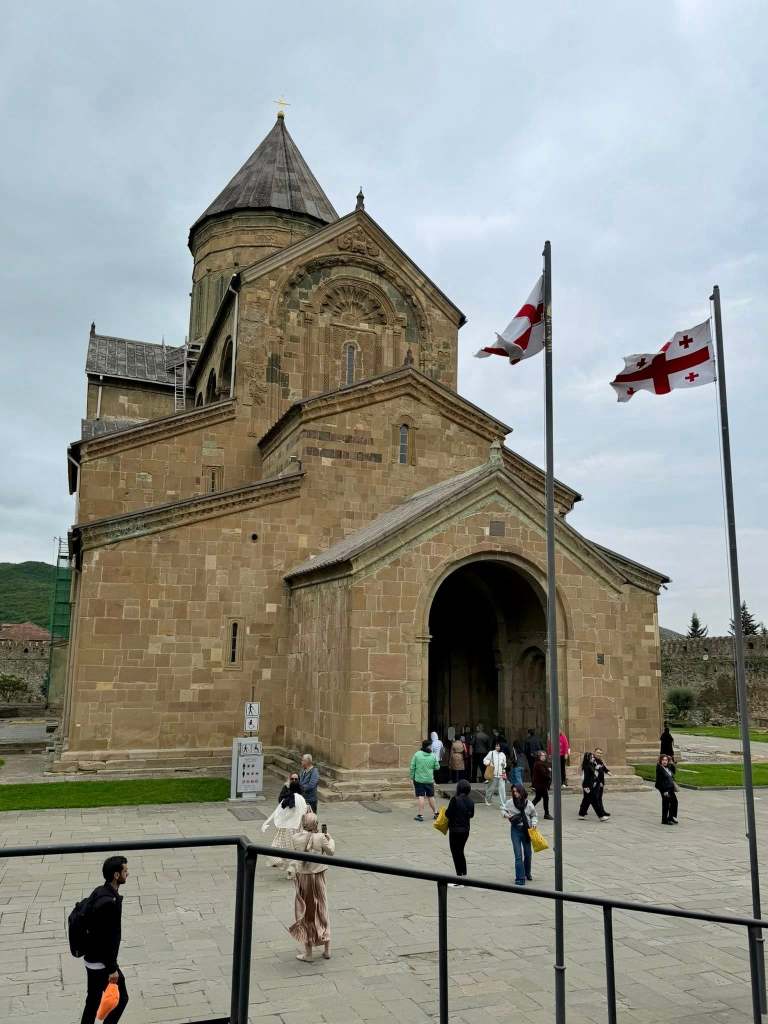
The group first visited Svetitskhoveli Cathedral, dedicated to the Twelve Apostles. The original church dates back to the 4th century and was commissioned by the first Christian rulers of Georgia: King Mirian and Queen Nana. The current building is from 11th century.
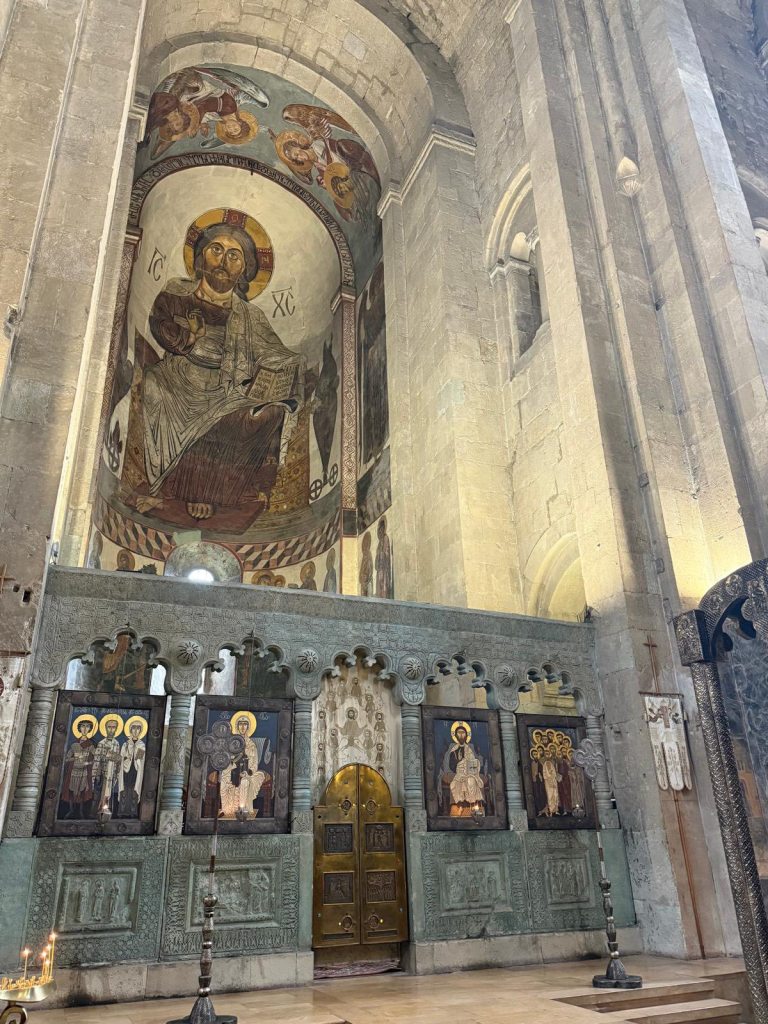
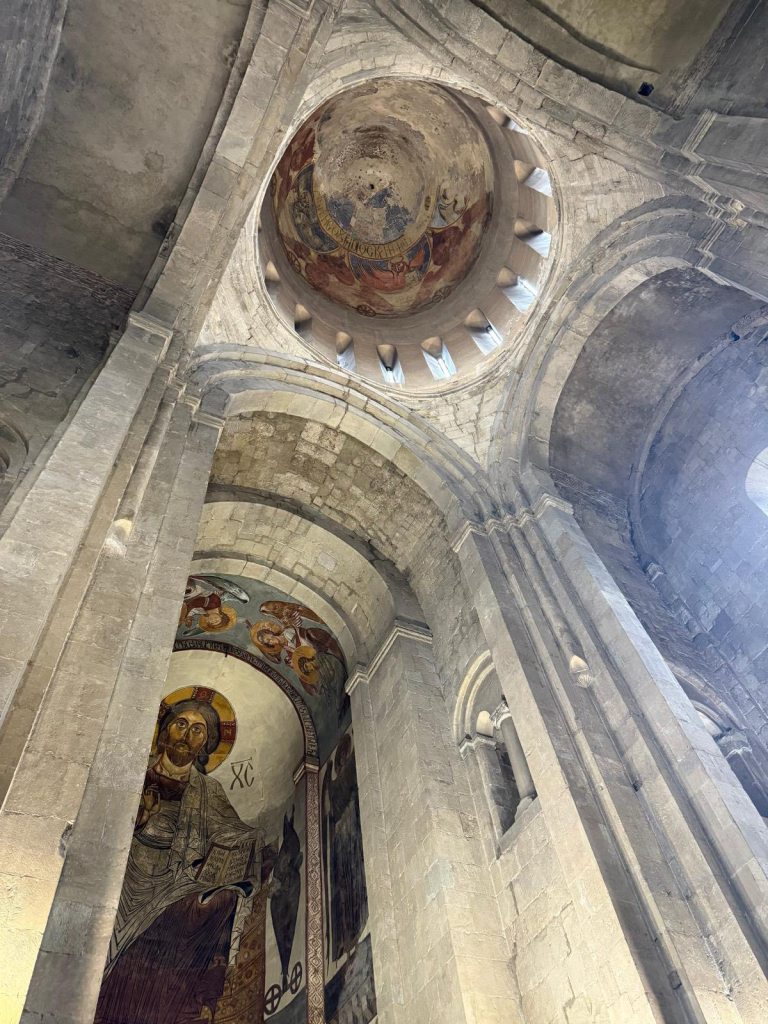
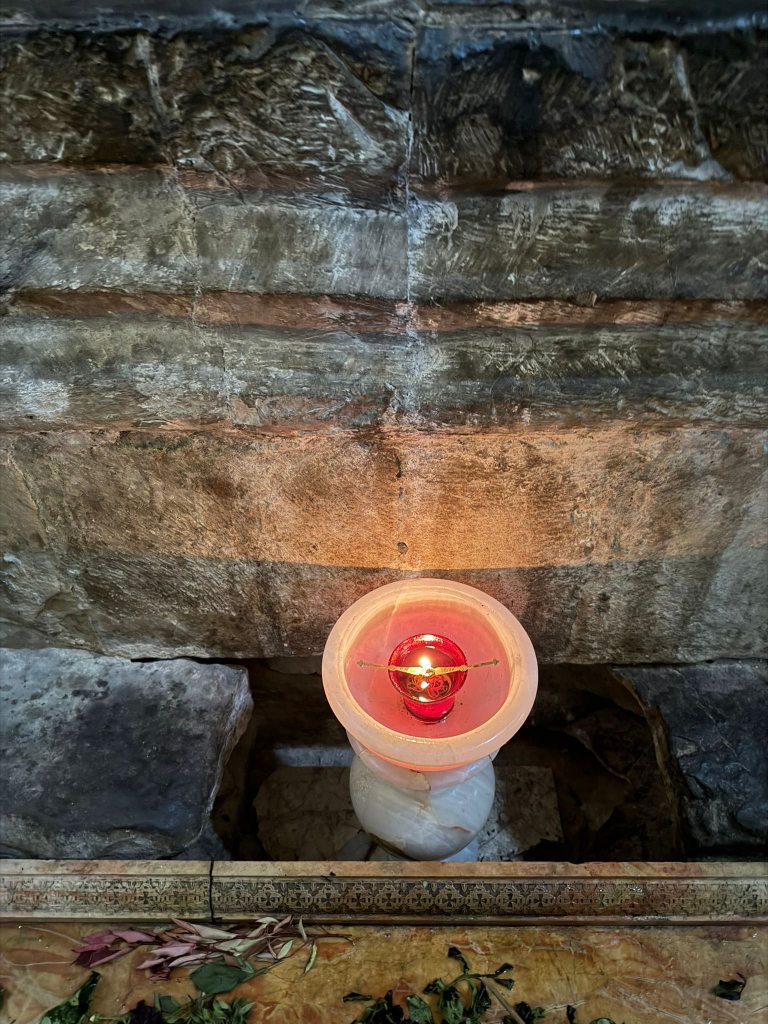
The Cathedral’s name means “the Life-Giving Pillar,” reflecting one of the most treasured holy traditions of the Georgian Church. According to ancient tradition, during the Crucifixion of our Lord Jesus Christ, a Georgian Jew named Elias was present in Jerusalem. He obtained the seamless robe of Christ from a Roman soldier and brought it back to Mtskheta. His sister, Sidonia, upon touching the garment, was overcome with divine grace and reposed immediately, clutching it to her breast. She was buried with the robe, which could not be separated from her.
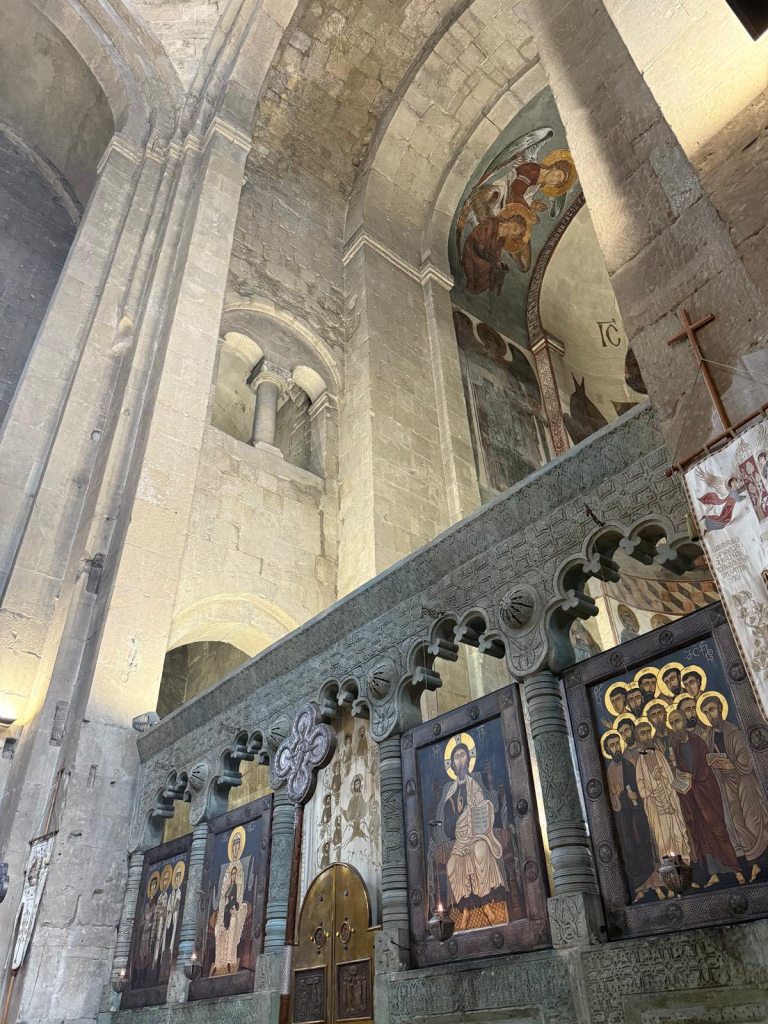
Years later, when Saint Nino came to Georgia preaching Christ, she prayed over this burial site. A great cedar tree had grown there, and from it pillars were fashioned for the first church. One of the pillars, however, rose miraculously into the air and could not be set in place until Saint Nino spent the night in prayer. By God’s power, the pillar descended and began to stream myrrh, bringing healing to the faithful. Hence the name: the Life-Giving Pillar.
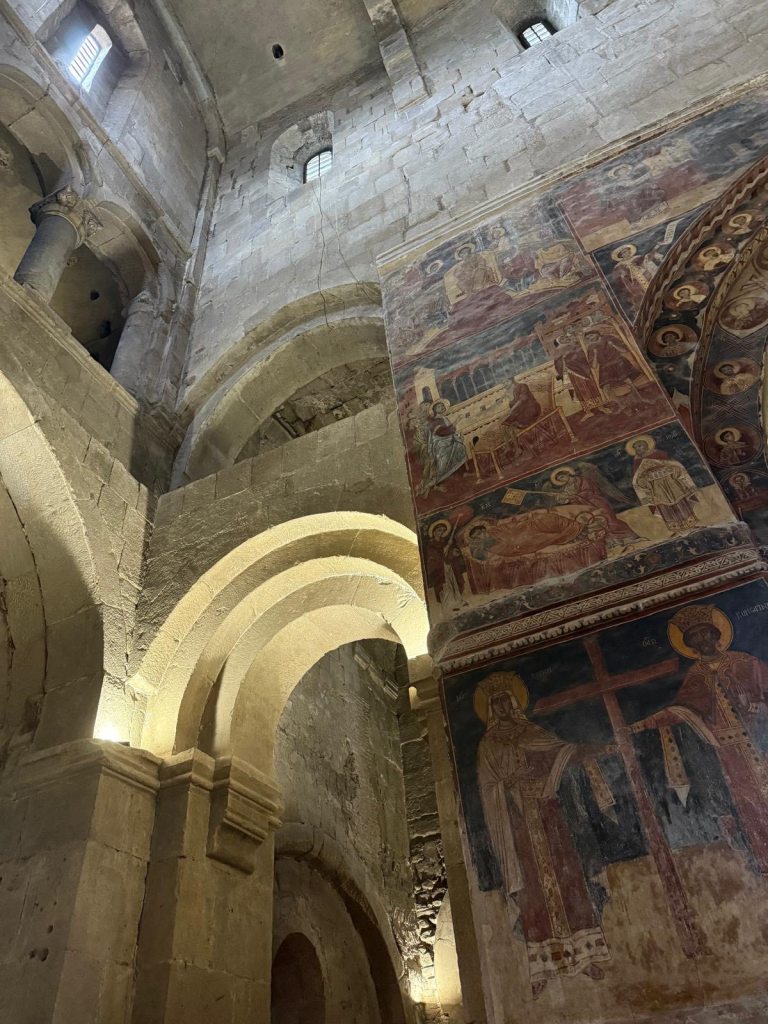
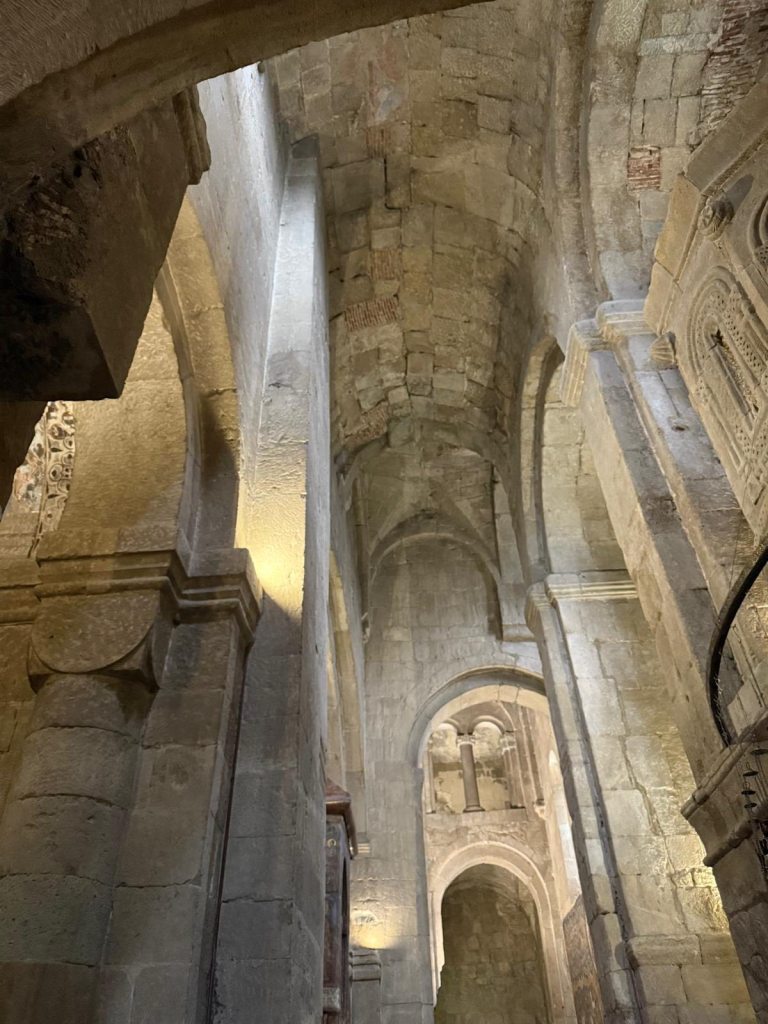
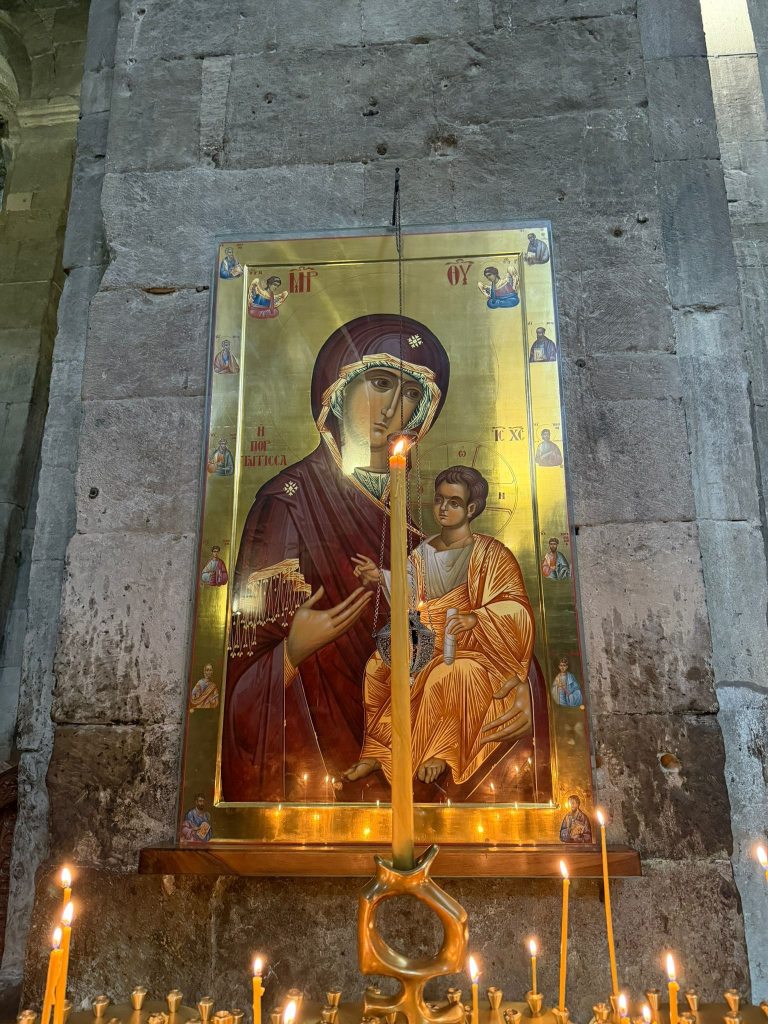
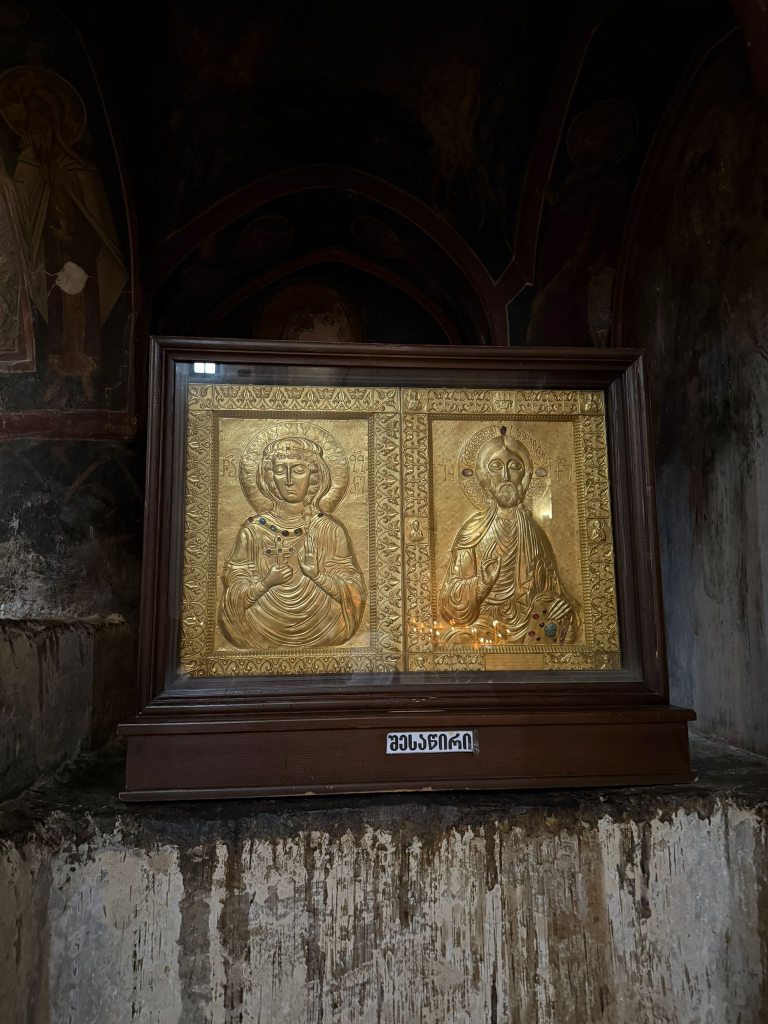
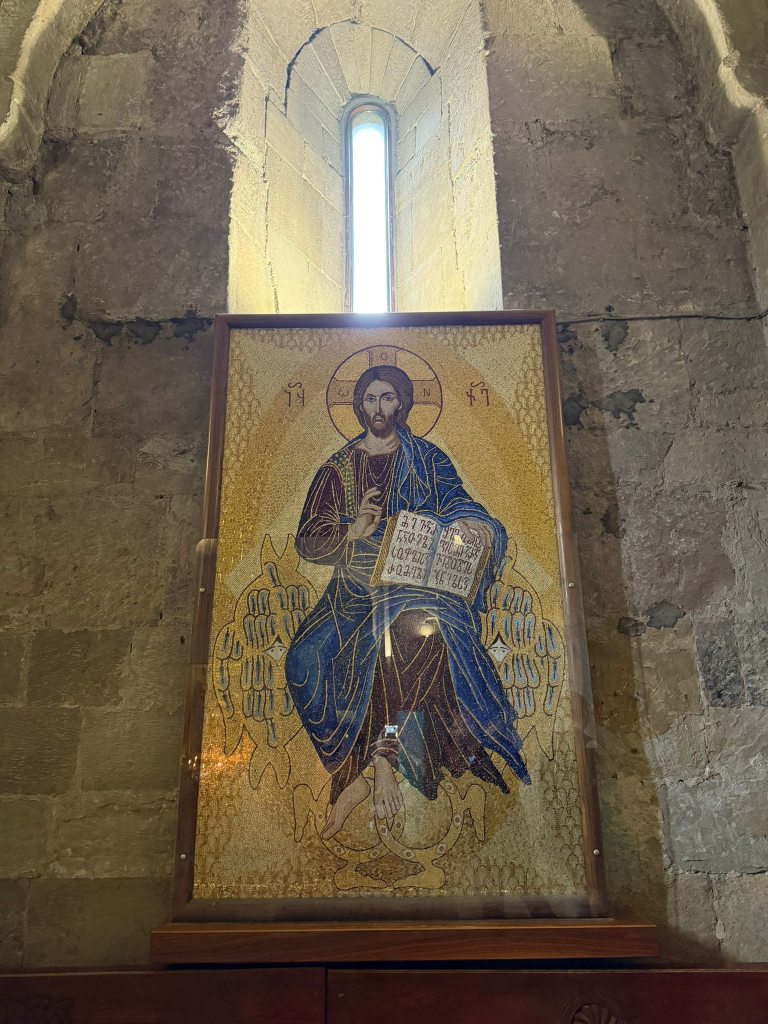
Icon depicting the miracle with the Life-giving Pillar
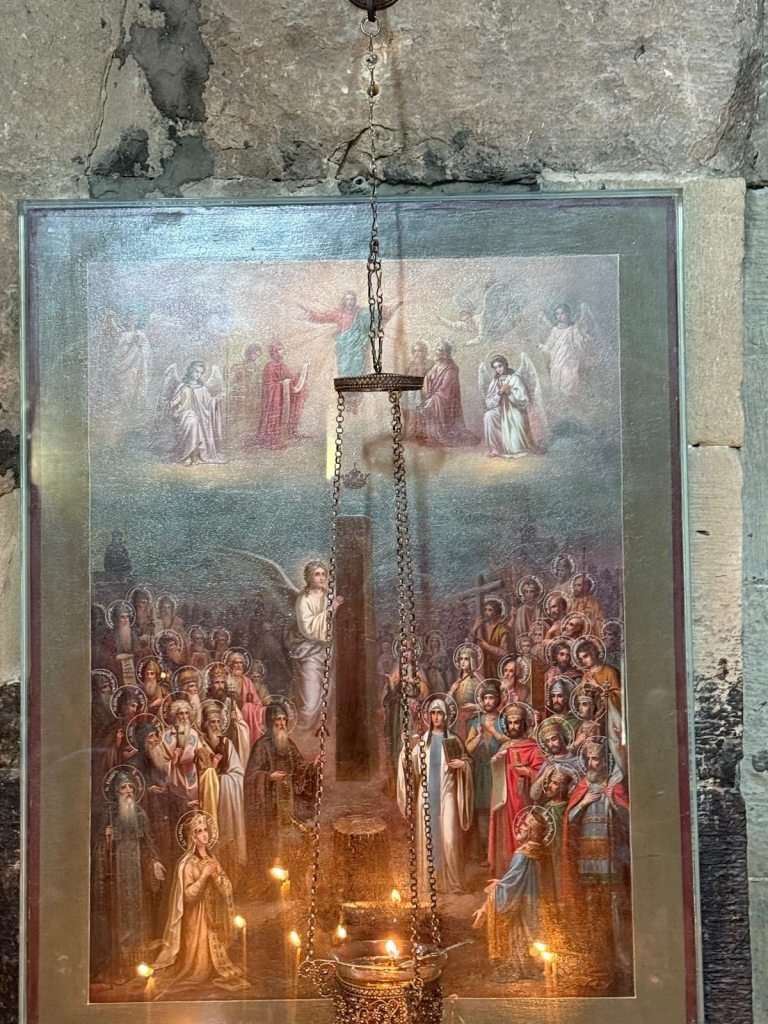
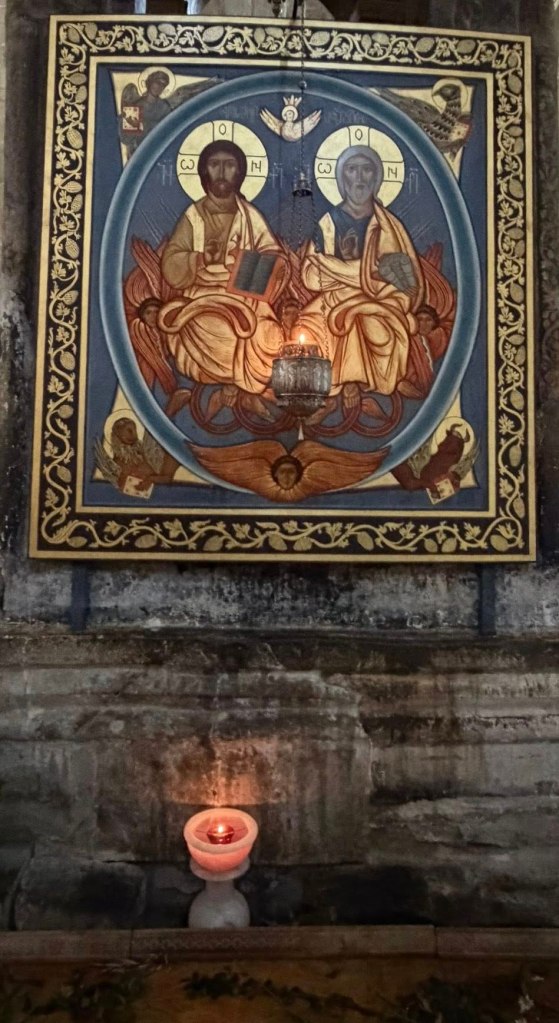
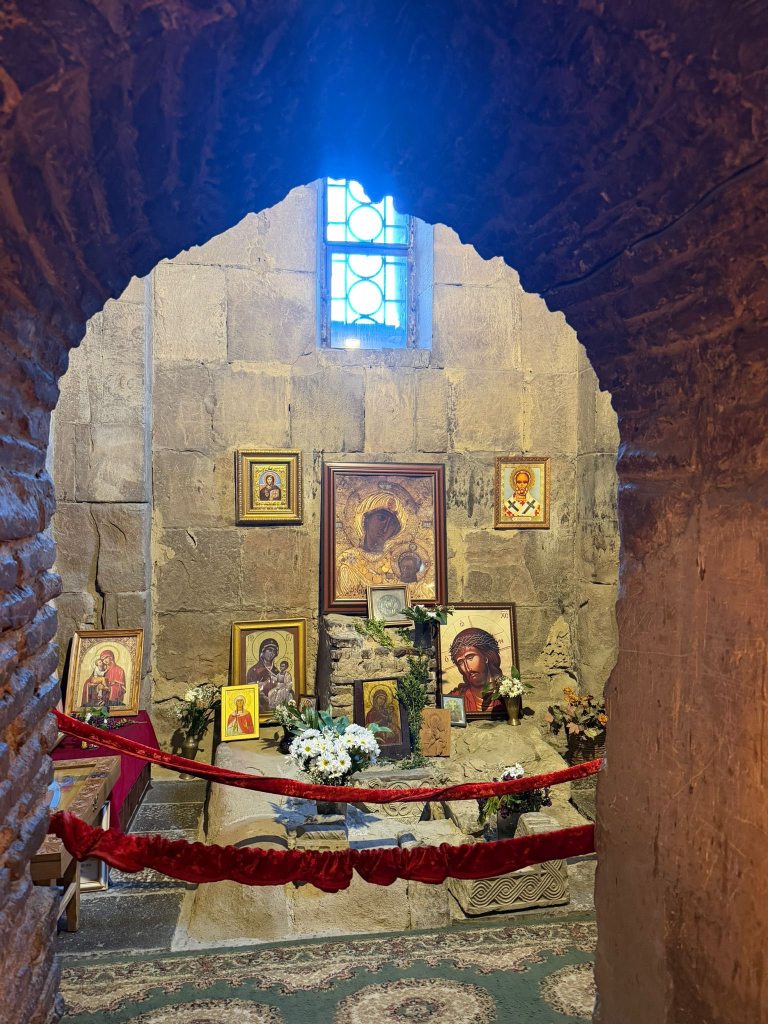
Burial place of the Robe of Christ and Sidonia
2. Samtavro Monastery – St Nino and St Gabriel
The group then moved to the ancient Samtavro Monastery, dedicated to the Transfiguration of our Lord.
This holy place is closely connected with Saint Nino. It was here, according to tradition, that she lived and prayed under a humble blackberry bush, establishing her ascetic dwelling while preaching Christ to the Georgian people. Even today, a chapel marks this place, preserving the memory of her quiet but powerful witness.
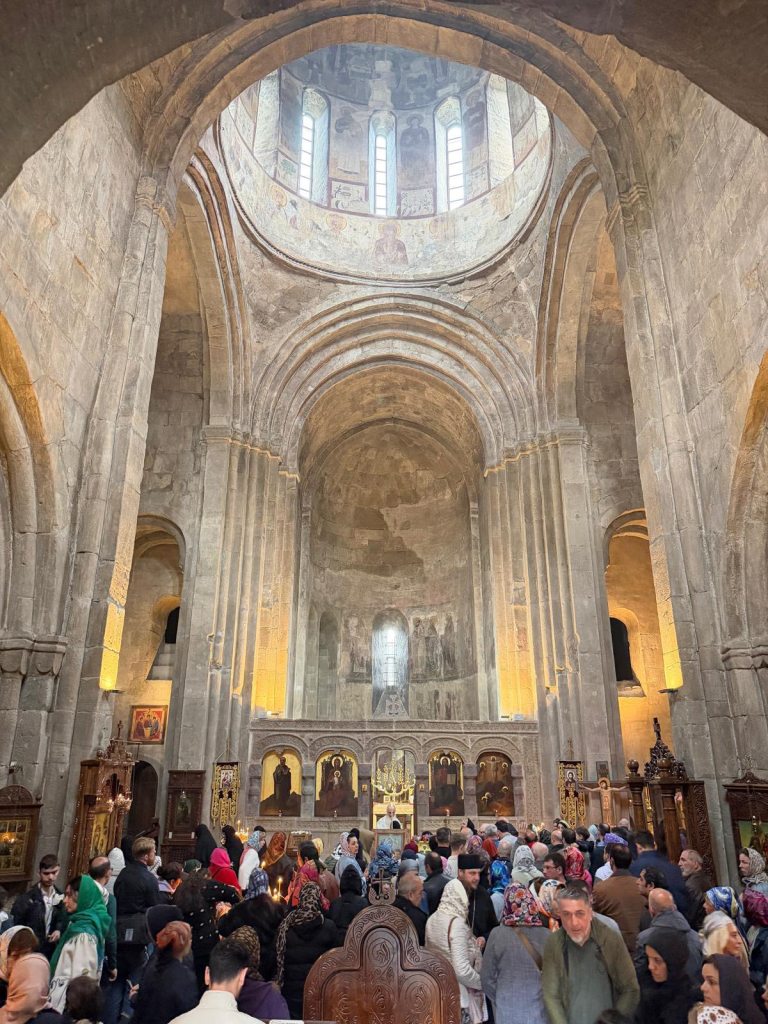
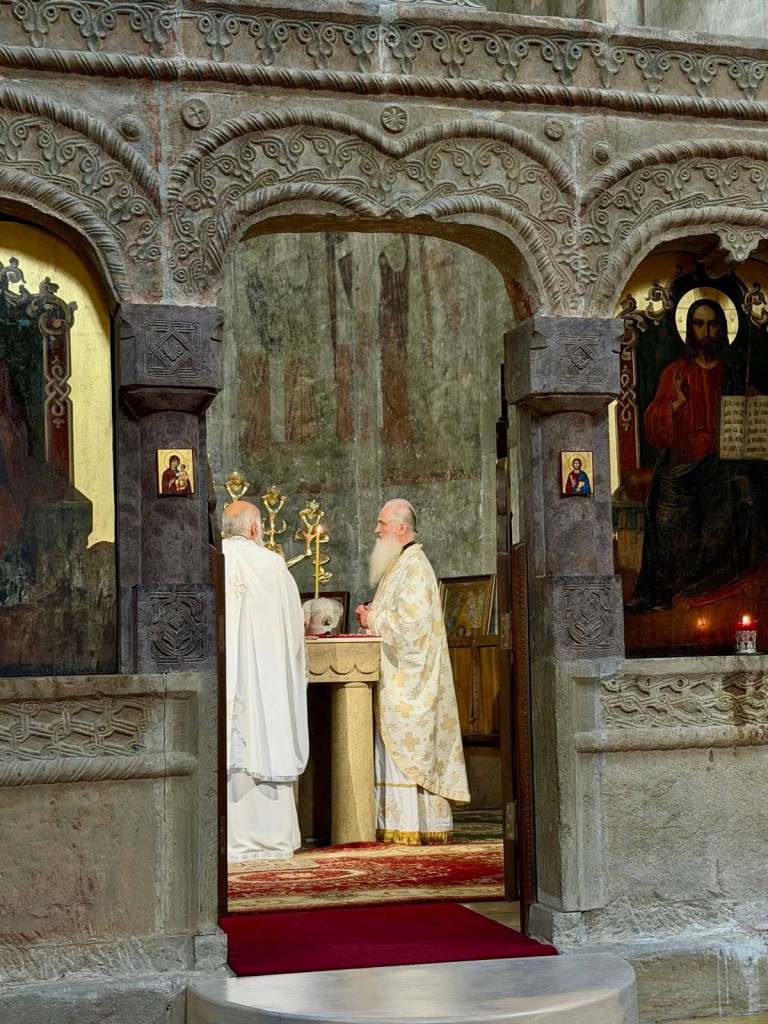
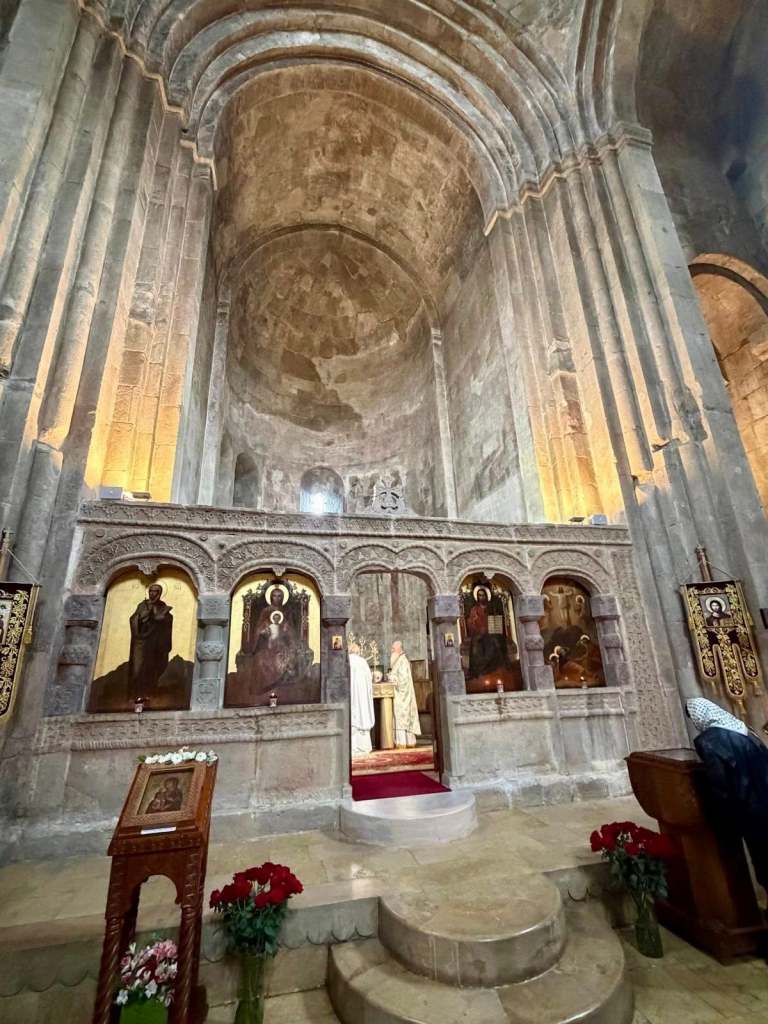
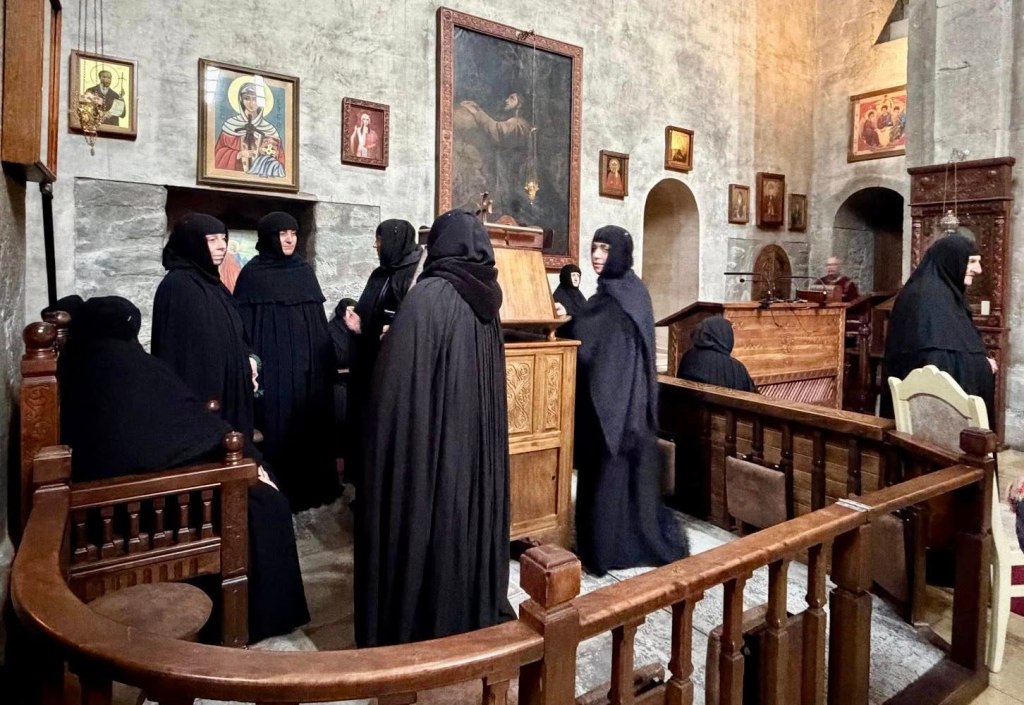
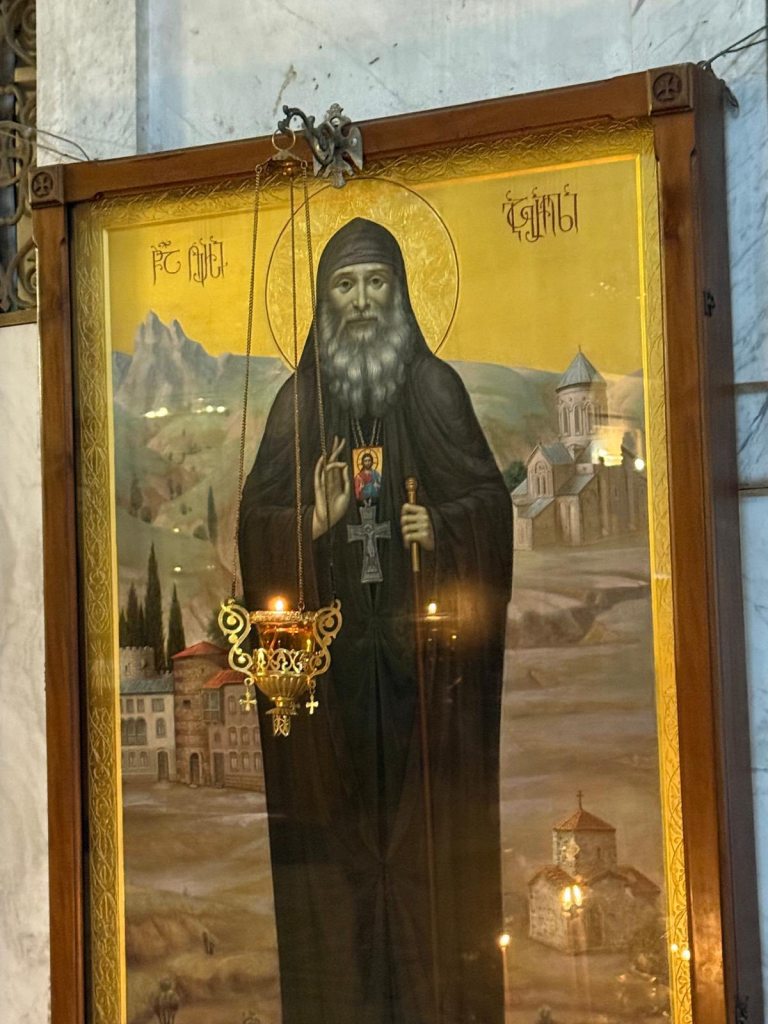
The monastery holds the relics of the great modern saint of Georgia, Saint Gabriel Ugrebadze who spent the final years of his life there. Known for his boldness, humility, and deep love for Christ, Saint Gabriel lived as a “fool for Christ,” enduring persecution during the Soviet era. His life was marked by repentance, simplicity, and unwavering faith, and many pilgrims come seeking his intercessions.
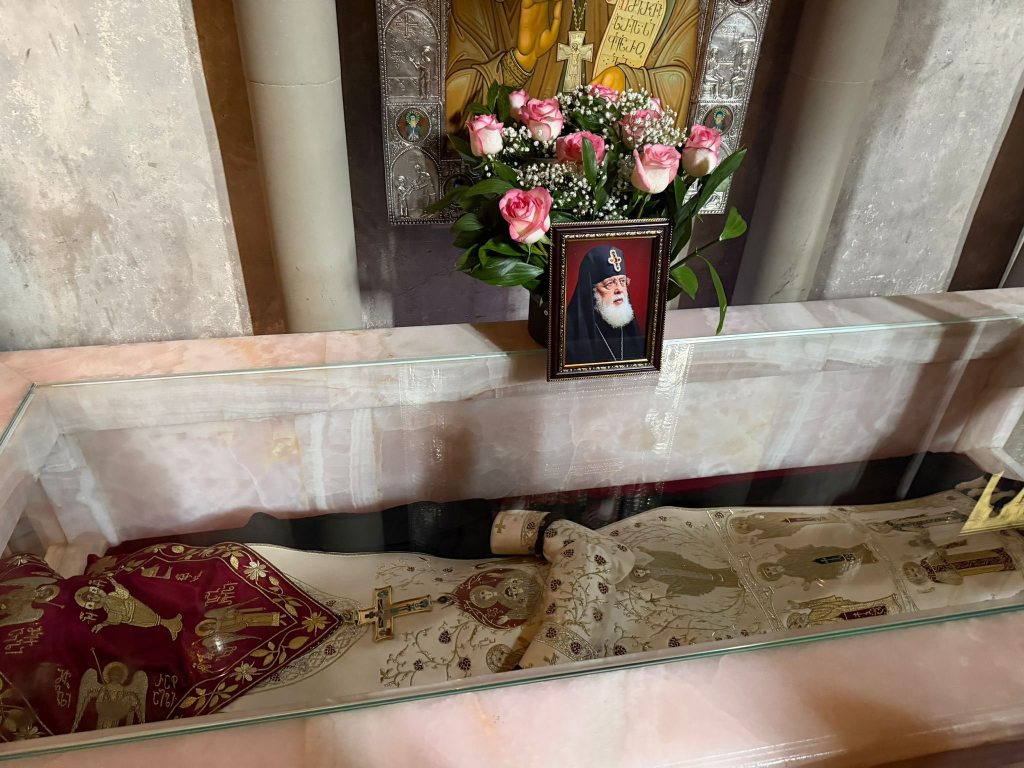
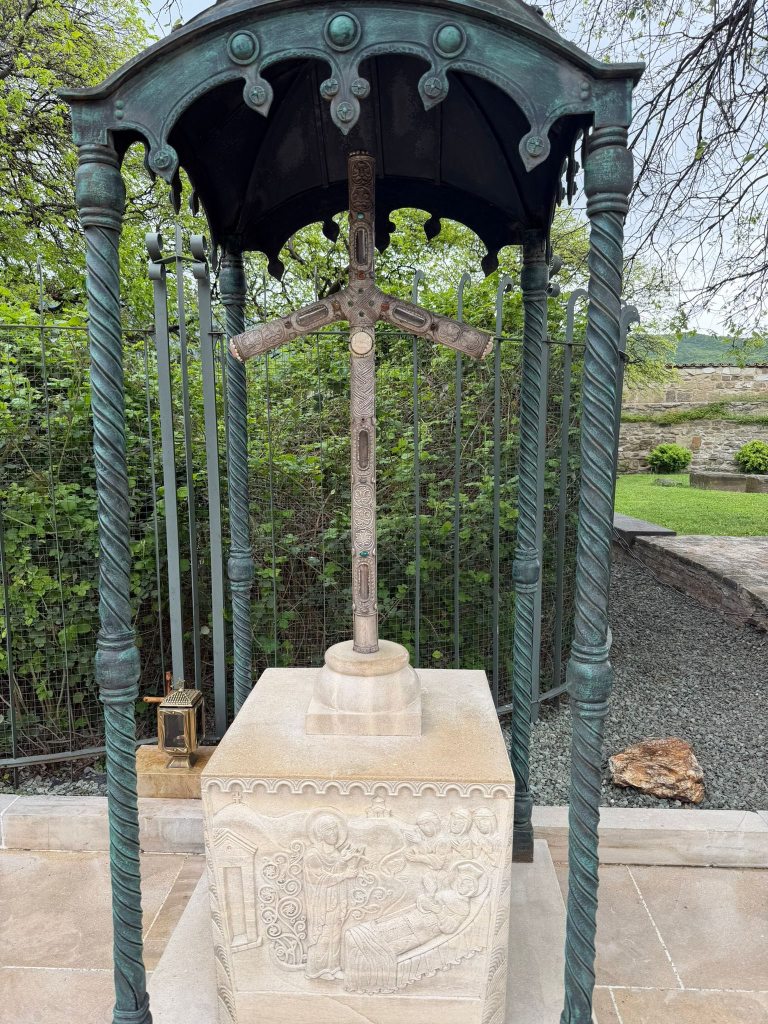
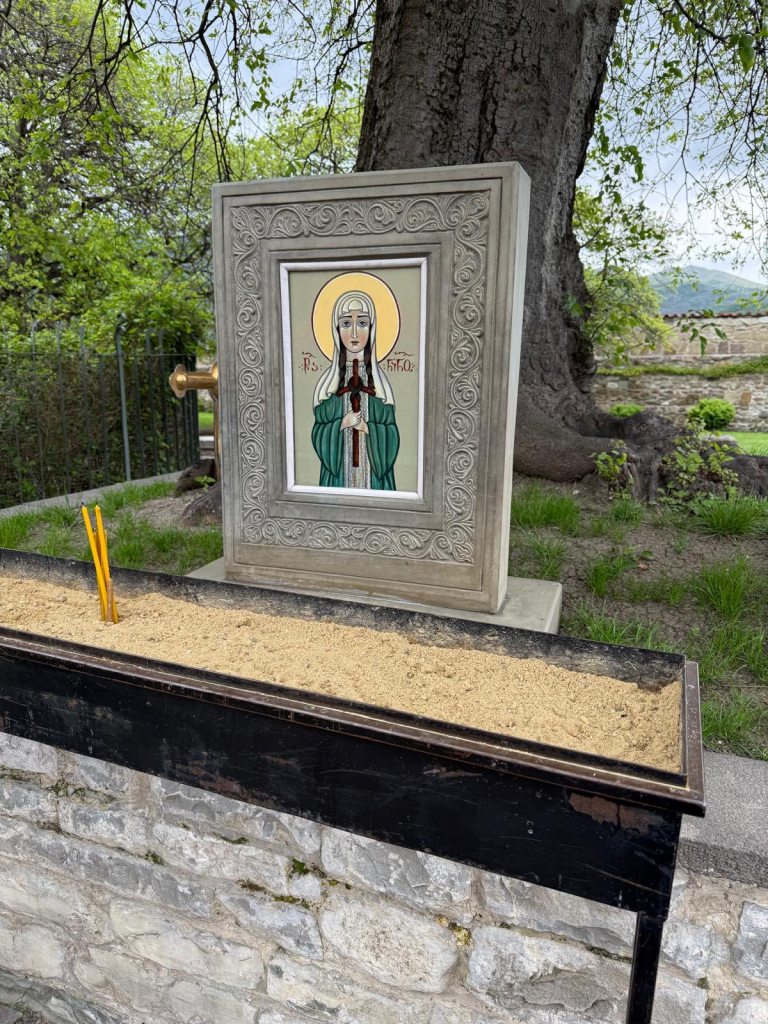
Chapel of St Nino at Samtavro Monastery
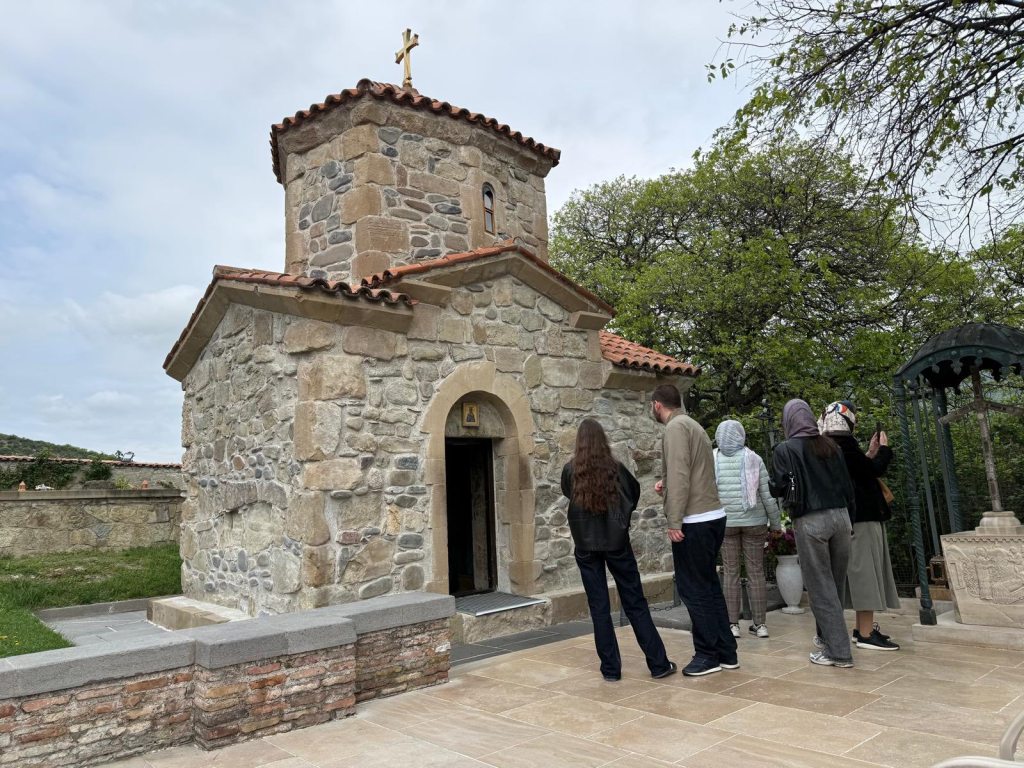
3. A Hidden Treasure – Antioch in Mtskheta
During the free time, part of the group, advised by a local priest who learned that we belong to the Antiochian Church, was led to a hidden treasure away from the main tourist routes: the small monastery, dedicated to Saint Stephen, also known locally as Antioch. Dating back to the 4th century (though rebuilt several times), it bears witness to the early ecclesiastical ties between Georgia and the Church of Antioch.
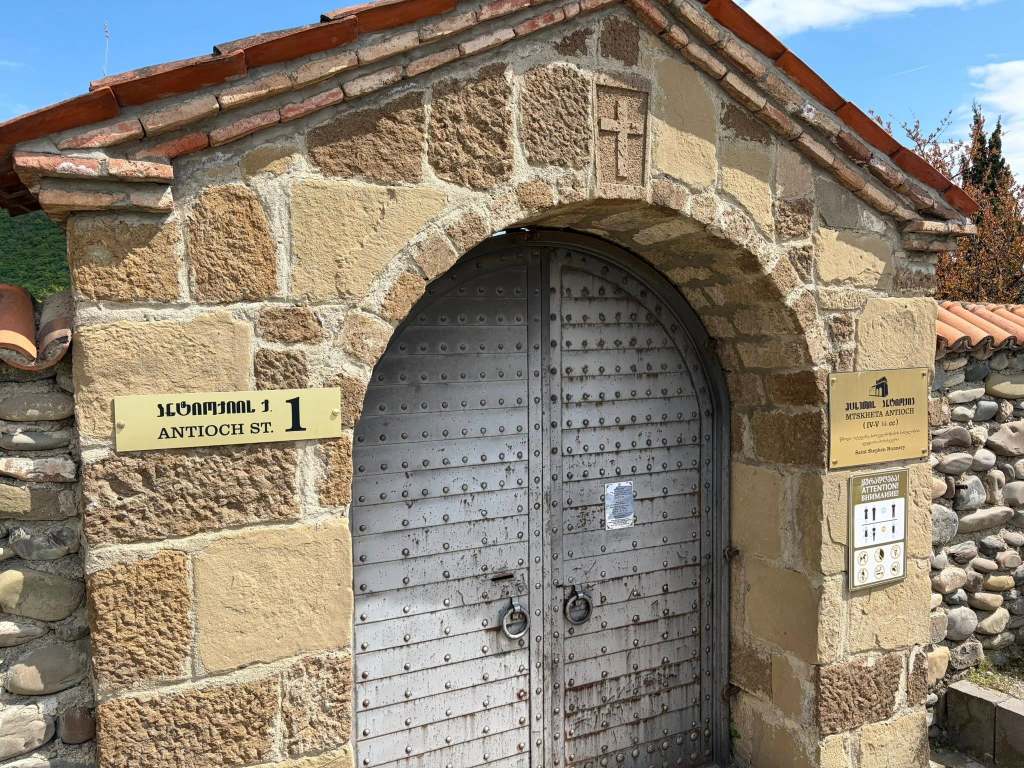
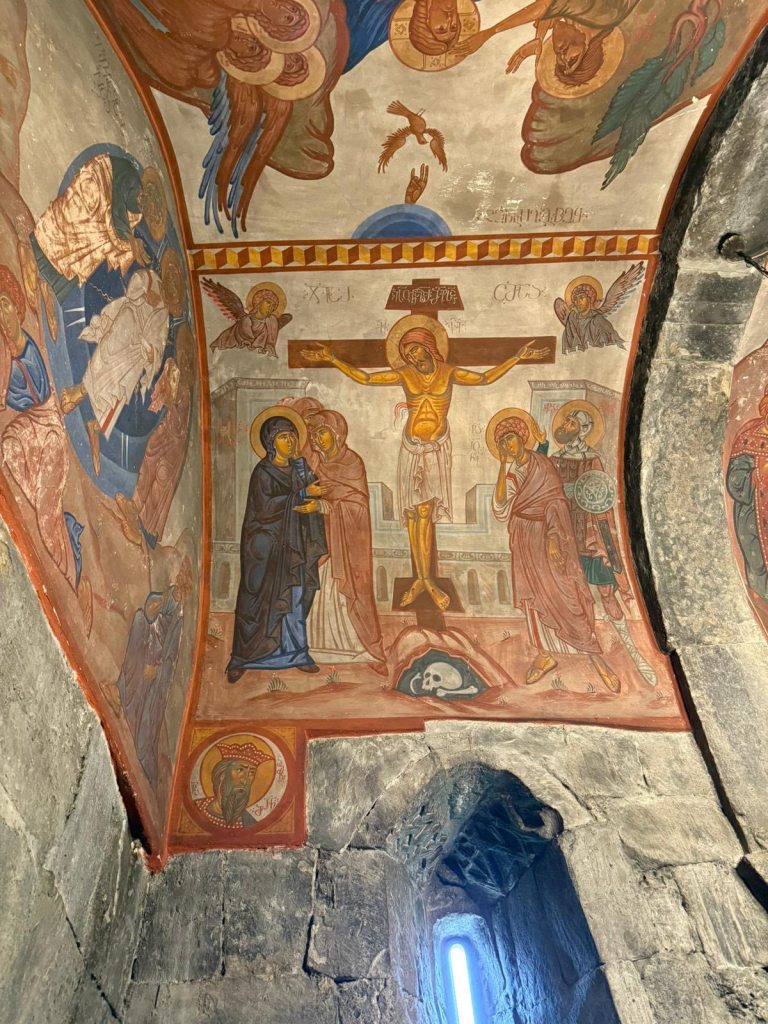
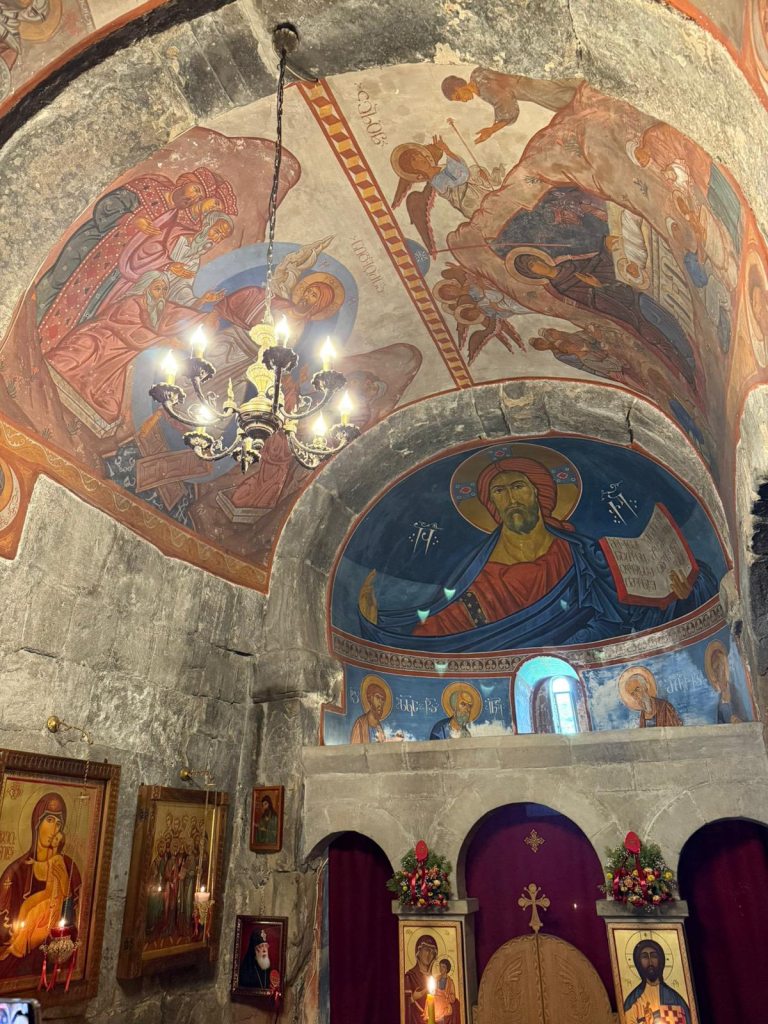
Before becoming autocephalous, the Georgian Church was under the jurisdiction of Antioch. This monastery is believed to have functioned as a metochion (kind of ecclesiastical representation or “embassy”) of the Antiochian bishops in the region.
The group was welcomed at the monastery by mother Sophia, one of the nuns, who kindly showed the faithful around and told the story of the monastery. For our group, this visit was a particularly meaningful reminder of the historical and spiritual connection between our Churches.
4. Jvari Monastery – The Holy Cross
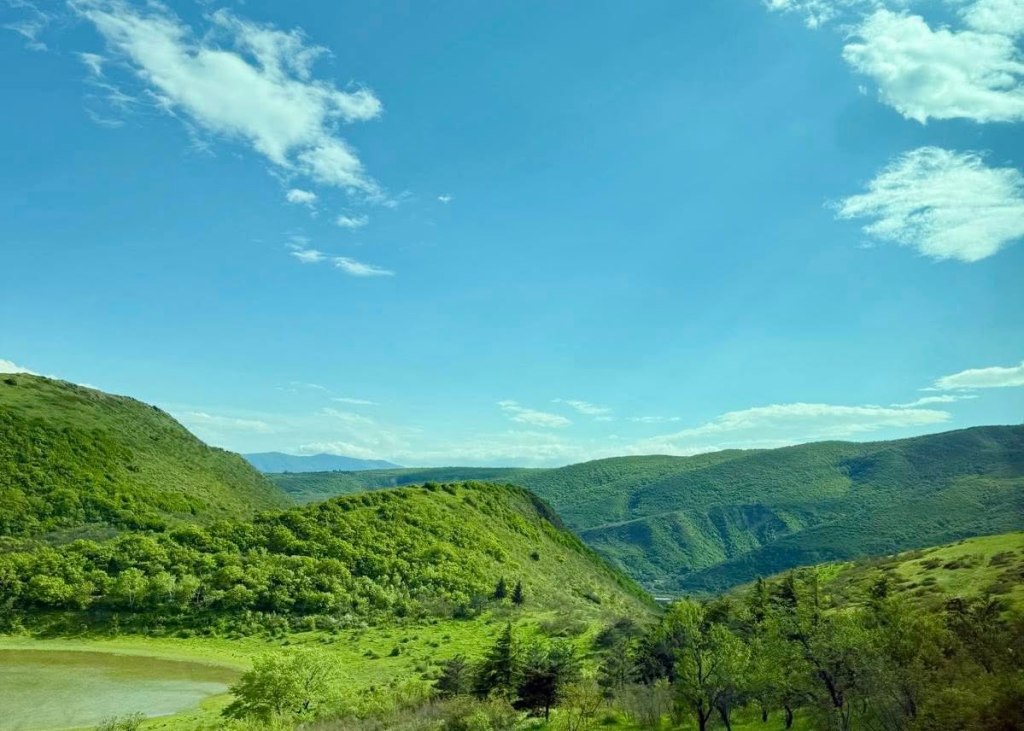
The day concluded with a visit to Jvari Monastery, dedicated to the Holy Cross (“Jvari” in Georgian means Cross).
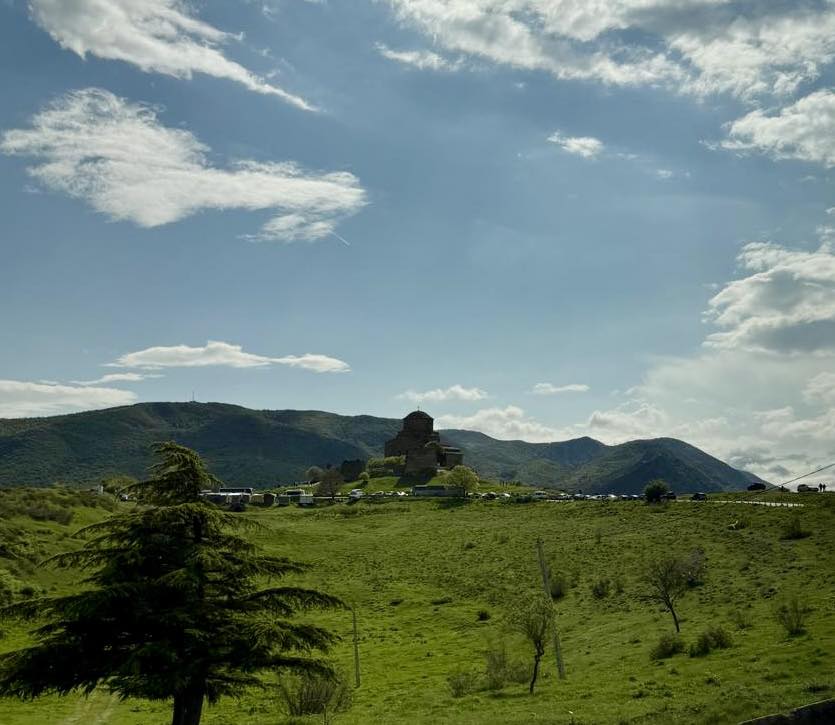
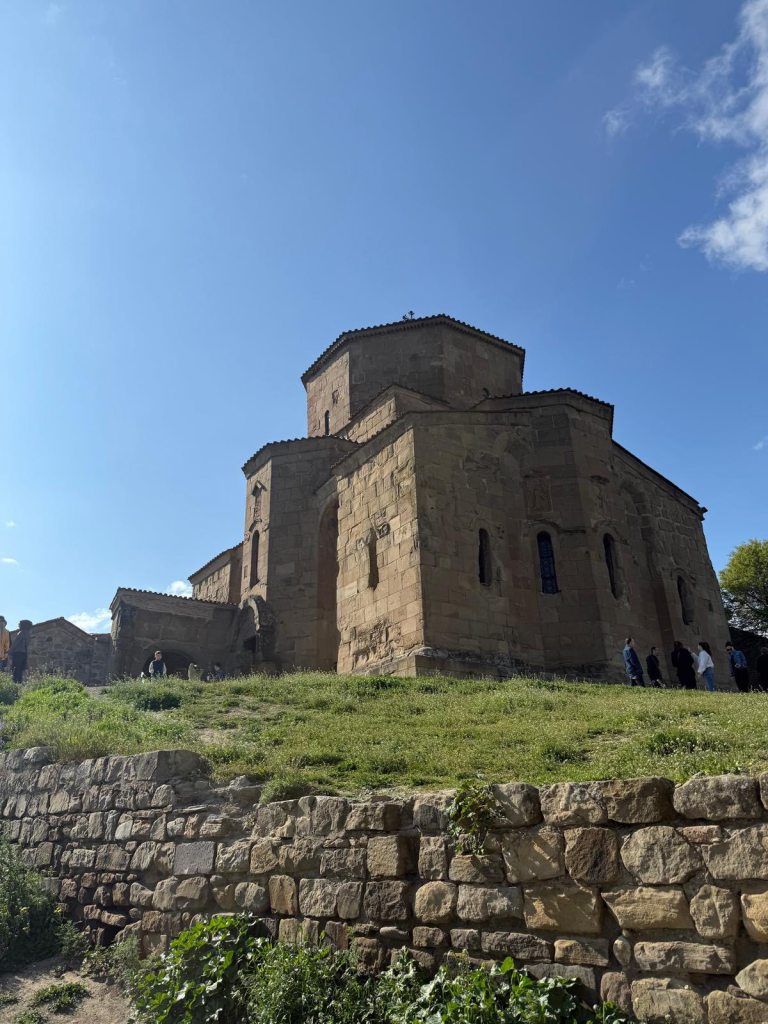
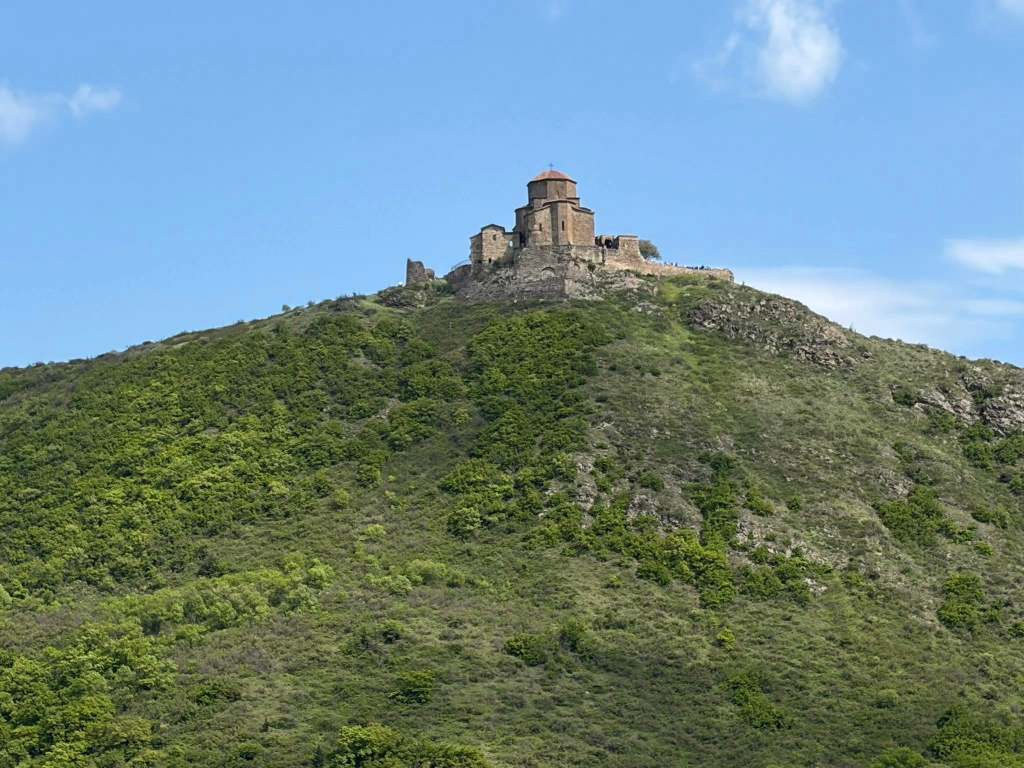
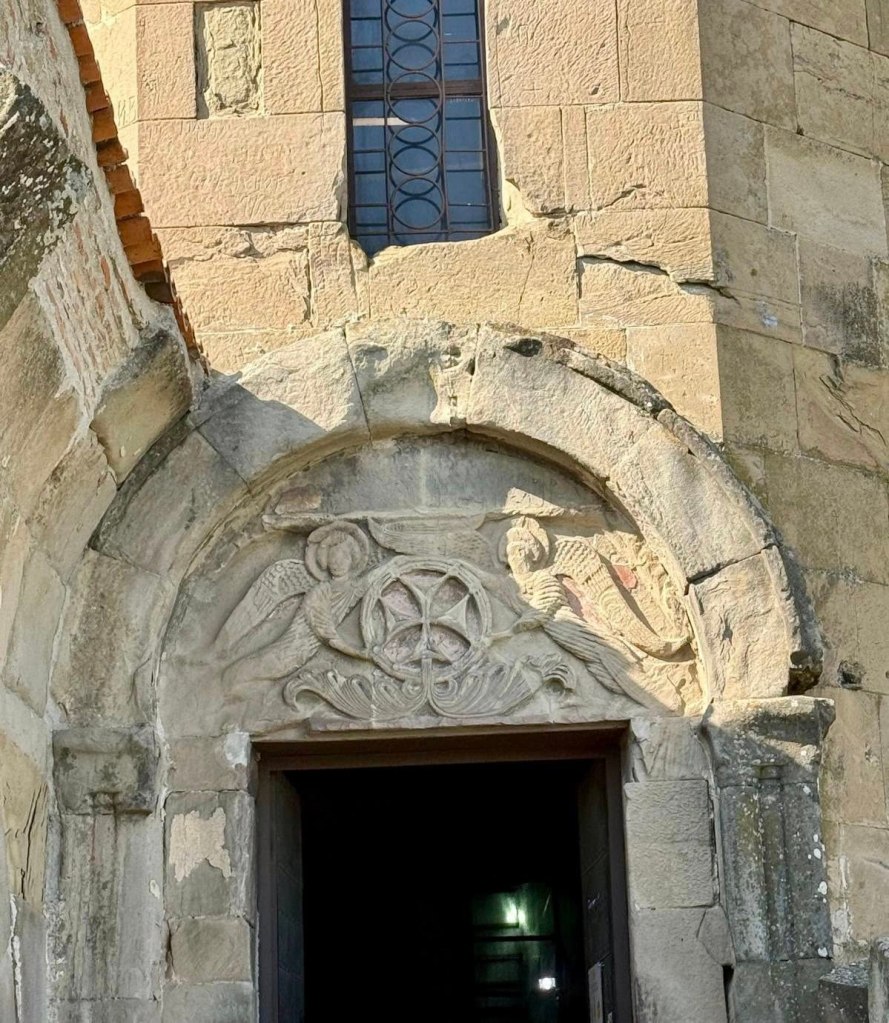
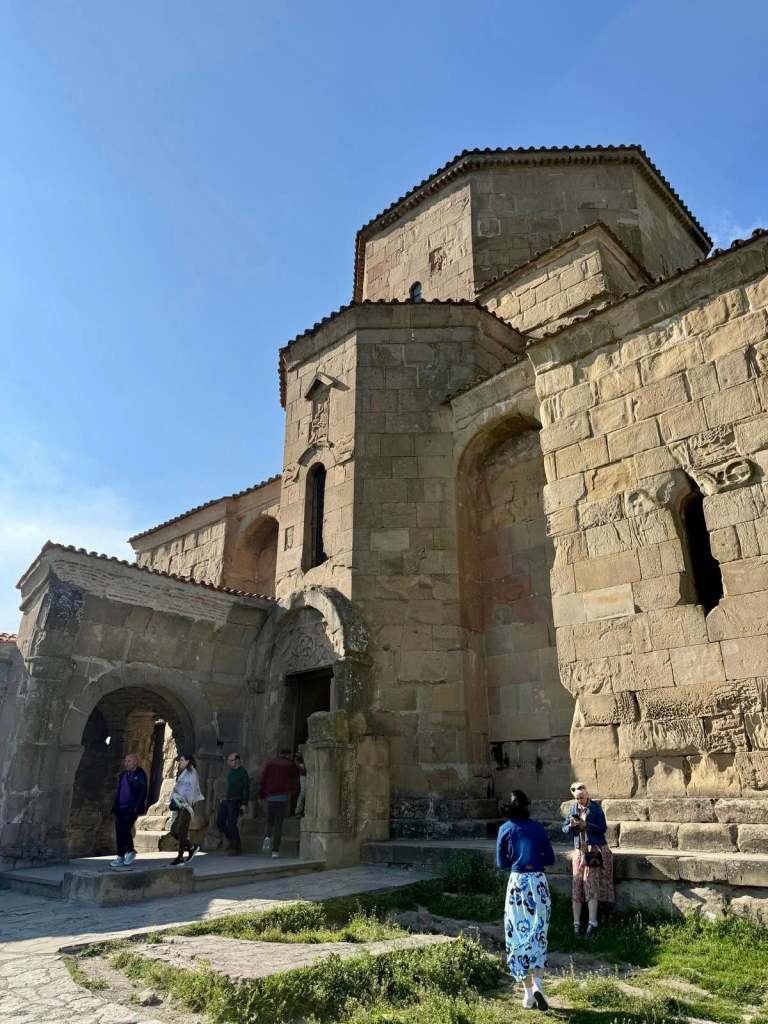
According to tradition, it was on this very hill that Saint Nino erected a wooden cross after the conversion of Georgia to Christianity in the 4th century. This cross became a sign of victory and protection for the newly illumined land. The present monastery, built in the 6th century, stands as a witness to that event, overlooking the confluence of the rivers and the ancient city of Mtshketa below.
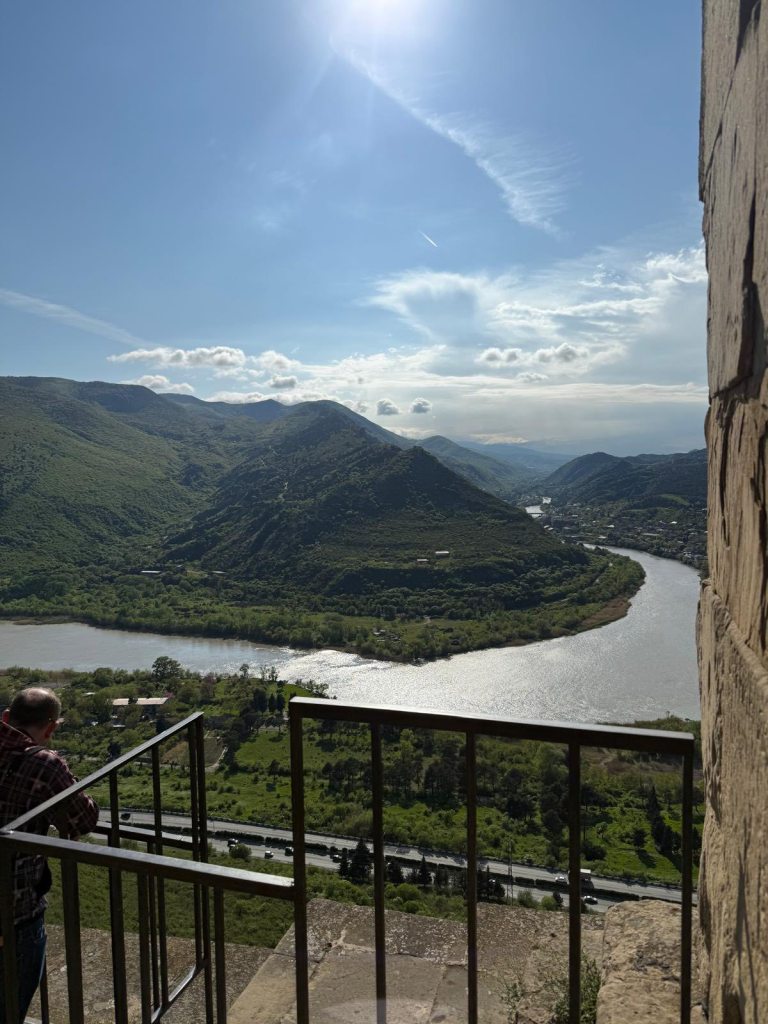
Confluence of rivers: Mtkvari (Kura) and Aragvi rivers
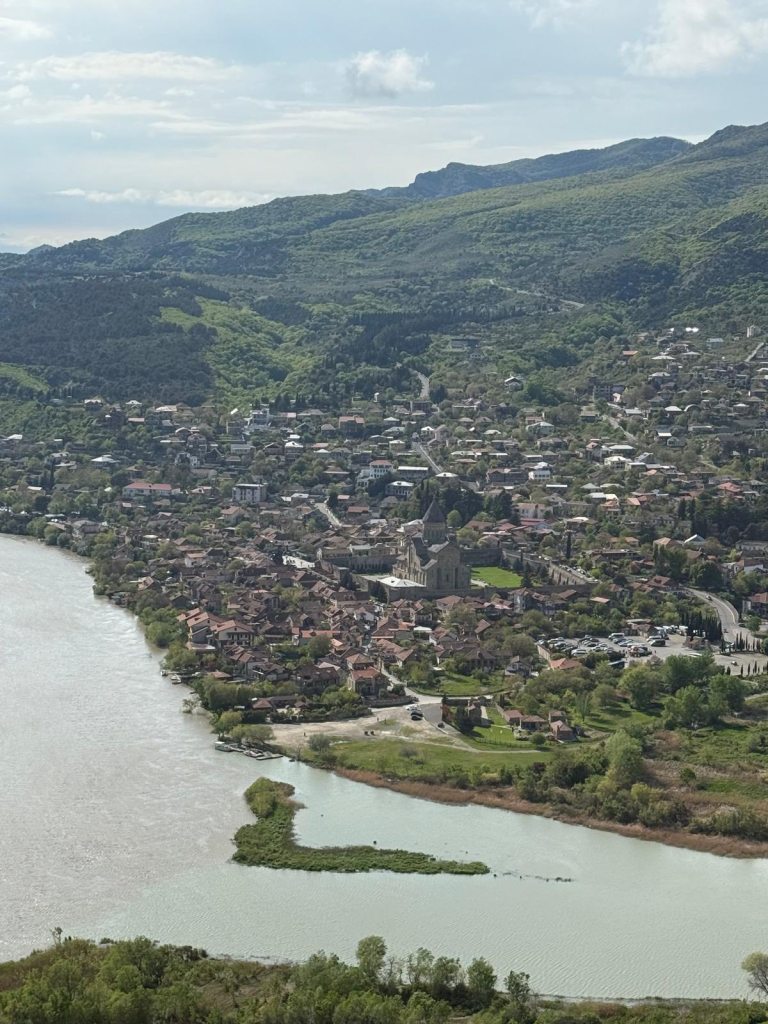
Standing there, our group chanted “Christ is Risen!” and the Apolytikion of the Holy Cross, giving thanks to God for granting us to venerate these holy places.
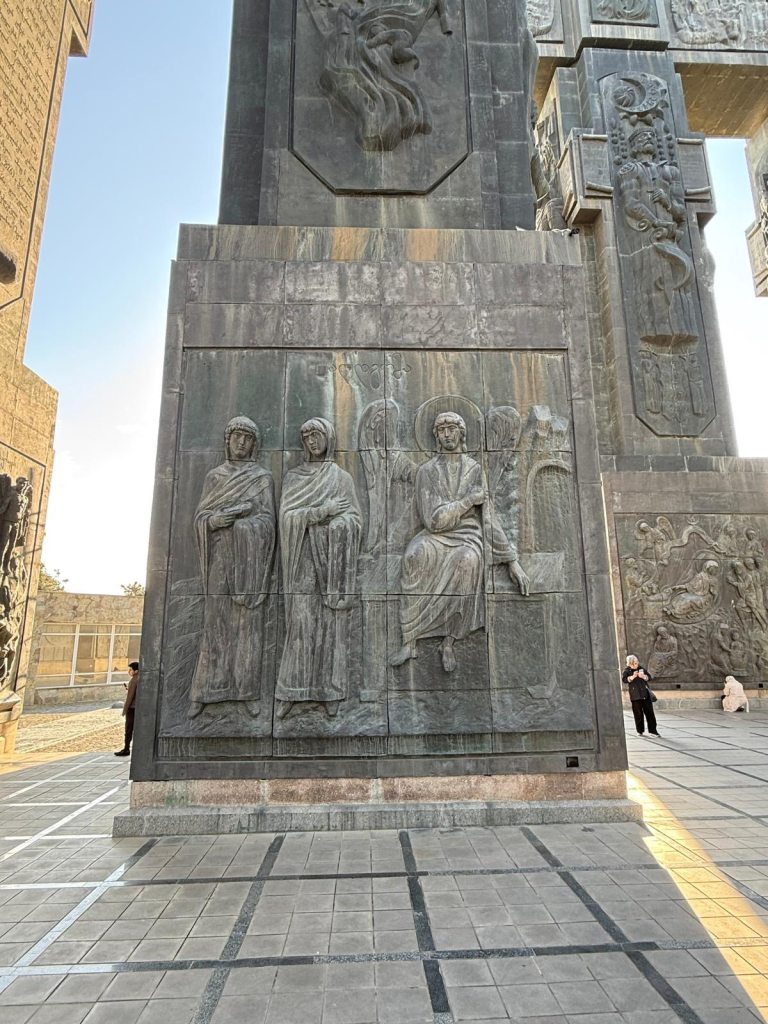
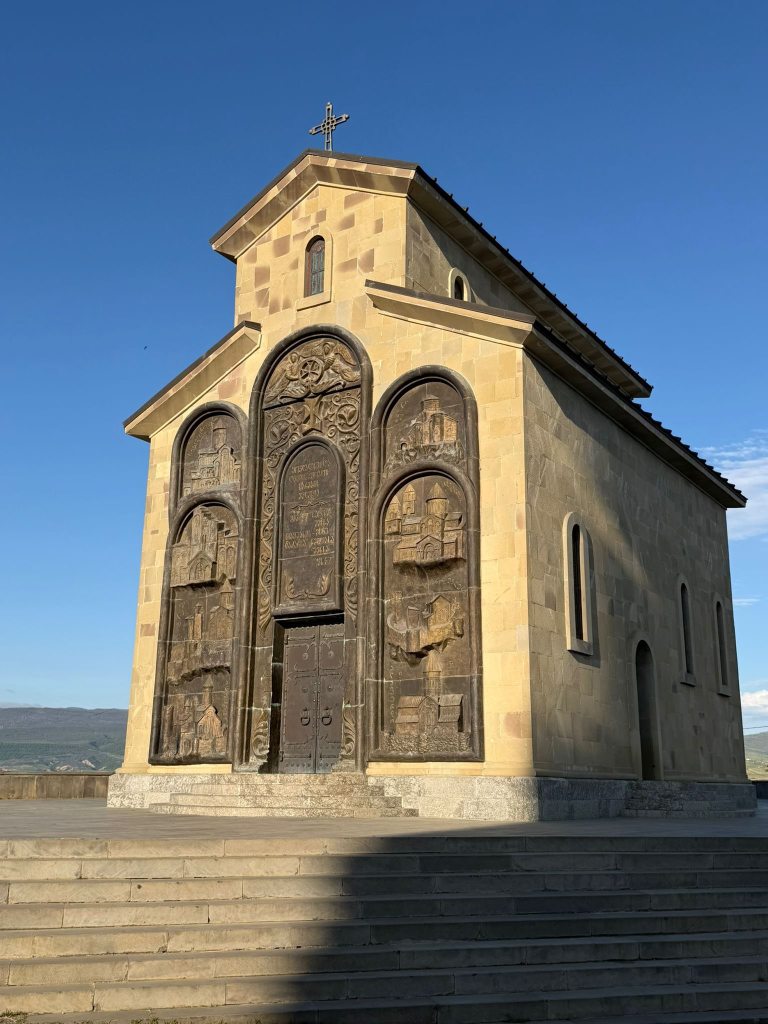
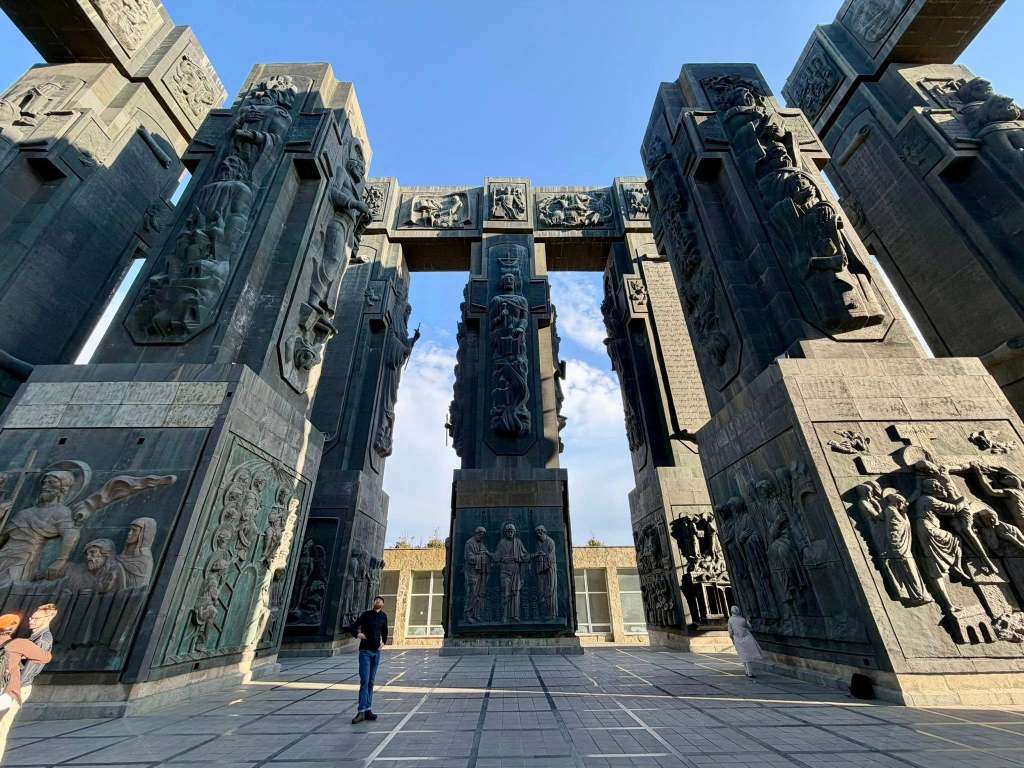
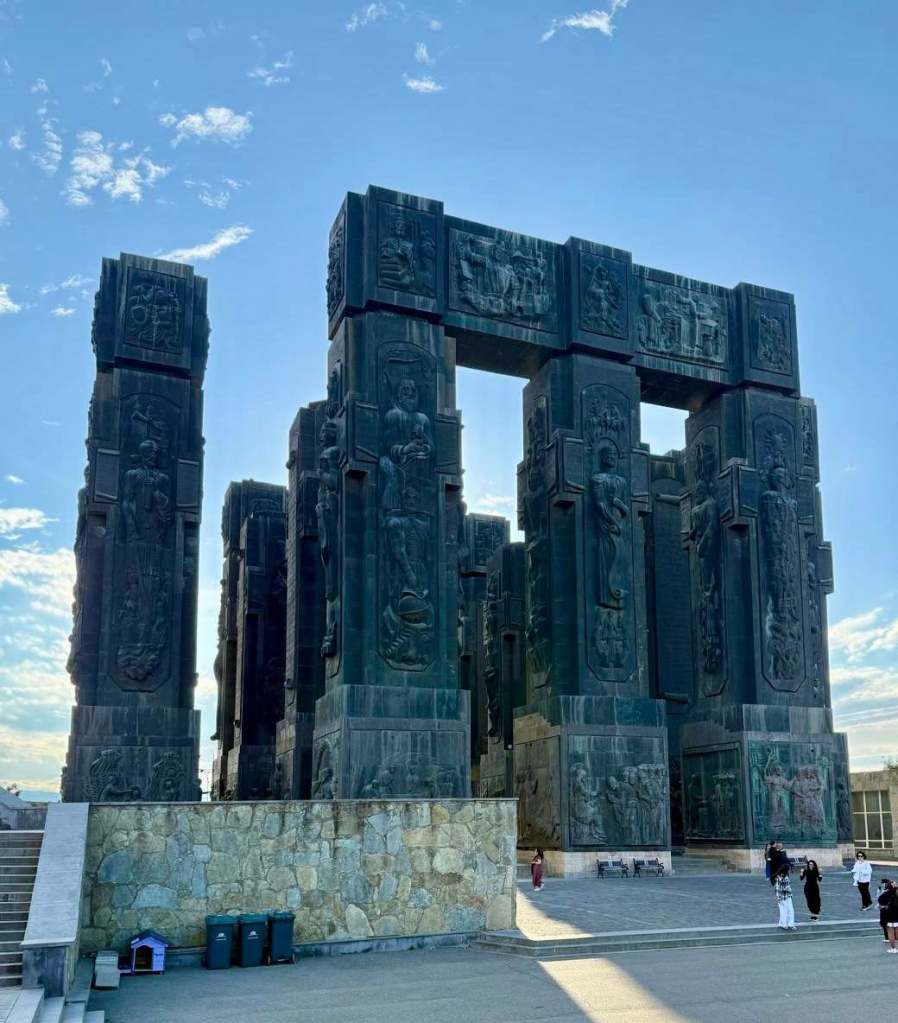
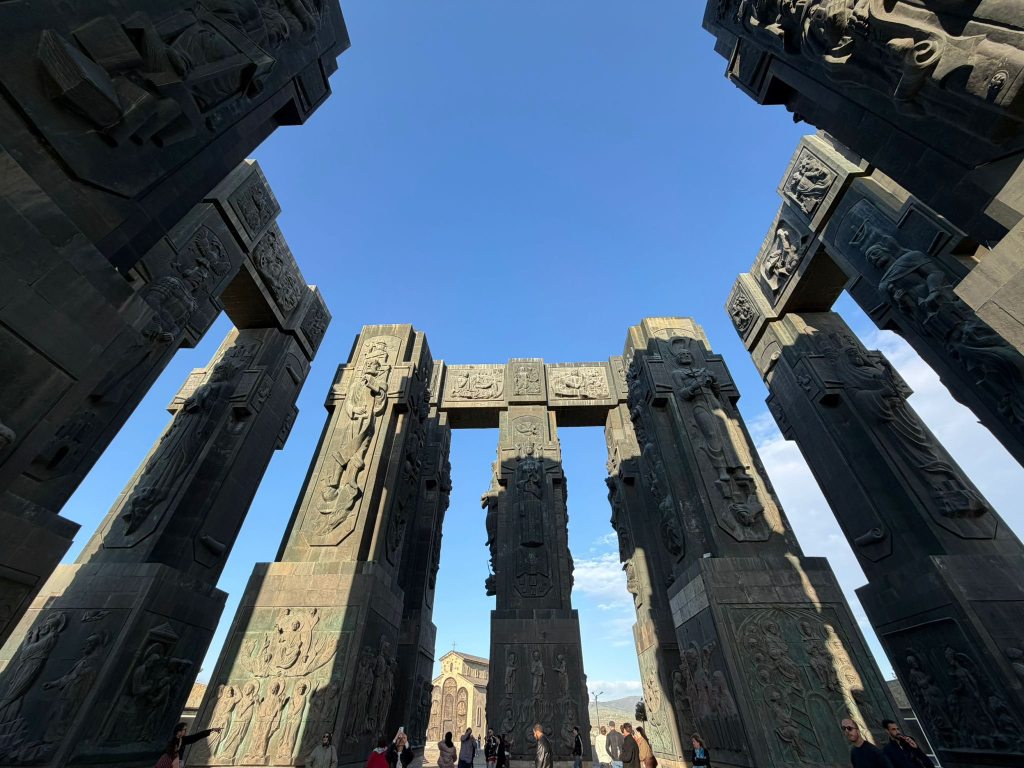
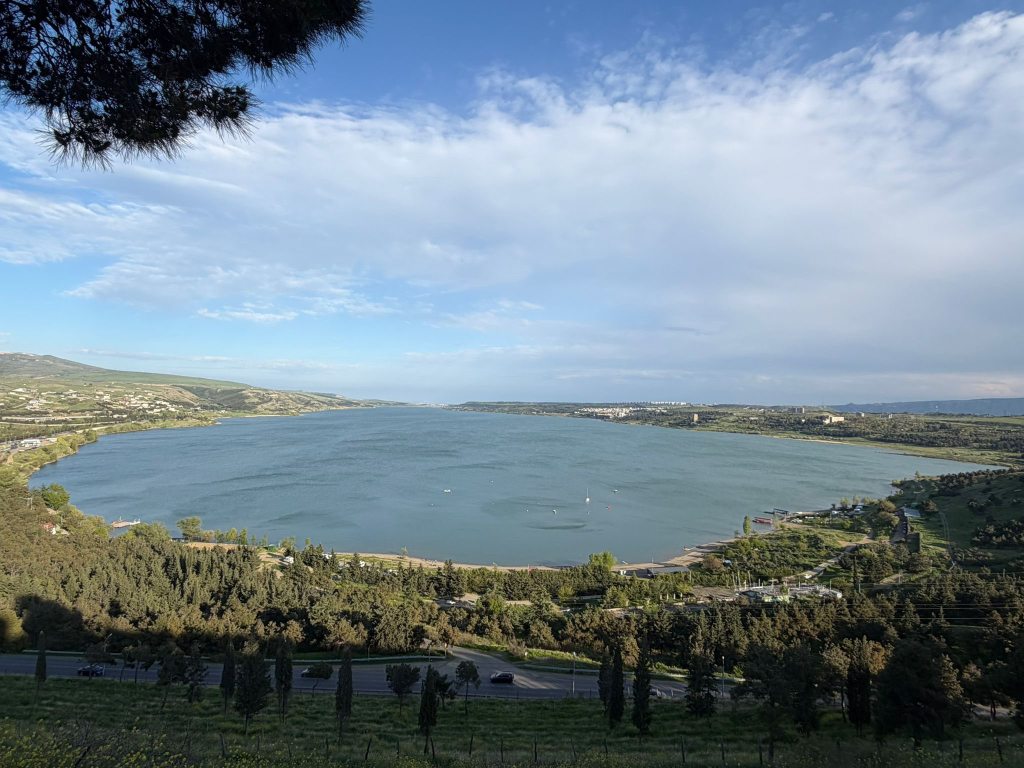
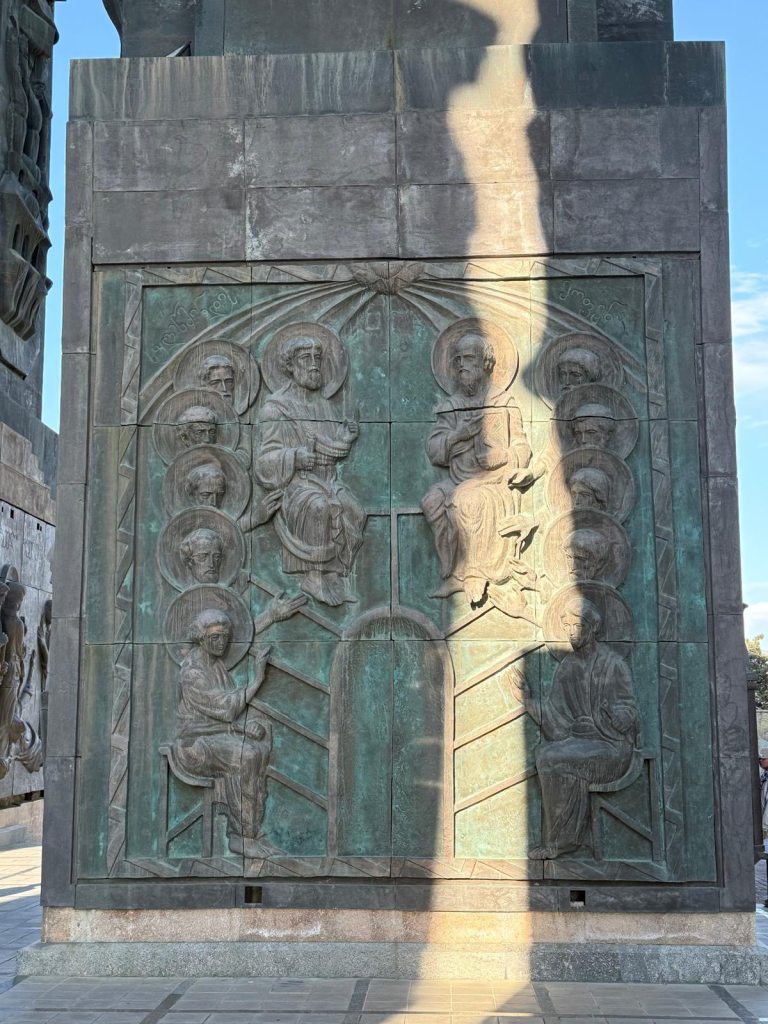
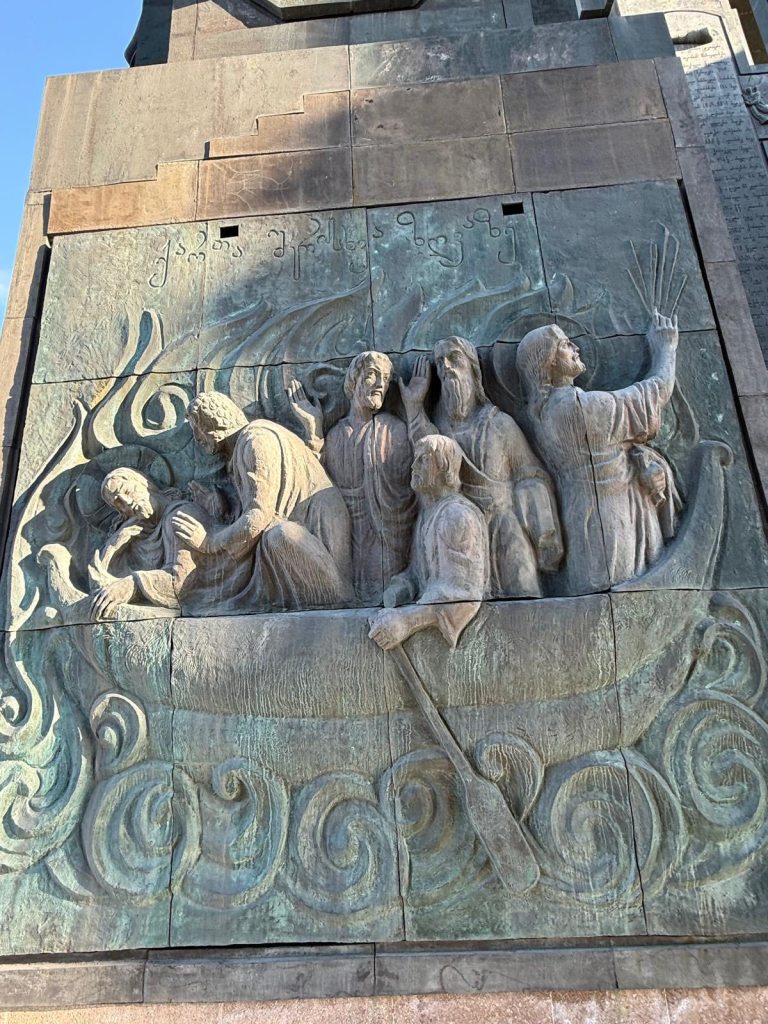
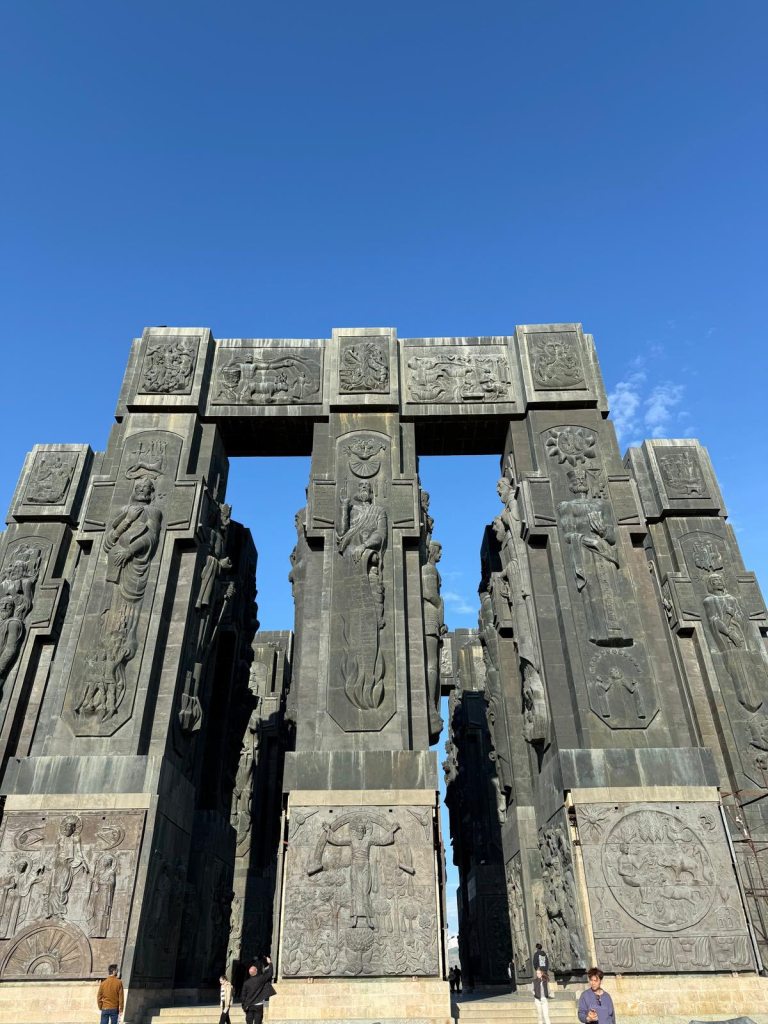
On the way back to Tbilisi the group briefly visited the Chronicles of Georgia, created by the sculptor Zurab Tsereteli. This impressive monument stands on a hill overlooking Tbilisi. It is formed of large stone pillars richly carved with scenes: at the lower levels, biblical episodes from the life of Christ, and above them, figures from Georgian history, such as kings, saints, and other notable people, standing as witnesses to the faith and history of the nation.

 ORTHODOX CHRISTIAN FAITH AND LIFE