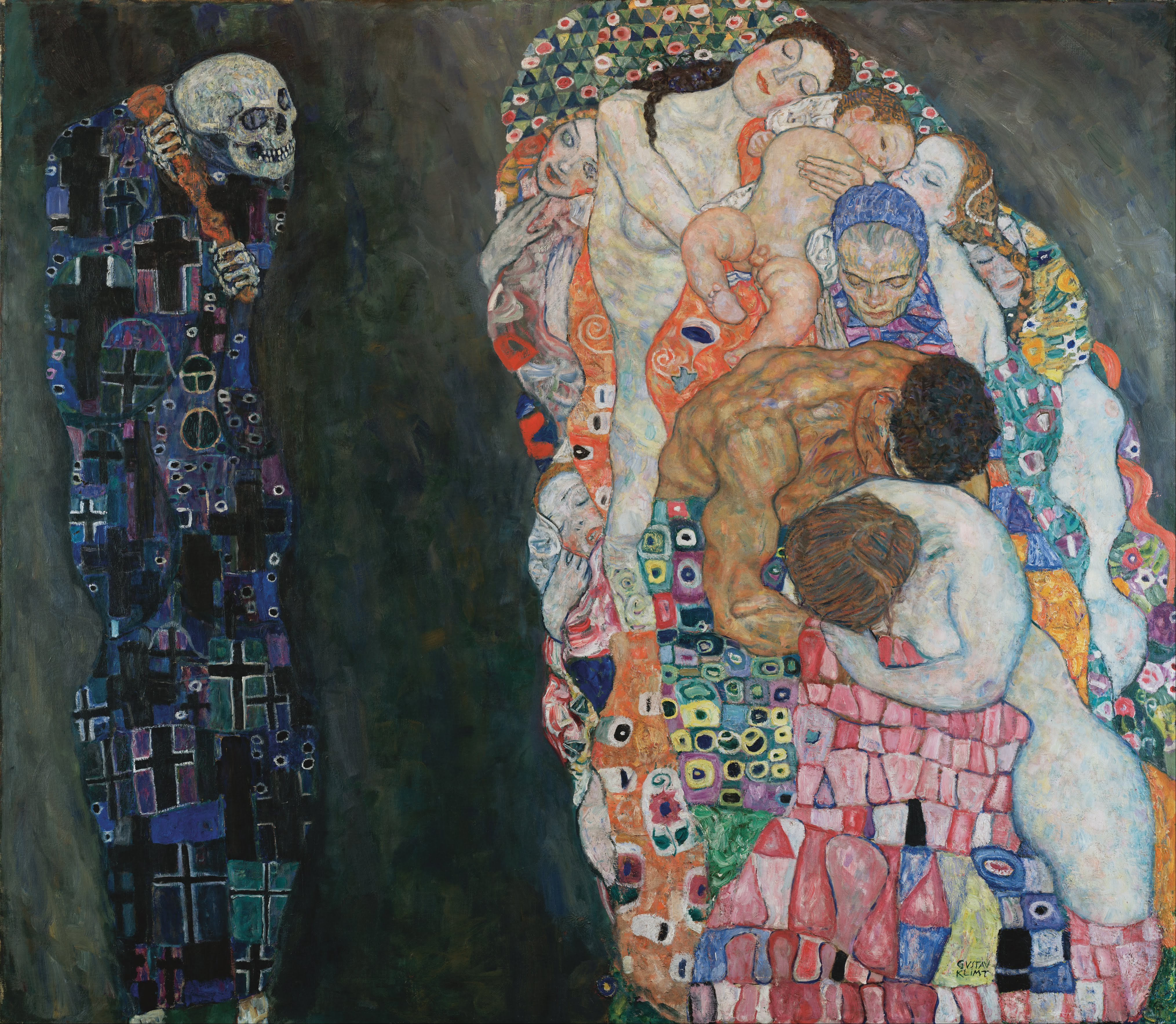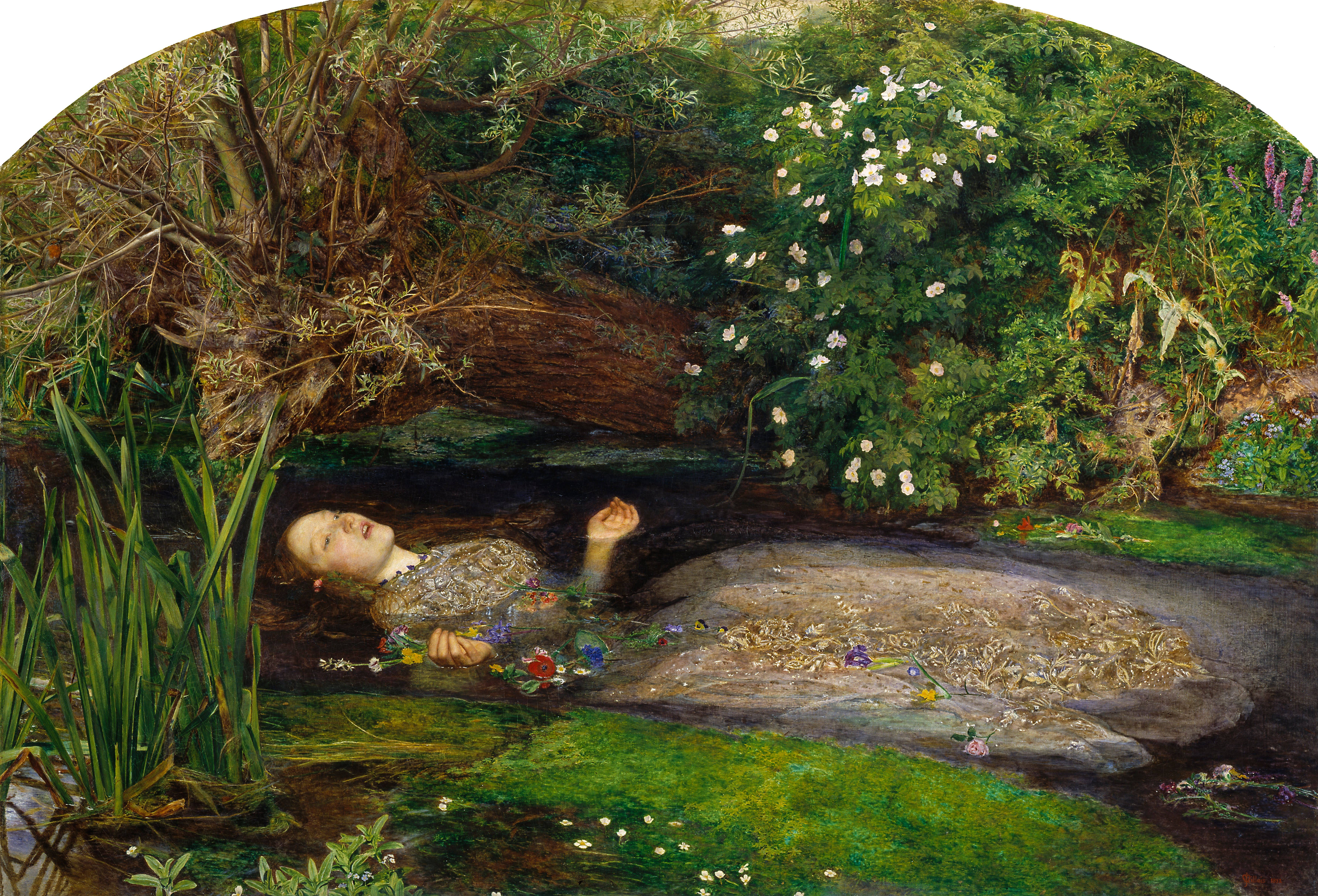
That Sleep of Death

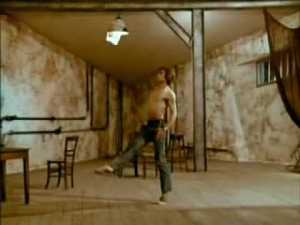
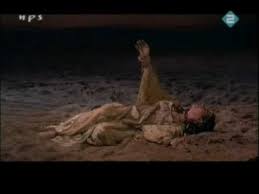
Death scenes from Le Jeune Homme et la Mort ballet & Henry Purcell’s opera, Dido and Aeneas

death10

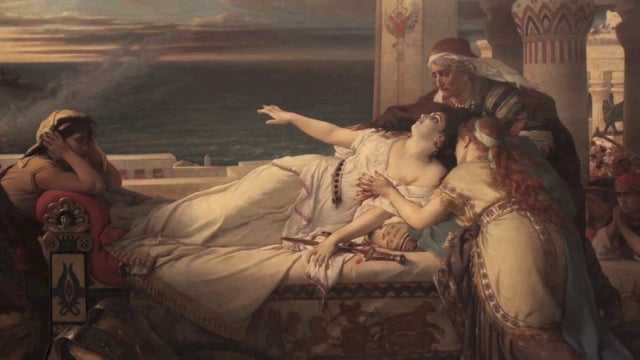
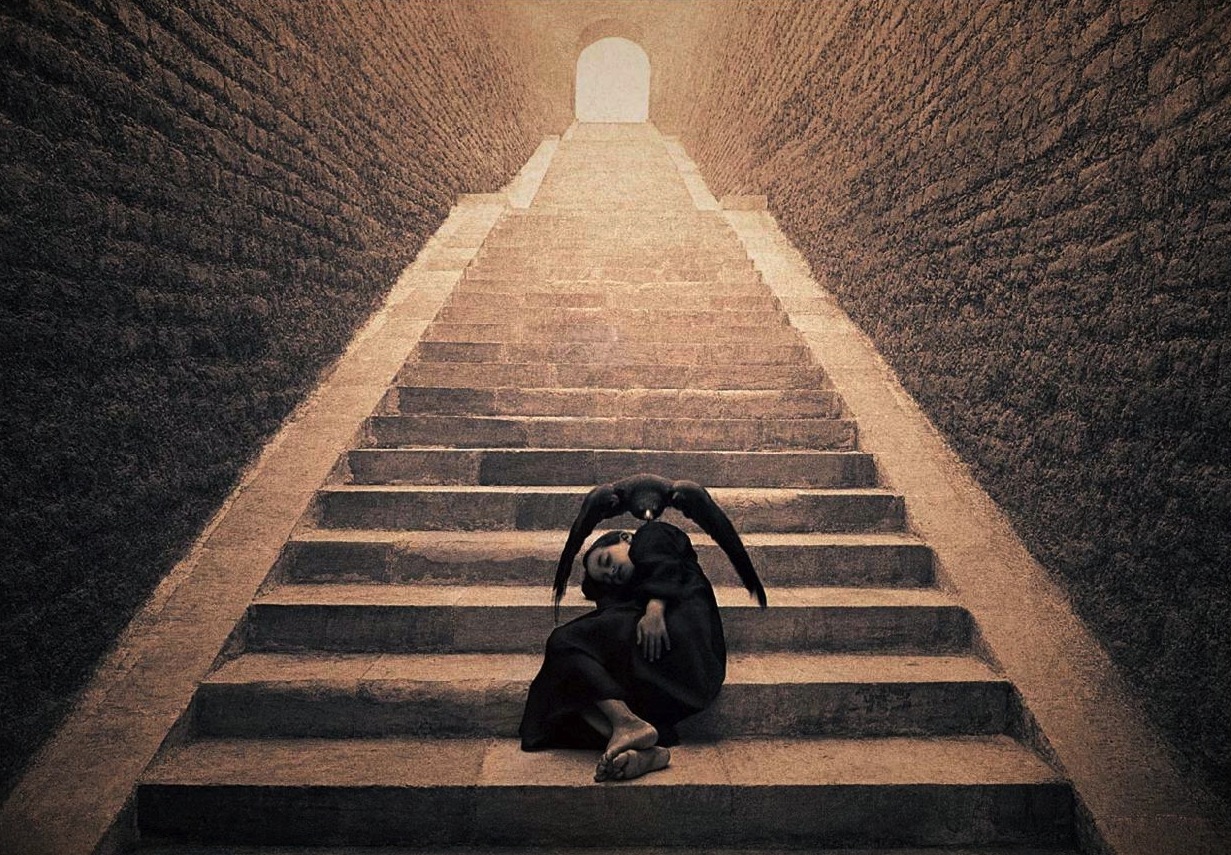
Both the anonymous young man and Dido, Queen of Carthage, are heartbroken and about to kill themselves. Yet how “ugly” and merciless and “cold” (very Cocteau-esque) is Le Jeune Homme et la Mort for all the exquisite beauty of J.S. Bach’s Passacaglia and Fugue in C Minor and Baryshnikov’s and Noureyev’s mesmerising performances.

ophelia

https://www.youtube.com/watch?v=6ptNz8rBk7Y (Noureyev)

https://www.youtube.com/watch?v=Er0-aAdC2n4 (Baryshnikov)

* That must have been incredibly hard for Baryshnikov to do – his mother hung herself when he was a small child, and he discovered her hanging from the rafters in their home.

ballet4

Compared to the supremely forgiving and uplifting Dido’s Lament, sung with pure clarity‪ and charity, at Henry Purcell’s opera – Dido and Aeneas:

dido1

“When I am laid, am laid in earth,

May my wrongs create No trouble,

No trouble in thy breast”

* quietly sobs *
Hauntingly Beautiful! True heart breaker! A most precious friend of mine asked me once to forgive him in the exact words of Dido, although there was nothing to forgive, and I promised him to play this song on his funeral, for all the world to know what a most gentle, kind, noble and selfless love he had for everyone. Ever since I cannot listen to this without remembering him and welling up ..

Is it possible to hear this masterpiece by without sobbing? I think emphatically not. Dido’s Lament from Purcell‘s opera Dido and Aeneas is arguably the saddest piece of music ever written. But how exactly does Purcell manipulate our emotions to make sure we well up each and every time we hear it?

Legendary harpsichordist and conductor Trevor Pinnock, explains why  it breaks our heart every single time and exactly how Purcell reduces us to tears every time.

http://www.classicfm.com/composers/purcell/guides/trevor-pinnock-didos-lament/#iKWe3zIsJVq33irX.97

For opera connoisseurs, the great Jessye Norman’s rendition is in my opinion classic for its great depth and superb diction, https://www.youtube.com/watch?v=_R7BYSgz8xY

Elin Manahan Thomas‘ is more ethereal and crystalline

https://www.youtube.com/watch?v=uGQq3HcOB0Y

and Xenia Meijer‘s quite beautiful and moving

https://www.youtube.com/watch?v=ivlUMWUJ-1w (Opera)

death30

For more classic paintings on the theme of Love and Death, go to https://vimeo.com/89692541, which features a recording of the famous Aria, arranged for classical guitar and illustrated by several paintings of Heinrich Füger, Nathaniel Dance-Holland and Joseph Turner.

  • That Sleep of Death

Aye, there’s the rub,
For in that sleep of death, what dreams may come,
When we have shuffled off this mortal coil,
Must give us pause.

From Shakespeare, Hamlet: Act 3, Scene 1, Hamlet’s Famous Soliloquy: “To Be or Nor to Be”

Art of Being — Being of Art

rumi2

My Symphony

To live content with small means.
To seek elegance rather than luxury,
and refinement rather than fashion.
To be worthy not respectable,
and wealthy not rich.
To study hard, think quietly, talk gently,
act frankly, to listen to stars, birds, babes,
and sages with open heart, to bear all cheerfully,
do all bravely, await occasions, hurry never.
In a word, to let the spiritual,
unbidden and unconscious,
grow up through the common.
This is to be my symphony.
By William Ellery Channing

A Spectral Array of Blues

blue4

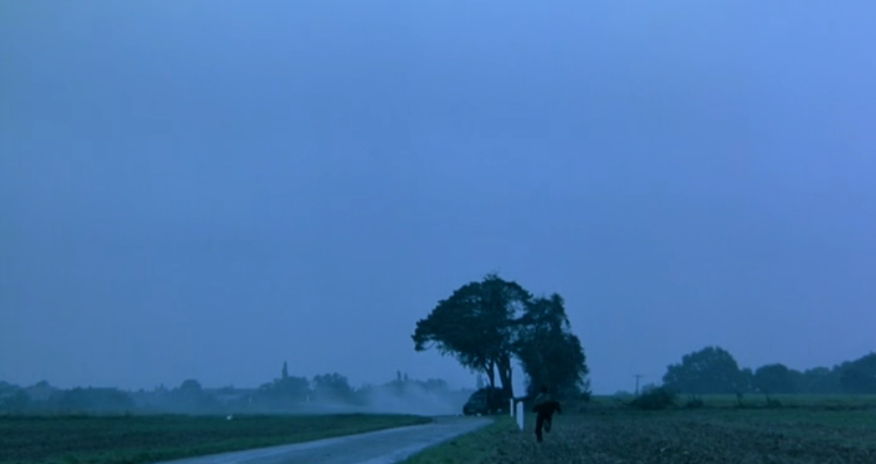
TROIS COULEURS: BLEU (1993) is a stunning film from one of the world’s preeminent directors, a rich, dark film with all the Kieslowski marks: death, silence, depression, and inner torment of the protagonist. Bleu is an impressive, inspired and inspiring anatomy of Loss, Death & Mourning with certain Christian overtones.

Desson Howe notes that “in Krzysztof Kieslowski’s “Blue,” the rehabilitation of a human spirit after painful tragedy is given stunning, aesthetic dimension. A story about a woman (Juliette Binoche) who loses her family (her composer-husband and 5-year-old daughter) in a car crash, this Polish-French production is also a spectral array of blues — cold, heart-chilling and beautiful.

blue5

For the trauma of loss and persistence of memory, watch https://www.youtube.com/watch?v=osu3j7N1fGU

Emotionally, “Blue” is a grim ordeal, as Binoche (still in the hospital recovering from the accident) attempts suicide, then retreats into deep-freeze mourning. But Kieslowski, cinematographer Slawomir Idziak, set designer Claude Lenoir and composer Zbigniew Preisner infuse the harrowing atmosphere with stylistic rhapsody.” (Washington Post, March 04, 1994 )

blue5

More importantly, unlike Michael Rosen’s Sad Book, certain Christian themes throughout the movie offer the hope of redemption. Throughout Kieslowski implies a form of divine intervention or destiny at work, forcing Julie to come to terms with her past, others, and herself and serving as an agent of epiphanic inspiration.

There is also specifically love and forgiveness: Julie for example discovers that her late husband was having an affair. She tracks down Sandrine, Patrice’s mistress, and finds out that she is carrying his child; Julie arranges for her to have her husband’s house and recognition of his paternity for the child. What a ray of hope and redemption for such a “bleak” film, focusing on death and mourning, to end with the ultrasound of a baby, waiting to be born! Life conquers Death because Love is Life, and nothing, nobody can defeat Love, not even Death, the ultimate enemy.

blue3

Then, there is humility, self-effacement and sacrifice. After the crash, in an attempt to blot out the trauma of loss, Julie destroys the score for her late husband’s last commissioned, though unfinished, work—a piece celebrating European unity, following the end of the Cold War. It is strongly suggested that she wrote, or at least co-wrote, her husband’s last work. Throughout there is an implication that she has hidden her own work behind the public face of her husband. In the final sequence she rewrites and completes the score and the Unity of Europe piece is played, while images are seen of all the people Julie has profoundly affected by her actions.

Significantly, this climactic piece which features chorus and a solo soprano is Saint Paul‘s 1 Corinthians 13 epistle in Greek, the hymn of love.

For a profound rendition of the Christian Hymn of Love (1 Cor, 13) , watch Trois Couleurs: ‘Bleu’ finale: https://www.youtube.com/watch?v=jmQ88PWzvR0

bleu1

13 Though I speak with the tongues of men and of angels, and have not charity, I am become as sounding brass, or a tinkling cymbal.

2 And though I have the gift of prophecy, and understand all mysteries, and all knowledge; and though I have all faith, so that I could remove mountains, and have not charity, I am nothing. 

6 Rejoiceth not in iniquity, but rejoiceth in the truth;

7 Beareth all things, believeth all things, hopeth all things, endureth all things.

8 Charity never faileth: but whether there be prophecies, they shall fail; whether there be tongues, they shall cease; whether there be knowledge, it shall vanish away. 

13 And now abideth faith, hope, love, these three; but the greatest of these is love.

love1

So, although there are some scenes, themes and plot developments in Bleu which conflict in my opinion with a Christian outlook, such as the typical French twist with Julie and her husband’s friend becoming lovers, still I find this film so much more comforting, uplifting and inspiring than The Sad Book* and its like, so plenty in modern art!

*See https://orthodoxcityhermit.com/2015/09/17/heartbreaking-anatomies-of-loss-death-mourning-iexemption/

love2

I’m Sad, not Bad

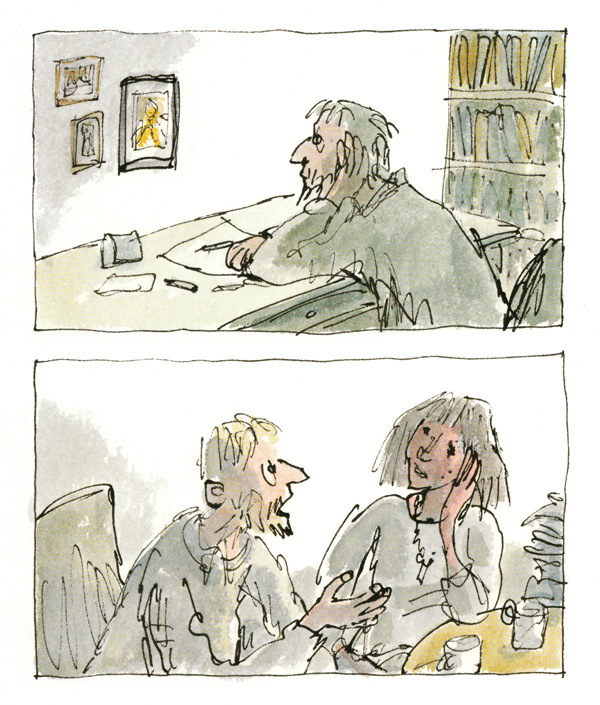
sad1

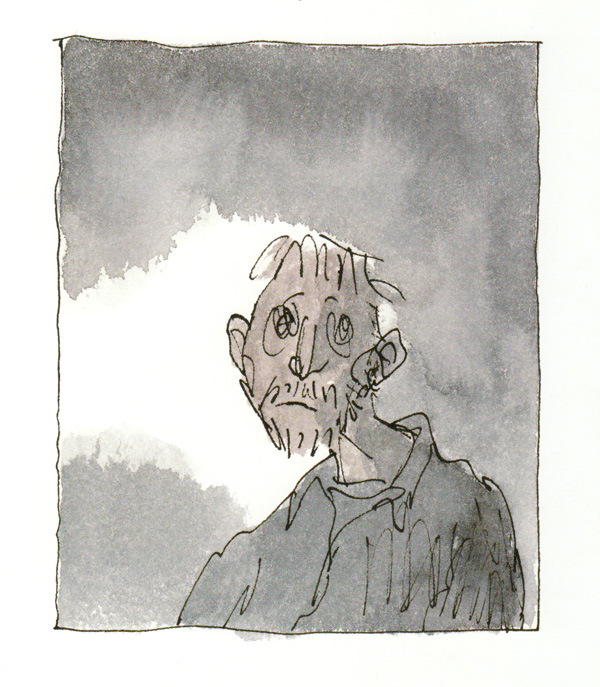
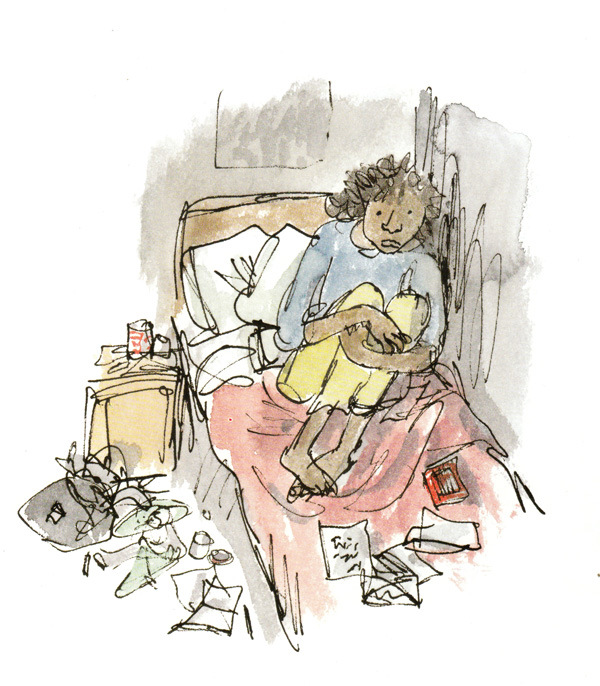
This is me being sad.

Maybe you think I’m happy in this picture.

Really I’m sad but pretending I’m happy.

I’m doing this because I think people won’t like me if I look sad.

Sad Book by Michael Rosen: darkness in literature

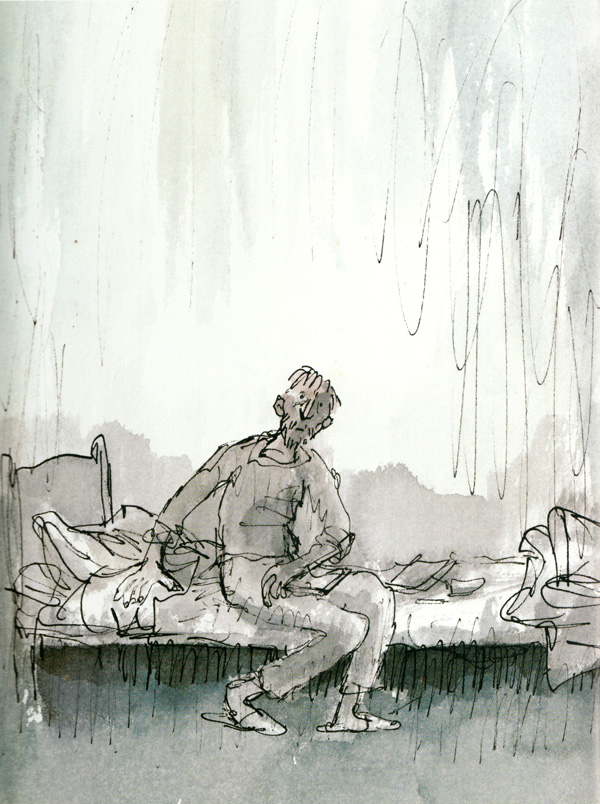
Sometimes sad is very big.

It’s everywhere. All over me.

sad3

Then I look like this.

And there’s nothing I can do about it.

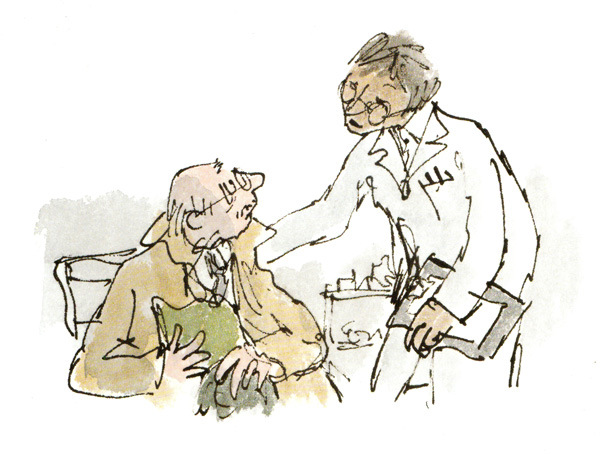
What makes me most sad is when I think about my son Eddie. I loved him very, very much but he died anyway.

sad12

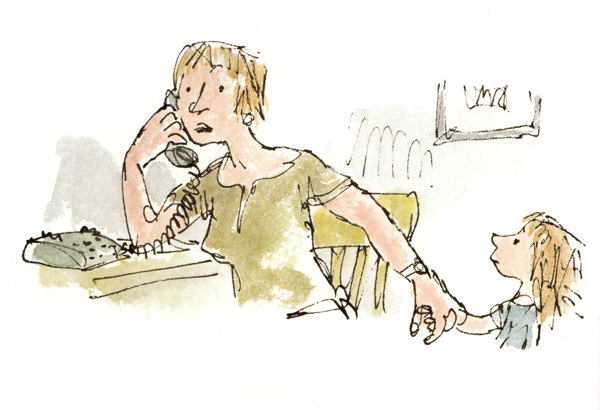
Michael Rosen’s Sad Book: A Beautiful Anatomy of Loss, Illustrated by Quentin Blake

“Grief, when it comes, is nothing like we expect it to be,” Joan Didion wrote after losing the love of her life. “The people we most love do become a physical part of us,” Meghan O’Rourke observed in her magnificent memoir of loss, “ingrained in our synapses, in the pathways where memories are created.” Those wildly unexpected dimensions of grief and the synaptic traces of love are what celebrated British children’s book writer and poet Michael Rosen confronted when his eighteen-year-old son Eddie died suddenly of meningitis. Never-ending though the process of mourning may be, Rosen set out to exorcise its hardest edges and subtlest shapes five years later in Michael Rosen’s Sad Book (public library) — an immensely moving addition to the finest children’s books about loss, illustrated by none other than the great Quentin Blake.

sad2

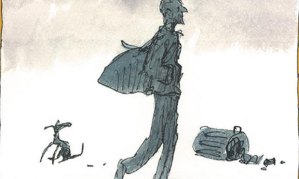
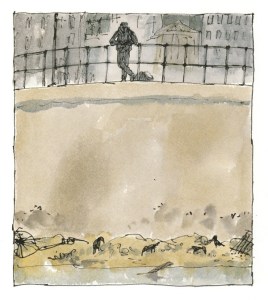
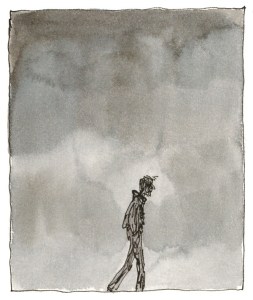
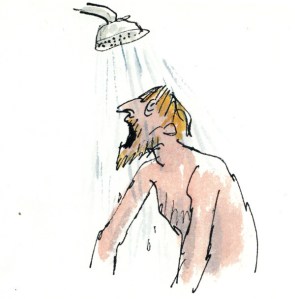
With extraordinary emotional elegance, Rosen welcomes the layers of grief, each unmasking a different shade of sadness — sadness that sneaks up on you mid-stride in the street; sadness that lurks as a backdrop to the happiest of moments; sadness that wraps around you like a shawl you don’t take off even in the shower.

sad16

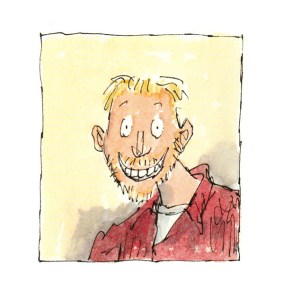
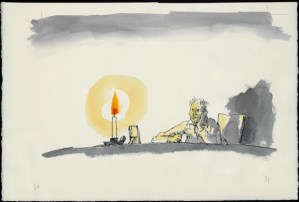
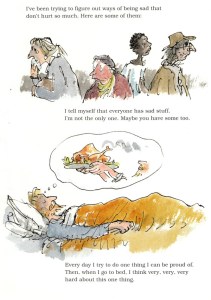
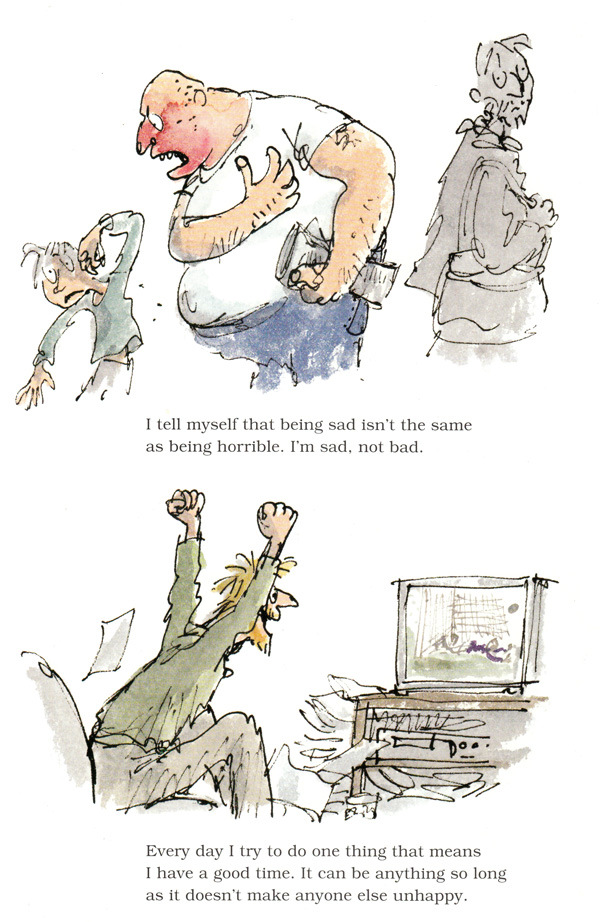
Blake, who has previously illustrated Sylvia Plath’s little-known children’s book and many of Roald Dahl’s stories, brings his unmistakably expressive sensibility to the book, here and there concretizing Rosen’s abstract words into visual vignettes that make you wonder what losses of his own he is holding in the mind’s eye as he draws.

sad11

What emerges is a breathtaking bow before the central paradox of the human experience — the awareness that the heart’s enormous capacity for love is matched with an equal capacity for pain, and yet we love anyway and somehow find fragments of that love even amid the ruins of loss.

sad10

With exquisite nuance, Rosen captures the contradictory feelings undergirding mourning — affection and anger, self-conscious introspection and longing for communion — and the way loss lodges itself in the psyche so that the vestiges of a particular loss always awaken the sadness of the all loss, that perennial heartbreak of beholding the absurdity of our longing for permanence in a universe of constant change.

sad19                sad22

But what makes the story most singular and rewarding is that it refuses to indulge the cultural cliché of cushioning tragedy with the promise of a silver lining. It is redemptive not in manufacturing redemption but in being true to the human experience — intensely, beautifully, tragically true.”

Where is sad?

Sad is everywhere.

It comes along and finds you.

sad23

When is sad?

Sad is anytime.

It comes along and finds you.

sad24

Who is sad?

Sad is anyone.

It comes along and finds you.


sad25

By Maria Popova

Source: http://www.brainpickings.org/2015/08/25/michael-rosens-sad-book-quentin-blake/

http://www.michaelrosen.co.uk

*

Be sure not to miss Michael Rosen’s absolutely breath-stopping telling of his story and reading of his book at:

https://www.youtube.com/watch?v=V-SQE_bDWFY

*

 sad13

Still, I would really like to disagree very strongly with both Maria Popova’s and Michael Rosen’s conclusions as a Christian. Yes, it is all this, but there is so much more to it. What do you think? I have never experienced such profound loss myself, so maybe I don’t know what I am really talking about, but there must be more to it than all this pain and mourning.  But more about this on my next post …

Ashes and Snow — Qadeeshat Lamayouta

ashes5

Qadeeshat Hyeltana

Qadeeshat Lamayouta

Itrahem Alain

ashes1

Holy God

Holy Mighty One

Holy Immortal One

Have Mercy on us

For the stunning, heavenly singing of the Aramaic hymn, listen:

https://www.youtube.com/watch?v=U6tV679wXIU

https://www.youtube.com/watch?v=TwNkBaWxz_Y

ashes4

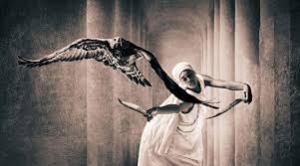
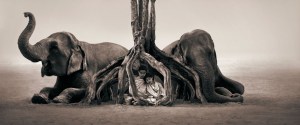
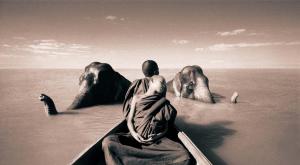
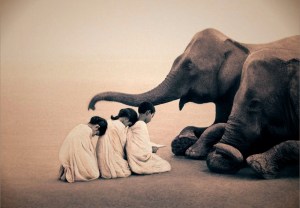
Worshipping God in Aramaic the language of Jesus the Semitic language of Israel, Levant, and Mesopotamia, by Father Seraphim and his choir from Georgia, brought me to mind Gregory Colbert’s Ashes and Snow images, visceral yet dreamlike, returning us to a place we long for but cannot name, reawakening an ancient memory in us of a time when we lived in balance and harmony with Nature and God.

ashes2

Gregory Colbert’s Ashes and Snow is an ongoing project comprised of photographic artworks, a one-hour film and two short film “haikus,” and a novel in letters all presented in a purpose-built temporary structure called the Nomadic Museum.

“Feather to Fire
Fire to Blood
Blood to Bone
Bone to Marrow
Marrow to Ashes
Ashes to Snow.”

ashes3

For the full text, go to: http://www.mycity.rs/Knjizevnost/Ashes-and-Snow-by-Gregory-Colbert.html

For the mesmerising videos watch:

https://www.youtube.com/watch?v=gSX444hQ5Vo&list=PLF8BA0D1D7E544A00&index=1

https://gregorycolbert.com

Drunken to the Ray of Light

 quote2

Poem of the Atoms

By Rumi

*

O’ day, arise!

shine your light , the atoms are dancing

Thanks to Him the universe is dancing,

overcome with ecstasy , free from body and mind

I’ll whisper in your ear where their dance is leading them.

All the atoms in the air and in the desert are dancing ,

puzzled and drunken to the ray of light,

they seem insane.

All these atoms are not so different than we are,

happy or miserable,

perplexed and bewildered

We are all beings in the ray of LIGHT from The Beloved,

nothing can be said.

Do not miss the exquisite singing adaptation of the poem by Salar Aghili (motion picture . Bab’Aziz – The Prince Who Contemplated His Soul -Armand Armand) at:
https://www.youtube.com/watch?v=GaNGDrKKasA

st sophrony

“The soul of the Christian needs to be refined and sensitive, to have sensibility and wings, to be constantly in fight and to live in dreams, to fly through infinity, among the stars, amidst the greatness of God, amid silence. Whoever wants to become a Christian must first become a poet” (St Porpyrios, Wounded by Love, 107)

*

We are more truly in heaven than on earth.
— Julian of Norwich

*

God hugs you.
You are encircled by the arms
of the mystery of God.
— Hildegarde of Bingen

quote4

Soaring on Eagles’ Wings

“And God saw that it was good” (Genesis 1)

)yann26

yann25

“Exceedingly sad is the blindness of the sons of men, who do not see the power and glory of the Lord.

There is too much of You, O Lord, my breath, therefore people do not see You. You are too obvious, O Lord, my sighing …”

yann24

yann23

“A bird lives in the forest, and does not see the forest. A fish swims in the water, and does not see the water. A mole lives in the earth, and does not see the earth … “ Velimirovic (1880 – 1956), Prayers by the Lake,  VII

yann22

yann21

“… … The world is a mirror of infinite beauty, yet no man sees it. It is a Temple of Majesty, yet no man regards it. It is a region of Light and Peace, did not men disquiet it.”

yann20

yann19

“You never enjoy the world aright, …. till every morning you awake in Heaven; see yourself in your Father’s Palace; and look upon the skies, the earth, and the air as Celestial Joys … “

yann18

yann15

“It is the Paradise of God. It is more to man since he is fallen than it was before. It is the place of Angels and the Gate of Heaven. …”

 yann14

yann13

“You never enjoy the world aright, till the Sea itself floweth in your veins, till you are clothed with the heavens, and crowned with the stars: Till you can sing and rejoice and delight in God, as misers do in gold, and Kings in sceptres, you never enjoy the world.”

yann12

yann11

“You never enjoy the world aright …Till your spirit filleth the whole world, and the stars are your jewels …”

Thomas Traherne (1636 or 1637 – ca.1674) English metaphysical poet, ecstatic theologian and clergyman — Centuries of Meditation, ‘almost the most beautiful book in the English language’, according to CS. Lewis

Discovered at https://afkimel.wordpress.com/2015/09/13/you-never-enjoy-the-world-aright/

yann8

yann2

“The Earth is Art, The Photographer is only a Witness”

Yann Arthus-Bertrand, Earth from Above

For more information go go to Yann Arthus-Bertrand official website at http://www.yannarthusbertrand.org/en AND to a captivating image-filled Ted talk, where Yann Arthus-Bertrand displays his three most recent projects on humanity and our habitat — his stunning aerial photographs in his series “The Earth From Above,” personal interviews from around the globe featured in his web project “6 billion Others,” and his soon-to-be-released movie, “Home,” which documents human impact on the environment through breathtaking video.  https://www.ted.com/talks/yann_arthus_bertrand_captures_fragile_earth_in_wide_angle?language=en

For Yann Arthus-Bertrand stunning latest opus Human, for promo material and trailers go to https://www.google.com/culturalinstitute/u/0/collection/human-the-movie, for excerpts to https://www.youtube.com/user/HUMANthemovie2015  and for the whole movie to http://www.human-themovie.org

Jaws of Eternity

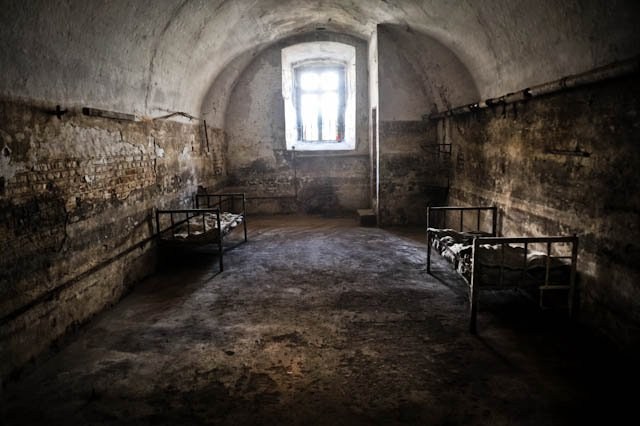
pitesti8

Heartbreaking Paintings and Poems from Communist Prisons in Romania — II

DAYS

by

Radu Gyr

Tuesday, Wednesday, Saturday, Monday

Neutral days without form,

Like a great fog

Over the landscape

Good morning, prison cell!

Good night, prison bars!

I’d smash you as a mastiff in his fangs

I’d rend you with my teeth, O Cell!

I stand in Time terribly naked

With my soul planted in liquid eternity,

Like an atoll in an ocean

Beaten by torrid winds…

Dungeon, dungeon, mad fortress,

How my hate would set fire to you!

Life, life outside,

How dare you dance in my dreams like a puppet!

Tuesday,Wednesday,Friday – what day is it?

the week is a dead amassment;

My months pass through no calendar,

My island is on no map.

Monday, Wednesday, Thursday – The devil take you!

Stinking days – Stagnant days,

Here in the jaws of eternity

Who shall count your dark hundreds?
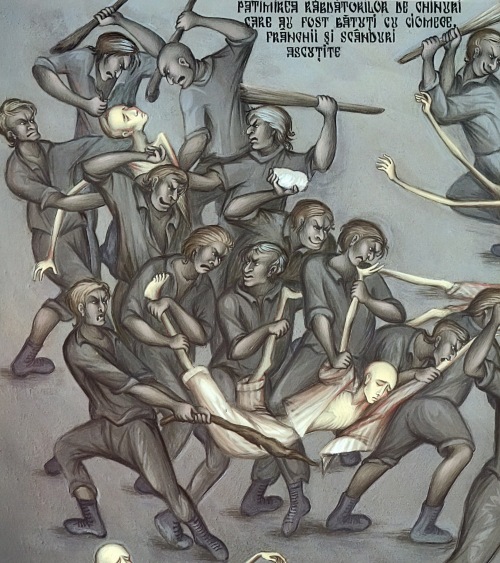
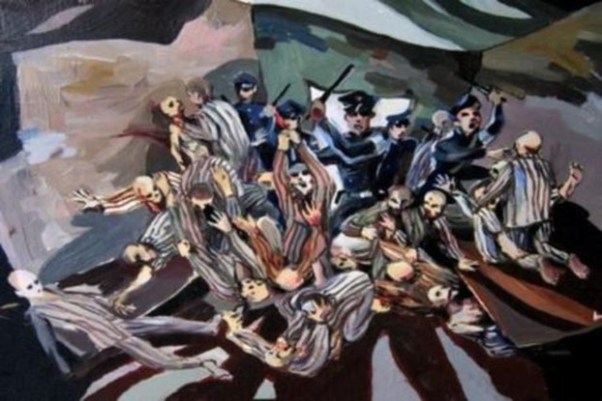
pitesti9

HUNGRY

by

Nichifor Crainic


If ever I was a cluster of grapes,

today I am residue left by the press.

Into the fathomless hunger in me

pour some drop of juice.

I feel how my body is melting away,

a soup of amaranth would warm it.

If touched by a blade of grass

in a flash I’d be green.

At least let my phantom arm

pick an apple from a tree.

It will fill my mouth with aroma

and I would truly live.

In the country of sheep folds and bread

I dream of mushroom soup.

Let me shelter with the dogs

near the heaven of a bowl of terci.*

On the depth of my hunger

blind deserts open up.

When the last spoonful is eaten

I drop over my bowl and spoon.

O God, You Who

out of two fishes and five loaves

made mountains of food

and satisfied thousands of poor

Repeat the miracle, O Good One,

and satisfy thousands of mouths.

Listen also to my prayer,

Give me the basket of crumbs.

* terci – a thin gruel often given to dogs
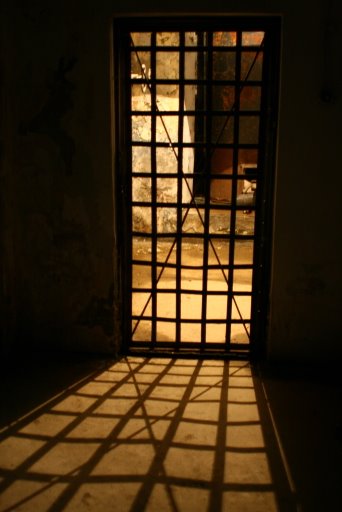

pitesti prison 1

JESUS IN THE NIGHT

by

Radu Gyr

This night Jesus entered my cell.

O how sad, how tall was Christ!

The moon followed Him into my cell

And made Him taller, sadder still.

He sat by me upon my mat;

“Put your hand upon my wounds.”

On His ankle there were scars from sores and rust

As if He too had worn chains once…

His hands were like lilies upon a grave,

His eyes as deep as forests;

His garments whitened by the moon,

Silvering in His hands old wounds.

Sighing, He stretched His weary bones

Upon my lousy mat;

In His sleep He shone forth, but the heavy bars

Lengthened upon Him like rods.

I rose from beneath my gray blanket.

“Lord, from whence come you? Out of which eternity?”

Jesus put His finger to His lips

And signed me to be still.

My cell seemed like a mountain peak;

Rats and roaches swarmed around;

I felt my head fall heavy upon my hand

And I slept, a thousand years…

When I awoke from my heavy trance

The straw smelled of roses;

I was in my cell and there was moonlight

But Jesus was nowhere.

“Where are you, Lord?” I cried between the bars.

Across the moon came drifts of mist…

I touched myself, and found upon my palms

The sign of His nails.
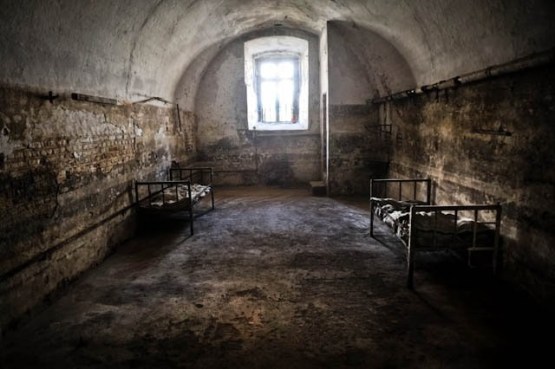

pitesti_prison 2

VISIT 

by

Radu Gyr

The exhausted wind froze

like a bow on a cracked violin.

Last night an angel knocked in my door,

his voice weak, his tread tired.

I don’t know if he came from heaven

or some earthly cross

but he looked at me with wounded eyes,

trembling with cold when I welcomed him.

In his eyes of strange god

it was as if some grave illness battled

and he gazed at me with blood-filled eyes

and all that night he wept upon my breast.

In the morning I found him no more.

vestiges of red footprints faded from my door.

Far away in the sky on a cracked violin

the wind fell like a broken bow.

*

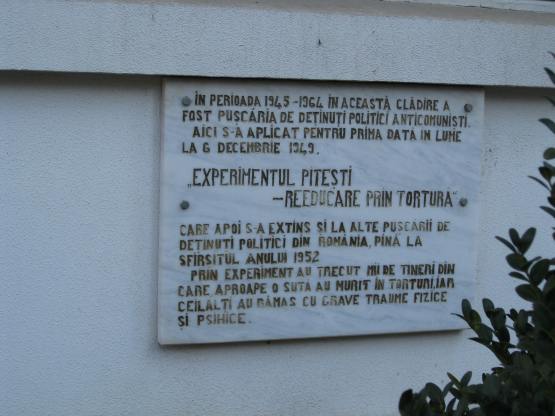
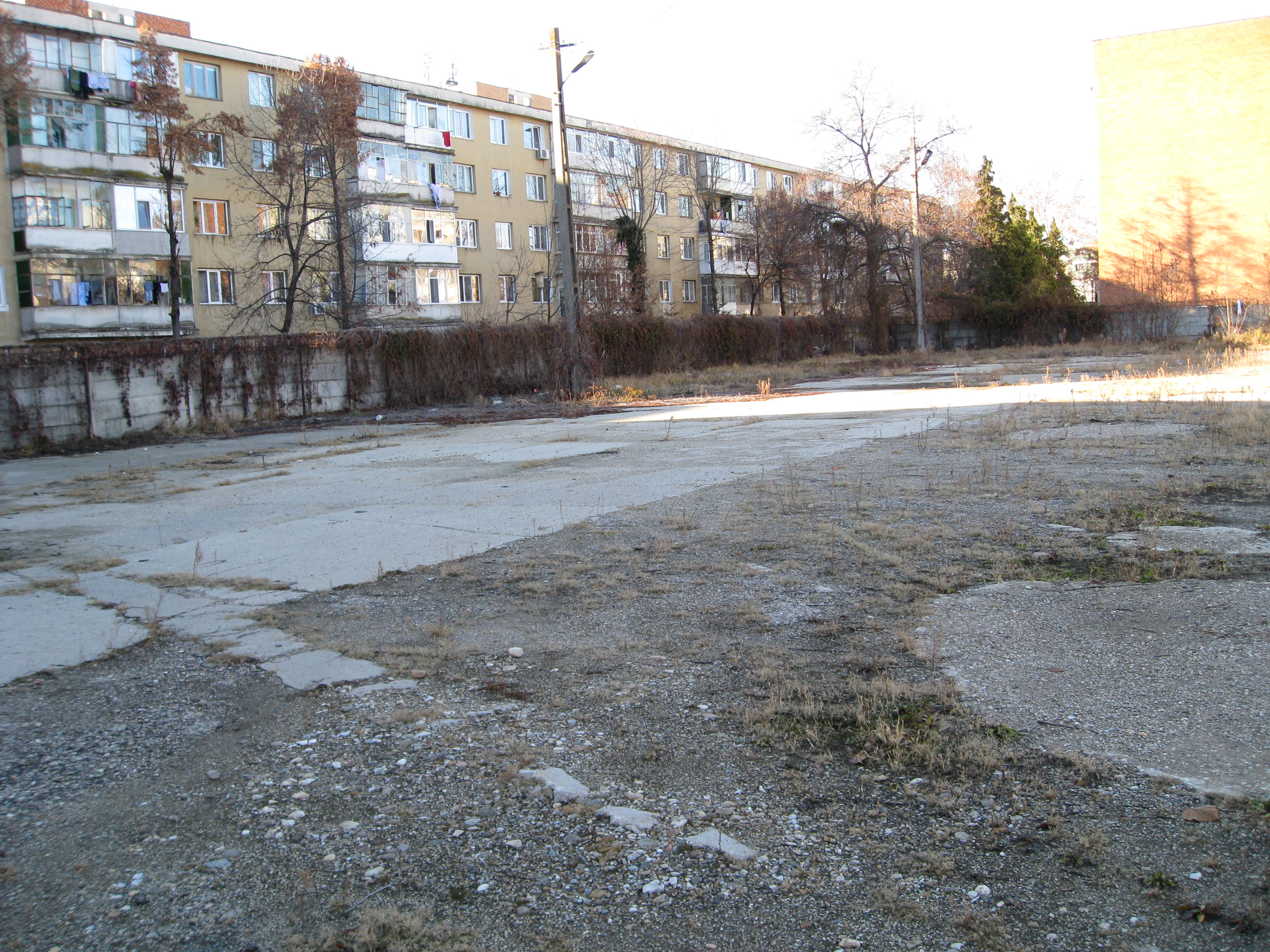
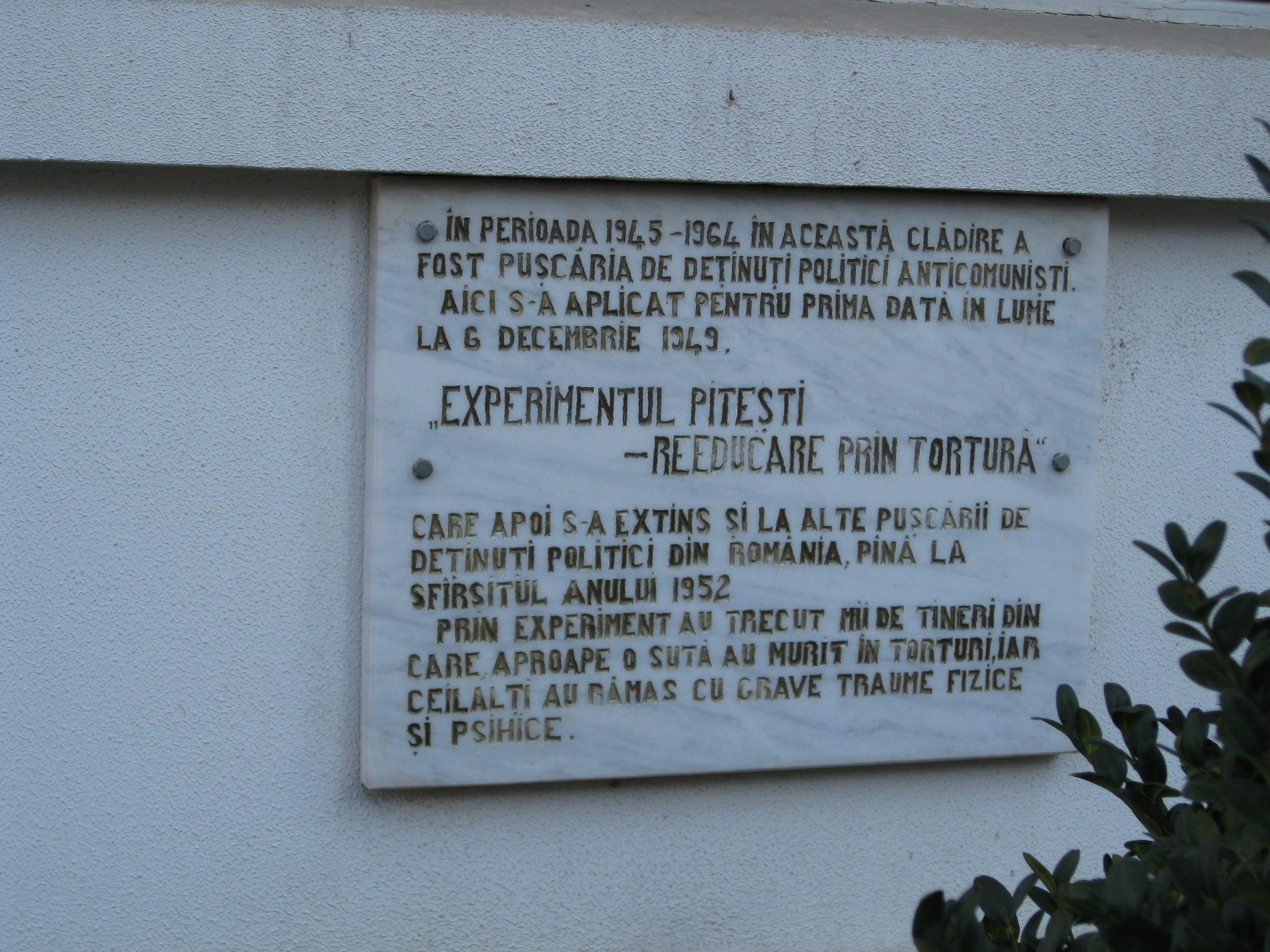
Pitesti Prison — Gulag

Pitesti_prison_yard

Pitesti_prison_plaque

Poems from Communist Prisons by Mother Alexandra

Foreword

Within this booklet are a few poems originally written in Romanian, chosen from a large collection, POEZII DIN INCHISORI, edited by Zahu Pana, published by CUVANTUL ROMANESC, 1982

They were written or rather composed by political prisoners who had no paper on which to write. They were memorized by those who survived, and finally spirited out to the free West. Remarkable in that they are true poetry of the soul, they express various emotions of those unjustly imprisoned by the Communist Party, for the crime of independent thought. None of these poets were criminals. They were philosophers, theologians (lay or clergy), generals, intellectuals of all sorts, factory workmen and tillers of the soil. Women and even children shared the same fate.

Source: https://orthodoxyinottawa.wordpress.com/poems-from-communist-prisons/

And http://www.romanianstudies.org/content/2012/11/poetry-in-translation-cxlvi-sergiu-mandinescu-1926-1964-romania-prison-warder-suflet-de-calau

Sculpting in Time

Andrej_Rublëv_001


This is Iconographer Andrei Rublev’s ( Андре́й Рублёв) famous work on the Trinity – Angels at Mamre ( Holy Trinity). For those of you familiar with his art, the colour explication that follows is superfluous. What I would really like to share with you is my (re)discovery of these colours yesterday through Tarkovsky‘s lens. These colours become so alive at the ending of his movie Andrei Rublev (1966) after three hours of black and white! Pay particular attention to https://www.youtube.com/watch?v=FsEbrhv2jGY, esp. 4:50′ to  8:00′.
For those of you who are not familiar with this icon, Rublev gives each person of the Trinity different clothing. On the right, the Holy Spirit has a garment of the clear blue of the sky, wrapped over with a robe of a fragile green. So the Spirit of creation moves in sky and water, breathes in heaven and earth. All living things owe their freshness to his touch. The green mantle of the Spirit, scintillating with light, is clearly a Rublev achievement. Green belongs to the Spirit because the Spirit is the source of life.

The Son has the deepest colors; a thick heavy garment of the reddish-brown of earth and a cloak of the blue of heaven. In his person he unites heaven and earth, the two natures are present in him, i.e., human and divine, (and this is why on the table are placed two of his fingers) and over his right shoulder (the Government shall be upon his shoulder) there is a band of gold shot through the earthly garment, as his divinity suffuses and transfigures his earthly being. The red signifies his earthly passion, and the gold band, his royal status as Christ the King.

The Father seems to wear all the colors in a kind of fabric that changes with the light, that seems transparent, that cannot be described or confined in words. The Father’s ghostly outer garment hints at his inconceivable divine nature. And this is how it should be. No one has seen the Father, but the vision of him fills the universe. His robe is iridescent, shifting from glowing golden-red to azure blue, a triumph of the painter’s art. “You robe yourself in light as in a garment” (Ps 104:2).

The wings of the angels or persons are gold. Their seats are gold. The chalice in the center is gold, and the roof of the house. Whether they sit, whether they fly, all is perfect, precious, and worthy. In stasis, when there is no activity apparent on the part of God, his way is golden. When he flies, blazes with power and unstoppable strength, his way is golden. And in the Sacrifice at the center of all things, his way is golden.

The light that shines around their heads is white, pure light. Gold is not enough to express the glory of God. Only light will do, and that same white becomes the holy table, the place of offering. God is revealed and disclosed here, at the heart, in the whiteness of untouchable light, the Uncreated Light.

For more information, go to:

https://www.youtube.com/watch?v=6g-DkKDQ_5g

https://www.youtube.com/watch?v=vOYFHbmmWZ0

Faces of Freedom, Lives of Courage

pitesti5

pitesti3

Faces of Freedom, Lives of Courage

By Thomas Sears & Radu Cristea

Faces of Freedom, Lives of Courage is a fragment of communist Romania’s history seen through the unique and shocking experiences of nine individuals. Leontina, a nineteen-year-old student who hides a letter addressed to Radio Free Europe that was thrust into her hands by an acquaintance who was being pursued by the Securitate. This naiveté leads to interrogation, beatings, torture and imprisonment in one of many of Romania’s extermination camps. Razvan, a German professor who, at a great danger to himself, took pictures of the army firing on unarmed, peaceful demonstrators in Cluj Napoca on December 21, 1989. Grigore, a law student after WWII, who was imprisoned by the Securitate in an effort to eliminate “resistance groups,” and beaten and tortured for a year before his official trial, which sentenced him to many years of hard labor. This book provides interviews of those above as well as 6 other individuals whose lives were drastically changed while living under communism and later under the vicious regime of Nicolae and Elena Ceausescu.

http://www.amazon.com/Faces-Freedom-Lives-Courage-Thomas/dp/1625103859

pitesti6

For more information please watch:

(a) the trailer of the book at :https://www.youtube.com/watch?v=gqX9lSy7Kpg

(b) excerpts of the nine individuals’/prisoners’ interviews—unique and shocking experience at: https://www.youtube.com/watch?v=3tTJ88hpG48&index=2&list=PL1H1BhlE_PRnyYShr0KUILeITD474uQHd

(c) Jon R. Kennedy, author, speaker, missionary at large, interview of the authors in Romania at: https://www.youtube.com/watch?v=MLRP_dYDb74

pitesti4