An Icon Making An Icon!

Christ Pulls St-Peter from the Waters. Jonathan Pageau

Christ Pulls St-Peter from the Waters. Linden and gilding. 4′ x 5′. Carved by Jonathan Pageau.

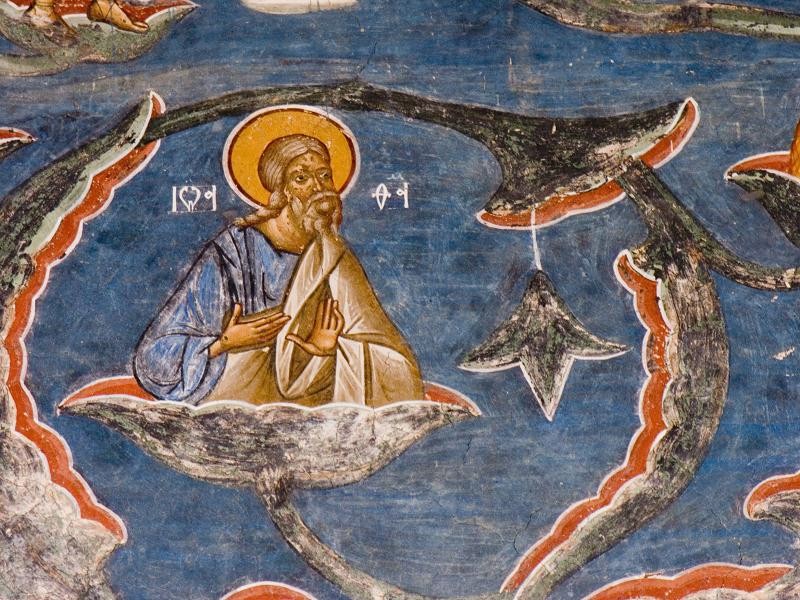
Since I began icon carving full time 4 years ago now, I had a secret list of the things I wanted to make, certain objects and images that were dear to me.  To my own joy and surprise, I have been progressively checking off items from that list with ongoing commissions, making even those objects and icons I did not think could find patrons such as complex reliquarieswedding crownsopus sectile icons or the image of the Holy prophet Jonah.

One of the images I had secret hope of making is Christ pulling St-Peter out of the water. For those who have read some of my writings one can quickly see how it encompasses so much of my vision of the incarnation, of death, resurrection and the pastoral reminder on where to focus our eyes when advancing into the chaotic world.  So last year, when a patron commissioned this icon at a size of 4’ x 5’ for St. Peter Orthodox Church in Bonita Springs, Florida, I was ecstatic.   This is the biggest icon I have carved to date.

In working out the drawing for the icon carving, I based the composition on my favorite version of this event, a 12th century mosaic from Sicily.

peter-drowning2

Many details are different, but the basic composition is the same. I reduced the size of the boat to make it less overwhelming and to fully have St-Peter under the boat.  I also wanted to make sure we could see at least the eyes of all the Apostles.  I changed Christ’s left hand so that instead of holding a scroll, it was placed in a position suggesting the upcoming motion, the rising of St-Peter.  I also added a few details, such as a dragon head on the boat and I changed the shape of the mast and sail to suggest a Chi-Ro.

Drawing process of St-Peter on water

One of the things that kept changing as I worked on the drawings was just how deep Peter was in the water.  The priest of the parish, fr. Hans Jacobse, commented that he really wanted the water to be high up on his body to give that sense of sinking, but this created some challenges for me because I still wanted us to see St-Peter.  Wood is generally opaque to say the least. In the mosaic version, there is wonderful use of transparency and so I began pondering just how it could be possible to at least suggest transparency in wood.

Final scaled drawing. The level of water on St-Peter will still change in the final carving.

Icon in process, attempting to find ways to show the transparency of water.

I wanted the composition of the water to say something about the event and so beyond suggestions of transparency to show that St-Peter is actually in the water, I also designed it so to have a wave wrapping around his right foot in an image of the Psalms:

The cords of death entangled me; the torrents of destruction overwhelmed me. The cords of the grave coiled around me; the snares of death confronted me. (Psalm 116:3)

The water under Christ’s feet in contrast seems to shoot out from under them, organized by their contact with them. I gilded some of the water to add to this sense of the organizing and transfiguring effect Christ has on creation.

IMG_1319

IMG_1320

Visually, I was looking forward to taking further the experimentation in carving water I had begun in my icon of Jonah. I wanted to create a sense of almost overwhelming movement which would contrast with the vigorous yet safe relationship established between Christ and St-Peter. Christ holds St-Peter by a firm grip, reminding us of the grip Christ has on Adam in the icon of the resurrection. Their gazes are fixed on each other, Peter with a hint of surprise and Christ with calm compassion.

IMG_1317

IMG_1321

IMG_1318

When Christ appears to the Apostles floating at sea, the waters are rising in a tempest. Christ approaches them above the flood, mastering the chaos, the chaos of the primordial waters, the chaos of the passions, of doubt, of all that is in the world of death. St-Peter is the only one to dare walk out with Christ, but because of this boldness, when peering into the storm he panics and sinks. Which one of us has not experienced this? We can imagine St-Peter crying out:

Save me, O God, for the waters have come up to my neck. I sink in the miry depths, where there is no foothold. (Psalm 69: 1,2)

But the face of Christ appears to him through the waves and his hand reaches to catch him. We can hear St-Peter confess:

He lifted me out of the slimy pit, out of the mud and mire; he set my feet on a rock and gave me a firm place to stand. (Psalm 40:2)

This is St-Peter, the son of Jonah, both the stable “rock” and the one who sinks, the bold fisherman who finds the gold coin in the fish’s mouth, but also that one in constant danger of being swallowed by the sea.

This is his story repeated over and over in the Gospels, the story of the one who recognized Jesus as Christ then immediately called out by Christ to “get behind me Satan”, the one who tells Christ he will never deny him then deny him three times as the three days of Jonah in the fish, the three days of Christ in the grave. To meditate on this cycle in the story of St-Peter is to pierce so many mysteries of the Church, so many signs of the times and so many cycles in our own lives.

What is the end of this, what is the end of this story? When Christ appears to the disciples on the Sea of Galilee after his resurrection (John 21), it is the same sea in which St-Peter sank when attempting to walk on water. St-Peter recognizes his Lord on the land, and this time he does not walk on the water. This time his boldness leads him to dive into the deep, to put on his garment and voluntarily plunge, then to be asked three times by Christ: “Peter, son of Jonah, do you love me?” It is not when we walk on the water that we are closest to Christ, but it is when our boldness serves humility. It is when our boldness leads us to die that we are closest to the image of Christ. What impossible thoughts to consider, what scandal it is to fathom such things?

Coming back to our icon, we can say without hesitating that the image of St-Peter being pulled out of the waters is an image of our salvation in so many ways, and I find great joy in having made it.  I hope it will be a blessing for the parish to which it is headed.

IMG_1328

IMG_1327

IMG_1325

IMG_1324


Process of Icon Carving


11216208_1034801319877257_8246492179151514650_o (1)

885642_1035012216522834_2520325151194419110_o

10835272_1037492579608131_5789311249143712612_o

10915106_1045760318781357_6860956537237390303_o

1512254_1048973031793419_3333873536351898288_o

1401985_1066397040051018_9109354896291323811_o

11010944_1069297396427649_4612781722797446725_o

10854886_1124019347622120_4514934908847813528_o

CommentsAndrew Gould A masterpiece of the highest order. Astonishing! My favorite detail is the Viking-like prow on the ship – a pagan monster fleeing the sanctification of the waters. And a bit of an iconographic curiosity – a wood carving depicting a wood carving.” John Tkachuk  An icon making an icon!

Source: Icon Carving of Christ Pulling St-Peter from the Water by  Orthodox Arts Journal http://www.orthodoxartsjournal.org

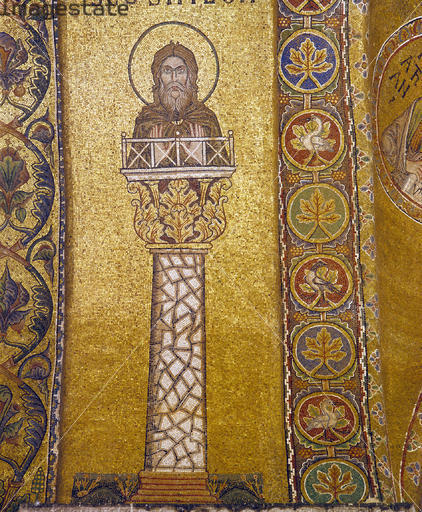
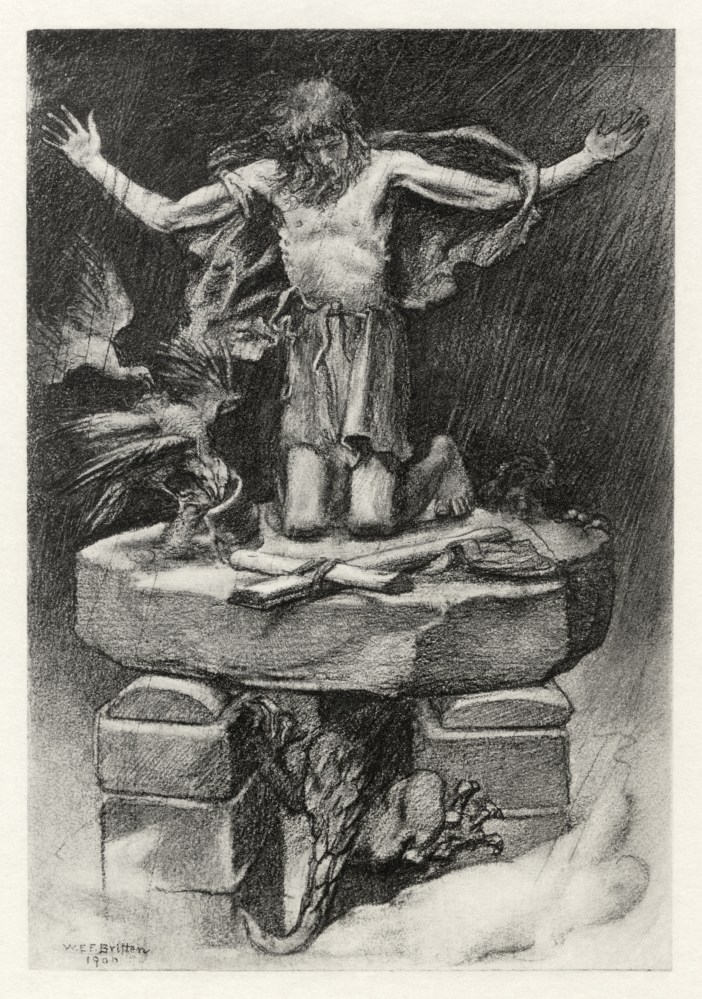
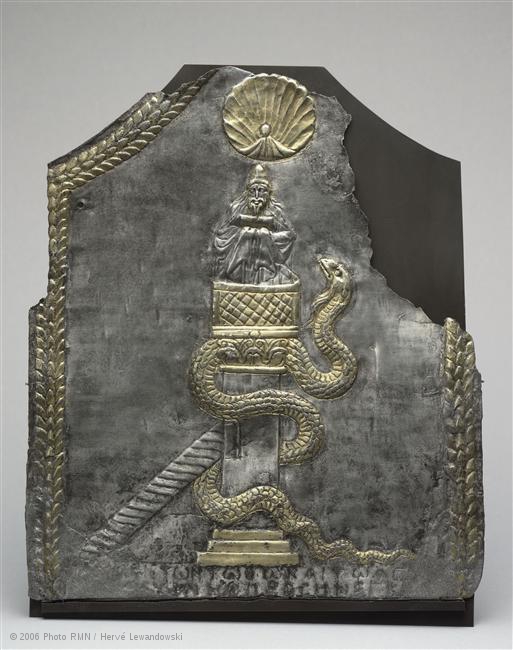
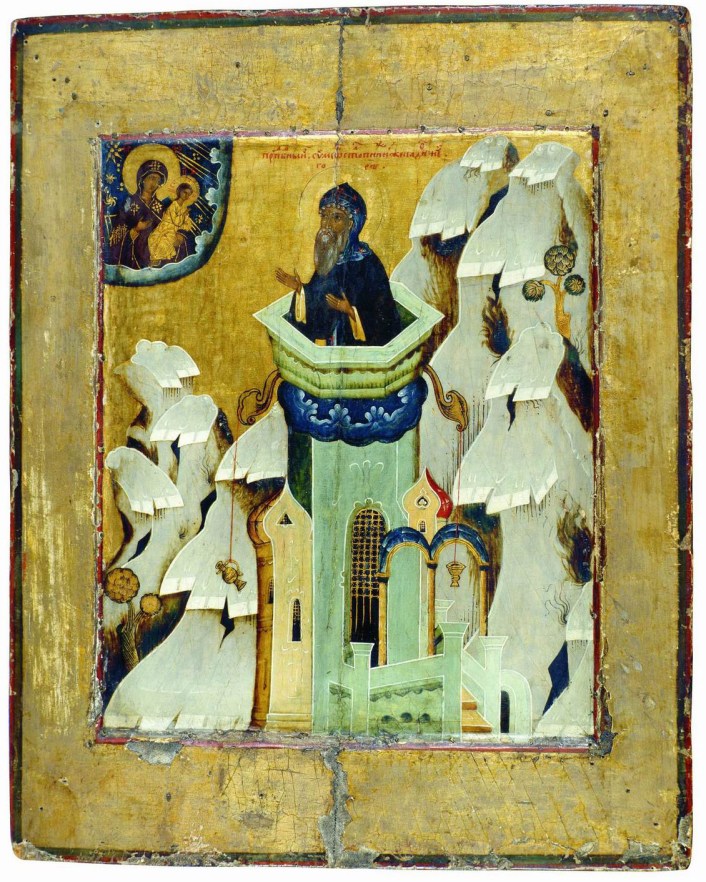
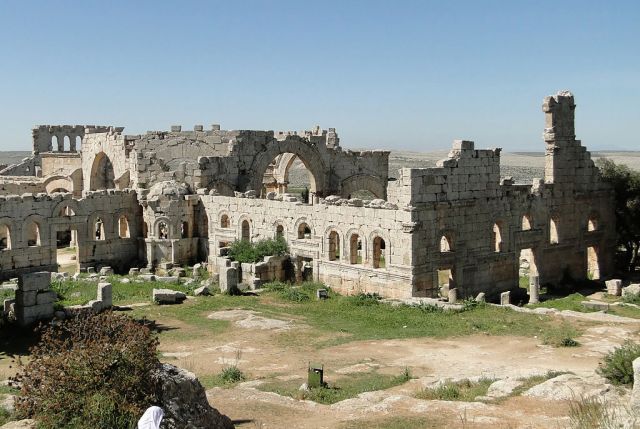
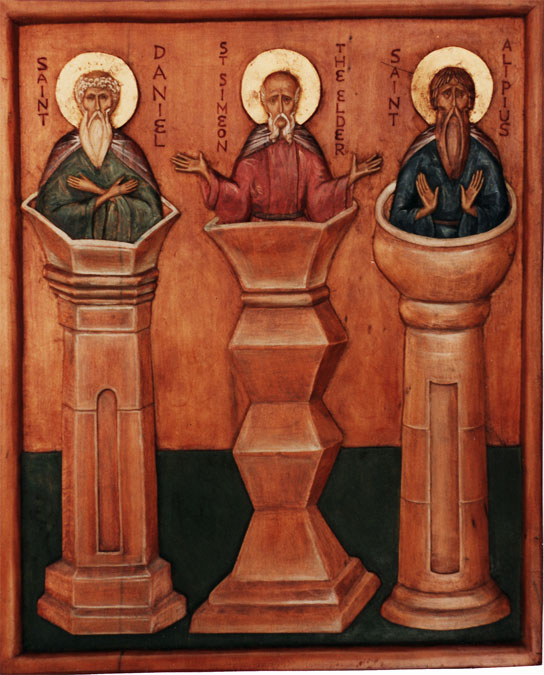
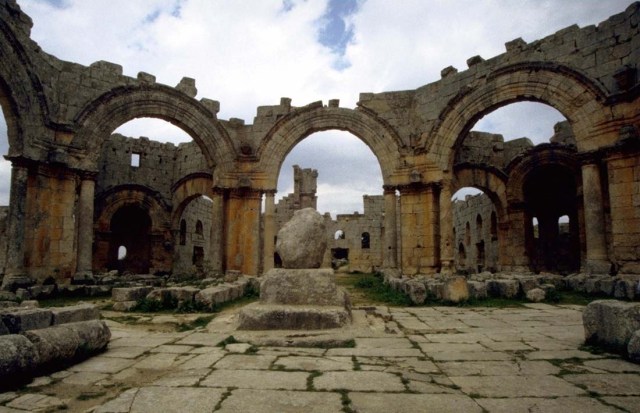
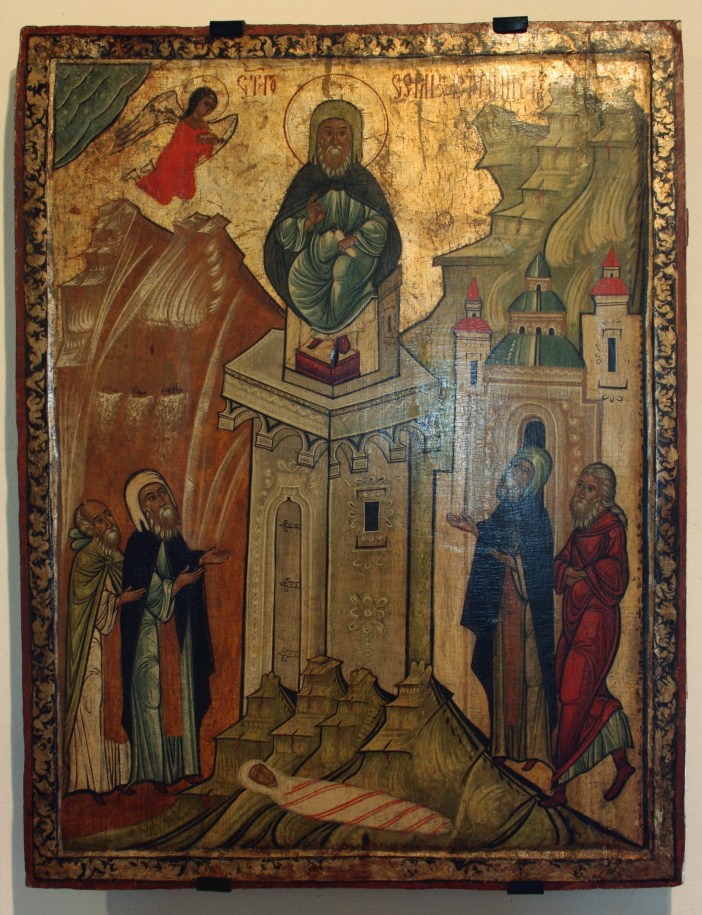
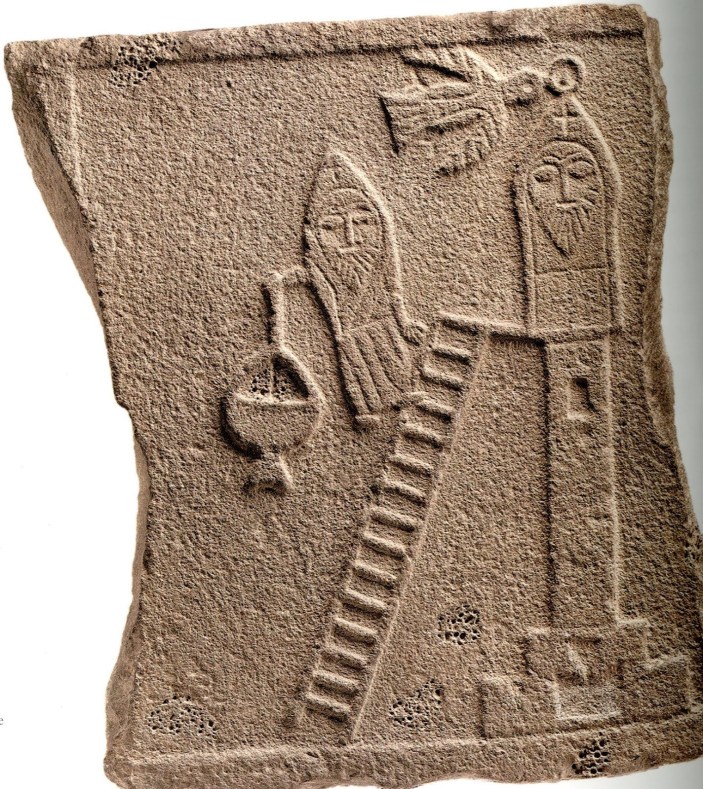
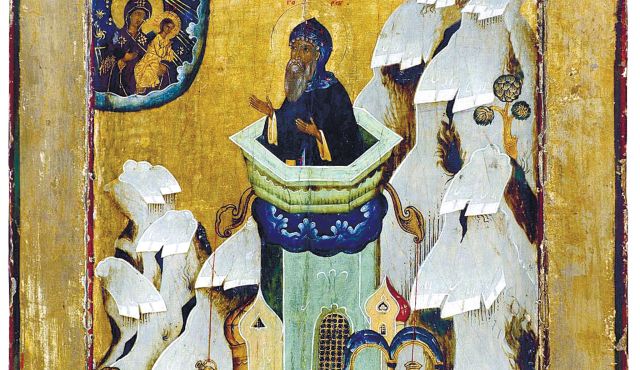
Pillars To Heaven: Stylites in the Levant

stylitis14

CIS:E.445-1965

stylitis20stylitis18

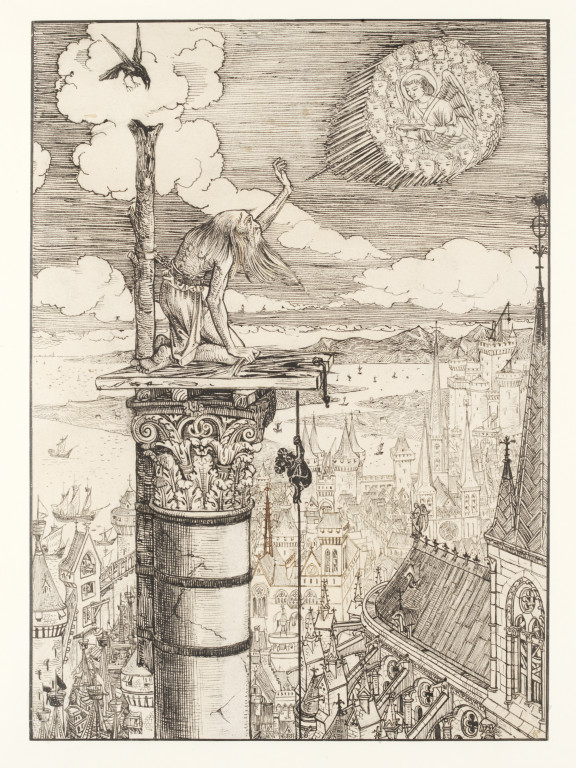
St. Symeon Stylites

By Lord Alfred Tennyson


Altho’ I be the basest of mankind,

From scalp to sole one slough and crust of sin,

Unfit for earth, unfit for heaven, scarce meet

For troops of devils, mad with blasphemy,

I will not cease to grasp the hope I hold

Of saintdom, and to clamour, morn and sob,

Battering the gates of heaven with storms of prayer,

Have mercy, Lord, and take away my sin.

Let this avail, just, dreadful, mighty God,

This not be all in vain that thrice ten years,

Thrice multiplied by superhuman pangs,

In hungers and in thirsts, fevers and cold,

In coughs, aches, stitches, ulcerous throes and cramps,

A sign betwixt the meadow and the cloud,

Patient on this tall pillar I have borne

Rain, wind, frost, heat, hail, damp, and sleet, and snow…(1)

stylites34

Interview About Stylites (2)

stylitis11

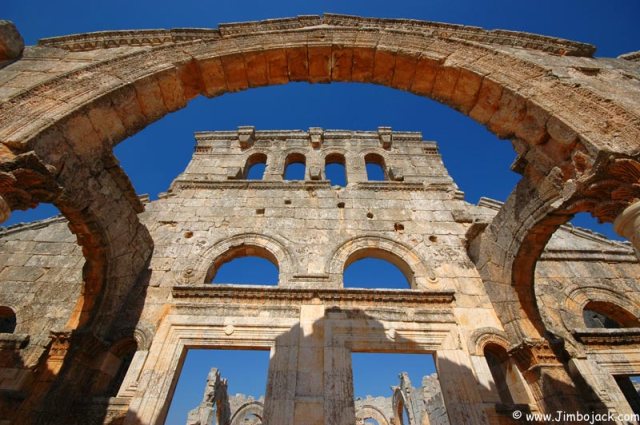
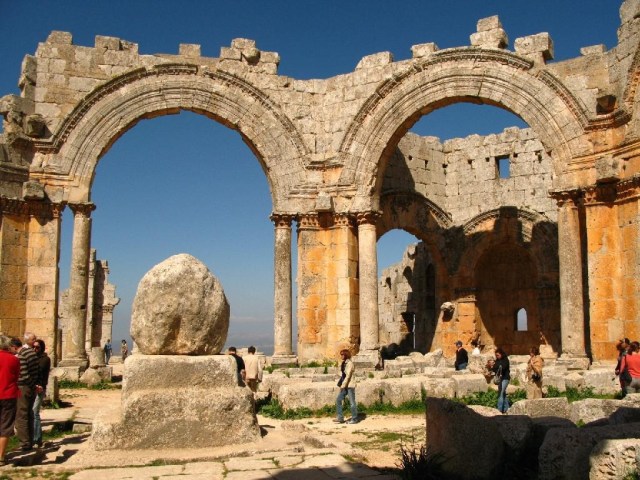
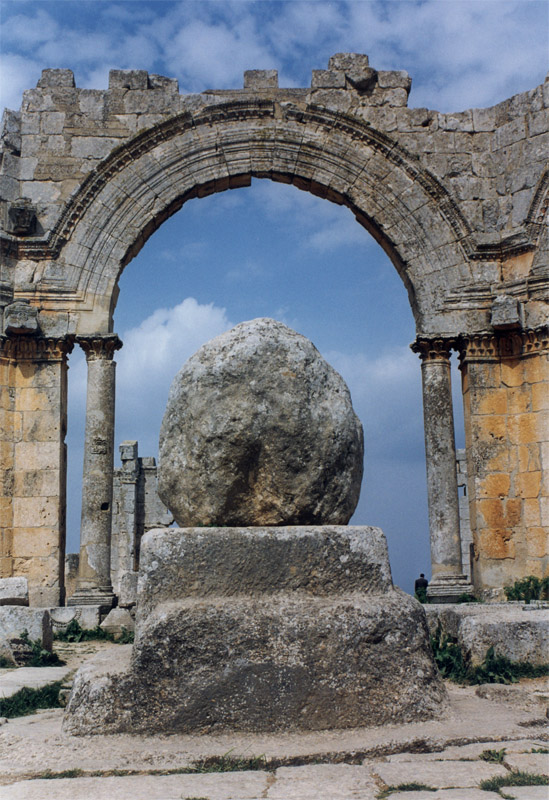
Qala’at Si’man. Ruins of the Basilica of St. Simeon the Elder, Deir Sim’an, Syria (3)


RTE: Lukas, will you describe your archeological work, and how you became interested in the stylites?

LUKAS: … My interest in monasticism in general has led me to a very particular interest in stylitism (stylos, in Greek, meaning “column”), the ascetics who stood on pillars. Although we often think of stylitism as a very unique and lonely calling, in its developed form it cannot be separated from monasticism. The stylite withdrew from the world, but in doing so in such a spectacular way, he attracted the world. And as soon as people began coming for advice or counsel, he needed dedicated friends or disciples to organize his life – to make sure he was protected, that he would be given the hours of silence he needed, and that the people coming to see him were taken care of.

stylitis4

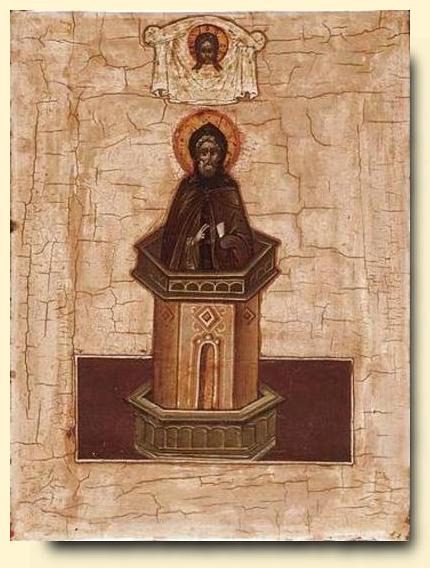
The stylite himself is generally seen as a Syrian-Mesopotamian phenomenon, a very severe attempt to follow Christ not only through self-mortification and fasting, but through standing on a tiny platform at the top of an exposed column or pillar – never coming down, and only rarely sitting or lying down. By exposing themselves to the harshest conditions any human can, they strove to be spiritually cleansed and to elevate their souls.

stylites30

stylitis9

What we know about the stylites comes from Greek and Syriac texts, some written when the stylites were still alive, and many of which relate the history of the most famous pillar saint, St. Simeon the Stylite (the Elder), who died in 459. Within twenty years after his death, the famous pilgrim- age sanctuary and later medieval fortress of Qal’at Si’man was built. As Christians, we would call it “The Martyrium of St. Simeon the Stylite.”

stylites31

St. Simeon the Elder is the prototype, he was the one who was imitated. Of his life we have very specific evidence in both Greek and Syriac sources, although it is the Syriac which give the best descriptions. They tell us that he was a very ascetic man, and that at a certain point in his life he joined a monastic community. At a very early stage, however, it became clear that he was much more rigorous than the other brothers and finally had to leave to pursue his calling.

stylitis7

St. Simeon moved north of the mountain of Gebel Sheikh Barakat, to a village called Telanissos (now Deir Sim’an), at the foot of the mountain where his sanctuary was later built. (Gebel is “mountain” in Arabic, and it is now known as Gebel Sim’an.) The Syriac sources say that he lived a very basic life. We read of him taking a camel laden with goods up and down the road, and that wherever he went people were impressed by this humble, modest man. At a certain point he decided to go up the mountain to expose himself to the harshness of the wilderness.

stylitis10

Don’t forget, we are in northern Syria where winters may be very, very cold and summers extremely hot with strong winds. Simeon was very aware that this place was exposed to harsh weather conditions year round. However, it is also a very beautiful place, with a 270o view in several direc- tions, and not far from the village and the Roman road. If you take the old north-south Roman road from Cyrrhus, forty or fifty kilometers north, down towards Telanissos (now Deir Sim’an) to the junction that links you to Antioch in the west, you’ve passed between Telanissos and Gebel Sim’an.

stylitis2

So, we know that he was here not far from the main road, that he stood on the column without a break, summer and winter, for almost fifty years; that he was famous for his asceticism, for his suffering endurance, but also for the very social role he played in giving advice and counsel to the local population, to those who passed on the roads, to distant nomadic Arab tribes that came for his judgement and help, and even to the Byzantine emperor. We know he was constantly asked for personal, moral, and even legal advice (and this is important because legal matters in those days were very linked to religion, as in modern Islam.) So, St. Simeon was a man for everyone and everything.

DCF 1.0

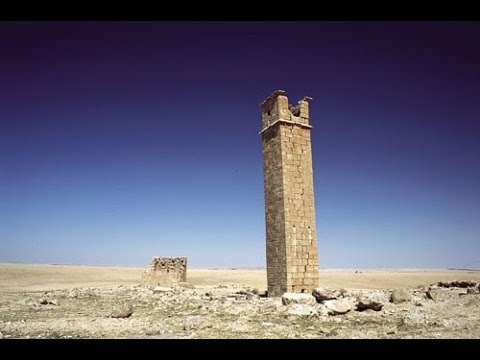
But he soon found himself in the dilemma of having withdrawn from the world, but now being too close to the world. Pilgrims, as we know from the sources, came from far and wide. They came from all over the Mediterranean: by boat to Antioch, then crossing the rough country to Simeon’s column. They came from Seleukia, from Asia Minor, from the Arabian peninsula, from Europe. As time went on, he decided to add anoth- er ten cubits to his column, and then another, until finally according to the Syriac text, he was standing at a height of forty cubits. (40 cubits = 60 feet or 18 meters)

stylites37

RTE: I remember from his Life that he didn’t begin with a pillar – perhaps he had gone up the mountain simply because it was isolated and he knew that other people couldn’t conveniently live there. But the moment they understood that he was a holy man they came anyway, as people do, until the crowds were trying to touch him, to grab pieces of his clothing. I’ve wondered if perhaps he had even taken a vow to remain there and the pillar was simply a necessary measure to get out of their reach.

stylites36

LUKAS: Yes. I think it was the universal dilemma of an isolated holy man. Once you are holy you often become known and can’t avoid people seeking bless- ings. The holy man is like a magnet. But permanent exposure to the world puts your monastic ideals at risk because you don’t have the time of reclusion, of absolute silence, of being alone with God. So, adding to the column’s height was perhaps an attempt to maintain his original ideal of a life of prayer.

stylites38

RTE: Also, the noise of a constant crowd – in St. Simeon’s case it was not a handful, but hundreds of people a day from different countries with horses, pack animals, campfires. Some stayed for weeks. It must have been overwhelming.

stylites40

(1) For the full poem go to http://www.online-literature.com/tennyson/728/

(2) For the full two-day traveling interview through the Syrian desert, where Lukas’ command of archeological detail and his fascinating insights (both Christian and academic) into the daily lives of these great ascetics make the era come alive, its saints immediate, and their presence inescapable, go to http://www.roadtoemmaus.net/back_issue_articles/RTE_22/PILLARS_OF_HEAVEN.pdf

(3) The church of Saint Simeon Stylites dates back to the 5th century. The United Nations Educational, Scientific and Cultural Organization (UNESCO) designated it a World Heritage Site in 2011.

stylites39

* Austrian archeologist Lukas Schrachner’s extensive fieldwork centers on early Christian monasteries and stylite sites in Turkey, Syria, Lebanon, Jordan, and Egypt. The Levant in the present context is the region occupied by Palestine, Trans-Jordan, Lebanon, Syria and south-eastern Turkey.


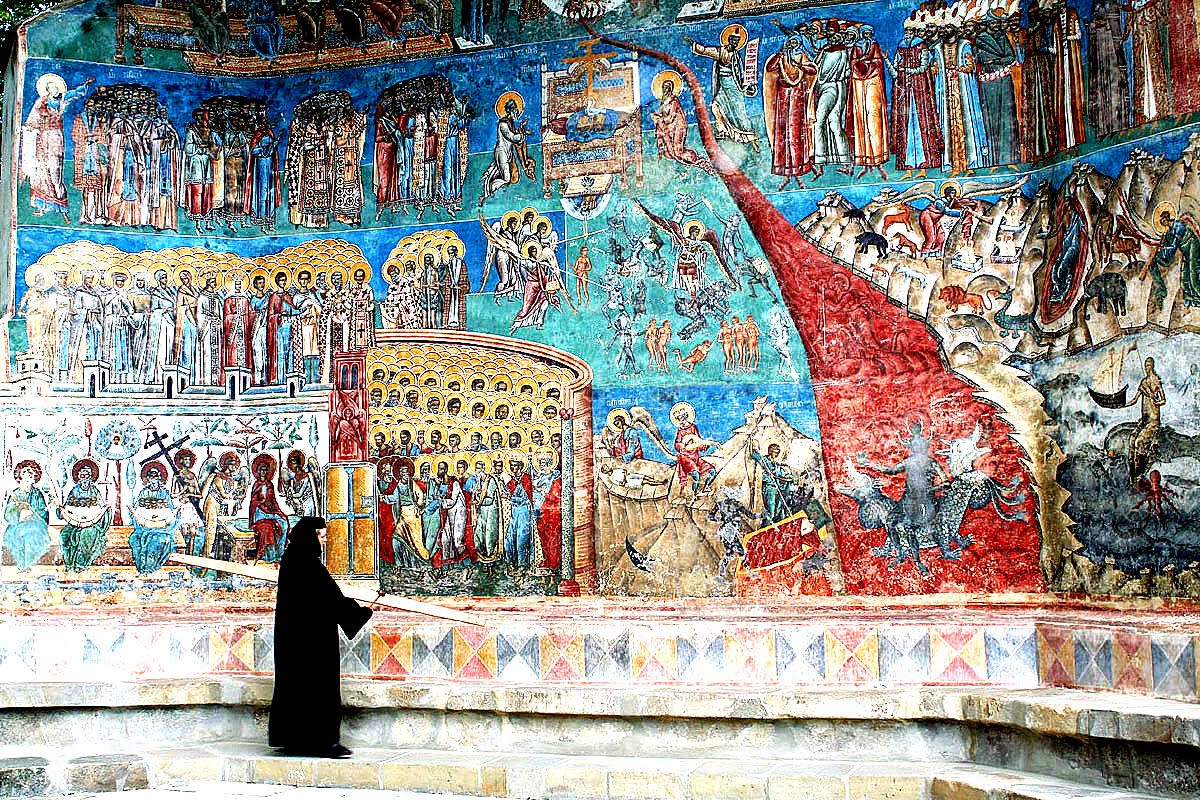
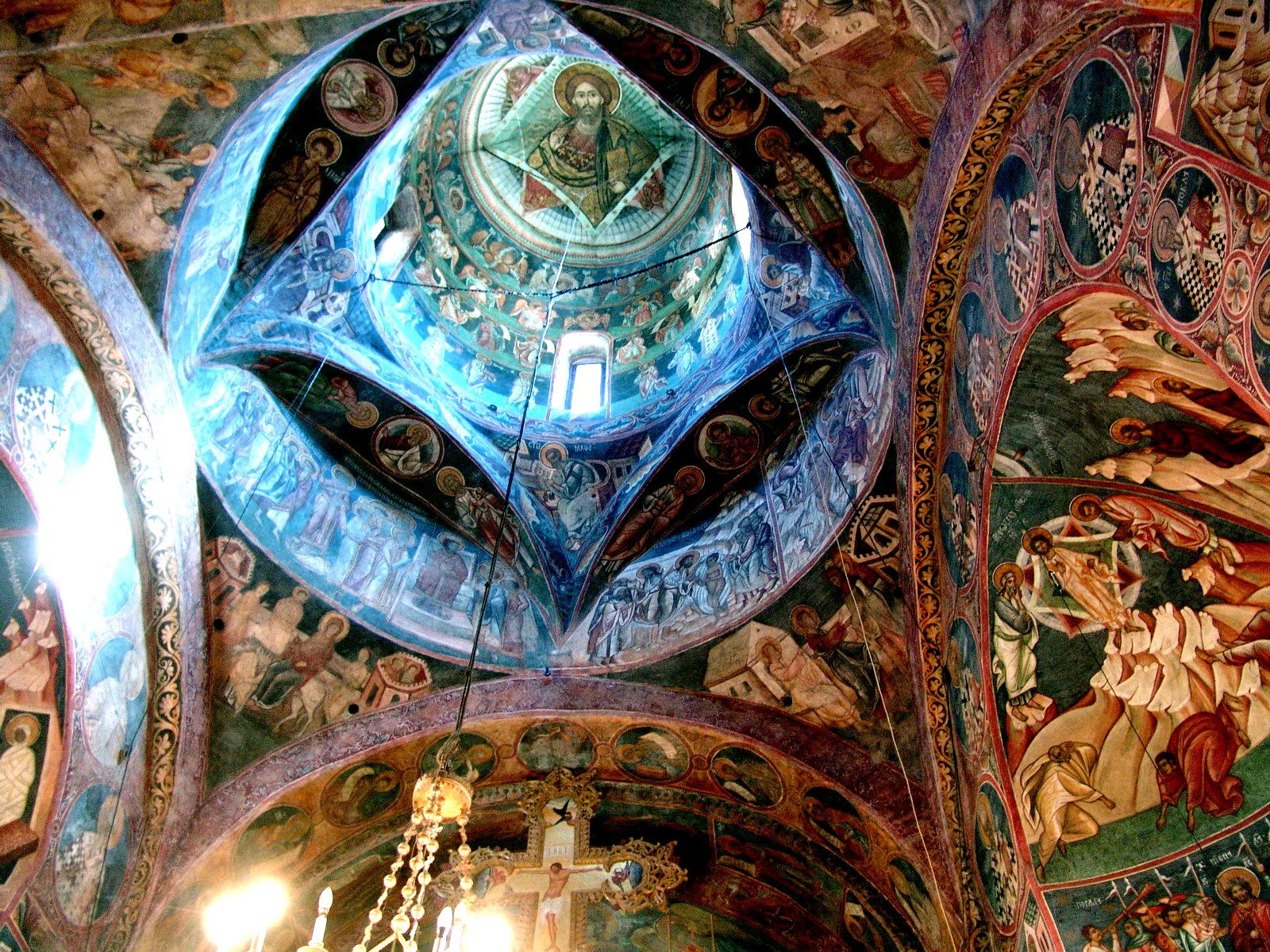
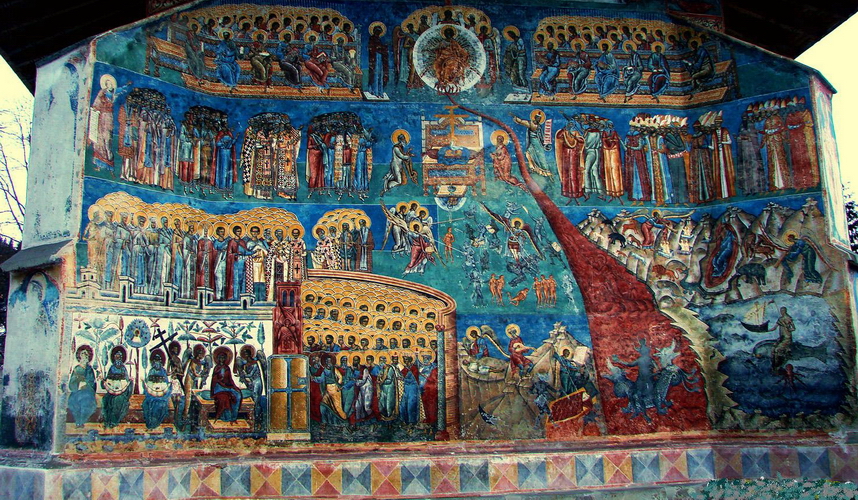
Voronet Sistine Chapel


voronet2voronet4


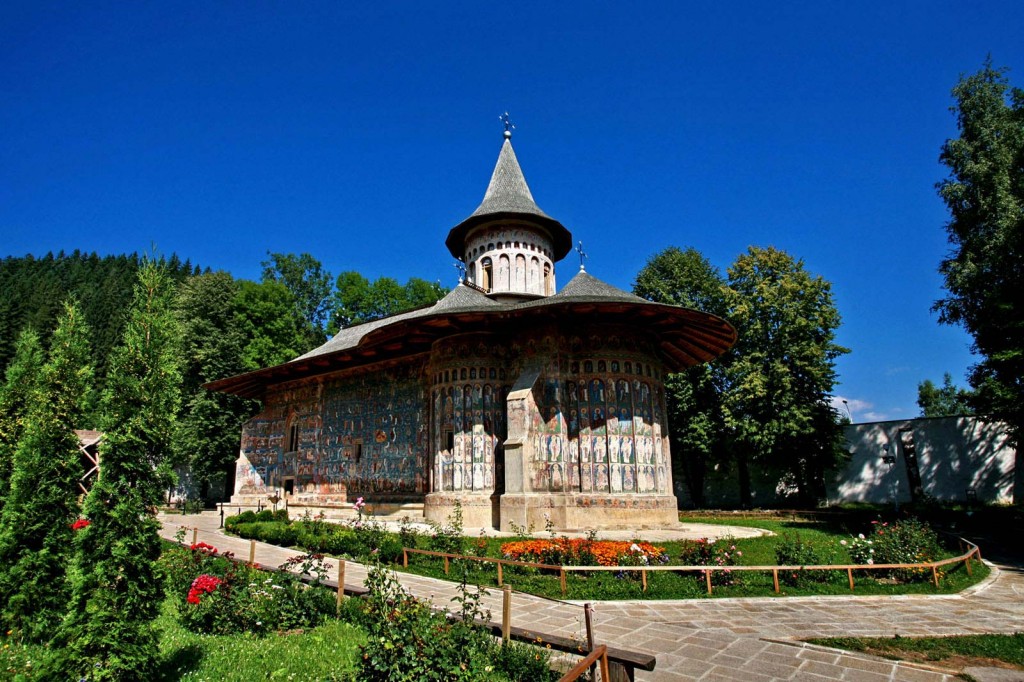
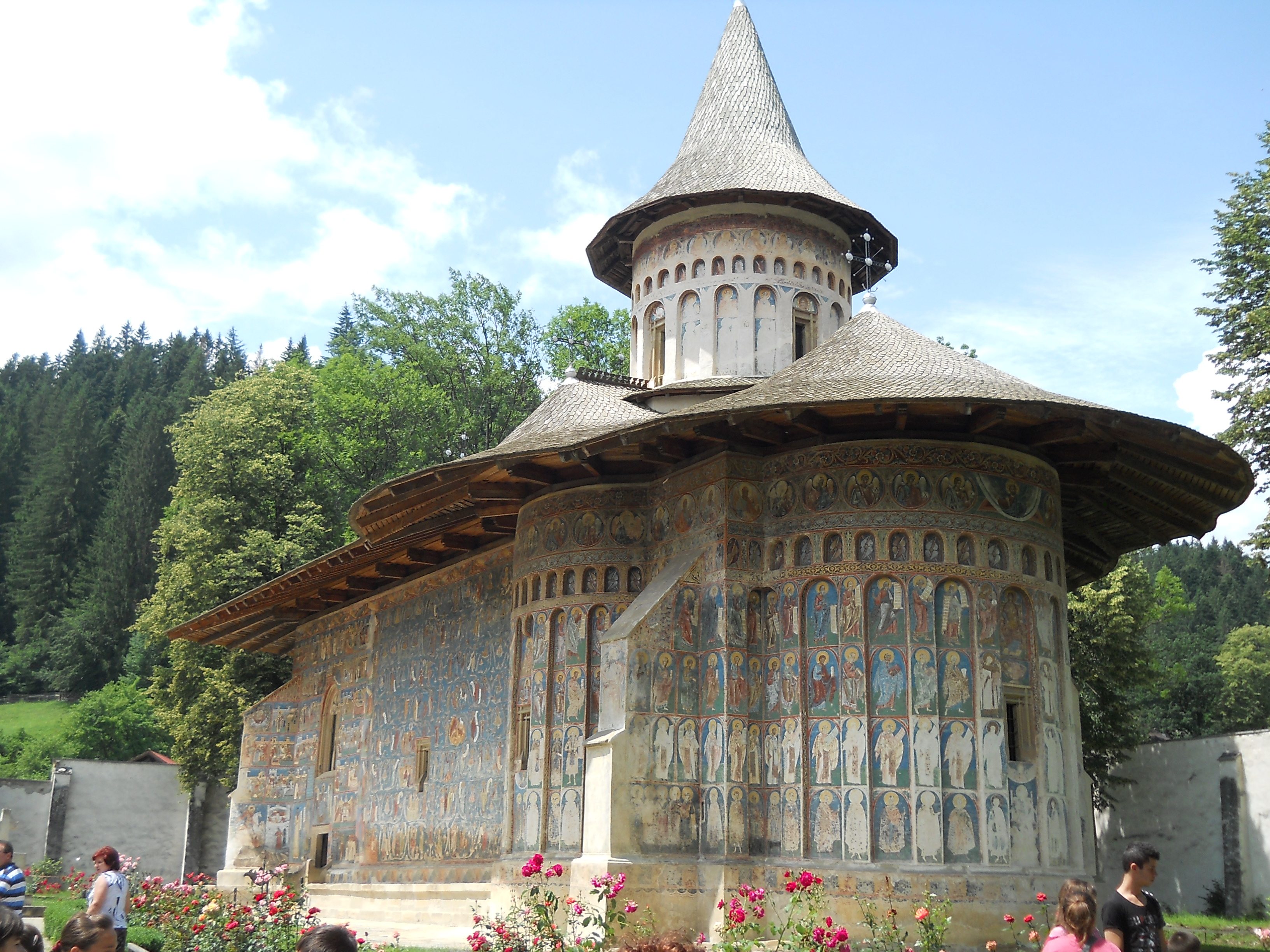
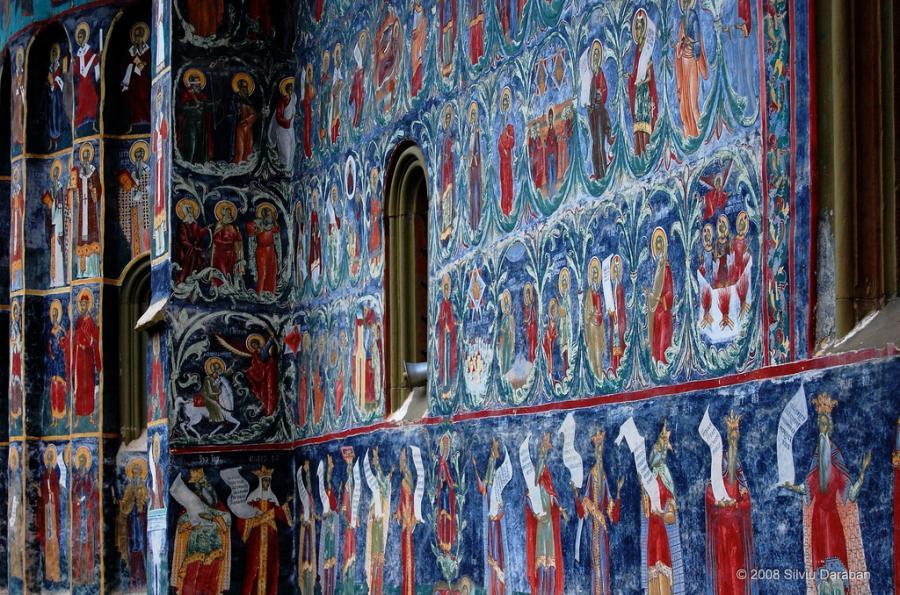
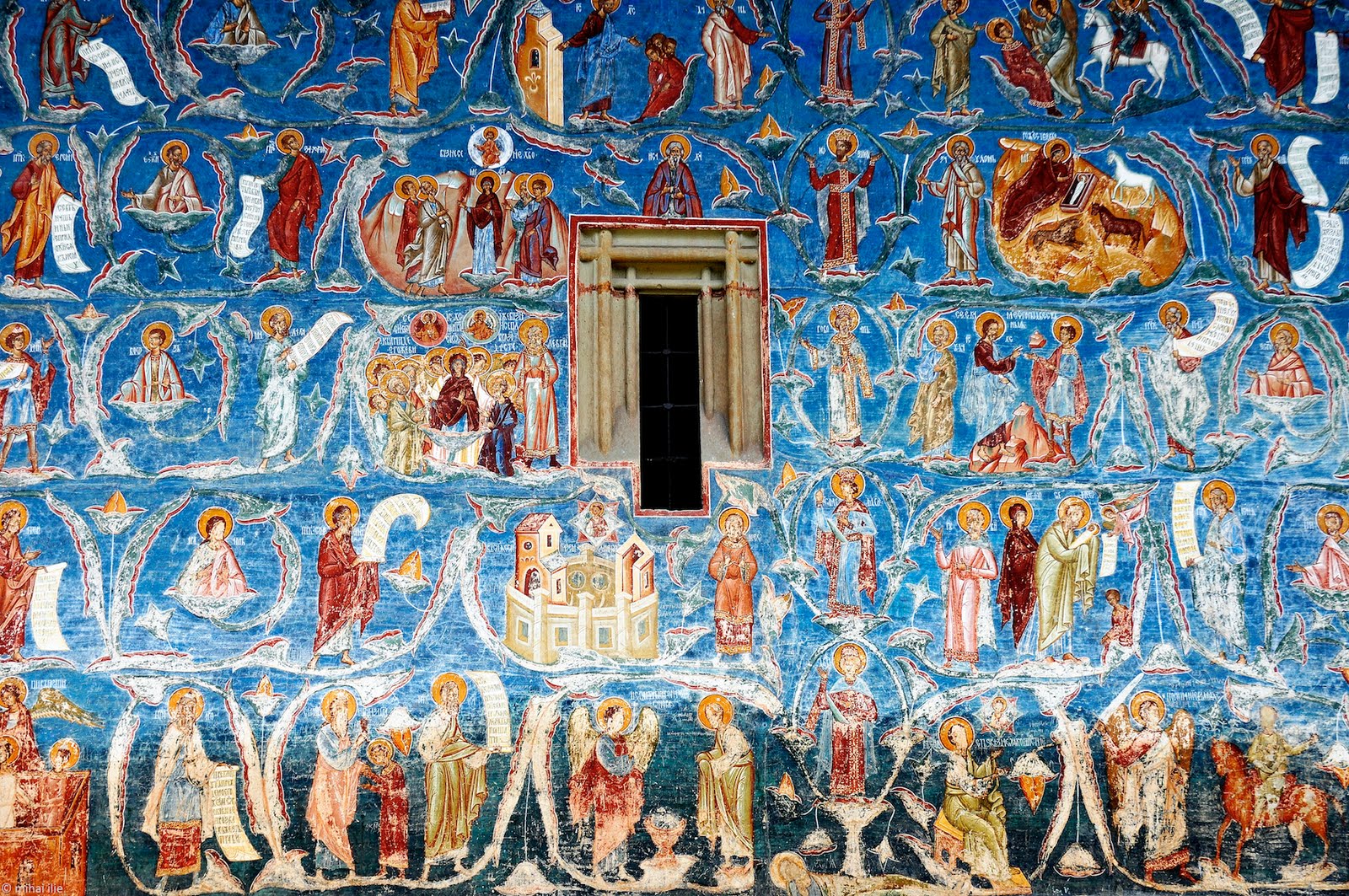
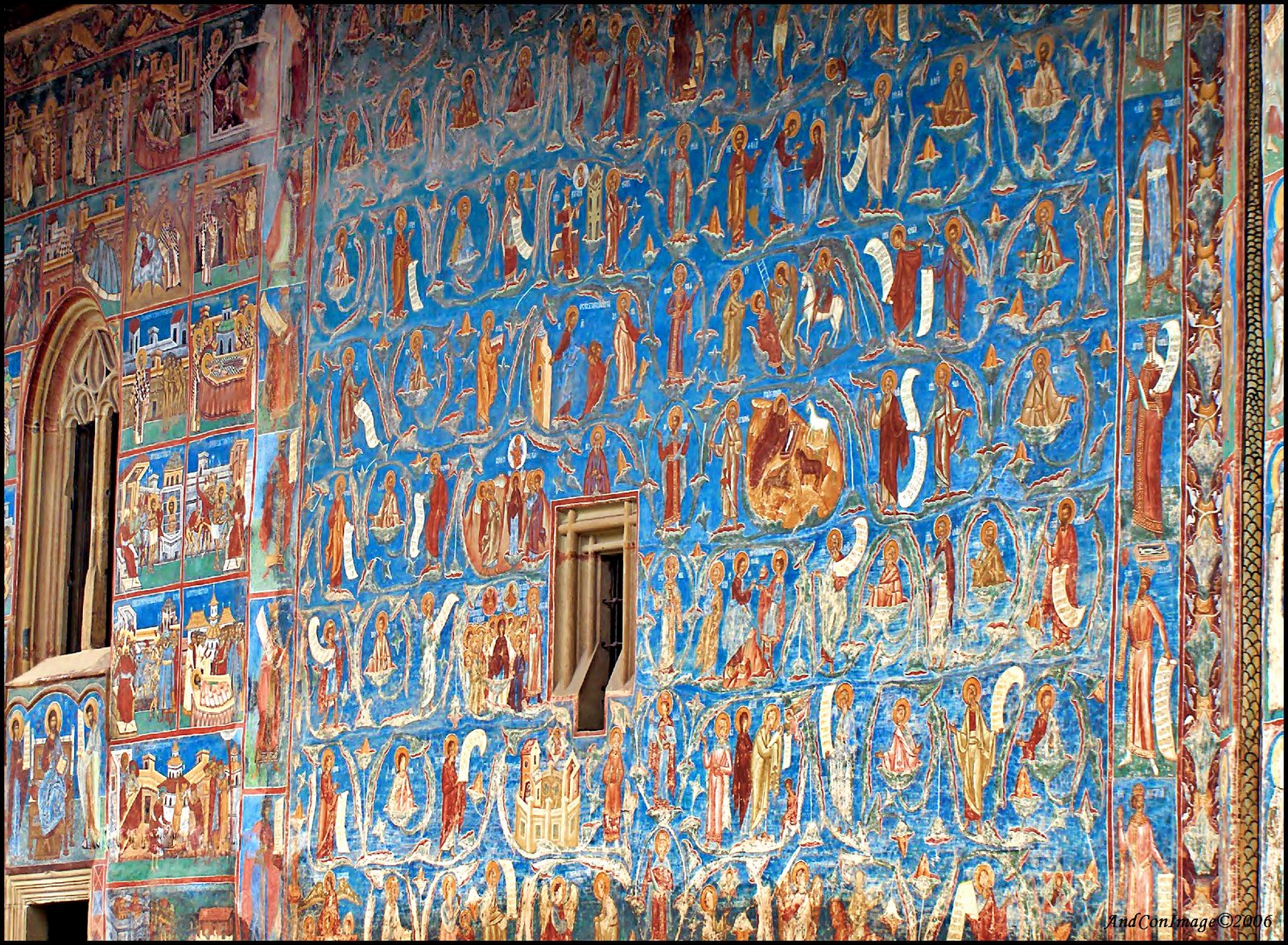
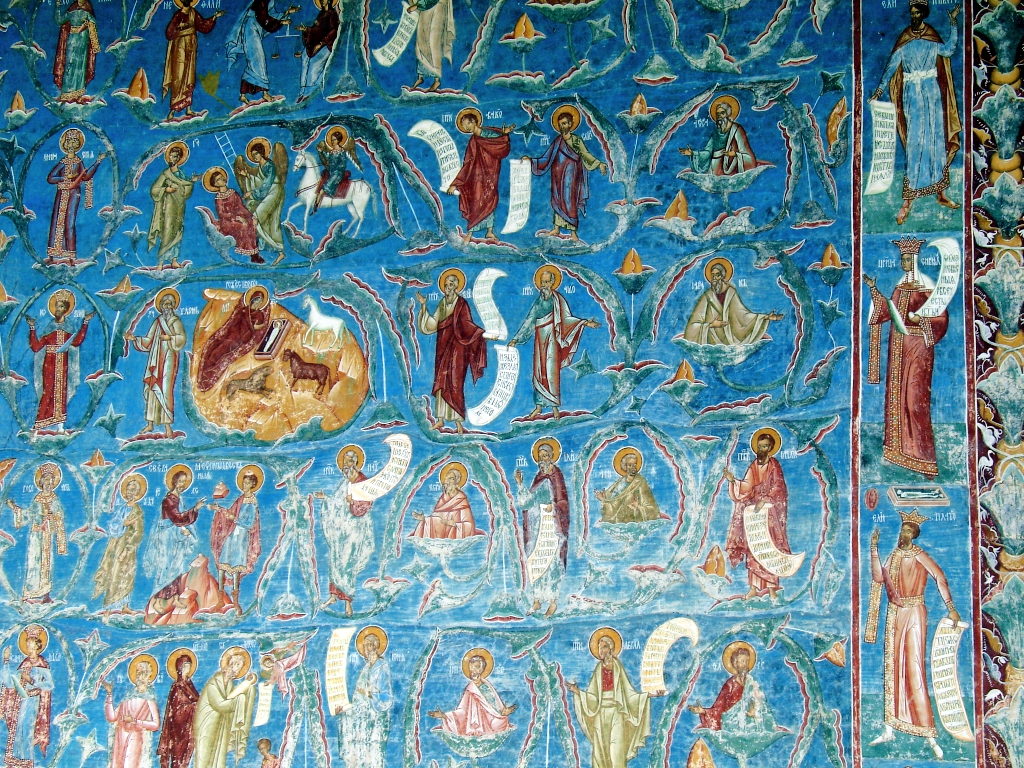
Tucked in the small village of Voroneț, Romania, you can find the great Romanian Orthodox Voroneț Monastery, one of a string of “painted monasteries” in Romania, Moldova, and Ukraine, built mostly in the 15th and 16th centuries. Voroneț Monastery specifically was built in 1488 over a period of 3 months and 3 weeks (!), and is dedicated to St. George. The monastery was abandoned around 1775 due to political instability, and a monastic community didn’t return until more than two hundred years later in 1991. The building is famous for its beautiful frescoes and icons, both inside and out, which is how it got its nickname as the “Sistine Chapel of the East.”

Voronet-blue1voronet-blue4voronet-blue12voronet-blue9voronet-blue6voronet-blue5voronet-blue7

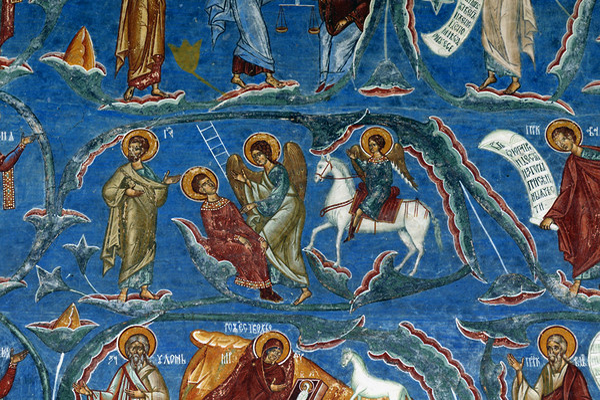
The frescoes at Voroneț feature an intense shade of blue known in Romania as “Voroneț blue”. “The exterior walls — including a representation of the Last Judgment on the west wall — were painted in 1547 with a background of vivid cerulean blue. This blue is so vibrant that art historians refer to Voroneț blue the same way they do Titian red. Monastery of Voronet has been declared World Heritage by UNESCO.  Below are some great photos of the beautiful sacred building. Enjoy!

voronet-blue2Remus Pereni, Flickrglobetrotter_rodrigo, Flickrglobetrotter_rodrigo, FlickrJoergsam, Wikipediaglobetrotter_rodrigo, Flickrglobetrotter_rodrigo, FlickrAdam Jones Adam63, WikipediaIone.pomana, WikipediaGroundhopping Merseburg, FlickrSîmbotin, WikipediaGroundhopping Merseburg, Flickr

Watch “Monastery Voroneţ” documentary at https://www.youtube.com/watch?v=l1buejr72eY

voronet-blue10Groundhopping Merseburg, FlickrGroundhopping Merseburg, Flickr

Source: “The Sistine Chapel of the East”: Romania’s Beautiful Voroneț Monastery http://www.churchpop.com/2015/10/06/the-sistine-chapel-of-the-east-romanias-monastery/
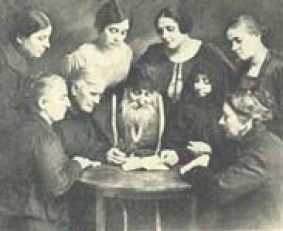
 

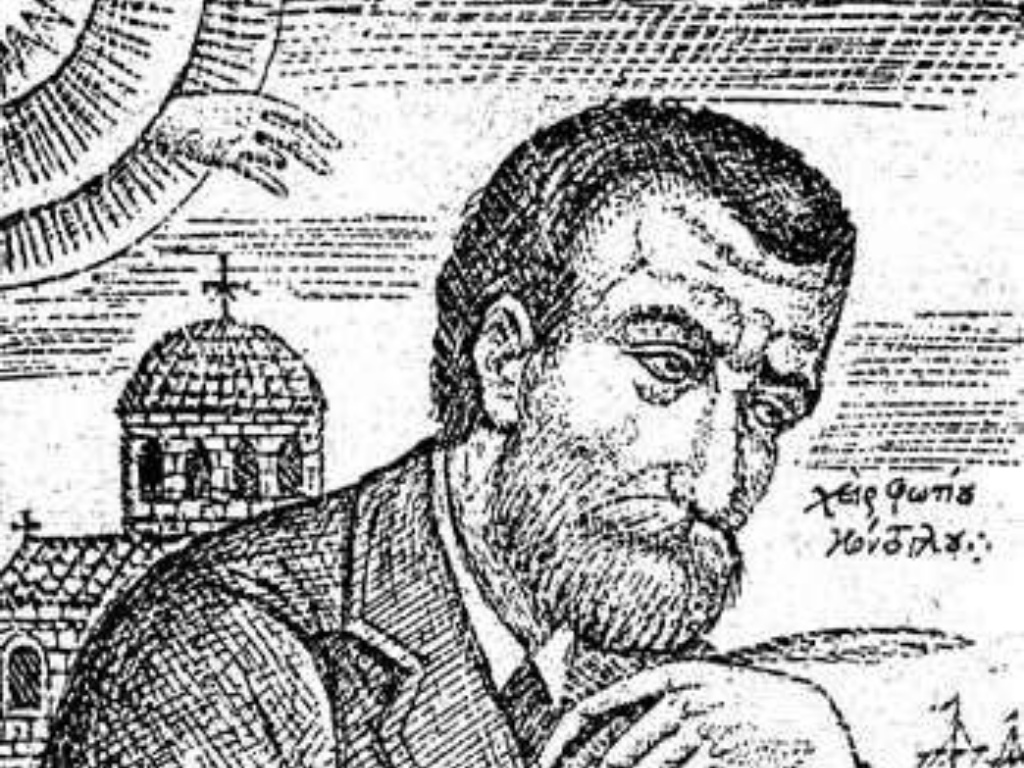
Photis Kontoglou: A Greek Dostoevsky

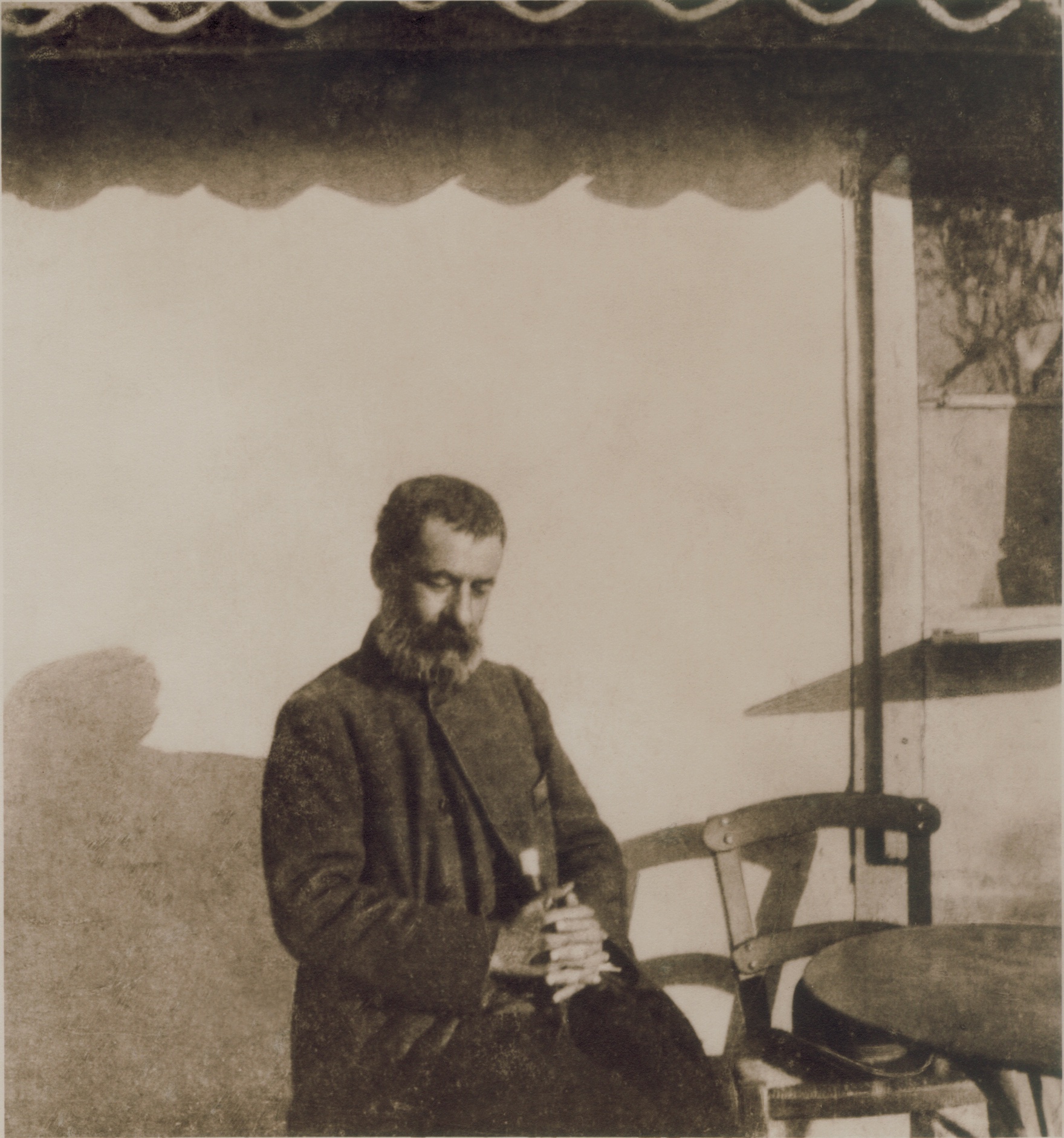
papadiamandis7

And  a Charles Dickens too

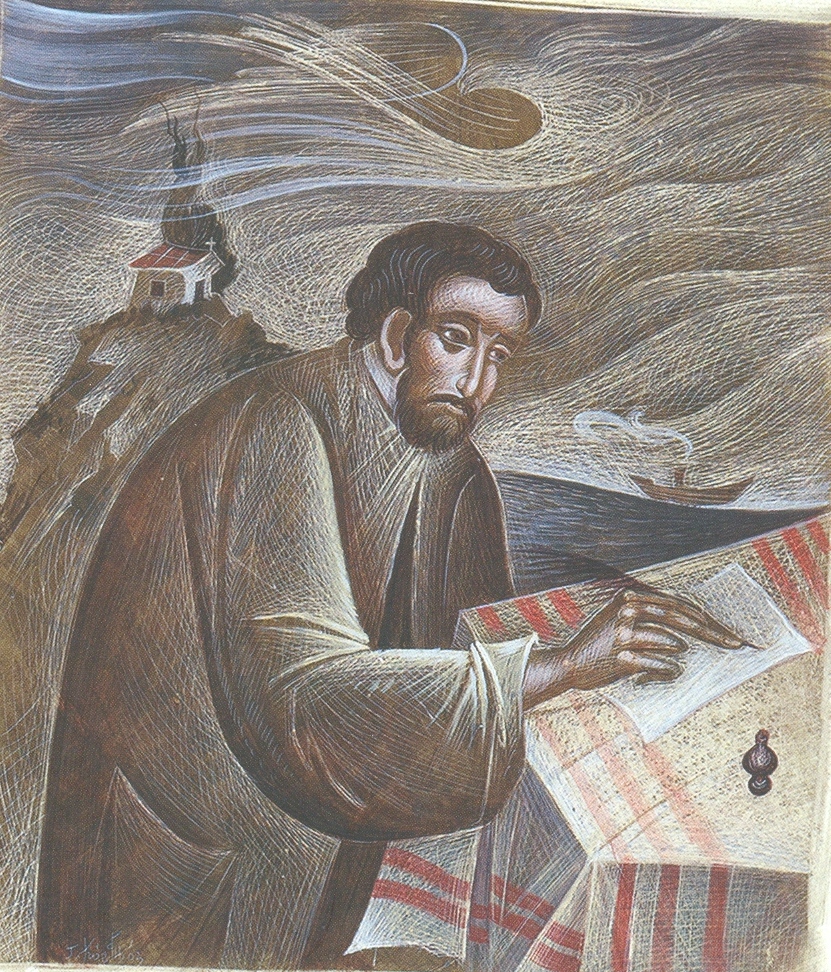
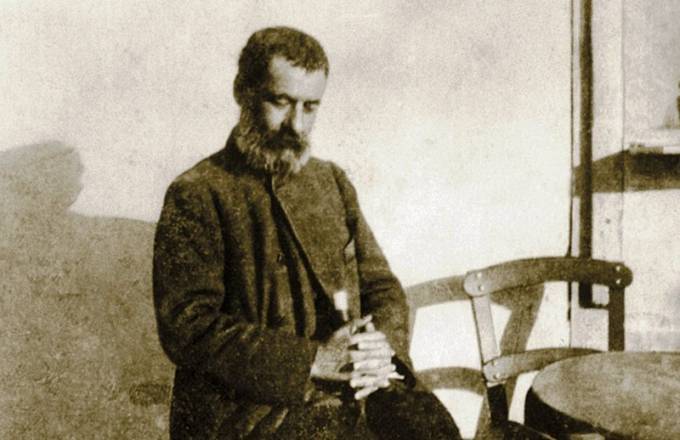
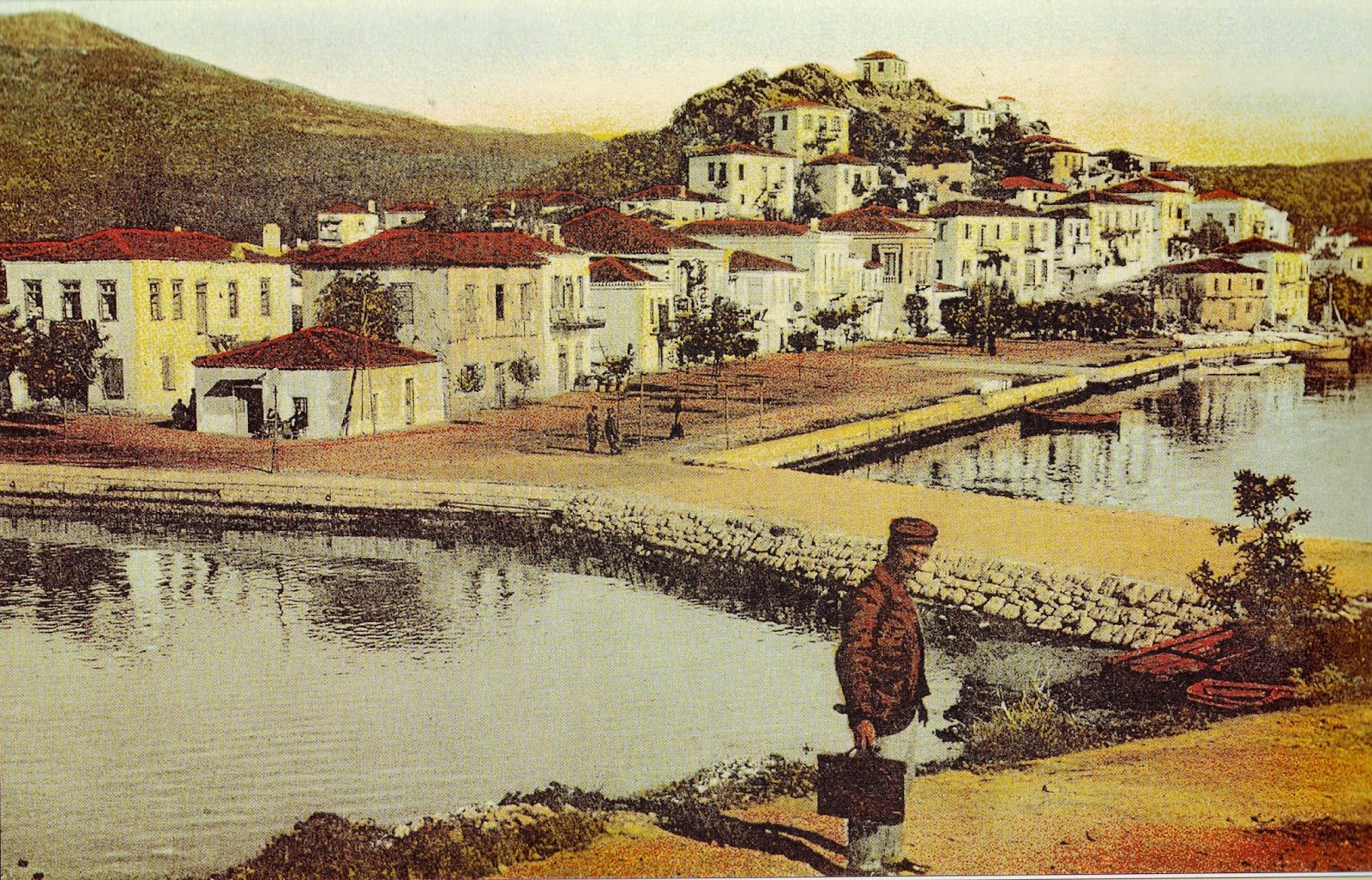
Alexandros Papadiamandis was not a bishop. He was not priest. He was not a monk. He was a simple yet genuinely Orthodox layman who observed those who seized upon the great opportunity and those who failed to do so. His observations, in turn, became the heart of his fictional, but not fictitious, writings. As a layman and as an artist, he had the freedom to explore the great opportunity from every angle and the boldness to point out the obstacles to that opportunity, which are created when the misguided misunderstand the eucharistic and liturgical aspect of ecclesial life that makes that opportunity possible and act on that misunderstanding. … Papadiamandis’s profound understanding of what liturgy is and what liturgy can do enables Papadiamandis to initiate others through his writings into the mystery of this great opportunity. …

[For those in a hurry, you may skip the brief analysis, and go straight to his short story link at the bottom of the page]

papadiamandis90

… Papadiamandis opens another window by letting us see how the liturgy flowers, in all its manifestations, under the right conditions such as those that were present on his native island of Skiathos, and how it withers when fallen human interests deprive it of its proper soil and care. What makes this vision of Papadiamandis so compelling is that he does not merely offer us another philosophy of the liturgy or a new ideology for conservative or liberal reform. Instead, he offers us human examples taken from the experience of day-to-day life in Christ. His priests and lay folk are people with whom we can identify and to whom we can turn for guidance as we enter the same struggle to offer God the worship He is due.

Non-Orthodox readers might well be mystified by the importance of hymnography, architecture, iconography, and ecclesiastical music as sources of life and wisdom for Papadiamandis. They may be tempted to view Papadiamandis as a mystic or, even worse, as a religious fanatic.Such a view would greatly diminish the value of Papadiamandis’s observations and could not be further from the truth. Papadiamandis was a normal, healthy Orthodox Christian. He was a realist and, one could say, an empiricist. By experience, he knew the transfiguring power of the ecclesiastical arts in the Orthodox Church, and the wisdom he gained therefrom entered his fiction in a most natural way.

papadiamandis8

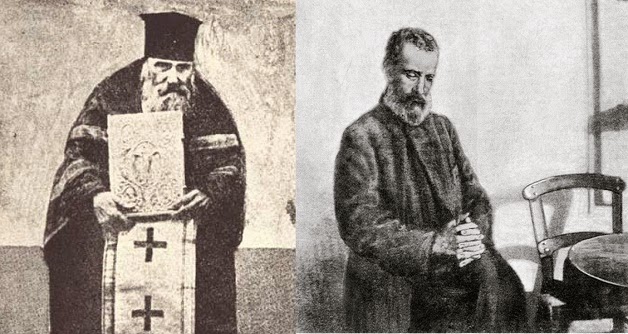
St. Nikolaos Planas and Papadiamandis

…  Art is used to instruct the believer in a concrete Orthodox Christian approach to life in its manifold dimensions. The modern term for this ancient teaching technique would be the “multimedia experience,” with visual, musical, linguistic, and even olfactory dimensions. Each sense receives impressions that direct the entire soul to glorify God and repent for its own estrangement from the divine beauty that envelopes the soul during divine worship. Art is used not merely to educate the mind but, more importantly, to shape the heart and redirect its desires and ambitions.

In other words, the liturgical arts are the time-tested tools that the Church uses to heal the faithful and direct them to Christ. In Orthodoxy, the arts are not intended to provide religious entertainment for the senses but to purify them. The theological essence of Orthodoxy is quite precise, and the forms that protect the essence are necessarily precise as well. Those who attained to union with Christ either produced the liturgical arts or affirmed the fact that their use helps lead others to that same union. These artistic creations are the precious fruits of life in the Holy Spirit that lead those willing to be led to the spiritual life of Paradise. They have the purpose not only of opening the heavenly world of God’s glory to the believer, but also of opening up the believer’s own inner world so that he can see his passions and deceitful desires and, by God’s grace, defeat them.

planas7

One hymn in the veritable sea of liturgical texts has the faithful chant (and thus confess), “many times when I am chanting hymns I am also committing sins; for while my mouth utters songs of praise, my soul is pondering unseemly things.”Even the modern psychologist would agree that this brutal honesty about our fallenness and recognition of our hypocrisy is the first step to overcoming them both.

Another aspect of Papadiamandis’s vision that may seem strange in the West is the absolute centrality of the Church as experience. The liturgical life consists of more than a Protestant Sunday worship service or even a Roman Catholic daily mass. It is the oxygen that infuses the atmosphere of the believer’s entire life, enabling him to breathe. The texts from the divine services are what help him make basic decisions in his daily dealings with others. The liturgical life gives meaning to the most basic aspect of created life – time, the coming of day in Matins and the coming of night at Vespers. Simultaneously, it takes the believer beyond time in the Divine Liturgy to the uncreated reality of the glory of the Holy Trinity. Each day in the liturgical cycle is a unique gift of God, a unique opportunity to approach Him in thanksgiving and repentance. This is also reflected by the central icon of the Saint whose memory is celebrated on any particular day as well as by the liturgical texts that change with the hour, the day, and the season.

papadiamandis5

In the Orthodox Church, worship is a source of joyful sadness that clears the mind and heart with a sober optimism. It is also a real struggle of body and soul. This athletic aspect of Orthodox liturgical life may also perplex the non-Orthodox reader. Although the importance of pilgrimage is a common theme in the religious texts of Western Christendom, the importance of vigils, which are also associated with pilgrimage, may not be so readily apparent. Vigils enable the believer to give his entire self over to the liturgical life of the Church for an extended period of time. The night hours during which visibility is lessened, enable the believer to focus on turning inward. By devoting these hours of darkness to prayer, although they are the customary time for sleep, the believer offers a small sacrifice to God. In spite of the real struggles a vigil requires, the believer who turns to God for such an extended period of time does not feel as though he is offering God anything of particular significance, but that he is the fortunate recipient of mercy from God. The many blessed hours at prayer humble the soul, soften it, make it less selfish, and thus open it up to the grace of the Holy Spirit. There is nothing gloomy about these vigils. They are illumined by another light and quite naturally become a source of great joy; for, through such vigils, man can find his true self by finding the God of his heart.

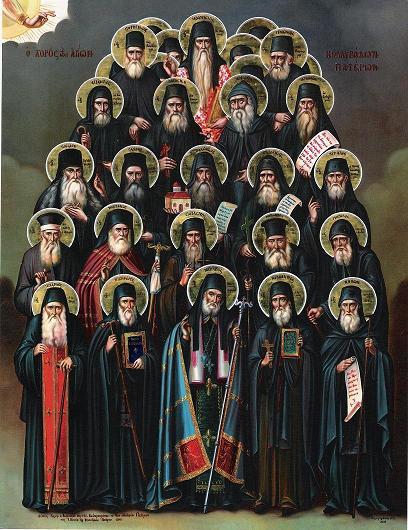
kollyvades1

Kollyvades Fathers

… What makes Papadiamandis’s treatment of religious themes unique, apart from the use of the modern novel and short story as a medium, is that his vision is formed by the truly praiseworthy, though much-maligned, Kollyvades fathers. These modern fathers, devoted to the tradition of the Philokalia, refused to separate liturgical practice from dogma and spiritual endeavor for the sake of secondary expediencies of convenience or practicality. They understood that the true goal of liturgy, dogma, and spiritual endeavor is union with Christ. All the details in the rich tapestry of Orthodoxy must serve that goal, or they fray into an incoherent tangled mass of strands leading nowhere at all. The Kollyvades fathers were Papadiamandis’s teachers, and by experience he knew the benefits of following their guidance. …

For Papadiamandis, the way the divine services are conducted and the texts and actions called for by these services form a unity. In particular, humility rather than ostentation is the guide for how the priest should serve, how the chanters should chant, and how the Church should be adorned. This humility is not a forced posturing but the natural outcome of serving the Eucharist with awareness that Christ is the One offering and being offered. … the point of Papadiamandis’s narratives is that the downtrodden, wounded, and despised can be transfigured into the glorious people of God through the Church’s divine worship.

… Humility in liturgical celebrations enables the priest to be shepherded with his flock by Christ, the One True Shepherd. Humility enables the priest to console the suffering. Humility encourages the priest to be dedicated to the divine services and to celebrate them with the fear of God and precision [akriveia]. This precision and fear of God in serving the services as the typicon and sacred canons prescribe, in turn, sanctify the priest, crowning him with the wisdom and understanding needed to be a good physician to the souls under his care.

… A long-hidden literary treasure of Orthodox Greece, the early twentieth-century writer Alexandros Papadiamandis has often been called “the Greek Dostoevsky.” Like his Russian counterpart, Papadiamandis gave a realistic view of contemporary lives nourished with the rich springs of Orthodox spirituality. However, Alexandros Papadiamandis may not only be considered a “Dostoevsky of Modern Greece”, but one can argue, he is a “Charles Dickens of Modern Greece” as well.

“The main difference between the two great writers is, apart from the fact that Dicken’s childhood was much more painful than Papadiamandis’, that while Dickens got married, had a big family, made a fortune out of his writing, won high praise by his contemporaries on both sides of the Atlantic and enjoyed publicity, Papadiamandis remained a single, lonely, poor man, despised by most of his peers and avoided being in the public eye at all costs.” (*)

“The closest parallel to Papadiamandis’s short stories and novels is found in large sections of Fyodor Dostoevsky’s The Brothers Karamazov, which are likewise saturated with Orthodox teaching taken, in many instances, from texts read during the liturgical services. … Like Dostoevsky, Papadiamandis looked deep into the human soul and found that its beauty and nobility depend not on the power of its intellect, or on the intensity of its desire, but on its genuine relationship with God.”.

*

To read the full article “Greece’s Dostoevsky: The Theological Vision of Alexandros Papadiamandis, A Unique Witness to a Unique Opportunity”, The Foreword by Hieromonk Alexis (Trader), The Sacred Monastery of Karakallou, The Holy Mountain of Athos, go to: http://orthodoxinfo.com/phronema/greeces-dostoevsky-the-theological-vision-of-alexandros-papadiamandis.aspx

*

For more insights, read Dr. Andrew Herman Middleton’s interview of Dr. Anestis Keselopoulos, professor of Ethics, Pastoral Theology and Orthodox Spiritual Life at the Aristotle University of Thessaloniki, and author of Greece’s Dostoevsky: The Theological Vision of Alexandros Papadiamandis at http://www.roadtoemmaus.net/back_issue_articles/RTE_34/Greeces_Dostoevsky.pdf

*

(*) Mystagogy, The Weblog of John Sanidopouloshttp://www.johnsanidopoulos.com/2009/12/gleaner-christmas-story-by.html

*

Alexandros Papadiamantis’ work is seminal in Modern Greek literature. … It is a body of work, however, that is virtually impossible to translate, as the magic of his language is founded on the Greek diglossia: elaborately crafted, high Katharevousa for the narrative, interspersed with authentic local dialect for the dialogue, and with all dialectical elements used in the narrative formulated in strict Katharevousa, and therefore in forms that had never actually existed. 

Unfortunately not many of his stories are online, but I found one titled “A Village Easter”, Memories of Childhood at http://www.roadtoemmaus.net/back_issue_articles/RTE_34/A_Village_Easter.pdf

A Greek Dostoevsky (I)

papadiamandis41

.. and Charles Dickens

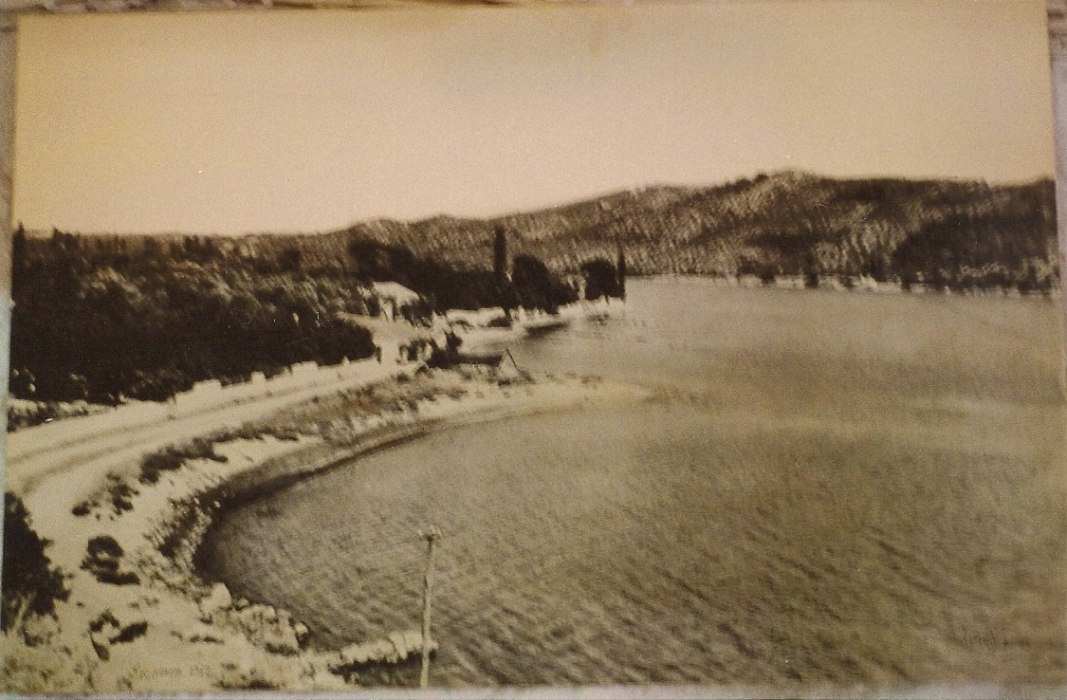
One of the greatest figures in modern Greek literature, Alexandros Papadiamandis was born on the Greek island of Skiathos on March 4, 1851, “the second Sunday of Lent and the feast day of Gregory Palamas, while they were singing the triadiká in church” (as we are informed by his fellow countryman Papa-George Rigas, distinguished scholar of folk traditions and specialist of the liturgical typicon).

[For those in a hurry, you may skip the short biography, and go straight to his short story link at the bottom of the page]

papadiamandis21

While this first intimation of God’s favor appeared during Papadiamandis’s birth, the second took place during his Baptism:

“He was baptized on the Monday of Bright Week and named Alexandros. Something unusual happened while the priest, Papa-Nicholas, performed the Baptism; as he poured the oil in the baptismal font, the oil immediately made the form of the cross on the water. Papa-Nicholas interpreted this strange phenomenon, saying, “This child will be great.”

papadiamandis22

His father was the pious priest Adamantios Emmanuel. Papadiamandis writes that he was “a beneficent guide in all ecclesiastical questions and a sublime adornment of ecclesiastical celebrations” in the church of the Three Hierarchs and in the country chapels of Skiathos.

papadiamandis40

From an early age, Alexandros followed his father around the island helping him, sometimes in the altar and sometimes at the lectern as chanter. With his exceptional sensitivity, Alexandros treasured his experiences of sharing this liturgical service with his father. His heart was filled with and his nous was instructed by images from the priestly life and the Church’s services. He was so influenced by them that most of the scenes he chose to paint as a child were taken from the life of the Church. Reflecting on this time, he writes in his autobiographical memoir, “When I was young I would paint Saints, or I would write [hymnographical] verse.”

From his childhood years, Alexandros had the opportunity to live the tradition of the Kollyvádes fathers (those Greek Orthodox Athonite elders involved in the eighteenth century movement that inspired spiritual renewal and a return to more traditional liturgical and spiritual practices). This tradition had been preserved on Skiathos through the presence of a monastery built by the Kollyvádes, the Monastery of the Annunciation. Although the monastery was in decline during Papadiamandis’s later years, the diligently preserved kollyvadian tradition remained alive in the inhabitants of the island. He would later write, “In this small monastery [of the Panagia of Kounistras in Skiathos] at the end of the eighteenth and beginning of the nineteenth century, six of my relatives were priest-monks.” Papadiamandis gives an account of the monastery’s spiritual life and foundation on Skiathos:

Papa-Gregory…the ascetic, descended from the heights of Athos(7) together with his elder, Papa-Niphon, and thirty other monks. They sailed to the island of Gregory’s birth [Skiathos], and there, in the gorge of Angallianous, they built a beautiful, awe-inspiring monastery—patriarchal, Stavropegic, and coenobitic—with an exquisite, very fine church, built with great care. It was so beautiful that during those years, at the beginning of the nineteenth century, it was famous and enjoyed great respect among the monasteries of Athos. These ascetics…were the so- called Kollyvádes, who were under persecution on the Holy Mountain, as they insisted on precisionx (regarding frequent communion), and on many other things.

papadiamandis12

The renowned Elder Dionysios was a distinguished spiritual father and learned priest-monk who lived on Skiathos, whose roots were in the kollyvadian tradition. Papadiamandis knew him personally and did not hide his admiration for him. He was “the inspired spiritual father in the small monastery of the Prophet Elijah.” Papadiamandis had such monks and monasteries in mind when he wrote, “the rule of prayer should be complete, following all the old typicons, with the vigils and pre-dawn Matins, with all the appointed verses and readings from the Psalter.”

papadiamandis14

Papadiamandis was initiated into this kollyvadian—the genuine Orthodox—tradition, in his own home by his father, Papa-Adamantios, and by the broader world of the Church in Skiathos. In an unsigned obituary for his father, he wrote that

Papa-Adamantios, like all of the older priests of the island, was taught how to celebrate the Mysteries(12) by those venerable Kollyvádes (http://orthodoxwiki.org/Kollyvades_Movement), who, at the end of the last century, established the Monastery of the Annunciation…which became a seedbed of humble priests for our island, priests who were lovers of the divine services. Simple and virtuous, they enjoyed the love and respect of the inhabitants, having no affectations or hypocrisy, and displaying no vanity as they lived their lives as priests.

kollyvades1

Seeds of spiritual struggle that had been planted in Papadiamandis during his childhood and adolescence at home and in the wider environment of Skiathos were brought to fruition when he went on a pilgrimage to the Holy Mountain for a few months at the age of twenty-one. In one of his stories, we read about some of the events of his visit, mainly at the Skete of Xenophontos, and we perceive how the charm of the Holy Mountain was an inspiration for him. While there, he met many ascetics and hesychasts and became familiar with the liturgical life of the monks. He was enthralled by the vigils of the monastics and recorded in his heart not only the strict typicon and the Byzantine melodies but also the spirit that governed it all. In this way, Athos and its traditions affected the path his life took and enriched it with unforgettable memories.

papadiamandis8

Given his rich spiritual upbringing, experiences, and heritage, it is only natural that Papadiamandis would choose to spend his life within this rich Orthodox tradition, preserving the Orthodox liturgical ethos through his writings and life. The critics of his age believed that there was little value in a detailed description of “how a village priest went to celebrate the liturgy in a country chapel for a little community of peasants or shepherds, who and how many took part in the festival, and what their customs were like.” Papadiamandis, however, did not regard the celebrations as mere holidays, but himself lived the events and the life of the Church as the center and foundation of all events and all life.

planas4

Papadiamandis moved within this ecclesiastical environment and within the wider Greek tradition. He lived both aspects of this tradition, Ancient and Byzantine, in a diachronic unity, which spanned the ages. He had utter integrity, both as a person and as a Greek, within whose Hellenism was Byzantium and in whose love for Byzantium might be discerned Hellenism. In his texts, Ancient Greece resembles a flower that, wilting from its desire for the truth, then bears great fruit in the warmth of the Sun of Righteousness [Christ]. When history is viewed as a progression toward the discovery of the fullness of the truth of Orthodoxy, tradition truly lives, and history is kept from being fragmented. Other important figures in modern Greek literature such as Photios Kontoglou and, even more so, Nikos Gabriel Pentzikis would act from this perspective later on, with both their pens and their brushes. Together with our author, they are regarded as solid links in this tradition.

God favored Papadiamandis with many gifts, and he struggled to use them in a way that would bear the most God-pleasing fruit. The reverent and liturgical ethos expressed through Papadiamandis’s writings and life bear witness to the successful cultivation of his gifts.

planas2

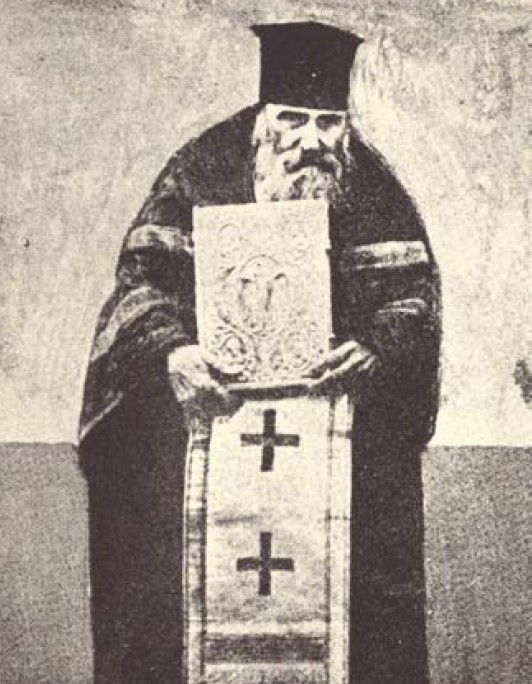
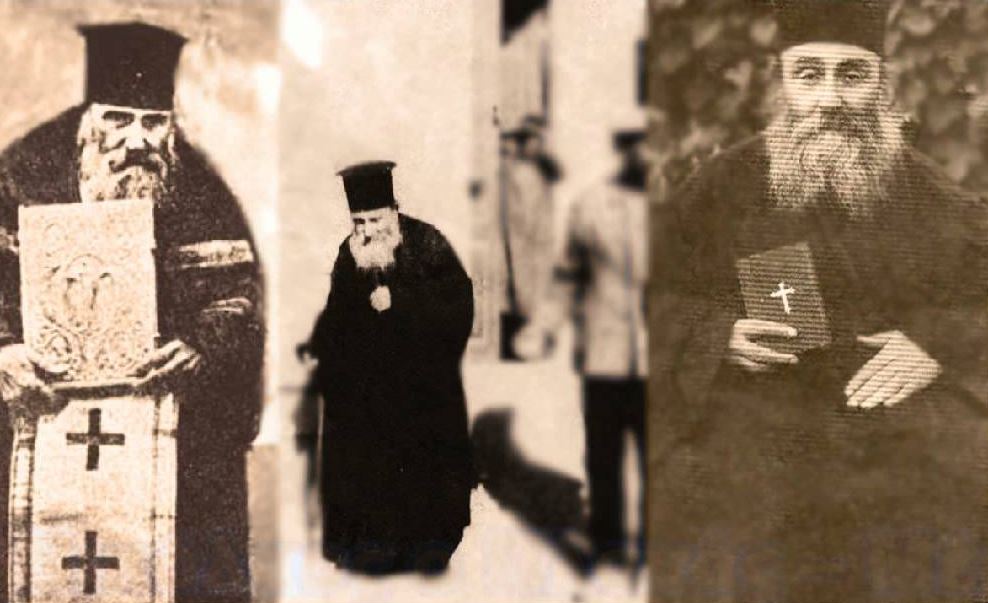
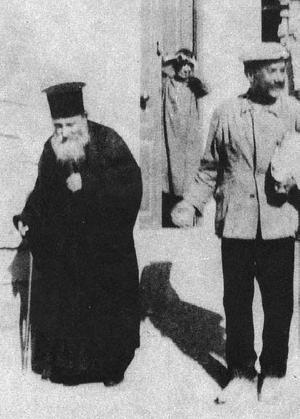
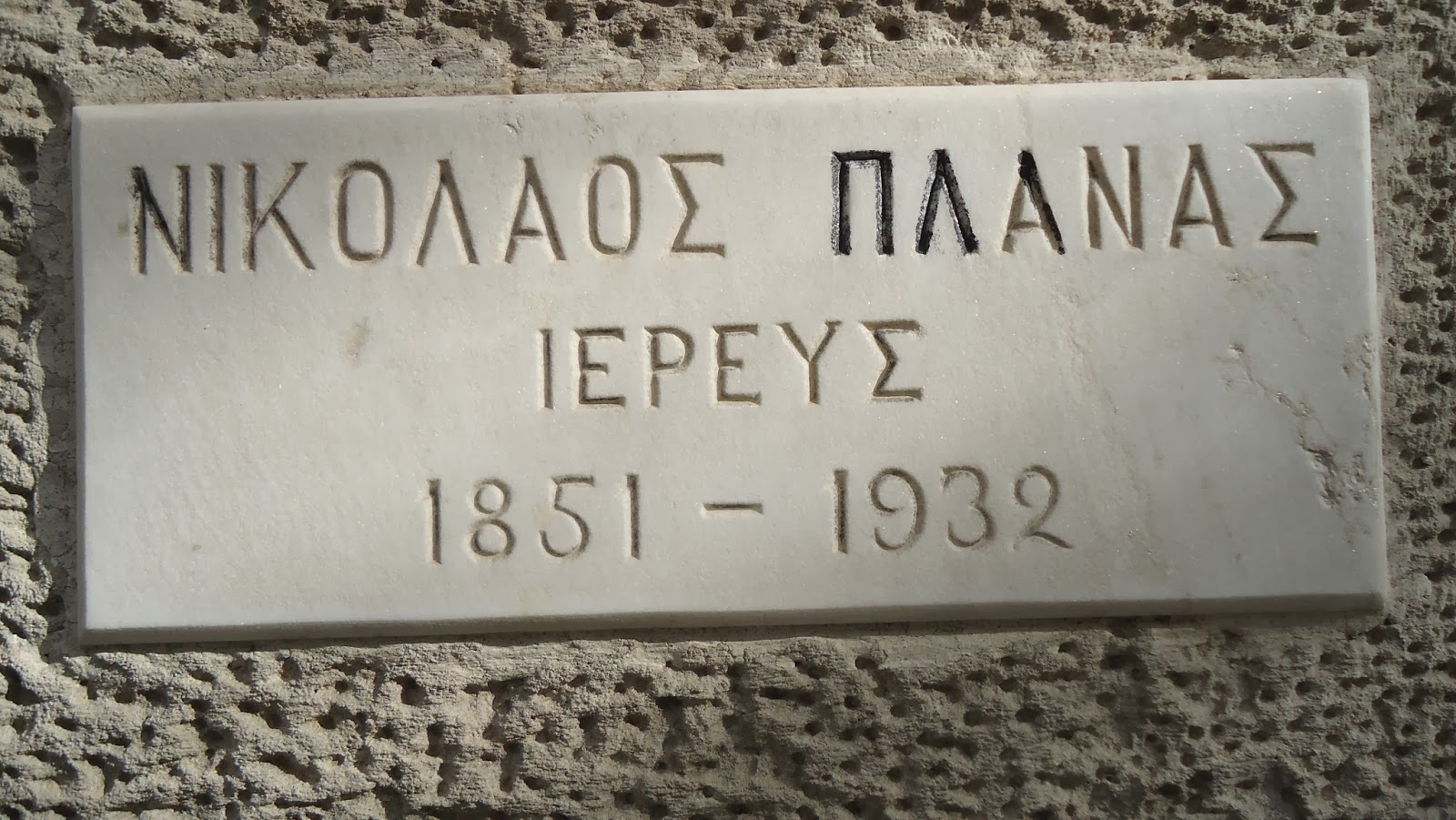
Papa-Nicholaos Planas

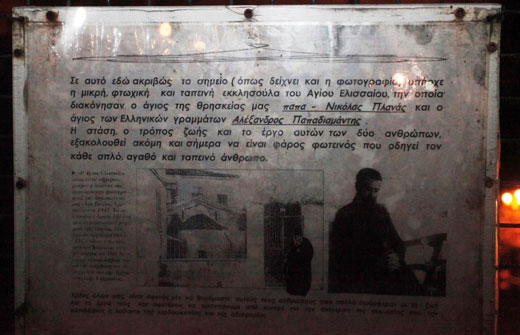
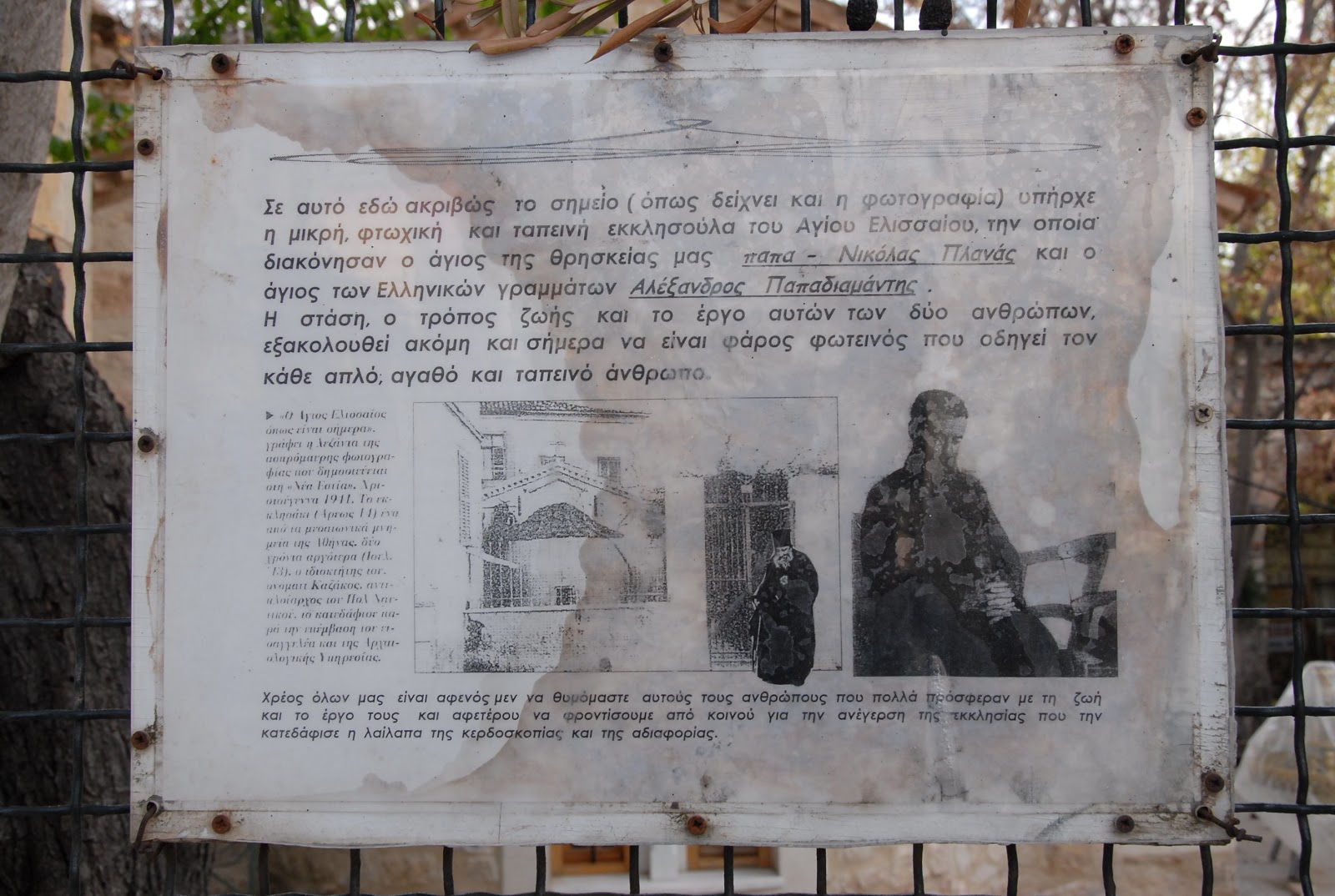
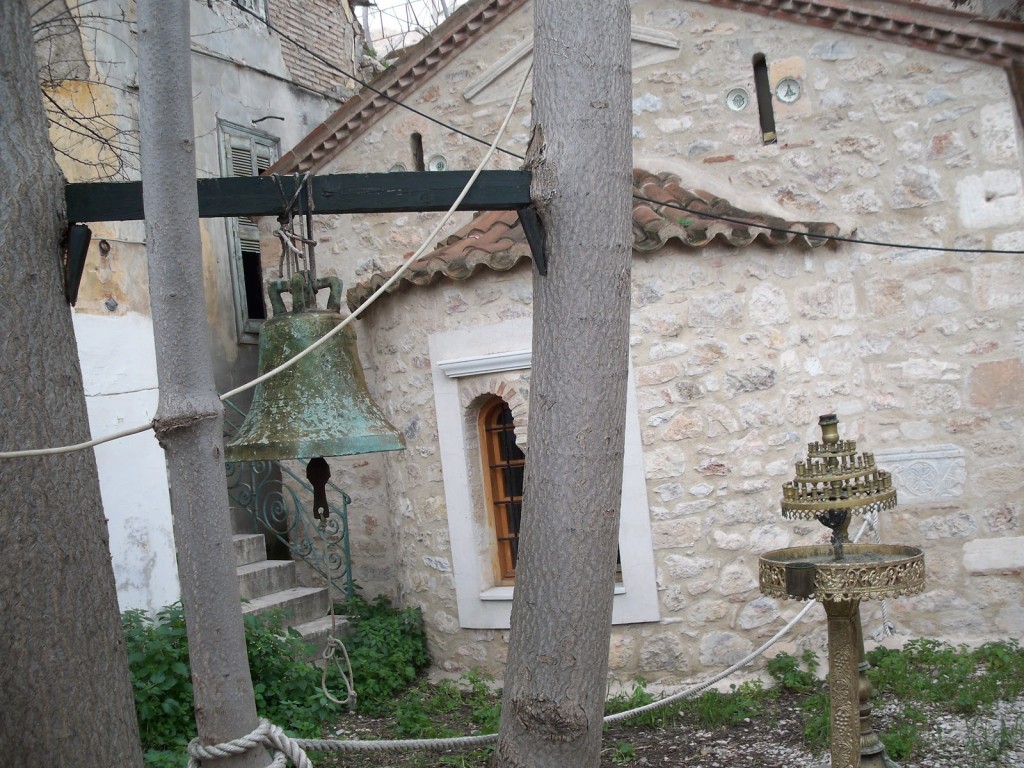
“It was in 1887 that he found what could be described as his spiritual bolt-hole in the turbulent and often harsh world of the metropolis: the small church of the Prophet Elisha, set in the courtyard of a private house in the old part of the city, under the rock of the Acropolis. There Papa-Nicholaos Planas, a simple priest born in the same year as Papadiamandis, a man of prayer and of great spiritual gifts, would regularly hold vigil services, gathering people from all walks of life into the crucible of the little church. Papa-Nicholaos was canonized in 1992.

planas5

planas1

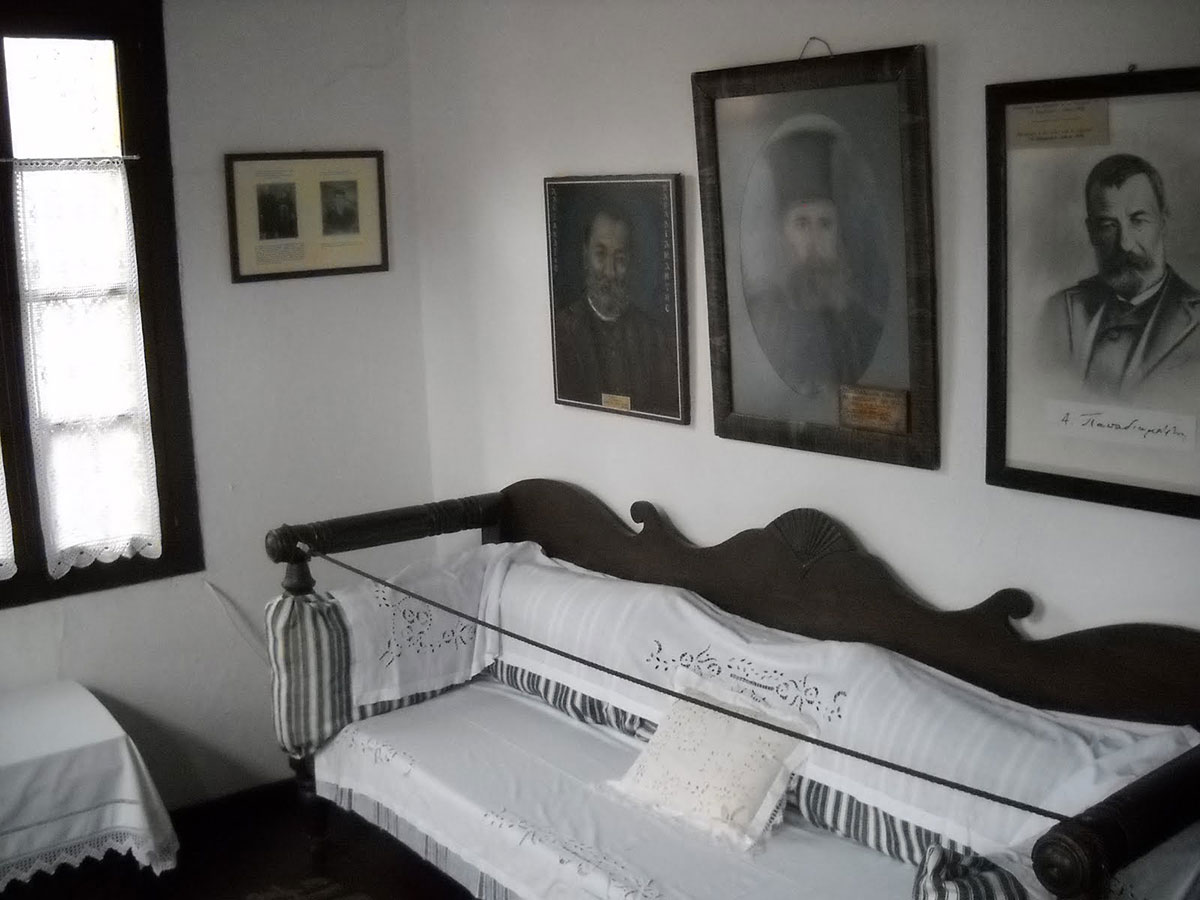
Papadiamandis never married. He was a shy and retiring man, as the few extant photographs of him testify, a man seemingly not of this world despite his acute observations of it. He also had to provide for his unmarried sisters at home. But despite his introspective nature he had a small circle of close friends, including Pavlos Nirvanas and Yannis Vlachoyannis, well-known Athenian men of letters who on various occasions undertook the role of literary agents and helped him during hard times.” (http://deniseharveypublisher.gr/people/alexandros-papadiamandis)

planas7planas8planas9

Papadiamantis’ longest works were the serialized novels “The Gypsy Girl,” “The Emigrant,” and “Merchants of Nations.” These were adventures set around the Mediterranean, with rich plots involving captivity, war, pirates, the plague, etc. However, the author is best remembered for his scores of short stories. Written in his own version of the then official language of Greece, “katharevousa” (a “purist” written language heavily influenced by ancient Greek), Papadiamantis’ stories are little gems. They provide lucid and lyrical portraits of country life in Skiathos, or urban life in the poorer neighborhoods of Athens, with frequent flashes of deep psychological insight.

Papadiamantis’ deep Christian faith, complete with the mystical feeling associated with the Orthodox Christian liturgy, suffuses many stories. Most of his work is tinged with melancholy, and resonates with empathy with people’s suffering, regardless of whether they are saints or sinners, innocent or conflicted.

His work is seminal in Modern Greek literature. … It is a body of work, however, that is virtually impossible to translate, as the magic of his language is founded on the Greek diglossia: elaborately crafted, high Katharevousa for the narrative, interspersed with authentic local dialect for the dialogue, and with all dialectical elements used in the narrative formulated in strict Katharevousa, and therefore in forms that had never actually existed.

planas10

planas6

Papadiamandis desire to glorify God is shown even more in the way he ended his life and in his attitude toward death. In a prayer he offered at the end of a poem entitled, “To the Little Panagia in the Turret,” he beseeches her, “comfort me, as well, my Panagia, before / I depart and will be no more.” In a letter written by Papa-George Rigas, we learn about the last moments of Papadiamandis’s life on earth:

His repose took place as follows: He became ill on the 29th of November 1910. On the third day of his illness, he fainted. When he revived, he asked, “What happened to me?” “It’s nothing, a small fainting spell,” his three brothers who were at his side told him. “I haven’t fainted,” Alexandros said, “in so many years; doesn’t it seem that it’s a prelude to my repose? Get the priest immediately and don’t delay.”… Soon after, having been called [by his brothers], the priest and the doctor arrived at the same time. Papadiamandis was, above all things…a pious Christian. So, as soon as he saw the doctor, he asked him, “What are you doing here?” “I came to see you,” the doctor told him. “Keep quiet,” the sick man told him. “I will first follow the ecclesiastical path [and call upon the help of God], and then you can come later.”…

He had control of his faculties until the end and wanted to write a story. Until the end, his mind was dedicated to God. On his own, a few hours before his repose, he called for the priest to come so he could partake of Holy Communion. “Perhaps later on I won’t be able to swallow!” he explained. It was the eve of his repose and, as irony would have it, it was the day they told him that he would receive the medal of the Cross of the Savior. On the eve of his repose, the second of January, he said, “Light a candle [and] bring me an [ecclesiastical] book.” The candle was lit. The book was about to be brought. However, Papadiamandis wearily said, “Don’t worry about the book; tonight I will sing whatever I remember by heart.” And he began to chant in a trembling voice, “Thy Hand Touching” [a troparion from the Hours of the eve of Theophany].

papadiamandis3

Papadiamandis sang this final hymn and, as day broke between the second and third of January of his sixtieth year, he wearily fell asleep. After passing through the furnace of pain and trials and tasting many of the bitter dregs of life while faithfully living the liturgical life of the Church, he now stretched out his strong wings to fly to the upper chapel of the angels, toward which he had oriented his whole life. It snowed on the following day and, like Uncle Yiannios in the story, “Love in the Snow,” Papadiamandis lay down his worn-out body, presenting himself, his life, and his work before the Judge, the Ancient of Days, the Thrice-Holy. This was, finally, the only judgment with which he was concerned as he passed through life. Though his life and struggle in this world have ended, his work will continue to give witness to his devotion to the liturgical tradition of the Orthodox Church for generations to come.

*

A Short Biography of Alexandros Papadiamandis, From the First Chapter of A. Keselopoulos, Greece’s Dostoevsky: The Theological Vision of Alexandros Papadiamandis (2011)

*

Unfortunately not many of his stories are online, but I found one titled “The Gleaner: A Christian Story” from 1889 at http://deniseharveypublisher.gr/assets/0000/0372/PAPADIAMANTHS_-_The_Gleaner.pdf


St. Petersburg’s Jaw-Dropping Wonder

Ana Paula Hirama, Flickr

Al and Marie, Flickr

You know the Sistine Chapel and the Notre Dame in Paris, but do you know the Church of the Savior on Spilled Blood? Because it’s one of the most beautiful churches in the whole world. Located in St. Petersburg, Russia, Church of the Savior on Spilled Blood is a Russian Orthodox church that was built in the late 19th century under the direction of the Russian imperial family. It is built on the site where Emperor Alexander II was fatally injured in March of 1881. It is full of bright colors, twisting spires, and floor to ceiling icons.

Here’s what it looks like on the outside:NoPlayerUfa, Wikipedia

And if you walk inside and look up, here’s what you see:

Saint-Petersburg orthodox theological academy, Flickr

See what I mean about being jaw-droppingly beautiful??

And yes, this place really exists.

Unfortunately, it is not used as a full-time church. During the Bolshevik Revolution in 1917, the church was looted and damaged. The Soviet government closed the church in the 1930s. It suffered further damage during WWII.

Since 1970s, it has been used as a museum, even after a major restoration of the church in the 1970s, ’80s, and ’90s.

But it can still inspire people’s faith with its beauty!

Here are more pictures of both the exterior and interior. Enjoy!

Saint-Petersburg orthodox theological academy, Flickr
Ana Paula Hirama, Flickr
Justin Kaplan, Flickr
grizzlee9129, Flickr
Saint-Petersburg orthodox theological academy, Flickr
Ana Paula Hirama, Flickr
jaime.silva, Flickr
Diego Sáez Contreras, Flickr

Source: http://www.churchpop.com/2015/09/02/the-jaw-dropping-wonder-of-st-petersburg-the-church-of-the-savior-on-spilled-blood/

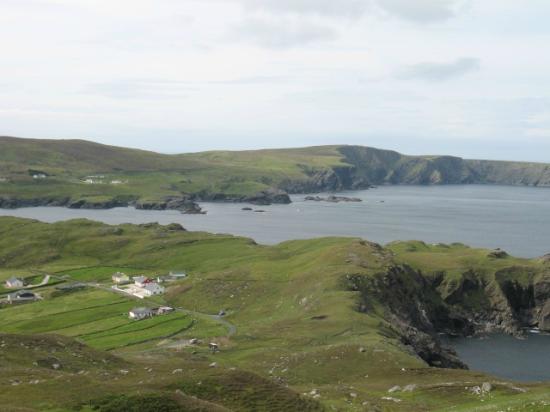
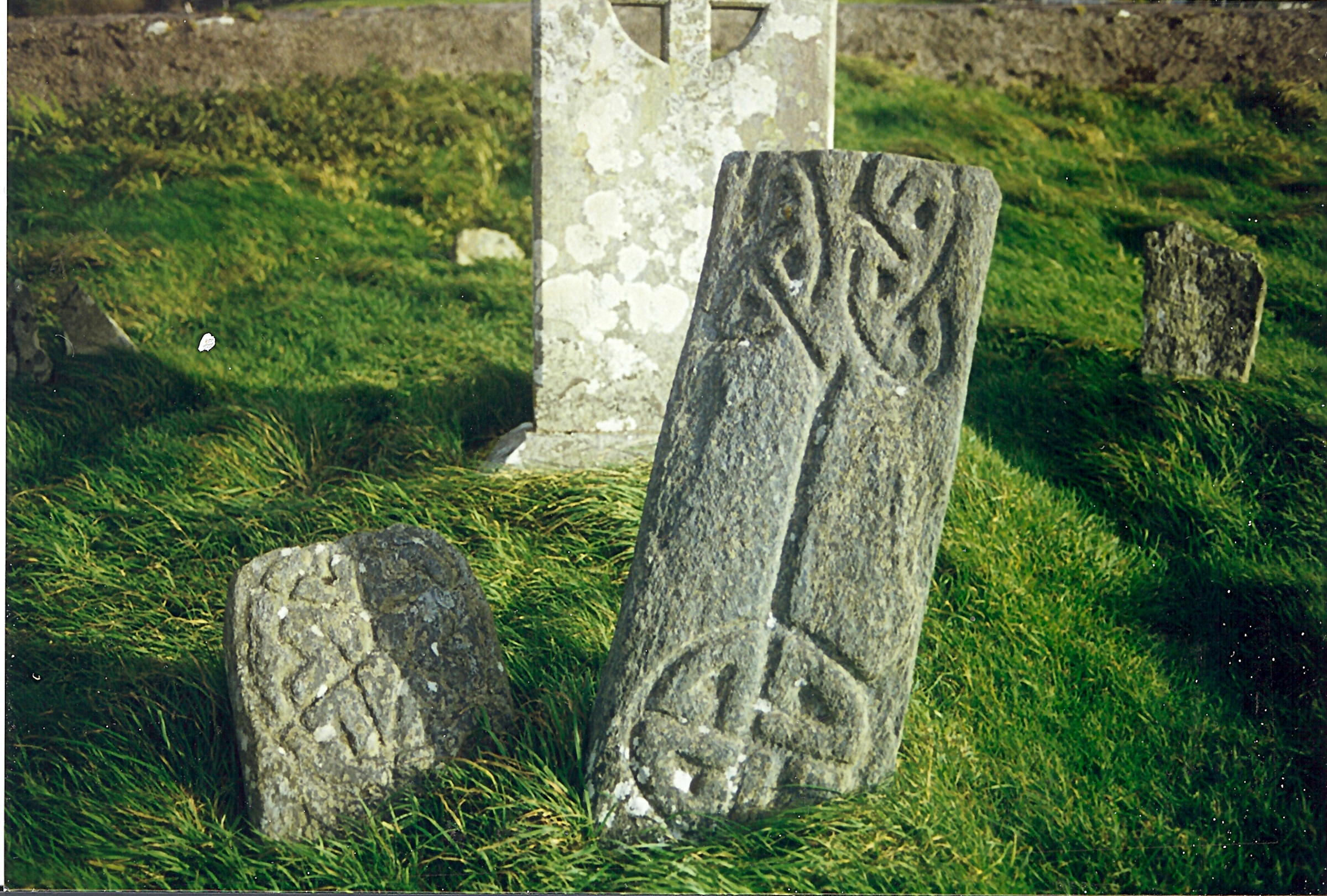
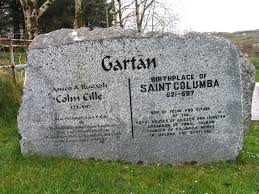
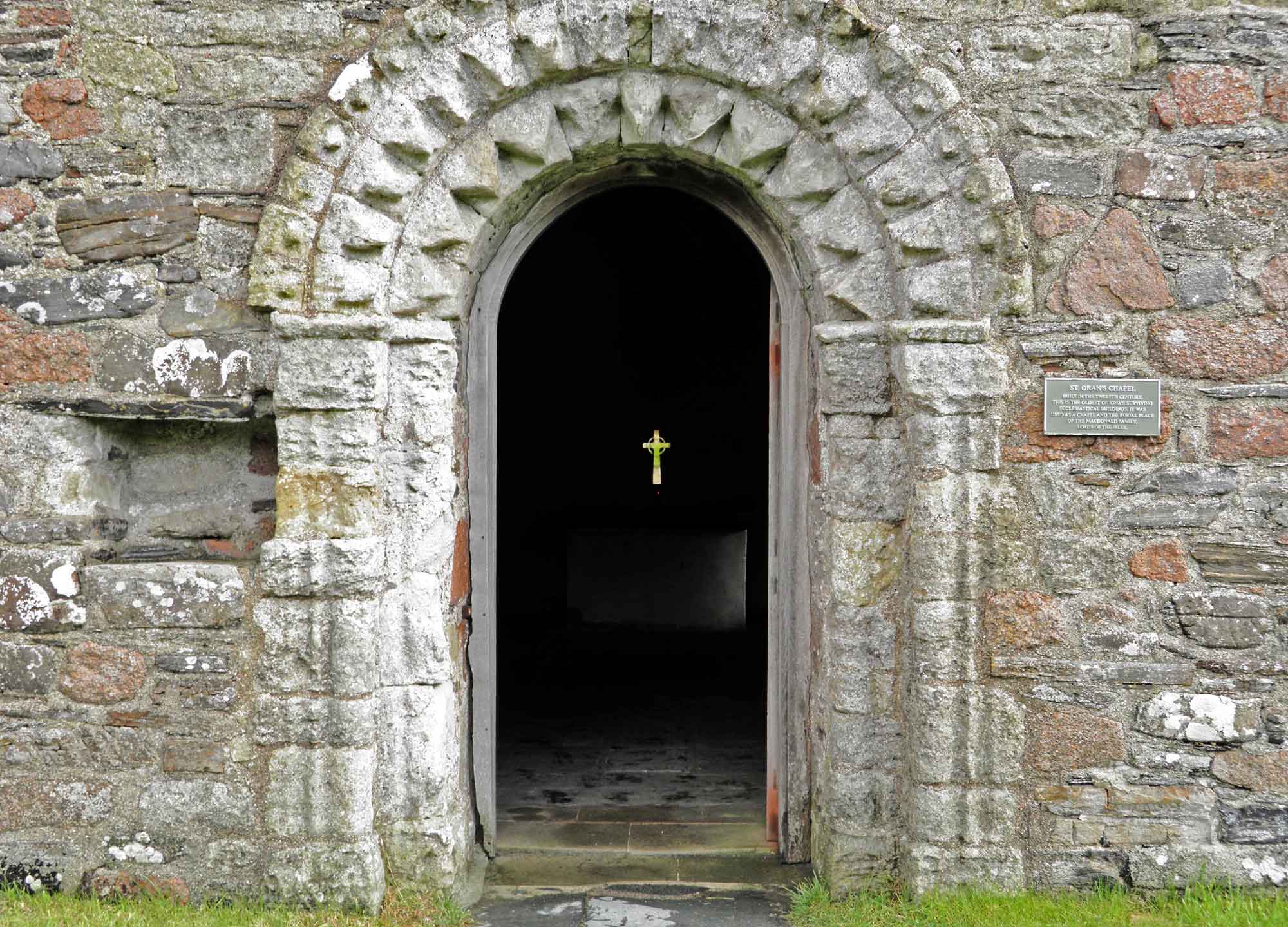
Columba Sails East

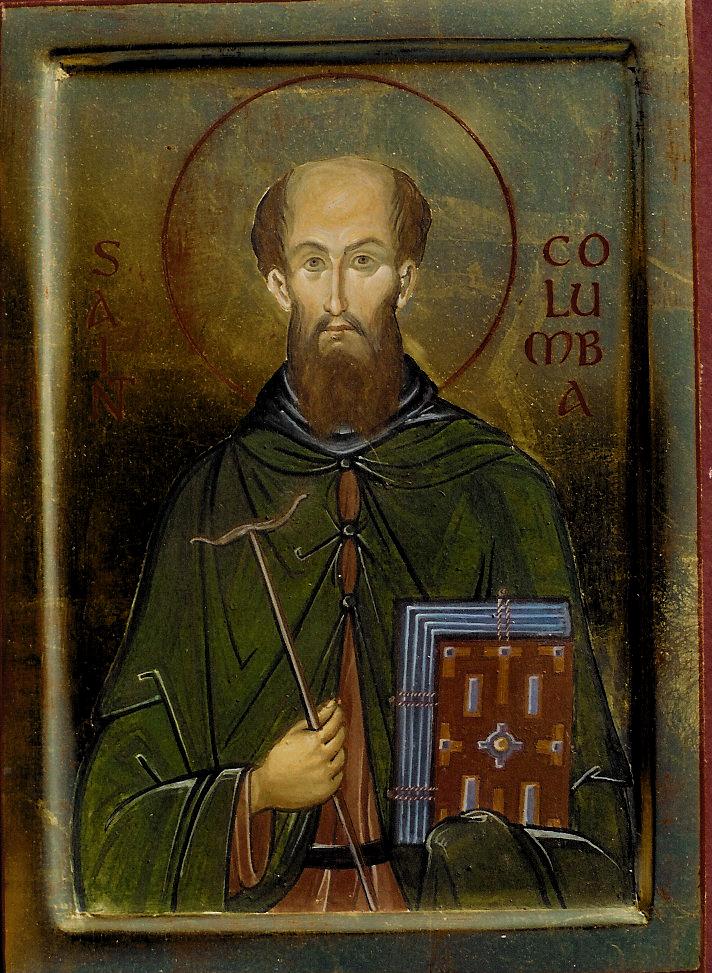
columba24

You say you are Orthodox? And what did you say your baptismal name was? I am a Northern Irish convert to Orthodoxy who regularly finds himself working and going to church in places which are much closer to the traditional heartland of eastern Christianity. So I am often asked, by gingerly Greeks or sceptical Serbs, about my path to Orthodoxy and in particular my patronal saint. When I give the answer, the scepticism sometimes deepens. And so – if the conversation is worth pursuing at all – I find myself attempting to explain the Christian heritage of the place where I grew up, and my own relationship to that place. Sometimes people are interested; sometimes I can watch their eyes glaze over. But since my story is the story of many western Orthodox Christians, I shall try telling it in print.

columba1columba2columba3columba4

columba5

columba6

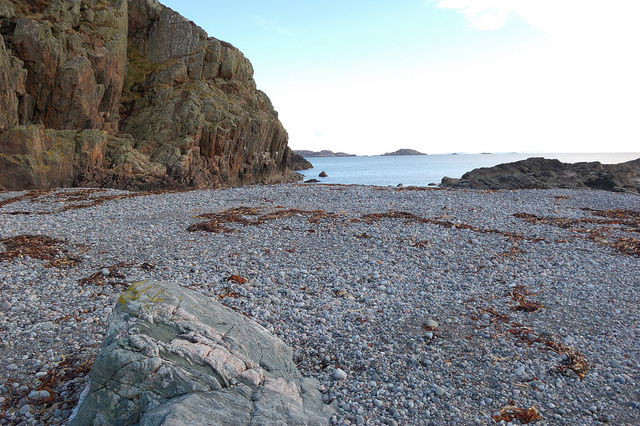
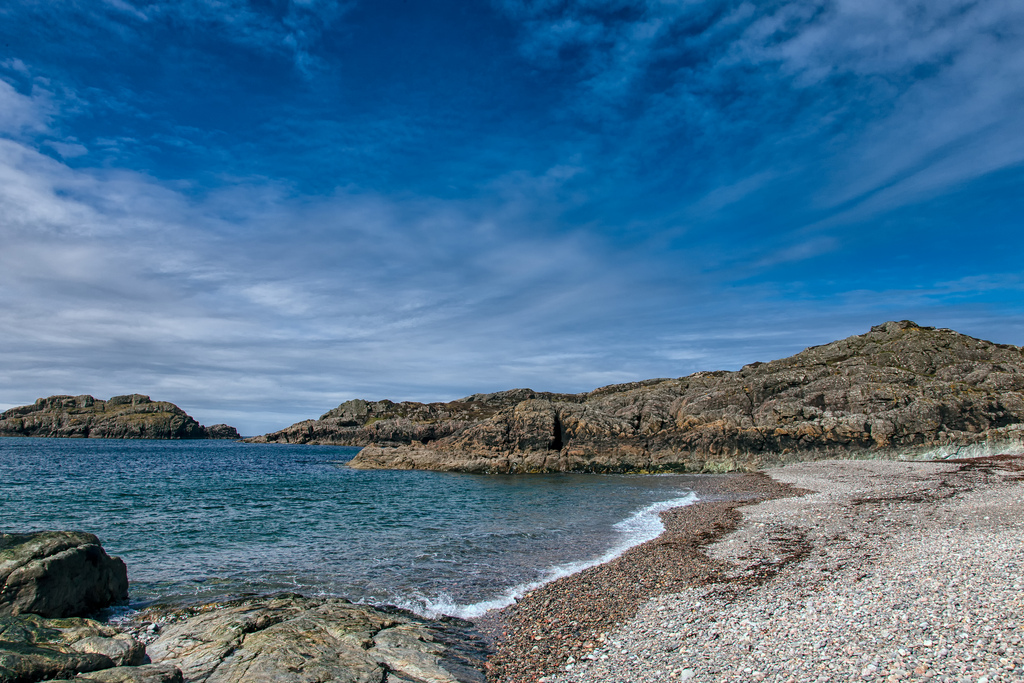
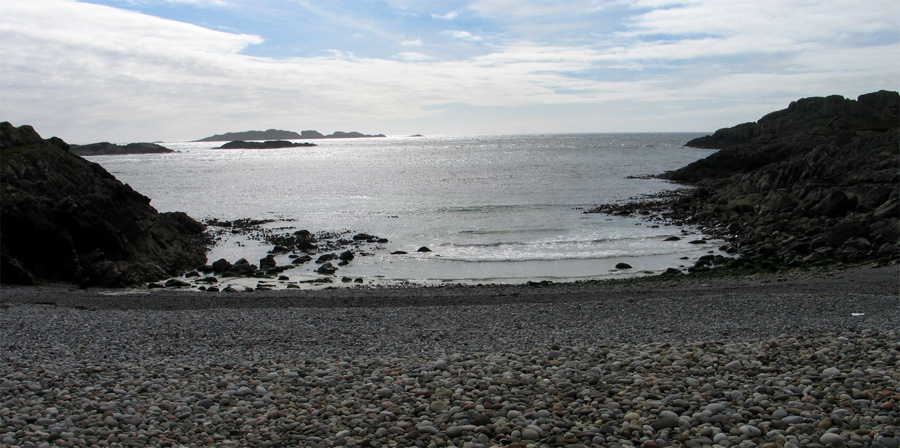
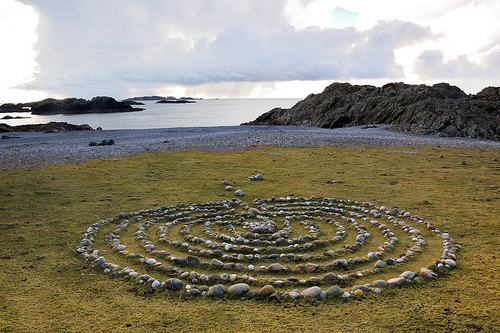
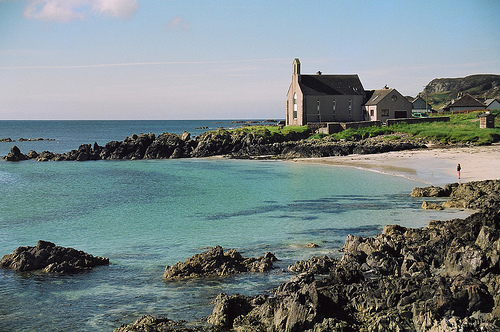
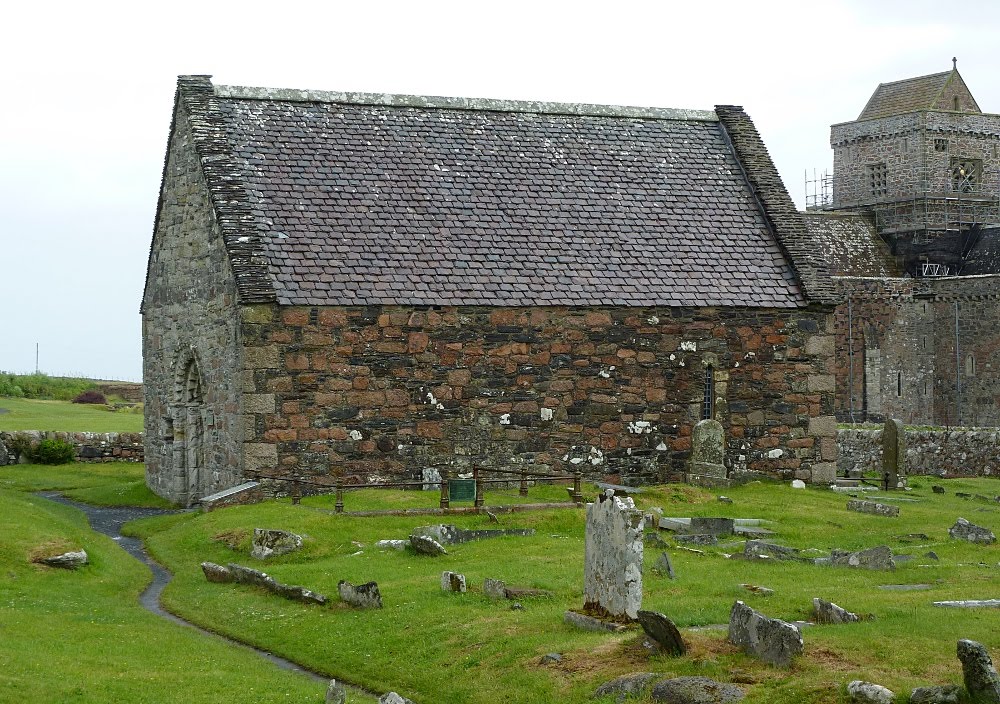
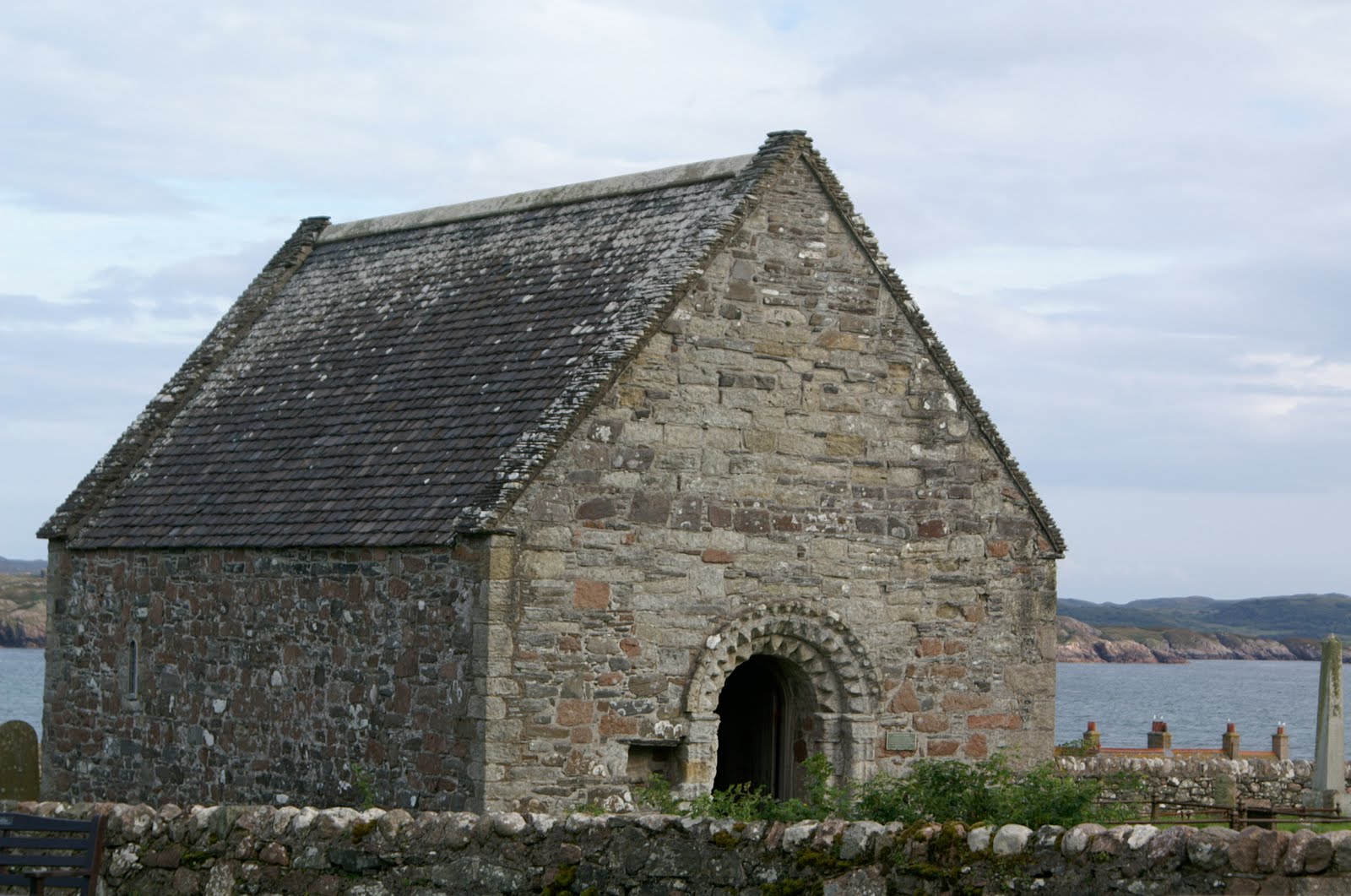
St Columba’s Bay, Iona

When I had the joy of being received into the Orthodox Church just over seven years ago, I took the name of Columba, the saint of Ireland andenlightener of Scotland. The process whereby priest and catechumen settle on a name is always a mysterious one; but in my case the decision to accept the name and seek the protecting guidance of Columba seemed to accord well with my own cultural origins; and also with the calling I had felt, however dimly, to another Kingdom, in which all national and cultural differences are set aside.  …

columba7columba8
Columba and the other great saints of the early Christian West are part of the common heritage of the undivided Church, and so they have a well-deserved place among the treasures of Orthodoxy. But for good reason, people from the old Orthodox world are reluctant to be taught new tricks by upstart converts from strange countries; so more than once I found myself put down rather sharply. The other difficulty I encountered was with western Christians: “We know the Roman Catholics have an interest in the early Celtic Church,” they would say, “and so do the Scottish Presbyterians and the Anglicans – but what possible connection can there be between Gaelic saints like Columba and the eastern Orthodox?”

columba9columba10columba11columba14 columba17columba18

… But is Orthodoxy simply one among many competitors for a slice of the Columba heritage? Reading the ecclesiastical history of the British Isles in the 19th century, you can trace the almost comical way in which one Christian denomination after another tried to lay claim to the saintly enlightener of Scotland. Roman Catholics tried to proclaim Columba as a loyal servant of the Pope, while the non-conformists stressed the differences of practice between Rome and the early Celtic Church, making the saint into an early anti-Papist hero. In the 20th century, a charismatic Presbyterian churchman, George McLeod, founded a community on Columba’s island which modelled itself on the saint’s gritty practicality: it was supposed to combine religious practice with engagement with the problems of the world at its most sordid and grimy.

columba19columba20columba21columba22

 Since then, the Iona community has become inter denominational and, from an Orthodox perspective, far more political than spiritual. There is also an Anglican retreat house on the island and as of quite recently, a Roman Catholic one. So are the Orthodox, who have been organizing pilgrimages to Iona since 1997, simply johnniescome-lately who want to plant their own flag on Columba’s Iona, along with all the others? And where do the Orthodox stand in the contest between many different constituencies (by no means all religious) to claim a piece of Columba’s heritage? Ecologists call him an early green, Scottish nationalists call him a proto-patriot, feminists see him and the Celtic Church as pioneers of gender equality. So does it make sense, then, for an Orthodox Christian to ask: which is “our bit” of Saint Columba?

In the end, it is only the saint himself who can answer that question. …
free-decorative-line-divider-clip-art-582650
For the whole article  by Columba Bruce Clark, secretary of the Friends of Orthodoxy on Iona, and a senior journalist for The Economist, go to http://www.roadtoemmaus.net/back_issue_articles/RTE_17/Columba_Sails_East.pdf

free-decorative-line-divider-clip-art-582650

For Celtic Orthodoxy the real ‘authority’ is Father Seraphim and his monastery blog at http://www.mullmonastery.com/page/1/?s=St+Columba  Follow his struggles to found Mull Monastery, the first Orthodox monastery in the Hebrides in over a millennium.


An Ineffable Fragrance

It is impossible to describe how exquisite and noble are the podvizhniki![1] These people—although they bear the traces of harsh struggles, although their bodies are so withered and emaciated—have a fragrance and grace imprinted on their wondrous souls.

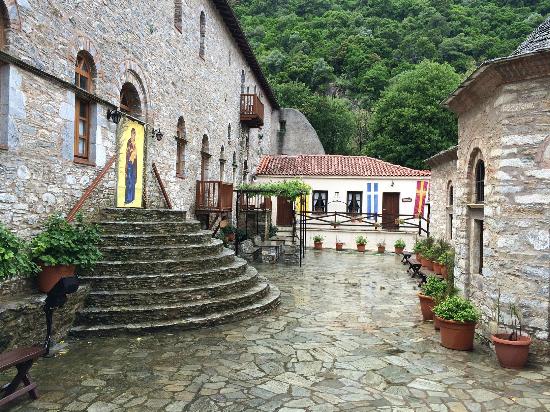
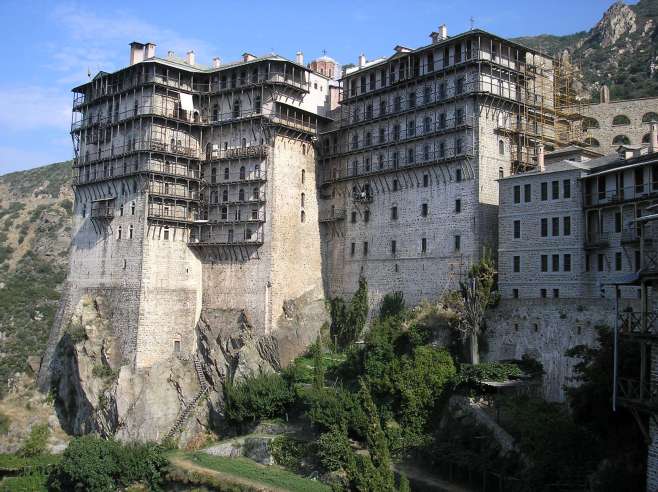
1976. The month of August—July 22 Old Style. The Altar Feast (Panegyr) of St. Mary Magdalene in Simonopetra. How they love this saint in her monastery! Her left hand is kept here—her wrist, palm, and fingers—with the skin and tendons. Its temperature holds steadily at 98.6 °F/37° C—proof that this is the hand of a living witness of the Resurrected Christ, living proof of the fact that “death hath no more dominion over” her, either (Rom. 6:9).

At the All-Night Vigil[2], they showed me a stasidion[3] practically in the center. Next to me there was a grey-haired little starets.[4] He stood as straight as a candle, without stirring. During the course of the service he weakened—he was obviously tired. Most likely, he was sleeping. But not relaxed as people usually sleep. His state was distinct and interesting: his head was leaning on his hand, his eyes almost shut. From time to time you could hear him snore a little, gently and peacefully. But every time the singers would make a mistake, he would come into action and without delay correct it. And then return to … his rest. “The body sleeps out of nature’s need, but his heart keeps awake out of its great love.” And truly, his mind keeps vigil. This man, it seems, lives in another world.

We came to the exapostilarion.[5] All the fathers stood, took off their skufias,[6] and bowed low when the serving priest performed the litany over the relics of the great saint and protectress of the monastery, which were lying on a silver tray. Soon the veneration began—I was stunned… I watched what the others did, and I felt that I wasn’t with them. I tried to understand what to do and how to do it correctly, but I couldn’t touch the secret. Everyone around me, I felt, was experiencing an event that I had no idea about. The choir intensified the celebration. The monks showed by their whole appearance that they were experiencing something the likes of which I could not perceive. The only thing that I was able to do was to follow what was going on—superficially and with curiosity. Soon the starets standing next to me left his place and goes in his turn up to the relics. Making three prostrations, he kissed them, was anointed by the priest, and with deep emotion he returned to his stasidion.

“You go, too,” he says to me, “don’t be shy—today the Saint is fragrant. Receive some of her grace.”

I did what he said and went up to the relics. This is what, apart from everything else, the others had done, too. But my doubts stayed with me. I didn’t particularly believe in all this. I went up in a reverie. And I was astonished by the fragrance. I had an insatiable desire to confirm the statement of this fact from an investigative point of view and to venerate the relics again. But I felt awkward—it was an inappropriate time for experiments! I returned to my place—physically—but mentally I stayed with the Saint. My questions multiplied, but my faith did not increase. It was the “sign” that I had been asking for, but it wasn’t the “sign” that I needed. I couldn’t believe in it, but again, I couldn’t imagine that the monks were lying. They had such pure countenances, and they experienced what was going on without reasoning or arguments. I had no reason to suspect them of lying.

“Geronda[7], how does this happen?” I asked. “Maybe out of piety the fathers sprinkled a little perfume? Or are the relics themselves fragrant?”

“Here reverence is ruined as soon as you sprinkle perfume. Reverence is increased when you receive the ineffable fragrance in simplicity. The Holy Mountain is full of such occurrences.”

“What does ‘ineffable fragrance’ mean?”

“If we sprinkled a little perfume from a perfume store, then it would be “fragrance.” Now, when we don’t sprinkle anything but the fragrance pours out all by itself, that is called ‘ineffable fragrance’.

I bowed and kissed his hand. He himself also was fragrant, as if he had been handling incense. The all-night vigil continued—it lasted twelve hours.

A monk whom I knew came up to me:

“Did you get a blessing from Elder Arsenios?”

“Who is that?” I asked, not having any idea who he was referring to.

“The little old man who was standing next to you.”

“The little old man who was sleeping next to me,” I said to myself.

“He has the ‘gift of not washing’, added the monk. “It has already been ten years since he has washed his face and he is fragrant all over. He is as pure as a tear. He lives in Kalamitse, in a cell alone, an hour and a half walk from here. Run, before he leaves!”

I did not catch up with him. He had withdrawn to his cell before the beginning of the festive trapeza. He was filled with the Divine service. He didn’t need food or words in order to fill his soul. He stood, sat, drifted off for twelve hours, and still every second breathed in the sweetness of the all-night vigil. He hath chosen the good part, which will not be taken awayfrom him (Luke 10:42).

From: A Still Small Voice by Metropolitan Nicholas of Mesogaia and Lavreotiki, Phoni avras leptis, Athens 2006, pp. 139–144. Translated from the Russian version on Pravoslavie.ru.

Metropolitan Nikolaos of Mesogaia and Lavreotiki
Translation by Dimitra Dwelley

[1] Podvizhnik: a “spiritual athlete,” one who struggles spiritually, takes on podvigs. Podvig – a difficult spiritual task taken on voluntarily.—Trans.

[2] Agrypnia: the very long Divine service celebrated with great solemnity on Athos on Sundays, great feasts and feasts of the saints in whose honor churches are named, and likewise on days commemorating particularly revered saints.

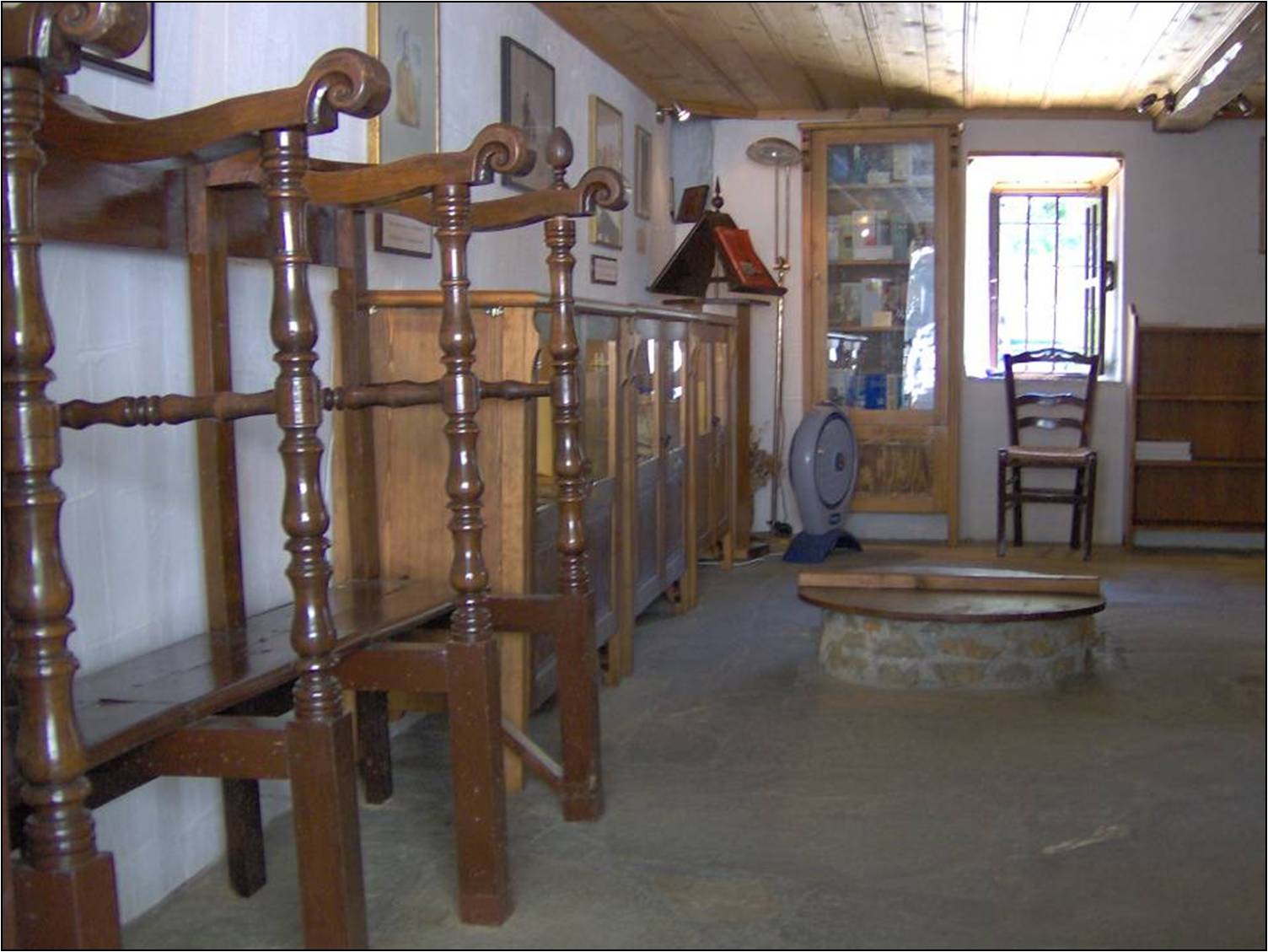
[3] Stasidion: in Orthodox monasteries, a special wooden chair with high armrests and a seat that can be lifted up out of the way, so that a monk can stand up during the long vigils while being able to rest his arms on the armrests. When it is allowed or necessary out of weakness, the seat may be folded down so he may sit. —Trans.

[4] starets (here, “starchik”, an affectionate form): an elder, usually monastic, who through long experience, obedience, spiritual struggles, love and humility is given special spiritual gifts and to whom others come for spiritual guidance. —Trans.

[5] The Dismissal Hymn, the troparion that follows the Canon at Matins, near the end of the service. Sometimes called svetilen/photogogikon, because it sings of Christ the Light of the world. It is connected with the Matins Gospel.

[6] Skufia: priest’s or monastic’s hat.

[7] Geronda: Greek for “elder” or “starets.”

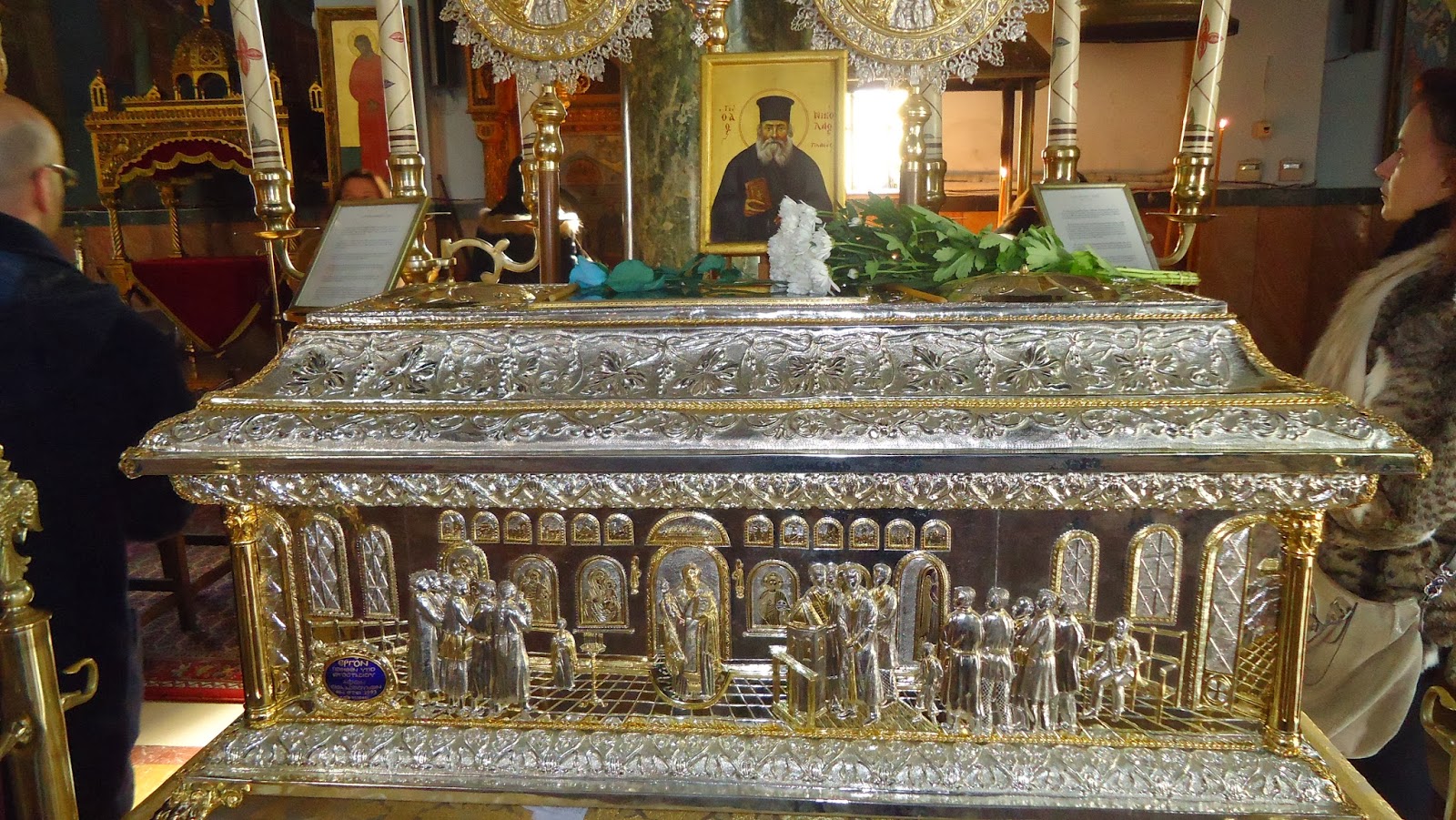
Simonopetra_Aug2006.jpg

Who is Metropolitan Nikolaos?
The Metropolitan of Messogea and Lavreotiki, Nikolaos, was born on April 13th 1954 in Thessaloniki, Greece. He studied physics at the University of Thessaloniki. He continued his studies at Harvard and MIT (USA) where he obtained postgraduate degrees and doctorates. He worked as a researcher and research assistant in the laboratory of angiology of the New England Deaconess Hospital (U.S.). At the same time he was a scientific associate of the United States Company NASA and the company Arthur D. Little.
He taught courses at Harvard and M.I.T, the Medical School of University of Crete and the Medical School of Athens University. He studied theology at the Theological School of the Holy Cross in Boston in the United States and was named honorary student of the Theological School of the University. He was the director of the Center for Biomedical Ethics and the President of the Synodical Bioethics Committee of the Church of Greece. He spent two years on Mount Athos, after which he became a monk on March 18, 1989 at the Holy Stomiou Konitsis Monastery, and the next day he was ordained deacon and then priest on September 10th of that year. Later he entered into the Holy Monastery of Simonopetra. Between 1990 and 2004 he served as a parish priest to the Athonite dependency (Metohion) of the Saviour’s Ascension (Simonopetra Monastery) in Byrona, a suburb of Athens. He was elected Metropolitan of Mesogaias and Lavreotikis on April 26th 2004. Listen to him at a recent Symposium at Madingley Hall, Cambridge https://www.youtube.com/watch?v=POCEGvMRGeA


Between Son and Mother

A virtual, photographic pilgrimage to shrines in Greece and Cyprus dedicated to the Feast of the Mother of God Presentation or Entry, Entrance, Eisodos in the Temple (November 21)

blue-swirl-divider-hi

Iconography of the Entrance of the Theotokos at Hilandari Monastery–MOUNT ATHOS

entry3entry4ENTRY300ENTRY302ENTRY304ENTRY305

The Monastery of Panagia Hozoviotissa in AmorgosENTRY96entry7

ENTRY91ENTRY98ENTRY99ENTRY92entry15ENTRY93entry9entry10entry11ENTRY95entry12OLYMPUS DIGITAL CAMERAentry16

Panagia Malteza of Santorini

IBR-172888entry20entry23entry19

Panagia Odigitria of Kimolos

entry26entry30entry31

entry25

The 11th Century Church of Panagia Kapnikarea in Athens

entry43

entry39entry40

The Monastery of Panagia of Machairas in Cyprus

entry75

entry71entry73entry74entry45entry51entry60entry61entry77entry79entry78entry46entry82entry44entry49entry83


blue-swirl-divider-hi

No one stands between Son and Mother

Give us salvation


ENTRY200


“Today, the most pure temple of the Savior, the precious bridal chamber and Virgin, the sacred treasure of God, enters the house of the Lord, bringing the grace of the Divine Spirit. The Angels of God praise her. She is the heavenly tabernacle.”


entry600


Drunk on Delusion, Sober in Despair