The Coronavirus Diary of a Joyous Pustinnyk — 15

20200422_134530

Remember the Little things Diary #Day 15

Christ is Risen!

+ St George’s Day

 We remember today those Doctors, Nurses and Carers who work in our hospitals, surgeries and care homes. We thank them for their skill, courage and commitment. We have some of these front line heroes as part of our Parish who daily enter into battle against Coronavirus disease.

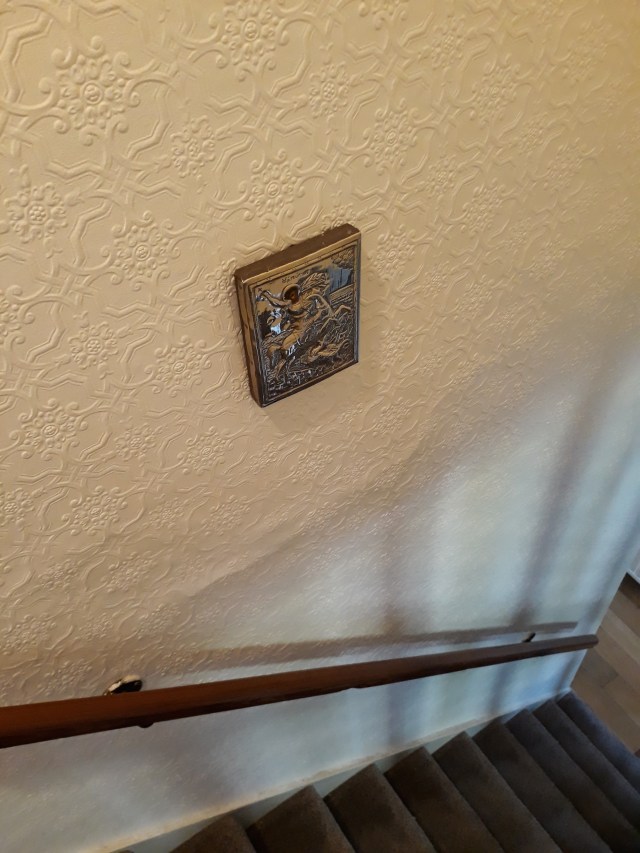
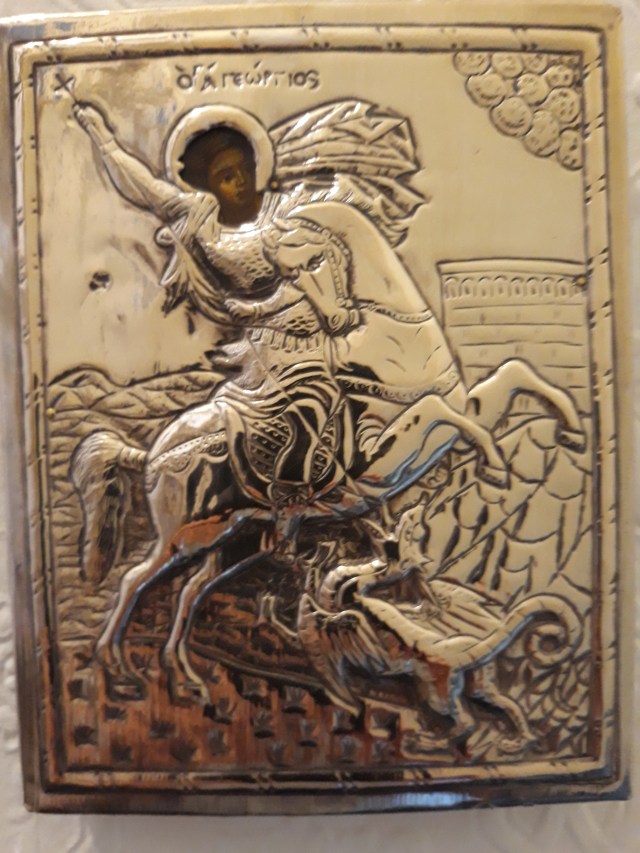
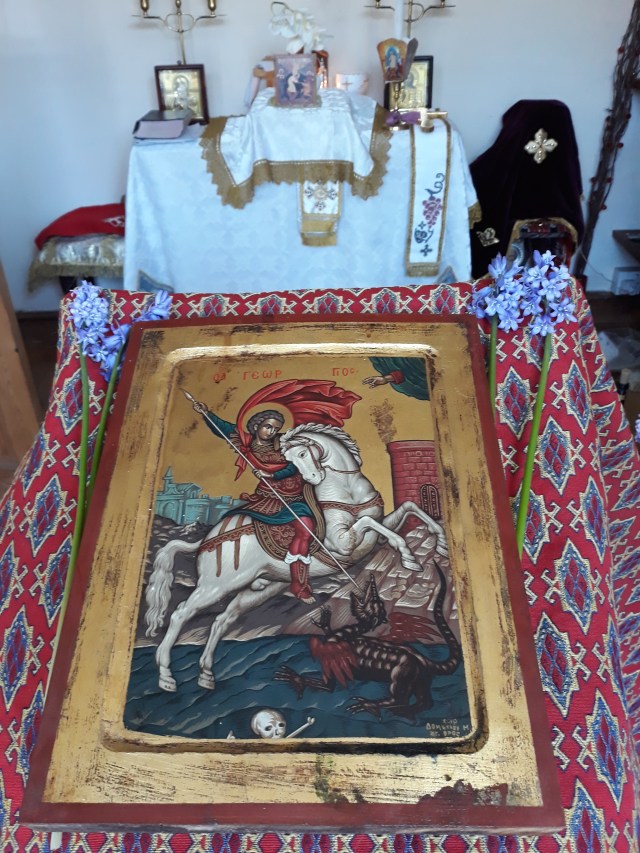
 I have two icons of St George at home, one, silver embossed, on the wall next to my staircase which I purchased many years ago whilst on holiday in Rhodes; the other given to me more recently. Every morning, when going downstairs I say, “St George defend me from every evil attack this day.”


20200422_13480120200422_135015

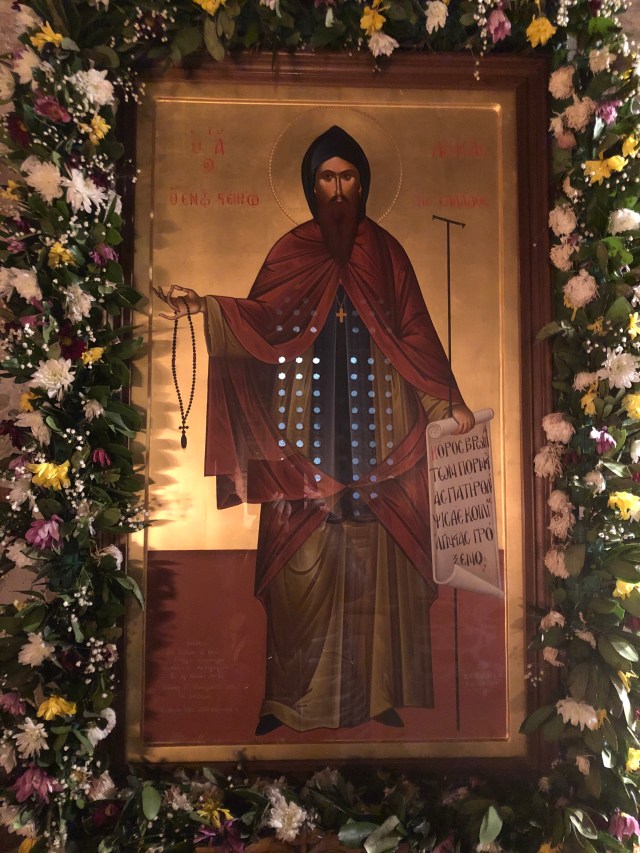
Saint George fought against evil with the virtues of valour and strength.

May the Holy and Great Martyr George the Trophy Bearer intercede before Christ for our Doctors, Nurses and Carers.


Troparion of St George Tone 4

As the deliverer of captives and defender of the poor, healer of the infirm and champion of kings, victorious great martyr George intercede with Christ our God for our souls’ salvation.


Nouns and Verbs


Matthew 7:21

 “Not everyone who says to Me, ‘Lord, Lord,’ shall enter the kingdom of heaven, but he who does the will of My Father in heaven.

and

And Matthew 20:1-16 The Parable of the Workers in the Vineyard


Proper Nouns of holy faith possess a piety:

Bell and Bible, Church and Chalice, Lance and Liturgy;

But holier the Verbs; to love, to save, to heal, to pray,

To feed the hungry, clothe the poor, follow and obey.


Working in God’s Vineyard some sweat in the heat of day

But all receive the same reward, all have equal pay.

 O happy servants pruned and fruitful whom His Kingdom gain,

Rejoicing in the Son shine and singing in the Reign.


 “A small but always persistent discipline is a great force; for a soft drop falling persistently, hollows out hard rock.” St Isaac the Syrian


Love and prayers

Eν Χριστώ


The Coronavirus Diary of a Joyous Pustynnik — 13

20200418_15054020200418_20170220200420_093236

Holy Week Highlights — a photoblog. Christ is Risen!

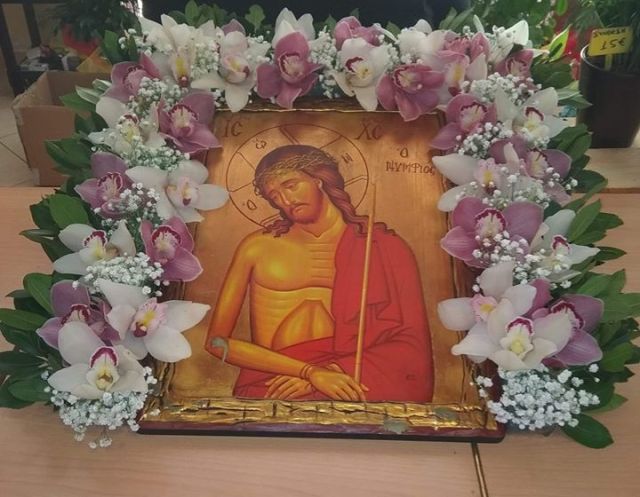
Nymfiosholy unction

20200415_103003

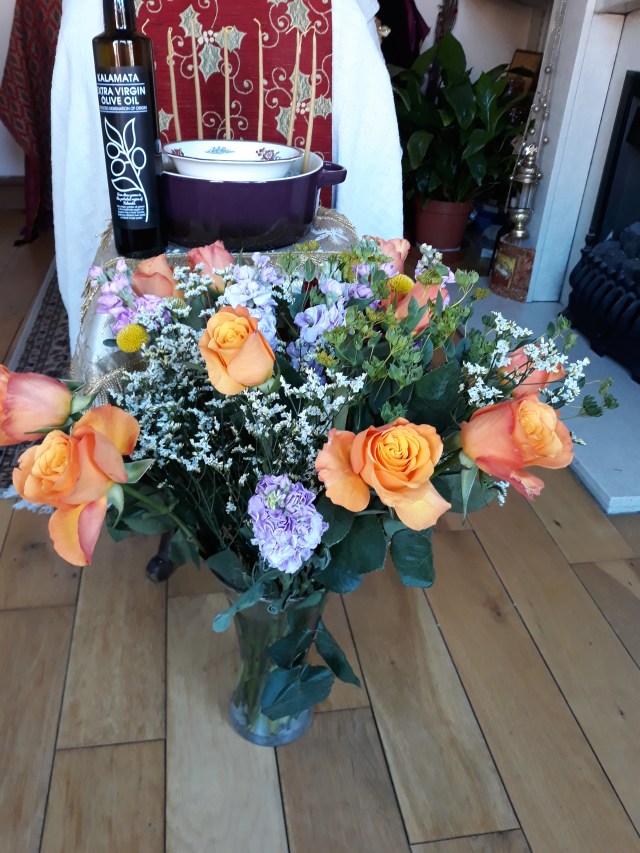
The Saints are delighted with the flowers! I eventually found the card. Thank you dearest sisters. I am overwhelmed, and all the saints in my icon corner are smiling.

Bleeding Crucifix today, on Holy Thursday, now in Athens, in Holy Andreas Chapel, Nursing Home Care

IMG_729220200417_162601

Greek style! A flying priest! Go to https://ellada.press/vinteo-o-iptamenos-iereas-tis-chiou-edose-pali-resital-telos-sunelifthi/

And Cypriot style 🙂 Holy Saturday Vespers — How to make holy noise — Cypriot style 🙂
Please watch from 1:14:28 up to 1:17, and later, and pay attention to all details His Eminence Metropolitan Morfou

20200418_123740 (1)

20200420_132051 (1)

This is one of the first Icons I “made.” It is a simple print stuck on to a piece of wood. I found it in my attic at the bottom of a cardboard box. 

20200420_130559


A Photo Diary of Little Things — 2

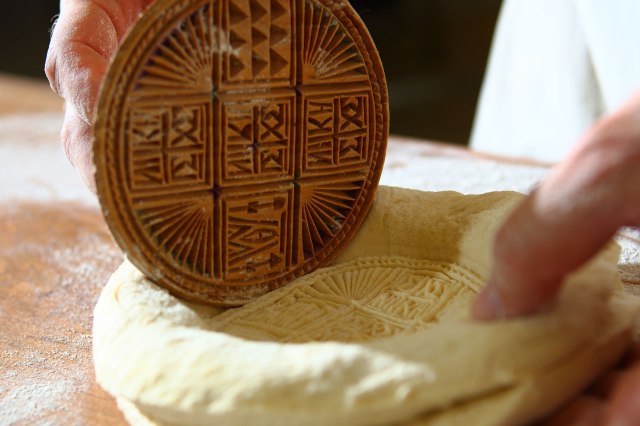
prosforo

Dear brothers and sisters, Christ is in our midst.

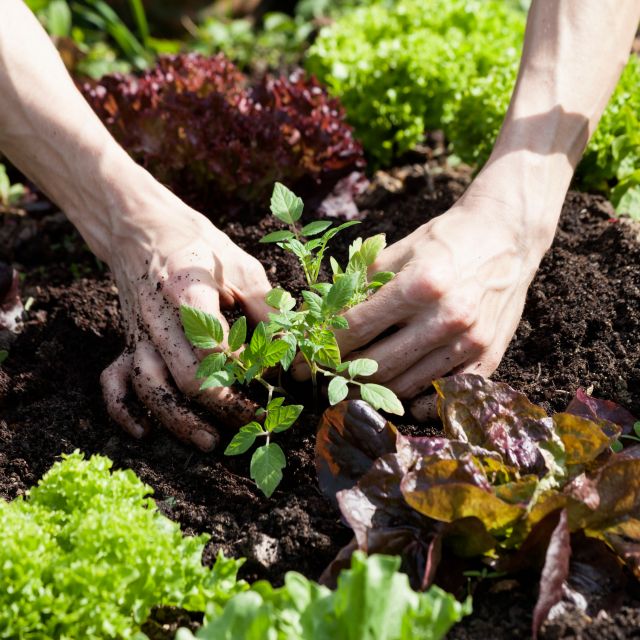
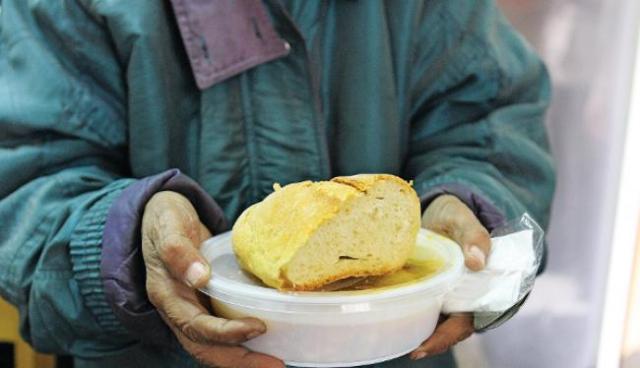
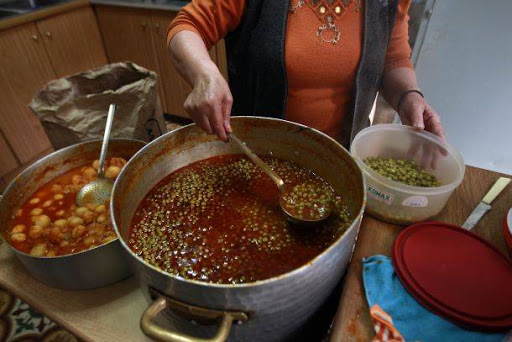
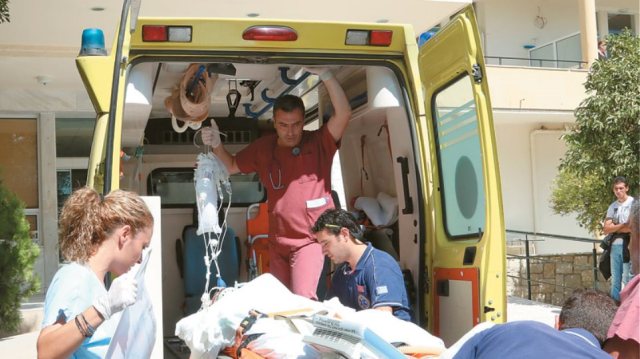
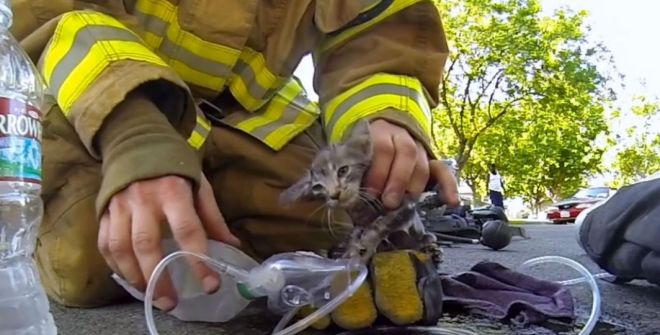
Here are a few pairs of compassionate hands I came across in my neighbourhood the last couple of days.

planting-vegetables-and-herbssoup kitchensoup kitchen2

If Hands Could Free You, Heart

If hands could free you, heart,
 Where would you fly?
Far, beyond every part
Of earth this running sky
Makes desolate?  Would you cross
City and hill and sea,
 If hands could set you free?

I would not lift the latch;
 For I could run
Through fields, pit-valleys, catch
All beauty under the sun—
Still end in loss:
I should find no bent arm, no bed
 To rest my head.

By Philip Larkin 

parameidcs2

“An aged man is but a paltry thing, a tattered coat upon a stick, unless soul clap its hands and sing, and louder sing for every tatter in its mortal dress.” William Butler Yeats

young-man-elderly-woman-visitingfireman saves kitten

“I have held many things in my hands, and I have lost them all; but whatever I have placed in God’s hands, that I still possess.” Martin Luther

learn to write

Hands

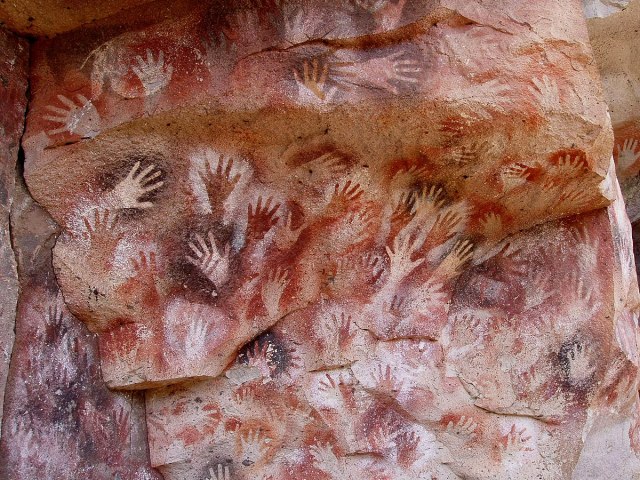
Inside a cave in a narrow canyon near Tassajara
The vault of rock is painted with hands,
A multitude of hands in the twilight, a cloud of men’s palms, no more,
No other picture. There’s no one to say
Whether the brown shy quiet people who are dead intended
Religion or magic, or made their tracings
In the idleness of art; but over the division of years these careful
Signs-manual are now like a sealed message
Saying: “Look: we also were human; we had hands, not paws. All hail
You people with the cleverer hands, our supplanters
In the beautiful country; enjoy her a season, her beauty, and come down
And be supplanted; for you also are human.”

By Robinson Jeffers  

SantaCruz-CuevaManos

Cueva de las Manos (Spanish for Cave of Hands) in the province of Santa Cruz, Argentina, famous for (and gets its name from) the paintings of hands. The art in the cave dates from 13,000 to 9,000 years ago.

The Coronavirus Diary of a Pustinnyk — 10

20200408_14323520200409_091401

In the windows of the houses in the street where I live and all around Britain we see Rainbows appearing as a sign of hope against the Coronavirus pandemic. It is also God’s sign of promise and covenant. (Genesis 9:12-13)

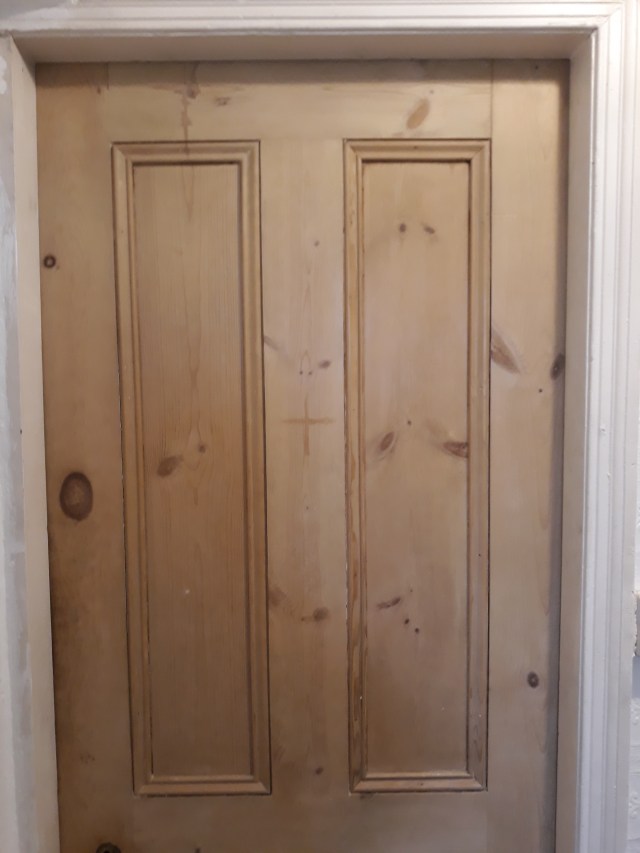
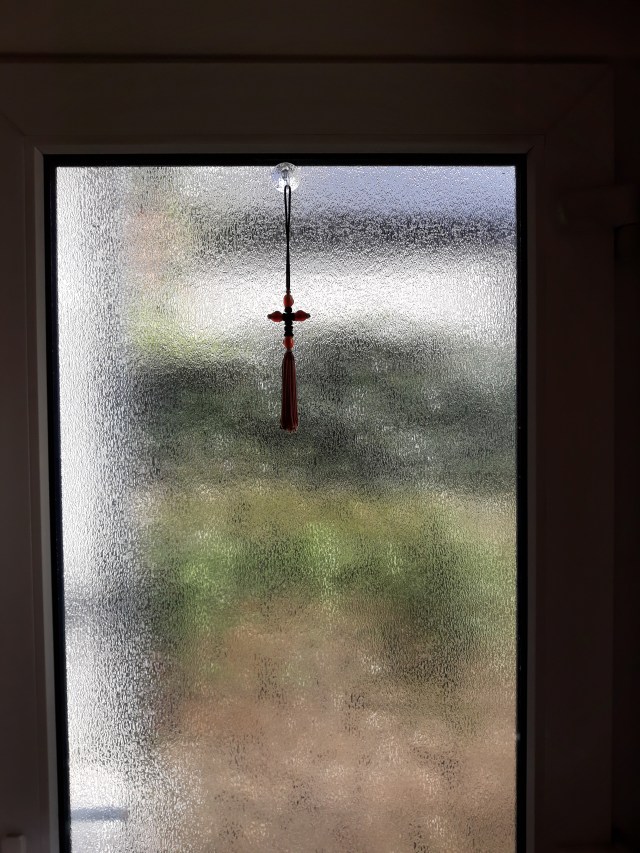
I see people waving through windows to their friends – looking out of their windows to see that rare glimpse of a car or a person passing by. In the window above my front and rear door hangs a Cross. On my inner doors, I paint in holy oil the same symbol of our faith. In my front window there hangs a lamp which burns in the evening as a sign of the presence of Christ and His saints.

20200408_154730 (1)20200408_15481520200408_171831

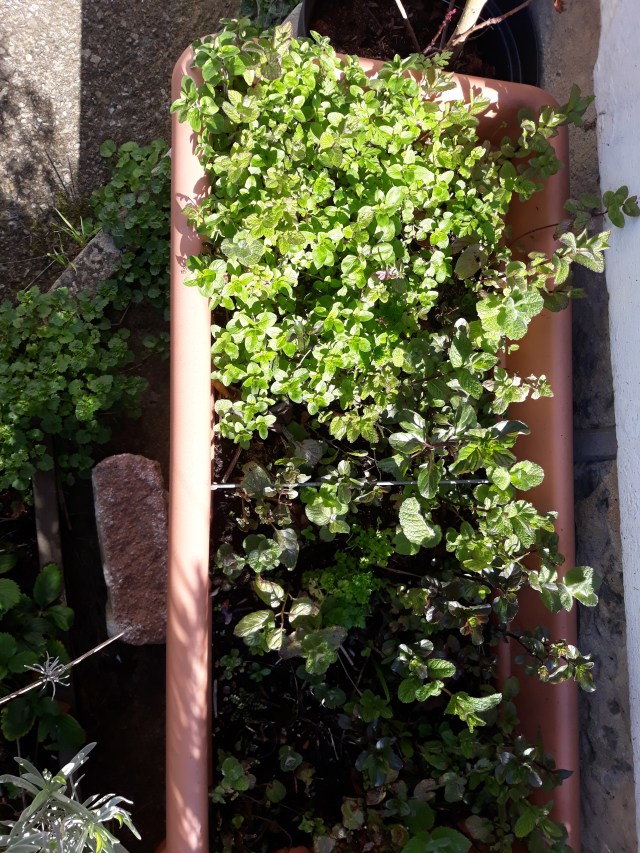
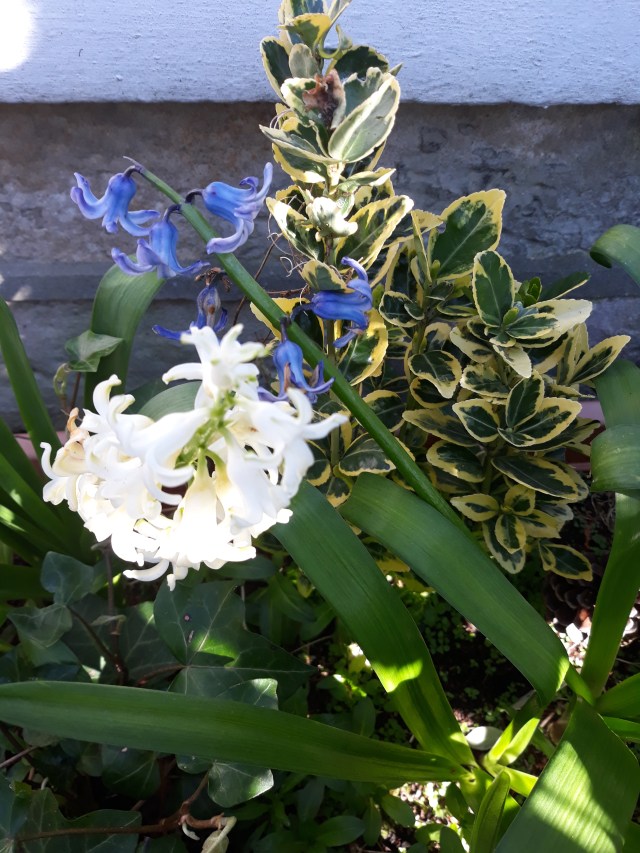
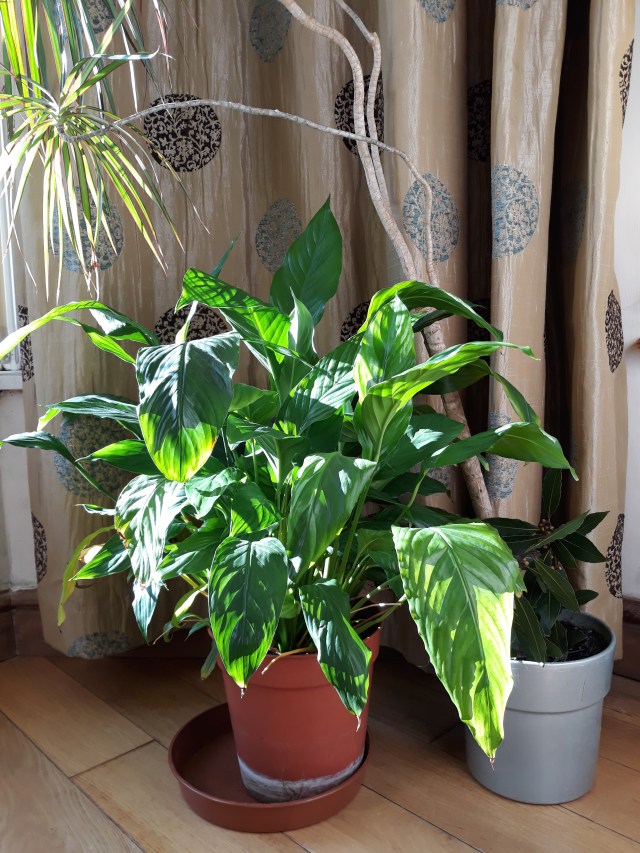
The peace plant and hyacinth — late hyacinths in my front “garden”; the perfume is  exquisite — Herbs are doing well!; a little mint, thyme and parsley at the herb tub — Glory to God for all things!

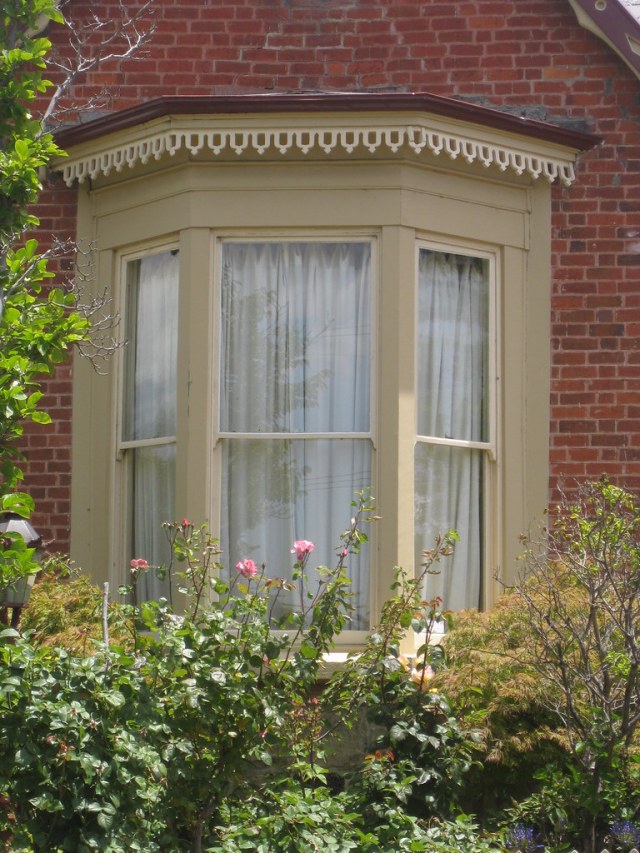
bay window 2

Mirrors and Windows

In these challenging times, people find themselves adjusting to the basic necessities of life-food, medicine and shelter. There are no celebrations in local restaurants, fashion has become superfluous and even having your hair cut becomes a problem if you live on your own. 

 Vanity has become a pointless luxury -it always was! Why dress up when there is nowhere to go?  The writer of Ecclesiastes expresses it well. ( Ecclesiastes 1:1-12)

 Job also reminds us that the statutes of God must be kept whether or not it results in joy or sorrow. In the Gospel of Matthew 28:20 Christ makes a new covenant, which is for us to teach others to observe all that which He has commanded us and that He will be with us always, even to the end of the age. Amen


Mirrors and Windows

Matthew 5: 8 “Blessed are the pure in heart for they shall see God.” 

Matthew 5:48 “Therefore you shall be perfect, just as your Father in heaven is perfect.”


When we look at ourselves in a mirror we see only 

A reverse reflection of who we are with all our imperfections. 

Even then we possess ourselves in vanity. 

When we look at an Icon, we have a window into heaven 

And behold a revelatory image of the perfection we can achieve. 

Only then do we lose ourselves in Divinity. 

We must replace our mirrors with windows if we want to turn our

 Darkness into Light. 


“He who really keeps account of his actions considers as lost every day in which he does not mourn, whatever good he may have done in it.”

St. John of the Ladder

A photo diary of little things — 1


olympus

Dear brothers and sisters,

Christ is in our midst.

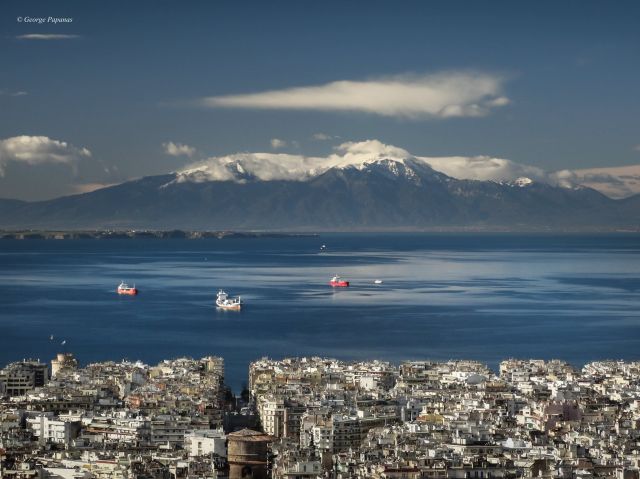
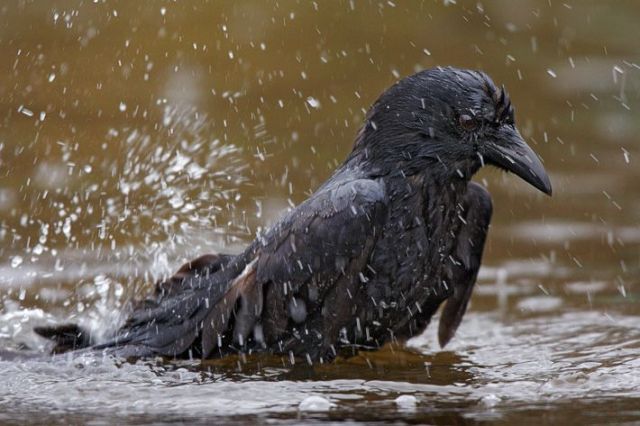
This diary of a Pustynnik started making me really observe and feel grateful for all these “little” things. Here are my three pics for today: a stunning view of Mount Olympus from Thessaloniki upper city, a crow bathing in a rain puddle and a baby cavalier which got lost and I helped walk back home.  Glory to God for all things! Please share your “little things”.

Day #1

crow bathing in rain puddlecavalier


Montenegro Serbian Orthodox Church in Coronavirus Times

mavrovounio1

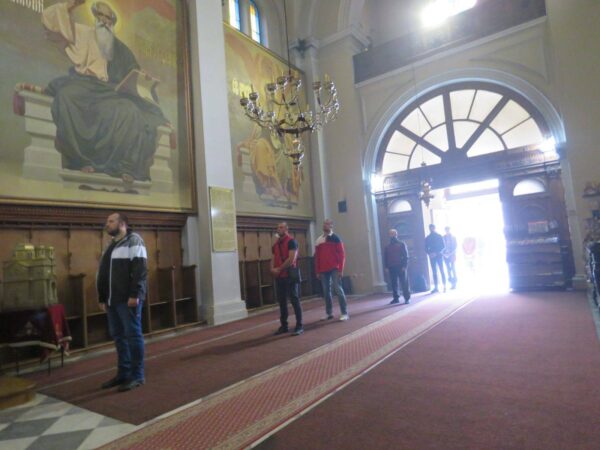
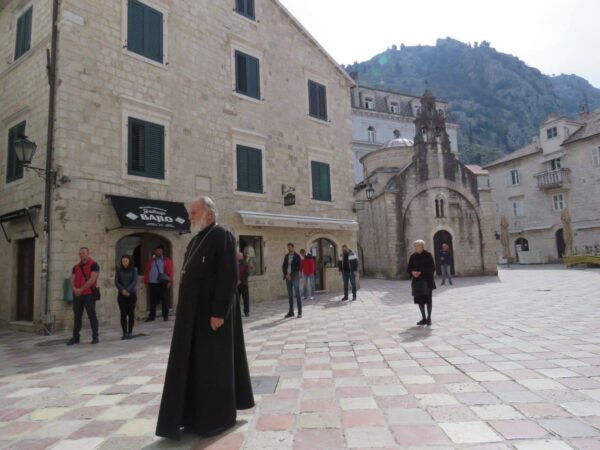
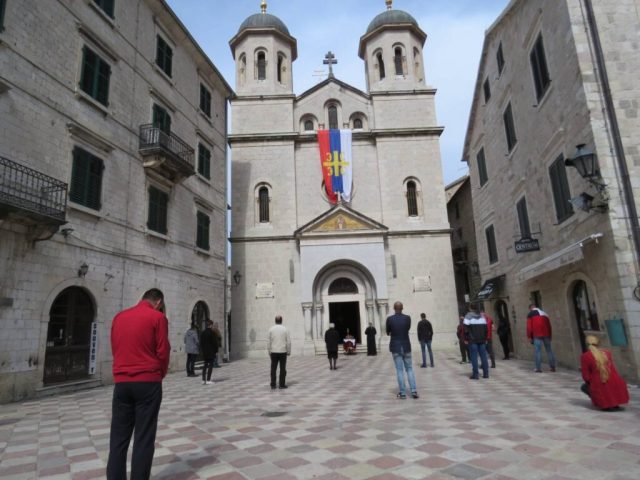
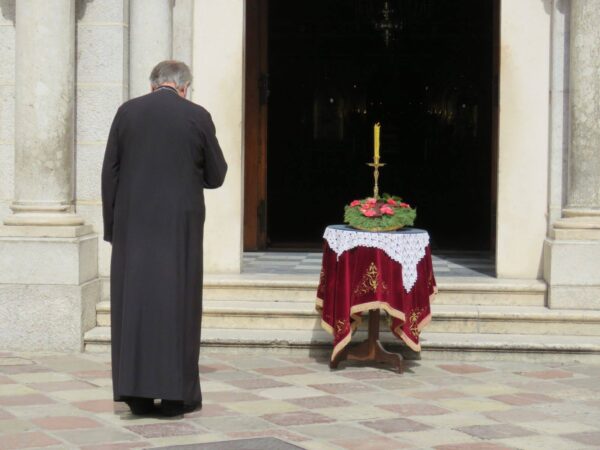
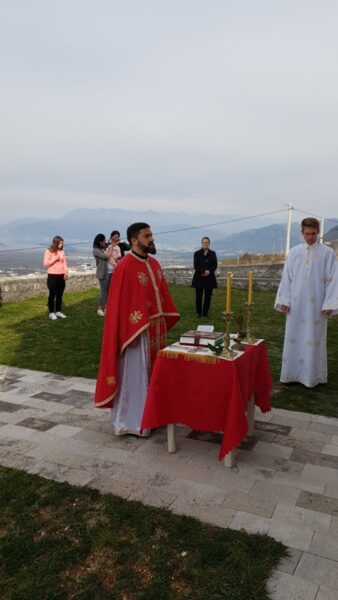
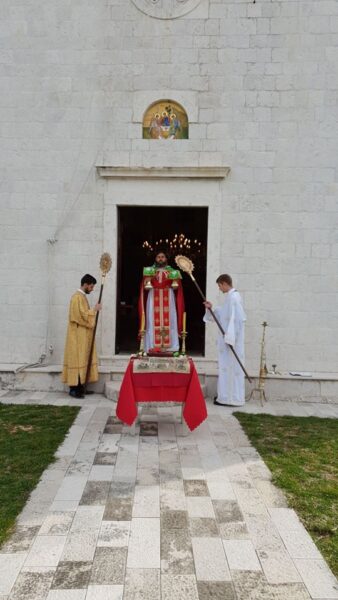
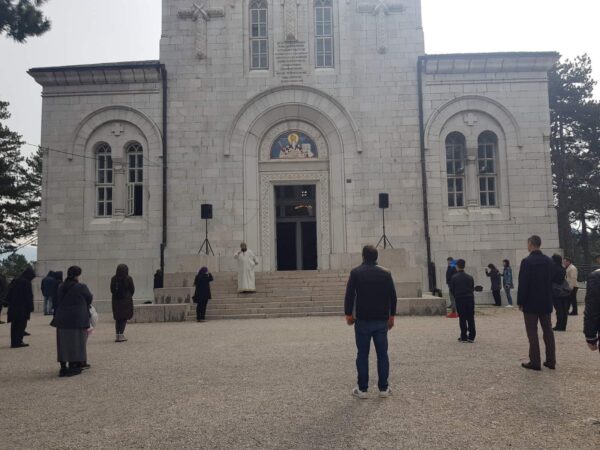
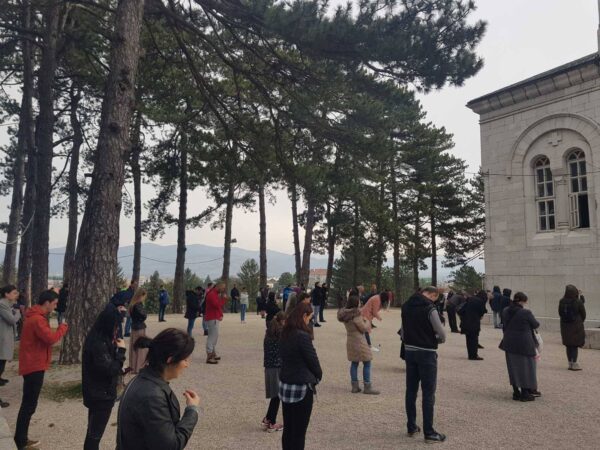
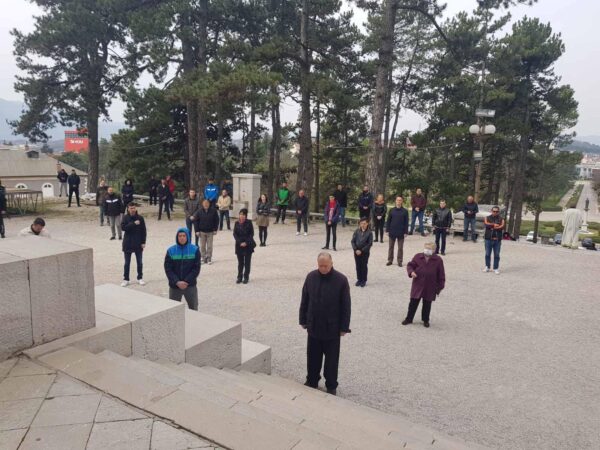
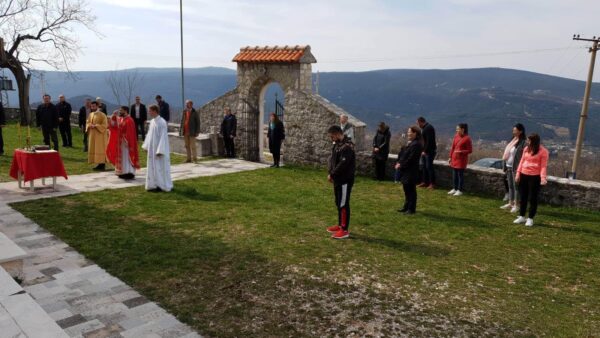
My brothers and sisters, Christ is in our midst. This Sunday 22/4/2020, in Montenegro, Holy Liturgies were offered open to the faithful, not in defiance of a ban on public gatherings as part of measures to protect people from infection, but cooperating with the authorities. At the special request of Metropolitan Amfilohije Radović (Serbian Cyrillic: Амфилохије Радовић), the head of the Serbian Orthodox Church in Montenegro, and the faithful, with the cooperation of Prime Minister Markovitz, Minister of Justice Zoran Pažin and Police chief  Veliovitz.  Sign of the times? Your thoughts? A Photoblog.

mavrovounio2mavrovounio3mavrovounio4mavrovounio6mavrovounio7mavrovounio8mavrovounio10mavrovounio11mavrovounio12mavrovounio13mavrovounio15mavrovounio16mavrovounio17mavrovounio18


Source: enromiosini. gr


Panagia Laodigitria

panagialaodigitrialagoudiani1

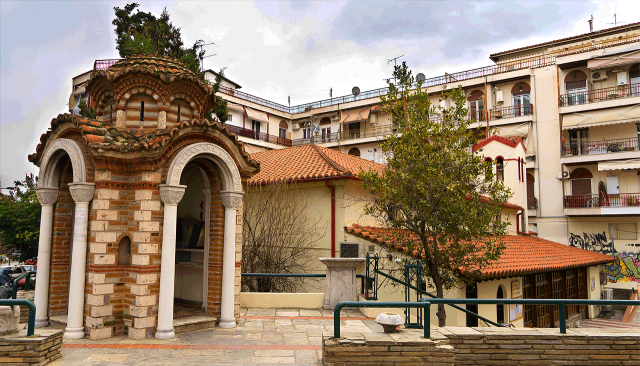
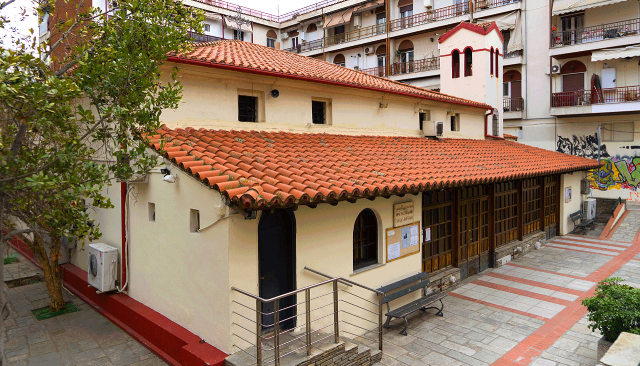
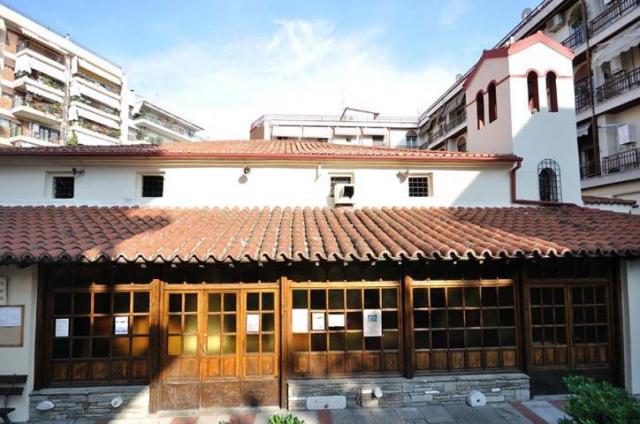
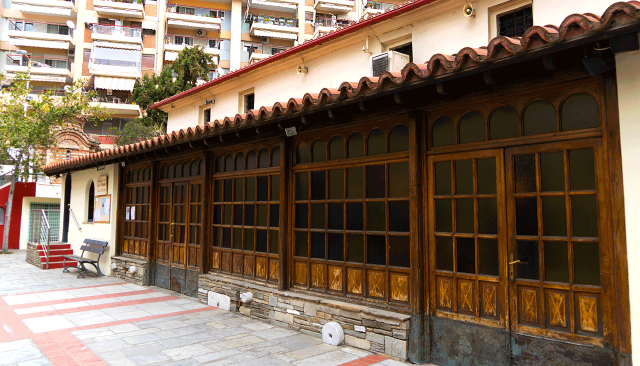
Church of Panagia Laodigitria or Panagia Lagoudiani in Thessaloniki

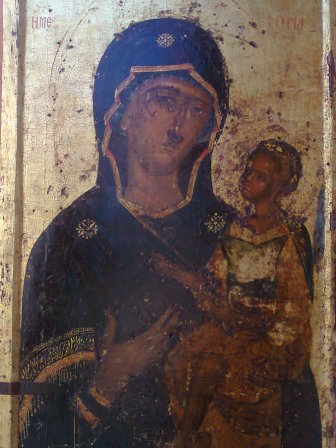
According to a byzantine legend, a miraculous incident occurred in the place where the church of Panagia Lagoudiani [Rabbit place] or Laodigitria [Virgin Mary the People Leader] is built. A hunter looking for rabbit’s hiding place, put his hands in a burrow trying to cage the small animal. However, he drew up from the hole the miraculous icon of Panagia Tricherousa [the “Virgin with Three Hands] or Oglaitissa. During the Ottoman rule, the monastery was called “Tavsan Manastir”, that is “the monastery of the rabbits”.

panagialaodigitrialagoudiani3

After this incident, a women’s monastery was built on this place and the central part of the monastery is today’s church. In the 15th century, it was the catholicon of a nunnery that was a dependency [Metochion] of Vlatadon Monastery (*)  According to another theory, the church took its name after the owner, Lagoudatos [Rabbit Man], who lived in the 14th century. In any case, this historical church is a rare archaeological gem and a monument of the post-Byzantine period  (1453-1800).

PanagiaLaodigitria5

The origins of the name “Laodigitria” is unknown but many researchers agree on byzantine sources of the 12th century when the Metropolitan of Thessaloniki mentioned the following: “…η Πάναγνος Θεομήτωρ η παρ ημιν του οδηγείν επώνυμος” [Virgin Mary, Mother of God, lead us…” Laodigitria Theotokos, the Leader of the people, became together with Saint Demetrius, the woman patron saint of Thessaloniki.

panagialaodigitrialagoudiani2

During the Turkish occupation, the monastery was offering social work, by granting near Monastery’s properties against symbolic price for the sheltering of poor Christian families. This system was called in Turkish “Itzare”, ie. an once-off symbolic “lump” sum and with the payment of instalments of similarly symbolic sums throughout their lifetime, so that the monastery retained the legal [‘bare’] ownership of the monastery’s real property since they beneficiaries were not allowed to sell them. This measure proved valuable for homeless families in hard times since the number of lodgings/houses was more than 20.

In 1802, the church was restored and renovated (Oct 27, 1802) through the sponsorship of the merchant Ioannis Kaftangoglou and became a three-aisled basilica with wooden ceiling and matroneum [gynaeconite; an upstairs gallery on the interior of a church, originally intended to accommodate women (whence the derivation from “matron”)], following the Macedonian ecclesiastic architectural standards of that era. Its most recent ktitor [ie. the founder] was Christos Georgiou-Menexes, from the province of Agiou Phanariou (Agrafa Thessaly) and from the village Megala Vraniana, +Memory Eternal of his parents. 

PanagiaLaodigitria8

The church keeps a significant number of 18th and 19th-century icons, together with a miracle-working icon of the Virgin Mary. In the chapel adjacent to the southern part of the church, is located the holy water fountain, hence another name for this church, that of the Life-Springing Fountain of the Theotokos (Life-Giving Font of the Theotokos) [Ζωοδόχος Πηγή]. The church celebrates on this Feast during Bright Week and also honours Holy NeoMartyr Alexander the Dervish from Thessaloniki, Laodigitria (+ 1794).

*

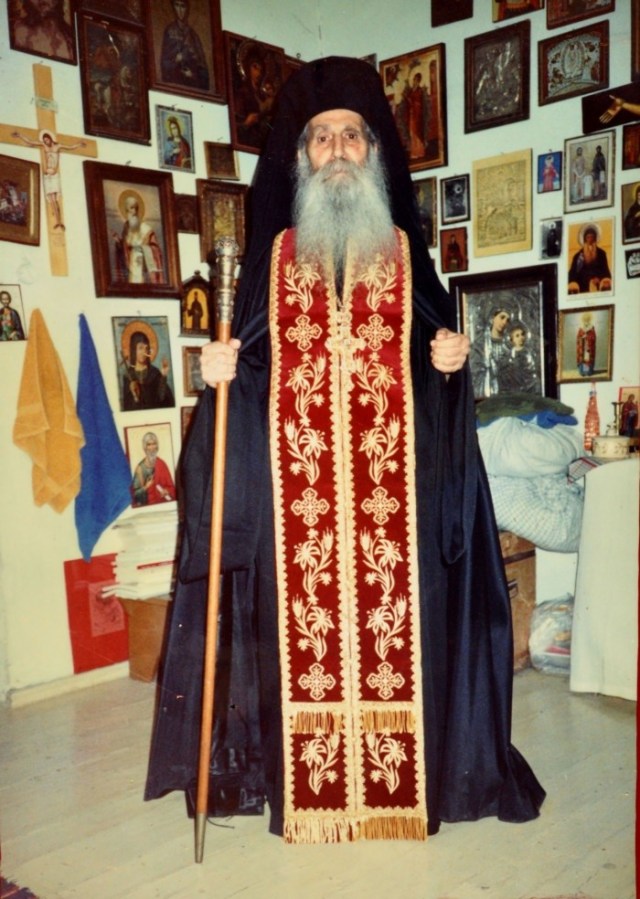
As of today, the little city hermit will be chanting in this historic church, next to the Wonderworking Theotokos icon, an amazing blessing, honour and privilege. This was the first-ever church I visited as a young teenager, about 14 years old, for Confession, spiritual guidance and holy water, agiasma. + Father Panagiotis of blessed memory was my first priest confessor. So many memories! This church feels so much like home …. This blogpost is also beginning another blog series, that of Paleochristian and Byzantine monuments of Thessaloniki, since lots of fellow pilgrims all over the world are asking me about Thessaloniki’s churches and monasteries.

*. The Monastery of Vlatadon is located on the northern side of Ano Poli of Thessaloniki, close to the castle walls with a magnificent view to the city. This small monastery is built on the site where St Paul is believed to have preached to the Thessalonians, was founded in the mid-14th century and has been in continuous use since then. But more about this byzantine monument at another blogpost.

Saint Iakovos Tsalikis – 11 Months After His Death

The Monastery Diaries 6

elder symeon kragiopoulos monasteries.jpg

Nativity of the Theotokos Monastery


assumption monastery panorama.jpg

Assumption Monastery


New 2020 obediences–New Envoy duties


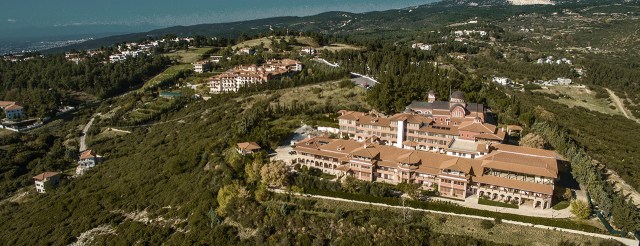
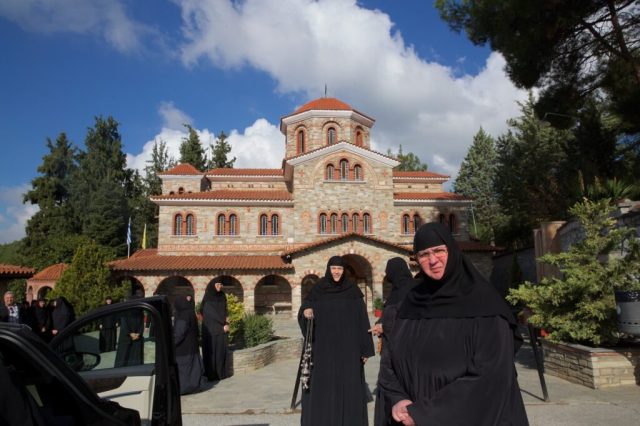
This time to two monasteries at the suburbs of Thessaloniki, both at Panorama. The one is of the Nativity of the Theotokos, which belongs together with the nearby men’s monastery of the Holy Trinity, to +Elder Symeon Kragiopoulos’ monastery ‘complex‘. The opening photograph at their website shows both monasteries; the women’s monastery is the smaller one in the background); the second monastery is of the Assumption to the Theotokos  https://www.google.com/maps/uv?hl=en&pb=!1s0x14a846fddfe0e7d3%3A0xc72518e226191bdc!3m1!7e115!4shttps%3A%2F%2Flh5.googleusercontent.com%2Fp%2FAF1QipPPDnFBdX1QlSJkJUMbysQeSsbBjsnLEGKPQOrb%3Dw480-h320-k-no!5zzpPPhc69zrHOuc66zrXOr86xIM6ZzrXPgc6sIM68zr_Ovc6uIM6azr_Ouc68zq7Pg861z4nPgiDPhM63z4IgzpjOtc6_z4TPjM66zr_PhSDPgM6xzr3Ov8-BzrHOvM6xIC0gR29vZ2xlIFNlYXJjaA&imagekey=!1e10!2sAF1QipMNsnxgG8ntgkYI5Rvp_YnQPBa30XAbs3XvDizB&sa=X&ved=2ahUKEwiiq6-hs_nmAhURaFAKHRJ_BoMQoiowGHoECAwQBg


Never a dull moment! So much to discover… I hardly know anything about the inner life of these two monasteries. Your prayers

The Monastery of Hosiοs Loukas

monastery of hosios loukas.jpeg

IMG_1554

From Steiri, through the prayers of Saint Luke, whose presence is tangibly felt in his monastery.With all best wishes for the forthcoming New Year, and Theophany, and to those still awaiting the celebration of the Nativity. 

*

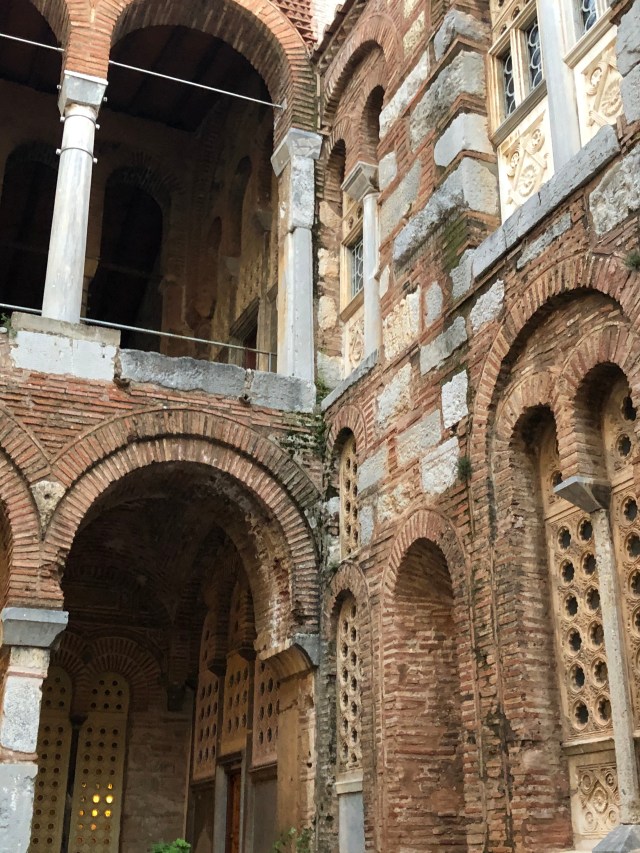
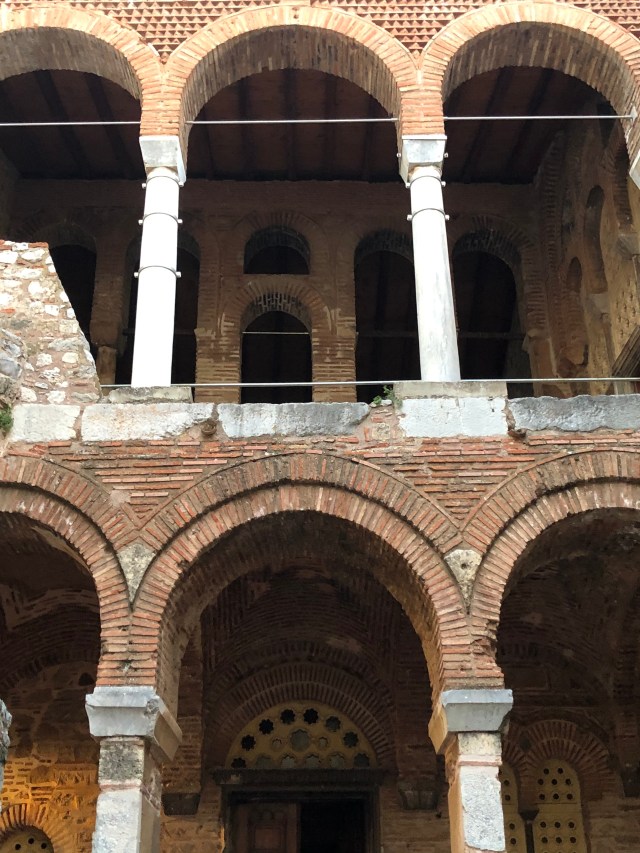
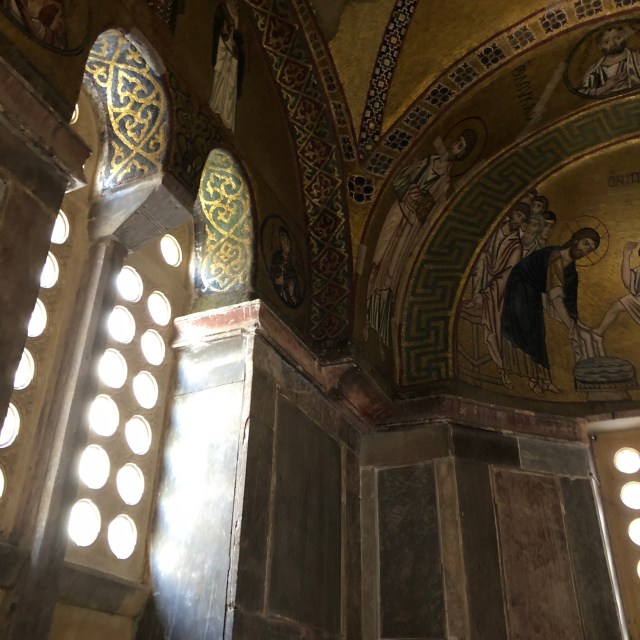
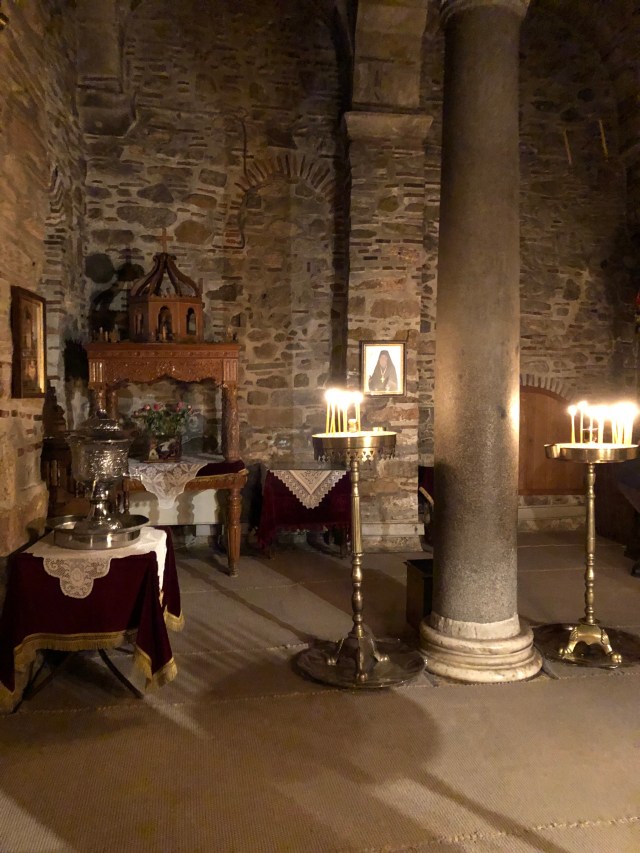
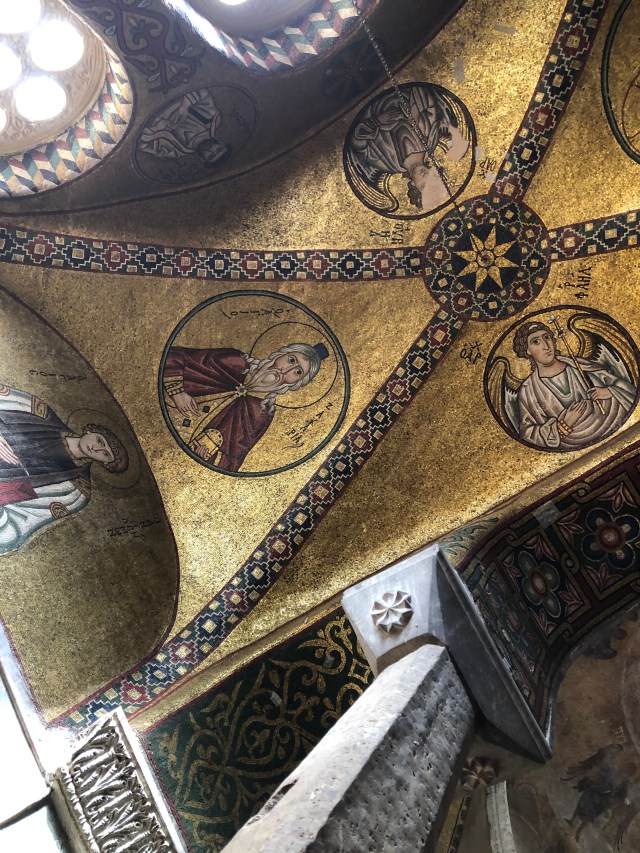
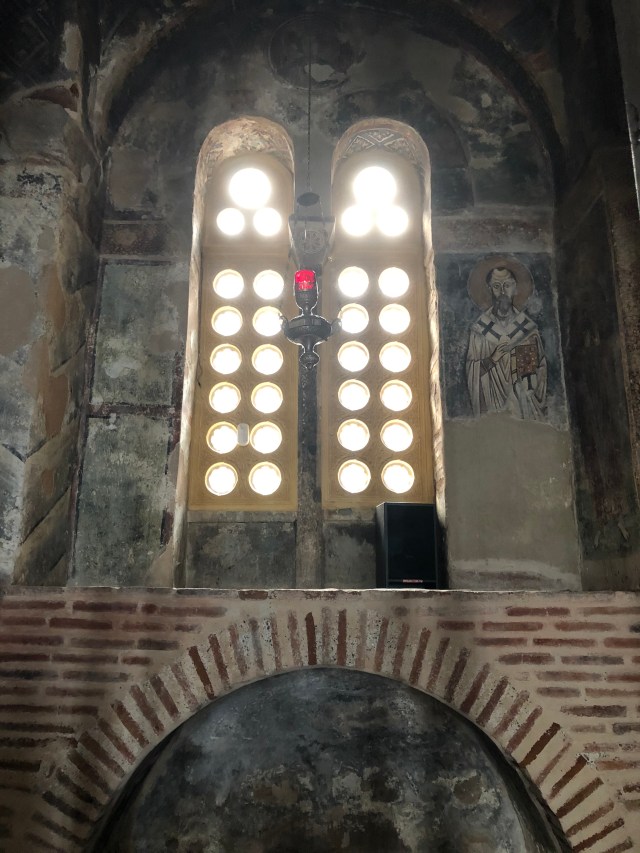
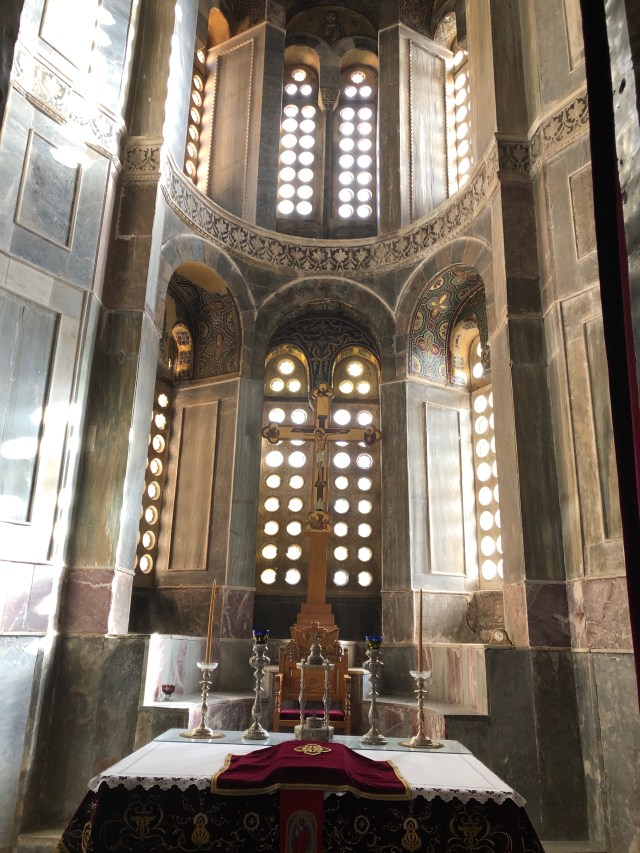
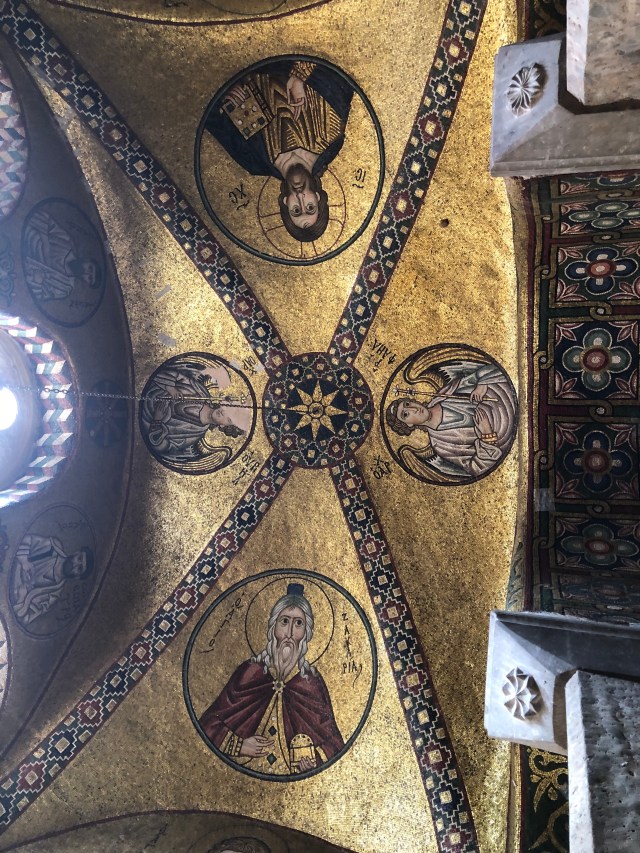
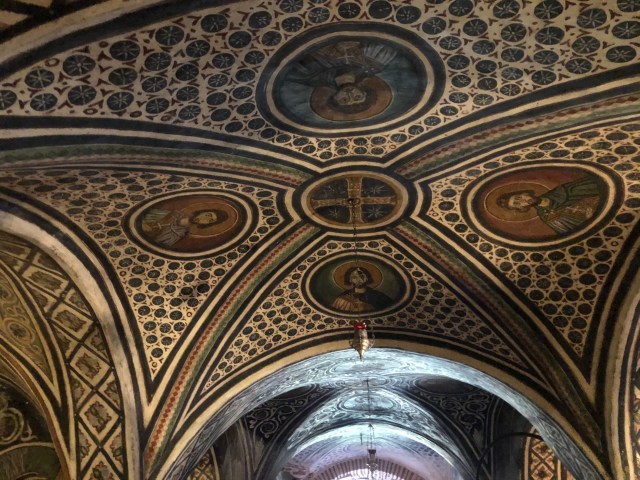
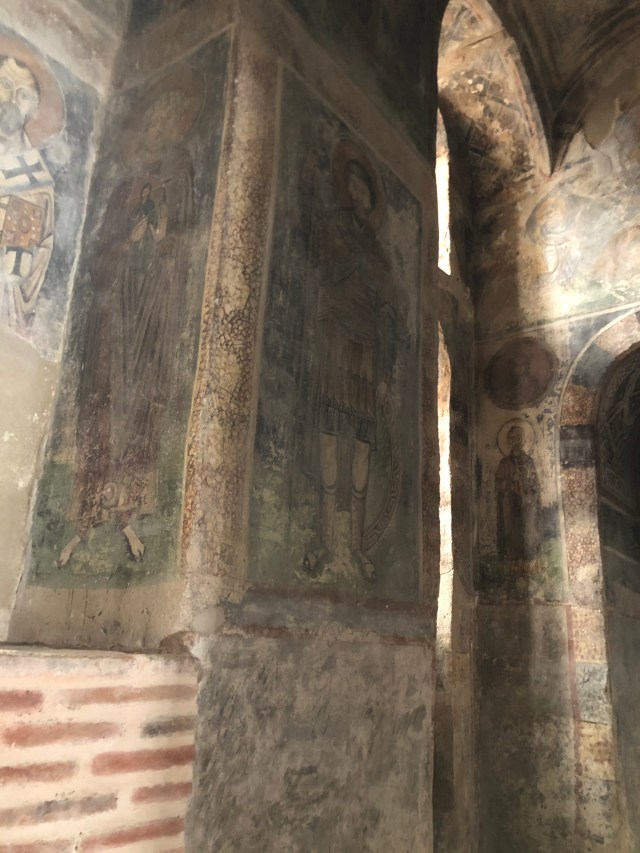
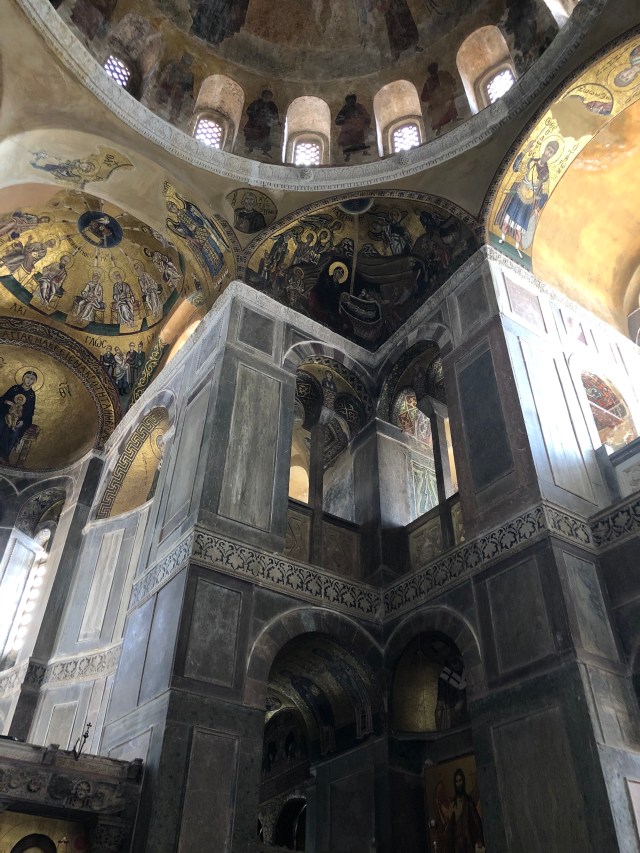
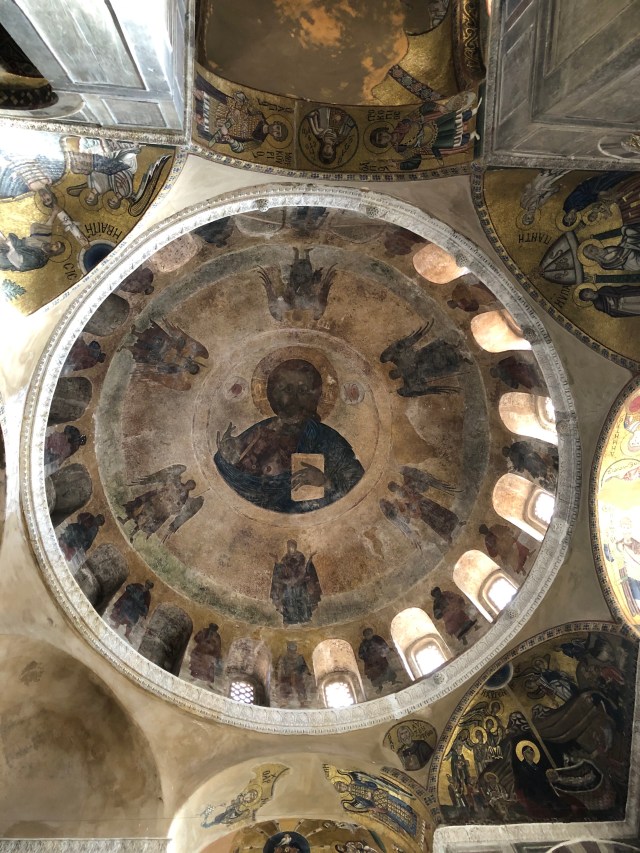
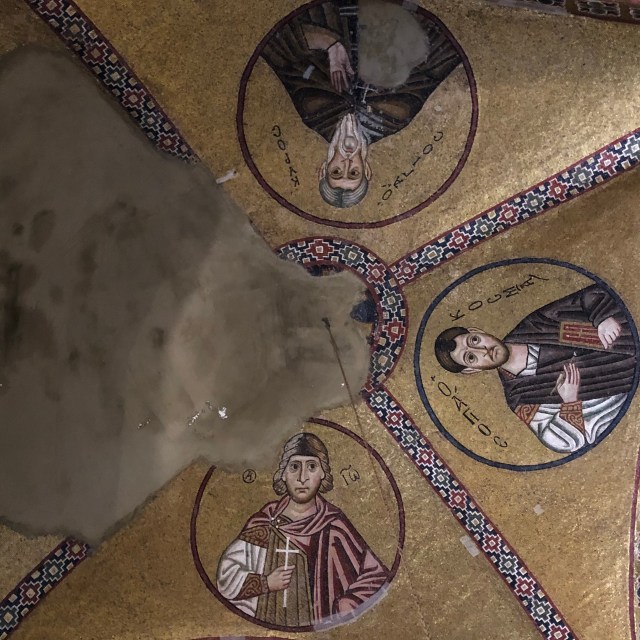
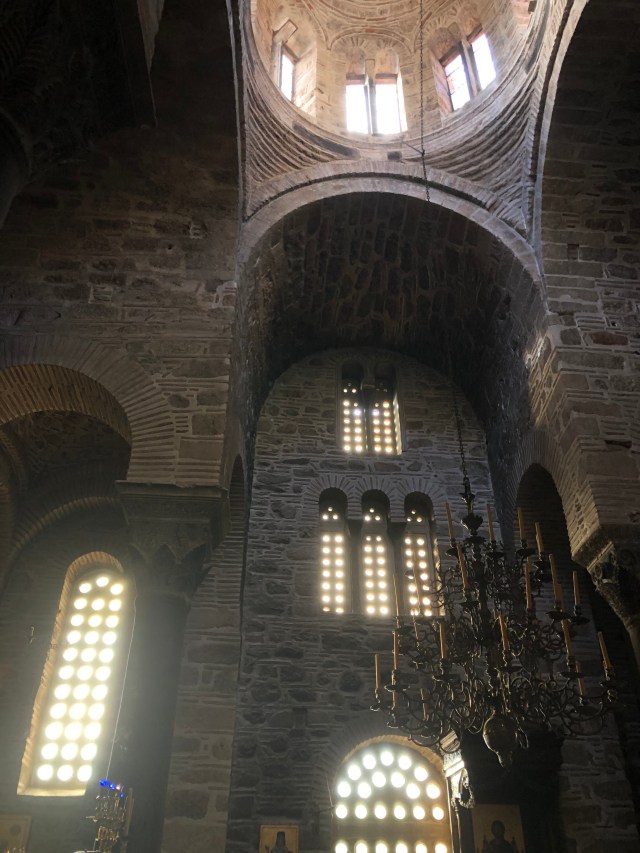
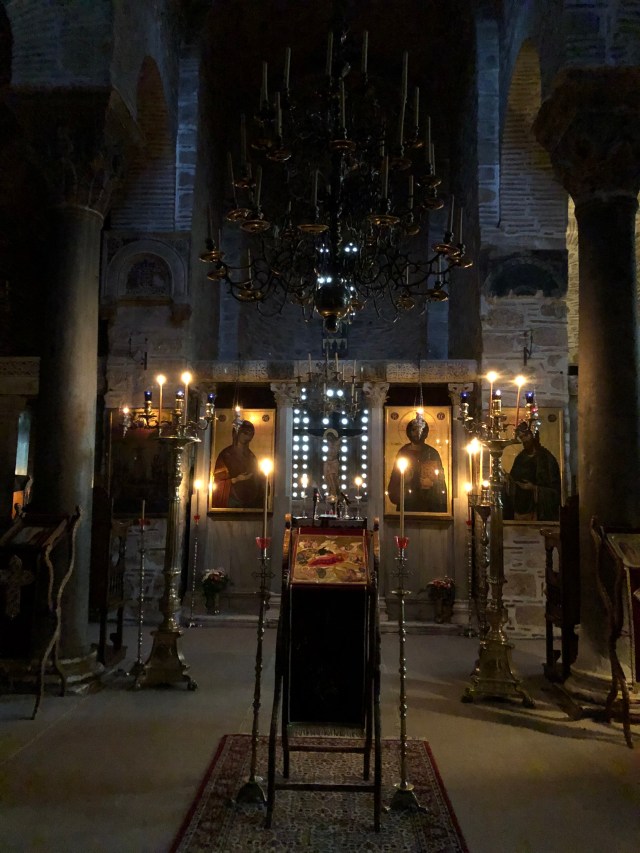
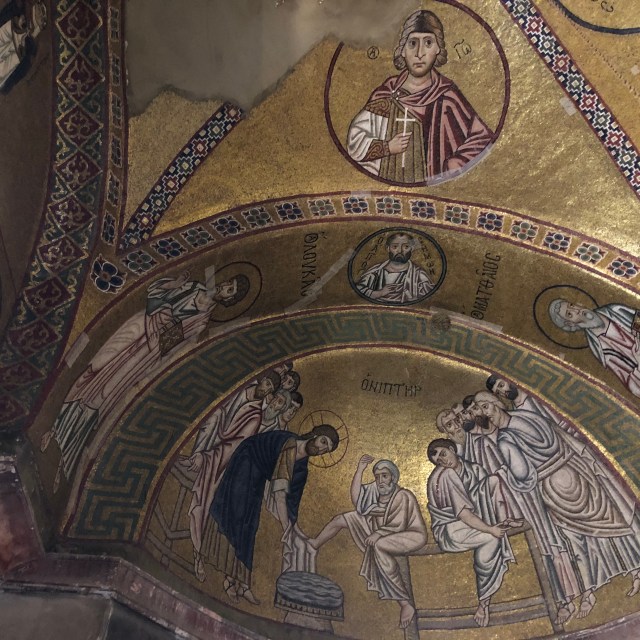
On the western slope of mount Elikonas, opposite mount Parnassus, after the village of Steiri, at a distance of approximately 30km from Livadeia, is the famous Monastery of Osios Loukas (St Luke), the largest and best-preserved monastery complex of the Middle Byzantine Period, with exceptional architecture and excellent decoration of mosaics, wall paintings and sculptures. With the Nea Moni of Chios and the Monastery of Daphni, the monastery of Osios Loukas is included in the list of world heritage monuments of UNESCO since 1990. Hosios Loukas is a breath-taking Byzantine monastery in a picturesque green and golden valley full of flowering almond and olive trees, near the town of Distomo. The landscape surrounding the Monastery of Hosios Loukas may not be as breath-taking as Meteora, but is still spectacularly blessed in beauty, even in wintertime when we visited it. As to the exquisite, stunning Beauty inside the monastery complex, and especially the katholikon, the main church, I hope these photos and videos can capture some of it.


IMG_2713IMG_3363IMG_9700IMG_9813

IMG_0324

IMG_1109

Saint Luke

Hosios Loukas Monastery meaning “Blessed Saint Luke” was not built in honour of Luke the Evangelist, but was established by the Greek monk Loukas. He was buried in the crypt of the monastery when he died in AD 953. I am still puzzled at the spelling of the word “Hosios”, as I have never encountered it before, but that is the official English ‘translation’ and the spelling adopted by UNESCO.

Saint Luke, born in AD 896, abandoned his home when he was an adolescent in search of spirituality. In the following years, he became a healer and was renowned for healing ailments that were practically impossible to cure.

Lukas developed a great talent as a prophet and predicted that Romano II would liberate Crete from the Arabs after his death. When the emperor defeated the Saracen Arabs, he commissioned a church to be built in his honour. [For  a more detailed Life, go to the bottom of the page]

IMG_1320

IMG_9353IMG_7695IMG_1397IMG_6542

Exploring the monastery

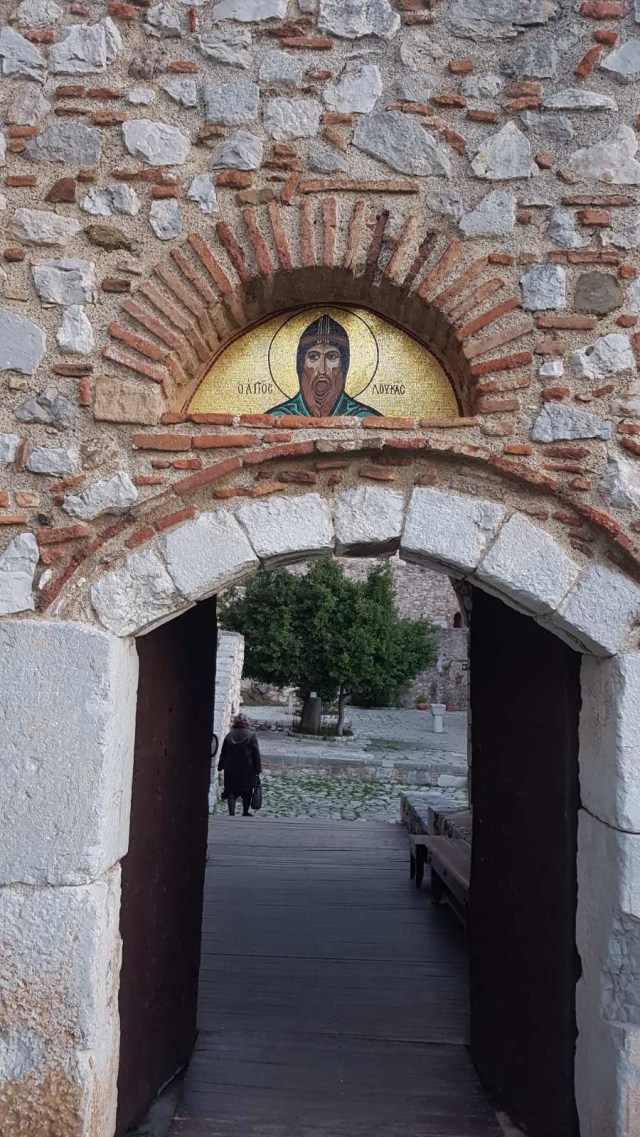
One of the most striking aspects of the monastery is found at the entrance. If you look up, you will see a spectacular gold mosaic of the saint. Attached to the abbey is a large church, Katholikon, which in its turn is attached to a smaller temple, or Theotokos, erected between 997 and 1011 to honour the Virgin Mary.

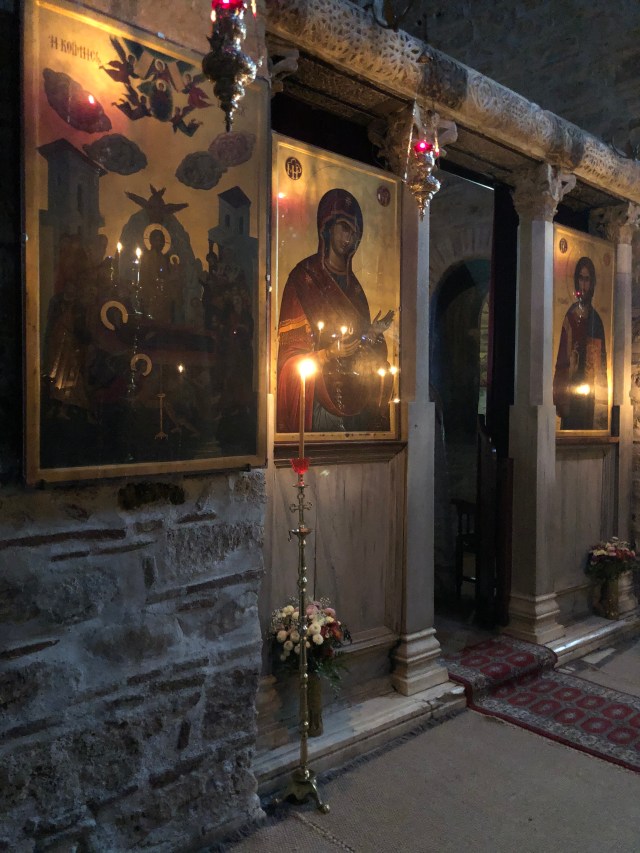
The temples are beautifully decorated with numerous frescoes and mosaics, all perfectly preserved.  Underneath the Katholikon is the crypt where the remains of the saint lie.


IMG_1399IMG_8754IMG_8752IMG_8075IMG_2910IMG_2378IMG_1167IMG_3117IMG_9637IMG_9093IMG_0640IMG_5636IMG_1396IMG_6355IMG_1197IMG_1398

Although Hosios Loukas is smaller, the building reminded us of Hagia Sophia in Istanbul or St. Mark’s Basilica in Venice.


This monk is the one who did the guided tour for our group (St. Arsenios monastery, Chalkidiki). There are only three monks, all hieromonks, in this monastery complex, and they are all so full of His Grace!

Luke of Steiris, Luke Thaumaturgus, Luke the Younger, Luke of Hellas, or Luke the Wonder-worker (896 — 953 AD) was a Byzantine saint of the tenth century AD who lived in the themes (provinces) of Hellas and Peloponnese in Greece, and who founded the Monastery of Hosios Loukas (Venerable Luke) on the slopes of Mount Helicon, between Delphi and Levadia, near the coast of the Gulf of Corinth in Boeotia, Greece. 

The principal source for Luke’s life is an anonymous Life written by a monk of Hosios Loukas who had been one of Luke’s followers. His feast day is commemorated on February 7,and the translation of his relics on May 3. His relics are preserved in his monastery of Hosios Loukas.

Early Life

Saint Luke was born in 896 to pious parents who came from Aegina but were forced to settle on the Greek mainland due to Saracen raids. Luke was the third of the seven children of Stephen and Euphrosyne. From his earliest years, he showed a desire for a life of ascesis and contemplation usually only found in seasoned elders. He abstained from all flesh, cheese, eggs, and delicacies, drank only water, and kept a total fast on Wednesdays and Fridays. While herding cattle or tilling the family fields, he would often give away his food and even his clothing to the poor, returning home naked. He once gave away almost all the seed which was needed for planting in the fields. The Lord rewarded him for his charity, and the harvest gathered was greater than ever before.

When his father died, he abandoned farm work to devote himself entirely to prayer, making such progress that he was often witnessed by his mother lifted above the ground while praying.[3]

Monasticism

As a child Luke tried twice to leave home to seek a solitary life of prayer. The first time, he attempted to withdraw to Thessaly, but was captured by soldiers lying in wait for escaped slaves and was returned home.[4] The second time he had more success, meeting two monks journeying from Rome to Jerusalem[5] who took him to a monastery in Athens where he received the small habit.[6][note 3] At this point he was only fourteen years old (910 AD), and Luke’s mother who was very concerned for him, prayed for her son’s return. After seeing his mother in a dream, tearfully calling for her son, the abbot sent him home.

He returned home for four months, and then with his mother’s blessing he set out again upon the monastic life, going to a solitary place on a mountain called Ioannou (or Ioannitsa). Here there was a church dedicated to the holy Unmercenaries Cosmas and Damian, where he lived an ascetical life in constant prayer and fasting for seven years.[7] The Life records with suspicious symmetry that during this time Luke received the great habit[note 4] from two monks[note 5] travelling from Jerusalem to Rome (presumably the same two from whom he had received the small habit on their outward journey).[8] After this, St Luke redoubled his ascetic efforts, for which the Lord granted him the gift of foresight.

Luke’s fame spread and a number of miracles are ascribed to him during this period, such as revealing to two brothers the location of their dead father’s buried treasure.[9]Numerous proofs of Luke’s holiness are also given, such as sleeping in a trench to remind himself of death,[10] or being visited in a dream by an angel who let a hook down Luke’s mouth and “drew out a certain fleshly member therefrom”, freeing him from the temptations of the flesh.[11]

After a seven years on Ioannou, the saint moved to Corinth because of an invasion of the Bulgarian emperor Symeon (which Luke had predicted).[12] Hearing about a certain Stylite at Zemena (Gimenes) near Corinth, he went to see him, and remained for ten years to serve the ascetic with humility and obedience.

Afterwards, ca. 927 AD, the saint returned again to Mount Ioannou to build his own community and again pursue asceticism. Often he would be forced to move by the number of visitors who learned of his holiness, and came to him for prayer or a word of counsel or prophecy, no matter how secretly he tried to live. Luke drew so many followers that he found the distractions unbearable and decided to retreat further into the wilderness, with the blessing of his Elder Theophylactus.[13] Three years later, however, Luke was displaced again, this time by a Magyar invasion.

Luke retreated with the local villagers to the nearby island of Ampelon.[14] Once there, Luke found the desert island to be a suitable place to pursue his solitary ascetic life, and stayed for three years, enduring terrible thirsts.[15] His sister would occasionally bring him some bread, but he gave much of it away to the needy or to passing sailors.

Eventually Luke’s disciples persuaded him to leave, and he returned to the mainland and settled for the remainder of his life in the far more amenable environment of the present Hosios Loukas, where he founded his hermitage ca. 946 AD in the area of Stiris (which may be a corruption of Soterion, or place of healing).[16][note 6]

Here brethren gathered to the elder, and a small monastery grew up, the church of which was dedicated to the Great Martyr Barbara. Dwelling in the monastery, the saint performed many miracles, healing sicknesses of soul and of body.

Death

Saint Luke fell ill in his seventh year at Stirion. Foreseeing his end, the saint confined himself in a cell and for three months prepared for his departure. When asked where he was to be buried, the monk replied, “Throw my body into a ravine to be eaten by wild beasts.” When the brethren begged him to change these instructions, he commanded them to bury his body on the spot where he lay. Embracing his disciples, he asked them to pray for him, prophesying that the place where he died would someday be the site of a great church and monastery. Then raising his eyes to heaven, he said, “Into Thy hands, O Lord, I commend my spirit!” and reposed in peace and joy. St Luke fell asleep in the Lord on February 7, 953.

Myrrh flowed from his holy relics,[note 7] and many healings occurred. His tomb exuded a fragrant oil which was collected and burned in a lamp, and many miracles and healings were wrought at the tomb. The rumour that his relic worked miracles brought great numbers of believers to the monastery to be healed, and the original buildings gave way to more monumental structures.[16] As the Saint had predicted, two churches and a monastery were built there, and the monastery of Hosios Loukas became a great place of pilgrimage, as it remains to this day.[note 8]

Troparion, Kontakion

Troparion of St Luke of Mount Stirion Tone 1[17]
Let us firmly honour Luke the Godbearer with hymns and chants,
the glory of the faithful,
the boast of the righteous,
bright light of Stirion and its true inhabitant;
he brings near to Christ those who cry out in faith:
Glory to Him Who has strengthened thee;
Glory to Him Who has crowned thee;
Glory to Him Who through thee works healings for all.

Kontakion of St Luke of Mount Stirion Tone 8[17]
God in ineffable judgment chose thee before thou wast fashioned according to His good pleasure;
He took thee from thy mother’s womb,
He sanctified thee as His servant.
As the Lover of mankind,
He guided thee to Himself,
before Whom thou dost now stand rejoicing,
O Luke.

(OrthodoxWiki)
 

IMG_1438