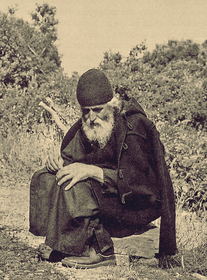
How the Departed Interceded for a Drunkard Priest

Photo: G.Balayants / Pravoslavir.ru

Another Modern True Story


The bishop who told this story is still alive. It is genuine and has profound significance, because it speaks of the prayers of the living for the departed. God always hears these prayers, especially during the Divine Liturgy.

In the diocese of this bishop whom we have mentioned, there was a Papa Ioannis serving—a devout priest loved by all. He would somewhat linger during the proskomedia1 because he commemorated many names. But the priest had a terrible shortcoming: He loved to drink. As diligent as he was in the fulfillment of his priestly duties, so powerless was he before wine. Many implored him to overcome this passion, so unbecoming of a servant of God. The priest himself was aware of it, was furious with himself, and tried to quit drinking several times, although everything would start again within a few days.

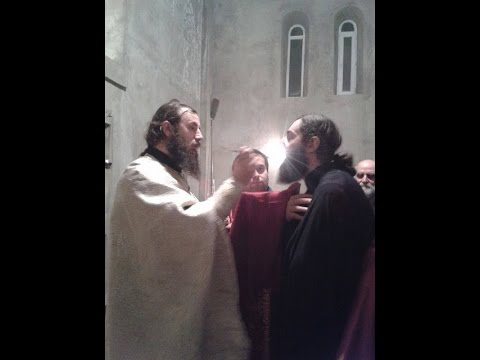
Once, when this papoulis2 had again surrendered to his passion, he went to church. Half-drunk, he exclaimed, “Blessed is the Kingdom…” and he began the Divine Liturgy. By God’s allowance, the priest slipped in the altar and dropped the Precious Gifts from his hands. He froze with horror! Dropping to the floor, he began to gather the Body and Blood of Christ with his tongue. He was choked with guilt, because it happened because of his intoxication.

The priest went to the bishop and confessed his terrible sin to him. The next day, the bishop, after much thought, sat down at the table and took a pen: He had to begin the process of defrocking Fr. Ioannis. The bishop’s hand was lingering in indecision when he beheld as if in a vision how thousands of people were coming out of the walls of the room. There was a burning pain in their eyes. Passing by the bishop, they cried out, “No, Vladyka, do not punish this priest! Do not defrock him! Forgive him!”

An endless stream of people passed in front of the bishop: men, women, children, well-dressed and poor—an entire demonstration of souls! And they all stretched out their hands to the bishop and cried out, imploring, “No, Your Grace, don’t do this; don’t expel our papouli! He remembers us and helps us at every Liturgy; he truly takes pity on us; he is our friend! Don’t remove him from his dignity! No, no, no!!!”

The vision continued for a long time. The stunned bishop watched the sea of faces pleading for the drunken priest. He realized that they were the souls of the reposed whom Fr. Ioannis commemorated at the Liturgy. And this commemoration greatly alleviates their lot, like water given to the thirsty in the summer heat. “This is a clear testimony that our prayers assuage the souls of the reposed,” the bishop thought.

He called for the priest.

“Fr. Ioannis, tell me, when you serve the Liturgy, do you commemorate a lot of names at proskomedia?”

“Hundreds of names, Your Grace. I haven’t counted them.”

“Why do you remember so many names and delay the Liturgy?” the bishop asked, as if angry.

“I pity the departed: They have no other help but the prayers of the Church. Therefore, I ask the Most-High to grant them rest. I have a book where I record all the names that are given to me for commemoration. I inherited this practice from my father, who was also a priest.”

“You do well,” the bishop agreed. “Their souls need it. Continue doing this. Just be careful, and don’t drink anymore—not a drop of wine, starting tomorrow! Such is your penance! You are forgiven.”

From that day, Fr. Ioannis was truly freed completely from the passion of drunkenness. And now he stands even longer at the proskomedia, commemorating the names of the departed.

1 The service of preparation before the Liturgy—Trans.

2 An affectionate term for a priest used by Greeks—Trans.


From the book Miracles and Revelations of the Divine Liturgy,
published by Paraclete Monastery (Oropos-Attica), 2012.

Pravoslavie.ru Translated by Jesse Dominick

Criticizing Priests

nikolaos-planas

St. Nikolaos Planas

A Modern True Story

“There once lived a most devout Priest. Even though he barely knew how to read and write, he was a Priest, a clergyman of strong faith, great virtue and of many spiritual struggles. He used to stand up-right for hours during the Proskomedia, despite the fact that the veins of his feet had been affected and were bulging….standing up-right commemorating the names of numerous people. He was a man of sacrifice to his last breath.

As he barely knew how to read and write, by some misunderstanding, he did not place the portions on the Holy Diskos properly.

When we place the portion of the All-Holy Theotokos on top of the Holy Diskos, we say; The Queen stood at thy right hand…”

The Geronda (Elder) Priest was under the impression that, since he said ”at thy right hand,” the portion of the All-Holy Mother of God must be placed on the right side of the Lamb (as he was looking at the Holy Diskos). In other words, he was placing the portions backwards.

Once a Bishop visited the Holy Monastery for the Ordination of a Deacon.

During the Psalms of Praise, when the Bishop enters the Holy Altar, he vests, then later goes to the Proskomedia, which has already been prepared up to a certain point. From then on he alone is the one to continue commemorating.

Thus, the Bishop noticed that the portions had been placed backwards by the priest:

“You did not place the pieces properly, father,” he told him.

“Father, come here for a minute. The All Holy Theotokos is placed over here and the Orders are placed over there. Hasn’t anyone told you; hasn’t anyone seen how you do the Proskomedia?”

“Certainly, Your Eminence,” replied the Geronda Priest. “Everyday, when I celebrate (for a day did not go by unless he celebrated the Divine Liturgy), the Angel who serves me sees what I am doing but does not tell me anything at all. I apologize, illiterate as I am, for making such a mistake; I will be careful from now on.”

“Who did you say? Who did you say serves you here?” asked the Bishop, “Isn’t he a monk who serves you?”

“No”, answered the Priest, “an Angel of the Lord.”

The Bishop fell silent, what could he have said, anyway? He was astonished and had certainly realized that a holy priest was standing before him.

At noon, following the meal in the trapeza, the Bishop said goodbye to the Abbot as well as the rest of the monks, and departed. The following day, as it was still night, when the Geronda Priest went to the Holy Altar in order to hold the Proskomedia.

The Angel of the Lord came down. During the act of breaking the Lamb, the Angel noticed that the Priest had placed the portions properly.

“Fine father!” he told the Priest. “Now you have placed them properly!”

“Yes, you knew the mistake I have been making for so many years!”

“And why didn’t you tell me anything; why didn’t you correct me?,” he asked.

“I could see it, but I do not have the right to tell you anything. I am not worthy to correct a Priest.”

~by Fr. Stephanos K. Anagnostopoulos
This incident was narrated to the author by the blessed departed Geronda Gabriel, who for a great period of time was the abbott at the Holy Monastery of Dionysios on Mount Athos.~

The Crossing of My Red Sea

shoe nest

About four months have passed since my Elder’s last ‘words’ about my future and my life circumstances have completely changed. Indeed, problems do not merely call forth our courage and our wisdom; they create our courage and wisdom. (I have a long way to go …) How can my Elder (and God) swipe away, with just one move, all my past and present, my job, my possessions, my ‘family’, my ‘home’, my … (you name it!)?

But they can, as I was about to find out the hard way. “No buts — just do as I tell you! God has revealed all that to me (!)” The past four months I learnt first hand the blessings of an Elder’s prayers as he ‘photographed’ and ‘micromanaged’ my single step thousands of miles away.

The sea was parted; I walked on the dry ground and crossed it. And left all my past life behind. What will my future be on this ‘other’ side? I have absolutely no clue, other than I must learn to cling to God and surrender to His Will, as no one has now been left for me, other than Him and my Elder.

Abba Allois said: “Unless a man say in his heart, Only I and God are in the world, he shall not find rest.”

Asking for your prayers…


Flowers for Kyra Vassiliki

kyra vassiliki

There was a woman in a small village in Aitoloakarnania and had three children.
Kyra Vasiliki managed to raise up her family with incredible deprivations and difficulties, but with a unique dignity! She died on Dormition eve in 1998.
The next day, on August 15, the cheap coffin with her corpse, which was on the chassis of the priest’s small van, was headed toward the cemetery.
In the course of the funeral, some of her fellow villagers followed and talked about the sufferings that she had endured when she lived, when suddenly a beautiful fragrance exuded and spread all over the place:
If thousands of flowers were there, no such aroma would be possible !!!

All of them were surprised and could not explain that mystery. Among those who accompanied her was also a spiritual child of the late Elder Ambrosius Lazaris (1912-2006), the charismatic Spiritual Father of the Holy Monastery of Dadi. After a few days of this miraculous, yet incomprehensible event, he went to Elder Ambrosius, reporting to him the whole incident. Very laconically, he told him only that: “A woman died, and the place was full of fragrance.”
Elder Ambrosius, at first, remained silent.
Then, he walked into his room, stayed for a while there, and then returned.
These were his words:
– She has been sanctified! And, do you know why? Because, never in her life, did she ever complain! Such are the people which God ‘wants’! To fill Paradise and make the Second Coming. Do you understand? …

Seraphima’s Extraordinary Adventures


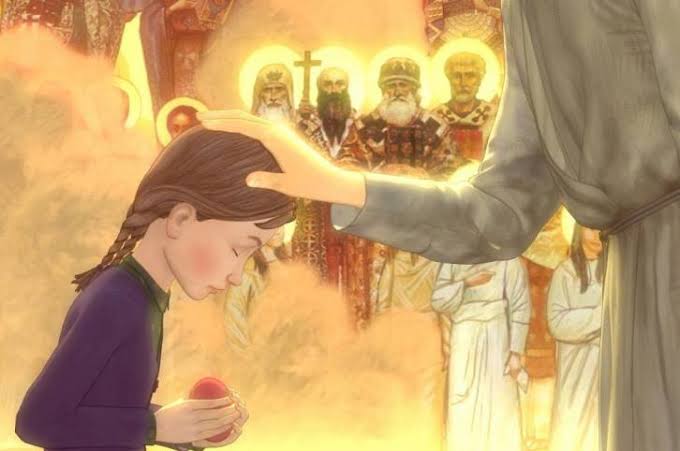
The year is 1943, with communists oppressing Russia and persecuting Christians. The main character, a girl named Seraphima, dreams about a Palm Sunday celebration in a church where her father serves as a priest. The dream ends with the Soviet police taking her father away, and the church being blown up. 

Seraphima lives in a Soviet orphanage and secretly keeps a single reminder of her family — a cross. She finds it difficult to form friendships with the other girls, and the main teacher at the orphanage mocks and persecutes her.

Her friend tells her the house is full of secrets, including some resident ghosts. Seraphima visits a mysterious secret chamber under the stairs, to see one of them. From this moment, Seraphima falls into a whirlpool of incredible events, allowing her to shed light on the mystery of the orphanage, and the fate of her parents.

When the teacher discovers that Seraphima is a Christian, and that she secretly wears a cross, she has Seraphima banished from the orphanage. The girl refuses to renounce her faith, and she waits in suspense to find out who will arrive to take her away . . .


The Mind of the Chalice

Uncreated Light2

Holy Communion and Uncreated Light

Fr. Christos, Leros island, Greece, around 1990 — a real story told to a friend by the priest himself, now of + Blessed Memory


“It was Saturday morning. We had just finished Holy Liturgy and I was about to consume the Holy Gifts from the Chalice. Suddenly, a young neighbour entered the Altar, worried, sweating and panting, and told me:

‘Fr. Christos save us. My father thinks he is dying and wants to make a Confession and receive the Holy Communion.’

I got in a sweat. This young man’s father was the most difficult and mean man in the village. He was quarrelling with everybody. He had never set a foot to church, not even in funerals, weddings or baptisms. I made my Cross and felt that God was calling me to go to him with the Holy Gifts. When we entered the house of the dying, his name was Giannis, I put the Holy Chalice with the Holy Communion, an inch at least, on the nightstand, next to Giannis’ bed. I told him: ‘Giannis, in order to offer you Holy Communion, I must at first hear your Confession and read the prayer of forgiveness. Do you want this?’ ‘Yes’, he replied, so I put on my stole, he told me what was in his heart, I read to him the prayer of forgiveness, and then I got ready to offer him Holy Communion. I turn to pick the Chalice, and what do I see? The Holy Chalice was completely empty, not even a drop of Holy Communion. I nearly fainted. I say to Giannis: ‘I will hurry back to church to get Holy Communion, because I honestly do not know what happened and the Chalice is now empty.’ Then, Giannis started sobbing and told me: ‘Christ is doing this for me, Father. What I told you during my Confession were all lies because I was ashamed to tell you my real sins, which are a lot heavier.’ So, it happened. Then, I read him for a second time the forgiveness prayer and asked him to wait for me, so that I can go back to Church and fetch him Holy Communion. ‘Go’, Giannis told me, ‘and I will wait for you.’ I pick up the Holy Chalice, and what do I see? Pay attention to this miracle. An inch of Holy Communion was now inside the Holy Chalice. I made my Cross and offered Communion to the dying man. His face shone in peace, and he died that very minute in front of me, in repentance. Glory be to our Lord for all things! With what compassion, wisdom and discretion did Christ forgive and save Giannis!Memory Eternal! W should never despair of our salvation, even if we are the worst sinners of the world. May we all enter Paradise with repentance and an honest, humble Confession”

Monastery of St. Savas the New of Kalymnos

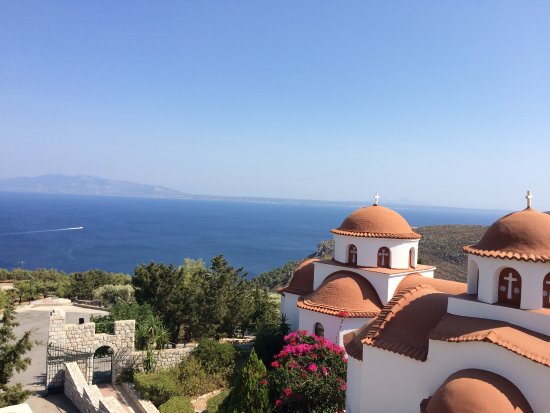
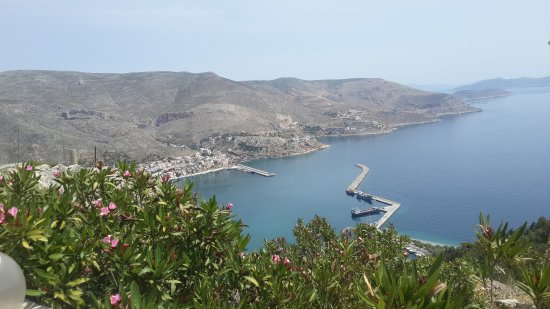
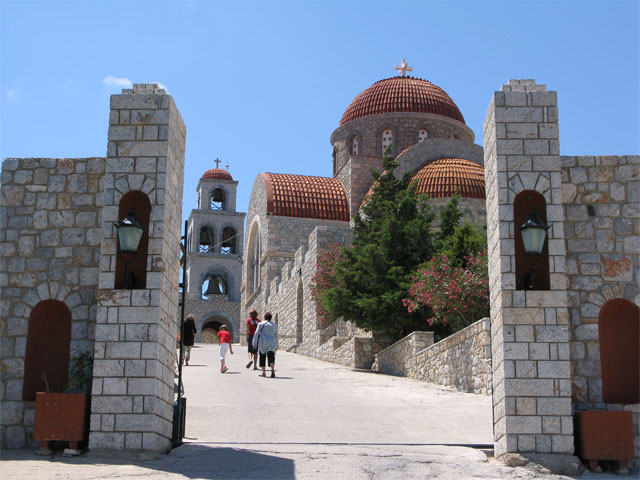
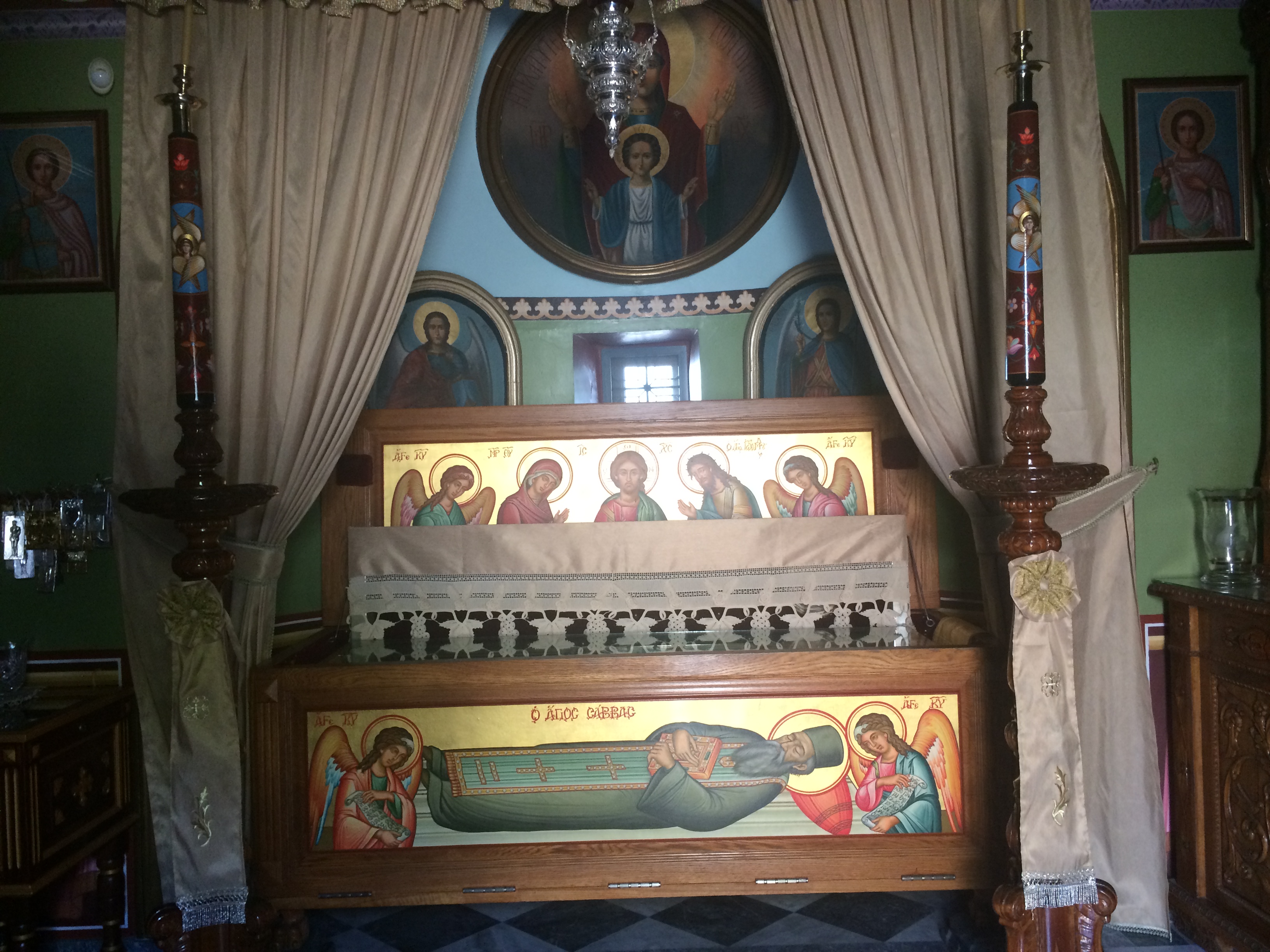
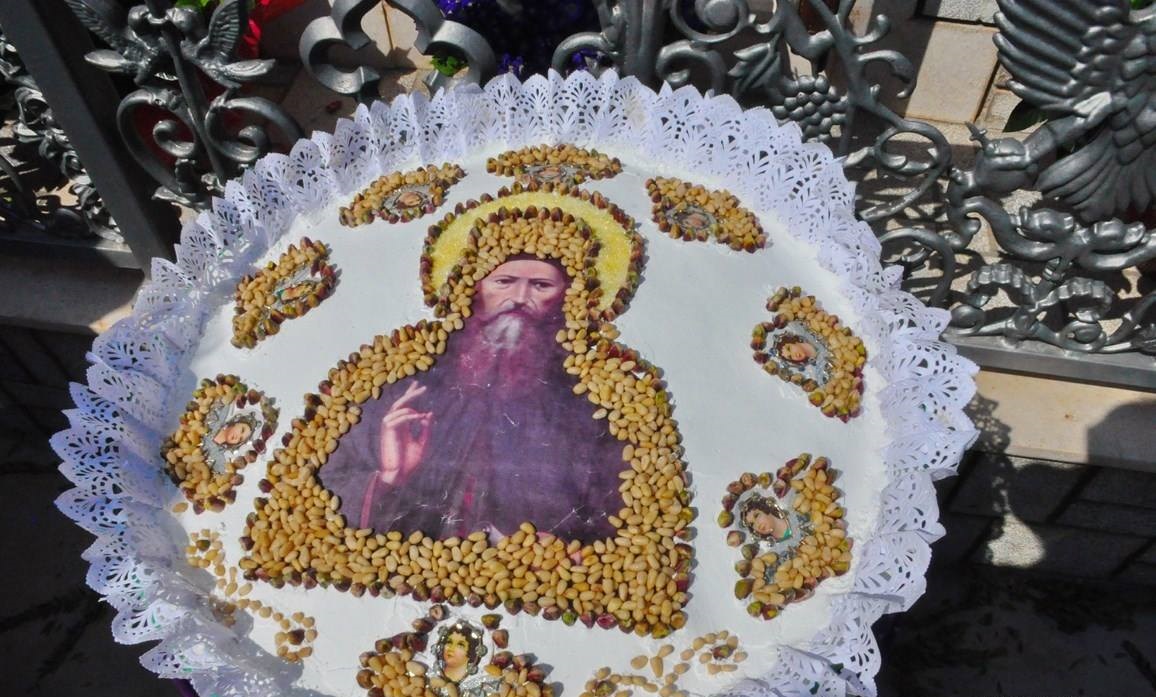
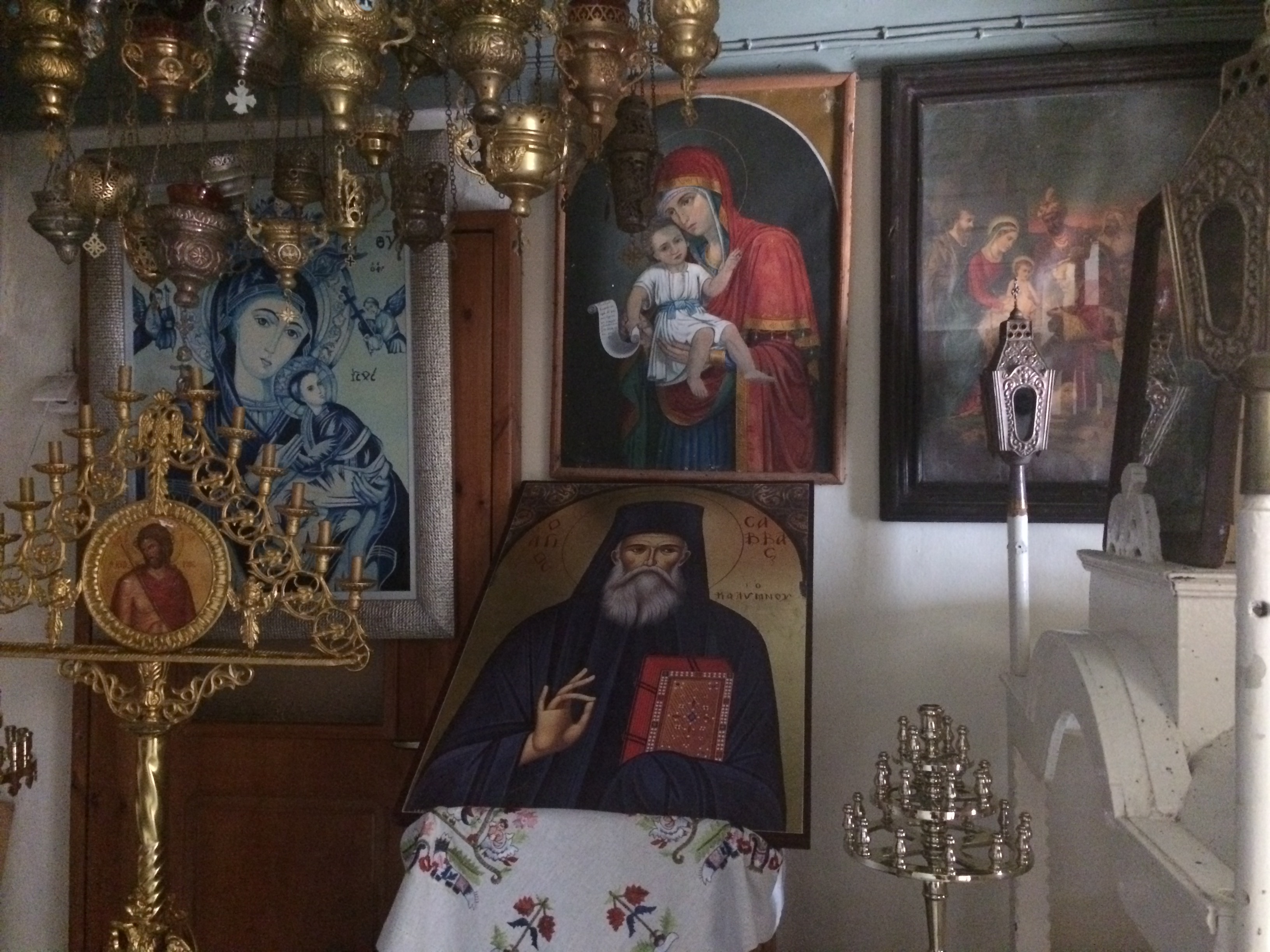
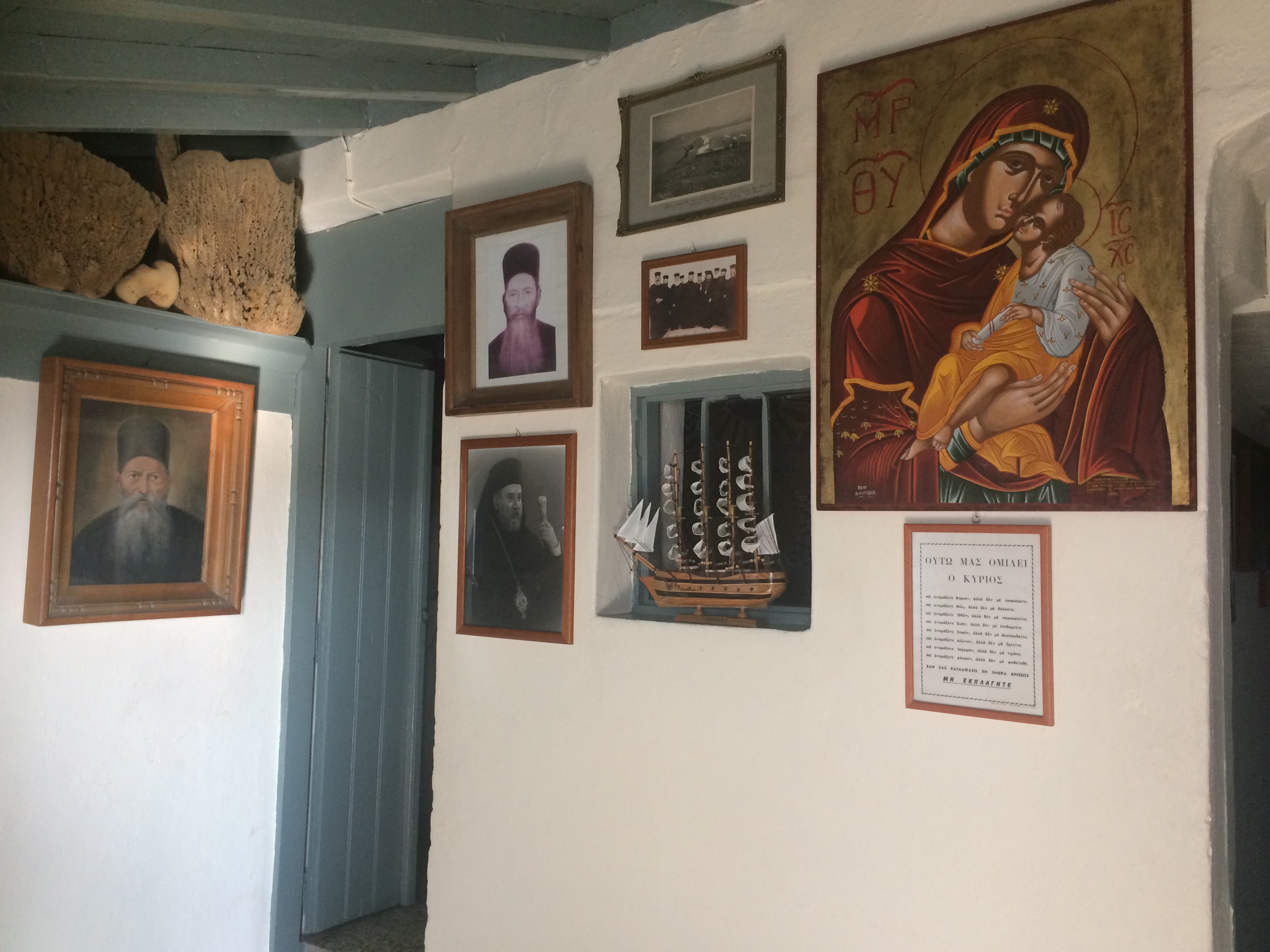
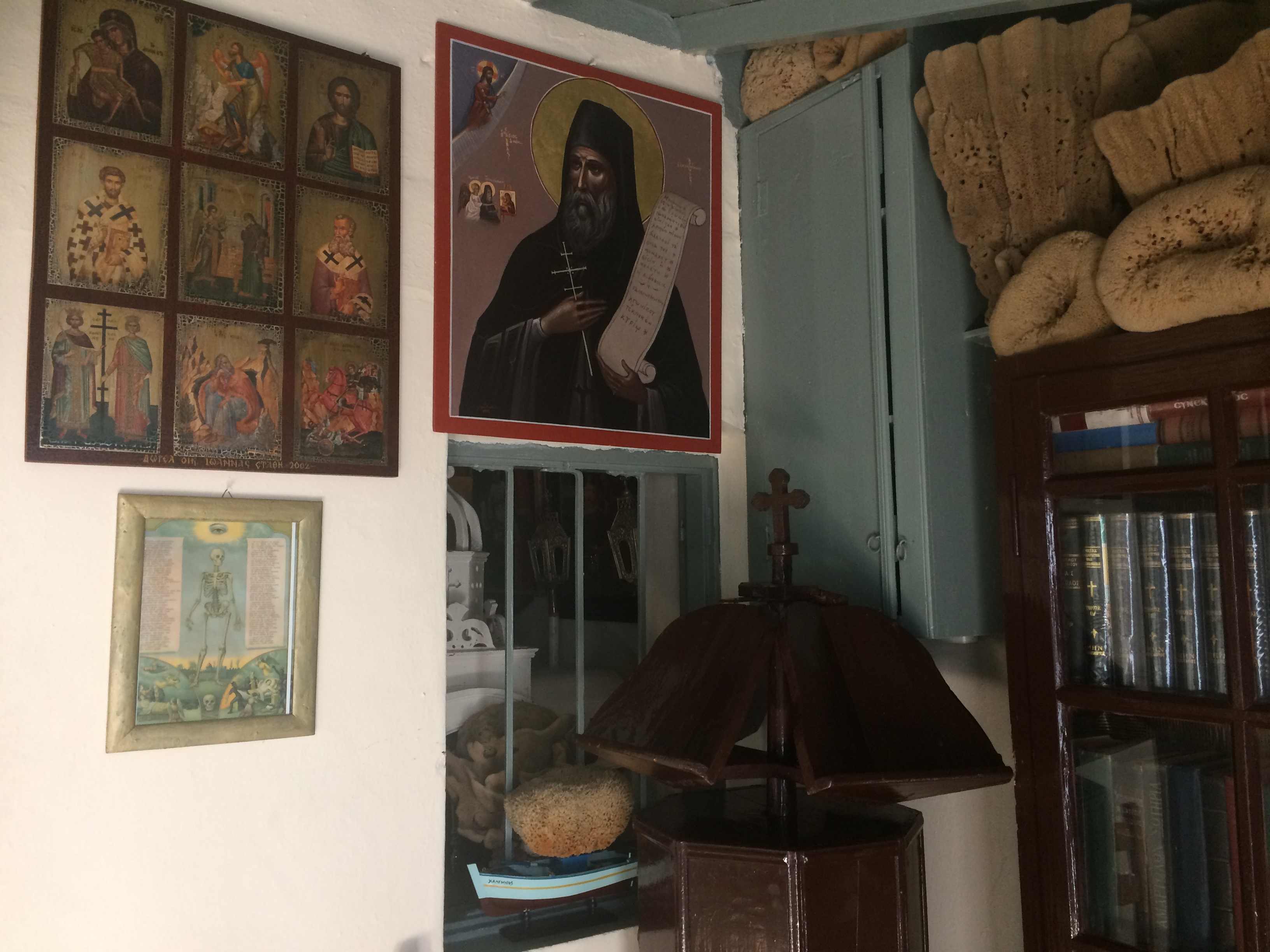
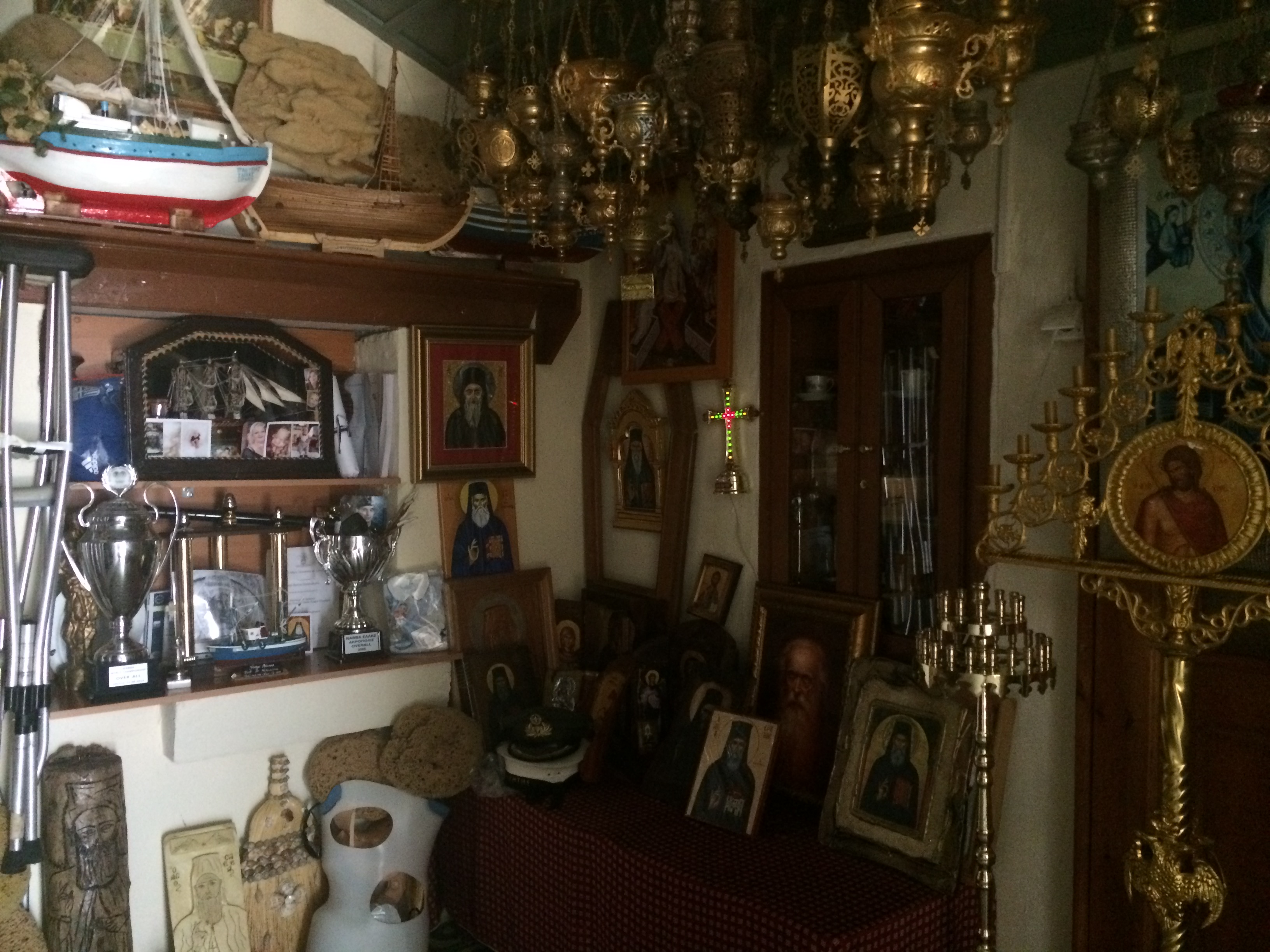
I discovered Saint Savas and his monastery during my recent pilgrimage to Kalymnos. It is an awe-inspiring place , a place one step below heaven. Iconography beyond aesthetic, historical and religious value and the Saint is so alive! The patron saint of the island, Agios Savvas, has performed miracles and has blessed homes all over the world.

kalymnos4agios-savvas-monasterykalymnos8kalymnos3kalymnos9kalymnos1IMG_3946kalymnos10

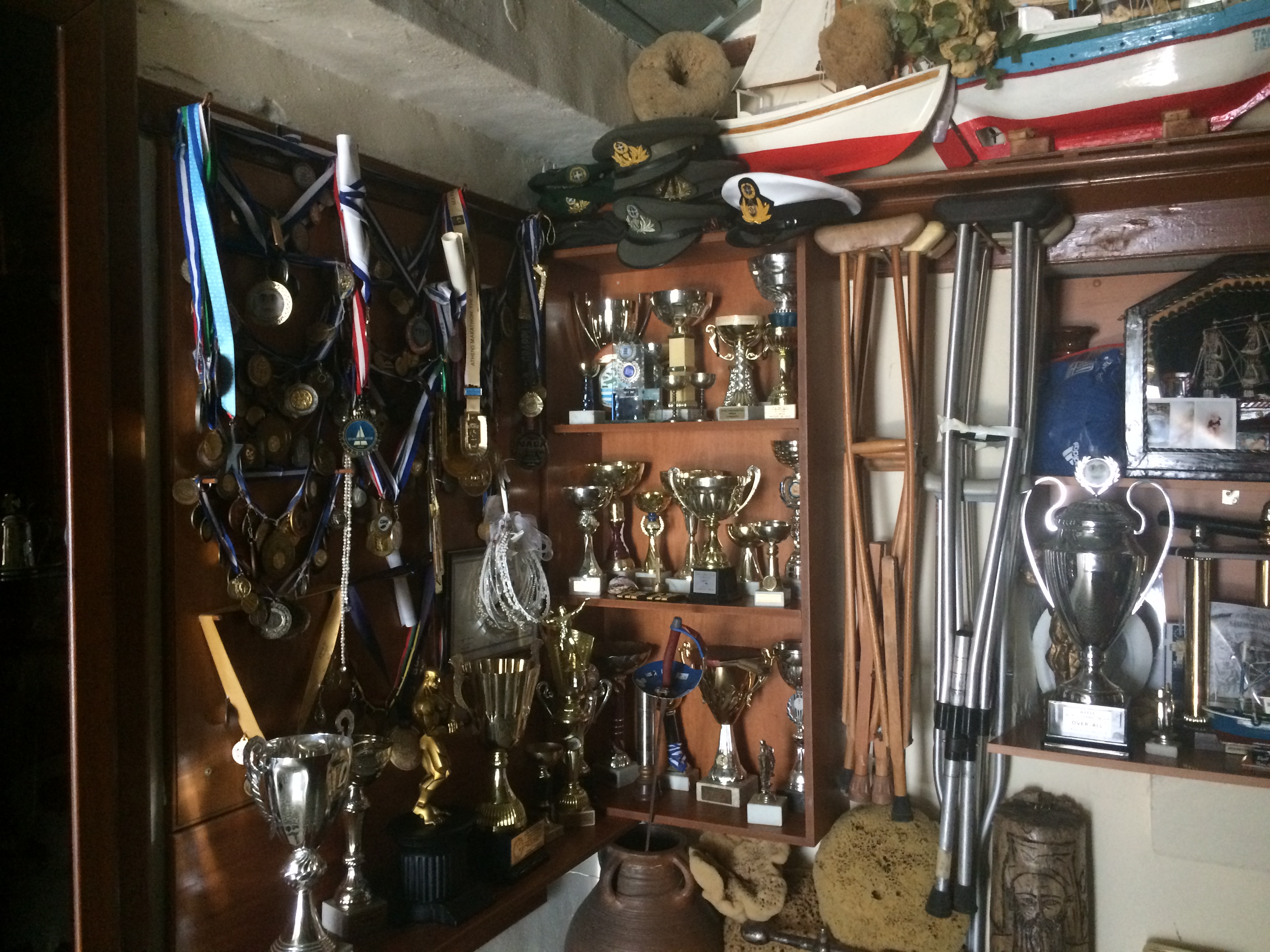
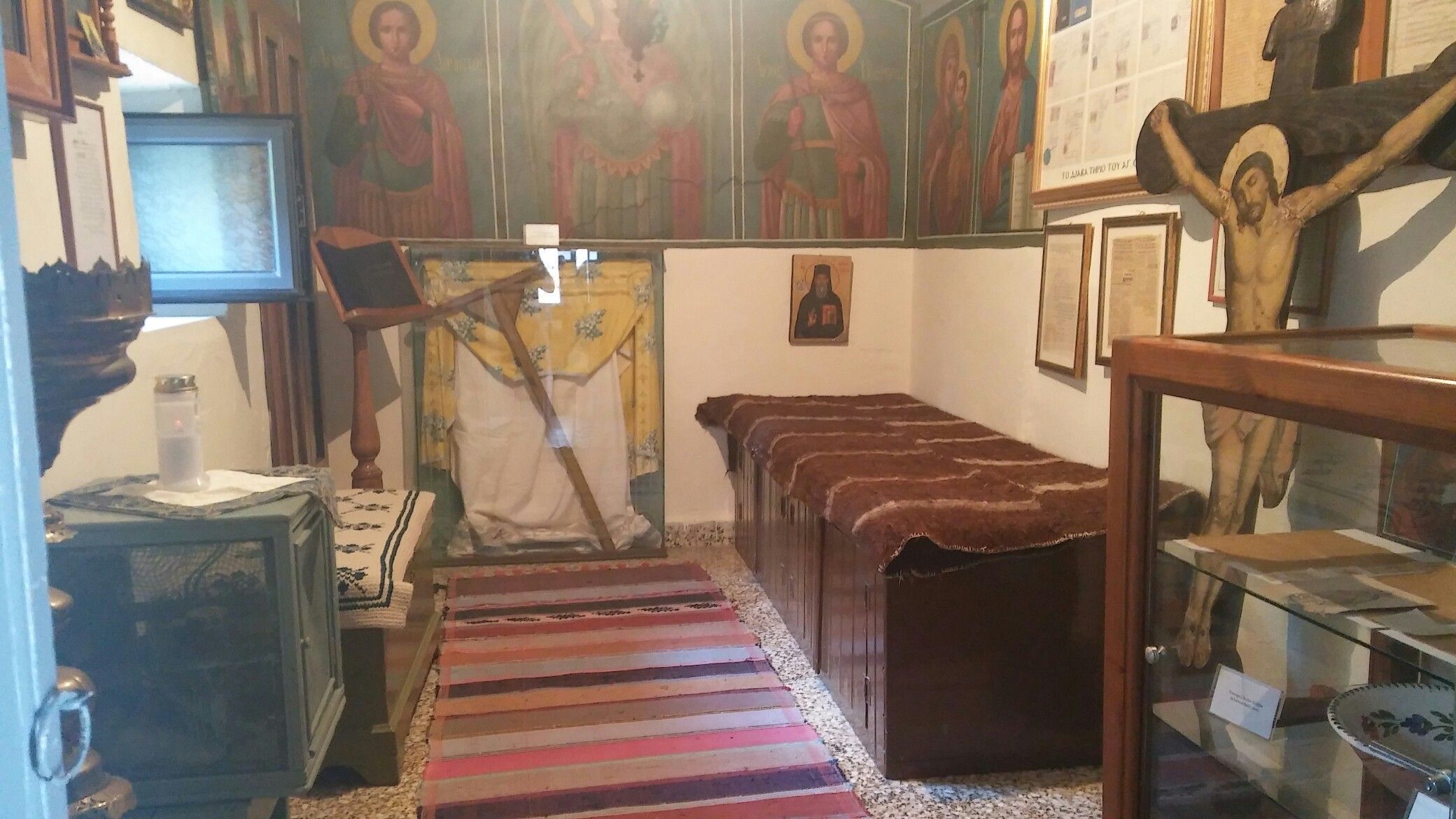
Inside his cell

IMG_3945IMG_3943IMG_3942IMG_3941kalymnos14kalymnos12IMG_3944

For two episodes from his life and his special relationship with Saint Nektarios, go to my previous blog post, Holy Father Savvas the New of Kalymnos 


Holy Father Savvas the New of Kalymnos

agios_sabbas

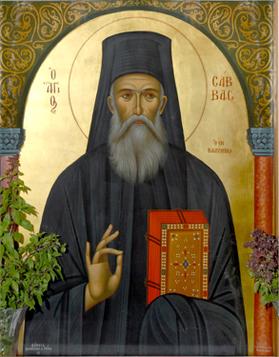
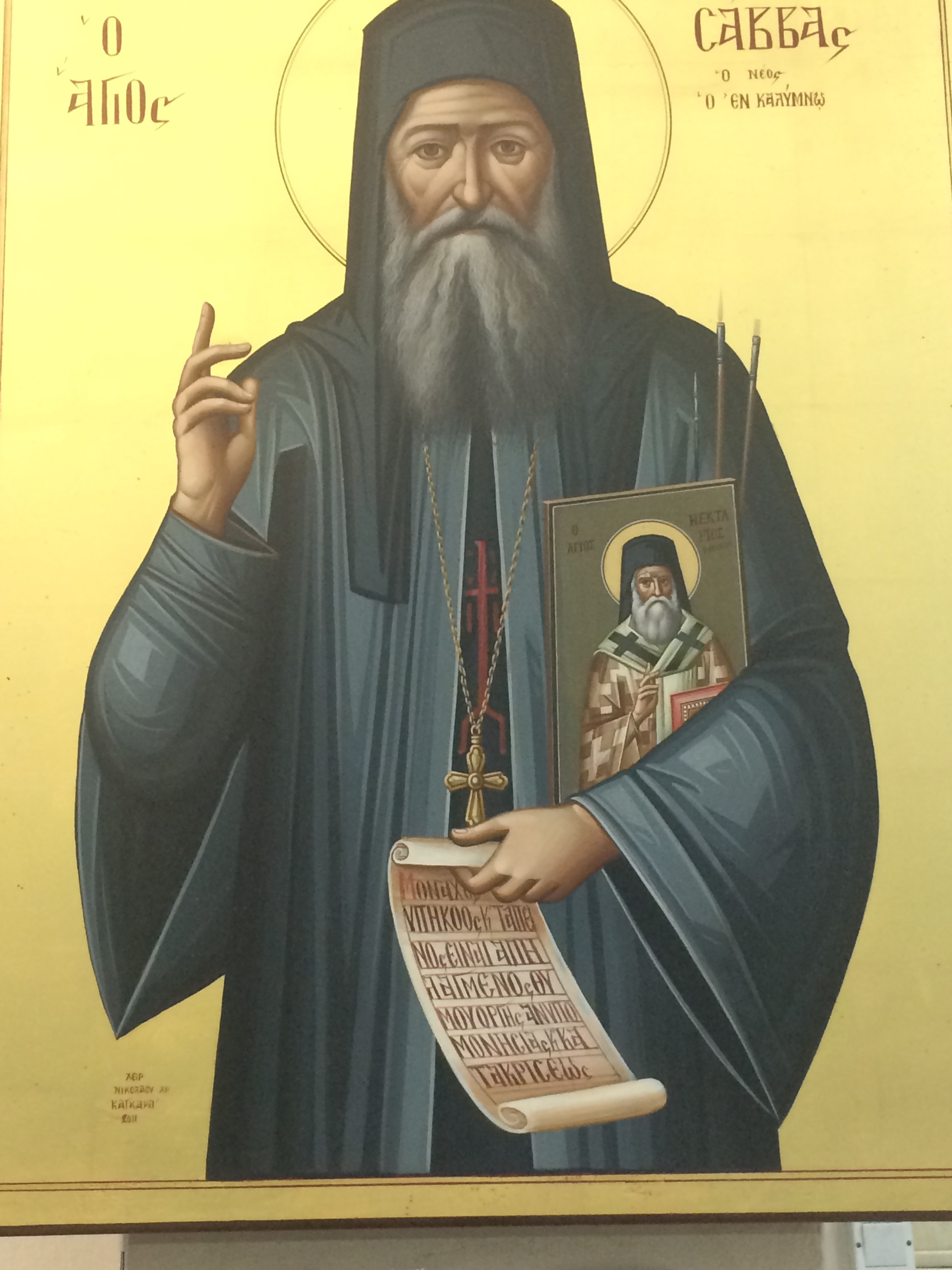
During my recent pilgrimage to Patmos, on my way back through Kalymnos, I venerated the incorrupt relics of an amazing ascetic and Saint of the “latter days”, our Holy Father Savvas the New of Kalymnos. I even spoke to people whose parents confessed to him and remember with tears his love, compassion and angelic purity. 

Saint_Savvas_from_Church

I would like to share here two episodes from his life which made a big impression on me (recorded in the monastery’s edition of his life):


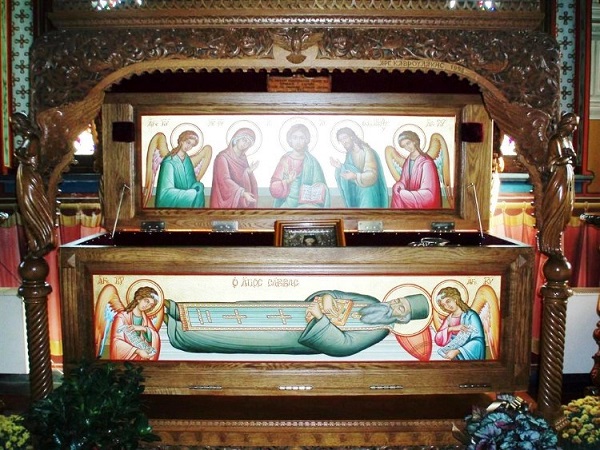
In Athens he met the acolyte of Saint Nektarios, who informed him that Saint Nektarios was looking for him. Based on this fact, it is assumed that the two saints had met before; in fact, most biographers agree that St Savvas was St. Nektarios’ spiritual child. Therefore, he went from Athens to Aegina in 1919, where he was with Saint Nektarios until he reposed. There he served as a priest in the Convent of the Holy Trinity. He taught the nuns iconography and ecclesiastical music. Upon the repose of Saint Nektarios in 1920, Savas witnessed the first miracle of the Saint when, after his repose, St. Nektarios leaned over so that St. Savas could attire him with his epitrahelion [ie. stole], and then the Saint returned back to his previous rigour mortis (ie. postmortem rigidity). St. Savas performed the funeral and for the first three nights he continued his communication with St. Nektarios over his grave, asking him a number of questions and listening to his answers! St. Savvas’ biographers have recorded those facts from first-hand witnesses and the stunned nuns’ testimonies.
Then, St. Savas enclosed himself in a cell for forty days where he lived in strict prayer and fasting, and emerged holding an icon of Saint Nektarios he had painted, which was the first icon of the Saint to exist. He gave the icon to the abbess ordering her to offer to the faithful for veneration. The abbess told him that this was not possible, as St Nektarios had not been yet officially canonised despite his numerous miracles from the very first moment of his repose and that such an action was not prudent and might get them in trouble with the ecclesiastical authorities and even cause the shutting down of the monastery. But St. Savas insisted that “You must obey. Take this icon and offer it for veneration and do not scrutinise God’s Ways”.
IMG_3965.JPG
The second episode too happened again in Aegina. A young nun, Nektaria, wanted to see for one last time the face of St. Nektarios after his repose and started digging stealthily his tomb. The other nuns caught her in the act and reported her to the Abbess. She rebuked her and then sent her to St. Savas. He too rebuked her sternly and told her that her action was called grave-robbing and she should not receive Holy Communion until Holy Thursday. The young nun started to cry and beg for forgiveness, telling St. Savas that she did not know that what she had been doing was wrong and sinful. As soon as she left St. Savas’ cell, St. Nektarios appeared to St. Savas, smiling,  and told him: “Elder, forgive her. She is very young. She didn’t know, she didn’t know that this was a sin. Offer her Holy Communion on Holy Thursday. Actually, offer her Holy Communion before Holy Thursday. Did you hear, Elder? Have mercy on her. She did not know. Did you hear? Thank you.”


Apolytikion
Let us faithful praise Holy Savvas, the glory and protector of Kalymnos, and peer of the Holy Ascetics of old; for he has been glorified resplendently as a servant of Christ, with the gift of working miracles, and he bestows upon all God’s grace and mercy.
Kontakion
Today the island of the Kalymnians celebrates your holy memory with a rejoicing heart; for it possesses as truly God-given wealth, your sacred body that has been glorified by God, O Father Savvas, approaching which they receive health of both soul and body.
Megalynarion
Rejoice, thou new star of the Church, the offspring of Thrace and the beauty of Kalymnos, O God-inspired Savvas, fellow citizen of angels and equal of all the saints.


You contended with the saints of old Savas,
And are glorified with them by your numerous miracles.

This angel on earth and a human in heaven was born in 1862 Herakleitsa, Eastern Thrace, Ottoman Empire and reposed in our Lord on 7 April 1947 (aged 85). He lived as a monastic and practiced the arts of Iconography and Ecclesiastical Music in the Saint Anna’s Skete (Mount Athos), the historic Monastery of Saint George Chozeba, the Convent of the Holy Trinity (Aegina), the monastery of St John the theologian and Evangelist (Patmos) and the Convent of All Saints (Kalymnos) and a number of caves and hermitages all over the world.  His feast day is 7 April (25 March), The Fifth Sunday in Lent and was canonised in 1992.

For those who have never heard of him, a synopsis of his life can be found at the Mystagogy Resource Page.

The fire in Mati and St. Paisios

st paisios1

st paisios2

st paisios4.png

It was the moment when the fire of 23rd July had completed its life-damaging work in Neo Vujza and Mati (about 7pm in the evening), and started spreading northeast to Agios Andreas where the children’s camps of the Municipality of Athens is located and southwest to Rafina.

Those present at the port of Rafina (where they had moved to escape the flames, including my brother) heard the bell in the chapel of Agios Nikolaos, located on a hill just above the harbour. The flames were already threatening the chapel. Some went to the chapel courtyard to see if there was a need for help.

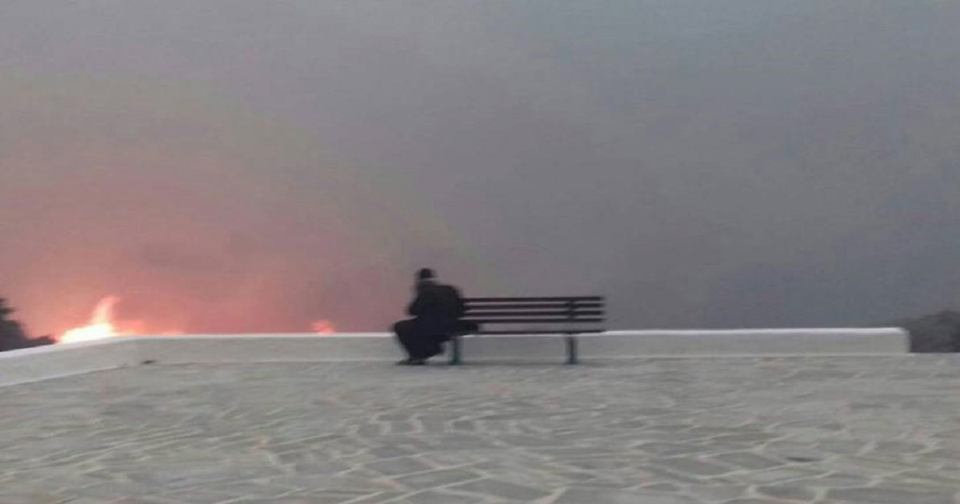
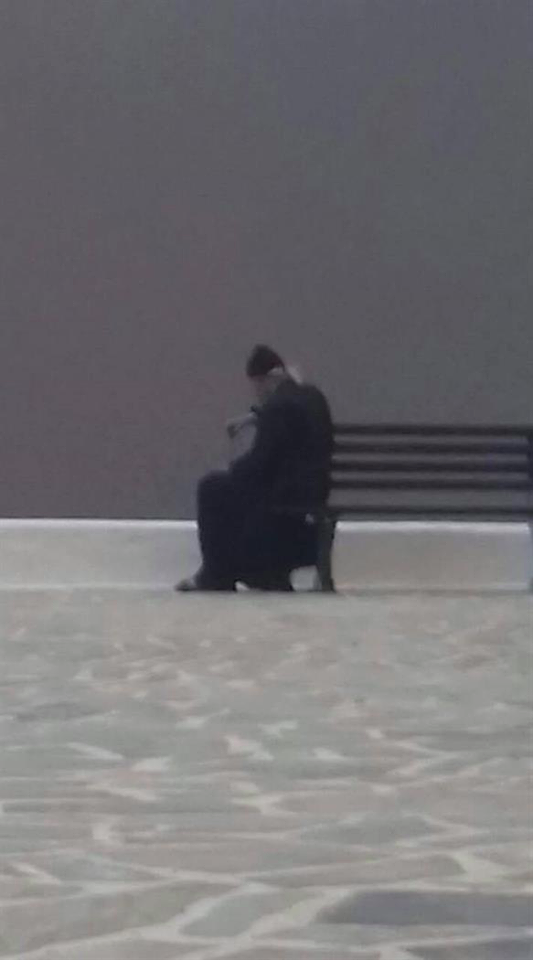
Among them was a lady, and on the bench of the courtyard, she saw what looked like the form of a rallying priest who sat on the bench in the fumes and turned his body toward the flames. Impressed, she took a picture on her cell phone from a distance. Approaching, she took another one. But once she reached the bench, the figure disappeared unexpectedly and mysteriously into the smoke.

At that moment, the wailing stormy wind suddenly stopped blowing completely, so that the flames were not extended to the settlement of Rafina. A corresponding phenomenon, a sudden interruption of the wind that pushed the northeast flames, happened at the same time on the opposite side, at the boundary between Matio and St. Andrew. The result was to save the main settlement of Rafina and most importantly, save the area of ​​Agios Andreas where the camps were located.

It should be noted that 600 young children temporarily resorted to the beach of Agios Andreas whilst waiting for the buses to take them to Athens. The area of ​​Agios Andreas is overgrown with pine trees and with lush vegetation, just like Mattia. If the flames had reached this area, an incredible tragedy would unfold, much worse than what happened in Mati.

Note that the fire was expanding at an inconvenient speed, causing people to be trapped in the pass, unable to escape, not even by car. So, the dozens of unfortunate victims of the fire found in the beach at Mati were locked.

The lady, a few days later, visited Father Dorotheos, the Parish Priest of the Temple of the Assumption, the parish Church at Mati. She told him the incident with the priest who sat on the bench next to the chapel of St. Nicholas and showed him the pictures.

He first told her that this chapel does not have a priest and that he does not recognise any clergy in the face of the photos from those who serve in the wider region. In fact, he wondered what a priest can sit there among the wild fire and the smoke. But when he noticed the photographs better, he exclaimed with awe: “This is the face of Saint Paisios!”

The above story of this lady was narrated by Father Dorotheos to my brother, who lives next to the Church of the Assumption of the Virgin Mary.

If you carefully look at the two photographs the lady took, it will distinguish a priest-monk who only wears a robe, holds a prayer rope in his hand and has his body turned towards the flames. The resemblance to Saint Paisios is astonishing. In the closest picture, the cap of Saint Paisios is distinguished in the head of the figure, while on the feet of this figure can be seen flip-flops with socks. Another characteristic of the Saint.

Nikos Koulouris
Professor of Law
2/9/2018

Source: from Holy Apostles Greek Orthodox Parish and Community of Newcastle

A few Saints Await

The little city hermit has started to take heart! So many prayers for him from all four corners of the world could not possibly go unheard! They have not been answered  in the way that he would have hoped — yet!– but this is a matter of least importance. Still in the dark, then, about a number of serious professional and family matters, the little city hermit is about to embark on a long pilgrimage across Greece and Romania, where a few Saints and spiritual elders await him for an “emergency treatment”:

St John the Forerunner in the Chalkidiki monastery of his spiritual father;

st john the forerunner

St John the Evangelist and St Amphilochios in Patmos!

st john the evangelistapokalipsi spilaio patmos ag

And an elusive Romanian father Ioann, literally hiding in a North Romania hamlet, who has been praying about him for a long time, and a spiritual sister has made all necessary arrangements for them to meet at long last!

outbuilding-at-horezu

Glory to God for all things! Even if no answers are to be disclosed in all these meetings, still so many blessings are under way!