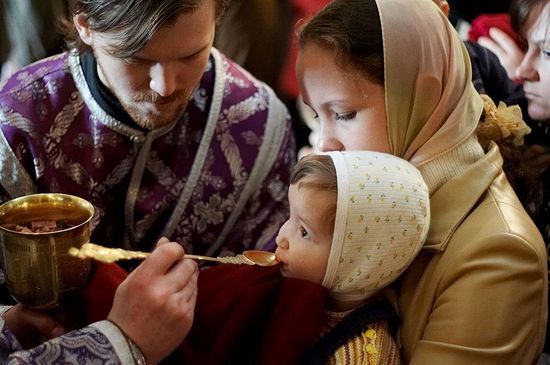
Building an Orthodox Parish – 5 points


holy communion

A large part of the problem with some Orthodox parishes (at least of my acquaintance) is not lack of money or lack of a nice building (nice as money and good buildings are), but the fact that they have not been built upon a proper foundation. The Scriptures have lots to say about the value of a good foundation, and the Lord teaches us that if the foundation has not been properly laid, the whole edifice built upon it is in danger of being swept away (Matthew 7:24-27), if not literally, then certainly spiritually.

I know of a number of parishes which have been thus swept away—not that they no longer exist as parishes, but that they no longer exist as true temples of God. Some have become spiritually toxic, and are more accurately described as synagogues of Satan (compare Revelation 2:9). To be a truly Orthodox temple of God, the community must first have in place a solid foundation. And as St. Paul reminds us, “no other foundation can anyone lay than that which is laid, which is Jesus Christ” (1 Corinthians 3:11). One can try to lay other foundations, setting in place the wood, hay, and straw foundations of ego and the cult of personality. But Jesus Christ is the only real and lasting foundation, either for a parish or an individual’s life. How can a one build on this foundation to become a truly Orthodox community? I suggest five ways.

First of all, the priest of the parish must dedicate himself to his people and to washing their feet, as the Lord Himself gave both example and command (John 13:1f). Too often young priests assume they are entitled to respect simply because they wear a cassock. It is true that all persons should be treated with respect and courtesy, but it is also true that respect must be earned. The priest’s ordination does not entitle him to respect so much as it gives him the opportunity among his people to earn it. And he earns it by selflessly serving them, counselling them, loving them, weeping with them, sharing their burdens, and being accessible to them at all times. By doing so he earns credibility so that he will be cut some slack when he errs or makes unpopular decisions. But it takes time to earn such credibility, as some young clergy have learned to their cost.

Secondly, the priest must preach Jesus Christ, and nothing else. What else, you may ask, would a priest preach? Alas, there is a long list of possible alternatives. He might preach simple moralism (“Let us be loving and nice”); he might preach the glories of his ethnic heritage. I remember a very nice Greek bishop enthusing at a church’s dedication about “our beautiful religion”, by which he almost certainly meant his beautiful Greek religion. Better to enthuse about our beautiful Saviour, for to enthuse about our religion is another way of enthusing about ourselves.

And one might preach Orthodoxy—the subtlest of all snares. That is, one might describe the glories of the Orthodox Faith, its sound doctrines, its wonderful sacraments, its glorious icons—and how Orthodoxy is a superior faith to all the other faiths on the market. In other words, one might preach about our beautiful religion, shorn of its ethnic components, which is still a way of preaching ourselves. The apostles preached Jesus Christ as Lord, God, and Saviour, and how one could live in obedience to Him and become transformed. Orthodoxy is not the content of our Faith, but the mode of its reception. We serve the Christ preached by the Orthodox Church, not the Christ preached by (say) the Mormons. But Christ remains the content of our preaching.

Thirdly, the parish council must be united in standing behind and supporting their priest. Too often parish councils become the sites of a tug of war, a struggle for power, with the priest pulling in one direction and his council pulling in the other. In this struggle, no one wins, especially not the supposed winner. The council must have the same goal as the priest—i.e. not to collect and retain power, but to serve Christ and His flock, and they must support their priest because he is in the forefront of fulfilling this common goal. He is not their employee, but their papa, and should be treated as such.

Fourthly, the community must make love their aim—that is, the creation of genuine community. This is impossible to do without eating together and working together, and to this end, all Sunday Liturgies must have a time of eating appended to it so that the people can eat, talk, and share together. All the Pauline epistles presuppose the presence of a close community, and without it Christianity remains a mere cultic experience, lacking its crucial social component.

One church I knew of always had a meal afterwards, but they charged for the food so that the social time functioned as a fundraiser. Not surprisingly many skipped this meal and left right after the Liturgy, especially those with large families who could not afford to pay $10 a head for perogies and borscht. When I suggested that they have a free pot-luck meal instead, they were aghast at the possible loss to their budget. They valued income over the creation of community—and over church growth. They have their reward.

Finally, the community must be eschatologically oriented. That is, they must regard themselves not primarily as citizens of this world or as Americans or Canadians or as citizens of any other country, but as citizens of the Kingdom. Patriotism is wonderful, but the good must not be allowed to become the enemy of the best, and the Church stands under the Cross, not under any national flag. To make the flag paramount is idolatry. Through his preaching the priest must encourage his flock to see themselves as sojourners in this age, with their eyes fixed on the horizon to behold the blessed hope of the Second Coming with the cry of “Maranatha!” in their hearts.

Living this out consistently will mean that the society around them will increasingly regard them as aliens, as unwelcome intruders, and as disturbers of the secular status quo. We all know where the front line of this battle is being drawn, and we must not flinch or compromise. Our Lord’s words to the apostles, “If you were of the world, the world would love its own, but because you are not of the world, but I chose you out of the world, therefore the world hates you” (John 15:18-19) have lost none of their relevance. The priest must preach and the people must accept that to become an Orthodox Christian is to leave one moral universe and to enter a different one. And they must read the fine print before making this decision—that of inevitable conflict with the world and of possible persecution.

These are the principles and the foundation upon which new missions should be built and already established churches should conform. Conforming to them does not require changes in the congregation’s constitution and bylaws, but only humility of heart and a desire to grow. In the end, it comes down to vision: does one have a vision of one’s church as a place of counter-cultural transforming truth and a laboratory of love, or simply as a place to go to in order to fulfil one’s spiritual needs? If the latter, then you should know that God cares less than nothing about your spiritual needs. He cares about you and your transformation. And that transformation is only possible if you catch the vision of your church as a place of uncomfortable truth, and of healing love.

By Fr. Lawrence Farley

Source: No Other Foundation

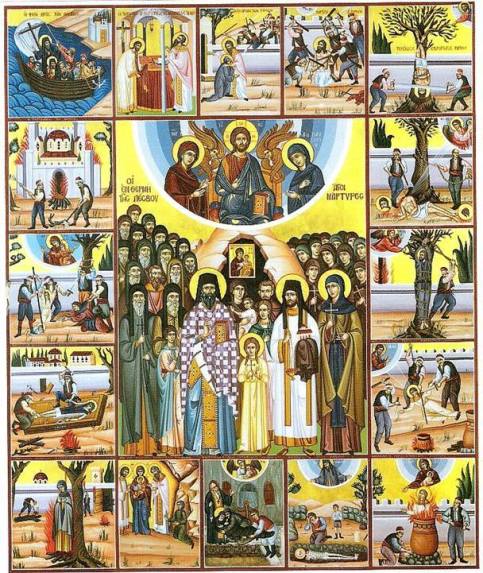
Vasiliki Rallis on the Revelation of Saints Raphael, Nicholas and Irene of Lesvos

saints rafael, nikolaos, irene.jpg

I have no words for this testimony by Mrs Vasiliki Rallis! She was one of the many simple villagers who witnessed the appearing and miracles and the finding of the Holy Relics of Sts. Raphael, Nicholas and Irene in Thermi of Lesvos. I have personally met Mrs Vassiliki years ago in Greece at the Monastery of Saint Arsenios in Chalkidiki. Her talk is in Greek with English subtitles. Please watch this video.


A Simple Approach to Reading the Entire Bible

bible

Food for thought … I am not sure if I agree with the suggested plan, but I found the list of study tools, eg. biblical reference materials, atlases, dictionaries etc. , included in the article most useful.

Archpriest John Whiteford | 04 August 2019

There are some elaborate charts that tell you how you could read the Bible all the way through in one year — which if you followed, would work fine. However, I wonder how many people have ever followed such charts all the way through, because it would require that you make regular reference to the charts, and remember where you were on the chart.
On the other hand, many people simply open up the Bible at Genesis, and then get bogged down somewhere towards the end of Exodus and Leviticus, and then quit.
One method I would suggest is much simpler to follow, and if you do, you not only will read the Bible all the way through in about a year or so… but you could continue to read the Bible and get a balanced intake of the various parts of the Bible rather than hit one section that is difficult and then lose interest.

Read the rest here: Read


Metropolitan Neophytos of Morfou: “Elder Iacovos, as I experienced Him”

ger-iakovos-tsalikis-katholikoΜ.jpg

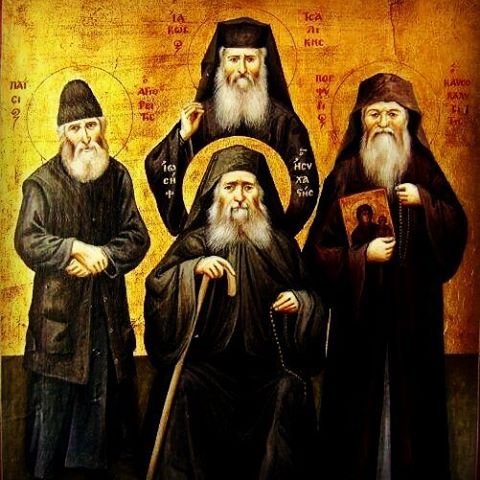
Moving on to the third part of the Metropolitan Neofytos’ of Morfou trilogy, an outline of the sacred personality and life of Saint Iakovos Tsalikis, his Elder, as he experienced him.

Metropolitan of Morfou Neofytos: ” Saint Paisios as I Experienced Him”

st paisios.jpg

Moving on — at the request of this blog’s followers — to the second part of the Metropolitan Neofytos’ of Morfou trilogy, an outline of the sacred personality and life of Saint Paisios of Mount Athos as he experienced him. The first part was St. Porphyrios, my previous post, and the third one will be St. Iakovos Tsalikis, all recently canonised modern Greek Saints he was blessed to meet early in his life. It is such a pity that so few of this Metropolitan’s homilies have English subtitles because at every one of them so many “secrets” and holy mysteries of these recently canonised, modern saints are revealed!  Metropolitan Neofytos had complained to God in his youth that he had lost his father too young, and our Lord has “punished” him with 7 Fathers, 3 of which have already been canonised, and the remaining four are all due. Oh, he fathomless, bottomless Love of Our Lord and the Wisdom of His Providence!

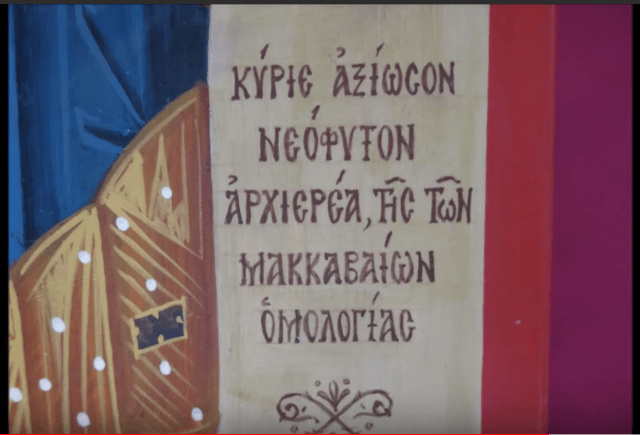
Currently, Metropolitan Morfou is under fire and faces persecution and prosecution by both church and state officials, as St. Paisios had prophetically warned him and blessed him to become worthy of the Seven Holy Maccabees’ bold Confession of Faith and Martyrdom, together with that of their mother Solomonia and their teacher Eleazar.

Screen Shot 2019-08-08 at 08.55.16

Metropolitan of Morfou Neofytos: ” Saint Porfyrios as I Experienced Him”

elder-porphyrios

Amazing compilation of everyday Saints’ stories and parables by the Metropolitan  

#Saint Porphyrios #Saint Paisios #Saint Iakovos Tsalikis #Modern Greek Saints

saints2saints

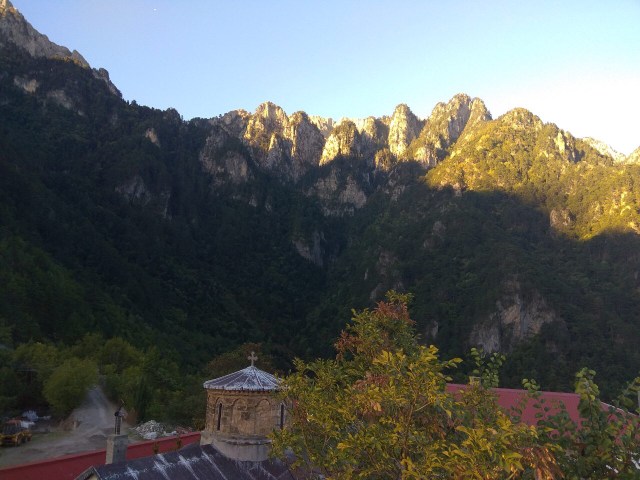
Saint Paisios’ Konitsa home and Stomio Monastery

46261

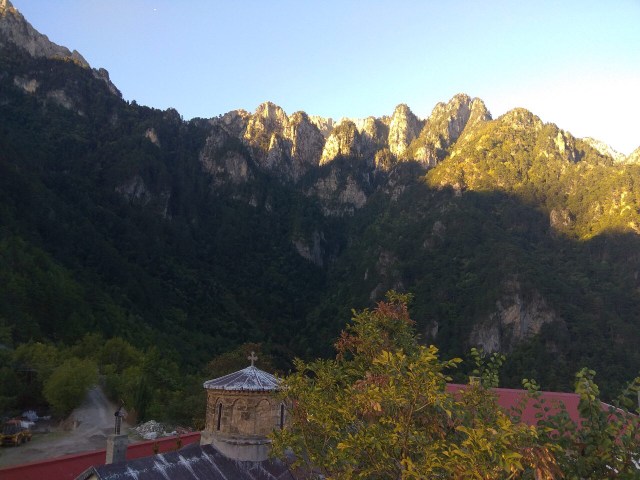
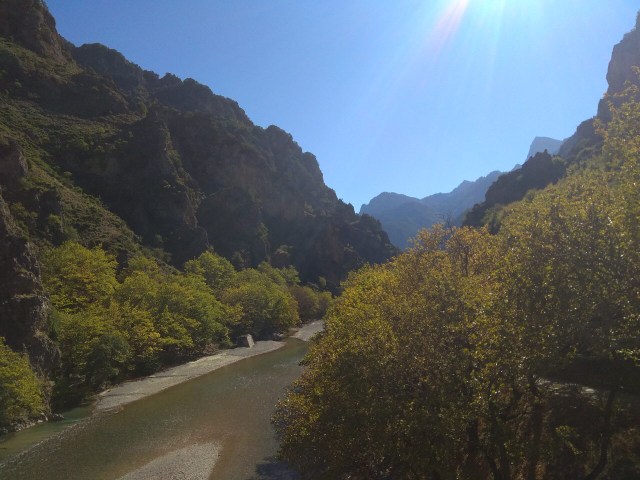
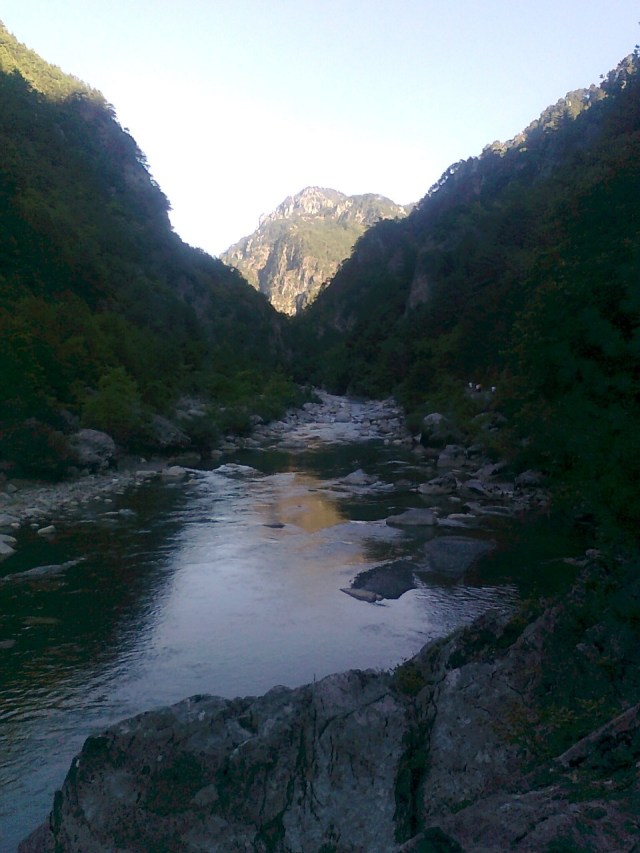
St Arsenios’ monastery July pilgrimages — a photo journal and vlog

Image-1

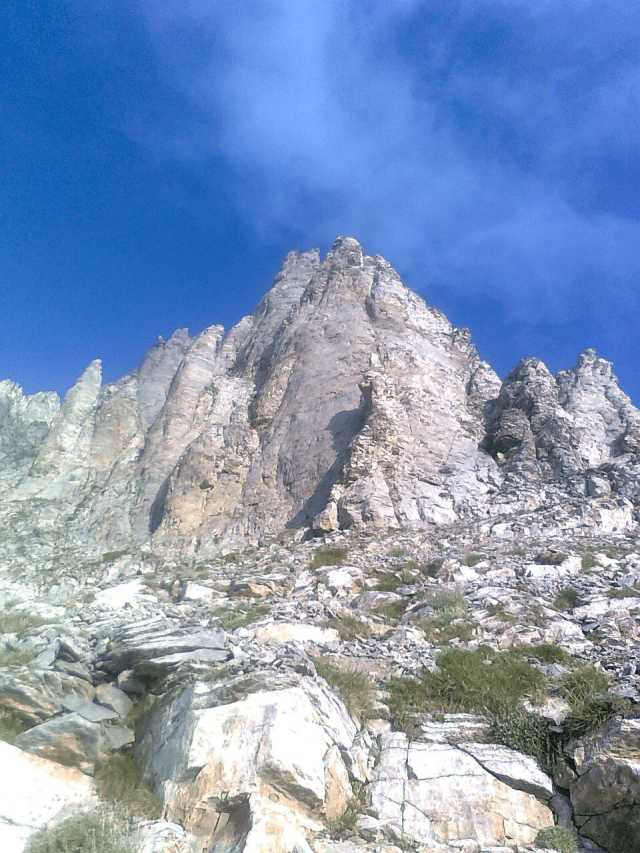
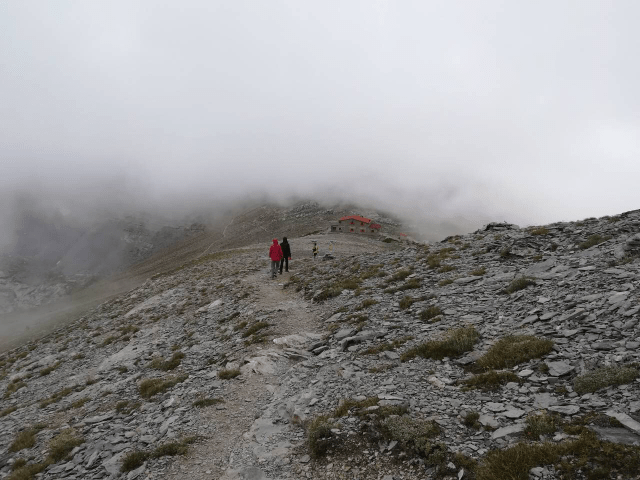
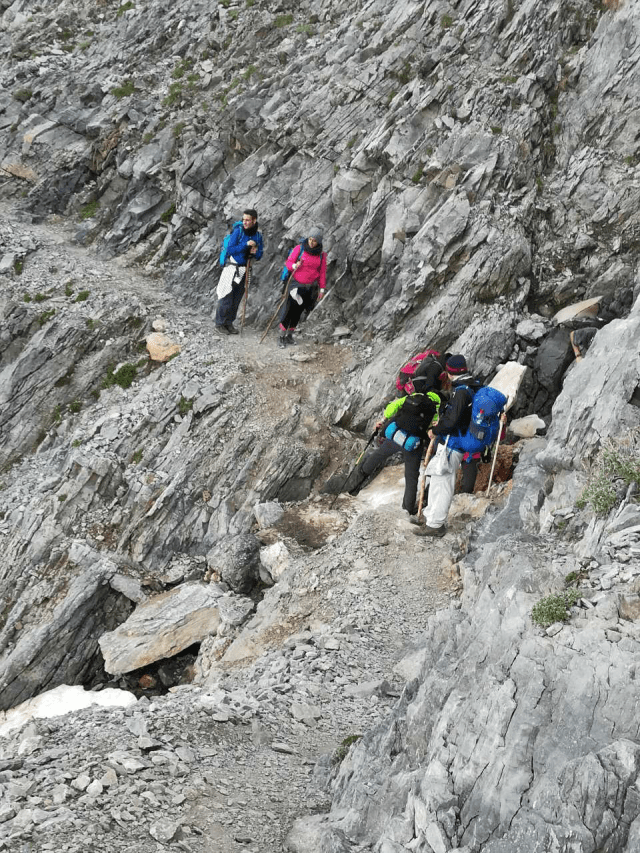
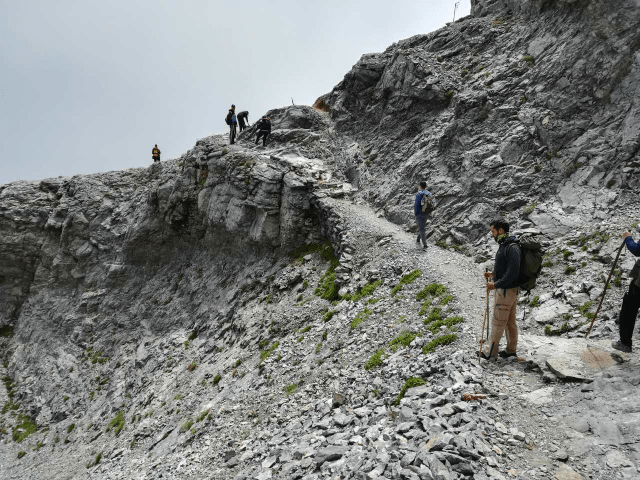
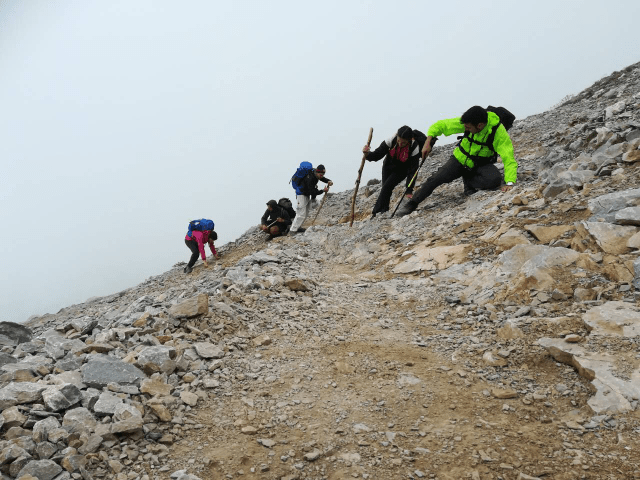
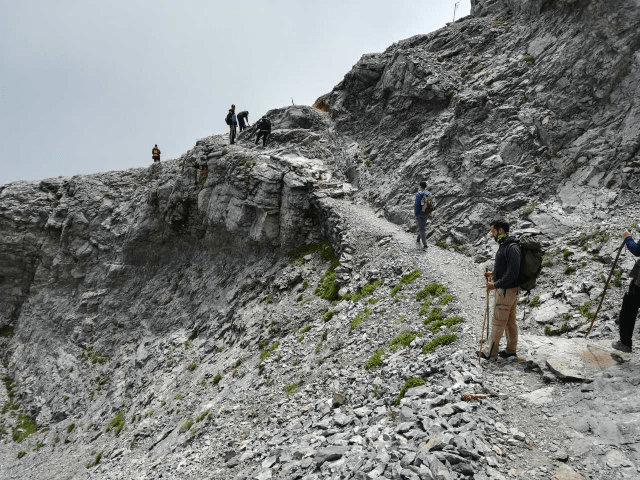
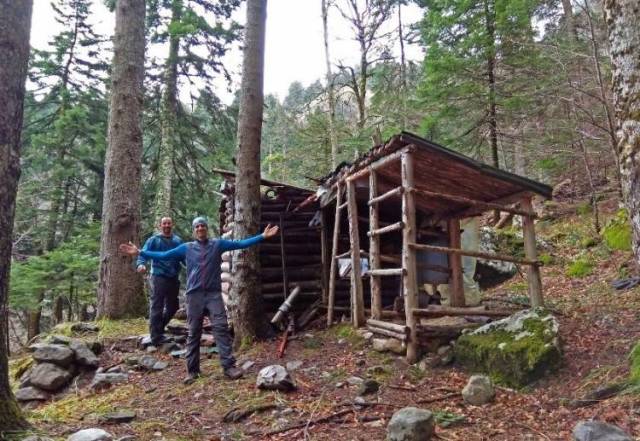
First, a bit of mountain trekking: Prophet Elias church on Olympus’ summit (2800m.)

Image-7Image-6Image-5Image-9Image-5

 Then,  Molyvdoskepasti

3957378585954166458739573329367858564587

188665247311029

Moni Stomiou, Konitsa

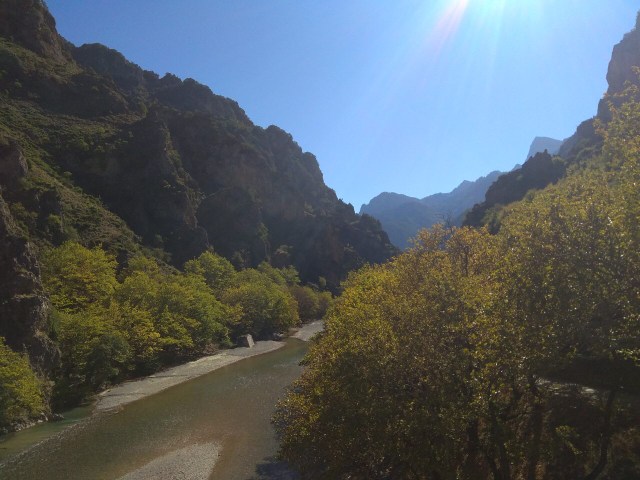
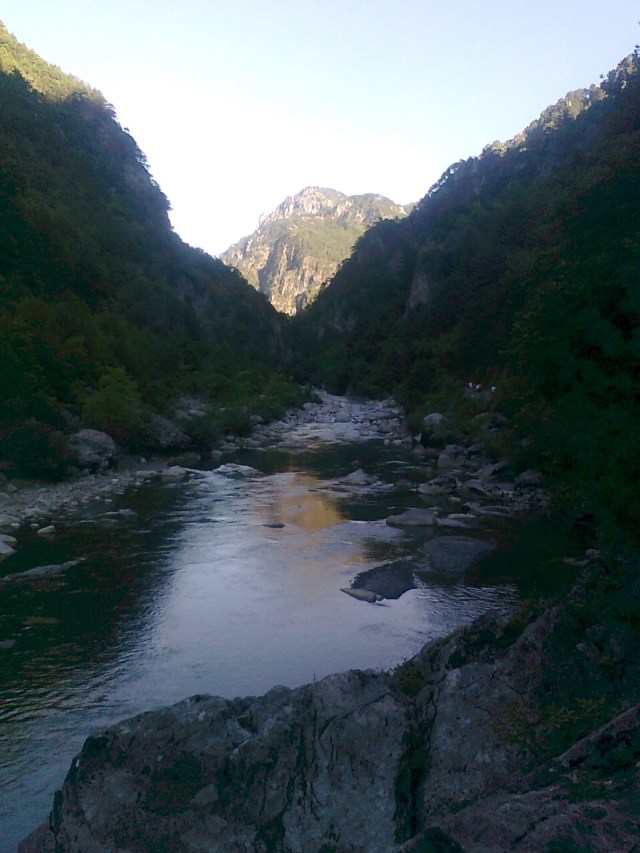
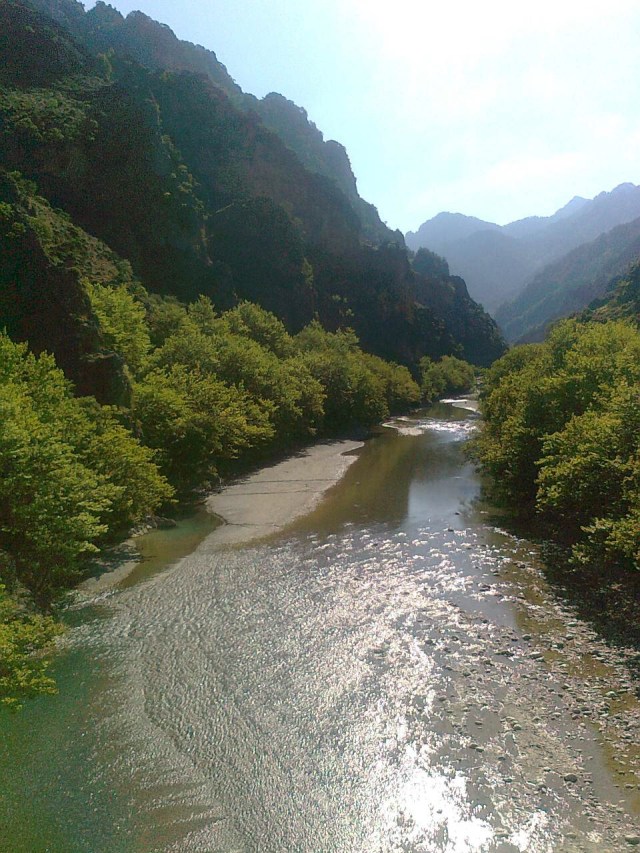
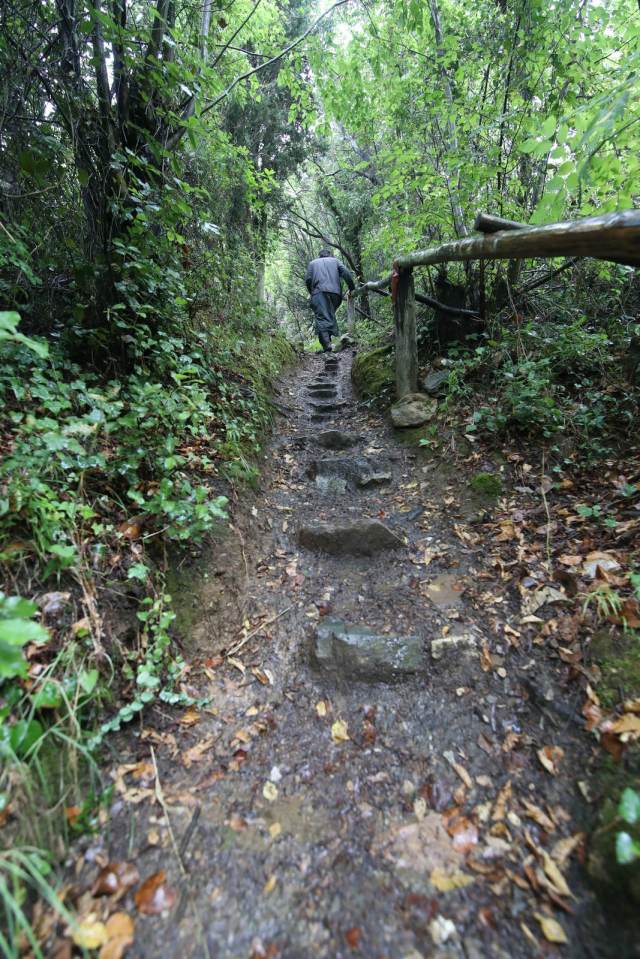
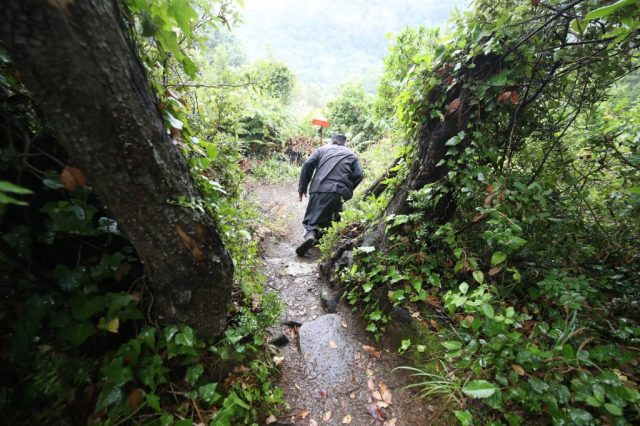
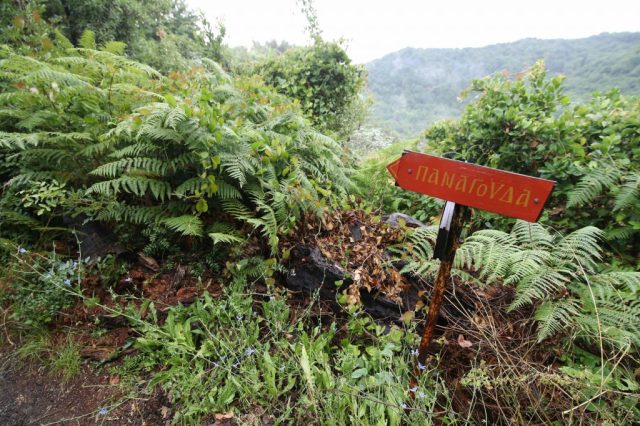
Path to Stomio monastery:


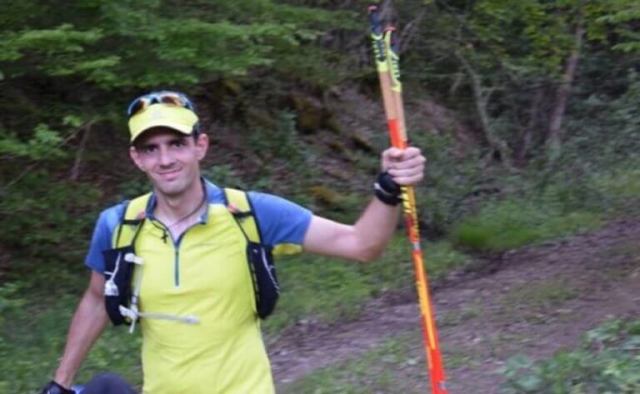
+Memory Eternal, Elias! May you feast in Paradise with your beloved Saints, St. Paisios and the prophet Elias! (Elias, a family acquaintance, precious friend and father of 4  lost his life at 39, about a month ago; he fell in a gorge on these mountains during a mountain trekking/pilgrimage .)

kalaitzis4

καλαιτζη6καλαιτζης5

Ilias to Prophet Ilias


καλαιτζης

Finally, Saint Paisios’ home:


Elder Nektarios Marmarinos

Elder Nektarios Marmarinos

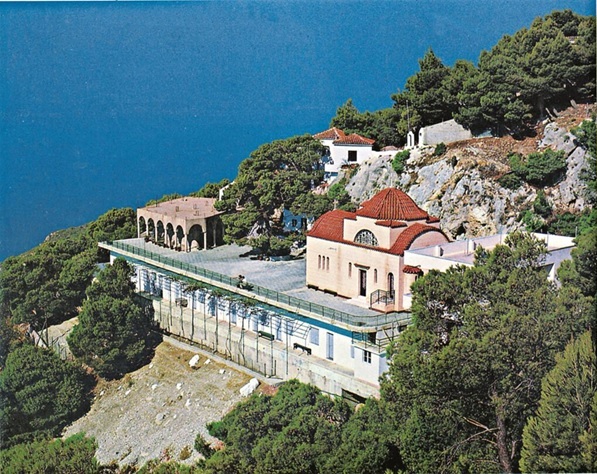
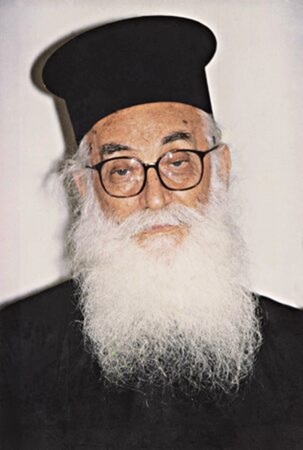
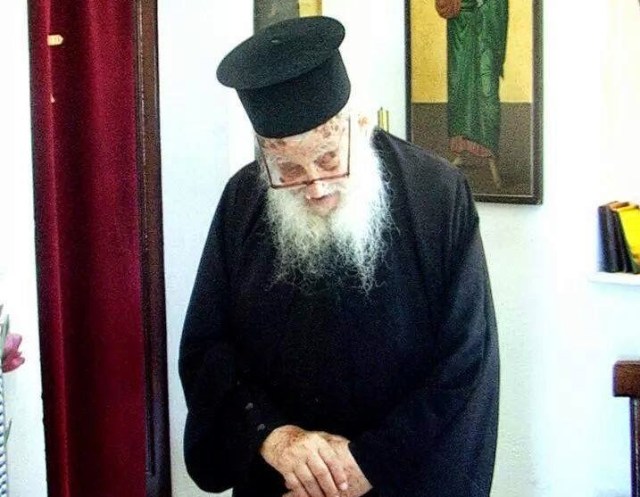
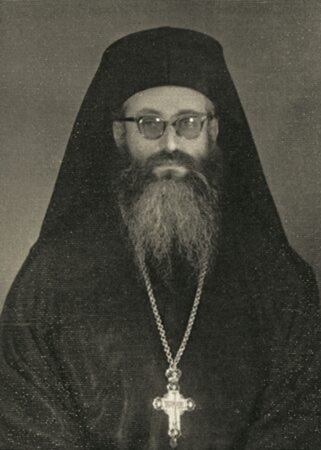
On the occasion of the demise of the late Elder Nektarios Marmarinos, Pemptousia is publishing an extract from the book by Fr. Dimitrios Kavvadias ‘Elders and Women’s Monasticism’, in which, among much else, he refers to the late Elder Nektarios, the founder of the Holy Monastery of Saint Patapios in Loutraki:

The sole exception in this book is the mention of the person of Elder Nektarios Marmarinos, who became the founder of the Monastery of Saint Patapios. We are not writing a eulogy of the man, but would address a few words related to his life and activities, with the aim of revealing how the Monastery of the wonder-working Saint came to be built. He is now in the twilight of his life and has tasted cups of many sorrows in his efforts to establish the Monastery and bring his work to a successful completion. He was never interested at all in personal promotion, and so we can do no spiritual harm to the Elder and his work, which is, indeed, a labour for God.

Elder Nektarios was born on 3 November 1921, on the island of Aegina, the place where so many saint have been born and bred. He was the son of poor, devout islanders, Fotios and Evangelia Marmarinos and the brother of Anastasios, Mihaïl, and Marina, who later died of tuberculosis as a twenty-year-old during the German Occupation. With this much-loved sister of his, he would visit the Monasteries on Aegina, where they would sip at the honey of the monastic state and imagine a life of dedication.

In those years, his spiritual father was Elder Ieronymos Apostolidis of blessed memory, the Hesychast of Aegina (†3/ 16 October 1966), from whom he learned the Jesus prayer, piety and love of the services. His monastic inclination and calling were strengthened. When he was still a child, in his home town, Kyriakos, as he then was, would go to the remote Monastery of Our Lady Chrysoleontissa in the hills on Aegina. Looking down on the Monastery of Saint Nektarios, he would beg the great saint of the 20th century: ‘Saint Nektarios, you built your little monastery here. Help me to build a monastery as well, where I can see the brides of Christ fighting the good fight of virtue’.

When he’d completed primary school and a year of middle school, he went to study at the Ecclesiastical School in Hania, where he surprised one and all with his integrity. After a short time, God’s providence had him studying at the Ecclesiastical School of Corinth, where he was fortunate to enjoy the attention and protection of Metropolitan Mihaïl (Konstantinidis) of Corinth. While he was at the School, he served as ecclesiarch in the church of Saint Foteini.

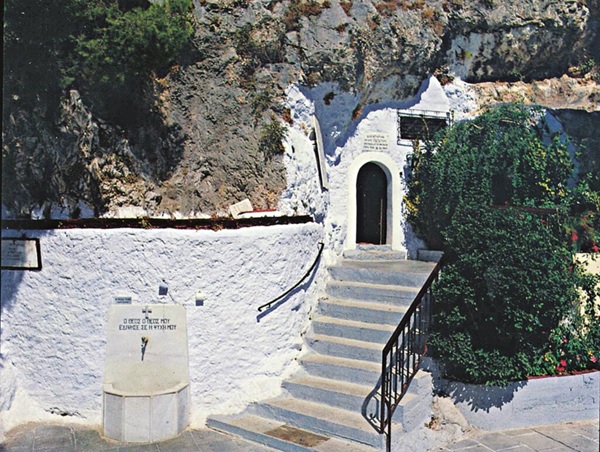
During the course of his studies, when he was chatting to his fellow-students, he would often speak of the personality and miracles of Nektarios, the saint of his place of birth. His fellow-students, however, spoke with equal enthusiasm about their own Saint Patapios, whose relics were discovered in his cave in Loutraki in 1904. From the courtyard of the School, they pointed out the cave, which looked like a little white speck on the Yeraneia Mountains.

When he later went up the mountain to venerate Saint Patapios, together with a fellow-student, he was overcome with religious awe and his soul felt a ‘divine attraction’ for the location. As he made his prostration, he actually prayed: ‘Saint Patapios, help me to build a monastery here, so I can see a monastic community ceaselessly giving glory to the Lord, with the incense rising as an acceptable sacrifice to the majesty of His throne’.

Thereafter, it was his custom to go up to the cave with a blanket under his arm and, after praying, to lie down to rest in the shade of a large pine tree.

The years passed and he kept alive his desire to build a monastery to the saint. But how? He prayed intensely to find a way to bring this about. Then Saint Patapios himself revealed his wishes in a vision. Kyriakos saw the saint, bathed in light, sitting on the coffin holding his relics. The saint looked at him with celestial serenity and, shining in the divine radiance which enveloped him, he repeated three times: ‘The monastery will be built. Yes, it will’.

So young Kyriakos was confirmed in his decision and began to work to bring to fruition his holy purpose. Somewhere, he found a pamphlet containing the Life of Saint Patapios and he had it published in book form, both for the spiritual benefit of pilgrims and to get work on the monastery started. At the same time, he performed spiritual tasks in Corinth, in a church dedicated to Our Lady, in a neighbourhood of refugees from Asia Minor. He attended church here and offered his services as catechist and preacher. He organized many pilgrimages to the saint’s cave, which demanded a great deal of effort, because the participants ascended on foot. This work, as well as his godly desire to make the monastery a reality, were the reasons why he didn’t attend university, even though he loved learning, was diligent and had a good brain.

Metropolitan Mihaïl ordained him to the diaconate on 21 February, 1941, giving him the name Nektarios. This pleased him greatly, because it had been the subject of a secret prayer which he hadn’t revealed to anyone. Then, on 8 November, he ordained him to the priesthood and thereafter made him an archimandrite and confessor. Between 1941-1945, he worked hard in the neighbourhood of his church, providing valuable services as priest, preacher, catechist, and charity worker. He organized a Sunday school for 80 girls, quite a number of whom became nuns under his guidance. He taught them the Jesus prayer, love for church attendance and the spiritual life. Young Evyenia, who is now the nun Patapia, remembers fondly the sermons the Elder preached over the course of a year and had as their subject: ‘Why are we Christians; why do we go to church; what should we do to be saved?’ She also remembers, with equal fondness, walking along to the cave with other girls, laden with clothes, water and food. She recalls: ‘We didn’t get tired because we felt we were borne upwards on the wings and love of Saint Patapios’…

On 15 October 1945, Metropolitan Mihaïl went up to the cave with the young Deacon Nektarios and venerated the relics of the saint. He was deeply moved at the sight of the relics and composed a dismissal hymn, ‘The glory of Yeraneia…’, and a magnificat, ‘The crown and honour of Loutraki…’. He also promised to contribute to the task of Elder Nektarios, who through privations and considerable personal effort, had managed to build small guest quarters in 1947, three small cells in 1948 and a refectory in 1949. These were built on different levels of the side of the hill, with material brought by mules hired in Loutraki. A great deal of work and heavy expenditure. And the whole of the effort took place while the Elder was being attacked verbally and slandered. This was a co-ordinated attack by the devil, who saw souls being won for God and work on the foundation of the monastery progressing. In this task, he used the people of Loutraki, who were jealous of the project and hounded the Elder. The new Metropolitan, Prokopios (Tzavaras) from Tripoli, was influenced by these tactics, but over time was enlightened by the saint and promised to recognize the monastery. In 1952, approval was given for the first novice to move in – Eirini Steryiou from the Holy Monastery of Our Lady Faneromeni, Hiliomodio, Corinthia, and she was soon followed by the nun Styliani Goussopoulou, from the same monastery, as Abbess. On 19 September, 1953, a royal decree signed by King Pavlos II was published, acknowledging the foundation of the monastery.
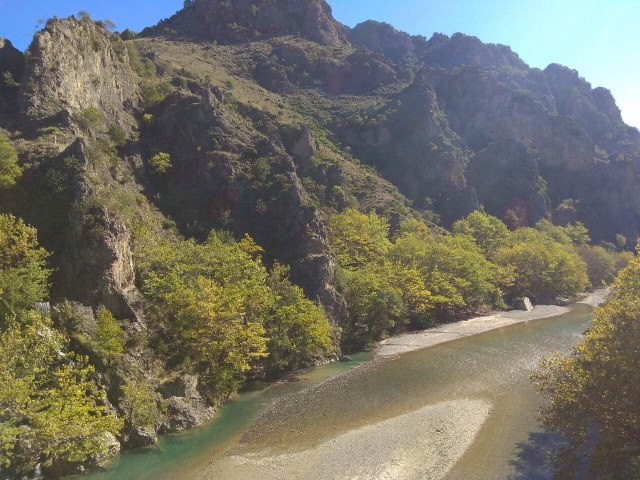
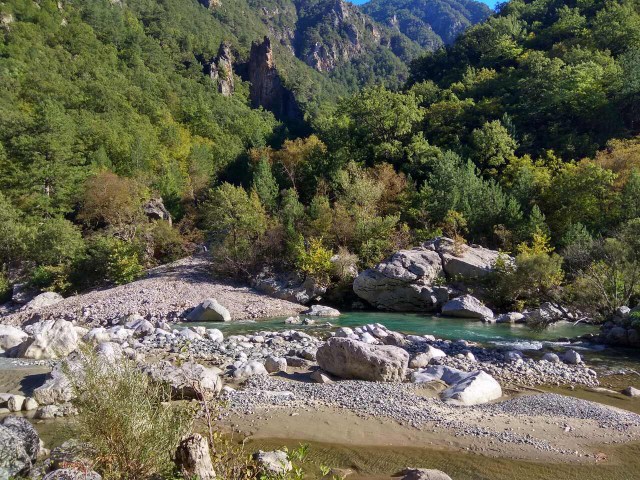
In 1977, Elder Nektarios founded Saint Paul’s men’s monastery in Yeraneia, and soon afterwards the men’s monasteries of Saint Nicholas the New of Vounena, in Perahora, Our Lady Myrtidiotissa, also in Perahora and Saint Nektarios in the Yeraneia Mountains.

After gathering a good number of nuns, and building and running workshops for church vestments, embroidery and icon-painting, he extended the social activities of the Monastery of Saint Patapios by founding ‘Saint Helen’s Old People’s Home’ which provides comfort to penniless elderly women.

He was awarded the keys to the Municipality of Corinth for missionary work. In 2006, the Holy Synod of the Church of Greece, chaired by Archbishop Christodoulos, awarded him a gold medal for his services to the Church. Despite his advanced age he continued to tour the whole of the province of Corinth, preaching the word of God and guiding his countless spiritual children- clergy, monastics and lay people. His important contribution as Dean for 60 years, from 3 October 1951, was characterized by his unshakeable faith, his continuous prayer, his love of services, his many and varied acts of charity, his construction activities and his sacrifices for the least of his fellow human beings.

We shall now quote one of the texts of Elder Nektarios to the nuns in his community, recorded by the late Sister Sofronia as ‘Admonishments to Nuns’.

‘In your everyday life, never forget the salvation of your soul. Since you live in a coenobium, you’re duty bound to behave in a manner pleasing to God, doing violence to yourself.
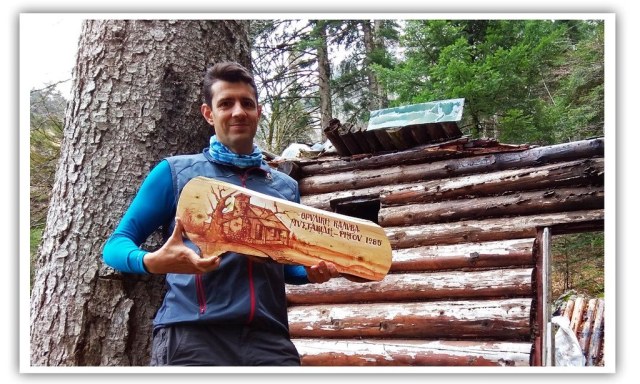
Joking is inappropriate for monastics. “Those who talk repent frequently; those who don’t, never [need to]”, says Saint Efraim. You’re fortunate in that you’re free of all temptation and from the tempest of society. Don’t imagine you’ll find peace away from God and the haven of the monastery. Violence against your passions is held to be martyrdom by God. If you weep and are wounded over the fall of your sister, you gain a martyr’s crown. If one suffers, everyone else suffers and feeds with love the one in pain. If one sister falls, all the others share her pain and give her their love. Just as you’re careful to make sure that the divine pearl doesn’t fall when you’re taking Holy Communion, take the same care that your sister doesn’t fall, either, because she, too, is a member of the Lord. If you save a soul, you cover a multitude of sins. Like a lightning-conductor, humility attracts God’s love’.
The following nuns served as Abbess in the Monastery of Saint Patapios:

Styliani (formerly Sophia) Goussopoulou, from Constantinople, from 1952-1963.

Patapia (formerly Evyenia) Tsetsoni, from Corinth, from 1963-1968.

Isidora (formerly Kyriaki) Mentzafou, from Athens, from 1968-Ocober 2014.

It’s worth noting that the monastery continues the traditional order, with an internal Rule drawn up by Elder Nektarios and an hourly timetable that starts at 03.30 a.m. As part of its prayer life, the community has special prayers for each day: on Sundays ‘for the dissemination of the truth of the Gospel’; on Mondays, ‘for the sick’; on Tuesdays, ‘for those in prison’; on Wednesdays, ‘for the illumination of the slothful’; on Thursdays, ‘for those in despair’; on Fridays ‘for those who labour for the Gospel’; and on Saturdays ‘for the departed’.
 

Transl. from Δημητρίου Καββαδία (ιερομονάχου), Γέροντες και Γυνακείος Μοναχισμός, published by the Holy and Great Monastery of Vatopaidi, the Holy Mountain 2015.

Source: Pemptousia

Memory Eternal to a Pioneer

eastern-orthodox-funeral-traditions-main

“On Friday July 12, Dr. Edward Hartley died in a nursing home after a week-long decline, ending a long a fruitful life in Christ. I lost a friend and parishioner, and many people lost someone who was a great gift to them from God.

Dr. Edward Hartley, with his wife Vivian, was the founder of St. Herman of Alaska mission in Surrey, B.C. He was an Anglican, born in Nova Scotia, Canada, who came out to British Columbia to begin a medical practice here. He met and eventually married Vivian Robertson, and together they had three children. More significantly, over the years they had many more spiritual children. I have lost count of their godchildren. Dr. Hartley and Vivian decided that they should join the Orthodox Church in a time when such a course of action was so difficult as to look a bit crazy. There were no English-speaking Orthodox missions in the Vancouver area in that time, and so they joined the local OCA church which worshipped in Slavonic and spoke Russian. A far-sighted bishop in the parish welcomed them, and they learned to cope with Slavonic, becoming members of the Russian OCA parish. Vivian learned to sing in Slavonic as part of the choir, and Dr. Ed (as he was known) read the Epistle in English after it had been read in Slavonic.

They had the sense and foresight to see that raising their children in a Russian church in the Vancouver area was not the path of wisdom, and so they received the blessing from their bishop to begin a mission in English, worshipping in a chapel they built in their backyard. Those were difficult years, with one step forward and one step back. I came to their little backyard mission in 1987 when there were about fifteen people there on a Sunday. They had no stipend available for a priest, and no other building. Their priest would have to find a secular job to support himself and his family while the mission grew. But they all had enthusiasm and commitment, and the parish slowly grew.

Dr. Ed was a man of humour, zeal, and effervescence. He was always ready with a joke and a smile. When I would phone his house he answered the phone often by saying, “Greetings and hallucinations—I mean greetings and salutations!” In all the years I was his parish priest I never recall him frowning or being in a bad mood. He wanted to convert absolutely everybody to Orthodoxy, and his home was an open house, a place of welcome and kindness. I may add that his wife Vivian and his children shared in his kind and zealous spirit. Vivian reposed in 2013, but his children are still faithfully serving the Lord, being wonderful chips off the old paternal block.

Dr. Hartley breathed his last at 2.28 p.m. this last Friday, and stepped into the Kingdom, doubtless escorted by a multitude of angels. The following Sunday at St. Herman’s was a busy one. We baptized an infant, a child of South Asian and East Indian-Caribbean descent. We baptized the Anglo-Canadian husband of one of our Russian ladies. We baptized another adult North European/Canadian convert. We also received by chrismation the Armenian mother-in-law of one of our Romanian immigrants.  Before the baptisms, a lady who was a longtime friend of the Hartleys was finally entered into the catechumenate, joining a young Ethiopian catechumen.  Dr. Hartley would have been pleased by all this, since he wanted everyone to become Orthodox, regardless of their upbringing or national identity. I would like to think that the Lord allowed him to peak down into the nave of his old parish, and rejoice in the work in which he and Vivian had been so instrumental in bringing to birth.

Dr. Ed will be missed by all who had been privileged to know him. He was one a pivotal generation who was prepared to work and sacrifice to join the Orthodox Church in a day when the cost for doing so was very high. If conversion to Orthodoxy is now somewhat easier, this owes much to Dr. Ed and those of his generation who were prepared to pay the price and hold the door open for us. Our debt of gratitude to him and those like him is very great.”

By Fr. Lawrence Farley

No Other Foundation