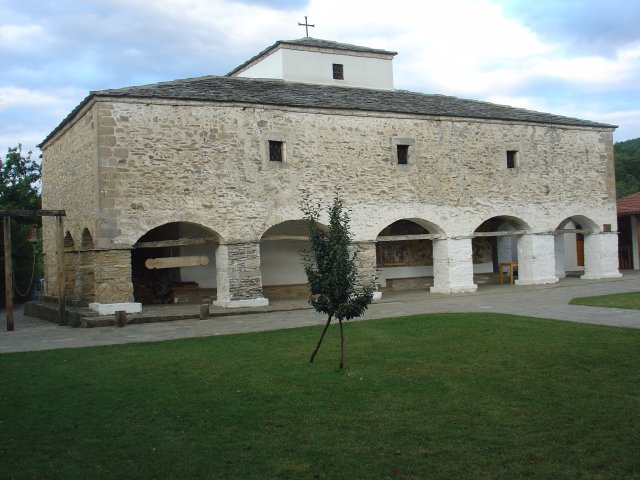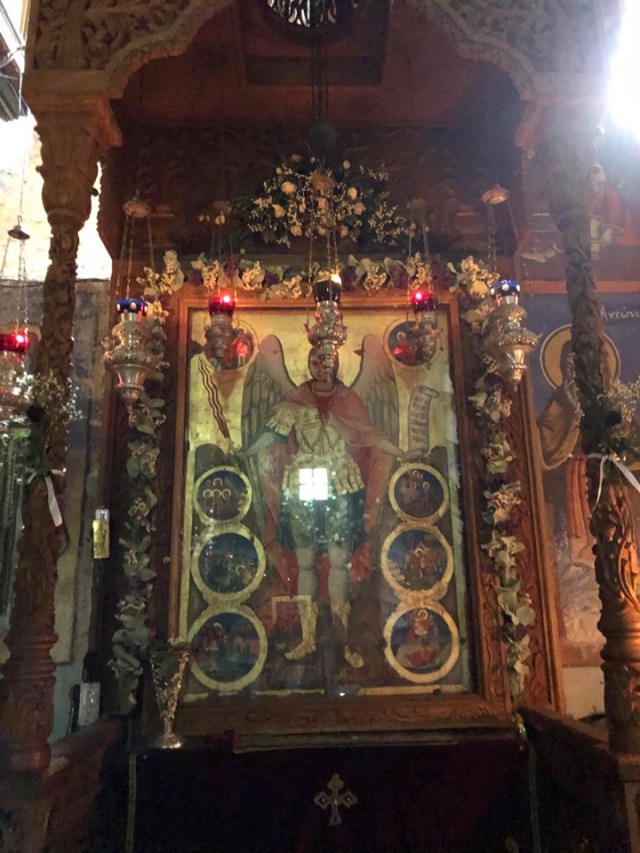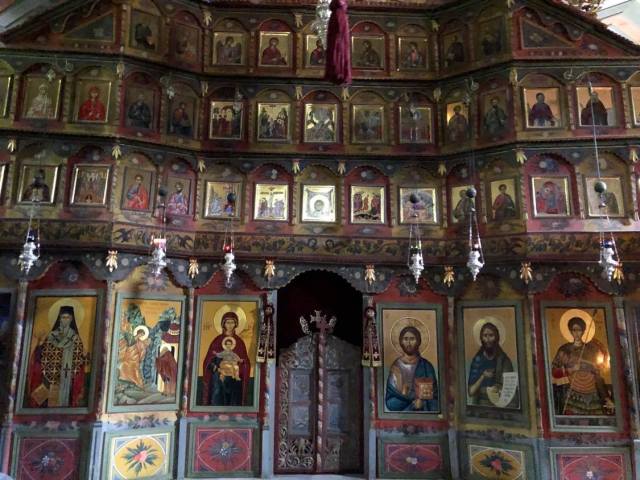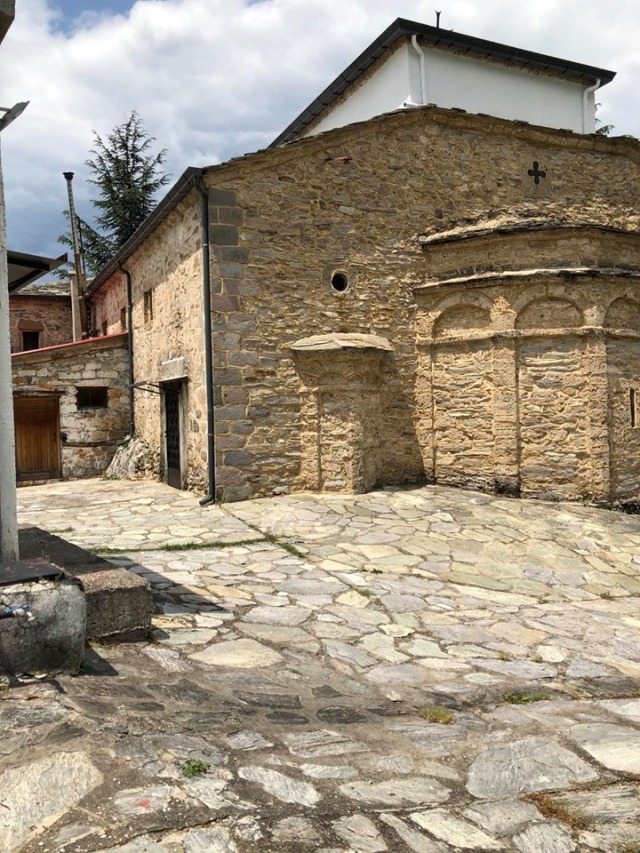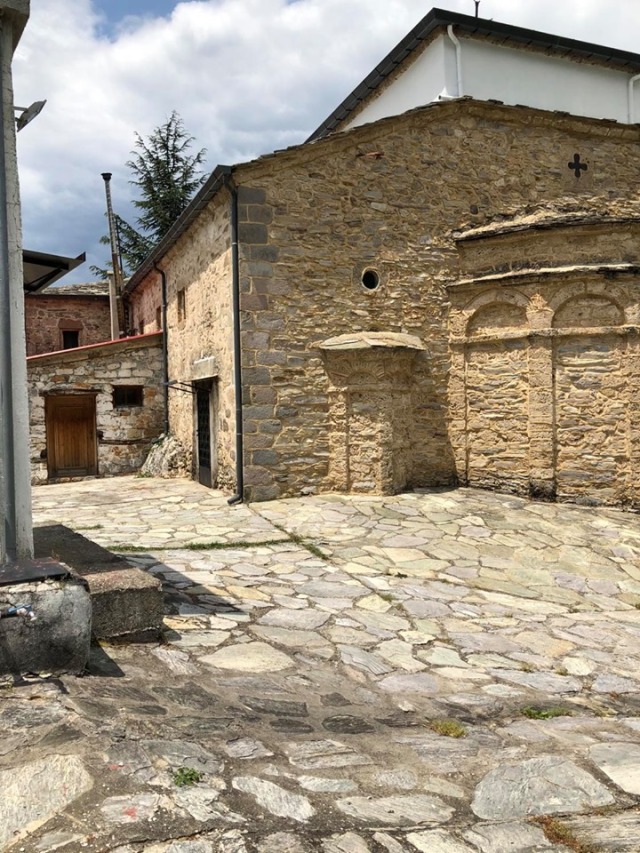
Archangel Michael Monastery in Pella

archangel2archangel10archangels1archangels2archangels3archangels4archangels5archangels6archangels7archangels8archangels9archangels10archangels11archangels12archangels13

The monastery of Archangel Michael is a precious and invaluable adornment of the whole region.

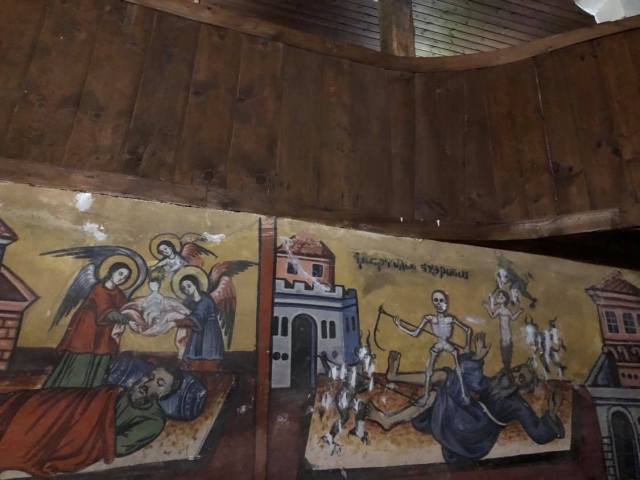
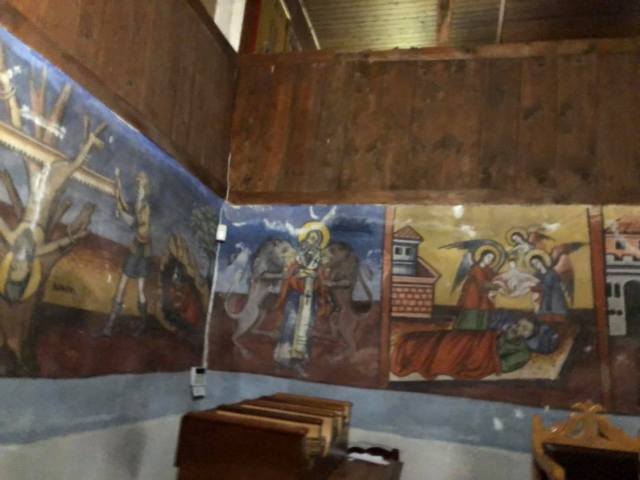
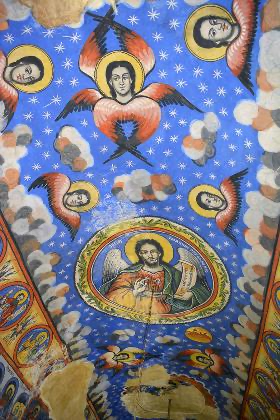
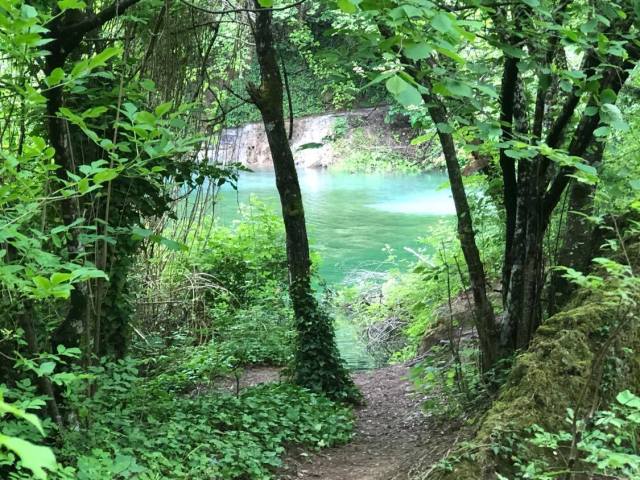
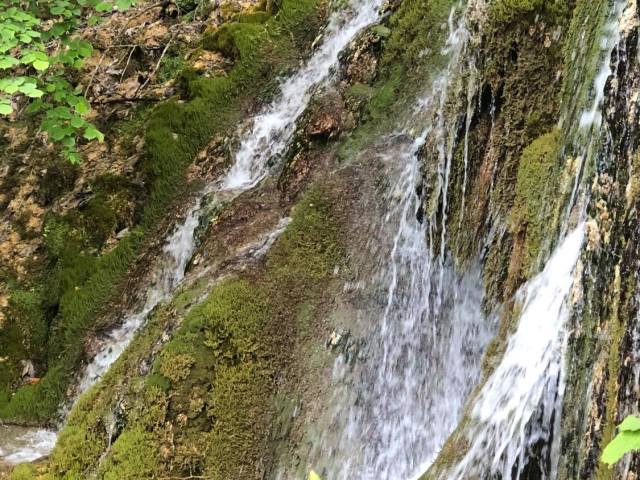
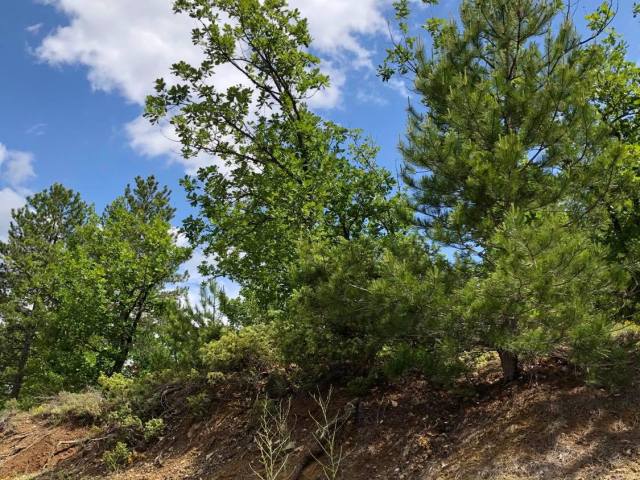
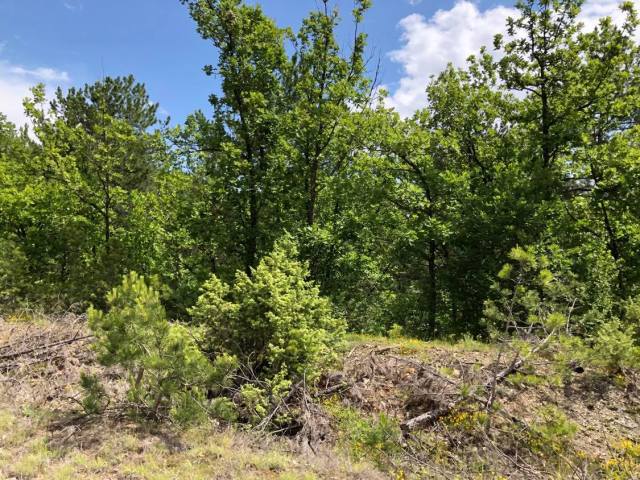
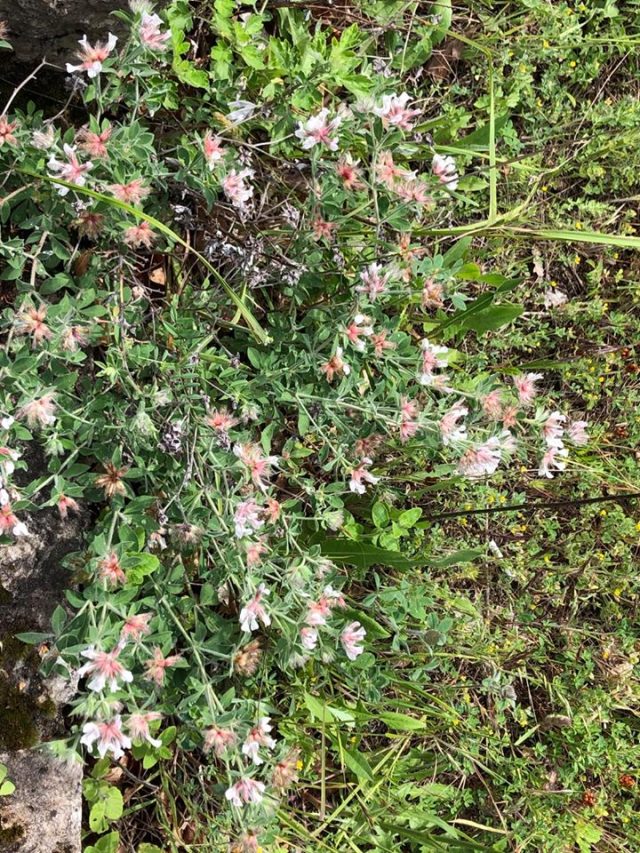
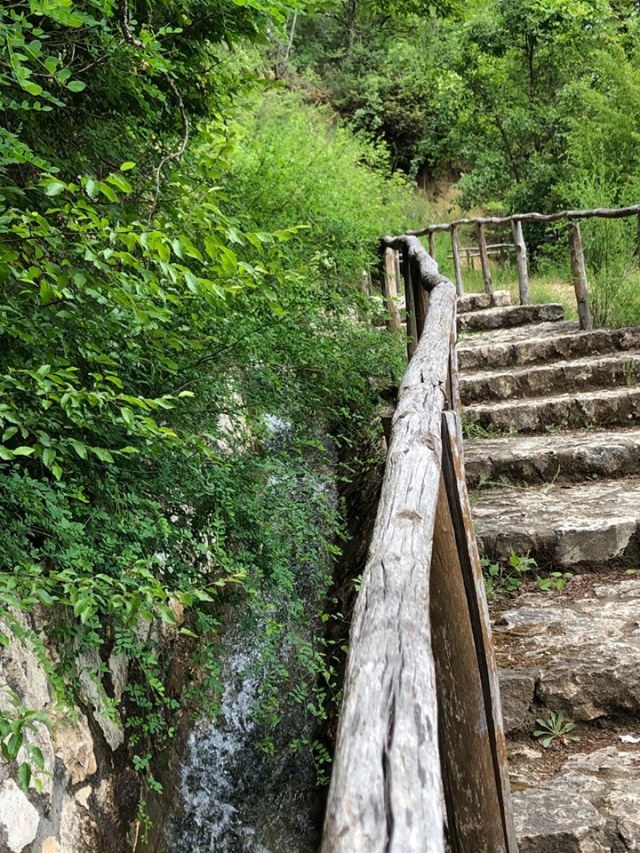
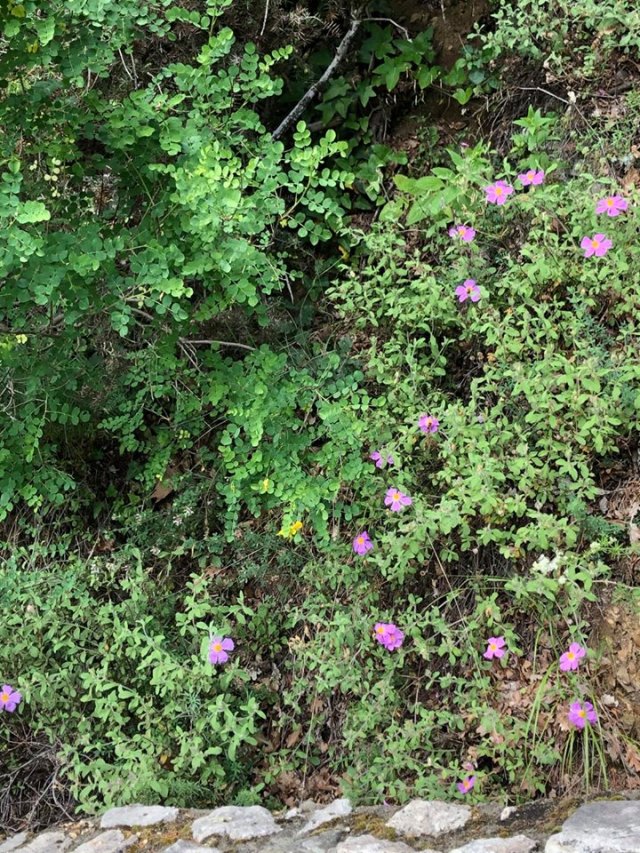
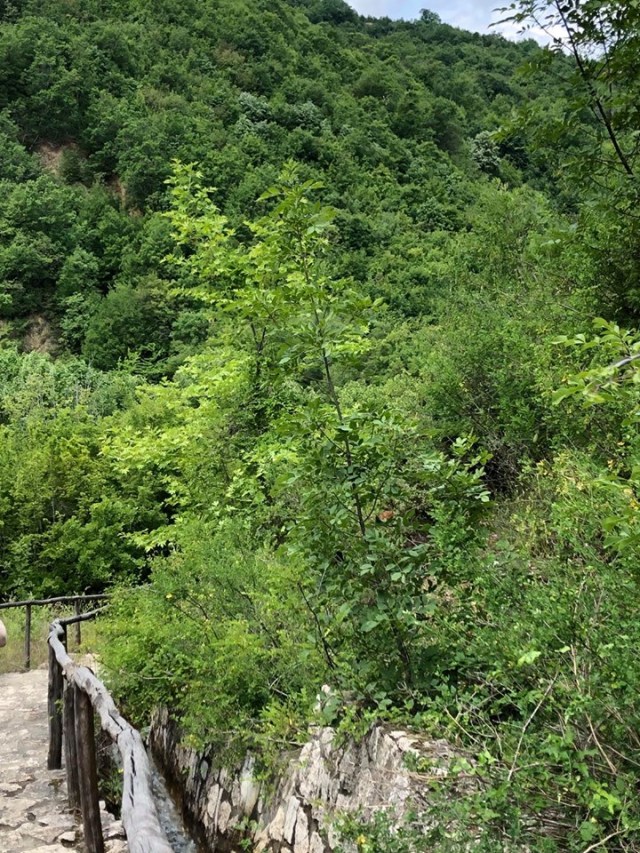
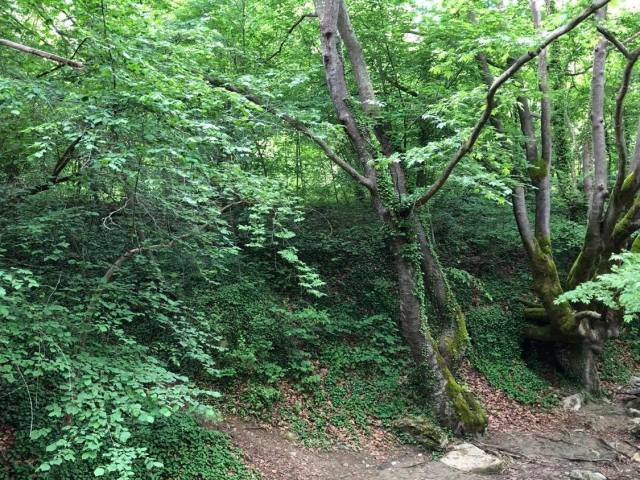
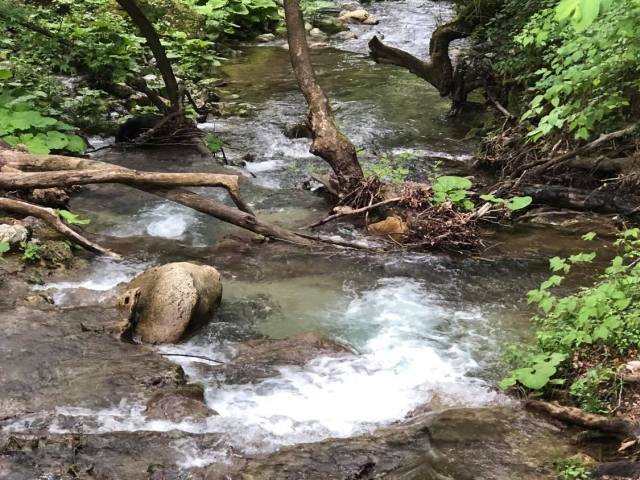
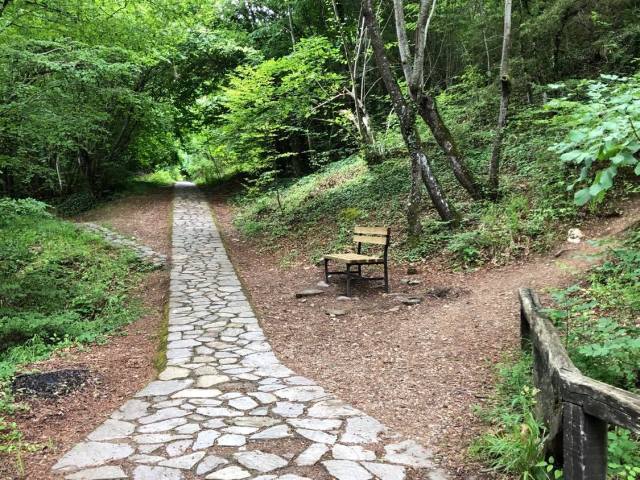
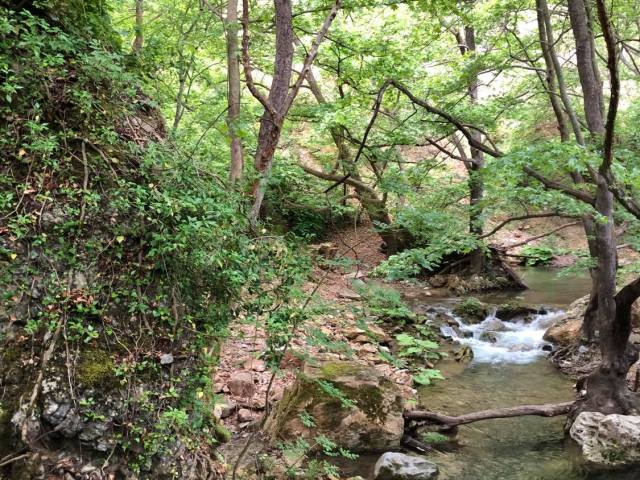
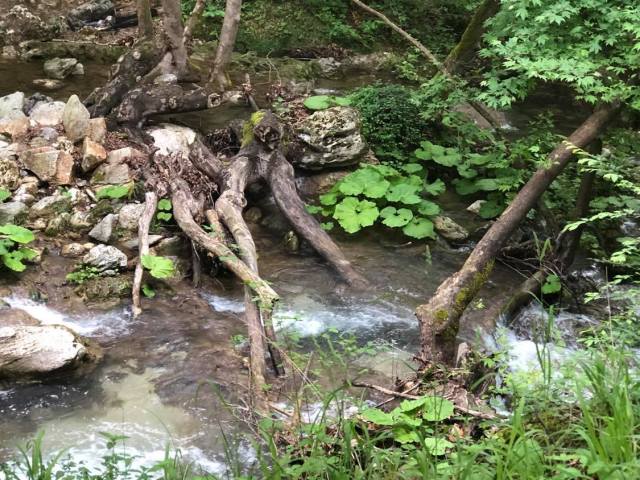
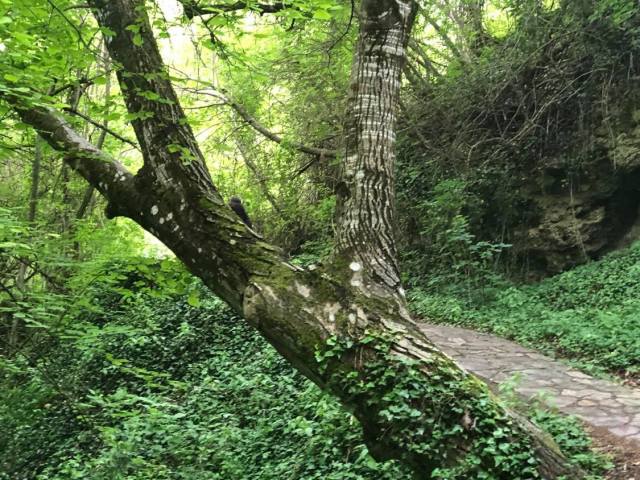
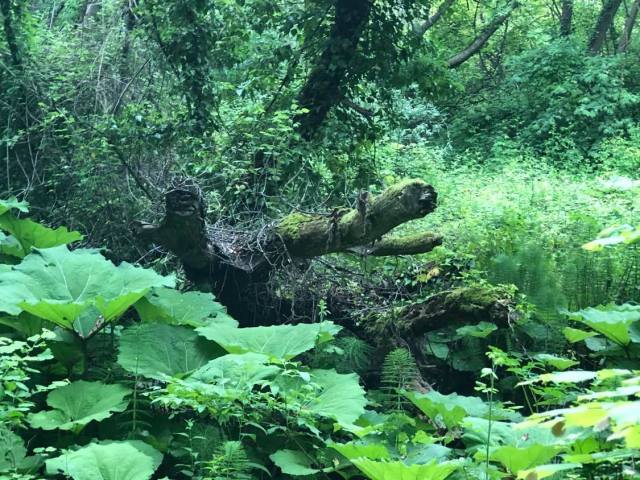
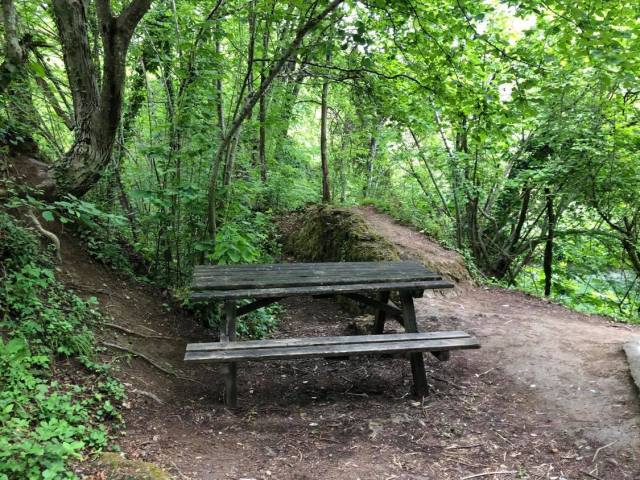
Its rich and long history, its national and religious offer, its imposing bearing and the frescoes of the interior of the temple, distinguished by the unique sweetness in the faces, as well as realism in its movement, its revival and its upward course tends to highlight it in one of the largest pilgrimages of Northern Greece, as its surrounded by rich flora and fauna.

Tradition wants the Monastery to be built on an ancient sanctuary dedicated to the Artemis hunting goddess due to the rich flora and fauna of the area.

Today it is proved, by documents that are saved in the Holy Monastery of the Greatest Lavra of Mount Athos, and by elements of the previous century, that it was dedicated to Saint John the Baptist. From various documents, such as the “Chrysoboulos Logos” of Alexios Komnenos, published in 1082, it seems to have existed since the 11th century as a glebe land of the Greatest Lavra of Athos.

Regardless of the above, it remains a fact, that one and a half centuries after the restoration of the Monastery, it is dedicated and has its protector and guide Archangel Michael. In fact, in 1858, the monastery was rebuilt with a charter of the Sultan, and was renamed this way, because the monastery was burned on September 6th, the day of the Miracle of Archangel Michael at Chonae, and as a sign of gratitude by many residents of the area, who survived harmless on the day of destruction by certain death. In 3/1182, the monastery of Greatest Lavra, founded a glebe in the form of a regular monastery in the village of Hostiani (today’s Archangelo).

The monastery of Ossiani until the 18th century has a lively presence in the area, to the point where it founded a subsidiary monastery at the foothills of Voras outside the village of Promachi. The monastery is Saint’s Hilarion, Bishop of Moglenoi. The monastery was besieged by the Turks in the 18th century. The Turks decimated the monks and burnt the monastery, while a one of them escaped alone, and gory beetled along to the Great Monastery.

The danger to the monastery was great. At the same time, the inhabitants of the current village of Notia adopted the religion of Muslim. At that time, took also place the tragic incident of the burning of the Monastery, by the neophyte Muslims, who also destroyed the surrounding building facilities. The homesteads, the fields and the forests, were destroyed and the pastures were granted to new owners, and the neighbors and the animals of the Monastery were dispersed.

Desolation lasts more than half a century, but already in 1858, with the permission of the sultan, the burnt monastery is reconstructed, and Valis of the Vitolioi returned the land that had been appropriated. From now on, an economic robustness began and the monastery provided dynamic assistance to the region’s poor. The monks undertook initiatives in the fields of education, moral support and national orientation of Karatzova.

The 19th century is one of the cruel times of Turkish slavery. Nevertheless, the Monastery of Archangel Michael is a robust presence in the northern Almopia. Inside this hive of the monks and ordinary people, the cells were transformed into hidden school rooms. The children were taught the ancestral wisdom and the ancient Greek letters. So, returning to their place, they became priests or teachers.

In the high mountains of Jena and Koziaka, a generation of young patriots was manned. The same period of time, was surrounded by violence and terror, and the propaganda of Bulgarians and Romanians contributed to this. In the Macedonian struggle the Holy Monastery was the center of Hellenism and the stronghold of the Ecumenical Patriarchate.

As for its national offer, many brave chieftains were dressed as monks, led by Archangel Michael, to encourage and guide the Macedonian men and the frightened inhabitants of the region. A typical example, is the brave chieftain Captain Matapas who, with the nickname Papa Christos and based in the Monastery of the Archangel, organized rebelliously the region of Aridaia and Goumenissa of Kilkis.

Other brave chieftains used the Monastery as a base and hideout, such as George Kakoulidis, Nicholas Vlachos and Emmanuel Skountris, who won victories against the Bulgarians at Promachoi.

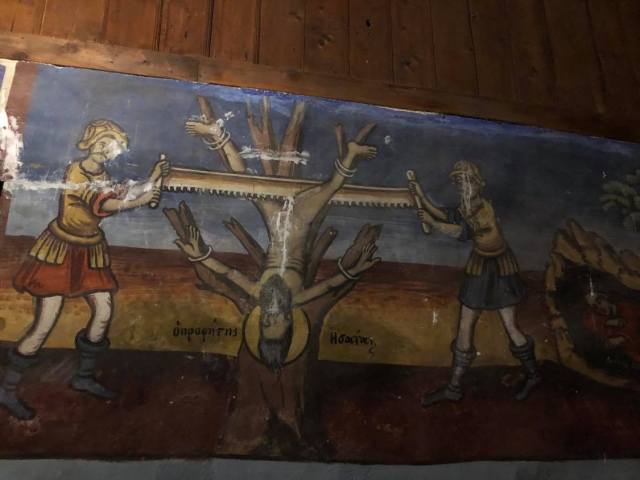
For some decades the monastery was a chapel of the parish of the village of Archangelos. Today the Monastery operates with a cenobitic rite. The rhythm of the temple is a three-aisled basilica and its walls are one meter thick. The katholikon of the temple is painted by frescoes of folk painters from Krousouvo.

Indeed, the most famous frescoes are scenes from the martyrdom of Saint Chrisi and the hagiography of Saint Hilarion, Bishop of Moglenoi, which is unique throughout Greece. Finally, the miraculous icon of Archangel Michael is preserved.

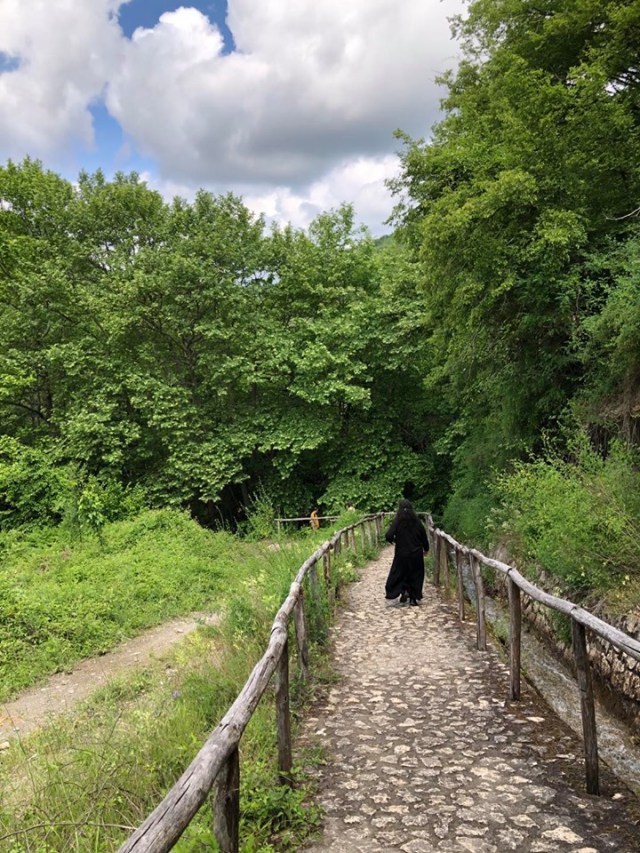
The monastery

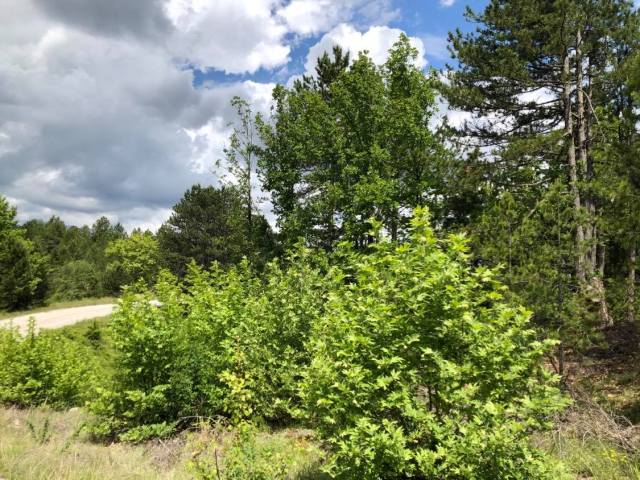
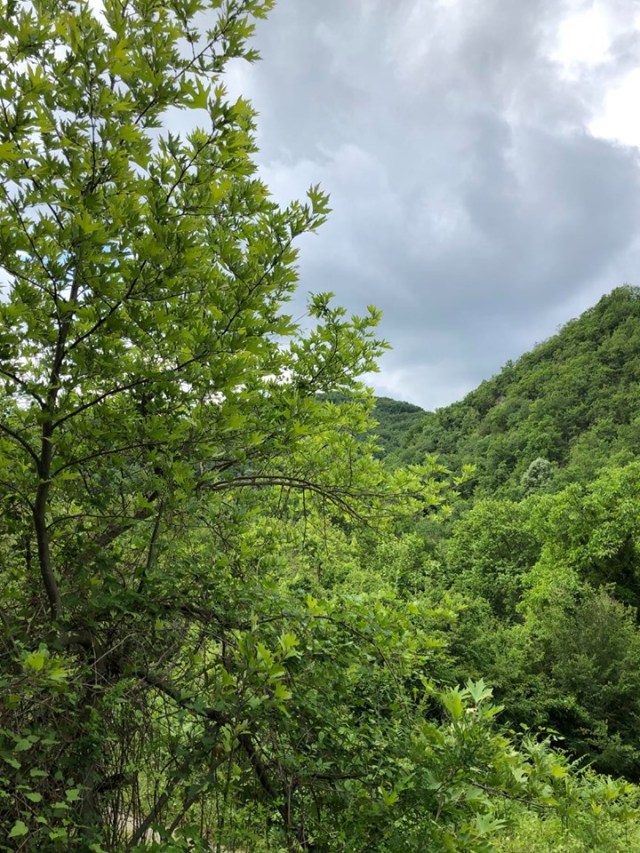
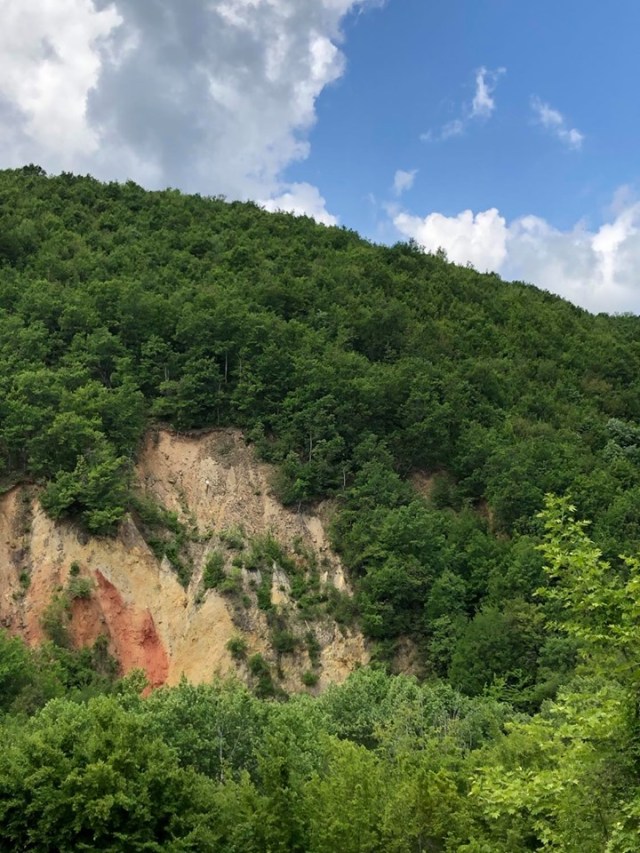
The surrounding hills

THE HOLY SPIRIT AND SPARROWS

parrows3parrows4

“And the Spirit of God was hovering over the face of the waters.” How much Love is hidden in this laconic, “modest” statement in Genesis 1:2! “And suddenly a sound came like the rush of a mighty wind, and it filled all the house where they were sitting. And all began to speak in other tongues, other doctrines, other teachings, of the Holy Spirit.” (Great Vespers of Pentecost). How lofty is the Holy Spirit’s descent in fiery tongues at the foundation of the Church! How different Pentecost is to Creation, and yet, it is the same vital outpouring of the Holy Spirit from the Lord, the Giver of Life.
“Beside them will the birds of the heaven lodge, from the midst of the rocks will they give voice.” (Psalm 103:12) Oh, and what a voice! Our balcony is perched on the 5th floor of a neighbourhood full of plane trees. I am lulled to sleep to the trill of nightingales when all other birds shush; I wake up to the chirping of swallows, warblers, swifts, sobre tits, collared doves, chickadees, tit-mice and crows … even if in a city. Branches reach out to our balcony handrail and literally hug our oleanders, jasmine and honeysuckle. I have always loved birds, any bird really, but I have always had a special fondness for sparrows.
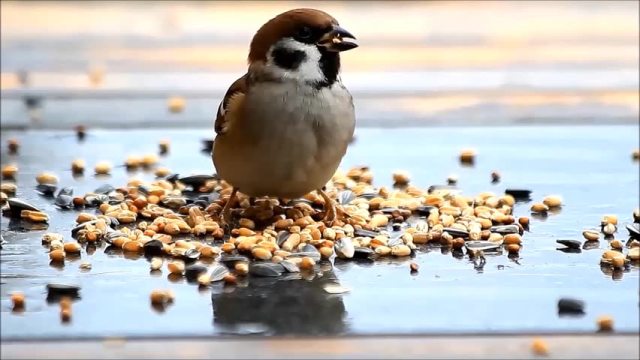
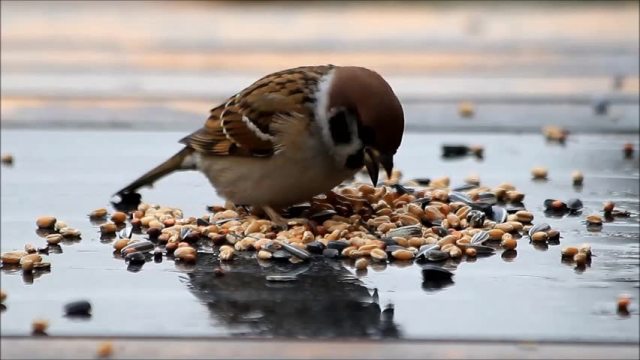
“There will the sparrows make their nests; the house of the heron is chief among them. ” (Psalm 103:17) Recently, while in lockdown, I made up my mind to seek “company” in our neighbourhood. I placed a feeding dish on the floor of our balcony and put seed, grains and rice on its ledge. I also put another dish by its side, full of water, as Greek spring tends to get too hot and dry. A large pot of fully-grown oleander was strategically placed by their side. And I waited …
“All things wait on Thee, to give them their food in due season; when Thou givest it them, they will gather it.” (Psalm 103:27). To my disappointment, the first week or so nothing happened. Absolutely nothing, as if my plates were invisible even to branches that outreached towards them, touched them. But then, soon enough, a first visitor arrived, only to bring another one and another … To my excitement, my visitors were mostly sparrows, as this corner is a bit narrow for any bigger bird really to squeeze in. How moving was it to see the response of the sparrows to my care and how fast did they bring others to the feast! Just like the All-Holy Spirit empowered the apostles to bring others to the Feast in the Kingdom of Heaven. Indeed, was it not “the Holy Spirit [himself which] descended in bodily form like a dove upon Him”? (Luke 3:22).
“When Thou openest Thy hand, all things shall be filled with goodness”(Psalm 103: 28) Soon, I would work on my laptop but could not resist, now and then, to peep out, across our living room french doors: my tiny feathered friends outside were joyfully eating, jumping from one oleander branch to another, playing and bathing. How much did they enjoy the sunshine, how carefree were they and what a musical noise did they always make! In no less than another week, those tiny creatures, which were too tiny even for the palm of my hand, began to depend on me for their food, and I felt responsible for them. I noticed that whenever absorbed in my papers, I forgot to replenish their food, they would still arrive and sit in the middle of their empty plate and stare at me in disappointment.
“Thou wilt send forth Thy Spirit, and they shall be created; and Thou shalt renew the face of the earth.” (Psalm 103:30) My heart melts with joy just to watch them no doubt sing praises to our Lord. If I, sinful as I am, have such love and com-passion for those tiny creatures, how much more does our Lord care for them? “Are not two sparrows sold for a penny? Yet not one of them will fall to the ground outside your Father’s care. Yet not one of them will fall to the ground outside your Father’s care.” Amazing! And what a joy and comfort to hear from our Lord’s infallible lips that “even the very hairs of your head are all numbered. So don’t be afraid; you are worth more than many sparrows.” (Matthew 10:29-31)
“Likewise the Spirit also helps our weakness: for we know not what we should pray for as we ought but the Spirit himself makes intercession for us with groanings which cannot be uttered.” (Romans 8:26). I have always felt the Holy Spirit a bit elusive and enigmatic as the third person of the Holy Trinity. So essential, so powerful, and yet so mysterious! St. Seraphim of Sarov revealed to Motovilov that the true aim of our Christian life is the acquisition of the Holy Spirit. As for fasts, and vigils, and prayer, and almsgiving, and every good deed done because of Christ, they are only means of acquiring the Holy Spirit.
“Did ye receive the Holy Spirit?” (Acts 19:2) What a question that of Paul to the Ephesian
disciples to answer! Isn’t it really asked of every one of us? Is it enough to answer: I have received the mystery or sacrament of the Spirit after my Baptism, when I was anointed with the Holy Chrism? Or does all this go deeper? Lev Gillet thinks that the real question we have to answer is whether and how this seed of the Spirit has been afterwards developed within the soul.
“Heavenly King, O Comforter, the Spirit of truth, … O treasury of every good thing and Bestower of life” Such a vital outpouring of the Holy Spirit from the Lord, the Giver of Life, even for … sparrows. The Holy Spirit is a breath a wind, may this breath direct us where He wills. “Come and dwell in us, and cleanse us from every stain, and save our souls, O Good One. Αmen”

Baldness and the Comb

saint porphyrios

— What is ‘experience’ in spiritual life, dearest Father?

— A comb that you acquire when you go bald.

— So, isn’t it useless?

— No, because you can then use it to comb the hair of others!

Saint Porphyrios’ words; Testimony of Metropolitan Neophytos Morfou


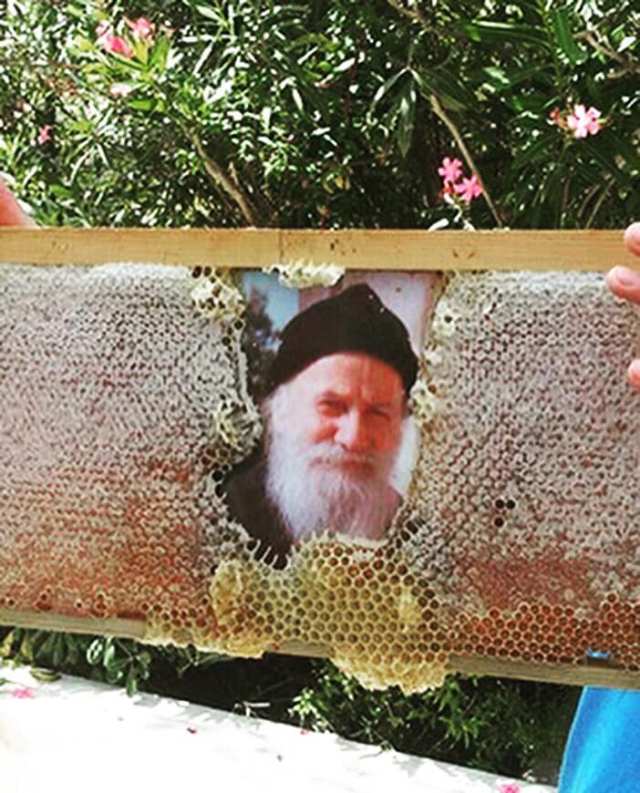
*Photograph above: Saint Porphyrios venerated by bees ☦️🐝

In the region of Kapandriti near Athens, a wonderful thing happens. Ten years ago, a devout beekeeper named Isidoros Ţiminis, thought to place in one of his hives an icon of the Crucifixion of the Lord. Soon thereafter, when he opened the hive, he was amazed that the bees showed respect and devotion to the icon, having “embroidered” it in wax, yet leaving uncovered the face and body of the Lord. Since then, every spring, he puts into the hives icons of the Savior, the Virgin Mary and the Saints, and the result is always the same. He placed a photograph of Elder Porphyrios (before he was canonized) in the hive, and the bees showed the same respect and veneration as towards other saints. (Mystagogy Resource Center)

“Emerald Lake” – Skra Waterfalls

skra37

skra31

skra41

A Photo/ Video Blog


skra1skra2skra3skra5skra6skra7skra8skra9skra10skra11skra12skra13skra14skra15skra16skra18skra19skra20skra21skra22skra23skra24skra25skra26skra27skra28skra29skra30skra33skra34skra35skra36skra38skra39skra42skra43skra47

https://www.youtube.com/watch?v=hblrCVzmb-Y


Memories of Greek historical moments are mixed with the rare beauty of nature and the turquoise waters of an ancient lake.

These are the emotions one feels and the images that one sees as a visitor of Skra, the waterfalls and the famous “emerald lake”.

Skra is only 4 km away from the borders with FYROM and it spreads on the Northeast slopes of Paiko at an altitude of 520m. Its previous name was Lioumnitsa, while the current one is due to the proximal top Skra di Legken that during the First World War was the place of the homonymous battle field (Skra – Ravine). The battle was a decisive one for the course of the Greek State and the First World War.

With its characteristic proud old plane tree in the center of the village, Skra is considered to be a place of celebration in honor of the homonym battle, while every year on 17th of May a memorial ceremony for the officers and the soldiers of that battles belonging to the so called Greek Division of Crete and Archipelago is held at the Monument to those who died in 1918.

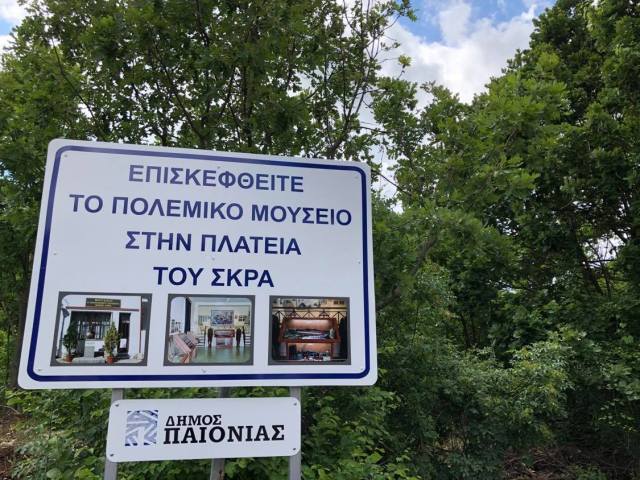
Since May 2002, the Museum of the First World War- Skra Battle has been operating in Skra, housed in a specially constructed area. The Museum exhibition presents relics, photos and historic documents from the Macedonian battles of the First World War, as well as from the victorious Skra battle. The well known victorious battle took place on May 17, 1918.

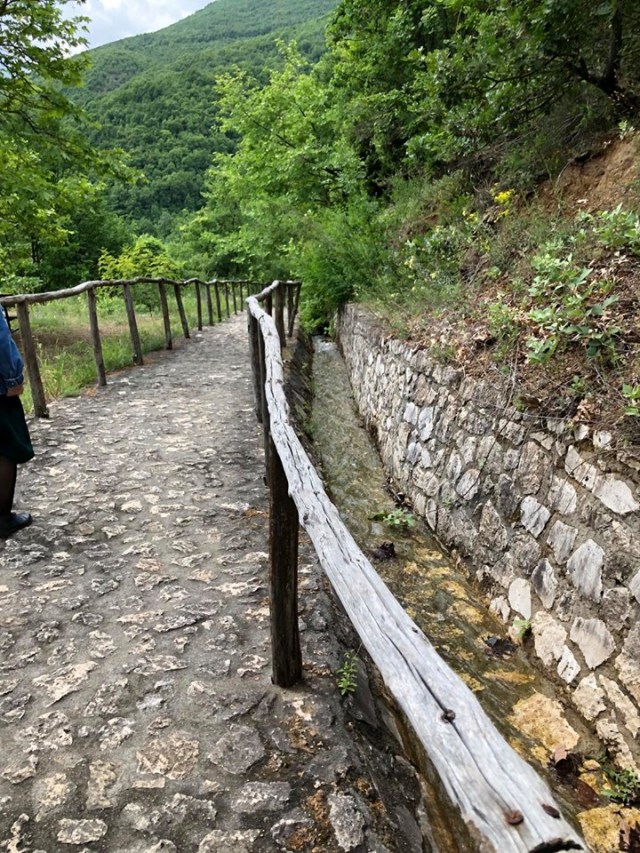
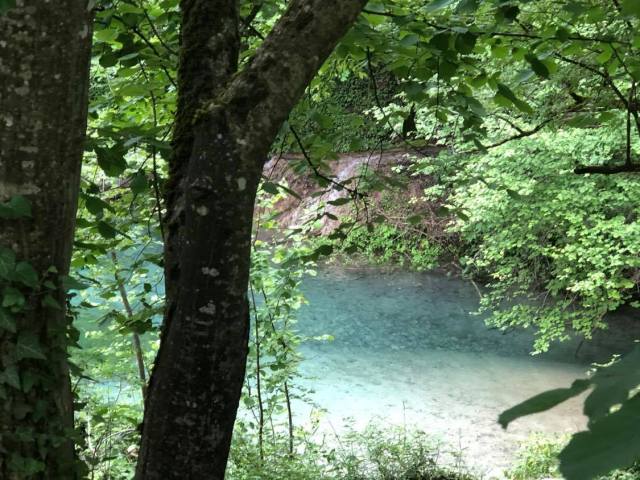
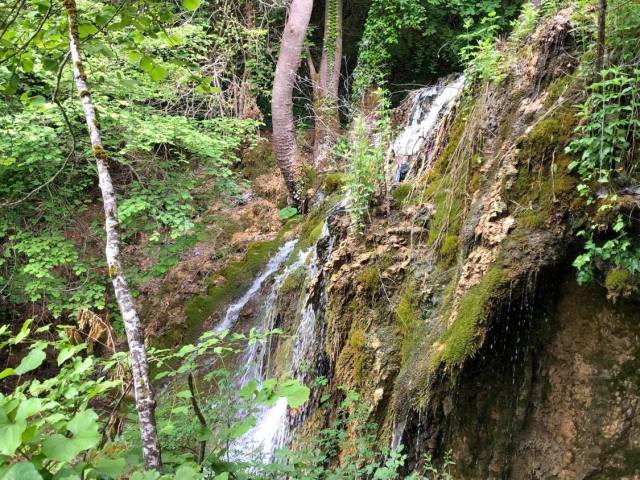
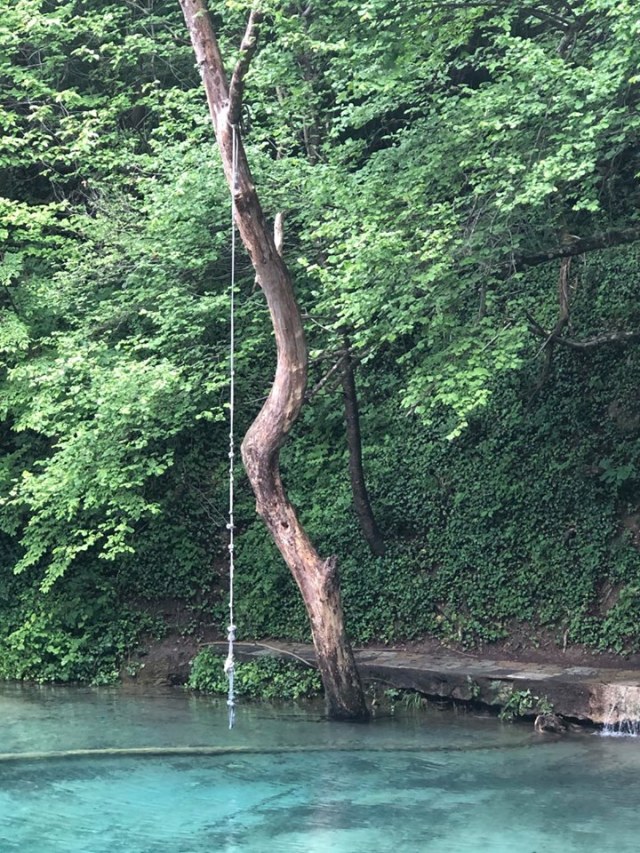
Near this settlement, the visitor faces a small miracle of nature. Through a wonderful path one can reach an area with rich vegetation, where one meets the first waterfall of Skra, at the root of which there is a small cave with stalactites. A little further on the path, the visitor is stunned by the beauty of the small “Blue Lake” or “Emerald Lake”, which owes its aquamarine emerald color of the water to the calcified and fossilized organisms of its bottom. Continuing on the path, the vegetation thickens and the ground is steeper. Here, one can see the second waterfall of Skra that falls with thunder over the rocks creating a stunning natural landscape.

skra40

Now is the Judgement of this World

1 June 2020

Now is the Judgement of this World[1]

In the last chapters of the Gospels of Matthew and Luke, the Lord Himself warns us in the most intense and frightening way about the catastrophes which will precede His Coming. He foretells that that evil will be uncontrollable[2] and people’s afflictions will be so unbearable that they will ask the mountains to cover them,[3] so that they may not see the terrible day of the Lord’s coming: ‘There shall be great distress in the land, and wrath upon this people. And they shall fall by the edge of the sword,’[4] ‘men’s hearts shall fail them for fear, and for looking after those things which are coming on the earth’.[5] Even the affliction of God’s elect will be extreme and the pain will be insufferable for the surrounding world. Nevertheless, in spite of the tragic character of these words, the Almighty Jesus says suddenly: ‘And when these things begin to come to pass, then look up, and lift up your heads; for your redemption draweth nigh.’[6] The Apostle Paul also reassures us that God will not allow us to be tempted above our strength, but that together with the temptation He will grant a way to escape.[7]

The Book of Revelation, which provokes fear in many, speaks in essence about the final victory of the Lamb Christ and of His elect, who ‘loved not their lives unto death’[8] ‘and have washed their robes, and made them white in the blood of the Lamb’.[9] Terrible signs and apocalyptic afflictions had already become a fact from the moment of Christ’s crucifixion: the sun was darkened, the earth was shaken, the dead came to life and so forth. This prophetic event has repeated itself throughout the current of history. From early Christianity until our times, the fury ‘of the murderer of men’[10] has tried again and again to exterminate with inconceivable cruelty every trace of the seed of Christ. How many times have torturers, devils in human bodies, subjected the faithful to unprecedented torments? And how many holy ascetics throughout the centuries, like the contemporary example of our Fathers Silouan and Sophrony, have condemned themselves to be thrust there where Satan is so as to be burnt in the outer fire? Nevertheless, Christ’s blood on the Cross, the blood of the Martyrs and the endless tears of the holy ascetics became the power of triumph in the Church.


When we are threatened by death from all sides, the power of our faith diminishes because love has grown cold and because our expectation of salvation has grown weak. However, if we still stand steadfast and say with courage to the Lord, ‘Amen, come Lord Jesus’ for our deliverance, then God will give us that faith which overcomes not only the world but even death. Thus we will understand the true meaning of the words of the great Apostle Paul: ‘Where sin abounded, grace did much more abound.’[11] This does not mean that sin is blessed, but that when evil will multiply above measure, the faithful will wage war against it with greater tension. The crisis and the adversity of those days will force some to turn to Him Who alone is ‘able to save them from death’,[12] and in this struggle they will surely be given the gift of the great grace. Those who have recourse to human means will either become themselves criminals or will fall into dark despair. All things will be polarised and the pain will be a two-edged sword, for it can become either a privilege for those who follow the way of the Lamb or a plunge in despair and wickedness for those who spare their own life. ‘He that is unjust, let him be unjust still: and he which is filthy, let him be filthy still: and he that is righteous, let him be righteous still: and he that is holy, let him be holy still.’[13]

The calamities and general panic will be followed by the coming of the Beloved Lord, bringing all His grace, eternal life, the life that we all wait for and that is ‘hidden with Christ in God’.[14] His Coming will grant joy that ‘no man taketh from us’.[15] Seeing the end approaching, whether it is the general or our personal end, we turn our spiritual gaze towards God saying: ‘Who is sufficient for these things?[16] Do Thou Thyself help us to be ready for anything Thy providence will allow. We can only be saved through Thy power and grace. We can do nothing good upon earth. Come quickly, O Lord.’

Elder Sophrony spoke about the end of times in a positive way, being inspired by the living experience of the Saviour God. He never spoke about the sign of the antichrist. His mind was on the sign of Christ, the circumcision of the heart, caused by His spotless love. He did not wish to frighten people with the imminent end, the coming afflictions, the rage of the enemy against those who follow the meek and lowly Christ, ‘the Lamb slain from the foundation of the world’.[17] On the contrary, he derived inspiration from his strong hope in the coming of the Author of our faith, so that with our head high we may hasten to meet the Lord Jesus, Who is coming again just as He ascended to heaven, ‘while blessing’,[18] calling His own to be ‘with Him unto all ages’,[19] with the words: ‘Come, ye blessed of my Father.’[20]

The crisis of our time is nothing other than a privilege and a challenge for us, which hides within it the great gift of faith. It is a unique opportunity to prove our faith and to give the Almighty Lord the possibility to manifest His power in our weakness and poverty.

As Saint Sophrony writes, Christ, our example, ‘does not have a tragic character and neither does His saving Passion… The tragedy is not in Him but in us.’[21] Moreover, through the Gospel, we discover that two diametrically opposed states coexist harmoniously in the Person of the Lord: the tragic nature of His work for our salvation and the triumph of His imminent victory. In the final moments of the life of the Lord, we hear from His holy mouth His most momentous words:

  1. As He was going up to Golgotha, He turned towards the women who were following Him, saying: ‘Daughters of Jerusalem, weep not for me, but weep for yourselves, and for your children.’[22]
  2. ‘My God, My God, why hast thou forsaken me?’[23] and at the same time, He said to the thief, ‘Verily, verily I say unto thee, To day shalt thou be with me in paradise’.[24]
  3. ‘His sweat was as it were great drops of blood falling down to the ground,’[25] and a little later, He prayed, ‘Father, forgive them; for they know not what they do.’[26]
  4. ‘My soul is exceeding sorrowful unto death’,[27] and further on ‘Art thou the Christ, the Son of the Blessed? And Jesus said, I am: and ye shall see the Son of man sitting on the right hand of power, and coming in the clouds of heaven.’[28]

The Lord was hastening towards His voluntary Passion and shameful death, so as to take upon Himself the tragedy, the shame and pain of the whole Adam. His irrevocable purpose was to open Heaven for us and lead us to the banquet of His love. Thus, deadlock and tragedy cease to afflict us, and there is no room for despair. ‘The Lord gives the faithful a foretaste of the vision of His eternal victory; the tragedy of the fall, the dark abyss of death, are overcome by Christ, Who does not reject us, but receives us in His bosom.’[29]

A little while before the Passion, the Lord offered peace to His disciples. Elder Sophrony explains: ‘The essence of Christ’s peace is perfect knowledge of the Father. So it is with us – if we know the Eternal Truth lying at the root of all being, then all our anxieties affect merely the periphery of our existence, while within us reigns the peace of Christ.’[30]

In a similar way, in our own epoch, when the ‘power of darkness’[31] is roaring, the Lord cries and thunders with His voice, ‘Lift up your heads’[32] for grace is drawing nigh and do not be terrified by the hardness of heart of those all around. Seeing the injustice in the world which is in accordance with the prophecy of the Lord: ‘The world hateth you’,[33] and seeing sinners prosper, the Christian is consumed by zeal for righteousness. His inspiration would fade away if he did not have the assurance of the Book of Revelation: ‘Behold, I come quickly; and my reward is with me, to give every man according as his work shall be.’[34] The man of faith lives with the expectation of the coming of the Lord, because without expectation there is no hope, without hope there is no salvation, for ‘by hope we are saved’,[35] and without salvation there is no Christianity. True Christianity is the expectation of the coming of the Lord; deprived of it, man can only surrender to complete despondency, as expressed by the Apostle, ‘Let us eat and drink; for to morrow we die.’[36]

In the beginning of the history of Christianity, the whole Church lived with the daily expectation of the Second Coming. The early Christians had a very highly developed eschatological hope. They had their face turned steadfastly to the east. The hope of Christ’s coming kept them in great tension, and imparted to them such grace that it rendered them fit for the sacrifice of martyrdom. The prayer that they bore on their lips and in their heart was ‘Let Thy grace come, and let this world pass away’. It is not that they did not love creation, but having tasted heaven in their heart, they knew that they were not made for that which is unstable and transitory. Their spirit, created for eternity, longed for boundlessness. As they lived continually in the presence of God, His grace brought the ends of the world upon them. They prayed that the end of man’s tragic history might come, yet gloriously, by entrance into the searchless infinity of God.

Until the Almighty Saviour comes again into this world, the tares shall grow together with the wheat of God. From the moment the enemy sowed them through sin, no victory, nothing good could be achieved without toil and combat, oftentimes even unto blood, following the Lord, Who courageously foresaw at the end of His path the resurrection and salvation of the world. When the trumpet shall sound the end of the world, then ‘the Lord shall consume (Satan) with the Spirit of His mouth, and shall destroy (the sinner) with the brightness of His Presence.’[37]

As the Lord forewarned His disciples about the end of the world which would take place in His Person, so as to deter their stumbling when it should come, thus also now we must know that all things related to the Last Judgement have been prophesied and we ought to await them with courage. ‘Cast not away therefore your confidence, which hath great recompence of reward. For ye have need of patience, that, after ye have done the will of God, ye might receive the promise. For yet a little while, and he that shall come will come, and will not tarry.’[38] The evil servant says, ‘My Lord delayeth his coming,’[39] and the foolish virgins, while the Βridegroom tarried, ‘all slumbered and slept’ without taking ‘oil in their vessels’.[40] However, the crown belongs ‘unto all them who love His appearing’[41] and unto those who endure ‘as seeing him who is invisible’.[42] The Master does not tarry: ‘The Lord is not slack concerning his promise as some men count slackness; but is longsuffering to us-ward not willing that any should perish, but that all should come to repentance.’[43] During a time of crisis and despair among the nations, when iniquity abounds, the gift of faith and expectation gestates within the faithful. Blessed is the servant who will say with trust, ‘Amen, come Lord Jesus.’

Our era is often considered to be post-Christian, but this is only because this world, in its arrogance and self-justification, has never known authentic Christianity or the true spirit of holiness. This spirit makes man a ‘new creation’ in the image and likeness of the Holy Trinity, and imparts to him a ‘royal priesthood’ wherein he presents to God every creature through his prayer of intercession.

When people are confronted with the signs of the end times, many in the world who do not know Christ are paralysed with confusion. It is a fact that in our days the dynamics of the fall have intensified to an extreme degree in the whole world. The current of Cain’s fratricide seeks to eradicate the spirit of humility and evangelical love that has the power to save the world. The passions of dishonour have developed into an art which contends to devastate even the life of God’s elect. The world goes through ‘a famine of hearing the words of the Lord’,[44] not because the word of God disappeared, but because people no longer turn to it in order to find peace. They prefer to smother the insurmountable problems of their times by ‘bread and circuses’.

The crisis that the world is currently going through has one magnificent aspect. It constitutes a true privilege and a great challenge for the Church in its work for the evangelisation and spiritual regeneration of man. The tribulations which are coming will force many souls to seek a Saviour from heaven and to find the path of salvation. This crisis is a challenge especially for us, priests, in our holy ministry to the world. The Lord speaks through the mouth of His Prophet Isaiah saying: ‘Comfort ye, comfort ye my people.’[45]

How can we, as priests, offer to our fellow men the incorruptible consolation of the New Israel, which is none other than Christ Himself?

The Apostle Paul writes in the Epistle to the Romans that the ‘casting away’ of the Jews for their lack of faith became the cause of the ‘reconciling’ of the world.[46] Could perhaps, now also, the devastating image of the world’s turning away from God become a cause for its regeneration in faith? If this has already taken place in a few individuals and groups, could it not then be generalised and bring about the reconfiguration of the whole world? The power for this belongs to the Lord but it requires the co-operation of our humility.

In our age, which is a period of suffering, poverty, despair and great travail, people are in need of comfort. As we have said, Christ is the incorruptible consolation and salvation of the world. Christians and, more especially, the priests of God, are His humble instruments which offer this comfort to the world. Christ relates easily to them that are sick, to them that are sore broken. In His very nature He is the God of mercy and of every consolation. We need to teach the faithful to approach Him with a humble spirit and a contrite heart, and then of a surety they will be able to find contact with Him and the repose which is bestowed by the grace of His salvation.

The Church has imparted to its clergy very strong means by which we can console the people of God:

Firstly, we can encourage them to pray in His Name, because there is none other Name under heaven given to men through revelation, whereby they may be saved.[47] Through the invocation of the Name of the Lord we enter into His Presence, because His Name is inseparable from His Person, and then the power of His Presence renews us. The Name of the Lord becomes a source of comfort and regeneration. Particularly nowadays, when Christians cannot find sanctuary in the services of the Church, the Name transforms the heart into a temple not made by the hands of man, wherein Christ imparts power and peace.

Secondly, we can encourage the faithful to study the word of God. Thus, they will learn the language of God, which He used to speak to us, and they will speak to Him with the same words inspired by the Holy Spirit. In this way, the Spirit will pray within them. As through the word of the Lord all things came into being, so now, through the power of His word, the faithful are regenerated. Moreover, the word of God was not given in order to frighten man, but to instill courage within him and restore his soul. To whomever approaches it with faith, it imparts ineffable consolation and peace, as well as the strong conviction that ‘the Lord has overcome the world’[48] and is ‘with us always even unto the end of the world’.[49] His word will never pass away. Thus, He addresses to us the word that He delivered to His chosen people: ‘Thou art my servant; I have chosen thee, and not cast thee away. Fear thou not; for I am with thee…for I am thy God: I will strengthen thee; yea, I will help thee; yea, I will uphold thee with the right hand of my righteousness.’[50]

Finally, under normal circumstances, we also comfort the people of God by offering them the Holy Liturgy. It is vital that in our parishes or in whichever place we serve, we draw together a nucleus of people who understand the power of the great Mystery of the Divine Eucharist. New people will continually be attracted to this core and the number of faithful will increase. We should encourage people to come to the Liturgy prepared and with a positive disposition, offering their whole life to God together with the precious gifts. When the Lord responds to the offering of His people, saying, ‘The Holy things unto the holy’, they receive in return the very Life of the Risen Lord. They have the opportunity to exchange their corruptible and desolate life with the incorruptible and blessed life of God. This exchange is indeed unequal and fearful, but also the most lovingkind at the same time. Afterwards, the faithful sing a triumphal hymn of thanksgiving and spiritual victory: ‘We have seen the true light; we have received the heavenly spirit; we have found the true faith. We worship the undivided Trinity for the same has saved us.’ This is the ever new song of the children of God who become like ‘them that dream’[51] in the Liturgy. And when it is not possible to attend the Liturgy, we accept it and strive to make the cry of our prayer reach His throne as a ‘bloodless, reasonable and acceptable’ sacrifice before Him. As Saint Silouan said: ‘We are given churches to pray in, and in church the holy offices are performed according to books. But we cannot take a church away with us, and books are not always to hand, but interior prayer is always and everywhere possible… the soul is the finest of God’ s churches, and the man who prays in his heart has the whole world for a church.’[52] When circumstances do not allow us to attend the Liturgy, God is not unjust, but grants His abundant grace to those who thirst for communion with Him and devote all their strength to finding ways of contact with him. However, if the possibility is open for us to participate in the Holy Liturgy, it would be a great delusion to consider that our own personal prayer can make up for the rich communion of gifts of God’s elect in heaven and on earth.

As priests, we are able to comfort the people who approach us by all the means through which we ourselves obtain divine consolation and peace in our heart every time we enter into the living presence of the Redeemer. As Saint Paul writes: ‘Blessed be God…Who comforteth us in all our tribulation, that we may be able to comfort them which are in any trouble, by the comfort wherewith we ourselves are comforted of God.’[53]

However, if we desire the pastoral ministry wherewith the Church has entrusted us to be well-pleasing to the Lord and fruitful, imparting inspiration and life to the suffering people of our times, then we must be mindful to fulfil one necessary prerequisite: our every priestly work ought to be in accordance with the word of the Lord: ‘He that serveth is greater than he that sits at meat.’[54] That is to say, our ministry will have a prophetic character and we shall minister blamelessly ‘being clothed with the grace of priesthood’, when we follow in the footsteps of Him Who said: ‘I came not to be ministered unto, but to minister, and to give his life a ransom for many.’[55] We as priests ought always to humble ourselves and to place ourselves lower than the people that we serve, who come to us for help, so that they may feel honoured and open their hearts to the word of grace.[56] The most perfect example of imparting the Gospel to the rejected is given by the Lord in his meeting with the Samaritan woman, a heretic who led a dissolute life. Honouring her through His humble love, He proved her to be equal to an Apostle of His word. We should never behave as those who have power, but on the contrary, as those who comfort, surrendered to the work of God, and to the humble sacrifice of love. In this way, we will justify the title ‘Father’ with which Christians address us and we will impart hope to our brethren who are in need and adversity, reviving the gift of faith in their life.

Just to support one another and preserve our faith under the apocalyptic circumstances that threaten us, is in itself a precious gift of the Holy Spirit. This is confirmed in one of the Sayings of the Desert Fathers:

‘The holy Fathers were making predictions about the last generation. They said, “What have we ourselves done?” One of them, the great Abba Ischyrion replied, “We ourselves have fulfilled the commandments of God.” The others replied, “And those who come after us, what will they do?” He said “They will struggle to achieve half our works.” They said, “And to those who come after them, what will happen?” He said, “The men of that generation will not accomplish any works at all and temptation will come upon them; and those who will be approved in that day will be greater than either us or our fathers.”[57]

As a final consideration on our subject, we will refer to the word of Saint Silouan the Athonite, ‘Keep thy mind in hell and despair not.’ Crushed by despair and the hell of demonic attacks, Silouan heard this word in his heart, which ordinarily should have crushed him even further and led him into utter despair. Nevertheless, the counterweight of faith strengthened him and opened unto him the perspective of the Gospel which is: death – resurrection, the despair of hell – the Kingdom of Light. He says with simplicity, ‘I started to do what the Lord advised me and my mind was cleansed and the Spirit witnessed in my heart to salvation.’[58]

For someone to reach the light, it is essential first to go willingly through darkness with confidence in the word of Christ. In order to enter life we must pass through death following Christ and through this life as ‘living from the dead’,[59] because only close to Christ are we able to lose our life and find it again.

Whoever voluntarily and continually judges himself in the light of Christ’s commandments, becomes stronger than any other judgment. If we confront the crisis of contemporary life with the wisdom of the Gospel, it can be transformed into a springboard for a rich entrance into eternity.

Consequently, if we encourage the faithful to turn to God with pain of heart in those days, they will be convinced that the grace of the Holy Spirit is abundant, plentiful and palpable in the life of the world, because eternity is opening up wide before us. Precisely for this event we are prepared by the word of the Lord, ‘Lift up your heads…’ ‘The time is short: it remaineth, that both they that have wives be as though they had none; And they that weep, as though they wept not; and they that rejoice, as though they rejoiced not; and they that buy, as though they possessed not; And they that use this world, as not abusing it: for the fashion of this world passeth away.’[60] The great and last trial comes upon earth, but also the greatest grace which accompanies the coming of the Lord and which will bring strength for the living to be transformed and for the departed to be resurrected, in order to receive altogether the promised perfection of the Almighty Jesus in the Kingdom of the Father and of the Son and of the Holy Spirit.

[1] John 12:31.
[2] See Rev. 22:11.
[3] Cf. Luke 21:30.
[4] Luke 21:23.
[5] Cf. Luke 21:26.
[6] Luke 21:28.
[7] 1 Cor. 10:13.
[8] Rev. 12:11.
[9] Rev. 7:14.
[10] John 8:44.
[11] Rom. 5:20.
[12] Cf. Heb. 5:7.
[13] Rev. 22:11.
[14] Col. 3:3.
[15] Cf. John 16:22.
[16] Cf. 2 Cor. 2:16.
[17] Cf. Rev. 13:8 and 17:8
[18] Cf. Luke 24:51.
[19] Cf. 1. Thess. 4:17.
[20] Matt. 25:34.
[21] On Prayer (Περὶ Προσευχῆς), (Essex: Stavropegic Monastery of St John the Baptist, 21994), p. 82.
[22] Luke 23:28.
[23] Matt 27:46.
[24] Luke 23 43.
[25] Luke 22:44.
[26] Luke 23:34.
[27] Mark 14:34.
[28] Mark 14:61-62.
[29] Archim. Sophrony, The Mystery of Christian Life (Τὸ Μυστήριο τῆς Χριστιανικῆς ζωῆς), (Essex: Stavropegic Monastery of St John the Baptist, 32016), p. 417.
[30] Cf. Archimandrite Sophrony (Sakharov), We Shall See Him as He Is, trans. Rosemary Edmonds, (Tolleshunt Knights, Essex: Stavropegic Monastery of St John the Baptist, 2004), p. 68.
[31] Luke 22:53.
[32] Luke 21:28.
[33] John 15:19.
[34] Rev. 22:12.
[35] Rom. 8:24.
[36] 1 Cor. 15:32.
[37] Cf. 2 Thess. 2:8 (see Greek text).
[38] Heb.10:35-37.
[39] Matt. 24:48.
[40] Matt. 25:4-5.
[41] 2 Tim. 4:8.
[42] Cf. Heb. 11:27.
[43] 2 Pet. 3:9.
[44] Cf. Amos 8:11-14; On Prayer, p. 105-106.
[45] Isa. 40:1-2.
[46] Rom. 11:15.
[47] Acts 4:12.
[48] Cf. John 16:33.
[49] Cf. Matt. 28:20.
[50] Isa. 41:9-10 and 13.
[51] Ps. 126:1.
[52] Archimandrite Sophrony (Sakharov), Saint Silouan the Athonite, trans. Rosemary Edmonds, (Tolleshunt Knights, Essex: Stavropegic Monastery of St John the Baptist, 1991), p. 294.
[53] 2 Cor. 1:4.
[54] See Luke 22:27.
[55] Cf. Matt. 20:28; Mark 10:45.
[56] Acts 20:32.
[57] The Sayings of the Desert Fathers, trans. Benedicta Ward (Kalamazoo: Cistercian Publications, 1975), p. 111.
[58] See Archimandrite Sophrony (Sakharov), Saint Silouan the Athonite, trans. Rosemary Edmonds (Tolleshunt Knights, Essex: Stavropegic Monastery of St John the Baptist, 1991), p. 437 and 460.
[59] Rom. 6:13.
[60] 1 Cor. 7:29-31.

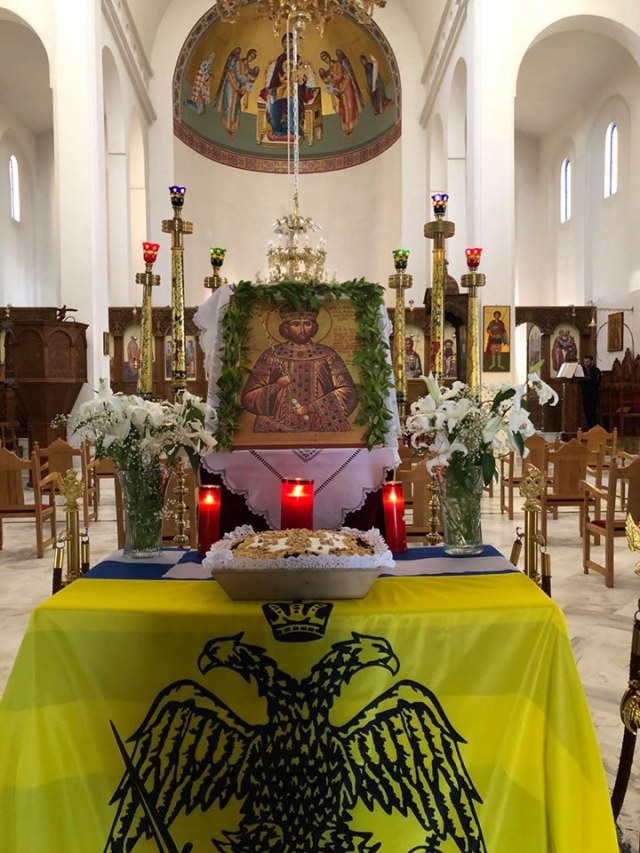
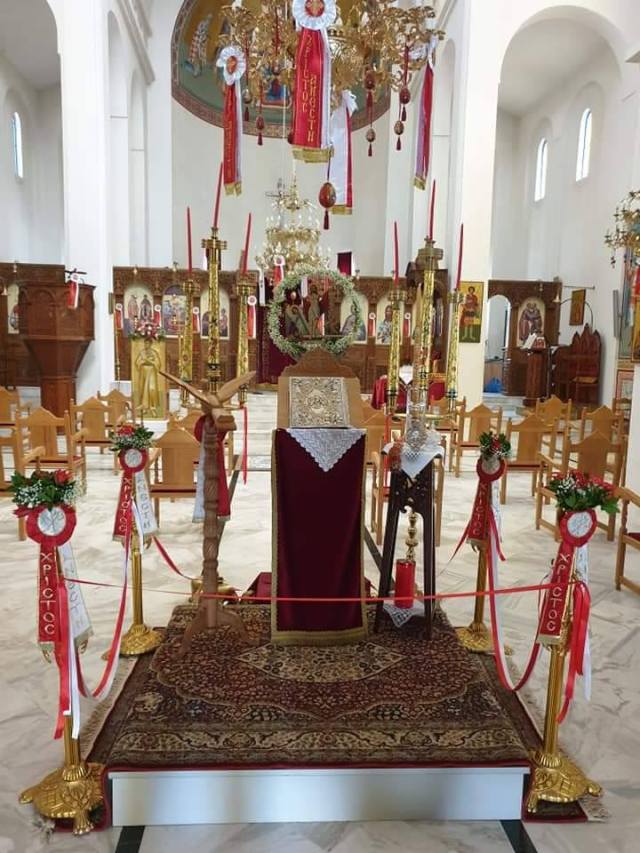
Memorial Service for the Fall of Constantinople

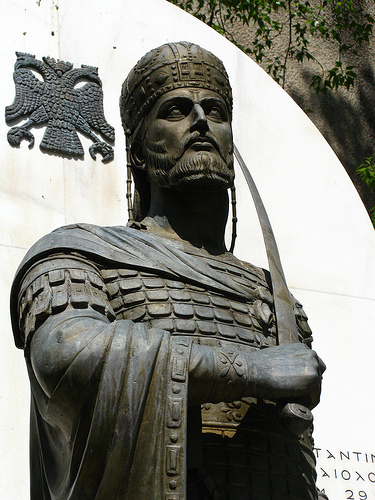
Constantine_XI_Palaiologos

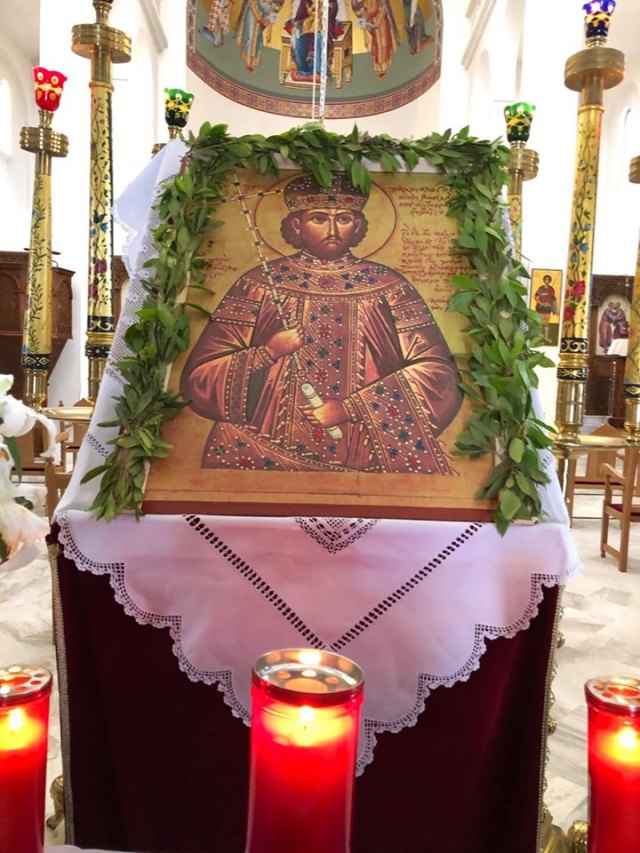
Constantine XI Palaiologos (Gr: Κωνσταντίνος ΙΑ’ Δραγάσης Παλαιολόγος, also Dragases ), was the last reigning emperor of the Palaiologos Dynasty as well as the last of the Roman Emperors. Born in 1404 AD in Mystras, he ruled from 1449 until his death on May 29, 1453, at the Fall of Constantinople.

perivolaki1perivolaki2perivolaki3perivolaki6

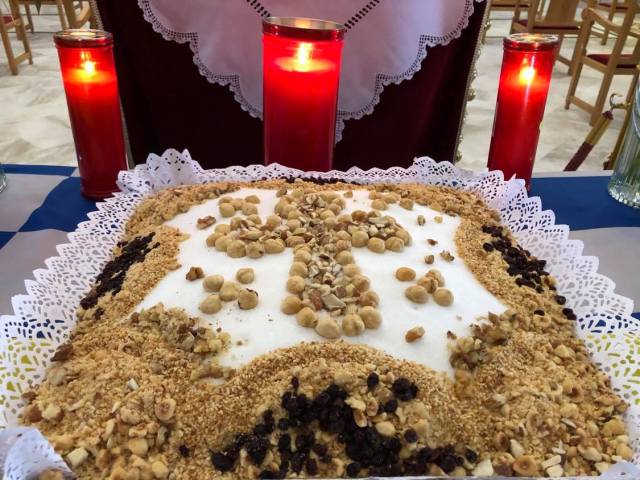
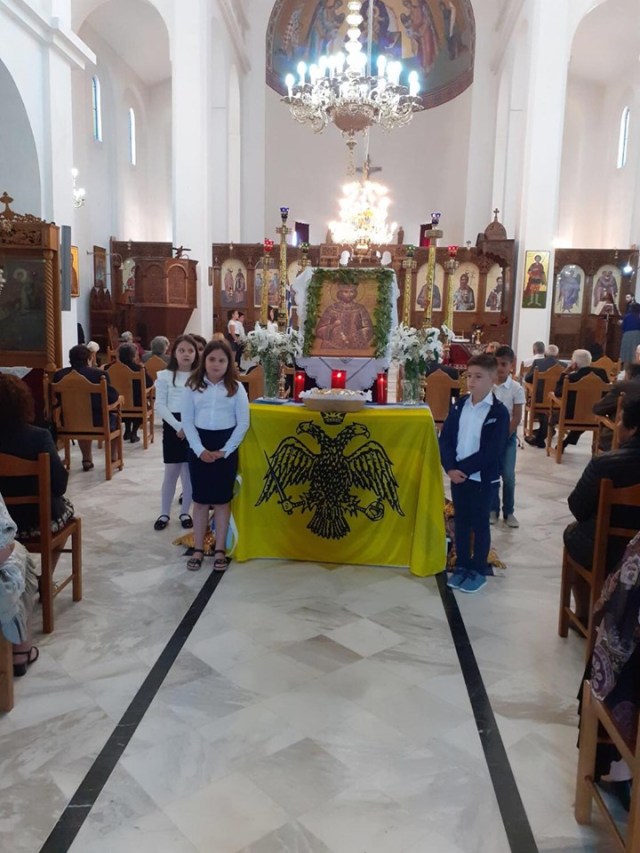
The Feast by the Sunday School at Perivolaki

perivolaki11perivolaki14perivolaki17perivolaki18

Constantine was the son of Emperor Manuel II. He was trained as a soldier and in 1441 conquered the Morea Peninsula of Greece. It had long been under the Frankish principality of ‘Achaia’ Constantine was crowned Emperor January 6, 1449 AD succeeding his brother. A little less than five years later in 1453 AD he was killed during the final assaults by the Turkish Sultan, Mehmed II on Constantinople. Constantine, with some 8,000 Greeks, Venetians, and Genoese, had faced 150,000 Turkish besiegers under the Sultan, and after almost two months of heroic defense, directed by the emperor, the city and the empire fell. Constantine died fighting with the last of his men. Going back to Augustus and the ancient Roman Empire, he was the 138th and last Roman Emperor.

Orthodox in general do not consider Constantine XI a saint, though there are some who incorrectly, personally consider him so because of their love of the Byzantine (Roman) Empire. However, the last Emperor has never been recognized as a Saint due to his heretical beliefs and his compromising of the Faith in order to gain material aid from Latin lands. When the Empire was in need, he sought Latin military aid by reaffirming the heretical statements of the Council of Florence. And it is said that he defiled the Church of Agia Sophia the day/night before the Fall with a blended Divine Liturgy and Latin mass. In attempting to preserve an earthly Empire, he lost a Heavenly Kingdom. In contrast, there is Tzar Lazar of Serbia, who gave up an earthly Kingdom for the Heavenly. The Faith is always more important than earthly possessions. May our Compassionate Lord forgive him and all his transgresions. (Orthodoxwiki)

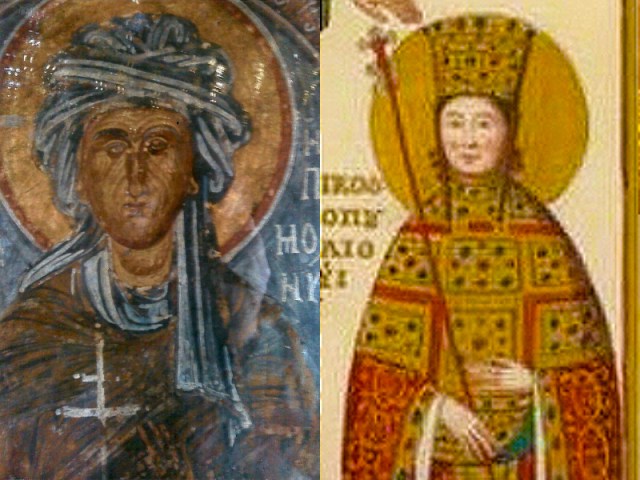
St. Ipomoni, Born as Helena Dragaš. Before becoming a nun and assuming the name Ipomoni, Helena was the mother of Constantine XI Palaiologos. She lived a monastic life for over 25 years, after entering into the habit after the death of her husband. She died 1450AD and is commemorated by the church May 29. The relics of her skull and her icon are found at the Monastery of St. Patapios, Loutraki of Korinthos, Greece.

agia ypomoniupomoni2

The Coronavirus Diary of a Joyous Pustinik — 39

heaven doors

Homecoming

When I was a little boy my mother used to take me shopping, or, to be more accurate, I used to accompany her on shopping trips. On Saturdays, we used to go to a rather fine department store where there were all kinds of beautiful items for sale. In the basement was the toy department! Each week I hoped that my mother would buy a little car for my collection – I was never disappointed.
I was fascinated with the lift which took us to the different floors in the store. It was operated by a man in a brown uniform with yellow piping. His smart livery was completed by a peaked cap and white gloves. He would ask what department we required and would press the appropriate amber button on the brass plate to his left. It would light up in a bright tortoiseshell pattern. Clothing, food, perfume, hardware, electrics, shoes, carpets and furniture- you name it- the store had it to sell. The lift transported us to such different “rooms” each with their own distinct character.
On the top floor, our last calling place, was the restaurant for refreshments. I would be treated to a cake or ice cream and fizzy drink before, loaded down with bags, we caught the bus to go home.
It was so good to arrive home and to see my father who had returned from work and of course to play with my new toy car with my friends!

After “shopping” in the world for our salvation, Our Lord ascended to His Father in the heavens to prepare a place for us.

The Homecoming

John 14:2
In my Father’s house are many rooms; if it were not so, I would have told you. I am going there to prepare a place for you.

Hear the prayers of your servants
Who from our tested faith,
Hearts grief and pity, brave
These sweet words of hope
Which cry for mercy o’er the earth filled grave.
We pray and say:
Go home, my dearest one, go home.

It’s not the place but the way we live
Δεν είναι ο τόπος αλλά ο τρόπος που ζούμε
That is our home.
το σπίτι μας
 
It’s not what we own but what we give
Δεν είναι το τι έχουμε, αλλά αυτό που δίνουμε,
That shares His home
που μοιράζεται τον οίκο Του

May Christ’s balm our memories heal
His new life promise seal
As following in the way
We rest awaiting change.
Until clothed on that sudden judgement day
We hear Christ say:
Come home, my dearest one, come home.”

Faith is to believe what you do not see; the reward of this faith is to see what you believe. 
Blessed Augustine

On my way to physiotherapy

st raphael's chapel3Saints Raphael, Nikolaos and Irene chapel happens to be literally next door to my physiotherapist’s clinic. I always visit it briefly before my treatment. I pray to the Saints’ to illumine my physiotherapist and bless me with a speedy healing.


st raphael's chapel2st raphael's chapel7

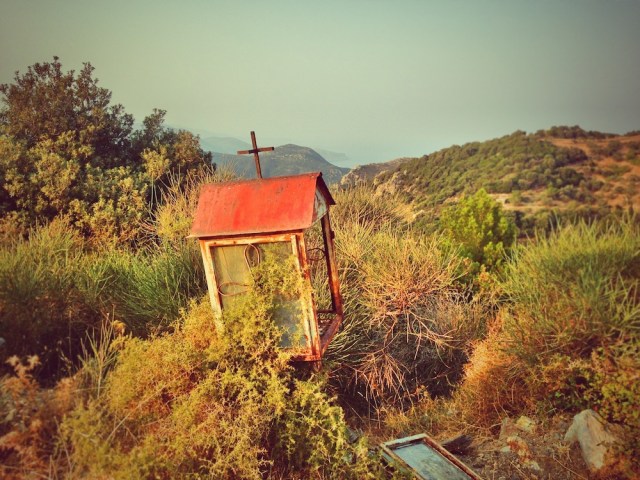
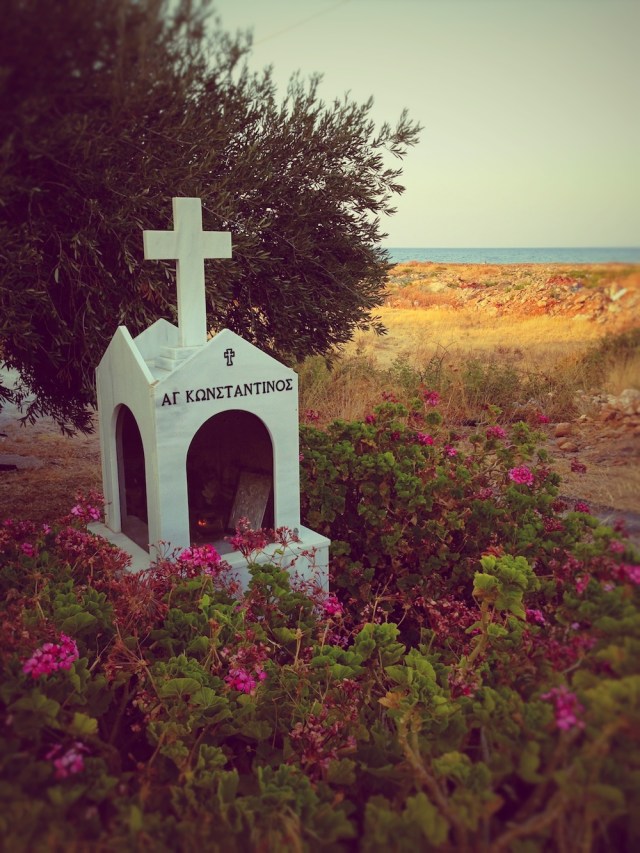
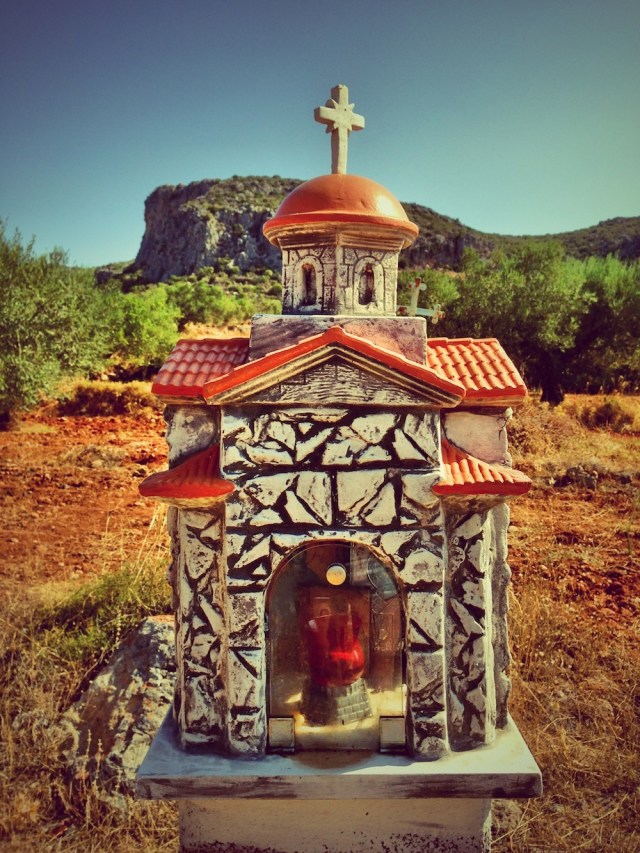
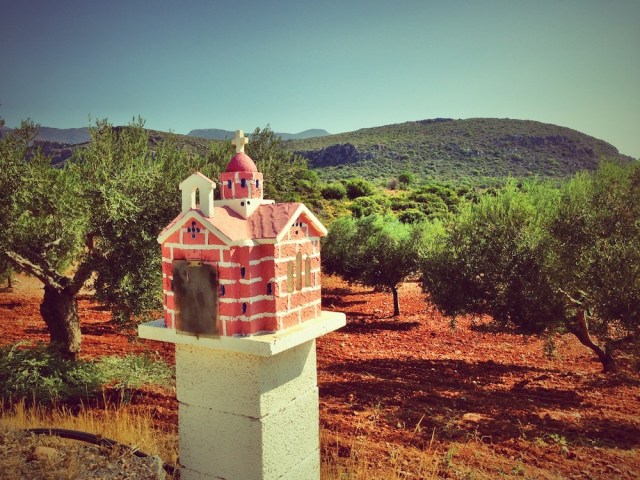
The chapel is one of the many small shrines scattered here and there, in practically every neighbourhood in Greece, an important part of the Greek culture. If a family has a special devotion to a Saint, and most of them have, then they get a licence and build a chapel for the public, in the loving memory of a grandmother or grandfather. This is a responsibility for all generations to come and they pay particular attention to its  being always clean, well-cared and its candles lit, day after day.

st raphael's chapel6st raphael's chapel4

Passersby pause briefly for a respite from their hectic schedule, get inside, light a candle, add their own petitions and always end by offering thanks and prayers for the founder.

st raphael's chapel12st raphael's chapel11st raphael's chapel10st raphael's chapel9st raphael's chapel8

Memory Eternal to Anastasios Tataridis for this chapel!

st raphael's chapel5st raphael's chapel1

A Holy Warning

Elder Parthenios

Elder Parthenios of the Monastery of Saint Pavlos: Αn orthodox message from the Holy Mountain

“Christ is Risen! Truly He is Risen!

The abbot of the Holy Monastery of Saint Pavlos, father Parthenios, speaks to you. I am in the monastery of Saint Pavlos since 1954 till now, with the help of our God, Virgin Mary and all of saints. Till now, we are blessed of God and we all celebrated the Holy Easter, with all of our happiness and love, the Risen of our Lord. This year it was the only year, since I came in the Mount Athos (Holy Mount), that we celebrated alone. Because all of the previous years we had with us more that 100-150-200 visitors, only in our Monastery. Together all the Monasteries of the Holy Mount had approximately 5,000 visitors, who have come every year, to honor the Holy Easter, the Risen of our Lord!

It was hard for me, that this was the year that we glory alone the God. Because of the measures they took, they left us alone with only few workers who are regular here. I am telling you that, with a lot of father’s love, I am in pain, in grief. Because all the faithful men who used to come here with us, were our consolation, to praise all together to the most important event, the Easter. All together we were chanting the pray of “Christ is Risen”, full of joy. Perhaps, God allowed this temptation to be penetrated, for our sins. Maybe He wants to activate us, cause the people got away from the Lord’s path and doing nonsense.

Our Churchs, all over the country, in Athens, in Thessaloniki and other where were like a cemetery. All the people were isolated in their houses; even the churches have closed their gates. What happened? What happened?

Unfortunately, our politicians trying to do their best. These are human measures, we cannot blame them. On the other hand, I am sending them a message. These measures are not enough. I am begging our politicians and our ecclesiastical authority, to shout at people to open the churches for the public, to go out on the roads, to take with them the holy icons and go for a litany, in order to beg our almighty God to obviate that temptation. The governors of this time cannot save us. Only the powerful God, He is the one who can save us. Open the doors of the churches, take the people outdoors, get the icons out, and get down on your knees, like the Ninevites did, to beg the God, His omnipotence, to quash this temptation. Otherwise, I don’t know where we will end up.

Please, do not be delusional, only God can save us, only our Lady Virgin, only the Saint Apostles and all the Saints together. Also can save us our pray and faith to God. “What did save the world?” “Our faith”!

Let all these thoughts of lukewarm and oligopolies, behind. We are Christians and I refer to the politicians who prepare to seal up/chip the people, but this will be their biggest scandal, because they not do justice to Christians. We, the Christians, strongly believe in His Almighty, we are baptized; we are anointed by the Holy Oil in the sealing of God. “Seal donation of the Holy Spirit, amen.”

Anyone who is not baptized, has the freedom to be sealed by the government, it is their decision. But do not force us, the Christians. Whatever you want to do against us, the God will be the Victor!

The God says: “Just as someone will confess in front of other people that he believes me, so I will do for him too, in front of my Father who live in the sky.” “Just as someone denies that he loves me, in front of the people, so I will do for him too.” Do not believe what the Zionists and Masons, the devils say; they do not believe in anything. On the other hand, we strongly believe in the real God. Whatever it takes, we confess Jesus Christ the Crucified we lean on Him our hopes, in his All-powers, nowhere else.

Many happy returns! Christ is Risen! Truly He is Risen!

Our Lord has beaten the world. He says: “Don’t be afraid! I have been beaten the world for you!” That is our confession and our faith! Thank you so much!

https://www.youtube.com/watch?v=MaqcJAzM45A

Source: Enomeni Romiosini