In Romania
In Romania


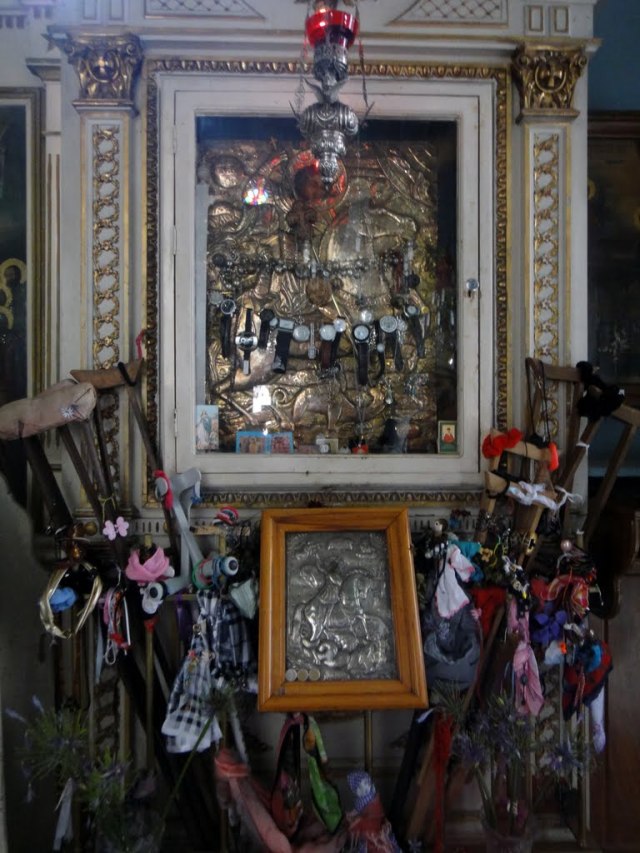
This historic Monastery of Saint George Koudounas, on Prince’s Island outside of Constantinople, was according to tradition built by the Byzantine Emperor Nikephoros Phokas in 963 AD. A miraculous icon of St. George was brought here from the Monastery of Peace, which was founded by Emperor Justin II, in Athens at that time.
The Monastery was later sacked in the Fourth Crusade. Then in 1302 the pirate Giustiniani plundered all the buildings and monasteries of the island. Not wanting their holy icon stolen by the Franks, the monks hid the icon under the earth and place the holy altar above it. The miraculous icon however was lost for many years.
Later, St. George appeared to a shepherd in a dream and told him where to find his icon. When he approached the area, he heard the ringing of bells, and having unearthed the icon, found it decorated with bells. This is the source behind the epithet “Koudouna” which means “bells”. The Monastery was later attached to Hagia Lavra in Kalavryta, and eventually to the Patriarch of Constantinople. The current church was built in 1905.
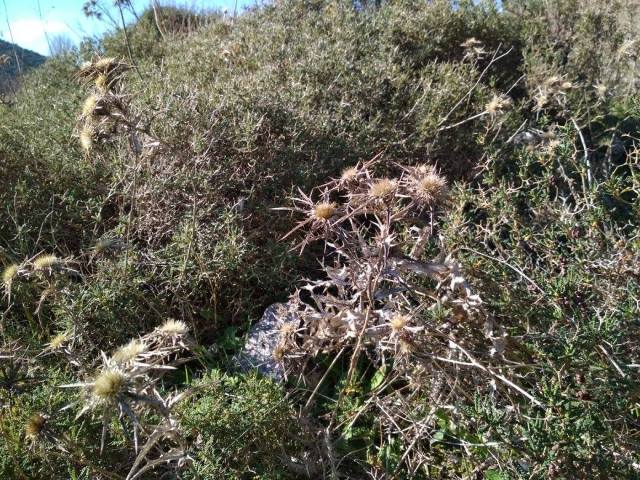
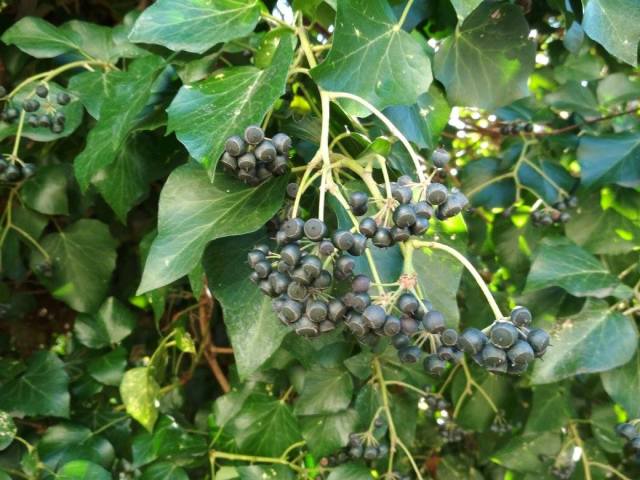

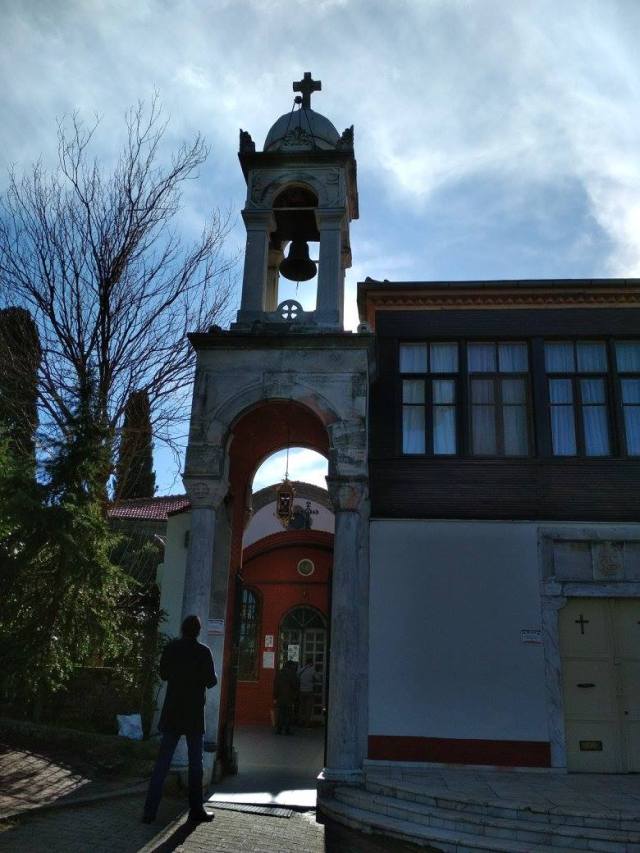
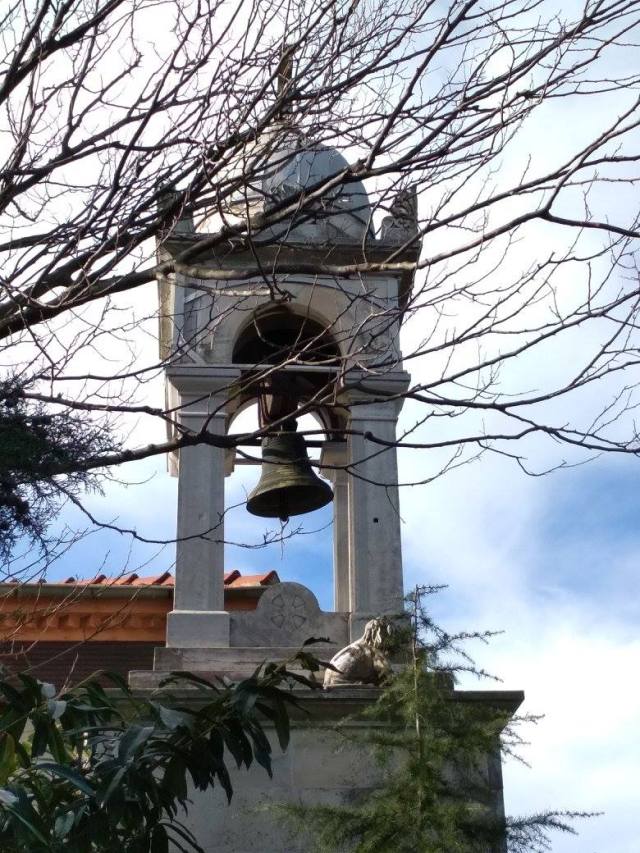
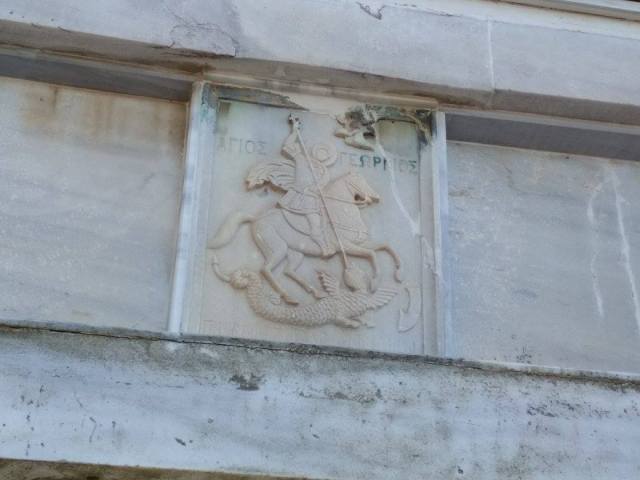
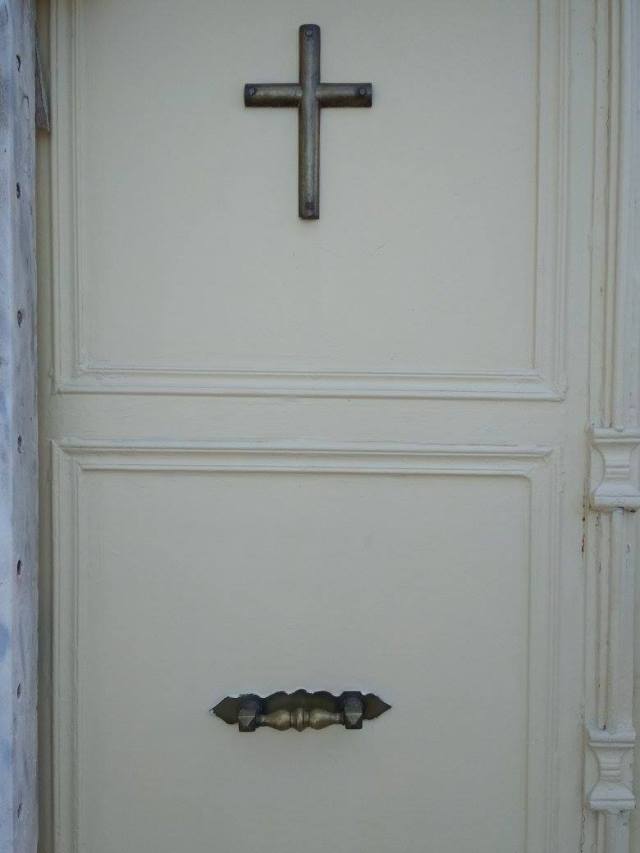
The miracles of the Saint are many, not only towards Christians [Romans], who approached always with great reverence (in olden times there wasn’t a Christian family which had not visited Koudouna at least once a year), but towards everyone without exception, who approach his grace with faith. Thus there is a great mass of people who come from other faiths from throughout Turkey. The pilgrims number about 250,000 a year, the majority being Turks. The great iron gate of the Monastery, as we learn from its engraving in Greek and Turkish, was offered from the Muslim Rasoul Efenti, as a gift of gratitude towards the Saint for the healing of his wife.
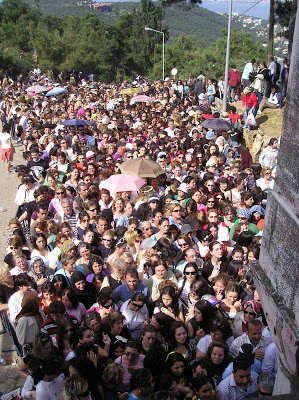
On April 23rd, in other words the day when the Saint is honored and the Monastery celebrates, tens of thousands of pilgrims arrive, not only from Constantinople but from other cities, to venerate the Great Martyr and to seek help in their problems. Roughly all of these pilgrims are from other faiths. Many will return later to thank St. George, who heard their prayer and granted their desire, bringing the indispensable oil for his vigil lamp. You hear with passion how he healed this person’s son, how another became a mother after being barren for many years, how a third acquired a house, etc.
The Monastery also celebrates on the feast of Saint Thekla, and on this feast about 10,000 Muslims visit the Monastery seeking the prayer of Saint George.
(For the full history of this Monastery with many pictures, visit this site.)

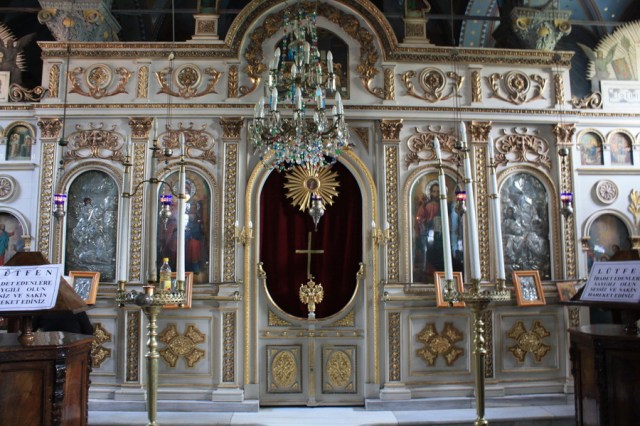


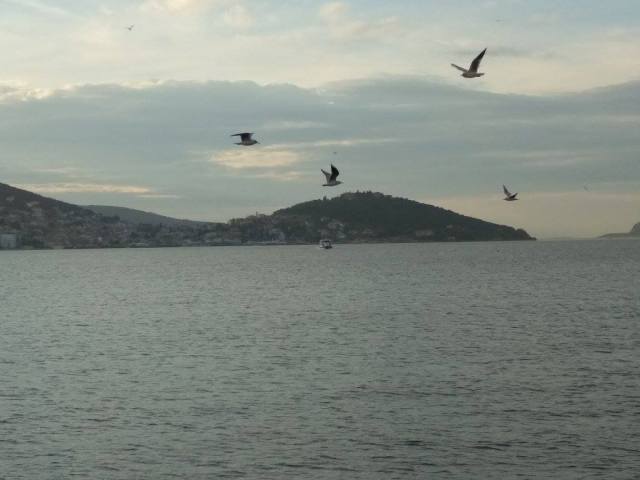
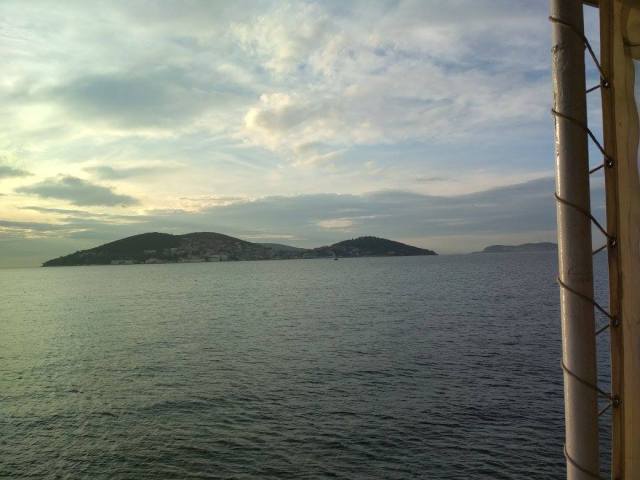
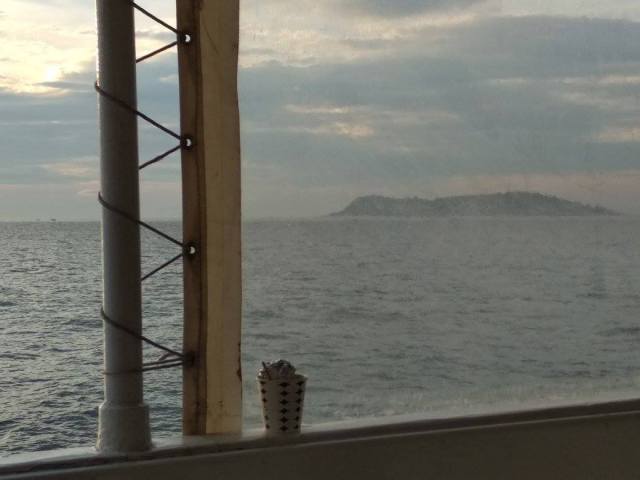
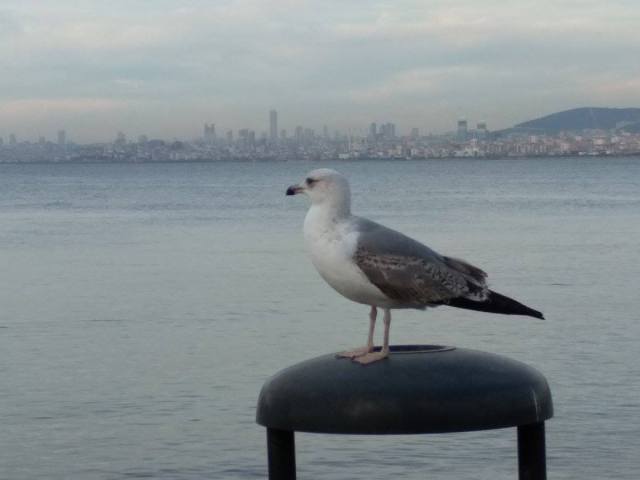


Morning transfer to the pier for a private ferry ride to the island of Halki, home of the renowned Halki Patriarchal School of Theology. Halki is one of the Prince Islands which owe their name to the fact that during the Byzantine period the imperial family and disgraced aristocrats were exiled in the monasteries on the islands.
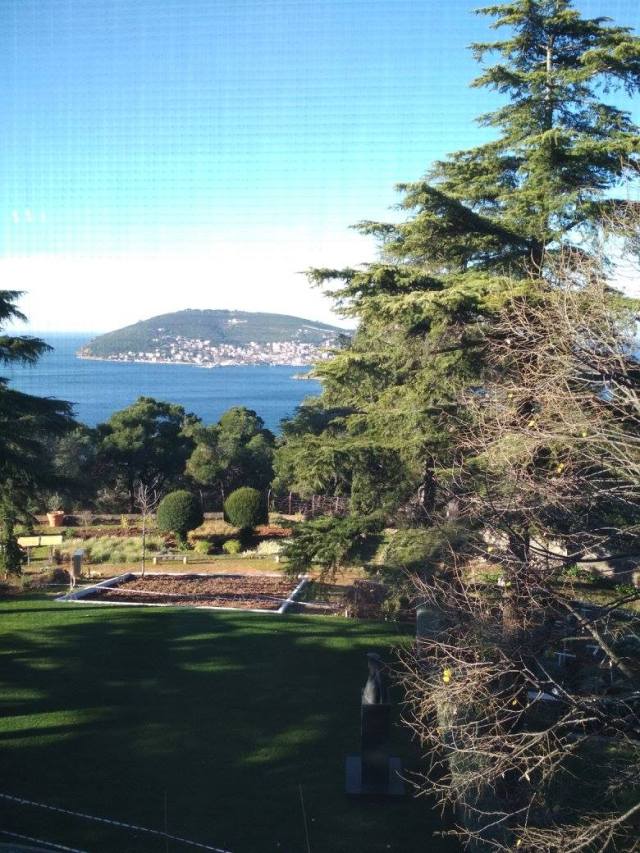


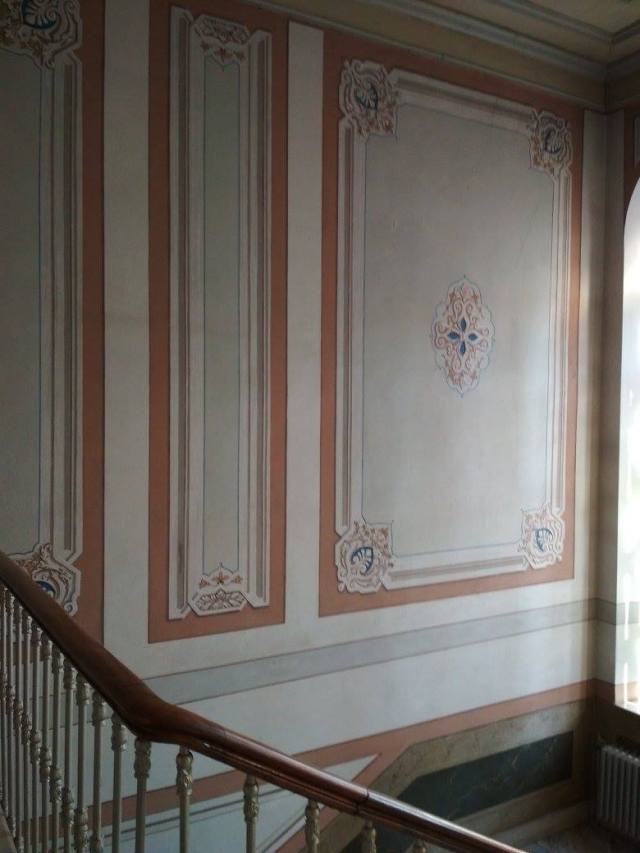
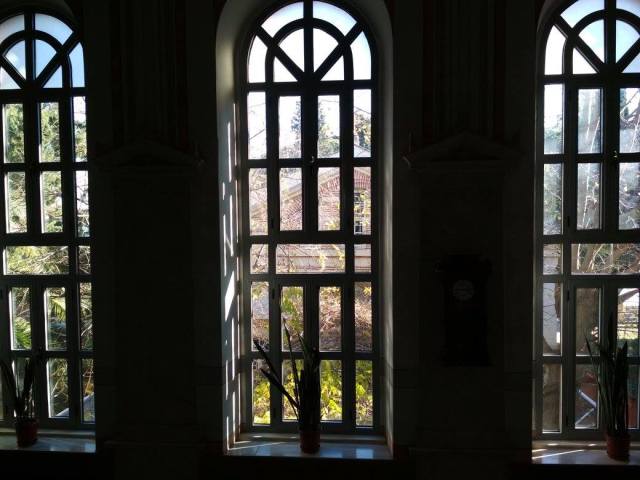
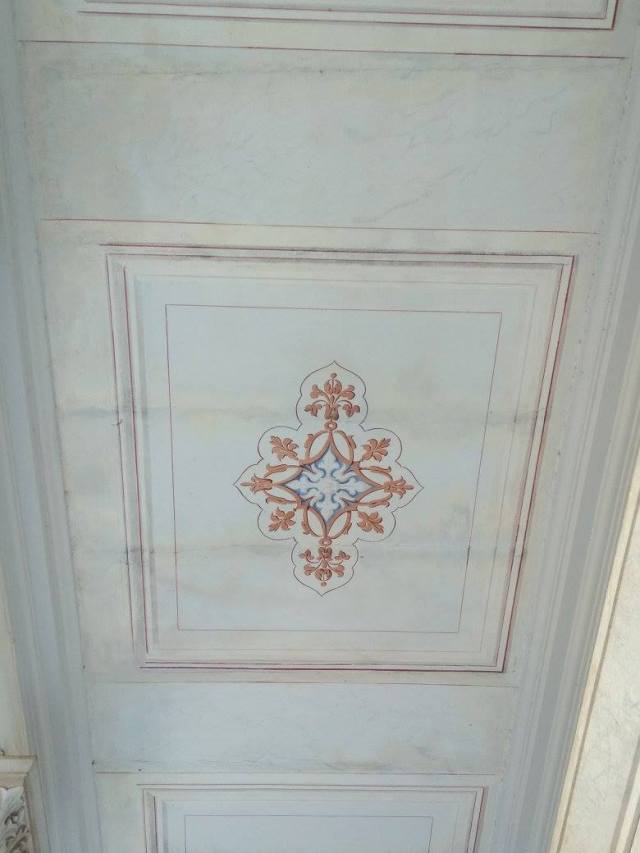
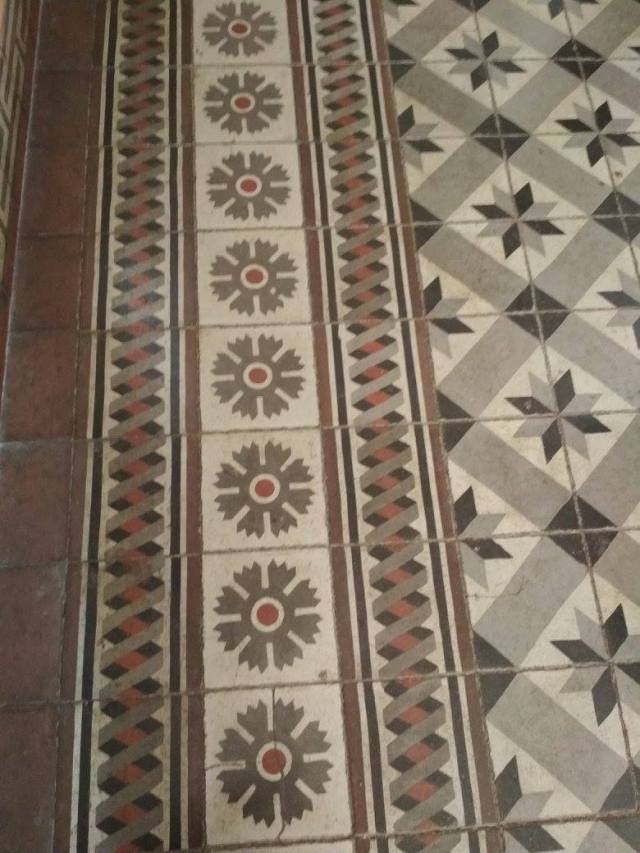
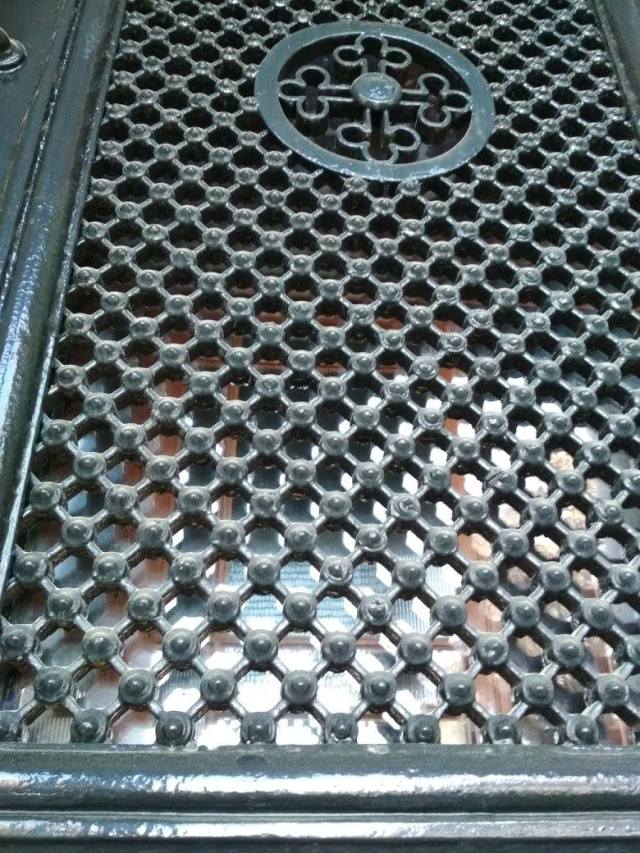
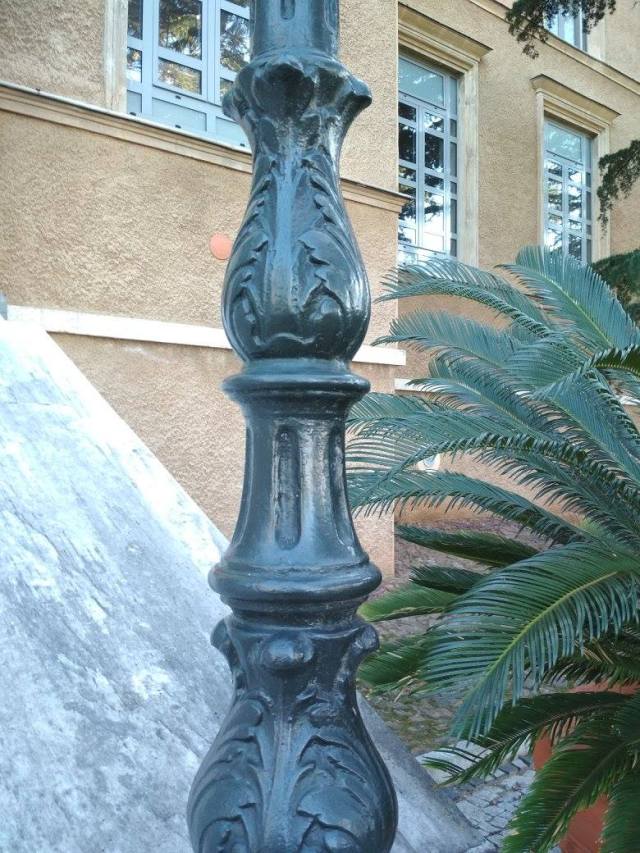
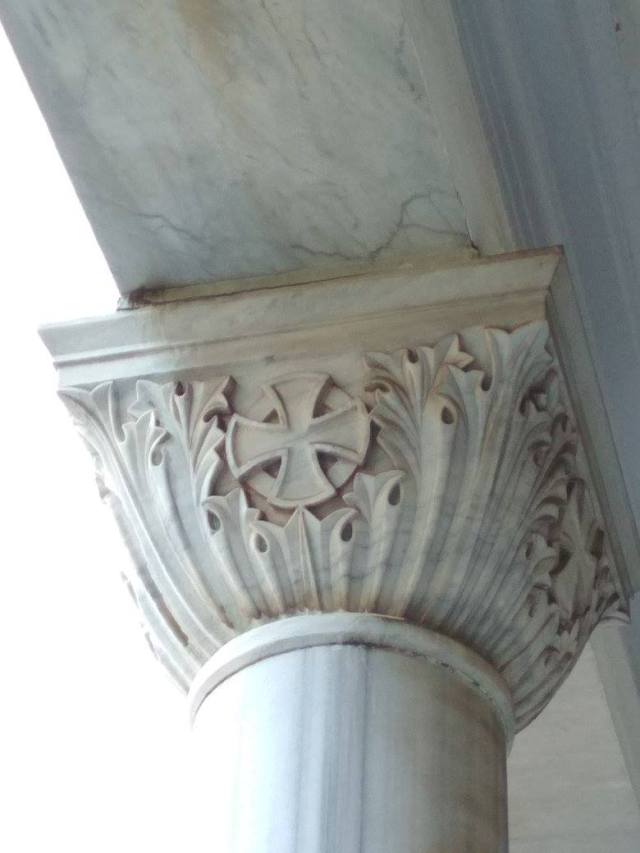
St Photios the Great is believed to have founded the monastery in Halki in the late 19th century. In 1844, Patriarch Germanos IV established the Theological School for the purpose of pleasing God with a dwelling for teachers, theologians and theology students. The monastery houses a very impressive and important library.

A carriage (fayton) took us to the top of the hill where the Theological School is situated, since motorized vehicles are forbidden on all the islands. A magnificent view awaited us there.
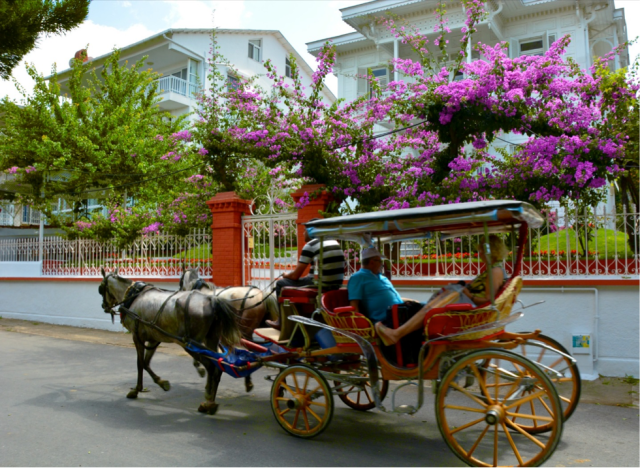


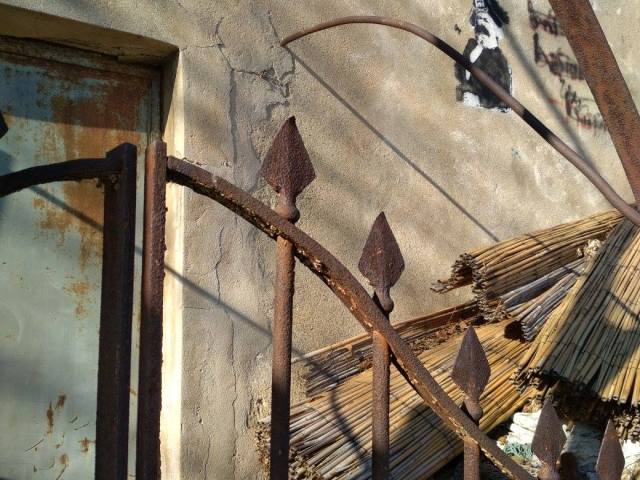
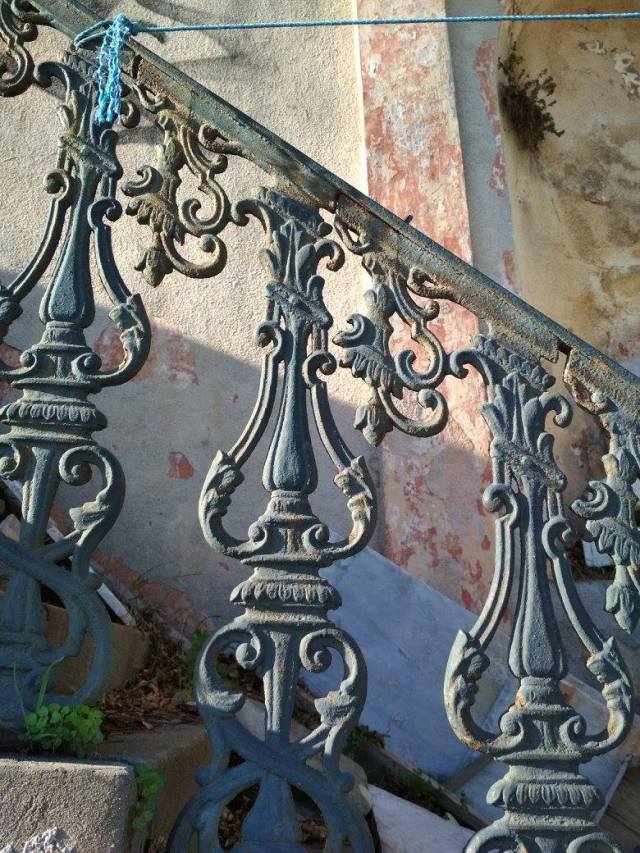
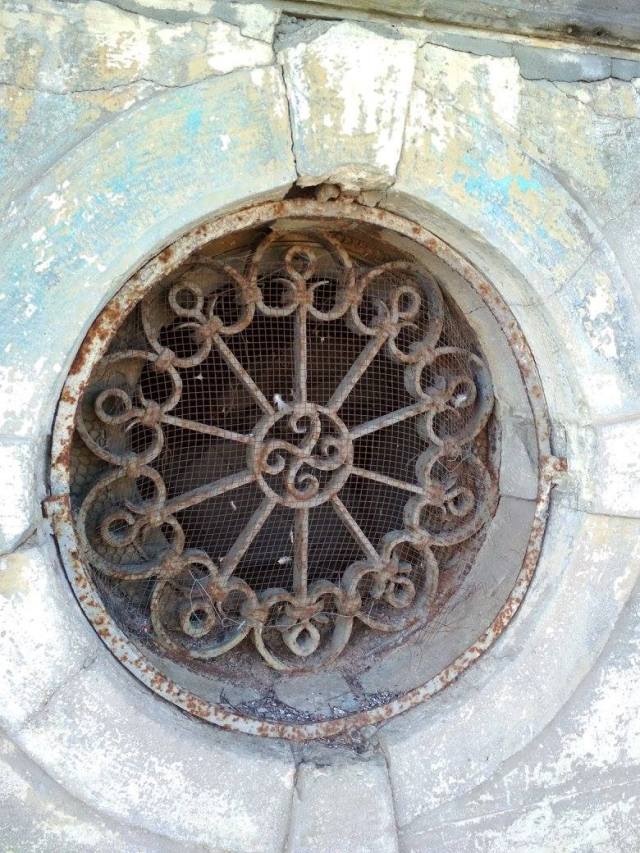
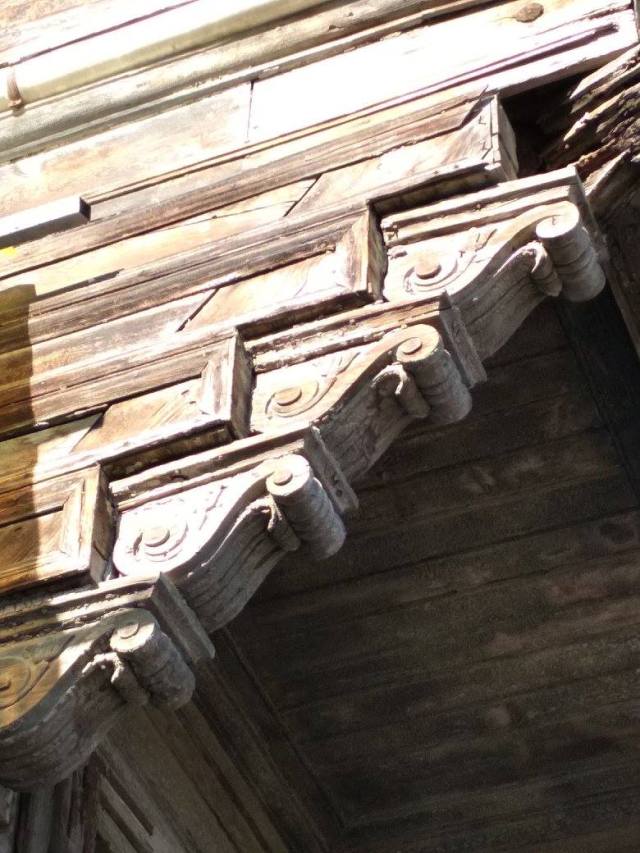


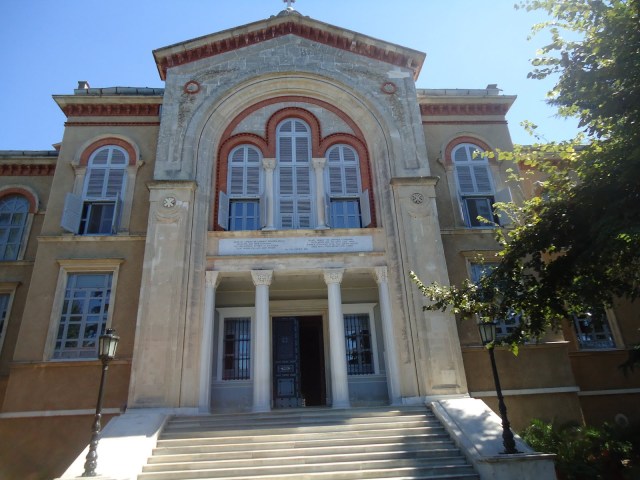
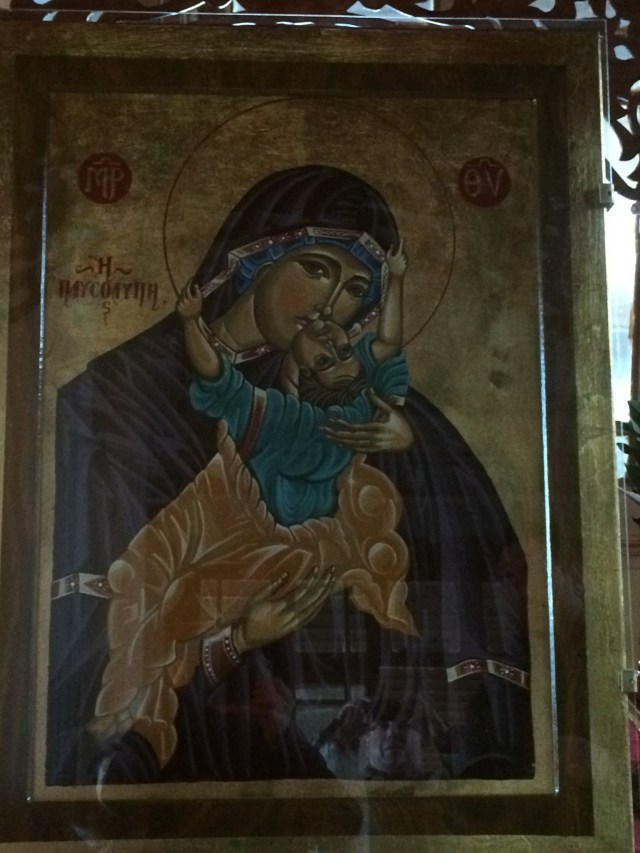
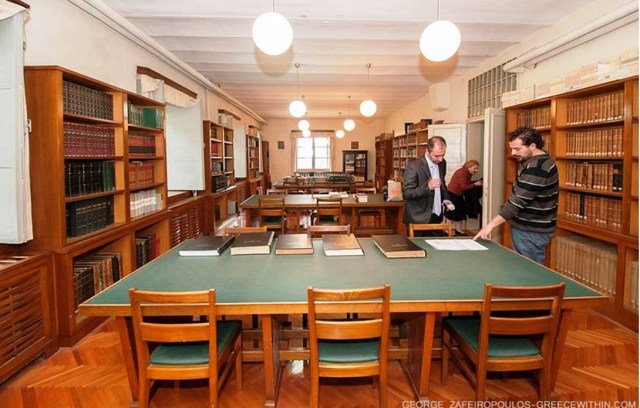

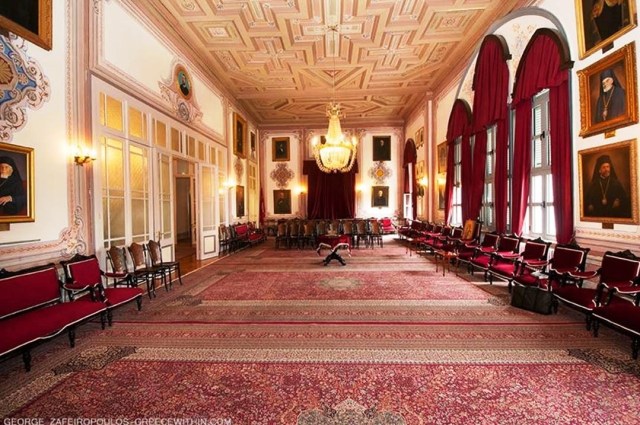

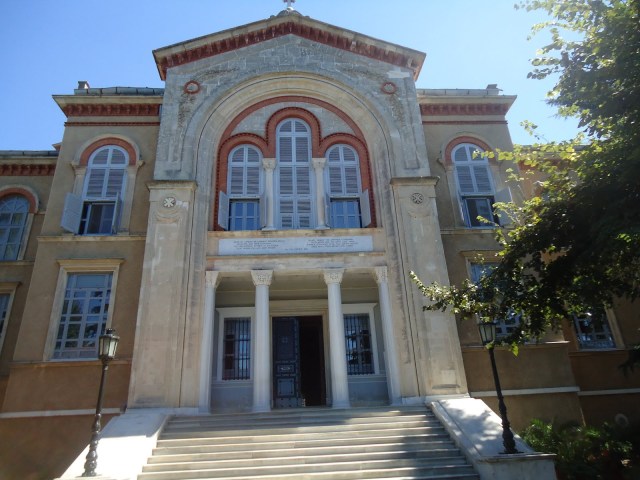

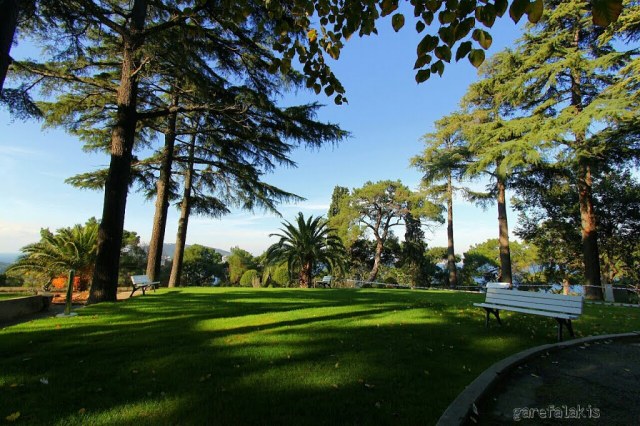
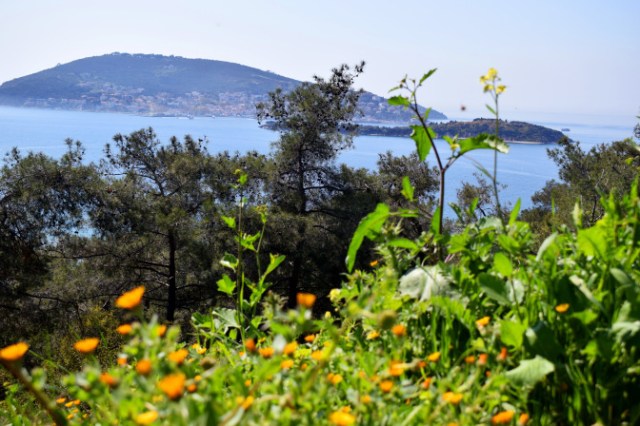

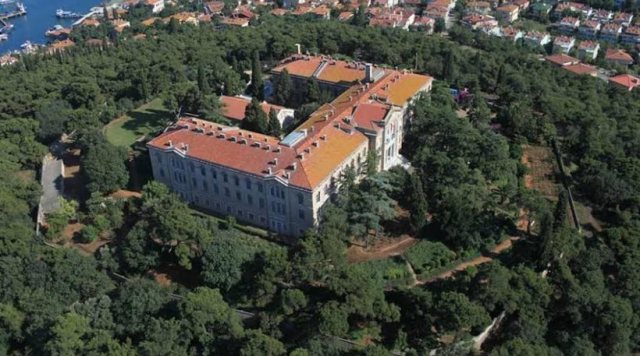
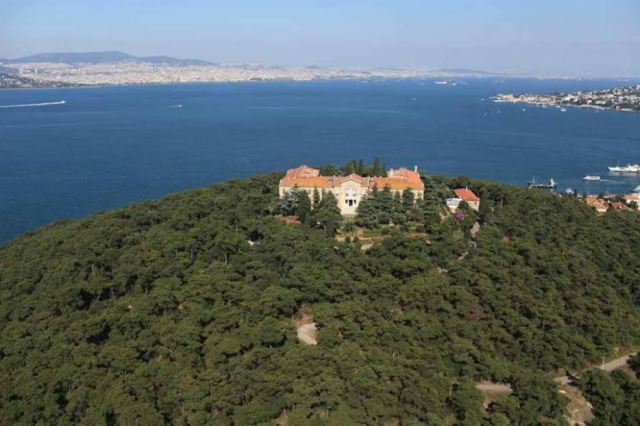
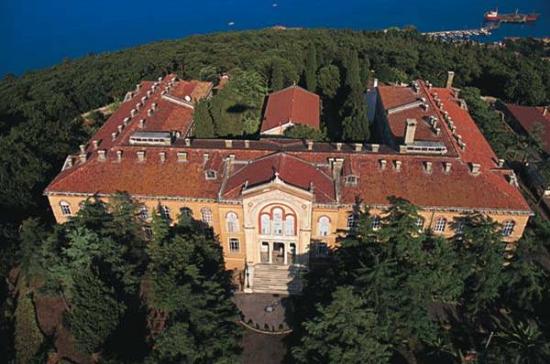


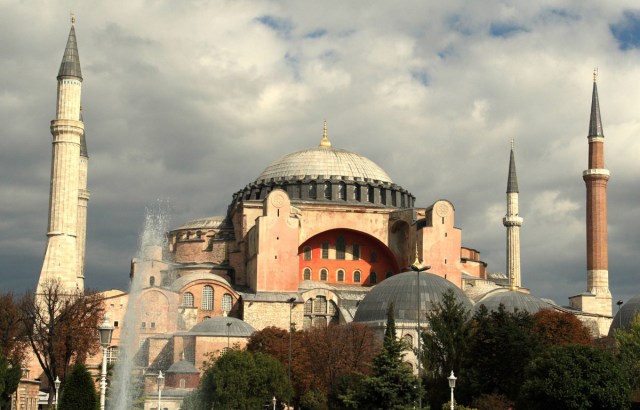
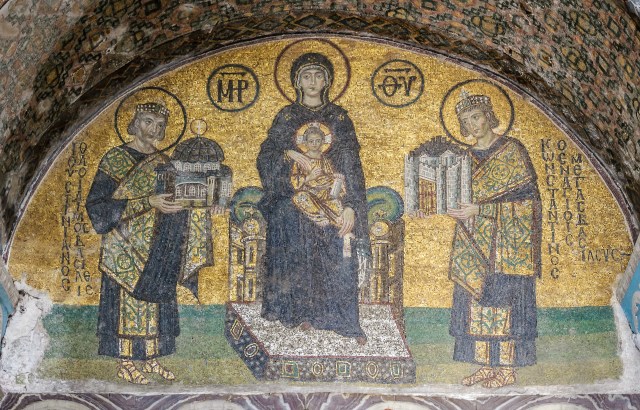
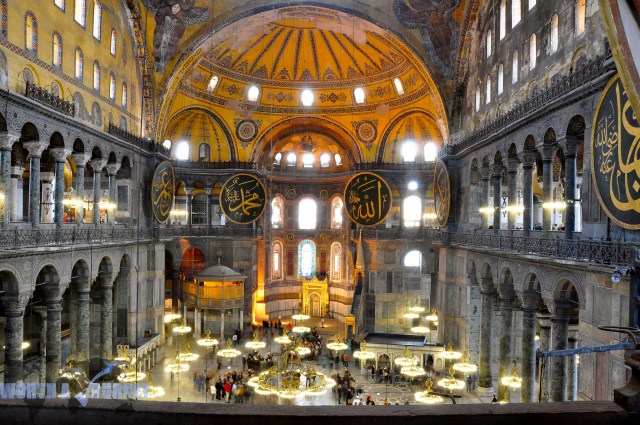
Constantinople, the glittering jewel of Asia Minor and the gateway between two continents! It sits astride on the most historic water channel in the world, the Dardanelles. Constantinople has been host to three empires: The Roman, Byzantine and Ottoman. Invaded, besieged and conquered by countless armies, Constantinople today, remains a city of sparkling domes and minarets and beautiful palaces. Our pilgrimage brought us directly to the heart of Orthodoxy and the cradle of the Byzantine civilization. More importantly, thanks to our tour guide, we bore witness to its solemn existence, spiritual strength and religious devotion by visiting the hidden and forbidden City.
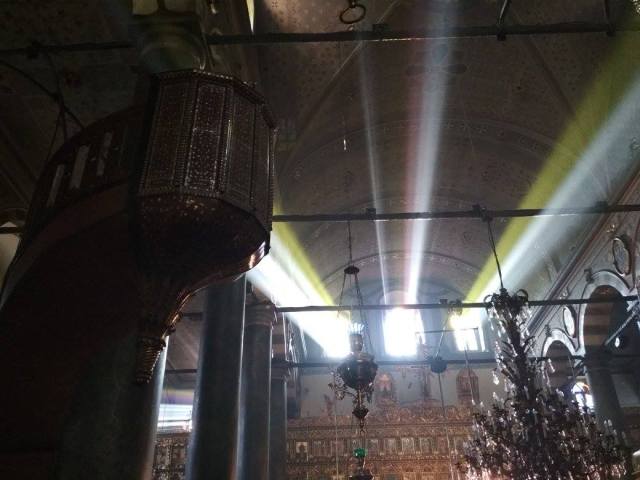
With the grace of God, a total of fifty Orthodox Christians, along with a hieromonk from the Monastery of Saint Arsenios (Vatopedi, Chalkidiki) and the little city hermit 🙂 went on a Pilgrimage to Constantinople during the Twelve Days of Christmas. It was truly a moving and inspirational trip. Below you will find a sample of pictures capturing the trip.
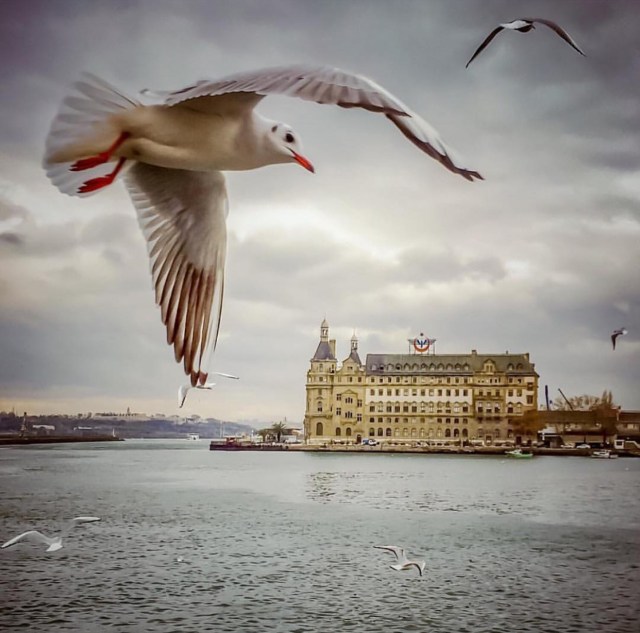
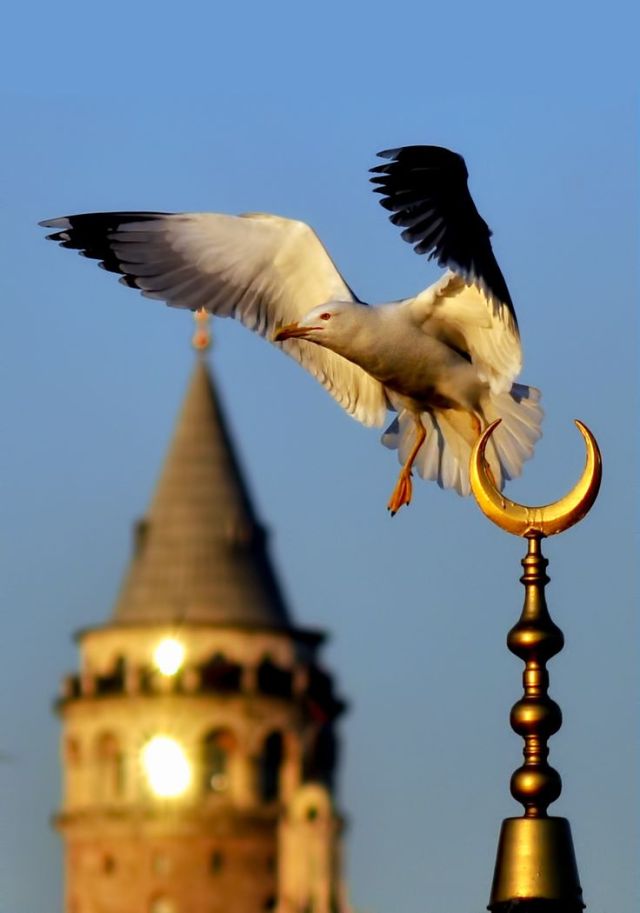
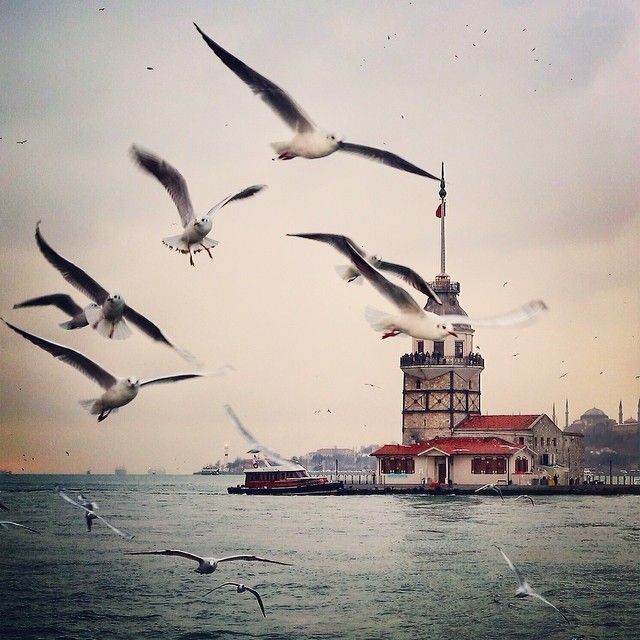
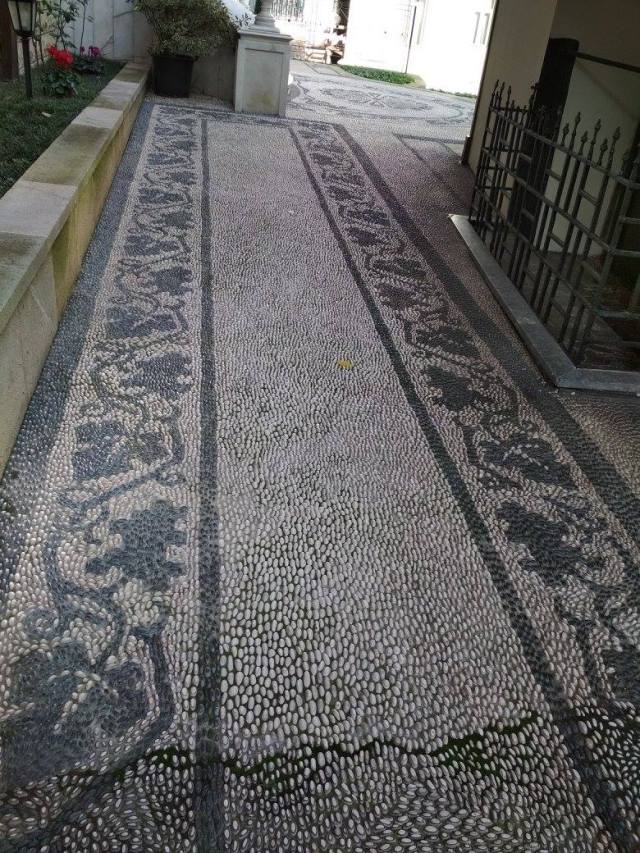
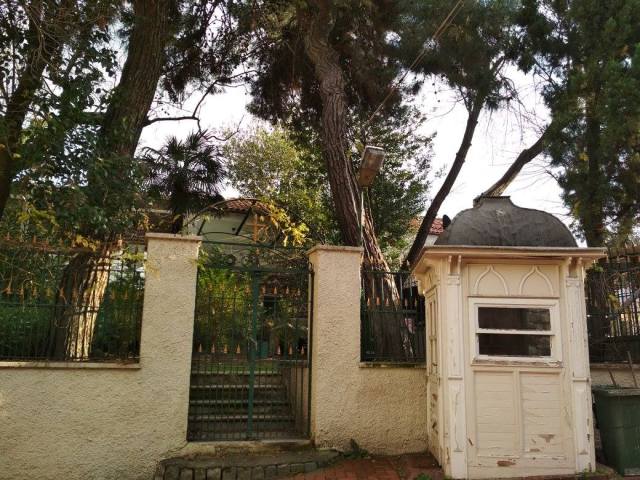
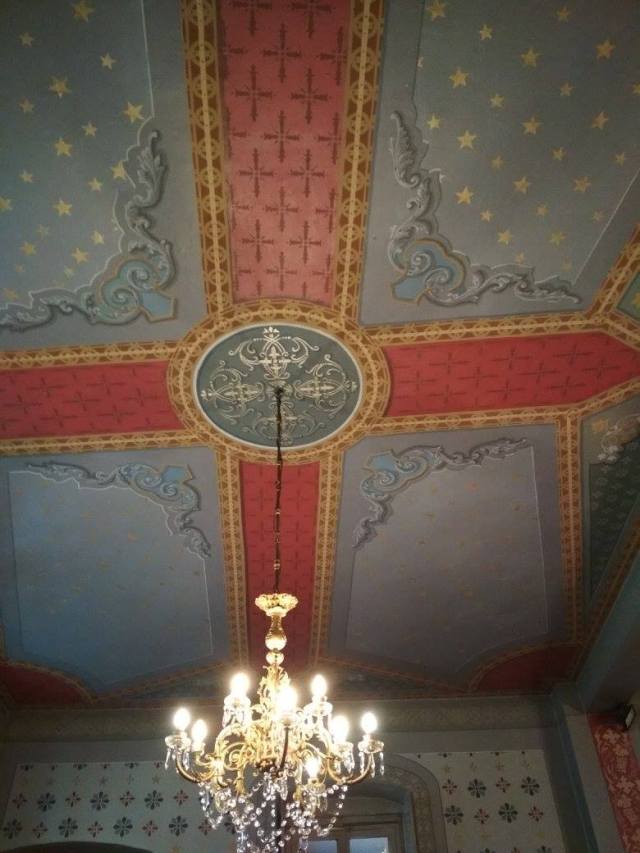
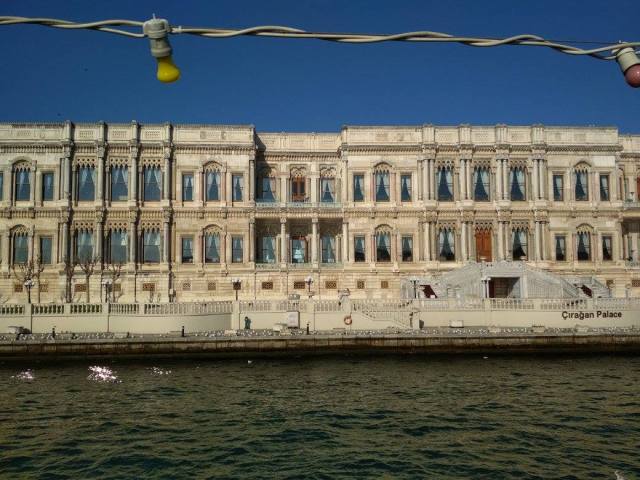
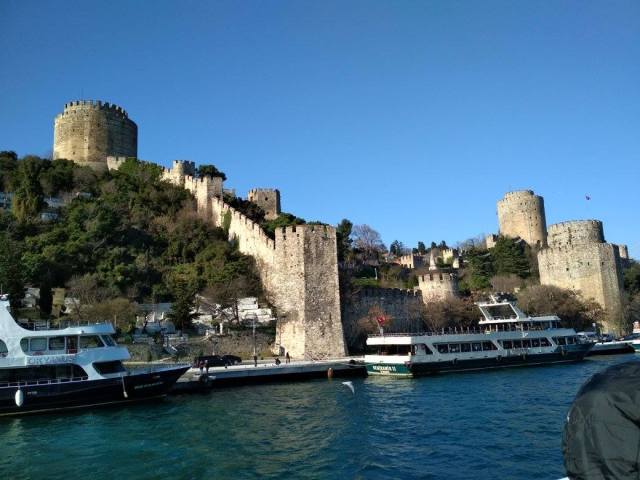
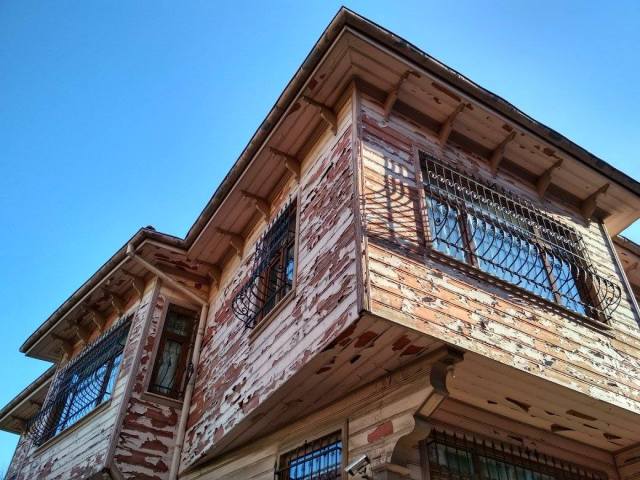
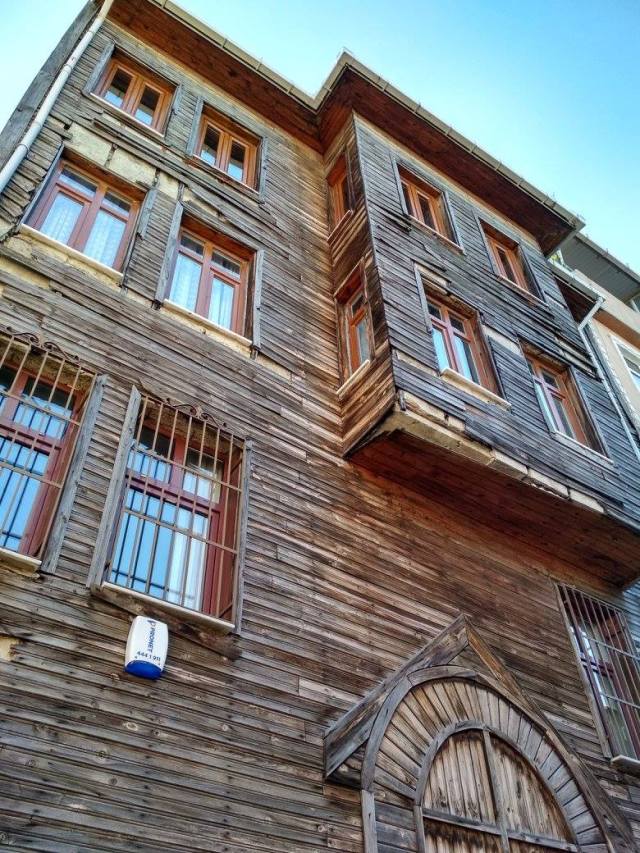
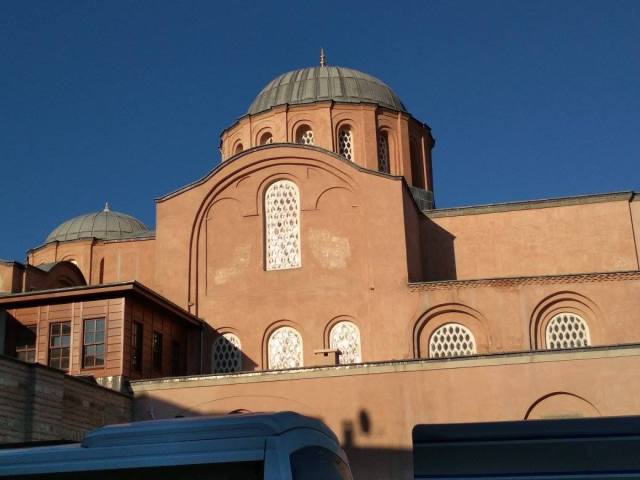
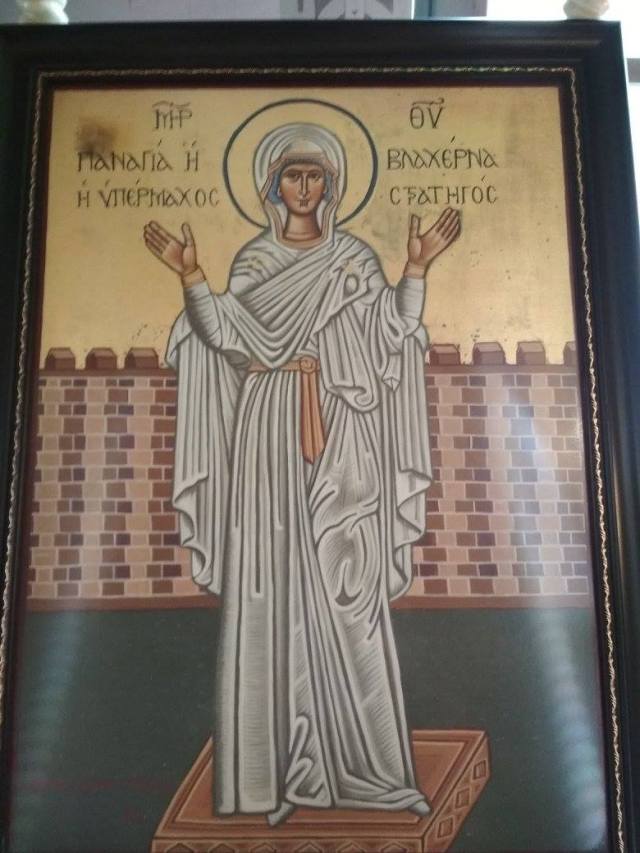
Photographs courtesy of Anastasia Avramidou, the artist of our group
The Hidden and Forbidden City to be continued …


Photos: Yanina Alexeyeva Orthodox Christianity

“At last we arrived in Jerusalem. I spent the days before the festival in the town, living the same kind of life, perhaps even worse. I was not content with the youths I had seduced at sea and who had helped me to get to Jerusalem; many others — citizens of the town and foreigners — I also seduced. The holy day of the Exaltation of the Cross dawned while I was still flying about — hunting for youths. At daybreak I saw that everyone was hurrying to the church, so I ran with the rest. When the hour for the holy elevation approached, I was trying to make my way in with the crowd which was struggling to get through the church doors. I at last squeezed through with great difficulty almost to the entrance of the temple, from which the Lifegiving Tree of the Cross was being shown to the people. But when I trod on the doorstep which everyone passed, I was stopped by some force which prevented my entering. Meanwhile I was brushed aside by the crowd and found myself standing alone in the porch. Thinking that this had happened because of my woman’s weakness, I again began to work my way into the crowd, trying to elbow myself forward. But in vain I struggled. Again my feet trod on the doorstep over which others were entering the church without encountering any obstacle. I alone seemed to remain unaccepted by the church. It was as if there was a detachment of soldiers standing there to oppose my entrance. Once again I was excluded by the same mighty force and again I stood in the porch.
“Having repeated my attempt three or four times, at last I felt exhausted and had no more strength to push and to be pushed, so I went aside and stood in a corner of the porch. And only then with great difficulty it began to dawn on me, and I began to understand the reason why I was prevented from being admitted to see the life-giving Cross. The word of salvation gently touched the eyes of my heart and revealed to me that it was my unclean life which barred the entrance to me. I began to weep and lament and beat my breast, and to sigh from the depths of my heart. And so I stood weeping when I saw above me the icon of the most holy Mother of God. And turning to her my bodily and spiritual eyes I said: `O Lady, Mother of God, who gave birth in the flesh to God the Word, I know, O how well I know, that it is no honor or praise to thee when one so impure and depraved as I look up to thy icon, O ever-virgin, who didst keep thy body and soul in purity. Rightly do I inspire hatred and disgust before thy virginal purity. But I have heard that God Who was born of thee became man on purpose to call sinners to repentance. Then help me, for I have no other help. Order the entrance of the church to be opened to me. Allow me to see the venerable Tree on which He Who was born of thee suffered in the flesh and on which He shed His holy blood for the redemption of sinners and for me, unworthy as I am. Be my faithful witness before thy son that I will never again defile my body by the impurity of fornication, but as soon as I have seen the Tree of the Cross I will renounce the world and its temptations and will go wherever thou wilt lead me.’ Thus I spoke and as if acquiring some hope in firm faith and feeling some confidence in the mercy of the Mother of God, I left the place where I stood praying.
“And I went again and mingled with the crowd that was pushing its way into the temple. And no one seemed to thwart me, no one hindered my entering the church. I was possessed with trembling, and was almost in delirium. Having got as far as the doors which I could not reach before — as if the same force which had hindered me cleared the way for me — I now entered without difficulty and found myself within the holy place. And so it was I saw the Lifegiving Cross. I saw too the Mysteries of God and how the Lord accepts repentance. Throwing myself on the ground, I worshipped that holy earth and kissed it with trembling. Then I came out of the church and went to her who had promised to be my security, to the place where I had sealed my vow. And bending my knees before the Virgin Mother of God, I addressed to her such words as these: `O loving Lady, thou hast shown me thy great love for all men. Glory to God Who receives the repentance of sinners through thee. What more can I recollect or say, I who am so sinful? It is time for me, O Lady, to fulfill my vow, according to thy witness. Now lead me by the hand along the path of repentance!’ And at these words I heard a voice from on high: `If you cross the Jordan you will find glorious rest.’ Hearing this voice and having faith that it was for me, I cried to the Mother of God: `O Lady, Lady, do not forsake me!’ With these words I left the porch of the church and set off on my journey. As I was leaving the church a stranger glanced at me and gave me three coins, saying: `Sister, take these.’ And, taking the money, I bought three loaves and took them with me on my journey, as a blessed gift. I asked the person who sold the bread: `Which is the way to the Jordan?’ I was directed to the city gate which led that way.” (St. Mary of Egypt)


Ascending to The Horrendous Golgotha (John 19, 17), i.e. “The Place of the Skull” (“Golgotha” in Hebrew), was by far the most gut wrenching experience at our pilgrimage. Here the mystery of divine economy was accomplished, here the New Testament was sealed with the blood of the Theanthropos (Godman) which cleansed humanity from the evils of sin and death.
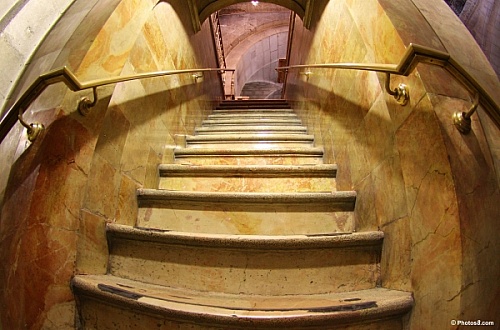
Stairway to Calvary in Holy Sepulchre Church …
*
Like in the prison of Christ, suddenly everything — the raw violence, the injustice and the hubris recorded in the “Twelve Gospel” readings* -– everything, becomes scarily all too real!
“33 They came to a place called Golgotha (which means “the place of the skull”). …
From noon until three in the afternoon darkness came over all the land. 46
…
44 It was now about noon, and darkness came over the whole land until three in the afternoon, 45 for the sun stopped shining. And the curtain of the temple was torn in two. 46 Jesus called out with a loud voice, “Father, into your hands I commit my spirit.”[c] When he had said this, he breathed his last. (Luke 23, 44-46)
…
About three in the afternoon Jesus cried out in a loud voice, “Eli, Eli,[a] lema sabachthani?” (which means “My God, my God, why have you forsaken me?”).[b]
… 50 And when Jesus had cried out again in a loud voice, he gave up his spirit.
51 At that moment the curtain of the temple was torn in two from top to bottom. The earth shook, the rocks split 52 and the tombs broke open. The bodies of many holy people who had died were raised to life. 53 They came out of the tombs after Jesus’ resurrection and[c] went into the holy city and appeared to many people.” (Matthew 33, 45-53)
“Today is hung upon the Tree, He Who did hang the land in the midst of the waters. A Crown of thorns crowns Him Who is King of Angels. He is wrapped about with the purple of mockery Who wrapped the Heavens with clouds. He received buffetings Who freed Adam in Jordan. He was transfixed with nails Who is the Bridegroom of the Church. He was pierced with a spear Who is the Son of the Virgin. We worship Thy Passion, O Christ. Show also unto us thy glorious Resurrection.”
*
This is the hole through which you can touch the very earth where the Cross actually stood.

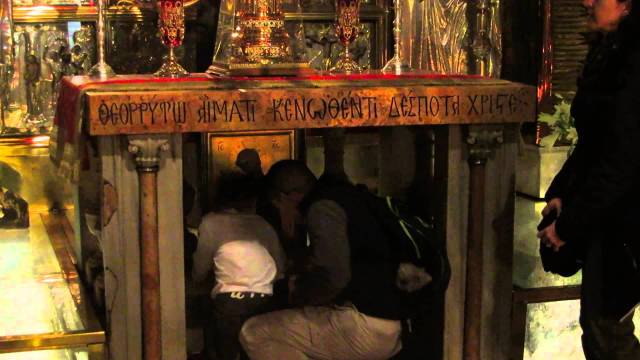
The queue of the pilgrims never ends here.
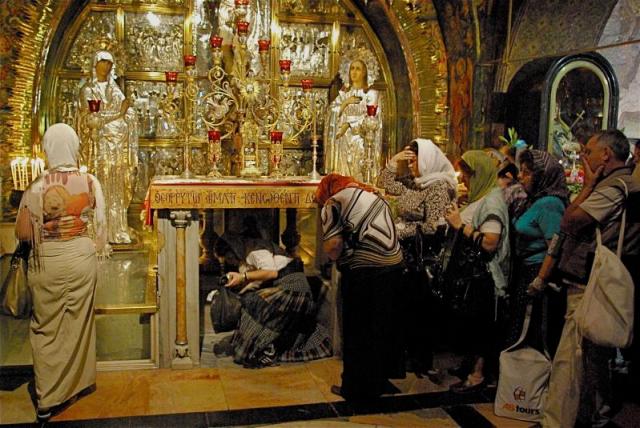
Just look at this ancient rock, the Rock of Calvary, literally split in half, exuding the fragrance of Holiness and Sanctity!
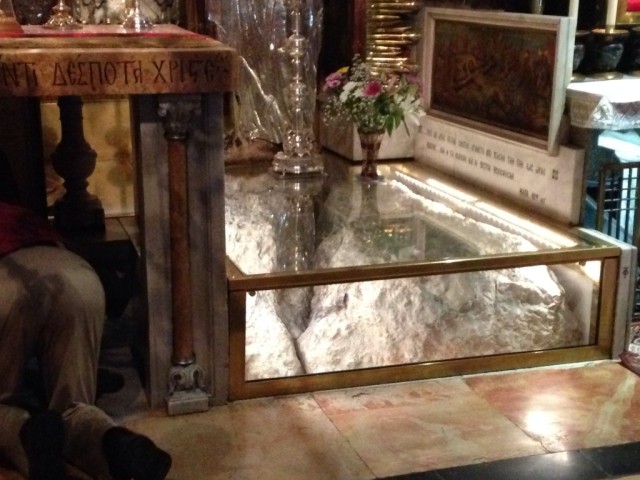
“Oh look, my soul, look!
How the rock was split in half
At the sight of the Crucifixion
Of the Invaluable Treasure!”
(Excerpt of a poem by St. John Jacob (the Romanian)
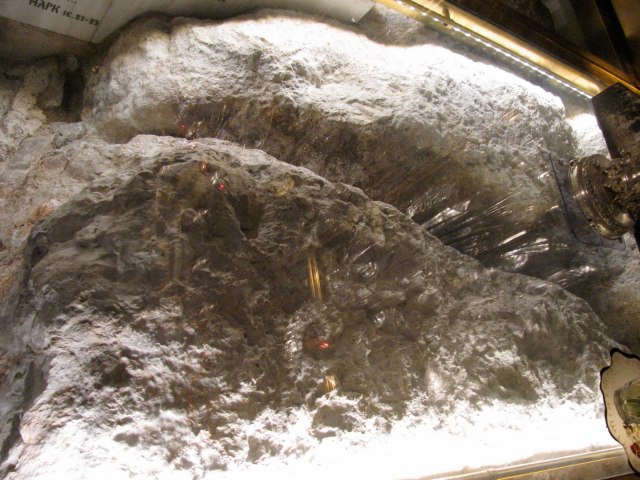
How much more should our hearts be torn and wounded by love if an inanimate material felt the hubris and shuddered and literally split in two at the sight of our Lord on the Cross! Indeed, we need to continually beseech the Lord for “pardon and remission of our sins and transgressions”, “that we may complete the remaining time of our life in peace and repentance”.
“Before the end to our life comes, because then we lose the right to pray for ourselves… because the time given to us for our repentance has expired.”
Glory to Thy Forbearance, O Lord!
Lord Jesus Christ forgive us the sinners.
* Service of the HOLY PASSION of our Lord Jesus Christ on Great Holy Thursday Evening


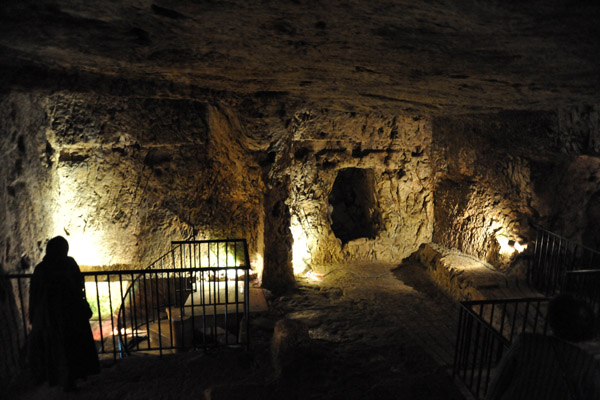

Descending to Christ’s prison was one of the most gut wrenching experiences at our pilgrimage. Matched only with The Horrendous Golgotha (John 19, 17). Here we descended, there we ascended up to the place, called “The Place of the Skull” which in Hebrew is called “Golgotha” , where the mystery of divine economy was accomplished and where the New Testament was sealed with the blood of the Theanthropos (Godman) which cleansed humanity from the evils of sin and death.
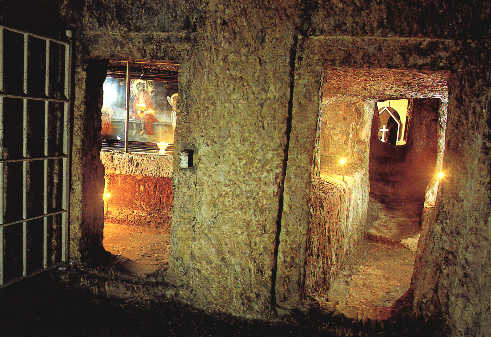
Holy Monastery of Praetorion
It is near the Monastery of the lentils and it served as a court at the time of Christ, the Roman Headquarters and the Roman governor Pilatus’ house. In the courtyard of the Praetorium the ultimate sentence of Christ was passed by Pilate the Roman governor. According to the Holy Gospels, Christ was transferred here after he had been seen by Anna and Caiaphas to be judged (Matt. 27:1-31; John 18:28-40). Here began his martyrdom with the scourging, the scarlet robe, the reed, the mocking and the crown made of thorns (Matthew 27). In the Greek monastery there are ancient caves, one of which is believed to have been used as Christ’s temporary prison. The second one, which is underground, is believed to have been used as prison for Barabbas, the robber. There is also the pool of St. Helen where every Great Friday they have the service of the Great Hours. The present Praetorium was built during the 18th century and belongs to the Greek Orthodox. (The Patriarchate of Jerusalem)
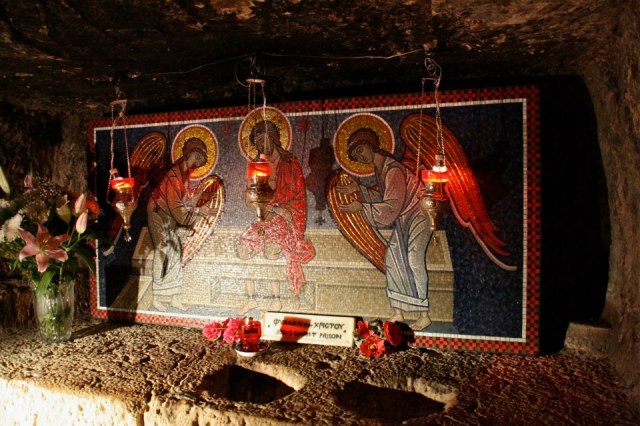

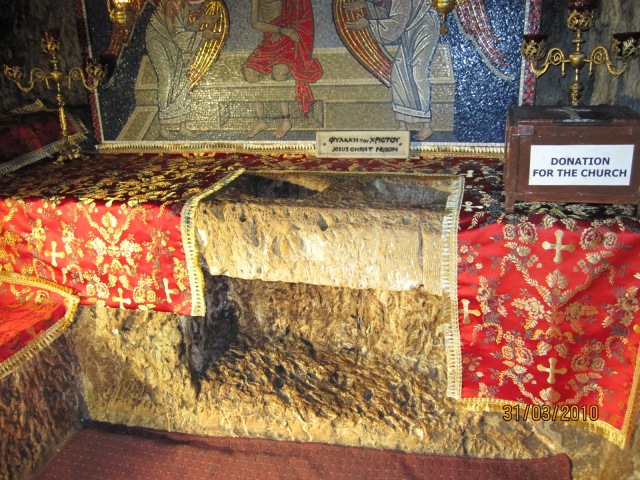
I always visualised Christ as a prisoner like this, and a bit ‘abstract’:
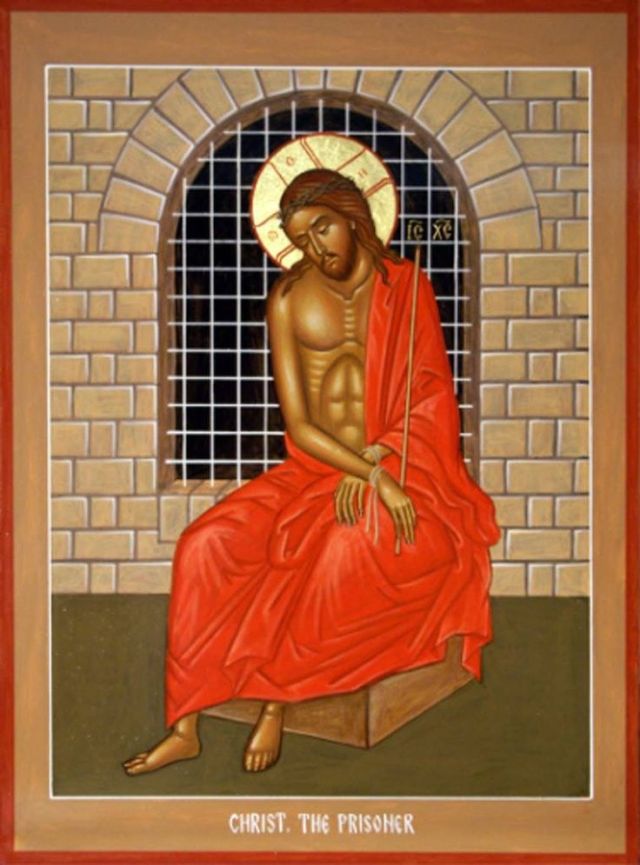
But no! He must have been like this:
Look again, carefully at these two holes, where they must have placed His legs, and the icon above:
I was stunned! Suddenly it all be too real! Such violence and injustice and hubris! And those ancient rocks were so full of Life, exuding the fragrance of Holiness and Sanctity!
Glory to Thy Forbearance, O Lord!
Lord Jesus Christ forgive us the sinners.


When you first catch a glimpse of the magical St. George’s Monastery (Choziba) in the Judean desert, the Desert Fathers’ Wisdom is brought to life in its uncompromising, breathtaking asceticism. This amazing cliff-hanging monastery, one of the world’s oldest and definitely one of the most inspiring churches in the Holy Land, is a must-see for the desert / archeological fans / devout Pilgrims.
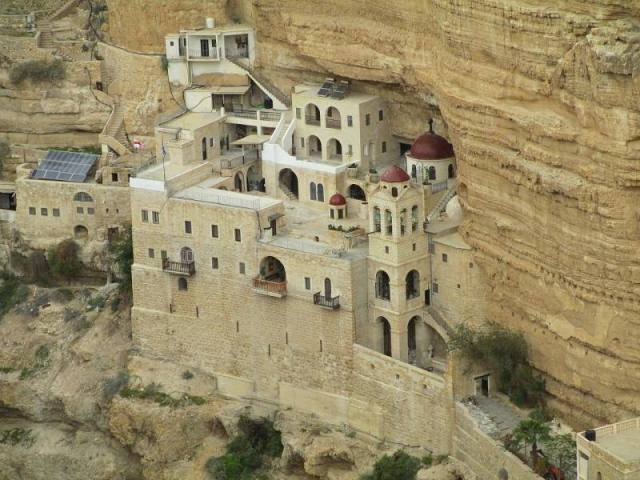
St. George Orthodox Monastery, or Monastery of St. George of Choziba is a monastery located in Wadi Qelt, in the eastern West Bank, in the occupied territories. The sixth-century cliff-hanging complex, with its ancient chapel and gardens, is active and inhabited by Eastern Orthodox monks. It is reached by a pedestrian bridge across Wadi Qelt, which many believe to be Psalm 23’s Valley of the Shadow. The valley parallels the old Roman road to Jericho, the backdrop for the parable of the Good Samaritan (Luke 10:29-37).
Here’s some beautiful aerial video footage to give you a taste of the area around St. George’s Monastery…
St George’s Monastery can be reached via the main Jerusalem – Dead Sea highway (Road 1). Take a left at Mitzpeh Jericho (or a right if you’re coming from Jericho) and follow the brown signs for Wadi Kelt. You can hike the Wadi all the way to the monastery but it will take lots of hours of arduous trekking in the desert under the blazing sun! Up and down, for hours, a windy path! Not so easy for seniors or people with disabilities, but there are usually plenty of locals offering their donkeys for the ride (at a cost of course).

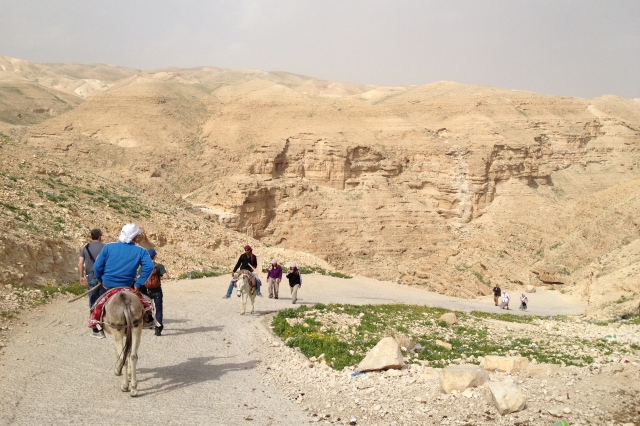
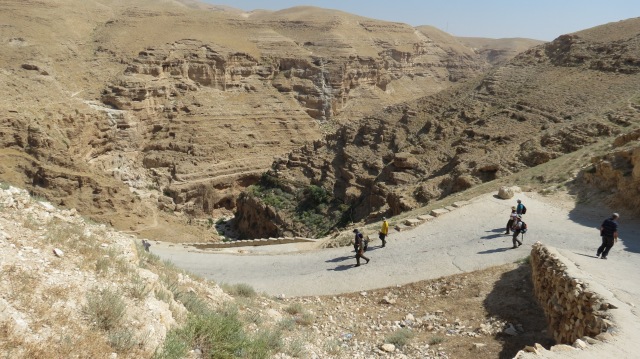
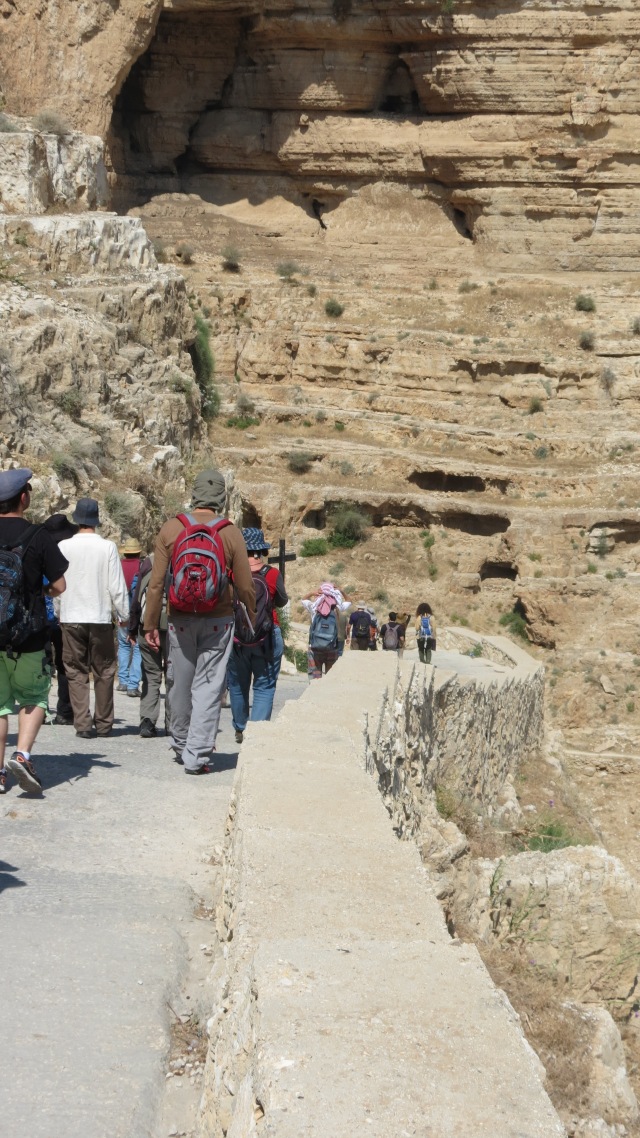
Check out the clip below for a real taste of the walk to St George’s Monastery … When I look at these photographs or watch the videos, I cannot believe I did all this walking!
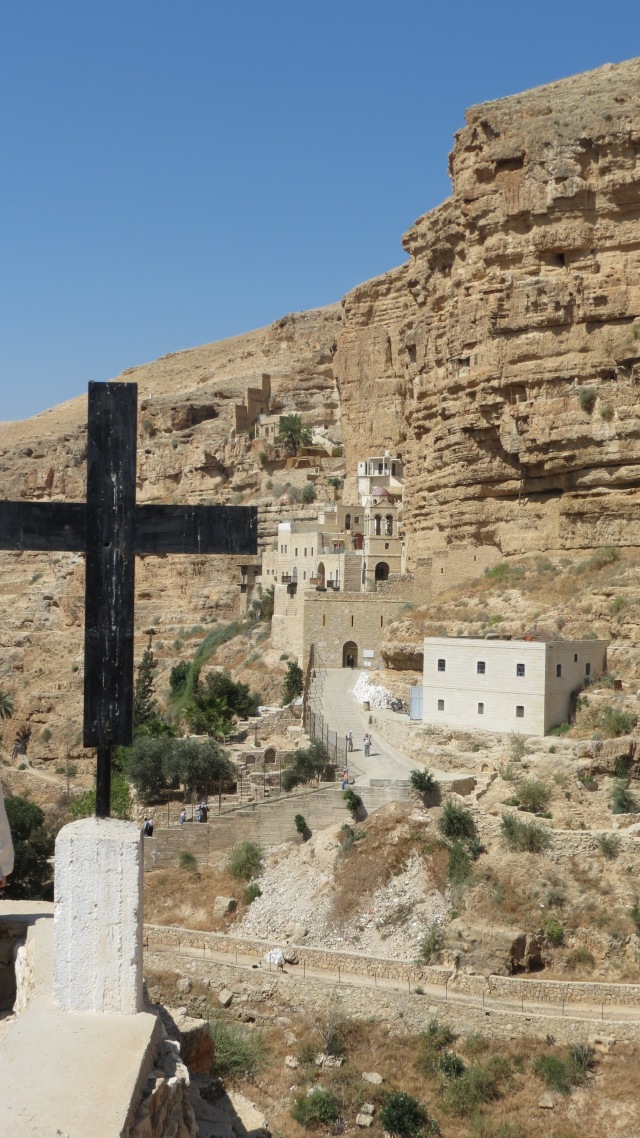
St. George’s Monastery was originally started in the fourth century by a few monks who were looking to immerse themselves in the lifestyles and desert stories of John the Baptist and Jesus. The monks, and perhaps most notably the hermit John of Thebes, eventually settled on the spot around a cave where it is believed the prophet Elijah was fed by ravens (1 Kings 17:5-6). The traditions attached to the monastery include a visit by Elijah en route to the Sinai Peninsula, and St. Joachim, whose wife Anne was infertile, weeping here when an angel announced to him the news of Mary’s conception.
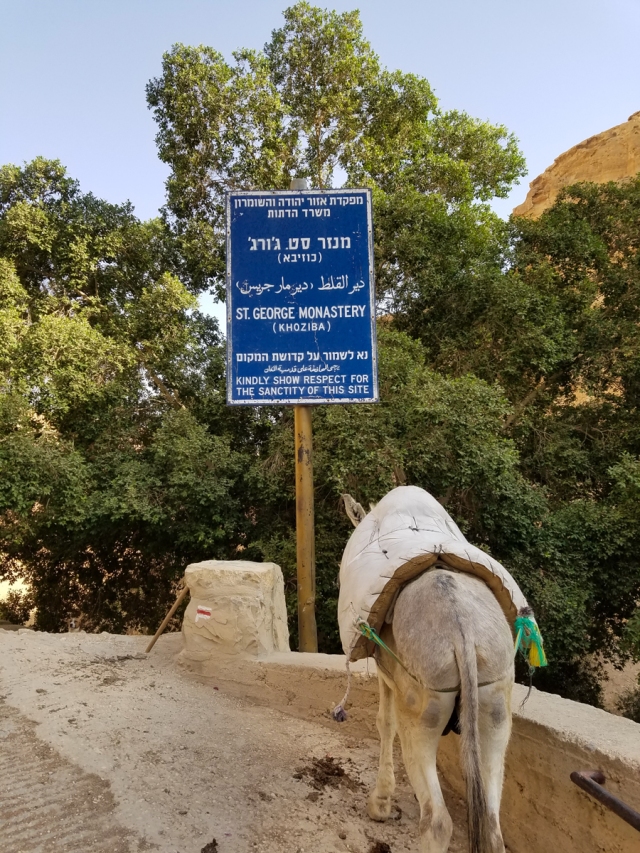

The monastery became an important spiritual centre in the sixth century under Saint George of Choziba. Hermits living in caves in nearby cliffs would meet in the monastery for a weekly mass and communal meal.John of Thebes became a hermit and moved from Egypt to Syria Palaestina. The monastery was named St. George after the most famous monk who lived at the site. Destroyed in 614 A.D. by the Persians, the monastery was more or less abandoned after the Persians swept through the valley and massacred the fourteen monks who dwelt there. The bones and skulls of the martyred monks killed by the Persians in 614 A.D. can still be seen today in the monastery chapel. These 3000 and more martyrs’ relics are so alive that during their Supplication canon every week an exquisite fragrance and raw smell of fresh slaughtered blood are alternately exuded from them!


The Crusaders made some attempts at restoration in 1179. However, it fell into disuse after their expulsion. In 1878, a Greek monk, Kallinikos, settled here and restored the monastery, finishing it in 1901. Father Germanos, born Georgios Tsibouktzakis, who came from Thessaloniki, Greece, to St George’s in 1993 and lived there until he was murdered by Palestinian terrorists in 2001, was for many years the sole occupant of the monastery, he was named Abbot in 2000. Emulating the Wadi Qelt monks of late antiquity, Father Germanos offered hospitality to visitors, improved the stone path used by pilgrims to climb up to the monastery, repaired the aqueducts, and improved the gardens of shade and olive trees.
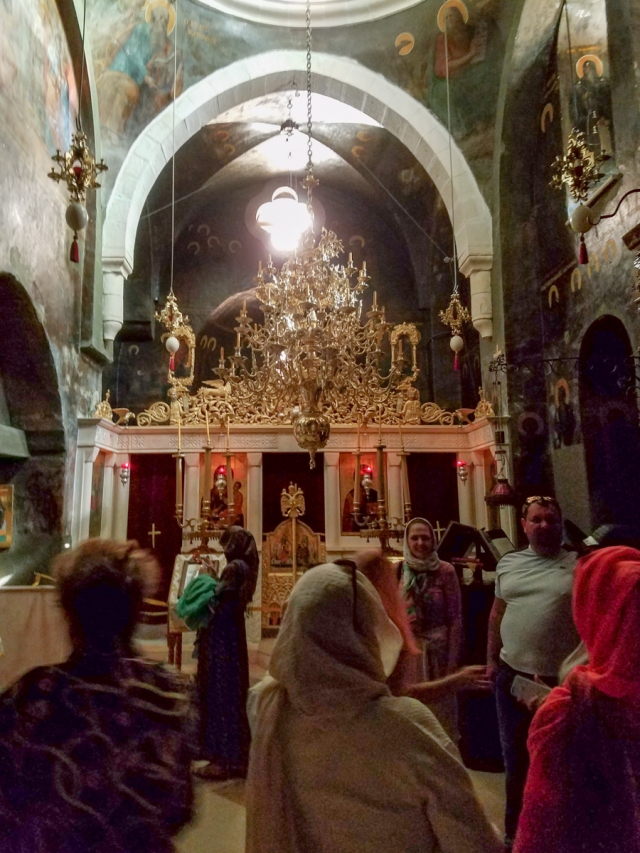
This is probably the most stunning discovery in the monastery: St. John Jacob (the Romanian) – a Hermit from the Holy Land with complete Incorruptible Relics! He was a great ascetic and a poet. He called himself “the child of zero” who “followed the One”. After his all night- vigils, he would briefly rest in the verandah of the monastery and write his so moving poetry, sadly not translated yet in English. In the next days I plan to translate and post here some of his most moving autobiographical poems. This Saint is famous for his miracles, from the discovery of his relics to nowadays.
This discovery was even more stunning for me personally because my spiritual father had introduced him to me the last day before flying from Lancaster to Greece and then to Tel Aviv. He also gave me a tiny piece of a secondary relic of him. What a ‘coincidence’! I knew nothing about him, other than his name, and then a brief google search, and here I found him most alive and incorruptible!
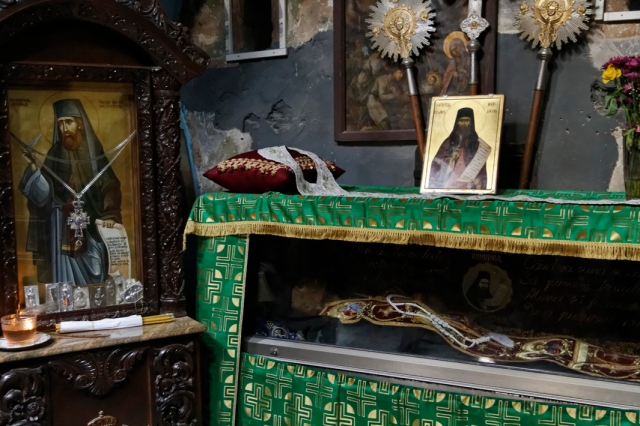

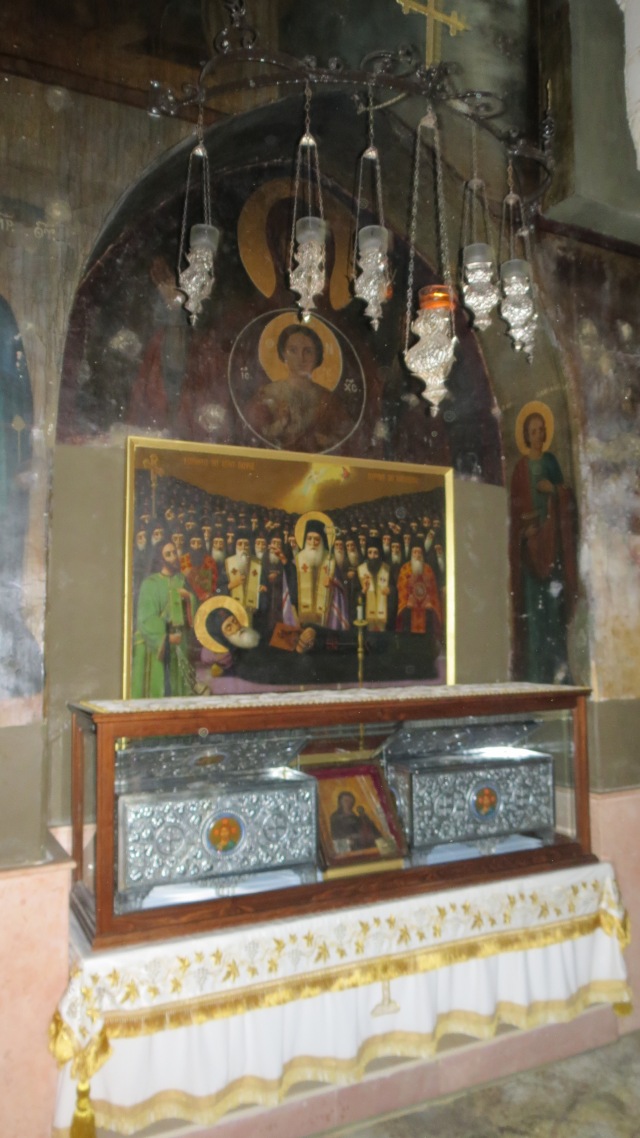
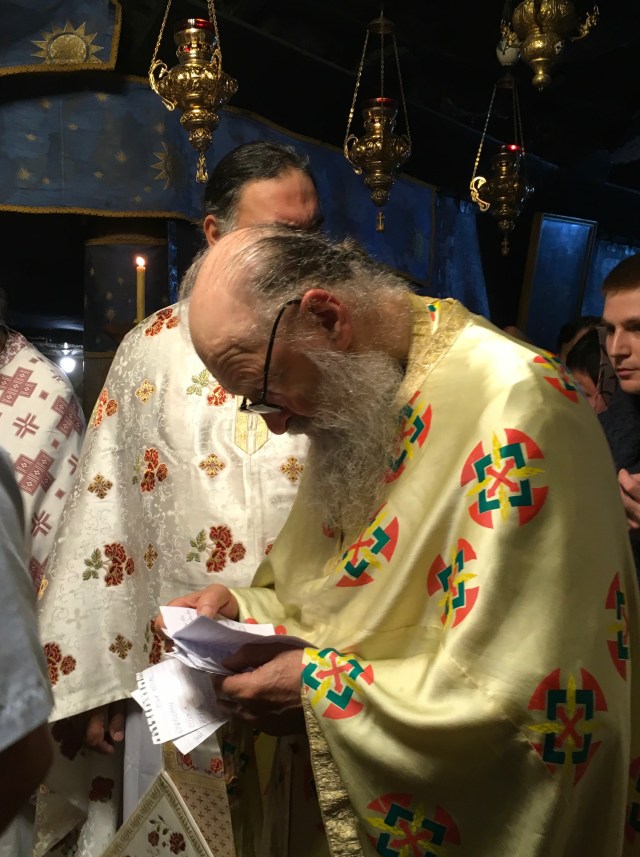
Let me close with Archimandrite Konstandinos, a holy Elder, very special in his hospitality and famous for his clairvoyance gifts.


For more photographs, go here


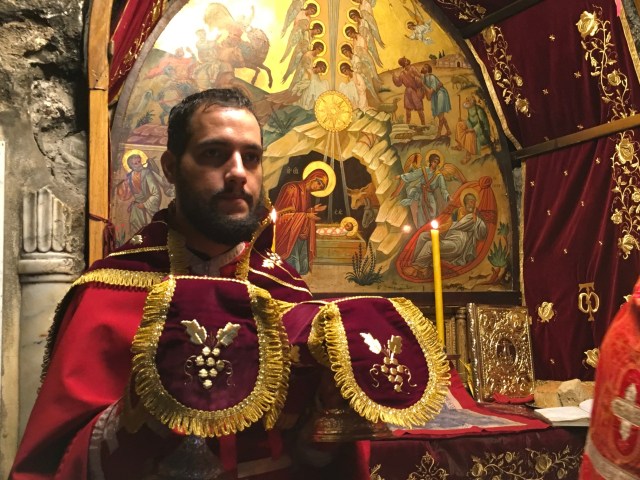
Bethlehem! The birthplace of our Lord and Savior and the cradle of biblical history. Bethlehem (Hebrew: בֵּית לֶחֶם Bet Lehem, [bet ˈleχem], “House of Bread”) is located five and half miles from Jerusalem. No town in the world has such a glorious history as Bethlehem. Our Elders together with a number of Holy Land Hieromonks offer a Holy Liturgy at the Church of the Nativity.

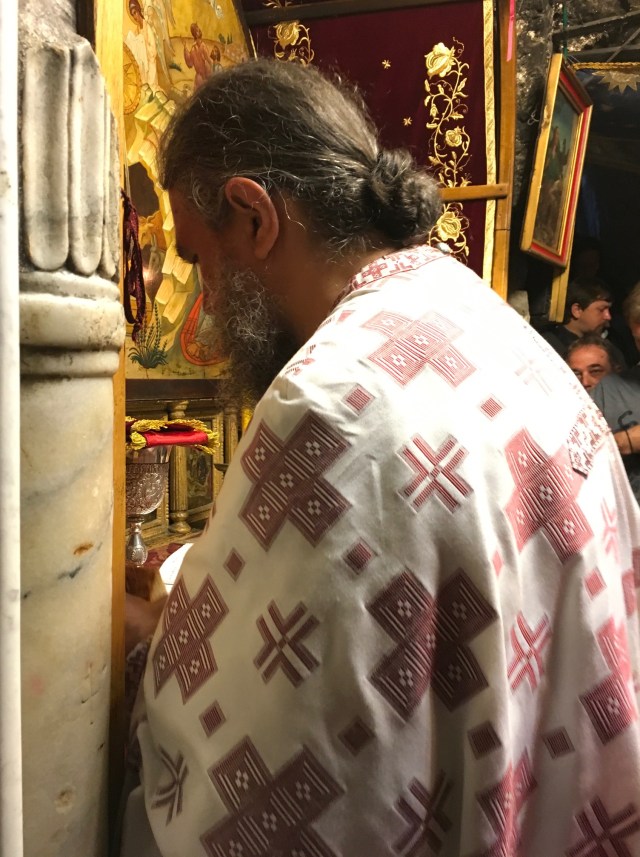
A Greek Orthodox Church, which has been built over the birthplace of Our Lord by the Emperor Justinian and is over 1,500 years old. It is the second oldest Orthodox Church in existence. It was not destroyed by the Persians, as they saw a mosaic of the Magi dressed in Persian wear over the front door. Words cannot communicate what we experienced in venerating and touching the actual ground where Jesus was born. A few feet away is the Holy Manger.
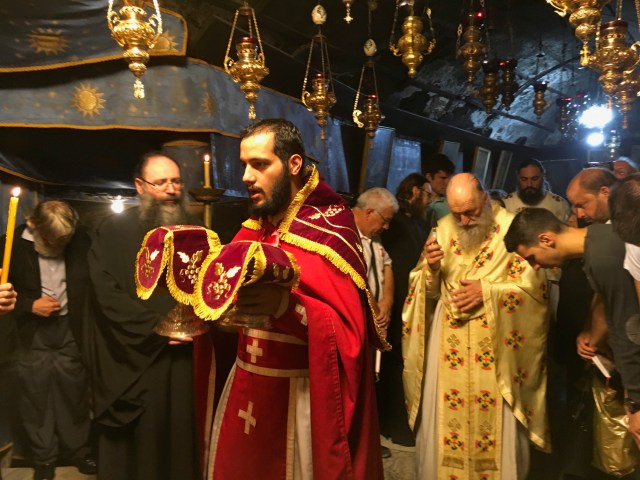
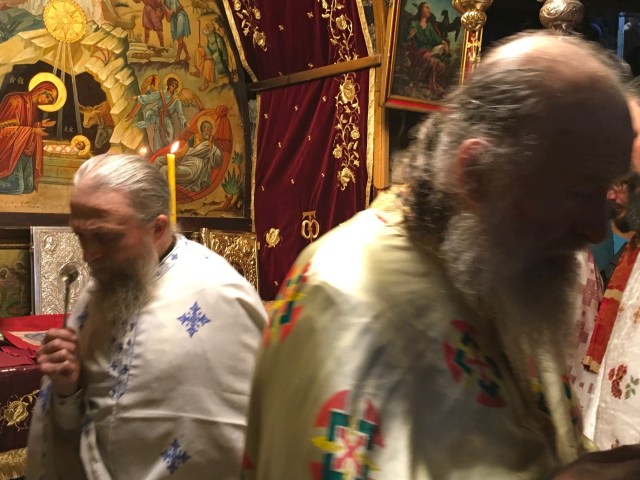


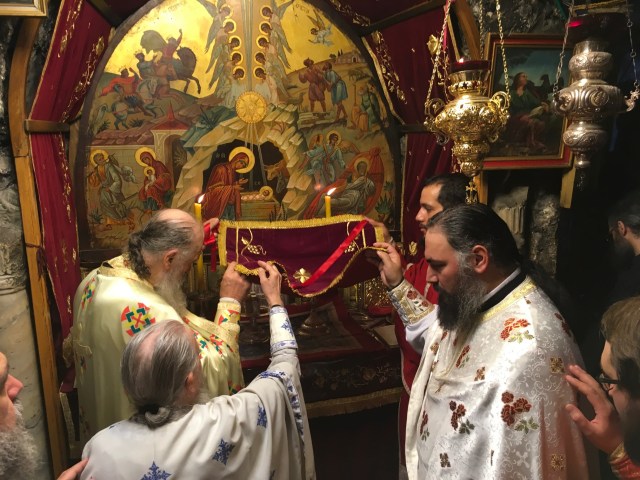


“The Church in The British Isles will only begin to grow when she begins to again venerate her own Saints” (Saint Arsenios of Paros †1877)


 ORTHODOX CHRISTIAN FAITH AND LIFE