From Puppeteer to Actor of Christ 

This image has an empty alt attribute; its file name is josef.jpg


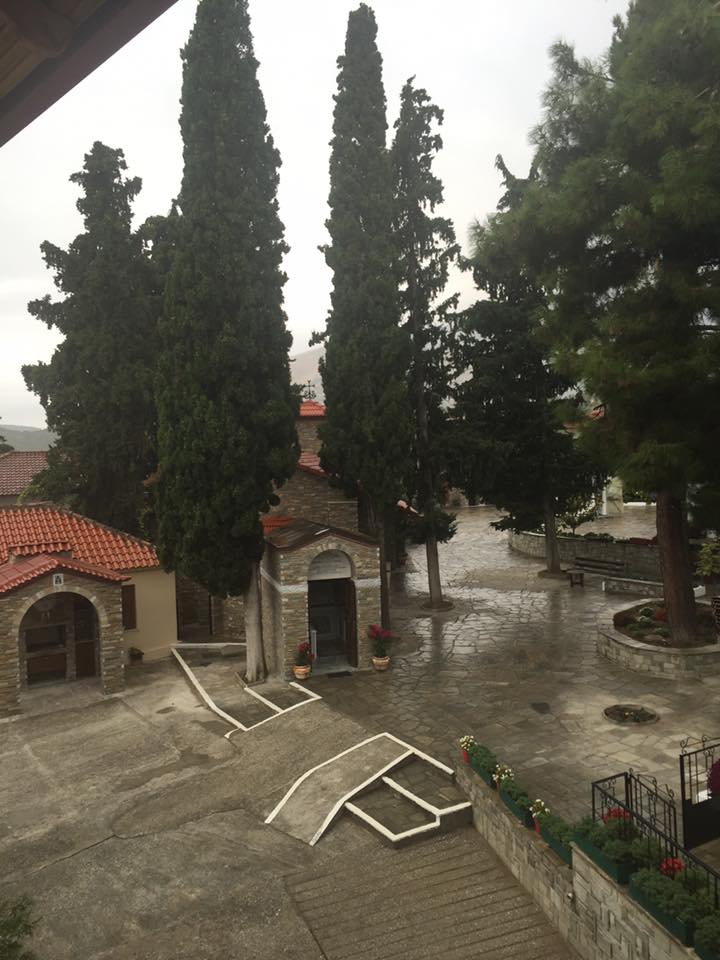
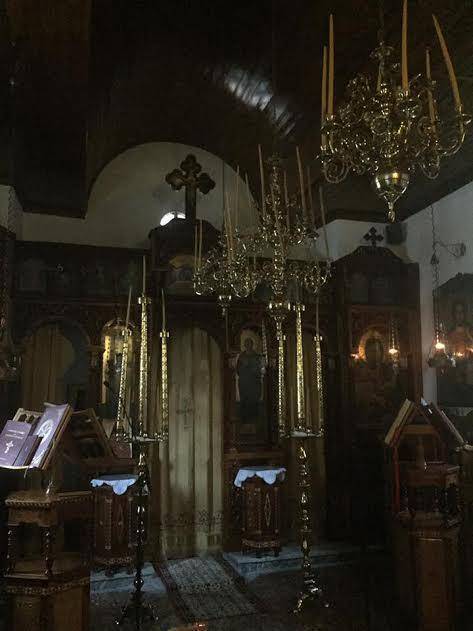
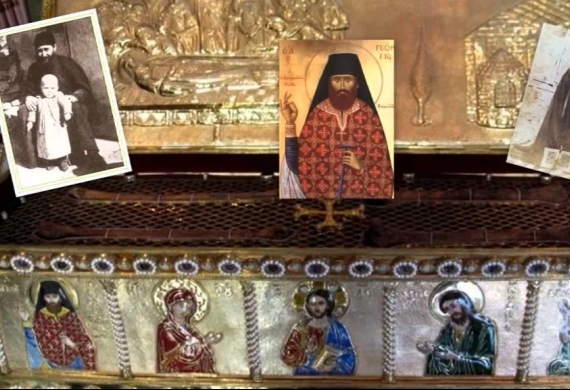
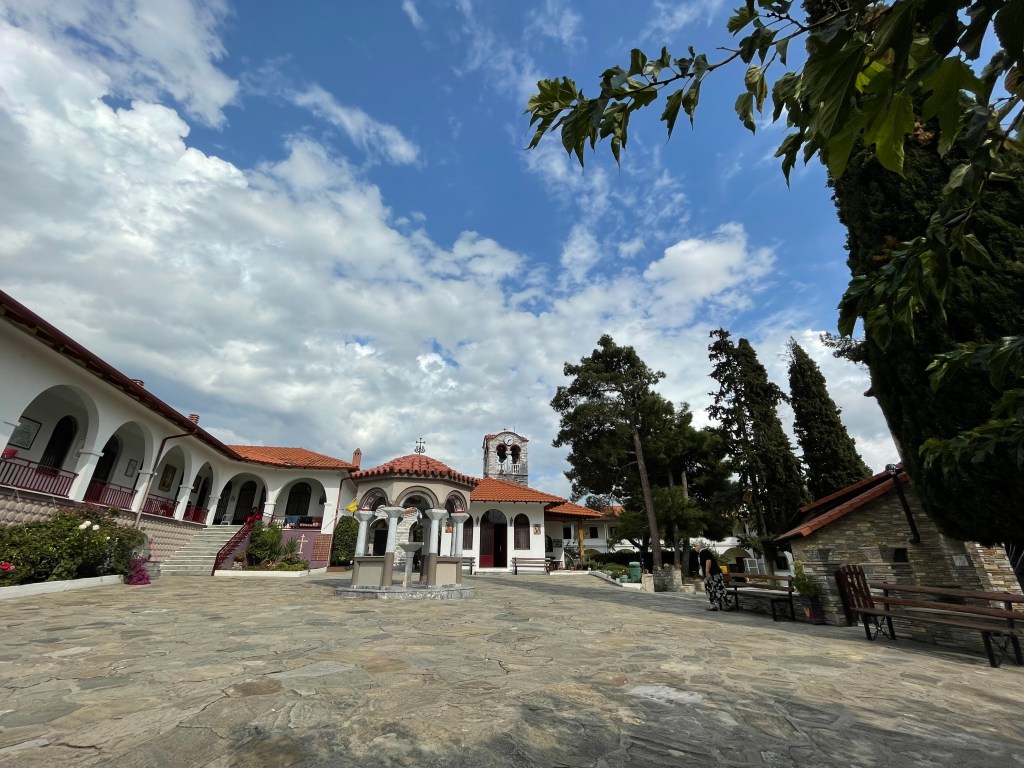
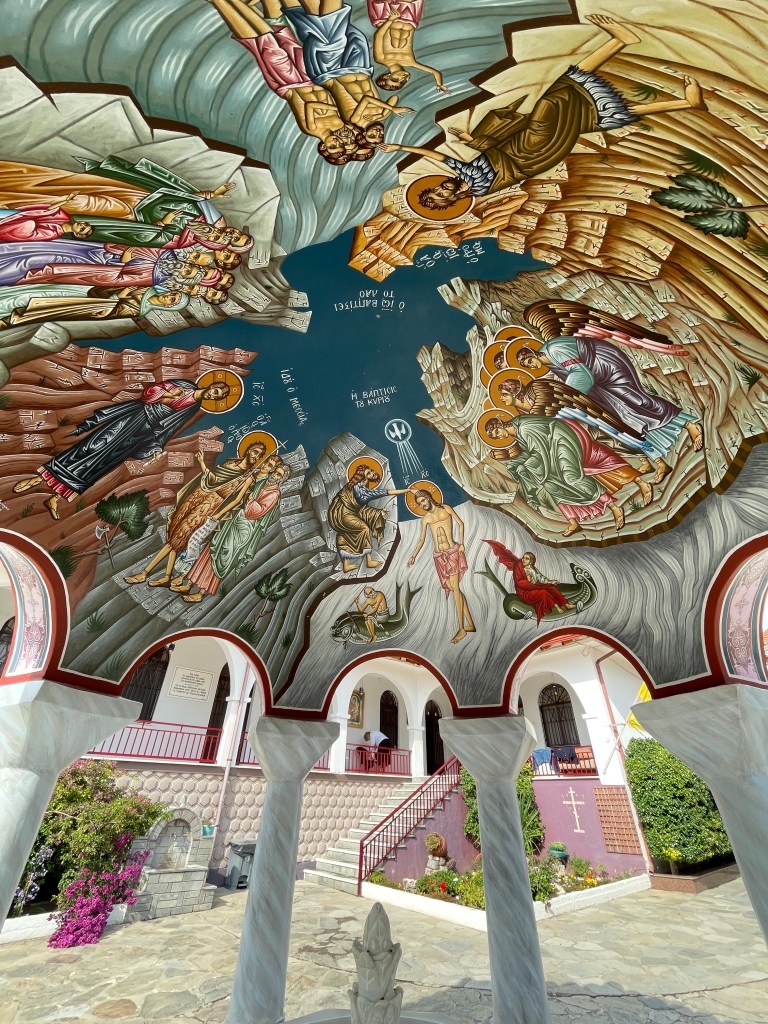
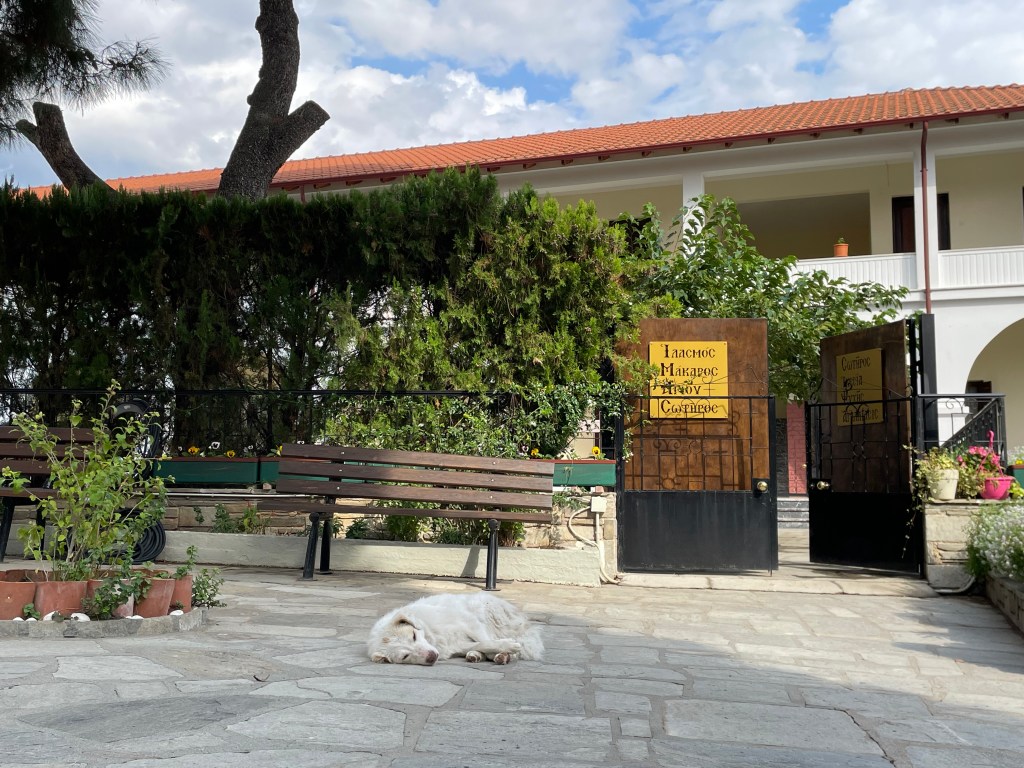
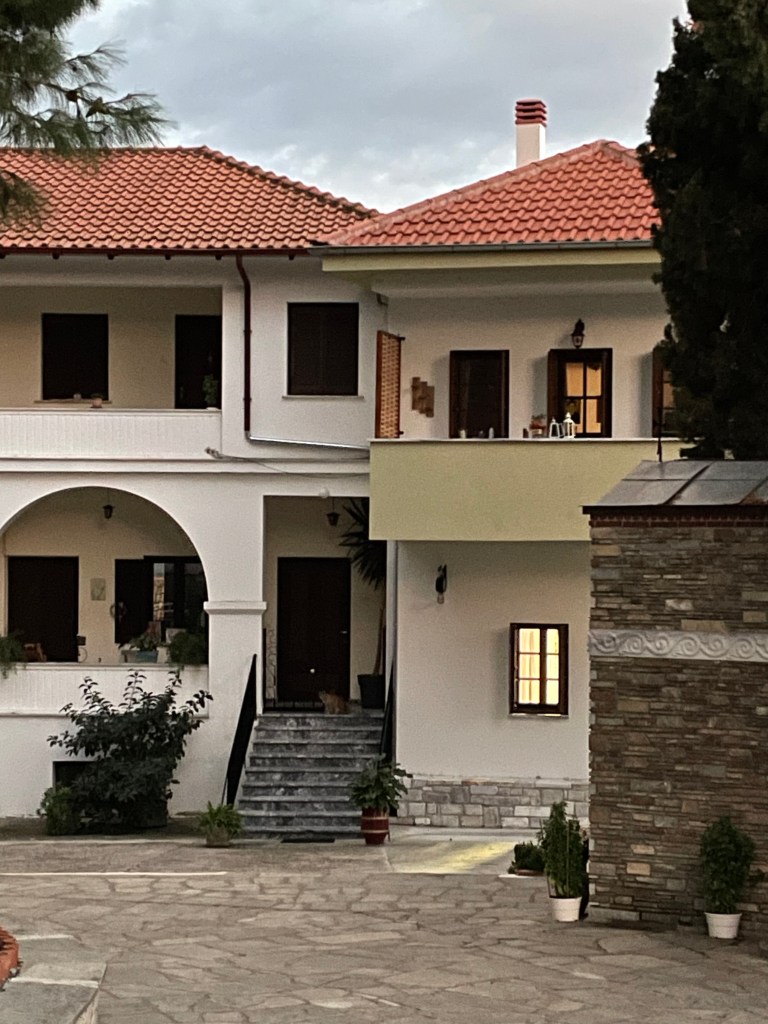
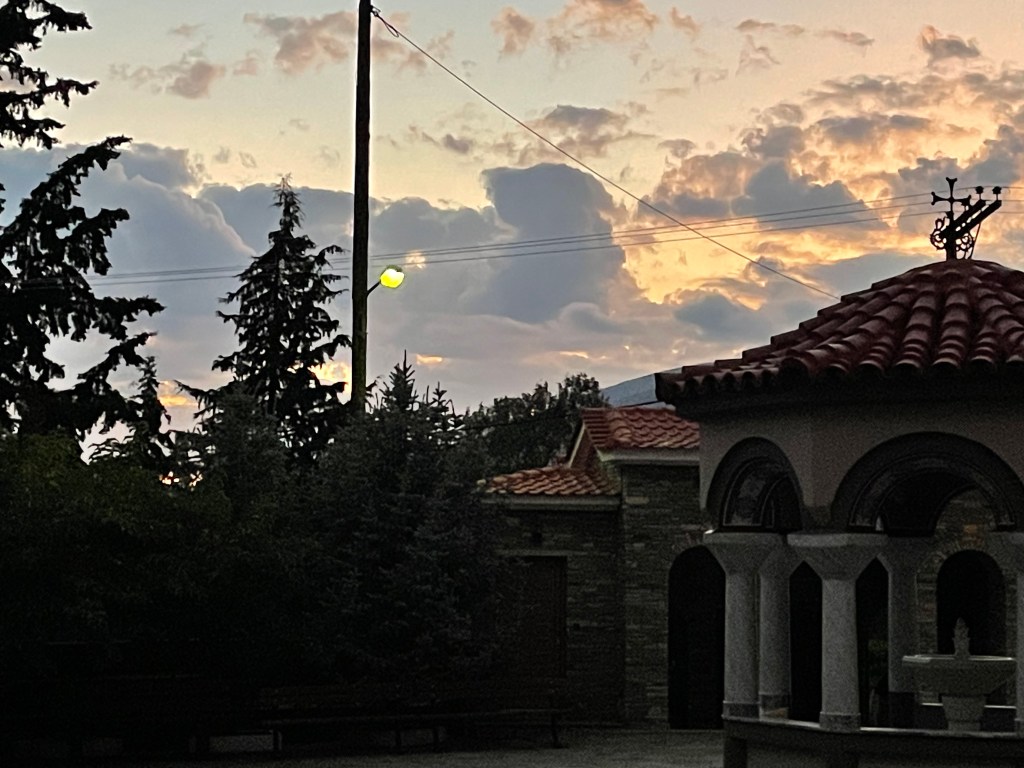
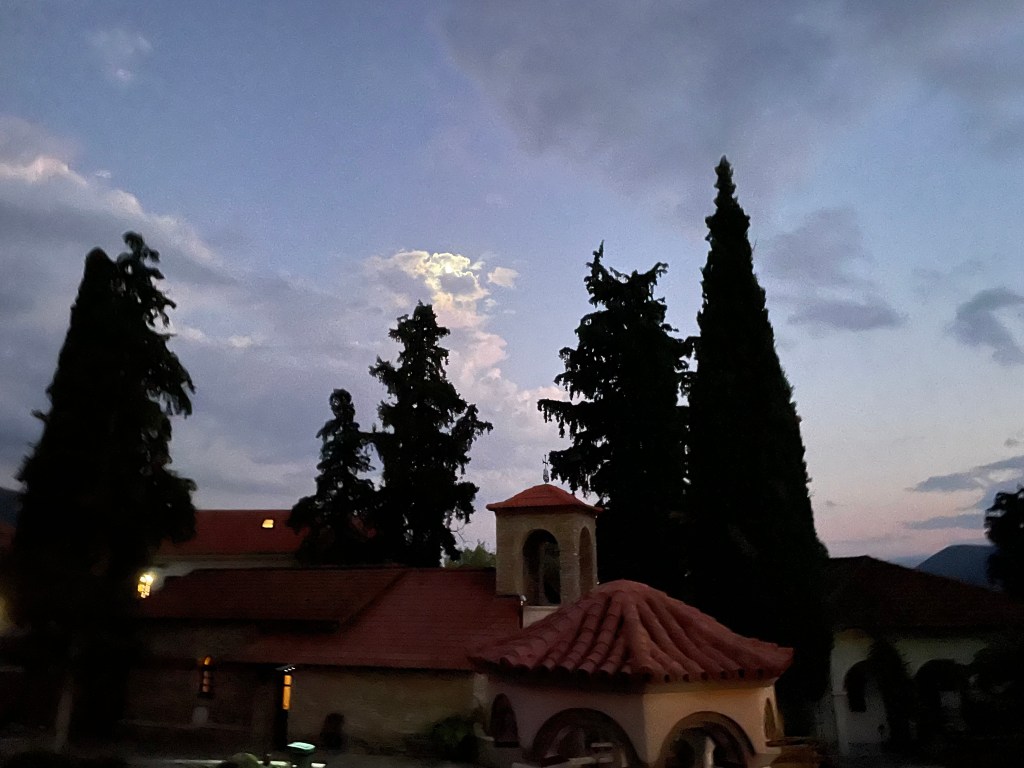
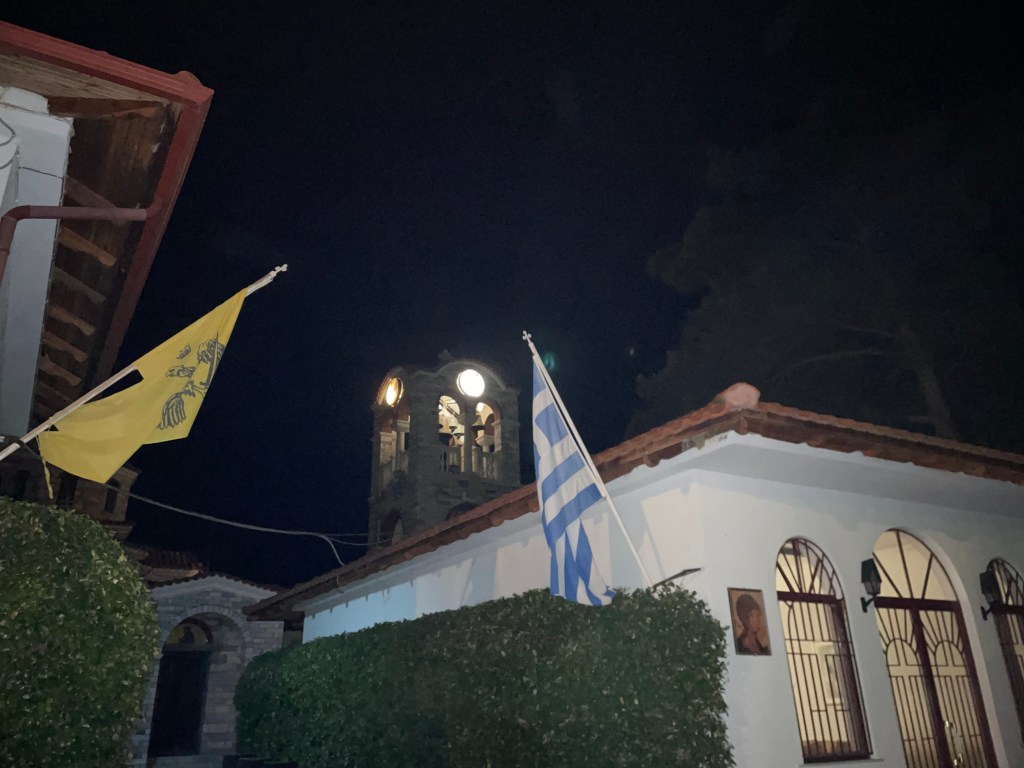
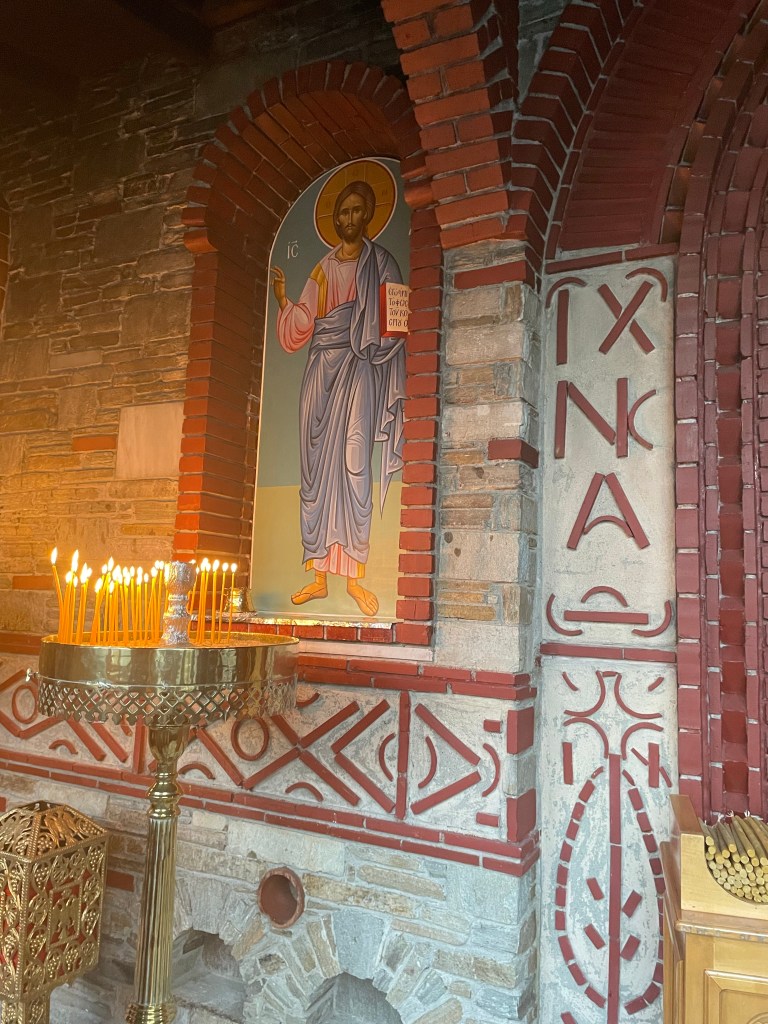
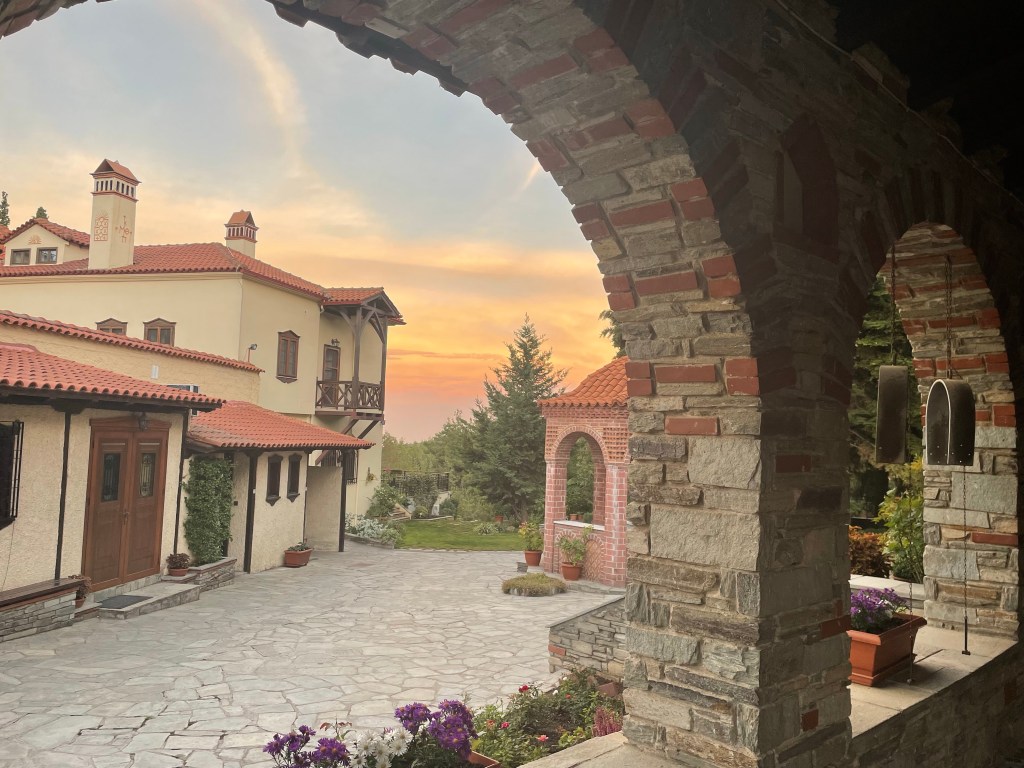
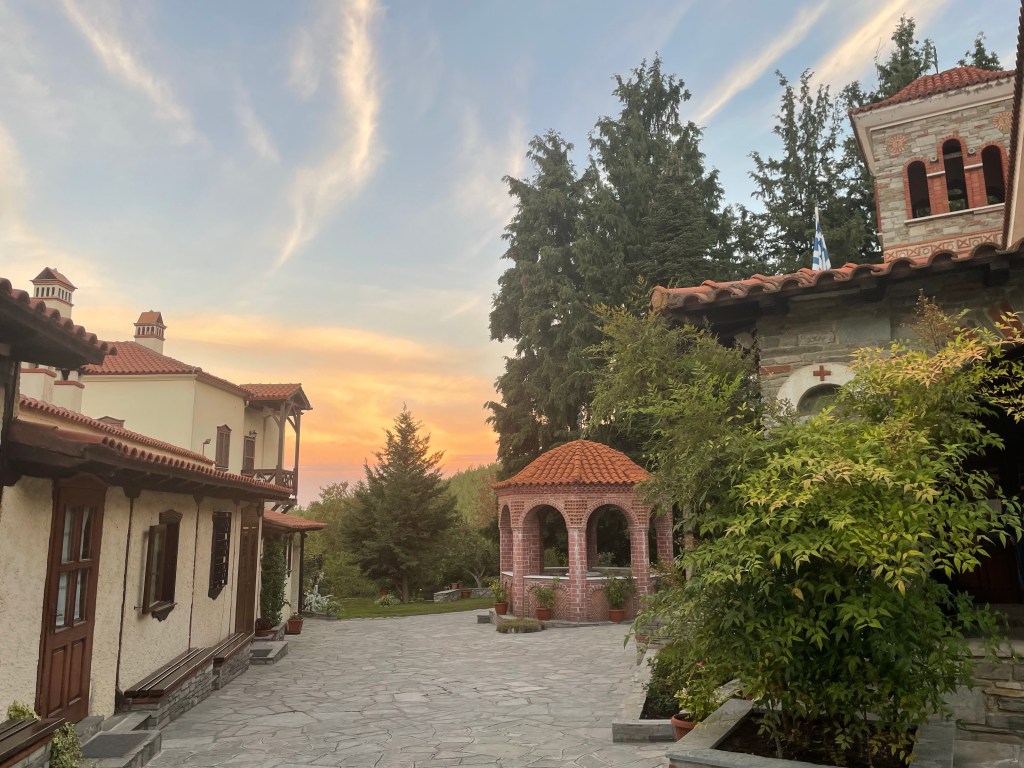
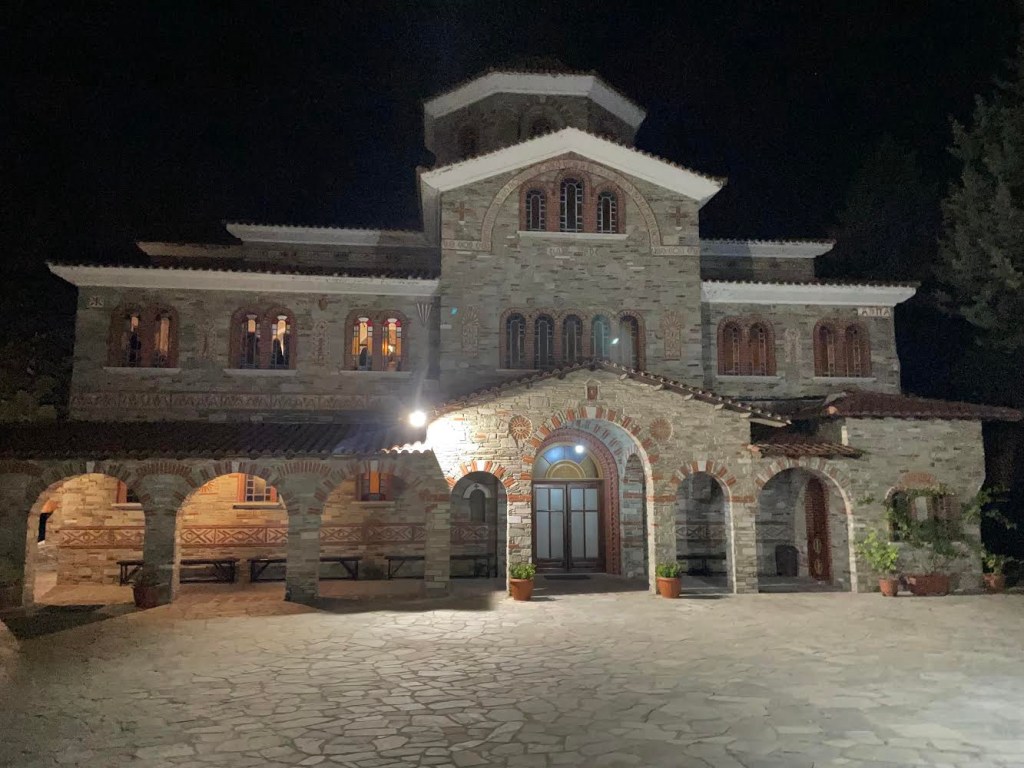
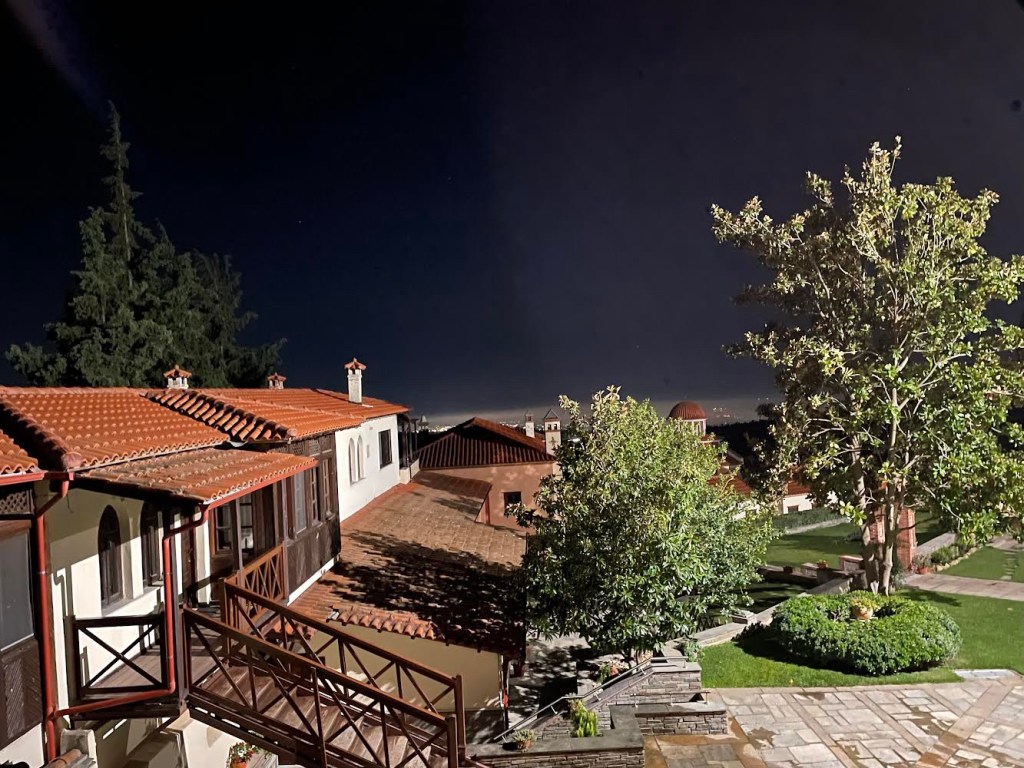
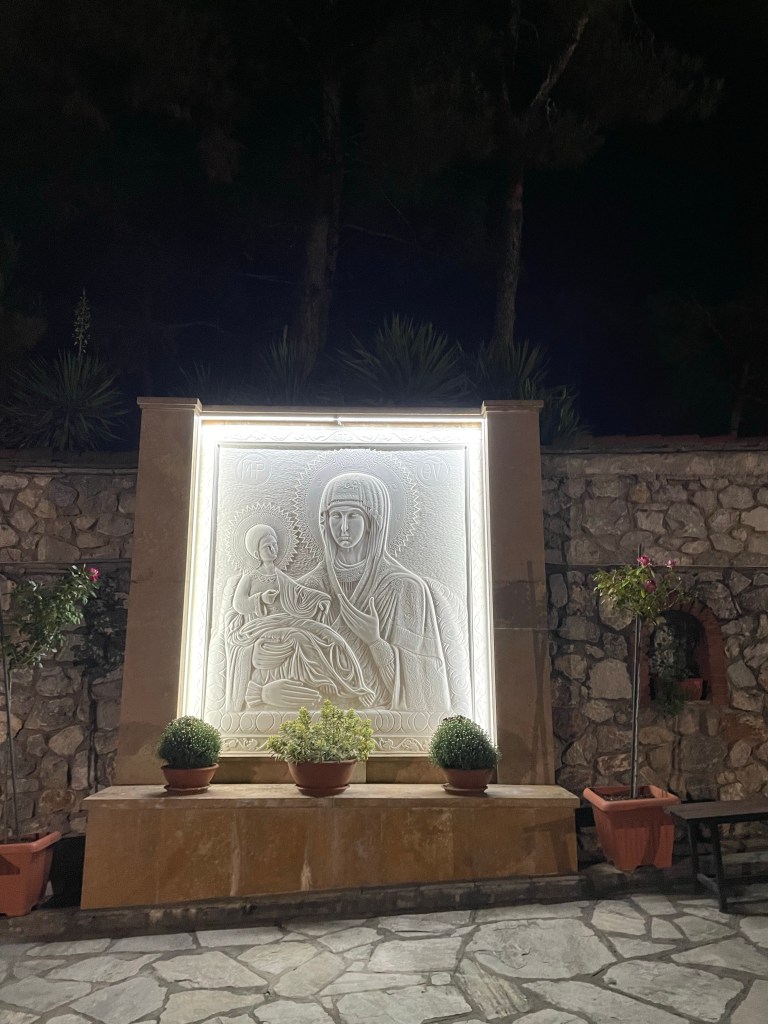
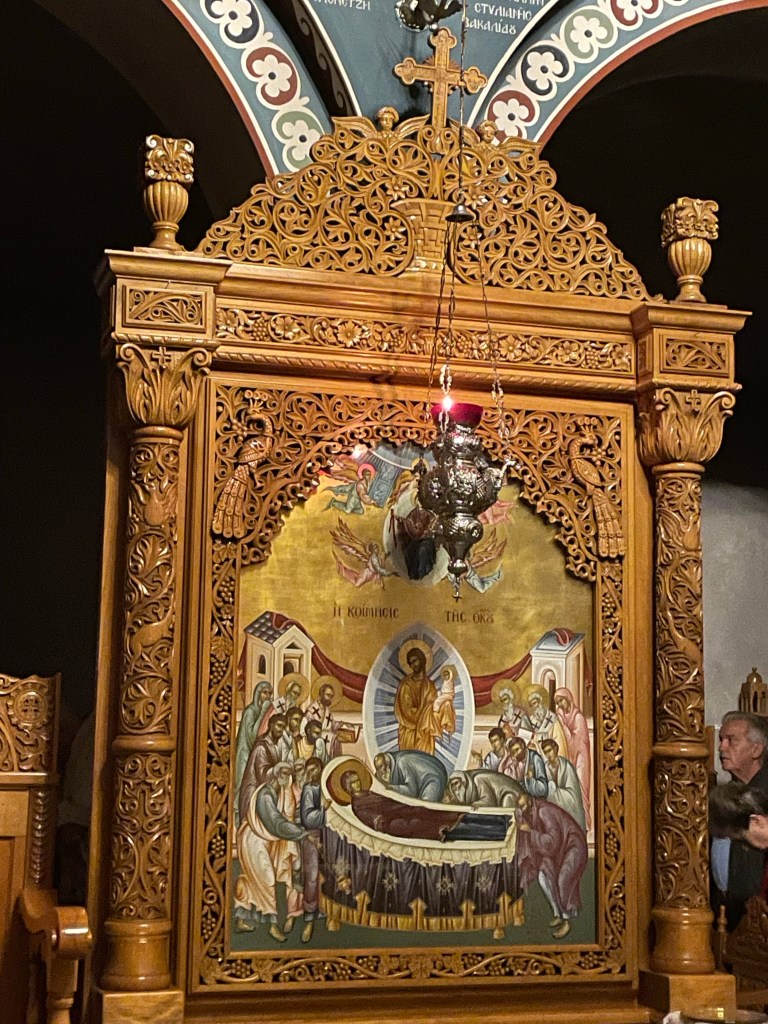
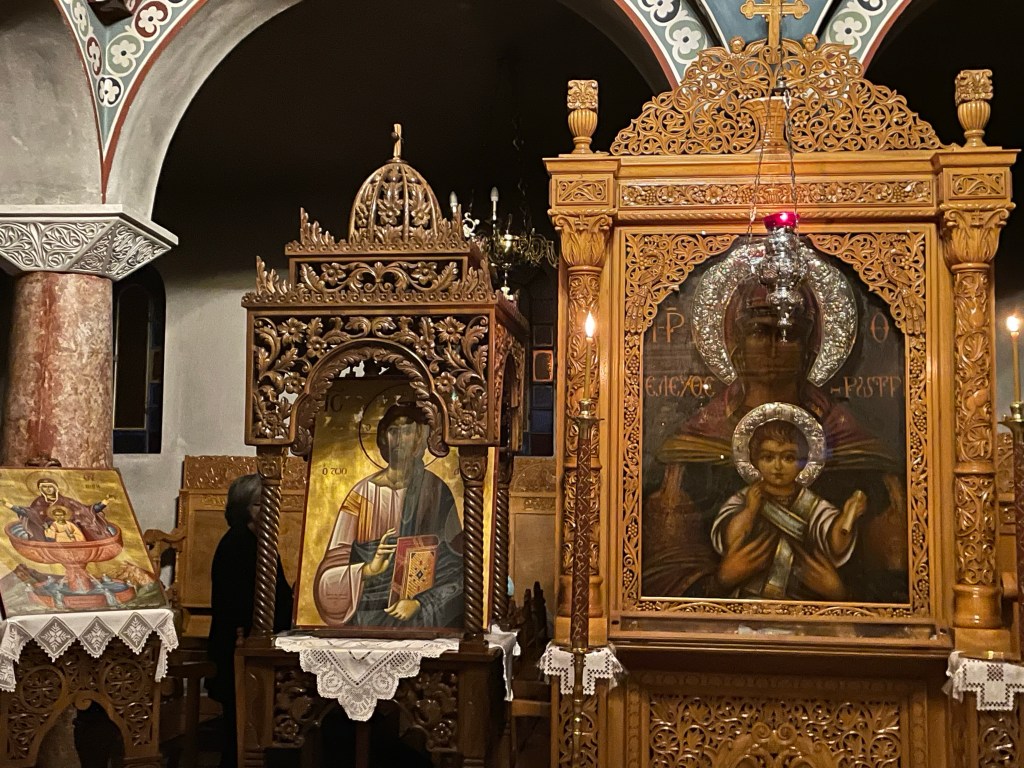
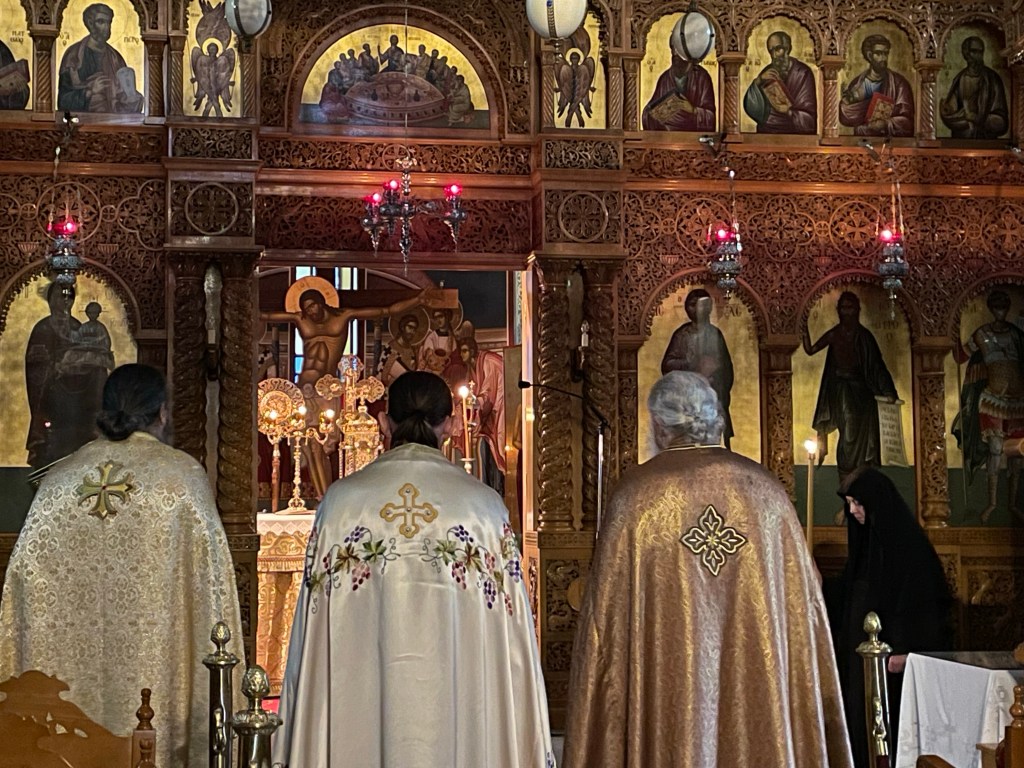
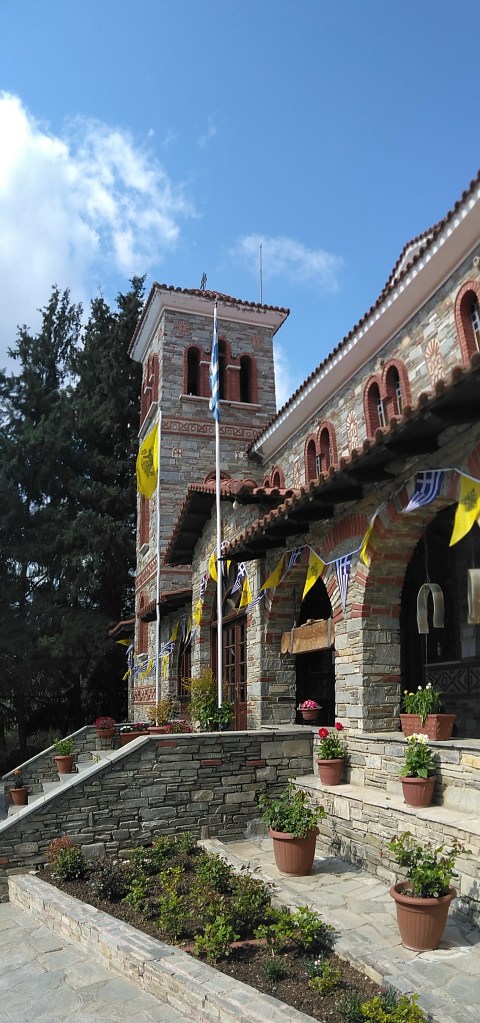
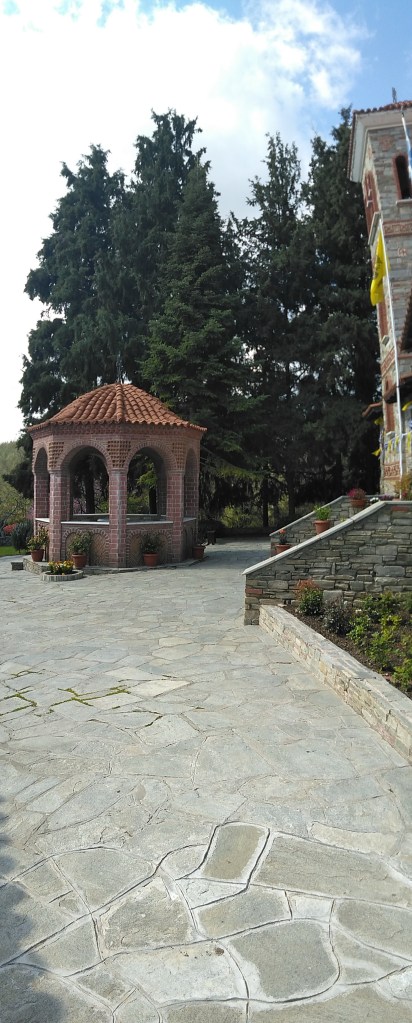
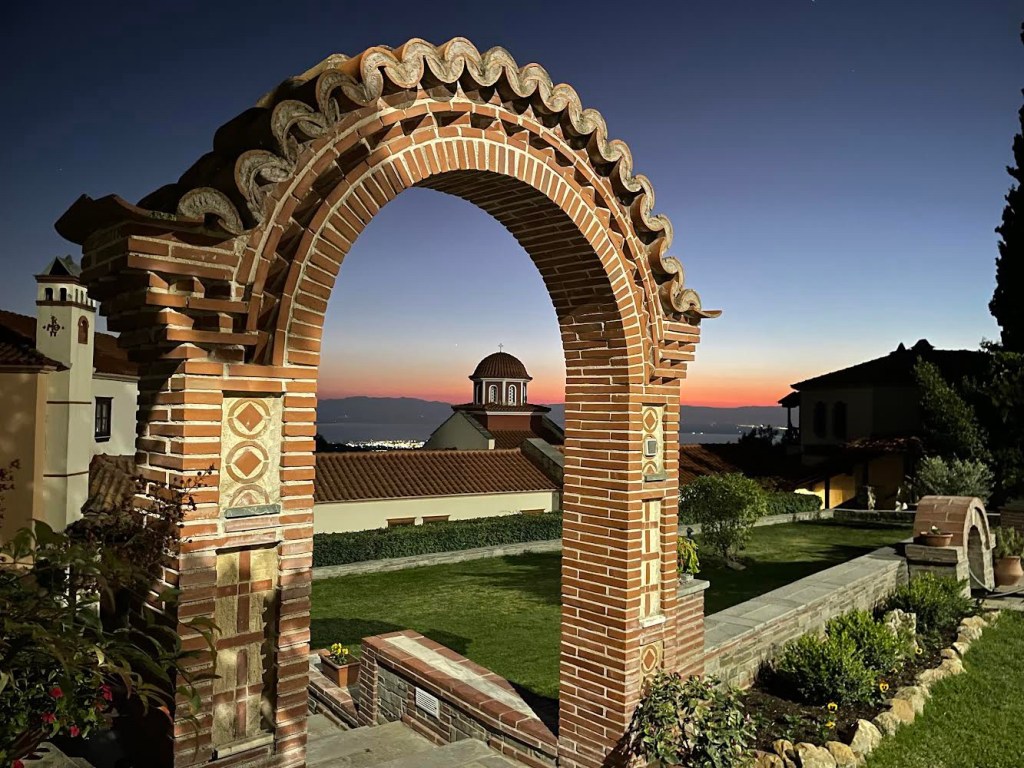
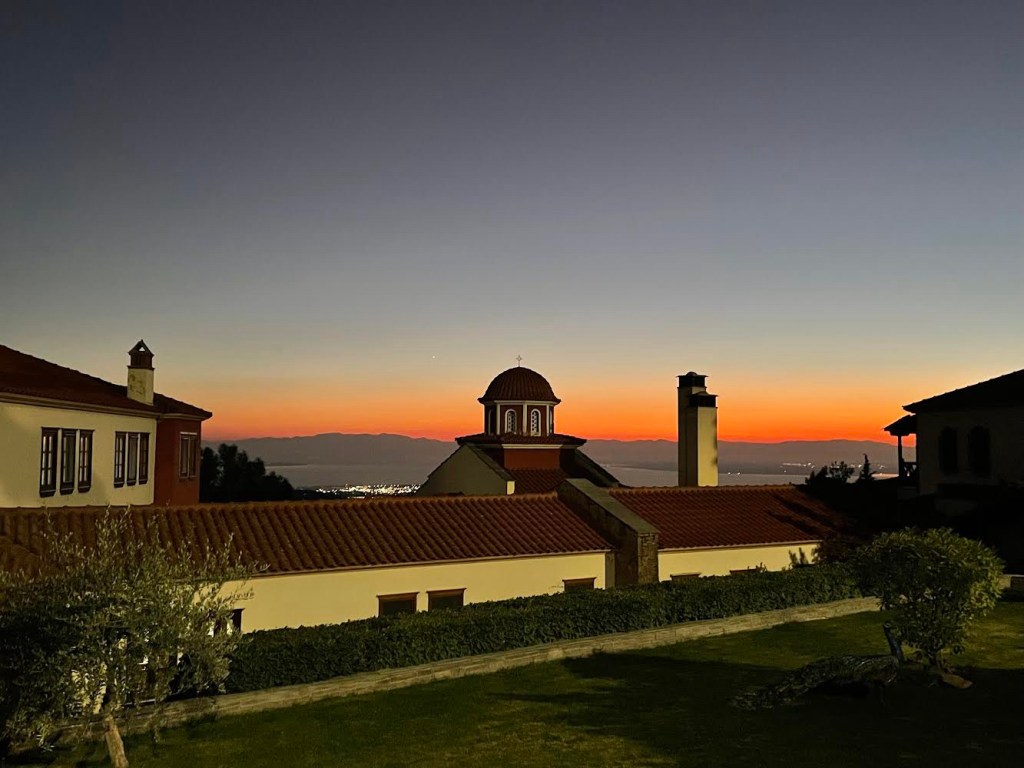
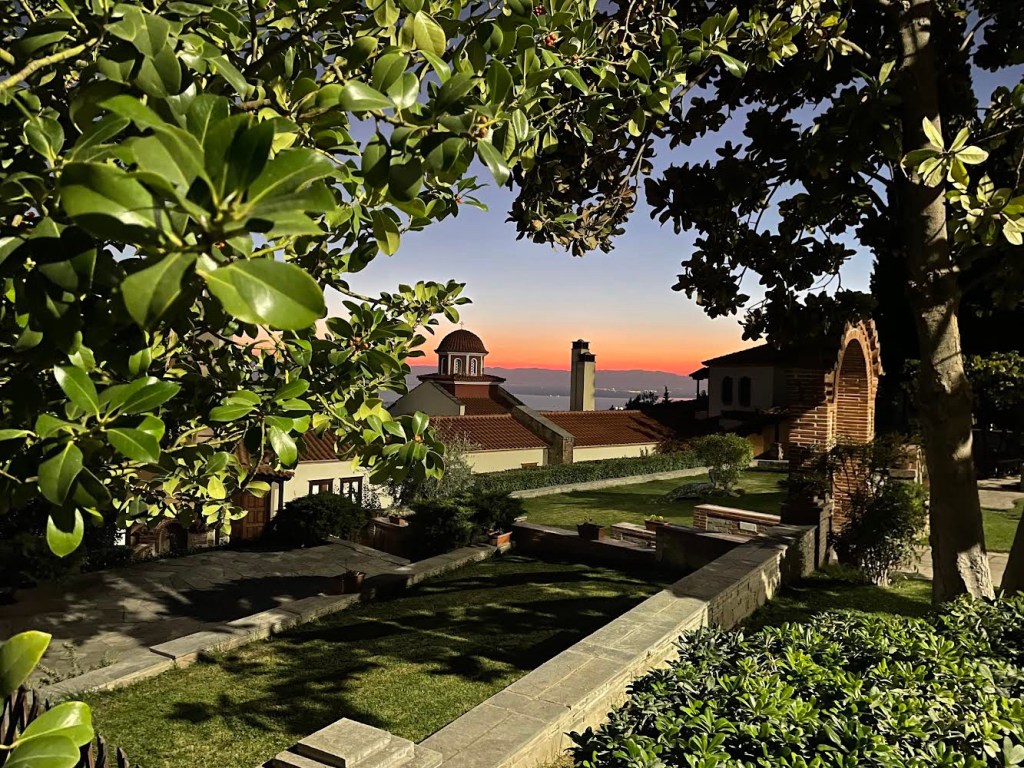
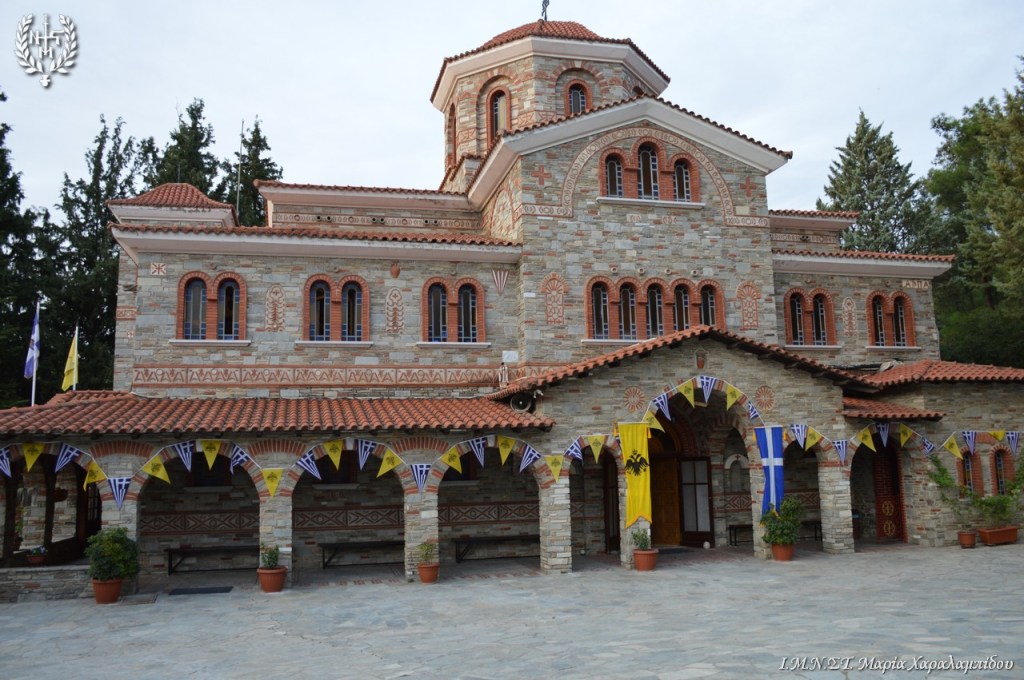
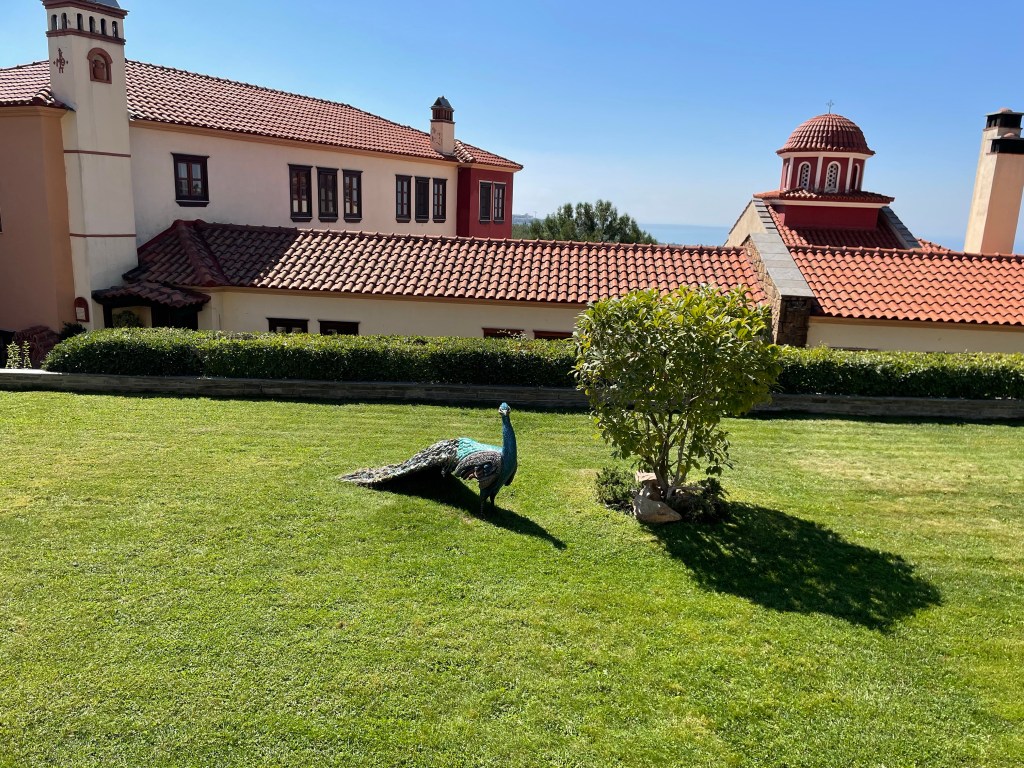
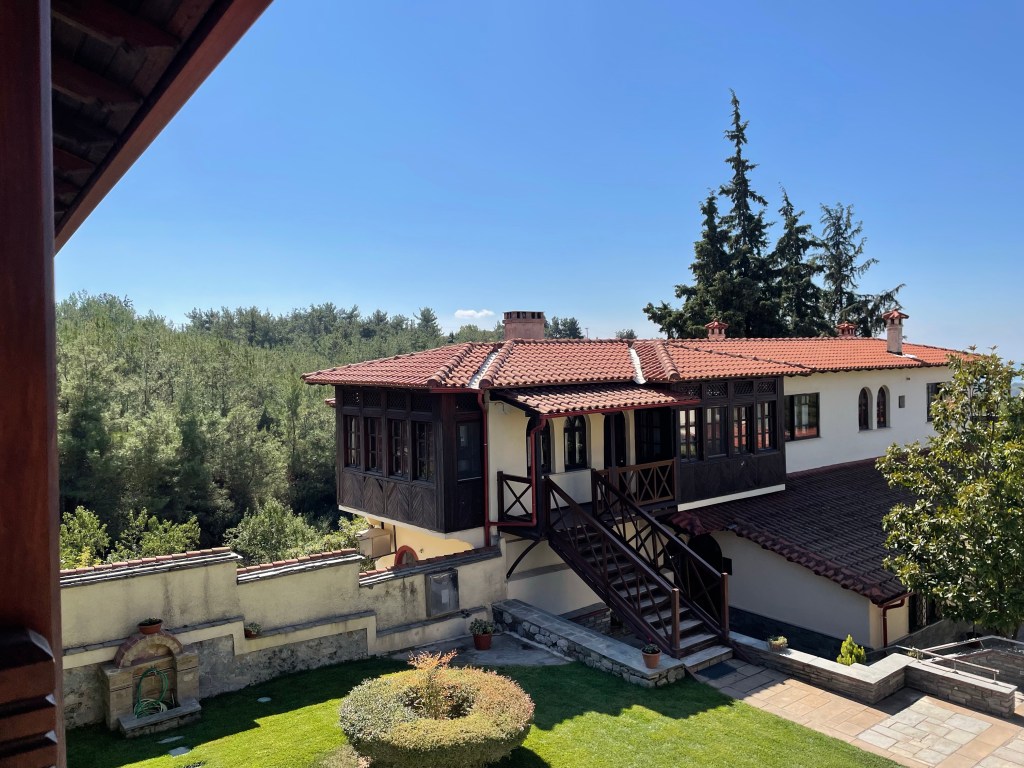
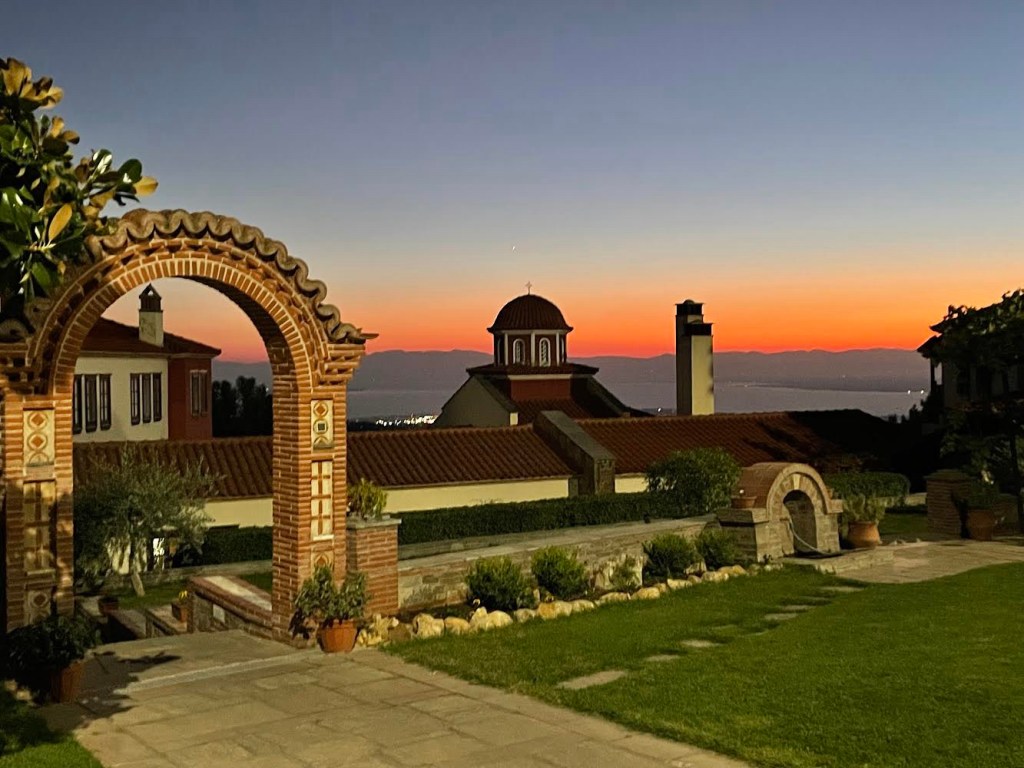
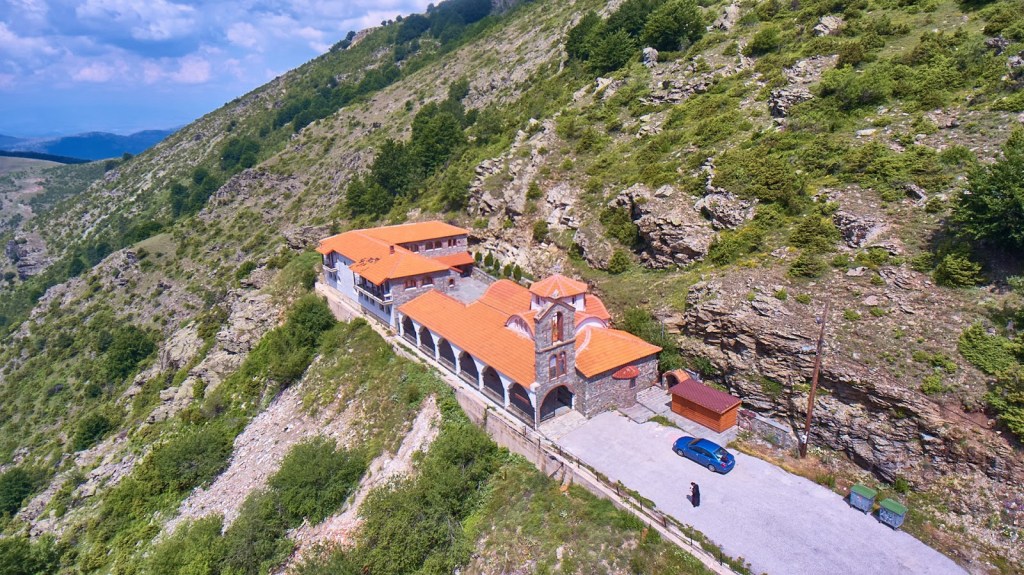
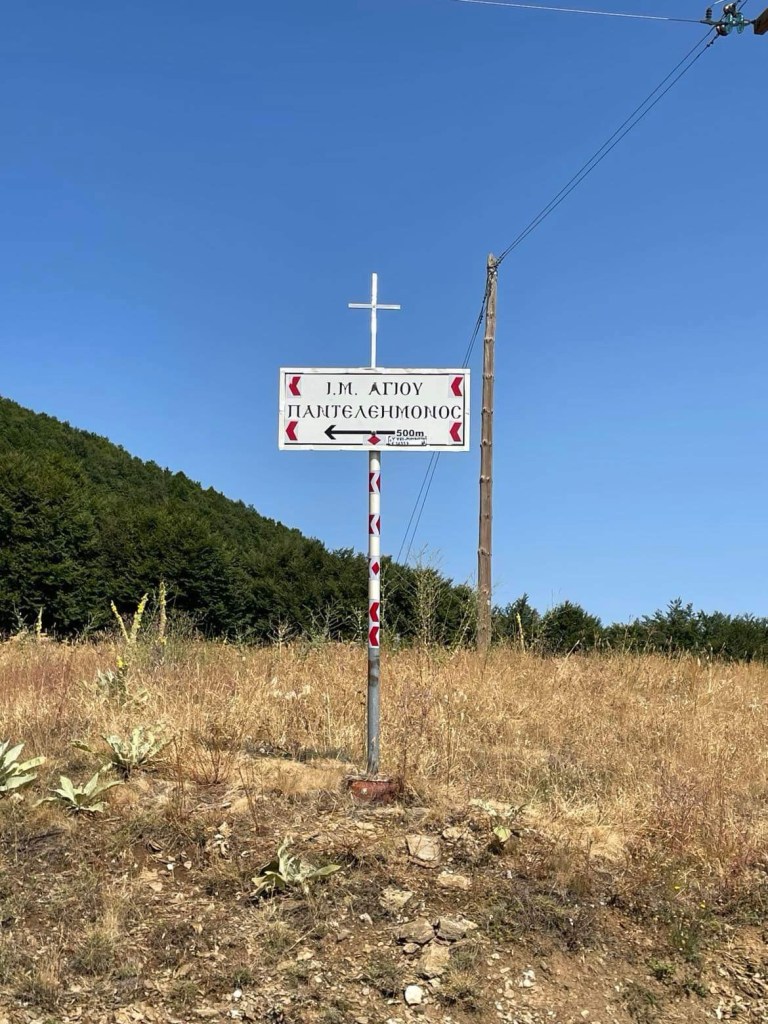
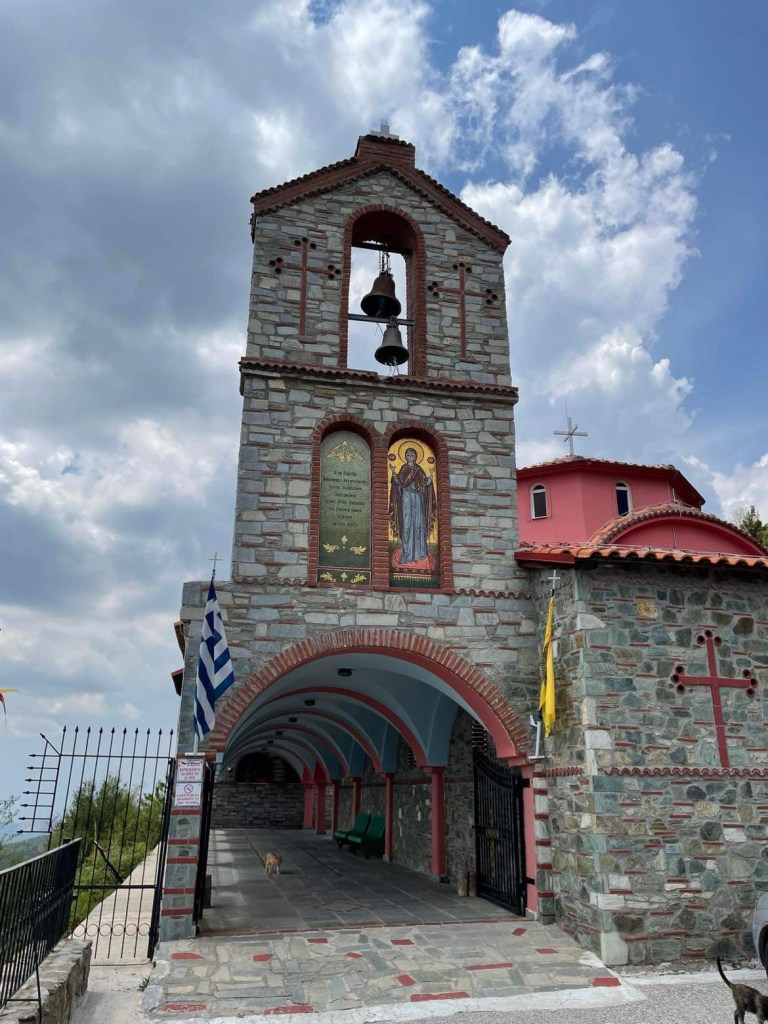
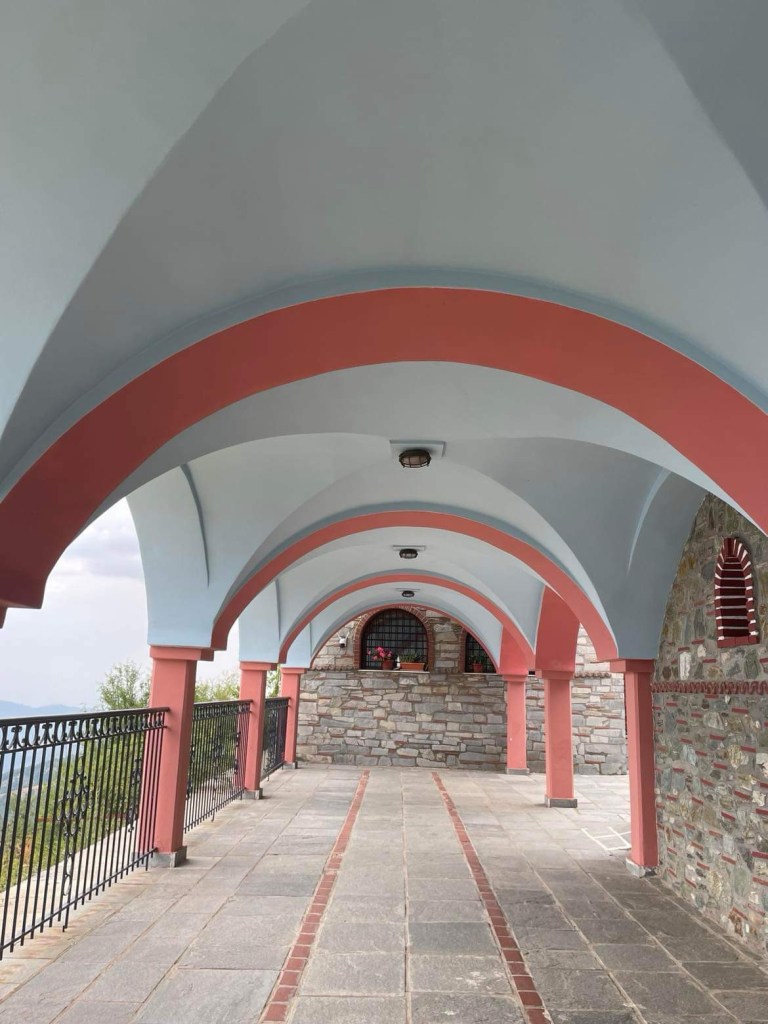
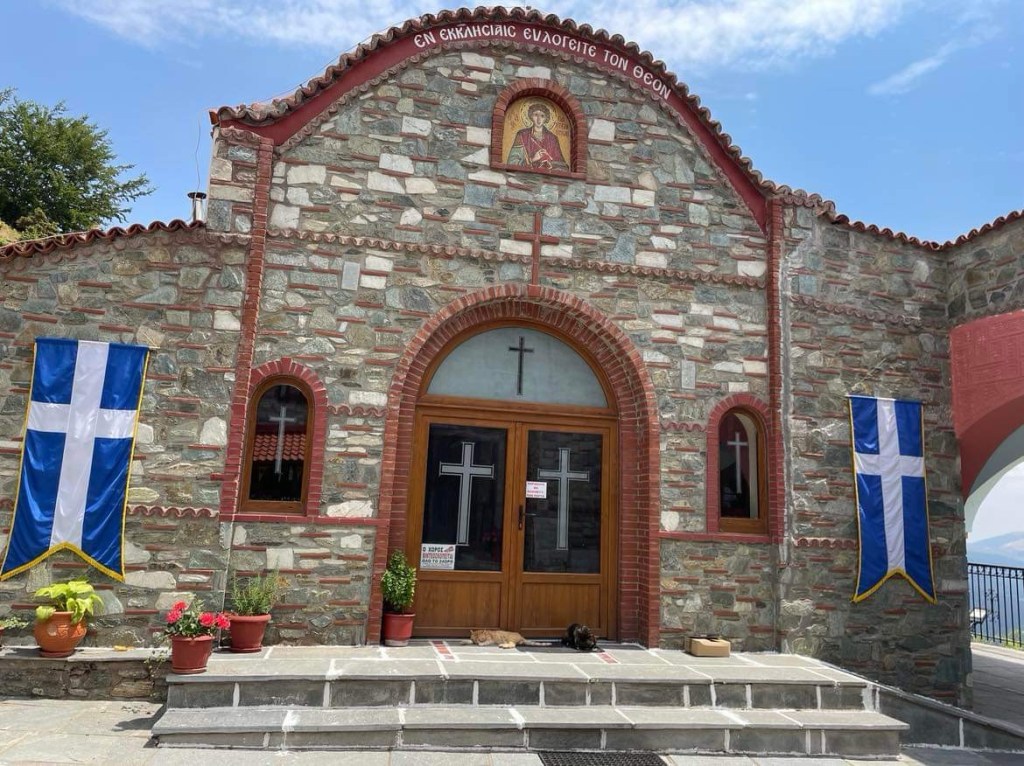
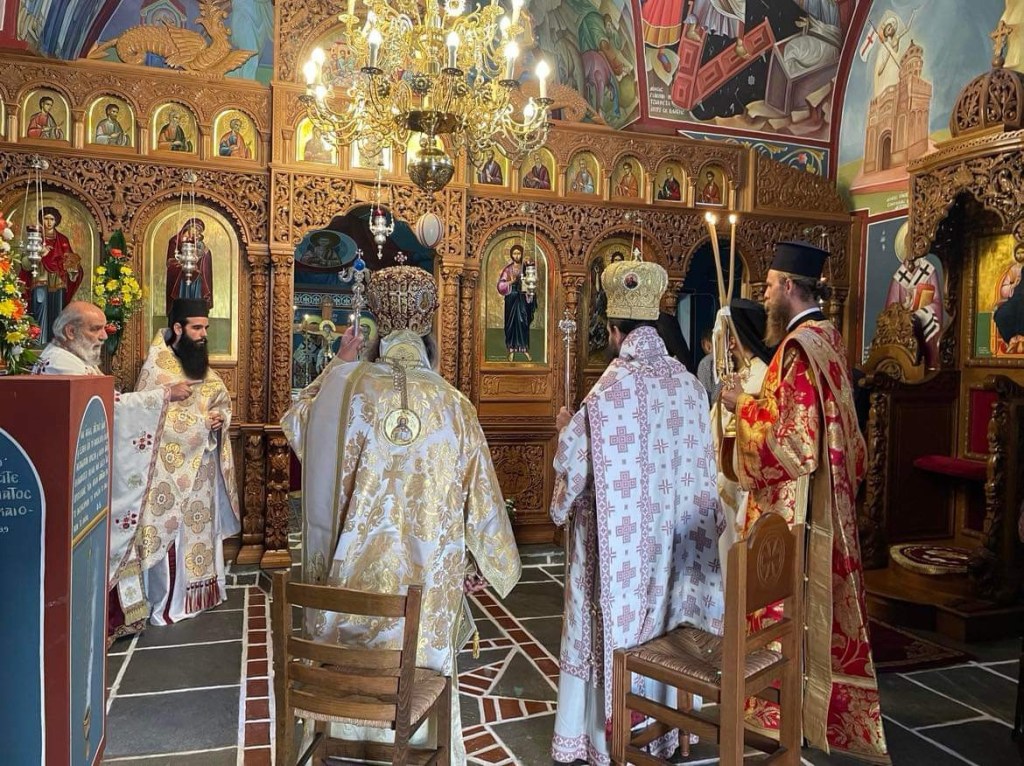
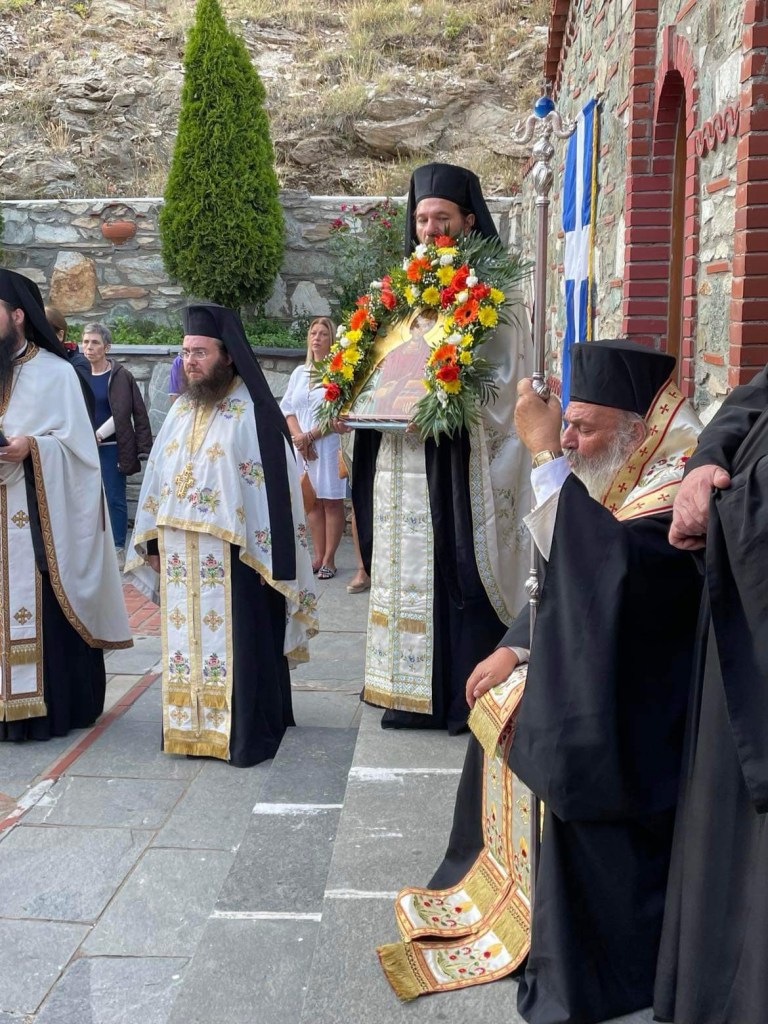
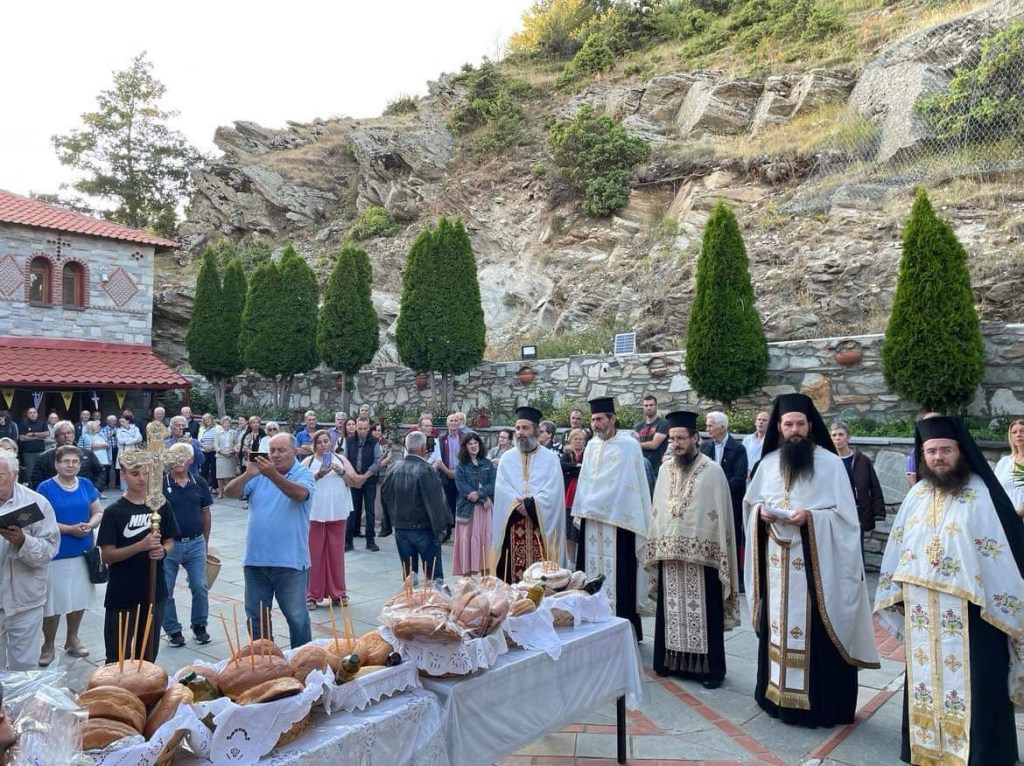
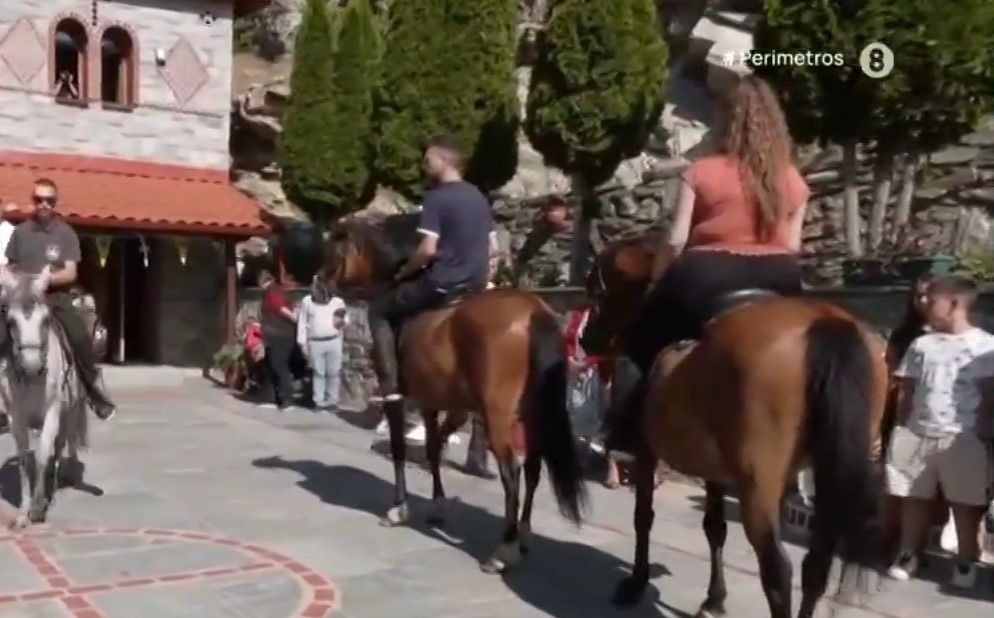
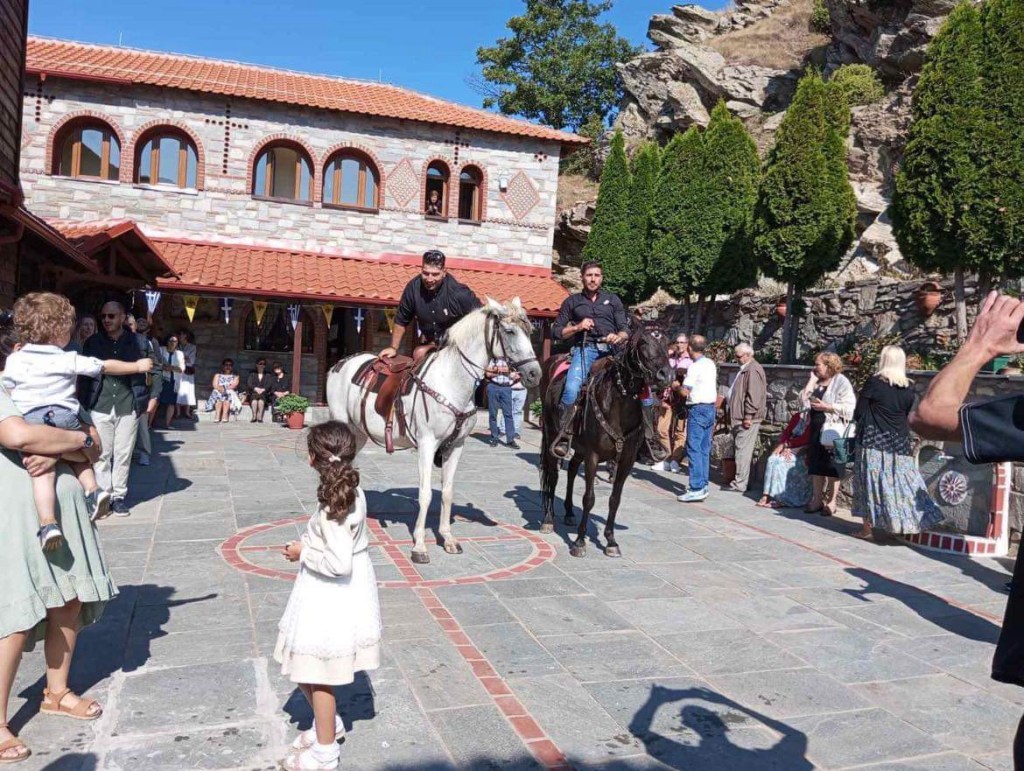
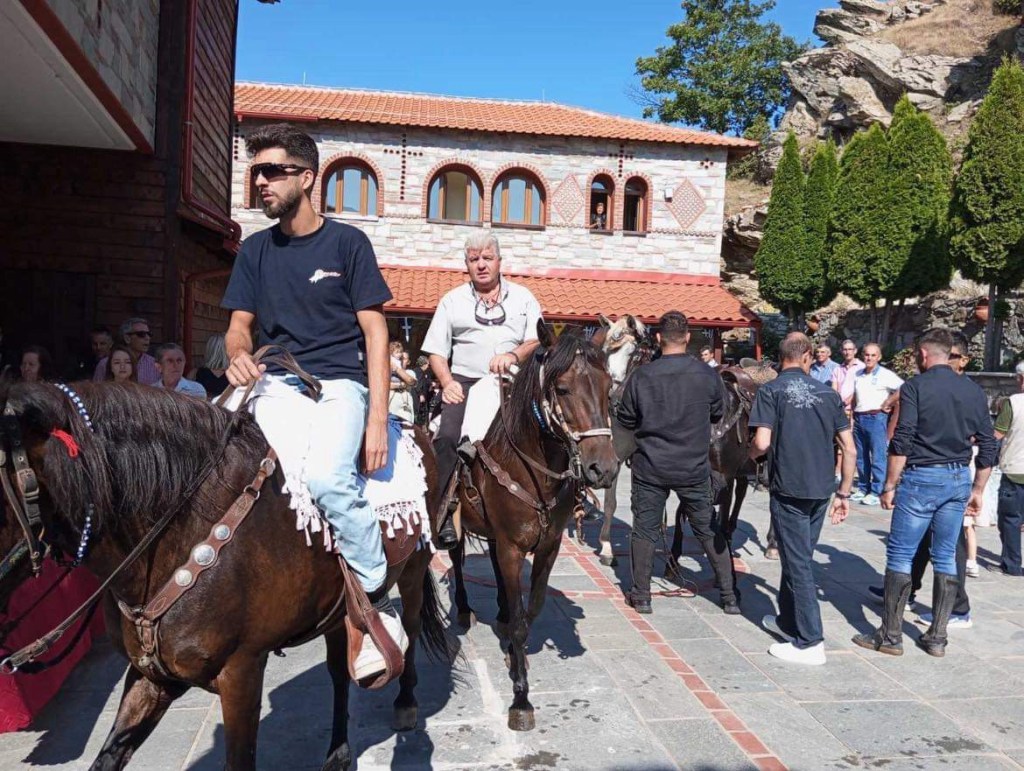
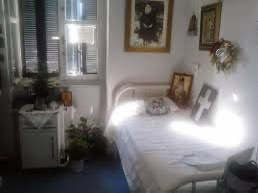
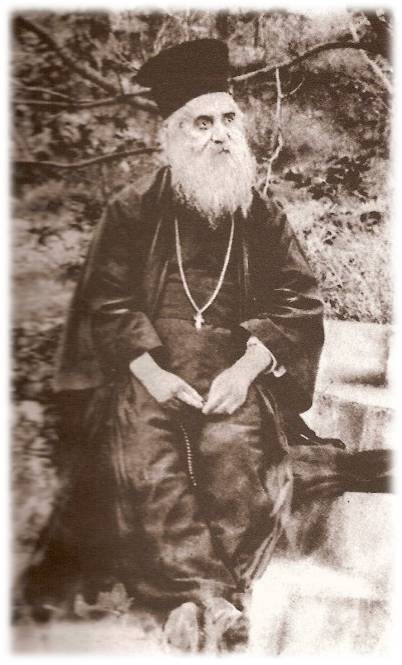
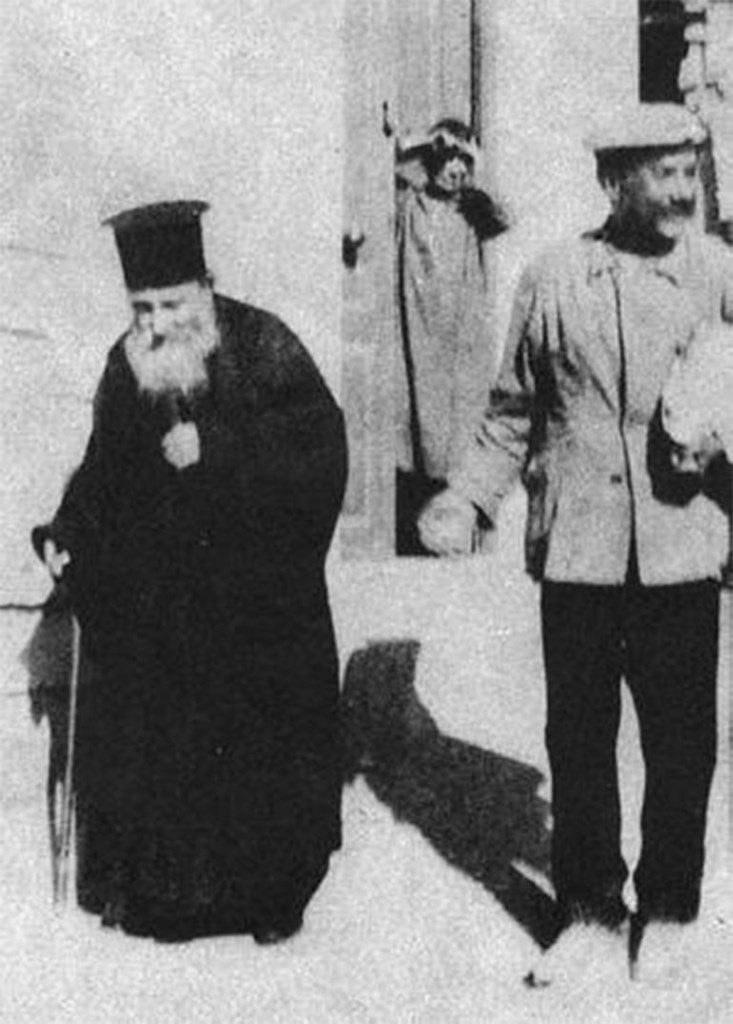
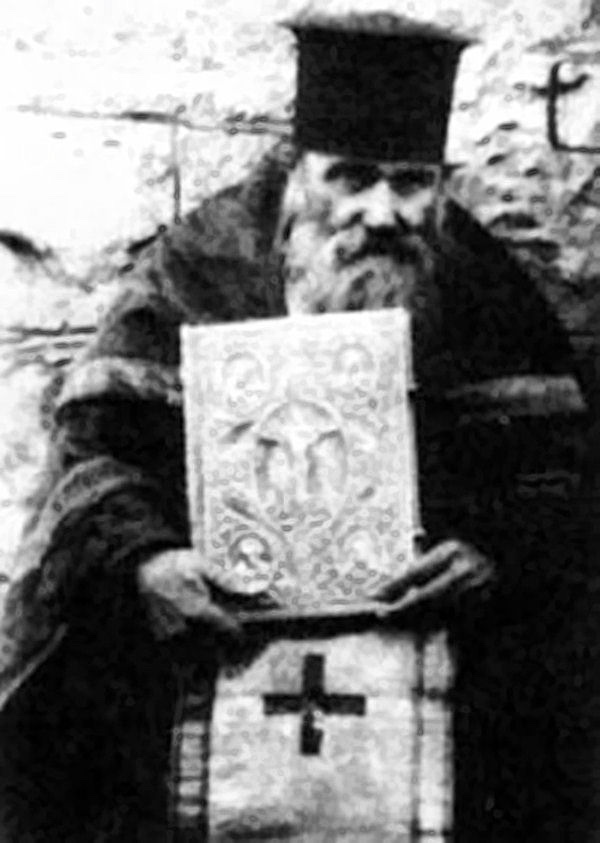
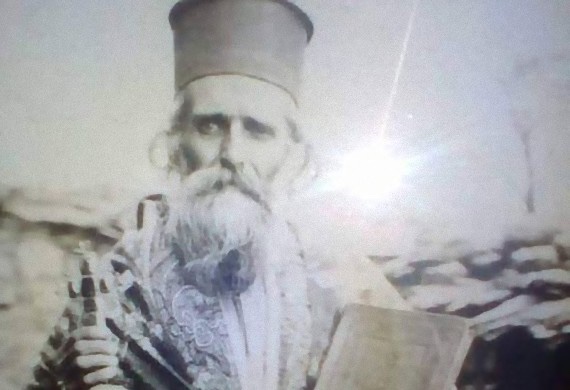
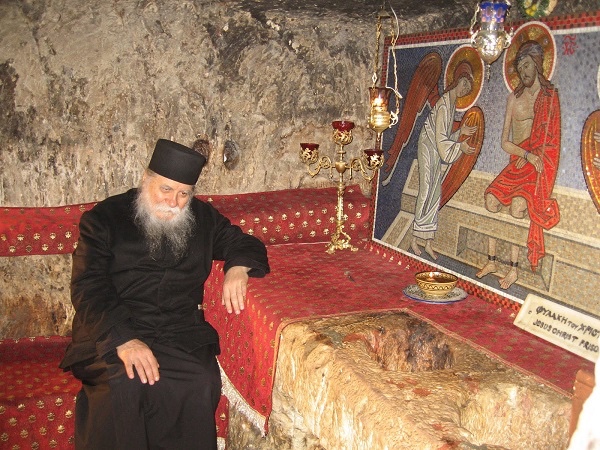
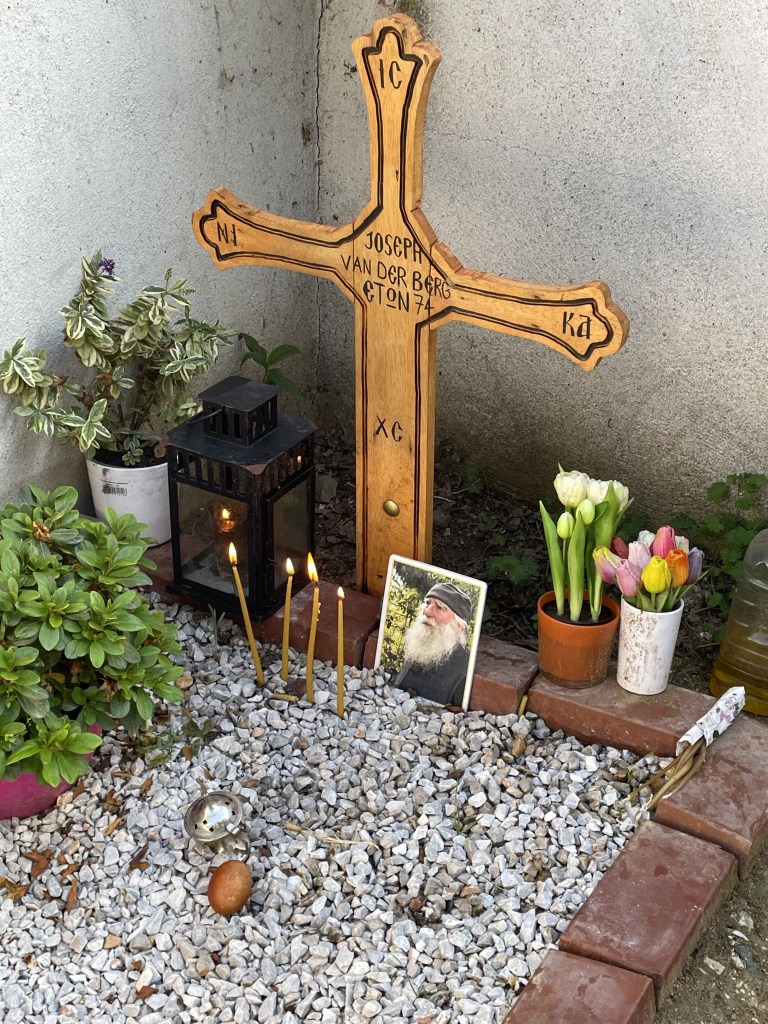
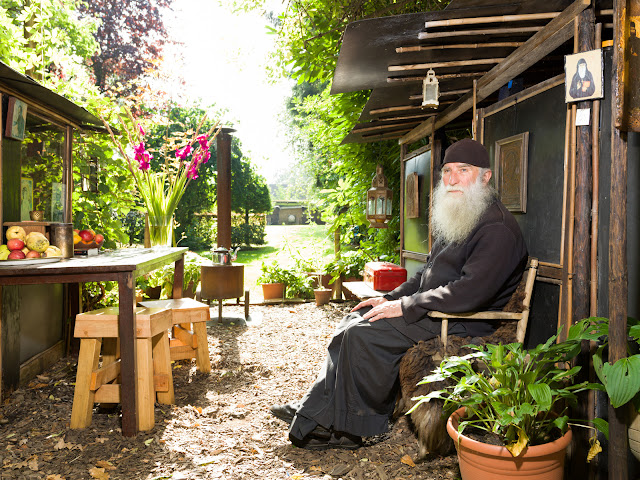
Yesterday, Saturday, June 1st, some friends from St. George Metochion took me to a pilgrimage to various hermitages outside Thessaloniki, near Ossa, where valiant Mothers lead ascetic lives, all alone, together with God, in the mountain wilderness. Surrounded by all these hermitages is the Transfiguration of Our Saviour Orthodox Monastery, in Sochos, a male monastery I have always wanted to visit for the last 12 months, since Josef Van den Berg has reposed there at 74, after an amazing meta-noia, conversion to God. (+ Oct. 16, 2023)

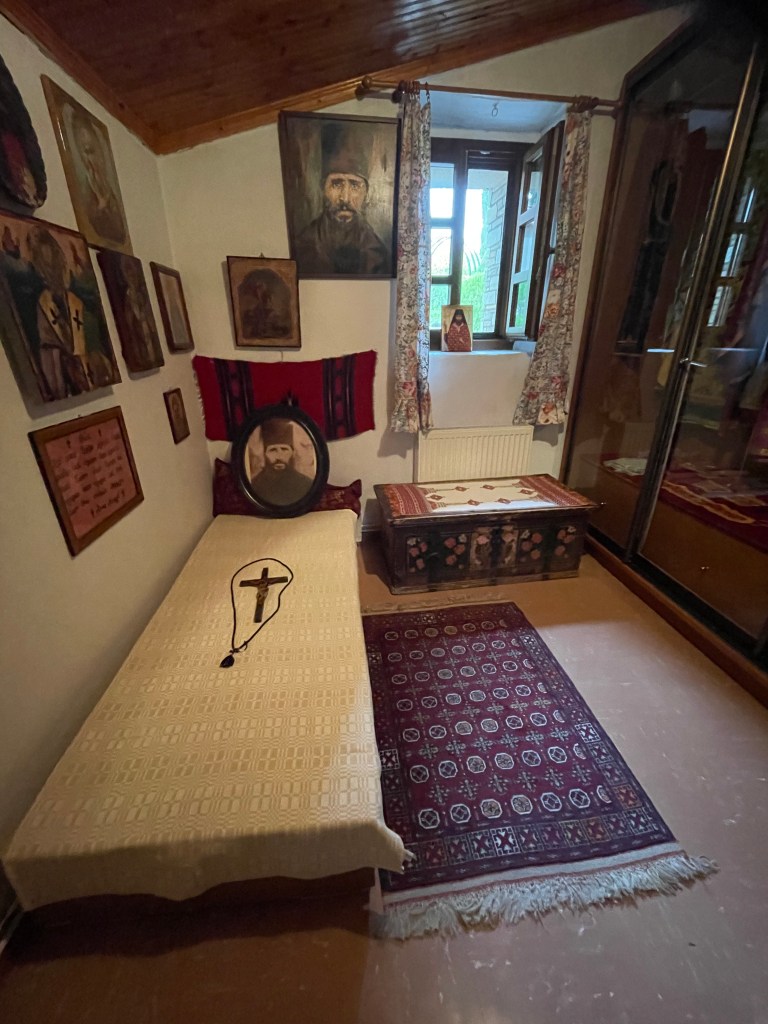
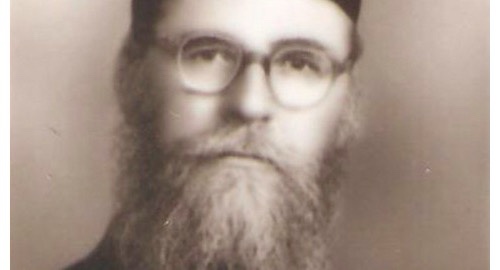
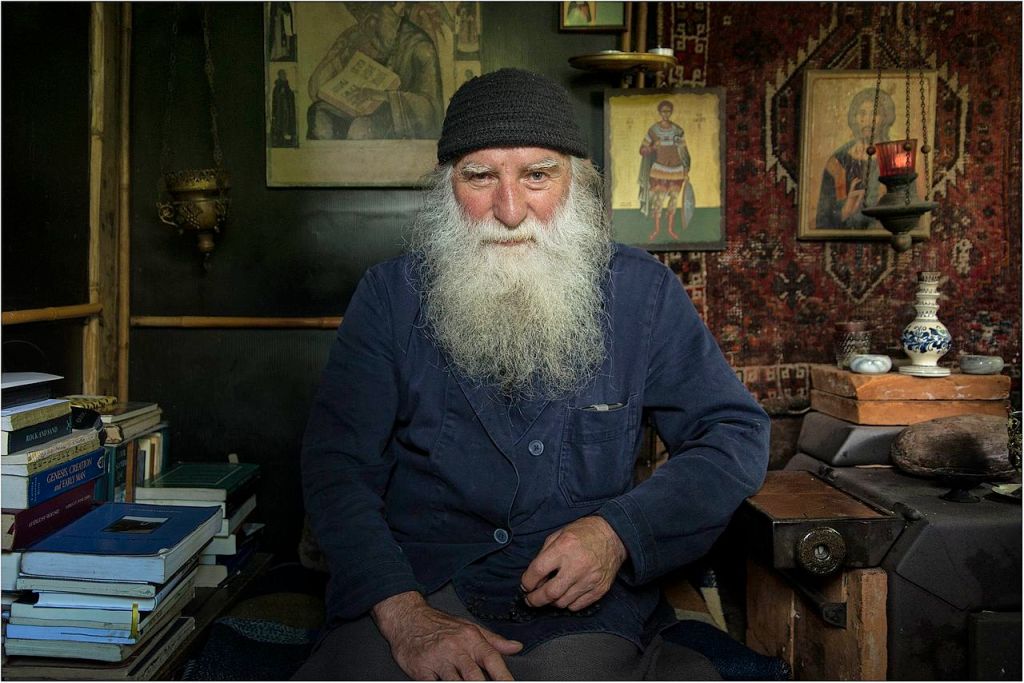
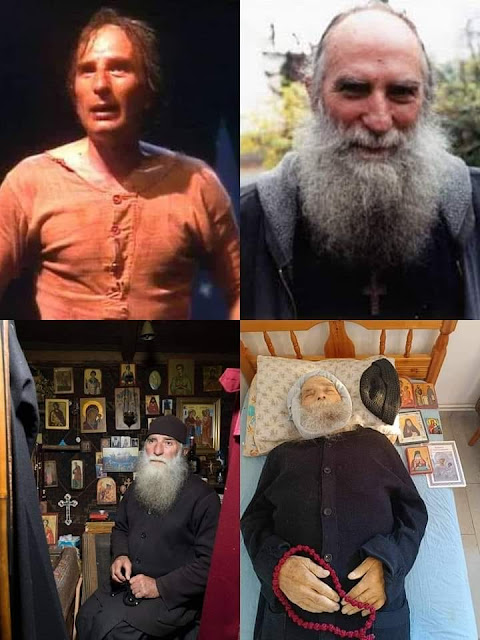
On Friday, October 13th 2023, the famous Dutch actor and puppeteer, Jozef Van den Berg, turned Orthodox Christ hermit reposed in the Lord at the age of 74 at Holy Transfiguration Monastery in Sochos, where he went to live the last few months of his life on earth, due to his failing health. His funeral was held on Tue 17th at the same Monastery and he was buried there. It was a blessing to light a candle and pray at his grave.

Jozef, who was born in Beers of the Netherlands on the 22nd of August 1949, was a very well known actor in the 1970’s and 1980’s in the Netherlands. He was initially an atheist and married with four children. Later, he began a successful career as a wandering puppeteer for children. Then he made his own performances in the theater, for children and adults. Van den Berg travelled the world, from Australia to Canada. In the 1980’s, Jozef Van den Berg played in his last play “Enough Wait” for his brother who was seriously ill and was in a wheelchair. On September 14, 1989, he would bring that performance to the De Sing but then something very special happened.

Let me begin a little earlier. On September 12th, 1989 was the Belgian première of Genoeg Gewacht at Antwerp [Belgium is a predominantly Dutch-speaking country]. That afternoon, Van den Berg had an encounter with God, as he described it later on. Sitting in his dressing room, he wrote a letter he wanted to use that night for the first time in his play. God asked him this question by his own pen: “Why don’t you ever see that I cannot come because I’m already here?” On September 12, 1989 he still played the premiere, which later turned out to be his very last show. Van den Berg was – according to his own words – being called by God, and had to answer that.

Before the evening show on September 14th, 1989 at De Singel Arts Center in Antwerp, he took his Bible and asked God what to do. He opened the Bible at the following words: “Go away from their midst and separate yourself” (II Cor. 6:17).

Before the beginning of the play he said to his audience:

“I will try to explain it to you. I hope that you have one thing for me and that is respect for my decision. I will never play again. I have approached a reality which cannot be played anymore. I have searched for a tremendously long time; have been everywhere. Eventually I came to the conclusion, and this conclusion, I have to admit, is that the seeker seeks but he is found. That’s why tonight is the last time I’m on stage. You don’t believe me, but that’s the deceitful side of theater.  Therefore, ladies and gentlemen, for this man, for Christ only, have I searched for this peace I wanted. And I know that it is so, and I quit this profession. For me, it’s over. I seek reality. I can’t say things that are not true for me anymore. I wish you a good day. I go. May you all go well. The money you paid can be given back at the box office.”

The audience was stunned. Was this real or was it theater? A deadly silence followed, and the theater audience reacted emotionally. Thus, on September 1989 at 7:55 pm, the theater career of Joseph Van den Berg came to an end.

That night was the beginning of an extraordinary conversion and odyssey. His quest led him to Maldon (Essex), Athens and the Holy Mountain of Athos, to further find out how he had to continue his road with God. His children and wife had difficulties understanding his conversion, and he was left all alone. Alone with God! Jozef gave up everything, job, fortune, family, everything, started living like a beggar, and eventually converted to Orthodox Christianity a year later, after paying visits to Elder Sophrony in Essex, Elder Porphyrios in Athens and Elder Paisos in Mount Athos.

An important event preceeded his conversion: a woman he knew from the Gurdjieff movement died in a serious traffic accident, and she had pointed out that she wanted to be buried in the Orthodox way. This happened on August 17th at Eindhoven. There, he heard the Trisagion for the first time in Dutch. That’s where he began to see that Gurdjieff wasn’t right.

At the end of September 1989 he went to the Greek Orthodox Monastery of Saint John the Baptist at Maldon, Essex, England, where he talked with Elder Archimandrite Sophrony, and he confirmed the experience God had given him and urged him to repentance. Elder Sophrony told him that he cannot sustain God’s Love if he does not endure the furnace of repentance. At the beginning of January 1990 he had a very important meeting in Athens with the Greek Elder Porphyrios. This last one too confirmed the experience God had given him in Antwerp, and he told him that he has to now to become an Actor of Christ. Saint Porfyrios urged him not to betray Christ and turn down His calling. He was then sent by Father Porphyrios to the Holy Mountain of Athos, where he had a meeting with Father Paisios, who too blessed him.

Back to Netherlands, with the blessing of three saints, things evolved in a different way than expected, everything started going seriously wrong as all three Saints had “warned” him, and he got in more and more trouble on all fronts. He couldn’t sleep anymore and  became over-tired. In the middle of this crisis, on June 18, 1990, he asked a priest in order to be accepted into the Orthodox Church. Months passed by in “dead-ends” and “walls” were raised all around him.

During the night of the 1st to the 2nd of June, he realized that he was left alone, and on June 2nd, 1991 he attended the Divine Liturgy at the [small Orthodox] Monastery of the Holy Prophet Elias at St. Hubert. That’s where he left what was left of his money on the collection plate. “Lord, from now on, You have to take care of me. I totally surrender.” There, Archimandrite Pachom read from the Gospel of that Sunday of All Saints: “He that loves father or mother more then me, is not worthy of me: and he that loves son or daughter more then me, is not worthy of me. And he that takes not his cross, and follows after me, is not worthy of me. He that finds his life, shall lose it: and he that loses his life for my sake, shall find it” (Matthew 10:37-39). Two hours later, after the Liturgy, he went straight to the Orthodox Monastery of the Nativity of the Theotokos near Asten, where he stayed for 19 days, and where he left his Mercedes Combi, because it didn’t want to start again. For him. It started for his brother a day later!
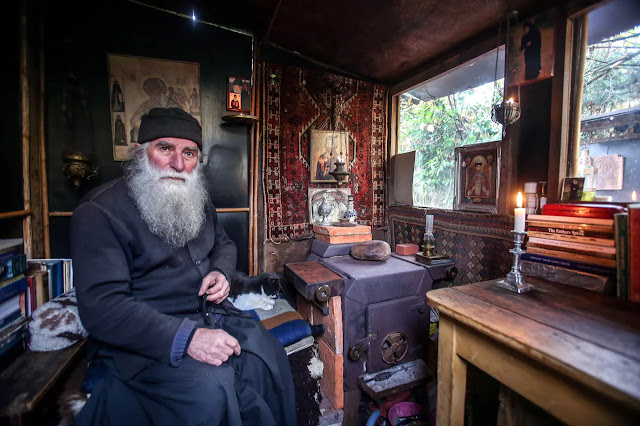
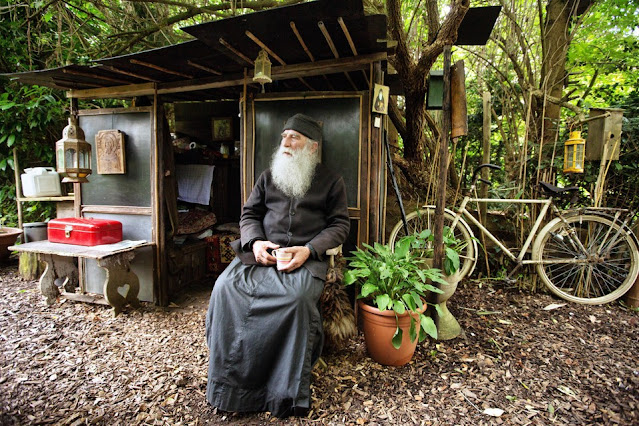
His only question was: “How does God want me to shape my calling?” Slowly, peace returned to him. From July 1991, Jozef Van den Berg started living as a hermit, first in the bicycle shed of the town hall in Neerijnen, later in a self-built chapel in the backyard of a fellow villager. There were four poles close to the quince tree, and Joseph understood from this that he had to build the “Pull-Up” under the quince tree. With this “messenger”, he built a small chapel of 2 by 1.5 meters, which still stands today. He prayed and received people every day. He lived on whatever people brought him. He had no connection to any utility whatsoever. Eventually, there was a toilet in the castle garden, which Joseph and his guests could use, and the last few years he hasd a mobile phone for emergencies.He obviously received a lot of a media due to his lifestyle since then…

In the end, he left Neerijnen in August 2023 and traveled to Sochos in Greece, where he reposed on the 13th 2023 at the age of 74 in the Greek Orthodox Transfiguration Monastery.

Read more here and here

More about this monastery and its founder and spiritual father, Archimandrite Ioannikios Kotsonis, the theologian and poet, the spiritual son of Saint Porfyrios in the next blogpost.

Under the Archangel’s Mighty Wings

This year, Holy Week was especially difficult due to an enforced isolation. A little city hermit delights in quietness and solitude, but not an enforced one, and not together with somebody else who is ‘difficult’, where one has to practice cutting your own will every minute. Nonetheless, His Will may be done, and so this painful week passed and that and most demanding obedience was concluded for the time being…

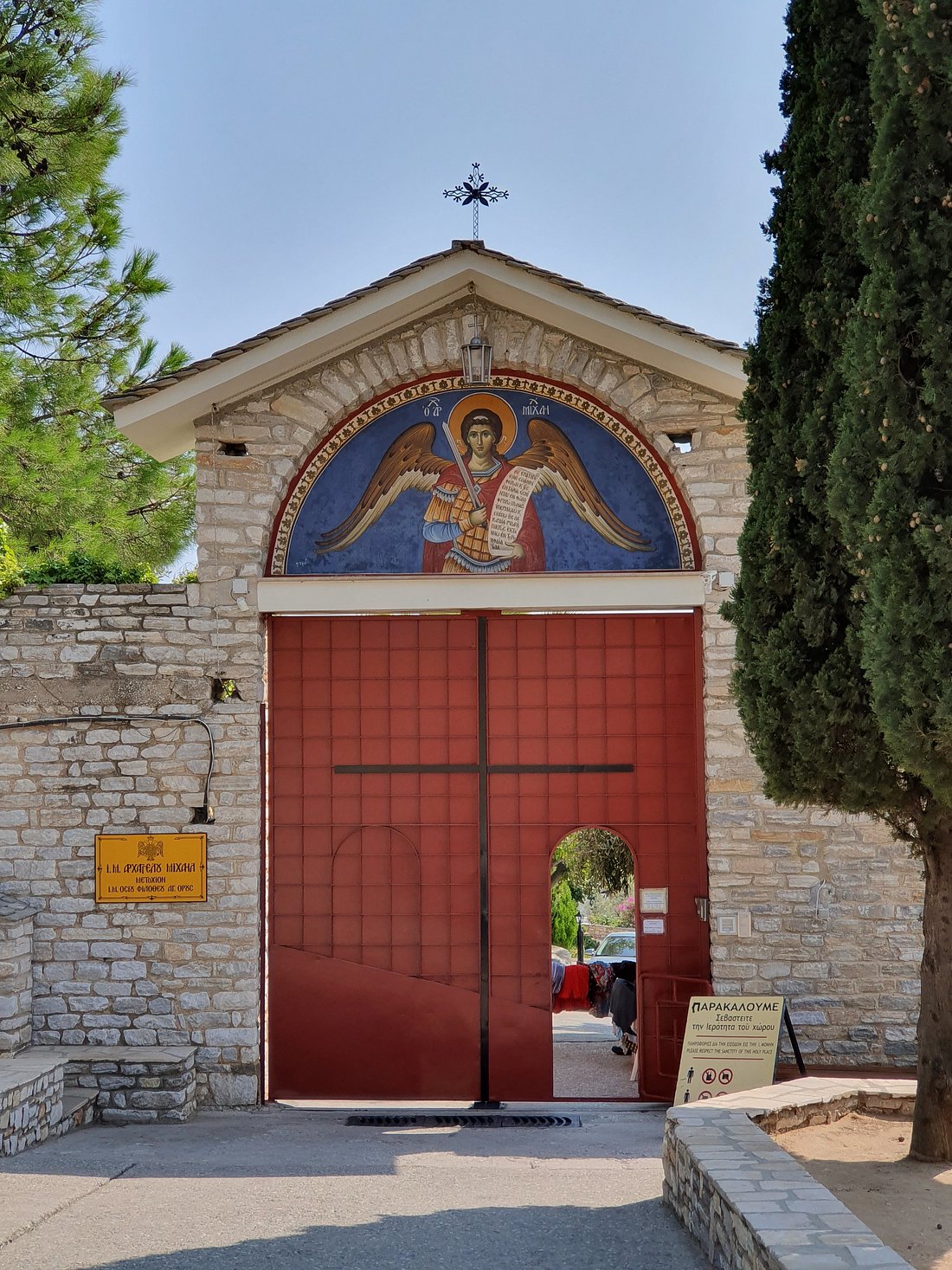
Thank God, the Bright Week which followed was “bright-er”. Its highlight was a pilgrimage by St. Arsenios Monastery, and especially our visit to the Monastery of Archangel Michael in Thassos on Bright Wednesday, the following day of its litany:

The Monastery of Archangel Michael is located on the way to Alyki, about 25 km, south of Limenas. It is built on the edge of a cliff, thus it gives a spectacular view of the Aegean Sea.

The view…

The Archangel Monastery is the biggest and by far the most popular monastery of Thassos, to pilgrims and tourists alike.


The monastery is a share of the Holy Monastery of Philotheos (at the monastic state of Mount Athos). Its historical origin is set in the Byzantine times. In 1090 AD the hermit Luke built a small chapel at the place obeying the command of Archangel Michael, who hit with his hand and a holy spring gushed out there. The holy water, which has been a source of many miracles, flowed in the chapel until the occupation of Thassos by the Turks. Then some irreverent Turks tried to pollute the spring mocking our faith and the result was that the spring dried out. Later the holy water gushed out again and keeps flowing until today in a different position, in a cave under some rocks near the sea. It is called the “on the knees” holy water because you enter the spring on your knees. It is still the source of miracles to the pilgrims who pray and ask for the Archangel’s help. 

In the convent is also found a piece of the Holy Nail, put in the right hand of the crucified Christ and it is kept in an artistically crafted hexapterygo (ie. silver six-winged plate) for the pilgrims to worship and for the protection of the convent and the island. This was dedicated to the Monastery of Philotheos by the emperor Nikiforos III Botaneiates and it was miraculously moved to this chapel as the Archangel wished. As part of religious celebration, every year, on the first Tuesday after Easter, the Monastery conducts a procession that starts at a small village of Theologos. During the procession, they carry the Holy Nail back to the convent.

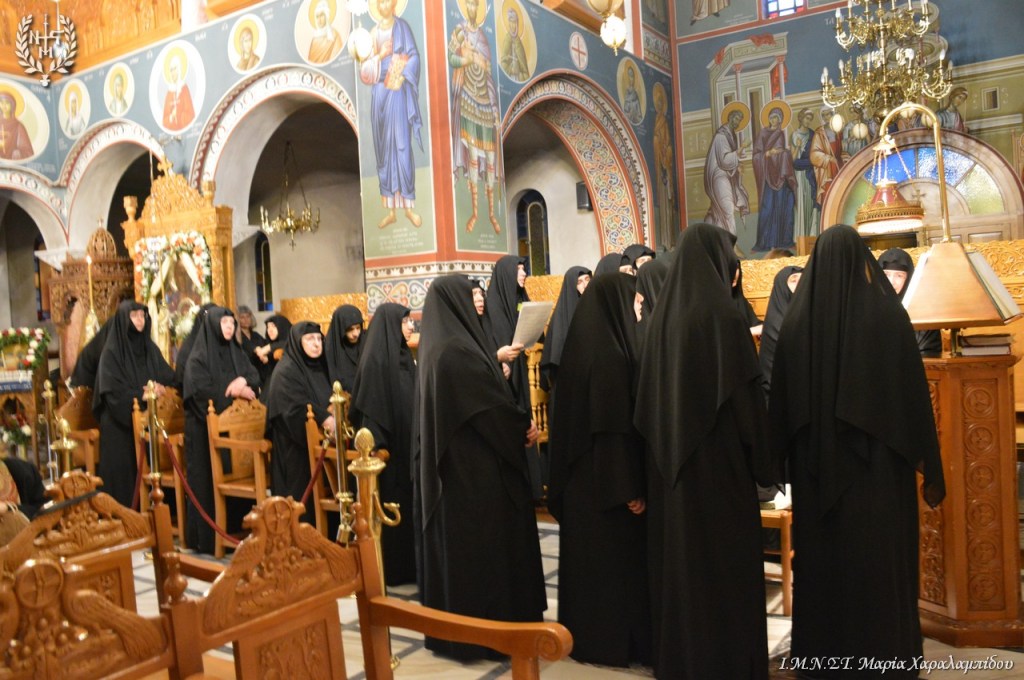
This Monastery share remained abandoned until 1974, when the blessed Ephraim, Abbot of the Monastery of Philotheos, brought the first sisterhood in this place, where the facilities were rudimentary. The nuns have worked very hard to reconstruct the place and bring the convent to its present amazing condition.

The grace of the Holy Nail and the Archangel, as well as the plethora of miracles attract many pilgrims from all over the world, praying for help and protection from the trials and tribulations of life.  

Inside the cave

The Agiasma – Holy Water​

Nuns are most cautious when eager pilgrims want to visit the cave of the holy water. They insist that you should know that: 

  • Because  the journey has many difficulties, you must have the  appropriate physical health and condition and  ability and undertake personal  responsibility for the effort.
  • Most of the route consists of climbing  the rocks. Essential  supplies for the route are sports shoes and water. 
  • The duration is determined by the capabilities of each pilgrim.  It lasts an average of 2-5 hours.

From all 40 of us, only Father Nikodemus and two pilgrims attempted the descent and made it to the cave. The descent and the ascent took them a total of 6 hours, and then they disappeared for about another 6 hours to restore themselves until the night prayers. Have a look at the video below of the descent with the two company of two goats to see how difficult this descent is.

For more information about the miraculous spring of the Archangel and the Discovery of the Honorable Nail of the Saviour, go here.

The Earthly and the Celestial Pilgrims— Part 2

https://youtu.be/2MShiJk761s?si=s2Ga3kxsHLlmJiCL

https://youtu.be/WtlQEOeeCxA?si=bFDMsAXcZ42nwo7y

Upon entering the bright light of the monastery of St Porphyrios, I encountered two presences in its stillness.

Peter, St Porphyrios’ parrot

Peter, St. Porphyrios’ parrot, still looking for him after 30+ years and reciting the Jesus prayer the Saint taught him.

Watch him in the video below recite the Jesus prayer in St Porphyrios’ voice!

https://youtu.be/ewtDpSFC7mk?feature=shared

https://youtu.be/ov2Td4coraE?si=zL-cO15sUsp_cEUb

Nearby, one also encounters Giorgos Arvanitis’ grave, the only lay person buried in Milesi, a humble presence everywhere in the monastery,even in the Saint’s Cell, next to the Theotokos icon the Saint was photographed with.

Inside St Porphyrios’ cell. Listen to the Saint blessing us: https://youtube.com/shorts/mMxJjsr29Qo?si=uEZwJuq-z_tqxThM

It was St Paisios who sent Georgios Arvanitis to St Porfyrios when Georgios asked his counsel on Mount Athos which spiritual father he recommended for him. St Paisios also humbly confessed to all pilgrims that “his TV was only black and white, whereas St Porphyrios’ was a colour one!” 🙂 So Georgios met St Porphyrios and “was captured by him” [his words].

Georgios Arvanitis, the humble angel ministering St Porphyrios for over 30 years

Giorgos Arvanitis was a successful judge who gave up his career at the height of its success; he gave up everything to become the “beloved disciple” of St. Porphyrios, his “right hand” for over 30 years. He lived for years in a tent in the wilderness, next to St Porphyrios, when there was no monastery in Milesi, just forests and fields. In the beginning, he would sleep in his tent after long vigils together with the Saint, put on his suit and head to courts, then in the afternoon, return to his tent, take off his suit, put on his tracksuit and become one of the Saint’s workers. I’m the end, he gave up everything and was by the Saint’s side all the time, living in obedience.

His last interview before his reposal in the Lord, next to his beloved Father

https://youtu.be/dMSHtHE8pdY?si=1dkCM8plOobksC9

I spent all week studying Giorgos Arvanitis’ diaries and ‘anonymous’ books, and so wished I were him! I cannot begin to imagine what a blessing it must be spending 30+ years by the Saint’s side! Below is an except:

“The relationship between Sts. Porphyrios and Paisios was one of love and spiritual communication. Once, St. Paisios came to the little cell that St. Porphyrios had at first, and after they said whatever they said, St. Paisios left.

Then I [Georgios Arvanitis, the judge] went there, full of curiosity, to St. Paisios and told him: “What did you talk about, Elder? What did you discuss?”

He told me with disarming simplicity: “Eh, the ‘Lord Jesus Christ… [i.e. the Jesus Prayer]”

I expected them to discuss the 666, the 12 bishops, or various ecclesiastical topics. {Georgios Arvanitis, judge in retirement, is laughing} But they prayed together. They found an opportunity to pray together, to “breathe together” in prayer.” (Transcript of the recording here)
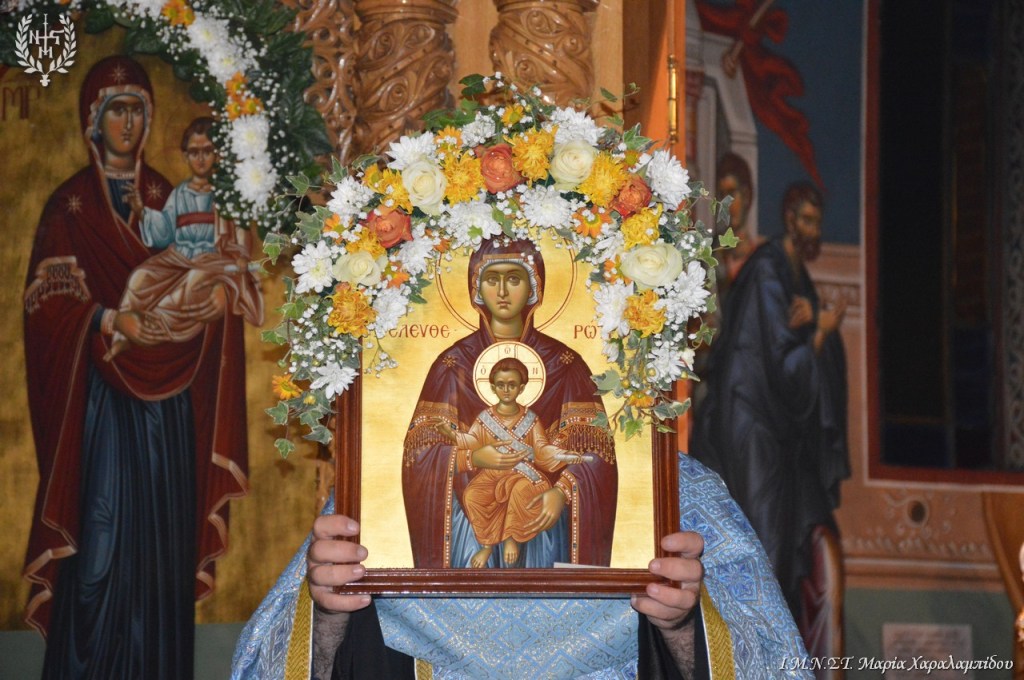
After studying closely the writings and memoirs of Archimandtite Mark Manolis of blessed memory and his spiritual children, and those by Georgios Arvantitis, it becomes even more obvious to me how vitally important is to find a spiritual father to do obedience and be in close, if possible, daily interaction with him and his whole spiritual family. God is glorified in His Saints!

Part 1

Pilgrimage to St Porphyrios — Holy Transfiguration Monastery, Milesi — Part 1

The Holy Monastery of the Transfiguration of Christ (celebrated August 6th), though technically a dependency, was founded by St. Porphyrios of Kavsokalyvia in Milesi, Attica, geographically between Oropos and Malakassa in the northern suburbs of Athens.

From one’s first step as a pilgrim in the area, one encounters the sanctity of the place and the total silence. One is struck by the astonishing Holy Church and the beautiful green surroundings.

A multitude of people hasten to the holy Hesychasterion which honors the memory of the Venerable Porphyrios on December 2nd, the day of his repose, in order to partake in the grace of this Saintly Elder.

The building of the monastery began in 1981, and the building occurred in stages, with the Katholikon being founded in 1990, with permission of Archbishop Seraphim of Athens. The walls of the church were completed in the spring of 1992, a few months after the repose of St. Porphyrios. (1)

St Porphyrios on his bed at the monastery near the end of his life

Upon arrival, we were blessed with the Supplication to the Saint, chanted by a small group of pilgrims, and personal memories with the Saint treasured and shared by their priest.

The Earthly and the Celestial Pilgrims— Part 1

The first fellow pilgrim to honour is certainly Archimandrite Mark Manolis of blessed memory. Father Mark is the spiritual father of both Father deacon N. and the local “guide/ “driver” M. who helped me throughout this pilgrimage to St Porphyrios. Many a times, all these hours together with both of them, I have wondered if such are Father Mark’s spiritual children, what a blessed spiritual father he must have been.

Upon arrival in Athens, at the airport, M. gave me a recent edition of her late spiritual father’s life, and ever since I started reading this book, on my flight back home, I was unable to put it down before reading it completely at one stretch!

The more I reflect and distil the blessings, the clearer it becomes to my mind how important it is to be under the obedience of and in close interaction with a true spiritual father. Also: how crucial is to discover and become a member in a spiritual family, cultivate the fellowship in a sisterhood/ brotherhood/ parish for our spiritual growth.

“For none of us lives for ourselves alone, and none of us dies for ourselves alone.” Romans, 14:7
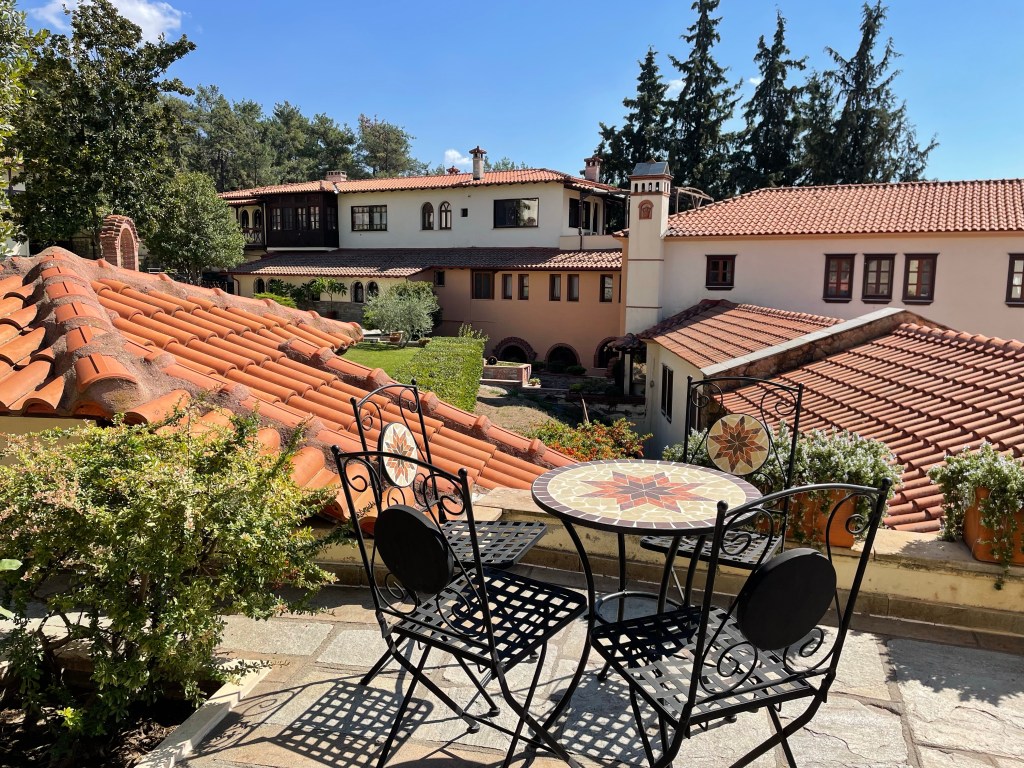
One of the many testimonies about the late Hieromonk Markos Manolis at St. George parish church, in Dionysos, Attica (at the foot of Penteli Mountain, near Athens) is the following:

“I met hieromonk at the age of 23. The heights of his ascetics and self-sacrifice were unparalleled. He never slept and was always there for his spiritual children. A great many of his spiritual children had seen him walking above the ground during the Holy Liturgy. When he first saw me, he called me by my first name. I had never known him before. How come he knew my name?

His great humility and abstention from sleep and unceasing prayers had opened his spiritual eyes and he was endowed with the gift of foresight. He was one of the most militant adversaries of ecumenism, spiritual leader of the “Orthodox Press” newspaper, but above all a true spiritual father and leader of many spiritual brothers and sisters in Christ in villages, towns, hospitals, jails around Athens and in Athens itself.
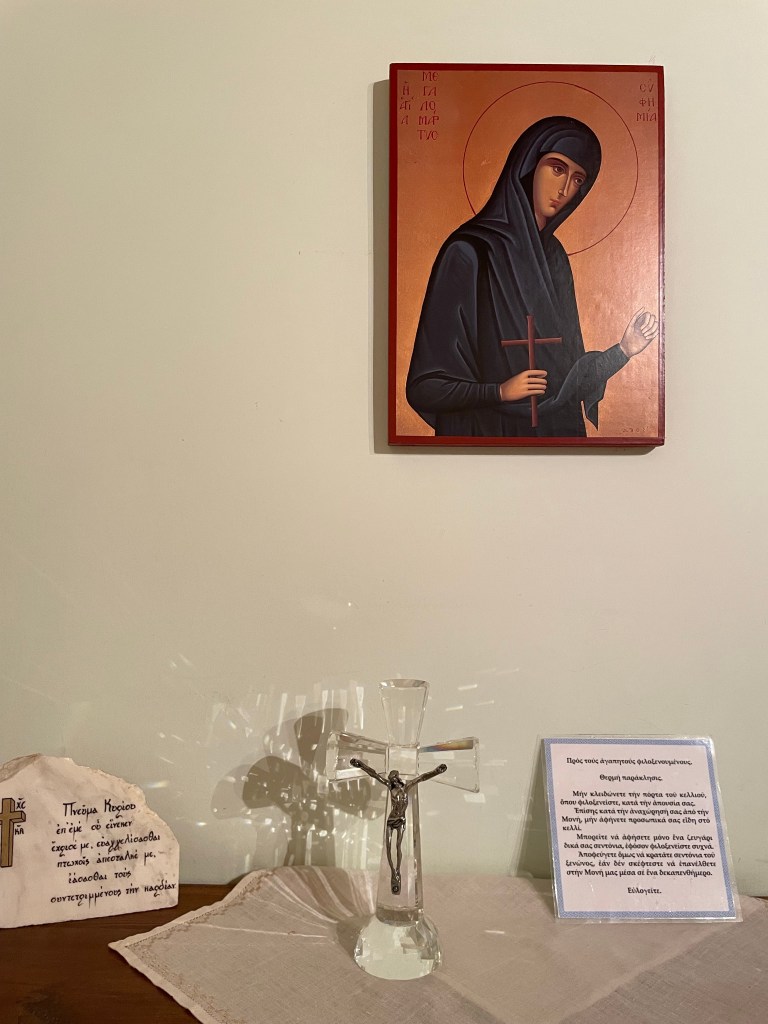
Hieromonk Markos Manolis possessed the power of foresight which had been validated on multiple occasions . Personally speaking, he had foretold my future encounter with my husband two years before his departure from this world.” (2)

Inscribed on the tombstone: ‘Then I heard a voice from heaven saying to me, “Write: ‘Blessed are the dead who die in the Lord from now on.’ ” “Yes,” says the Spirit, “that they may rest from their labors, and their works follow them.” Revelation 14:13

To be continued…

(1) Full of Grace and Truth

(2) In the Footsteps of Jesus, Sophia Kioroglou

Pilgrimage to the Holy Monastery of Panagia Dobra and St. Luke the Surgeon

Another blessing of Mount Athos Gregoriou Metohion in Thessaloniki and Father Deacon Nephon and his synodeia.

During this pilgrimage, even before arriving at the monastery, I had the blessing to hear moving Confessions, such as that of:

an old lady, Konstantina, who told me (and truly meant it) how she had wasted all her life, saw only errors and sins behind her, had grown old and had not yet started repenting about all this;

a young student, Eirini, who told me how she was visited by Saint Luke Symferoupol during a scary hospital stay, decided to become a surgeon like him, dedicated her life to the Church and has been together with this Saint at every step of her life since;

a young invalid, Pandelis, and his tragic story: how first his father, and later his mother, abandoned him because they could not bear his disability since birth, the fact that they had to take care of a ‘half’ son (see photo below), and how he now lives all alone, but together with God and with the help of some of the faithful;

a courageous middle-aged widow and artist, Anna, and her martyrdom in taking care of her invalid husband after a car accident;

a brilliant architect, Anastasia, and her cancer martyrdom …

All these stories, together with lots of tears and prayers, were on our way to the monastery, and many more during our visit and on our way back to Thessaloniki. Stories of suffering, yet transfigured into joy, by His Love. After each Confession, especially Pandelis’, I felt even more shame for my own faintheartedness and unmanliness in my struggles and tiny Cross.

This Monastery honours the Dormition of the Theotokos and was founded in the 12th century according to a document in the National Library of Athens. Since then the Monastery has been serving ceaselessly the Holy Liturgy until 1822. During the period of the Greek Revolution, it was one of the most important national and religious centres of the region. It was here that the actions of Chief Karatassos were developed, and it was here, unfortunately, that the Turkish authorities were successful in dealing with them. The Monastery was burned in 1822, and his abbot, Hieromonk Gerasimos, was hung.

The Monastery was reformed in 1995 as a Cenobitic Monastery for Men.

The Katholikon which remains to this day was built in 1844.

In the year 2005, the brotherhood of the Monastery became acquainted with the newly-revealed Saint of the Russian land, St. Luke the Surgeon and Wonderworker, the Bishop of Simferopol. The holy Monastery preserves a portion of the Holy relic of the Saint.

The many miracles and the palpable presence of the Saint in the Monastery and in the surrounding region immediately made the Saint known, and at the initiative of the Metropolitan and through the support of pious Christians, the first large church in honour of St. Luke the Surgeon, at least in Greece, was founded on the grounds of the Holy Monastery. Every Saturday Divine Liturgy is served, and every Tuesday evening Vespers and Paraklesis are served in the Holy Church of the Saint under construction. Each of the faithful has the opportunity to venerate his grace-flowing relics.

In the area of the Monastery also are the ecclesiastical camps and the educational centre of Byzantine Arts (iconography, mosaics, woodworking, and preservation).

Panagia Dobra’s famous Holy Water and one of the many monastery cats swimming in it and sipping it joyfully

Video on the Monastery of Panagia Dobra

My Twelve Days of Christmas — Part A

Dec 24 — Eve of the Nativity of Christ, Eugenia the Righteous Nun-martyr of Rome and those with her

Suddenly our friend D. is in hospital, and soon in intensive care. Agony, heartache and a complete mess at work.

Dec 25 — THE NATIVITY OF OUR LORD AND SAVIOR, JESUS CHRIST

Thank God, we made it to church and received Holy Communion. Only our Christmas meal got cancelled as our hosts got down with the flu. So we brought them chicken soup, exchanged presents and wishes in the balcony, and spent the remainder of the day in hesychia.

Dec 26 — SYNAXIS OF THE HOLY THEOTOKOS

Thank God, an invitation from dear brothers and sisters from the Metochion of St. George to rescue us from our ‘lockdown’. These days are difficult when you are alone or together with difficult family members. The meal, the company and the carols were a great blessing despite the little temptation on our way when both of our back tyres got flat/ punctured (a neighbour’s prank) and we had to call road assistance etc.

The greatest blessing of all was our hostess, A., a widow and a valiant Christian soul. When that car hit her husband’s car, cut him half and left him paralysed from the waist down, she bore bravely the Cross for 10, even more, years, becoming the pillar of her family, until her husband reposed in the Lord, supporting her orphan young boy. This day brought me even closer to dear A., and I am sure I can learn a lot how one should live, just by being next to her and observing her.

Dec 27 — STEPHEN, ARCHDEACON & FIRST MARTYR

Back to work and hospital/ doctors check about D. Thankfully, lots of chanting rehearsals too.

Dec 28–20, 000 Martyrs burned in Nicomedia, Simon the Myrrhbearer, Founder of Simonopetra, Monastery of Mount Athos, Afterfeast of the Nativity

Dec 29–14,000 infants (Holy Innocents) slain by Herod in Bethlehem

St. Anysia’s relics

The evening at St Demetrius’ church, in front of St. Anysia’s relics, was a blessing words cannot describe. The choir’s hymns were celestial.

Look at this little Romanian pilgrim venerating the Saint! Isn’t she beautiful?! She is real!

Dec 30 — Anysia the Virgin-martyr of Thessaloniki

Christmas carols to local charity stores, hospitals, orphanages etc, with St George Metochion choir of all the faithful. Father Deacon Nephon on the right (2.17 m tall) is the heart and soul of all our activities, and such a help and consolation in our lives!

The highlight of the visit was, of course, Konstantina, a little girl, suffering from a range of diseases, kidney failure to terminal cancer, pleading God, as Fr. Deacon Nephon told us, to end her life as she could take no more suffering. We sang carols to her, offered her presents and lit a birthday cake.

This tour to hospitals and orphanages made me realise how little I am suffering bearing my own Cross, whereas I believe that my burden is sooo heavy. Little did I know!

Later in the afternoon, we drive to Serres to spend the weekend and New Year’s Day together with dear friends. Such a blessing again not to be left alone these days. These Christmas blues … But it seems that we can never have enough of hospitals these days. Three hours after our arrival, V.’ mother nearly collapsed and we had to take her to Serres’ hospital. We spent a long vigil there until 03:30, but thank God, although she had to stay in hospital, her condition was stabilised.

Dec 31 —Apodosis of the Nativity of Our Lord and Savior, Jesus Christ, Melania the Younger, Nun of Rome, 

I barely made it to church in the morning with just three hours sleep, and then slept most of the day after we got back. We welcomed the New Year in church, in a vigil, and it was the first time in my life that while we were on our way to Holy Communion, we could hear all the fireworks and celebrations outside. The vigil took place in a beautiful, new church, dedicated to St. Spyridon.

I forgot to mention that in the evening of Dec 30, right after our arrival in Serres, Father Ioustinos from Jacob’s Well in Jerusalem, 83 years young, called me, after so many years, and together with his news, he offered to make an icon, possibly of St Spyridon!!!

Jan 1–Circumcision of Our Lord and Savior Jesus Christ, Basil the Great, Archbishop of Caesarea in Cappadocia

Today, we made a pilgrimage to the monastery of St. John the Forerunner in Serres.

This is a monastery I have visited in the past, but this time our friend V. led me inside a hidden chapel-within- the-chapel from 1270! Of course, it was dedicated to St Spyridon!

Nature was so beautiful outside and everywhere little chapels awaited us to be discovered.

By C.

To be continued …

Travelling Light

Today, my good friend A. sent me this:

“We are travelling to an unknown city of Cappadocia, walking in the midst of volcanic valleys …

… which Greek people have turned into fertile land …

… climbing high, up to the crenellations where Digenes Akrites (1) raised their swords …

… where the powers of Light fought those of Darkness …

We are going to celebrate Holy Liturgy there, in an orthodox temple (2)

… so that Tabor light will shine in our souls (3)

… and all mankind

(1) Digenes Akritas: “digenes” literally means “born of two races”, i.e. “Roman” (Byzantine/Greek) and “Saracen” and “Akritas” means “frontiersman.”, existing at the borders between Christendom and Islamic lands

(2) Kizil Kilise, the Red Church

(3) Karanlik Kilise in Goreme

Day 5: Returning

Panorama Monastery Dormition of the Theotokos
On our way back from St. Arsenios Monastery

Some years ago I learned that numbers are not important. The number of people attending Church is not an accurate indicator of either faith or success; however one measures success? Geronda Theoklitos of St Arsenios monastery confirmed this independently of my thoughts when he said ” look after your small flock.”
” God looks at the heart not on the outward appearence” as the prophet Samuel said to Jesse, the father of David.
I have passed through security and passport control. The flight is delayed. Time to pray. We pray that God will keep us all in his love.
“Wherefore, O you who fear the Lord, praise Him in the places where ye now are. Change of place does not effect any drawing nearer unto God, but wherever you may be, God will come to you, if the chambers of your soul be found of such a sort that He can dwell in you and walk in you.” St Gregory of Nyssa 8

A still small voice

Greece and its next plague of Egypt … This and the following images show the devastating effect of the storm Daniel on its eastern coast.

*

Then He said, ‘Go out, and stand on the mountain before the Lord.’ And behold, the Lord passed by, and a great and strong wind tore into the mountains and broke the rocks in pieces before the Lord, but the Lord was not in the wind; and after the wind an earthquake, but the Lord was not in the earthquake; and after the earthquake a fire, but the Lord was not in the fire; and after the fire a still small voice. So it was, when Elijah heard it…”
1 Kings 19:11-13

*

The travelling guide’s diary—2

Some Abouna quotes and vignettes that struck my attention during his little pilgrimage … all in a ‘still small voice’ which ended up in silence

The LORD will fight for you, and you have only to be silent! (Ex. 14:13-14).

*About Joy in Christ and Suffering: “Christ has offered us so much joy in meeting twice at such a short time [I am bound to travel to the UK end of September] barely a month apart, because we are going to suffer when all this ends.”

*About House Blessings: why did Abouna say such fervent prayers at the blessing of a particular house — his eyes were ablaze!— and he completely ‘ignored’ another house we visited? He barely stayed there 5 min and even suggested we all have coffee outside (!) at the neighbouring cafe. Such hurry, such ‘rudeness’! He barely even looked at their icon corner!

*About Monastic Calling and Monasteries: So many lengthy discussions and inquiries all these days, on foot, or inside the car during the long car drives, about which monastery to choose and become a monastic, even at the monasteries we visited, inquiring/ discussing with the monastics themselves about their monastery typikon … yet no conclusive answer … only silence! Just hints about city hermits …

*Gerondas Theoklitos of St. Arsenios of Vatopedi holding Abouna tightly and hugging him so tightly! A scene I will never forget! What a surprise! I always thought Gerondas Theoklitos was very strict and never expressed his emotions!…

Day 4. Washing your face

overlooking the sea from the Monastery of St Arsenios in the mountains

Monasteries are places of healing and light. The Monastery of St Arsenios is one such place.

N.b.This is as close as I came to Agion Oros in the distance!

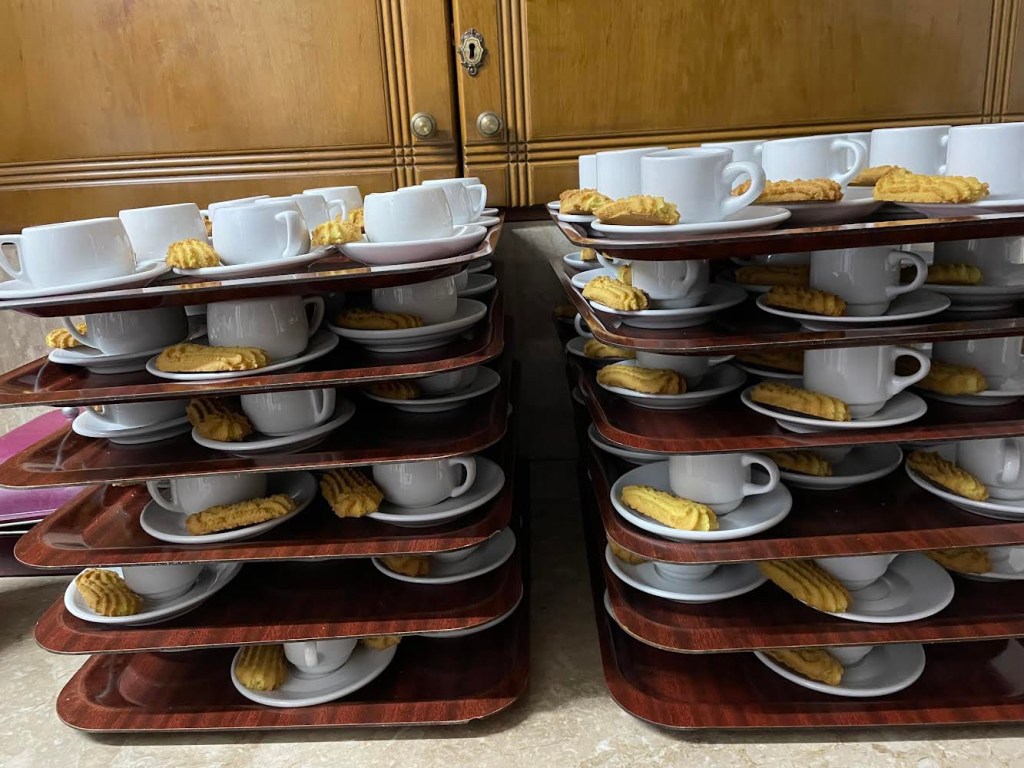
Another little miracle enabled us to meet Theologos and Vaiga with children again . We were joined by a priest from Germany Fr Victor with his Presbytera and children. The usual courtesies were extended to us, loukoumi, coffee and biscuits along with the necessary water!

Geronda Theoklitos joined us and he afforded us a great deal of his precious time even though he had many confessions to hear.. It was a true blessing to meet him.God it seems bends time in order for those who seek Him to receive His grace . Time is not really measured in monasteries. Of course there are set times for worship and work but one does not sense time passing.

I told Geronda of the mutual ministry we have at our parish and he quoted a greek proverb
“Το ‘να χέρι νίβει τ’ άλλο και τα δυο το πρόσωπο” which when translated goes something like : ” The one hand washes the other hand and both wash the face “. I suppose we have similar saying” many hands make light work.”Washing the feet is an act of service and humility, but washing the face brings cleansing and refreshment.He gave another word:St Anthimos of Chios: “ εκείνο το ´γιατί κι εκείνο το ´εγώ´ που έχομεν, αυτά μας απομακρύνουν απο τον Θεό και μας χωρίζουν απο αυτόν» — «this “why” and this “I” which we have, these distance us from God and separate us from Him.”


The proximity of hospitality and holiness is palpable in Orthodox monasteries. Faith ,food and fellowship are inseparable. For some visitors monasteries are places not only of refreshment but of healing where quiet can replenish the soul and regenerate the spirit. It is most important for Orthodox Christians to renew their spiritual batteries. Such peace was abundant at Panorama monastery. Sister S shared the typicon and structures of monasticism and we glimpsed the evening service before heading back to Thessaloniki. I think words alone cannot convey the experience of visiting monasteries. For those who truly seek God then they are places where His energies are to be found…in abundance!


– “The orthodox monastics are like the lighthouse. The lighthouse has to be always on the rocks by the sea. Do you want them to go and live into the city and be added to the other street lights? They can not become a lantern and be placed into the city’s roadside. The orthodox monastic is like a remote lighthouse, that stands high on the rocks, directing the ships of this world with their flashes, and upon the open seas the ships are orientated in order to reach their destination, which is God.” Saint Paisios of Mount Athos from the book: Spiritual Awakening