The Coronavirus Diary of a Joyous Pustynnik — 14

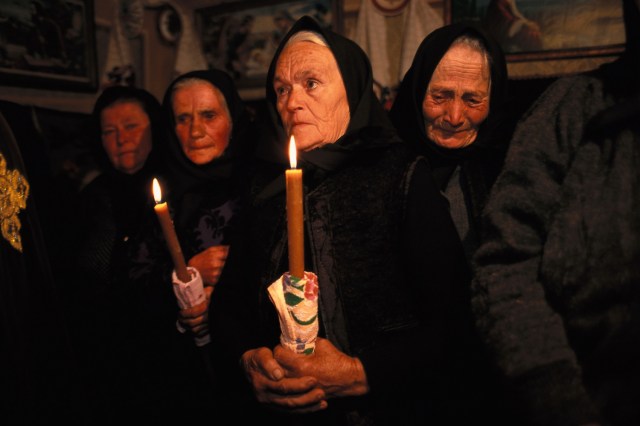
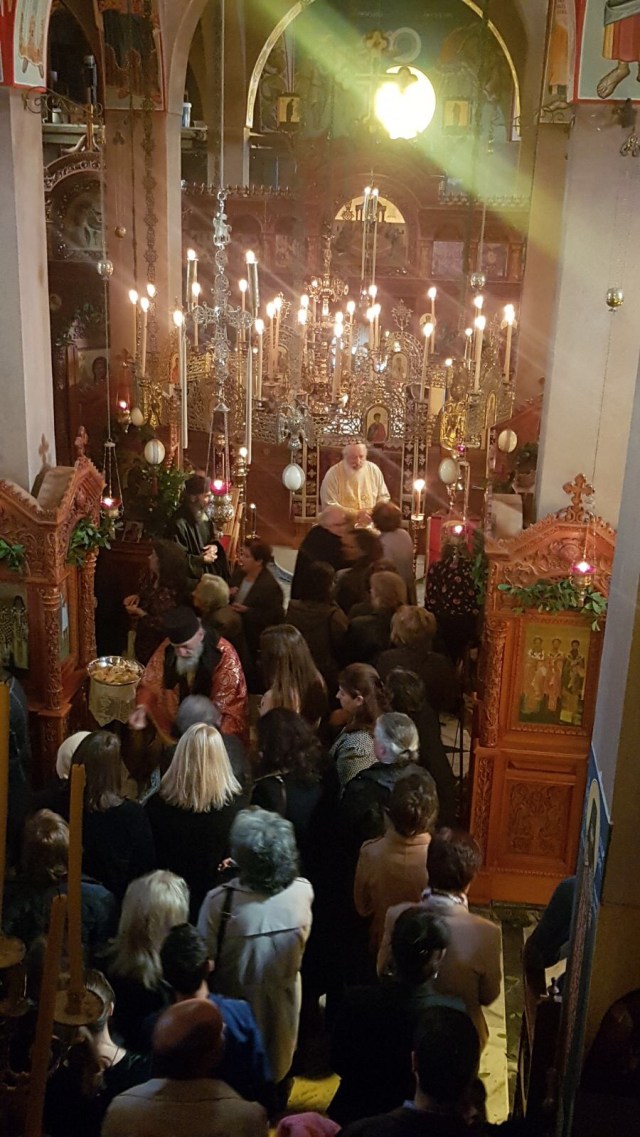
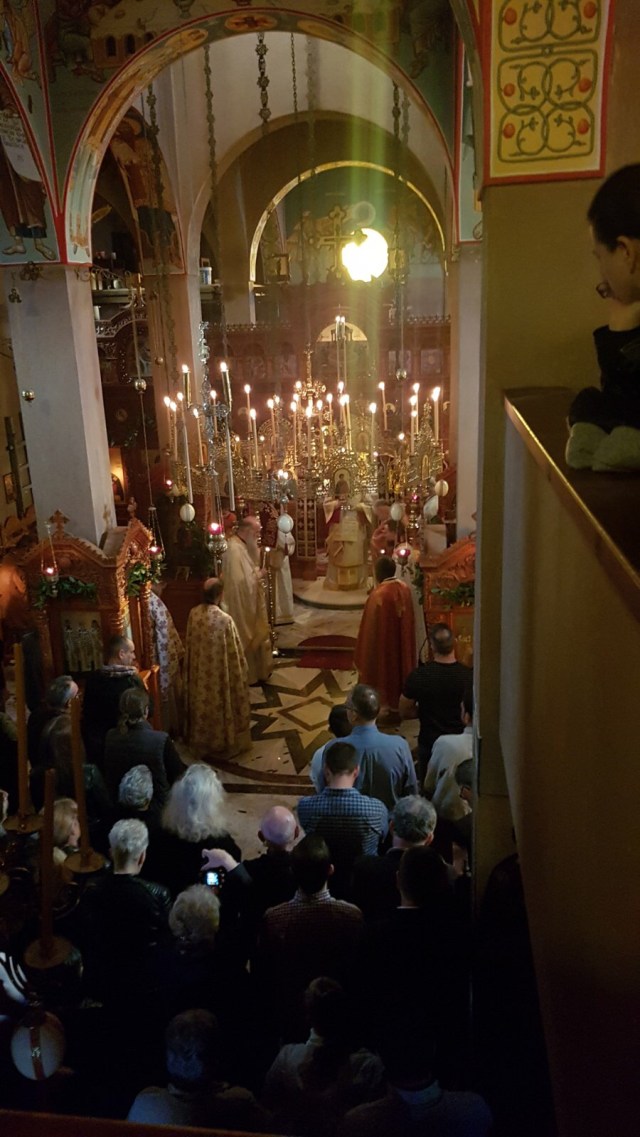
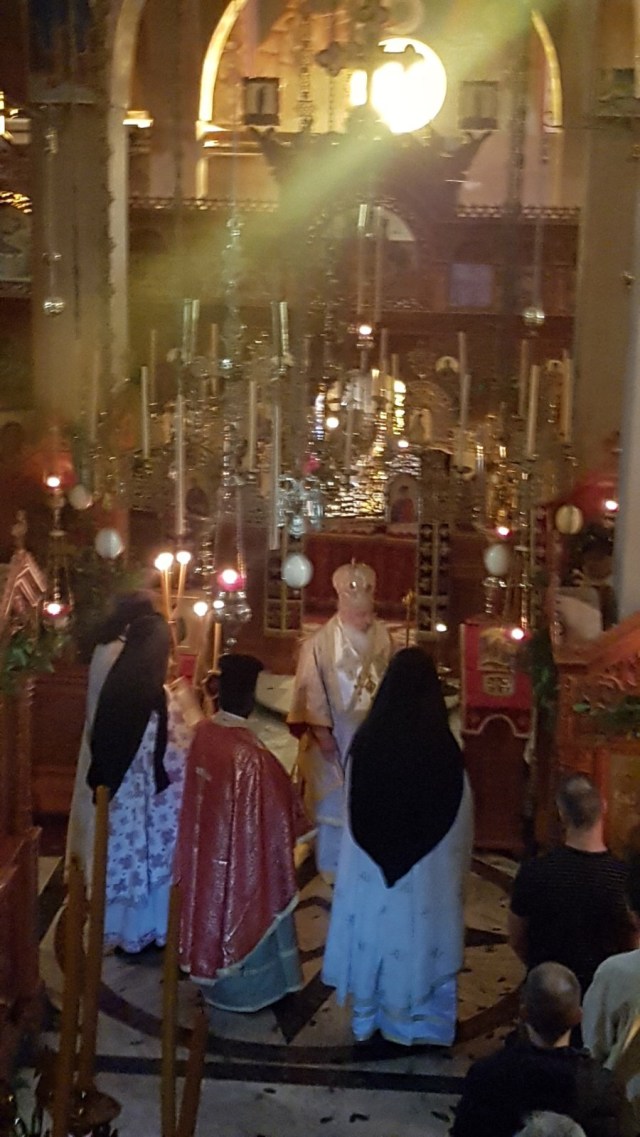
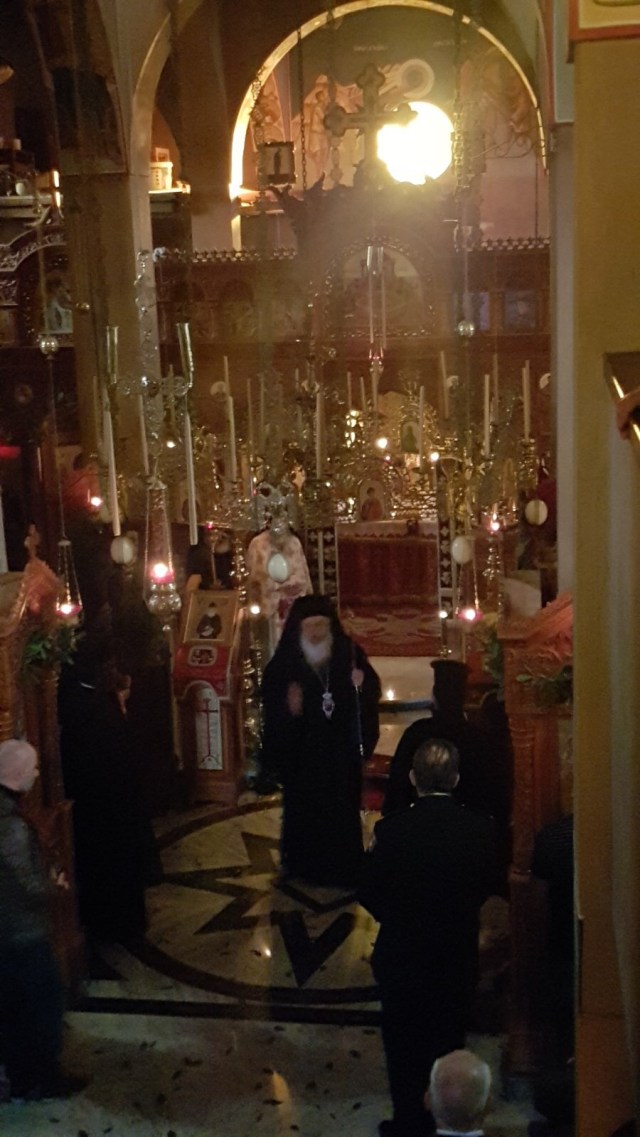
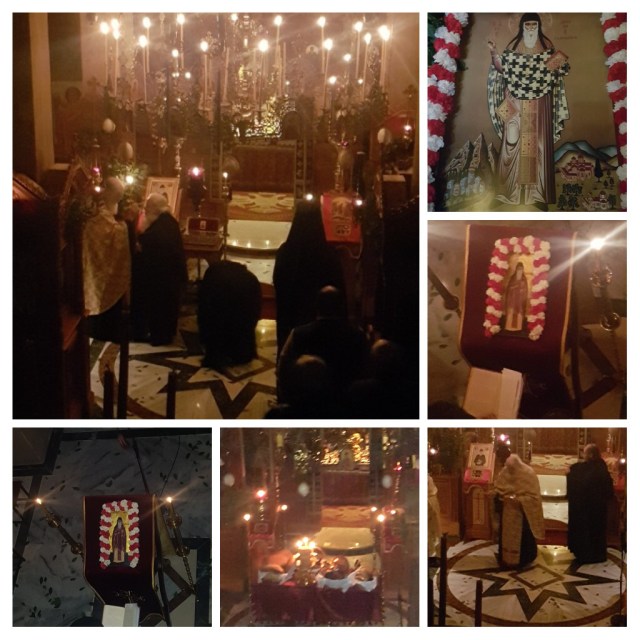
Monastery Vigilromanian orthodox nuns

Christ is Risen!

Remember the little things  — Day #13  

Dear friends in Christ, on this Day of Days, may the Light of the Risen Christ shine in your hearts.

Matthew 28:6 

6 He is not here: for He is risen, as he said. Come, see the place where the Lord lay.


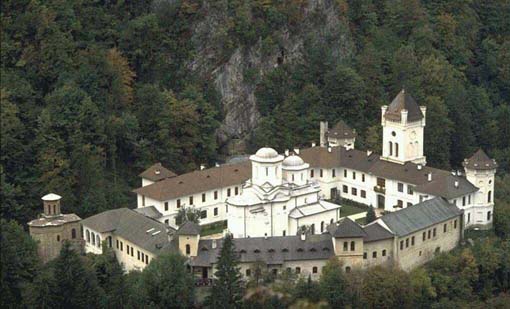
Tismana

Tismana monastery

The New Birth

Reflection on a pilgrimage to Tismana monastery in Oltania, Romania

John 3:3 “Most assuredly, I say to you, unless one is born again, he cannot see the kingdom of God.”


The dawning mist, warmed by the red glowing charcoal of the solar orb

Infused the morning’s breath with pine tree, herb and scented smells.

Creation’s glorious incense clouds ascended to the heavenly altar above

To greet and meet before the throne, the vigorous calling of the Temple bells.


Beginners in life’s marathon we too climbed to make our prayerful progress in the faith

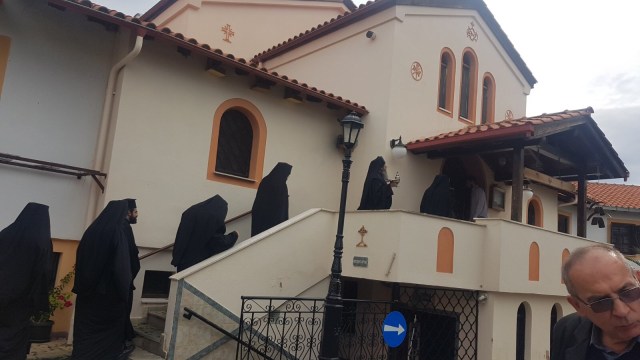
Joining streams of gliding nuns to Church, those angelic shadows of their Master’s way.

A fresh, cold, sparkling spring gushed from a rock next to the monastery’s holy gates

Quickening our spirits within as living water to refresh this beautiful new born day.


Some standing ready for the fight, others prostrate stilling the struggles of the night

Curled, we knelt within the nave as pre-born babies within their mothers’ wombs.

In the dark stillness of that marbled sepulchre burst forth Christ in resplendent light

With resurrection hands outstretched to deliver us in new birth from our earthly tombs.


 In Heaven’s panoply of the bright, host-filled company the embers of our spirits glowed

From sparks to flames, we shone as satellite moons orbit and reflect the glory of the Sun.

Whilst shafts of gold and arks of rainbow-promises fulfilled, through windows blazed

Blessing the bescreened holy ones whose crowns after life’s hard labour had been won. 


To the glory of God


Souls that love truth and God, that long with much hope and faith to put on Christ completely, do not need so much to be put in remembrance by others, nor do they endure, even for a while, to be deprived of the heavenly desire and of passionate affection to the  Lord; but being wholly and entirely nailed to the cross of Christ, they perceive in themselves day by day a sense of spiritual advance towards the spiritual Bridegroom. 

St. Macarius the Great 


Eν Χριστώ

The Coronavirus Diary of a Joyous Pustynnik — 13

20200418_15054020200418_20170220200420_093236

Holy Week Highlights — a photoblog. Christ is Risen!

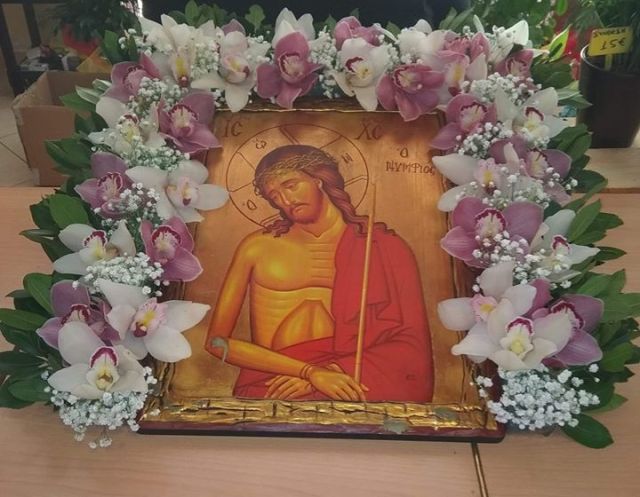
Nymfiosholy unction

20200415_103003

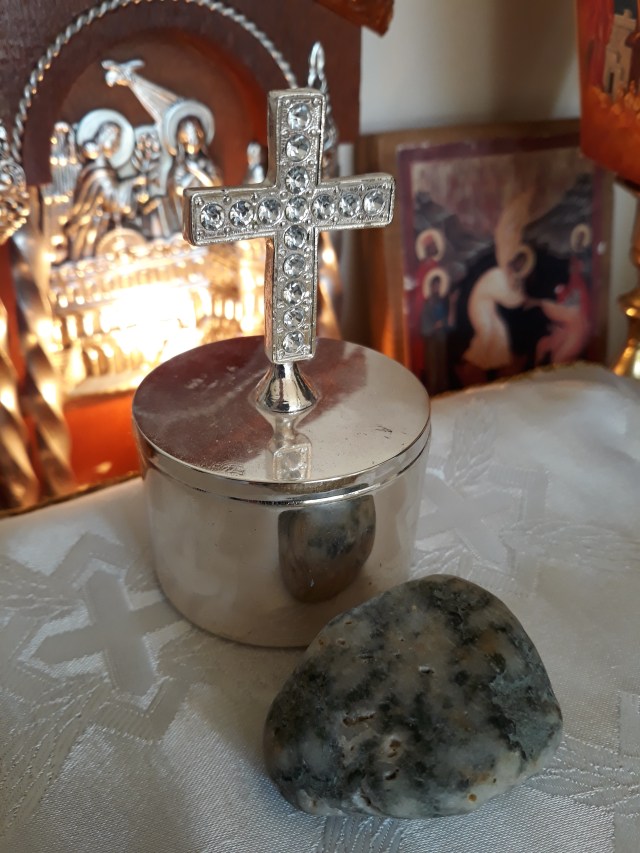
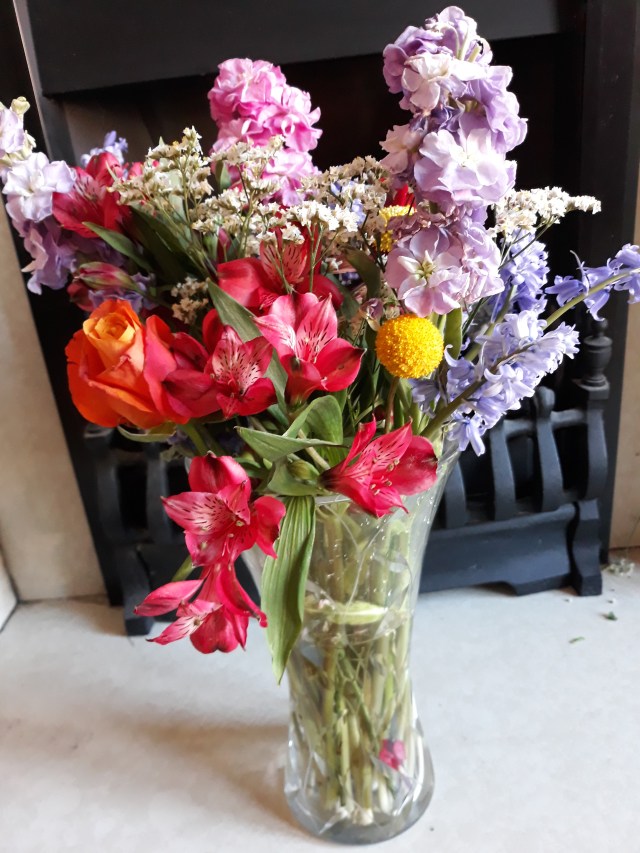
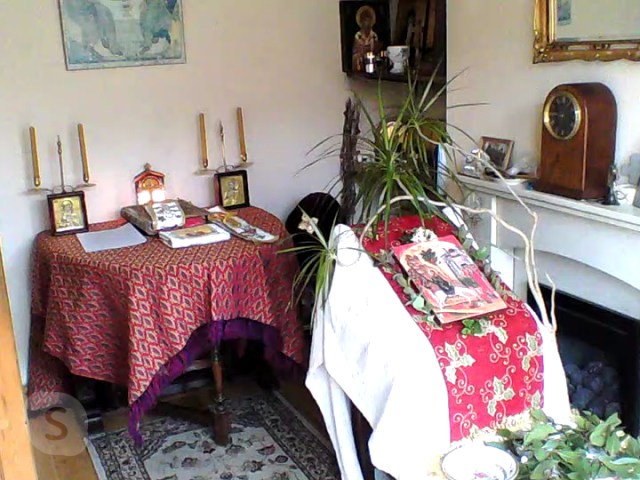
The Saints are delighted with the flowers! I eventually found the card. Thank you dearest sisters. I am overwhelmed, and all the saints in my icon corner are smiling.

Bleeding Crucifix today, on Holy Thursday, now in Athens, in Holy Andreas Chapel, Nursing Home Care

IMG_729220200417_162601

Greek style! A flying priest! Go to https://ellada.press/vinteo-o-iptamenos-iereas-tis-chiou-edose-pali-resital-telos-sunelifthi/

And Cypriot style 🙂 Holy Saturday Vespers — How to make holy noise — Cypriot style 🙂
Please watch from 1:14:28 up to 1:17, and later, and pay attention to all details His Eminence Metropolitan Morfou

20200418_123740 (1)

20200420_132051 (1)

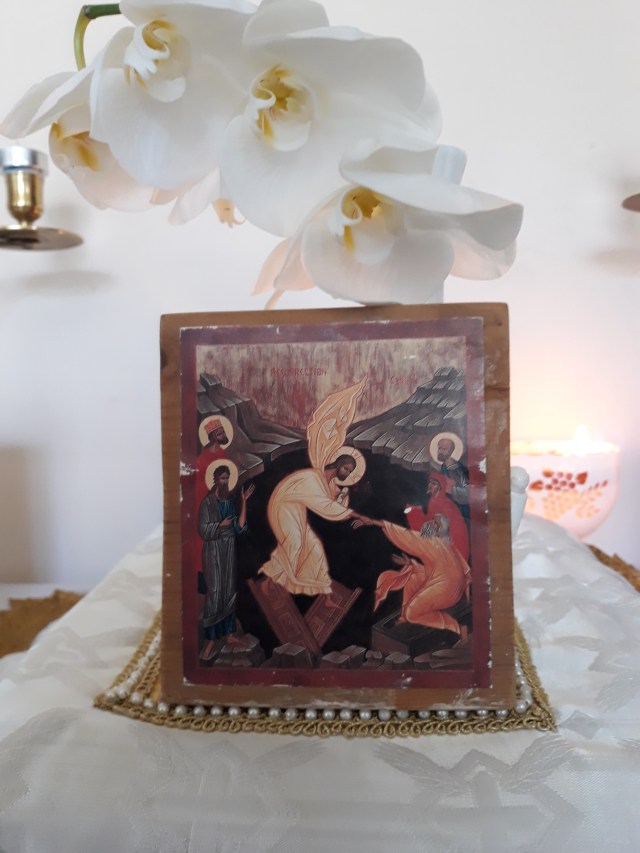
This is one of the first Icons I “made.” It is a simple print stuck on to a piece of wood. I found it in my attic at the bottom of a cardboard box. 

20200420_130559


The Coronavirus Diary of a Pustynnik — 12

the prayer of silence

Remember the Little things- Day #12


Dear friends in Christ- Amidst the chaos of this pandemic and the disturbance to normal life, the most noticeable aspect of this most unusual period is the silence

You may recall those signs at school, ” SILENCE- EXAMINATION IN PROGRESS”; such a silence that we are experiencing at this present time is also a test of what we have learned as Christians.

The lockdown has changed even the way the earth moves and there is a reduction of seismic noise because of the lack of human activity. Silence for some is difficult and they look for distractions. However, silence is not simply an absence of noise, it is the opportunity and context for noetic prayer.

“Prayer,” as Metropolitan Antony Bloom said in his book Courage to Pray, “is an end to isolation- it is living our life with someone. “

“Compel yourselves in silence, the mother of all godly virtues. Keep silent in order to say the Prayer( of Jesus); for; when someone speaks, how is he able to escape idle talk, from which comes every evil word, which weighs the soul down by the responsibility for it:”

Elder Ephraim of Philotheou Monastery, Mount Athos, “Counsels from the Holy Mountain”


The Yoke of Christ


Matthew 11:29:” Take my Yoke upon you and learn from Me, for I am gentle and lowly in heart, and you will find rest for your souls.”


There is no humility of wisdom in argument,

Let the soul be softened by sorrow,

For mysteries are revealed to the humble

And joy the portion of those who follow.


Let not anger consume the foolishness of pride

But let the grace of discernment be your diet.

Not every quiet man is humble,

But every humble man is quiet.


Meekness is not passive gentleness

It is the strength of contentment through new birth

The imitation of Christ is our Heavenly task

The Blessing, the inheritance of the earth!


Reflections on the Beatitudes and on the words of St. Isaac the Syrian

To the Glory of God!


“I give praise to your holy Nature, Lord, for you have made my nature a sanctuary for your hiddenness and a tabernacle for your holy mysteries, a place where you can dwell, and a holy temple for your Divinity.” St. Isaac the Syrian

*

“If you are praised, be silent. If you are scolded, be silent. If you incur losses, be silent. If you receive profit, be silent. If you are satiated, be silent. If you are hungry, also be silent. And do not be afraid that there will be no fruit when all dies down; there will be! Not everything will die down. Energy will appear; and what energy!” St. Symeon the New Theologian

Dear brothers and sisters, during this Great and Holy Week the Daily Punstynnik Diary to Remember the Little things will be suspended and hopefully resumed after Pascha in order to concentrate on silence and prayer. Let us thus now dive into this holy silence and let this week’s church services and events speak to us, as they can only do! I wish to all of you a blessed Holy Week! 


Entry into Jerusalem | The Palm Sunday Icon

Lords_entry_into_Jerusalem_icon

“Who are you?”

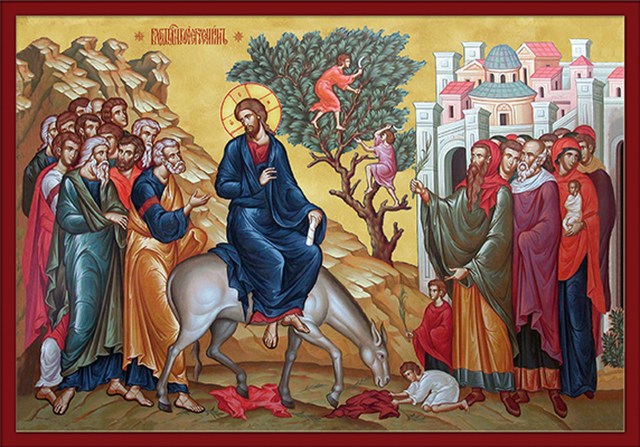
The Icon of the Entry into Jerusalem is most striking. We see our Lord seated upon a colt of a donkey. The donkey’s head is bowed low and a child is feeding the donkey. To the right is pictured the walled city of Jerusalem and at the gate are the assembled elders, one is holding a palm branch hailing him as the son of David, the Messiah but another is whispering, one is looking away, yet another is looking towards the palm tree and the remainder are looking at each other. They seem sceptical observers to the event. Their faces portray the overarching question which is voiced in the Gospel of Matthew “Who is this?” Is this the Messiah riding on a donkey?

Had they forgotten the prophet’s words:

Zechariah 9:9 

The Coming of Zion’s King

Rejoice greatly, Daughter Zion!
Shout, Daughter Jerusalem!
See, your king comes to you,
righteous and victorious,
lowly and riding on a donkey,
on a colt, the foal of a donkey.

Our Lord Himself in the middle of the scene has his head inclined towards his disciples who are following Him to the left of the Icon. He is looking to see if they are still there? In a few days time, of course, they would not be! Only the beloved disciple remained faithful- the others hid and fled, one denied Him and another betrayed Him. Behind our Lord’s Head is the Mount of Olives, outside the city, where he would be handed over to the authorities.

Our Lord rides upon the humble beast of burden that bears the cross on its back. He holds in His left hand a scroll which the Church Fathers suggest refers to the scroll in the Book of Revelation:

Revelation 5:3-5 

But no one in heaven or on earth or under the earth could open the scroll or even look inside it. I wept and wept because no one was found who was worthy to open the scroll or look inside. Then one of the elders said to me, “Do not weep! See, the Lion of the tribe of Judah, the Root of David, has triumphed. He is able to open the scroll and its seven seals.”

The only ones who are active in this scene are the small children. One is cutting the branches from the tree and two others are strewing branches and garments before Christ’s path.  They are often pictured in white garments for purity. In their child-like innocence and enthusiasm only they are truly engaged in this historic ride into Jerusalem.

So who is this One who comes riding into Jerusalem? This is a question that Christ Himself asked His disciples-“Who do men say that I am?”  Who are you?  Was the question the High Priest asked of Jesus at His first-night trial. The same question Pilate asked of Jesus when He stood before Him at the Judgement seat. It is the question that Saul asked on the road to Damascus Who are you, Lord? It is the question the Holy Fathers considered at the First Ecumenical Council in 325 A.D.  Under the inspiration of the Holy Spirit, they gave the definitive answer in the Creed: He is God of God, Light of Light, True God of True God being of one essence with the Father by whom all things were made.

But this question “Who are you?”  is for us to answer and confess for ourselves. We are told in the scriptures that many admired the work of Jesus but they went their own way. They witnessed the miracles and were amazed by his teaching yet they refused to accept Him. The same voices that cried out Hosanna to the Son of David after a few days cried out Crucify Him!

If Christ is King then we must follow Him to the Cross and beyond to the Resurrection. We must make our heart a throne for Him to come and reign as Sovereign Lord. Our Lord comes to us today and we have to make up our minds, to open our hearts and to commit our souls to Him as our Lord and God. Our Christian Faith is of ultimate importance.

C. S. Lewis once wrote:

“Christianity, if false, is of no importance, and if true, of infinite importance, the only thing it cannot be is moderately important.”

This is no time for fair-weather Christians. We know what Christ will do to those who have a lukewarm faith. (Revelation 3:16)

    The One who comes into Jerusalem today is the One Who is the Prince of Peace the Son of God, the servant and King. We cry out to Him Hosanna in the Highest. Save us O Master!

Palm Sunday 2020

Entrance to Jerusalem - 4- 2020

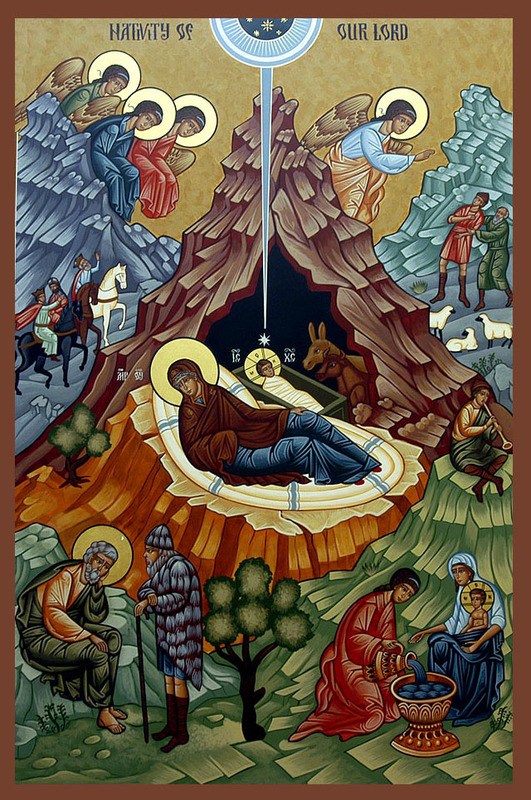
A Blessed Nativity

nativity-icon.jpg

“Dear Fathers and Friends in Christ,

On this Day of the Nativity of our Lord and Saviour Jesus Christ in the flesh, I wish you every blessing for you and your families.

May the joy of the angels be yours; may the faith of the shepherds be yours; may the wisdom of the magi be yours and may the light of Christ banish the darkness before our path as the Prince of Peace comes to reign in our hearts today.” (Fr. Jonathan H.)


The Monastery Diaries 4

88681
A photo journal 
*
Dear brothers and sisters in Christ,
Christ is in our midst!
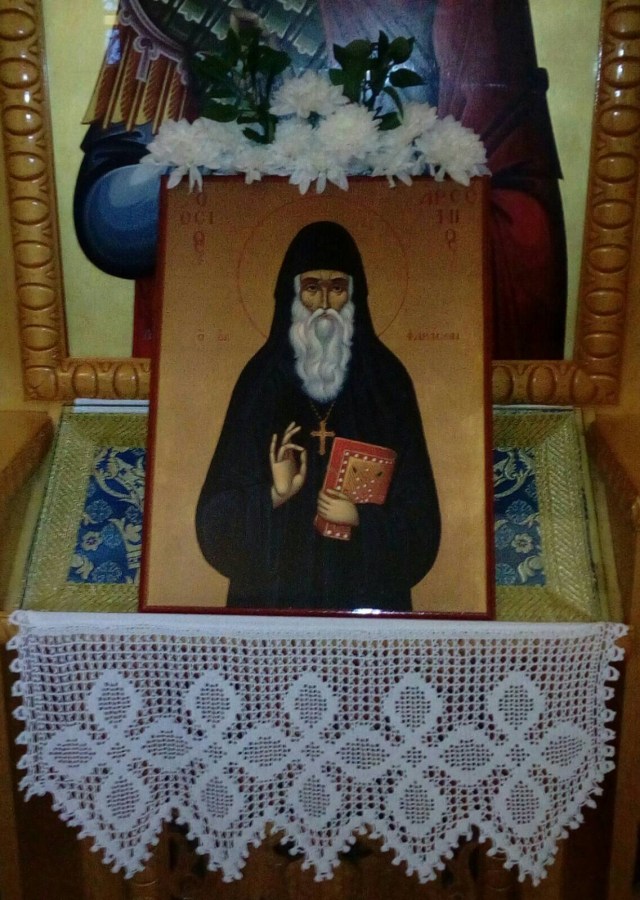
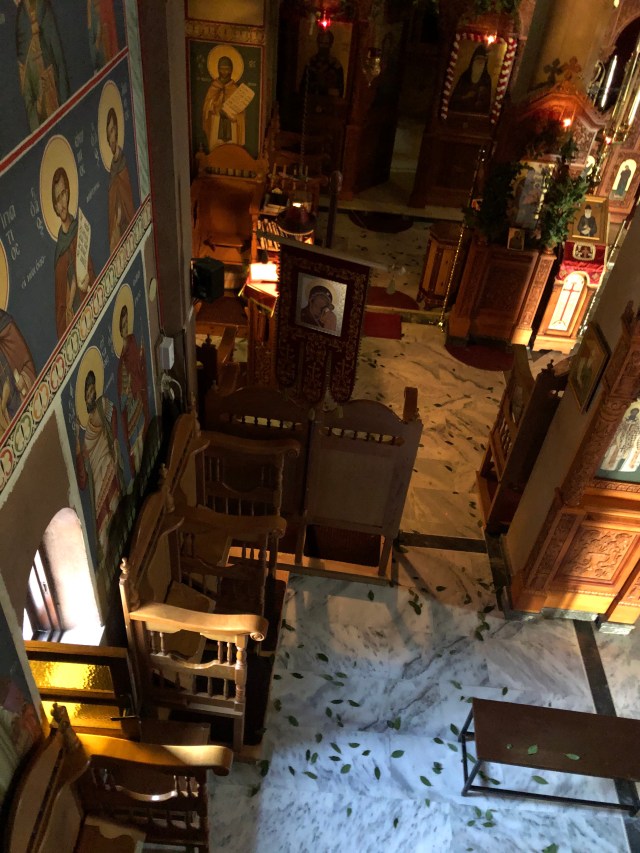
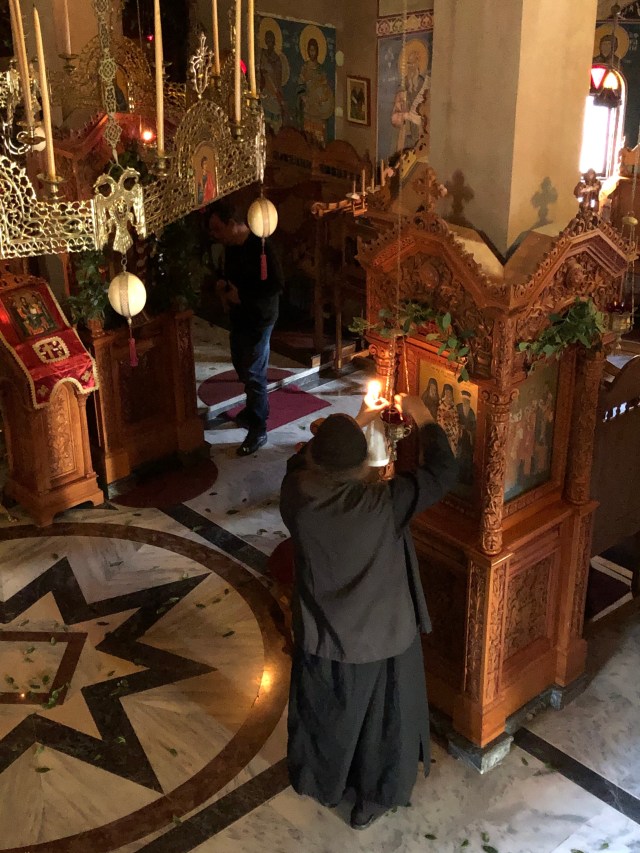
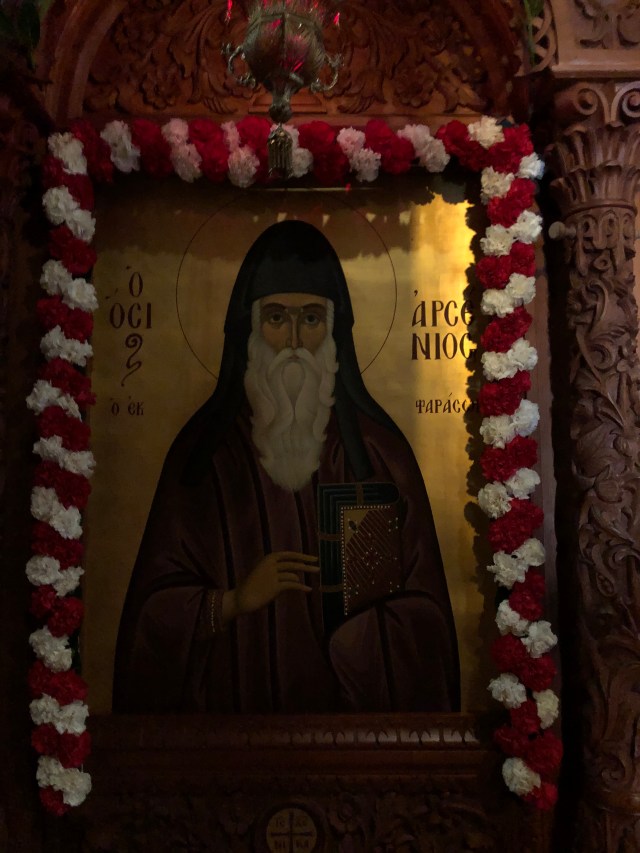
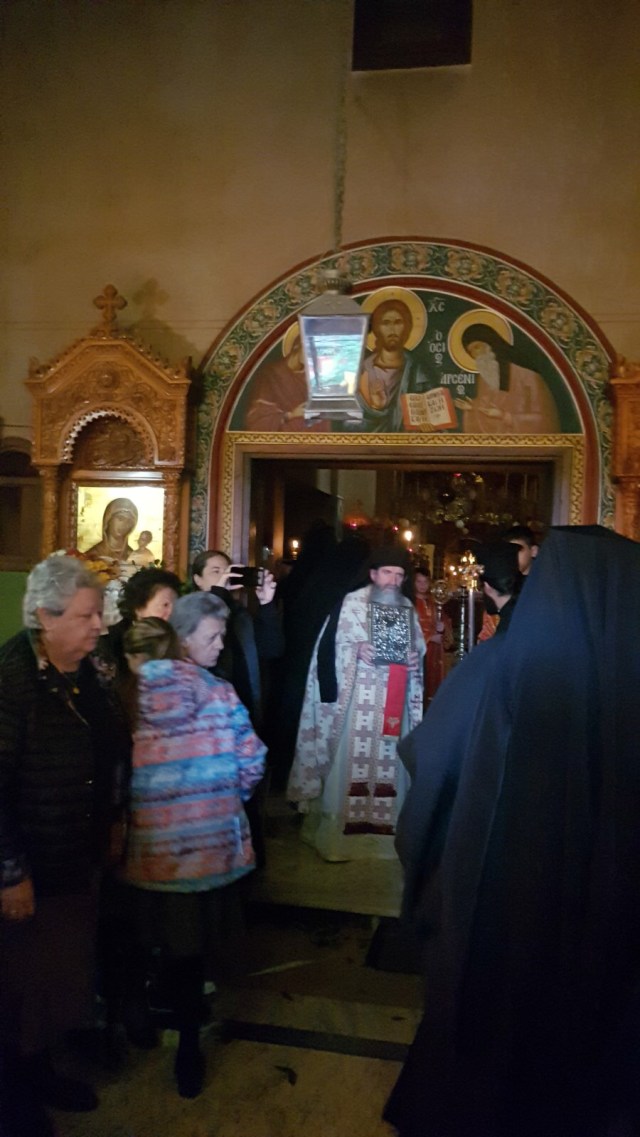
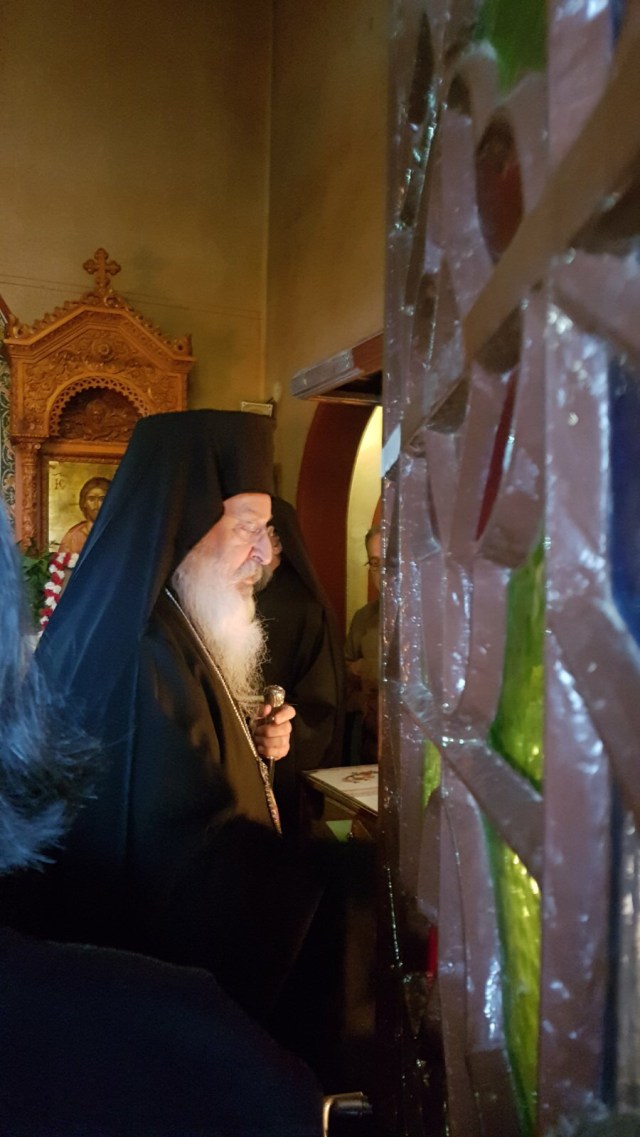
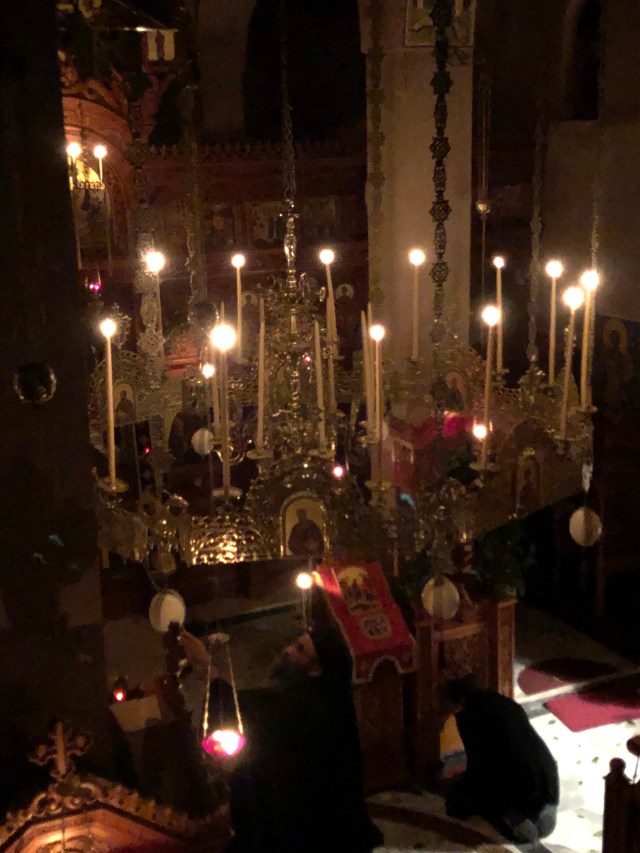
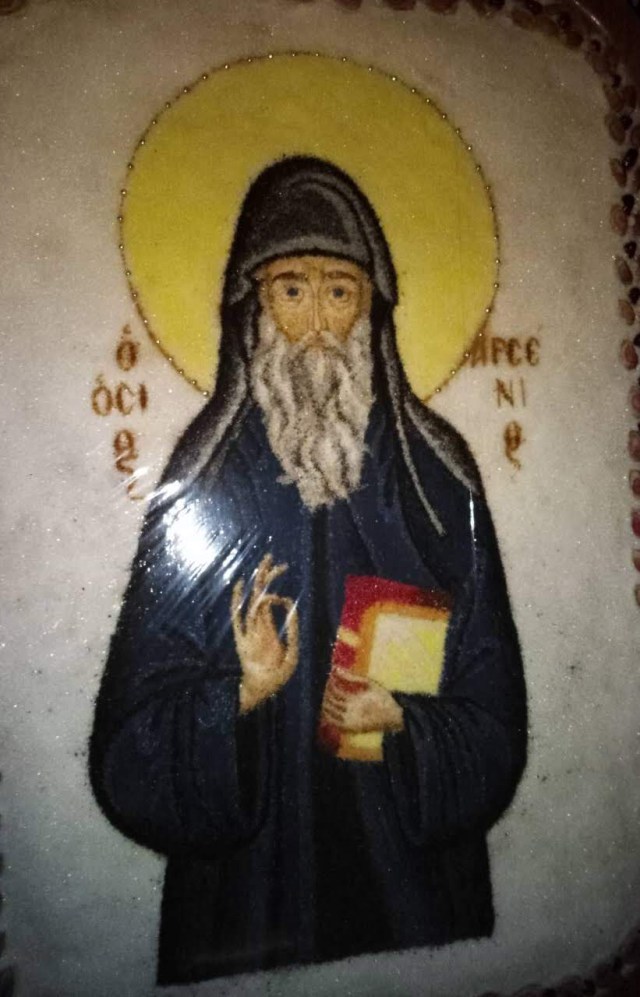
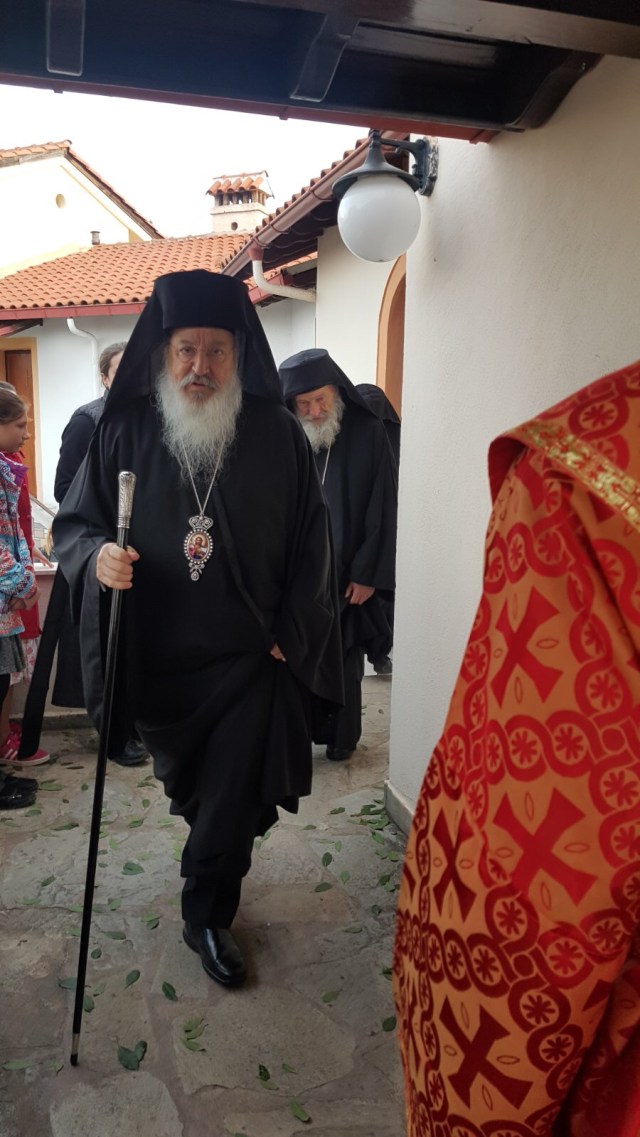
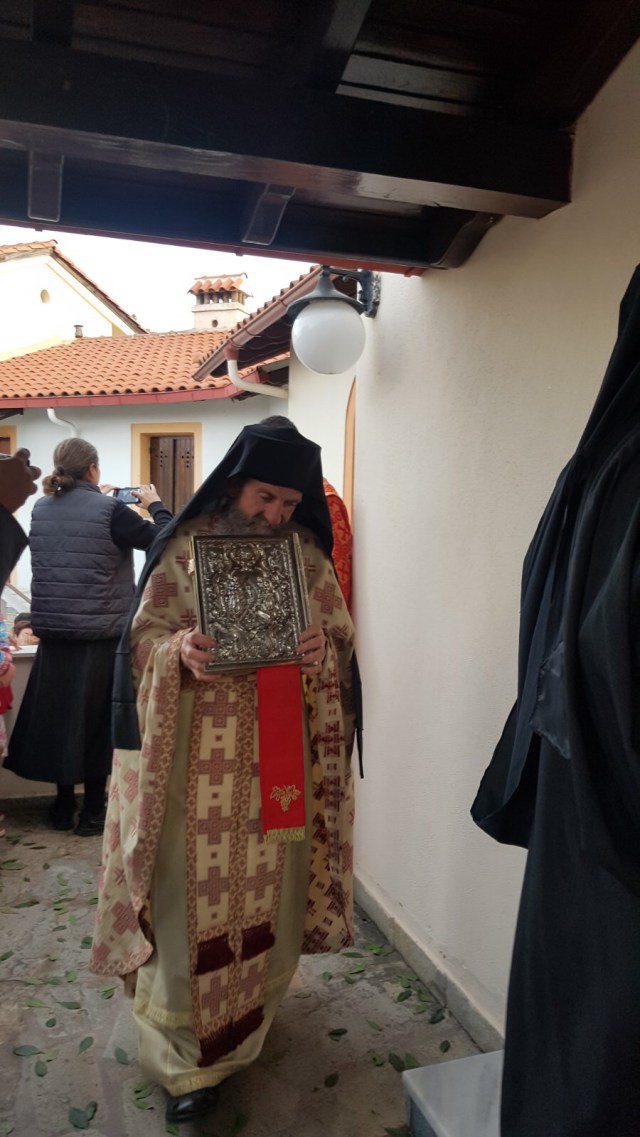
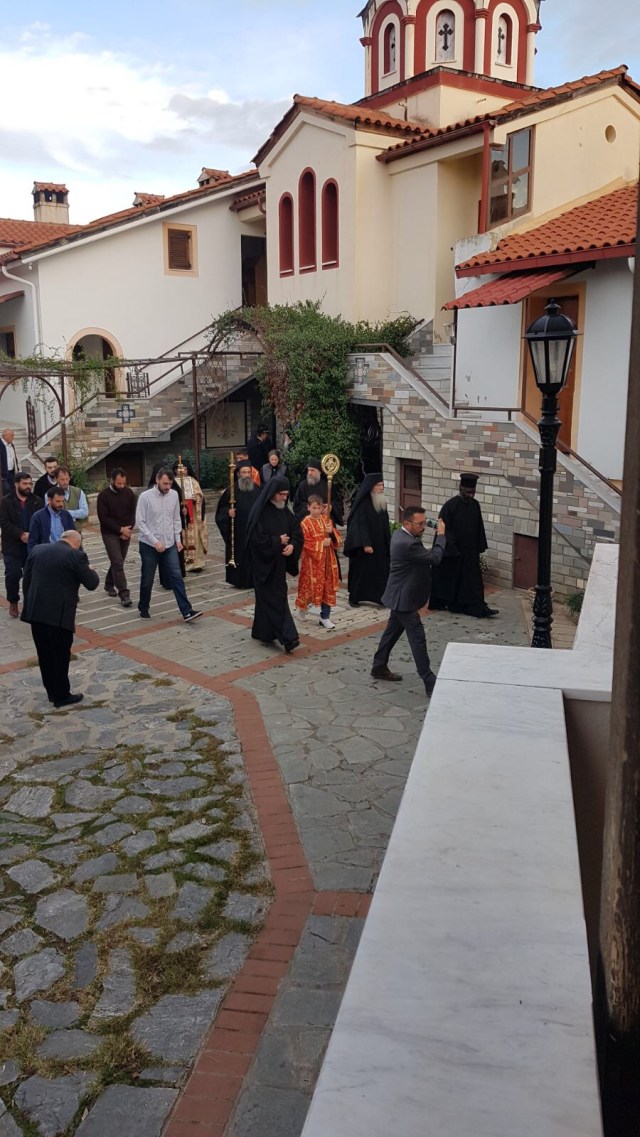
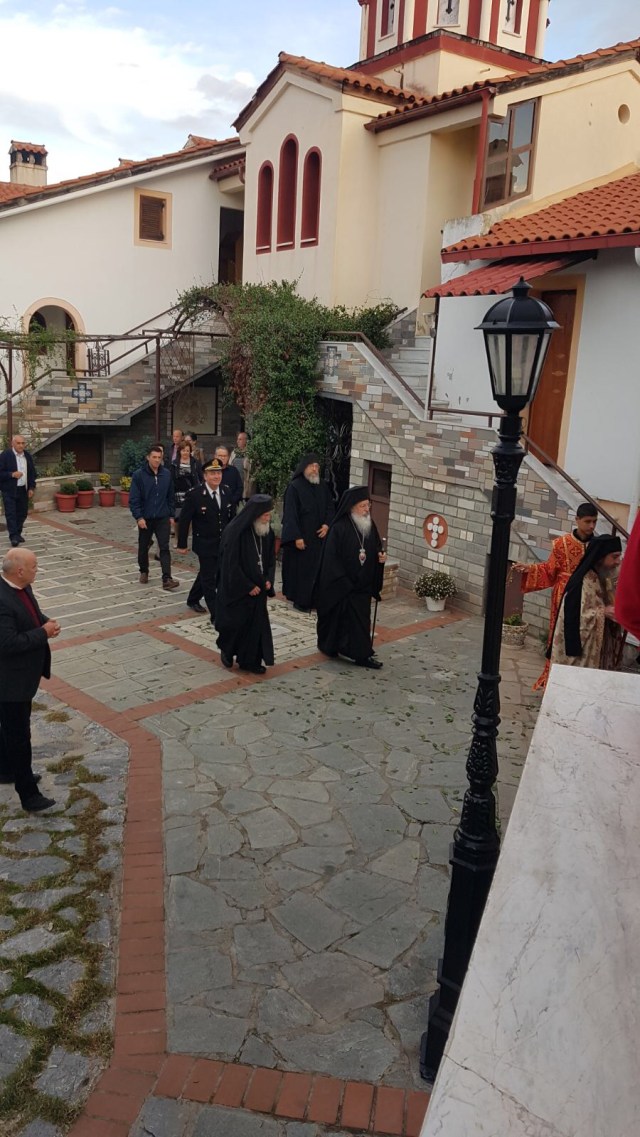
What a beautiful vigil at St Arsenios’ annual Feast (+St Arsenios of Cappadocia, Nov. 10)! I do not think any of my photos can convey the holiness conveyed through the monks’ exquisite, prayerful chanting,  the Fathers’ prayers, the censing, the tears of the faithful, the dancing chandeliers at Polyelaios…
IMG_FDFF402D104E-1
IMG_6E304B4371E5-1

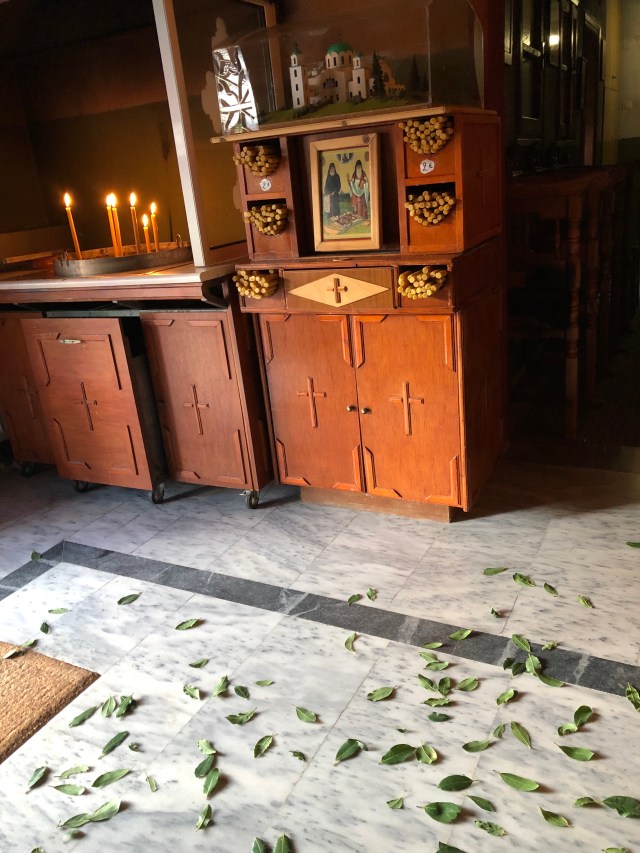
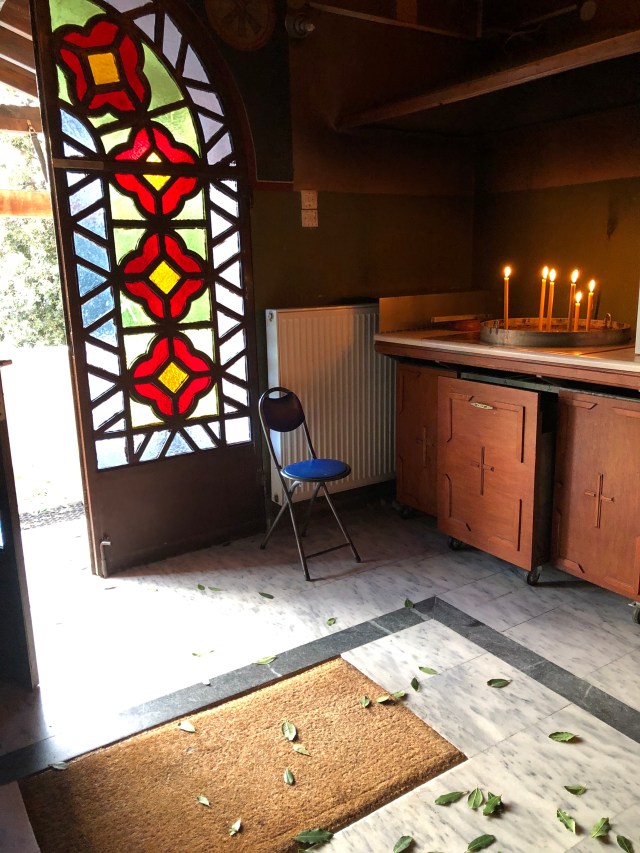
Fr Synesios was throwing bay leaves inside the church before Vespers started

IMG_0653IMG_2871IMG_2101

IMG_1558IMG_8919IMG_5297IMG_5587

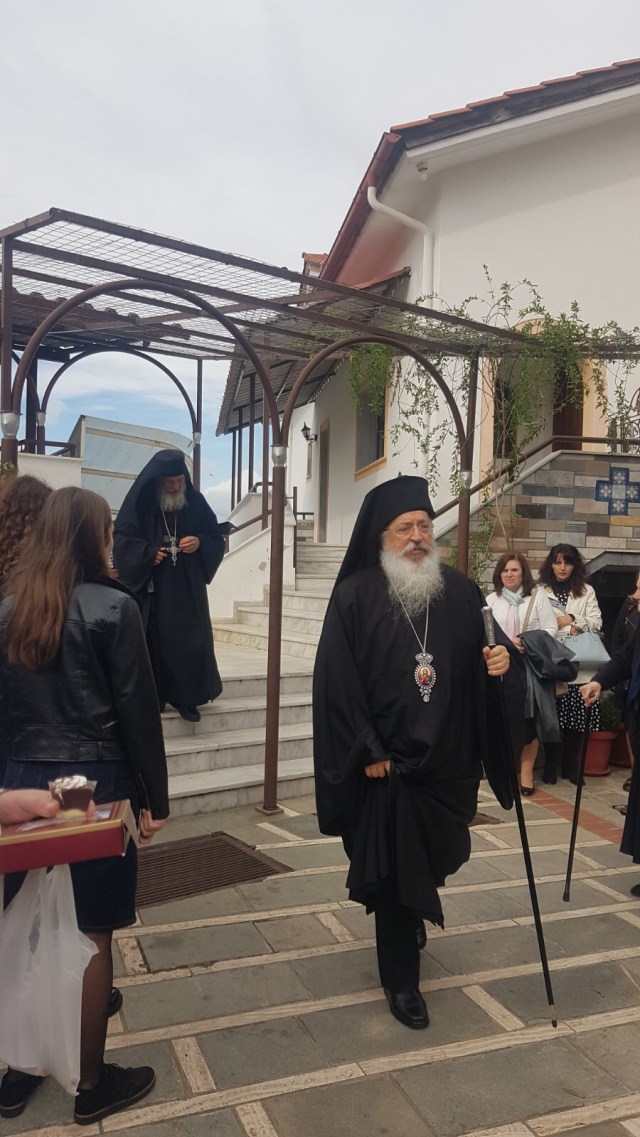
There were lots of hieromonks, laymen and chanters invited to help with the chanting and the hospitality, and several priests and bishops all over the world since Saint Arsenios monastery is a very missionary-minded monastery and Gerondas Theoklitos has quietly and very discreetly founded together with several of his monks lots of monasteries all over the world.

IMG_2751

IMG_BC1C2BD18149-1

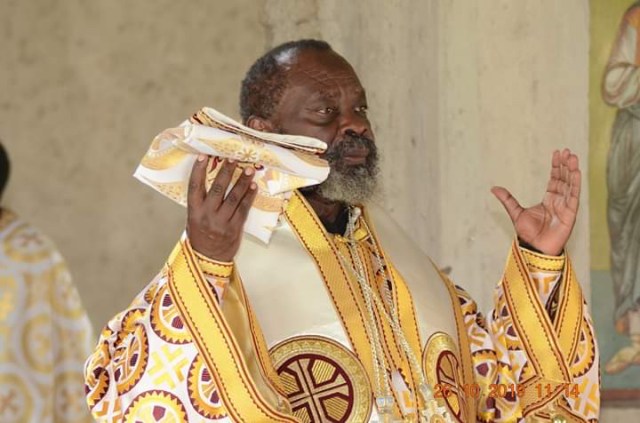
The Bishop Innokentios of Burundi and Rwanda

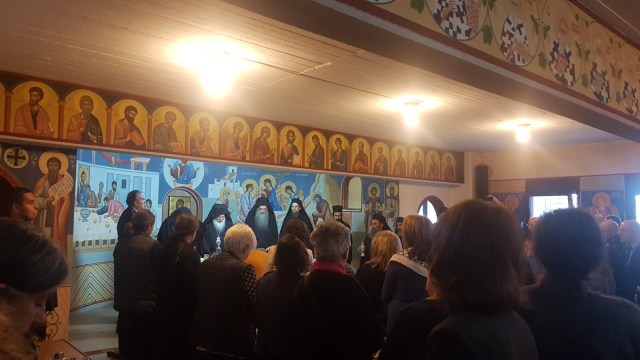
The Vigil was in two parts because the Feast was this year on a Sunday: on Saturday evening we had the Vespers and Matins, and on Sunday morning the Hours and the Holy Liturgy. Nonetheless, it was still too long, so long that the faithful were often seen collapsing in their stasidia and seats, and yet at the end, nobody wanted to leave. The monks though were so vigilant, like candles lit, not sitting down even for a minute during all these long hours.

IMG_68115BCA7559-1IMG_8A659EA92CA5-1IMG_300F0861531C-1IMG_173F043CC851-1IMG_1C1DF79131B7-1IMG_8C4C4A9EA4C8-1
IMG_5991

IMG_2784

Some of the kollyva prepared by the faithful and the monks.
IMG_B6DB764D2AE5-1
IMG_A4CF0C7796F4-1
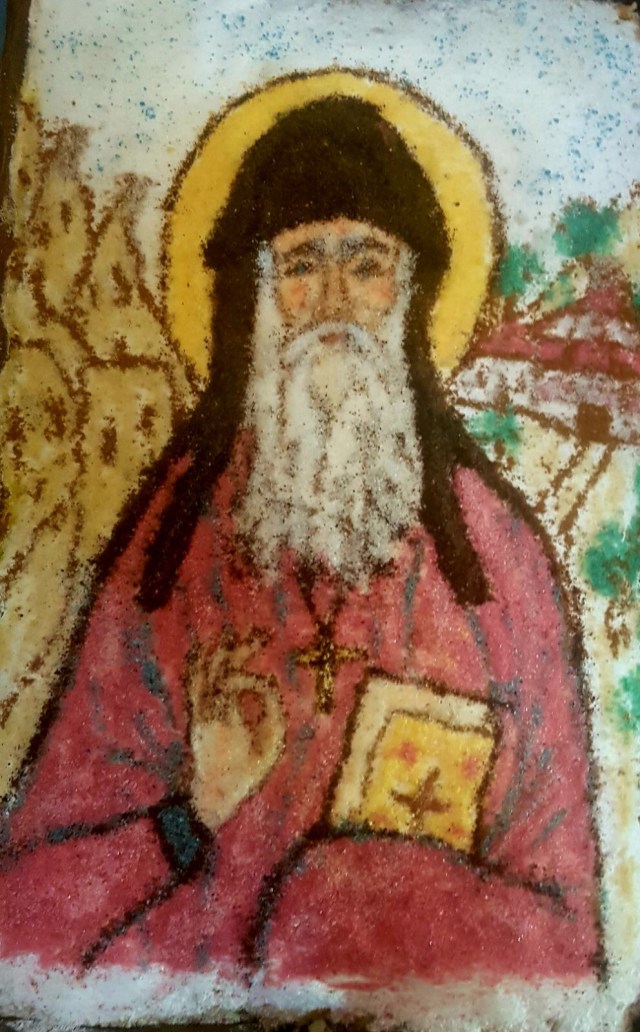
At the end of the Holy Liturgy, the kollyva of the Saint were prayed in front of his icon. These kollyva were such perfect icons “written” on the boiled wheat that we did not want to eat them! Then, all the faithful were given in the monastery yard a bit of this kollyva, artoklasia and special treats for the Feast, the Fathers briefly disappeared in the arhondarikion, and when we thought that we were done with eating and feasting, we were all invited into the monastery’s trapeza for yet for food.
IMG_5306C6226D50-1
IMG_41EAF004D336-1

During the agape meal, lots of chanters and two monks censing with a a katzion (special censer for feasts) and carrying a piece of holy bread,  a part of the proskomide’s holy bread, moved around all of us and we each picked up a very small piece. In that sense, the agape meal felt like yet one more Holy Liturgy after the Holy Liturgy in the church. Prayer seems to be seamlessly woven in all monastic activities, even in the washing-up that followed.

IMG_DBF8F7F2B930-1IMG_BB01370CCF4D-1IMG_AC8456CD3FFA-1

IMG_17CA7D9CC49B-1

Gerondas Theoklitos is on the left, Bishop Nikodemus of Kassandreia in the middle and the monk on the right , deeply bowing his head on the right is Father Arsenios. He was shining at his Saint’s Feast throughout the Vigil and the festivities that followed. He was honoured to read the Akathist before the Saint’s icon and the Synaxarion in the church and in the agape meal that followed at the end of the Holy Liturgy where all the faithful were invited to participate in a fellowship of Love and Holiness. Father Arsenios was the first to receive Holy Communion and the last to eat anything in the agape meal. In fact, I am not sure if he ate anything at all this day as he was so full of Joy and his Saint was feeding him with Heavenly food.

IMG_CFB336D2FD6E-1

IMG_B1369987B28D-1

IMG_BDD7A63DBDCD-1

This is Father Nikodemus who greeted me the first dawn here, on his way to a village parish, and we both admired the starlit sky, the “ison” for the worship unfolding in the monastery katholikon.

IMG_194C4CDD62A4-1IMG_D0BF64E15485-1IMG_15DC9D04966E-1

Love and poor prayers,
LCH

From Pascha to Good Friday

empty-tomb.jpg

That Easter (Paschal) Vigil Father Dionysios chanted “Christ is Risen!” only once. His next words were “My child, my child!” (1) The explosion of light which followed after at midnight the church went dark and the bells rang out to proclaim the resurrection was literally an explosion. When people started cheering and letting off firework crackers, one flare rebounded on a tree and exploded on his 6 years old son’s eye. K. his neighbour, 25 years old, had shot a flare with a sailor’s gun. It was Christos’ first time to hold the Paschal banner on the platform. They took the boy immediately to the nearest hospital, to the intensive care unit. For 5 days, Father Dionysios was holding his little boy’s hand praying for a miracle to save his life. His friends were screaming “Kill the murderer! He killed your son!” Father Dionysios told them to stop. “Do not lay charges on this man! Let us punish him with our love. What would Christ have done in our place? This is what you need to ask yourselves.”  For 4 days and nights, Father Dionysios pleaded on his knees. We did not know what happened on that 4th night but we saw him the following day in church exhausted but serene. Then, at 11 am, the news from the hospital came.  “We did all we could …” Father Dionysios looked up to the sky, and a tear trickled down his cheek to the ground.

The following day, Bright, Resurrection Day, but for their village was Good Friday. The little coffin was white. Father Dionysios, pale, was holding his little son’s hand, just as he had done all his life and the last four days in intensive care. He was his only son.
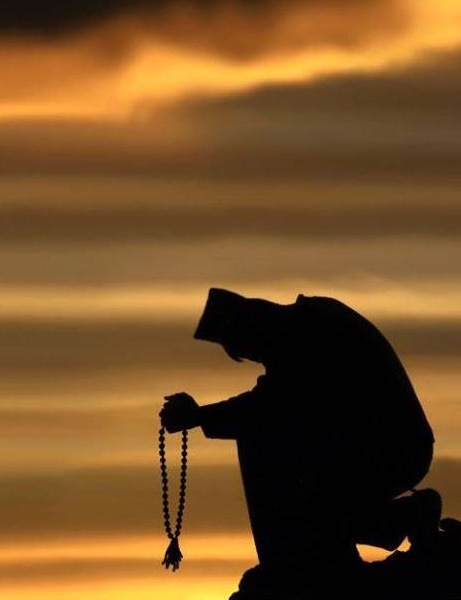
After the funeral, they kept pressing him to lay charges against his neighbour. He refused again. The following day he went to visit him in jail. The man everybody called a murderer. When he saw him, he wept and held his hand. Both were weeping. “Don’t say anything”, he told him. “He Who gives life, He knows ..” And he forgave him.
The Tear in the Chalice

One Sunday in June was the Memorial Service. At “Thine Own of Thine Own”, Father Dionysios looked at the Cross in the altar, and saw Christakis, not Christ, on the Cross, looking at him. Tears welled up in his eyes. Then he looked up again at the Cross, and he saw his son’s “murderer” face on Christ’s. His neighbour was still in jail. More tears welled up in his eyes. When he raised his eyes again for a third time, he saw Christ’s face on the Cross, Christ weeping and a tear falling in the Chalice.


(1) This story is real, and the event took place in Drosia, Evia, in 2011. Christos Soutzios, 6 years old, the priest’s only son, got killed by a flare. That memorial service took place on June 5, 2011. 

Source: https://www.egnomi.gr/article/14902/to_megaleio_tis_psyxis_toy_papa_dionysi.html

https://www.newsit.gr/topikes-eidhseis/xalkida-sygklonizei-o-pateras-pou-eide-na-skotonetai-to-paidi-tou-apo-naytiki-fotovolida-video/2769945/


*Sent by Hieromonk Synesios, St. Arsenios Monastery


Living Waters

living waters.jpg

“But whosoever drinketh of the water that I shall give him shall never thirst; but the water that I shall give him shall be in him a well of water springing up into everlasting life.” (John 4:14)

“He that believeth on me, as the scripture hath said, out of his belly shall flow rivers of living water. (John 7:38)”

What beautiful imagery! Indeed, the teachings of Our Lord came to the thirsting human race like living water, like a river of grace cooling the face of the earth. Christ is the fount of grace ‘of the water that will gush up to eternal life’, which slakes and waters people’s souls which are parched with raging thirst. Which transforms those who drink into springs: ‘Rivers of living water shall flow from their bellies’. And He said to the Samaritan woman’. The water that I shall give them will become in them a spring of water gushing up to eternal life’. Which transformed the desert of the world into a paradise of evergreen trees planted by God, planted as the edge of the waters by the Holy Spirit.

*

THE FEAST OF MID-PENTECOST AND THE PENTECOSTARION

The fifty days following Pascha until the Feast of Pentecost are known as the period of the Pentecostarion in the Orthodox Church. At the mid-point between these great feasts of Pascha and Pentecost, on the twenty-fifth day which is always a Wedneday, is one of the most beloved feasts for the most devout Orthodox Christians known quit simply as Mid-Pentecost. Mid-Pentecost is to the Pentecostarion what the Third Sunday of Great Lent which honors the Holy Cross is to the period of Great Lent. It is a day which helps us focus on the central theme of the entire period. Whereas the mid-point of Great Lent reminds us to bear up the Cross of Christ bravely so that we may daily die with Christ in order to experience the Resurrection of our Lord, so also the mid-point of the Pentecostarion enlightens us regarding the theme of the fifty days following Pascha – which is the acquisition of the Holy Spirit poured out as a gift upon all the faithful who partake of the living water which is Christ Himself.

The central theme woven throughout the period of the Pentecostarion therefore is water. This becomes the central theme of the period because it is the central theme of the Gospel of John which we read in its entirety during the Pentecostarion and which naturally flows into the Acts of the Apostles which is also read during this period in its entirety. This theme appears for the first time on Pascha itself in the joyous Canon of the Feast of Feasts written by Saint John the Damascene when he invites us to “drink a new drink,” not “brought forth from a barren rock,” as in the Old Testament under Moses, but which rather “springeth forth from the grave of Christ.” Then during the Paschal Divine Liturgy the priest processes with the Gospel and chants loudly from Psalm 67:27 saying: “In the congregations bless ye God, the Lord from the well-springs of Israel.”

When Renewal or Bright Week is over the Church wisely sets up two Sundays in which to abolish all doubts concerning the Resurrection of Christ, that of the Sunday of Saint Thomas and the Sunday of the Myrrh-bearing Women. This is done in order to ensure that we all partake of the living water that only the risen Lord can give. The following three Sundays, as we approach Pentecost, the theme of water becomes more and more central in the hymns of the Church. Thus we are found one Sunday at the Sheep’s Pool with the Paralytic, then at the Well of Jacob with the Samaritan Woman, and finally at the Pool of Siloam with the Blind Man. During this festive period we hear concerning the “living water” which if one partakes of “he will never thirst”. We are taught that it is our Savior Himself who is this living water, and we partake of Him through the baptismal waters and the Cup of Life which issued forth from His side at His crucifixion unto remission of sins and life everlasting. Then on Pentecost we have grace rained upon our parched souls and bodies so that we may be fruitful and have a great harvest as we hear from the holy Gospel on that day: “If any man thirst, let him come unto Me and drink”. Finally the Pentecostarion concludes with the Feast of All Saints, that is those who partook of the “waters of piety”, which is the harvest of the outpouring of the Holy Spirit.

The Fathers teach us that the feast of Mid-Pentecost stands in the middle of the fifty-day period from Pascha to Pentecost as a mighty flowing river of divine grace which have these two great feasts as its source. Pascha and Pentecost are united in Mid-Pentecost. Without Pascha there is no Pentecost and without Pentecost there is no purpose to Pascha.

We read the following entry in The Great Horologion that further explains the details of the feast:

“After the Saviour had miraculously healed the paralytic, the Jews, especially the Pharisees and Scribes, were moved to envy and persecuted Him, and sought to slay Him, using the excuse that He did not keep the Sabbath, since He worked miracles on that day. Jesus then departed to Galilee. About the middle of the Feast of Tabernacles, He went up again to the Temple and taught. The Jews, marveling at the wisdom of His words, said, ‘how knoweth this man letters, having never learned?’ But Christ first reproached their unbelief and lawlessness, then proved to them by the Law that they sought to slay Him unjustly, supposedly as a despiser of the Law, since He had healed the paralytic on the Sabbath.

“Therefore, since the things spoken of by Christ in the middle of the Feast of the Tabernacles are related to the Sunday of the Paralytic that is just passed, and since we have already reached the midpoint of the fifty days between Pascha and Pentecost, the Church has appointed this present feast as a bond between the two great Feasts, thereby uniting, as it were, the two into one, and partaking of the grace of them both. Therefore today’s feast is called Mid‐Pentecost, and the Gospel Reading, ‘At Mid‐feast’—though it refers to the Feast of the Tabernacles—is used.

“It should be noted that there were three great Jewish feasts: the Passover, the Pentecost, and the Feast of Tabernacles. Passover was celebrated on the 15th of Nissan, the first month of the Jewish calendar, which roughly coincides with our March. This feast commemorated that day on which the Hebrews were commanded to eat the lamb in the evening and anoint the doors of its houses with its blood. Then, having escaped bondage and death at the hands of the Egyptians, they passed through the Red Sea to come to the Promised Land. It is called ‘the feast of Unleavened Bread,’ because they ate unleavened bread for seven days. Pentecost was celebrated fifty days after Passover, first of all, because the Hebrew tribes had reached Mount Sinai after leaving Egypt, and there received the Law from God; secondly, it was celebrated to commemorate their entry into the Promised Land, where also they ate bread, after having been fed with manna forty years in the desert. Therefore, on this day they offered to God a sacrifice of bread prepared with new wheat. Finally, they also celebrated the Feast of Tabernacles from the 15th to the 22nd of ‘the seventh month,’ which corresponds roughly to our September. During this time, they lived in booths made of branches in commemoration of the forty years they spent in the desert, living in tabernacles, that is, in tents (Ex. 12:10‐20; Lev. 23 LXX). “

The Feast of Mid-Pentecost is celebrated for an entire week until the following Wednesday, making it an eight day feast. During this entire time the hymns of Mid-Pentecost are joined with that of Pascha. Because of the theme of water, traditionally the Church celebrates the Lesser Blessing of the Waters on this day, preferably with a procession with the Holy Cross to a water spring.

The theme of the feast not only invokes water, but even more central to the Gospel chronology it honors Christ as Teacher and Wisdom as He reveals Himself between the stories of the Paralytic and that of the Blind Man. During this time we are told: “Now about the middle of the feast Jesus went up into the temple, and taught…Jesus answered them, and said, ‘My doctrine is not mine, but his that sent me. If any man will do his will, he shall know of the doctrine, whether it be of God, or whether I speak of myself'” (John 7:14-30). The icon for this feast depicts the young Jesus teaching the elders in the Temple (Luke 2:46, 47) at which time Jesus first revealed Himself as a teacher or rabbi. Traditional Orthodox icons will depict Jesus as larger than the elders, showing his superior spiritual status.

Since the hymns of the Church invoke and praise our Lord as the Wisdom of God spoken of in the Book of Proverbs, it is traditional that all churches named after Holy Wisdom or Hagia Sophia celebrate their feast on this day. In fact, Greek scholar Constantine Kalokyre has written a study titled “The Churches of the Wisdom of God and the Date of their Celebration”, which appeared in the periodical Saint Gregory Palamas, no. 71 (723) (1988), pp. 538-617. In this study he comes to the conclusion that the Great Church of Hagia Sophia in Constantinople celebrated its feast day on Mid-Pentecost.

From Mystagogy

Also cf Pemptousia

*   *   *

Troparion, tone 8: Having come to the middle of the Feast, refresh my thirsty soul with the streams of piety; for Thou, O Saviour, didst cry to all: Let him who thirsts come to Me and drink. O Christ our God, Source of Life, glory to Thee.

Kontakion, tone 4: When the Feast of the law was half over, O Lord and Creator of all, Thou didst say to the bystanders, O Christ our God: Come and draw the water of immortality. Therefore we fall down before Thee and cry with faith: Grant us Thy bounties, for Thou art the Source of our Life.


Prayer for Difficult Times

eclipse

By Elder Sophrony of Essex

‘In difficult times, when all my efforts have failed to conform the events of my life towards the Gospel teaching, I would pray in the following manner:
“Come and make Yourself one with my will. Your commandments do not fit within my narrow heart, and my finite nous does not comprehend their content. If You are not well pleased to come and dwell within me Yourself, then I will inevitably be led towards the darkness. I know that You do not work through force, so I entreat You: Come and take charge of my house, and wholly renew me. Transform the hellish darkness of my pride into Your humble love. Transfigure with Your Light my corrupted nature, that no passion might be able to remain within me that would prevent Your coming with Your Father (John 14:21-23). Make me a dwelling place of that holy life which You Yourself have allowed me to taste of here in part…Yes, O Lord, I entreat You, do not deprive from me this sign of Your goodness.” ‘

*
Elder Sophronios’ prayer is so ‘Palamite’ ( +St. Gregory Palamas, Archbishop of Thessalonika the Wonderworker)

 “The first two years in his monastic habit, he spent with fasting, vigil, concentration of the mind and unceasing prayer. In his prayers he always evoke as intercessor the Mother of God and in every occasion he would ask for Her help. Once, when he was still and wholly surrendered to the thought of God, he saw in front of him a very venerable elder (St. John the Theologian). Turning at him with a gentle look, the elder said: ”I came my child, sent by the Most Holy and Queen of all to ask you, why every hour, day and night, you cry to God ‘…enlighten my darkness, enlighten my darkness …?” In reply, Gregory said: ”And what else shall I ask, me who am full of passion and sin, but to be shown mercy and be enlighten to see and do the Will of God?” Then the Evangelist told him: ”The Mistress of all – through me, her servant – commands that I should be your helper.” Then Gregory asked him: ”When will the mother of my Lord help me, now or after death?” ”Now and at the future life”, said the Theologian and disappeared, filling the heart of Gregory with unspeakable joy in regard to the promises of the mother of God.”

 The life of Saint Gregory Palamas Archbishop of Thessalonika the Wonderworker by Philotheos, Patriarch of Constantinople