Scilly Celtic Saints

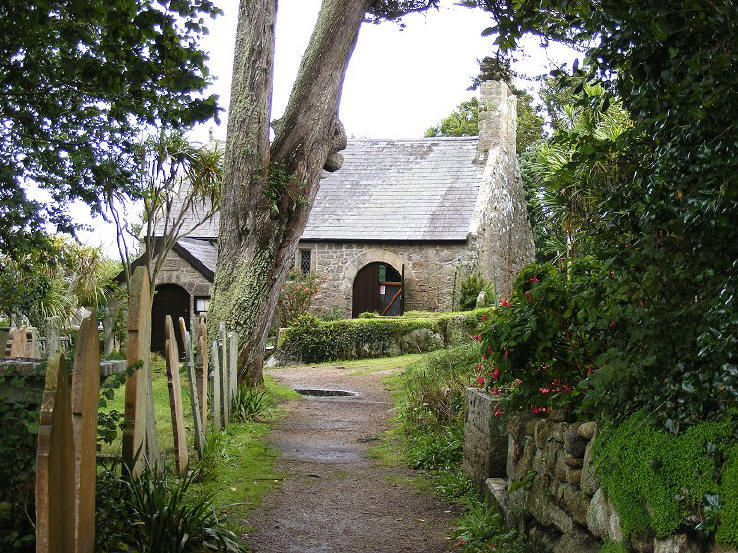
scilly1

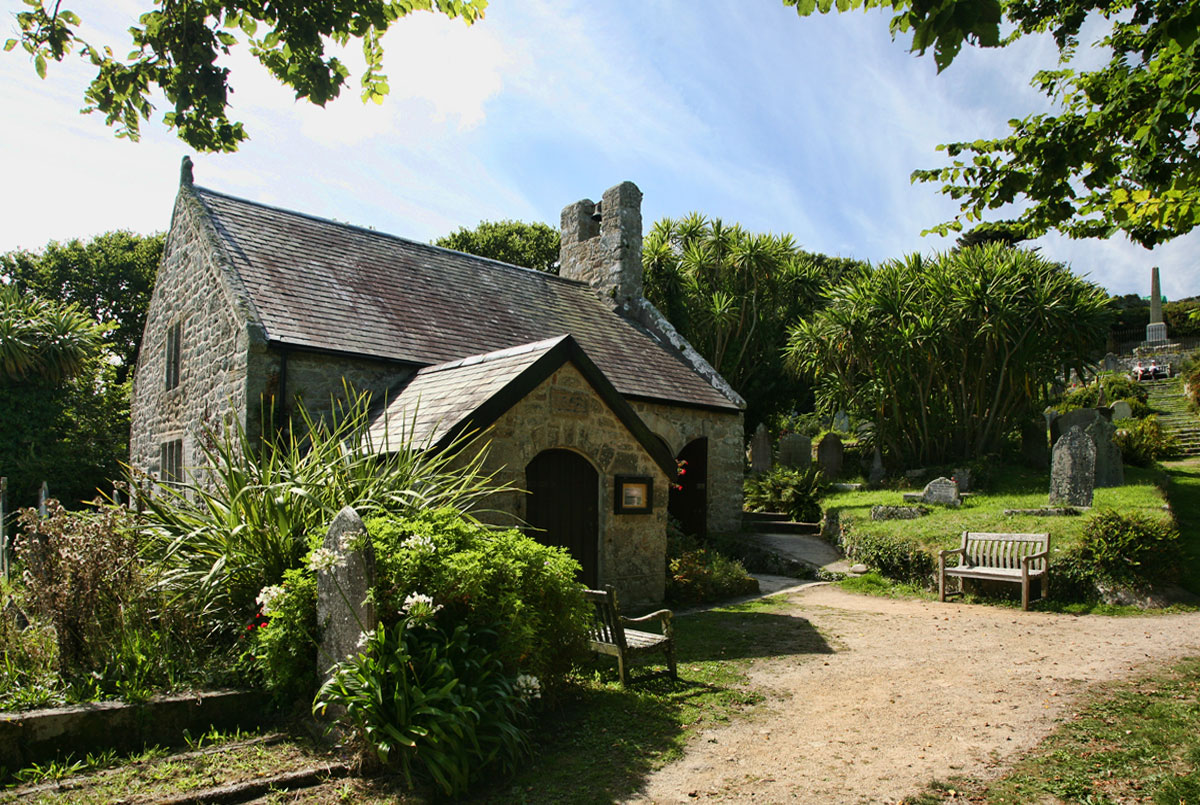
scilly4

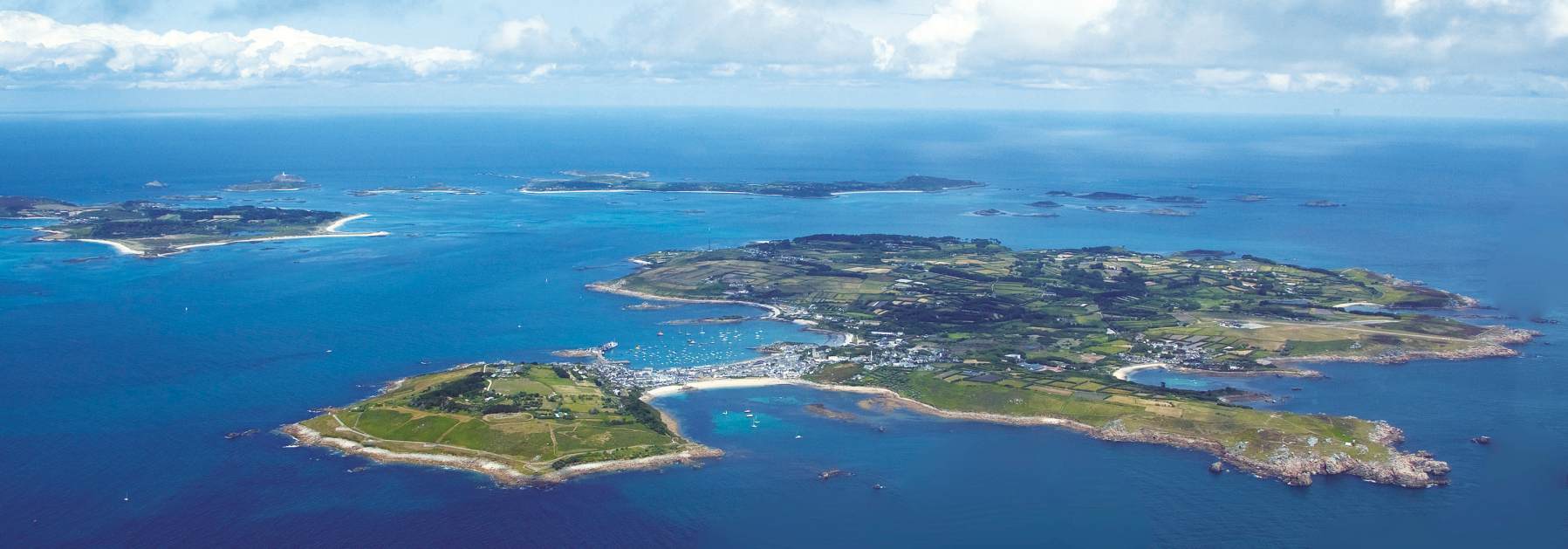
Isles_of_Scilly_NASA

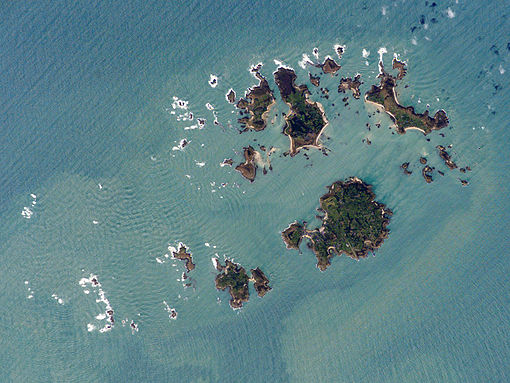
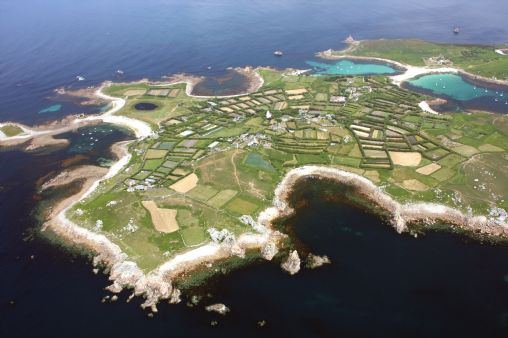
Aerial photo of the Isles of Scilly

*

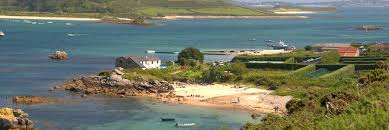
To continue our pilgrimage to the Celtic sacred sites and pilgrim routes of England, our next stop is Scilly –pronounced “silly”–Islands! Yet another look at Christian faith from a Celtic perspective. Have you been there? The Isles of Scilly (/ˈsɪli/CornishSyllan or Enesek Syllan) (Introduction of the “c” may be to prevent references to “silly” men or saints!) are an archipelago off the southwestern tip of the Cornish peninsula of Great Britain, comprising  5 Major, inhabited islands,St Mary’sTrescoSt Martin’sBryherSt Agnes and 140 others. 

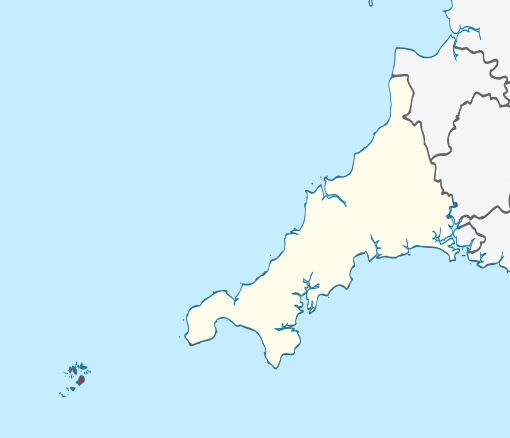
Isles_of_Scilly_in_Cornwall

The Isles of Scilly (bottom left corner) are a part of the ceremonial county of Cornwall (white)

scilly3

Scilly Saints

Holiday Reflections on these Holy Isles

By Father Jonathan Hemmings

scilly2

“For since in the wisdom of God the world through its wisdom did not know him, God was pleased through the foolishness of what was preached to save those who believe.” (1 Corinthians 1:21)

*

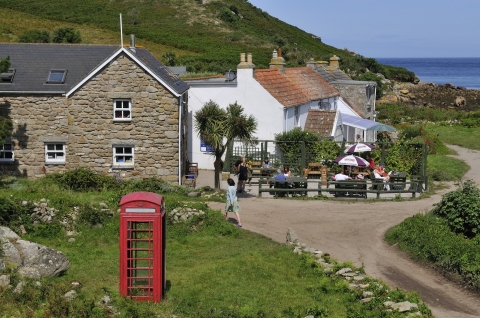
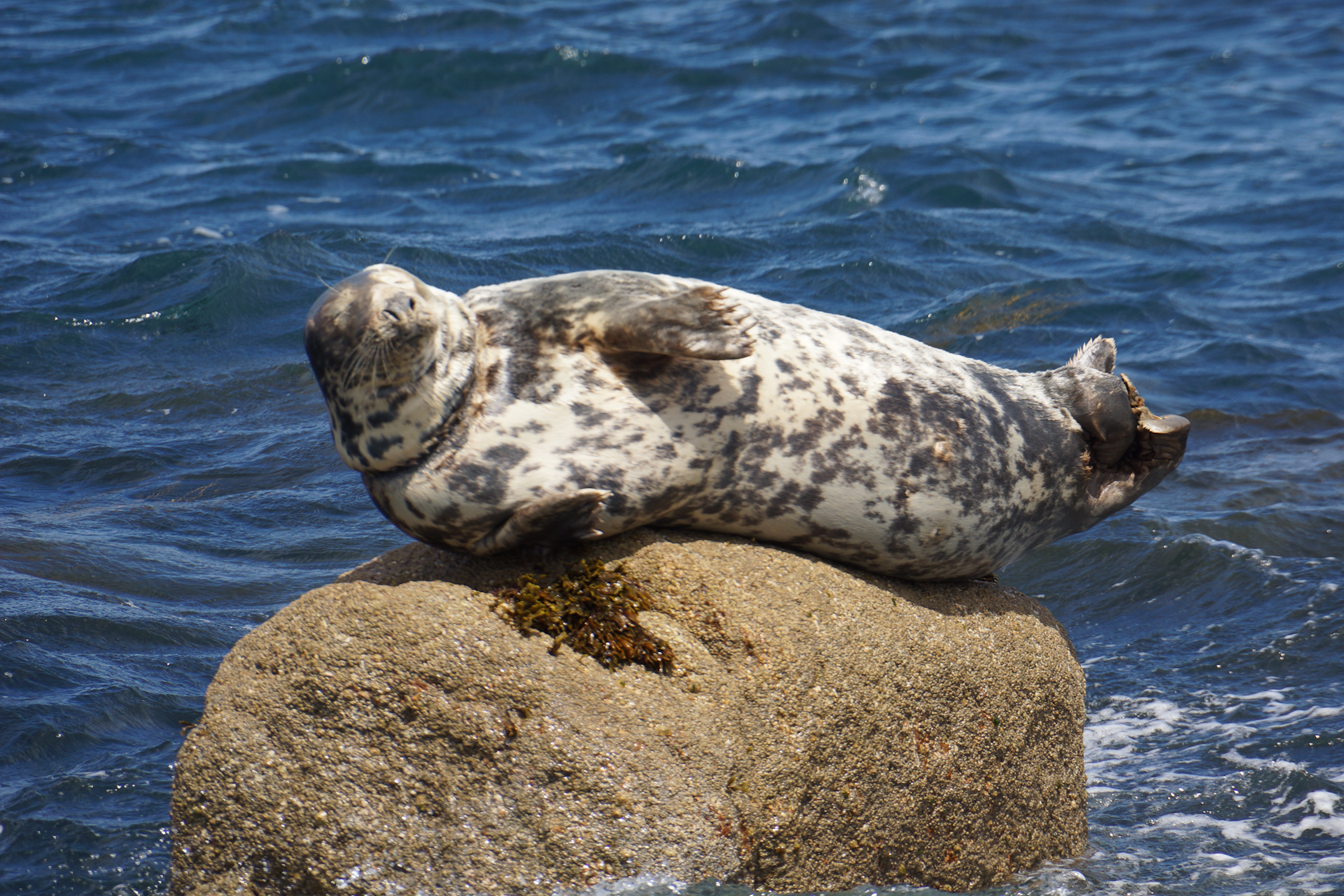
Forty miles south west off the Cornish coast are the beautiful Scilly Islands. Bathed by clear water, graced by an equitable and temperate climate, surrounded by wildlife in sea and air, seals, puffins and dolphins, they have a flora unique to the British Isles. The very names of some of these Islands, St.Mary, St.Agnes, St.Martin, St.Helen, suggest a link between faith and culture. Look a little deeper and one finds an important vein of Celtic Orthodox spirituality etched, sometimes quite literally into the very granite of the rocks that form the base of life in these offshore outposts of faith and spiritual powerhouses of prayer.

 *

St. Mary’s

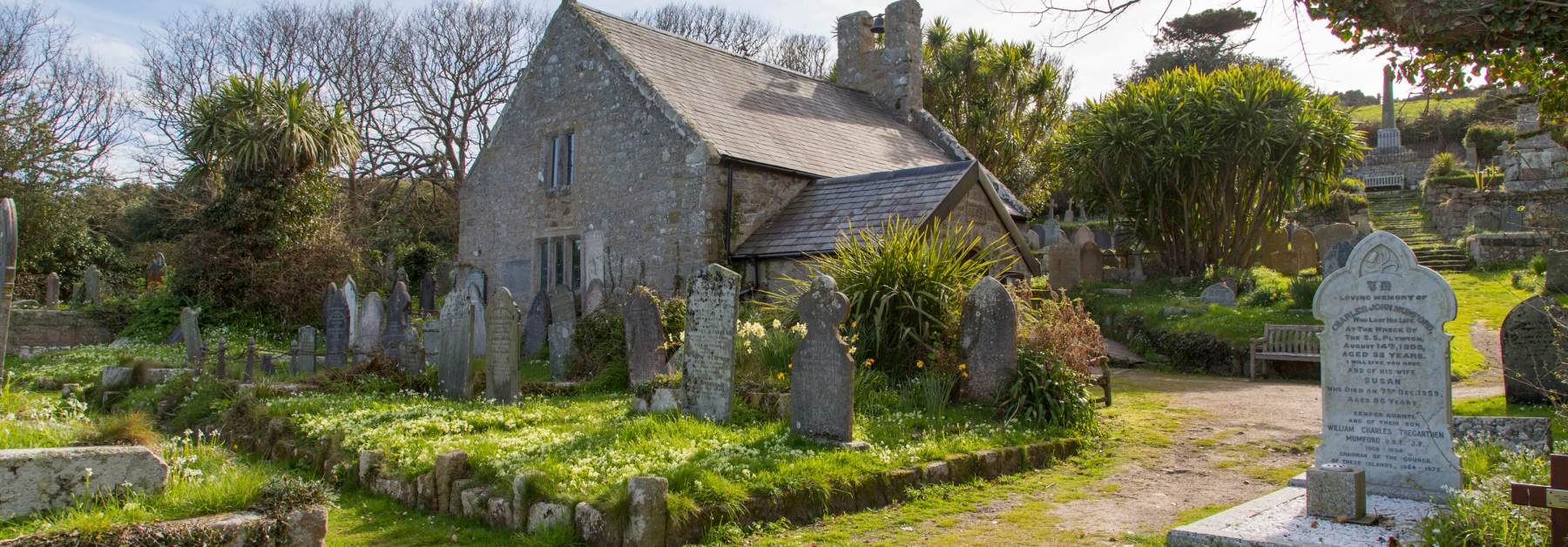
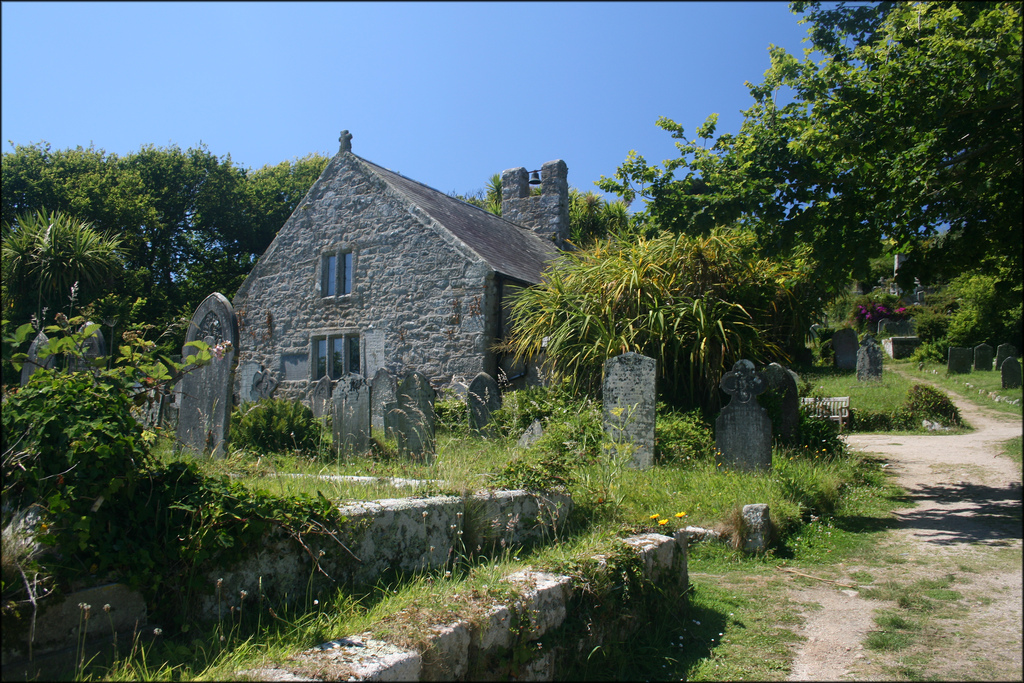
The largest of the Islands, it was known at first as Ennor, the origin of which is obscure, it seems that the name of the island was taken from the dedication of the Church in the Old Town to Our Lady in mediaeval times. As “Star of the Sea” (Steren an Mor) the intercessions of the Mother of God are still sought for those who sail in these shipwreck strewn islands where the hazards of shallow tides and hazardous rocks still persist and catch the unwary voyager. [ For a list of shipwrecks of the Isles of Scilly go to http://list of shipwrecks of the Isles of ScillyThere is a little valley in the middle of the island known as Holy Vale.

scilly-st mary

scilly-st mary and tesco

scilly-st mary1

scilly-st mary3

scilly-st mary5

scilly-st mary6

scilli-st mary's9

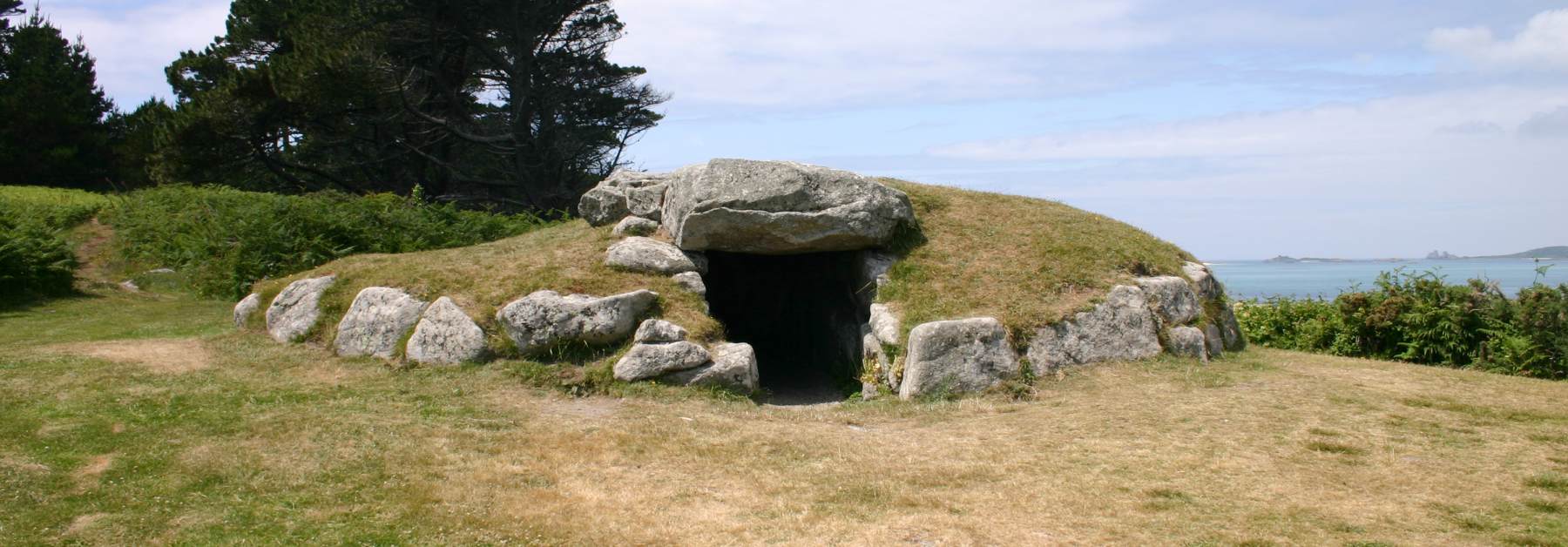
Bants Carn, St Mary’s

 scilly-st mary8

Scilly St Mary’s Bant burial chamber entrance

*

St. Agnes

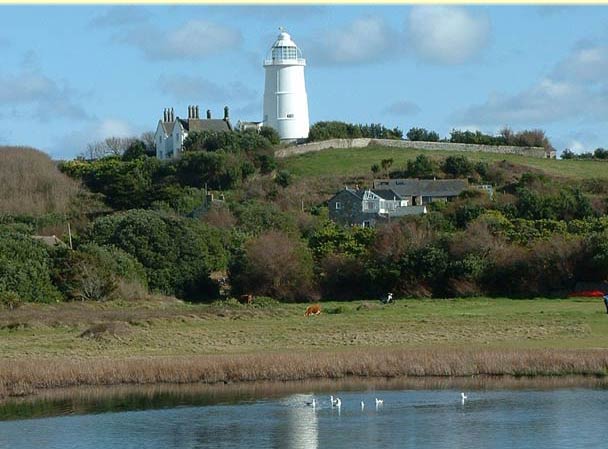
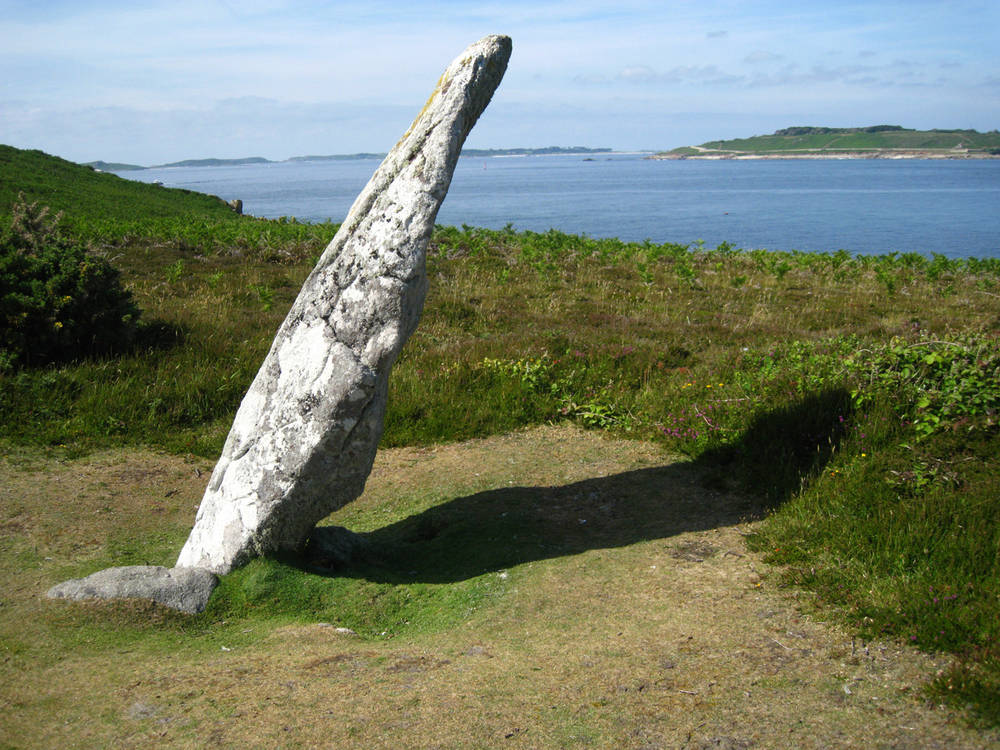
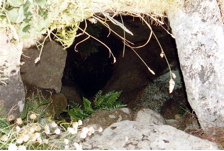
The southernmost Island is that of St. Agnes. Named after the Roman Saint we find during Norman times the replacing of celtic saints with popular western saints. However, to the south east of the Island is the crescent- shaped St. Warna’s Cove which marks the spot where this Irish celtic nun landed and made her dwelling-place after sailing single handed from Ireland. It is remarkable to ponder on the courage and fearless spiritual enterprise of the Celtic Christians who used the Irish Sea much as we today would use the M6 motorway. St. Warna is the patron saint of the Scilly Island of St Agnes and prays for the salvation of those subject to wrecks. It may be noted that it is said that some of the more pagan element wanted shipwrecks in order to plunder the cargo in past times. At St. Warna’s Cove there is a holy well near to the shore where the saint lived in her hermitage and prayed. Nearby there is a large standing granite stone with an impressive and distinctive Cross emblazoned on its face made by the weathering of the wind!
scilly-st agnes2

scilly-st agnes3

scilly-st agnes4

Porth Conger, St Agnes

scilly-st agnes

St Agnes, isles of Scilly and The Bar of sand which connects it to Gugh
scilly-st agnes7

Views taken on or on the way to St Agnes

scilly-st agnes9

Summer Sky – St Agnes, Scilly Isles

scilly-st agnes5

Troy Town Maze, St. Agnes, Isles of Scilly
scilly-st agnes6

Gugh. Gugh, St. Agnes, Isles of Scilly
scilly-st warna5

On the island of St Agnes, St Warna is the patron saint of shipwrecks

 *

St. Martin’s

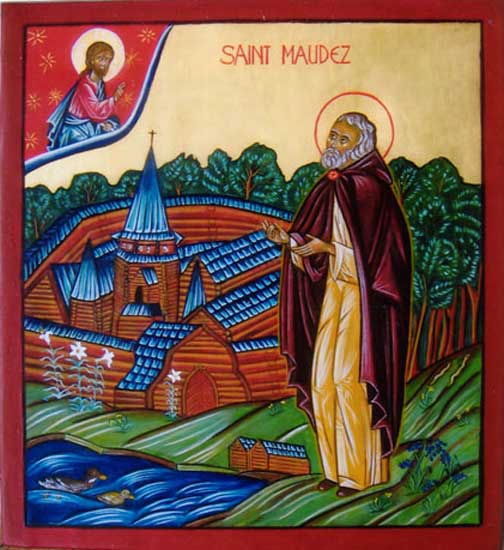
The Island was originally called Mauded which is similar to the Breton name for the Cornish St. Mawes who has a small town named after him near Falmouth where he lived for a time after sailing from south Wales. In the Roman Calendar his feast day is November 18th. According to tradition he was a 6th Century Welsh hermit and Abbot, also called Maudetus or Maudez. He lived as a solitary and then went to an island off the coast of Brittany, France, where he is revered as St.Maudez. He is believed to have founded other monasteries and churches in Cornwall and Brittany. There is a tradition that Saint Mawgan ( a place near Newquay, Cornwall which has a holy well), if he is to be identified as the same, was at one time Bishop of the Scilly Islands. The transition to a completely different saint, St. Martin seems to be a “latinization” of the name, again from the time of Norman occupation.
 scilly-st maws

scilly-st martin's1

scilly-st martins

Offshore and inshore islands, St Martin’s, The Isles of Scilly

*

Bryher Isles
scylli-bryher2

SCILLY-bryher1

scylli-bryher3

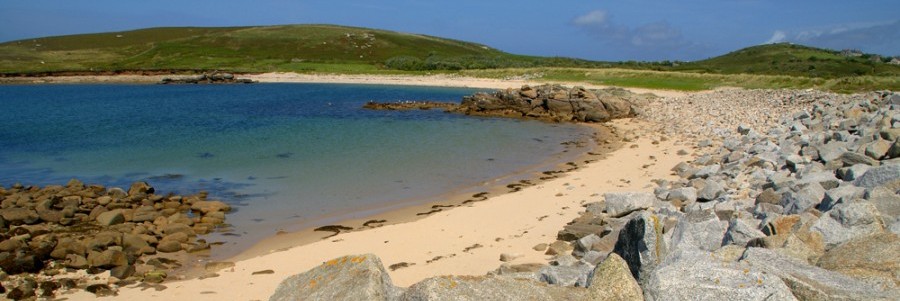
Bryher is the smallest inhabited island in the Isles of Scilly. It’s famous for the spectacular Hell Bay with it’s pounding waves crashing over the rocks on.

Tresco

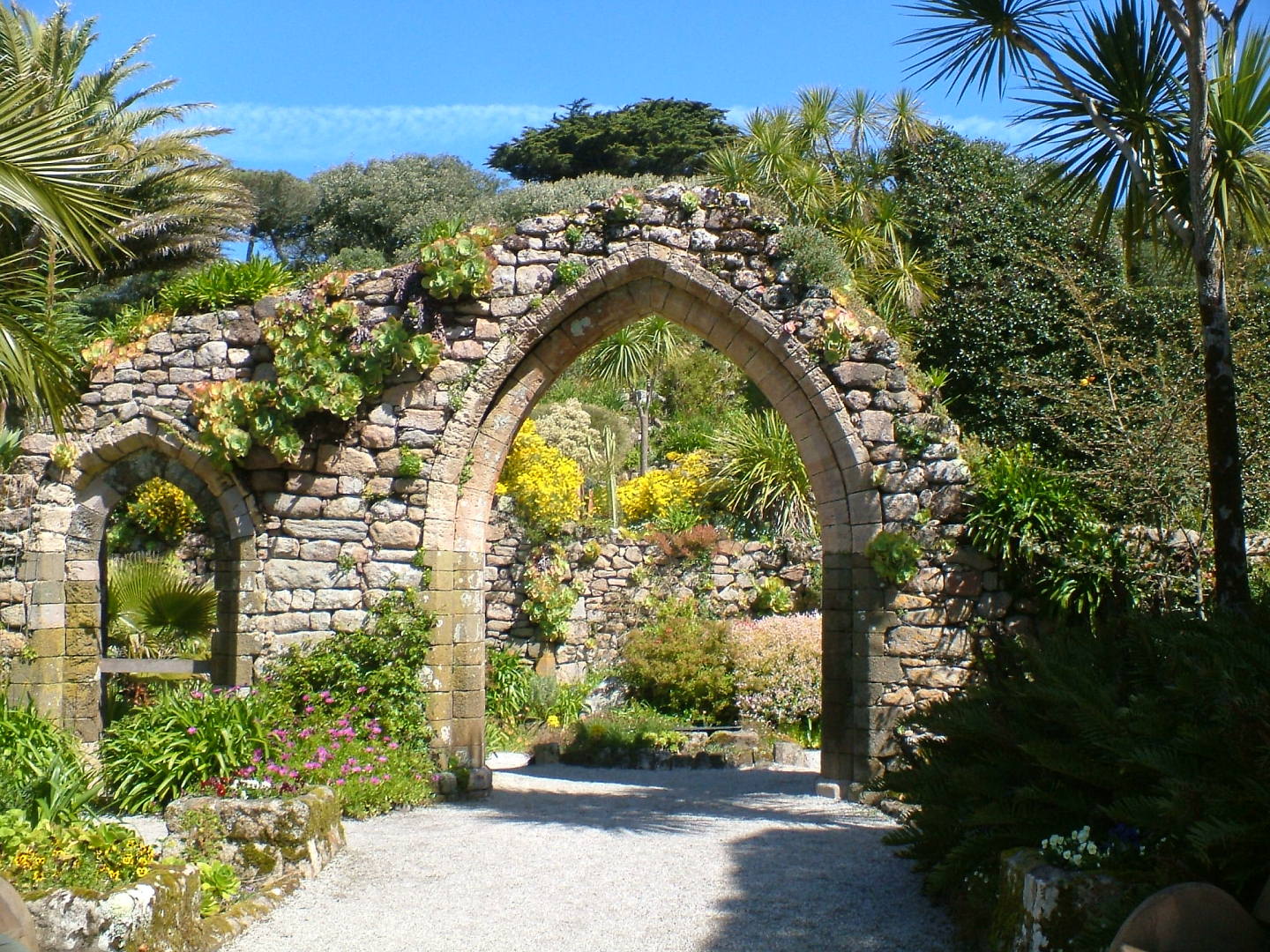
The name of the Island was at one time St. Nicholas the patron saint of sea farers which seems most appropriate. This beautiful island boasts a Benedictine Priory established in 1114, the remains of which can still be seen today within the gardens of Tresco. It was probably established from the Abbey at Tavistock in Devon which was also dedicated to St. Nicholas.

scilly-tresco

scilly-tresco1

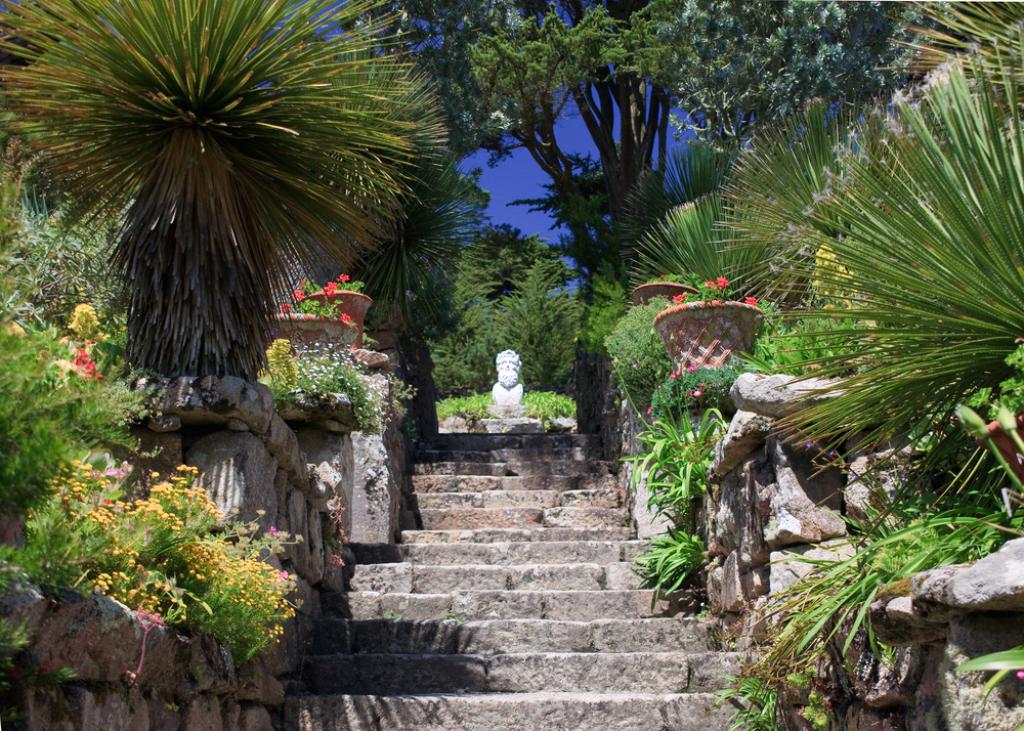
The arch from the wall of the mediaeval monastery in Tresco Abbey Gardens
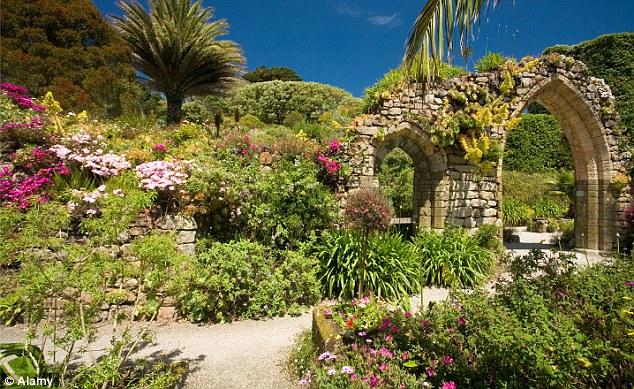
scilly-tresco5

Abbey Gardens Tresco

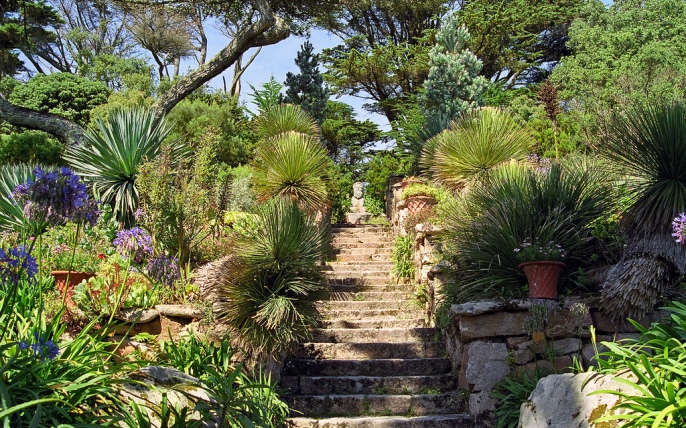
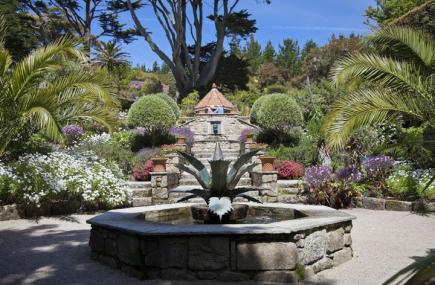
Tresco Abbey Gardens, Scilly Isles, UK Looking at the plants in this garden it is difficult to believe that Tresco Abbey Gardens is situated in the British Isles. Containing sub-tropical plants from Australia, South Africa and South America – including Echiums, Agaves, Aloes, Proteas, Aeoniums, Strelitzias and palm trees, this garden looks as though it should be situated in the Mediterranean! However, it is located in England, on the small island of Tresco in the Scilly Isles (approximately 28 miles from the south west tip of Cornwall in the United Kingdom). The photographs in this set where taken in late August when a lot of the color had already left the gardens. However, the varied planting provides a superb example of the value of a clear garden structure filled with diverse and contrasting foliage – creating a wonderful green tapestry of architectural plants throughout the year. Details: With a stunning background of white sandy beaches and vivid turquoise sea, Tresco Abbey Gardens is an outstanding historic garden set amid the romantic ruins of a 16th century priory. The gardens were started by Augustus Smith, who moved to the island in 1834. The garden has subsequently been developed by four succeeding generations of the family from Augustus Smith. The gardens have many delightful features, often seen at their best in the warmth of the afternoon sun, ranging from the Abbey arch, the Neptune steps, the shell house and a number of tastefully placed sculptures (including one to the earth goddess Gaia), all bordered by fantastic foliage of varying shapes, textures, sizes and hues. Surrounded by sea and in the warmth of the Gulf Stream the climate is exceptionally mild and totally frost free in most years. With south facing terraces, these gardens have often been referred to as ‘Kew gardens without the roof’, because in mainland UK, you would only find these plants in a botanical garden glass house. Location: Tresco Abbey Gardens, Tr
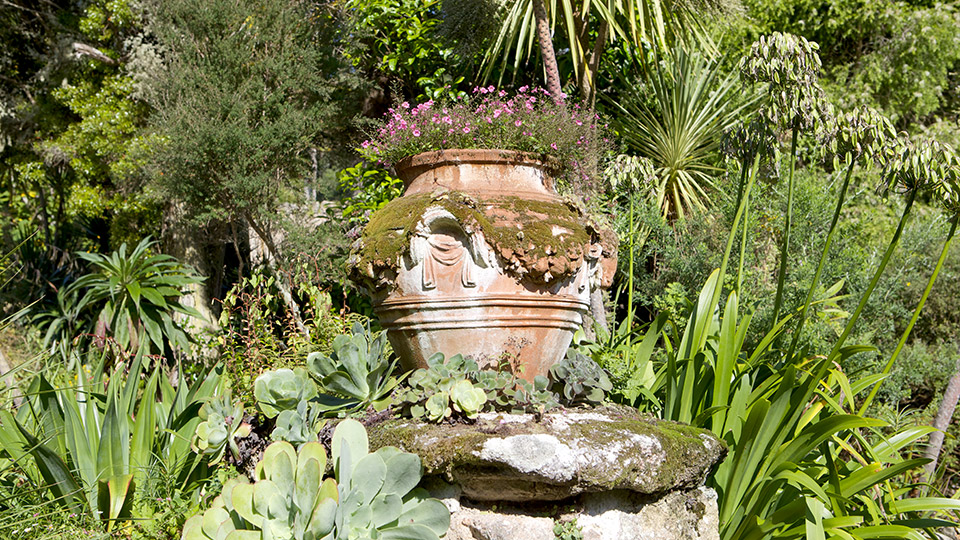
Tresco Abbey Gardens, Scilly Isles, UK
Looking at the plants in this garden it is difficult to believe that Tresco Abbey Gardens is situated in the British Isles. Containing sub-tropical plants from Australia, South Africa and South America – including Echiums, Agaves, Aloes, Proteas, Aeoniums, Strelitzias and palm trees, this garden looks as though it should be situated in the Mediterranean! However, it is located in England, on the small island of Tresco in the Scilly Isles … With a stunning background of white sandy beaches and vivid turquoise sea, Tresco Abbey Gardens is an outstanding historic garden set amid the romantic ruins of a 16th century priory. The gardens were started by Augustus Smith, who moved to the island in 1834. The garden has subsequently been developed by four succeeding generations of the family from Augustus Smith. The gardens have many delightful features, often seen at their best in the warmth of the afternoon sun, ranging from the Abbey arch, the Neptune steps, the shell house and a number of tastefully placed sculptures (including one to the earth goddess Gaia), all bordered by fantastic foliage of varying shapes, textures, sizes and hues. Surrounded by sea and in the warmth of the Gulf Stream the climate is exceptionally mild and totally frost free in most years. With south facing terraces, these gardens have often been referred to as ‘Kew gardens without the roof’, because in mainland UK, you would only find these plants in a botanical garden glass house.

scilly-tresco3

Tresco Abbey Gardens

scilly-tresco6

scilly-tresco4

scilly-tresco7

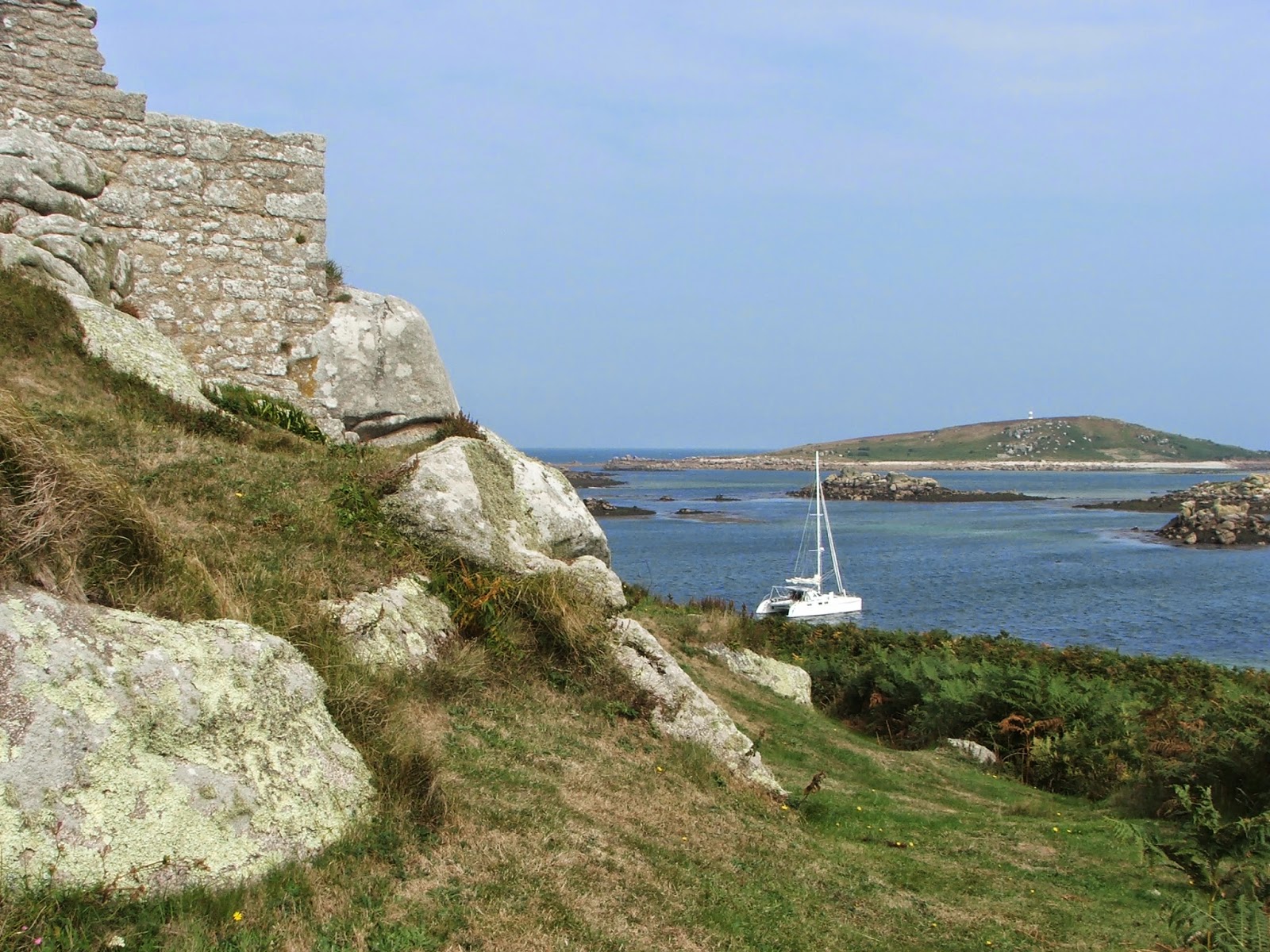
King Charles’ Castle is a ruined coastal artillery fort near the north extremity of the island that dates back to the sixteenth century

scilly-tresco8

Samson

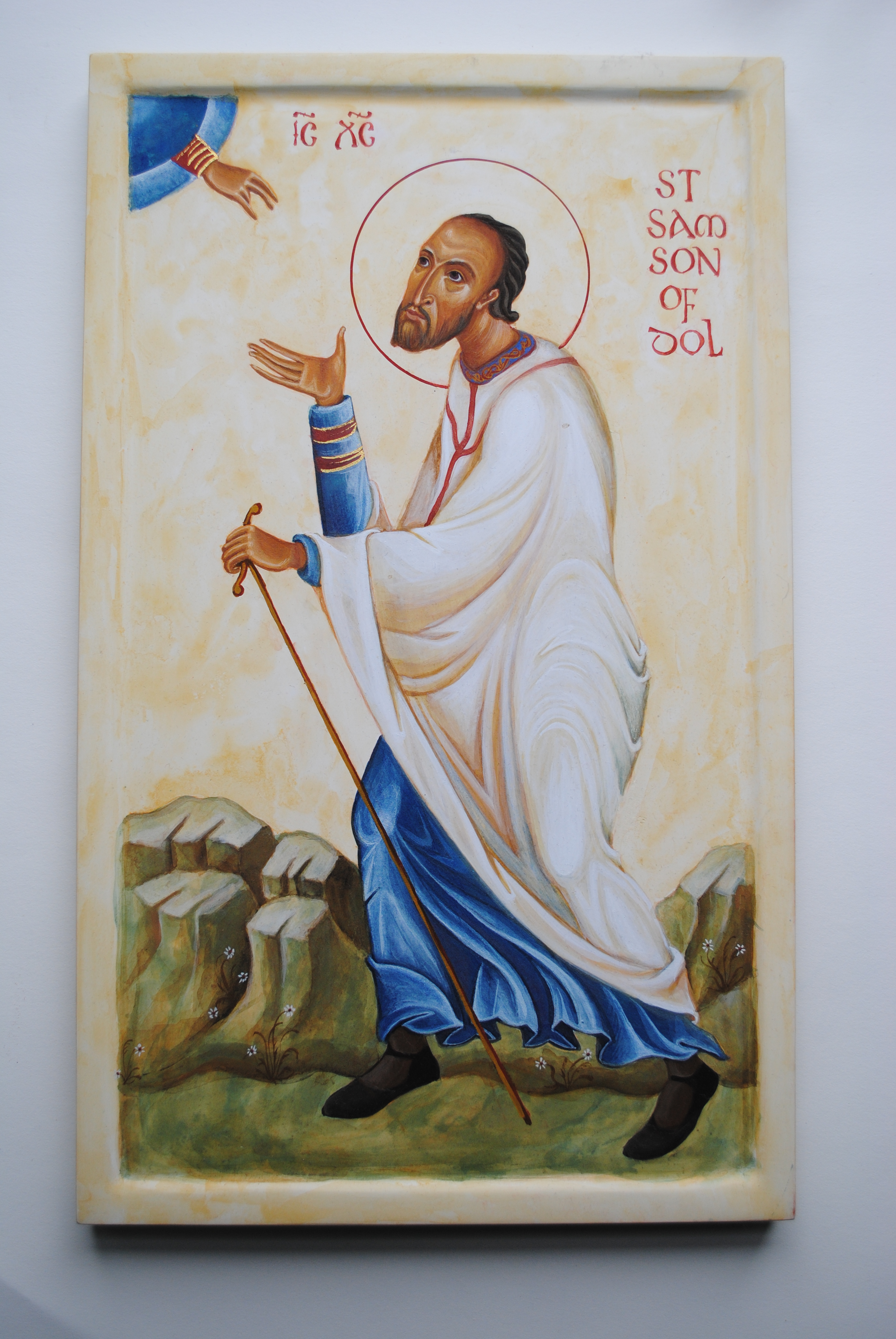
The island is connected with the welsh saint St. Samson of Dol who travelled to Cornwall, Brittany and the Channel Isles. Samson was educated by St. Illtud at the Abbey of Llanilltud Fawr (Llantwit Major) in Glamorganshire; where he was ordained a deacon and then a priest. Samson of Dol found it necessary by the Will of God to remove himself to the monastery on Ynys Byr (Caldey Island). He eventually became Abbot there and considerably established a strong community. Later in his life he chose the life of a hermit near the River Severn but, being made a Bishop, he turned to missionary work in Cernow (Cornwall) and came to the Scillies where one of the islands is named after him. He died on 28th July AD 565 and was buried in Dol Cathedral in Brittany. His ‘Life’ which survives, was written the following century. In the AD 930s, King Aethelstan acquired a number of his relics – including an arm and his crozier – which were proudly displayed in Milton Abbey (Dorset) until the time of the Reformation. The Island of Samson was inhabited until quite recently.

scilly-samson2

Old Cottage on South Hill, Samson

scilly-st samson

Tean

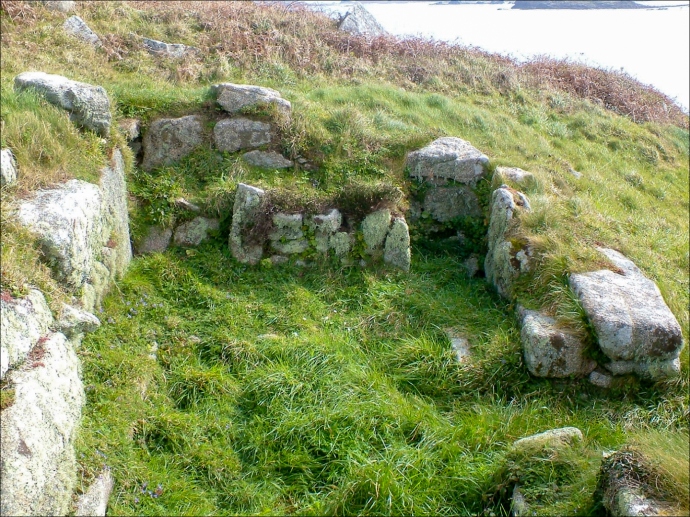
This little northern island was also inhabited until recently. The name Tean derives from the name Theona. There are ruins of her dwelling place still where once as a hermit she prayed and gave glory to the Holy and Life Giving Trinity and also remains of some celtic graves of the 6th century nearby. Recent excavations have unearthed some interesting Romano-British finds. These include an older ‘toothless’ woman whose head lies under the altar of the later built chapel, she may in fact be St.Theona, after whom the island is named.

   Tean,_Isles_of_Scilly._View_from_the_Great_Hill_-_geograph.org.uk_-_260948

Tean, Isles of Scilly. View from the Great Hill – geograph.org

scilly-tean2

Hedge Rock and Tean, Isles of Scilly

scilly-tean

Old Man, Tean, Isles of Scilly

*

St. Helen’s

We know that this island was called St. Helen, the Blessed mother of Holy Constantine the Great, from 16th century maps but it is associated with another ancient saint, that of Elidius or St. Lide as he is also known. On the uninhabited island of St. Helen’s are the remains of St. Elidius’ Hermitage which contains an 8th century Christian monastic chapel which was active until the 11th. century. This holy place is still honoured today with local people making a Pilgrimage to the site on 1st August. There is an interesting connection between the Scilly Islands and the Christian mission to Norway. In 980 Olaf Tryggvason came to the Scilly Islands. Snori Sturluson recounts in his “Saga” that this notorious marauding Viking met Saint Elidius and heard of “the God of the Christians.” He was converted to Christianity and agreed to be baptized and all those with him. He took the faith with him returning to Norway and Iceland with “three priests and other learned men.” As King of Norway he began the process of evangelism which was continued by his successor Saint Olaf.

Peter_nicolai_arbo,_olaf_tryggvasson_king

Olaf Tryggvason, who visited the islands in 986. It is said an encounter with a cleric here, at St. Helen’s, led him to Christianise Norway

st helen

St. Helen

scilli-st helen9

St. Helen’s Viewed From The Block House. Tresco

scilli-st helen's1

On the uninhabited island of St. Helen’s are the remains of St. Elidius’ Hermitage which contains an 8th century Christian chapel

scilli-st helen2

St. Helen’s Pool

scilli-st helen's3

Early mediaeval chapel on St Helen’s

scilli-st helen4

Well known for its pest house, in which sailors infected with plague would be quarantined, St Helen’s is a prominent landmark on the Scilly coastline

scilli-st helen6

Church of St Elid on the island of St Helen’s

*

Sailing into history

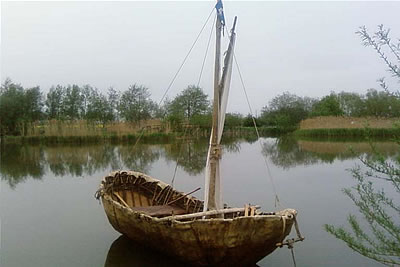
What strikes me about these saints is their adventurous and persistent spirit in Christ-their sheer delight and desire to bring Christ to every part of these Islands however small, blessing this part of God’s vineyard by their work, prayers and holiness of life. Whilst on St.Mary’s I learned from the curator of the Museum, that in August 2000, on June 28th a Breton vessel named Saint Efflam (founder of a monastery in Brittany, France. He was the son of a British prince) from an enterprise called Odysee Celtique (Celtic Odyssey) sailed into St. Mary’s harbour re-enacting ancient celtic monastic voyages-it was a Breton vessel and a reconstruction of a traditional curragh.
curragh

Curragh

The boat was constructed from a frame of hazel poles over which was stretched tar-covered canvas imitating the ox skins which would have been used originally. Whilst at sea the crew slept on the open boat and had few concessions to modern facilities during the voyage. As Amanda Martin says in her article in Scilly 2000 in “The Voyage of the Sant Efflam” such an experience was not for the faint hearted. “The whole feat requires a tremendous physical effort not to be undertaken lightly.”

These living saints give inspiration to us today by their energy and boldness for the gospel’s sake. In Christ we should imitate their humility, simplicity and calling.

*

A prayer

*

My boat is small

The ocean vast

Lord fill my sail

Maintain my mast

Christ my captain

Spirit’s power

Save me Lord

In danger’s hour.

Amen

*

These “fools for Christ” saved many because they preached Christ crucified and many believed and so they put the Christ in Scilly. Perhaps we, in this our time of God’s good grace need to make a similar Scilly Pilgrimage!

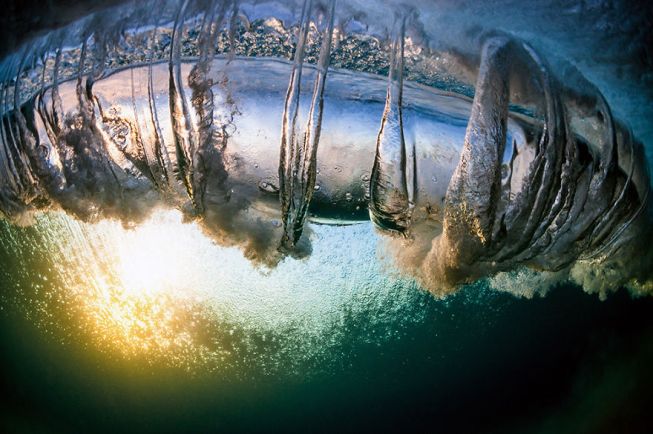
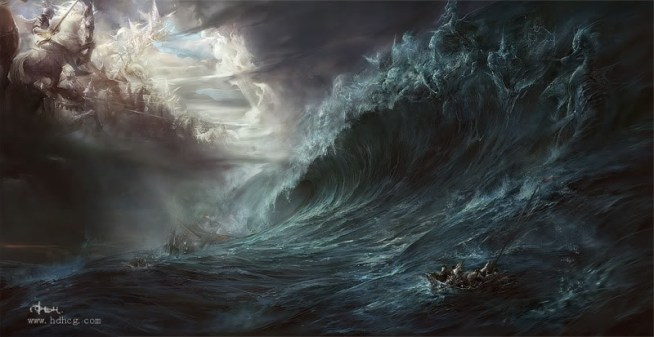
In the Eye of the Storm

ocean

Silver Helix (1)

*

“Hell is empty and all the devils are here.” 

― William Shakespeare, The Tempest

storm1

*

There was once a wave in the ocean, rolling along, enjoying the warmth of the sun and the swiftness of the breeze.

It smiled at everything around it as it made its way toward the shore.

But then, it suddenly noticed that the waves in front of it, one by one, were striking against the cliff face, being savagely broken to pieces.

‘Oh God!’ it cried. ‘My end will be just like theirs. Soon I, too, will crash and disappear!’

Just then another wave passing by saw the first wave’s panic and asked:

‘Why are you so anxious? Look how beautiful the weather is, see the sun, feel the breeze…’

The first wave replied:

‘Don’t you see? See how violently those waves before us strike against the cliff, look at the terrible way they disappear. We’ll soon become nothing just like them.’

‘Oh, but you don’t understand,’ the second wave said.

‘You’re not a wave. You’re a part of the ocean.’ (2)

*

storm0

*

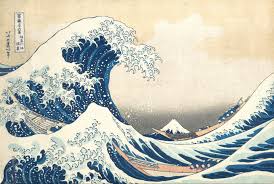
Katsushika Hokusai’s Under the Wave off Kanagawa, also called The Great Wave has became one of the most famous works of art in the world—and debatably the most iconic work of Japanese art. The Great Wave is part of the legendary series Thirty-six Views of Mount Fuji. (3) “The preeminence of The Great Wave —said to have inspired both Debussy’s La Mer and Rilke’s Der Berg—can be attributed, in addition to its sheer graphic beauty, to the compelling force of the contrast between the wave and the mountain. The turbulent wave seems to tower above the viewer, whereas the tiny stable pyramid of Mount Fuji—Japan’s sacred, national symbol of Beauty, Spirituality and Immortality–sits in the distance. The eternal mountain is envisioned in a single moment frozen in time.

*

Hokusai characteristically cast a traditional theme in a novel interpretation. In the traditional meisho-e (scene of a famous place), Mount Fuji was always the focus of the composition. Hokusai inventively inverted this formula and positioned a small Mount Fuji within the midst of a thundering seascape. Foundering among the great waves are three boats thought to be barges conveying fish from the southern islands of Edo.” Nonetheless, “Hokusai has arranged the composition to frame Mount Fuji. The curves of the wave and hull of one boat dip down just low enough to allow the base of Mount Fuji to be visible, and the white top of the great wave creates a diagonal line that leads the viewers eye directly to the peak of the mountain top.”(4)

*

To the Japanese eye, accustomed to reading from right to left—the great claw of a wave appears almost to tumble into the viewer’s face, the surging breakers may seem to swamp the boaters, even Mount Fuji appears fragile, about to be engulfed by the uncontrollable energy of the water, and still  the humans in their tiny boats “doomed” to perish in the sea do not look panicked! On the contrary, they look like hanging to their rows in full discipline. It looks like they are experienced and know how to cope with such a situation. (5)


storm2


Jennifer Rundlett, a fellow blogger, sees “through” its art “the many trials of life and how overwhelming we often find them, being so focused battling our problems, and trying not to be consumed by them”, whereas “the wave is pointing our eye to [Mount Fugi] the focal point or meaning….that beauty and immortality is in how we ride out these storms.” (6)

*

This Japanese painting brought to my mind an English Romanticist, William Turner’s famous seas, stormy skies, sinking ships and tempests studies, with a very different theme to Hokusai’s.

storm5

*

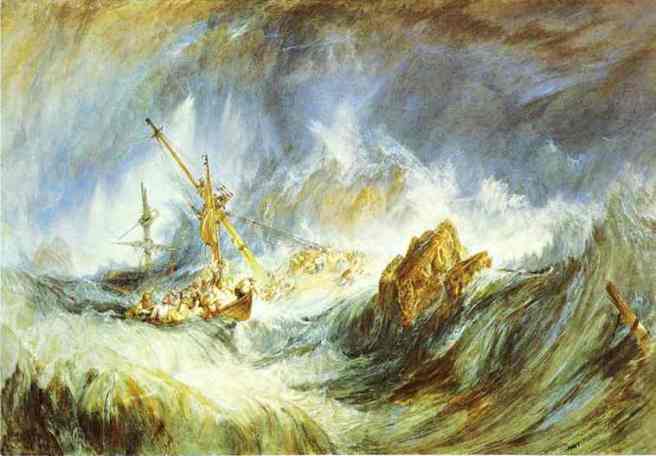
The power of the storm versus man’s inabilities was a main theme in Turner’s work. Dreadful catastrophe was a common theme in English romantic art period and Turner specifically painted themes of shipwreck a number of times throughout his life, exploring the effects of an elemental vortex. The romantics had taken a liking to natural phenomena and shipwreck became a popular subject. 19th century Britain specifically was very familiar with shipwreck as it was a period of great English shipping.  … The craftsmanship of these ships did not deter the fact that the man made vessel was still at the mercy of the wind.

*

storm3

*

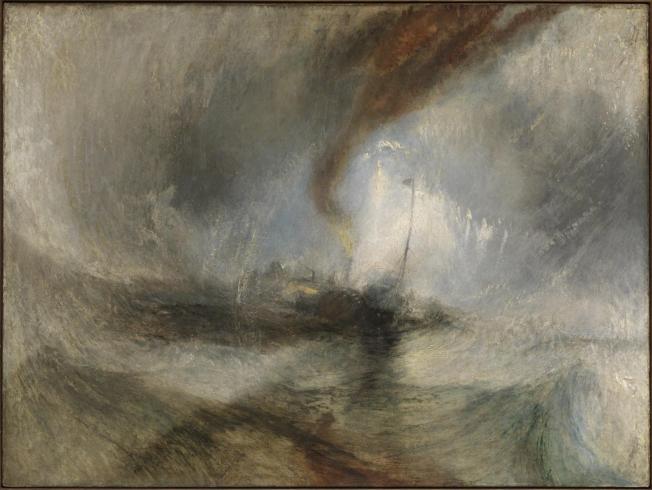
Let us have a good look at Turner’s most famous storm painting: The Snow Storm – Steam-Boat off a Harbour’s Mouth (1842), http://www.tate.org.uk/art/work/N00530 Snow Storm – Steam-Boat off a Harbour’s Mouth shows a ship off the English coast struggling to persevere through a storm.  The steam-boat resides in the center of the vortex.   Turner’s untamed brushwork creates a swirling composition of chaotic colors and lighting. The swirling storm creates a composition that leaves the eye to circle around the canvas repeatedly. The black of the wind and the waves of the sea create a circle around the doomed ship. Through the windy peephole, the viewer can see the helpless ship at the mercy of nature’s violent motion. One can imagine the ship swaying to and fro as its crew desperately tries to take control of the sail and stay afloat. In this context the vessel can be interpreted as a symbol of mankind’s futile efforts to combat the forces of nature. 

*

Snow Storm - Steam-Boat off a Harbour's Mouth exhibited 1842 Joseph Mallord William Turner 1775-1851 Accepted by the nation as part of the Turner Bequest 1856 http://www.tate.org.uk/art/work/N00530

*

In Snow Storm – Steam-Boat off a Harbour’s Mouth Turner uses a muted color palette. Pale blues and deep browns cover the canvas in swirling motions. Though the palette is predominately neutral, which usually creates a calming tone, the swirling motions and lighting create the chaotic effect Turner was going for. He wanted to simulate the true nature of a storm at sea. The bright white of the sail draws the eye directly to the ship, even amidst the swarming colors around it. Turner creates a pocket of light amidst a dark and shadowy canvas to illuminate the ship. Since he lights the ship in such a way, all focus is immediately drawn to the ship. The shadowing swirling winds only emphasize the ship more. The focus is relentlessly on the plight of the ship. This painting clearly invokes fear in a man or keeps him in his place as the weaker.  Here the emphasis is on the raw, merciless force of Nature and Man’s frailty and helplessness. (7)

*

It is famously said that Turner conceived this image while lashed to the mast of a ship during an actual storm at sea to get a better account of the wind and ocean and what the ship must’ve felt like in the midst of it. This seems to be nothing more than fiction, but the story has endured as a way of demonstrating Turner’s full-blooded engagement with the world around him, and is stunningly dramatized in the famous Mast scene of the mesmerising, highly maginative and richly detailed 19th century period biopic Mr Turner (2014) https://www.youtube.com/watch?v=lYN6HwLSvyg

*

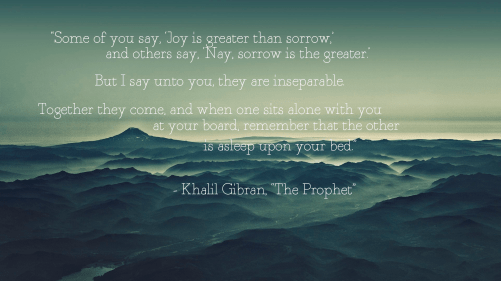
Khalil Gibran  makes ample use of the “storm/sea/wave” imagery in “The Prophet” and explains how we all are “travellers” and “navigators” in the sea of life, our “pain being the breaking of the shell that encloses [our] understanding”. (8)

*

storm10

*

For an auditory raw, rough storm experience, let us not forget Aretha Franklin’s duet with Joe Ligon in the old time gospel  “I’ve Been In The Storm Too Long ” https://www.youtube.com/watch?v=YUujg0BTIjk&list=PLkGwJ-k-JlPEDnwXWd5RDpNmjbUa0fi6y

“I’ve been in the storm… too long, Lord too long
mmmmm… I’ve been in the storm… too Long, Lord too long
Lord, please let me…have a little more time, I need a little more time to pray
Oooh…I’ve been in the storm too long…”

storm7

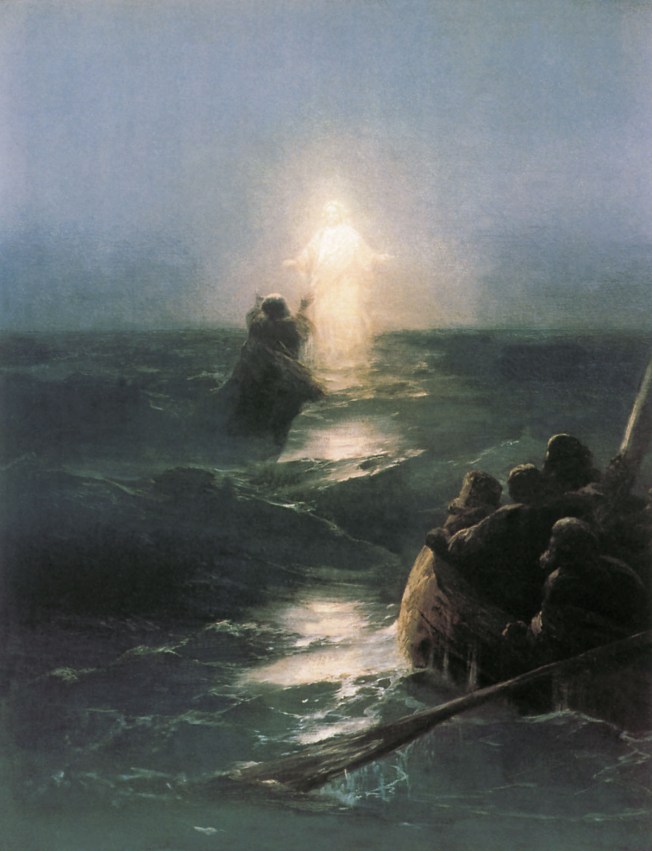
Jesus walks on water, by Ivan Aivazovsky (1888)

*

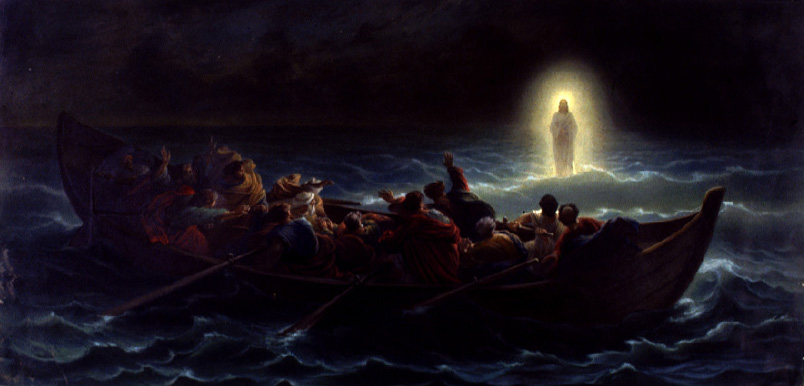
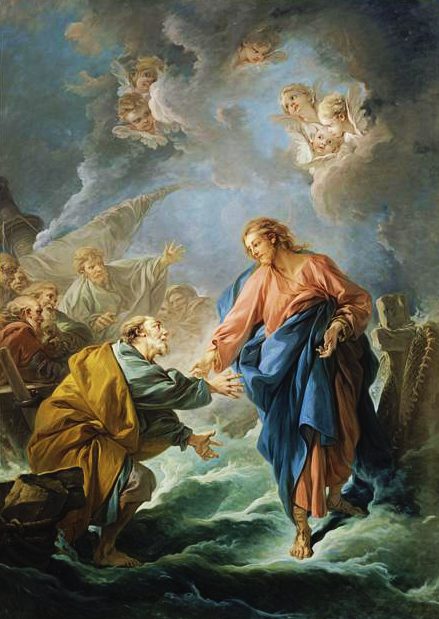
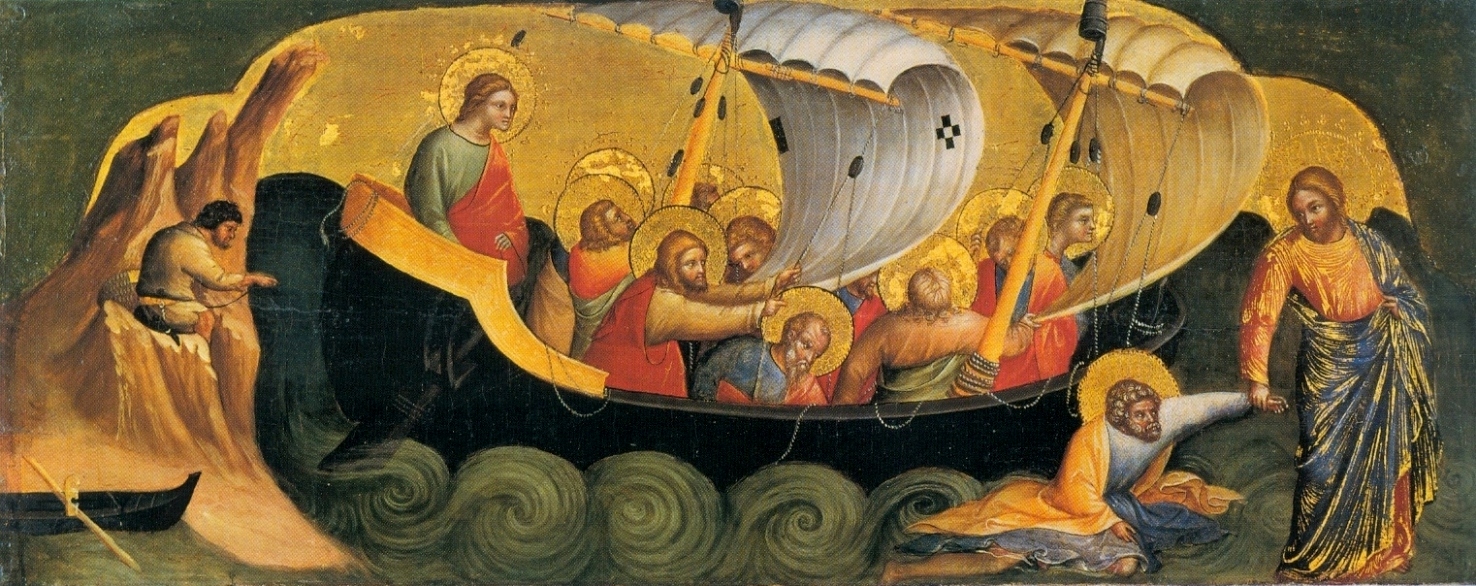
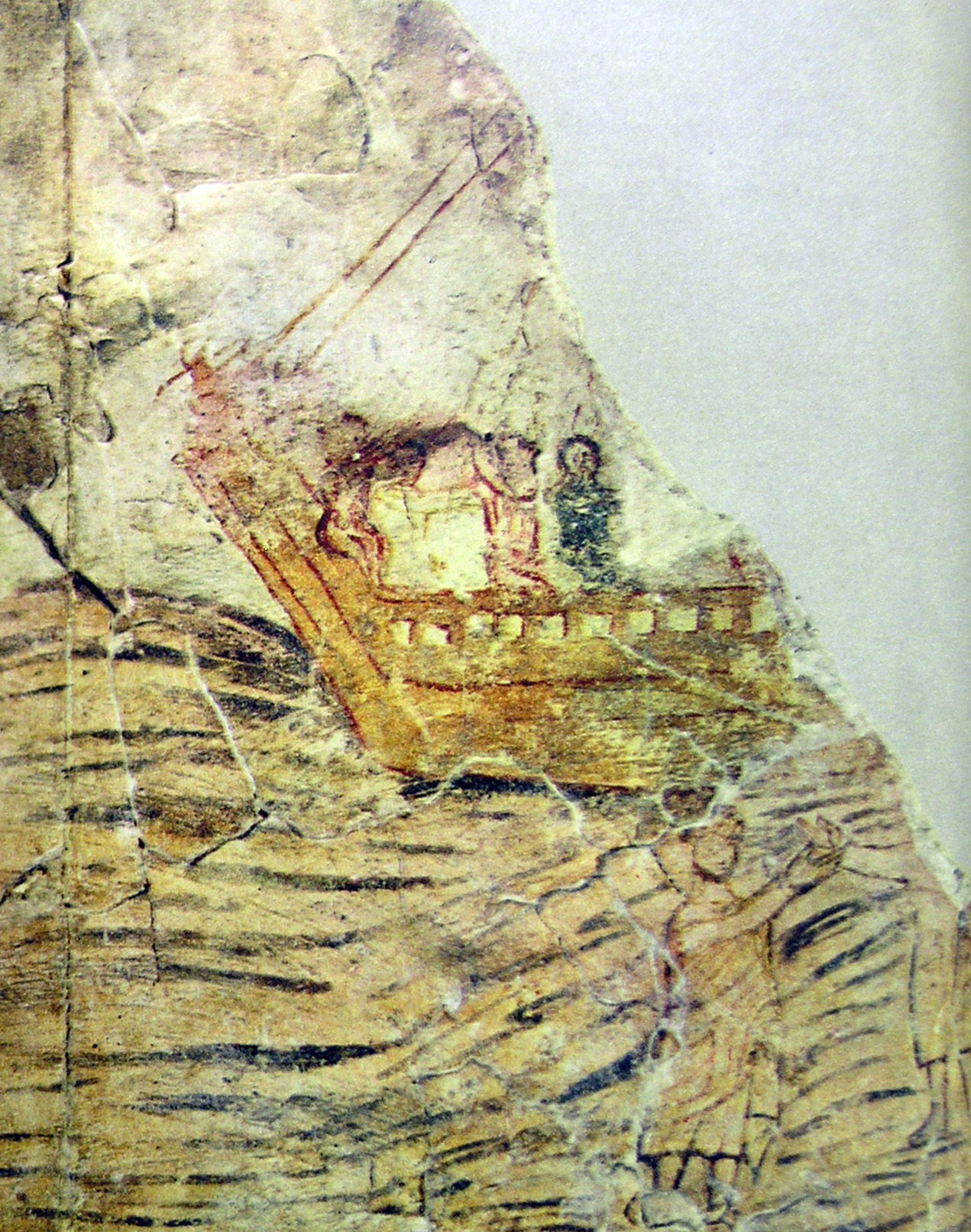
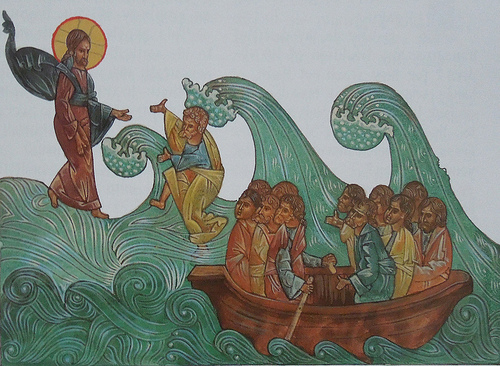
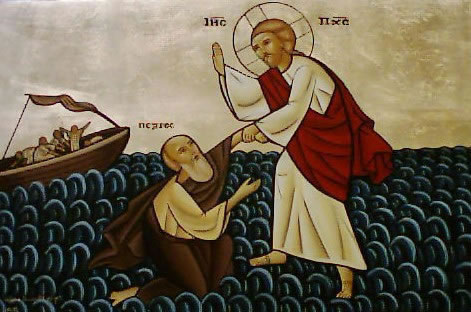
Yet, whether competent or helpless, I personally want to bring God in all these “storms”. So that I can walk on the water, towards Him, and when I see “the wind boisterous, … [am] afraid; and beginning to sink”, I can cry “saying, Lord, save me.” And He immediately will stretch forth His hand, and catch me, and say unto me, ‘O thou of little faith, wherefore didst thou doubt?’ (Matthew 14:29-31, KJB) And He will still the storm–within and without my mind–to a whisper and hush the waves of the ‘sea’  (Psalm 107:29) and (Mark 4:39).


*

storm1

Christ walking on the sea, by Amédée Varint

storm9

François Boucher Cathédrale Saint-Louis (1766) Versailles

storm20

Walking on water, by Veneziano, 1370.

OLYMPUS DIGITAL CAMERA

storm40

storm50

*

Sources:

  1. “I Capture The Majestic Power Of Ocean Waves”, amazing collection of underwater vortex and wave photographs at http://www.boredpanda.com/moments-in-the-ocean-images-created-from-water-light/
  2. “The missing rose” by Serdar Ozkan, cf. Paulo Coehlo’s blog http://paulocoelhoblog.com/2014/03/21/30-sec-read-you-are-not-a-wave/
  3. For the full collection, go to http://Source: https://en.wikipedia.org/wiki/Thirty-six_Views_of_Mount_Fuji
  4. The Metropolitan Museum of Art at http://www.metmuseum.org/toah/works-of-art/JP1847 For more analysis, watch Thompson, curator of the Hokusai exhibition at the Museum of Fine Arts, Boston, delving into the story behind this world famous print  at https://www.youtube.com/watch?v=dbPHPfVw6zQ
  5. https://www.khanacademy.org/humanities/art-asia/art-japan/edo-period/a/hokusai-under-the-wave-off-kanagawa-the-great-wave and http://www.artic.edu/aic/collections/artwork/24645 and http://www.artelino.com/articles/the-great-wave.asp
  6. For more details, go to her inspirational blog site, dedicated to sharing with insights of God’s love through meditations using art and music, at https://jrundlett.wordpress.com/2014/03/09/new-perspectives-god-given-problems/
  7. http://www.artble.com/artists/joseph_mallord_william_turner/paintings/snow_storm_-_steam-boat_off_a_harbour’s_mouth
  8.  Lebanese-American artist, poet (1883 – 1931), chiefly known in the English-speaking world for his 1923 book The Prophet, an early example of inspirational fiction, including a series of philosophical essays written in poetic English prose, and the third best-selling poet of all time, behind Shakespeare and Lao-Tzu or Lao-Tze.

Thin Places

   grand4

  • Thin Places: “Thin Places,” comes from a Celtic Christian concept. The Celts believed that physical locations existed in which God’s presence was more accessible than elsewhere, places where heaven and earth seemed to touch, where the line between holy and human met for a moment, “the places in the world where the walls are weak”, “those rare locales where the distance between heaven and Earth collapses”, as Eric Weiner puts it in his spirituality travelogue, Man Seeks GodFor such a ‘thin place’ for me visit my blog post on the Holy and Life-Givng Cross Orthodox parish at Lancaster.

grand2

grand3

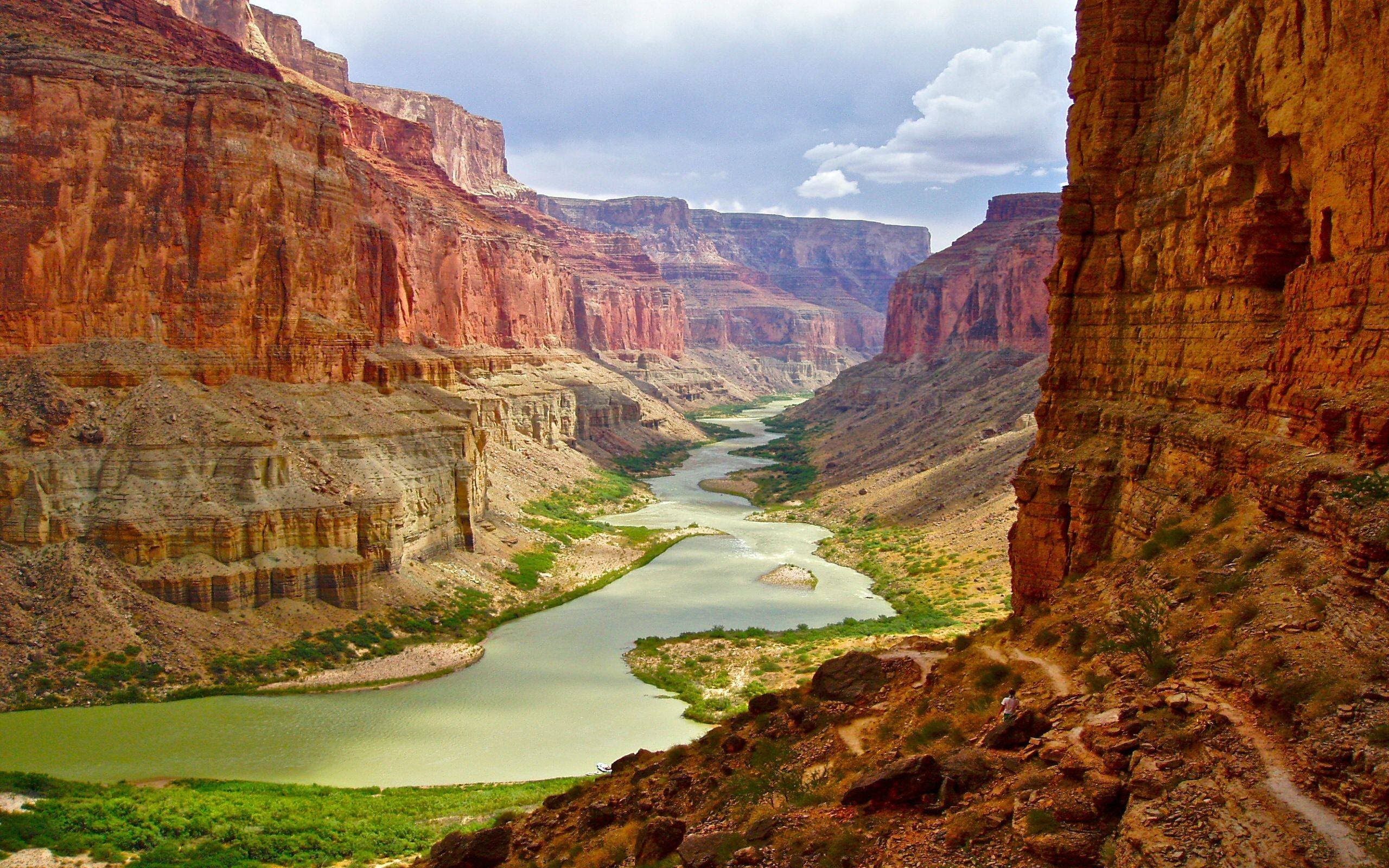
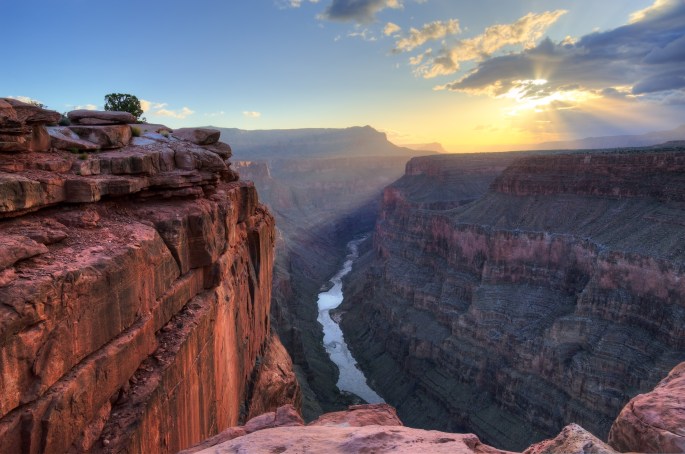
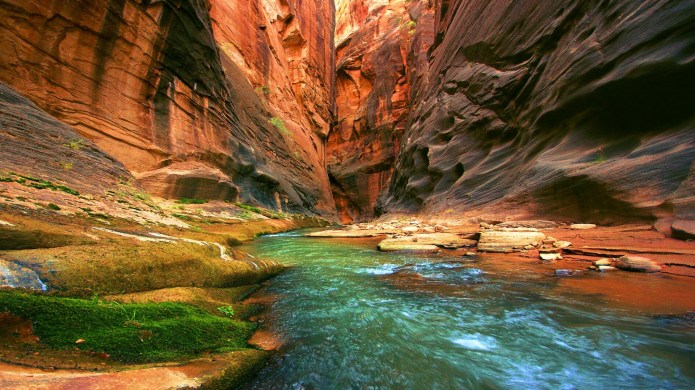
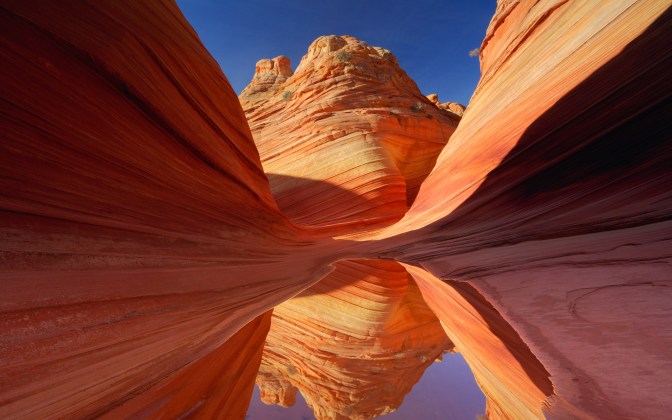
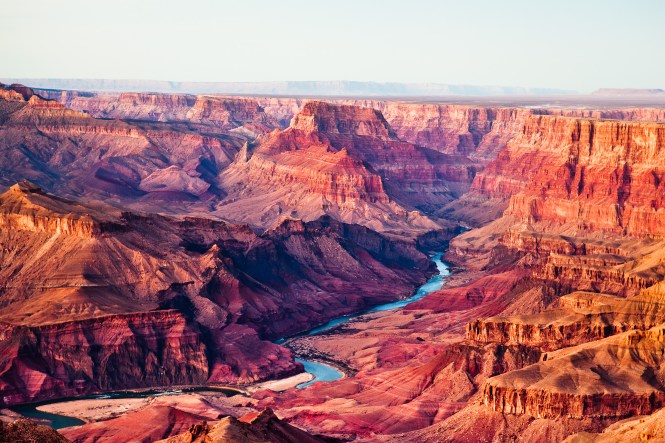
“This is a difficult post for me to write … I have always believed that Art and Nature are two vital ways to make our  prayer come to life, two ways to lead us ‘into’ knowing God.  And yet, I feel God has offered me such a rare gift at the end of a very tough year that I need to give myself time to allow it to sink in before I fully understand what I was given. … I was on a day-tour of the Grand Canyon.

IMG_1859
The sense of unmanageable Beauty one has before the wilderness of the Grand Canyon is just that: a true revelation of God, a true revelation of the correct relationship we are to have with Him. When I was there, facing this extraordinary demonstration of what authentic creativity is, all I felt was silence: a thick blanket of silence that covered my heart, my brain, my body… Before God’s presence, one goes numb, afraid to even breathe, afraid to approach it or draw near in any way. My eye-sight is not worthy to touch such beauty, my voice is not real, authentic enough to even whisper a prayer; all of one’s senses go silent, paralysed before such overwhelming power.

grand5

And yet, my heart continued to pray in a different way. Deep down, my being seems to hide a different kind of worship, a different kind of relating to Christ. I don’t know when and how I learnt it; it just exists, the way instincts simply exist. Before such beauty, one discovers how different we are from what we’ve learnt to think we are – we are so much deeper, so much more beautiful, so much more able to worship and truly pray. It’s as if we were created with a set of spiritual senses and abilities, which we later – for some painful reason – fail to recognise in ourselves and fail to develop. We waste so much of our own being, we are so removed, so distant from our real selves… We learn to adapt to this world, and we end up replacing our spiritual senses with material ones.

grand6

Then, in moments like these, we find ourselves face to face with His presence, and a sort of engine just starts working again in our hearts – all by itself, with no input, no doing of our own.

grand1

I was simply present; I was in awe at the presence of my true self as much as I rejoiced in God’s presence. There was nothing but silence in me; yet, this silence was as alive, as ‘eloquent’ in its worship as the most grace-filled moments I’ve been blessed with the Holy Altar.”

IMG_1935

Church Vertigo

Church-of-St-Vincent-Ferrer

Richard Silver (previously) has a unique way of looking at architecture, building composite photographs from several images that seamlessly reveal a structure’s interior. His new series captures the insides of New York churches … These images are composed of 6-10 shots, forming a vertical panorama so cohesive that it might give you vertigo.

Although Silver has been to hundreds of churches during his career and many years of travel, it’s only recently that he figured out how to capture the expansive inner beauty of their architecture. “Finding the perfect location in the center aisle then shooting vertically from the pew to the back of the church gives the perspective that only architecture of this style can portray,” says Silver.

church-2
Church of St. Stephen / Church of St. Paul the Apostle

Silver was born and raised in New York and has visited 75 countries in his life, including 13 last year alone. His previous careers involved computer science, real estate, and a stint on Wall Street, but he embraced photography full-time in 2011. You can see more of his vertical church series on his Flickr page here.

Calvary-Episcopal-Church
Calvary Episcopal Church

church-4
Serbian Orthodox Cathedral of St. Sava / Church of the Village

Church-of-St.-Francis-Xavier
Church of St. Francis Xavier

church-6
Vincent St. de Paul / Most Holy Redeemer Church

St-Monica's-Church
St. Monica’s Church

Source: “Vertical Panoramic Photographs of New York Churches by Richard Silver” Colossal http://www.thisiscolossal.com/2015/09/vertical-panoramic-churches/

Solomon, I have outdone thee!
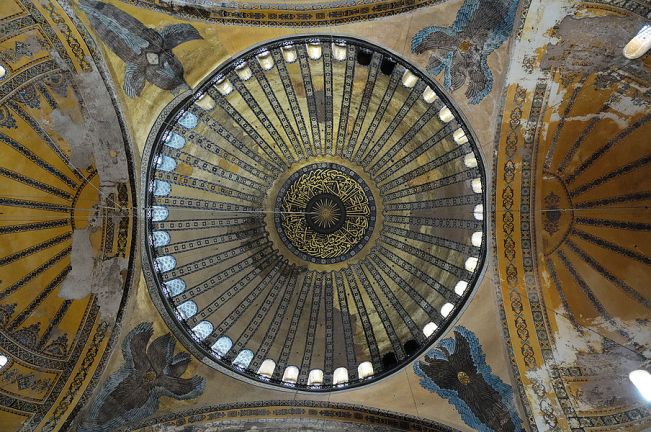
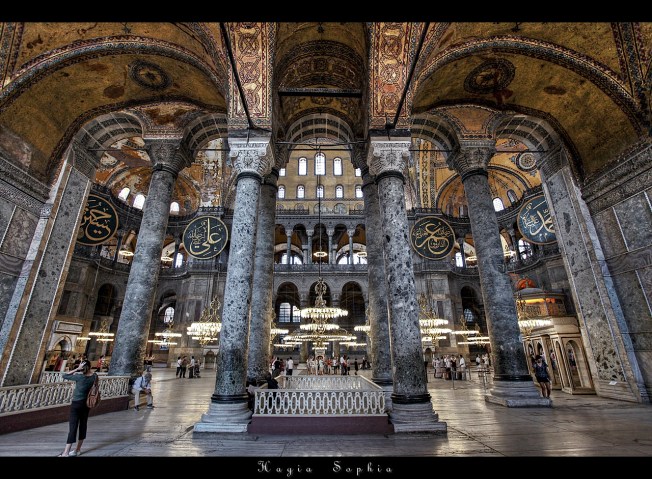
An excellent documentary and a unique website featuring the grandest Byzantine church of them all, “Hagia Sophia”, Church of the Holy Wisdom in Istanbul, Turkey  


agia1

Iconographer and Russian historian launches unique website featuring “Hagia Sophia,” Church of the Holy Wisdom

agia2

agia5

 agia4

agia6     agia9

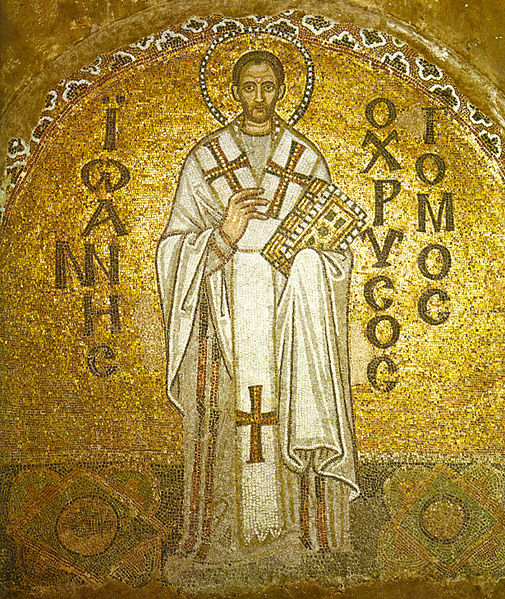
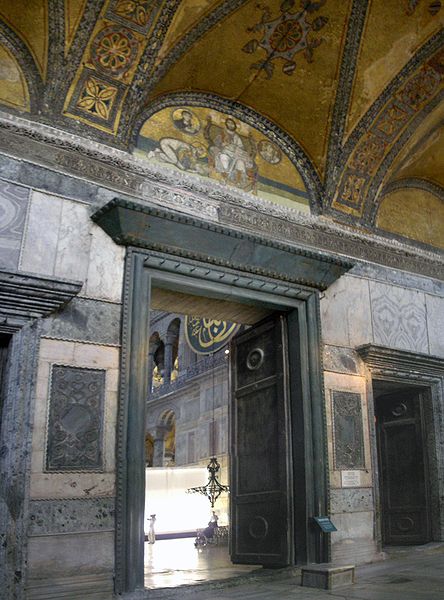
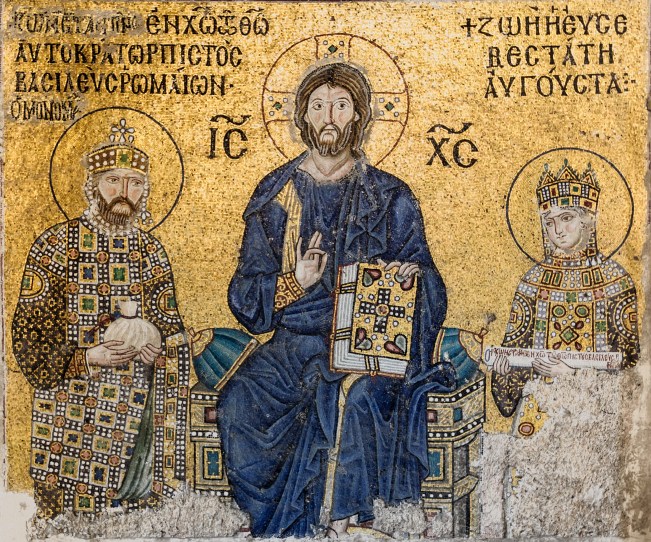
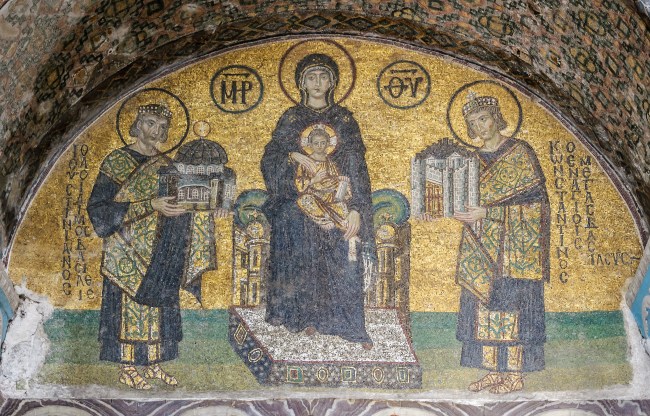
Mosaïque de l'impératrice Zoé, Sainte-Sophie (Istanbul, Turquie)    Mosaïques de l'entrée sud-ouest de Sainte-Sophie (Istanbul, Turquie)

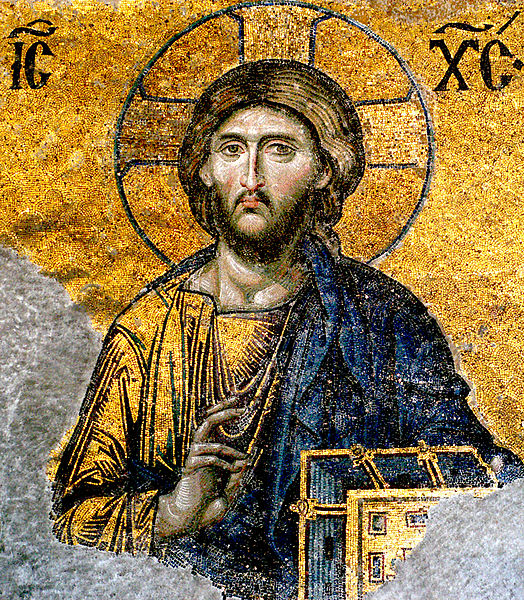
Deisis

An interesting new site illustrating the history of Constantinople’s Church of the Holy Wisdom  popularly known as “Hagia Sophia”  recently appeared on the internet.

A “must visit” for Orthodox Christians, especially those interested in Church history, iconography, mosaics, and ecclesiastical architecture, the site gives special attention to the magnificent “Deesis” mosaic in the church’s south gallery.  Depicting Christ flanked by the Theotokos and Saint John the Forerunner, the exquisite mosaic was uncovered in the 1930s.  It is one of the world’s most beloved images of Our Lord.

Built by the Byzantine Emperor Justinian in the early sixth century, Hagia Sophia replaced two earlier churches, the first built in 380 AD.

* In the time of Justinian, it had a thousand clergy and in Neara, Herakleion, there is a catalogue listing in the 7th century 600 people, consisting of “80 priests, 150 deacons, 40 deaconesses, 70 sub-deacons, 160 lectors, 25 cantors, and 75 door-keepers”.

http://pemptousia.com/2016/01/haghia-sophia-such-ecstasy-can-never-be-forgotten/

It is an engineering marvel, inasmuch as its massive freestanding central dome  the world’s largest of its kind  has withstood everything from earthquakes to invasions for 1500 years.  After the fall of Constantinople in 1453 AD, it became a mosque.  Its current status  that of a state museum  dates back to the early 1900s.

The site is the work of Bob Atchison, an iconographer and Russian historian from Seattle, WA who now lives in Austin, TX.  His interest in Hagia Sophia, and especially it’s Deesis mosaic, dates back to his childhood.

The site, which includes invaluable historical information, illustrations, maps and plans, and original photographs not readily found elsewhere, is of special interest to Orthodox Christians in general, and specifically to those desiring deeper insights into Orthodox Church history, iconography, liturgy, and ecclesiastical architecture.

*
When Justinian had finished the construction he supposedly proclaimed, “Solomon, I have outdone thee!”

*
The site may be accessed here : http://www.pallasweb.com/deesis


Source: http://oca.org/news/oca-news/iconographer-and-russian-historian-launches-unique-website-featuring-hagia

Memento Mori

There’s something about abandonment that resonates strangely with the human spirit; and the sight of human buildings reclaimed by nature has a twofold effect. Firstly, it hints at hidden histories, at stories and perhaps lives lost – but more powerful still, is the underlying message that reminds us how all things must one day return to the earth. How interesting it is then, to contemplate the decline of our monuments to religion: more than mere function, these structures carry the weight of our beliefs, our dreams, our hope and our faith.

From time to time in my travels, I’ve come across the derelict remains of churches; some of them boarded and fenced off in city centres, others left to rot in fields or forests. I felt it was about time I shared a few of these locations … and so here are five of the most memorable religious ruins that I’ve had the opportunity to explore.

THREE ABANDONED CHURCHES AND A CELLAR FULL OF SKULLS

Derelict Church and Bell Tower, Bulgaria

I came across this first site one year ago – on Boxing Day, to be precise – nestled amongst bushes and tumbled stone walls, in the middle of a remote Balkan village.

The village was much like many others in the area; half a dozen houses clustered around a potholed road, and half of those properties most likely uninhabited. Over the past couple of decades Bulgaria has seen radical depopulation in its more rural settlements, as young people typically move to the cities – or now, increasingly to other EU nations – in search of work. As a result, many of Bulgaria’s more remote villages have begun to look a little starved of life and vitality.

From the road it didn’t look like much more than a collapsed barn; the creepers and brambles already taking a hold on the old stones, pulling them down in a deadly stranglehold. It was a war memorial in the graveyard that caught my eye, however – a peculiar, kneeling figure, sat atop the Bulgarian crest and brandishing a WWI-era rifle. The face seemed somehow twisted at first, but the more I looked the more I read a profound pathos etched into that stone mask.

I walked through the graveyard to the derelict building behind, a structure I’d barely given a second look until then. Here though, approaching from the main entrance I was greeted by the faded yet familiar symbols of the Bulgarian Orthodox Church; and stepping through an arched double doorway, for just a moment I was able to imagine the building whole.

At a guess, I’d say the church had been built sometime in the early 19th century. It wasn’t until 1878 that Bulgaria finally achieved independence from Ottoman rule, before which these people were strictly forbidden from building churches that rose taller than the invaders’ mosques. As a result, Bulgarian Orthodox churches built before that were typically dug deep into the ground, to form semi-subterranean spaces of worship that wouldn’t offend their Muslim overlords.

This building, approached by a series of three stone steps descending into a shallow, one-storey church, seemed to fit the mould perfectly.

The site also featured a bell tower, built in a more ornate style and topped with a proud cross, which would certainly have been raised post-liberation – such an unashamed statement of christianity would never have met with Ottoman approval. In fact, during those years even bells themselves were banned from churches; the subjugated Christians would rather have made do with wooden clappers, that drew less attention to their heathen practices.

It was sad to see the church, along with its more recently acquired bell tower, in such a squalid state of disrepair; the roof had long since been stripped, leaving nothing of value and only old, moss-covered stones to hint at what had once been here. Such is the nature of depopulation, however. With only a handful of elderly residents left, there was barely a congregation to be found in the village – let alone the work force required to keep the church and tower well maintained.

The sun was setting by the time I left the main body of the church. I glanced up at the stone tower as I crossed the graveyard, and at that moment I caught the reflection of sun beams glinting dully on the brass body of a bell. Immediately, I knew I wanted to climb the tower.

The bell tower wasn’t tall, perhaps little over four floors high by average building standards. What made the climb difficult however, was the state of the wooden staircase within. Some steps were missing altogether, others splintered, grown over with moss, while just a few seemed to promise the illusion of stability.

I spread my weight across as many steps as I could at any given time, taking the climb at a painfully slow rate. The structure creaked and groaned in protest, as I crawled up the rotten corkscrew.

At last, however, I made it to the top. Coming round one final corner of the warped and weathered staircase I met a square of blue above – where day’s last light was spilling in through windows in the stone to illuminate the bell ringer’s platform.

Pulling myself up and onto the larger beams that formed a floor for the tower’s topmost chamber, I caught my breath and looked out at the view – the sleepy hamlet, the lake beyond, the mountains disappearing into mist. In all the years this church and tower had suffered the onslaught of the elements, wood and stone giving way to the inevitable pull of natural decay, the view itself had likely never changed. Now that I was here, I couldn’t resist but ring the bell. It tolled a deep and dissonant sound that echoed out across the landscape … but by now there was no one left to hear it ring.

Christ the Savior Cathedral, Kosovo

In November last year I took a trip to Pristina, the capital of Kosovo. One of the sites I explored that week was an unfinished cathedral, located in a park just off George Bush Boulevard.

The building – titled the “Christ the Saviour Cathedral” – is a perfect example of the Orthodox form with its tower and dome, its simple cross placed up top. Here however, in the largely Islamic capital of Kosovo, the unfinished building stands out in sharp contrast against its surroundings.

Nowadays this building (and what it stands for) is caught at the heart of a heated political debate.

Construction began on the cathedral back in 1995, when it was intended as a place of worship for Pristina’s Serbian Orthodox population. Things would soon change however, with the outbreak of the Kosovo War in February 1998. The construction project was stalled as war ravaged the country, Albanians pitted against Serbs in a battle for independence. The following years would see attempted ethnic cleansing, bombing raids and eventual UN intervention … and by the time the Republic of Kosovo had been established as an independent nation in July 1990, the unfinished Serbian cathedral in its capital had become an uncomfortable reminder of their past oppression.

Built on the grounds of Pristina University, the Christ the Saviour Cathedral remains a brickwork shell to this day. It isn’t guarded, and the construction team never got as far as giving the building doors which might be locked to keep out trespassers; and so I sauntered in freely, to explore the vast brickwork arches and domes of a cathedral that never was.

While some Kosovo Albanians have called for the complete demolition of the building – branding it a symbol of the regime of Slobodan Milošević – there are others here who like it just the way it is. Speaking to an Albanian Muslim friend just a few days later, I was told that there are some in Pristina (and particularly amongst the younger population) who consider this ghostly shell a kind of trophy;

“Every time I look at this ruin, it reminds me of our victory against the Serbs,” my friend told me over burek and macchiatos.

Inside the cathedral I caught the scent of something foul, and turning a corner, I found that the altar space had recently been used as a public toilet. Whether this too carried a political message – or was simply the work of someone who’d been caught short in the park – I’d never know.

Abandoned Orthodox Church, Romania

Perhaps the most beautiful building featured on my list, this Romanian Orthodox church was also the most severely dilapidated.

The church lies on the edge of a tiny village, surrounded by open fields and roughly an hour’s drive from Bucharest. I never would have found the remote location on my own, but rather I made the trip with my Romanian friend Ovidiu, and co-conspirator Nate (the man from Yomadic).

Ducking beneath a lintel of jagged, severed bricks, we stepped into the church through a breach in one wall; a breach created after one large section of the building had torn away altogether, to crumble into the long grass.

Immediately I was struck by the simplistic beauty of the place. Frescoed walls and pillars in warm shades of orange, delicate arches and the most exquisite murals painted in blue, gold and red.

Unlike the building above, which I had witnessed being pulled aggressively apart by power tools and bulldozers, the ugly work of human hands and gas-fuelled vehicles of destruction, the atmosphere in this place was altogether different. Here there was a sense of balance, a serenity about the decay, as green growth sprouted out of old bricks … and vines reached in through windows to steal the minerals back from the very walls themselves.

The death of this church was a beautiful thing, a painless passing wrapped within the loving arms of mother nature.

Though the space inside was small, we spent a good long while exploring it – most of that time poring over faded frescos, admiring the painstaking detail in every scene. At one point we even climbed up onto the walls themselves … moving slowly, ever cautious not to dislodge the stones. From the broken end of the nave we looked down on the altar from above, our view level with the bell tower that somehow, against all odds, stood tall and square above the ruin even now.

Outside the church, where the graveyard bordered onto a small village square in which children chased chickens and three old women in shawls had sat on a wooden bench and watched us pass, there stood a gatehouse.

Like the church, this building too had clearly seen better days – but for now at least, it managed to maintain some structural integrity. I decided to climb it.

Stood beneath the stone archway, I ran my hand through the space where once a staircase would have been – wet chips of rotten wood now hanging in heavy cobwebs, while the chewed-off ends of steps still jutted out of slots in the wall at regular intervals. There was a square hatch above, leading to the tower room with its balcony – but 10 feet up without a ladder, I wasn’t going to get there on my own.

Using Ovidiu as a human climbing frame, I managed to get a hold on the ledge above … before pulling myself up and over the lip, rolling into a square grey chamber adjacent to the central tower.

The space inside the upper portion of the gatehouse had, apparently, long since been taken over by the pigeons. Moving through the mounds of muck and feathers, I crossed to where a wooden hatch opened onto the central tower. Above me, sunlight streamed in through a wide rent in the tin roof.

The main tower of the building had lost its floor – where once the boards had been, now only a couple of wooden planks extended from one end to the next, a delicate balancing act above a 10-foot drop.

I put my best foot forward, placing it on the wooden beam with the hope of crossing, and making it out onto the balcony beyond. It wasn’t to be, however; the moment I put weight on the wood I felt it shift beneath me, the surface crumbling to a grit with the texture and consistency of coffee grounds. I took one last look at that door opening out onto the balcony, then looked down again to the powdery mess my foot had made of the walkway.

Nope, I thought, not worth it.

Before we left, the churchyard had one more surprise in store for us.

Beneath a nearby tree there sat a heavy stone sarcophagus, its lid carved with ornate script and a sculpted wreath. At each corner, the tomb was supported on stones fashioned into the shape of feet.

I was just admiring the letters carved into the tomb, when I spotted a square hole opening up in the earth beside the sarcophagus. It was deep – too deep to make out the bottom – and suspecting I might be stood above some kind of buried crypt, I began looking around for the entrance.

We found it, sure enough; a series of slab-like steps that descended beneath the graveyard, into a deep, dark chamber filled with stones and rubble. The space wasn’t large, and felt all the more cramped for the piles of broken things which had been cast down from the opening above. There were cracked tombstones, pieces of pillar, even shards of splintered wood; presumably from coffins.

And after that we bid the church farewell. In one sense it was tragic to see such art left out to rot, and I wondered why no effort had been made to preserve it; the more time I spent in and around that building however, the more I experienced an inexplicable feeling that everything was exactly as it should be … and from then on I was simply grateful for the opportunity to admire the church before it had been swallowed back into the earth altogether.

Monastery Crypt, Bulgaria

My last location was not abandoned; neither was it a church, strictly speaking, but rather a picturesque little monastery nestled beneath a cliff in the mountains of Bulgaria.

While the monastery itself was undoubtedly beautiful – not to mention unique, at least in terms of structure and geography – my main reason for visiting the place was a small, half-buried chamber that would usually not be seen by visitors.

Stepping around the corner of a chapel, we followed the graveyard path that wound around and down; a flight of stones steps descending to the cellar door. We tried the handle and though the door was stubborn to open – the wood swollen from moisture – it had been left unlocked, as expected.

Inside the dim chamber beyond, a number of wooden boxes had been stacked in clumsy piles, a muddle of mismatched chests and caskets. “костилница,” read lettering on the wall: “Ossuary.”

Many of the boxes were labelled with names, presumably corresponding to the one-time owners of the bones that lay inside. I wondered where these bones were headed – or if these wooden boxes were indeed the final resting place of monks, martyrs, or whoever else this may have been in life.

Not all these holy bones were hidden though, and on a recessed shelf at the back corner of the crypt were arranged a series of human skulls. Following the same tradition I saw on my recent visit to a Czech ossuary, these bones had been boiled clean … but after that, the monks here had painted names and dates across each skull in delicate brushstrokes.

The effect was strangely beautiful; a repurposing of death, skulls used in place of headstones. These bones had served as vessels of information in life, why not allow them to continue to speak beyond that point?

It did trouble me a little to see the bones left open to the air … the skulls on the shelf showed signs of disintegration, while the stacked boxes were beginning to collapse under the weight of those piled above. Perhaps, though, such desire for preservation is itself an unnatural urge – maybe it’s healthier to accept the passing of time, and to embrace the inevitable decay that comes with it. These skulls seemed to serve the purpose of memento mori in every sense: both a reminder that all things must end, and also an admission that such processes can yet be beautiful.

Guinness Record Church in Russia

The temple of St. Andrew the Apostle. Guinness Record Church in Russia

*The temple of St. Andrew the Apostle. In the morning mist*

Away from the hustle of big cities, on the water surface of the Vuoksa, stands the temple of St. Andrew the Apostle. The temple is mentioned in Guinness Book of Records as the world’s only church built on a tiny island, the foundation of which serves the monolithic rock protruding from the water. It was built in 2000, by Andrei Rotinov, an architect (passed away by now), according to ancient canons. Nothing like this has been ever built. There is no mass pilgrimage, no pompous ceremonies (though services are held on schedule), and other things like that. This place is more for solitude with nature, to reflect on the events of your life, meditation and quiet conversation with God in a relaxed atmosphere. Around the picturesque banks of the Vuoksa, with rocks protruding from the water, and singing birds … idyll or peace.

Guinness Record Church in Russia

* The church at the dawn*

An example for the architectural solution was the oldest church of the Ascension in Kolomna. While in the world, there are other “Churches on the water,” among which the church in Volgograd, Kondopoga, Church of the Assumption in Slovenia and surprisingly similar to Priozersky temple church in the town of Kalyazin on the Volga, but St. Andrew the Apostle church on the island Vuoksa surprises all.

Guinness Record Church in Russia

*The lonely church against misty background*

The temple is named after one of the twelve disciples of Jesus Christ – according to church tradition, it was in these places people were baptized in the local waters. Andrew is the patron saint of sailors, so every ship is bound to have Andrew’s flag, and possibly surrounded by water from all sides church refers to this fact. The area of ​​the island is only 100 square meters. To get here is possible by boat or ferry, but in the near future will be built a bridge, way to the dock and the pool for baptizing.

Guinness Record Church in Russia

*The Church in the winter landscape*

The site is located near the village of Vasilevo of Priozersk District, in the suburb of St. Petersburg. From St. Petersburg the trip takes about 2 hours.

The temple of St. Andrew the Apostle

The temple of St. Andrew the Apostle

Winter landscape

Winter landscape

Panoramic view of the church at sunset

Panoramic view of the church at sunset

Guinness Record Church in Russia

The temple of St. Andrew the Apostle. Photographer Michael Vorobyev

Guinness Record Church in Russia

The temple of St. Andrew the Apostle. Photographer Michael Vorobyev

Guinness Record Church in Russia

The temple of St. Andrew the Apostle. Photographer Michael Vorobyev

Guinness Record Church in Russia

The temple of St. Andrew the Apostle. Photographer Michael Vorobyev

Photographer Michael Vorobyev

The temple of St. Andrew the Apostle. Photographer Michael Vorobyev

Pink sunset, panoramic view of the church

Pink sunset, panoramic view of the church

Absolute beauty

Absolute beauty

Autumn landscape

Autumn landscape

Beautiful sunrise

Beautiful sunrise

Beautiful sunset

Beautiful sunset

Church on the rocks

Church on the rocks

Covered with snow church

Covered with snow church

Frozen with ice river

Frozen with ice river

The sign with the name of the Church

The sign with the name of the Church

Wooden architecture, detail

Wooden architecture, detail

Wooden church, detail

Wooden church, detail

Inside the church

Inside the church

Guinness Record Church in Russia

Ashes and Snow — Qadeeshat Lamayouta

ashes5

Qadeeshat Hyeltana

Qadeeshat Lamayouta

Itrahem Alain

ashes1

Holy God

Holy Mighty One

Holy Immortal One

Have Mercy on us

For the stunning, heavenly singing of the Aramaic hymn, listen:

https://www.youtube.com/watch?v=U6tV679wXIU

https://www.youtube.com/watch?v=TwNkBaWxz_Y

ashes4

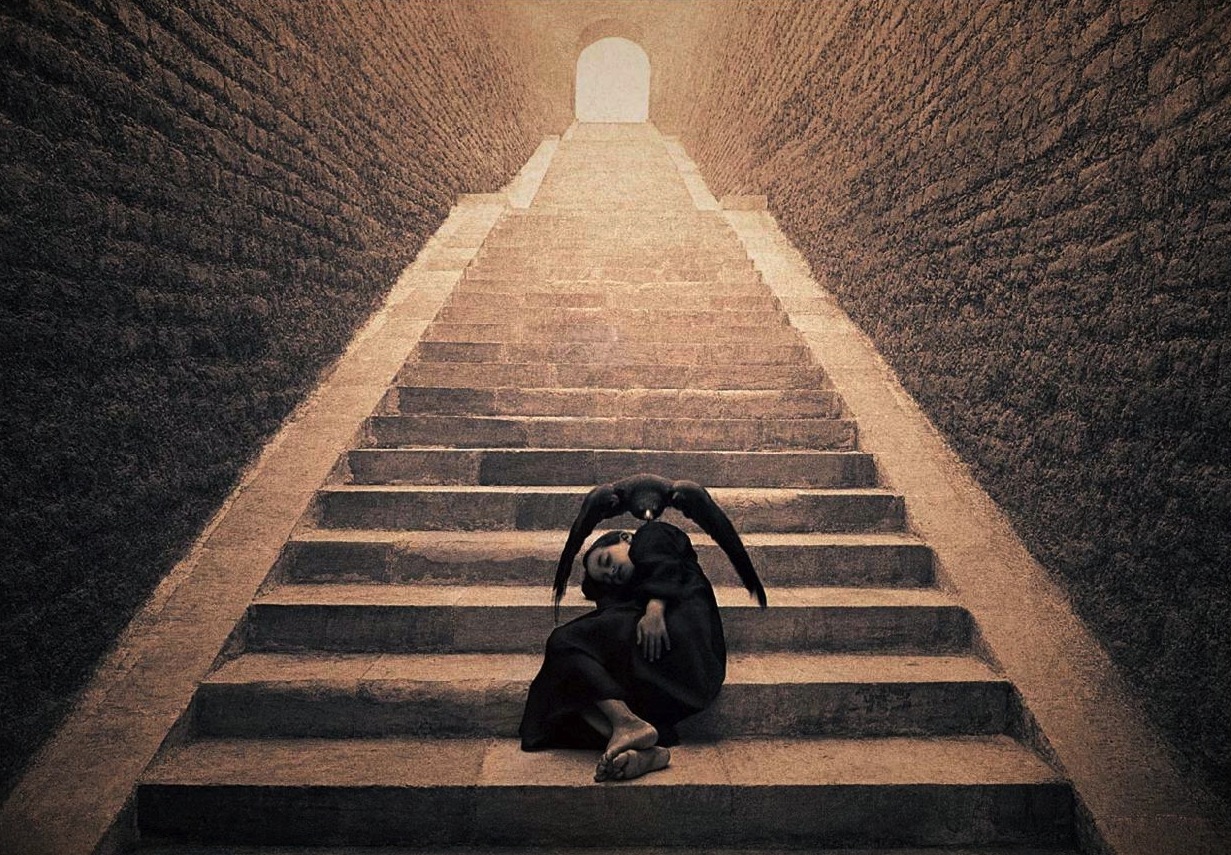
Worshipping God in Aramaic the language of Jesus the Semitic language of Israel, Levant, and Mesopotamia, by Father Seraphim and his choir from Georgia, brought me to mind Gregory Colbert’s Ashes and Snow images, visceral yet dreamlike, returning us to a place we long for but cannot name, reawakening an ancient memory in us of a time when we lived in balance and harmony with Nature and God.

ashes2

Gregory Colbert’s Ashes and Snow is an ongoing project comprised of photographic artworks, a one-hour film and two short film “haikus,” and a novel in letters all presented in a purpose-built temporary structure called the Nomadic Museum.

“Feather to Fire
Fire to Blood
Blood to Bone
Bone to Marrow
Marrow to Ashes
Ashes to Snow.”

ashes3

For the full text, go to: http://www.mycity.rs/Knjizevnost/Ashes-and-Snow-by-Gregory-Colbert.html

For the mesmerising videos watch:

https://www.youtube.com/watch?v=gSX444hQ5Vo&list=PLF8BA0D1D7E544A00&index=1

https://gregorycolbert.com

Soaring on Eagles’ Wings

“And God saw that it was good” (Genesis 1)

)yann26

yann25

“Exceedingly sad is the blindness of the sons of men, who do not see the power and glory of the Lord.

There is too much of You, O Lord, my breath, therefore people do not see You. You are too obvious, O Lord, my sighing …”

yann24

yann23

“A bird lives in the forest, and does not see the forest. A fish swims in the water, and does not see the water. A mole lives in the earth, and does not see the earth … “ Velimirovic (1880 – 1956), Prayers by the Lake,  VII

yann22

yann21

“… … The world is a mirror of infinite beauty, yet no man sees it. It is a Temple of Majesty, yet no man regards it. It is a region of Light and Peace, did not men disquiet it.”

yann20

yann19

“You never enjoy the world aright, …. till every morning you awake in Heaven; see yourself in your Father’s Palace; and look upon the skies, the earth, and the air as Celestial Joys … “

yann18

yann15

“It is the Paradise of God. It is more to man since he is fallen than it was before. It is the place of Angels and the Gate of Heaven. …”

 yann14

yann13

“You never enjoy the world aright, till the Sea itself floweth in your veins, till you are clothed with the heavens, and crowned with the stars: Till you can sing and rejoice and delight in God, as misers do in gold, and Kings in sceptres, you never enjoy the world.”

yann12

yann11

“You never enjoy the world aright …Till your spirit filleth the whole world, and the stars are your jewels …”

Thomas Traherne (1636 or 1637 – ca.1674) English metaphysical poet, ecstatic theologian and clergyman — Centuries of Meditation, ‘almost the most beautiful book in the English language’, according to CS. Lewis

Discovered at https://afkimel.wordpress.com/2015/09/13/you-never-enjoy-the-world-aright/

yann8

yann2

“The Earth is Art, The Photographer is only a Witness”

Yann Arthus-Bertrand, Earth from Above

For more information go go to Yann Arthus-Bertrand official website at http://www.yannarthusbertrand.org/en AND to a captivating image-filled Ted talk, where Yann Arthus-Bertrand displays his three most recent projects on humanity and our habitat — his stunning aerial photographs in his series “The Earth From Above,” personal interviews from around the globe featured in his web project “6 billion Others,” and his soon-to-be-released movie, “Home,” which documents human impact on the environment through breathtaking video.  https://www.ted.com/talks/yann_arthus_bertrand_captures_fragile_earth_in_wide_angle?language=en

For Yann Arthus-Bertrand stunning latest opus Human, for promo material and trailers go to https://www.google.com/culturalinstitute/u/0/collection/human-the-movie, for excerpts to https://www.youtube.com/user/HUMANthemovie2015  and for the whole movie to http://www.human-themovie.org