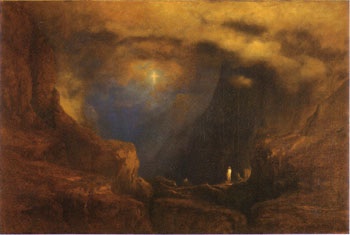
Through the Valley of the Shadow of Death

The Valley of the Shadow of Death By George Inness, 1867

Physical (biological) death vs “brain death”

Is physical death the same as “brain death”? No! A “brain dead” patient may be in a coma and apnea, but most of his organs are functioning with appropriate medical support; so, when his organs are removed, he is still warm, his heart is still working, and his blood is circulating! (1)

They will tell you that organs are taken when the person is dead. This is not true. There are several recorded cases of “brain dead” people who came back from this state. The vital organs of the “donors” are taken while they are still ALIVE, resulting in a violent interruption of their life during the process of taking their organs. Many leading scientists in Greece and abroad (2) express serious scientific objections and do not hesitate to even propose the complete abandonment of the concept of “Brain Death”.

Professor of Pediatric Anesthesiology at the leading University of the USA, Harvard, and Director of the Intensive Care Unit at the University Children’s Hospital, Boston, Dr. Robert D. Truog states: “Brain Death remains incoherent in theory and confusing in practice. Furthermore, the only purpose that this concept (of brain death) serves is to facilitate the search for organs for transplantation. That is why, after all, the concept of “brain death” was “invented” only in 1968 by some Harvard scientists.”

The fact of death is a great mystery, the Holy Fathers of the Church tell us, and no one knows nor will ever know when (at what exact moment) the soul separates from the body… As long as the heart is functioning, the soul is united with the body.

Saint Paisios of Mount Athos, when asked about transplants, he categorically opposed the transplantation of vital organs (organs without which the donor cannot continue to live), for two reasons: First: “it constitutes an impermissible intervention, opposing the creative work of God, on the one hand, by killing the donor, and on the other by creating in us the conceit of animating the recipient.” And second: “It will become a cause for inventing ways to kill the sick in order to take their organs.”

Saint Porphyrios was also opposed to the transplantation of solid organs from “brain-dead” people. He made the following recommendation to a couple who wanted to donate the organs of their child after a serious accident: “There is only one death. Donate only the cornea of the eyes…” A person in a state of so-called “brain death” is a seriously ill patient but not dead… By taking vital organs from a “brain dead” patient, he is forcibly led to definitive clinical death… this action, by the criteria of Orthodox Theology, is equivalent to Murder.

They will say that organ donation is self-sacrifice and a noble act, an act of humanity and altruism. This is not true… The one who determines when we will die is our Creator and not us. In the Old and New Testaments, as well as in the Hymnography of our Church, it is emphasized that the Creator alone is the master of life and death. Even when there is consent, the “DONATION” of VITAL ORGANS IS NOT SELF-SACRIFICE, because it takes away from the donor the possibility of repentance, that is, to say, even at the last moment, “Forgive me, my God” and for God to possibly save his soul.

By a beloved brother in Christ, Stavros Amfoterodexios (cf. “Ehud the son of Gera, the son of Benjamin, a man equally adept with both of his hands” Judges 3:15)

1. Dr. Alan Shewmon, internationally renowned Professor of Pediatric Neurology at UCLA (University of California, Los Angeles).

2. K. Karakatsanis 2001, E. Panagopoulos 1998, M. Vrettos 1999, I. Kountouras 1999, K. Christodoulides 1995, N. Balamoutsos 1999, N. Konstantinidis 1999, M. Giala 1999, A. Avramidis 1995, P. Kougias 1999, A. Goulianos 1999, etc.) and abroad (R.D. Truog 1992, D.A. Shewmon 1997, R.M. Taylor 1997, etc.),

Facing Death

Heartbreaking. Both of them …

Such a sad smile at 2:26  He must have known that it would be his last and that his time was short. I can’t watch this without crying. No one will ever perform this like he did. He owned this song. Memory Eternal +


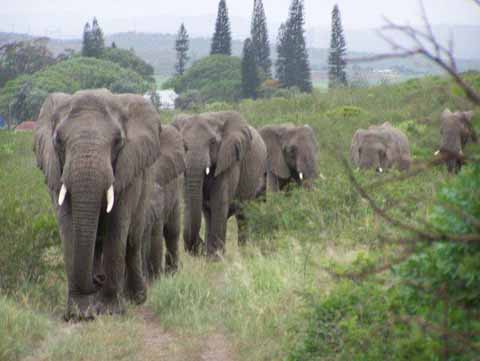
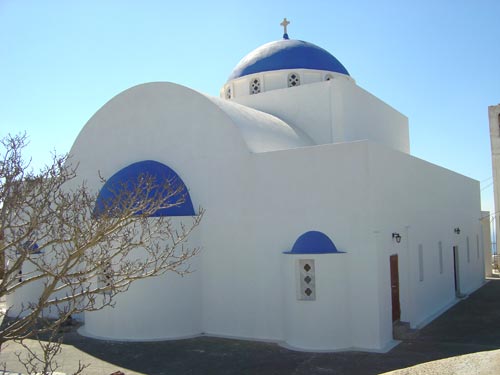
A friend of mine told me how all this reminded him of of the elephants who visited their human friend and conservationist Lawrence Anthony for his funeral  and made their way back to his homestead in South Africa on the anniversary of his death. Intrigued I looked it up, and indeed  “Wild elephants gathered ‘inexplicably’, mourning death of ‘Elephant Whisperer’. Author and legendary conservationist Lawrence Anthony died March 7. His family told of a solemn procession on March 10 that defied human explanation here
elephants

And here, esp. @4:38 to the end

Oh, this sting of Death!

seconds-from-death

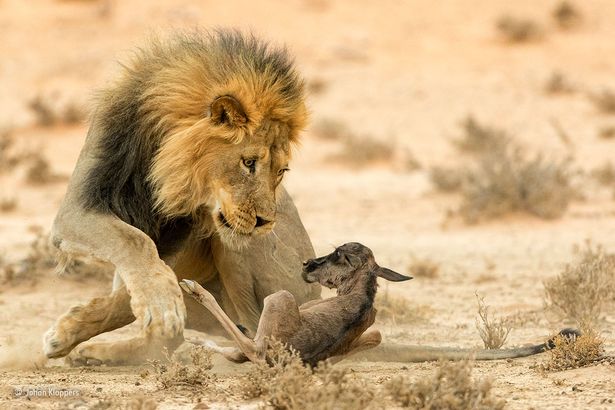
Seconds from death: Amazing picture of lion eyeballing hapless wildebeest among top wildlife images of year 2016

Oh! Death’s breath! 

Arise, O my soul, O my soul, why sleepest thou? The end draweth near, and thou shall be confounded.  Arise, therefore, from thy sleep, and Christ our God, who is in all places and filleth all things, shall spare thee.


Rage, Rage At the Dying of the Light

Or, The Hollow Gaze Of a  Beast

holoow3

I am beginning to think that I am secretly a bear. I definitely have the social skills of one. I am as voluble as a bear during hibernation, and as attached to my room as a bear to its cave. In all honesty, I am continuously amazed anyone still wants to talk to me given how bad I am at keeping in touch. The simple reality is that I function in a state of amazement. I have rewritten this paragraph so many times; I can find no better way to describe this. I function like a stunned being. I go through the motions I see in other people; I do what it takes to be functional in this world. But deep down, I am paralysed.

I once saw a huge bull being taken to the slaughterhouse. I was in my monastery in Moldavia at the time. The animals know. The know perfectly well that behind that big door there is death. Many of them go wild, and desperation takes over. Some times, their hearts fail and they collapse, so they have to be dragged inside. I remember this bull: a huge, beautiful animal. I remember its stare. Its muscles had completely frozen; there was no movement at all – not a blink, not a sound. At the centre of that heard of bellowing animals, fighting to escape death, I remember that hollow, frozen gaze as the bull was pushed by three men towards the gate, inside the slaughterhouse.

Icon 1

I function very much like that stunned animal. When I look in the mirror (which I purposely try not to do) I recognise that gaze. There is something of that in everyone. Often times, I switch off as people talk to me about their holidays and homes and plans. I switch off and I try to recognise that frozen gaze in their eyes: beyond the noise, beyond the superficial glitter of life, that hollowness is always there. It is imprinted in us. It is part of what makes us who we are, part of what makes us human.

I suppose this is my apology for failing to always keep ‘on schedule’ with posting here, recording our podcasts and so on. I am sorry. I am aware I should be doing more, especially as many of you continue to support the monastery even through these periods of silence. Perhaps you feel something. Perhaps you yourselves recognise something in this silence.

I have prayed to make sense of this desperation. I live with a perfect hope that we shall all survive the slaughterhouse, but this hope comes with an equally perfect awareness of the hollowness of this life. I have prayed to make sense of this. I have also prayed that I loose neither the hope, nor the desperation; living with both creates an intense tension, and that tension feeds my heart. I have an intuition that this tension will lead me to Life.

If I have learned something so far, it is that I must protect and treasure this life, because the seed of Life is buried in it. The hollowness of this life, its senselessness, its pain have taught me that I myself can only get as far as the gate of the slaughterhouse. If there is any hope to make it beyond that gate, if there is any hope to survive it, it does not come from me. I cannot be my own saviour. I cannot be anyone’s saviour. This is a tough lesson to learn and impossible to fully accept without the grace of God. I am nothing without a Saviour. It is a tough lesson, but we cannot run away from it. Horrid as it feels, this is the foundation of all our hope.

Just think how different things could have been, had Adam stared into his own hollowness and accepted it, instead of collapsing at the feet of the devil. Had Adam accepted this truth, had he accepted that he cannot be his own saviour, has he reached out for a Saviour, this world would have known a different history. Perhaps this is the point of it all: to learn the lesson Adam has not; to stare into the hollowness of our being and not despair, to not collapse as he did, because we know that a Saviour has taken on the form of this hollowness and lifted it up to Life.

http://www.mullmonastery.com/monastery-blog/the-hollow-gaze-of-a-beast/

holllow6

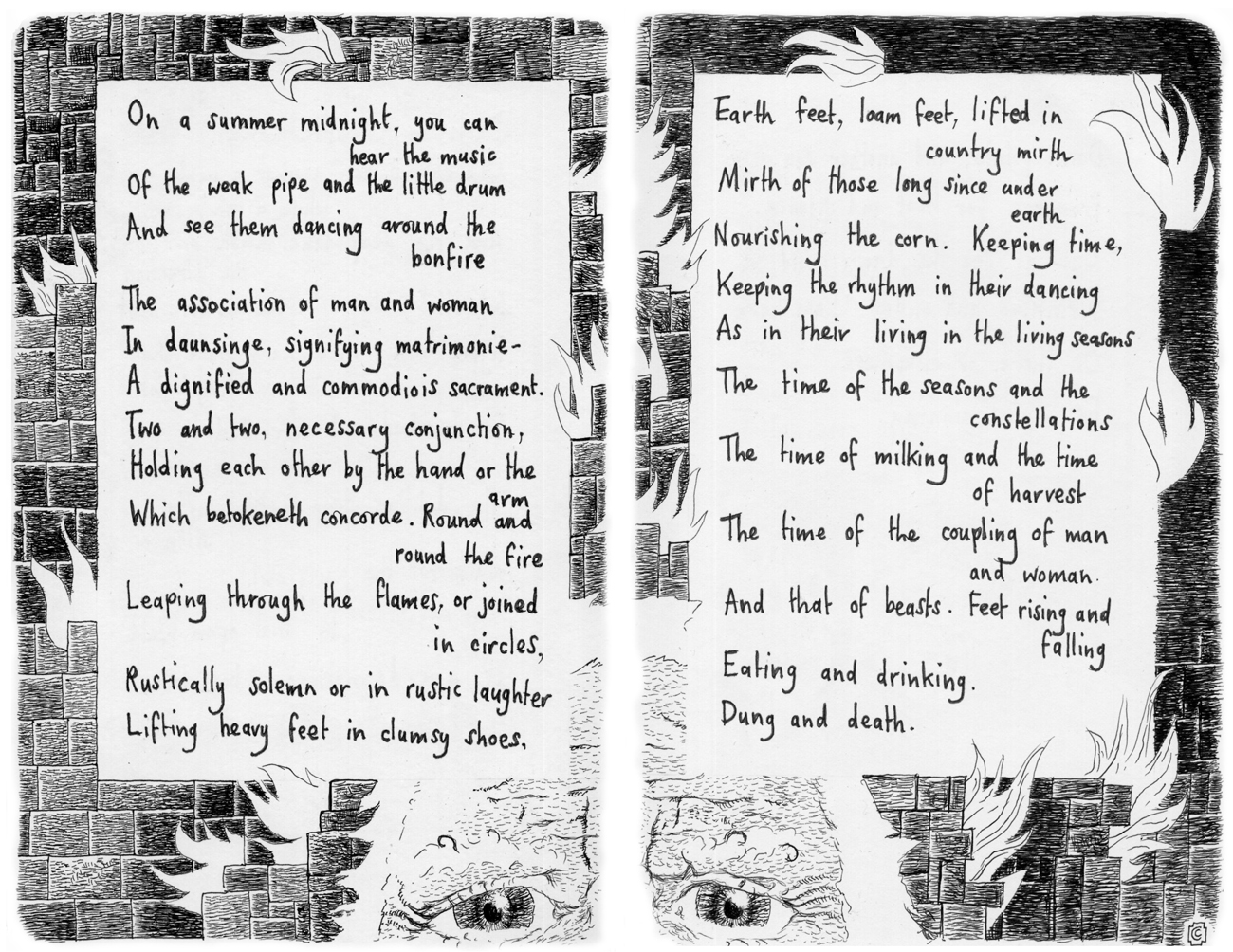
The Hollow Men by T.S. Eliot

Mistah Kurtz – he dead.

A penny for the Old Guy

I

We are the hollow men
We are the stuffed men
Leaning together
Headpiece filled with straw. Alas!
Our dried voices, when 
We whisper together
Are quiet and meaningless
As wind in dry grass
or rats’ feet over broken glass
In our dry cellar

Shape without form, shade without colour, 
Paralysed force, gesture without motion;

Those who have crossed
With direct eyes, to death’s other kingdom 
Remember us – if at all – not as lost
Violent souls, but only
As the hollow men 
The stuffed men. 

Picture

 
IIEyes I dare not meet in dreams
In death’s dream kingdom
These do not appear: 
There, the eyes are
Sunlight on a broken column 
There, is a tree swinging
And voices are 
In the wind’s singing 
More distant and more solemn 
Than a fading star.Let me be no nearer
In death’s dream kingdom 
Let me also wear
Such deliberate disguises
Rat’s coat, crowskin, crossed staves
In a field
Behaving as the wind behaves
No nearer – 

Not that final meeting 
In the twilight kingdom

Picture


III

This is the dead land
This is cactus land
Here the stone images
Are raised, here they receive
The supplication of a dead man’s hand
Under the twinkle of a fading star.

Is it like this
In death’s other kingdom 
Waking alone
At the hour when we are
Trembling with tenderness
Lips that would kiss
Form prayers to broken stone. 

Picture


IV

The eyes are not here
There are no eyes here
In this valley of dying stars
In this hollow valley
This broken jaw of our lost kingdoms

In this last of meeting places 
We grope together
And avoid speech
Gathered on this beach of this tumid river

Sightless, unless
The eyes reappear
As the perpetual star
Multifoliate rose
Of death’s twilight kingdom
The hope only
Of empty men. 

Picture


V

Here we go round the prickly pear
Prickly pear prickly pear
Here we go round the prickly pear
At five o’clock in the morning. 

Between the idea
And the reality
Between the motion 
And the act
Falls the Shadow

For Thine is the Kingdom 

Between the conception
And the creation 
Between the emotion 
And the response
Falls the Shadow

Life is very long

Between the desire
And the spasm 
Between the potency
And the existence
Between the essence
And the descent
Falls the Shadow

For Thine is the Kingdom 

For Thine is
Life is
For Thine is the

This is the way the world ends
Not with a bang but with a whimper. 

holoow3

Because I Could Not Stop For Death

https://www.youtube.com/watch?v=DDOfwqqtGE8https://www.youtube.com/watch?v=DDOfwqqtGE8


People are so beautiful it hurts. We all have this beauty in us, this otherworldly potential to be so much more than what we settle for. At times, this awareness is the only thing that makes sense of this senseless existence, its very foundation, the star calling us forward, the purpose of this flesh. Most of the times, though, it makes life ever more painful, because it throws light upon the dark truths we have spent a lifetime learning to ignore.

Someone’s asked in an email from where I get the strength to keep going. The raw answer is: fear. Fear and desperation and the knife-like breath of death I see slowly and implacably eating me from the inside, consuming the beauty within myself, the beauty within you. I look in the mirror and I see a caged animal, waiting in line to be sacrificed. I live with the awareness that none of the breaths I’ve taken, none of the things I’ve felt and done have life within themselves.

The most painful thing I live with, the heaviest weight I carry is the total, perfect knowledge that there is no memory here to preserve even the slightest trace of our sparks of life.

I look in the mirror and I see nothing that will survive death. I stare at this nothingness and life becomes a desperate attempt to outrun death. At times, this turns into pure isolation, and no island can be far enough; no darkness thick enough to cover me. Other times, for very few and rare moments, this turns into white silence. A bright blanket of silence that covers my mind like rarefied air. Up there, in those rarefied clouds, floating high above death, there is Rest, there is Peacefulness.


Source: Father Seraphim –The Mull Monastery at http://www.mullmonastery.com/uncategorized/someones-asked-in-an-email-from-where-i-get-the-strength-to-keep-going/

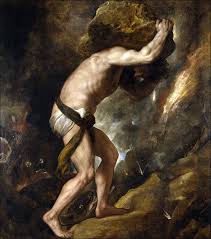
The Sisyphus Myth


time5

An Orthodox Theology of Time – IV / V

Time as Woundedness and Time as Decay, Growth unto Death.  How do we primarily experience time as fallen beings? Do we experience it as change or, more precisely, mutability, that is, a growth unto death? 


“To-morrow, and to-morrow, and to-morrow,/ Creeps in this petty pace from day to day/ To the last syllable of recorded time,/ And all our yesterdays have lighted fools/ The way to dusty death. […] it is a tale/ Told by an idiot, full of sound and fury,/ Signifying nothing.” (Shakespeare, Macbeth, V.v. ll.)


First we experience fallen time as constant change or ceaseless movement in a cycle of death that can be seen cyclically in the seasons, which move in a circle like a snake swallowing its tail. Winter follows Autumn and Spring follows Winter just as death follows old age and old age is not the end, for out of our death comes the birth of our descendants. Thus all of time is a perpetual repetition of death since the moment that things come into existence, changing from non-existence into being, they straightway move back again from existence into non-being.

This experience of fallen time is what Pozzo, in Waiting For Godot, expresses when he cries furiously at Vladimir:

Have you not done tormenting me with your accursed time! It’s abominable! When! When! One day, is that not enough for you, one day he went dumb, one day I went blind, one day we’ll go deaf, one day we were born, one day we shall die, the same day, the same second, is that enough for you? [Calmer] They give birth astride of a grave, the light gleams an instant, then it’s night once more.


Second, we experience fallen time as unending desire. Once we desire something it lacerates our whole being until we possess it and our desire for that thing is then satiated until the thing possessed tempts us into some new perversion and the vicious circle begins all over again. Man’s life, then, is like this vicious circle insofar as he is continually turning around while facing his own self like it was a household idol, as The Great Canon of St. Andrew of Crete puts it: “I am become my own idol, and have injured my soul with passions.” Luther expressed this fallen circularity of time well when he says that homo in se incurvatus or man is turned in on himself.


… St. Gregory of Nyssa  has a nice image to convey this hopeless cyclical perpetuum mobile. It is of a man fruitlessly attempting to climb uphill in sand and never making any progress. It is the spiritual life where one’s house is built not on the rock of Christ but on the sand of spiritual illusions:

“He [the passionate man] is like those who toil endlessly as they climb uphill in sand: Even though they take long steps, their footing in the sand always slips downhill, so that, although there is much motion, no progress results from it.” 

[Also, remember here The Myth of Sisyphus: The gods had condemned Sisyphus to ceaselessly rolling a rock to the top of a mountain, whence the stone would fall back of its own weight. They had thought with some reason that there is no more dreadful punishment than futile and hopeless labor.]

Third, we see time as decay in memory—Schmemann’s “evil time.” In evil time, we remember the past as perpetually lost like a ghost that must relive its own murder.  Thus we remember continually and cannot change the death of our spouse, our mother, our child, or worse, a moment of humiliation by our spouse, our mother, by us of our own child. We cannot choose our past, for deliberation is a mark of future action in the present, the choice between what we would like to have happened and what actually happened remains only an undying craving for another world, as T. S. Eliot acknowledged: “What might have been is an abstraction/ Remaining a perpetual possibility/ Only in a world of speculation.”(T. S. Eliot, “Burnt Norton”, I, ll.6-8 in Four Quartets).

Each of these faces of fallen time points to our fundamental need, in time, for time’s renewal in Jesus Christ.

Source: http://www.bogoslov.ru/en/text/2668945.html

To Be Continued

For Part V go to https://orthodoxcityhermit.com/2015/12/18/memory-made-clear-and-serene/

Between Son and Mother

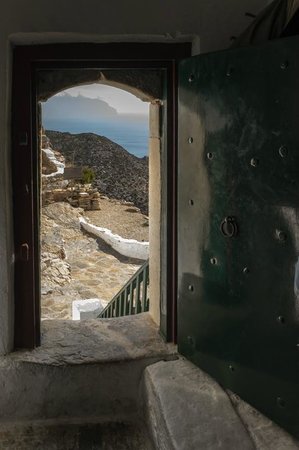
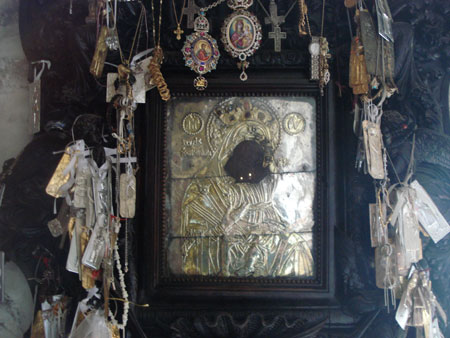
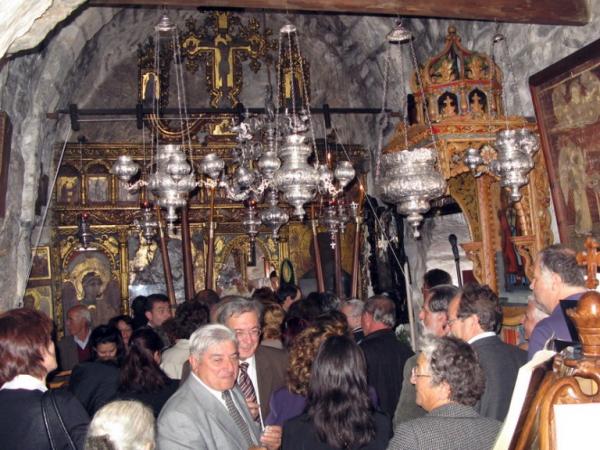
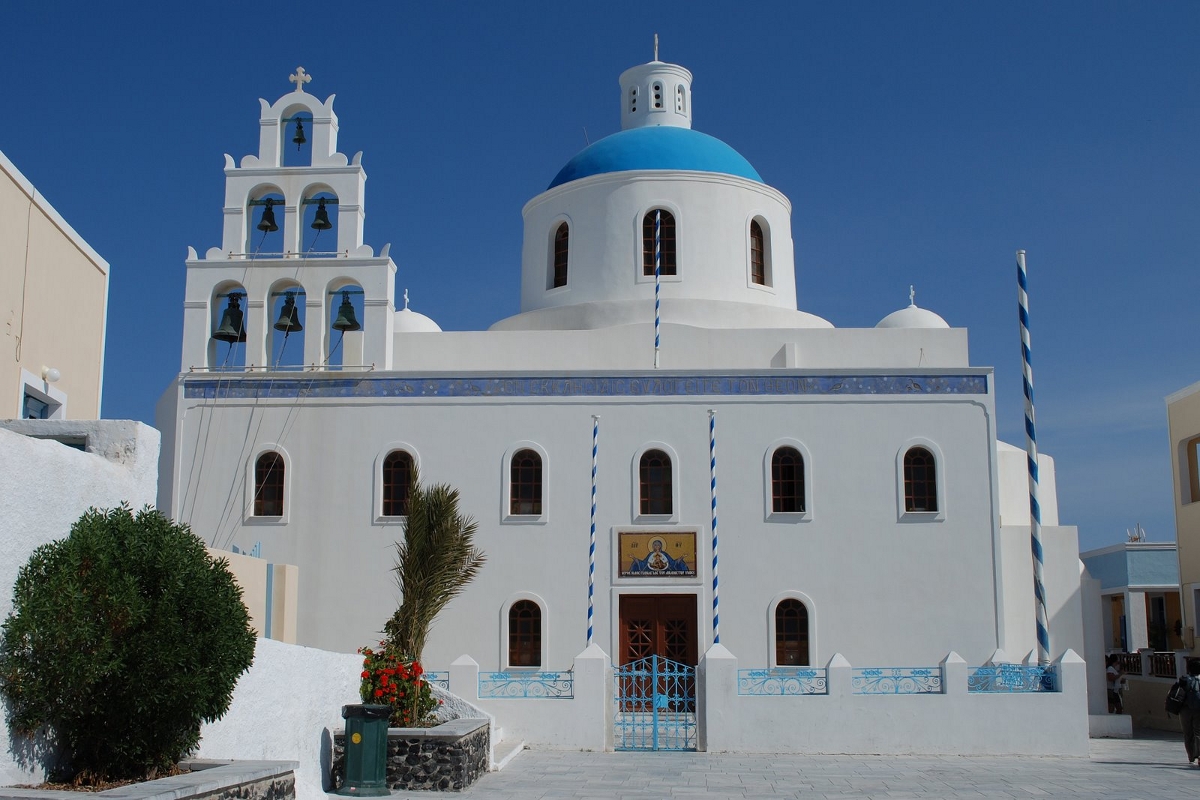
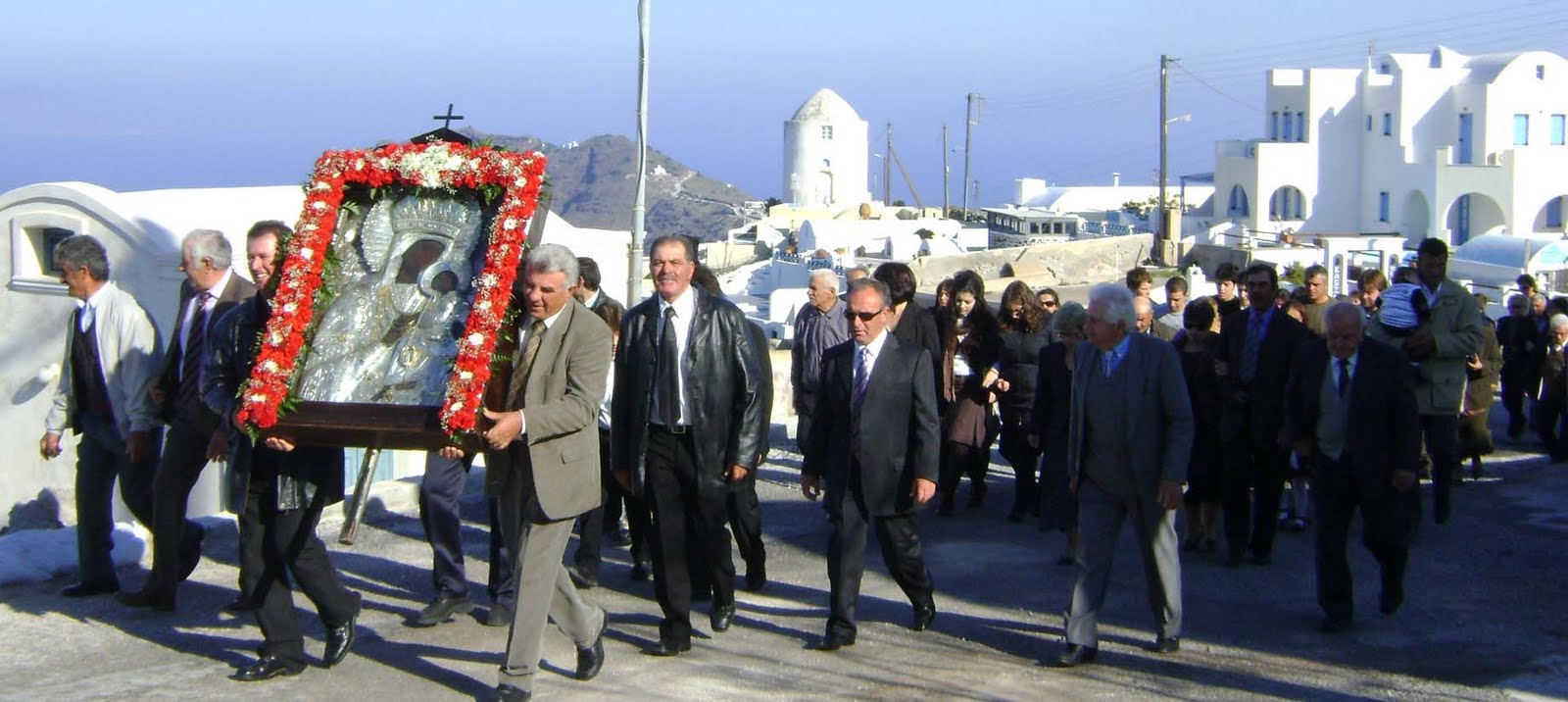
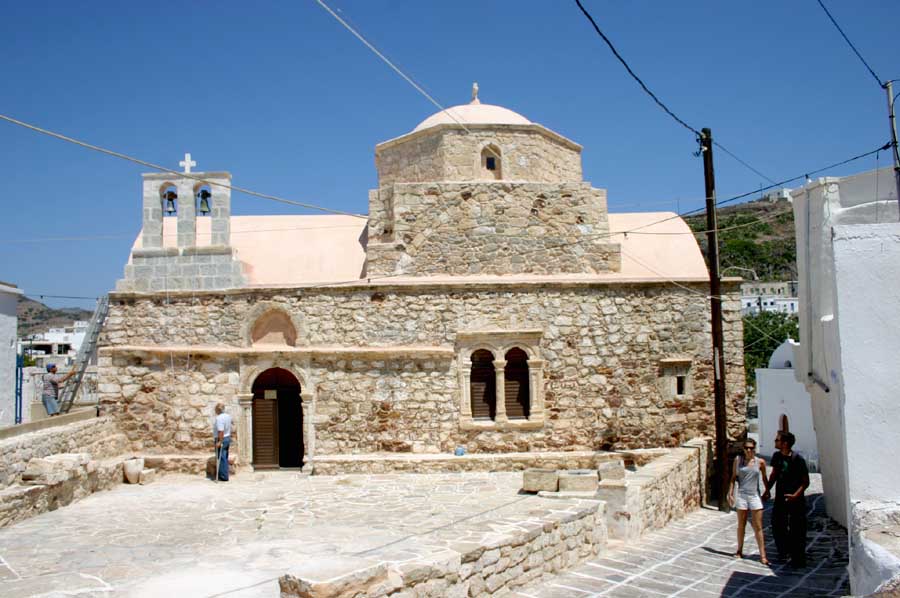
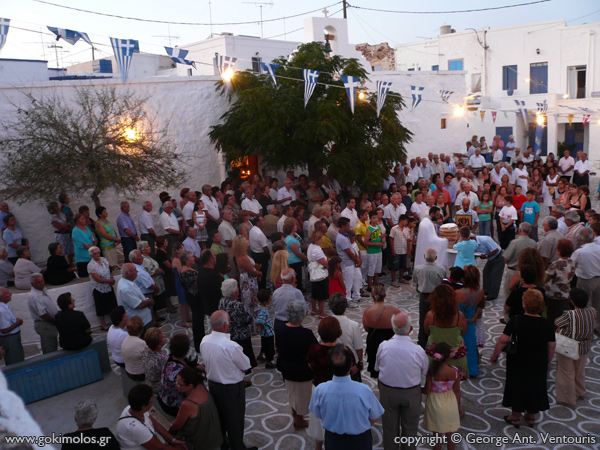
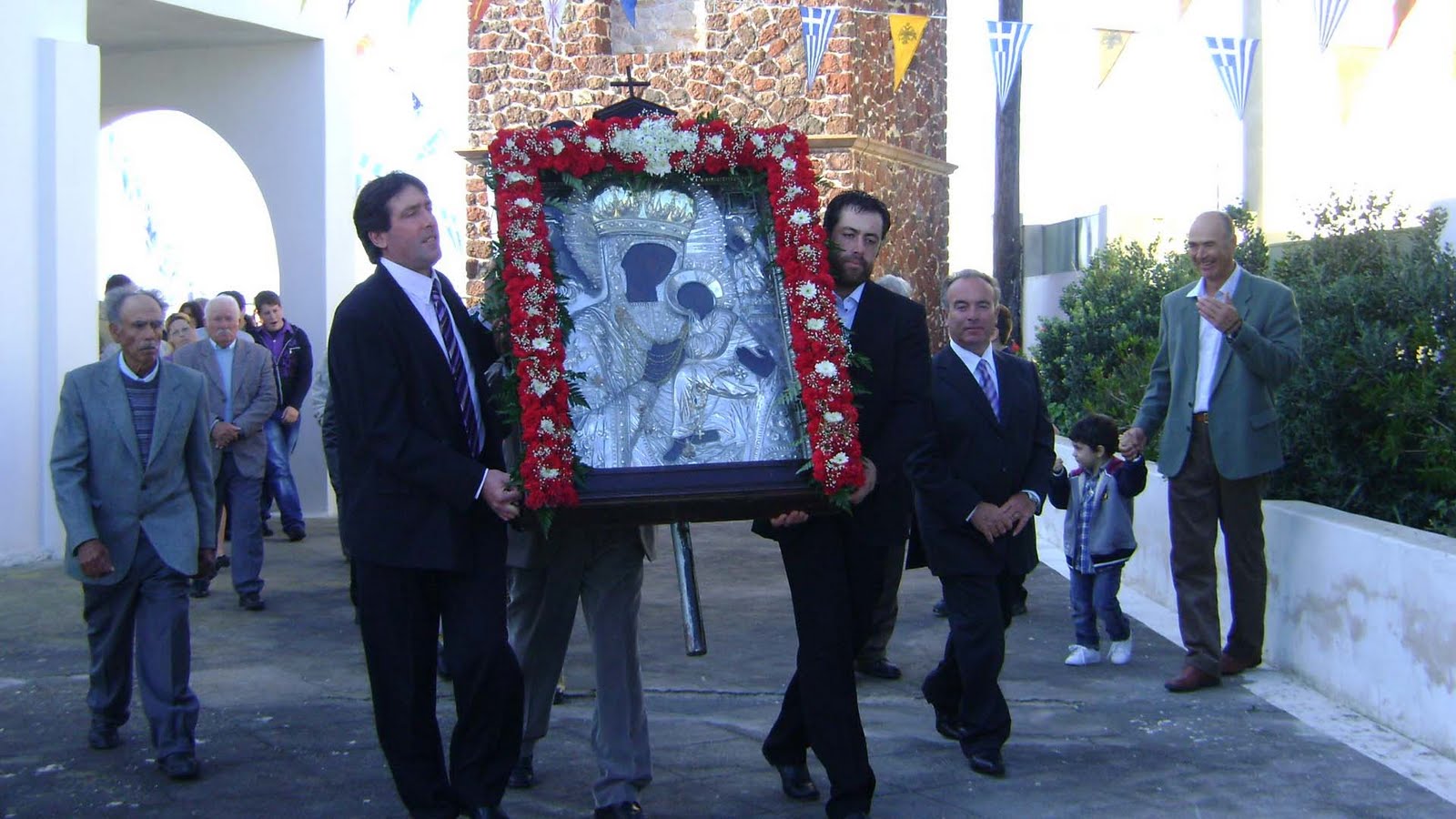
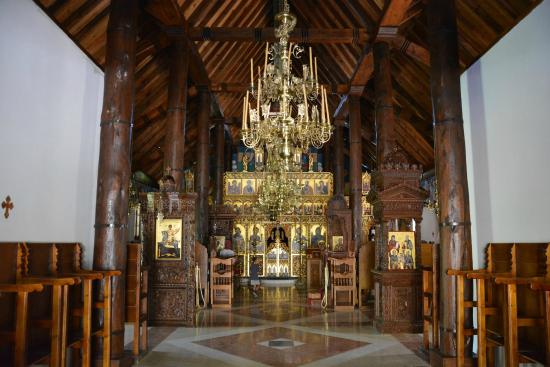
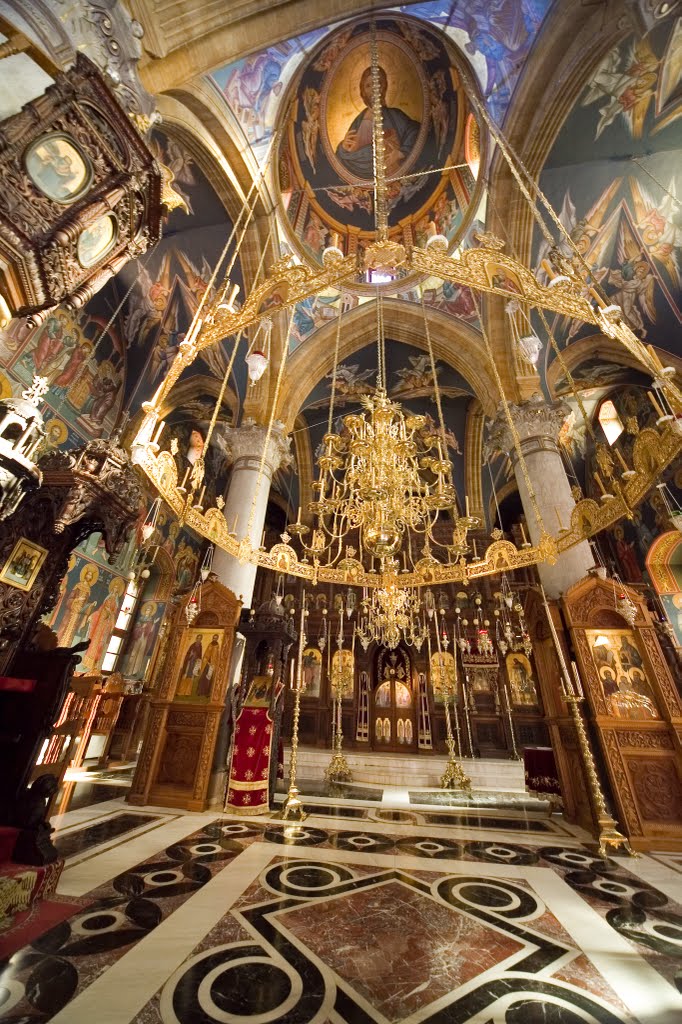
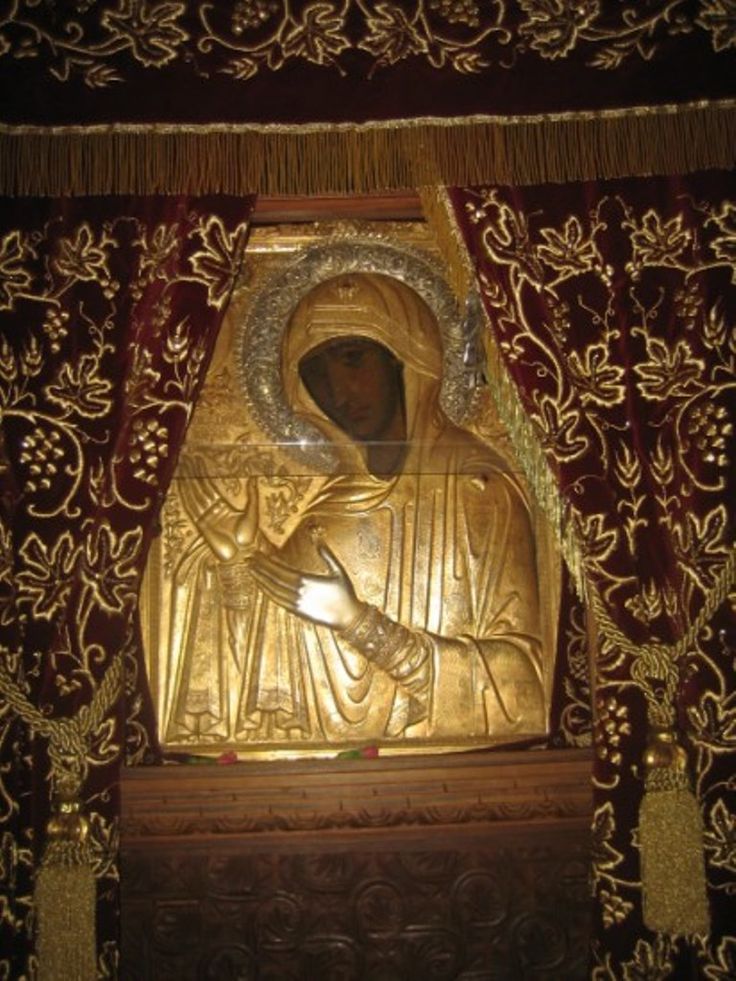
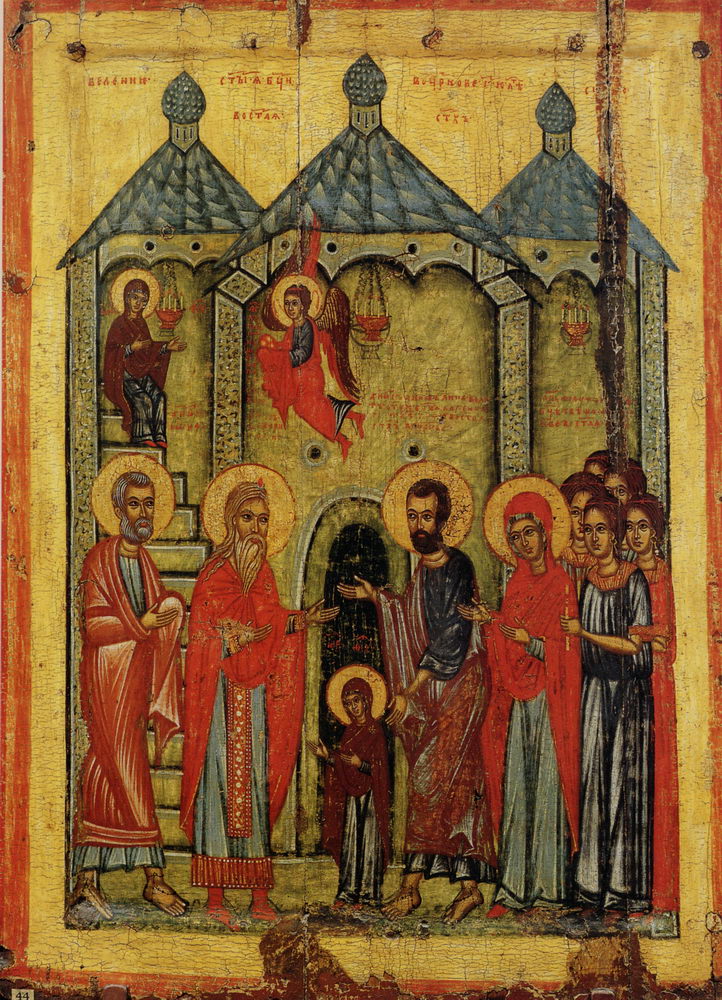
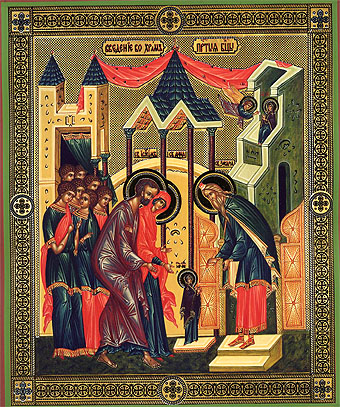
A virtual, photographic pilgrimage to shrines in Greece and Cyprus dedicated to the Feast of the Mother of God Presentation or Entry, Entrance, Eisodos in the Temple (November 21)

blue-swirl-divider-hi

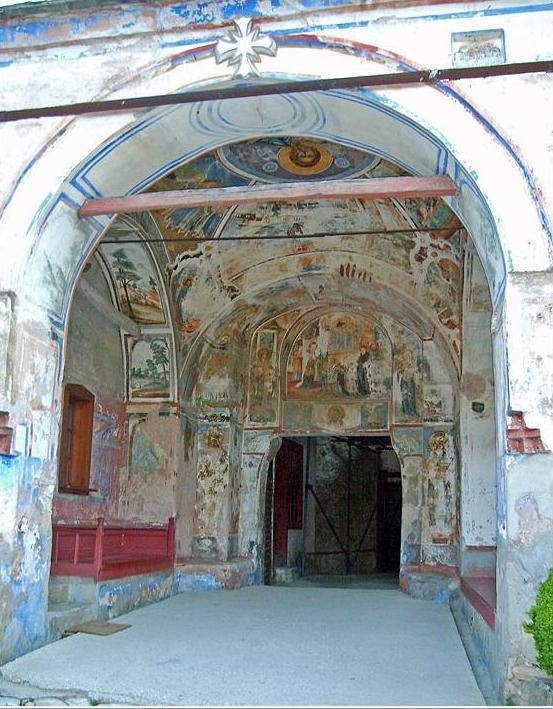
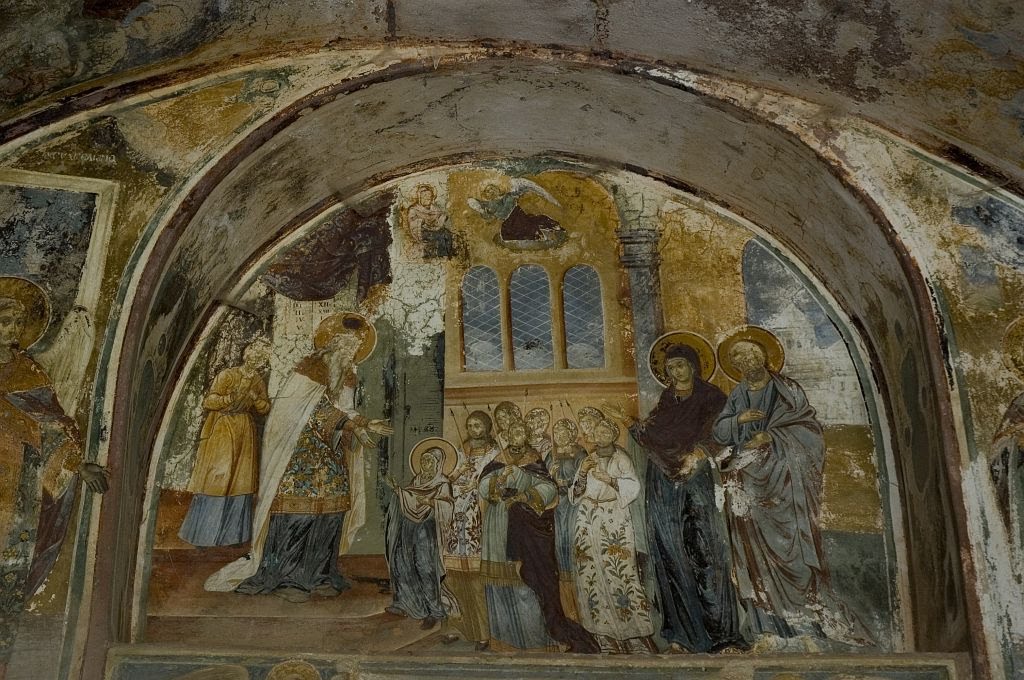
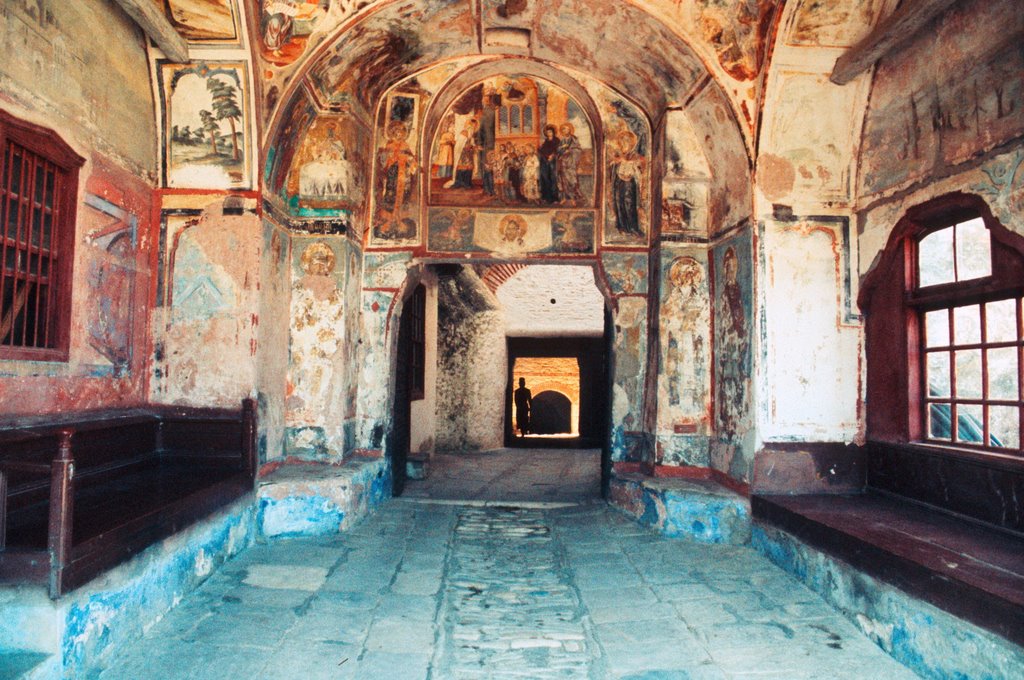
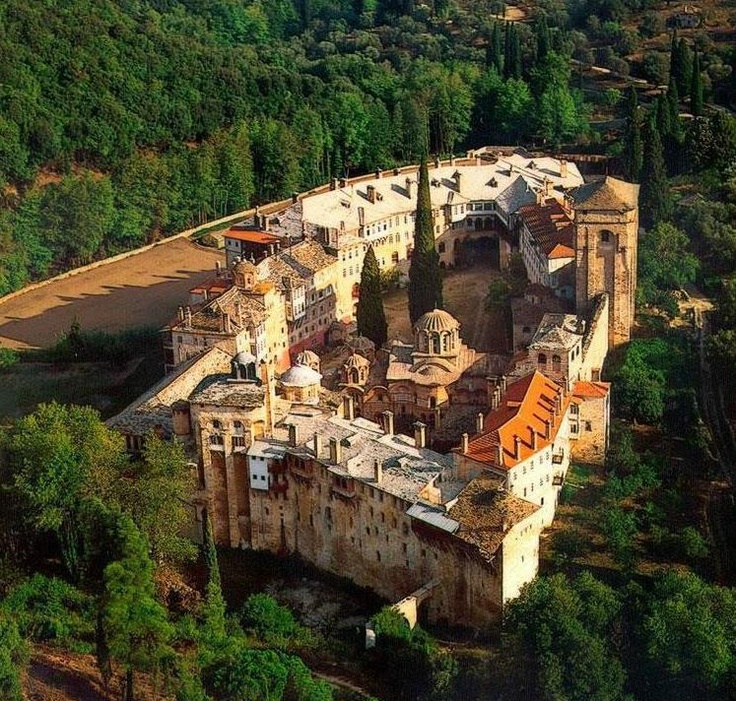
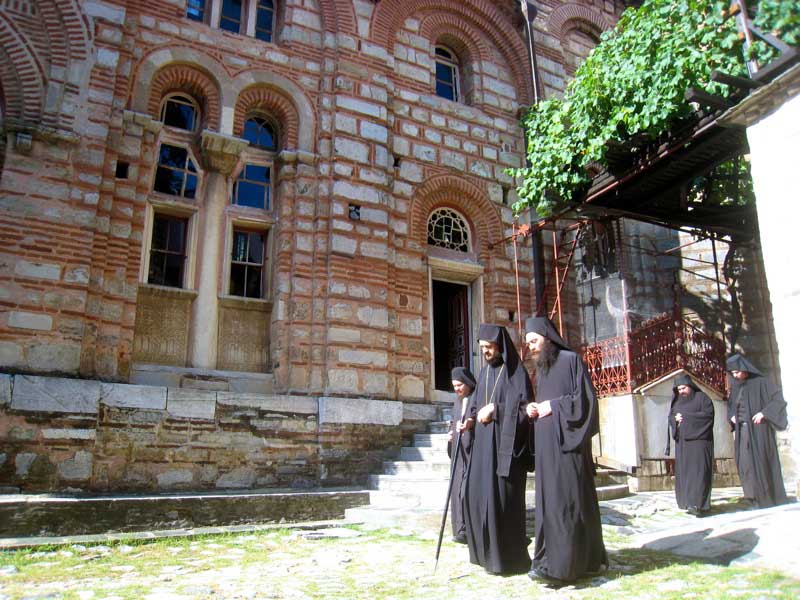
Iconography of the Entrance of the Theotokos at Hilandari Monastery–MOUNT ATHOS

entry3entry4ENTRY300ENTRY302ENTRY304ENTRY305

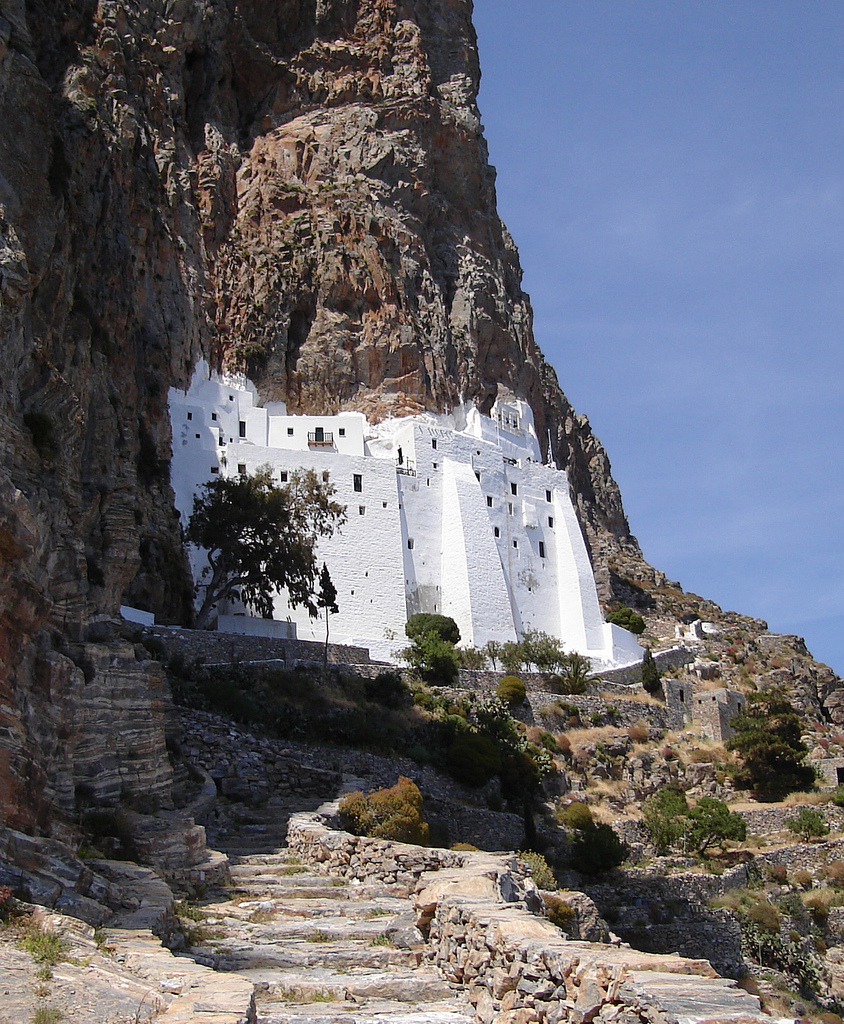
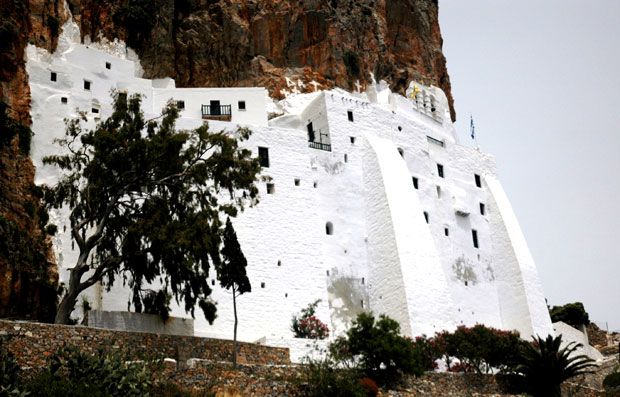
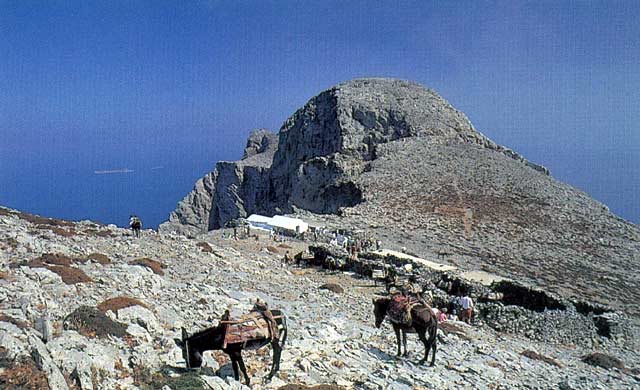
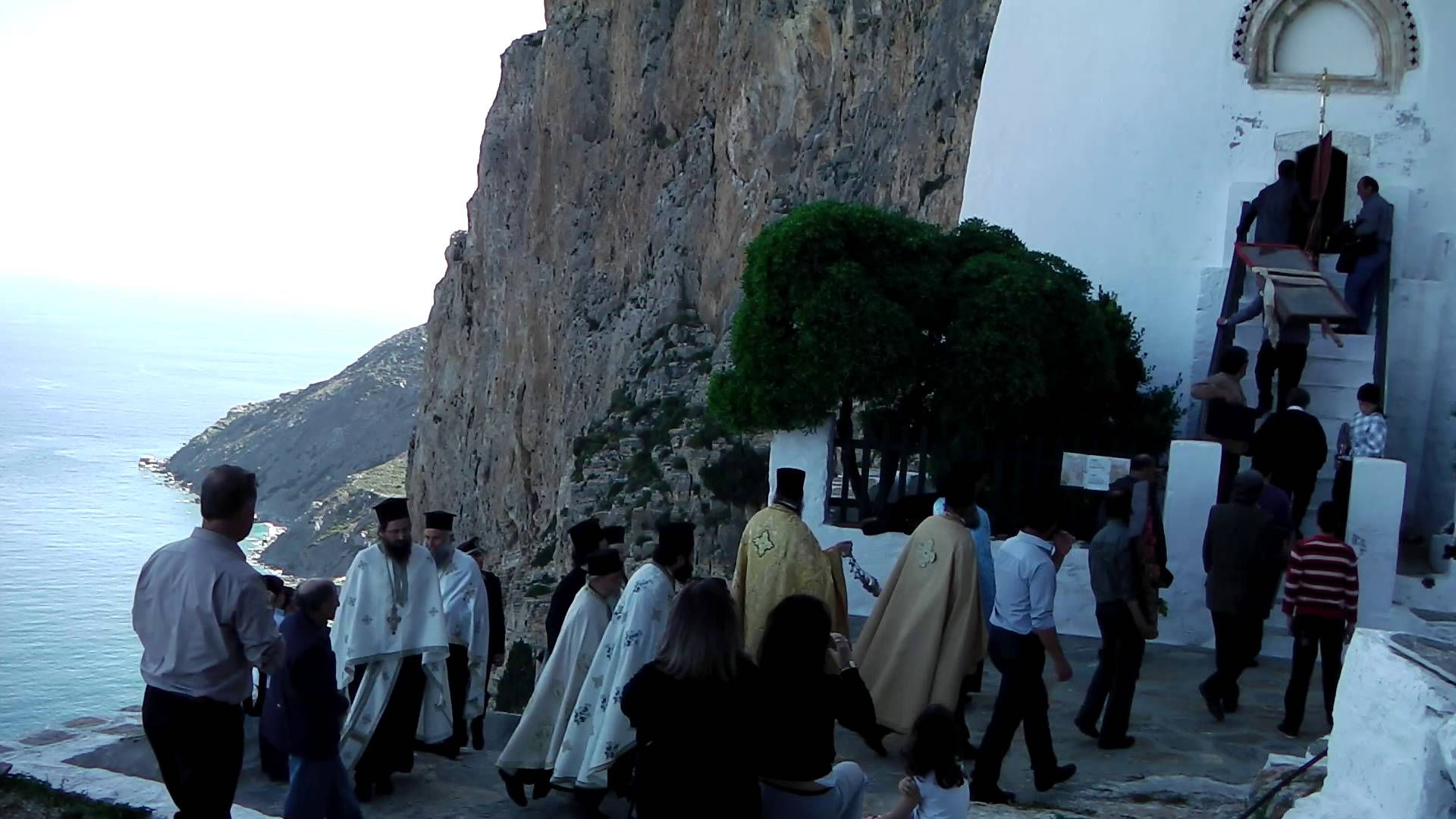
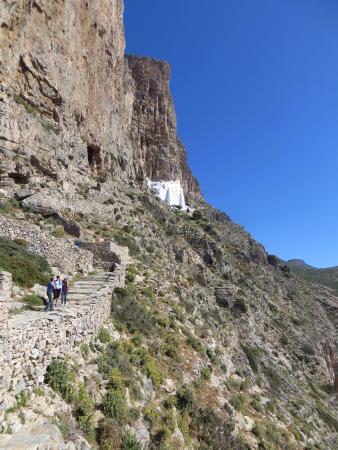
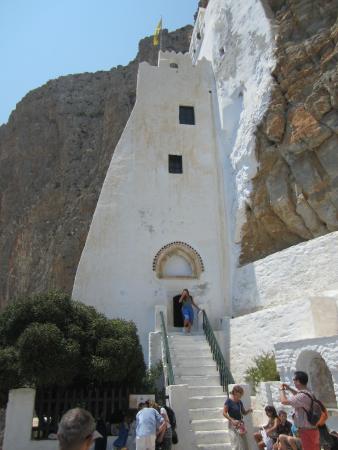
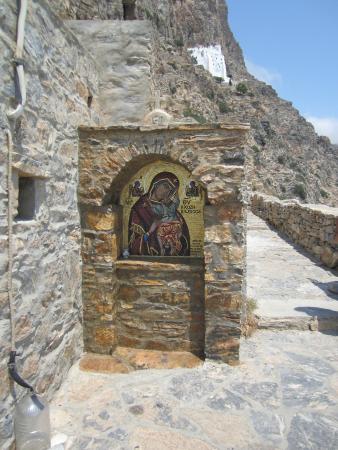
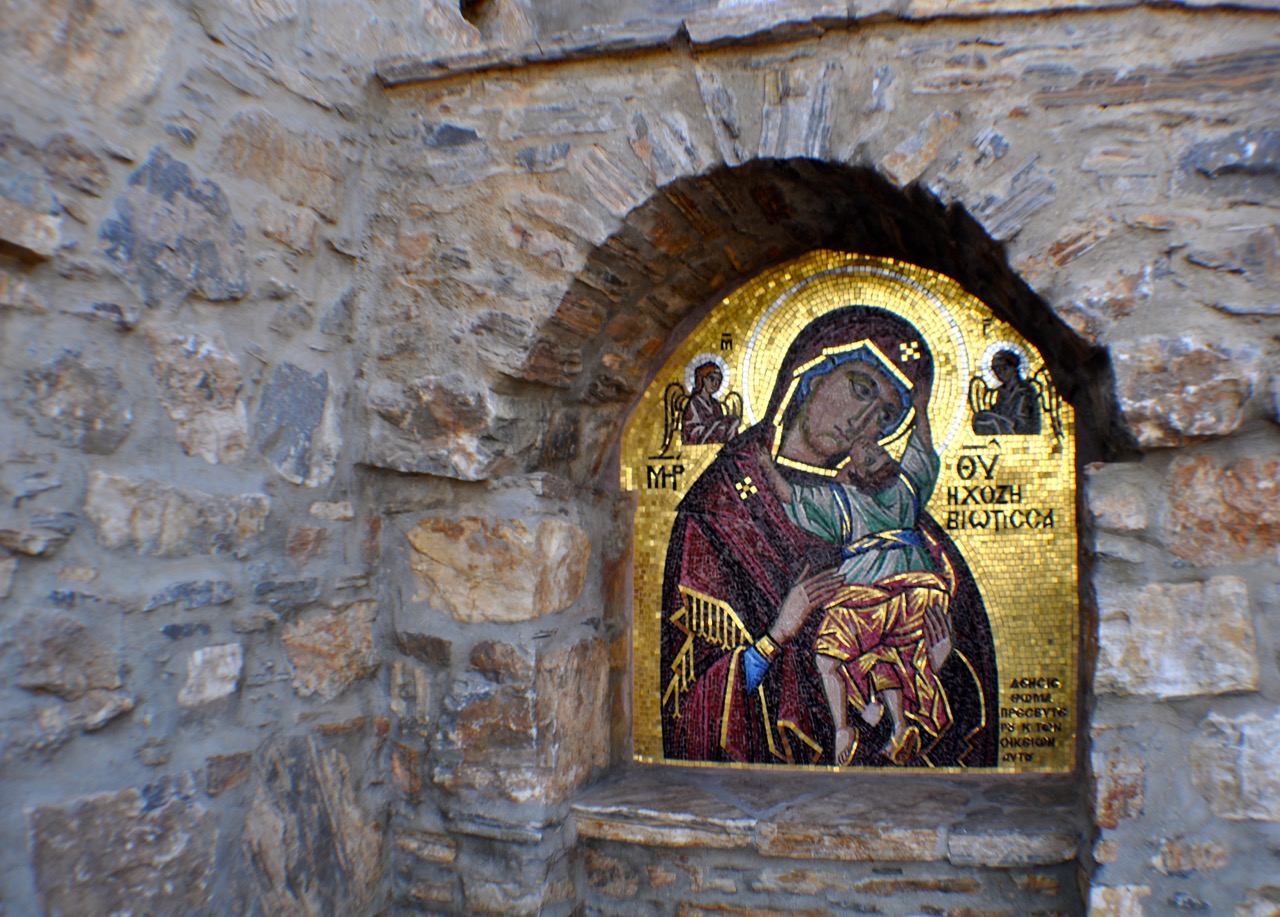
The Monastery of Panagia Hozoviotissa in AmorgosENTRY96entry7

ENTRY91ENTRY98ENTRY99ENTRY92entry15ENTRY93entry9entry10entry11ENTRY95entry12OLYMPUS DIGITAL CAMERAentry16

Panagia Malteza of Santorini

IBR-172888entry20entry23entry19

Panagia Odigitria of Kimolos

entry26entry30entry31

entry25

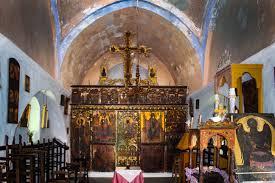
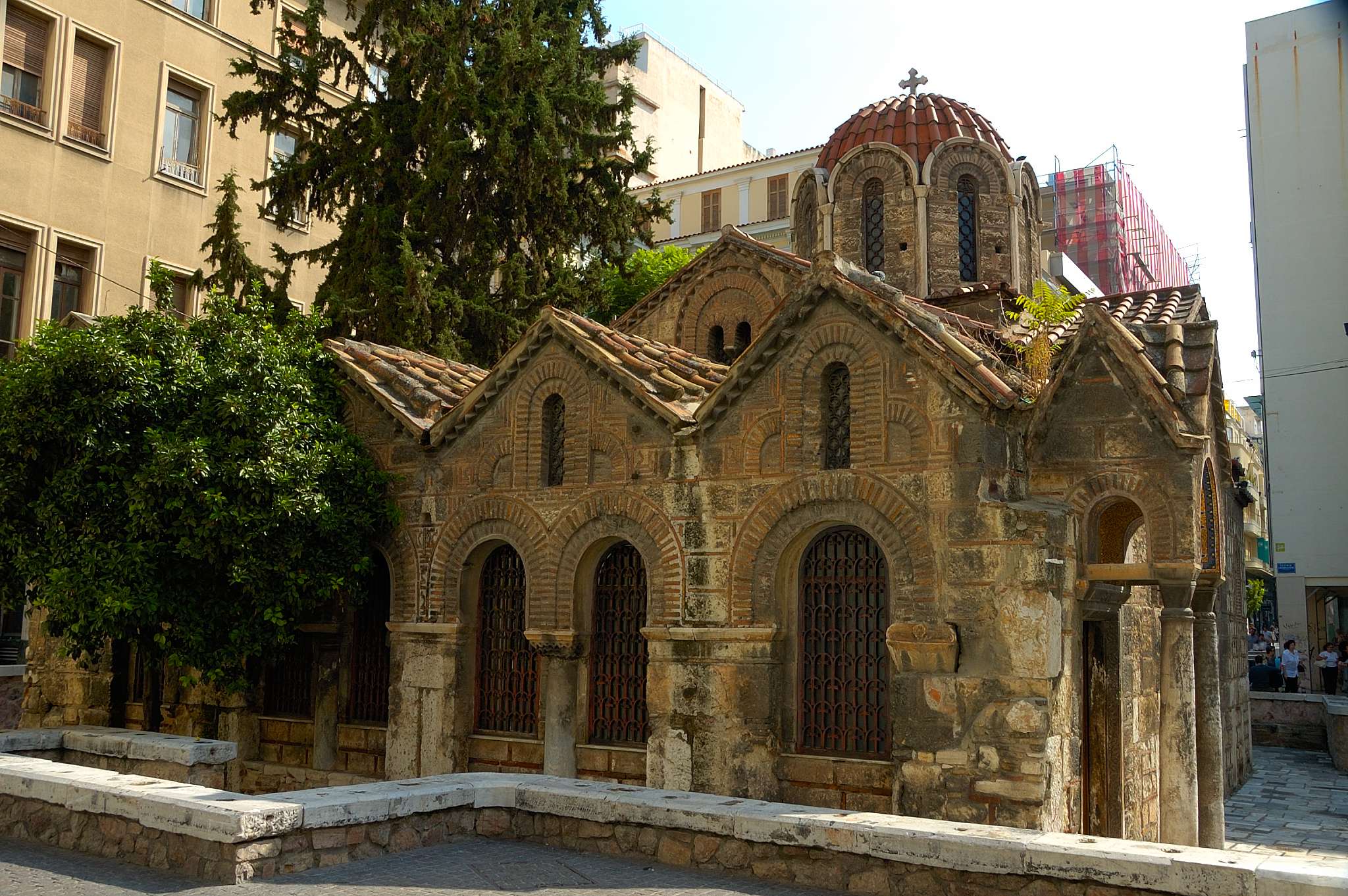
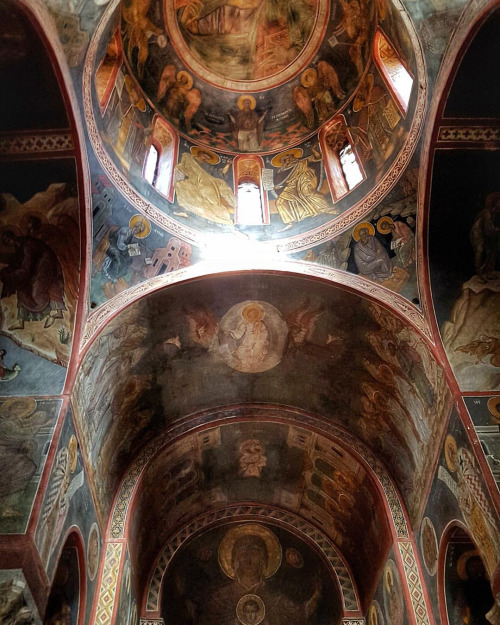
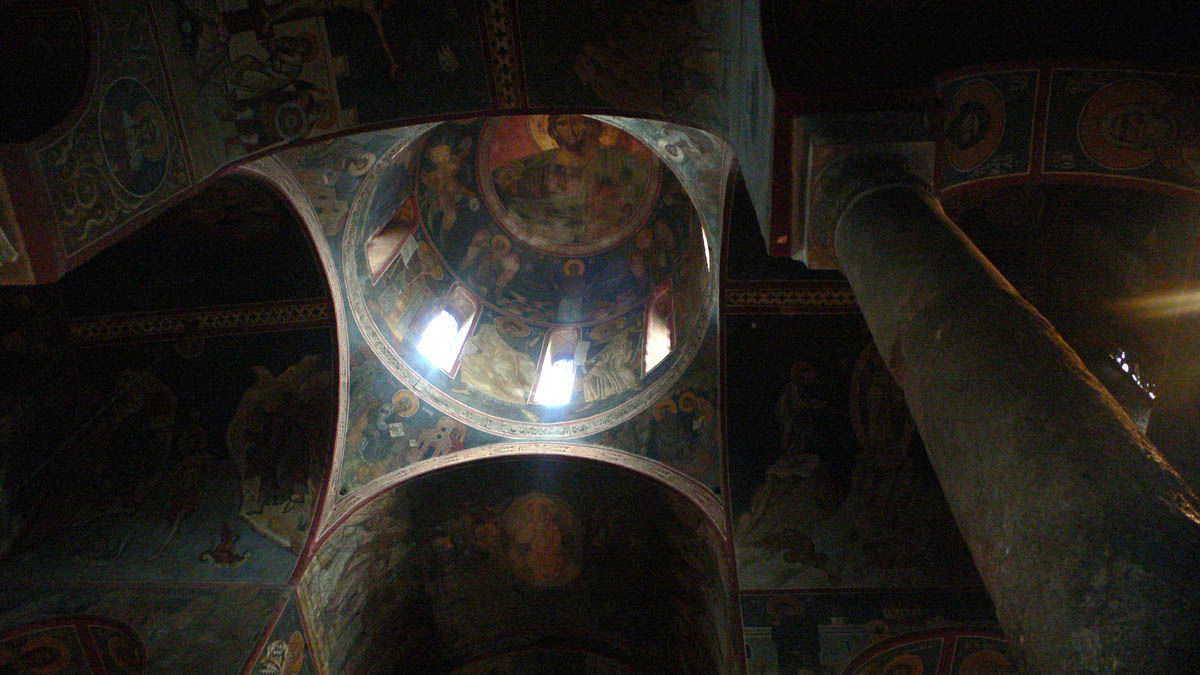
The 11th Century Church of Panagia Kapnikarea in Athens

entry43

entry39entry40

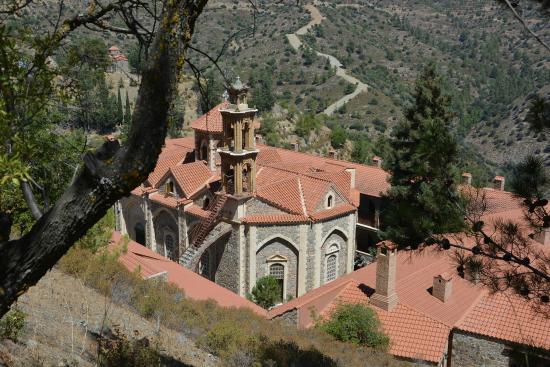
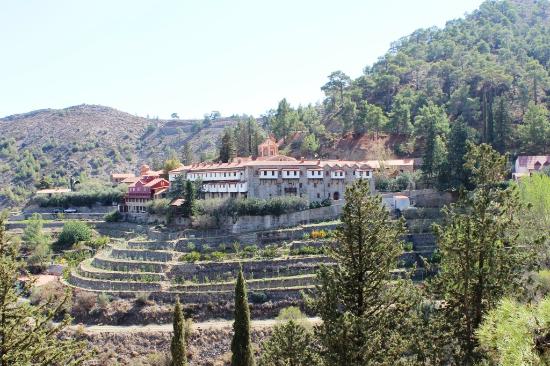
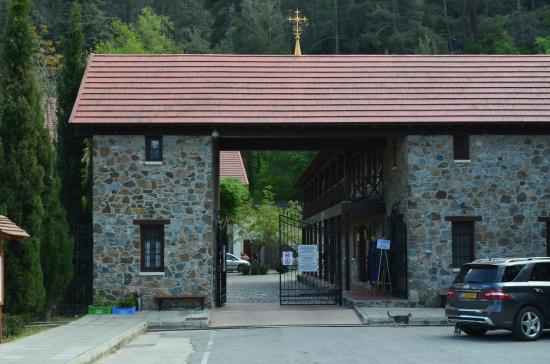
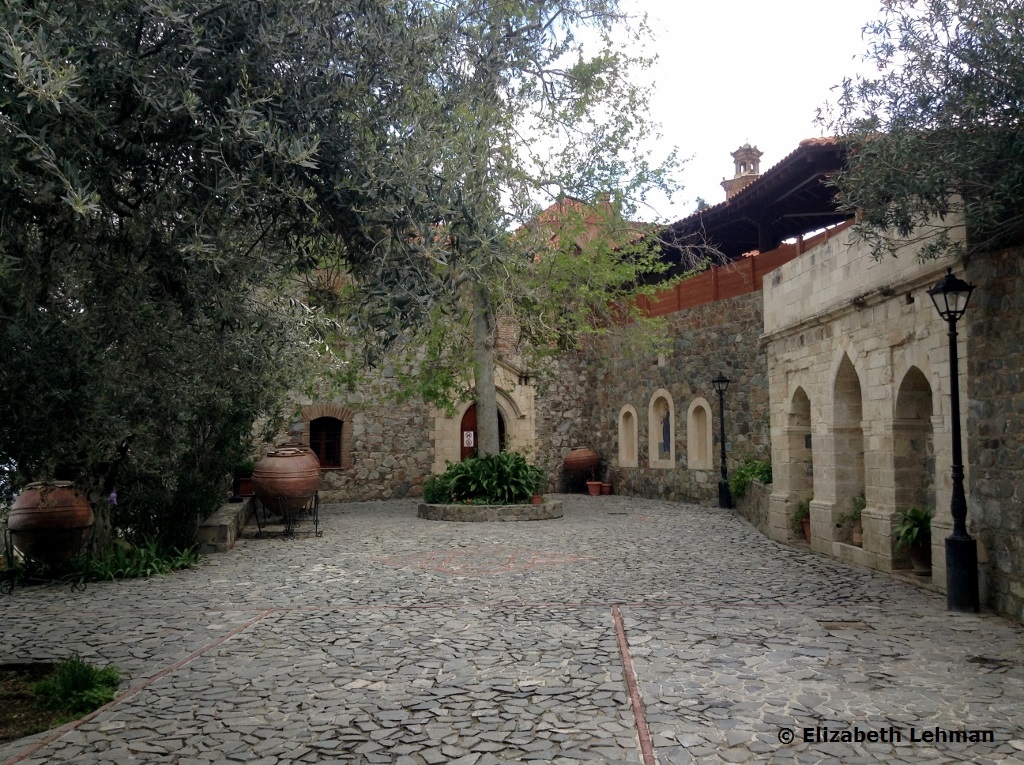
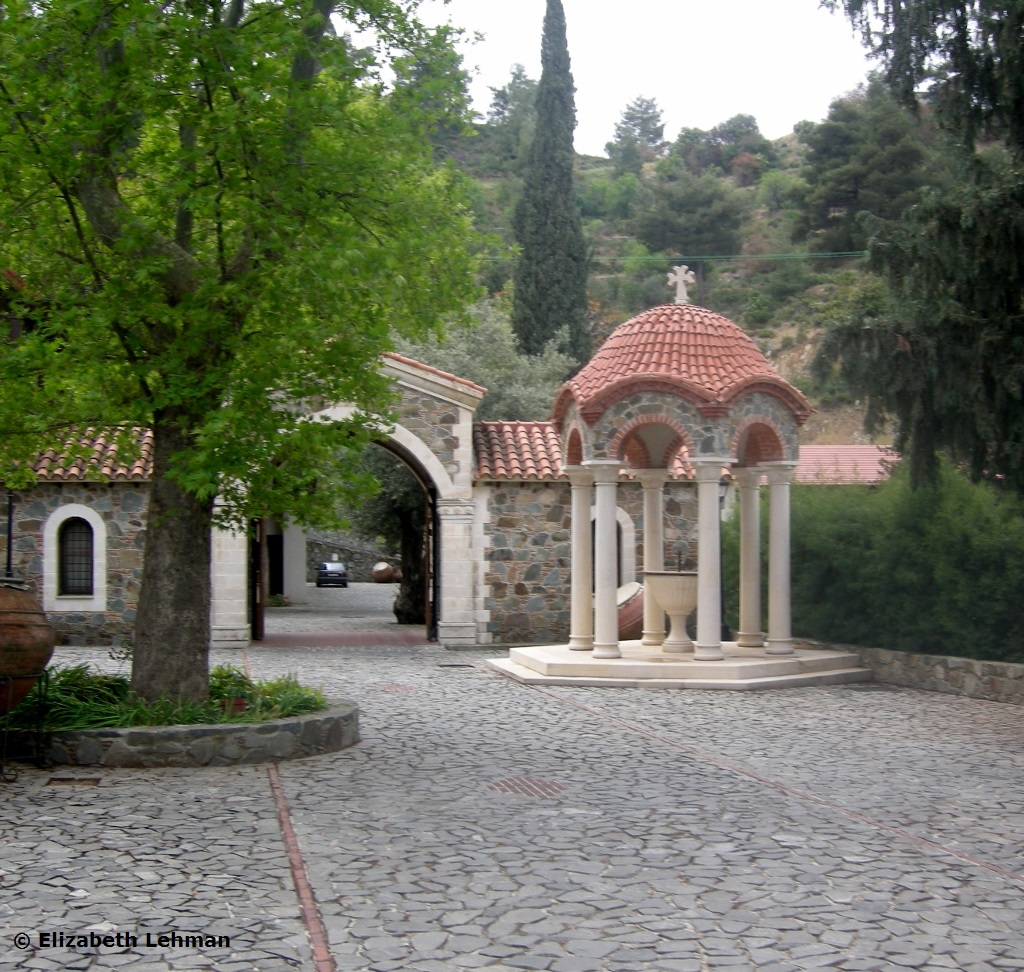
The Monastery of Panagia of Machairas in Cyprus

entry75

entry71entry73entry74entry45entry51entry60entry61entry77entry79entry78entry46entry82entry44entry49entry83


blue-swirl-divider-hi

No one stands between Son and Mother

Give us salvation


ENTRY200


“Today, the most pure temple of the Savior, the precious bridal chamber and Virgin, the sacred treasure of God, enters the house of the Lord, bringing the grace of the Divine Spirit. The Angels of God praise her. She is the heavenly tabernacle.”


entry600


Footfalls Echo In The Rose-Garden

t s eliot9   t s eliot1   t s eliot5 t s eliot6 t s eliot8  t s eliot10 t s eliot11

This heartbreaking commentary belongs to a “broken” father and priest, Fr Aidan (Alvin) Kimel, whose second son Aaron died by suicide. Fr Aidan preached his funeral homily and prayed the committal over his casket. In Father Aidan’s words, Aaron’s “death has shattered his life and the lives of his wife and children; has changed and traumatized him at the core of his being, in ways that he has not yet begun to fathom”. This post’s heartfelt and poignant ruminations had us all in tears and haunted us ever since reading them. Never before has T. S. Eliot’s “Four Quartets” become so transparent and pellucid. Dearest Father, I am asking your blessing, and offering my poor prayers. I find your blog very inspiring and your words resonate deeply within me. I am so sorry about Aaron’s death, especially that it was suicide. That must have been a very difficult homily to give. I pray that you and the rest of your family will be put back together from the shattering. Memory eternal, Aaron!

Fr Aidan Kimel's avatarEclectic Orthodoxy

First Movement

Time present and time past / Are both perhaps present in time future / And time future contained in time past.

I live in time, bracketed by a past I can neither change nor retrieve and a future that beckons, disappoints, and terrifies. I am never satisfied with the present, never content. I am torn apart in time by time, fragmented.

Years ago I read Jean Pierre de Caussade’s The Sacrament of the Present Moment. The secret to holiness and contentment, he writes, is abandonment to the divine will given in the present moment: “To find contentment in the present moment is to relish and adore the divine will in the succession of all the things to be done and suffered which make up the duty to the present moment.” I can see the logic, but only rarely have I been able to practice such deep surrender…

View original post 1,323 more words

O Death, Where is Thy Sting?

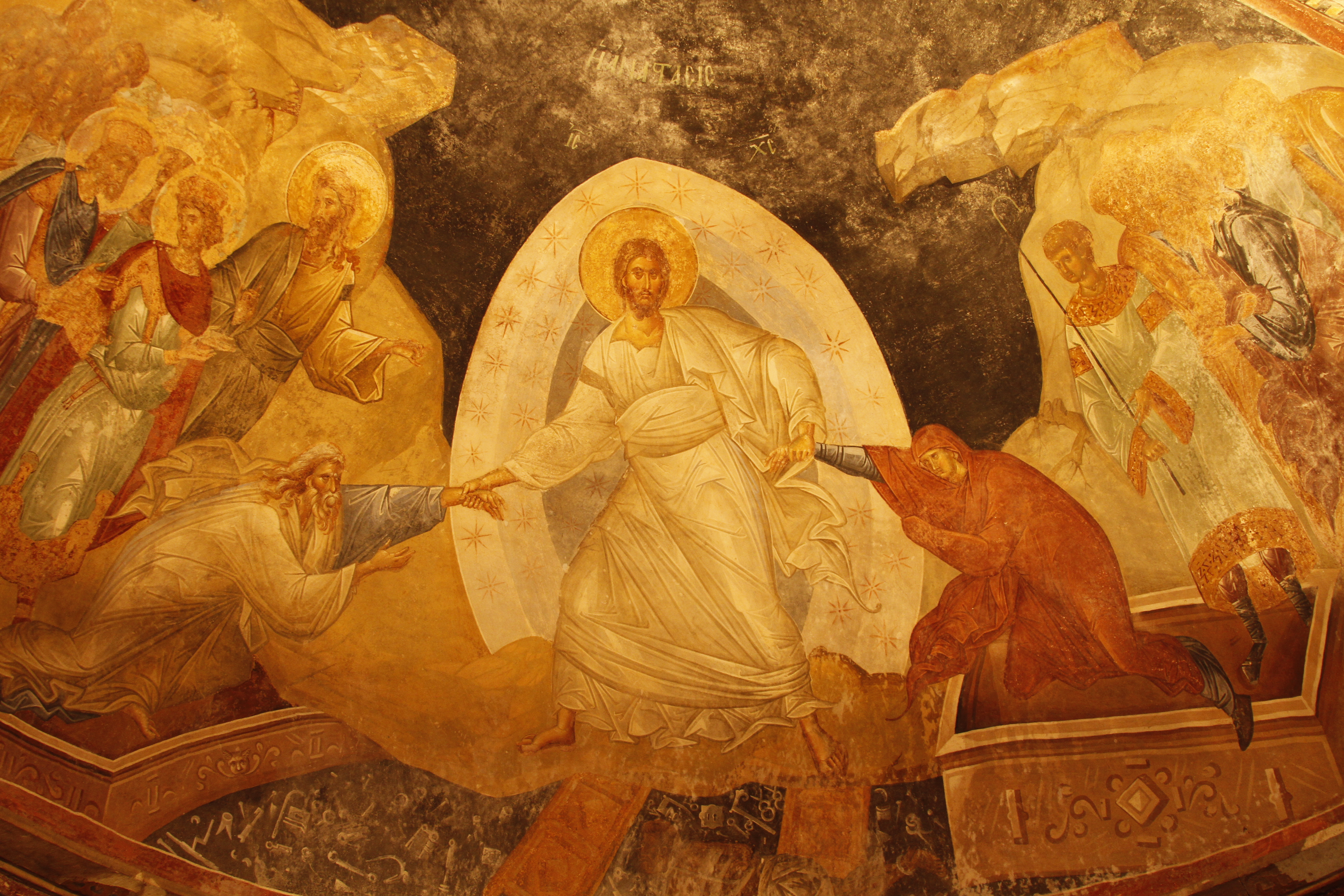
Anastasis_at_Chora

Let us contemplate our own mortality and ‘refute’ the nihilism of ‘mercy’ killing with artworks of Beauty. Classic Christian art such as ‪Purcell’s Elegy for the Funeral of Queen Mary can be so uplifting! Let us also draw upon all Art that has something of God in it, or that through it something of God can be refracted, such as Kurosawa’s Dreams and Rumi’s poetry.

*

Purcell’s Elegy

Man that is born of a woman

hath but a short time to live, and is full of misery.

He cometh up, and is cut down like a flow’r.

He flee’th as it were a shadow,

and ne’er continueth in one stay.

In the midst of life we are in death:

of whom may we seek for succour,

but of thee, O Lord, who for our sins art justly displeased?

Yet, O Lord God most holy, O Lord most mighty,

O holy and most merciful Saviour,

deliver us not into the bitter pains of eternal death.

*

For sublime Purcell please go to: https://www.youtube.com/watch?v=AYELAu9hqdU

*

Kurosawa’s Dreams ends with a funeral procession for an old woman in a village that plays like a wedding. Instead of mourning, the people celebrate joyfully as the proper end to a good life. The whole village turns out for her funeral. Kurosawa stages the funeral procession as a celebration of a life. Music is played, a song is sung, people dance in the procession as if it is a parade, and it’s a joyous scene. At the end, the traveler picks and places his own flower on the rock like the children before him.

For Kurosawa’s last Dream, watch: https://www.youtube.com/watch?v=rEEOfJdGzcQ

*

As for Rumi, the mystic poet and Spiritual Sufi Master, let the ecstatic vision of his hauntingly beautiful ‘Death’ poem speak of itself!

When I die …

When my coffin

Is being taken out

You must never think

I am missing this world.

*

Don’t shed any tears,

Don’t lament or feel sorry

I’m not falling

into a monster’s abyss.

*

When you see

My corpse is being carried

Don’t cry for my leaving,

I’m not leaving,

I’m arriving at eternal love.

*

When you leave me

In the grave

Don’t say goodbye.

Remember a grave is

Only a curtain

For the paradise behind.

*

You’ll only see me

Descending into a grave.

Now watch me rise.

How can there be an end?

*

When the sun sets or

The moon goes down

It looks like the end,

It seems like a sunset,

But in reality it is a dawn.

*

When the grave locks you up,

That is when your soul is freed.

Have you ever seen

A seed fallen to earth

Not rise with a new life?

*

Why should you doubt the rise

Of a seed named human?

Have you ever seen

A bucket lowered into a well

Coming back empty?

*

Why lament for a soul

When it can come back

Like Joseph from the well?

*

When for the last time

You close your mouth,

Your words and soul

Will belong to the world of

No place, no time.

For Rumi’s “When I Die”, please watch: https://www.youtube.com/watch?v=SEwJm-RPhNE

*

  • Icon on top: Harrowing of Hades, fresco in the parecclesion of the Chora Church, Istanbul, c. 1315;  raising Adam and Eve is depicted as part of the Resurrection icon, as it always is in the East.

Just Remember That Death Is Not The End

365050.TIF

In the last two days the subjects of death and euthanasia have come up frequently on Christian websites. For example, yesterday I read an article in Pravoslavie.ru from the National Review concerning a Dutch doctor who was sued for “Saying No to euthanasia”. Christian Headlines.com say that in Quebec doctors are being forced to comply with the assisted suicide (ie. euthanasia) programme even if they are morally opposed to it.  For anyone who may still have doubts as to where all this “end-the-suffering-by-ending-the-sufferer” cult may lead to, I would recommend Fr. Philip LeMasters’s recent post http://blogs.ancientfaith.com/easternchristianinsights /2015/09/27/an-orthodox-christian-argument-against-physician-assisted-suicide/.

I would like to add my own protest along with other Christian voices to the gross distortion of God’s commandments that I believe “mercy”killing to be. What a gross, appalling violation against the essential sanctity of all Life! How profoundly evil, ugly and merciless such a vision of ‘mercy’ death is!

LEAD Technologies Inc. V1.01

Today, rather than any debate, let the haunting beauty and profound spirituality of two Tavener classic works’ refute their arguments. Tavener’s Song for Athene and Funeral Ikos are deeply moving musical works which convey God’s grandeur and sovereignty over life and His overcoming of death. Tavener converted to Orthodox Christianity in 1977, and his compositions after that date are in his own words “icons in sound”, heavily influenced by Byzantine ecclesiastical music. He said he wanted to produce music which is “the sound of God”. In his recent book, The music of silence, Tavener said “If you listen to the music of the East, somehow the divine is already there. It is – which is a parallel with the eternal ‘I am’.” Ivan Moody, the noted Orthodox musicologist and priest, argues that Tavener’s music has “dynamic stasis” in its attempt to convey the theology and spirituality of the Orthodox Church.

Tavener’s Song for Athene is one of his best-known works, since it was sung at the funeral of Diana, Princess of Wales, consisting of the Hebrew Alleluia (“let us praise the LORD”) sung six times as a ‘refrain’ to excerpts from the Eastern Orthodox funeral service and from Shakespeare’s Hamlet. In the Byzantine tradition a continuous ison, or drone, underlies the work, adding a profound solemnity in the face of death. Mother Thekla, an Orthodox nun and Tavener’s ‘spiritual mother’ wrote the lyrics. “Let flights of angels sing thee to thy rest” from Hamlet overcomes the ugliness of death; “the Choir of Saints have found the well-spring of life and door of paradise”. “Come enjoy crowns and rewards I have prepared for you” emphasizes the final triumph of life over death. The opening of the song in Tavener’s words should be very tender, “with great inner stillness and serenity”. This corresponds to the Orthodox hesychastic tradition of stillness in prayer, whereas the climactic crescendo, conveying “the resplendent joy in the Resurrection”, the heart of the Orthodox faith, seals appropriately the end of the piece.

*

Tavener’s Funeral Ikos is a musical setting of words for the Orthodox Service for the Burial. The words offer great consolation, but they soberly admonish us to prepare for the gateway to Paradise as well.

*

Why these bitter words of the dying,

O brethren, which they utter as they go hence?

I am parted from my brethren.

All my friends do I abandon, and go hence.

But whither I go, that understand I not, neither

what shall become of me yonder; only God,

who hath summoned me knoweth.

But make commemoration of me with the song: Alleluia.

*

But whither now go the souls?

How dwell they now together there?

This mystery have I desired to learn,

but none can impart aright.

Do they call to mind their own people, as we do them?

Or have they forgotten all those who mourn them

and make the song Alleluia.

*

We go forth on the path eternal and as condemned,

with downcast faces,

present ourselves before the only God eternal.

Where then is comeliness?

Where then is wealth?

Where then is the glory of this world?

There shall

none of these things aid us,

but only to say oft the psalm: Alleluia.

*

If thou hast shown mercy unto man,

O man, that same mercy shall be shown thee there;

and if on an orphan thou hast shown compassion,

the same sball there deliver thee from want.

If in this life the naked thou hast clothed,

the same shall give thee shelter there, and sing the psalm:

Alleluia.

*

Youth and the beauty of the body fade

at the hour of death,

and the tongue then burneth fiercely,

and the parched throat is inflamed.

The beauty of the eyes is quenched then,

the comeliness of the face all altered,

the shapeliness of the neck destroyed;

and the other parts have become numb,

nor often say: Alleluia.

*

With ecstasy we are inflamed

if we but hear that there is light eternal yonder;

that there is Paradise,

wherein every soul of Righteous Ones rejoiceth.

Let us all, also, enter into Christ, that all we may cry

aloud thus unto God: Alleluia.

*

For TAVENER’S SONG FOR ATHENE, please watch https://www.youtube.com/watch?v=2ma_Ouv74_8

For TAVENER’S FUNERAL IKOS, please watch https://www.youtube.com/watch?v=4ZRrbixpVV0

*

Sources for Tavener’s music:

http://www.theguardian.com/music/tomserviceblog/2013/feb/19/contemporary-music-guide-john-tavener

http://www.gimell.com/recording-john-tavener—ikon-of-light—funeral-ikos—the-lamb—tallis-scholars.aspx

http://www.fulcrum-anglican.org.uk/articles/contemplating-tavener/

http://www.naxos.com/mainsite/blurbs_reviews.asp?item_code=8.555256&catNum=555256&filetype=About this Recording&language=English.

http://www.nytimes.com/2013/11/13/arts/music/john-tavener-dies-at-69-composer-with-eye-on-god.html?_r=2&

*

Die Before you Die

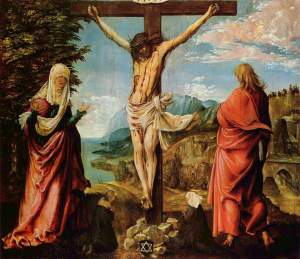
crucifixion-scene-christ-on-the-cross-with-mary-and-john-1516

“If you die before you die, you will not die when you die” (Greek Orthodox monastery)

*

“… This week, I noticed a pattern in popular music of our time that I had not noticed before. It was something I heard in song lyrics. I’ll quote some for you from a few different songs:

So cut me from the line / Dizzy, spinning endlessly / Somebody make me feel alive /
And shatter me. (Lindsey Stirling / Lzzy Hale, “Shatter Me”)

Don’t let me die here / There must be something more / Bring me to life (Evanescence, “Bring Me to Life”)

How can the only thing that’s killing me make me feel so alive? (Parachute, “She (For Liz)”)

I could lie, couldn’t I, couldn’t I? / Every thing that kills me makes me feel alive. (OneRepublic, “Counting Stars”)

Do whatever I’m yours / Do whatever I’m sure / Anything, anything, anything, anything to feel alive (Jhené Aiko, “Drinking and Driving”)

When everything feels like the movies /Yeah, you bleed just to know you’re alive (Goo Goo Dolls, “Iris”)

Those are from six different songs. I could quote lots more like this, but this sample should suffice. These are all popular songs from the radio.

So what is the pattern? There are two things here. First, there is a cry out to be made to “feel alive” or to “come alive.” I did a Google search on a large popular song lyrics website, and there were nearly 1,100 songs that mentioned wanting to “feel alive.” Almost 1,300 used the phrase “come alive.” 100 used the phrase “bring me to life.”

I started clicking around when I saw this pattern and looked at the full lyrics to a few dozen songs. And the second pattern I noticed was that this language of wanting to feel alive was often paired with language about death and/or violence. For many of these lyricists, the key to feeling “alive” was first to die, to feel the pain of violence or to commit violence.

… So what is the point of this little tour through pop music? This is just one way of taking the temperature of our culture, of getting a sense of where we are as a people. There is a sort of anesthetization of life these days. We’re always trying to feel better, to feel entertained, to feel alive. And our pop songs sing about violence—even self-violence. And the movies and TV get more graphically violent. And the consumption of pornography is nearly off the charts. And we watch wars in other countries on TV as a perverse form of entertainment. …

Compare all this violence with Apostle Paul’s words: “I bear in my body the brand-marks of the Lord Jesus.” …  Into our culture of virtual violence and screaming out for the feeling of life come these words of the Apostle Paul: “But God forbid that I should boast, except in the Cross of our Lord Jesus Christ, through Whom the world is crucified to me, and I to the world.”

It’s not clear exactly what Paul means when he says that he bears in his body “the brand-marks of the Lord Jesus.” But he is probably speaking of his own suffering, that he has been physically wounded for his confession of faith. Paul is no stranger to violence. He feels pain. He is beaten. He is thrown into prison. He will be beheaded. Paul knows about violence. He knows about death.

… Paul embraces the death of the world! And he embraces his own death. But not because he just wants to feel alive. He embraces death because he knows that in the crucifixion of Jesus Christ is life. He embraces death because he knows that he himself must be crucified with Christ so that his death can be joined with Christ’s death.

This is the paradox of our great hope as Christians—that we seek life, just like the pop songs! And we seek death and even violence, just like the pop songs! But it is not just any death or any violence that brings us life. It is the suffering and death of Jesus, to which we join our own suffering and death by repentance, by confession, by the sacraments, by love.

… The pop songs get it right, but not quite right. There is more to life than merely “feeling alive.” Life is not found in mere violence and death. Life is found in sacrifice and resurrection. Life is found in Jesus Christ, and in His Cross we therefore glory. Like Paul, we boast. Like Paul, we are crucified to the world, and the world is crucified to us. And death is slain. And we are made truly alive. And with Christ we will rise from the dead.”

Source: Road from Emmaus blog

By Fr. Andrew Stephen Damick

http://blogs.ancientfaith.com/roadsfromemmaus/2015/09/13/you-bleed-just-to-know-youre-alive/