Healing the Wounded Soul

confession1

The Difference between a Spiritual Father and a Psychologist

By Metropolitan of Nafpaktos Hierotheos*

The spiritual Father, ought to perform his task on the basis of the Orthodox Tradition, it is clearly different from the psychologist, who works on the basis of an anthropocentric view of man and his life The psychologist wants to make people psychologically balanced. The spiritual father aims at man’s deification. The psychologist uses the views of whichever school of psychology he represents. The spiritual father uses the eternal word of God, which was revealed to the prophets, Apostles and saints.

The psychologist believes that illness is due primarily to traumatic experiences in the past, or so-called repressed experiences. The spiritual father is well aware that it is not simply a matter of memories of the past or repressed experiences stored up in the subconscious. A specific faculty of the soul is ill, the nous, which is the eye of the soul. The psychologist employs the method of questioning and listening. He tries to assist the person to become aware of his problem and helps him to mature psychologically. The spiritual father, illumined by the grace of God, locates the problem, which is the darkness of the nous or fantasies, and tries to lead the person to theoria of God by means of the Orthodox method of purification and illumination. The psychologist acts on the human level using thoughts and ideas. The spiritual father acts in a theanthropic way, on both the divine and human level. He uses the therapeutic method, but also sends Gods grace into the sick person’s heart through the Sacraments.

The psychologist thinks that everything happens on a human level, He does not acknowledge the existence of the devil and the energy of the uncreated grace of God. The spiritual father knows the difference between the grace of God, the energy of the devil, and spiritual and physical illness. The psychologist confines himself to making the ill person aware of his problem and enabling him to cope with it. The spiritual father guides the person to repentance, which means his complete transformation. He does not simply lead him to a point of rejecting certain states, but guides him towards the transformation of his passions. It is possible to find other significant differences between, a psychologist and a spiritual father, and the difference between anthropocentric and theocentric psychotherapy.

We accept the views of contemporary psychology and psychotherapy in two cases, as a concession. Firstly, in cases of people whose nervous system has been harmed for various reasons, such as physical or psychological problems. Secondly, in the cases of people who, by choice, have nothing to do with the Church and its Sacraments. I think they can be helped by modern psychology and psychotherapy, so as not to deteriorate further. Psychology can act as a pain-killer to comfort them in the dreadful despair in which they are imprisoned.

But, I repeat, man is created in the image of God and he must reach His likeness. This is, I could say, the final aim and secret entelechy of man. As long as this yearning is not satisfied and a person remains far from God, his suffering increases. Inasmuch as his basic destiny on earth, communion with God, is not fulfilled, no matter how much medicine he takes or how much psychoanalysis he undergoes, he will always be homeless and engaged in a tragic search. We want more than psychological balance; we are looking for fullness of life. We do not simply wish to develop religious feelings, but want our lives to be filled.

  • Yesterday a meeting with a young student of mine I really care about left me sleepless. Such anguish and suffering! Such a dead end! Still imprisoned in her psychiatric disorders, still refusing medication, still held captive by her vicious circle psychotherapy sessions, still trusting her therapist as God, still away from the great hospital for sick souls : the Church, still rejecting Christianity.

A Spectral Array of Blues

blue4

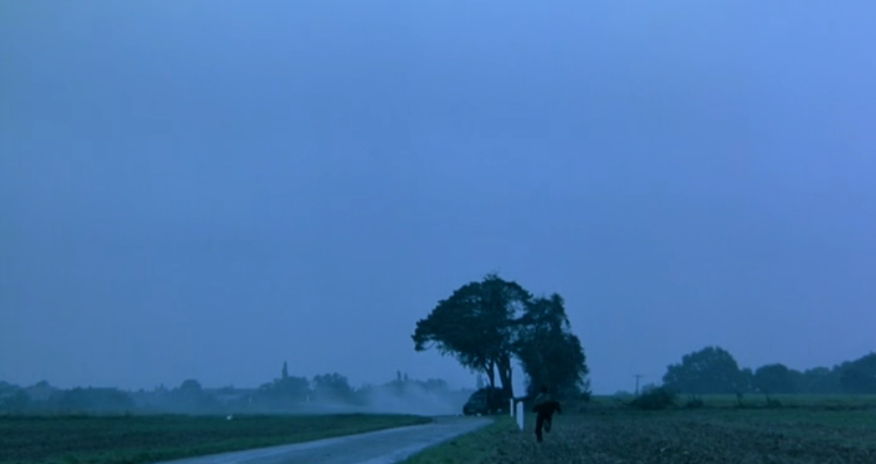
TROIS COULEURS: BLEU (1993) is a stunning film from one of the world’s preeminent directors, a rich, dark film with all the Kieslowski marks: death, silence, depression, and inner torment of the protagonist. Bleu is an impressive, inspired and inspiring anatomy of Loss, Death & Mourning with certain Christian overtones.

Desson Howe notes that “in Krzysztof Kieslowski’s “Blue,” the rehabilitation of a human spirit after painful tragedy is given stunning, aesthetic dimension. A story about a woman (Juliette Binoche) who loses her family (her composer-husband and 5-year-old daughter) in a car crash, this Polish-French production is also a spectral array of blues — cold, heart-chilling and beautiful.

blue5

For the trauma of loss and persistence of memory, watch https://www.youtube.com/watch?v=osu3j7N1fGU

Emotionally, “Blue” is a grim ordeal, as Binoche (still in the hospital recovering from the accident) attempts suicide, then retreats into deep-freeze mourning. But Kieslowski, cinematographer Slawomir Idziak, set designer Claude Lenoir and composer Zbigniew Preisner infuse the harrowing atmosphere with stylistic rhapsody.” (Washington Post, March 04, 1994 )

blue5

More importantly, unlike Michael Rosen’s Sad Book, certain Christian themes throughout the movie offer the hope of redemption. Throughout Kieslowski implies a form of divine intervention or destiny at work, forcing Julie to come to terms with her past, others, and herself and serving as an agent of epiphanic inspiration.

There is also specifically love and forgiveness: Julie for example discovers that her late husband was having an affair. She tracks down Sandrine, Patrice’s mistress, and finds out that she is carrying his child; Julie arranges for her to have her husband’s house and recognition of his paternity for the child. What a ray of hope and redemption for such a “bleak” film, focusing on death and mourning, to end with the ultrasound of a baby, waiting to be born! Life conquers Death because Love is Life, and nothing, nobody can defeat Love, not even Death, the ultimate enemy.

blue3

Then, there is humility, self-effacement and sacrifice. After the crash, in an attempt to blot out the trauma of loss, Julie destroys the score for her late husband’s last commissioned, though unfinished, work—a piece celebrating European unity, following the end of the Cold War. It is strongly suggested that she wrote, or at least co-wrote, her husband’s last work. Throughout there is an implication that she has hidden her own work behind the public face of her husband. In the final sequence she rewrites and completes the score and the Unity of Europe piece is played, while images are seen of all the people Julie has profoundly affected by her actions.

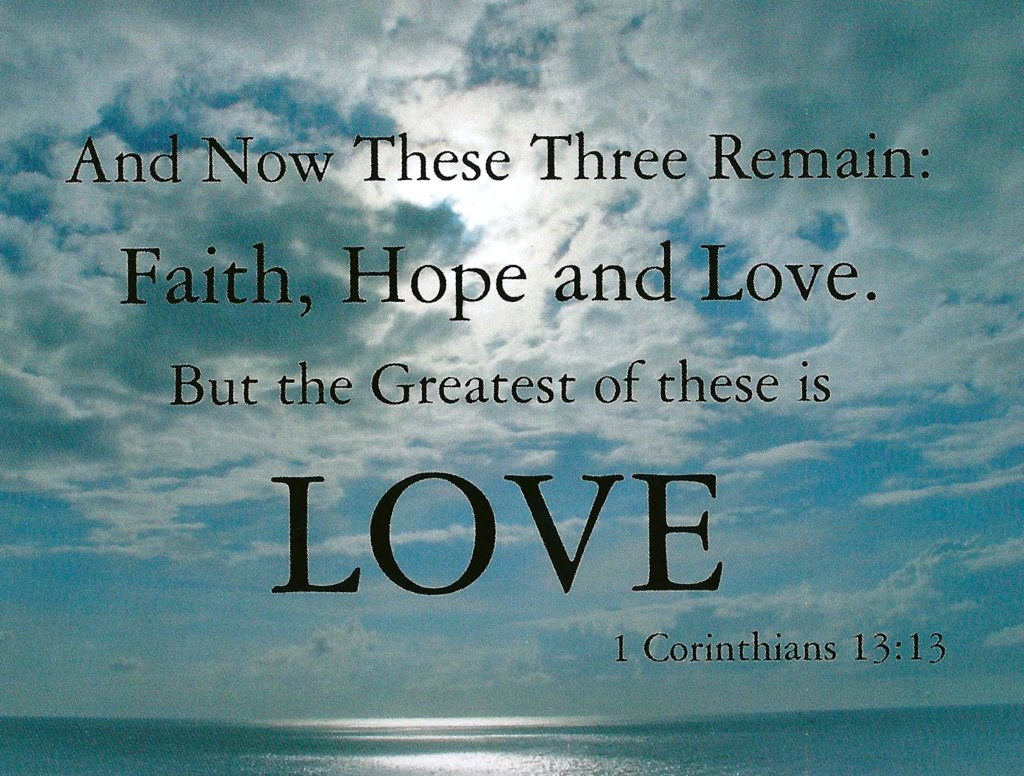
Significantly, this climactic piece which features chorus and a solo soprano is Saint Paul‘s 1 Corinthians 13 epistle in Greek, the hymn of love.

For a profound rendition of the Christian Hymn of Love (1 Cor, 13) , watch Trois Couleurs: ‘Bleu’ finale: https://www.youtube.com/watch?v=jmQ88PWzvR0

bleu1

13 Though I speak with the tongues of men and of angels, and have not charity, I am become as sounding brass, or a tinkling cymbal.

2 And though I have the gift of prophecy, and understand all mysteries, and all knowledge; and though I have all faith, so that I could remove mountains, and have not charity, I am nothing. 

6 Rejoiceth not in iniquity, but rejoiceth in the truth;

7 Beareth all things, believeth all things, hopeth all things, endureth all things.

8 Charity never faileth: but whether there be prophecies, they shall fail; whether there be tongues, they shall cease; whether there be knowledge, it shall vanish away. 

13 And now abideth faith, hope, love, these three; but the greatest of these is love.

love1

So, although there are some scenes, themes and plot developments in Bleu which conflict in my opinion with a Christian outlook, such as the typical French twist with Julie and her husband’s friend becoming lovers, still I find this film so much more comforting, uplifting and inspiring than The Sad Book* and its like, so plenty in modern art!

*See https://orthodoxcityhermit.com/2015/09/17/heartbreaking-anatomies-of-loss-death-mourning-iexemption/

love2

Ashes and Snow — Qadeeshat Lamayouta

ashes5

Qadeeshat Hyeltana

Qadeeshat Lamayouta

Itrahem Alain

ashes1

Holy God

Holy Mighty One

Holy Immortal One

Have Mercy on us

For the stunning, heavenly singing of the Aramaic hymn, listen:

https://www.youtube.com/watch?v=U6tV679wXIU

https://www.youtube.com/watch?v=TwNkBaWxz_Y

ashes4

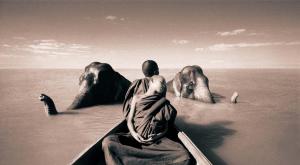
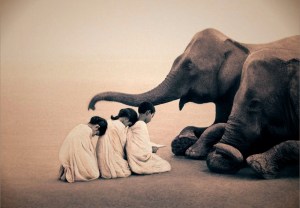
Worshipping God in Aramaic the language of Jesus the Semitic language of Israel, Levant, and Mesopotamia, by Father Seraphim and his choir from Georgia, brought me to mind Gregory Colbert’s Ashes and Snow images, visceral yet dreamlike, returning us to a place we long for but cannot name, reawakening an ancient memory in us of a time when we lived in balance and harmony with Nature and God.

ashes2

Gregory Colbert’s Ashes and Snow is an ongoing project comprised of photographic artworks, a one-hour film and two short film “haikus,” and a novel in letters all presented in a purpose-built temporary structure called the Nomadic Museum.

“Feather to Fire
Fire to Blood
Blood to Bone
Bone to Marrow
Marrow to Ashes
Ashes to Snow.”

ashes3

For the full text, go to: http://www.mycity.rs/Knjizevnost/Ashes-and-Snow-by-Gregory-Colbert.html

For the mesmerising videos watch:

https://www.youtube.com/watch?v=gSX444hQ5Vo&list=PLF8BA0D1D7E544A00&index=1

https://gregorycolbert.com

Jaws of Eternity

pitesti8

Heartbreaking Paintings and Poems from Communist Prisons in Romania — II

DAYS

by

Radu Gyr

Tuesday, Wednesday, Saturday, Monday

Neutral days without form,

Like a great fog

Over the landscape

Good morning, prison cell!

Good night, prison bars!

I’d smash you as a mastiff in his fangs

I’d rend you with my teeth, O Cell!

I stand in Time terribly naked

With my soul planted in liquid eternity,

Like an atoll in an ocean

Beaten by torrid winds…

Dungeon, dungeon, mad fortress,

How my hate would set fire to you!

Life, life outside,

How dare you dance in my dreams like a puppet!

Tuesday,Wednesday,Friday – what day is it?

the week is a dead amassment;

My months pass through no calendar,

My island is on no map.

Monday, Wednesday, Thursday – The devil take you!

Stinking days – Stagnant days,

Here in the jaws of eternity

Who shall count your dark hundreds?
pitesti9

HUNGRY

by

Nichifor Crainic


If ever I was a cluster of grapes,

today I am residue left by the press.

Into the fathomless hunger in me

pour some drop of juice.

I feel how my body is melting away,

a soup of amaranth would warm it.

If touched by a blade of grass

in a flash I’d be green.

At least let my phantom arm

pick an apple from a tree.

It will fill my mouth with aroma

and I would truly live.

In the country of sheep folds and bread

I dream of mushroom soup.

Let me shelter with the dogs

near the heaven of a bowl of terci.*

On the depth of my hunger

blind deserts open up.

When the last spoonful is eaten

I drop over my bowl and spoon.

O God, You Who

out of two fishes and five loaves

made mountains of food

and satisfied thousands of poor

Repeat the miracle, O Good One,

and satisfy thousands of mouths.

Listen also to my prayer,

Give me the basket of crumbs.

* terci – a thin gruel often given to dogs

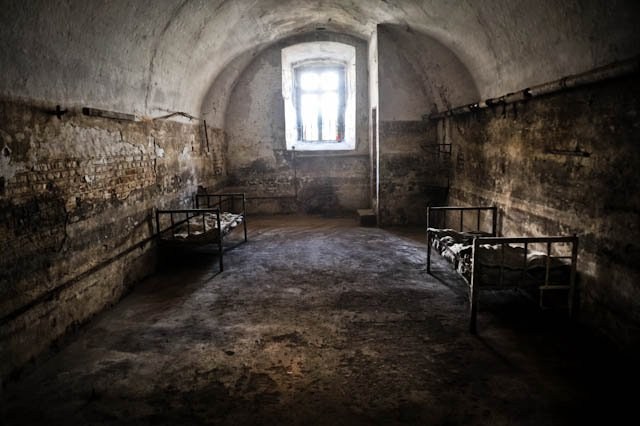
pitesti prison 1

JESUS IN THE NIGHT

by

Radu Gyr

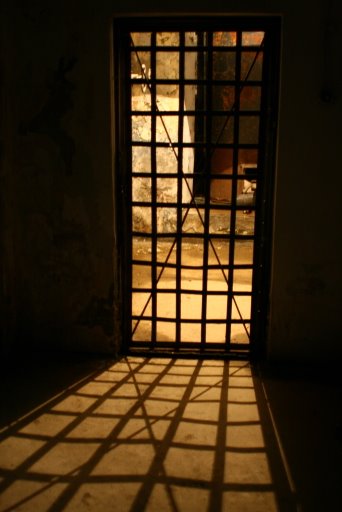
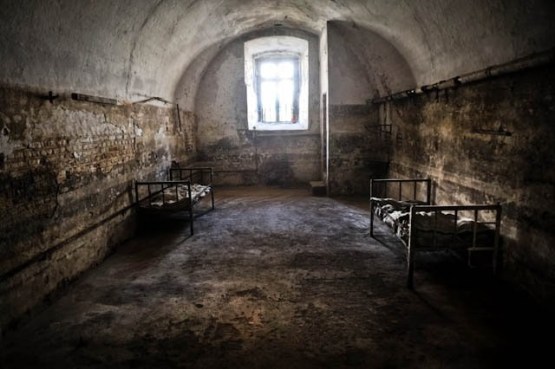
This night Jesus entered my cell.

O how sad, how tall was Christ!

The moon followed Him into my cell

And made Him taller, sadder still.

He sat by me upon my mat;

“Put your hand upon my wounds.”

On His ankle there were scars from sores and rust

As if He too had worn chains once…

His hands were like lilies upon a grave,

His eyes as deep as forests;

His garments whitened by the moon,

Silvering in His hands old wounds.

Sighing, He stretched His weary bones

Upon my lousy mat;

In His sleep He shone forth, but the heavy bars

Lengthened upon Him like rods.

I rose from beneath my gray blanket.

“Lord, from whence come you? Out of which eternity?”

Jesus put His finger to His lips

And signed me to be still.

My cell seemed like a mountain peak;

Rats and roaches swarmed around;

I felt my head fall heavy upon my hand

And I slept, a thousand years…

When I awoke from my heavy trance

The straw smelled of roses;

I was in my cell and there was moonlight

But Jesus was nowhere.

“Where are you, Lord?” I cried between the bars.

Across the moon came drifts of mist…

I touched myself, and found upon my palms

The sign of His nails.

pitesti_prison 2

VISIT 

by

Radu Gyr

The exhausted wind froze

like a bow on a cracked violin.

Last night an angel knocked in my door,

his voice weak, his tread tired.

I don’t know if he came from heaven

or some earthly cross

but he looked at me with wounded eyes,

trembling with cold when I welcomed him.

In his eyes of strange god

it was as if some grave illness battled

and he gazed at me with blood-filled eyes

and all that night he wept upon my breast.

In the morning I found him no more.

vestiges of red footprints faded from my door.

Far away in the sky on a cracked violin

the wind fell like a broken bow.
*

Pitesti Prison — Gulag

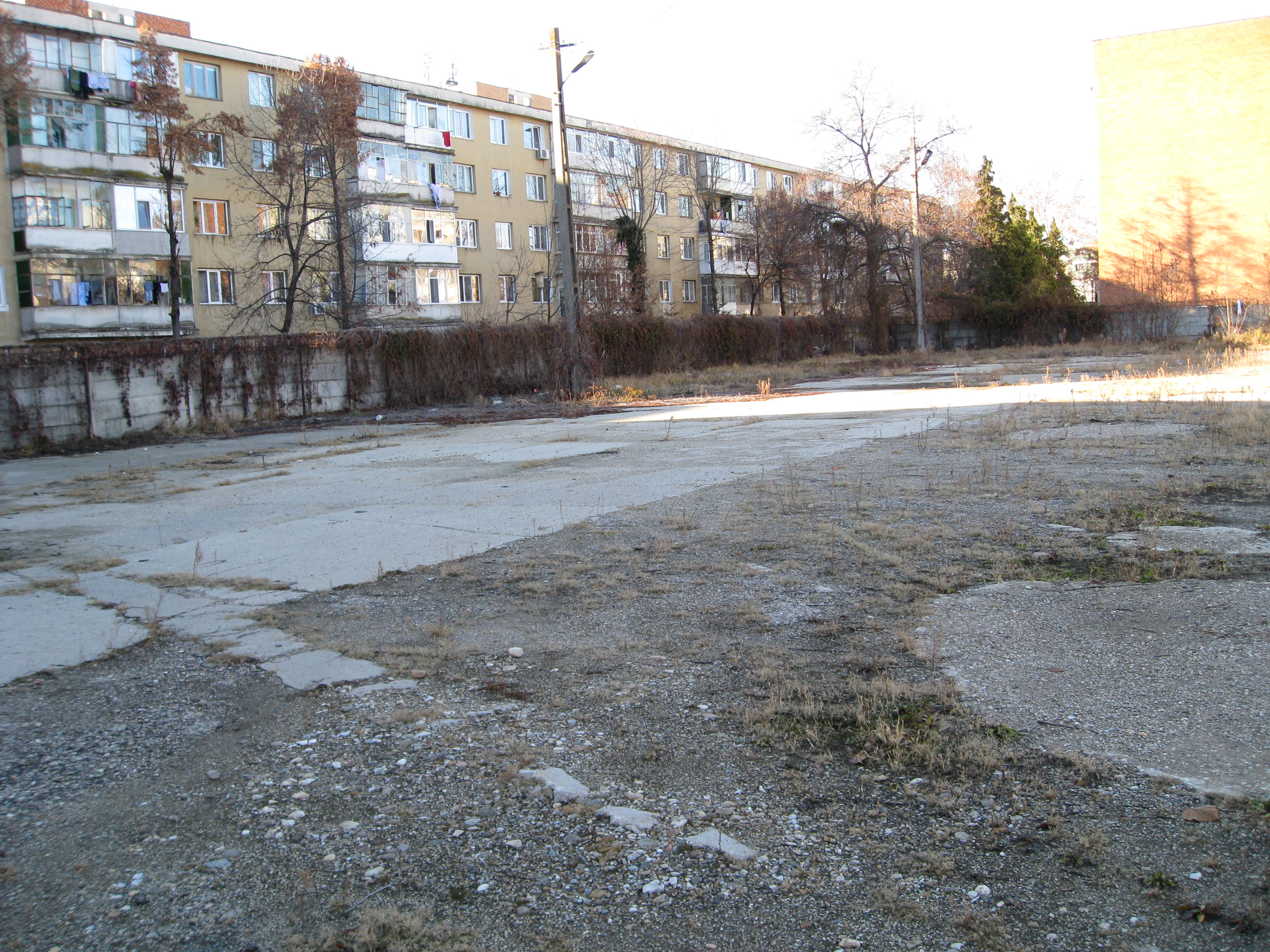
Pitesti_prison_yard

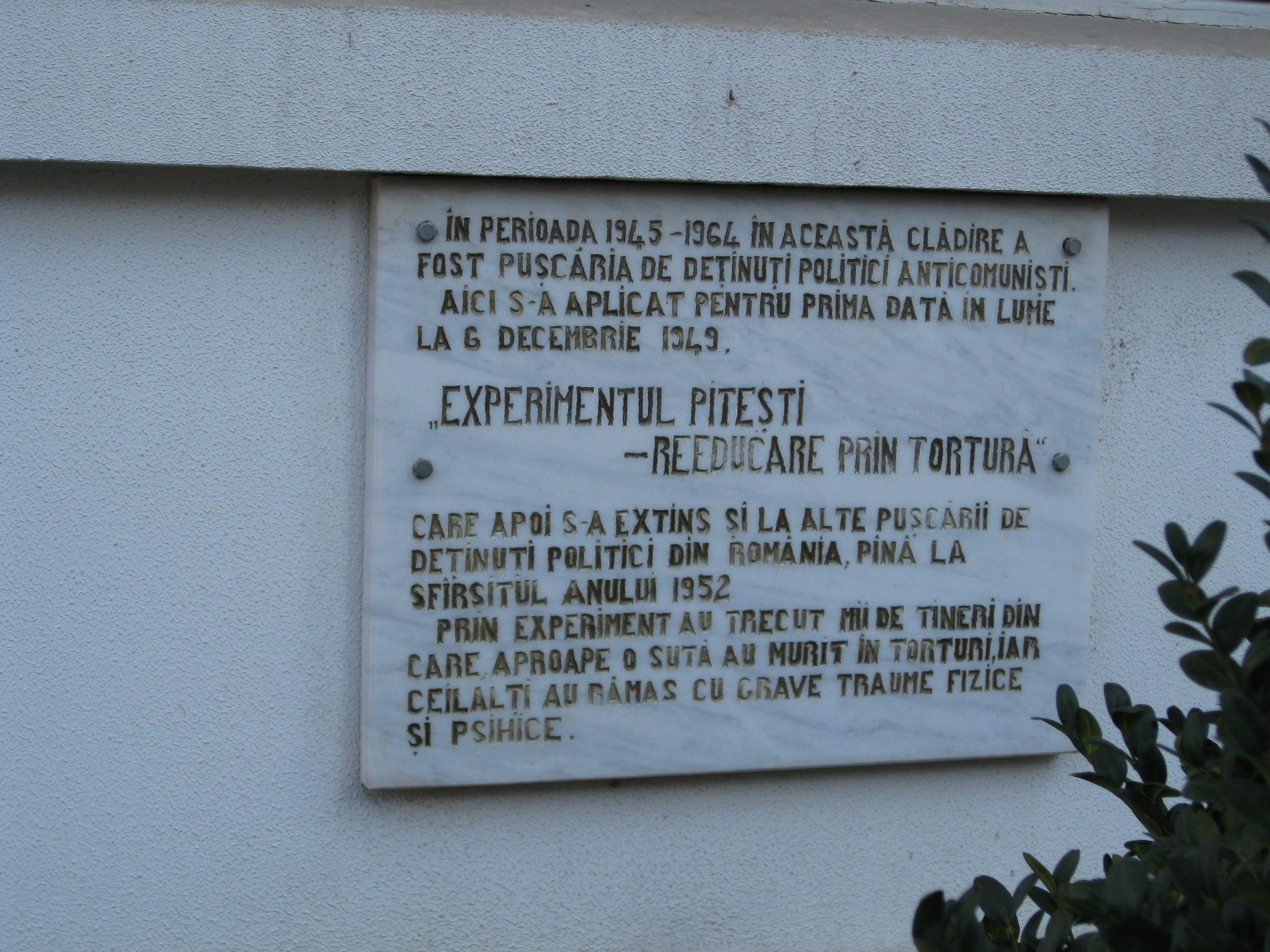
Pitesti_prison_plaque

Poems from Communist Prisons by Mother Alexandra

Foreword

Within this booklet are a few poems originally written in Romanian, chosen from a large collection, POEZII DIN INCHISORI, edited by Zahu Pana, published by CUVANTUL ROMANESC, 1982

They were written or rather composed by political prisoners who had no paper on which to write. They were memorized by those who survived, and finally spirited out to the free West. Remarkable in that they are true poetry of the soul, they express various emotions of those unjustly imprisoned by the Communist Party, for the crime of independent thought. None of these poets were criminals. They were philosophers, theologians (lay or clergy), generals, intellectuals of all sorts, factory workmen and tillers of the soil. Women and even children shared the same fate.

Source: https://orthodoxyinottawa.wordpress.com/poems-from-communist-prisons/

And http://www.romanianstudies.org/content/2012/11/poetry-in-translation-cxlvi-sergiu-mandinescu-1926-1964-romania-prison-warder-suflet-de-calau

Faces of Freedom, Lives of Courage

pitesti5

pitesti3

Faces of Freedom, Lives of Courage

By Thomas Sears & Radu Cristea

Faces of Freedom, Lives of Courage is a fragment of communist Romania’s history seen through the unique and shocking experiences of nine individuals. Leontina, a nineteen-year-old student who hides a letter addressed to Radio Free Europe that was thrust into her hands by an acquaintance who was being pursued by the Securitate. This naiveté leads to interrogation, beatings, torture and imprisonment in one of many of Romania’s extermination camps. Razvan, a German professor who, at a great danger to himself, took pictures of the army firing on unarmed, peaceful demonstrators in Cluj Napoca on December 21, 1989. Grigore, a law student after WWII, who was imprisoned by the Securitate in an effort to eliminate “resistance groups,” and beaten and tortured for a year before his official trial, which sentenced him to many years of hard labor. This book provides interviews of those above as well as 6 other individuals whose lives were drastically changed while living under communism and later under the vicious regime of Nicolae and Elena Ceausescu.

http://www.amazon.com/Faces-Freedom-Lives-Courage-Thomas/dp/1625103859

pitesti6

For more information please watch:

(a) the trailer of the book at :https://www.youtube.com/watch?v=gqX9lSy7Kpg

(b) excerpts of the nine individuals’/prisoners’ interviews—unique and shocking experience at: https://www.youtube.com/watch?v=3tTJ88hpG48&index=2&list=PL1H1BhlE_PRnyYShr0KUILeITD474uQHd

(c) Jon R. Kennedy, author, speaker, missionary at large, interview of the authors in Romania at: https://www.youtube.com/watch?v=MLRP_dYDb74

pitesti4

Traced Through Mud

pitesti6

Heartbreaking Paintings and Poems from Communist Prisons in Romania — I

*

Prison Warder

by

Sergiu MANDINESCU

A muffled night

a bottomless abyss

a peacock’s cry

that never goes amiss.

Great panthers watching in the night

and tigers ready for the pounce,

the pythons flawlessly advance

a path so trite.

The shadow’s silence so profound

fills to the brim the darkest mind –

a jungle full of beasts of any kind,

but human soul is nowhere to be found!

pitesti5

Glory

by

Radu Budisteanu

Blessed be suffering

which brings man out of a flat groove –

swift sling hurled at a Goliath,

tree in which knowledge is born.

Blessed be suffering.

Without it, good earth would be clay,

the heart would not catch the murmur of a tear

and sin would not know what contrition is.

Blessed be suffering.

If there were not death, would there be love?

Value is given to all by separation,

fruit in the hidden furrow of the passing rays.

Blessed be suffering,

its breast a resting place, a caress upon the brow,

the strong altar screen of the sense let it be,

archway through which alone desire passes.

Blessed be suffering

fruit of the hidden furrow of a passing ray

soul with large embracing arms

like an all enveloping mantle.


pitesti4

Unwritten Letters

by

Radu Gyr

Our life often lies hidden

in a humble corner of paradise,

in letters which were never sent us

by a hand that never wrote them.

We know not what we’d have the pages say,

what unwritten love song

but the hand which does not write us,

at all times we hold in a dream.

And the phrases that do not come,

in memory’s eye become ever dearer

and that hand which gave me light

as blossom upon my heart I hold.

And thus through the door crack,

we watch with unquenchable longing

for letters that were never sent

by a hand that did not write them.


pitesti3

Birthday wishes

by

Radu Gyr

For your birthday

I don’t know what

To bring you as a gift.

Bruised upon my bones

My skin only do I have.

Since I have pulled in harness,

Since I have sighed in yoke,

All that was plenteous

Has melted away as snow.

The owls hoot,

the darkness deepens;

The nails on my hands

Grow long for retribution…

grow you,too,

My timid voice,

Grow as a djinn,

Grow as a great bird;

Gather in your flight

And bring to the assailant

The crying of orphans,

The suffocating voice of mothers

Drowned in tears, the mourning of the homeless.

Hate of the whole country

Rise up, now!

Master your curses,

Doom this day!

Curse it with fire and brimstone

For the savage beast

That is bore,

Over the horizon to rise

And with his horns

The world to overthrow.

O my mild voice,

Grow strong, little by little,

As a spring grows

In volume, increasing,

As down the mountains it falls.

Become a sickle;upon his brown

Bludgeon the beast!

O my voice, grow! From the forest swell

Out of the felled woods,

Out of the deserted villages,

Out of the dried-up oil-wells,

Grow out of golden grain

That is taken over the foreign roads,

Grow out of the ruins,

Sound from the depths of prison dungeons,

There where rots in chains

All that stands firm in the land

And is about to die…

Out of gaunt and livid beings

Arise, open eagle’s wings;

Soar over the foe –

Dirty bloodsuckers!

Fly over frontiers

Which have not yet been stolen,

Pass cities and villages

Where in the dead of night

Whispered Christian prayers

Can still be heard

Cross as best you can

The endless steppes

And the sad waters;

Over forests and towns

Look for and follow paths

Traced through mud.

Go far!

Fly as the genii in the legends

Until you come to

Imperial courts

Without royal faces,

Barbaric monasteries

Without altars,

Without God.

Rise, O myvoice,

Lift yourself

Upon wings of fire

In heavenly heat,

And fall back as a tunderbolt!

Blast the citadel

of the beast’s den!

Seed of his seed destroy!

In the land and in eternity,

A word of execration

Let his name be!

Let perish in the mold

All which he stole!

His dust and ashes

Let the earth swallow!

May my unbounded hate

Burn up Satan,

Ana’s* brother!

Thunder blast him!

In scum putrify him!

O heaven,

On his birthday,

Satan’s birthday –

Ana’s* brother –

What offering have you

Sent him, John Doe?

*Ana – Ana Pauker , born in Romania, lived in Russia , an intimate friend of Stalin, an all-powerful one in Romania until the postumous fall of Stalin.


Genocide of the Souls

pitesti9

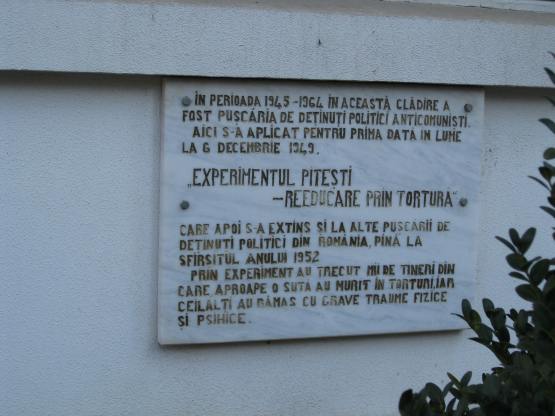
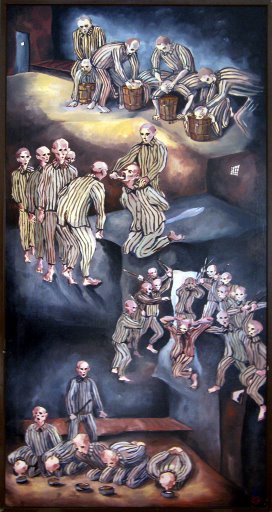
The Genocide of the Souls  — The Pitesti Phenomenon (1949-1951)

“However, what has not yet become universal knowledge is the fact that in the Romanian Gulag Archipelago there was an island of absolute horror, such as existed nowhere else in the entire geography of the communist penitentiary system: Pitesti Prison.” – Virgil Ierunca, Pitesti Phenomenon.

Aleksandr Solzhenitsyn, the 1970 Nobel Prize laureate for literature, refers to the Pitesti experiment as the “most terrible act of barbarism in the contemporary world”.

Historian François Furet, member of the French Academy, regards the Pitesti phenomenon as “one of the most terrible experiments in dehumanisation that our epoch has known”.

pitesti5

pitesti4

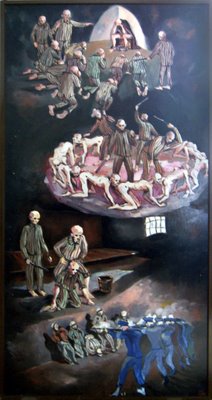
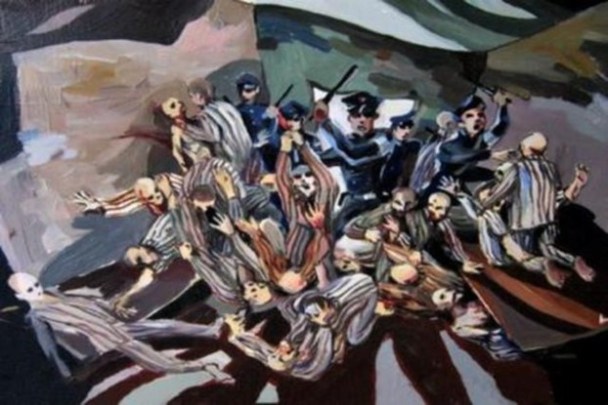
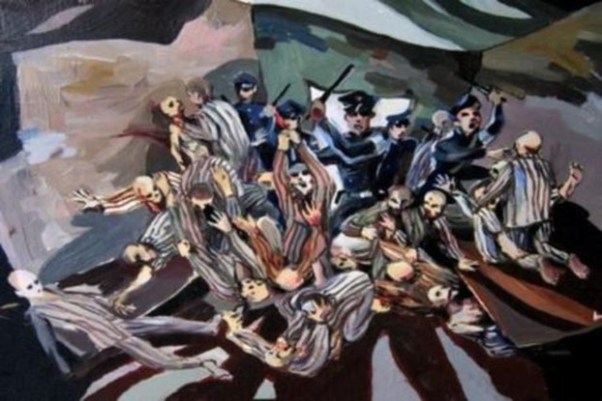
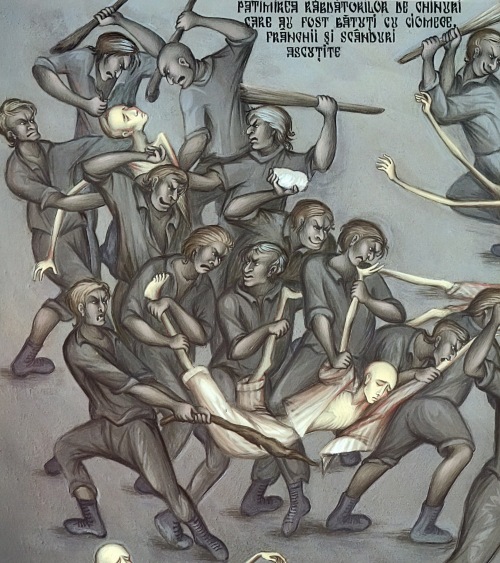
Between 1949 and 1951, the destruction of society”s elite was almost complete: intellectuals, diplomats, priests, officers, magistrates, policemen, and politicians of the “bourgeois-landowner regime” were in prison; the most industrious peasants had been deported to forced labour camps. Collectively and individually, they were all labelled “enemies of the people”. It now remained to annihilate the unpredictable social force of youth. For the latter, the Pitesti experiment was invented (termed “re-education” by the Securitate). The most barbarous methods of psychological torture were applied to “recalcitrant” young prisoners, with the object of making them reciprocally humiliate each other, physically abuse each other and mentally torture each other. Victims were transformed into executioners; prisoners were tortured by their own friends, by their fellows in suffering. The purpose: “re-education” through physical and psychical destruction, the transformation of young people into atheists, into informers on their friends.

For more information, watch an excellent documentary: BEYOND TORTURE — The gulag of Pitesti ROMANIA at https://www.youtube.com/watch?v=9QGUTBXgz3g

pitesti8

“When you said, ‘I still believe in God,’ in five minutes you were full of blood”. – Roman Braga

“Many of us died, many of us became mad, but in some of us the good triumphed”. – George Calciu

These chilling words from two survivors of a brainwashing prison in Pitesti, Romania are sad reminders of the legacy of Stalinist communism. Beyond Torture: The Gulag of Pitesti, Romania documents the persecution of Romanians under the communist regime. Electrical shock, hallucinogenic drugs, near starvation and fatal beatings were daily rituals in the prison of Pitesti, Romania. But this sadistic story goes beyond torture: this was an attempt to totally destroy a people’s culture and faith.

pitesti3

pitesti6

In 1949, Stalinist Soviets began a systematic sweep of Romanian college campuses. Their purpose was to imprison and transform young Romanians into a communistic way of thinking. One prisoner describes this re-education as the most vile tortures imaginable. Orthodox priest Father George Calcui says, “They tried to destroy our souls.”  But he and others survived this gulag, lived to tell their stories and even forgave their captors.

pitesti prison 1

pitesti_prison 2

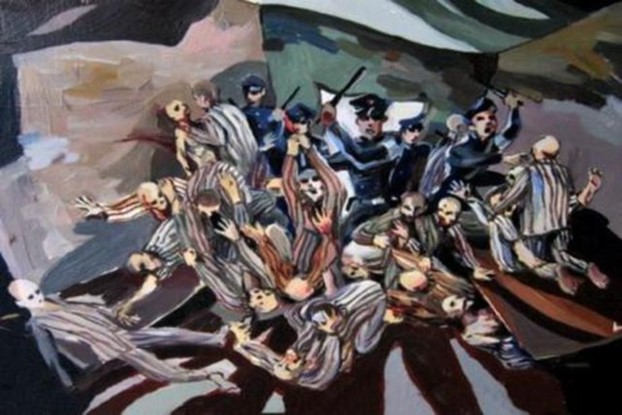
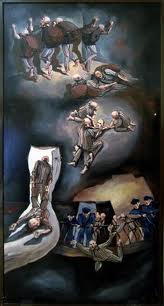
In this documentary, you’ll meet three survivors from the prison of Pitesti and see shocking paintings that capture the essence of the extreme torture. This documentary also includes an in-depth one-hour interview with Father Roman Braga: prison survivor and spiritual leader. Don’t expect a typical tale of woe. What comes through from the priests being interviewed — most especially Fr. Roman Braga, now in America — is a surprising theme: forgiveness…and even joy.

Outside of Romania, this DVD is the first major historical documentation of the Pitesti experience.

Pitesti_prison_plaque

Pitesti_prison_yard

Also, go to http://www.thegenocideofthesouls.org/public/english/the-pitesti-experiment/

To http://www.mtholyoke.edu/~cama20z/classweb/worldpolitics/thepitestiphenomenon/experience.html

And to http://www.johnsanidopoulos.com/2012/06/documentary-on-romanian-gulag-of.html

Winged Life

blake1

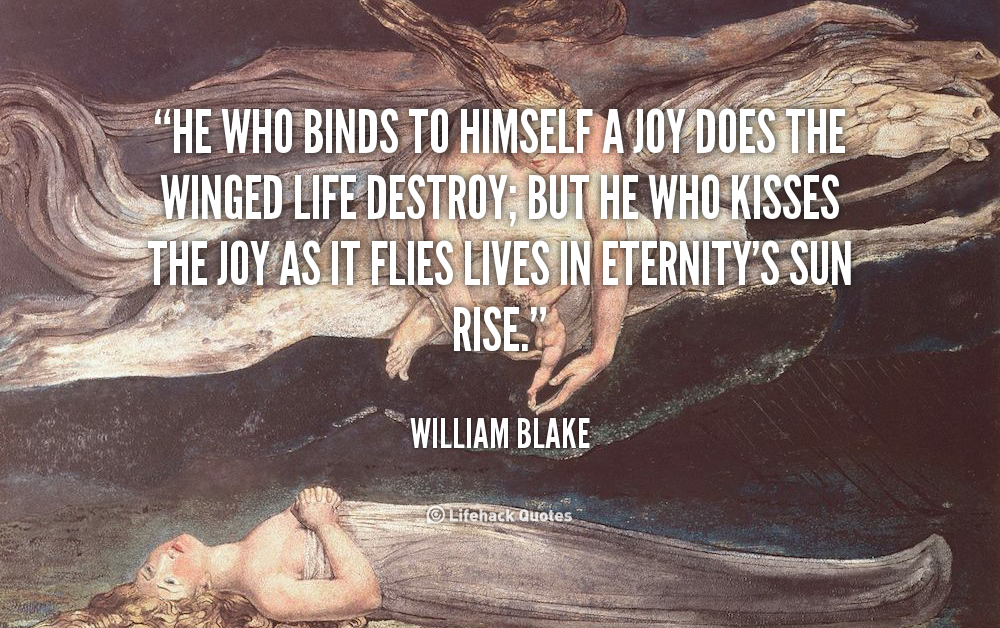
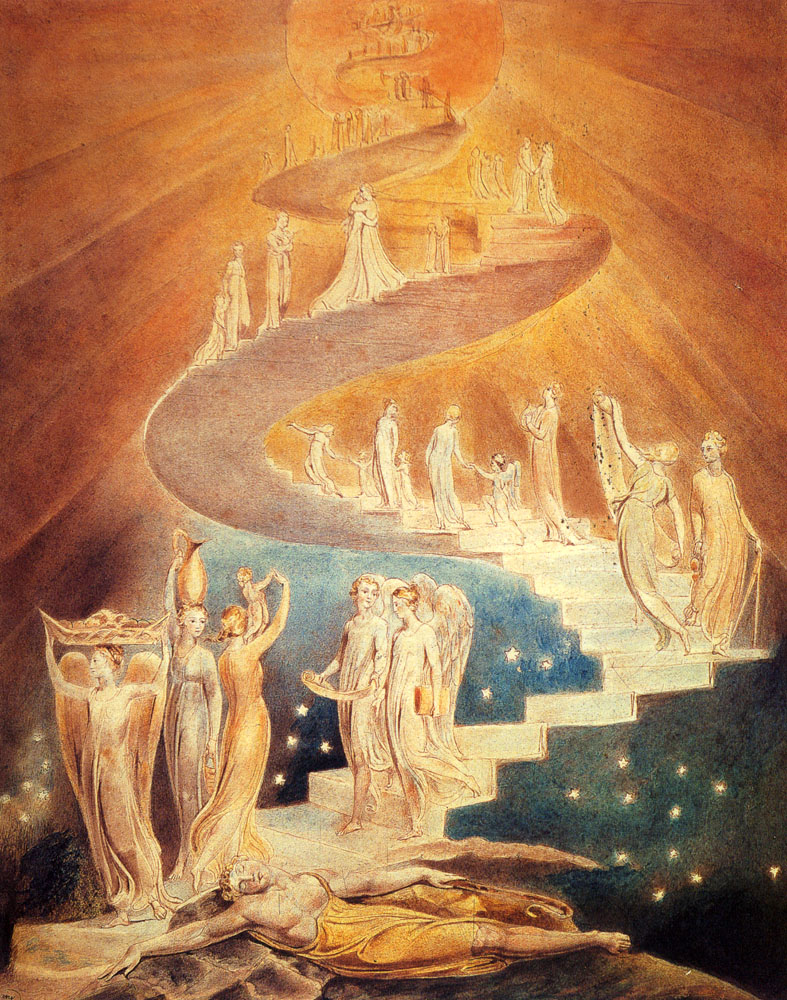
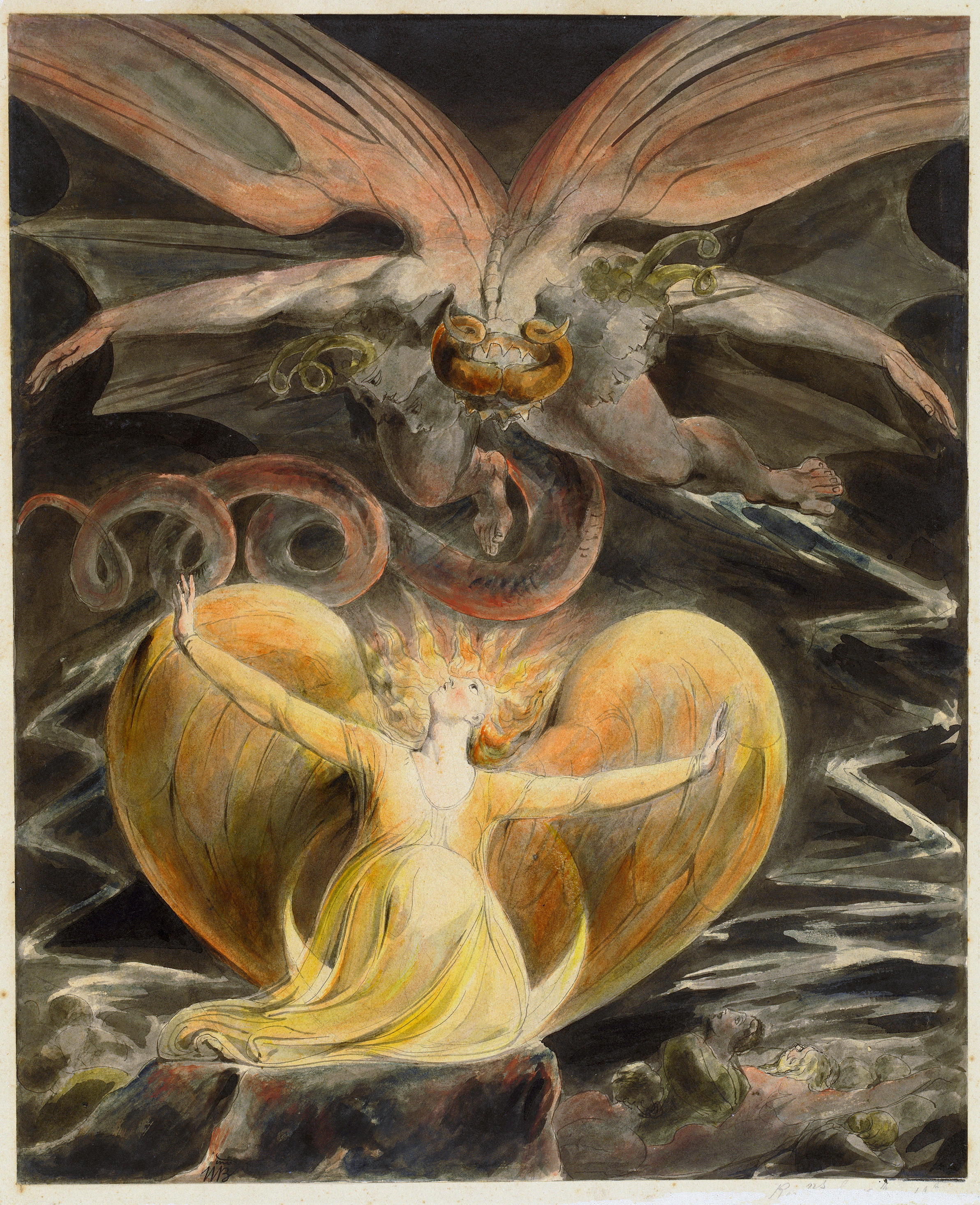
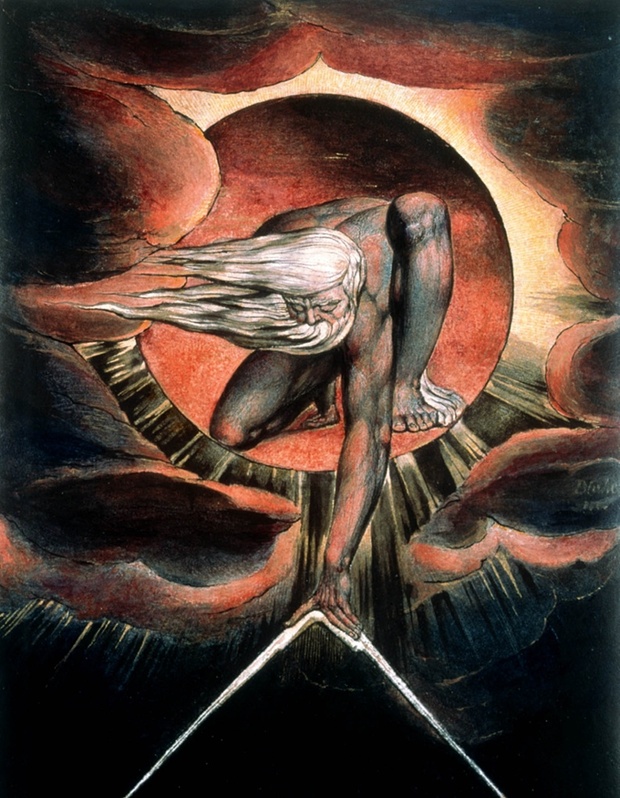
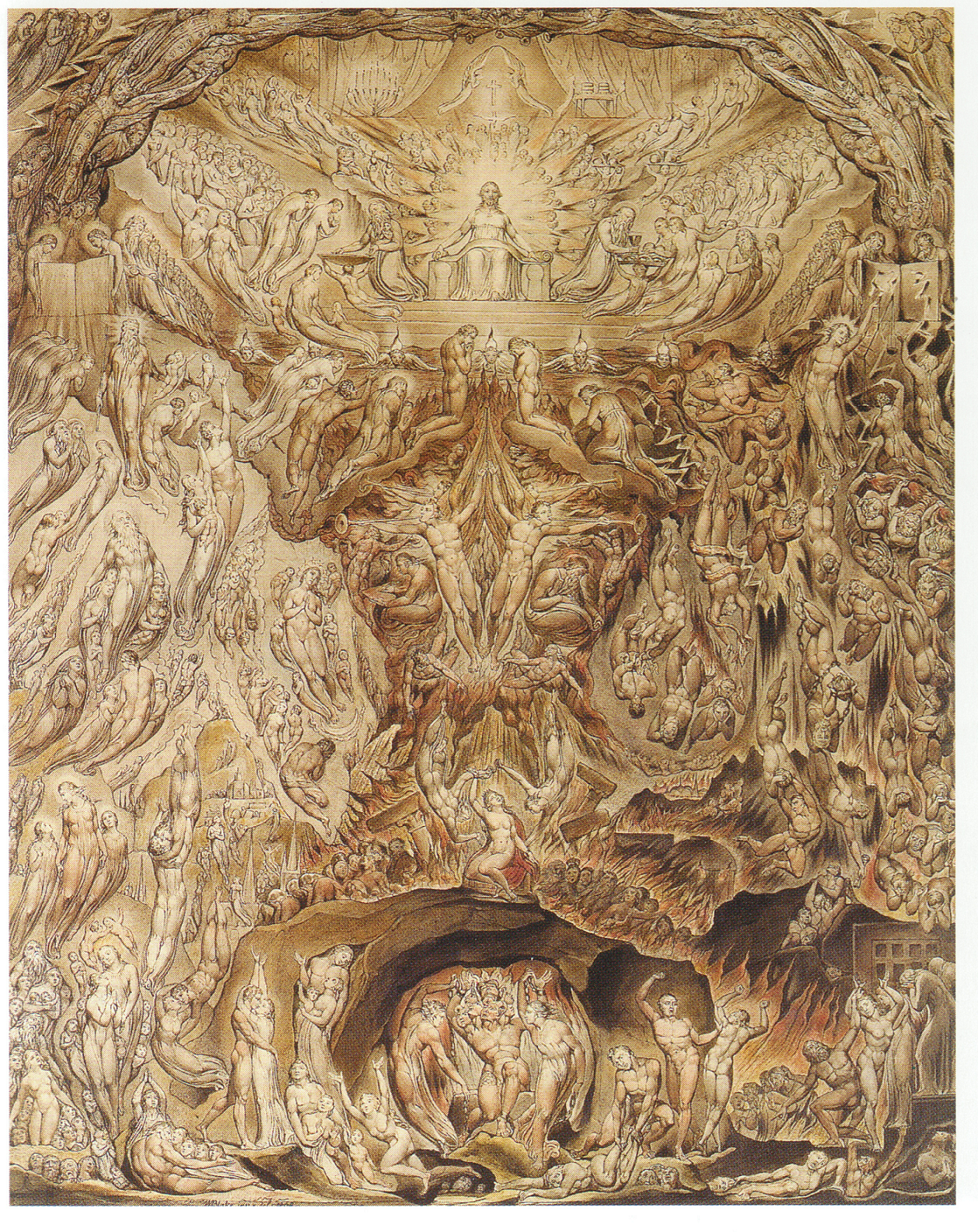
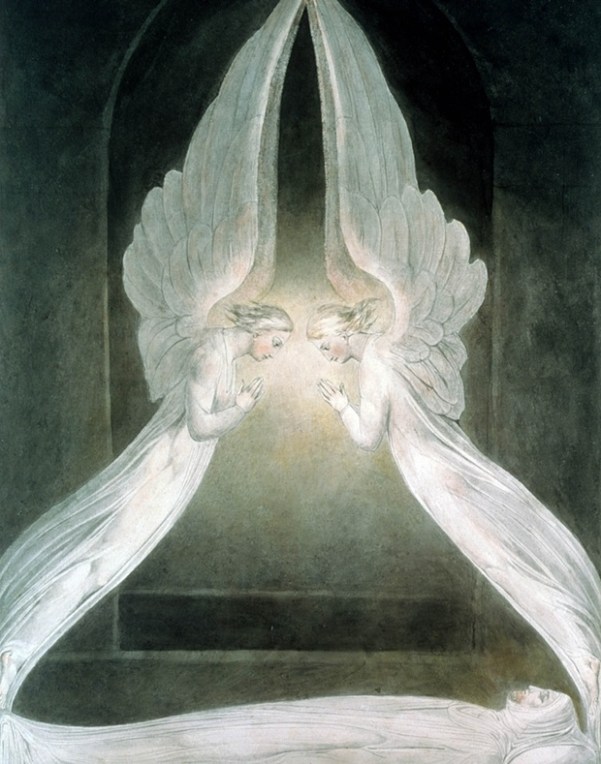
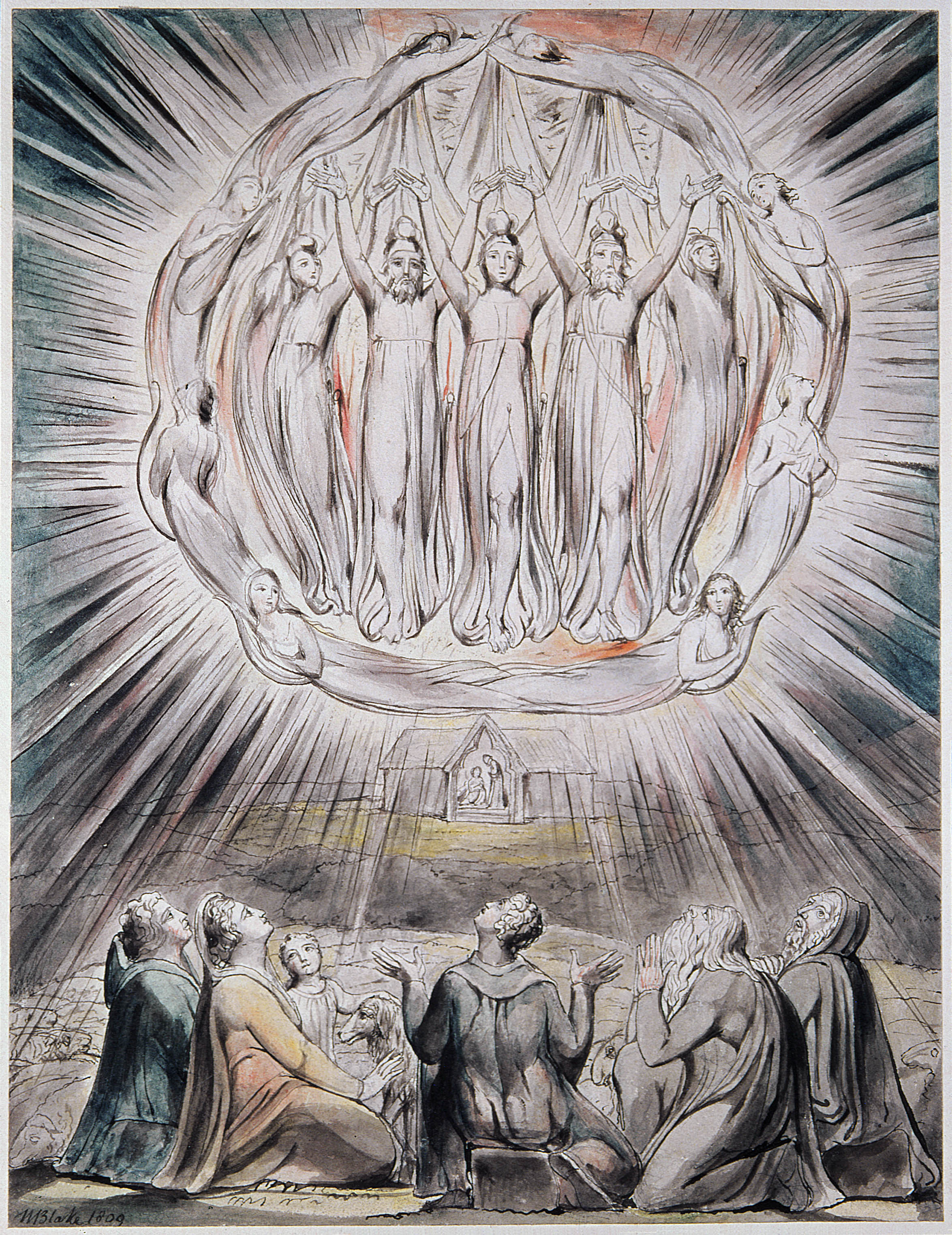
Winged Life: William Blake’s Mystic Visions & Stunning Paintings

William Blake’s paintings are especially stunning when you see them close up.

blake4

blake2

blake9

blake5

blake8

blake7

William Blake (1757–1827), one of the greatest poets in the English language, also ranks among the most original visual artists of the Romantic era. For Blake, the Bible was the greatest work of poetry ever written, and comprised the basis of true art.

For a slideshow of 47 paintings by William Blake, go to:

http://www.bbc.co.uk/arts/yourpaintings/artists/william-blake

For William Blake’s Complete Works, go to his archive at http://www.blakearchive.org/blake/indexworks.htm


William Blake’s Visions

From a young age, William Blake claimed to have seen visions. The first may have occurred as early as the age of four when, according to one anecdote, the young artist “saw God” when God “put his head to the window”. .. At the age of eight or ten in Peckham Rye, London, Blake claimed to have seen “a tree filled with angels, bright angelic wings bespangling every bough like stars.” On another occasion, Blake watched haymakers at work, and thought he saw angelic figures walking among them. As a young apprentice, he was sent to copy images from the Gothic churches in London. Blake experienced visions in the Westminster Abbey, he saw Christ and his Apostles and a great procession of monks and priests and heard their chant.

Blake claimed to experience visions throughout his life. They were often associated with beautiful religious themes and imagery, and may have inspired him further with spiritual works and pursuits. Certainly, religious concepts and imagery figure centrally in Blake’s works. God and Christianity constituted the intellectual centre of his writings, from which he drew inspiration. Blake believed he was personally instructed and encouraged by Archangels to create his artistic works, which he claimed were actively read and enjoyed by the same Archangels.

In a letter of condolence to William Hayley, dated 6 May 1800, four days after the death of Hayley’s son, Blake wrote:

I know that our deceased friends are more really with us than when they were apparent to our mortal part. Thirteen years ago I lost a brother, and with his spirit I converse daily and hourly in the spirit, and see him in my remembrance, in the region of my imagination. I hear his advice, and even now write from his dictate.

In a letter to John Flaxman, dated 21 September 1800, Blake wrote:

[The town of] Felpham is a sweet place for Study, because it is more spiritual than London. Heaven opens here on all sides her golden Gates; her windows are not obstructed by vapours; voices of Celestial inhabitants are more distinctly heard, & their forms more distinctly seen; & my Cottage is also a Shadow of their houses. My Wife & Sister are both well, courting Neptune for an embrace… I am more famed in Heaven for my works than I could well conceive. In my Brain are studies & Chambers filled with books & pictures of old, which I wrote & painted in ages of Eternity before my mortal life; & those works are the delight & Study of Archangels.

Datta. Dayadhvam. Damyata.

Lords_Prayer_Religious

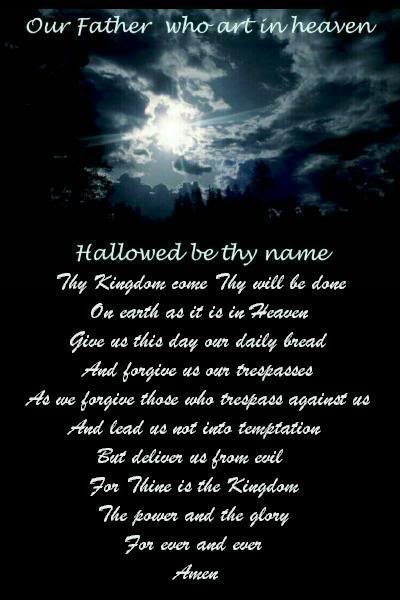
A favourite scene by an all-time favourite film-maker of spiritual quest: The Sacrifice (Offret) by A.Tarkovsky 1986 – PRAYER: The Lord’s Prayer. The scene poignantly illustrates the power of faith and self-sacrifice.

https://www.youtube.com/watch?v=f4z8Y-NpW1c

The Sacrifice, Tarkovsky’s swan song, tells in esoteric terms of Christian iconography, masterly mise-en-scène, and astounding use of sound composition, of a literary critic, once an actor (Josephson), who promises to give up everything ‘that connects him with the world’ in a bid to save it from the impending nuclear holocaust he hears announced on television.

A Cage

depression5

I feel like a bird trapped in a small birdcage,

A birdcage hidden at the bottom of a dark basement.

And all I want to do is break out of the blackness,

And fly into the Sonlight which waits outside.

I can feel it, the Light –

It’s all around the basement.

The Light is greater than the basement.

All I want to do is get into that Light,

And loose myself in it.

But it is an impossible task – I can’t get out.

And the thick, murky black air closes in…

 *

I feel like I’m in a room with invisible walls.

But it’s so black in the room,

That I can’t see through the walls.

And I am the centre of the room.

Where I go, the room goes – I can’t get out.

I wish someone would chain the room still,

So I could get out into the Light outside.

… 

Oh Jesus, You are the Light of the world.

Please shatter this darkened prison I live in,

And take me into Your light.

Let it consume me, encompass me, surround me.

Let me become one with You, You in me, me in You.

 *

http://cornerstonethefoundation.blogspot.gr/p/depression-poems.html