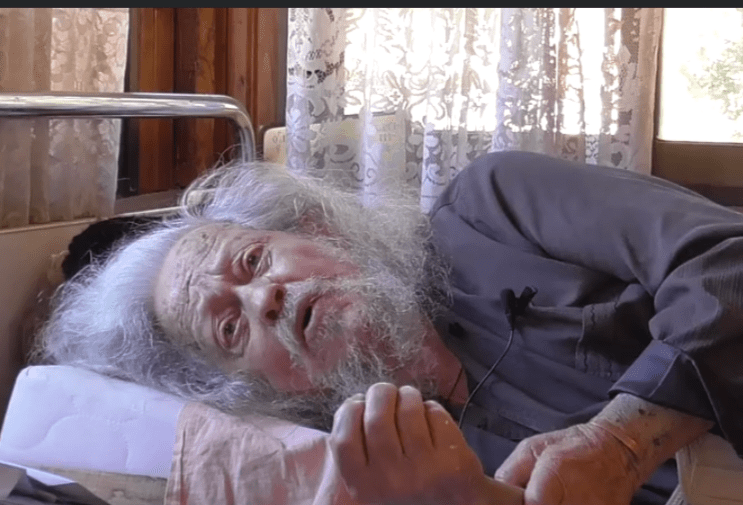
Prayer of an Old Man by +Elder Eusevios Vittis

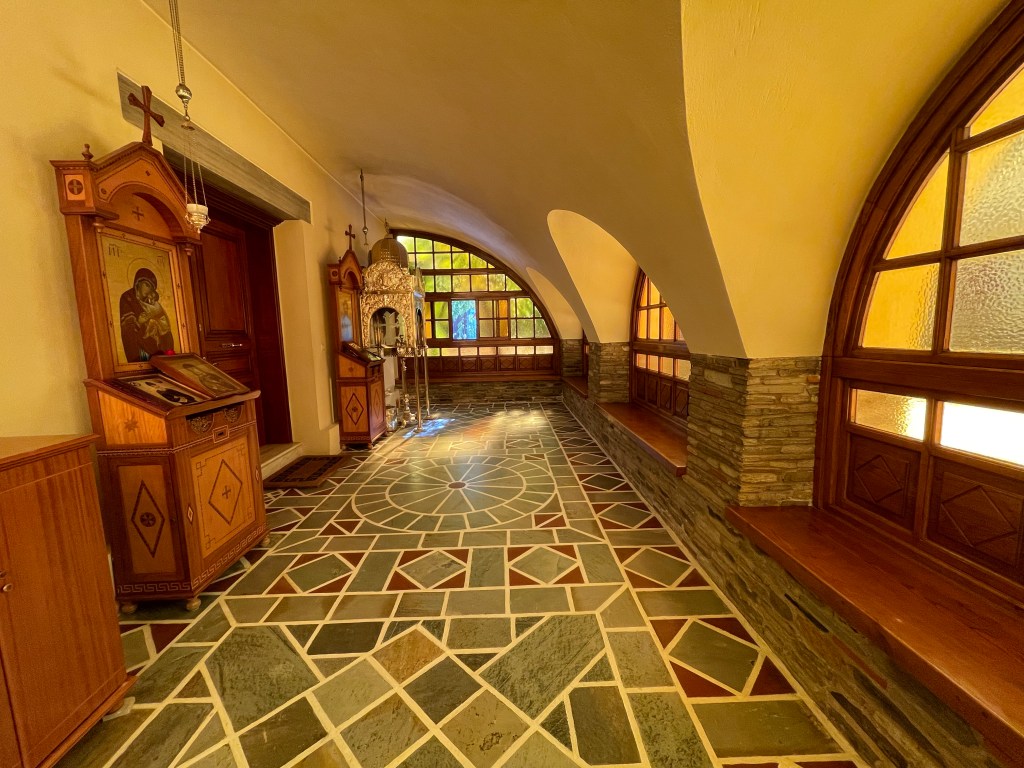
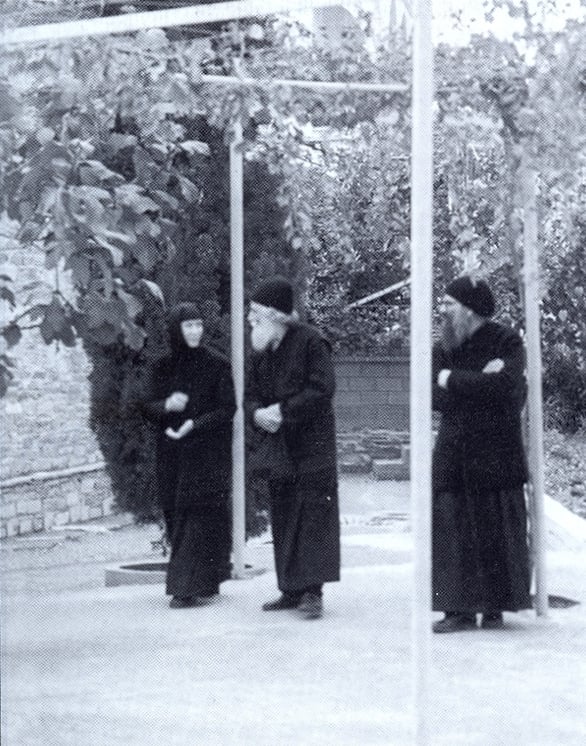
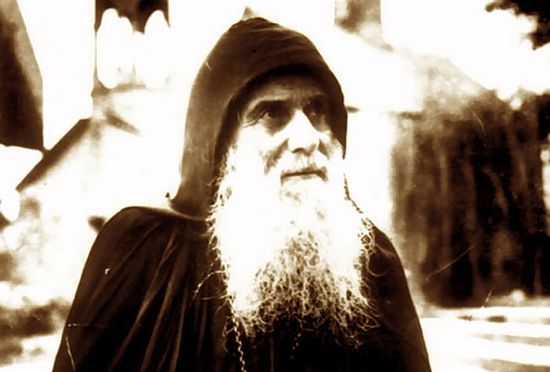
Elder Gabriel, disciple of St. Paisios– cell of St. Christodoulos of the Koutloumousiou Monastery, Holy Mount Athos

Prayer of an Old Man

Lord, you know that I have already reached old age. Help me to realise this reality more deeply, so that I may not become tyrannical or boring or burdensome or unsympathetic and hateful to those around me and especially to my occasional co-workers.

Deliver me from insisting on my outdated ideas with senile stubbornness. I do not ask You to improve my judgment or memory. You gave me these invaluable gifts to a certain extent in my productive age. I thank You for this precious gift of Your goodness. Now, as my entire biological, psychological and spiritual existence is declining, the decline of my judgment and memory is bound to naturally follow. Often this situation diminishes me, saddens me, humiliates me beyond imagination and not rarely does it humiliate me in my own eyes, forcing me to constantly apologise for my small or large blunders and gaffes. Of course, I do not fully understand this alteration. However, You, Lord, You know how much my diminution and shrinkage are also necessary to me at this point. I humbly accept it, because You know. And since You know, I do not need to know the deeper “why”. Besides, I cannot understand it. So why should I be sad and suffer for this? Should I not humbly accept the corruption of my nature? And should I not also humbly submit to the order, which You, with such kindness for Your creatures, and therefore for me, have determined?

Seal my chatty lips with an inviolable seal so that I may not burden others with boring, meaningless and without any interest or meaning, retold stories of outdated events of some distant and forgotten years of an insignificant era. At the same time, however, soften my reactions and judgments about the judgment and memory of others. And never allow me to feel pangs of jealousy about the freshness of memory and the power of judgment of others. Make me, on the contrary, rejoice in it and thank You wholeheartedly for the flowers of youth, when I happen to be among them and smell their fragrance.

Enighten me with the meaning of the words of Your Apostle: “Even though our outward man is decaying, but the inward man is being renewed day by day” (2 Cor. 4:16). And may I strive to live this reality.

Finally, support my faltering and unsteady steps with Your “high arm,” so that I may no longer roll on, attached to the earth and contemplate “earthly things,” but instead have my gaze fixed on Heaven and help me contemplate the heavenly realities, until I rest in Your loving divine embrace.

My Lord, Lord, I thank You. Amen.

+ Elder Eusevios Vittis (+December, 2009) Memory Eternal!
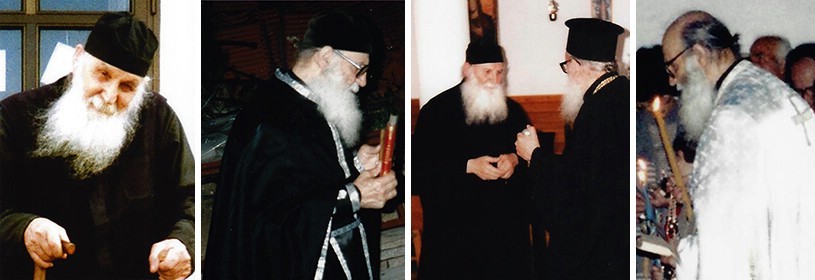
Toward the last years of his life, I had the blessing to speak with him in private and pray together. Those piercing, blazing eyes! Elder Eusebios, the mystic, the poet, the Seer of God, as they called him! This Meeting burns still in my heart!  I have also met a number of his spiritual children and know firsthand how much he helped them in all their lives’ trials and tribulations, how Father-like he stood by their side! May we have his blessing!” (Little city hermit)


*

A distinguished scholar and theologian, yet humble; a tireless writer knowledgeable of many foreign languages and translator of ascetic texts; a holy spiritual father who dedicated his life to the salvation of the soul of his fellow man; a true Father of the Church, divinely illumined, frequently included in the ranks of Saint Paisios and Saint Porphyrios. This is how his disciples and spiritual children remember hieromonk Father Eusebios Vittis, who reposed at the age of 82, in his hesychastirion (skete) in Faya Petra of Sidirokastro (Greece), where he spent the final years of his life in prayer. “He was very humble. He did not want his name to be put on any of his books and he signed them with a pseudonym “Kehri” (translation: millet seed), signifying something “utterly unimportant.”

Hieromonk Eusebios Vittis came from Ptolemaida. He began his priestly work as a clergyman in Sweden. The lack of Orthodox priests in this country at the time made him decide to become a priest. His ordination took place in Stockholm. He then travelled all around the country to serve the various emerging Greek communities. Soon he started leading his life as a part-time janitor in a retreat house and diocese center belonging to the (Evangelical-Lutheran) Church of Sweden. He cared for the Orthodox and all people indeed without pay. He bought an old house in the forest a few kilometers away from his work and turned on of the rooms there to a chapel. The Holy Hesychastirion (Skete) of St. Nicholas in Ratvik, Sweden is entirely his own work. There he withdrew in 1973, with the aim of devoting himself to prayer, meditation and writing. Fr. Eusebios kept the Athonite schedule, and as recorded in the bulletin of the Metropolis of Sweden and all Scandinavia (1979), the monastery was seen throughout the years as being “the sleepless lamp of the Metropolis of Sweden and a place of spiritual healing for the faithful.” The visitors of the holy hesychastirion found comfort, rest for the soul, and the road leading toward salvation.
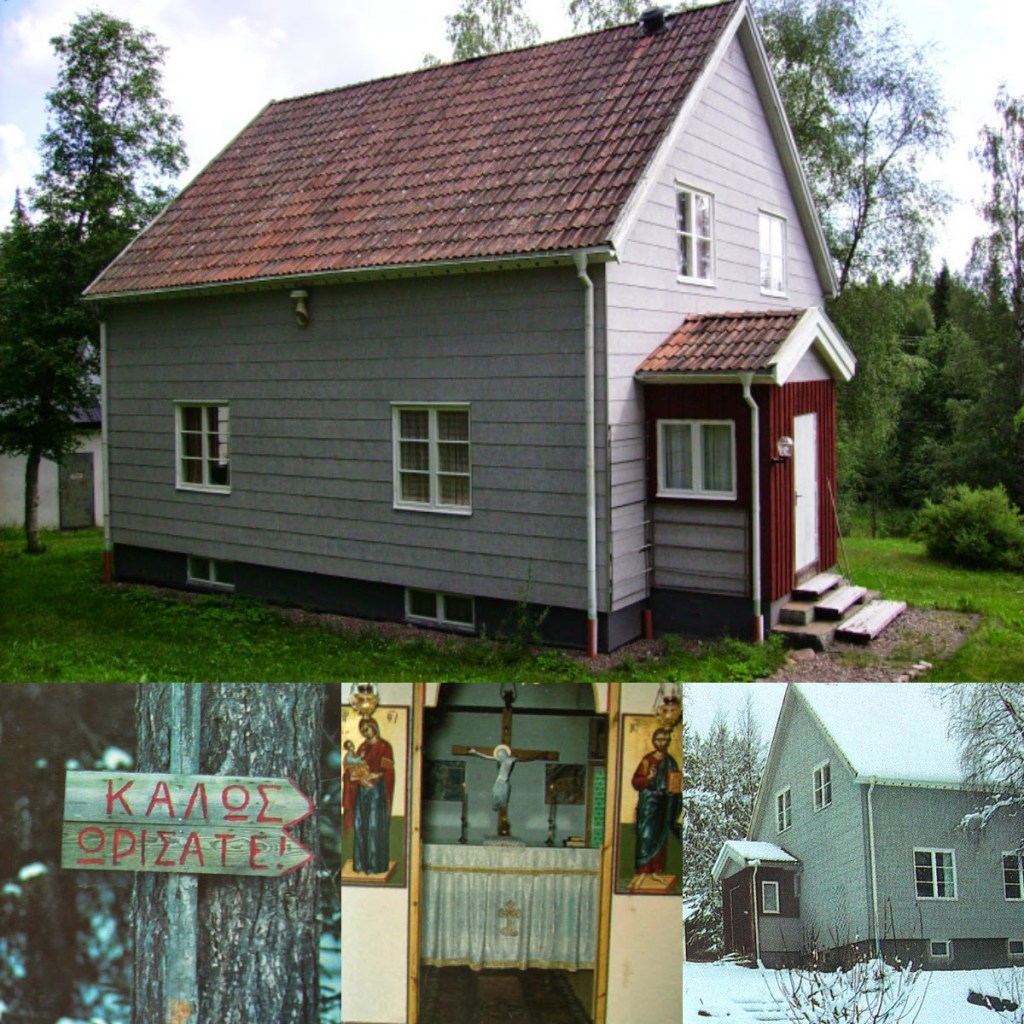
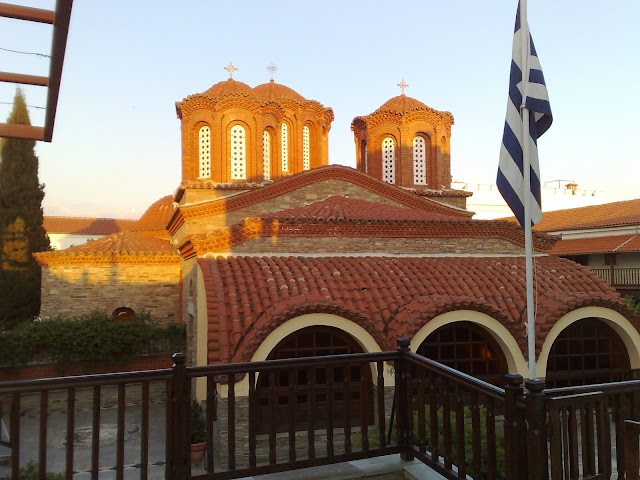
In 1980 Fr. Eusebios returned to Greece, in obedience to his spiritual father, and retreated to a hermitage in Faia Petra, Sidirokastro. He spent the last years of his life on earth in prayer and confession. Christ is Risen!

*

Another Prayer of an Old Man …

Psalm 71 

I have a safe place in you, O Lord. Let me never be ashamed. …Be a rock to me where I live, where I may always come and where I will be safe. For You are my rock and my safe place. … For You are my hope, O Lord God. You are my trust since I was young. You have kept me safe from birth. It was You Who watched over me from the day I was born. My praise is always of You. …

Do not let me fall by the way when I am old. Do not leave me alone when my strength is gone. 10 For those who hate me talk against me. Those who want to kill make plans together. 11 They say, “God has turned away from him. Run and catch him, for there is no one to take him out of trouble.”

1O God, do not be far from me! O my God, hurry to help me!  …

17 O God, You have taught me from when I was young. And I still tell about Your great works. 18 Even when I am old and my hair is turning white, O God, do not leave me alone. … 20 You have shown me many troubles of all kinds. But You will make me strong again. And You will bring me up again from deep in the earth. …

Day 8- Part A: Not for the Faint-Hearted

About vigils, the Feast of the Theotokos’ Sacred Veil (Skepi) and Her Holy Protection, the power of the Psalter and the monastery’s chicken coop!

“By Fasting, Vigil and Prayer Thou didst Obtain Heavenly Gifts” (Fourth Great Lent Sunday- St. John of the Ladder , Troparion, tone 1)

Not for the faint-hearted! A most ascetic monastery, I must admit. I, for one thing, thought that I had no problem with fasting, and yet here, I realise that I am such a dainty eater! I have had enough of their plain bread, watery, fasting soups and fruit!

As to vigils, rising at ungodly [sic!] hours to chant Psalms, after two consecutive vigils, one at St Demetrios’ Feast in Thessaloniki and the other one here, at the monastery, for the Sunday Holy Liturgy, I believe that I have reached my limit. If I had any doubts (which I did not have) now I feel confident that I am not yet ready for this second step in this ladder, for this “violence” on our flesh. Not to mention the third ring, prayer …

By Fasting, Vigil and Prayer Thou didst Obtain Heavenly Gifts”

“And from the days of John the Baptist until now the kingdom of heaven suffereth violence, and the violent take it by force.” Matthew 11:12

Oh dear! A most ascetic long weekend. I have been so food deprived, so heat deprived, and so sleep deprived—the worst part— that I cannot put it to words. I certainly need time and rest to recover from all this ascetic labour. I do feel blessed and most grateful, I am floating, but this monastery’s specifications are for angels, fleshless, holy beings. The sisters are of course lenient with us poor guests, yet even the “compromise” they bless for us is so hard for my spiritual level! I cannot even begin to imagine how it is to spend Great Lent here, with only meal a day, and what a meal …

One can”feel” their asceticism even in their etherial chanting. Indeed, an ascetic hue to the spectrum of light explored so far on my way of a pilgrim. And so “hidden”! Adding a wholly  empirical dimension to the verse “our lives being hidden in Christ!” So very different to my previous two pilgrimages to Dormition monastery in Panorama and St George Karslides monastery in Sipsa. Such a humbling experience! Probably because of all this most demanding typikon, this monastery has the least pilgrims or faithful attending, even when its gates are open. As to the sisters, they humbly believe that they they are useless, lukewarm, “end of times” monastics, not honouring their calling.

Matushka Constantina is so right when she writes at her blog (Lessons from a Monastery): “Encountering monastics reminds the pilgrim that there are better Christians than himself (not that he cannot also learn this in the parish, he most certainly can, but it is an indisputable fact that one is faced with at a monastery). Hence the famous statement: “Angels are a light for monastics, and monastics are a light for the world.”[9] The monastic is simultaneously humbled and enlightened by reading the lives of the saints, just as the layman is when he compares his life with that of a monastic. … the layman makes pilgrimages to monasteries in order to draw the soul away from the distracting world and into an environment of stillness and prayer, where the atmosphere is conducive to taking stock of one’s life alongside that of a dedicated monastic, and to allow the grace of the monastery to help him see his own sinfulness.”

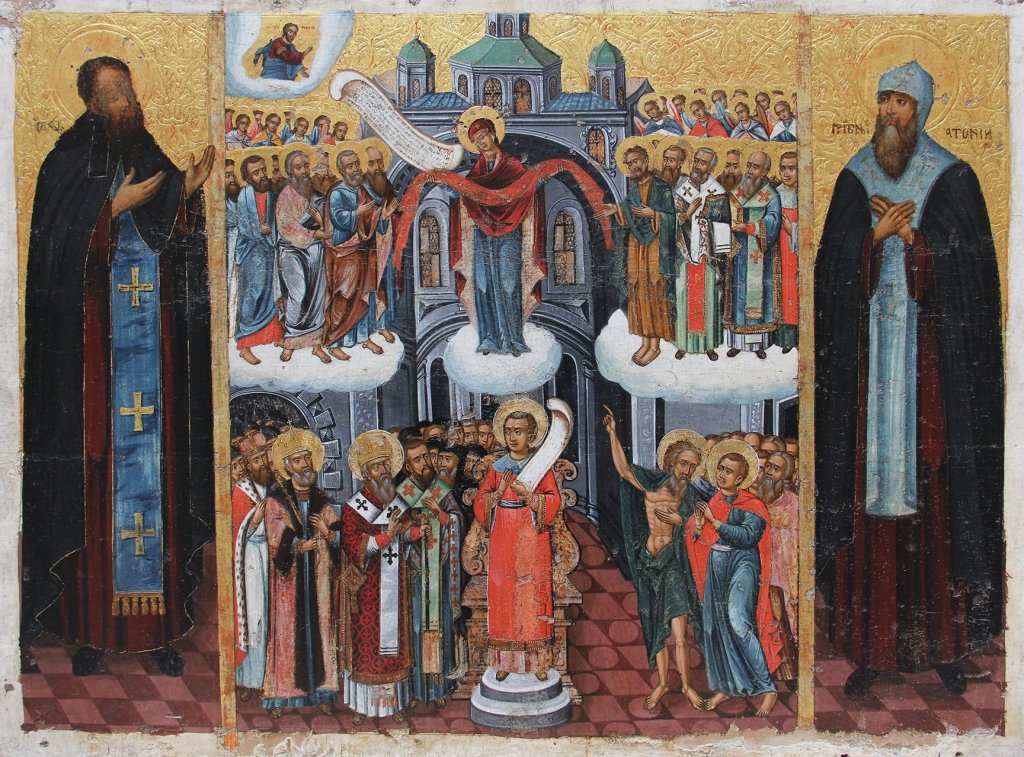
Economia is granted to me and I arrive late at the morning church service. I don’t think I could take one third consecutive vigil in a row. Today, on October 28, the Holy Orthodox Church in Greece commemorates the Holy Protection of our Most Holy Lady, the Theotokos and Ever-virgin Mary, that is, her sacred veil (skepi) kept in the treasury of the sacred temple of Blachernae; and we also remember how the righteous Andrew, the Fool for Christ’s sake, beheld it spread out above and covering all the pious.

The Feast was originally marked on October 1st, yet the Greek Orthodox church, in 1952, transferred its celebration of the Protection to October 28 in conjunction with “Okhi Day” as a testament to the rejection of European aggression and as a day of national remembrance.

Before daybreak on October 28, 1940, the Italian ambassador to Greece, representing Italian dictator Benito Mussolini, went to Greek general Ioannis Metaxas with an ultimatum. Italy wanted full control of Greece to occupy “strategic locations”; otherwise it would brutalise the country. General Metaxas shouted “Okhi!” meaning “No!” Thus, Greece was plunged into the Second World War, as Italy burst through, and then Nazi Germany eventually, wreaking havoc and horrors on the Greek people.

Both dates recognise the Ever-virgin’s constant defence for all the faithful, all over the world, whenever we prayerfully seek her protection and shelter in distress and strife. It goes without saying that we must ask the Theotokos to extend her protection and intercession every day of our life.

A holy, sacred place, an agios topos

St Paisios, the spiritual founder and father of this monastery, +Gerondas Gregorios, St Paisios spiritual child, founder and spiritual father of the monastery, and +Gerondissa Euphemia

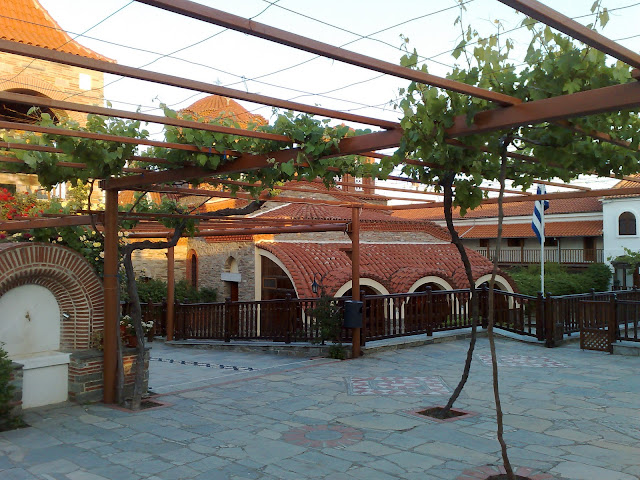
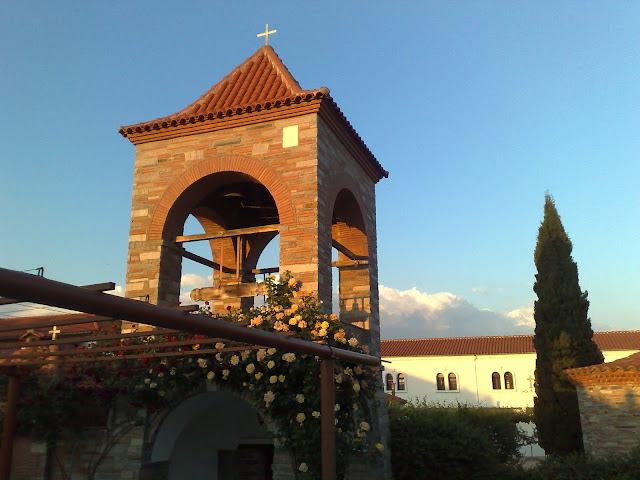
Everything is holy in the grounds of a monastery. It is an agios topos, a holy, sacred place. The prayers of the monastics, the saints that dwell within, the angels that protect it, its chapels and the temple of God in its grounds, all these sanctify the place. “And Moses said, I will go near and see this great sight, why the bush is not consumed. And when the Lord saw that he drew nigh to see, the Lord called him out of the bush, saying, Moses, Moses… loose thy sandals from off thy feet for the place whereon thou standest is holy ground” (Exodus 3: 3-5). All monasteries I have visited so far feel holy, sacred places, yet this monastery seems the most etherial, otherworldly of all. This holiness permeates all its grounds.

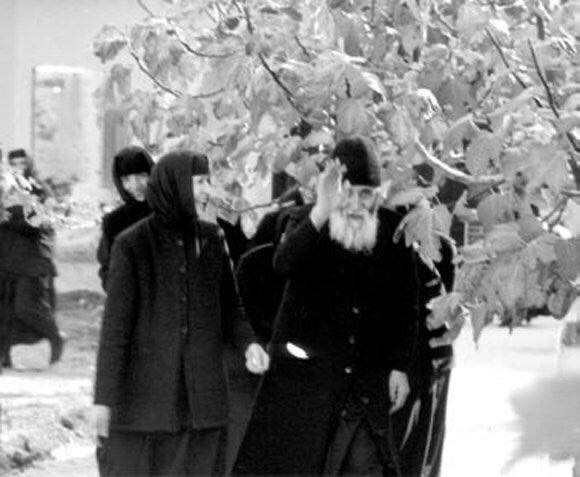
St Paisios, + Gerondissa Euphemia and Sister Paisia, looking at the camera behind Gerondissa. I had the privilege to spend quite some time during my stay here with Sister Paisia.

11 For He will give His angels charge over you, to guard you in all your ways. 12 Upon their hands they will lift you up, lest you strike your foot against a stone. 13 You will tread upon the lion and cobra, trample the young lion and serpent. (Psalm 91:11-13)

Let me share with you a story which a sister here told me about the power of the Psalter, transfusing holiness

… even to their chicken coop!

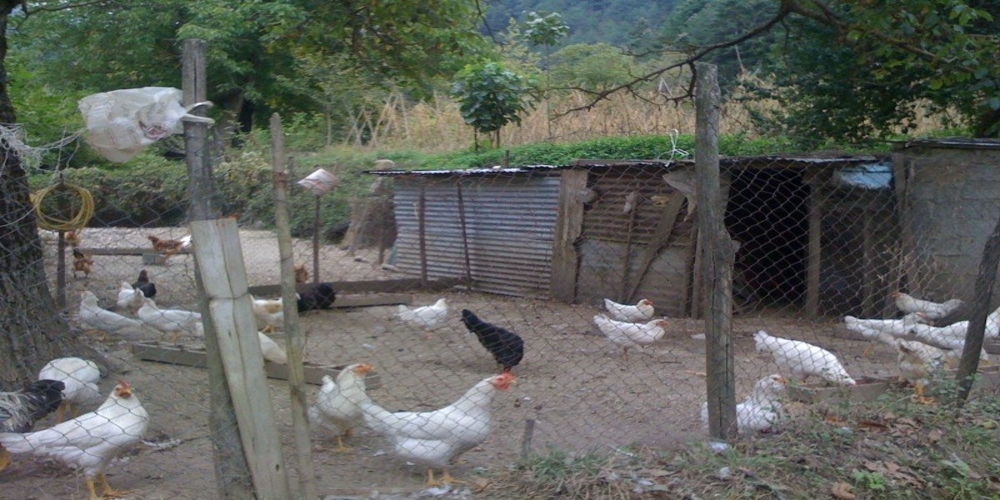
This is what the monastery’s chicken coop looks like. You can tell that it is unprotected from the top and sadly the sisters had many problems with hawks attacking and snatching their chickens. The sisters would take turns, one after another, every hour, to protect their chickens, to no avail really, until Sister T. appeared, a frail, old sister …

This sister had a particular affection for the Psalter. Rather than recite the kathismata in her cell, she got the blessing from Gerondissa to sit on her chair inside the chicken coup grounds and recite the psalter there, together with the chickens. She kept doing this every day, for two years before reposing in the Lord.

These two years, all hawk attacks suddenly ceased! Not only this, but even after her sleep in the Lord, for 16 years counting until now, no hawk has attempted a single attack on the chicken! Amazing! For 16 years going! So, the sisters have stopped guarding the chicken coop and chasing predators away. The sister who told me this story, added that Gerondas Gregorios of blessed memory, after this sister’s sleep in the Lord, wondered how long her psalter protection will last. Well, it lasted 16 years and going! This frail, old sister with the particular affection for the Psalter died a holy death on an Easter night, after receiving Holy Communion at the Pascal holy Liturgy. Glory to God for all things!

Sadly, the time for my departure has arrived, but I am not leaving alone. I have to drive two university students first to the church of St. Demetrios, and then one of them to the airport for Cyprus. Glory to God for all things! What an amazing synodeia! The family of one of these two students I am offering this drive has 10 children (!), her father is a priest and a teacher, and their mother comes from a family of … 13 children! They have all moved from Athens to Metamorfosi and build their house here to live next to the monastery, together with all their nephews, children and grandchildren.

How many stories have I heard on the way! What a joy and a privilege to be together with these young people! How fast time flies! A few decades ago, other pilgrims drove me back to Thessaloniki, to spare me the buses, the walking and the long hours of waiting. Now it is my turn to return the favour. Glory to God for all things!

Attachments of the Heart

A sister in Christ forwarded this article to me when the situation with our seriously ill spiritual father began exploding and imploding our lives, to help me free my heart from every attachment, even to my spiritual father! Indeed, The Lord tears us away from what the heart becomes attached, even the spiritual. The heart must be attached only to the Lord Jesus Christ Himself. Only this is worthy and meet—all else is a mixture of the lofty and the human, the passions, and tender feelings—not divine, but human, emotional. Therefore, the Lord changes situations in life…” 31 years of prayers–only five years of happiness!

Happy is the man who has a place on the earth that he loves more than anything, a place where his heart lies. A place, a land, that as the ancient tales say, gives him strength. And for me, this place on the earth is the Pskov Caves Monastery. It’s the most beautiful, most beloved place, and can never be replaced in my heart. Although I grew up in Moscow, and have been to many places in Russia, to many other countries, there is no more beautiful, warmer, closer place than the Pskov Caves Monastery.

I thank God with all my heart that thirty-one years after I had to leave for Moscow on obedience, He heard my prayers. Thirty-one years went by, and I returned here. How could I ever have imagined that I, first a pilgrim and then a novice in the cow barn, would return to the Pskov Caves Monastery, which was wholly then and still is for me a sacred place, from every stone to every person, and though sinful and unworthy, become its abbot. But this happiness did not last long (smiles)—only five years. The Lord tears us away from what the heart becomes attached, even the spiritual. The heart must be attached only to the Lord Jesus Christ Himself. Only this is worthy and meet—all else is a mixture of the lofty and the human, the passions, and tender feelings—not divine, but human, emotional. Therefore, the Lord changes situations in life—sometimes inside the monastery, and sometimes outside of it.

THE MOST BEAUTIFUL PLACE ON EARTH… Metropolitan Tikhon’s farewell sermon to the brothers and parishioners of the Pskov-Caves Monastery

“Help Lord, I am sinking!”


footprints in the sand

Homily on  MATTHEW 14:22-34 — 9th Sunday of St Matthew

A Homily and a favourite Poem


“At that time, Jesus made the disciples get into the boat and go before him to the other side, while he dismissed the crowds. And after he had dismissed the crowds, he went up into the hills by himself to pray. When evening came, he was there alone, but the boat by this time was many furlongs distant from the land, beaten by the waves; for the wind was against them. And in the fourth watch of the night he came to them, walking on the sea. But when the disciples saw him walking on the sea, they were terrified, saying, “It is a ghost!” And they cried out for fear. But immediately he spoke to them, saying “Take heart, it is I; have no fear.” And Peter answered him, “Lord, if it is you, bid me come to you on the water.” He said, “Come.” So Peter got out of the boat and walked on the water and came to Jesus; but when he saw the wind, he was afraid, and beginning to sink he cried out, “Lord, save me.” Jesus immediately reached out his hand and caught him, saying to him, “O man of little faith, why did you doubt?” And when they entered the boat, the wind ceased. And those in the boat worshipped him, saying, “Truly you are the Son of God.” And when they had crossed over, they came to land at Gennesaret.”

The Gospel writer presents us with a vivid scene on the Lake of Gennesaret. Peter sinking beneath the waves is a picture that resonates with our own condition when we are overcome with anxiety, guilt, sin, overwork, doubt and grief. We become immersed in the conditions that surround us, unable to focus on anything else. The waves seem to be too high and we begin to sink under the waves of pressure.

Peter may have had in mind the Psalm when in his panic and despair he cries out to Christ:

Psalm 69:1-2

Save me, O God!
For the waters have come up to my neck.
I sink in deep mire,
Where there is no standing;
I have come into deep waters,
Where the floods overflow me. 

We see that our Lord, after he had dismissed the crowds goes up into the hills to commune with His Father. After prayer he goes to the Lake of Galilee but His disciples had already gone fishing and it was dark, the fourth watch of the night,3.00 am.-6.00a.m.  It is in the middle of the night when fear may overcome us. There was a strong wind that caused a storm on the waters. He walks on the water towards the disciples boat. His disciples thinks it is a ghost and they are terrified. We notice here how the storm outside, had entered into them and they cry out with fear. It is then when they were at their most vulnerable that Christ speaks His words of reassurance:

“Take heart, it is I, have no fear.”

When we find ourselves battered without and within by the storms of life then Christ will come to us bidding us to take courage and trust in Him.

 Peter immediately responds:

 “Lord, if it is you, bid me come to you on the water.” The “if” signals a doubt in the mind of the apostle.

One word from our Lord,“Come!” So Peter jumps out of the boat, but he takes his eyes of faith from the Lord Jesus Christ and is more concerned about the surrounding turmoil and prevailing storm and begins to sink beneath the waves. This is precisely what often happens to us. We lose focus, we are distracted, we take our eyes from Him Who is the Lord over all Creation and we are embroiled, consumed, overwhelmed by the condition(s) in which we find ourselves.

Peter cries out: “Lord, save me!” and the Saviour does just that, despite his lack of faith, extending his arm for Peter to grasp. How speedily this vision takes us to the Icon of the Resurrection in which our extends His arms and  brings Adam and Eve out from Hades. This is what Christ does for us, but we also can extend that saving “hand” of friendship, that word of comfort to others whose faith is weak, who feel lost; those that are sinking under the waves of anxiety. We see how Christ immediately comes to the rescue.

The miracle here is not that Our Lord Jesus walked upon water, but that His word and action is immediate towards His disciples! The One who made the Heavens and the Earth, the Sea and all that is therein, is Lord over all nature. He who multiplies five loaves and two fish to feed 5000 can walk upon the waters, can turn water into wine, can calm the storm, can cause a multitude of fish to be caught. The real miracle is that Christ knows our needs and responds to them immediately. He is with us always even unto the end of the age and His hand supports us and saves us now and unto eternal life.

 Lord save us!

  And when they entered the boat, the wind ceased. And those in the boat worshipped him, saying, “Truly you are the Son of God.”

Christ is indeed our Saviour and the Son of God 

The poem “Footsteps in the Sand “so eloquently illustrates the nature of our loving and saving Lord Jesus Christ:

One night I dreamed a dream.
As I was walking along the beach with my Lord.
Across the dark sky flashed scenes from my life.
For each scene, I noticed two sets of footprints in the sand,
One belonging to me and one to my Lord.

After the last scene of my life flashed before me,
I looked back at the footprints in the sand.
I noticed that at many times along the path of my life,
especially at the very lowest and saddest times,
there was only one set of footprints.

This really troubled me, so I asked the Lord about it.
“Lord, you said once I decided to follow you,
You’d walk with me all the way.
But I noticed that during the saddest and most troublesome times of my life,
there was only one set of footprints.
I don’t understand why, when I needed You the most, You would leave me.”

He whispered, “My precious child, I love you and will never leave you
Never, ever, during your trials and testings.
When you saw only one set of footprints,
It was then that I carried you.”


The Coronavirus Diary of a Joyous Pustinik — 46

SONY DSC

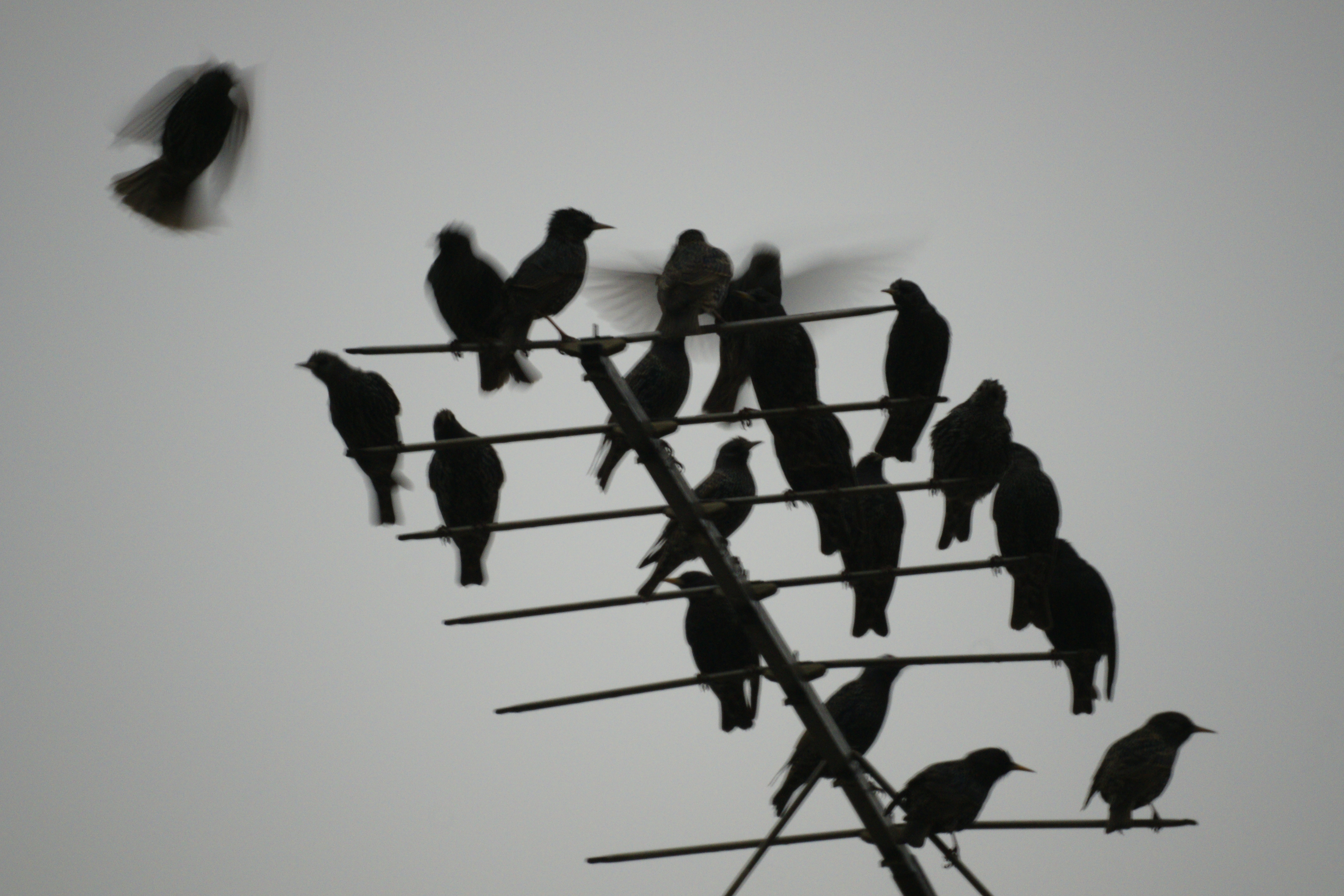
The Birds’ Symphony by George Tsintsifas

Symphonia

Yesterday, I heard two familiar pieces of music on the radio. It took me back to when I studied music at school. There, as part of preparations for our examinations we followed the music scores of Bach’s Brandenburg Concert #3 and Schubert’s Fifth Symphony whilst listening to vinyl L. P. recordings of these works. It was both a duty and joy to follow and listen under the observations and instructions of a good teacher. Over and over again, our small group of pupils would listen to the recordings until we became so familiar that we knew them off by heart for the exam to follow. Some years later, I was pleased to hear these works played in concert by a live Orchestra. That initial schoolboy learning process was transposed into wonder as I witnessed each member of the Philharmonic playing their part under the conductor for the audience’s delight. 

In an Orchestra, breath and hands on musical instruments bring sound to notes, as breath gives voice to words in praise of God and hands bring mercy and kindness to others. Just as music is the fuel to stir emotions, Christian love is the engine to move faith and hope into action. Our Christian life too, often starts with listening and following the scores (the Bible/the Liturgy/the Church Fathers), paying attention to the Teacher and Conductor of our life (Christ), and then working together (in fellowship)for the benefit and joy of others(evangelism). 


 Theme: Working together in Harmony

Luke 15:25
“Now his older son was in the field. And as he came and drew near to the house, he heard music and dancing.


When one desert father told another of his plans to “ shut himself into his cell and refuse the face of men, that he might perfect himself,” the second monk replied, “ Unless thou first amend thy life going to and fro amongst men, thou shall not avail to amend it dwelling alone.”


Many arrived and adjusted themselves to a listening mode in the auditorium.

The orchestra entered, settled themselves, tuned up and looked intently for the Conductor’s command.

Sound and silence became a dialogue.

Both the ones who played and those who listened melded into a dynamic organism;

 a heartbeat giving life to a body.

The union of loving strings buzzed as bees in a hive,

To shrive the withered minds and weary limbs,

 And having worked the nectar and shared the pollen from the hours of practice and rehearsal,

Produced the honey for those seated to taste.

 The audience feasted on the abundant sweet notes

 And were swept along and above to a higher form;

 from their mundane routine to another dimension.

They were moved, transported to the land

Of awe filled tears,

Where harmony is the currency,

Where sunshine sparkles

and dances on the ears.

 Beads of infinity permeate the throng in this communion song;

Inspiring first emotion, then empathy, followed by wonder and finally joy.

Such joy as can never be captured but glimpsed-only glimpsed,

In a gilded moment, felt in the heart,

digested in that part 

of the mind which is forever a child’s laugh or first remembered summer.

As food is energy to the body so is music nourishment for the soul.

Such provision was encouraged by a ministering angel’s smile, sent

In order for us to repent from worldly guile.


We are drawn into that scented circle, inexorably and imperiously drawn

By that mysterious sound that claims and wraps our tender frame.

“But why so little music in the Gospels?”

“Hosannas” with palms endorse a King 

And older Psalms, of course, to sing!

But where is the chorus for our dreams? 

Only for the Prodigal it seems!

Was music not given by God to grace the mind of all,

 make glad the heart, to heed the call?

Is there not harmony at the centre of the Universe?

Or is it that our lives in Christ should rehearse

 for heaven;

 reverse the ego’s trend and blend to be

 a sounding board with others in that greater symphony.

Epilogue

A Harmony with Thee

Glory be,

 Viva Vivaldi,

 Not I but we, 

Was blind now see, 

Oh Mystery,

Oi Agioi kai Angeloi,

 In unity 

with The Holy Trinity. 


A tree is known by its fruit; a man by his deeds. A good deed is never lost; he who sows courtesy reaps friendship, and he who plants kindness gathers love.


Saint Basil the Great

The Coronavirus Diary of a Joyous Pustinik — 45

nail

 I am pleased to report that Kimberly the Cucumber, Tom the Tomato plant and Kristian the Capsicum Chili Pepper are flourishing.  Kimberly has many flowers and the small cucumbers are beginning to develop, Tom is growing taller and taller every day and producing many cherry tomatoes and Kristian is, at last, turning from green to yellow, which, I am reliably informed, he should!  The one thing in common with all these plants is that they have all needed some physical support to grow with bamboo garden canes. The cucumber has tendrils, so she wound herself to the cane without any help, the other two have required a little assistance to be tied with string to their main support.

We humans too need all the help and support to grow in the spiritual life.


The Nail


Trisagion: Holy God, Holy Mighty, Holy Immortal, have mercy on us. 


  • Philippians 4:13


I can do all this through him who gives me strength.


Luke 22:32 

“But I have prayed for you, that your faith should not fail; and when you have returned to Me, strengthen your brethren.”


The matchstick strikes brief heat and light

The nail stays firm with its great might,

The matchstick though is small and frail

Unlike the large and sturdy nail.


But when we place them side by side

The nail assumes parental pride,

The matchstick from the nail will take

Its strength and so it will not break.


Good God above whose hallowed name

Invests His strength to gird our frame,

Holy God, Holy and strong

Stay close to us our whole life long.

You cannot destroy the passions on your own, but ask God, and He
will destroy them, if this is profitable for you.

St. Anatoly of Optina

The Coronavirus Diary of a Joyous Pustinik — 45

castles in the air

Building Castles in the Air

One of my parishioners was kind enough to bring me some strawberries and raspberries yesterday from her allotment. Setting apart her own hard work, which is considerable, she had been reflecting on the Wisdom of Creation, especially God’s economy and His timing for the ripening of the fruits.  The vegetables, nuts and fruits ripen at various times of the year, giving us an excellent sufficiency and supply, dispersed over many months.

I have many pots of flourishing Basil on my window sill; all at different stages of growth. I am able to give these little gifts to others as a small offering back to God. His economy, from Greek oikonomia,- “management of a household,”is indeed a mysterious outpouring of grace.

Throughout this pandemic, the beauty of Creation has been a constant source of comfort and encouragement. Sadly, human economics is often motivated by greed, power and self interest, but despite this, we see how God replenishes the earth.

Worldly economy is driven by pride, but simpler values and needs are seen in times of crisis. The Great Wall of China could not contain the coronavirus, but Christ builds human bridges of love to care for others who are sick.

As King David observed in writing the Psalm:

 “The earth is the Lord’s and the fullness thereof.”

 God is humble, loving and plenteous in mercy. What a wonderful world we would have, if we followed His example and obeyed His commands.


Building Castles in the air

Reflections on a walk in the City of London


Luke 3:5:”Every valley shall be filled 

every mountain and hill brought low;

The crooked places shall be made straight

And the rough ways smooth;”


 Soaring glass houses in the London skies

Shrink the deserted souls of EC 1.

There grow commercial plants that fertilize

 The f.t. index by a deal well done.


Pretty palaces where the cool, jet set

Drive in darkened windows on alloy wheels;

Which rotate around the secret text and debt

In guarded boardrooms and brunch- type meals.


Life is wealth for such giants of the air

 Served by tube and Liverpool Street station;

The stocks and bonds without guilts and care

For the needs of the poor and their own salvation.


 God sees the hearts of these important men

Who dispense numbers from their golden towers.

He writes history’s balance sheet with His pen

 New Babel falls by mans’ own fallen powers.


Yet in the shadow of Goliath’s feet

Lies a sacred stone of royal David’s line;

St. Botolph’s within the good Bishopsgate

Where wounded souls are healed through bread and wine.


High life soon stumbles and submits to grief

 Let white flags of surrender be unfurled,

Your treasure be beyond the hand of thief

Walk humbly in the graveyard of the world.


As abba Macarius was returning to his cell from the marsh carrying palm-leaves, the devil met him with a sharp sickle and would have struck him but he could not. He cried out, “Great is the violence I suffer from you, Macarius, for when I want to hurt you, I cannot. But whatever you do, I do and more also. You fast now and then, but I am never refreshed by any food; you often keep vigil, but I never fall asleep. Only in one thing are you better than I am and I acknowledge that.” Macarius said to him, “What is that?” and he replied, “It is because of your humility alone that I cannot overcome you.”


The poem was written shortly before the Bank Crisis and great economic recession of 2007-8.

Keeping Ison

IMG-2298IMG-2302IMG-2303IMG-2304IMG-2311IMG-2315

Dear friends in Christ,

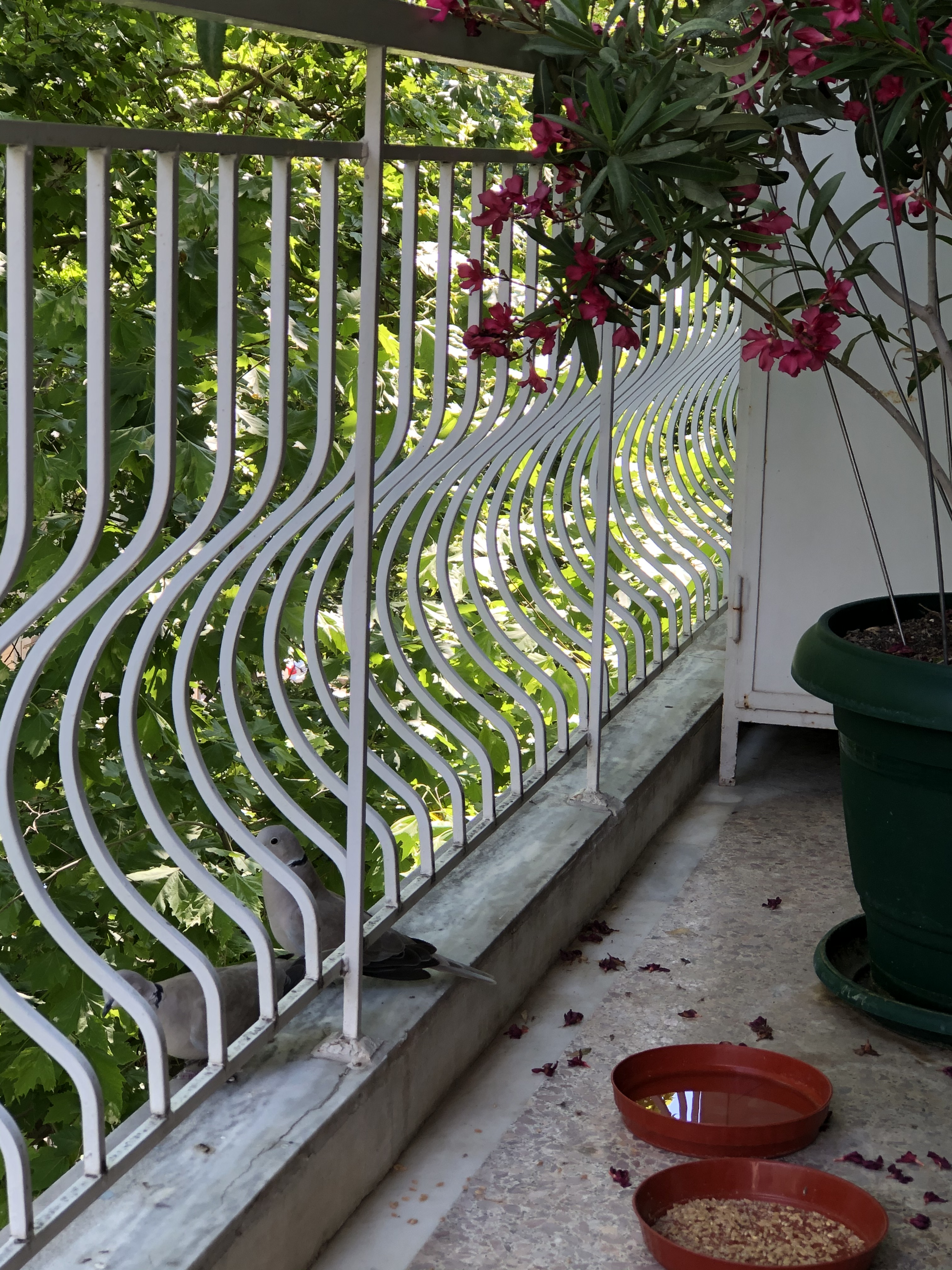
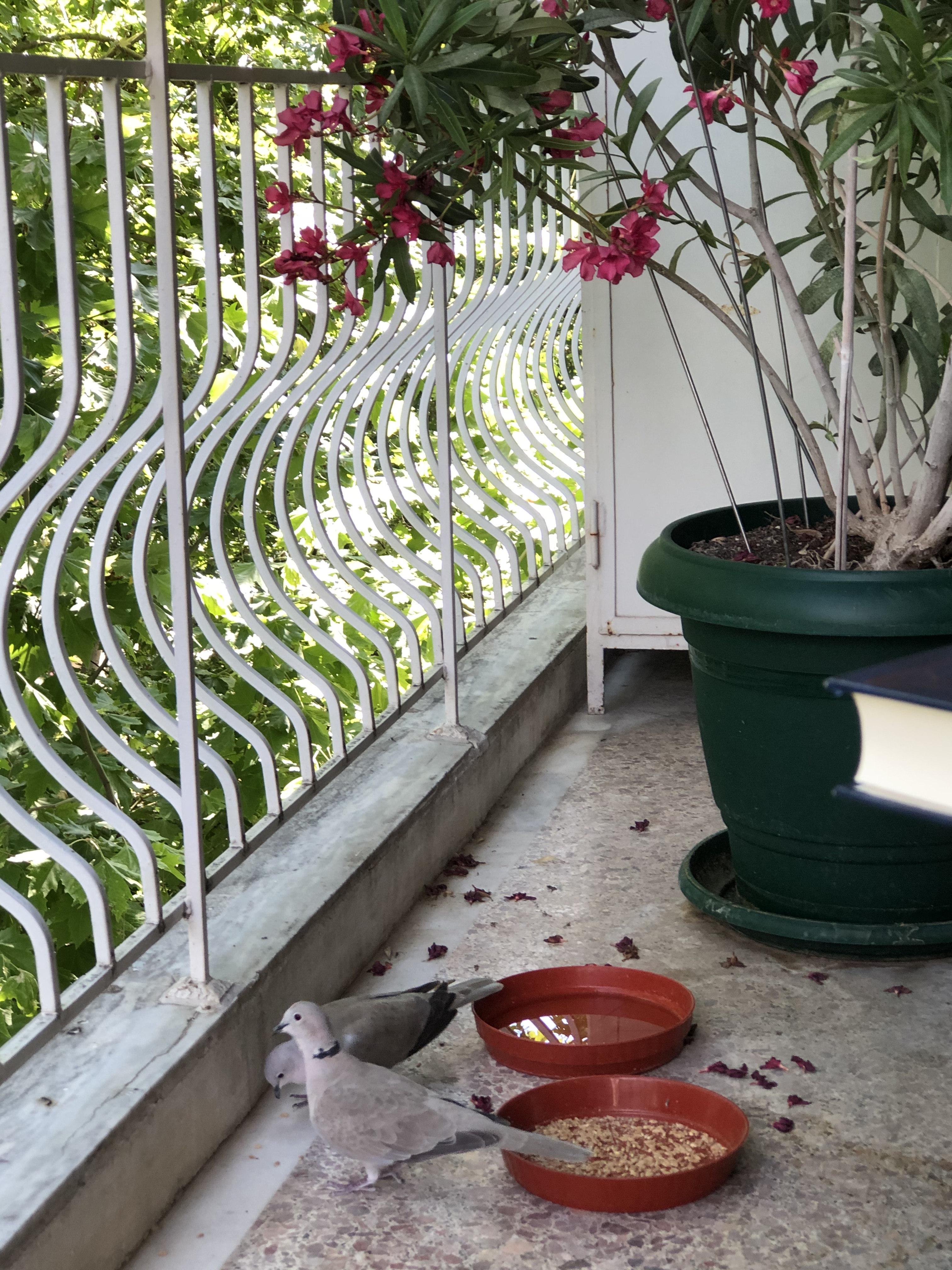
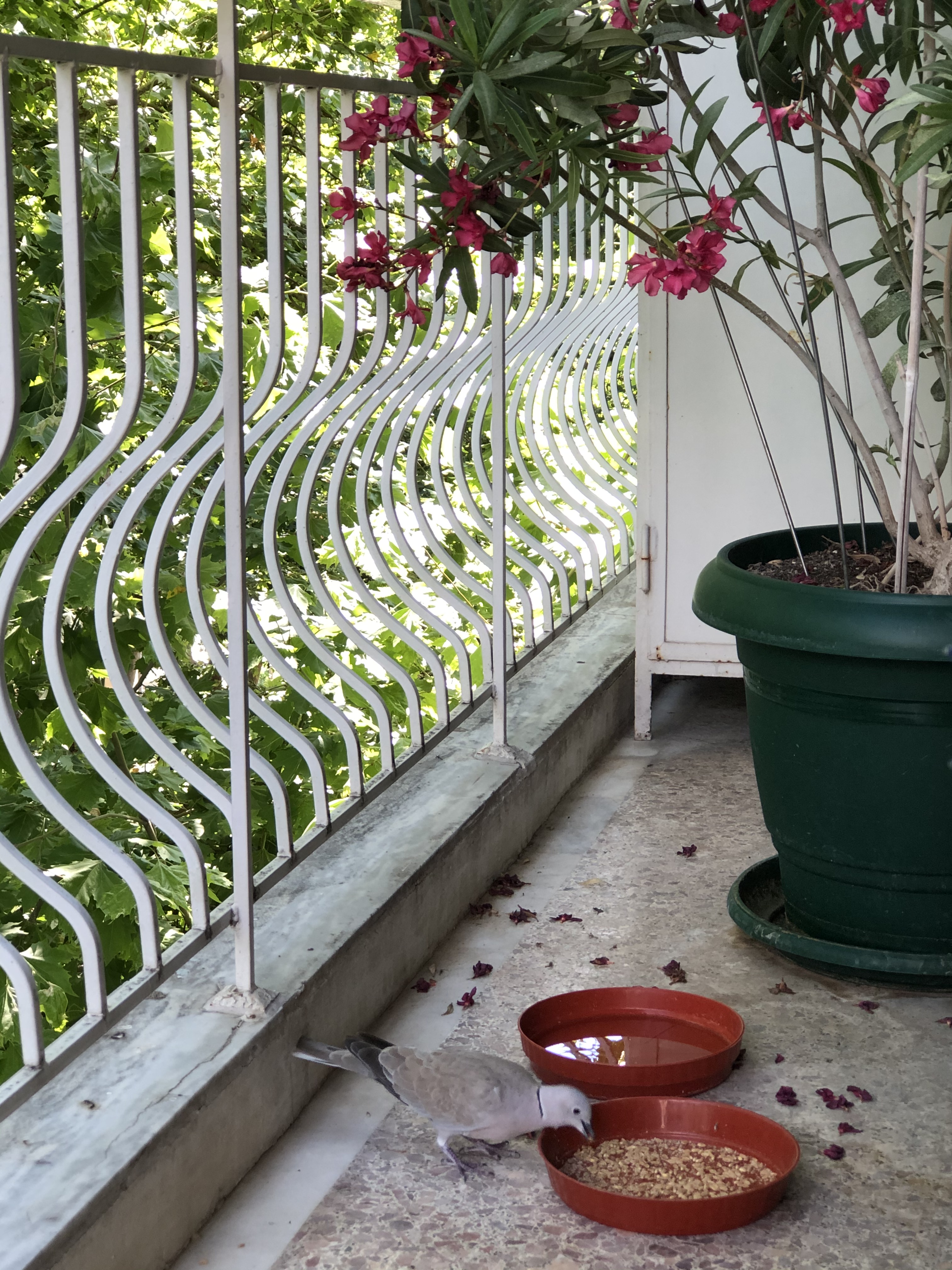
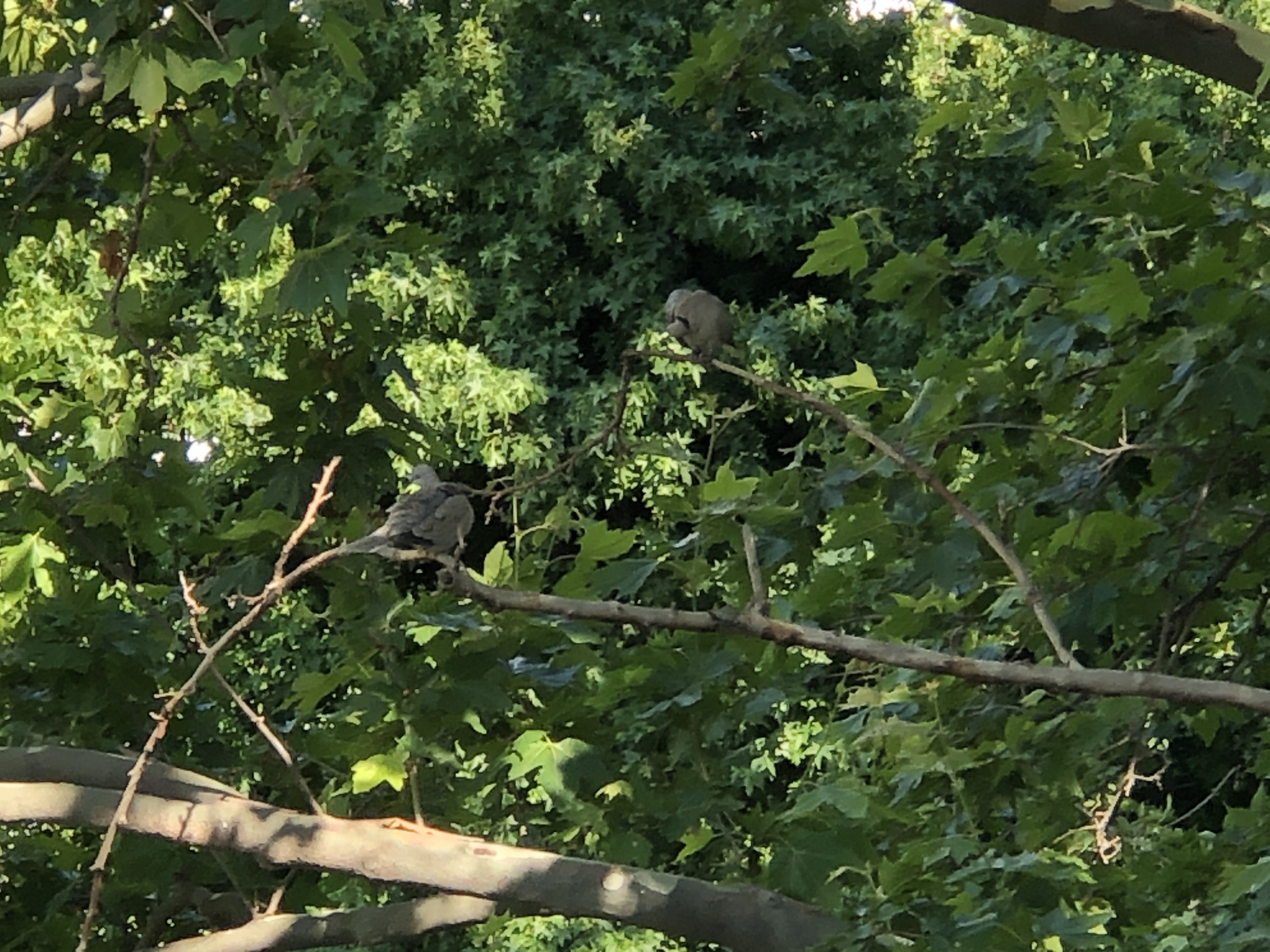
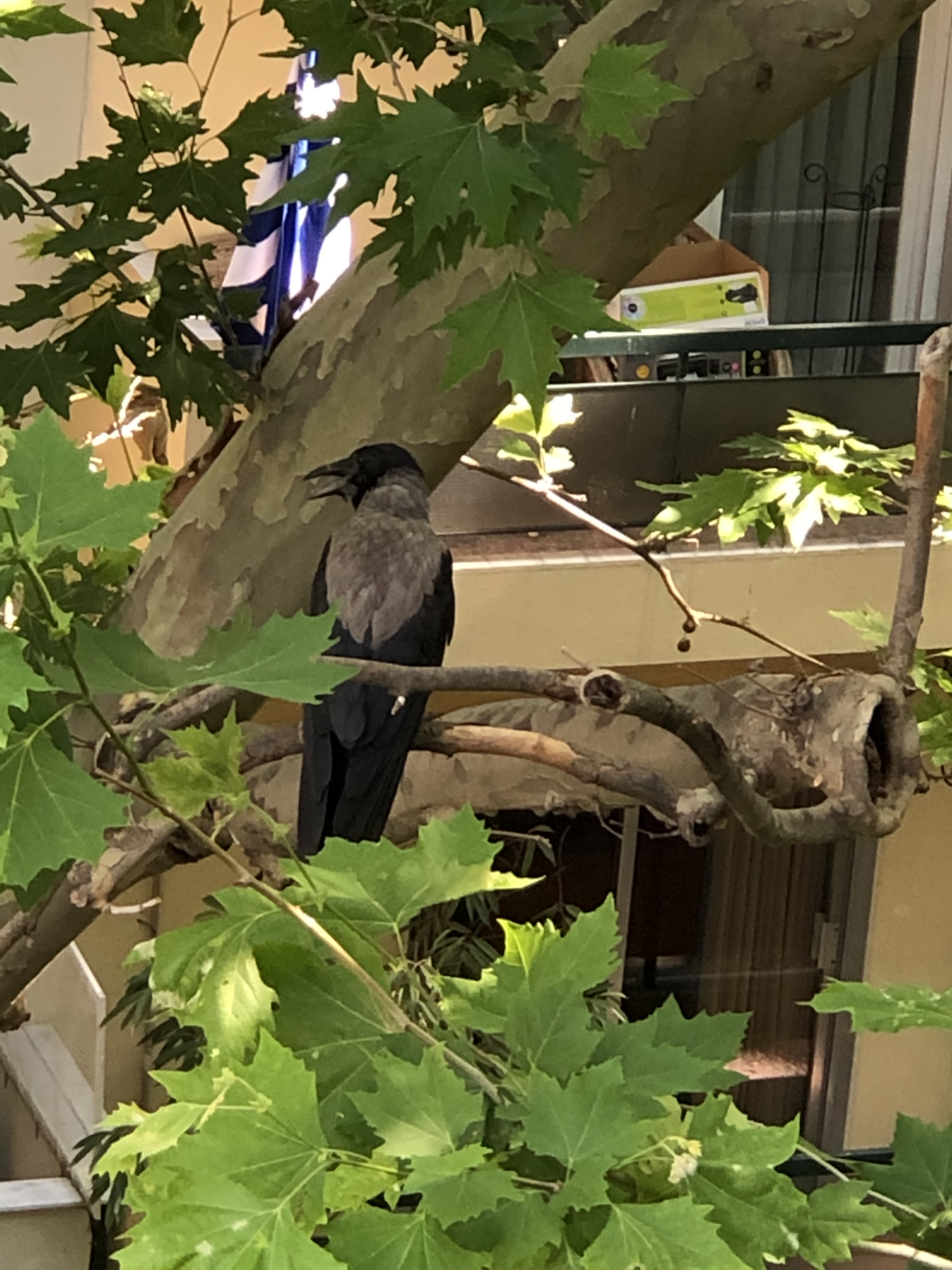
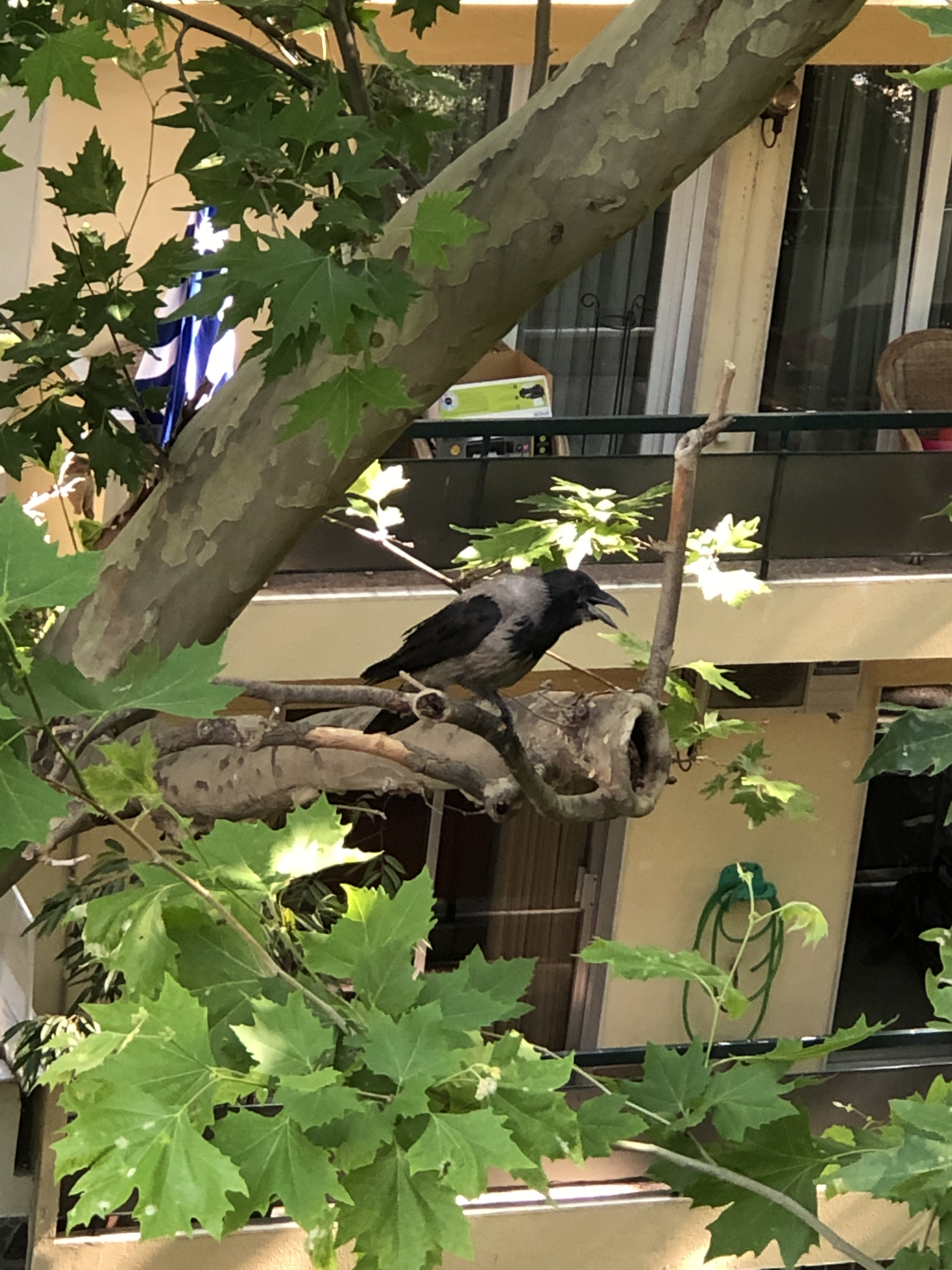
Let me introduce to you my feathered sisters who daily assist me in Matins and Vespers . Please help me with names.

Εν Χριστώ

The Coronavirus Diary of a Joyous Pustinik — 44

greece-olive-grove-olive-trees-old_u-l-q11z0zt0

There is nothing quite like receiving a hand written letter. They have substance and form, they have shape and content. People who write letters take the trouble and the time to choose a card, to buy a stamp, to write in their own hand and post the letter. Sometimes it is interesting to decipher their own idiosyncratic style! I recall a teacher at school who taught all his pupils to write in calligraphic “copper plate” English Roundhand. One always could detect who had been taught by this teacher in their first year at Secondary (High )School!  Letters, like teachers leave a lasting legacy for the recipient too. 

Cards and letters today are often reserved for Birthdays, Anniversaries, Christmas and Pascha (Easter); but how nice it is to receive a note of thanks or a note of encouragement-it lifts the spirit. I received two such cards last week. Writing thank you is so important because first and foremost we are called to be Eucharistic creatures.Whilst e mails and texts are convenient and efficient, they lack a certain permanency.

Some years ago I knew a dear lady who lived in the Parish where I served as priest. She was born in Holland, her father was French and her mother Polish. She had lived in England for many years. Eccentric in a most delightful way, she was kind and considerate of others always writing copious thank you notes to them. She was a voracious reader of poetry and philosophy; speaking fluently in four languages she would regale visitors with amazing stories from her remarkable life. Bedridden now in old age, she loved the trees and the birds outside her cottage. On one pastoral visit, she said to me,  “Father, I would like you to have these letters, you may find them of interest.” She thrust three yellow envelopes into my hand. 

On reading them, I discovered they were thank you letters, one such read… thank you O….. (name),for the beautiful flowers which you placed in our room and the delicious cake which you baked for us, signed………….Winston and Clementine Churchill.


I have spoken about my love of trees before, but today apart from their intrinsic beauty in creation, let us thank God for that which they provide us: protection, physical and spiritual formation, recreation, habitation and education.


Without trees


Without trees, there is no shade.

Without trees, no icons are made.

Without trees, no barbecue for heat.

Without trees, there is no fruit to eat.

Without trees, there is no home for birds.

Without trees, no paper for these words.


My children, I don’t want Paradise without you. Whoever plants a tree, plants hope, peace, and love and has the blessings of God. Consider all people to be greater than yourself, though they may have many weaknesses. Don’t act with hardness, but always think that each person has the same destination as we do. Through the grace of God I consider all people to be saintly and greater than myself.

St Amphilochios of Patmos


The Coronavirus Diary of a Joyous Pustinik — 42

Elder Gabriel

Saint Gabriel

“Euge Agioi”

Some years ago on an excursion to London, I visited an exhibition at the British Museum entitled “Treasures of Heaven.” In it’s own way it was impressive. One could only wonder at the beauty of exquisite craftsmanship, but the collection of precious reliquaries drawn from around the world was a display of ornate but empty vessels.

Later, I felt a similar disquiet visiting the Victoria and Albert Museum in South Kensington at the amount of Church artefacts in a particular part of the museum. It seems that people were visiting and viewing holy items as if they were no longer to be found today within a living community but were things belonging to the past.  

 One gallery had scenery built in the form of a Church. It was filled with onlookers but empty of prayer and worshippers; they were interested observers, following a commentary with an audio guide.  

A short walk from the V&A Museum is the Russian Orthodox Cathedral. As soon as I  stepped into the Church-the lingering fragrance of incense charged the air. Entering into this Temple of living tradition one felt immediately the atmosphere of prayer, the peace and presence of Christ, His Mother and the Saints. I was able to venerate the holy Icons. I was no longer in the barren desert of history but was drinking from spiritual and living waters of the eternal present. God is glorified in His saints!


Euge Euge Agioi (Well done Saints!)


Acts 5:15
so that they brought the sick out into the streets and laid them on beds and couches, that at least the shadow of Peter passing by might fall on some of them.

Ephesians 5:30
For we are members of His body, of His flesh and of His bones.


Treasure from Heaven

A key that unlocks,

Bones yet transfigured

In a fragrant box.


Fragments of saints

To strengthen a prayer

Their earthly remains

For the faithful to share.


A transport of motion

From heaven to save

A grace filled devotion

That blesses the grave.


Members of Christ

Invested to be

Holy and precious

“Euge Agioi!”


“True faith is found in one’s heart, not mind. People who have faith in their mind will follow the antichrist. But the one’s who have it in their heart will recognise Him.”

Saint Gavriil Urgebadze