I’ve been travelling for the last two weeks. It was simply wonderful, but I’m waiting for a few free hours to put together a post about all this, my moving to the UK, the Archdiocesan Conference with our Father and Metropolitan His Eminence Silouan which I attended, and all the new friends I made and the living signposts (newly baptised ‘converts’ with amazing stories to share, clairvoyant priests who would read your thoughts across the room! …) I met in just two weeks!
Meanwhile …
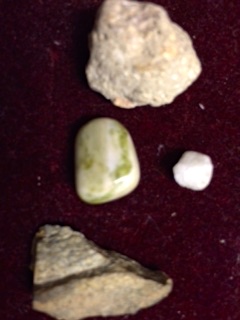
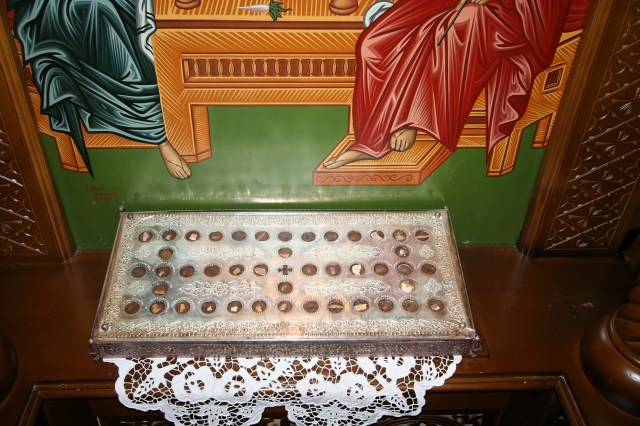
While unpacking here, I discovered a small box with 4 pebbles and put it in my icon corner (under construction …)
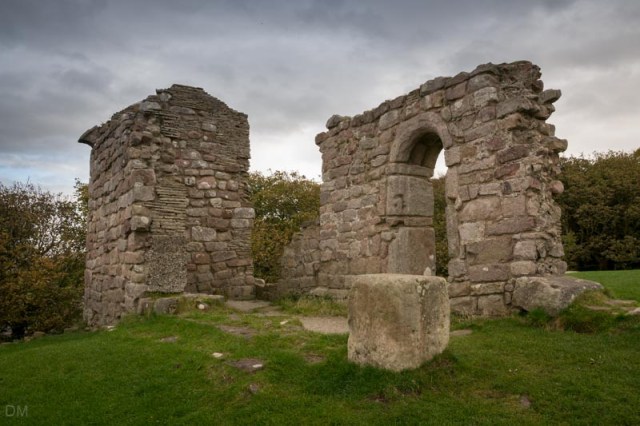
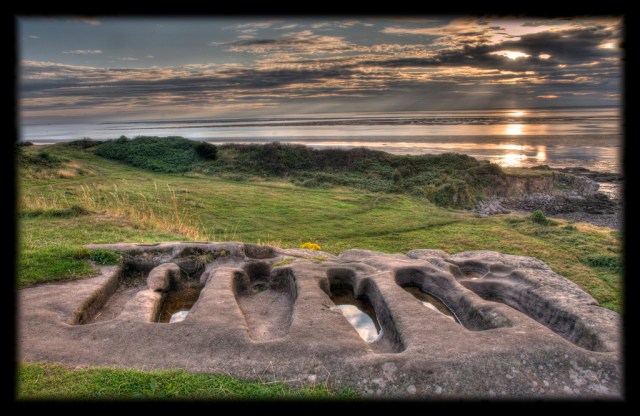
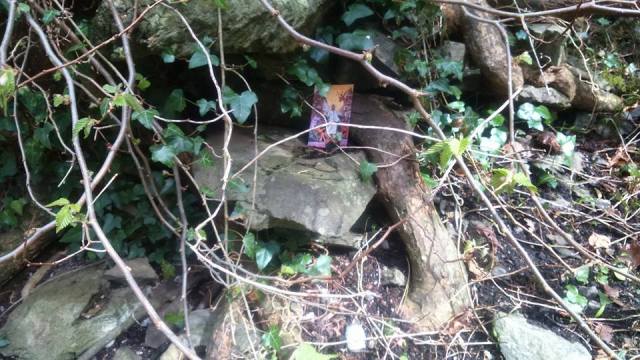
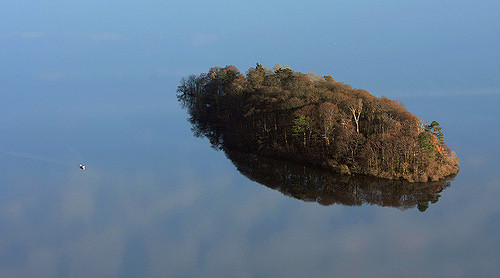
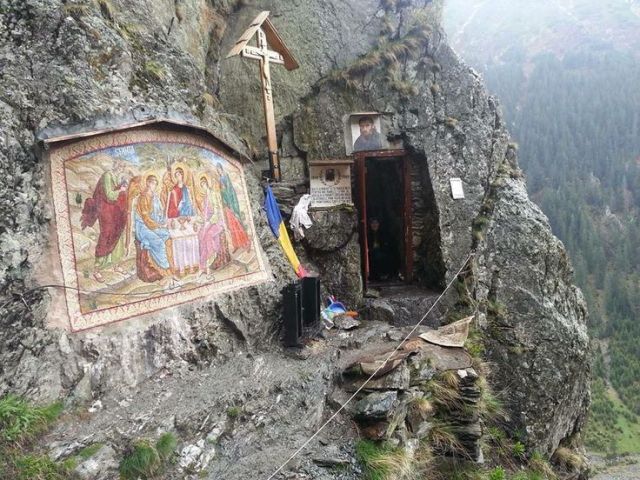
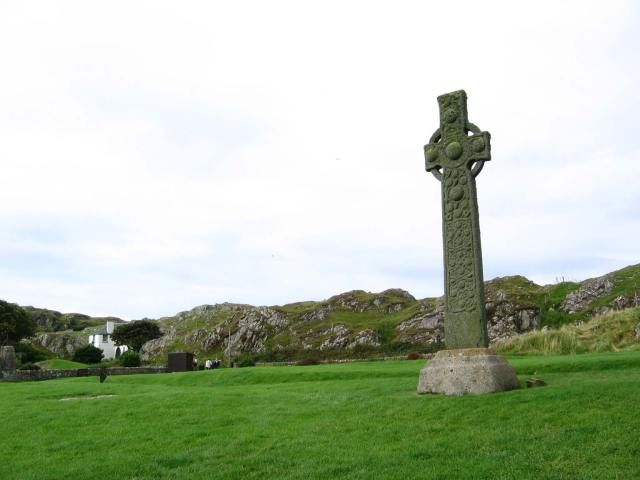
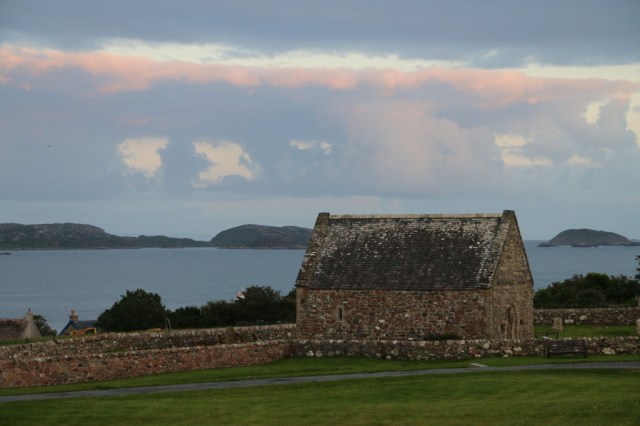
It all started with 3 pebbles I was given by my spiritual father back in 2015. (All but the pebble in the middle above) They were from St Patrick’s Chapel, St Herbert’s Island (Celtic Pilgrimages) and Sambata de Sus (Romania).
Heysham — St Patrick’s Chapel, Heysham, Lancashire, UK
St Herbert’s Island
Sambata de Sus
For Fr. Arsenie Boca – the blessed Romanian elder and prophet, who “made Christ transparent to us”, watch the documentary The Man of God.
Little did I know then how those tiny pebbles would affect my life! They were not just a memento of my visit to the UK, but “relics” blessed with extraordinary Grace of most mighty Saints who were to turn my life upside down.
Back in Greece, these 3 pebbles started to exert a magnetic “attraction” in my icon corner and soon “assembled” there dozens of Saints’ relics from all over the world!
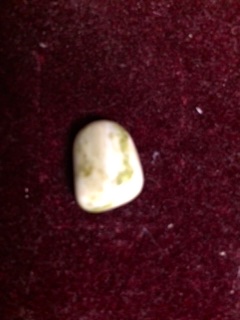
This Easter I was offered by my spiritual father yet one more …
This pebble was picked by him when he was 10 (!) from Iona Island, another major Celtic pilgrimage.
Through the prayers of Apostle Paul — “Go, for he is a chosen instrument of mine to carry my name before the Gentiles and kings and the sons of Israel; for I will show him how much he must suffer for the sake of my name.” (Acts of the Apostles 8:40; 9:1-19), St. Lydia’s of Thyatira, Apostle Paul’s first convert to Christianity in Europe (cf. Saints-Readings Today), and all the Saints, Lord Have Mercy on us, Amen.
The Israelites’, and mine … , Utter Despair and Bondage
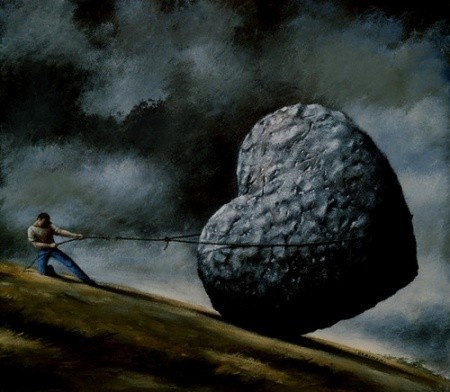
The week before Holy Week I experienced, at the deepest core of my being, the Israelites’ impasse, their despair, helplessness and fear. My pilgrimage had come at a dead end!
The Israelites’, and mine …, Miraculous Release from Captivity
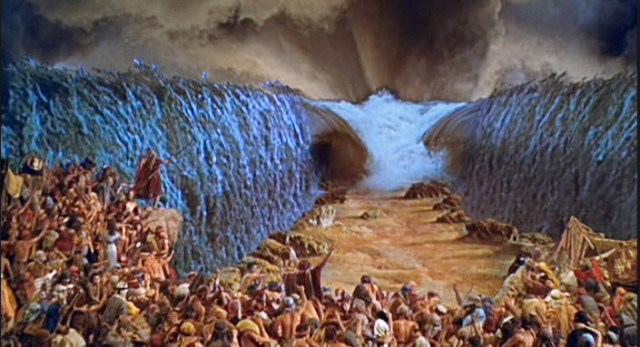
Bright Week, that is the week immediately after Resurrection Sunday, was sealed with the Israelites’ (and mine) ineffable joy, relief, jubilation at their freedom, miraculous release from captivity and awe at God’s Works! What a reversal of fortune! What a most true Orthodox ‘Easter’, a most literal Pascha! If anybody had told me that I would live to see this, I would have told him “Impossible”! But nothing is impossible for God! Nothing! Glory to God for all things!
“The Lord is my strength and my song; he has given me victory. This is my God, and I will praise him— my father’s God, and I will exalt him!
… “Your right hand, O Lord, is glorious in power. Your right hand, O Lord, smashes the enemy.
Crossing of the Red Sea Bernardino Luini, c. 1481-1532
“Who is like you among the gods, O Lord— glorious in holiness, awesome in splendor, performing great wonders? 12 You raised your right hand, and the earth swallowed our enemies.
Crossing of the Red Sea Bernardino Luini, c. 1481-1532
… The power of your arm makes them lifeless as stone until your people pass by, O Lord, until the people you purchased pass by. 17 You will bring them in and plant them on your own mountain— the place, O Lord, reserved for your own dwelling, the sanctuary, O Lord, that your hands have established. (Exodus 15, A Song of Deliverance)
God’s Hands
These two weeks I have also come to pay attention to God’s Hands!
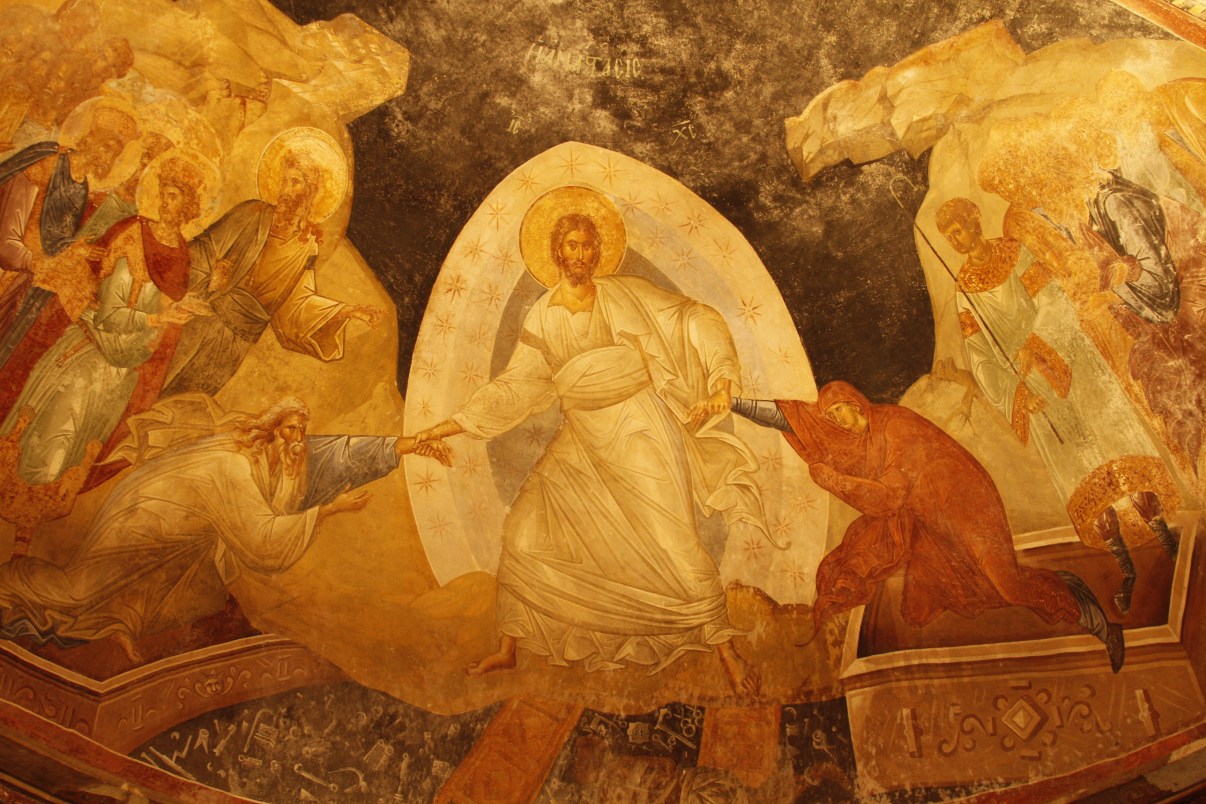
Have a close look at the Resurrection icon and Christ’s hands! Notice how Christ is pulling Adam from the tomb by the wrist, and not the hand. Why is that so? Have you ever observed this ‘detail’? And if so, has it ever occurred to you that this ‘detail’ might be revealing?
I have to confess that this Pascha was the first time in my life that I noticed how dramatically Christ is shown in the icon pulling Adam, the first man, from the tomb. Probably because I had never felt that badly the need of Someone pulling me along, forcefully, even if roughly.
In the Icon, Jesus Christ stands victoriously in the centre. Robed in Heavenly white, He is surrounded by a mandorla of star-studded light, representing the Glory of God. Eve is to Christ’s left, hands held out in supplication, also waiting for Jesus to act. This humble surrender to Jesus is all Adam and Eve need to do, and all they are able to do. Christ does the rest, which is why He is pulling Adam from the tomb by the wrist, and not the hand.
In all Resurrection icons I have seen since, even where Jesus is pulling both Adam and Eve from the tomb, he is always pulling them by the wrist, and never the hand.
Praised be His name, the Lord pitied me, and indeed he dragged me, hurling me across my Red Sea! Now my home will be Great Britain. Which desert is awaiting for me, what revelations, what Mount Sinai? How are the next ’40 years’ of my wanderings going to unfold? Will I ever reach the Promised Land?
So, I am moving to UK, with my spiritual father’s blessing, trying to follow the Holy Spirit there. Indeed, I try to “dwell in my own country, but simply as sojourner. As citizen, I share in all things with others, and yet endure all things as if foreigner. Every foreign land is to me as my native country, and every land of my birth as a land of strangers. …” (cf. The Epistle of Mathetes to Diognetus)
After fifteen days of silence, I need to address concerns and confirm that I am still alive. After my week at Lancaster Holy Cross parish, I found it very difficult to return to this ‘virtual life.’ This Pascha was the first Pascha of my life in so many respects and in the most literal sense of the word.
As of next Friday 20 May, I move to England!
What an experience! It felt like this:
I confess to an incredible magnetic attraction to Celtic Orthodoxy.
Little did I know that British Saints are that mighty and violent!
“And from the days of John the Baptist until now the kingdom of heaven suffereth violence, and the violent take it by force.” (Matthew 11:12)
They have kidnapped me! I had no idea, no clue, no plan, no preparation, and suddenly I am “pulled”, “dragged” to England, uprooted!
Isn’t it amazing? In just 10 days!
I personally “blame” it on St Martin of Tours and St Patrick and St Herbert in particular; of course, I could be wrong …
If I ever told you all the “coincidences” years ago that led to THIS, you would not believe me! When God wills … All it takes is just a second!
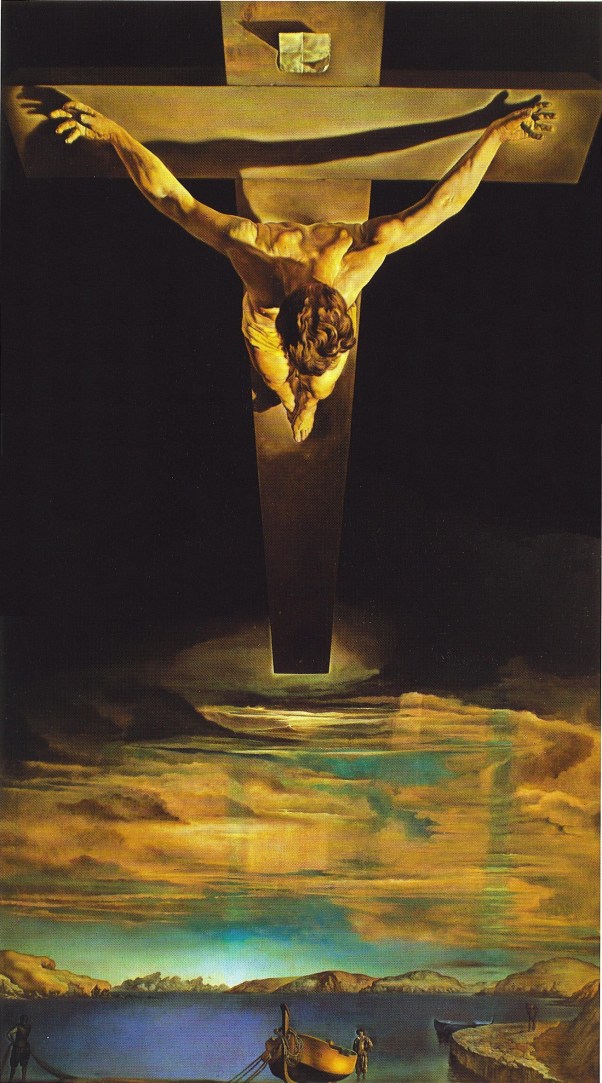
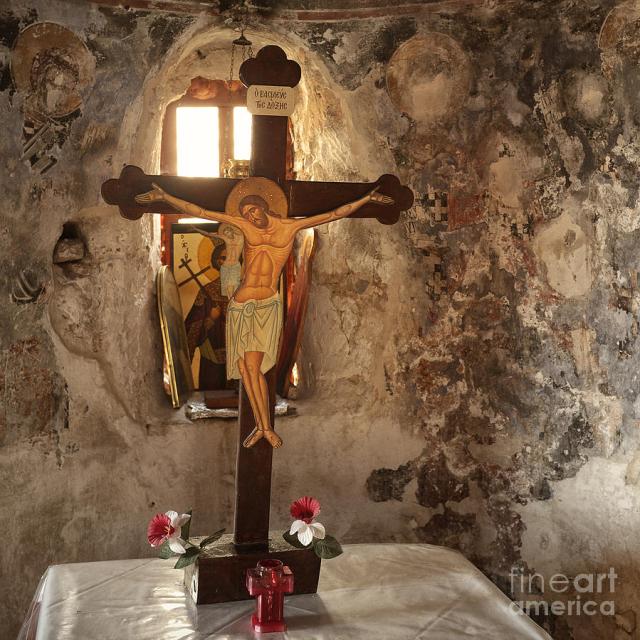
We need to recognise that as Christians, if we are truly following Christ, not just abandoning him at the Cross, denying him or God forbid betraying Him, we will receive the same insults. Even Pilate would not remove that charge which he pinned to the Cross, Jesus of Nazareth King of the Jews, though the crowd protested.
May we all be blessed!
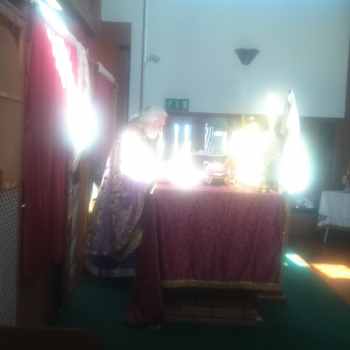
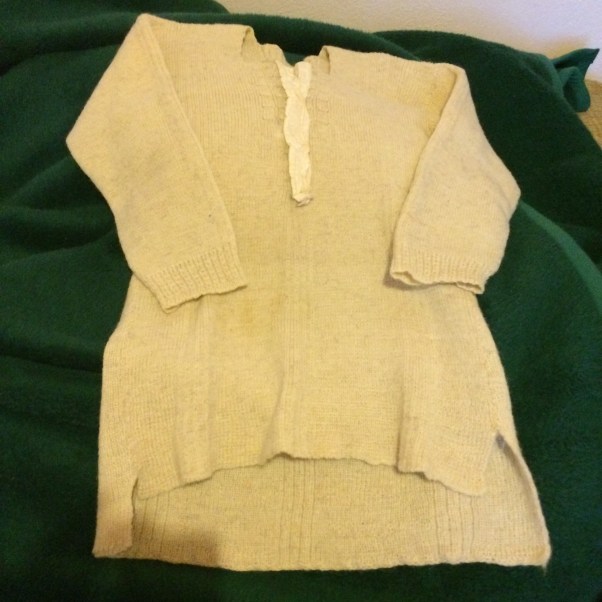
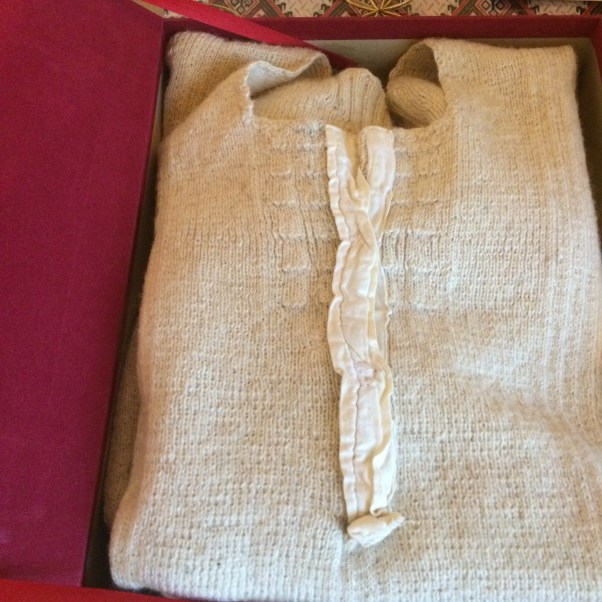
In a few hours, I’ll arrive at The Orthodox Christian Parish of the Holy and Life Giving Cross at Lancaster (United Kingdom), accompanying the Byzantine St Anysia Choir from Thessaloniki for Pascha; this choir also visited last year to help with the worship, particularly the long, demanding Holy Week services. We will also bring with us a hand crafted Icon, a comb and a prayer rope, all by St Paisios of Mount Athos, a Reliquary for containing these holy relics, and a handwritten Icon of his. We will also bring on loan for Holy Week a piece of St. Paisios’ clothing, his undershirt, from another Monastery in Greece.
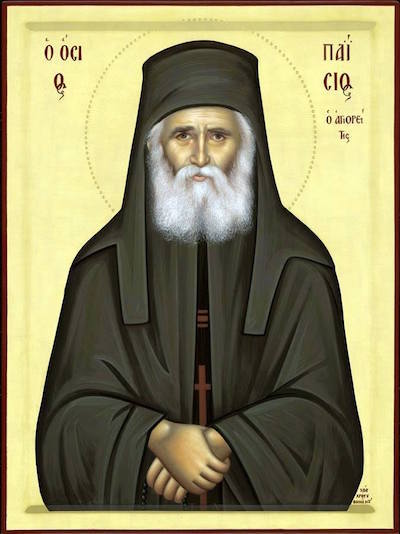
I am deeply moved by the fact that I am ‘carrying’ my patron Saint, Saint Paisios, though the truth is that the Saints carry us! This is the nearest that people will get to venerating Saint Paisios since his body is not to be disturbed in Souroti.
I am still packing, since so many monasteries in Greece have overwhelmed us with their generosity, and there are so many blessings, candles, incense, icons, secondary relics etc. to bring to the UK!
The hectic days to follow at the Holy Cross parish will take away from me all phone connections and internet, but they will give me in return a precious chance to shut the world away and lock myself in the heavy, crushing silence of the Holy Week.
Before I do that, I want to wish you with all my heart to enjoy a Blessed, Life-Changing Holy Week and Easter!
I must admit that I am very tired. I feel tired, vulnerable and afraid, with no control over anything. I am so exhausted! Indeed, “Lent is a horrid period. Year by year, Lent is when some force within me pushes me out of my comfort zones, and I find myself in a lions’ den, face to face with the beasts, utterly unprepared to fight, totally helpless, fully aware that the only possible outcome is to be slaughtered.”
Slaughtered indeed! This is exactly what I feel! A corpse!
“This is nothing new. This happens every year. Yet, I somehow survive, because the same Force that pushes me out of my self-created kingdoms, out of my self-created games – that same Force saves me from those wild beasts at the last moment.”
And this changes everything.
And yet, every time, I forget all about this, and I experience such despair and death, just before God intervenes! As if He has utterly forsaken me!
Now I understand why one focus of the Resurrection icon is Christ’s hands, pulling Adam and Eve! I desperately need this Hand to pull me out of this Hell!Weak and Fallen!In such a desperate need of healing, repentance, an intervention, a meeting with my spiritual father, a literal falling into his arms, the Sacrament of Confession! Is this who I really am? How can just 40 days reduce me to this? Is this the real starting point of my change, repentance and redemption?
Deep in my heart, I bitterly realise that no healing is possible. No repentance is possible. No prayer is possible, until the heart that heals, repents and prays is my sinful, fallen, yet beating heart. False images do not have hearts. False images do not love. Most painful than all, false images will never reflect Christ, because there is nothing false in Christ, nothing common between Life and void. Prayer begins with pain at one’s fallen nature; it grows out of this pain, and its flowers bloom out of it.The taste of ashes in my mouth. Am I, fallen and depraved and sinful that I am, still the image of the Immortal God?
I need to hold on, just a little bit more, to the Living God, and may His immortal image remain within me. It may then reflect on me, bless me and I may grow into it. Day by day, year by year, I may grow into this image, and be more Christ-like. Then His Life will be mine, His Resurrection will be mine.
So many miles to go before I sleep!
If you have ever experienced such confusion and fallenness, have courage and pray for me. Let us all fight in our body and spirit. His Resurrection is real, and it is coming. In His Resurrection we shall all be one!
A Retreat and Pilgrimage to Panagia Eleousa, Mikrokastro — Reflections
A retreat! Amidst various Lenten temptations and “the purifying draught of dishonour, sneers, derision and insults”! Mikrokastro monastery is my haven of peace, silence, hesychia and spiritual refreshment under the protecting Veil of the Theotokos. The grace-filled presence of Panagia Eleousa and the mesmerizing beauty of the Akathist Vigil at Mikrokastro monastery have offered me, again, a timely refuge!
The exercise of authority is not a stone hand in a velvet glove- it is a wounded hand nailed to the Cross. (My spiritual father’s words)
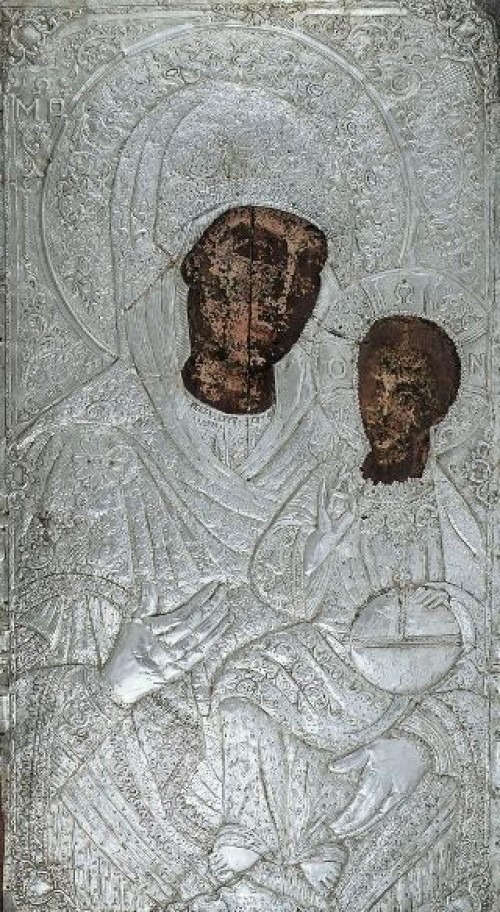
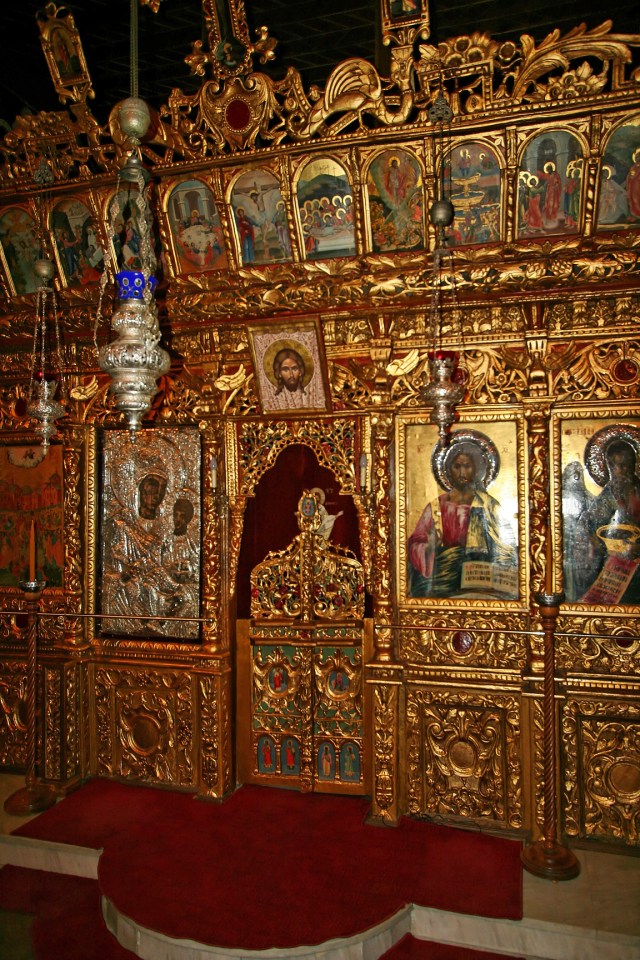
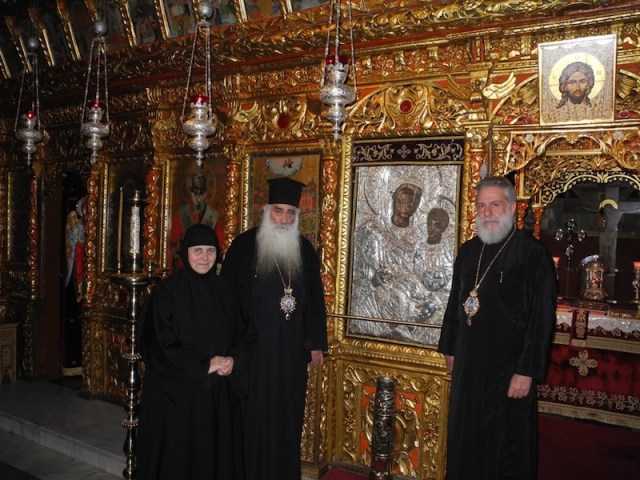
Wonder-working icon of Panagia Eleousa, of Mercy at Mikrokastro
How difficult at times to show patience in annoyances and unmurmuring endurance of scorn, disregard of insults, and the habit, when wronged, of bearing it sturdily; when slandered, of not being indignant; when humiliated, not to be angry; when condemned, to be humble”, but how difficult does this feel! (St. John Climacus, Ladder of Divine Ascent, Step 2:8) Indeed a narrow path to theosis!
I have always been attracted to spiritual retreats, removing myself from the usual environment to allow precious time for silence, hesychia, reflection prayer, meditation, and rest. Have you ever felt the need to try to try to “Take stock” of your life and/or re-commit to connecting with the spiritual aspects of life? I often feel such a need, as I am usually laden with complex administrative duties and time-consuming writing tasks. Lately I have been so busy with translating a huge book on St. Paisios’ Life and Works, the forthocoming, 2nd edition of Elder [now Saint] Paisios of Mount AthosHardcover– 2012, by Elder Isaac! I understand that “Translation [can be] a Means of Grace” but with the book’s 750 pages (!) I sometimes feel doomed 😳
We need to find God, and he cannot be found in noise and restlessness. God is the friend of silence. See how nature – trees, flowers, grass- grows in silence; see the stars, the moon and the sun, how they move in silence… We need silence to be able to touch souls.
Pilgrimages are like crossing a desert. They can be painful if taken seriously, and can even be dangerous. They are painful because they crack the shield of one’s comfortable certainty that things can only be done one way. In truth, nothing is one, except Faith itself; by comparison, the manners in which this faith ‘becomes flesh’ are countless. There are as many shapes and nuances of the faith as there are human beings. This is a painful lesson to learn, but it is absolutely necessary. Without this understanding, one loses sight of the personal nature of any spiritual experience. There are as many prayers as there are sighs, and there are as many sighs as there are human hearts. There is no rule on Heaven or earth to regulate the outpouring of love or pain of one’s heart.
Suddenly, ‘The’ traditions of your local region become just that: local traditions, creations of a certain historical and cultural context which reflect the faith. As a pilgrim, you unavoidably find yourself immersed in a different context, a different embodiment of the same faith – other customs, other ways to pray, other saints and prayers, all embraced by the faithful in that region with the same absolute conviction that these local expressions of faith are ‘The’ only expressions of faith.
Pilgrimages can also be dangerous and may lead (paradoxically) to a weakening of one’s faith. To some extend, this is a natural progression – when you grow in your faith, there is a moment when it becomes clear that what you previously held to be absolute truths are actually not. There are always other ways to express one’s faith. If you are weak of heart, this process of leaving your past behind may be a dangerous moment, and you risk losing your path while crossing the desert.
However, if you take courage and press forward, the Spirit will lead you to a new understanding – a higher one, a more loving one, embracing the endless diversity of the personal ways in which we manifest our One Faith. When you leave behind the comfort of your home, prepare yourself for the dangers of the desert, but don’t lose heart: at the end of it all, God has already prepared a better, higher, more spiritual home for you.
Mother Theologia, a true Mother, and Siatistis Pavlos, both immensely popular and widely revered throughout Greece
“The first stage of tranquility consists in silencing the lips when the heart is excited. The second, in silencing the mind when the soul is still excited. The goal is a perfect peacefulness even in the middle of the raging storm.” (Ibid, Step 8.4) The Ladder of Divine Ascent is also known as The Monastic Bible. In many monasteries, it is a tradition to read this book during Trapeza meals throughout Great Lent.
There’s no cure, except the retreat into Love, For the suffering of subtly afflicted hearts.
Rumi (1207 – 1273)
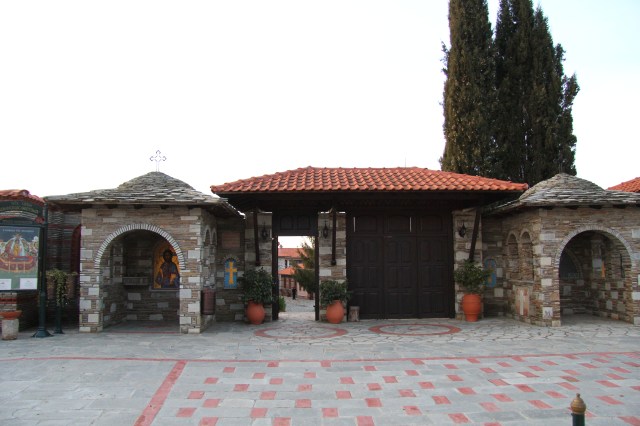
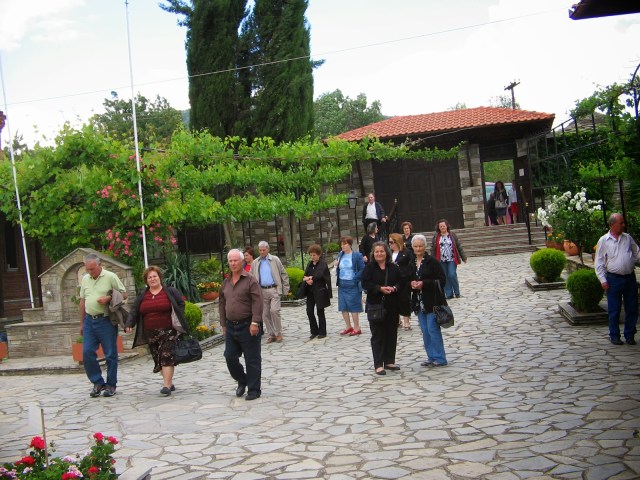
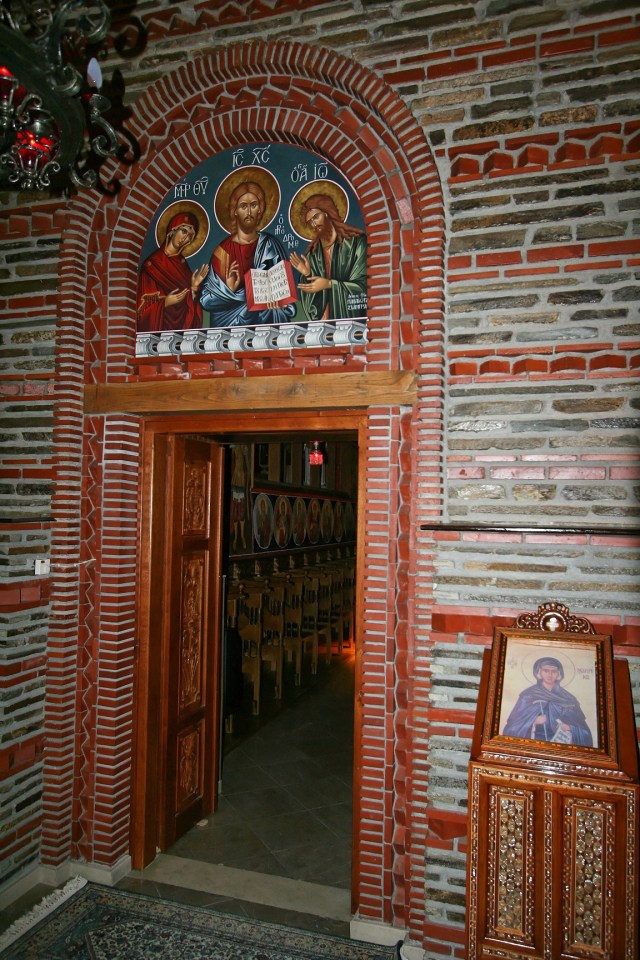
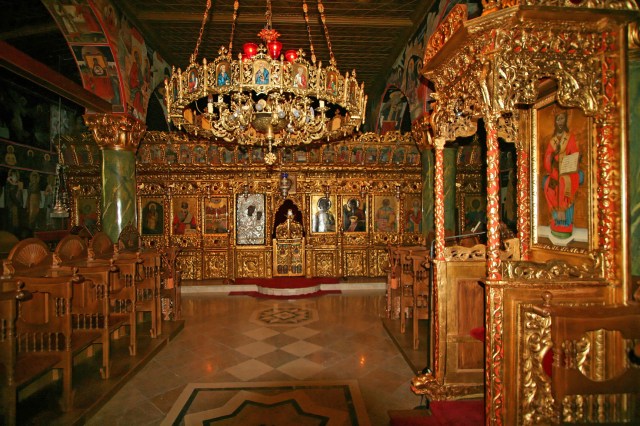
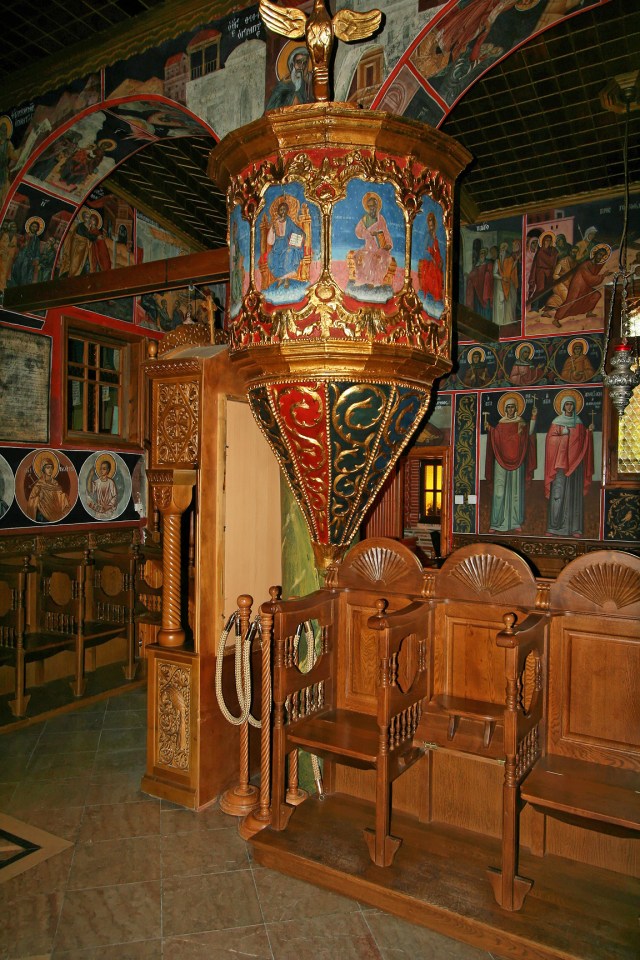
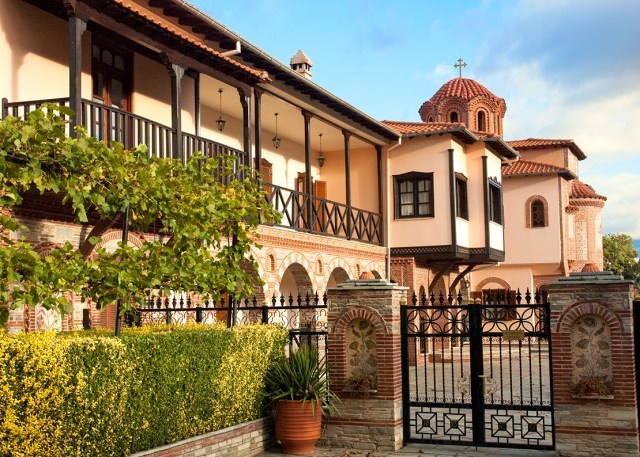
Mikrokastro is a village in northern Greece, near Siatista in the Kozani district. It derives its name from Mount Kastraki which lies on the other side of the village. This mountain is on the way to Saitista and is known for the massacre which occurred there at the hands of the Turks in November 1912, which is the year the inhabitants gained independence from the Turks. The monastery of the Dormition of the Theotokos was founded in 1753 and houses the miraculous icon of The wonder-working icon of Panagia Eleousa, Theotokos of Mercy, dating back to 1603, maybe as back as the 13th century, wondrously alive, even to the remotest ‘corners of the world’. The monastery at one time operated an old age home, an orphanage, and a hospital for sick children. During war times many sought refuge and sustenance from the monastery, and in turn the people loved the monastery and the bishop who made it a center of the people’s lives. The monastery is the heart of western Macedonia and is truly a place where the command to “love one another” is exemplified.
*
Yearly on the 15th of August the male inhabitants of Siatista parade with their horses (the Cavalry of Siatista) in a procession of the icon from the monastery to Siatista. In Siatista a party ensues and the men dance on the baks of the horses while the wine flows freely, and people break their fasts with a great feast among friends and family till the early morning hours. This festivity goes back to Ottoman times when the Turks granted the inhabitants one day of freedom to do as they wished according to their traditions, and the men would ride their decorated horses to show their leventia (Greek word for manliness and courage).
Be sure to stop if near! The monastery is famous for its hospitality! [Telephone number: +302465071307 ]
I couldn’t agree more! A pilgrimage to a monastery is always such a blessing, an experience to treasure for life. Especially during Great Lent, and more so during the First Week of Great Lent. I feel so blessed behind its gates, either in the stillness of my cell, engaged on finishing a book about St. Paisios, or in the hesychia of its temple in the long, penitential Lenten services.
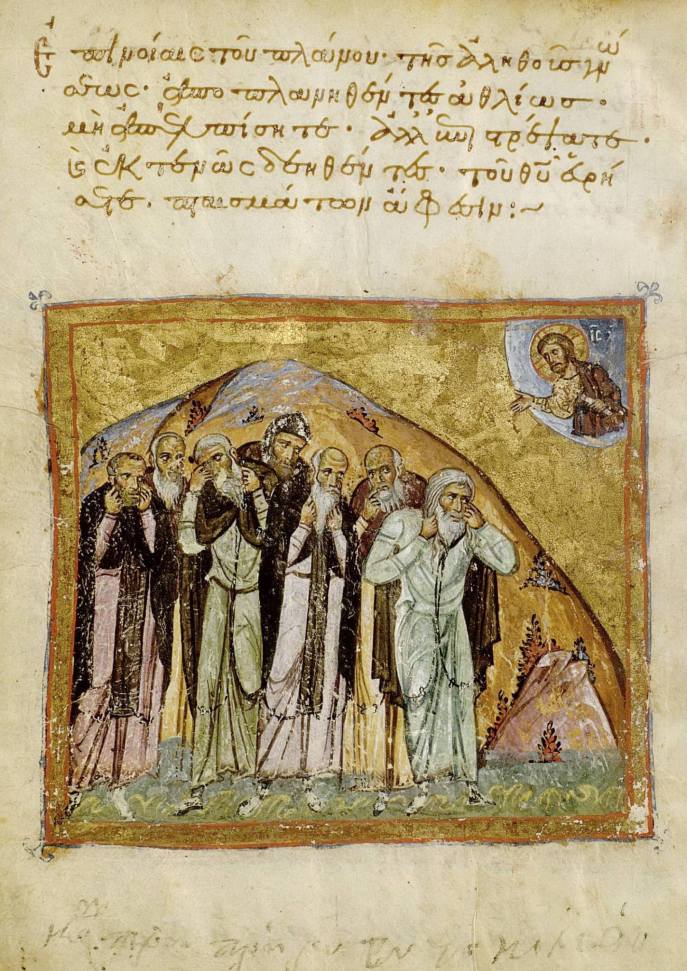
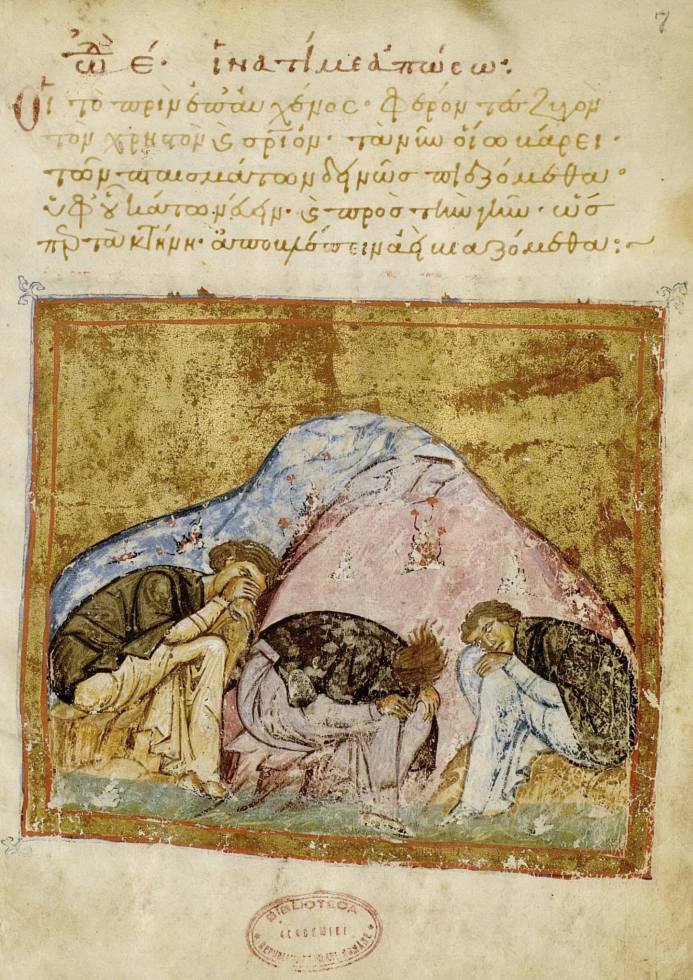
Repentance, Penitential Canon,Romanian Academy Library
Humility penitents
Striving to Live a Christ-centered Life: Five Reasons to Visit a Monastery By Matushka Constantina Palmer
Introduction: Journeying by boat to visit their beloved spiritual father, , Constantine Palamas – the father of St. Gregory – suddenly realized he and his family had forgotten to bring food with them for the monastery. While his wife and five children looked on, he raised his voice in prayer and put his hand into the sea; immediately he caught a massive fish. Taking it out of the water, he glorified God for the miracle. Out of his great admiration and respect for the monastic life, Constantine Palamas worked a miracle so that his family would not arrive at the monastery empty-handed. In this way, and in countless others, he instilled in the hearts of his children a firm love for and reverence of monasticism.
This practice of going out into the wilderness to seek a word from a holy monastic is a tradition well established in the Church as early as Christ’s own times. St. John the Forerunner was the first monk, and people sought him out, as St. Andrew of Crete testifies: “The Forerunner of grace dwelt in the desert and all Judea and Samaria ran to hear him.”[1] He, like many of our prophets before him, preached amendment of life ….
All these three are part of my life! Let me explain …
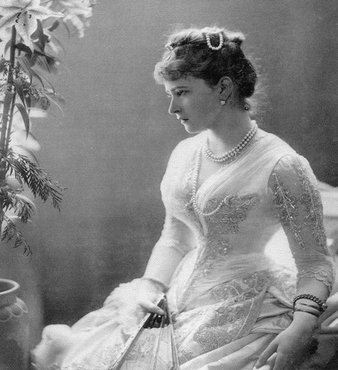
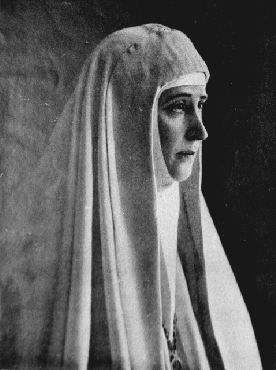
“Innumerable business transactions, consideration of many requests and petitions from every corner of … , and other cares, filled her day, sometimes bringing her to a state of complete exhaustion.”
This excerpt is from St Elizabeth the Grand Duchess and New Martyr‘s life but it could easily have written about me in the last couple of weeks, since my days have lately been so filled with numerous administrative, academic duties and ‘interruptions’ – constant– phone calls, texts, mail, e-mail — all at the same time! — to the point of complete exhaustion. In particular, my duties for the founding of a new monastery have proven so far a most demanding (and rewarding) experience. But my similarities to the Saint and major role model for me of course stop short here …
I do apologise for not being able to write as much as I would like in this blog, for failing to always keep ‘on schedule’. I am sorry. It is just that I hardly have a spare moment any more. It also has to do with English not being my mother tongue. Sometimes I have to rewrite a paragraph so many times! I write something as best as I can and yet I am never sure whether what I really wanted to communicate to you, not so much semantically, as emotionally, is what is really communicated. Most likely I shall never know. I sincerely hope I have never offended anybody here or sounded — God forbid! — sarcastic, harsh, cruel, or indifferent.
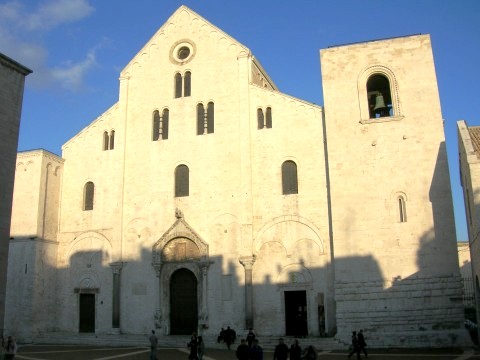
On a different note, tomorrow, God Willing, I am leaving on a Pilgrimage to Italy, Bari, for St. Nicholas!!
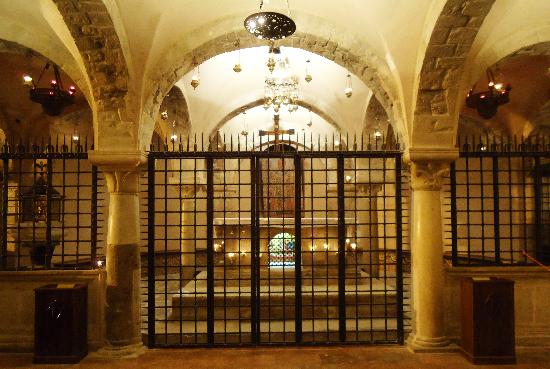
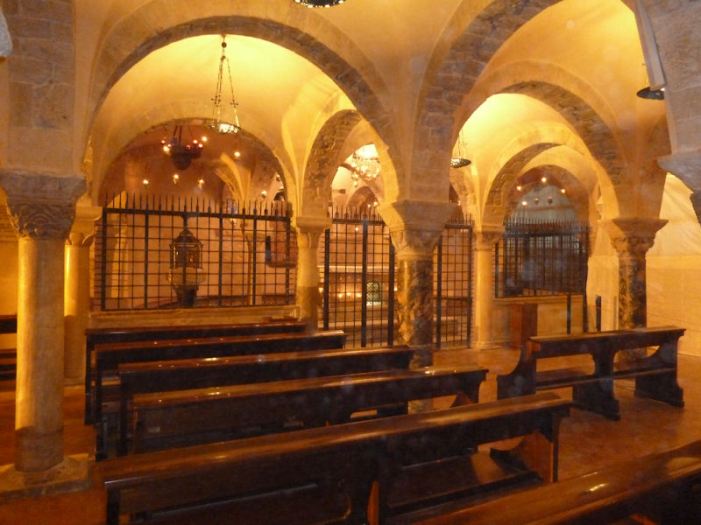
Basilica di San Nicola in Bari, Italy where most of the relics of St. Nicholas are kept today.
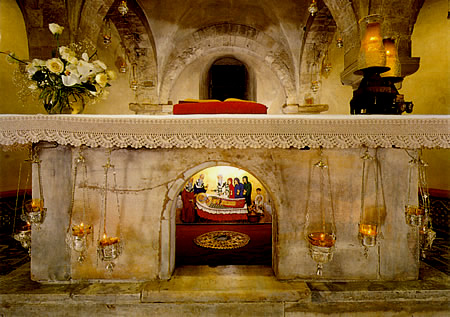
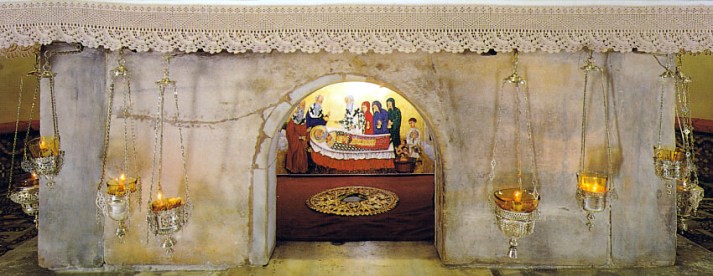
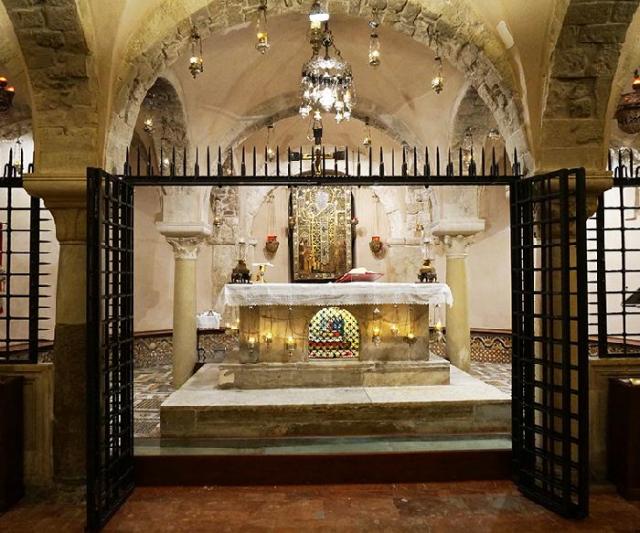
San Nicola, Basilica di San Nicola, Bari, Italy, the crypt, the grotto
I am so excited and so much looking forward to going on this pilgrimage and ‘meeting’ St. Nikolaos! My feelings can only be expressed with the ‘dancing’ of the chandeliers (polyeleoi in Greek) which follows in Psalm 135 (Arabic)!
An example of the Faith and a life of humility, as a teacher of abstinence you did inspire and lead your flock and through your truthfulness of your deeds were exalted by greatness through your humility uplifting all and by poverty gaining wealth. Father and hierarch Nicholas intercede with Christ our God that our souls be saved. or, in literal translation:
As a canon of faith and an icon (image) of meekness, (and) of self-control (abstinence) a teacher, the truth of your deeds has shown you to your flock; wherefore you acquired through humility the high things (greatness), through poverty riches Father hierarch Nicholas, intercede with Christ the God that our souls may be saved.
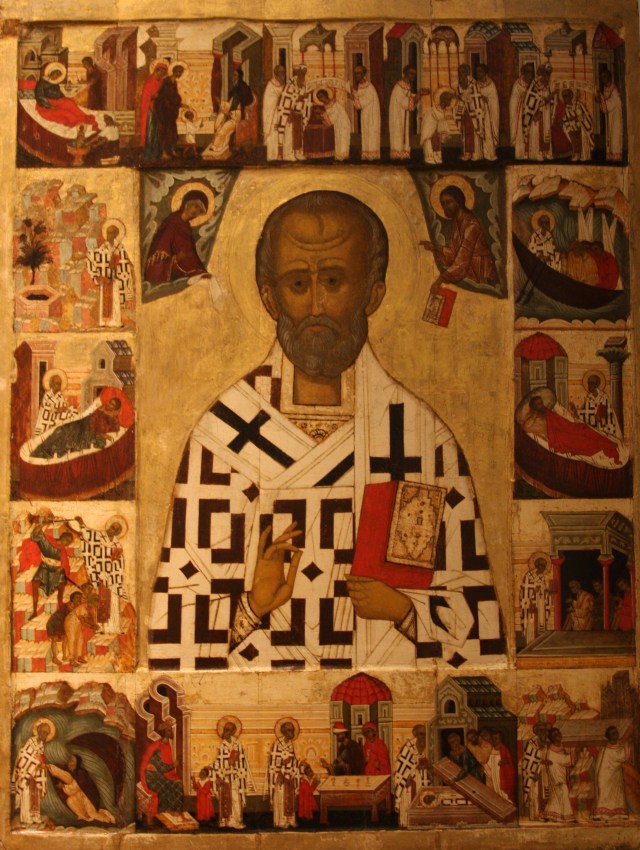
I have always wanted to ‘meet’ this Spiritual Giant, the Defender of Orthodoxy, Wonderworker, Holy Hierarch, and Bishop of Myra, especially ever since I found out that this icon (image) of meekness and teacher of self-control, ‘abstinence’ literally got up, crossed the room, and slapped Arius across the face at the Council of Nicea! 😃
“In AD 325 Emperor Constantine convened the Council of Nicaea, the very first ecumenical council. More than 300 bishops came from all over the Christian world to debate the nature of the Holy Trinity. It was one of the early church’s most intense theological questions. Arius, from Egypt, was teaching that Jesus the Son was not equal to God the Father. Arius forcefully argued his position at length. The bishops listened respectfully.
As Arius vigorously continued, Nicholas became more and more agitated. Finally, he could no longer bear what he believed was essential being attacked. The outraged Nicholas got up, crossed the room, and slapped Arius across the face! The bishops were shocked. It was unbelievable that a bishop would lose control and be so hotheaded in such a solemn assembly. They brought Nicholas to Constantine. Constantine said even though it was illegal for anyone to strike another in his presence, in this case, the bishops themselves must determine the punishment.
The bishops stripped Nicholas of his bishop’s garments, chained him, and threw him into jail. That would keep Nicholas away from the meeting. When the Council ended a final decision would be made about his future.
Nicholas was ashamed and prayed for forgiveness, though he did not waver in his belief. During the night, Jesus and Mary his Mother, appeared,* asking, “Why are you in jail?” “Because of my love for you,” Nicholas replied. Jesus then gave the Book of the Gospels to Nicholas. Mary gave him an omophorion, so Nicholas would again be dressed as a bishop. Now at peace, Nicholas studied the Scriptures for the rest of the night.
When the jailer came in the morning, he found the chains loose on the floor and Nicholas dressed in bishop’s robes, quietly reading the Scriptures. When Constantine was told of this, the emperor asked that Nicholas be freed. Nicholas was then fully reinstated as the Bishop of Myra.
The Council of Nicaea agreed with Nicholas’ views, deciding the question against Arius. The work of the Council produced the Nicene Creed which to this day many Christians repeat weekly when they stand to say what they believe.
* Other versions of the story have Jesus and Mary with Nicholas appearing in a dream to Constantine or, even, to all the bishops. In the dream, they give the Book of the Gospels and an omophorion to Nicholas, convincing Constantine and the bishops that Nicholas should be reinstated as Bishop of Myra.” [Bishop Nicholas Loses His Cool (At The Council of Nicaea)]
“Christ Won the Battle and Made my Heart Orthodox!”
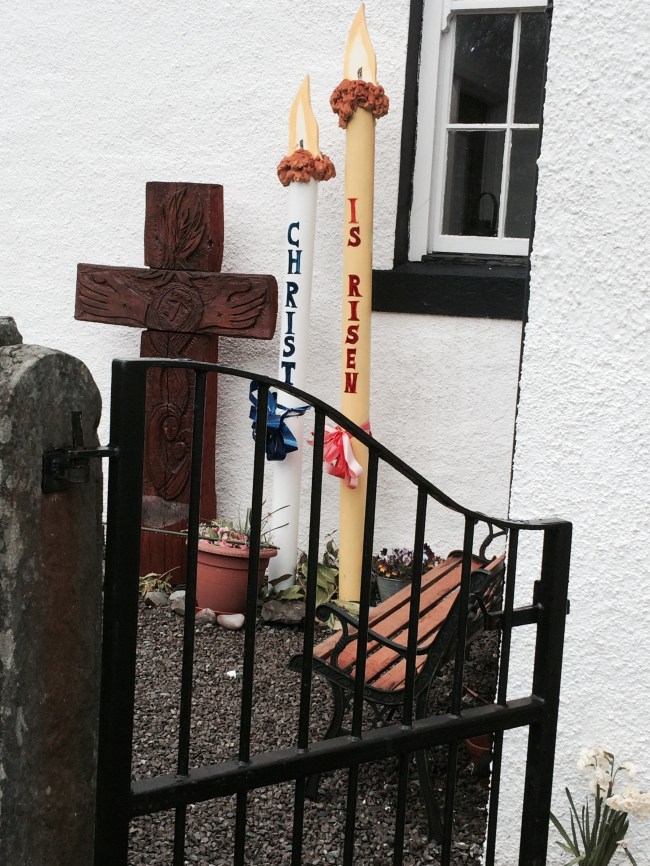
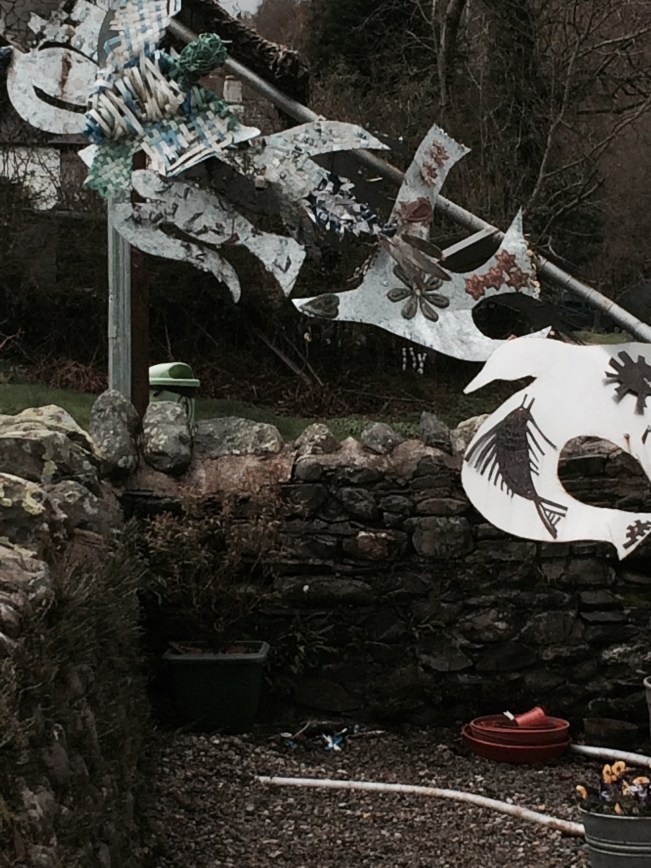
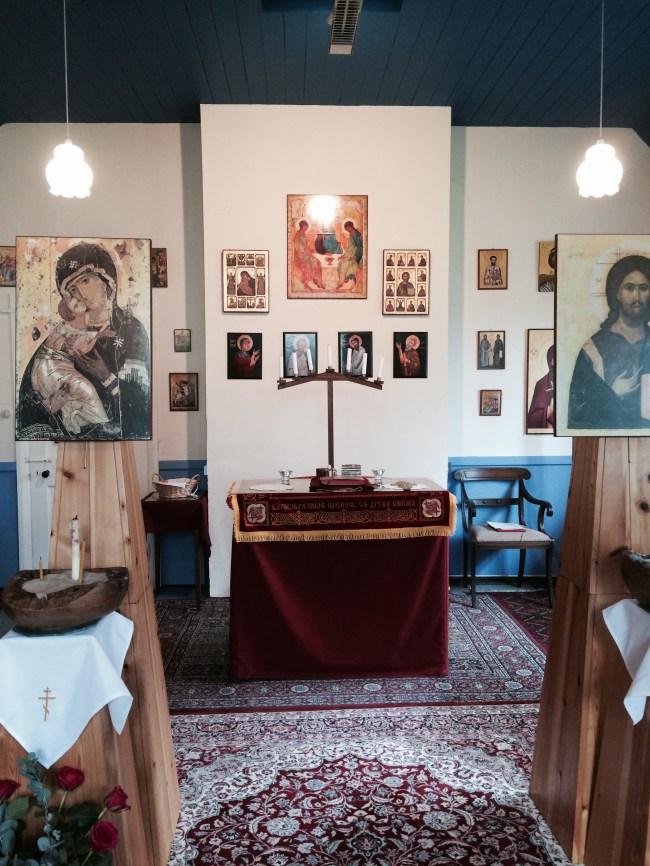
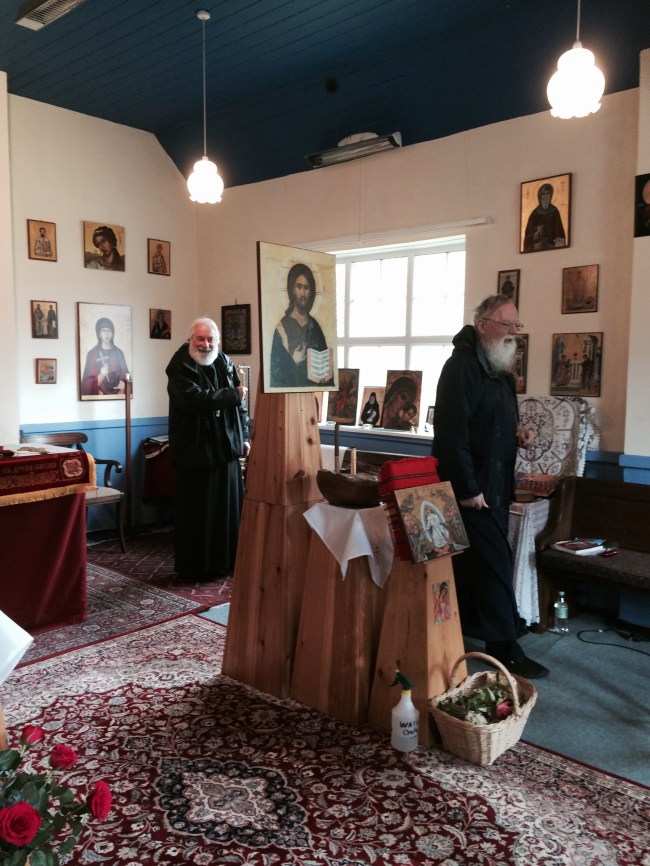
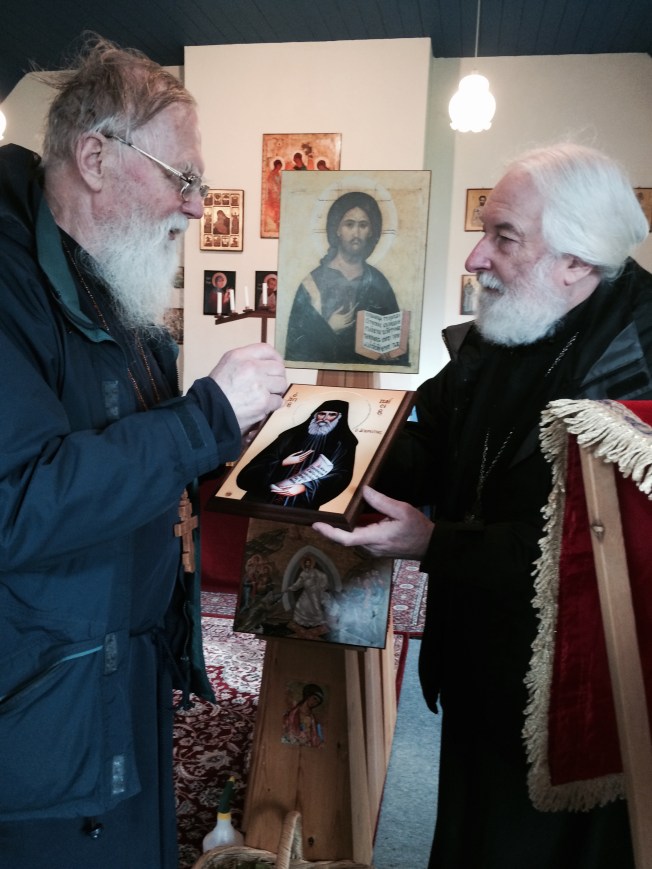
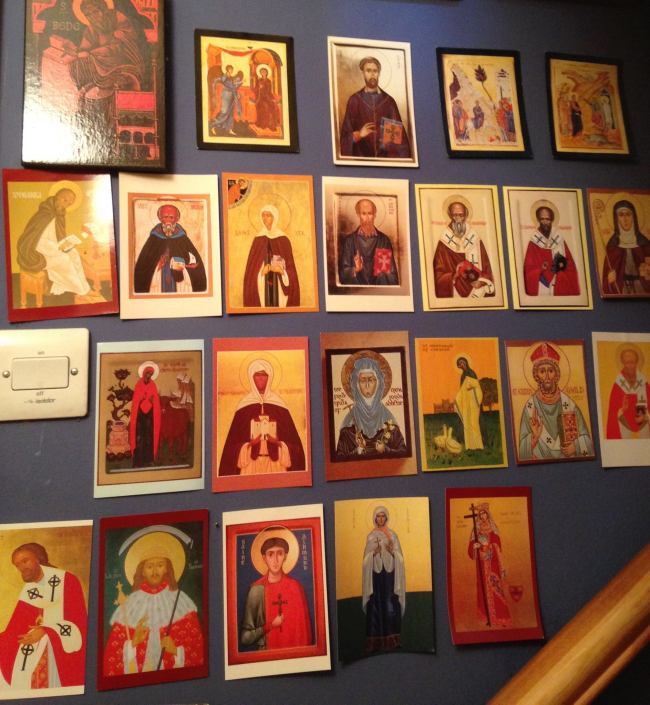
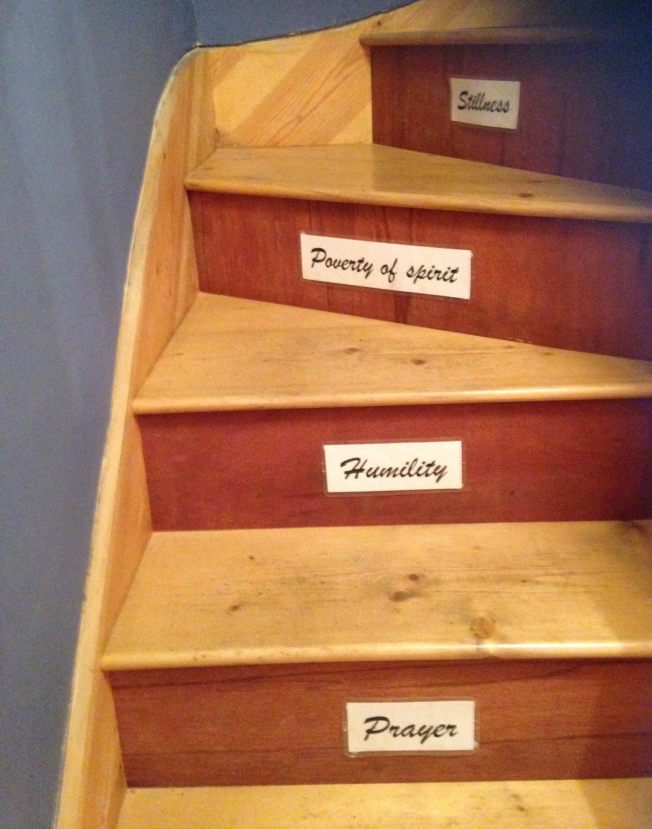
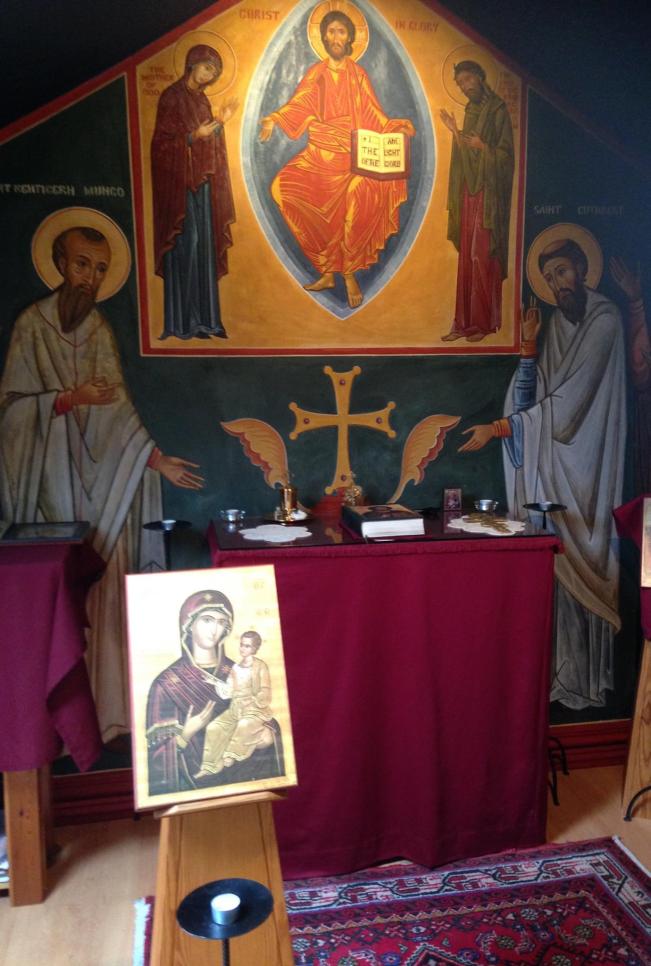
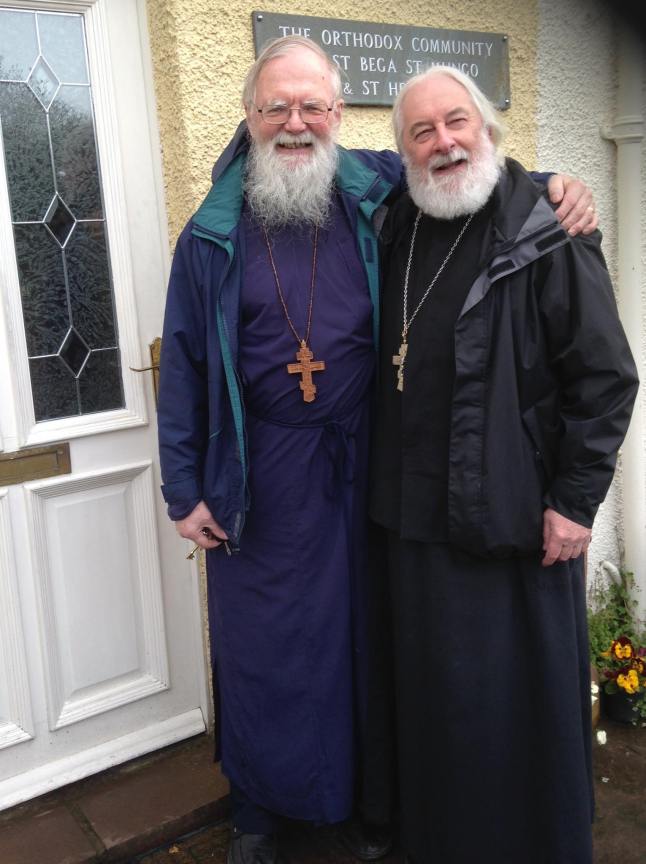
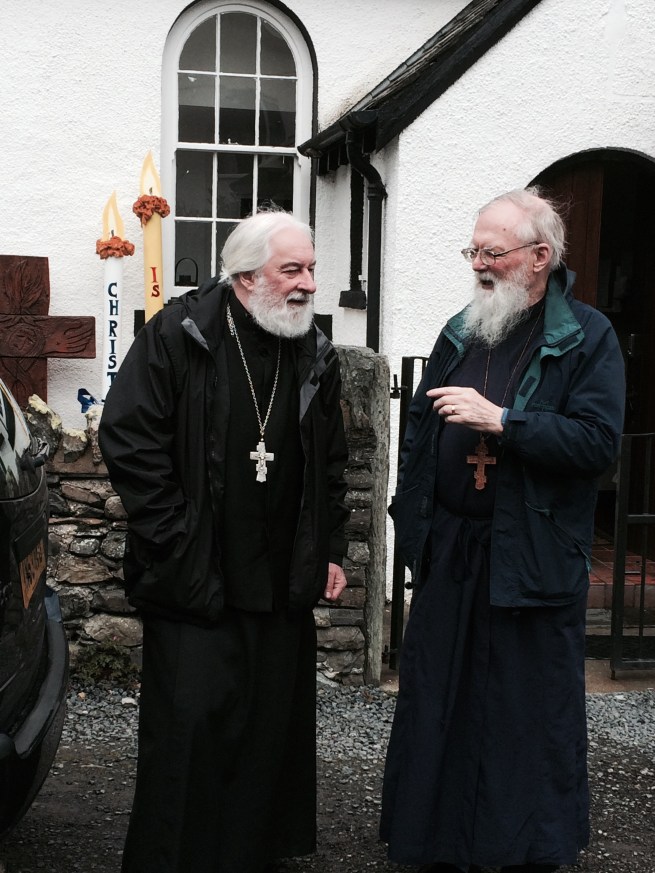
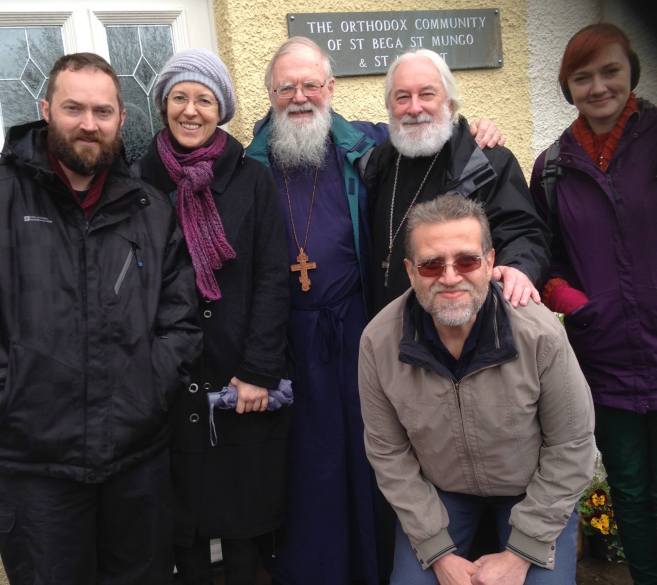
made such an impression on me that I wanted to meet him in person! The Good Lord ‘arranged’ for me to visit him together with some friends all the way from Greece to the UK at his church-home! What a wonderful person and what a most heart-warming smile! Enjoy our tour to his chapel and home-church!
Do you perceive the movement of the Holy Spirit within the ever growing circle of grace? Divine connections, Divine providence, Divine Love!
Isn’t this circle of grace, which so often seems to be accidental or co incidental, actually providence and a sign of the Holy Spirit working amongst us? Glory to God πάντων ένεκεν! For everything!


 For Fr. Arsenie Boca – the blessed Romanian elder and prophet, who “made Christ transparent to us”, watch the documentary The Man of God.











 ORTHODOX CHRISTIAN FAITH AND LIFE