An Ineffable Fragrance

It is impossible to describe how exquisite and noble are the podvizhniki![1] These people—although they bear the traces of harsh struggles, although their bodies are so withered and emaciated—have a fragrance and grace imprinted on their wondrous souls.

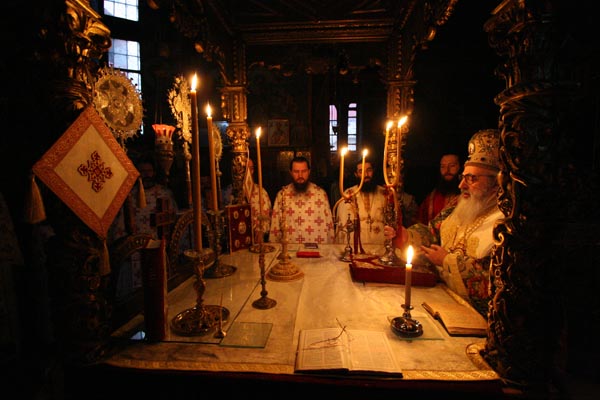
1976. The month of August—July 22 Old Style. The Altar Feast (Panegyr) of St. Mary Magdalene in Simonopetra. How they love this saint in her monastery! Her left hand is kept here—her wrist, palm, and fingers—with the skin and tendons. Its temperature holds steadily at 98.6 °F/37° C—proof that this is the hand of a living witness of the Resurrected Christ, living proof of the fact that “death hath no more dominion over” her, either (Rom. 6:9).

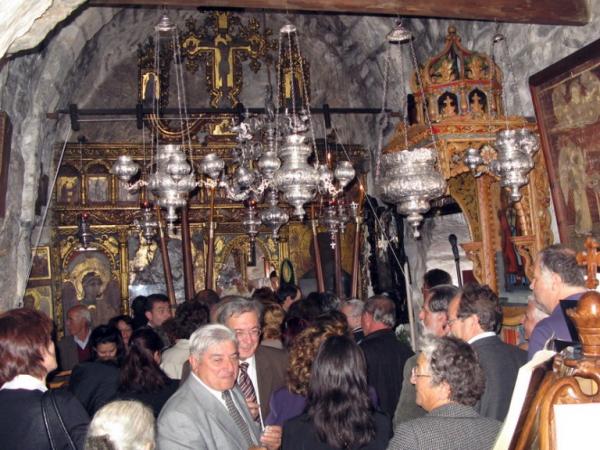
At the All-Night Vigil[2], they showed me a stasidion[3] practically in the center. Next to me there was a grey-haired little starets.[4] He stood as straight as a candle, without stirring. During the course of the service he weakened—he was obviously tired. Most likely, he was sleeping. But not relaxed as people usually sleep. His state was distinct and interesting: his head was leaning on his hand, his eyes almost shut. From time to time you could hear him snore a little, gently and peacefully. But every time the singers would make a mistake, he would come into action and without delay correct it. And then return to … his rest. “The body sleeps out of nature’s need, but his heart keeps awake out of its great love.” And truly, his mind keeps vigil. This man, it seems, lives in another world.

We came to the exapostilarion.[5] All the fathers stood, took off their skufias,[6] and bowed low when the serving priest performed the litany over the relics of the great saint and protectress of the monastery, which were lying on a silver tray. Soon the veneration began—I was stunned… I watched what the others did, and I felt that I wasn’t with them. I tried to understand what to do and how to do it correctly, but I couldn’t touch the secret. Everyone around me, I felt, was experiencing an event that I had no idea about. The choir intensified the celebration. The monks showed by their whole appearance that they were experiencing something the likes of which I could not perceive. The only thing that I was able to do was to follow what was going on—superficially and with curiosity. Soon the starets standing next to me left his place and goes in his turn up to the relics. Making three prostrations, he kissed them, was anointed by the priest, and with deep emotion he returned to his stasidion.

“You go, too,” he says to me, “don’t be shy—today the Saint is fragrant. Receive some of her grace.”

I did what he said and went up to the relics. This is what, apart from everything else, the others had done, too. But my doubts stayed with me. I didn’t particularly believe in all this. I went up in a reverie. And I was astonished by the fragrance. I had an insatiable desire to confirm the statement of this fact from an investigative point of view and to venerate the relics again. But I felt awkward—it was an inappropriate time for experiments! I returned to my place—physically—but mentally I stayed with the Saint. My questions multiplied, but my faith did not increase. It was the “sign” that I had been asking for, but it wasn’t the “sign” that I needed. I couldn’t believe in it, but again, I couldn’t imagine that the monks were lying. They had such pure countenances, and they experienced what was going on without reasoning or arguments. I had no reason to suspect them of lying.

“Geronda[7], how does this happen?” I asked. “Maybe out of piety the fathers sprinkled a little perfume? Or are the relics themselves fragrant?”

“Here reverence is ruined as soon as you sprinkle perfume. Reverence is increased when you receive the ineffable fragrance in simplicity. The Holy Mountain is full of such occurrences.”

“What does ‘ineffable fragrance’ mean?”

“If we sprinkled a little perfume from a perfume store, then it would be “fragrance.” Now, when we don’t sprinkle anything but the fragrance pours out all by itself, that is called ‘ineffable fragrance’.

I bowed and kissed his hand. He himself also was fragrant, as if he had been handling incense. The all-night vigil continued—it lasted twelve hours.

A monk whom I knew came up to me:

“Did you get a blessing from Elder Arsenios?”

“Who is that?” I asked, not having any idea who he was referring to.

“The little old man who was standing next to you.”

“The little old man who was sleeping next to me,” I said to myself.

“He has the ‘gift of not washing’, added the monk. “It has already been ten years since he has washed his face and he is fragrant all over. He is as pure as a tear. He lives in Kalamitse, in a cell alone, an hour and a half walk from here. Run, before he leaves!”

I did not catch up with him. He had withdrawn to his cell before the beginning of the festive trapeza. He was filled with the Divine service. He didn’t need food or words in order to fill his soul. He stood, sat, drifted off for twelve hours, and still every second breathed in the sweetness of the all-night vigil. He hath chosen the good part, which will not be taken awayfrom him (Luke 10:42).

From: A Still Small Voice by Metropolitan Nicholas of Mesogaia and Lavreotiki, Phoni avras leptis, Athens 2006, pp. 139–144. Translated from the Russian version on Pravoslavie.ru.

Metropolitan Nikolaos of Mesogaia and Lavreotiki
Translation by Dimitra Dwelley

[1] Podvizhnik: a “spiritual athlete,” one who struggles spiritually, takes on podvigs. Podvig – a difficult spiritual task taken on voluntarily.—Trans.

[2] Agrypnia: the very long Divine service celebrated with great solemnity on Athos on Sundays, great feasts and feasts of the saints in whose honor churches are named, and likewise on days commemorating particularly revered saints.

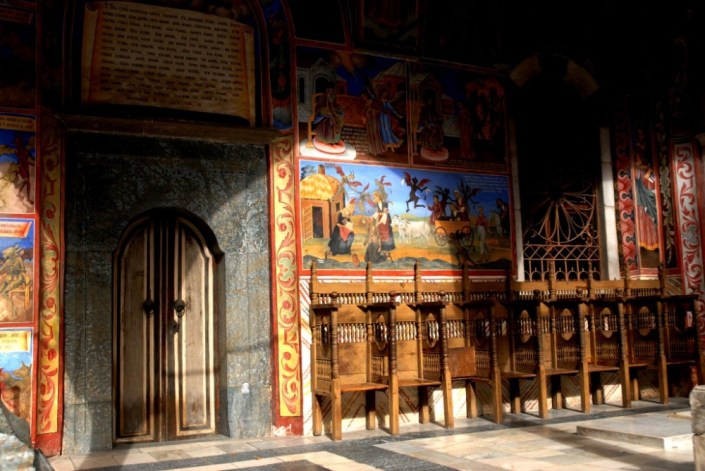
[3] Stasidion: in Orthodox monasteries, a special wooden chair with high armrests and a seat that can be lifted up out of the way, so that a monk can stand up during the long vigils while being able to rest his arms on the armrests. When it is allowed or necessary out of weakness, the seat may be folded down so he may sit. —Trans.

[4] starets (here, “starchik”, an affectionate form): an elder, usually monastic, who through long experience, obedience, spiritual struggles, love and humility is given special spiritual gifts and to whom others come for spiritual guidance. —Trans.

[5] The Dismissal Hymn, the troparion that follows the Canon at Matins, near the end of the service. Sometimes called svetilen/photogogikon, because it sings of Christ the Light of the world. It is connected with the Matins Gospel.

[6] Skufia: priest’s or monastic’s hat.

[7] Geronda: Greek for “elder” or “starets.”
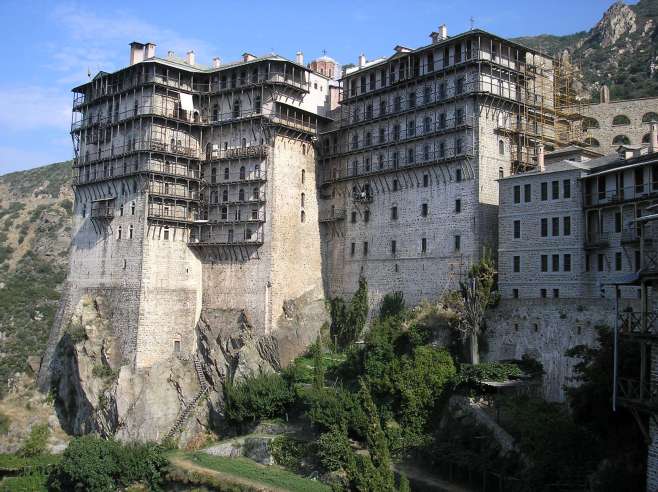
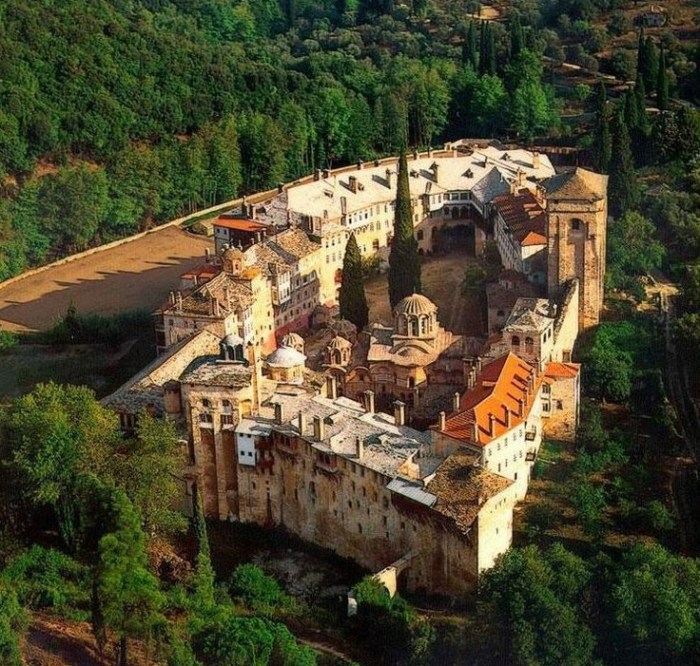
Simonopetra_Aug2006.jpg

Who is Metropolitan Nikolaos?
The Metropolitan of Messogea and Lavreotiki, Nikolaos, was born on April 13th 1954 in Thessaloniki, Greece. He studied physics at the University of Thessaloniki. He continued his studies at Harvard and MIT (USA) where he obtained postgraduate degrees and doctorates. He worked as a researcher and research assistant in the laboratory of angiology of the New England Deaconess Hospital (U.S.). At the same time he was a scientific associate of the United States Company NASA and the company Arthur D. Little.
He taught courses at Harvard and M.I.T, the Medical School of University of Crete and the Medical School of Athens University. He studied theology at the Theological School of the Holy Cross in Boston in the United States and was named honorary student of the Theological School of the University. He was the director of the Center for Biomedical Ethics and the President of the Synodical Bioethics Committee of the Church of Greece. He spent two years on Mount Athos, after which he became a monk on March 18, 1989 at the Holy Stomiou Konitsis Monastery, and the next day he was ordained deacon and then priest on September 10th of that year. Later he entered into the Holy Monastery of Simonopetra. Between 1990 and 2004 he served as a parish priest to the Athonite dependency (Metohion) of the Saviour’s Ascension (Simonopetra Monastery) in Byrona, a suburb of Athens. He was elected Metropolitan of Mesogaias and Lavreotikis on April 26th 2004. Listen to him at a recent Symposium at Madingley Hall, Cambridge https://www.youtube.com/watch?v=POCEGvMRGeA


Between Son and Mother

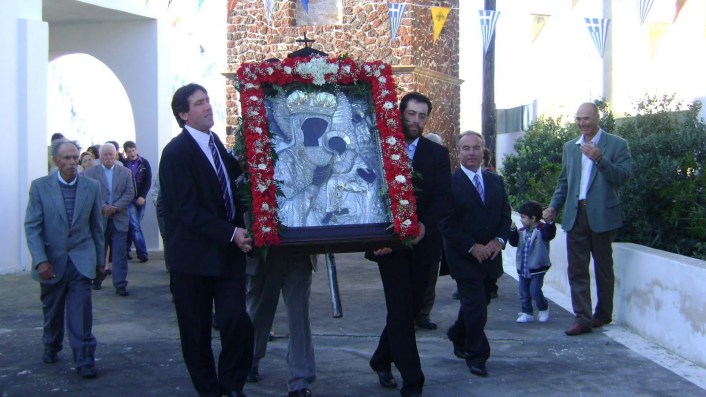
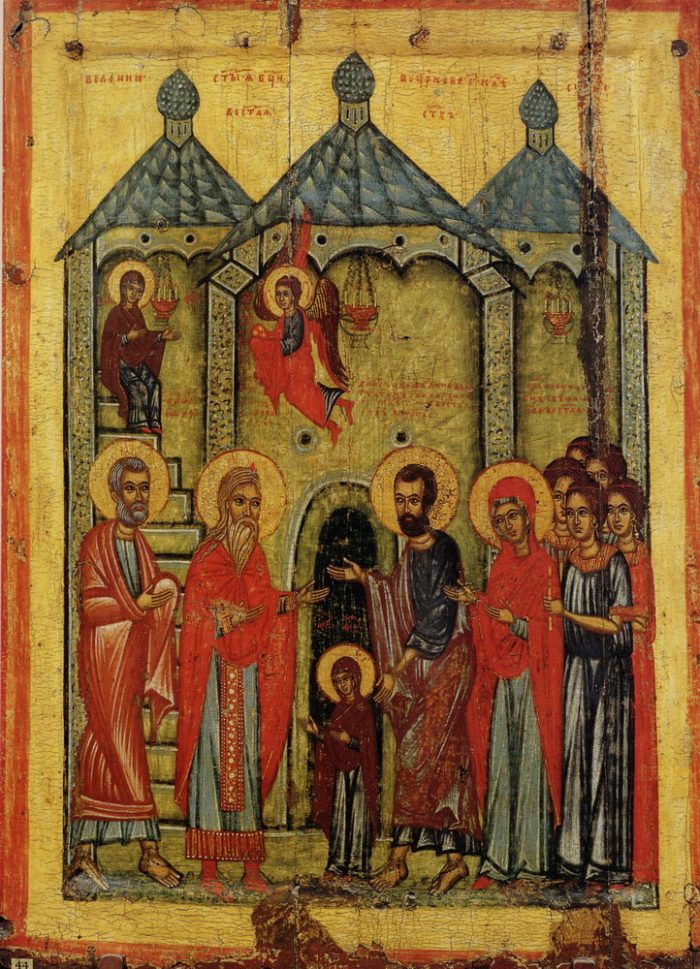
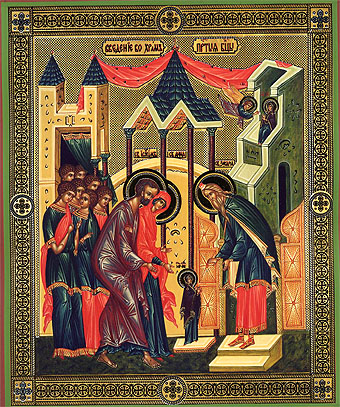
A virtual, photographic pilgrimage to shrines in Greece and Cyprus dedicated to the Feast of the Mother of God Presentation or Entry, Entrance, Eisodos in the Temple (November 21)
blue-swirl-divider-hi

Iconography of the Entrance of the Theotokos at Hilandari Monastery–MOUNT ATHOS

entry3entry4ENTRY300ENTRY302ENTRY304ENTRY305

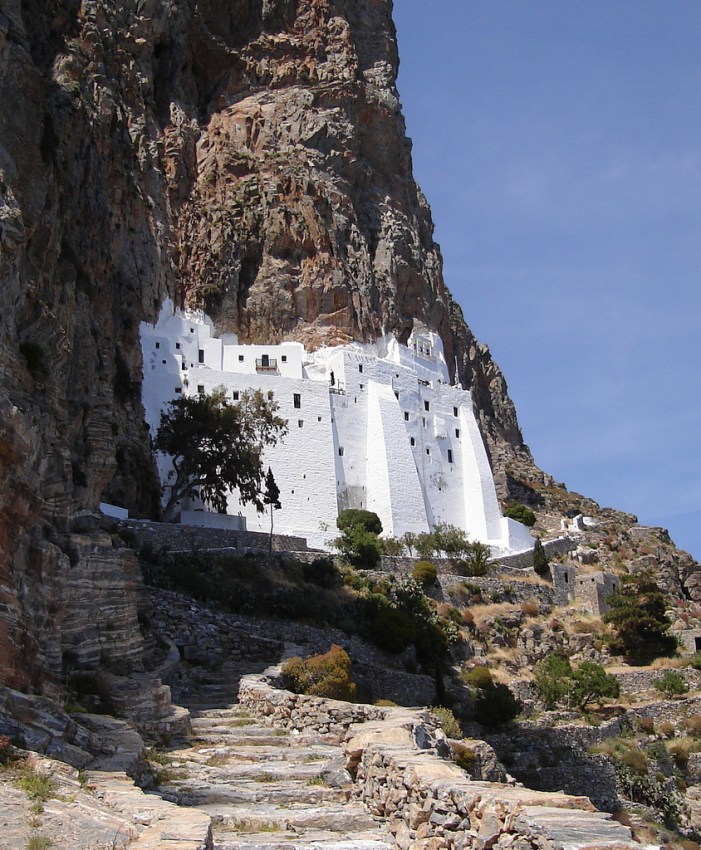
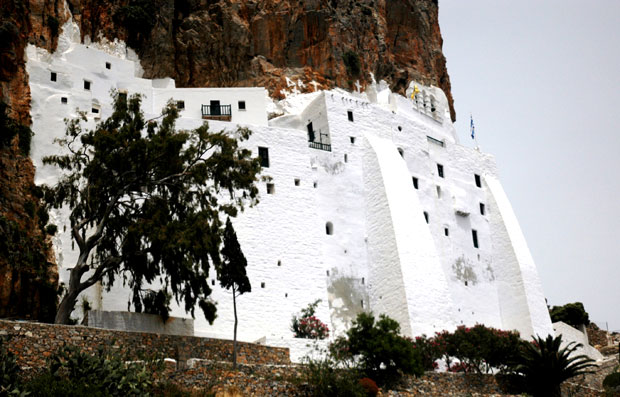
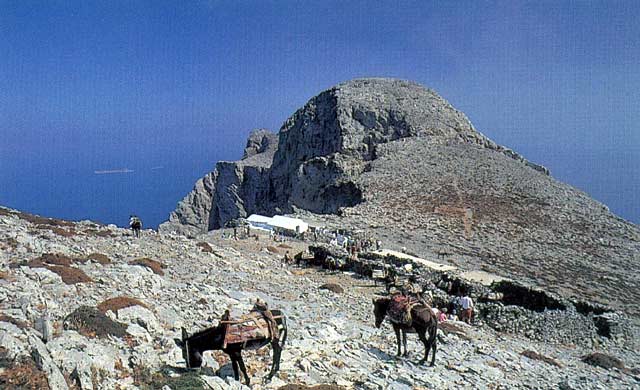
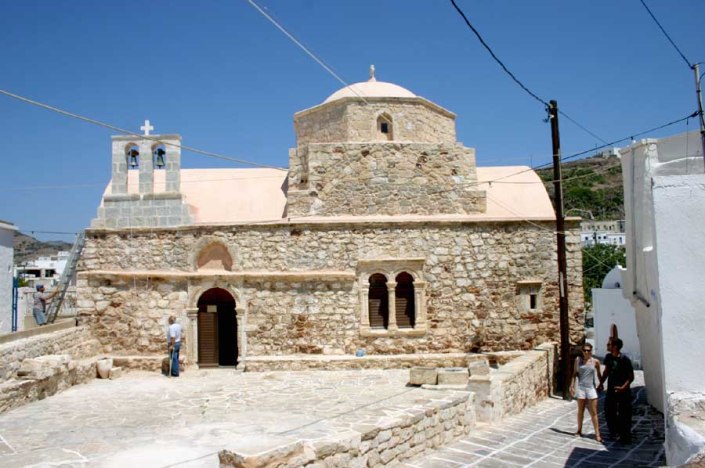
The Monastery of Panagia Hozoviotissa in AmorgosENTRY96entry7

ENTRY91ENTRY98ENTRY99ENTRY92entry15ENTRY93entry9entry10entry11ENTRY95entry12OLYMPUS DIGITAL CAMERAentry16

Panagia Malteza of Santorini

IBR-172888entry20entry23entry19

Panagia Odigitria of Kimolos

entry26entry30entry31

entry25

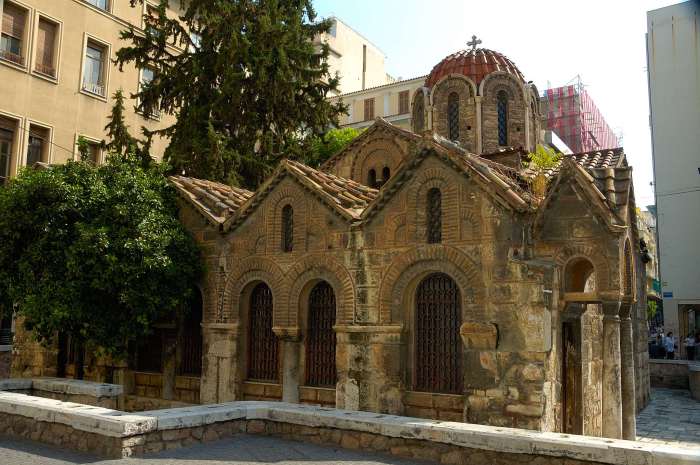
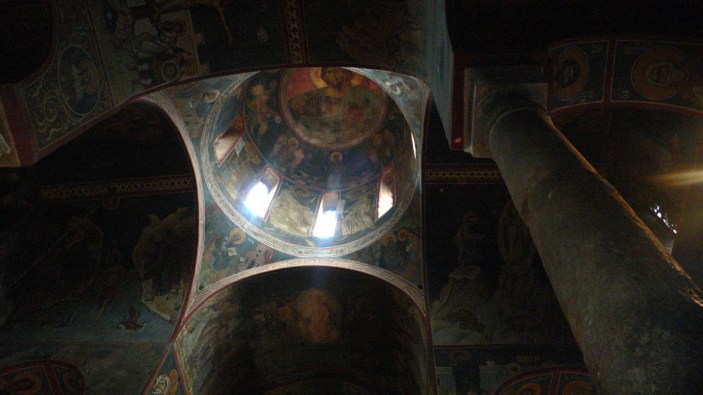
The 11th Century Church of Panagia Kapnikarea in Athens

entry43

entry39entry40

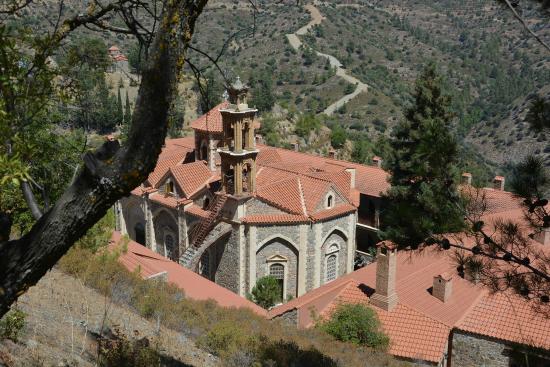
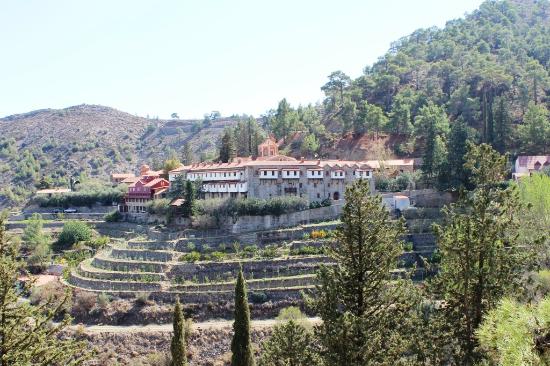
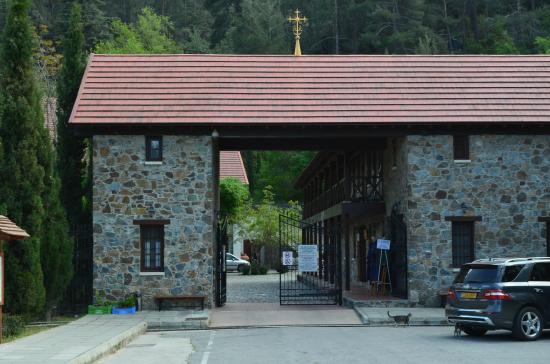
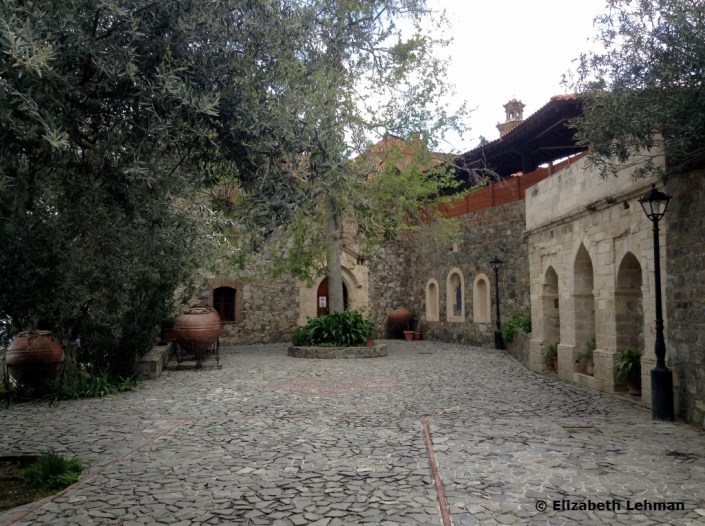
The Monastery of Panagia of Machairas in Cyprus

entry75

entry71entry73entry74entry45entry51entry60entry61entry77entry79entry78entry46entry82entry44entry49entry83


blue-swirl-divider-hi

No one stands between Son and Mother

Give us salvation


ENTRY200


“Today, the most pure temple of the Savior, the precious bridal chamber and Virgin, the sacred treasure of God, enters the house of the Lord, bringing the grace of the Divine Spirit. The Angels of God praise her. She is the heavenly tabernacle.”


entry600


Drunk on Delusion, Sober in Despair

Paris Massacre’s “Act of War”


saint200


In Memoriam  —  A Video, Liturgic Chant and Iconography Tribute and  Islam’s New Martyrs’ ‘Army’

In the darkness of the Paris tragedy,  May God give rest to all the victims! Comfort to their families! Mercy to the killers! Repentance for the assassins before they depart this earth! Saints Denis, Genevieve, and Maria of Paris, Irenaios of Lyons, Martin and Gregory of Tours, Prosper of Aquitaine, John Cassian the Roman, Caesarius of Arles, Hilary of Poitiers, and all the martyrs and saints of France, pray for the protection of the people of France and our world!

Litanie des saints de Paris

https://www.youtube.com/watch?v=GRbtJi_U-BE&app=desktop

letter1

A Letter from the People of the Cross to ISIS

The world is talking about you
Your apocalyptic dreams and spectacular sins
Are now awakening the middle east
In your holy war, come to holy ground
Come children of Abraham come
The people of the cross gathers at your gates with a message

Love is coming after you.
Like a rush of wind grazing over the pacific
From hills of the mount of olives to the desert winds of Jordan
From the cedars of lebanon to the silk roads of the East
An army comes. With no tanks or soldiers
But an army of martyrs faithful unto death
Carrying a message of life
The people of the cross  
Comes to die at your gates. 
If you wont hear our message with words
Then we will show you with our lives
Laid down.

For every throat you slit and every woman you rape
For every man you burn and every child you turn to dust
There is blood on your hands brother

But Come Brothers Come

Come with your bloodstained hands,
Come with your eyes full of murder for the people of the Cross,
Come lay your guns and your knives at the foot of the cross
A love that is overdue and overwhelming
Breathes through your cities

Though your sins are like scarlet
They can be washed white as snow
Though you call yourselves servants
He will make you into Sons
Where can you run from His love?
Even the darkness cannot hide you

Come Brothers Come
There is the sound of a rushing rain
To remove your sins and bind your wounds
You die for your god but our God died for us 
The King of Kings comes to be the sacrificial lamb
Slain on the altar where we should have been
Jesus Christ, Isa Al Masih
Walks through the Middle East

There is forgiveness tonight oh brother
There is healing for your sins oh brother
We are no different.
Apart from Christ, we are no better than the worst jihadist
Christ has been crucified once. and for All.
To make sinners like you and me into brothers
Even you.
Even now.

letter2

Who Would Dare to Love ISIS? (A Letter from the People of the Cross)

https://www.youtube.com/watch?v=uSv4vBcFyvo

isis1

Paris terror attacks: a night of carnage in France’s capital–Friday November 13

“Hell is empty and all the devils are here.” 

“It still remains unclear how the situation developed inside the concert hall. According to witnesses, the attackers stormed the venue as a California rock group ‘Eagles of Death Metal’ was performing on the stage. A Europe 1 journalist, who was inside the Bataclan, said the men were unmasked and carried what he recognized as Kalashnikov-type guns. “The assailants had time to reload at least three times. They were not masked, masters of themselves. They were very young,” the reporter Julian Pearce said, according to the Liberation newspaper. People who managed to flee the theater reported seeing between six and eight shooters inside were killing those who remained in the concert hall “one by one”. One of the gunmen at Bataclan reportedly shouted “Allahu Akbar!” meaning, “God is [the] greatest” in Arabic.

isis2
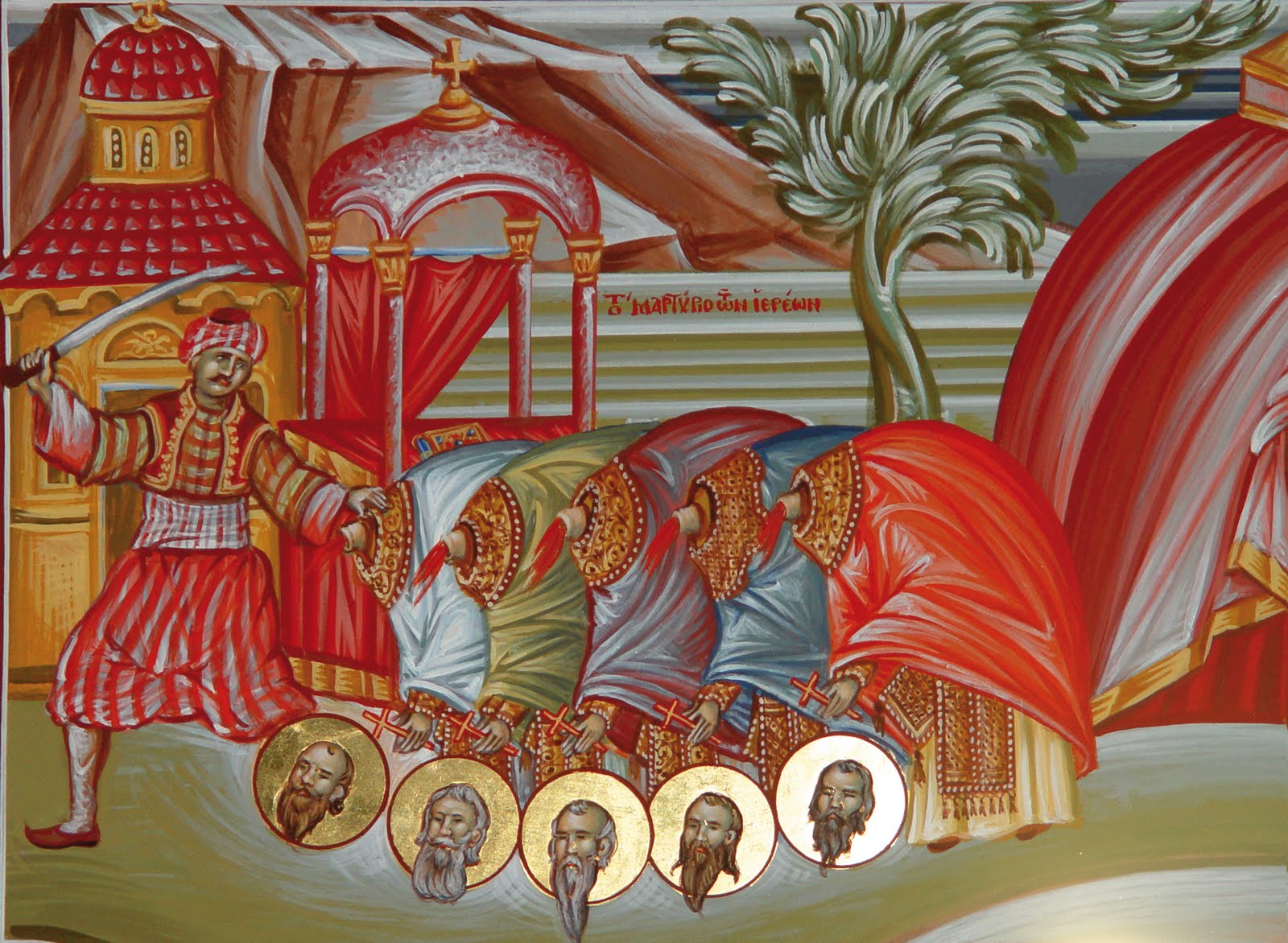
In 1714, just before Easter, Constantin Brancoveanu – the Christian ruler of the Romanian Kingdom for 26 years – was taken to Istanbul and imprisoned. His four sons were imprisoned with him. In a typical gesture, the Muslim rulers of the Ottoman Empire gave them the well-known choice: convert to Islam or die. Because they refused to deny Christ, on August 15th (the Dormition Feast), they were all decapitated – first the Christian king’s councillor was beheaded, then all his sons (Matthew, the youngest of them, was 11 years old). The King, his wife and daughters, were forced to witness the public executions. Western diplomats were present; the official representatives of France, England and Russia (among others) felt they could not refuse the Muslim ruler’s invitation. In the end, after the killing of all his sons, the King himself was publicly executed – it was his 60th birthday. Their heads were carried and displayed through Istanbul; their bodies were thrown in the Bosphorus. Today, they are all commemorated as Martyrs.

new martyr35

The Glorification of 1241 New Martyrs of Naousa

new martyr30

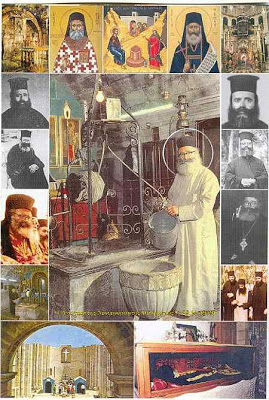
Central photograph of St. Philoumenos the New Righteous Hieromartyr, the Cypriot, at Jacob’s Well where Christ spoke with St. Photini. Surrounding are other pictures and icons of St. Philoumenos and associated scenes. He was martyred on November 16th/29th 1979

new martyr31

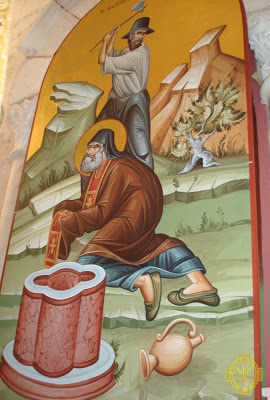
St. Philoumenos the New Hieromartyr of Jacob’s Well

holy-new-martyrs-of-jasenovac

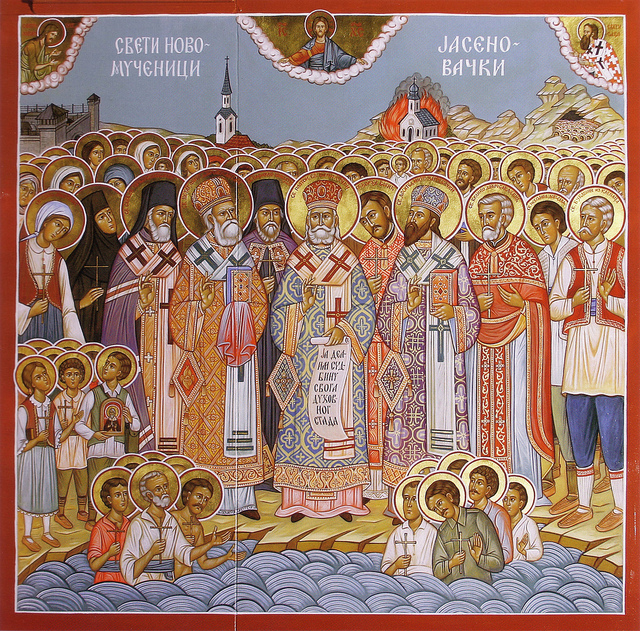
Holy New-Martyrs of Jasenovac

St. Jacob of Hamatoura - Martyrdom copy

St. Jacob of Hamatoura

new martyrs20

new martyrs21

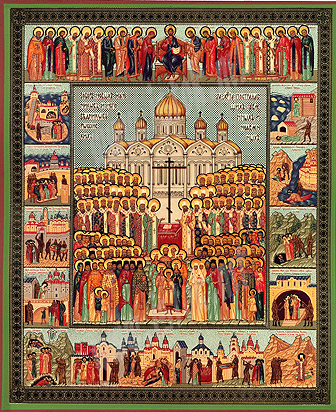
Synaxis of the Holy New Martyrs and Confessors of Russia

new martyrs1

… Three centuries later; we see Muslim children carrying the heads of the people their fundamentalist parents have murdered. We hear these children calling for more executions. The only difference is that, this time, Western journalists are also killed.

The West may be in shock, but Eastern Europe isn’t. For us, this is just the return of a very recent nightmare. Less than a century ago, the Ottoman Empire was still present here, in our countries. Think about that!

new martyrs4

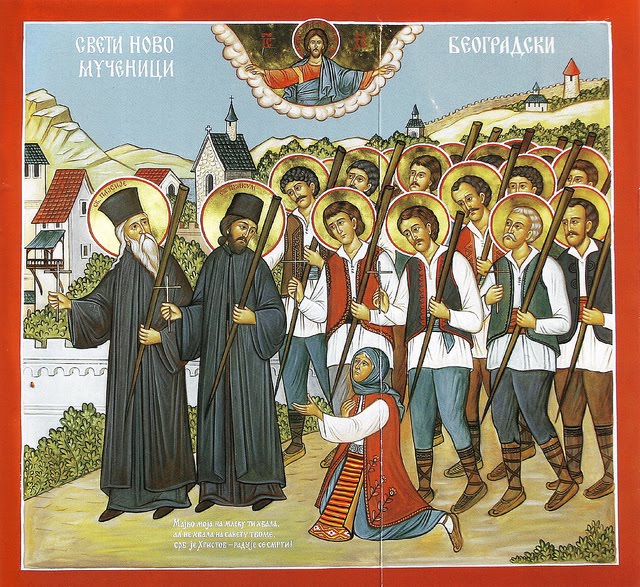
New Martyrs of the Turkish Yoke

We all – West and East – have so much to learn from each other. The world needs to look at its past – its common past. The West needs to understand that what happens in other parts of the world will one day (very soon, it seems) happen at home, in its own back-yard.

new martyrs2

The 1241 New Martyrs of Naousa who were brutally massacred 

new martyrs3

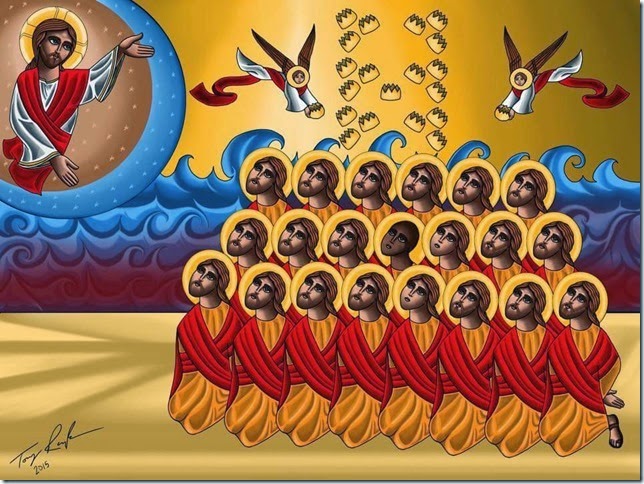
 The 21 New Martyrs of Egypt & Libya

new martyrs5

new martyrs6

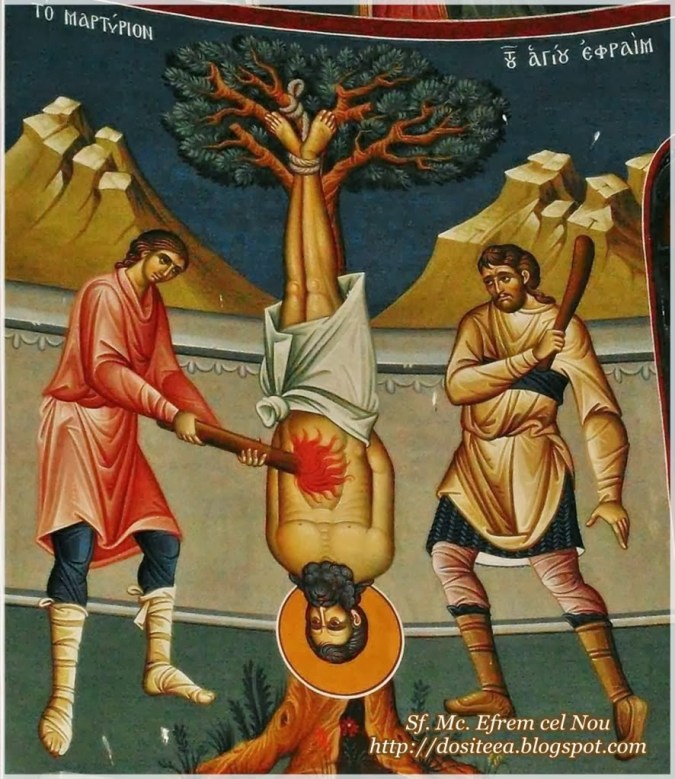
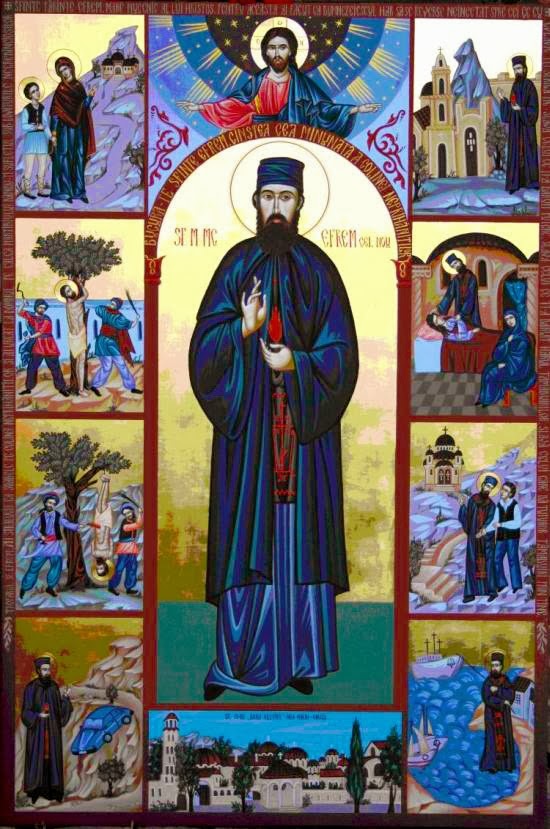
Saint Ephraim the Newly-Revealed Wonderworker of Nea Makri

holy martyrs8

Holy New Martyrs Emmanuel, Anezina, George and Maria, The Four Crypto-Christians New Martyrs

new martyrs7

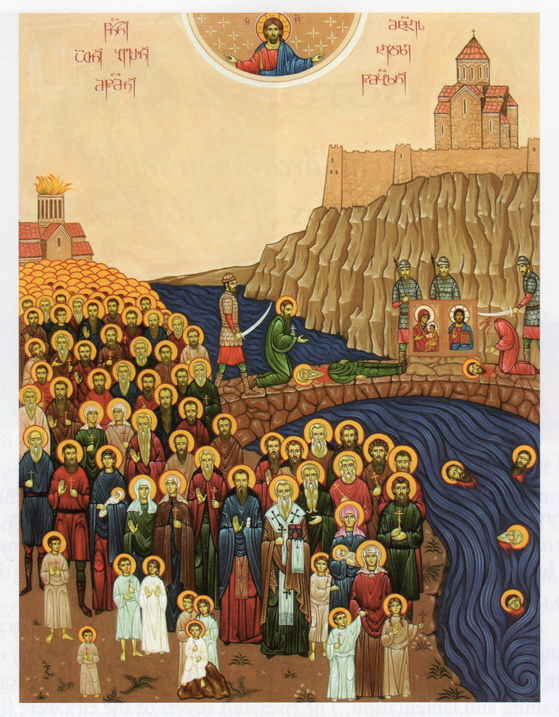
The 100,000 Holy Martyrs of Tbilisi

When one visits the thousands of Orthodox monasteries in Greece, Bulgaria and Romania, one must learn how to see beyond their exterior beauty and exoticism. All these places are built on harrowing pain and horror, yet they remain living prayers for the peace and salvation of the whole world; for centuries, they’ve held on to a holy stubbornness to not let go of hope, to not let go of love, to not allow hate to win and take over our hearts.

new martyrs210

New Martyrs Raphael, Nikolaos, Eirini

If that happened, if we let go of love and embraced the hatred, we’d be denying Christ; we’d be losing the real battle, the battle these old and new Christian martyrs died for.

new martyrs22

Hell Is Empty and All the Devils Are Here: a quote from the first act of William Shakespeare’s The Tempest


isis3
isis

“The Muslim threat will not be neutralized, and Muslims will not come to see the falsehood of their own faith, – which, after all, must be our hope and the only real solution to the problem – until and unless the Christians stop appeasing them through their anti-Christian ecumenism and debauchery, demonstrating in their own lives what it is to be a real Christian. The present confrontation between Western ecumenism and Muslim terrorism is providential … a final appeal to the conscience of Western Christians to cast off their indifference and acquire zeal for the one true faith, which is Christianity.” http://www.orthodoxchristianbooks.com/articles/690/islamic-terrorism-western-ecumenism/

D90 tokina 11-16 nd400 long exposure

Autumn Photo Sketches of Rila Monastery

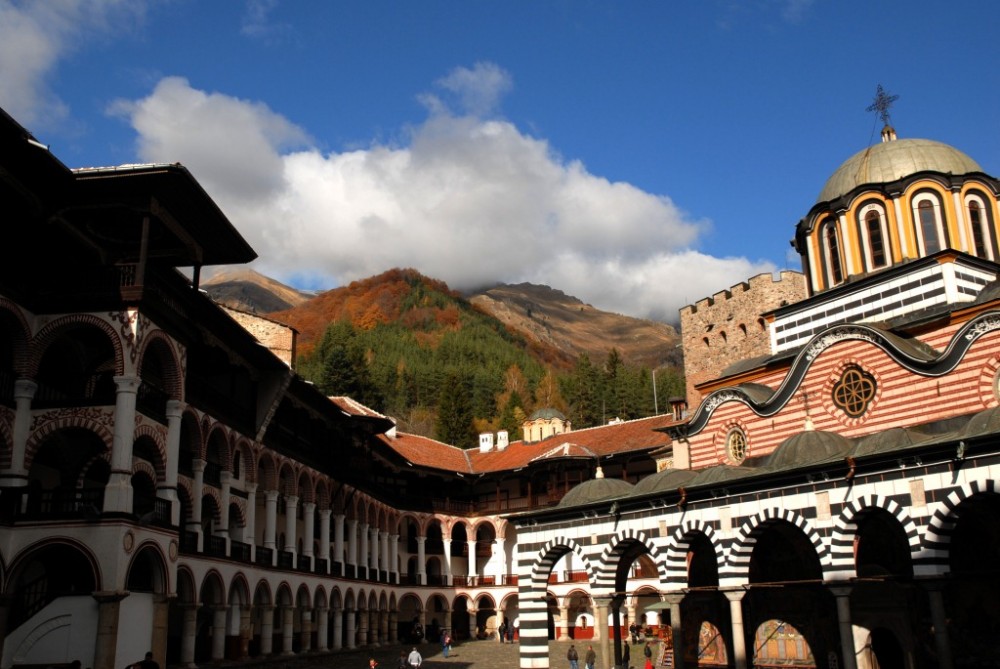
The Monastery of St. John of Rila, Bulgaria

rila42

rila43

The Monastery of St. John of Rila, Bulgaria

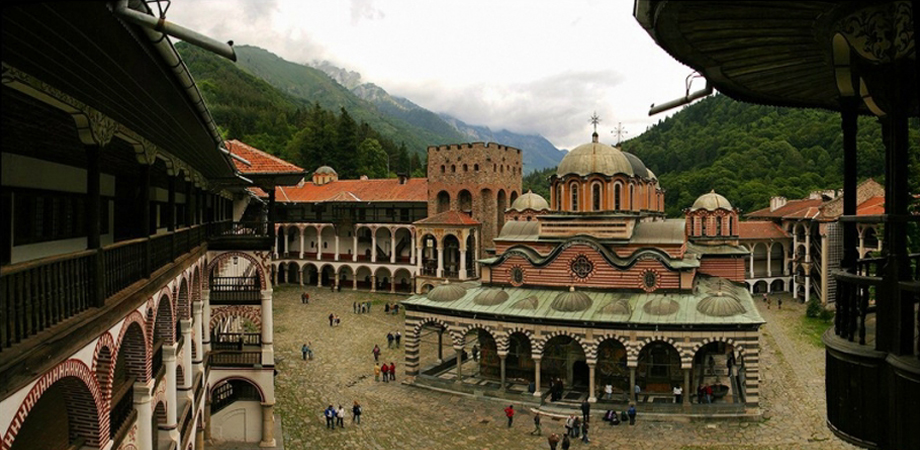
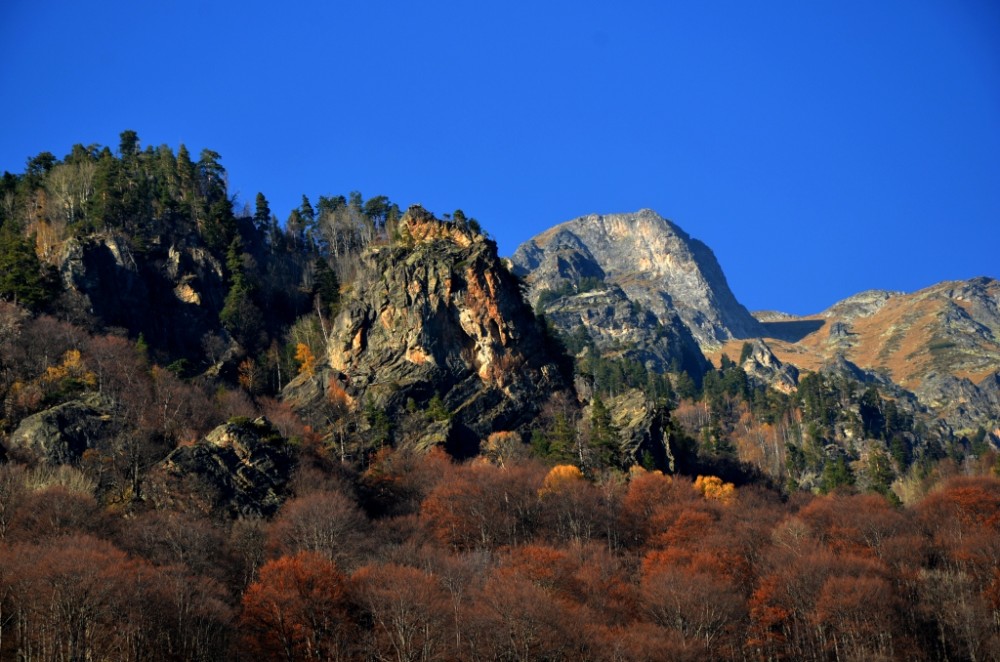
The main holy place of Bulgaria is Rila Monastery at which the relics of Venerable John (Ivan; c. 876-c. 946), the Wonderworker of Rila and patron-saint of this Orthodox country, rest. Rila Monastery is situated in the very heart of the Rila Mountains. Steep slopes covered with glorious woods, magnificent rocks, peace and quiet… All of this disposes a pilgrim’s soul towards the meeting with the holiness already at the turn of the Sofia – Blagoevgrad Motorway. And on your way back the spiritual delight changes into peaceful joy… And also into bitterness: in the places where the Divine grace is abundant and strong, one particularly realizes the incorrectness, vanity and worldliness of our ordinary life.

rila11

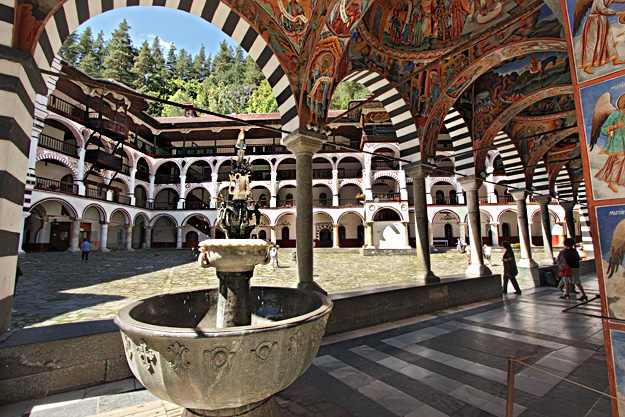
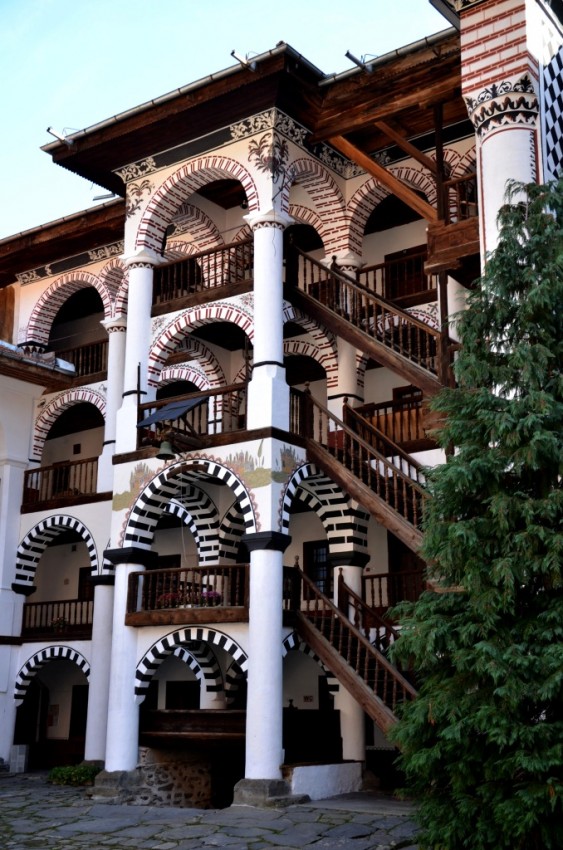
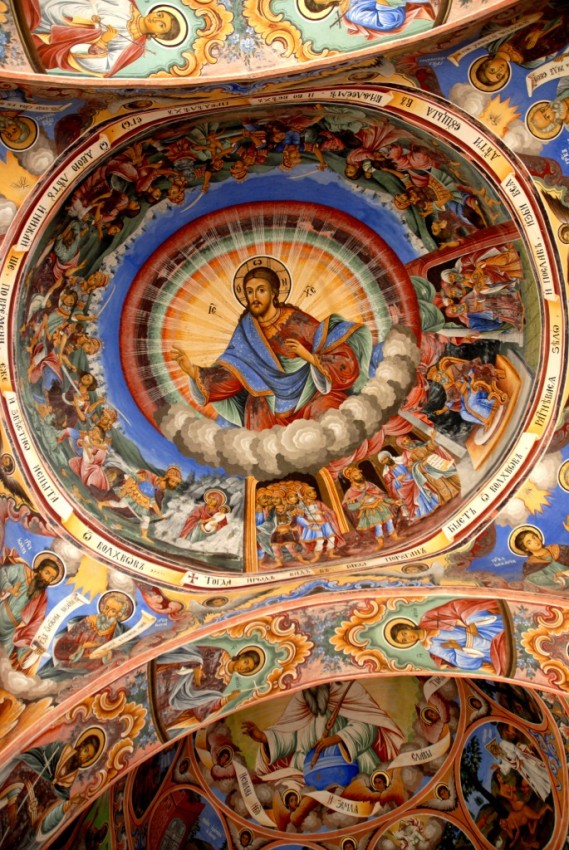
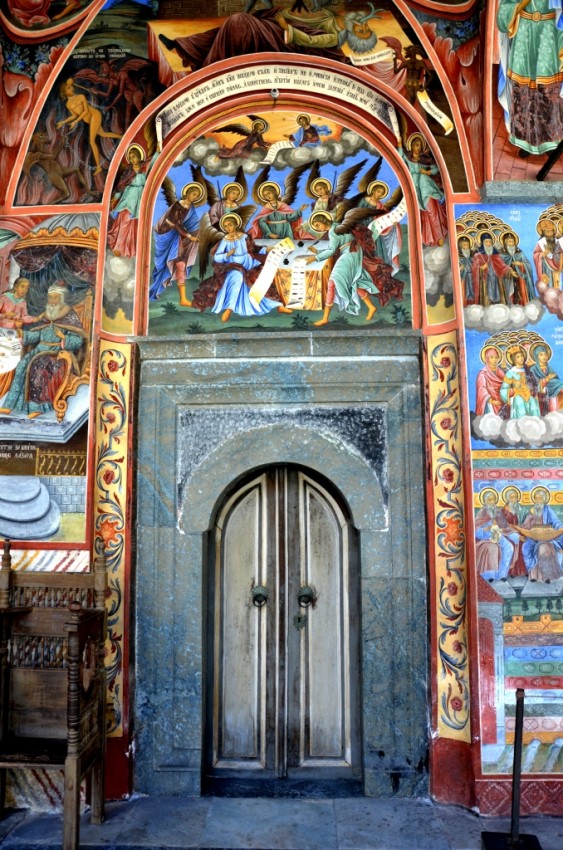
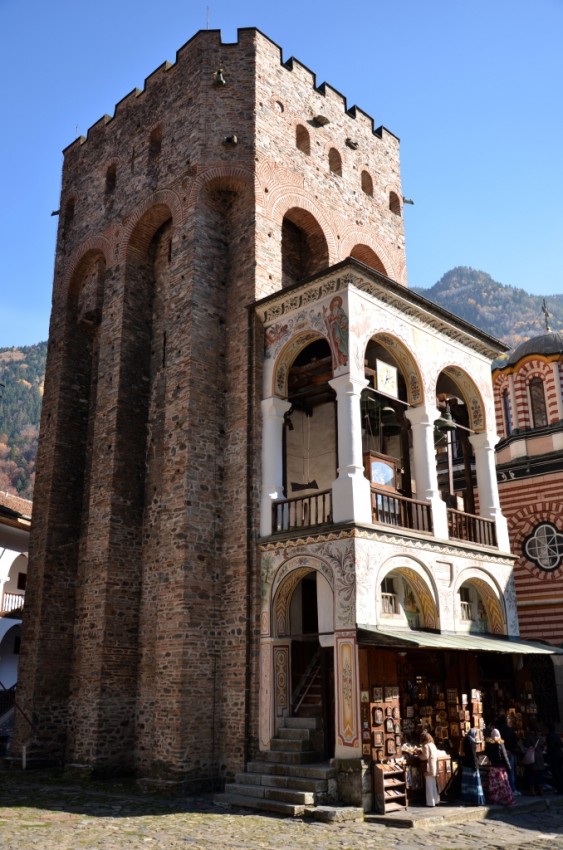
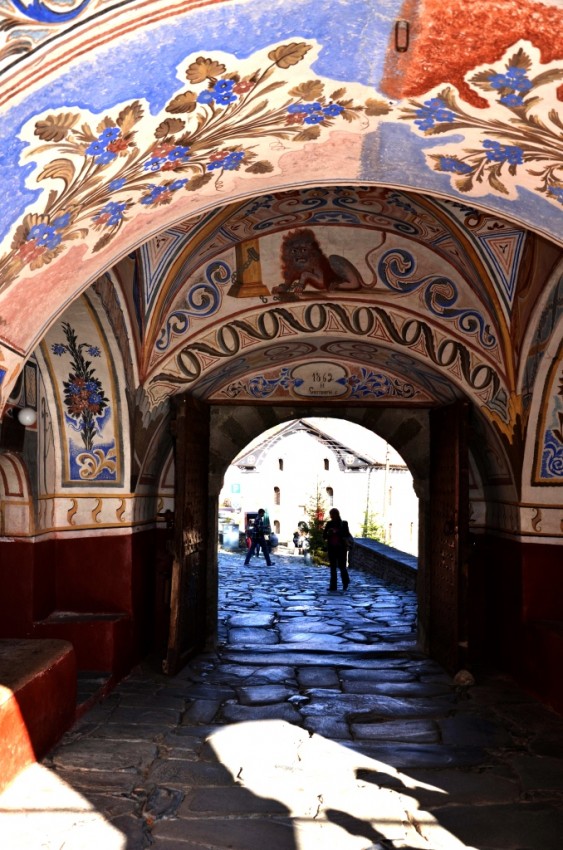
Rila Monastery was founded by St. John in the 930s and acquired its present appearance in the mid nineteenth century. Only the Tower of Hrelyu is much older: it dates from the fourteenth century. All who visit the holy monastery for the first time are amazed at the brightness of the frescoes which is an uncommon feature for a monastery. However, not everyone knows that they depict the afterlife journeys of a soul through the so-called aerial “toll-houses”, or trials. The main cathedral of the monastery is dedicated to the feast of the Nativity of the Mother of God. The reliquary with the Venerable John’s relics rests there. Numerous miracles have occurred and continue to occur through the prayers of this holy man. His significance for Bulgaria and his national veneration can be compared with the veneration of St. Sergius of Radonezh in Russia; even the lives of these two saints are remarkably similar.

rila17

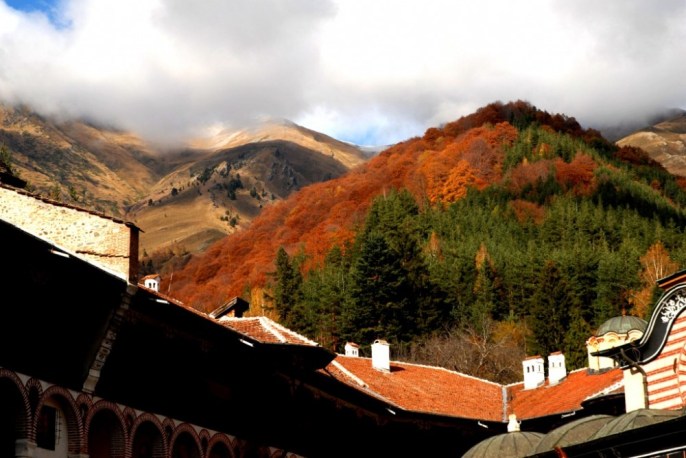
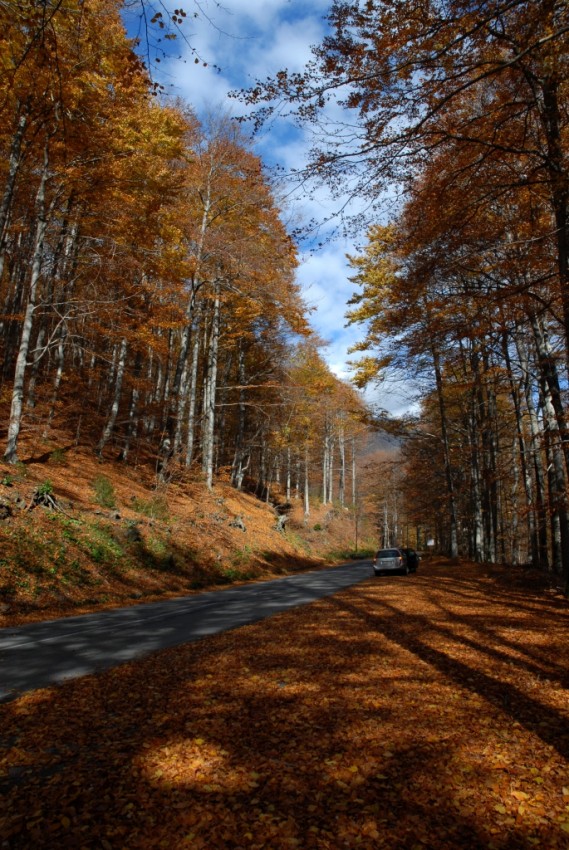
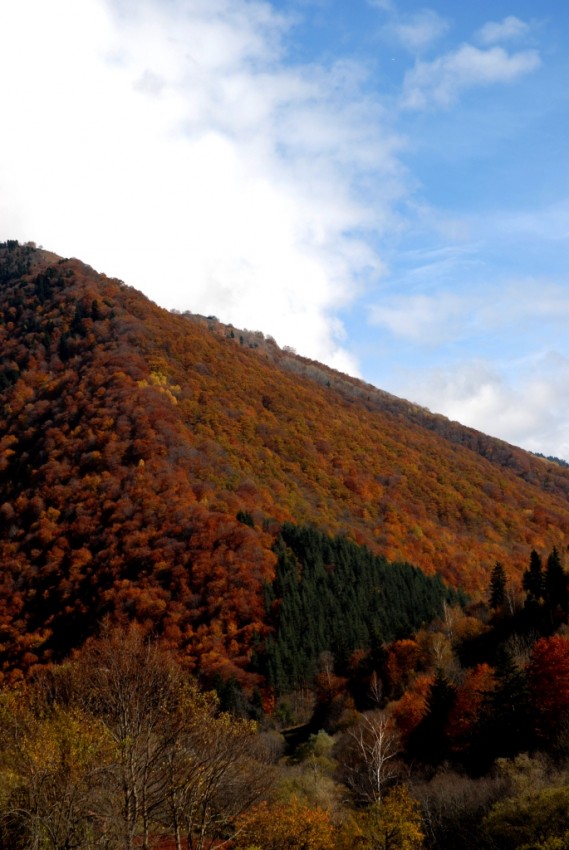
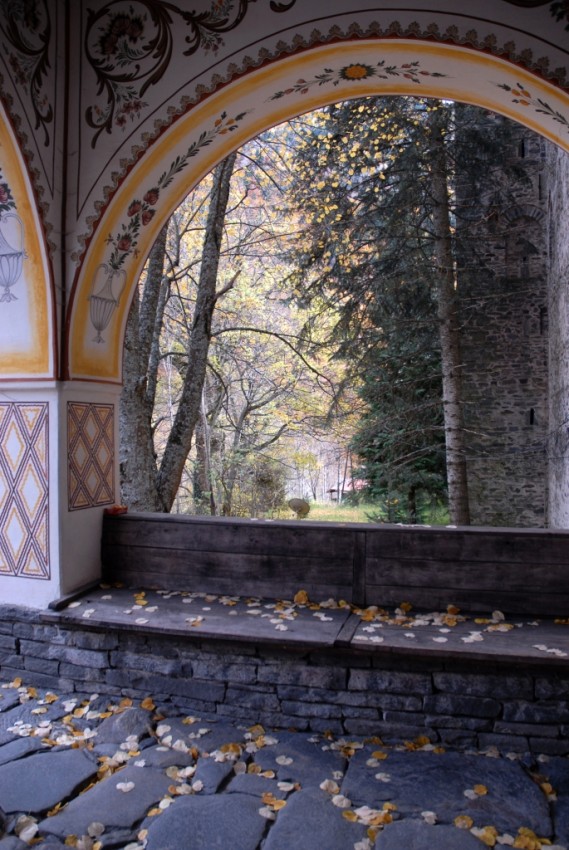
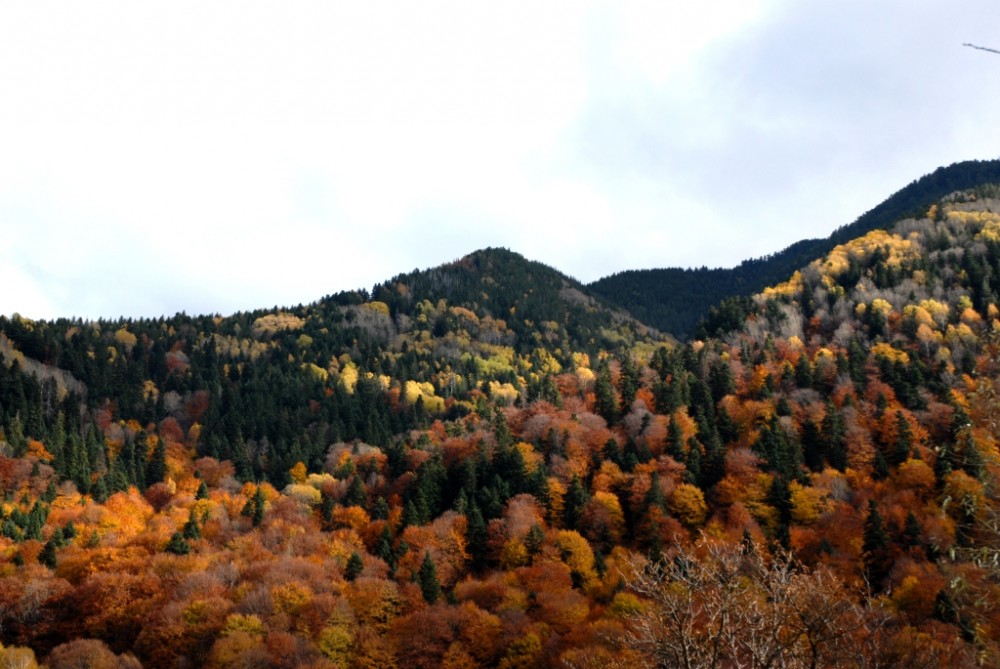
There are three days of commemoration of St. John of Rila in the Church year: July 1/14, August 18/31, and October 19/November 1. The last of them falls on the period of the “golden autumn” (when leaves especially turn red and yellow) – the most beautiful time in the mountains, when it is so warm in the sun and where the beauty of the God’s creation meets with spiritual, heavenly beauty…
Photos by Yanina Alekseeva, Sofia.

 rila2rila3rila4rila5rila6
rila8 
 rila10
The Church of the Nativity of the Mother of God rila12
Christ the Pantocrator. A frescorila13
Venerable John (Ivan) of Rilarila14
Frescoes depicting Toll Houses
 rila15rila16 rila19
The monks’ residence        rila20
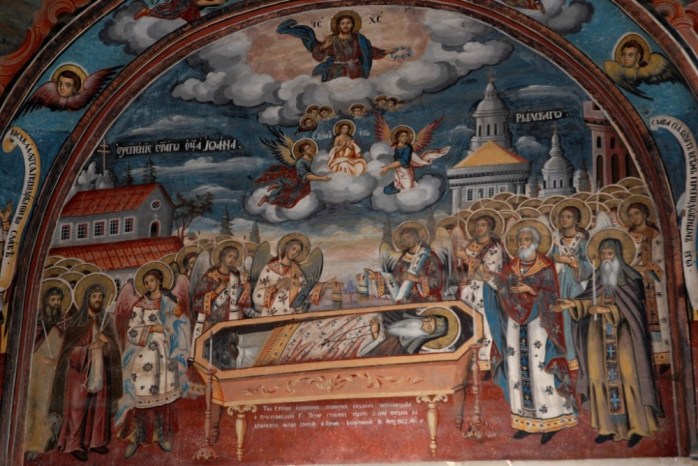
Repose of Venerable John of Rilarila18rila21 rila22
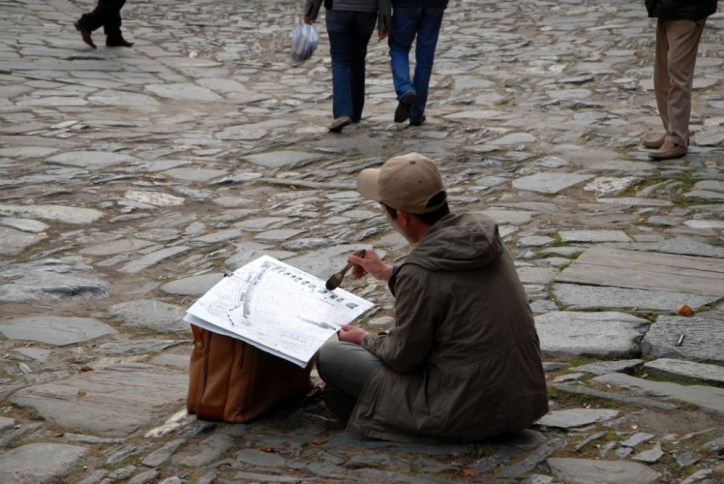
An Artist at Work
rila23 rila24rila25rila26rila27rila28rila29rila30rila31

A Wise Man or a Fool?

uganda1

An African fable (UGANDA)

*

ONCE upon a time there was a potter and his wife who had one child, a little boy, and as he grew older they were grieved to see that he was different from all other children.

He never played with them, or laughed, or sang; he just sat alone by himself, he hardly ever spoke to his parents, and he never learnt the nice polite manners of the other children in the village. He sat and thought all day, and no one knew what he thought about, and his parents were very sad.

uganda2

The other women tried to comfort the potter’s wife. They said: “Perhaps you will have another baby, and it will be like other children.” But she said:

“I don’t want another baby; I want this one to be nice.” And the men of the village tried to cheer the potter. “Queer boys often become great men,” they said. And one old man said: “Leave the boy alone; we shall see whether he is a wise man or a fool.”

The potter went home and told his wife what the men had said, and the boy heard him, and it seemed to wake him up, and he thought it over for a few days, and at last one morning at dawn he took his stick in his hand and went into the forest to think there.

All day he wandered about, and at last he came to a little clearing on the side of a hill from which he could look down over the country. The Sun was setting over the distant blue hills, and everything was touched with a pink and golden light, and deep shadows lay on the banana gardens and forests in the distance, but the boy saw none of these things; he was footsore and weary and miserable, and he sat down on a fallen log, tired out with his long day.

uganda3

Suddenly a lion came out on to the clearing.

“What are you doing here all alone?” he said severely.

“I am very miserable,” said the boy, “and I have come into the forest to think, for I do not know whether I am a wise man or a fool.”

“Is that all you think about?” said the lion.

“Yes,” answered the boy, “I think about it night and day.”

“Then you are a fool,” said the lion decidedly. “Wise men think about things that benefit the country.” And he walked away.

Then an antelope came bounding out on the clearing and stopped to stare at the boy.

“What are you doing here?” he asked.

“I am very miserable,” answered the boy; “I don’t know whether I am a wise man or a fool.”

“Do you ever eat anything?” said the antelope.

“Yes,” said the boy, “my mother cooks twice a day, and I eat.”

“Do you ever thank her?” said the antelope.

“No, I have never thought of that,” answered the boy.

“Then you are a fool,” said the antelope. “Wise men are always grateful.” And he bounded off into the forest again.

AM I A WISE MAN OR A FOOL? ASKED THE POTTER'S SON

Then a leopard came up and looked suspiciously at him.

“What are you doing here?” he asked crossly.

“I am very miserable,” answered the boy; “I don’t know if I am a wise man or a fool.”

“Do they love you in your village?” asked the leopard.

“No, I don’t think they do,” said the boy. “I am not like other boys. I don’t know them very well.”

“Then you are a fool,” said the leopard. “All boys are nice; I often wish I were a boy; wise men mix with their fellows and earn their respect.” And he walked on sniffing.

Just then the big grey elephant came shuffling along the forest path, swinging his tail as he walked, and picking a twig here and a leaf there as he passed under the trees.

“What are you doing here all alone in the jungle when the Sun is setting?” he asked. “You should be at home in your village.”

“I am very miserable,” said the boy. “I don’t know if I am a wise man or a fool.”

“What work do you do?” asked the elephant.

“I don’t do any work,” said the boy.

“Then you are a fool,” said the elephant. “All wise men work.” And he swung away down the path which leads to the pool in the forest where the animals go to drink, and the boy put his head down in his hands and cried bitterly, as if his heart would break, for he did not know what to do.

uganda4

After a little while he heard a gentle voice by his side: “My little brother, do not cry so; tell me your trouble.” The boy raised his tear-stained face and saw a little hare standing by his side.

“I am very miserable,” he said. “I am not like other people, and nobody loves me. I came into the forest to find out whether I am a wise man or a fool, and all the animals tell me I am a fool.” And he put his head in his hands again and cried more bitterly than ever.

The hare let him cry on for a little while, and then he said: “My little brother, do not cry any more. What the animals have told you is true; they have told you to think great thoughts, to be grateful and kind to others, and, above all, to work. All these things are great and wise. The animals are never idle, and they marvel to see how men, with all their gifts, waste their lives. Think how surprised they are to see a boy like you, well and strong, doing nothing all day, for they know that the world is yours if you will make it so.”

The Sun had set behind the distant hills and the soft darkness was falling quickly over the forest, and the hare said: “Soon it will be chilly here; you are tired and hungry, and far from your village; come and spend the night in my home and we will talk of all these things.”

So they went into the forest again, and the hare brought the boy water in a gourd and wonderful nuts to eat, and made him a soft bed of dry leaves.

And they talked of many things till the boy said: “My father is a potter, and I think I should like to be a potter too.” “If you are, you must never be content with poor work,” said the hare. “Your pottery must be the best in the country; never rest until you can make really beautiful things; no man has any right to send imperfect work out into the world.” “Nobody will believe in me when I go home; they will think I am mad,” said the boy. And the little hare answered: “Man’s life is like a river, which flows always on and on; what is past is gone for ever, but there is clear water behind; no man can say it is too late, and you are only a boy with your life before you.”

“They will laugh at me,” said the boy.

“Wise men don’t mind that,” said the hare; “only fools are discouraged by laughter; you must prove to them that you are not a fool. I will teach you a song to sing at your work; it will encourage you:

“When the shadows have melted in silver dawn,
Farewell to my dreams of play.
The forest is full of a waking throng,
And the tree-tops ring with the birds’ new song,
And the flowers awake from their slumber long,
And the world is mine to-day.”My feet are sure and my hands are strong.
Let me labour and toil while I may.
When the Sun shall set in a sea of light,
And the shadows lengthen far into the night,
I shall take the rest which is mine by right,
For I’ll win the world to-day.”

… So the boy went back to his village, and he found his mother digging in the garden, and he knelt down and greeted her as all nice Baganda children do, and he saw how pleased she was. Then he went to his father, and said: “I want to be a potter; teach me your work and I will try to learn it.” And the potter was very much pleased to think that he would have a son to take on his trade after him, and all the people in the village heard and they rejoiced with the potter and his wife.

And the boy worked hard, and in after years he became a famous potter, and people came from all parts of the country to buy his pottery, for everyone knew that he never sold anything that was not beautiful and well made.

*

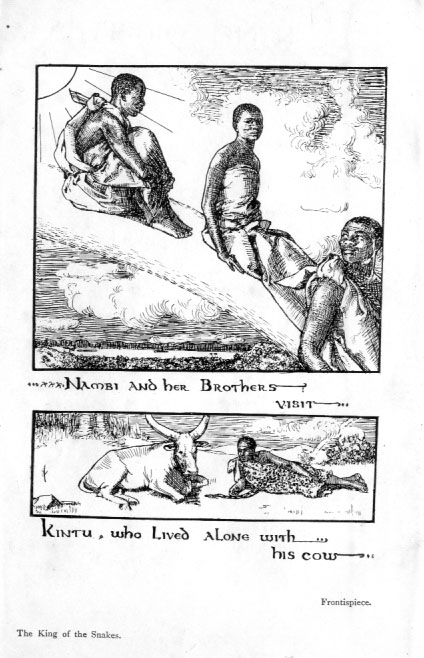
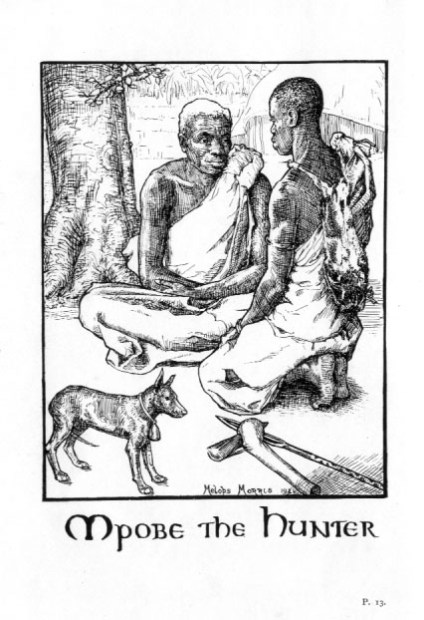
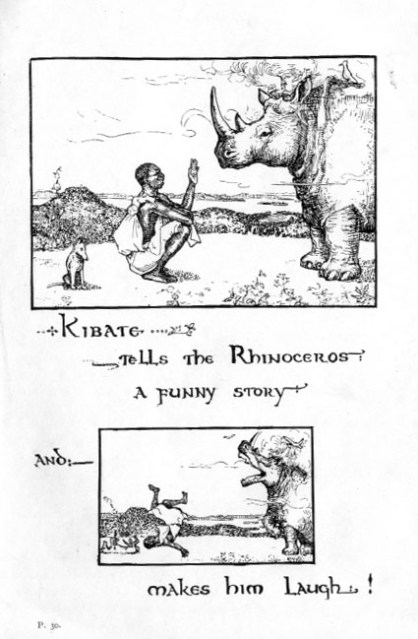
Source:  THE KING OF THE SNAKES AND OTHER FOLK-LORE STORIES FROM UGANDA

http://digital.library.upenn.edu/women/baskerville/king/king.html#XXVII

Eros, Philia, Agape

canova

Love 

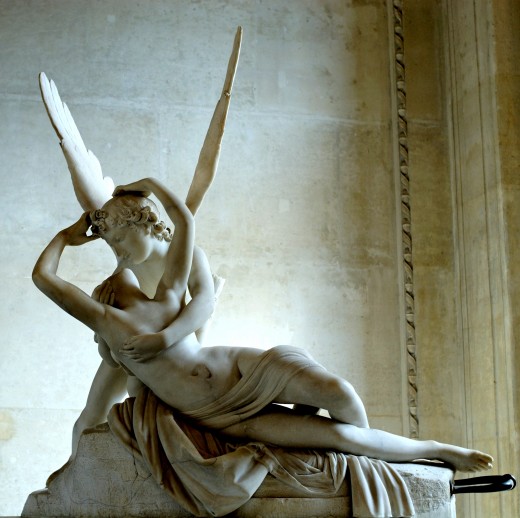
* This is by far the most famous neo-classical sculpture ever commissioned. It was sculpted by Antonio Canova. It was first commissioned in 1787.

*
“What type of love do you mean: Eros, Philia or Agape?”
The man looked at him without understanding a word.
“There are three words in Greek to designate love,” Petrus said. “Today you are seeing the manifestation of Eros, that sentiment between two persons.”

“The two seem to love one another. In a short time they will be fighting alone for life, establishing themselves in a house and taking part in the same adventure: that’s what makes love grand and dignified. He will pursue his career, she probably knows how to cook and will make an excellent housewife because since she was a little girl she was brought up to do that. She will accompany him, they will have children and they will manage to build something together, they will be happy for ever.”

“Al of a sudden, however, this story could happen the other way around. He is going to feel that he is not free enough to show all the Eros, all the love that he has for other women. She may begin to feel that she has sacrificed a career and a brilliant life to accompany her husband. So, instead of creating together, each of them will feel robbed in their way of loving. Eros, the spirit that joins them, will start to display only his bad side. And what God had meant to be man’s most noble sentiment will begin to be a source of hatred and destruction.”

“Notice how odd it is,” continued my guide. “Despite being good or bad, the face of Eros is never the same in all persons.”

Then he continued, pointing to an elderly couple:
“Look at those two: they haven’t let themselves be affected by hypocrisy, like so many others. They look like they are a couple of farm workers: hunger and need have obliged them to overcome many a difficulty together. They have discovered love through work, which is where Eros shows his most beautiful face, also known as Philia.”
“What’s Philia?”
“Philia is love in the form of friendship. It’s what I feel for you and others. When the flame of Eros no longer able to shine, it’s Philia who keeps couples together.”

“And what about Agape?”
“Agape is total love, the love that devours those that experience it. Whoever knows and experiences Agape sees that nothing else in this world is of any importance, only loving. This was the love that Jesus felt for humanity, and it was so great that it shook the stars and changed the course of man’s history.”
“During the millennia of the history of civilization, many people have been smitten by this Love that Devours. They had so much to give – and the world demanded so little – that they were obliged to seek out the deserts and isolated places because love was so great that it transfigured them. They became the hermit saints that we know today.”
“For me and you who have experienced another form of Agape, this life here may seem hard and terrible. Yet the Love that Devours makes everything lose its importance: these men live only to be consumed by their love.”
He took a pause.
“Agape is the Love that Devours,” he repeated once more, as if this was the phrase that best defined that strange type of love. “Luther King once said that when Christ spoke of loving our enemies he was referring to Agape. Because according to him, it was impossible to like our enemies, those who do us harm and try to make our daily suffering all the worse.”
“But Agape is a lot more than liking. It is a sentiment that invades everything, fills all the cracks and makes any attempt at aggression turn to dust.”
“There are two forms of Agape. One is isolation, life dedicated only to contemplation. The other is precisely the opposite: contact with other human beings, and enthusiasm, the sacred sense of work. Enthusiasm means trance, ecstasy, connecting with God. Enthusiasm is Agape directed at some idea, something.”
“When we love and believe in something from the bottom of our soul, we feel stronger than the world and we are imbued with a serenity that comes from the certainty that nothing can conquer our faith. This strange force makes us always make the right decisions at the right time, and we are surprised at our own capacity when we fulfill our objective.”
“Enthusiasm usually manifests itself in all its power in the early years of our life. We still have a strong tie with the divinity and we give ourselves with such zeal to our toys that dolls take on a life of their own and little tin soldiers manage to march. When Jesus said that the kingdom of Heaven belonged to the children, he was referring to Agape in the form of Enthusiasm. The children reached him without paying any attention to his miracles, his wisdom, the Pharisees and the apostles. They came happily, driven by Enthusiasm.”


taken from THE PILGRIMAGE by Paulo Coehlo

“May you never lose your enthusiasm at any moment for the rest of your life: it’s your greatest strength, intent on the final victory. You cannot let it slip through your fingers just because as time passes we have to face some small and necessary defeats.”

Source:  Paulo Coehlo Writer Official Site http://paulocoelhoblog.com/2013/04/05/love-as-eros-philos-and-agape/

Simplicity, the Ultimate Sophistication

Alchemist5

Leonardo da Vinci. “Simplicity is the ultimate sophistication.”
In Paulo Coelho’s brilliant little book, The Alchemist, the author tells of a young lad sent by his father to a wise man to discover the secret of happiness. The wise man lived in a magnificent, faraway castle complete with sweet music, beautiful artwork, delicious food, and sprawling gardens. It was a wonder of the world. After a long journey to the castle and waiting for hours to speak to the sage, the boy finally gained an audience. The wise man listened to the boy’s explanation for his visit, then answered, “I do not have time to reveal the secret of happiness to you.” Instead, he handed the boy a teaspoon with two tiny drops of oil in it, and instructed him to wander around the castle for two hours without spilling the oil.

alchemist35
The lad did as instructed, carefully climbing the high stairwells and creeping down the long hallways of the palace, his eyes always fixed on the teaspoon. When he returned to the wise man, he was asked, “Did you see my Persian tapestries, my extravagant gardens, my parchments in the library?” Embarrassed, the boy replied that he had not. He had been focused solely on the drops of oil in the spoon. With this confession the boy was sent back to tour the castle, and this time he focused all his attention on the beauty that surrounded him. He returned to the wise man with excitement, thrilled at all he had seen. The wise man then asked, “And where are the two drops of oil I gave you?”

alchemist33

The boy realized that he had spilt them along the way. The wise man then revealed his “secret” to happiness: “Happiness lies in looking at all the wonders of the world and never forgetting the two drops of oil in the spoon.” This parabolic story calls for a much needed balance: Joy is the product of being in tune with the world around us, while caring for the few precious things we have been given to carry on our journey. We cannot ignore the realities of our surroundings, and we cannot ignore our personal responsibilities.

alchemist21

But the real brains of Coelho’s story is that the wise man gave the boy only two drops to carry in his spoon; not a quart of oil, not a five-gallon bucket full, and certainly not a heavy, back-breaking tank of the stuff. It was only a couple of drops, revealing that happiness is maintained by keeping our personal load as light as possible. Do you want to be happy? Lighten your load and simplify your life. The most deeply spiritual thing that some of us could do is have a garage sale. Purge our calendars. Resign from a few of our many activities. Our unhappiness isn’t related to a poor prayer life, the lack of reading the Scriptures, or going to church too little.

alchemist6

We are carrying too much baggage. We are trying to manage too much stuff. We have too many possessions, too many obligations, and too many batons juggling in the air. This is an unqualified recipe for misery. Because all of these weights and concerns of life — most of which we have assumed (they haven’t been put upon us by anyone else) — are choking out any real chance at being happy, as we simply cannot carry our self-loaded burdens or lift our heads to see the beauty around us.

alchemist3

None of us can live our lives, worship our God, enjoy our world, or take care of those who have been given to us to love (these are the few, priceless drops in the spoon by the way), if we are constantly looking at our own shoelaces, burdened with ourselves and our many concerns. Thus, when we simplify, we are doing much more than getting rid of physical possessions or conserving our precious time. We are sharpening our emotional focus; we are making spiritual space. We are choosing to be happy. Happiness, after all, is an intentional choice, and it is the wisest choice of all.

alchemist11

“The Wisdom of Simplicity” by Ronnie McBrayer at http://www.wilsoncountynews.com/article.php?id=50850&n=keeping-faith-ronnie-mcbrayer-keeping-faith-wisdom-simplicity

Music Swims Back To Us

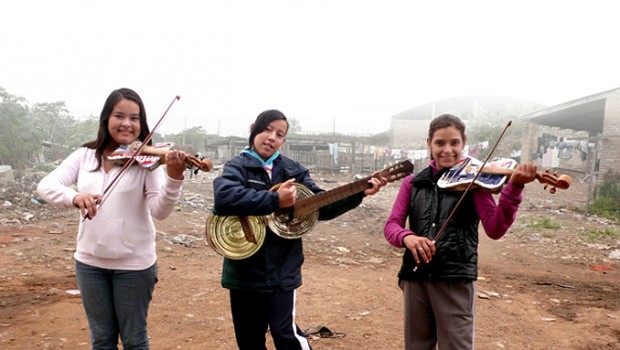
LandfillHarmonicSlider678x383-620x350

“Landfill Harmonic Is A Film about the Love of Music”

Landfill Harmonic, Directors:: Brad Allgood, Graham Townsley

Before you proceed to the film review, let me tell you that to truly understand what happened in Cateura, you should watch an absolutely brilliant, fascinating classical music lesson by Benjamin Zander, a famous Ted talk on “The transformative power of classical music” at https://www.ted.com/talks/benjamin_zander_on_music_and_passion
*

… “Landfill Harmonic” was a film that took me straight out of that lull. It made my soul smile, and I’m willing to bet that it will do the same to each and every one of you. Rarely does a film come by that touches you so purely. This is exactly what happened to me. “Landfill Harmonic” is a film that will inspire you, embrace your soul, and prove that magic can be found in the most unexpected places.

You can view the teaser for the film below:

I was given the privilege to see this film while attending SXSW this year, and it was amazing. I was touched by the plight of these people, and entranced at the ingenuity of them. To steal a line from “Jurassic Park”, “Life finds a way.” Humanity is a wonderful species, and “Landfill Harmonic” is one of the best examples of this.

There are too many instances where we discredit people due to race, gender, and circumstance, but given the opportunity, we all have the potential to shine. I highly suggest seeing this film when it releases. As some of you know, I have been a musician for most of my life, and “Landfill Harmonic” made me want to play. I don’t really have the words to describe this feeling, except to say that the film inspired me, and made me want to create something as beautiful as what I had just witnessed.

Landfill Harmonic, Directors:: Brad Allgood, Graham Townsley

Here is the official SXSW synopsis of the film:

“Landfill Harmonic” follows the Recycled Orchestra of Cateura, a Paraguayan musical group that plays instruments made entirely out of garbage. When their story goes viral, the orchestra is catapulted into the global spotlight. Under the guidance of idealistic music director Favio Chavez, the orchestra must navigate a strange new world of arenas and sold-out concerts. However, when a natural disaster strikes their country, Favio must find a way to keep the orchestra intact and provide a source of hope for their town. The film is a testament to the transformative power of music and the resilience of the human spirit.

The way that these kids play their instruments is delightful and their passion for music is incredible. Favio Chavez is their teacher and mentor, and I had the opportunity to shake his hand. I really could tell him nothing except thank you. I don’t even think that thank you could begin to sum up my appreciation for him and what he has done in Paraguay. The funny thing is that he seemed to understand exactly what I was saying. This is one of the wonderful things about music.

Landfill Harmonic, Directors:: Brad Allgood, Graham Townsley

The most impressive thing about the film is how the community has banded together to help these children. The children’s music brings them hope, and allows them to see that they can all change their stars.

“Landfill Harmonic” needs your help. Spread the word about this film. Be proactive and help contribute. Part of the proceeds from the film will go to the Recycled Orchestra. They take donated instruments as well. You can get all of the information that you need on the official site for the film, Landfillharmonicmovie.com.

Directed by Brad Allgood and Graham Townsley, “Landfill Orchestra” is a lesson in how precious life is, and why we should not take music and art for granted. I applaud everyone that has contributed to the making of the film, and especially Favio Chavez and the children. You keep on making brilliant music, because I get butterflies in my stomach every time I hear you play it.

Below, are some images from the film:

Landfill Harmonic, Directors:: Brad Allgood, Graham Townsley Landfill Harmonic, Directors:: Brad Allgood, Graham Townsley Landfill Harmonic, Directors:: Brad Allgood, Graham TownsleyLandfill Harmonic, Directors:: Brad Allgood, Graham Townsley Landfill Harmonic, Directors:: Brad Allgood, Graham Townsley Landfill Harmonic, Directors:: Brad Allgood, Graham Townsley Landfill Harmonic, Directors:: Brad Allgood, Graham Townsley

By “Landfill Harmonic Will Touch Your Soul” by  at http://flicksided.com/2015/03/20/landfill-harmonic-will-touch-your-soul/#respond

*

Be sure not to miss their inspiring Ted talk at http://ed.ted.com/on/p2vivxdA

Raptures of Old Age and Art

Astonishing Film of Arthritic Impressionist Painter, Pierre-Auguste Renoir (1915)
renoir1

  renoir3

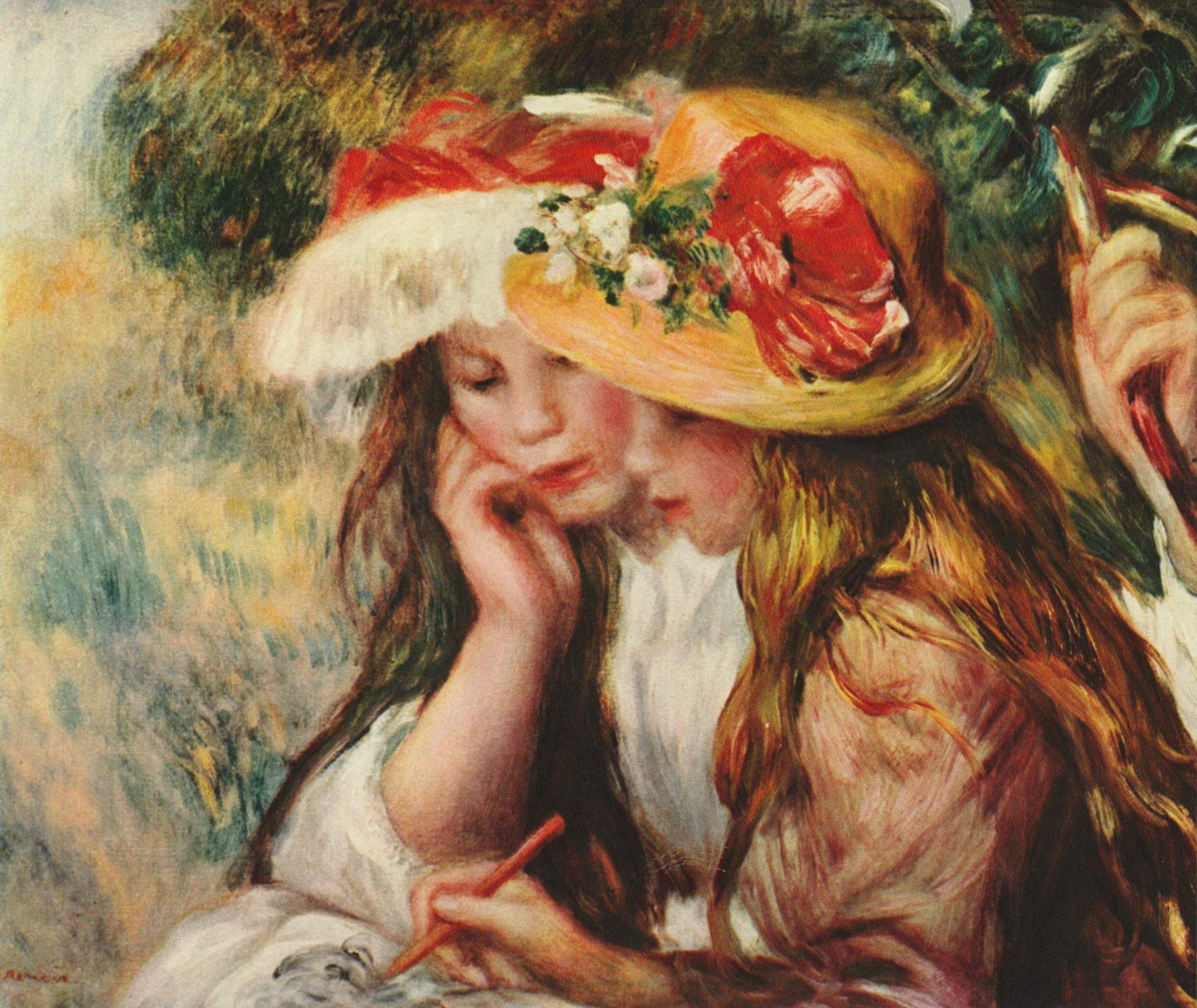
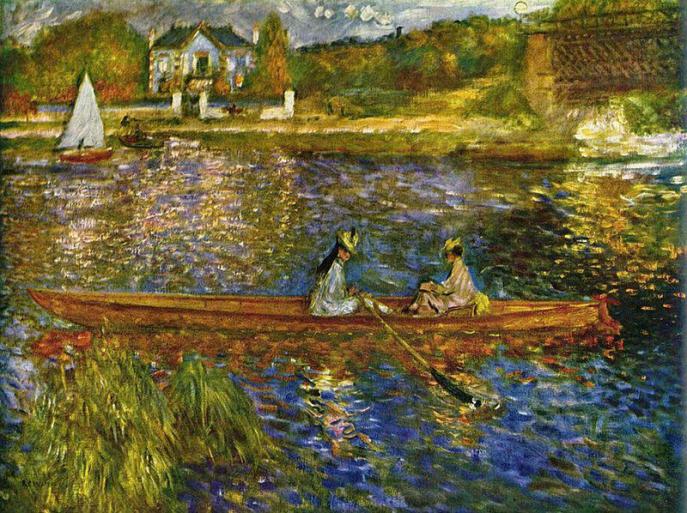
You may never look at a painting by Pierre-August Renoir in quite the same way again after seeing this three-minute film. It didn’t show in his artwork, but Renoir suffered from severe rheumatoid arthritis during the last three decades of his life. He worked in constant pain, right up until the day he died.

Pierre-Auguste Renoir – Filmed Painting at Home (1919)

His hands were terribly deformed. His rheumatism had made the joints stiff and caused the thumbs to turn inward towards the palms, and his fingers to bend towards the wrists. Visitors who were unprepared for this could not take their eyes off his deformity. Though they did not dare to mention it, their reaction would be expressed by some such phrase as “It isn’t possible! With hands like that, how can he paint those pictures? There’s some mystery somewhere.”

renoir13

renoir14

The film of Renoir was made by 30-year-old Sacha Guitry, who appears midway through the film sitting down and talking with the artist. Guitry was the son of the famous actor and theatre director Lucien Guitry, and would go on to even greater fame than his father as an actor, filmmaker and playwright. When a group of German intellectuals issued a manifesto after the outbreak of World War I bragging about the superiority of German culture, Guitry was infuriated. As an act of patriotism he decided to make a film of France’s great men and women of the arts. It would be released as Ceux de Chez Nous, or “Those of Our Land.” Guitry and Renoir were already friends, so when the young man embarked on his project he travelled to Renoir’s home at Cagnes-sur-Mer, in the Provence-Alpes-Côte d’Azur region. The date was shortly after June 15, 1915, when Renoir’s wife Aline died.

renoir15

In Sacha Guitry: The Last Boulevardier, writer James Harding describes the scene:

The choice of time was unfortunate. That very day Renoir’s wife was to be buried. Sacha went to the old man who sat huddled arthritically in his wheel chair and murmured: ‘It must be terribly painful, Monsieur Renoir, and you have my deepest sympathy.’ ‘Painful?’ he replied, shifting his racked limbs, ‘you bet my foot is painful!’ They pushed him in his chair up to a canvas, and, while Sacha leaned watching over his shoulder, Renoir jabbed at the picture with brushes attached to hands which had captured so much beauty but which now were shrivelled like birds’ claws. The flattering reminder that he was being filmed for posterity had no effect on the man who, on being awarded the cravat of a Commandeur of the Légion d’Honneur, had said: ‘How can you expect me to wear a cravat when I never wear a collar?’

renoir6

Renoir died four years after the film was made, on December 3, 1919. He lived long enough to see some of his paintings installed in the Louvre. When a young Henri Matisse asked the suffering old man why he kept painting, Renoir is said to have replied, “The pain passes, but the beauty remains.”

Source: http://www.openculture.com/2012/07/astonishing_film_of_arthritic_impressionist_painter_pierre-auguste_renoir_1915.html