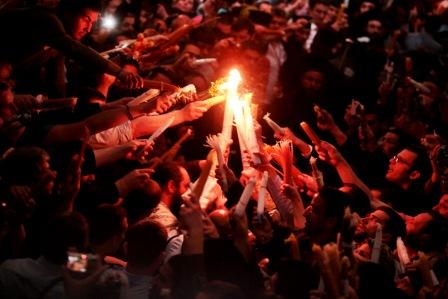
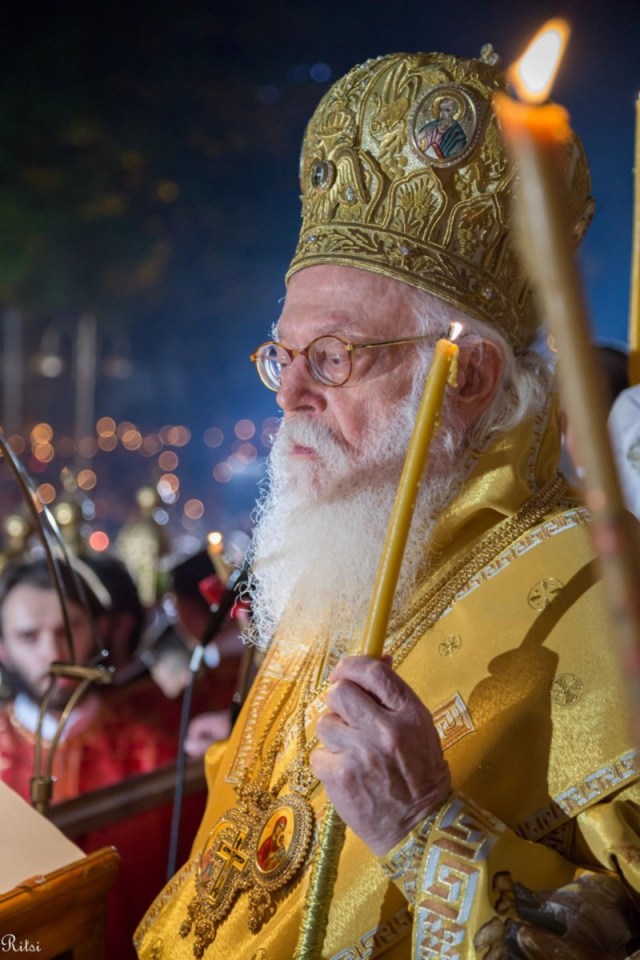
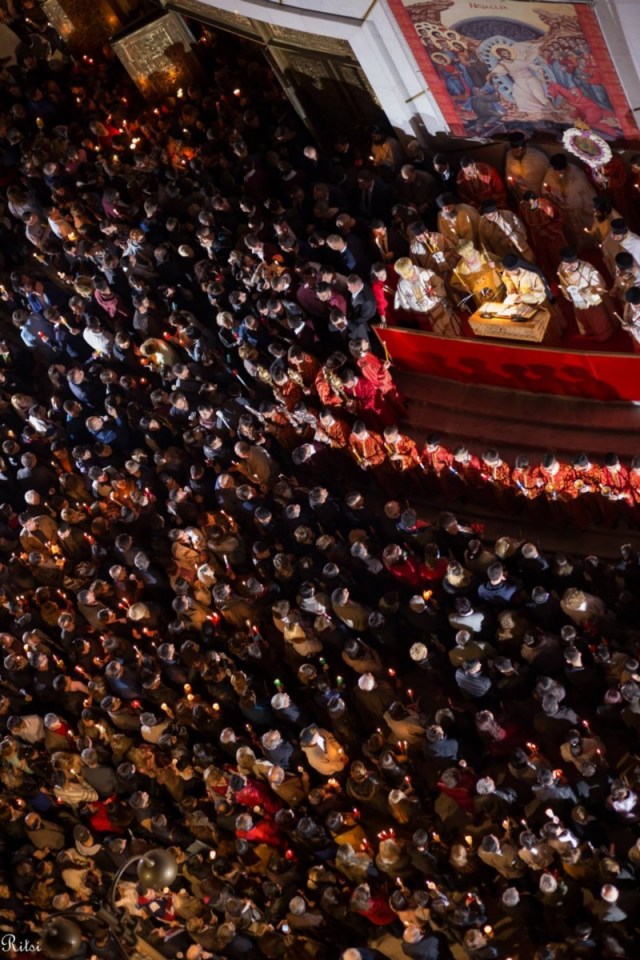
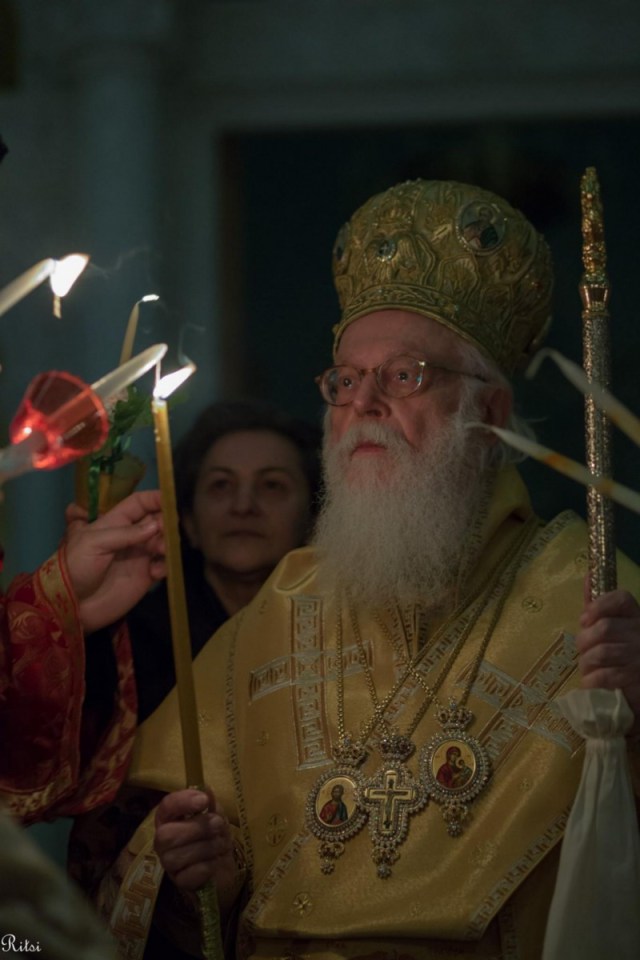
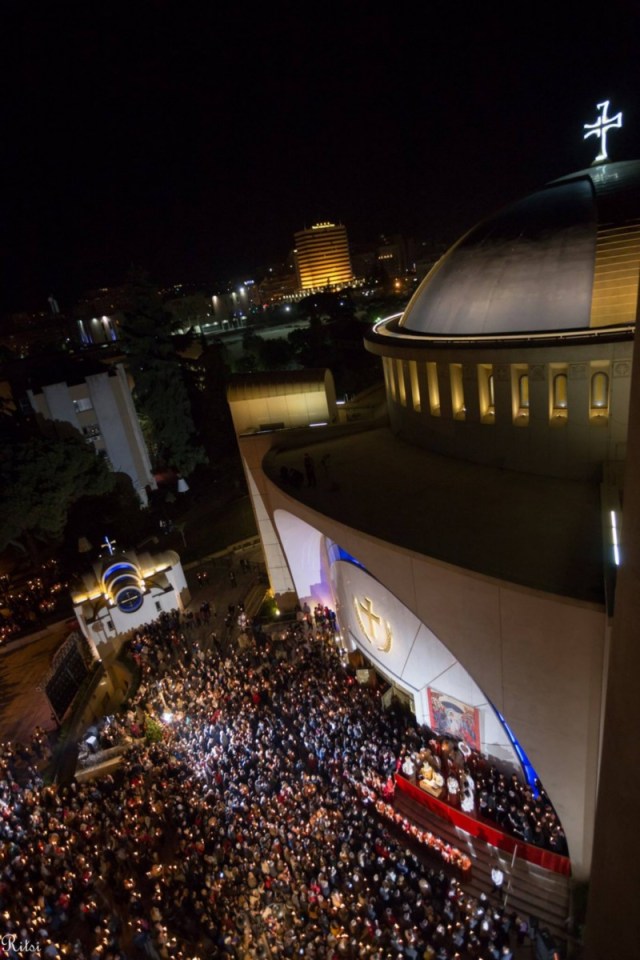
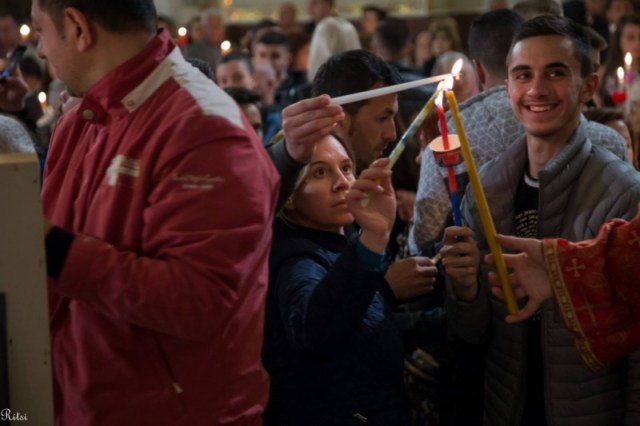
“Our Easter joy is offered in order to be shared with others. … A pious custom among Orthodox Christians is to share with others the light of Christ the moment their candle is lit. This sharing of Christ’s Light highlights the duty of the faithful to evangelise, to spread the Evangelion (Ευ-Αγγέλιον), the Good News of our Lord’s Resurrection, like the Apostles. Our resurrected Lord said: “All authority in heaven and on earth has been given to me.” And He added: “Therefore go and make disciples of all nations” (Matthew 28:18-19). Πορευθέντες οὖν.
So, there is one consequence, one “therefore”, one “οὖν”: Don’t limit yourselves to your own personal salvation and joy; you have a holy responsibility to spread this Evangelion to all those who ignore this Truth. This Hope must not be kept hidden, must not be confined to only one community. This Hope is for all peoples, for the renewal of all mankind.” (Archbishop Anastasios of Albania, Easter Message 2017)
This Akathist, also called the “Akathist of Thanksgiving,” was found among the effects of Protopresbyter Gregory Petrov upon his death in a prison camp in 1940. The title is from the last words of Saint John Chrysostom as he was dying in exile. It is a song of praise from amidst the most terrible sufferings attributed to Metropolitan Tryphon of Turkestan.
Kontakion 1
Everlasting King, Thy will for our salvation is full of power. Thy right arm controls the whole course of human life. We give Thee thanks for all Thy mercies, seen and unseen. For eternal life, for the heavenly joys of the Kingdom which is to be. Grant mercy to us who sing Thy praise, both now and in the time to come. Glory to Thee, O God, from age to age.
Ikos 1
I was born a weak, defenseless child, but Thine angel spread his wings over my cradle to defend me. From birth until now Thy love has illumined my path, and has wondrously guided me towards the light of eternity; from birth until now the generous gifts of Thy providence have been marvelously showered upon me. I give Thee thanks, with all who have come to know Thee, who call upon Thy name.
Glory to Thee for calling me into being Glory to Thee, showing me the beauty of the universe Glory to Thee, spreading out before me heaven and earth Like the pages in a book of eternal wisdom Glory to Thee for Thine eternity in this fleeting world Glory to Thee for Thy mercies, seen and unseen Glory to Thee through every sigh of my sorrow Glory to Thee for every step of my life’s journey For every moment of glory Glory to Thee, O God, from age to age
Kontakion 2
O Lord, how lovely it is to be Thy guest. Breeze full of scents; mountains reaching to the skies; waters like boundless mirrors, reflecting the sun’s golden rays and the scudding clouds. All nature murmurs mysteriously, breathing the depth of tenderness. Birds and beasts of the forest bear the imprint of Thy love. Blessed art thou, mother earth, in thy fleeting loveliness, which wakens our yearning for happiness that will last for ever, in the land where, amid beauty that grows not old, the cry rings out: Alleluia!
Ikos 2
Thou hast brought me into life as into an enchanted paradise. We have seen the sky like a chalice of deepest blue, where in the azure heights the birds are singing. We have listened to the soothing murmur of the forest and the melodious music of the streams. We have tasted fruit of fine flavour and the sweet-scented honey. We can live very well on Thine earth. It is a pleasure to be Thy guest.
Glory to Thee for the Feast Day of life Glory to Thee for the perfume of lilies and roses Glory to Thee for each different taste of berry and fruit Glory to Thee for the sparkling silver of early morning dew Glory to Thee for the joy of dawn’s awakening Glory to Thee for the new life each day brings Glory to Thee, O God, from age to age
Kontakion 3
It is the Holy Spirit who makes us find joy in each flower, the exquisite scent, the delicate colour, the beauty of the Most High in the tiniest of things. Glory and honour to the Spirit, the Giver of Life, who covers the fields with their carpet of flowers, crowns the harvest with gold, and gives to us the joy of gazing at it with our eyes. O be joyful and sing to Him: Alleluia!
Ikos 3
How glorious art Thou in the springtime, when every creature awakes to new life and joyfully sings Thy praises with a thousand tongues. Thou art the Source of Life, the Destroyer of Death. By the light of the moon, nightingales sing, and the valleys and hills lie like wedding garments, white as snow. All the earth is Thy promised bride awaiting her spotless husband. If the grass of the field is like this, how gloriously shall we be transfigured in the Second Coming after the Resurrection! How splendid our bodies, how spotless our souls!
Glory to Thee, bringing from the depth of the earth an endless variety of colours, tastes and scents Glory to Thee for the warmth and tenderness of the world of nature Glory to Thee for the numberless creatures around us Glory to Thee for the depths of Thy wisdom, the whole world a living sign of it Glory to Thee; on my knees, I kiss the traces of Thine unseen hand Glory to Thee, enlightening us with the clearness of eternal life Glory to Thee for the hope of the unutterable, imperishable beauty of immortality Glory to Thee, O God, from age to age
Kontakion 4
How filled with sweetness are those whose thoughts dwell on Thee; how life-giving Thy holy Word. To speak with Thee is more soothing than anointing with oil; sweeter than the honeycomb. To pray to Thee lifts the spirit, refreshes the soul. Where Thou art not, there is only emptiness; hearts are smitten with sadness; nature, and life itself, become sorrowful; where Thou art, the soul is filled with abundance, and its song resounds like a torrent of life: Alleluia!
Ikos 4
When the sun is setting, when quietness falls like the peace of eternal sleep, and the silence of the spent day reigns, then in the splendour of its declining rays, filtering through the clouds, I see Thy dwelling-place: fiery and purple, gold and blue, they speak prophet-like of the ineffable beauty of Thy presence, and call to us in their majesty. We turn to the Father.
Glory to Thee at the hushed hour of nightfall Glory to Thee, covering the earth with peace Glory to Thee for the last ray of the sun as it sets Glory to Thee for sleep’s repose that restores us Glory to Thee for Thy goodness even in the time of darkness When all the world is hidden from our eyes Glory to Thee for the prayers offered by a trembling soul Glory to Thee for the pledge of our reawakening On that glorious last day, that day which has no evening Glory to Thee, O God, from age to age
Kontakion 5
The dark storm clouds of life bring no terror to those in whose hearts Thy fire is burning brightly. Outside is the darkness of the whirlwind, the terror and howling of the storm, but in the heart, in the presence of Christ, there is light and peace, silence: Alleluia!
Ikos 5
I see Thine heavens resplendent with stars. How glorious art Thou radiant with light! Eternity watches me by the rays of the distant stars. I am small, insignificant, but the Lord is at my side. Thy right arm guides me wherever I go.
Glory to Thee, ceaselessly watching over me Glory to Thee for the encounters Thou dost arrange for me Glory to Thee for the love of parents, for the faithfulness of friends Glory to Thee for the humbleness of the animals which serve me Glory to Thee for the unforgettable moments of life Glory to Thee for the heart’s innocent joy Glory to Thee for the joy of living Moving and being able to return Thy love Glory to Thee, O God, from age to age
Kontakion 6
How great and how close art Thou in the powerful track of the storm! How mighty Thy right arm in the blinding flash of the lightning! How awesome Thy majesty! The voice of the Lord fills the fields, it speaks in the rustling of the trees. The voice of the Lord is in the thunder and the downpour. The voice of the Lord is heard above the waters. Praise be to Thee in the roar of mountains ablaze. Thou dost shake the earth like a garment; Thou dost pile up to the sky the waves of the sea. Praise be to Thee, bringing low the pride of man. Thou dost bring from his heart a cry of Penitence: Alleluia!
Ikos 6
When the lightning flash has lit up the camp dining hall, how feeble seems the light from the lamp. Thus dost Thou, like the lightning, unexpectedly light up my heart with flashes of intense joy.After Thy blinding light, how drab, how colourless, how illusory all else seems. My souls clings to Thee.
Glory to Thee, the highest peak of men’s dreaming Glory to Thee for our unquenchable thirst for communion with God Glory to Thee, making us dissatisfied with earthly things Glory to Thee, turning on us Thine healing rays Glory to Thee, subduing the power of the spirits of darkness And dooming to death every evil Glory to Thee for the signs of Thy presence For the joy of hearing Thy voice and living in Thy love Glory to Thee, O God, from age to age
Kontakion 7
In the wondrous blending of sounds it is Thy call we hear; in the harmony of many voices, in the sublime beauty of music, in the glory of the works of great composers: Thou leadest us to the threshold of paradise to come, and to the choirs of angels. All true beauty has the power to draw the soul towards Thee, and to make it sing in ecstasy: Alleluia!
Ikos 7
The breath of Thine Holy Spirit inspires artists, poets and scientists. The power of Thy supreme knowledge makes them prophets and interpreters of Thy laws, who reveal the depths of Thy creative wisdom. Their works speak unwittingly of Thee. How great art Thou in Thy creation! How great art Thou in man!
Glory to Thee, showing Thine unsurpassable power in the laws of the universe Glory to Thee, for all nature is filled with Thy laws Glory to Thee for what Thou hast revealed to us in Thy mercy Glory to Thee for what Thou hast hidden from us in Thy wisdom Glory to Thee for the inventiveness of the human mind Glory to Thee for the dignity of man’s labour Glory to Thee for the tongues of fire that bring inspiration Glory to Thee, O God, from age to age
Kontakion 8
How near Thou art in the day of sickness. Thou Thyself visitest the sick; Thou Thyself bendest over the sufferer’s bed. His heart speaks to Thee. In the throes of sorrow and suffering Thou bringest peace and unexpected consolation. Thou art the comforter. Thou art the love which watches over and heals us. To Thee we sing the song: Alleluia!
Ikos 8
When in childhood I called upon Thee consciously for the first time, Thou didst hear my prayer, and Thou didst fill my heart with the blessing of peace. At that moment I knew Thy goodness and knew how blessed are those who turn to Thee. I started to call upon Thee night and day; and now even now I call upon Thy name.
Glory to Thee, satisfying my desires with good things Glory to Thee, watching over me day and night Glory to Thee, curing affliction and emptiness with the healing flow of time Glory to Thee, no loss is irreparable in Thee, Giver of eternal life to all Glory to Thee, making immortal all that is lofty and good Glory to Thee, promising us the longed-for meeting with our loved ones who have died Glory to Thee, O God, from age to age
Kontakion 9
Why is it that on a Feast Day the whole of nature mysteriously smiles? Why is it that then a heavenly gladness fills our hearts; a gladness far beyond that of earth and the very air in church and in the altar becomes luminous? It is the breath of Thy gracious love. It is the reflection of the glory of Mount Tabor. Then do heaven and earth sing Thy praise: Alleluia!
Ikos 9
When Thou didst call me to serve my brothers and filled my soul with humility, one of Thy deep, piercing rays shone into my heart; it became luminous, full of light like iron glowing in the furnace. I have seen Thy face, face of mystery and of unapproachable glory.
Glory to Thee, transfiguring our lives with deeds of love Glory to Thee, making wonderfully Sweet the keeping of Thy commandments Glory to Thee, making Thyself known where man shows mercy on his neighbour Glory to Thee, sending us failure and misfortune that we may understand the sorrows of others Glory to Thee, rewarding us so well for the good we do Glory to Thee, welcoming the impulse of our heart’s love Glory to Thee, raising to the heights of heaven every act of love in earth and sky Glory to Thee, O God, from age to age
Kontakion 10
No one can put together what has crumbled into dust, but Thou canst restore a conscience turned to ashes. Thou canst restore to its former beauty a soul lost and without hope. With Thee, there is nothing that cannot be redeemed. Thou art love; Thou art Creator and Redeemer. We praise Thee, singing: Alleluia!
Ikos 10
Remember, my God, the fall of Lucifer full of pride, keep me safe with the power of Thy Grace; save me from falling away from Thee. Save me from doubt. Incline my heart to hear Thy mysterious voice every moment of my life. Incline my heart to call upon Thee, present in everything.
Glory to Thee for every happening Every condition Thy providence has put me in Glory to Thee for what Thou speakest to me in my heart Glory to Thee for what Thou revealest to me, asleep or awake Glory to Thee for scattering our vain imaginations Glory to Thee for raising us from the slough of our passions through suffering Glory to Thee for curing our pride of heart by humiliation Glory to Thee, O God, from age to age
Kontakion 11
Across the cold chains of the centuries, I feel the warmth of Thy breath, I feel Thy blood pulsing in my veins. Part of time has already gone, but now Thou art the present. I stand by Thy Cross; I was the cause of it. I cast myself down in the dust before it. Here is the triumph of love, the victory of salvation. Here the centuries themselves cannot remain silent, singing Thy praises: Alleluia!
Ikos 11
Blessed are they that will share in the King’s Banquet: but already on earth Thou givest me a foretaste of this blessedness. How many times with Thine own hand hast Thou held out to me Thy Body and Thy Blood, and I, though a miserable sinner, have received this Mystery, and have tasted Thy love, so ineffable, so heavenly.
Glory to Thee for the unquenchable fire of Thy Grace Glory to Thee, building Thy Church, a haven of peace in a tortured world Glory to Thee for the life-giving water of Baptism in which we find new birth Glory to Thee, restoring to the penitent purity white as the lily Glory to Thee for the cup of salvation and the bread of eternal joy Glory to Thee for exalting us to the highest heaven Glory to Thee, O God, from age to age
Kontakion 12
How often have I seen the reflection of Thy glory in the faces of the dead. How resplendent they were, with beauty and heavenly joy. How ethereal, how translucent their faces. How triumphant over suffering and death, their felicity and peace. Even in the silence they were calling upon Thee. In the hour of my death, enlighten my soul, too, that it may cry out to Thee: Alleluia!
Ikos 12
What sort of praise can I give Thee? I have never heard the song of the Cherubim, a joy reserved for the spirits above. But I know the praises that nature sings to Thee. In winter, I have beheld how silently in the moonlight the whole earth offers Thee prayer, clad in its white mantle of snow, sparkling like diamonds. I have seen how the rising sun rejoices in Thee, how the song of the birds is a chorus of praise to Thee. I have heard the mysterious mutterings of the forests about Thee, and the winds singing Thy praise as they stir the waters. I have understood how the choirs of stars proclaim Thy glory as they move forever in the depths of infinite space. What is my poor worship! All nature obeys Thee, I do not. Yet while I live, I see Thy love, I long to thank Thee, and call upon Thy name.
Glory to Thee, giving us light Glory to Thee, loving us with love so deep, divine and infinite Glory to Thee, blessing us with light, and with the host of angels and saints Glory to Thee, Father all-holy, promising us a share in Thy Kingdom
Glory to Thee, Redeemer Son, who hast shown us the path to salvation! Glory to Thee, Holy Spirit, life-giving Sun of the world to come Glory to Thee for all things, Holy and most merciful Trinity Glory to Thee, O God, from age to age
Kontakion 13
Life-giving and merciful Trinity, receive my thanksgiving for all Thy goodness. Make us worthy of Thy blessings, so that, when we have brought to fruit the talents Thou hast entrusted to us, we may enter into the joy of our Lord, forever exulting in the shout of victory: Alleluia!
(repeat Kontakion 13 and Alleluia three times)
Ikos 1
I was born a weak, defenseless child, but Thine angel spread his wings over my cradle to defend me. From birth until now Thy love has illumined my path, and has wondrously guided me towards the light of eternity; from birth until now the generous gifts of Thy providence have been marvelously showered upon me. I give Thee thanks, with all who have come to know Thee, who call upon Thy name.
Glory to Thee for calling me into being Glory to Thee, showing me the beauty of the universe Glory to Thee, spreading out before me heaven and earth Like the pages in a book of eternal wisdom Glory to Thee for Thine eternity in this fleeting world Glory to Thee for Thy mercies, seen and unseen Glory to Thee through every sigh of my sorrow Glory to Thee for every step of my life’s journey For every moment of glory Glory to Thee, O God, from age to age
Kontakion 1
Everlasting King, Thy will for our salvation is full of power. Thy right arm controls the whole course of human life. We give Thee thanks for all Thy mercies, seen and unseen. For eternal life, for the heavenly Joys of the Kingdom which is to be. Grant mercy to us who sing Thy praise, both now and in the time to come. Glory to Thee, O God, from age to age.
“As a young person I had been moved by stories of Father Damian, a Catholic priest who served lepers in Hawaii, and also Albert Schweitzer. I asked myself whatever happened to our missionary tradition in the Orthodox Church? Where were the Orthodox missionaries? What are we doing to share our faith with others? What are we doing to reach all those people who have never heard the Gospel? I realized that indifference to missions is a denial of Orthodoxy and a denial of Christ. How had it happened that a Church called to baptize the nations was so indifferent to the nations? Saint Paul brought the Gospel to Greeks. Who were we bringing it to?”
It was a pivotal question that would shape the rest of his life.
Indifference to missions is a denial of Orthodoxy and a denial of Christ.
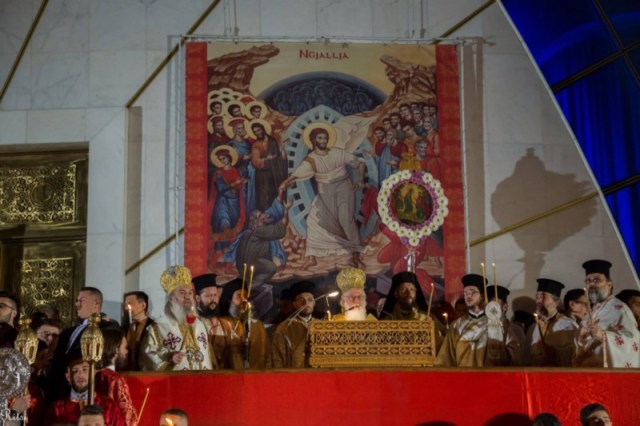
‘Krishti u ngjall, Zoti eshte me ne, lavdi Zotit!’ — ‘Christ is risen, God is with us, Glory to God!’
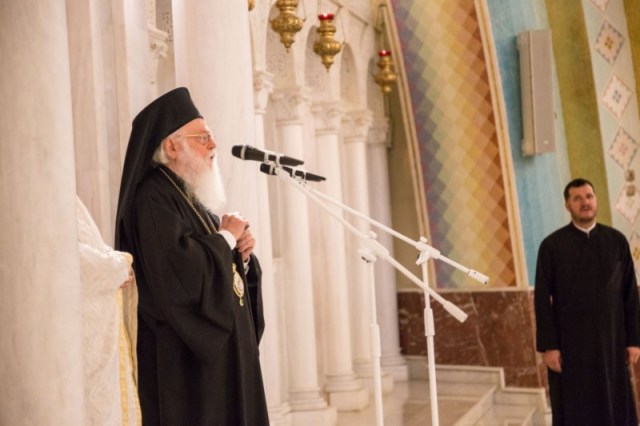
While his official title is Archbishop of Tirana and All Albania, Anastasios has occasionally been called the Archbishop of Tirana and All Atheists. It isn’t a title he objects to. “I am everyone’s archbishop. For us each person is a brother or sister. The Church is not just for itself. It is for all the people. As we say at the altar during each Liturgy, it is done ‘on behalf of all and for all. Also we pray ‘for those who hate us and for those who love us.’ Thus we cannot have enemies. How could we? If others want to see us as enemies, it is their choice, but we do not consider others as enemies. We refuse to punish those who punished us. Always remember that at the Last Judgment we are judged for loving Him, or failing to love Him, in the least person. The message is clear. Our salvation depends upon respect for the other, respect for otherness. This is the deep meaning of the Parable of the Good Samaritan — we see not how someone is my neighbor but how someone becomes a neighbor. It is a process. We also see in the parable how we are rescued by the other. What is the theological understanding of the other? It is trying to see how the radiation of the Son of God occurs in this or that place, in this or that culture. This is much more than mere diplomacy. We must keep our authenticity as Christians while seeing how the rays of the Son of Righteousness pass through another person, another culture. Only then can we bring something special.”
People look at the difficulties of life here and say to me, ‘How can you stand it? It is so ugly!’ But for me it is so beautiful! It is God’s blessing to be here — not the blessing I imagined but the one I received. …
“People sometimes ask me about my expectations, but I don’t know about the future! You can only do your job with love and humility. I am not the savior of Albania, only a candle in front of the icon of the Saviour.”
One young convert, radiant after experiencing his first Pascha in the wilderness, was asked by Fr. Seraphim: “Well, how did you like the Feast?”
“It was wonderful!” replied the elated pilgrim.
“Don’t waste what you’ve been given,” Fr. Seraphim said, echoing the words of Bishop Nektary. “Don’t spill the grace. Keep it there!” As he said this, Fr. Seraphim tapped the young man’s chest, right on his heart.
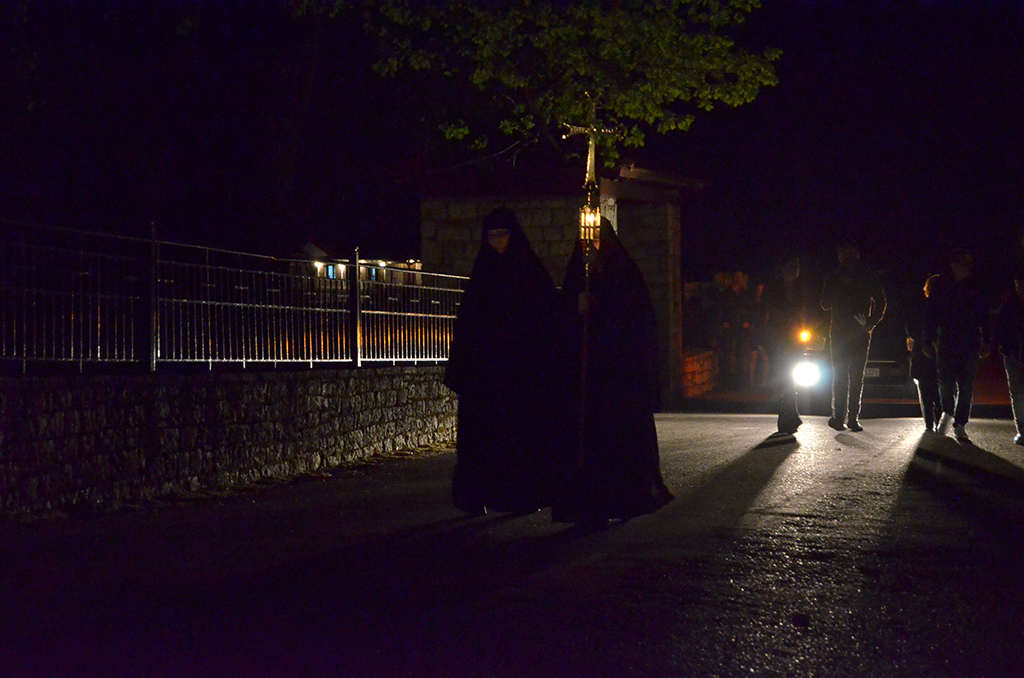
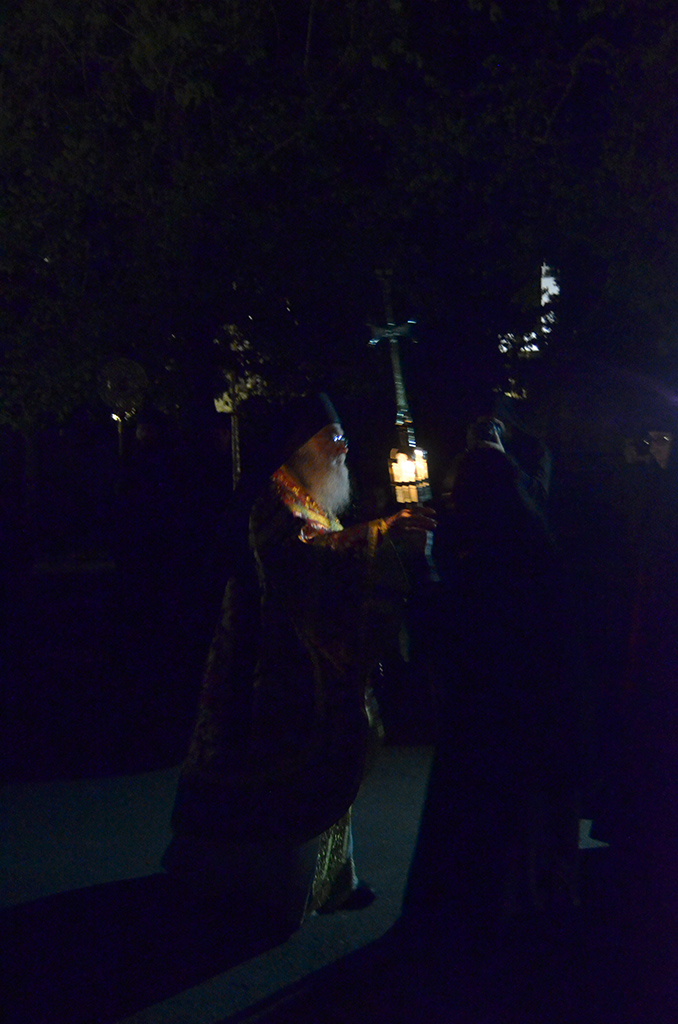
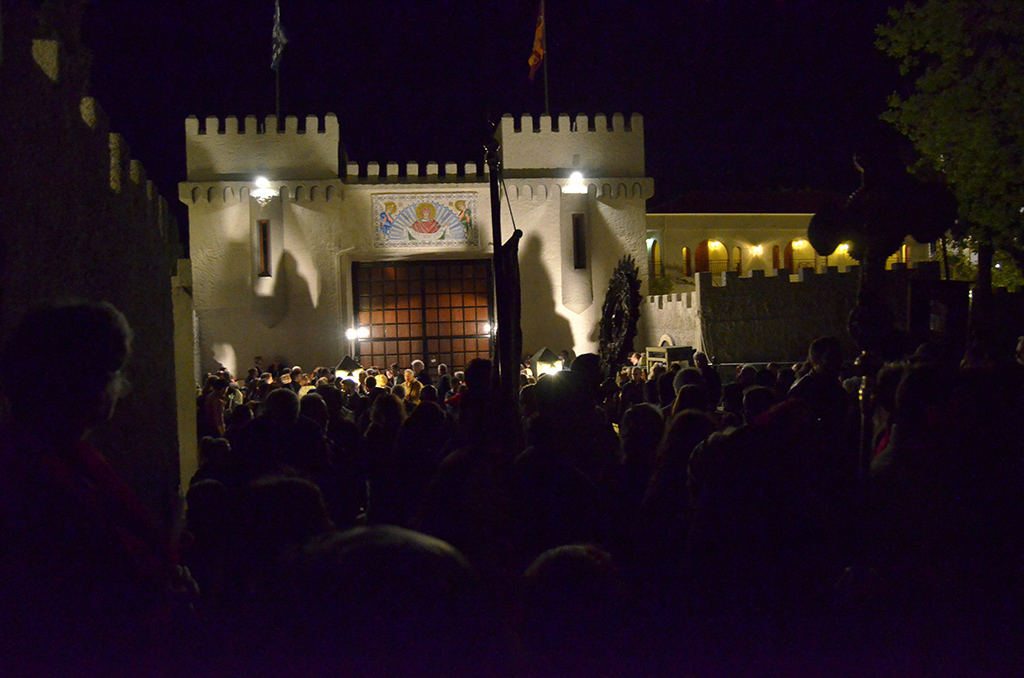
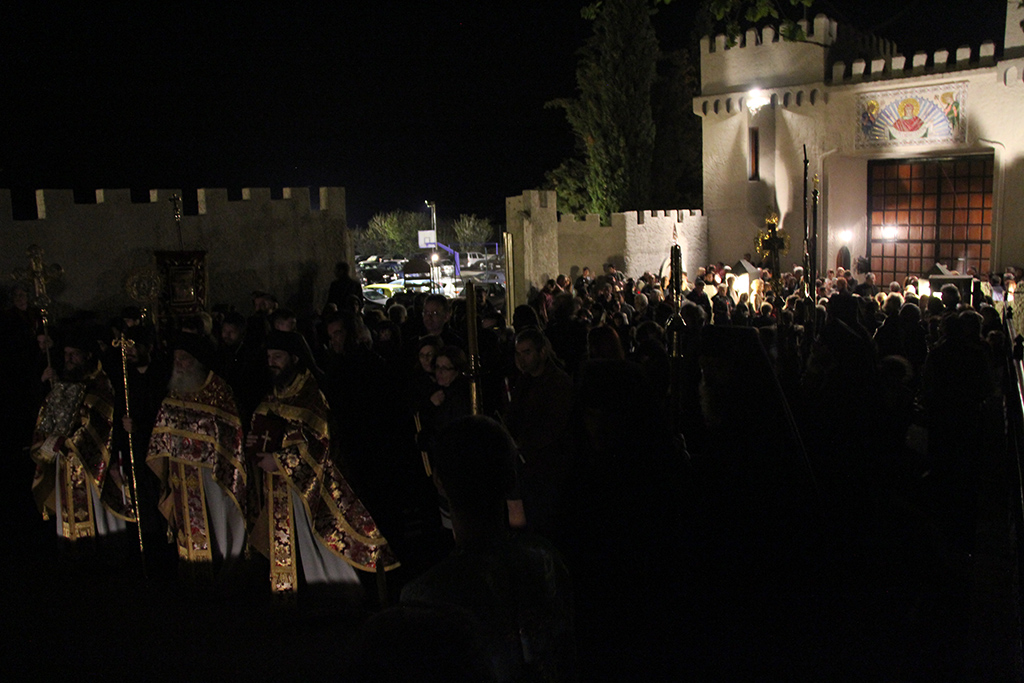
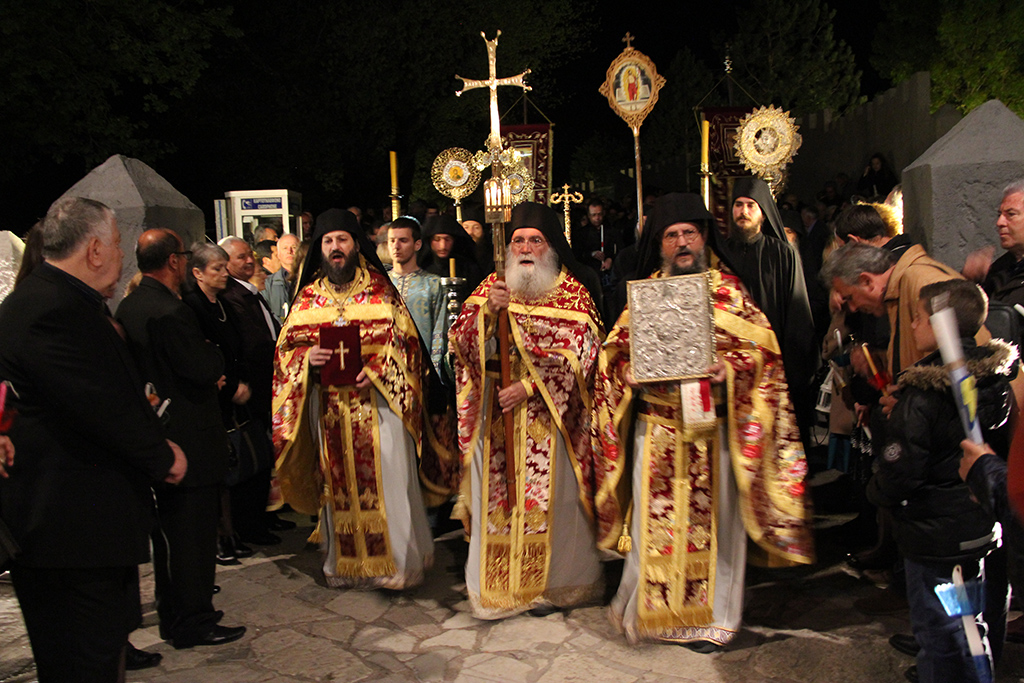
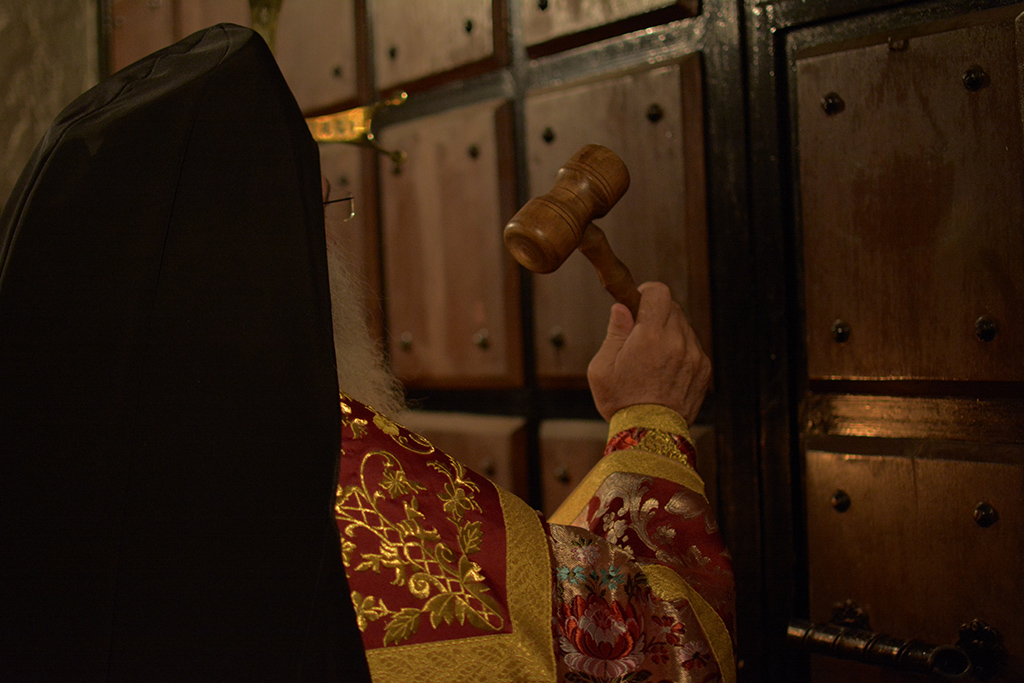
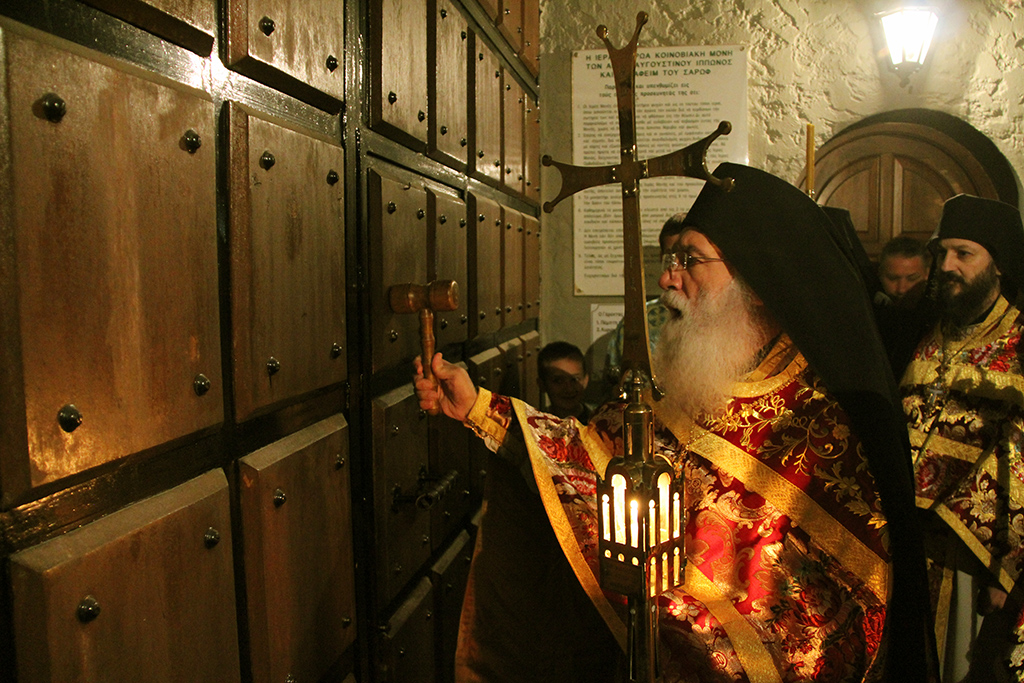
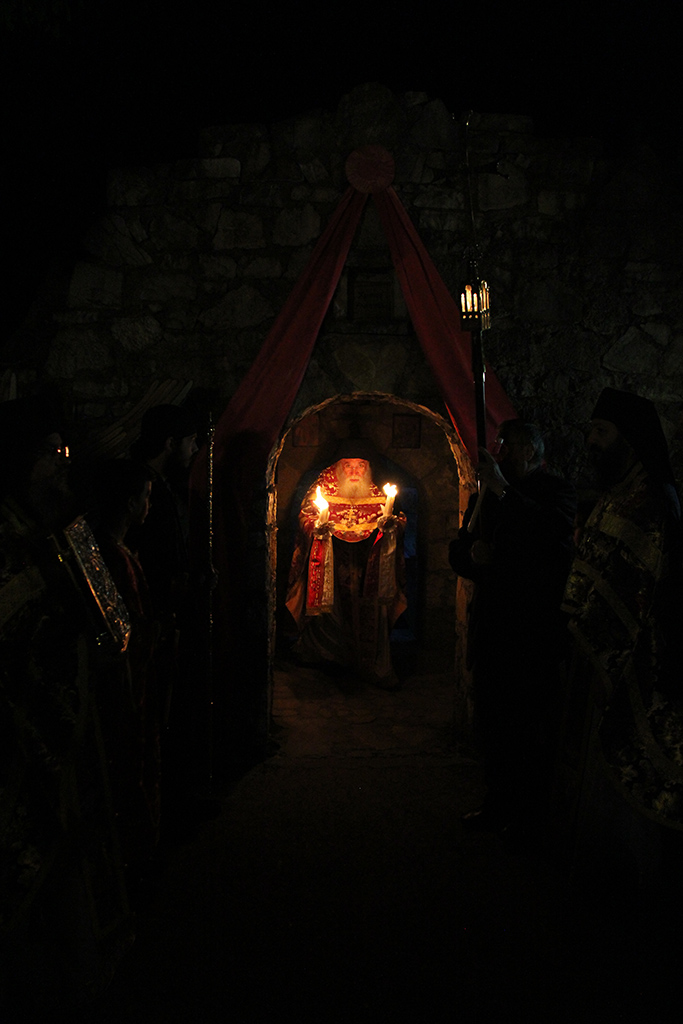
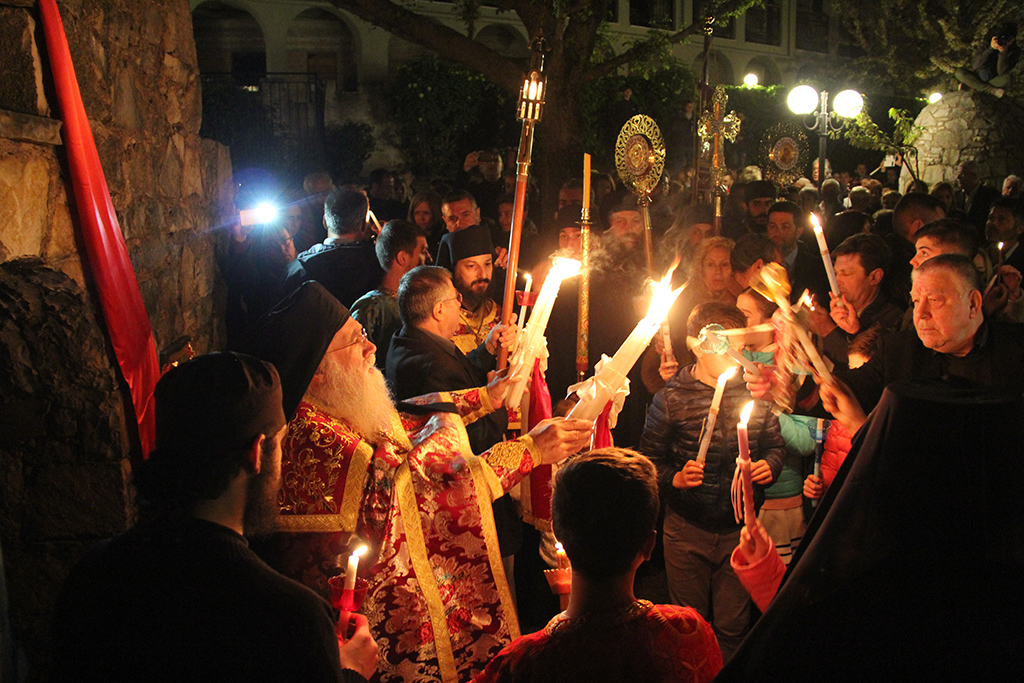
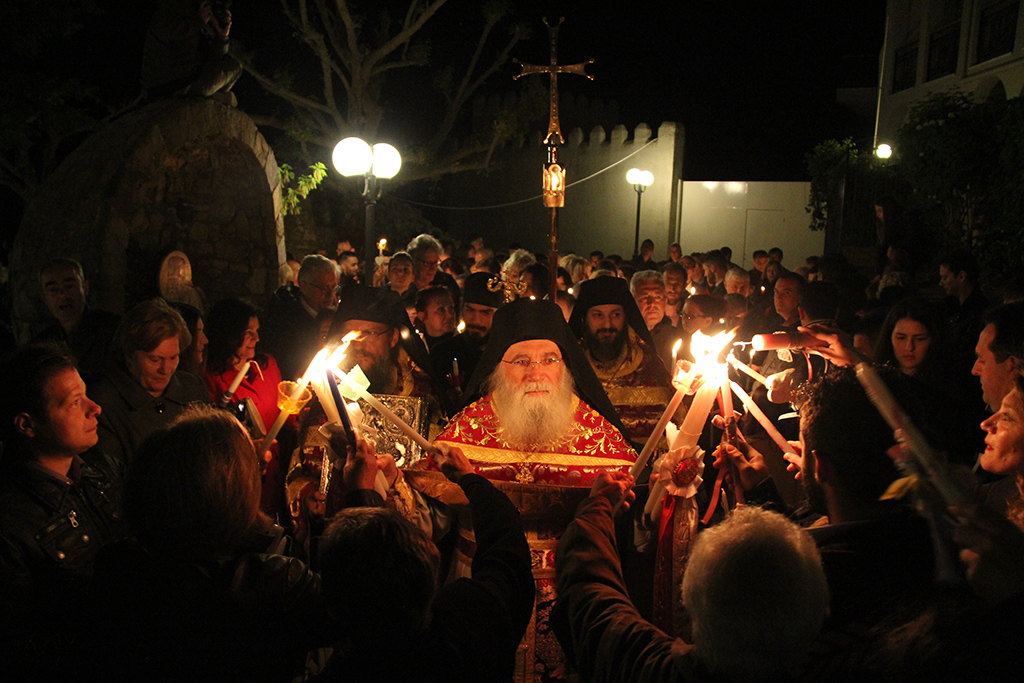
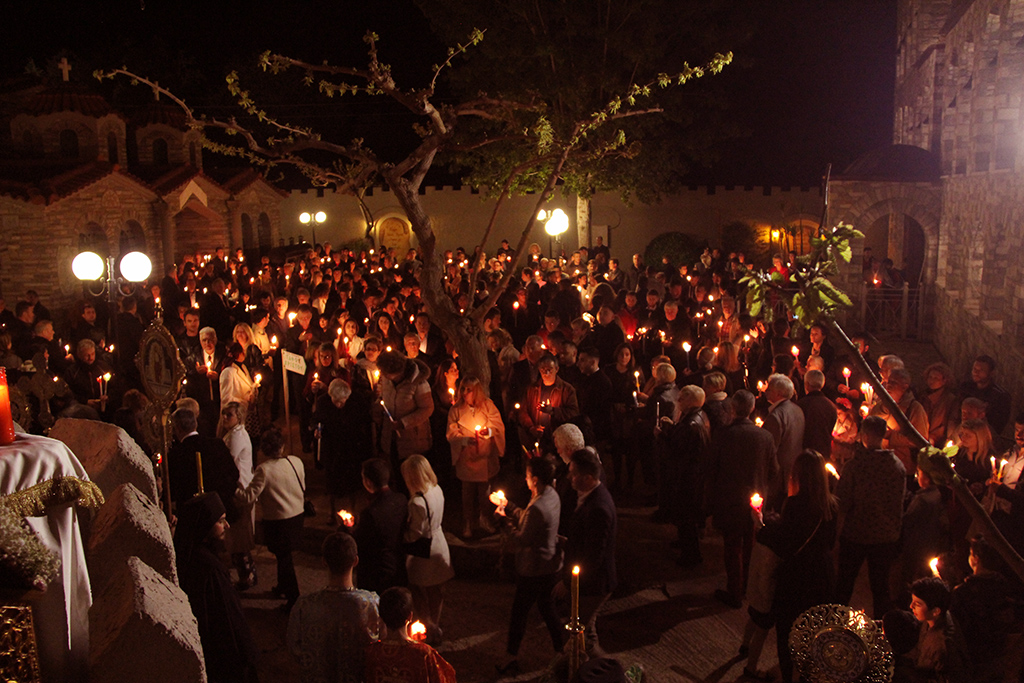
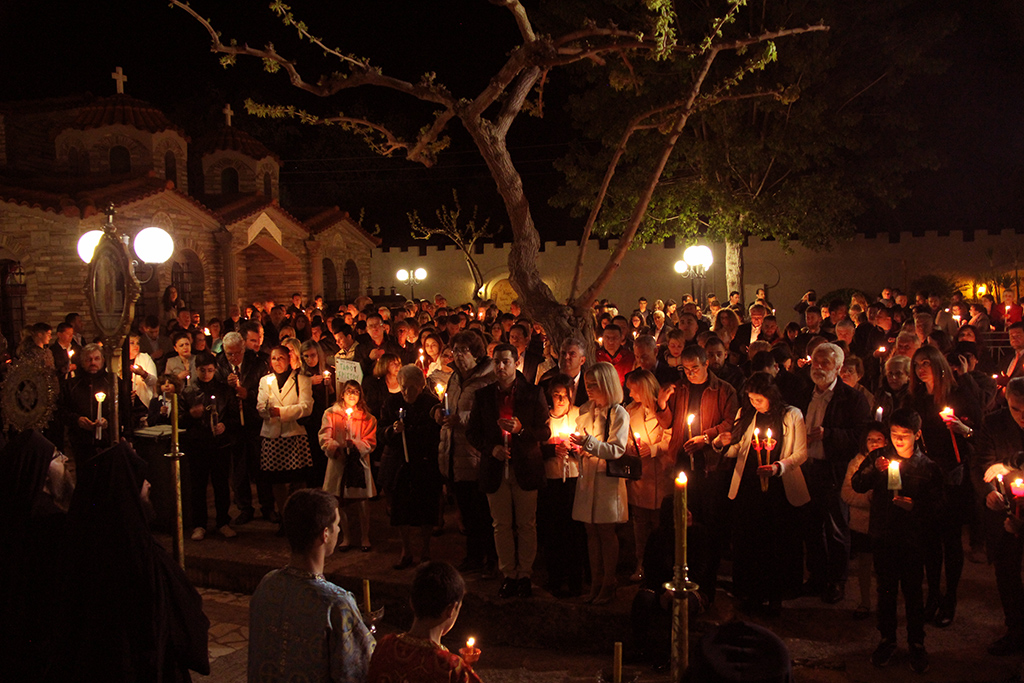
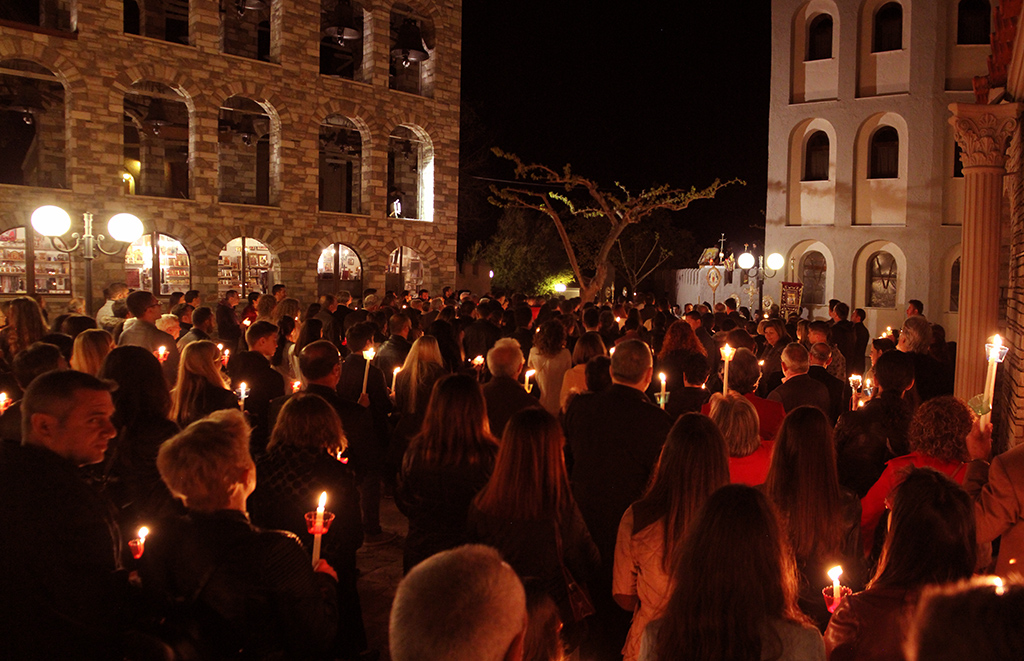
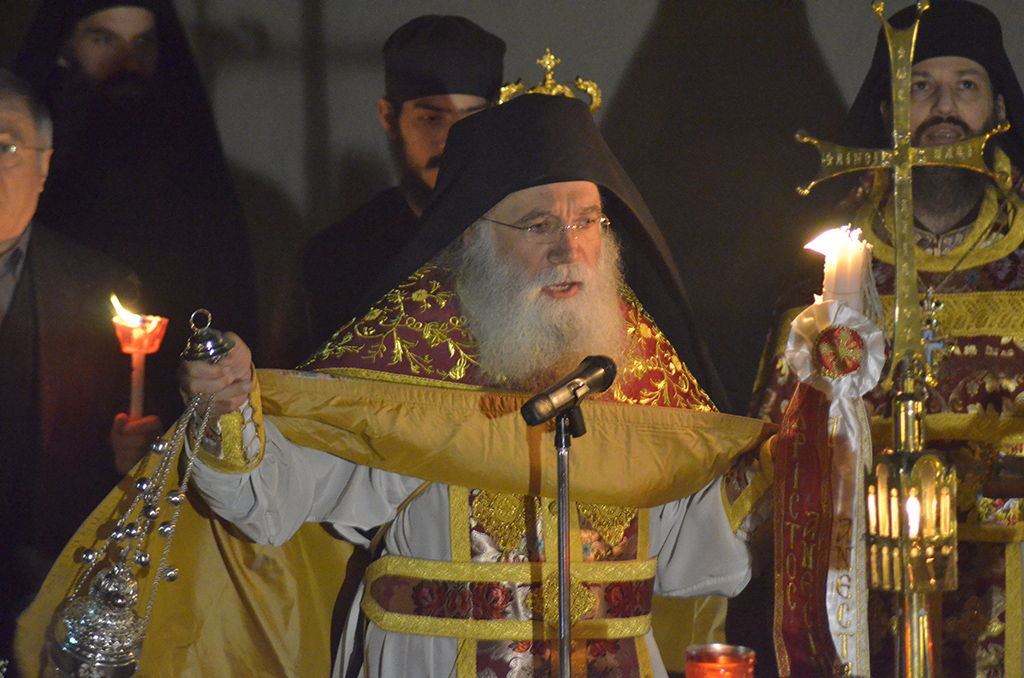
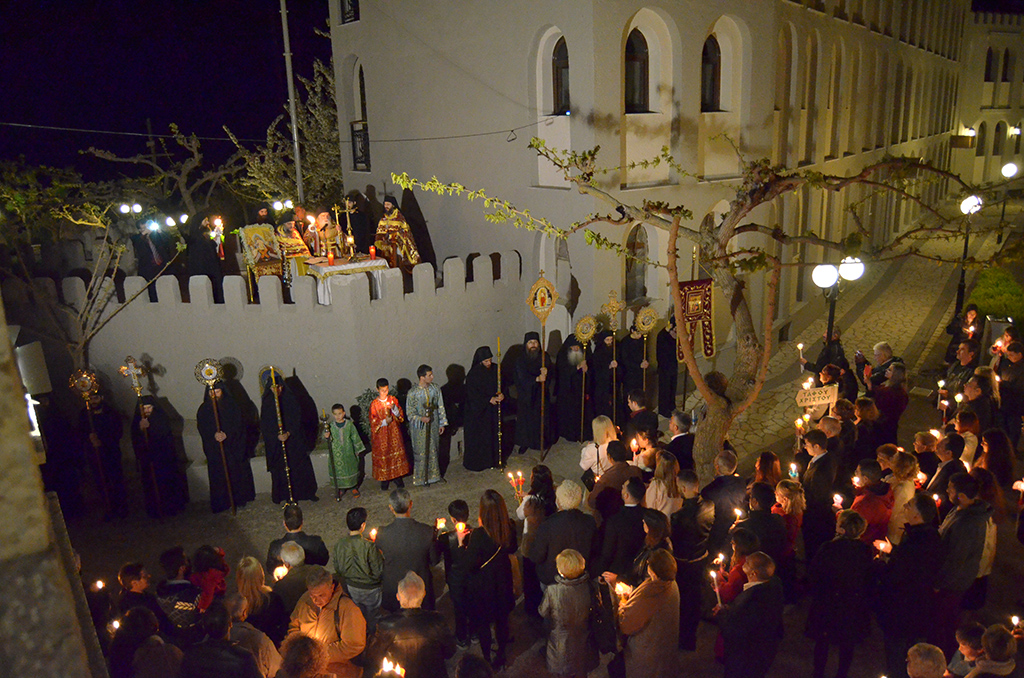
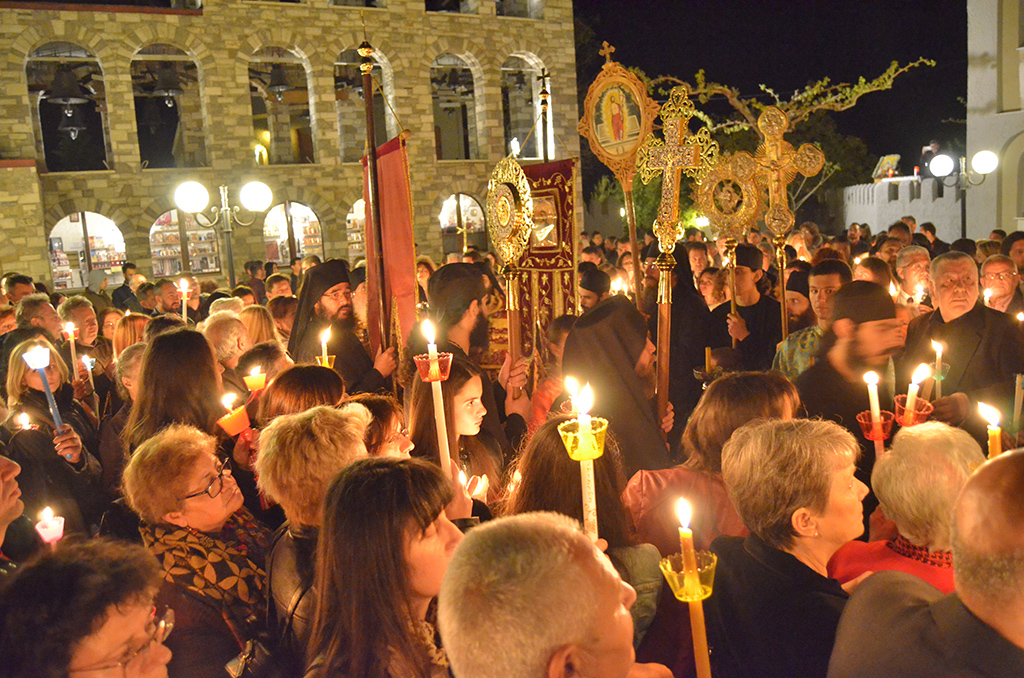
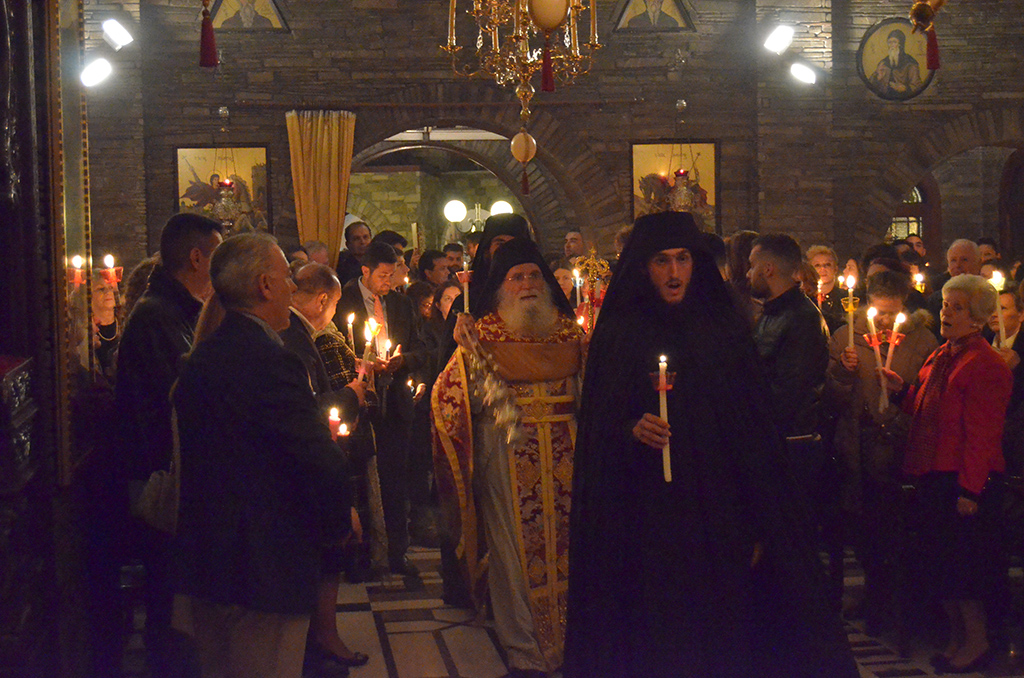
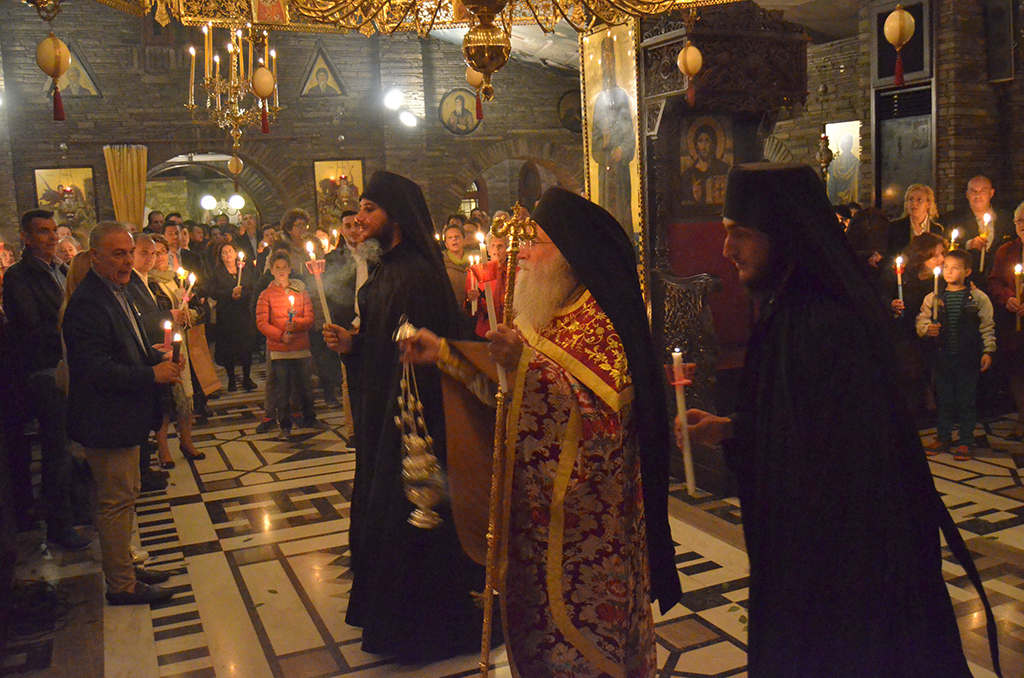
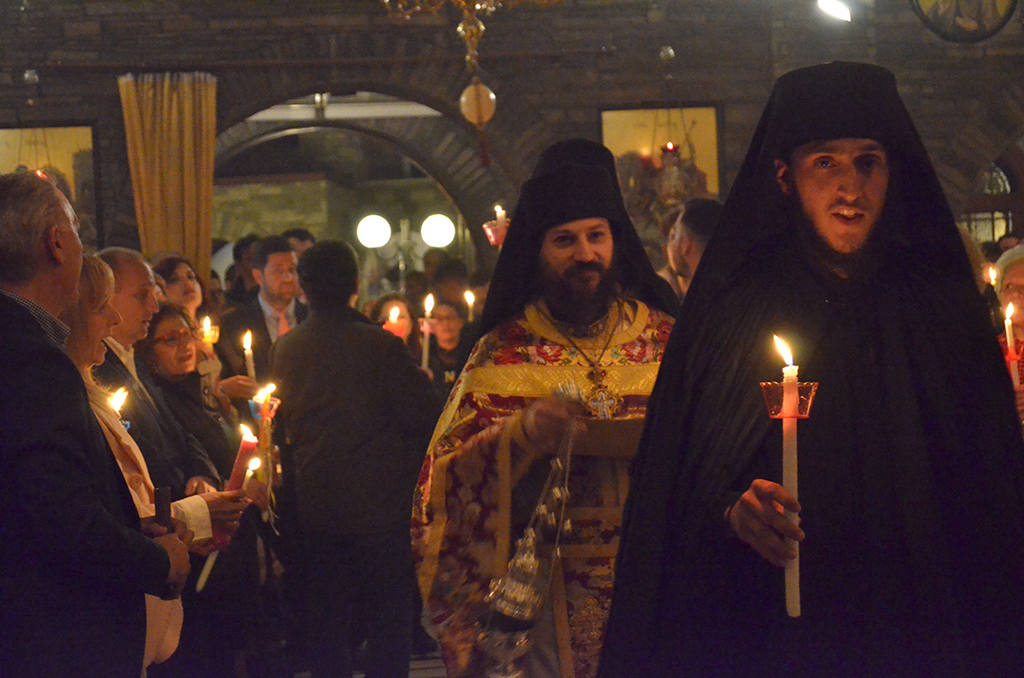
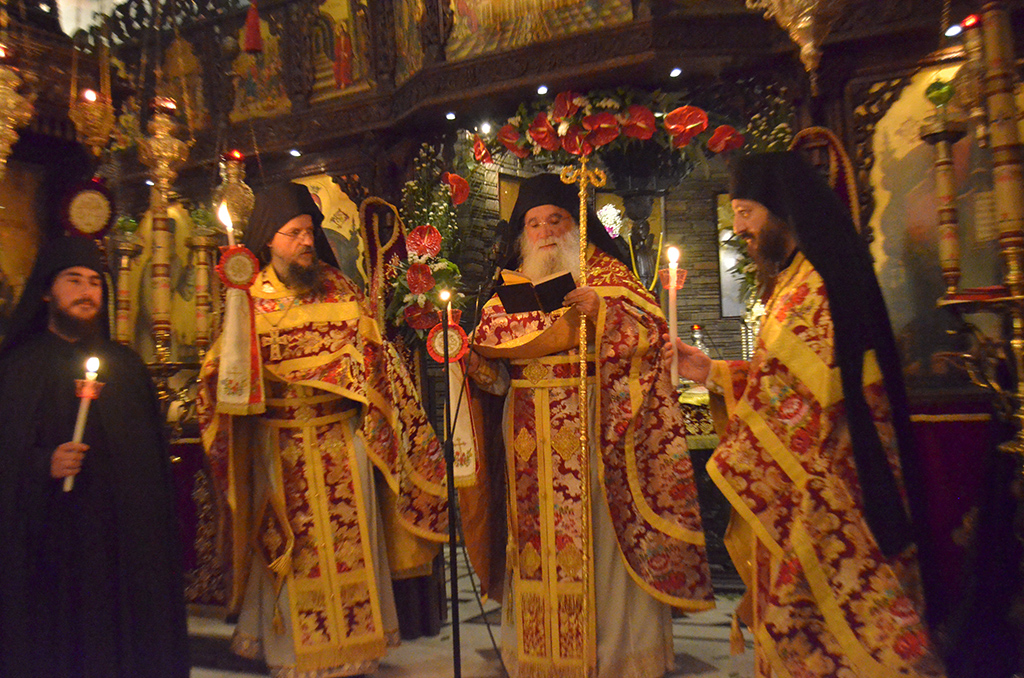
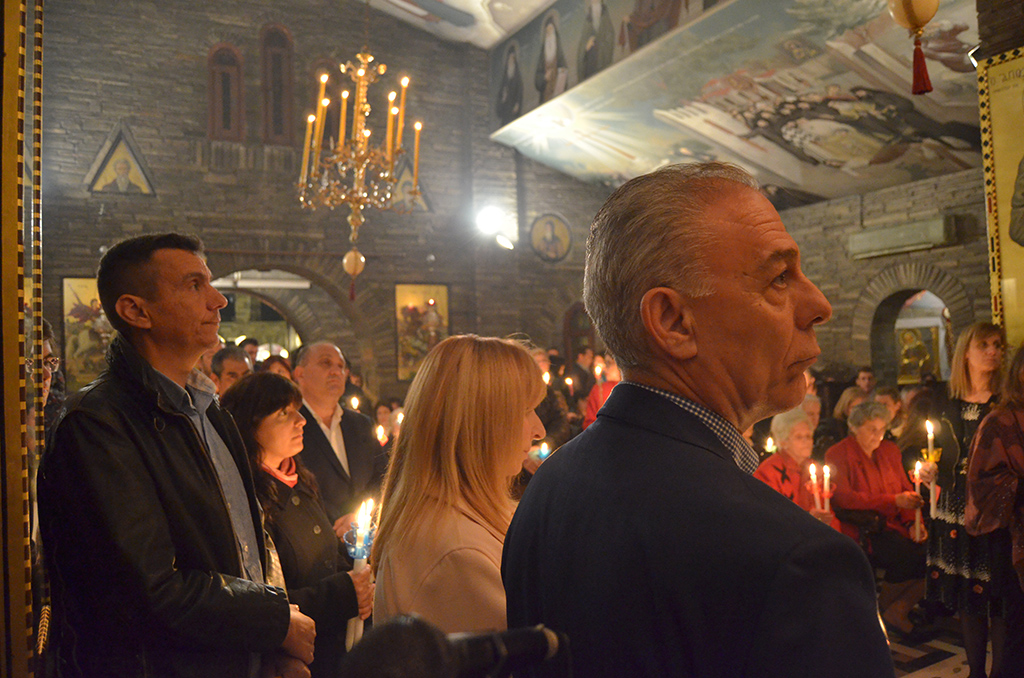
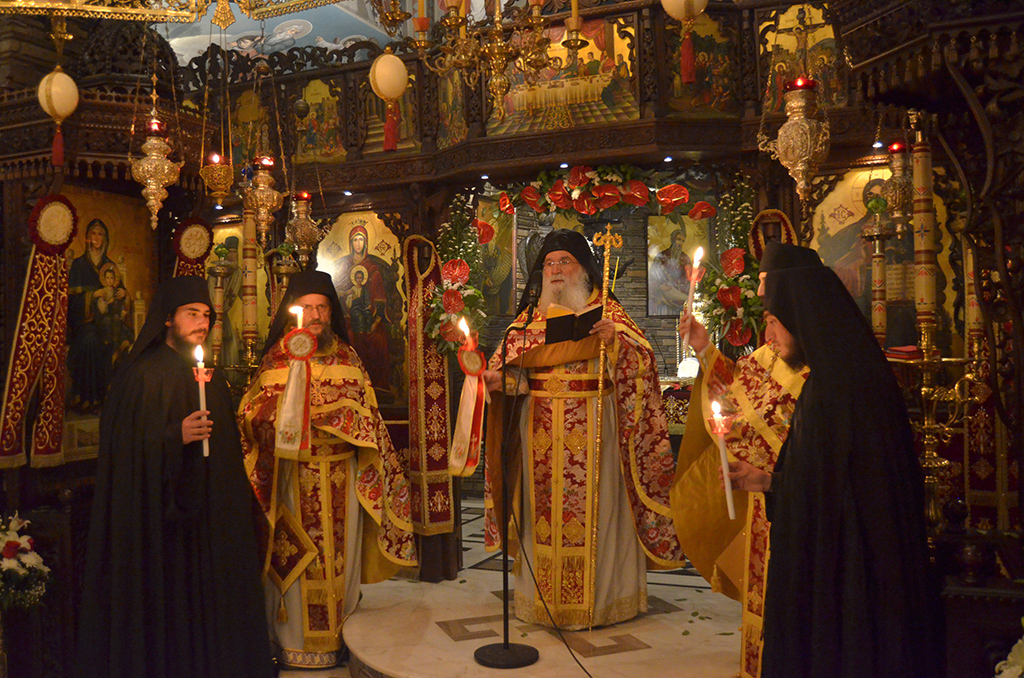
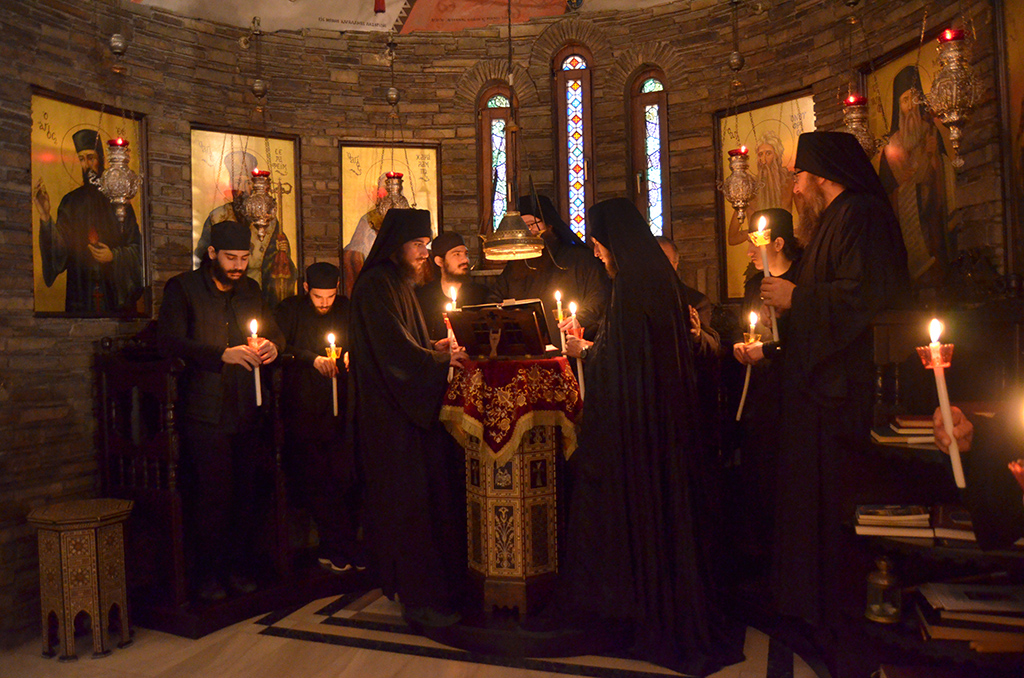
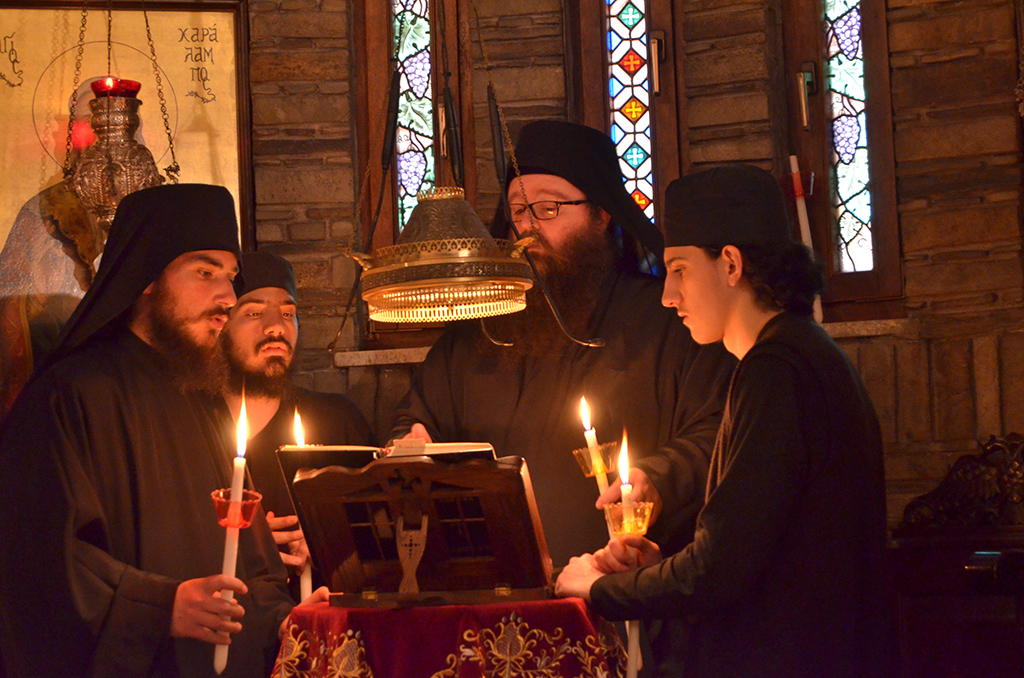
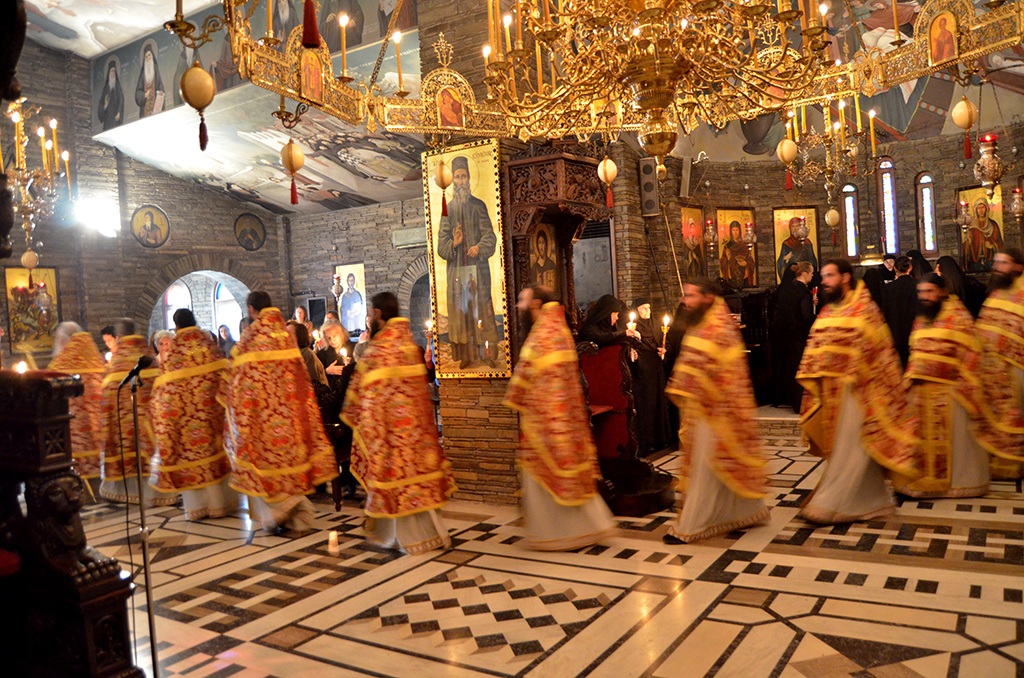
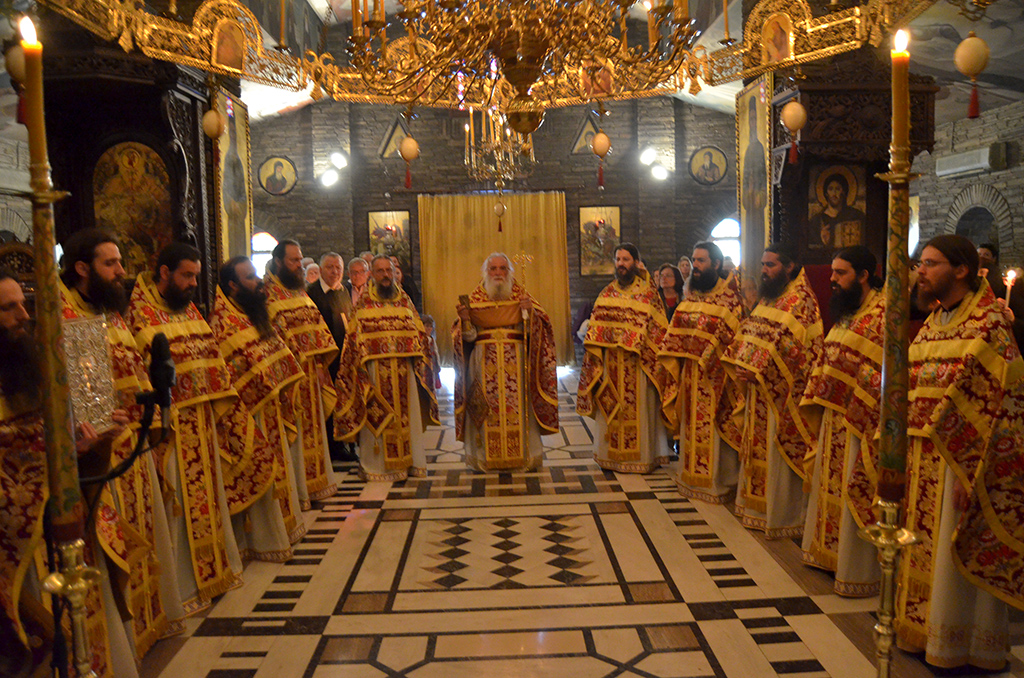
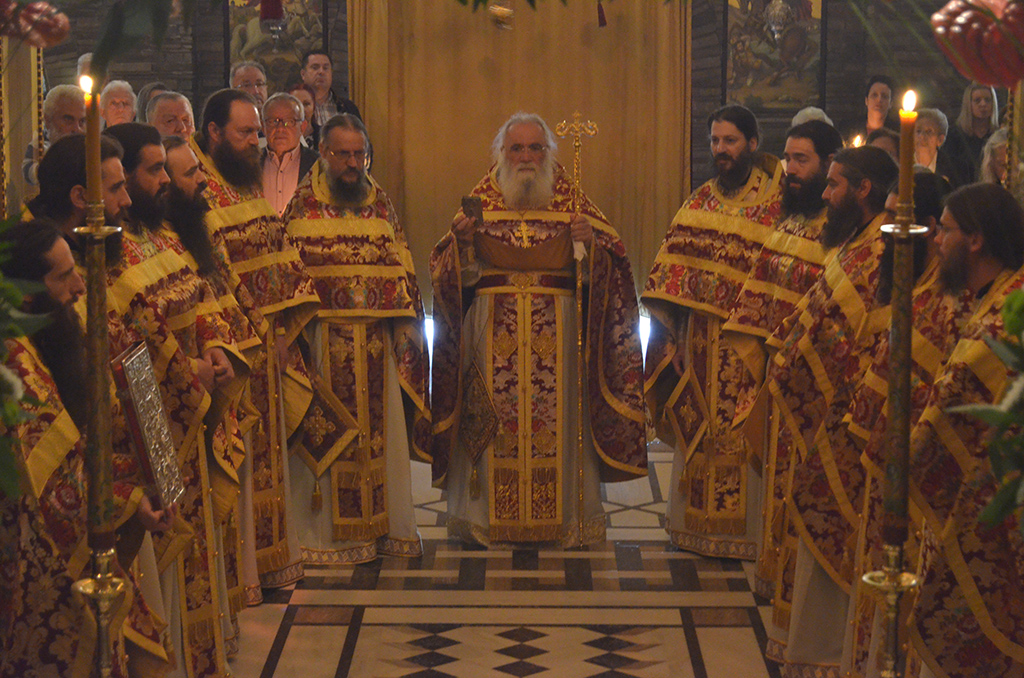
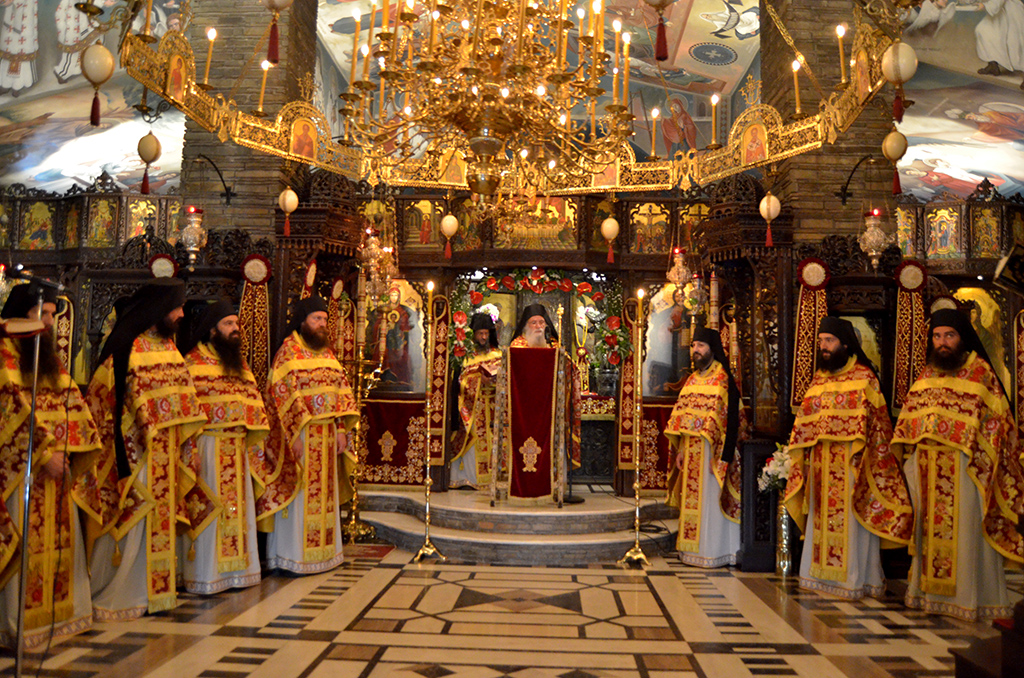
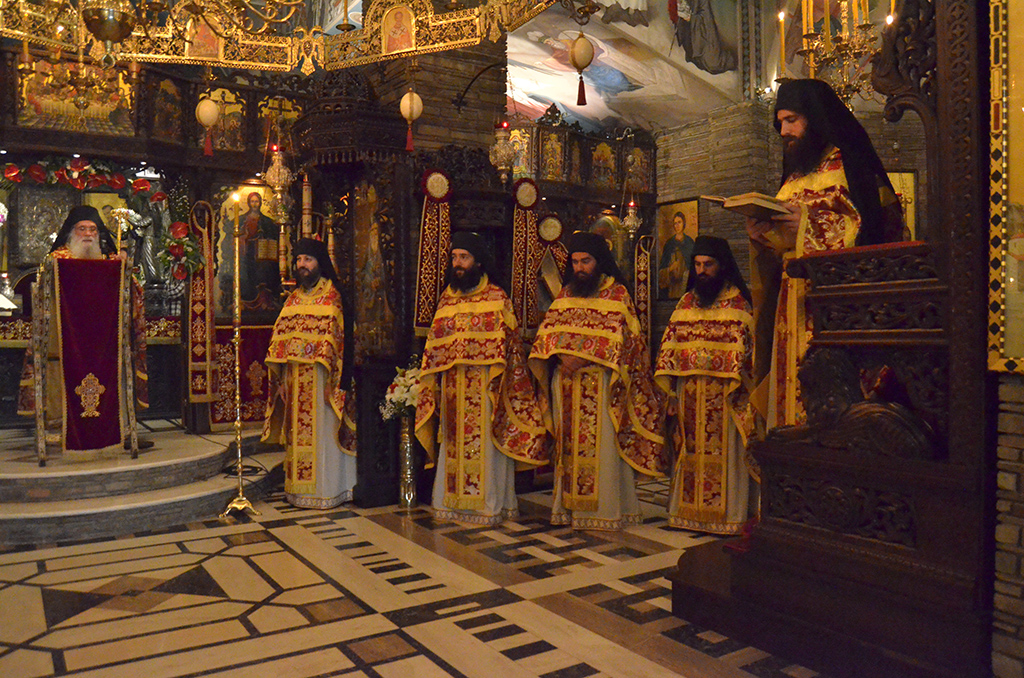
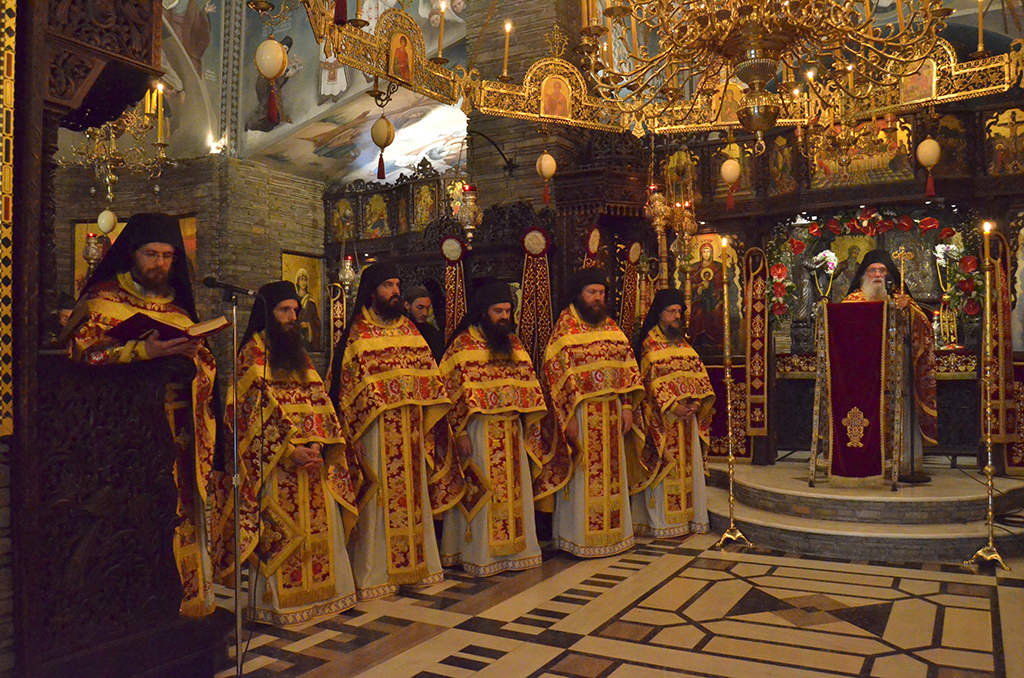
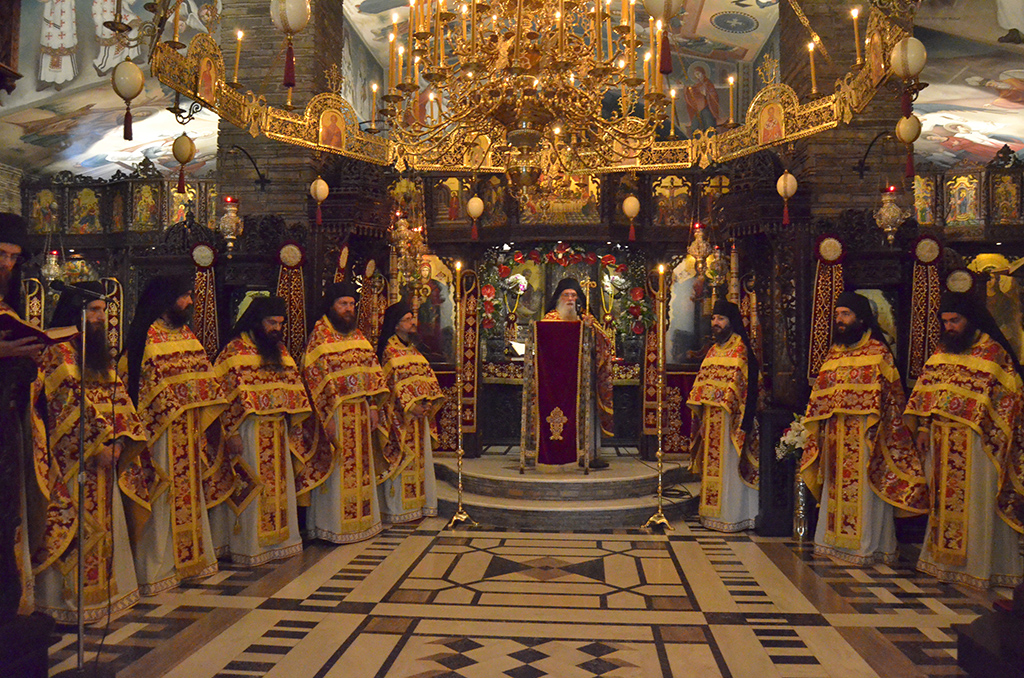
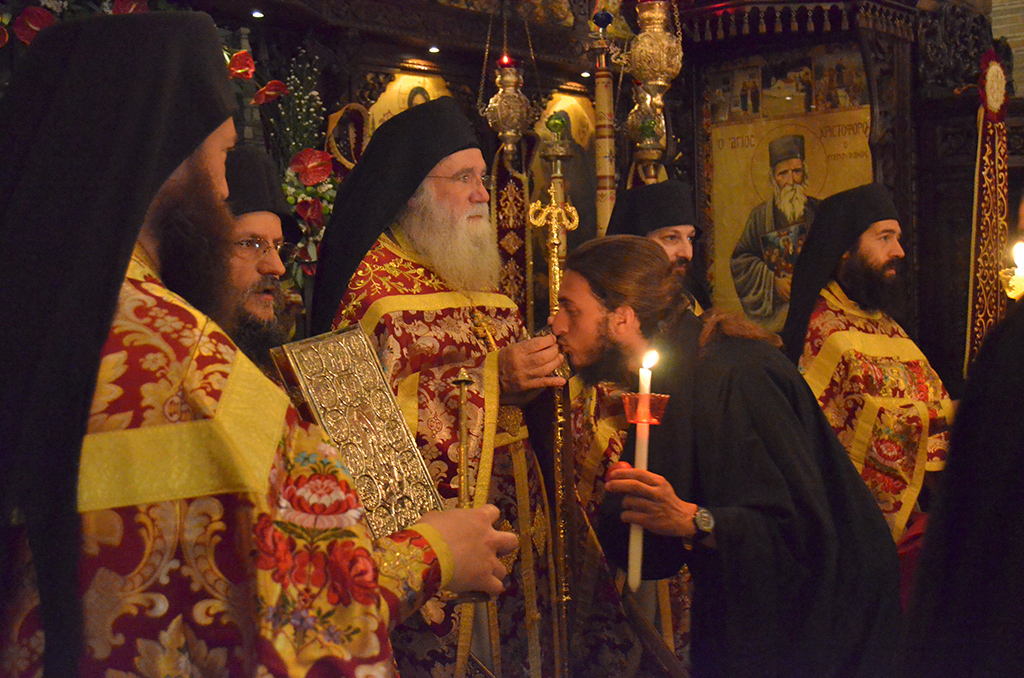
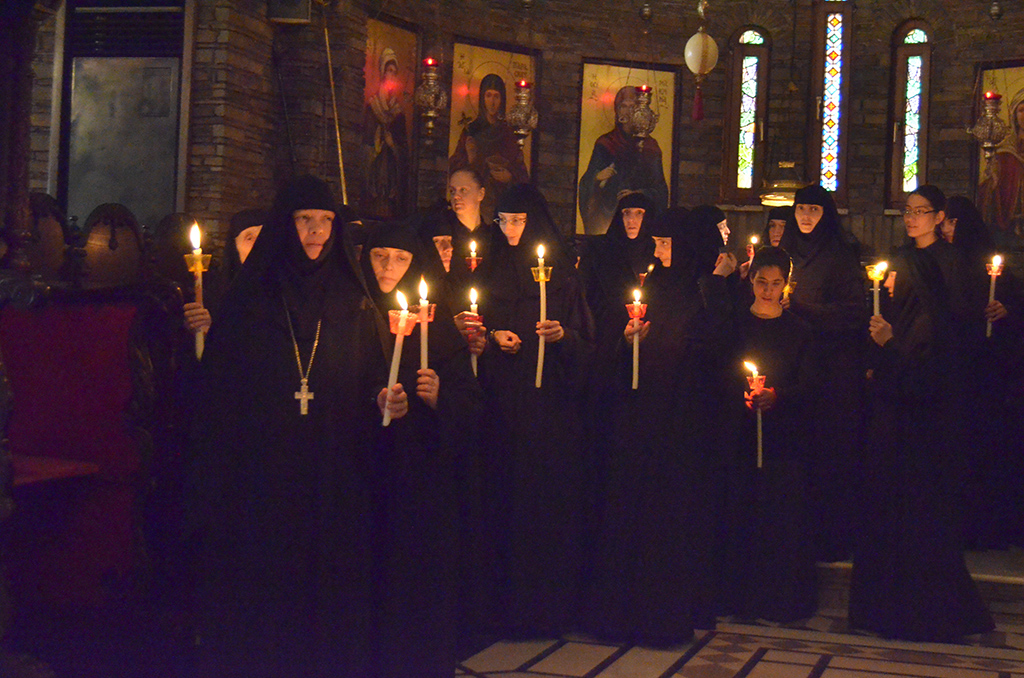
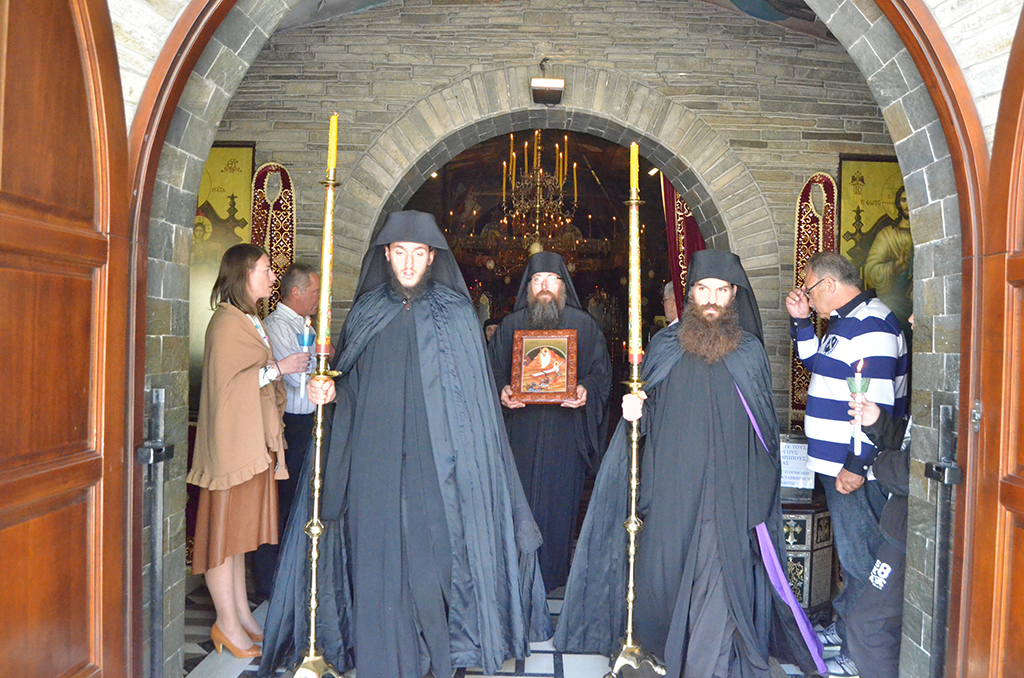
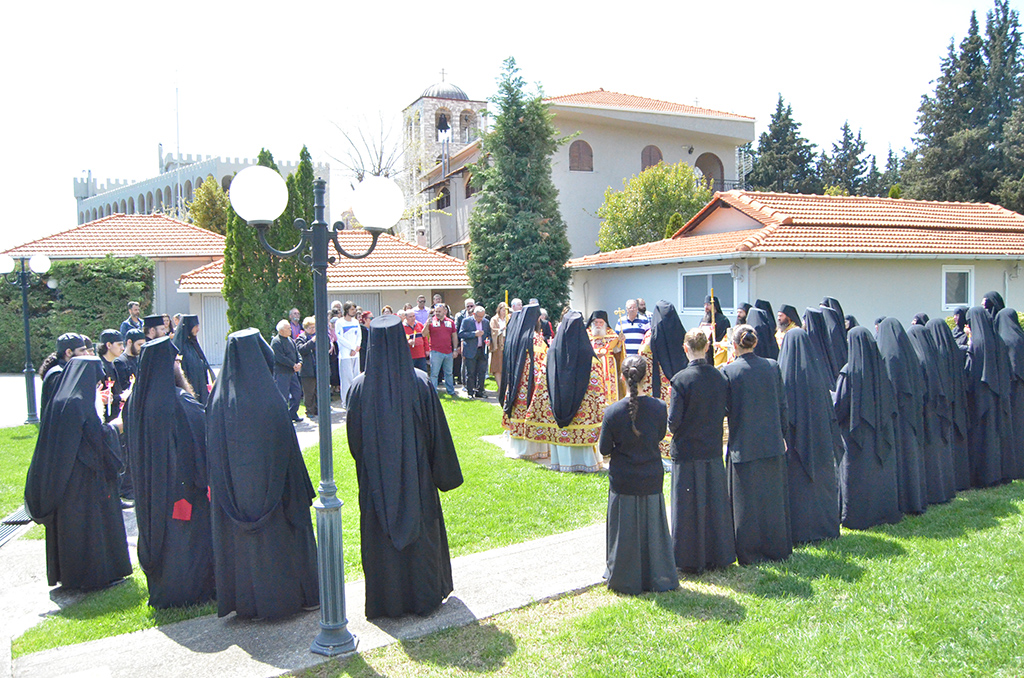
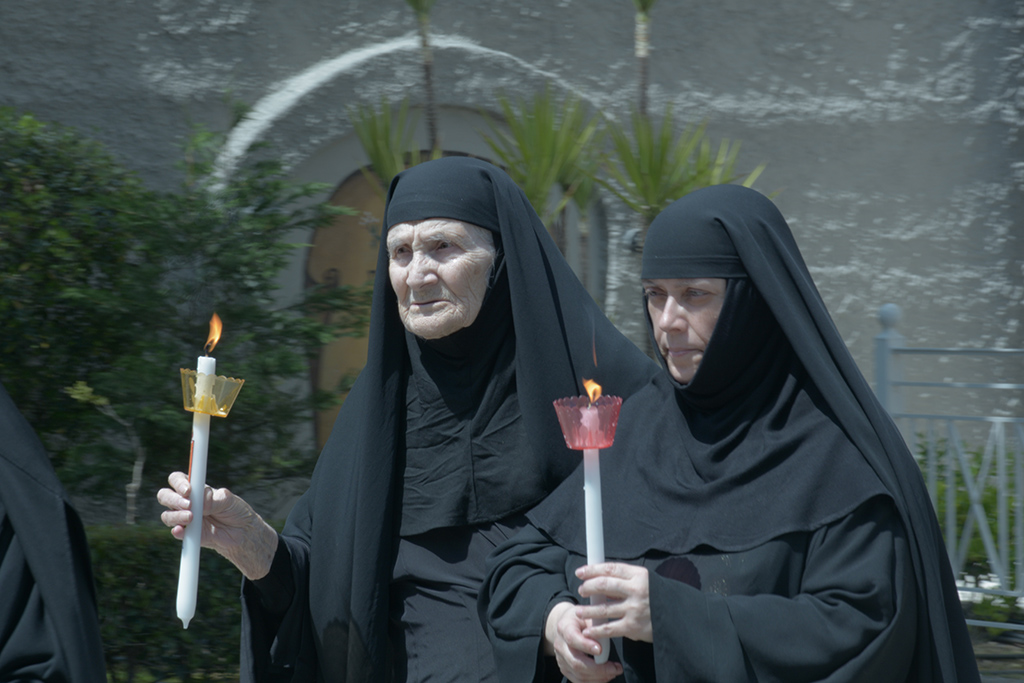
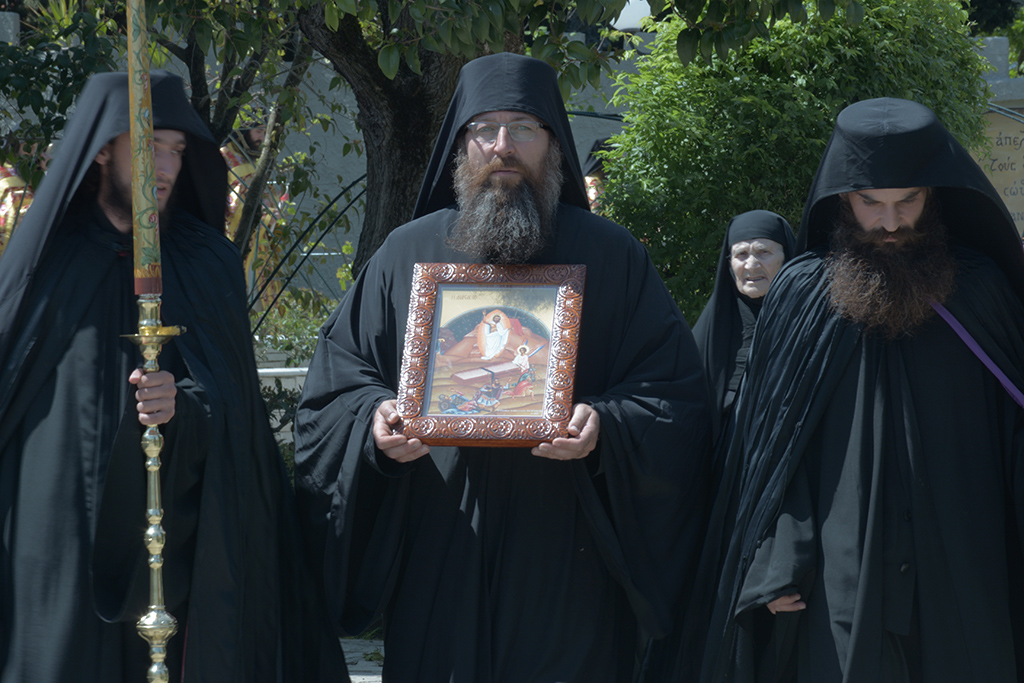
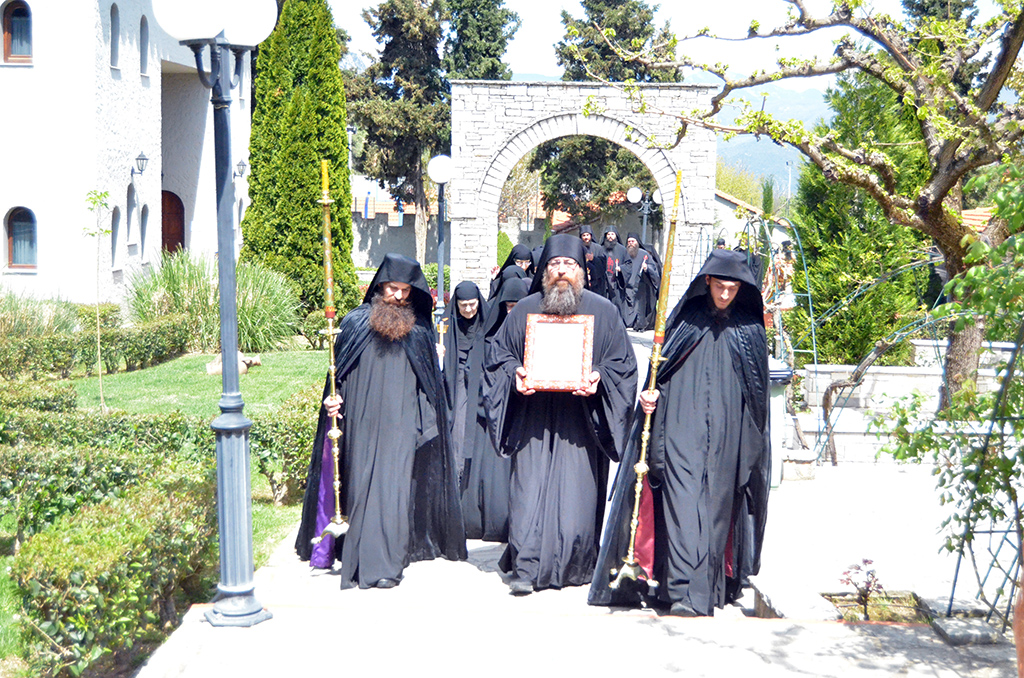
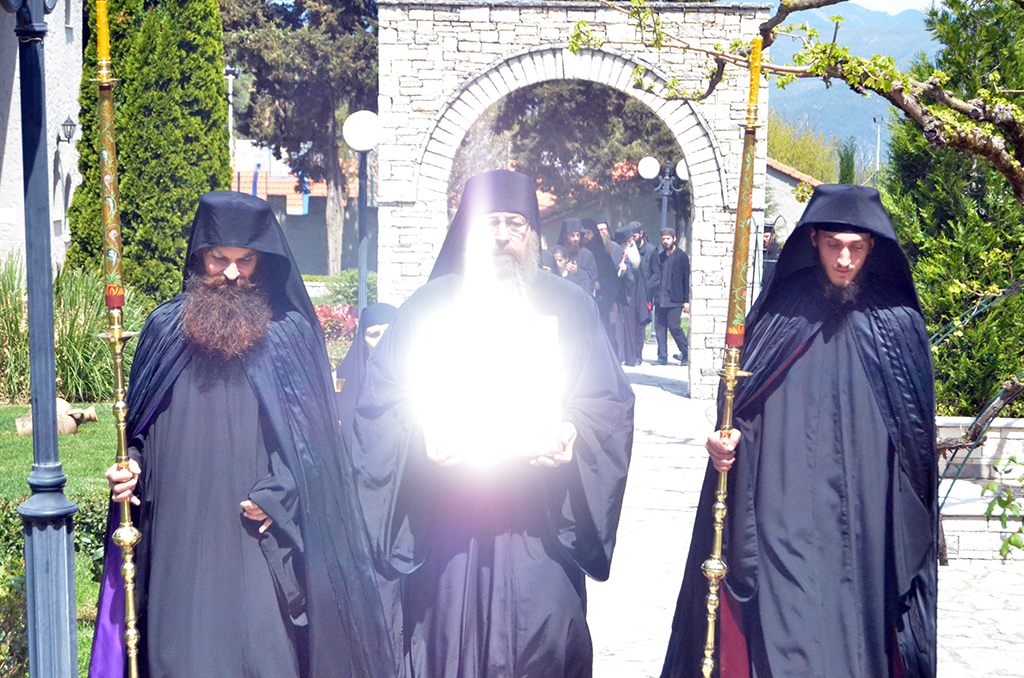
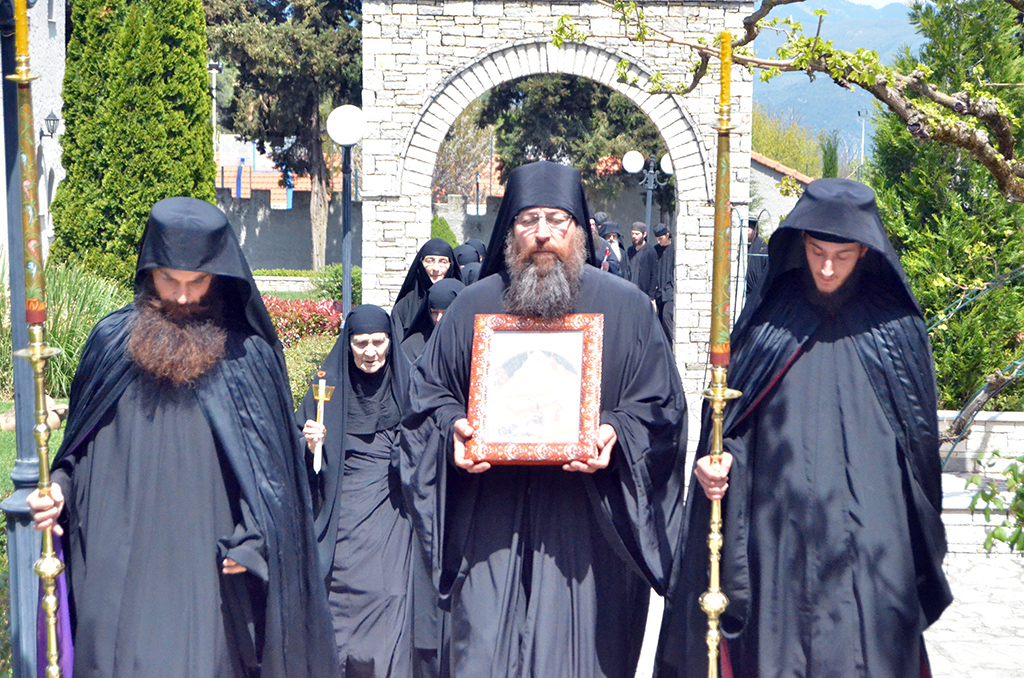
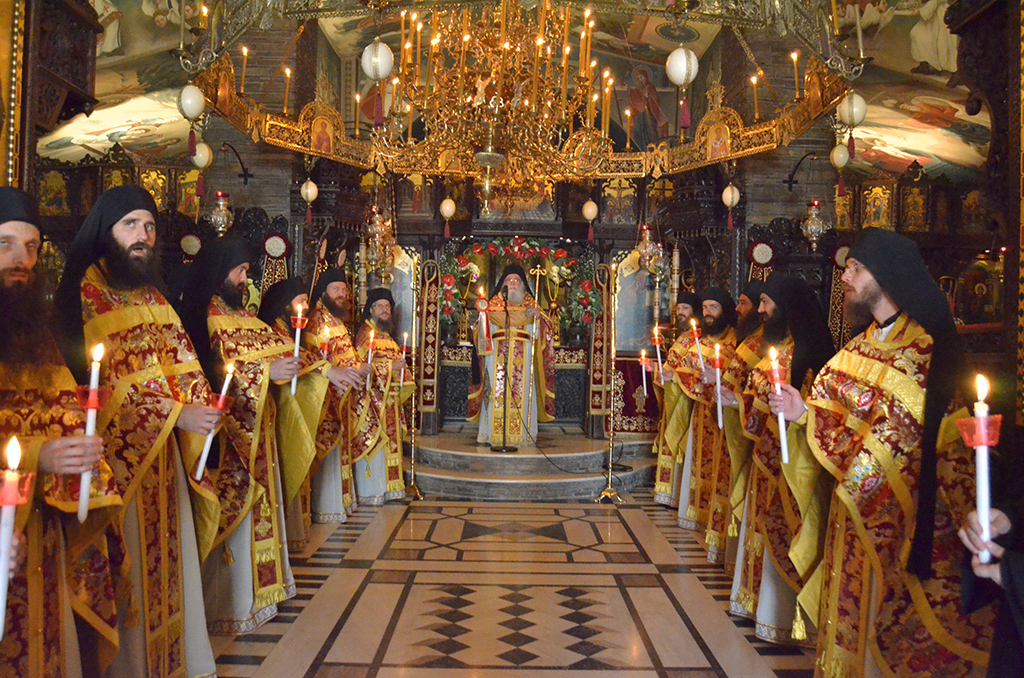
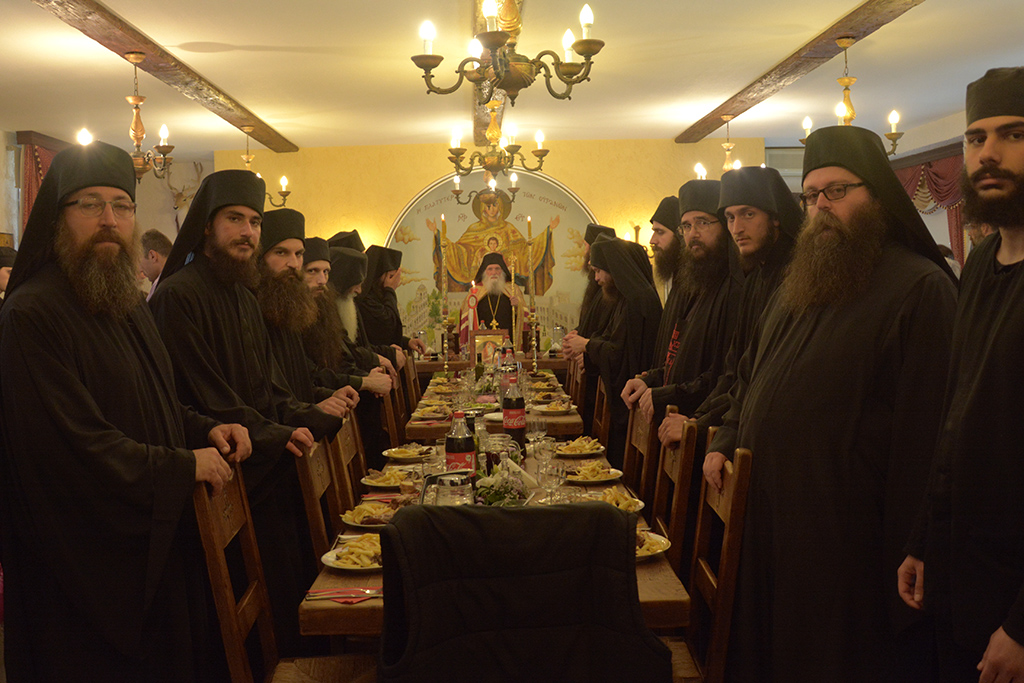
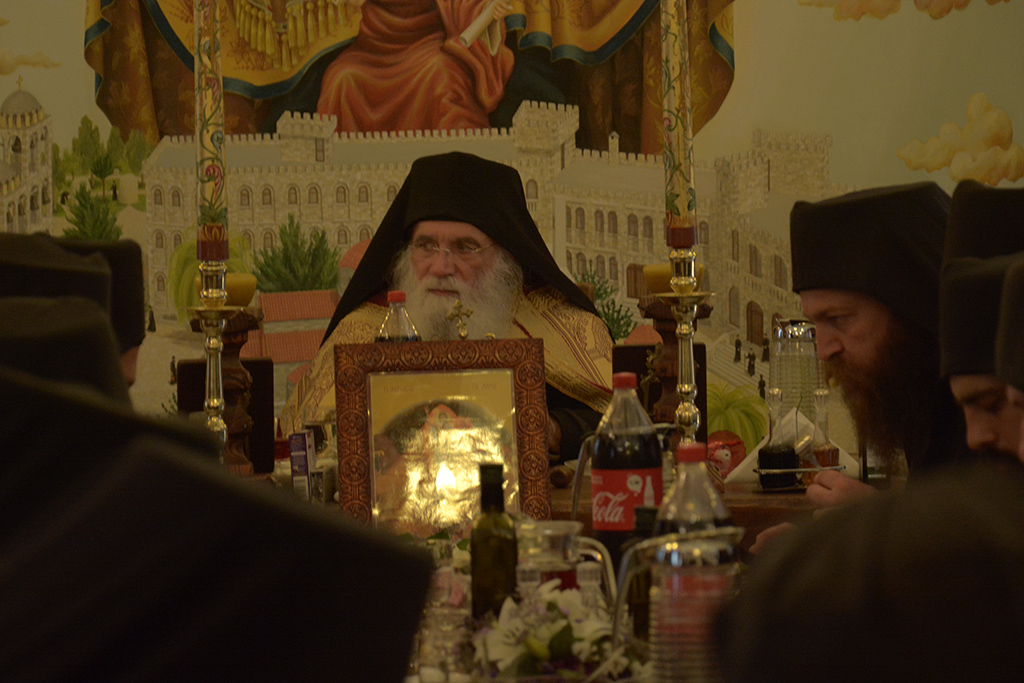
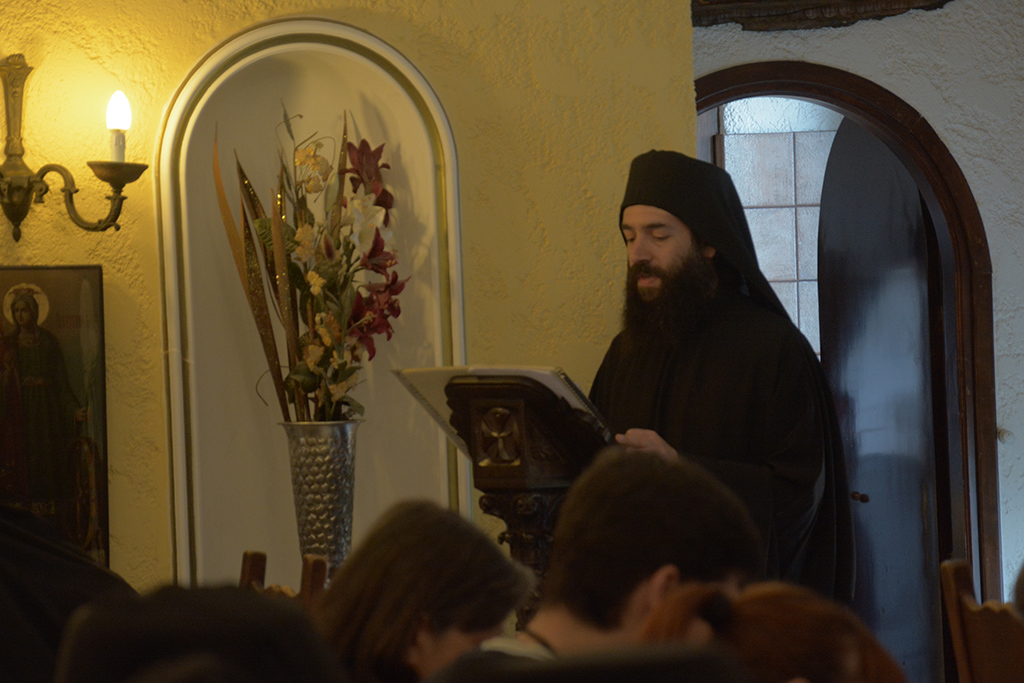
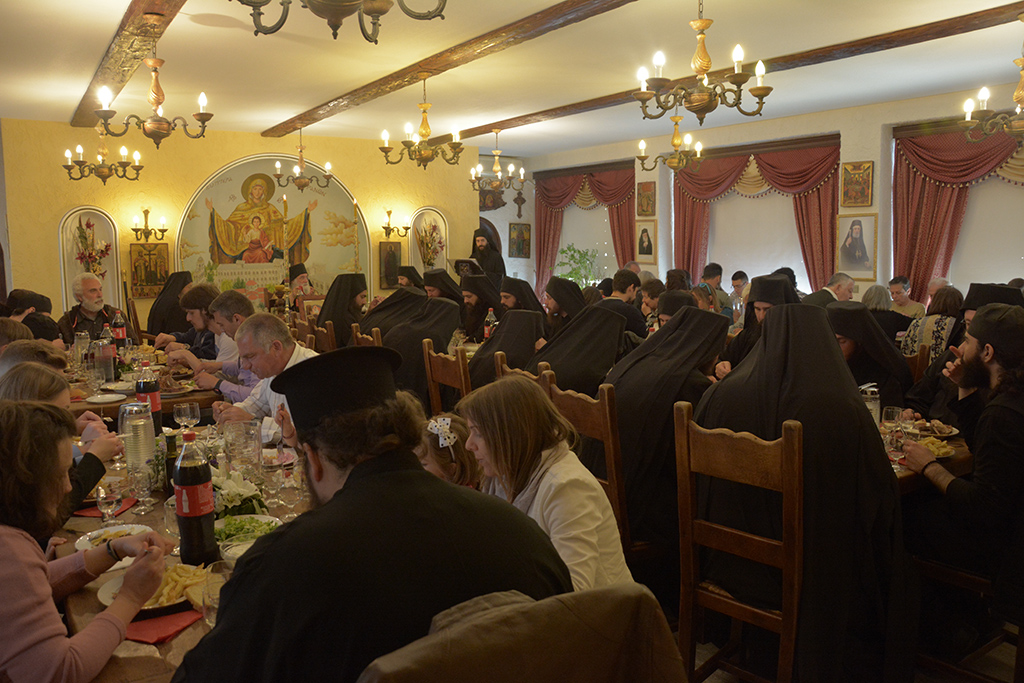
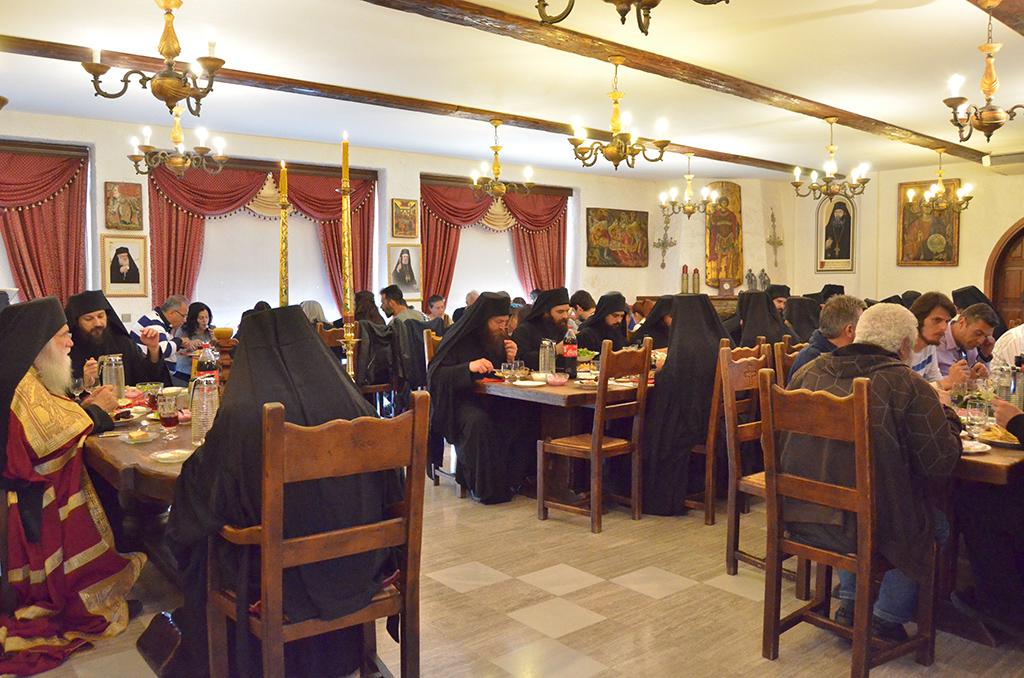
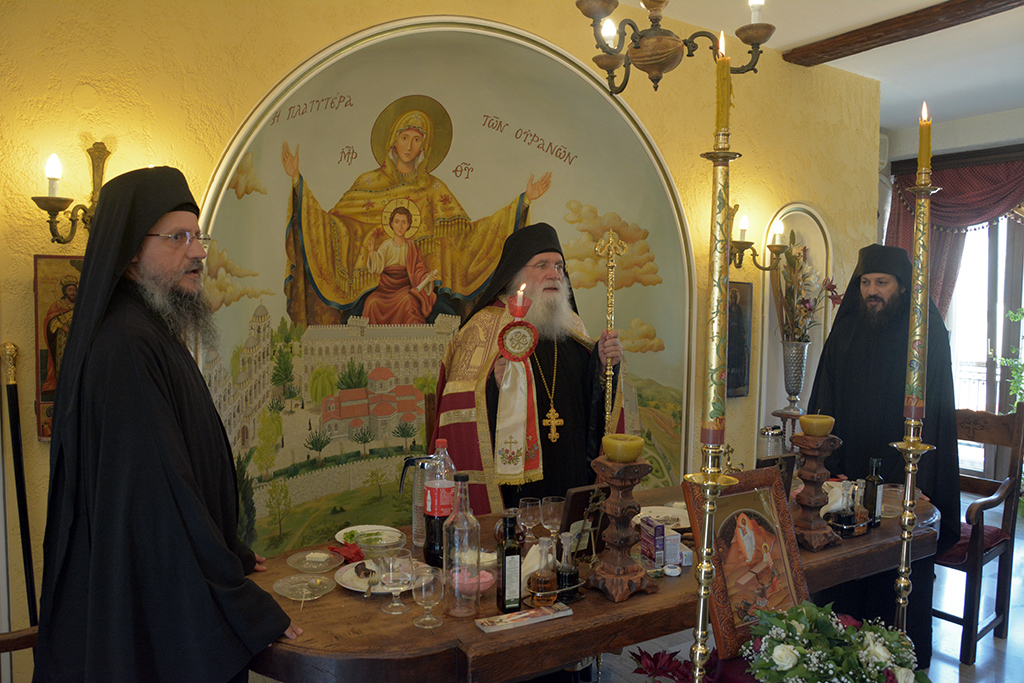
Holy Saturday and Sunday of the Resurrection, Liturgy of the Resurrection (Anastasis), Midnight Paschal meal, and Processions at Sts Augustine and Seraphim Sarov Monastery at Trikorfo, Greece
The sequel to Father Arseny 1893-1973: Priest, Prisoner, Spiritual Father
“There are many times when we read the words “the best book I have ever read”….well, this book is certainly the benchmark by which you can measure all the others you will read. If you are spiritually hungry and thirsting for that one drop of spiritual water….then read this. It will open your heart. The words in this book will feed your soul. If you are reading this because you are undecided…..then why don’t you ask your heart to make the decision for you? I did…..!”
If you have not heard of St Fillan, please search his life and read it. There is nothing shameful in not knowing anything, in not having even heard of him or any of these wonderful Saints. We see today the effects of centuries of purposeful destruction of their heritage, centuries of constant attempts to delete their memory. When you discover a Celtic Saint of which you had no previous knowledge, give thanks to God: you have unearthed an amazing treasure. Begin from there and see where Christ leads you – there is no accident, no coincidence in the eyes of God.
St Fillan is such a treasure. I have not been able to find any previous icon of him – if you know of any, please send it to me. This icon focuses on one particular event in the Saint’s life, but tries to make something else visible. Once, a wolf killed the ox which St Fillan used to work the fields, so the wolf had to replace the dead ox and plough the fields with the saint. On the surface, this is what the icon shows.
Pray for a little while and the icon suddenly becomes the image of a confessor’s gentleness, or that of a parent’s struggle to both love and educate. This is the icon of the struggle any loving heart goes through when faced with the need to direct or to punish. Love punishes in a manner that edifies – not crushes; love corrects in a way that allows one to grow into one’s true identity (God has created the wolf to serve man, and in this obedience it finds its true meaning) – not deform one’s identity by imposing the parent’s identity on him.
When love educates, there is no battle of wills involved. In fact, there is no human will here – the only will present is that of God. Looking at their faces, it is obvious that to punish goes against the Saint’s love, while to obey goes against the wolf’s fallen nature. And yet both of them bow down to one another (see their posture) and together, they both bow to God’s will.
The hands that impose obedience look more like hands that caress, hands that bless. The one in authority has the posture of the one under obedience. When you look at their posture, one cannot distinguish who is the one in authority, who obeys to whom, for they both obey to God, and they bow down to one other.
Humanity is called to use the created world in love, not to abuse it with indifference. Humanity is called to help rekindle the true identity of the created world, not to destroy it. For after all – and this is something we should never allow ourselves to forget – our own fall, the fall of Man has dragged the world into its current fallen state.
The expression on St Fillan’s face reflects this very awareness: this animal has killed, this animal has fallen because of our fallen nature, and ultimately, because of my own sinfulness.
*St Fillan — 9 Jan — is the patron Saint of the mentally ill.
* “When you discover a Celtic Saint of which you had no previous knowledge, give thanks to God: you have unearthed an amazing treasure. Begin from there and see where Christ leads you – there is no accident, no coincidence in the eyes of God.” Indeed! But more about the Celtic Saints who have come to me in my recent pilgrimages in the blog posts to follow …
In the absence of an Orthodox church nearby would you be prepared to pray at home rather than pray with the heterodox?
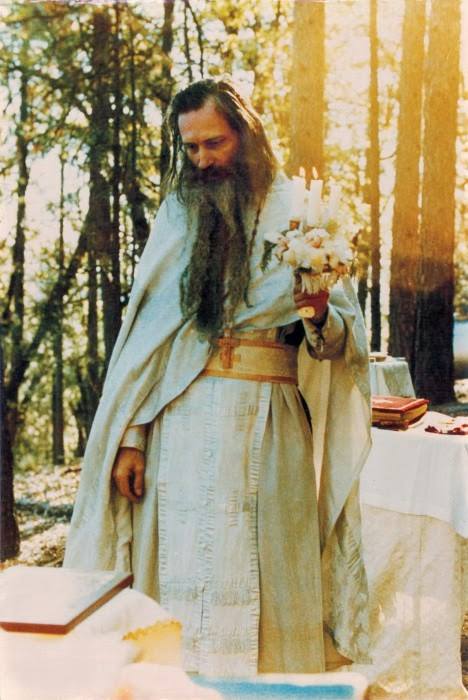
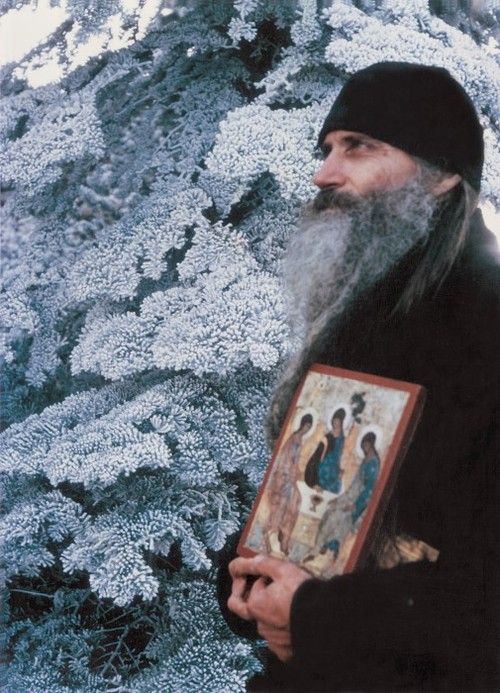
Father Seraphim Rose holding an icon of the Holy Trinity
Orthodoxy means “true glory” or “true faith.” We Orthodox think very highly of the word. Or do we? When it comes down to it, does Orthodoxy actually matter all that much to us (as it should)? Orthodox Christians in the west find themselves living among many different Christianities and it can sometimes be tempting to think that notwithstanding some of the more obvious differences, (icons, the Theotokos, fasting, worship, for example), all these Christian traditions share much the same faith as us. If you are of this opinion, then I am sorry to have to disappoint you, but it just isn’t true at all. How so?
I am going to consider this issue by looking at a case study which reveals the damage that heresy can do in our personal lives, our relationships and even to the society and world that we live in. It is a fictional story, but quite typical.
John and Mary go to an Evangelical Anglican Church. John is Orthodox (Greek tradition). Mary is Anglican. This is her second marriage, being a young widow with one teenage son (Ian, 15) still living at home. She now has two children with John, daughters, aged 5 and 7. John would prefer to go to his local Greek Church but his wife is a committed Anglican, and their children, although baptised in the Orthodox Church (with the exception of Ian), prefer the “lively worship songs”, as they put it, which are included in the church’s family service. Ian is very involved in the local youth group and is thinking eventually of becoming an Anglican minister. Does Orthodoxy then matter to John? Well, yes, but only in a remote nostalgic sort of way. It is some years now since he has attended Divine Liturgy, the last time was at Pascha in 2008. His stepson, Ian, will have nothing to do with what he considers to be the “stuffy incomprehensible worship” at his stepdad’s church which he has visited once, just after his stepfather’s marriage.
Ten years later ….
Neither John nor Mary now regularly attend the Anglican Church. John still hasn’t been back to the Orthodox Church since Pascha 2008 and Mary doesn’t like the new Vicar who is a woman. Mary is quite a conservative evangelical believer who maintains that a woman should not be in a place of authority within the Church over men. (This is the evangelical doctrine of the”headship of the male.”) Her two daughters, now 15 and 17 still attend on their own and are very active in the youth group. Ian, who shares his mother’s conservative outlook, has also left the church, disagreeing with what he believes to be the Anglican Church’s tolerance of homosexual partnerships. He has started attending a very conservative Baptist church that teaches pure Calvinism, in particular, the doctrines known as TULIP (from the first letter of each doctrine), namely:-
Total Depravity – As a result of Adam’s fall, all humanity, is dead in sins and therefore damned. Humanity’s nature is corrupt and utterly incapable of godliness.
Unconditional Election – Because man is dead in sin, he is unable to initiate a response to God; therefore, from eternity God elected certain people to salvation and others to damnation. Election and predestination are unconditional; they are not based on man’s response because man is unable to respond to God, nor does he want to.
Limited Atonement – Because God determined that certain people should be saved as a result of His unconditional election, He determined that Christ should die for the elect alone. All whom God has elected, and for whom Christ died, will be saved but the rest will be damned to hell for all eternity; again as determined by God’s sovereign will.
Irresistible Grace – Those whom God elected He draws to Himself through irresistible grace. God makes man willing to come to Him. When God calls, man responds. Man cannot choose to love God by his own choice and freedom.
Perseverance of the Saints – The precise people God has elected and drawn to Himself through the Holy Spirit will persevere in faith to the end. None whom God has elected will ever be lost; they are eternally secure even though they may sin grievously after election.
Although Ian is a pious and committed believer these doctrines trouble him. He begins to doubt that he is one of the elect, chosen by God for salvation. His sinful life (he occasionally resorts to prostitutes) troubles him greatly but his church tells him that he is unable to make any right choice and save himself. Ian enters a very dark period of depression, made much worse by the impact of these heresies on his mental health. His fragile relationship with his atheist girlfriend disintegrates. He seeks medical help for a latent depression which has now become the full blown clinical variety.
Five years further on, the two daughters are now at the same university, one just about to graduate but they have been unable to find an evangelical church they like nearby, so they have stopped attending church on the grounds that they believe in Christ and are saved, so what’s the point? Back home John and Mary now lead thoroughly secular lives. John sometimes thinks wistfully of his childhood back in Cyprus when he used to attend church with his Nana but this seems to him a very distant idealised time now. He hopes, nonetheless, that his wife or children will respect his wish for an Orthodox funeral if he dies first.
So, did Orthodoxy matter to John? Well yes, particularly earlier on, but for most of his adult life only in a nominal sort of way. He had certainly not been catechised in his youth and his grasp of the faith, therefore, had always been somewhat tenuous. Did Anglican evangelicalism then strike him as being similar to Orthodoxy? Well yes, mostly. He only saw differences in the worship style which often set his teeth on edge. Let’s face it. He attended the evangelical Anglican Church for the sake of his wife and family. When they stopped going, so did he. There is only one God after all and this was just a different way of being a Christian, it seemed to him. He did lament his stepson’s involvement in the Calvinist church because he could see how its refusal of human freedom and choice, its dark doctrines of divine election to salvation or damnation, did not feel right to him, but he couldn’t really say why.
Did Mary his wife ever consider Orthodoxy when the lady Vicar arrived? Well, no, why should she? Her husband rarely spoke of his childhood faith and she concluded that it could not have meant much to him in that case, so why should she consider it? John and Mary now spend a conventional Sunday together as most couples do in their street, getting up late, going to the gym occasionally, shopping at B&Q, taking a drive into the countryside; just the usual and normal things everyone does nowadays. Both still consider themselves as Christians, but obviously not of the fanatical sort whom they blame, quite rightly, for destroying Ian’s piece of mind. As for the two girls, well they eventually graduated and now have families of their own. Churchgoing, however, has become completely alien to all their families with the rest.
So, does Orthodox Christianity matter to you? Does it matter enough for you to find out about it in more depth? Does it matter enough for you to practice it as faithfully as you can, notwithstanding the distractions of modern life? Does it matter enough for you to stay loyal to this faith no matter what challenges are presented to it by both family life and society as a whole?
And here’s the challenging question …
In the absence of an Orthodox church nearby would you be prepared to pray at home rather than pray with the heterodox?
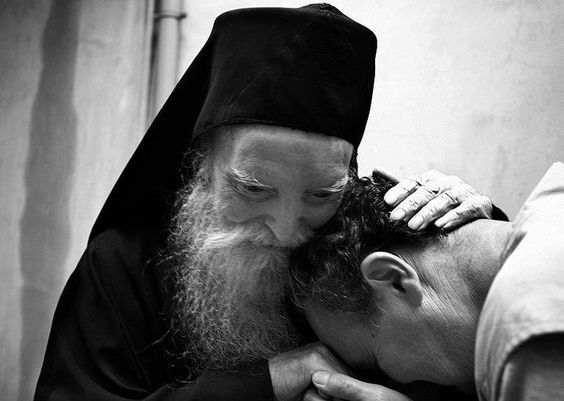
These excerpts are from a paper on the Orthodox Christian monastic life, yet all they say about the role of the spiritual father, I find it equally relevant to those who live in the world.
“… you choose, or rather, recognize your spiritual father or mother, and he or she will recognize you as his/her spiritual child.
…
The spiritual father does not need to be some kind of clairvoyant elder. Rather, he is someone to whom you can open your heart. There is often a mutual recognition, that “this is my father,” and “this is my son.” Or, at least, that this is a person with whom I want to work out my salvation.
…
The discipler, the spiritual father or mother, is the one to whom you will promise obedience, as a means of being obedient to Christ. It is a sacramental relationship: obedience given to the spiritual father for Christ’s sake becomes obedience to Christ. The spiritual father will not give you something immoral or illegal—it would be your duty to disobey such a command. Being obedient means cutting off our own will. It is training. But it is also a means of grace, because we are obedient to Christ through our obedience to the spiritual father. This is itself a means of grace, a synergy or cooperation with God, and accomplished by the power of His energy. We strive to harmonize our will with God’s will, by cutting off our self-will in obedience. Then it becomes all grace, God’s activity within us. But the more we resist, rebel and protest, the more self-willed and independent we are, the more we reject the grace of God.
The passions of envy and jealousy, abandonment anxiety, pride, and anything else surface in the first few years [of the discipleship], if things are working right.
Obedience is not about subjugation. It is not about depriving the disciple of his will, or much less surrender of one’s personhood. These are abuses. Rather, obedience is willing submission in love.
It is a relationship of the most profound intimacy and openness.
The relationship between a spiritual father and son is a relationship of love and respect, mutual in every dimension. It becomes the context in which we authentically develop our personhood, and transcend our ego-centrism. Submission to a spiritual father means to enter into a mutual striving for salvation together (1Peter 5:5). It is a relationship of the most profound intimacy and openness. You come to know each other profoundly. And yet, the relationship of a spiritual father and son is also a participation in Christ’s own sonship to the Father. It is a relationship that is sacramental, full of grace. That grace does not depend on the charismatic gifts of the spiritual father, his maturity or clairvoyance. Of course he should be someone blessed by the Church to have such a ministry, and likely will be a priest. If the relationship is undertaken in good faith, on both parts, it becomes that sacramental bond in Christ by the Spirit.
We must remember that this relationship, because it is the very means of working out our salvation, will be tried by fire.
It is important to respect and have faith in your spiritual father. But know for certain that your spiritual elder is a sinful man with passions and shortcomings, like yourself. If you have the idea that he is sinless and infallible, you are only setting yourself up for a huge fall. And if you judge your spiritual father for his inevitable failings, you are also setting yourself up for a fall from your own pride and arrogance. We must remember that this relationship, because it is the very means of working out our salvation, will be tried by fire. Our faith in our spiritual father will be tried by enormous temptations, by his mistakes and shortcomings, and by our own brokenness, rebelliousness and arrogance. But what is important is to persevere through the temptations, and not allow ourselves to judge him. It is said that there are very, very few great elders in the world, but what is even more rare is the true disciple. We must remember that our judgment exposes our own hypocrisy, more than anyone else’s.
Our faith in our spiritual father will be tried by enormous temptations, by his mistakes and shortcomings, and by our own brokenness, rebelliousness and arrogance.
The parable of the Prodigal Son is one of the Lord’s most vivid illustrations, and used extensively for the monastic life. How profoundly we betray our Father, going off and living prodigally, wasting his riches on harlotry and riotous living. Coming to our self, finally, we repent and return to the Father. How the Father has waited for the return of his beloved son, no matter how much the son’s insensitivity, words and actions have hurt the father. The Father does not assign us a place with the servants, but restores to us our birthright—now a gift of grace. So also does our spiritual father wait for us to repent, to return, so that we may receive the gift of his love.
‘Make haste to open to me Thy fatherly embrace, for as the prodigal I have wasted my life. In the unfailing wealth of Thy mercy, O Savior, reject not my heart in its poverty. For with compunction I cry to Thee, O Lord: Father, I have sinned against heaven and before Thee. ‘(Troparion at Monastic Tonsure)
You have found your spiritual father when knowing you, you realize that he loves you unconditionally.
Always in a spirit of unconditional love and acceptance, even when the passions are raging and the son is in a state of rebellion and stubbornness.
The relationship to the spiritual father is the way to work out authentic self- acceptance. The spiritual father loves the spiritual son unconditionally, and that love is the foundation for the son to learn how to love the other, to accept himself, and to look at himself in naked honesty and love himself in a healthy way. Constant confession, opening the heart to the spiritual father, and exposing the most shameful and inmost thoughts and inclinations, is the way to this deep cleansing of the heart. The father must give his son both the encouragement and the rebukes that help him see himself. But this is always in a spirit of unconditional love and acceptance, even when the passions are raging and the son is in a state of rebellion and stubbornness.
All the rage, anger, rebelliousness and hatred that are concealed in the heart get projected onto the spiritual father.
So the spiritual father is called to be patient, no matter how hurtful the son can be. All the rage, anger, rebelliousness and hatred that are concealed in the heart get projected onto the spiritual father. The passions of envy and jealousy, abandonment anxiety, pride, and anything else surface in the first few years [of the discipleship], if things are working right.
The spiritual father is called to be patient, no matter how hurtful the son can be.
Obedience is one of the most important things to expose the passions. Obedience demands the cutting off of the will; and our passions are in what we will. Obedience also demands cooperation with the other brothers. We easily cooperate when we want to do something; when we don’t, that is the key point in the confrontation with our will. And if we have underlying passions, such as envy and jealousy, pride and arrogance—Why did he get to do that? [He] loves him more than me… Why should I have to do that?… or I should have gotten to do that… etc.—so the real battleground of purification is obedience.”
*
Dedicated with a love and gratitude which words can’t express to my spiritual father, one I recognised very soon, as “this is my father”, one who loves me unconditionally
*
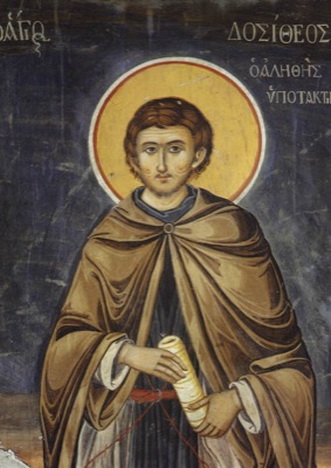
Dedicated also to St. Dositheus,ο αληθής υποτακτικός, the true obedient, a Saint I am personally very drawn to.
Anything that the late Metropolitan Anthony of Sourozh has to say is of the utmost importance for our spiritual life, even more so when such a gifted spiritual father talks about “SPIRITUALITY AND THE ROLE OF A SPIRITUAL FATHER”

















 ORTHODOX CHRISTIAN FAITH AND LIFE