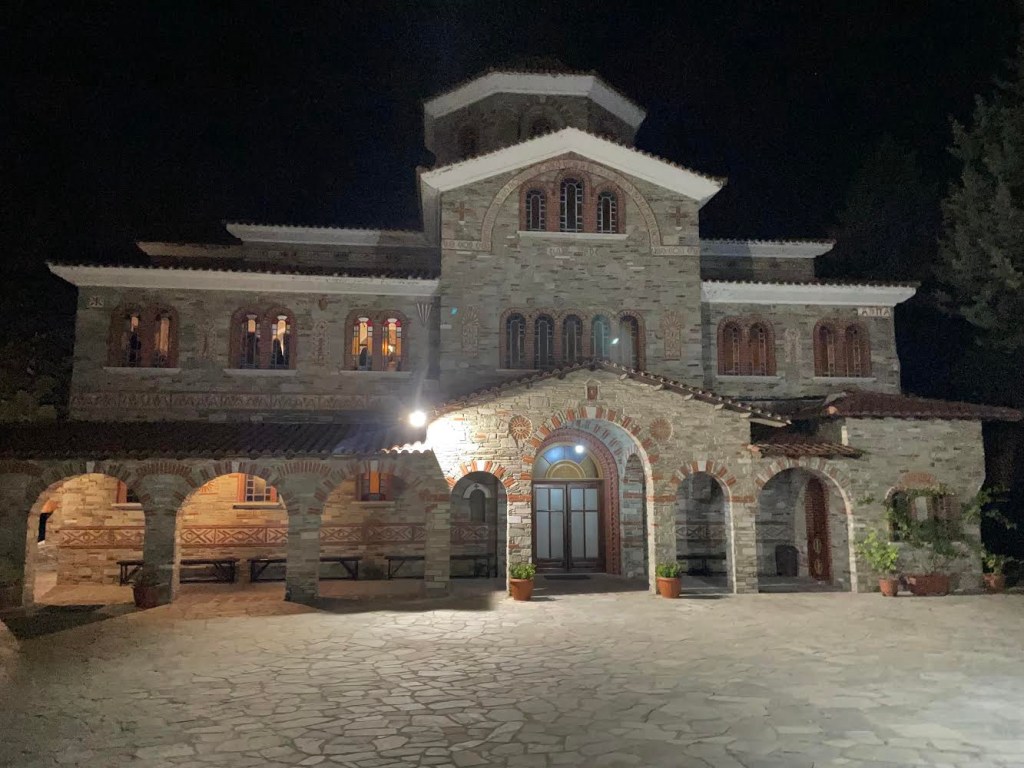
“My spirit seeks You early in the morning, O God, for Your commandments are a light upon the earth”.
At 5 am, Matins begins, and everybody literally rushes to the church under the stars. “To the Theotokos let us run now most fervently”.
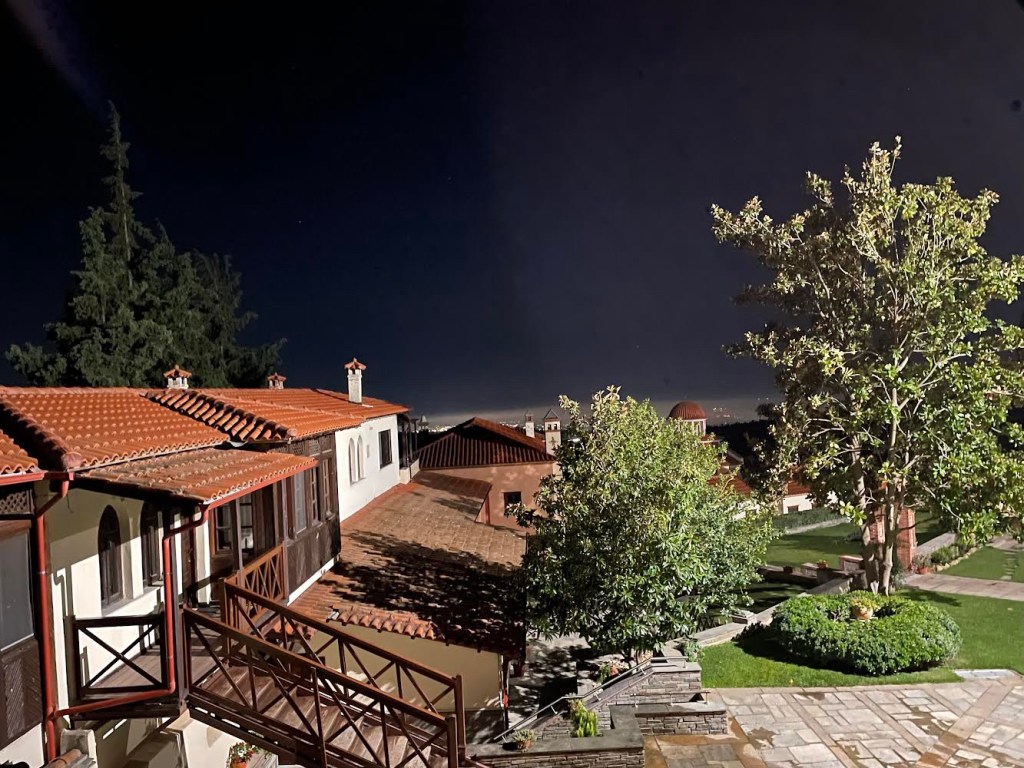
This monastery has 3 dedications to the Theotokos: the first is on The Mother of God of the Life-giving Spring or Life-giving Font (Greek: Ζωοδόχος Πηγή), on bright Friday; the second dedication is on the Dormition of the Theotokos, on August 15th; and its third dedication is on Panagia Eleftherotria, ie. Theotokos the Liberator, on the Feast of the Holy Protection, October 28th. This third dedication is the most important for the monastery and apparently for all the Greek nation. It is true that the piety of the faithful all over the world have adorned the Virgin Mary with thousands of names, but this particular one I have personally not encountered in any other nation.
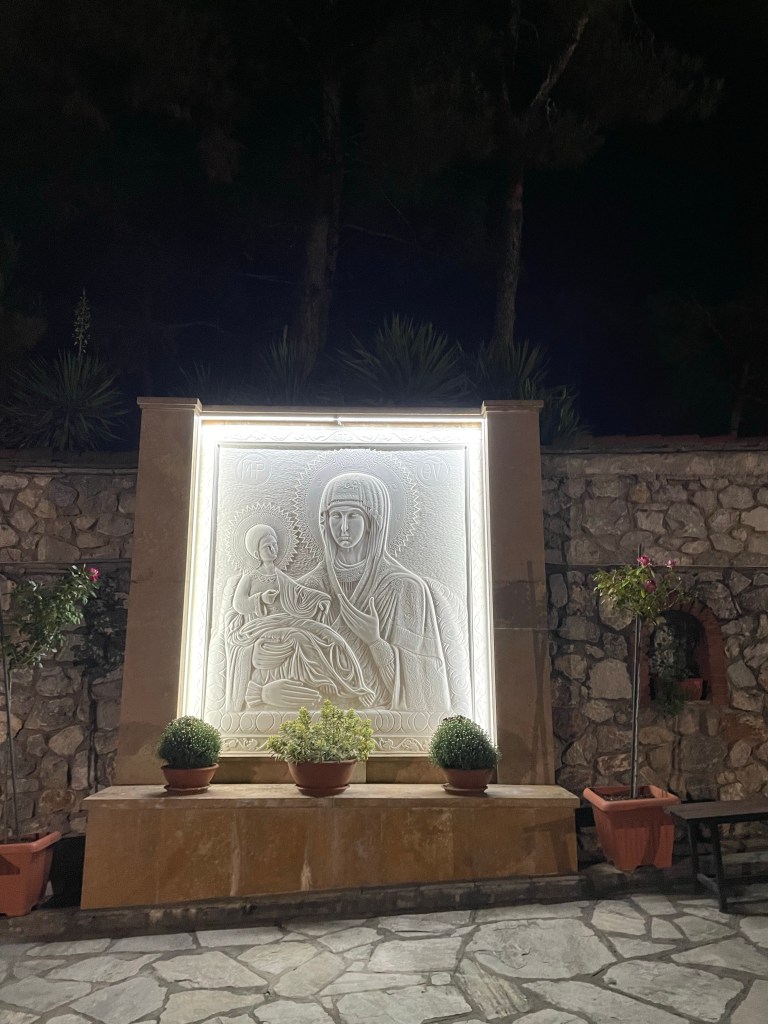
Most Holy Theotokos was declared a Great General, Τη Υπερμάχω Στρατηγώ, by the Greeks of Byzantium in 626 AD, to protect Constantinople from the combined siege by the Sassanid Persians, Avars and allied Slavs. After numerous sieges and attacks in the centuries to follow, culminating in the fall of Constantinople from the Ottomans, Panagia then became the “Eleftherotria”, the hope of thousands of Greek faithful and especially of Greek neomartyrs, suffering martyrdom under the Muslim yoke for more than 400 years.
Tradition holds that it was this Great General who freed the Greek Nation from the Turkish yoke in 1821 and protected the Greeks from the attack of the Italians in 1940 AD. This is why the Feast of “Αγία Σκέπη”, the Holy Protection of the Theotokos, was moved from Oct 1st to Oct 28, the Ohi Day, also referred to as the “Day of No”, the day when the Greek prime minister rejected an ultimatum given by the Italian dictator Benito Mussolini during World War II.
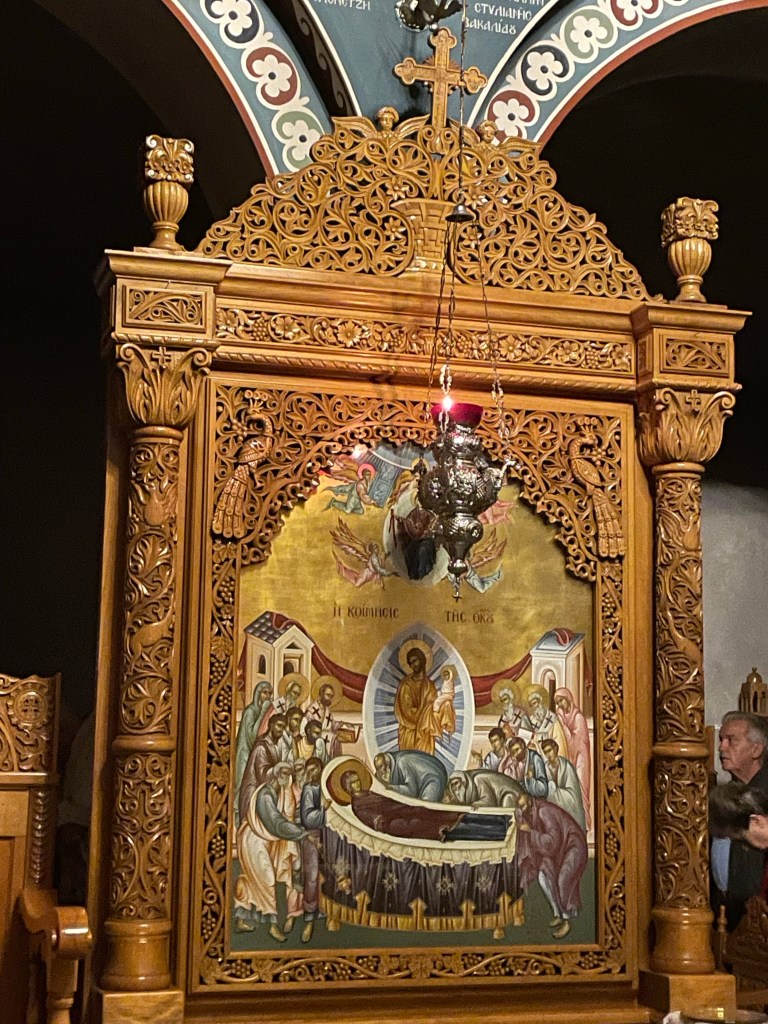
Panagia is, of course, the Protector of all Orthodox Church and nations, and a Mother to us all, liberating us not so much from our visible enemies, but from the invisible ones, ie. our passions, our sins, ultimately from the evil one. Pilgrims from all over the world tearfully share miracles and pray to Her here, in Her monastery, for liberty from their concerns, worries, thoughts, illnesses, for Liberty of their souls first, ultimately from sin.
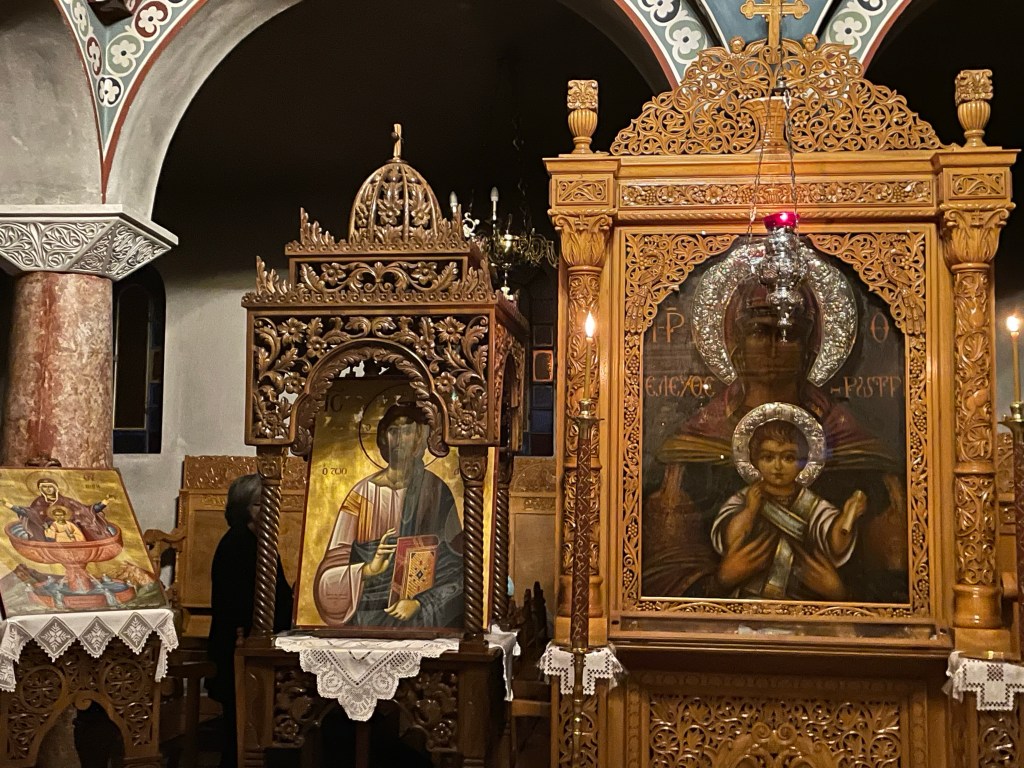
Beneath thy compassion,
We take refuge, O Mother of God:
do not despise our petitions in time of trouble,
but rescue us from dangers,
only pure one, only blessed one. (1)
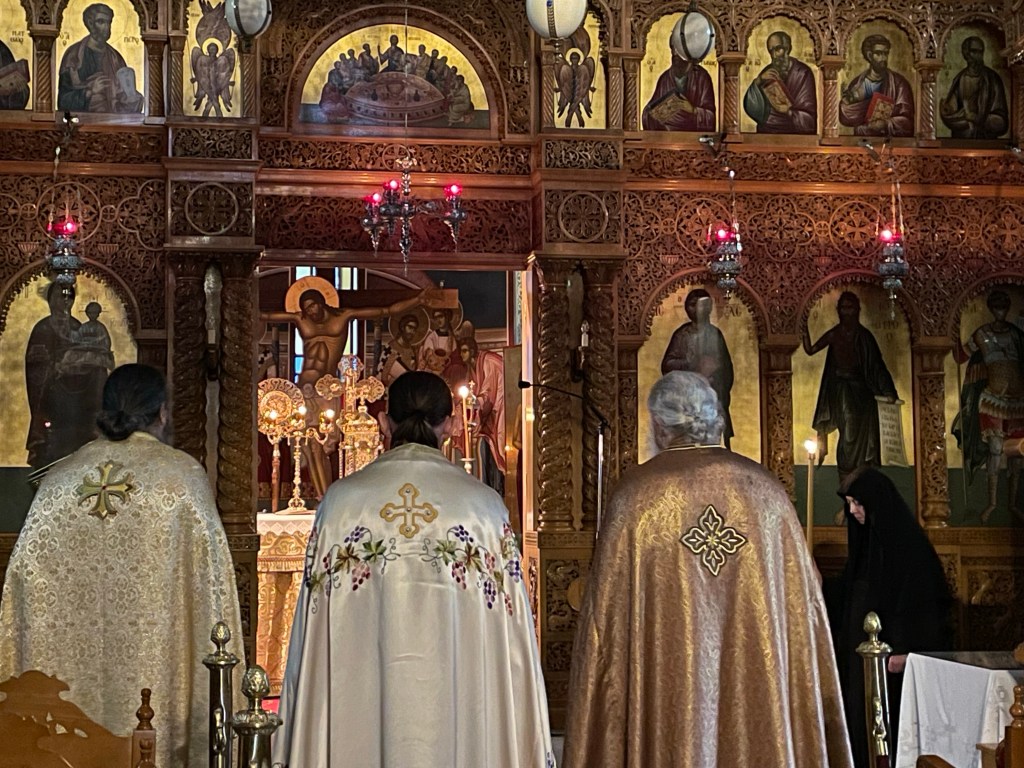
Holy Liturgy finishes at 8:30 and a light meal is awaiting us, before we all head to our obediences. Today, to our surprise, ironing, and not ivy pruning, is our obedience: ironing piles upon piles of the sisters’ and pilgrims‘ bedsheets. May it be blessed. Again, long hours of manual prayer await us, accompanied by the Jesus prayer. Glory to God for all things.
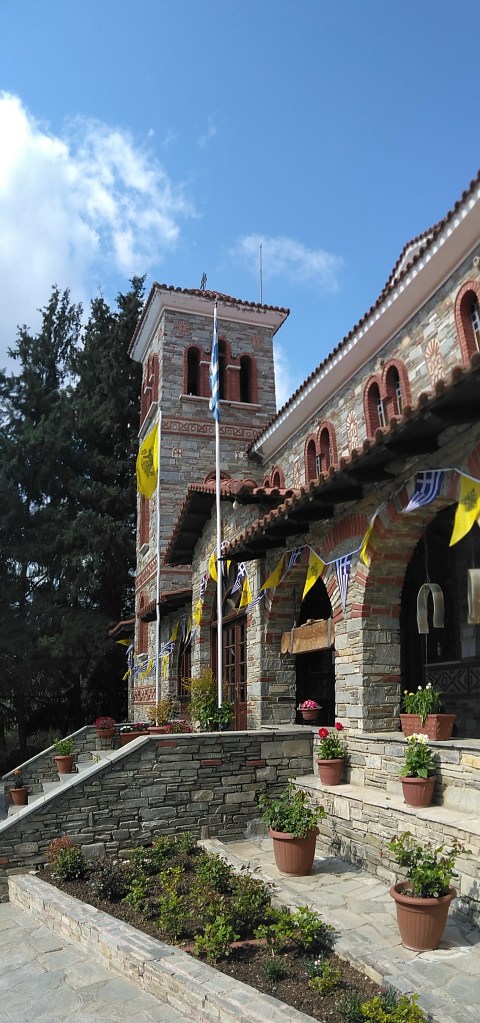
At long last, break time and a walk in the monastery gardens and lush forests! Once outside of the cells and the various workshops of iconography and embroidery, one marvels at the beauty of trees especially and flowers everywhere. Nature is enveloped in the Holy Spirit.
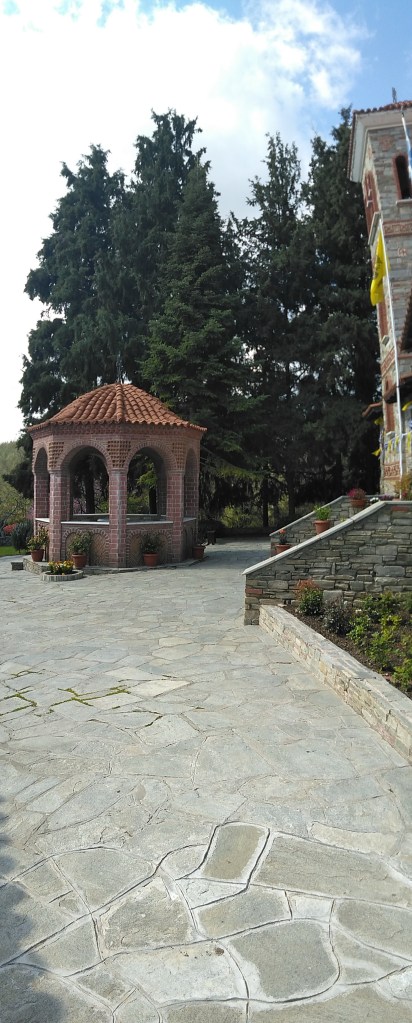
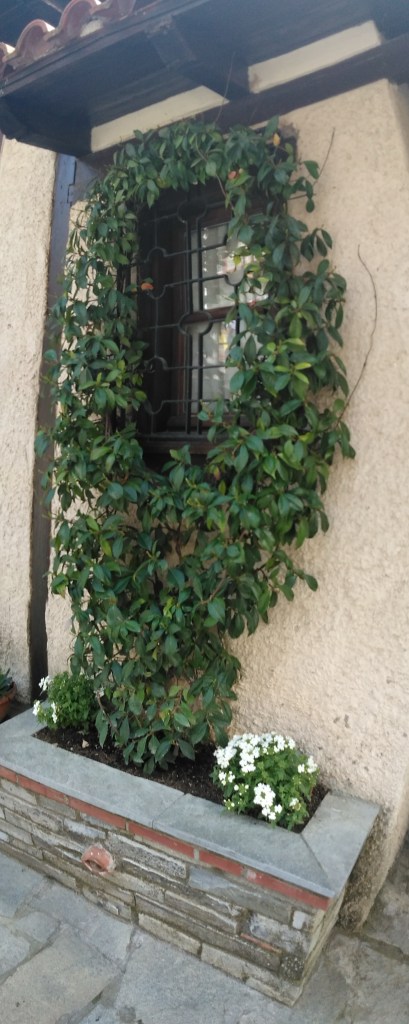
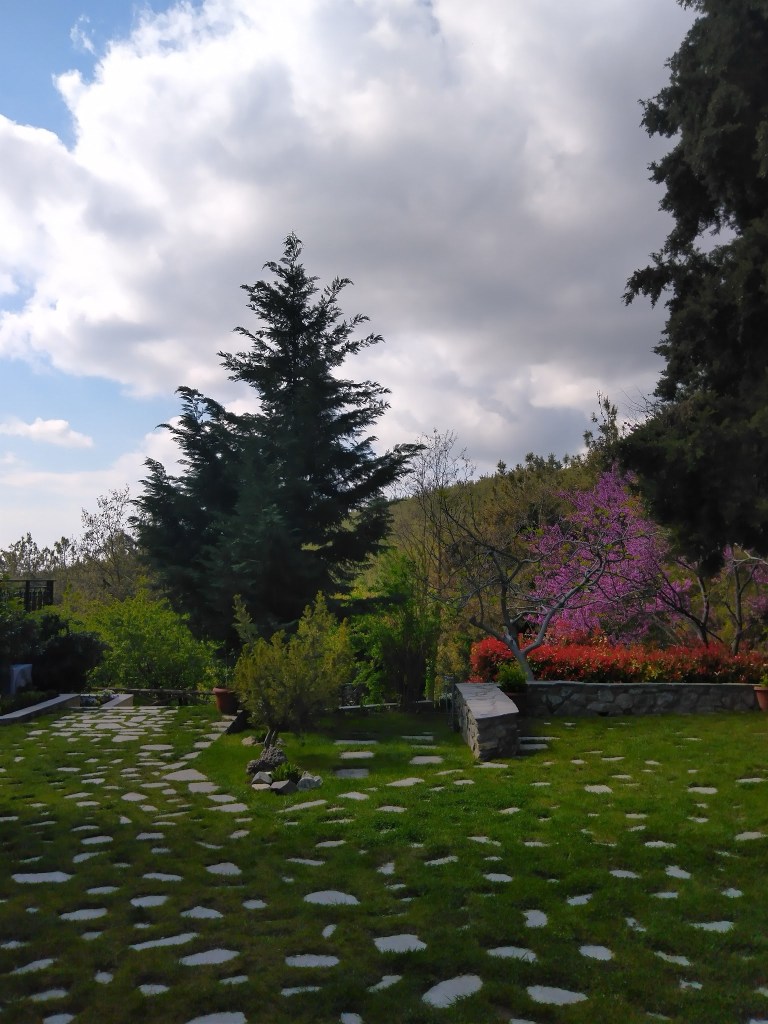
Most Holy Theotokos’ presence and protection is felt most powerfully in Her monastery gardens and forests, and there are votive offerings, “tamata” for Her everywhere.
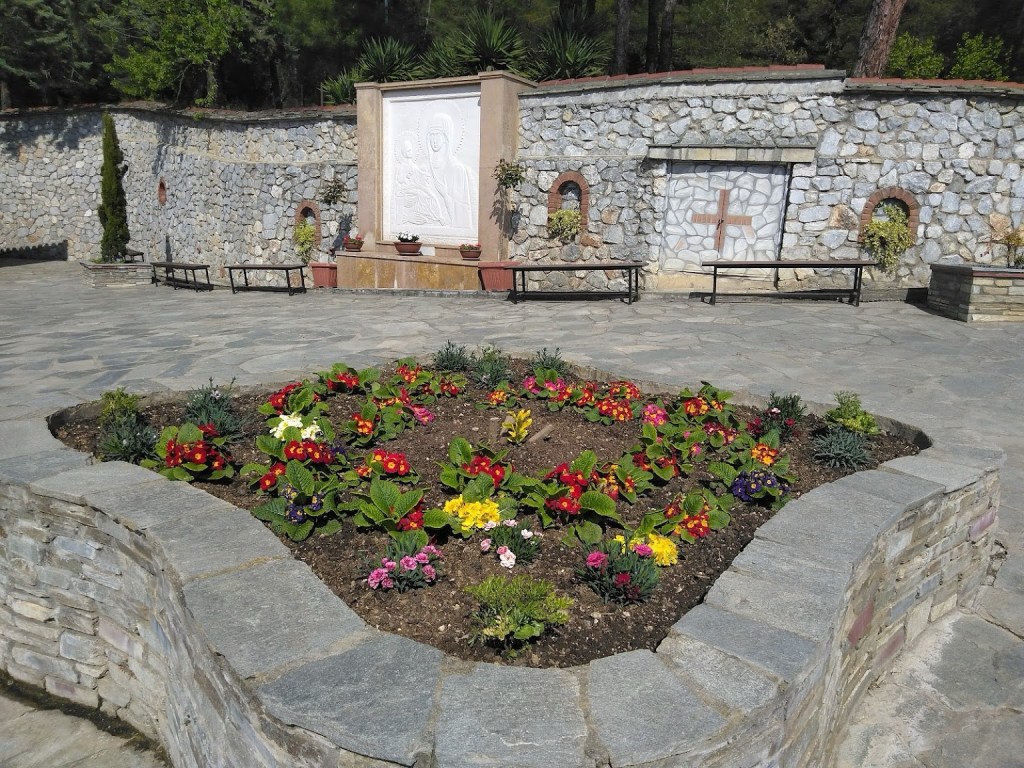
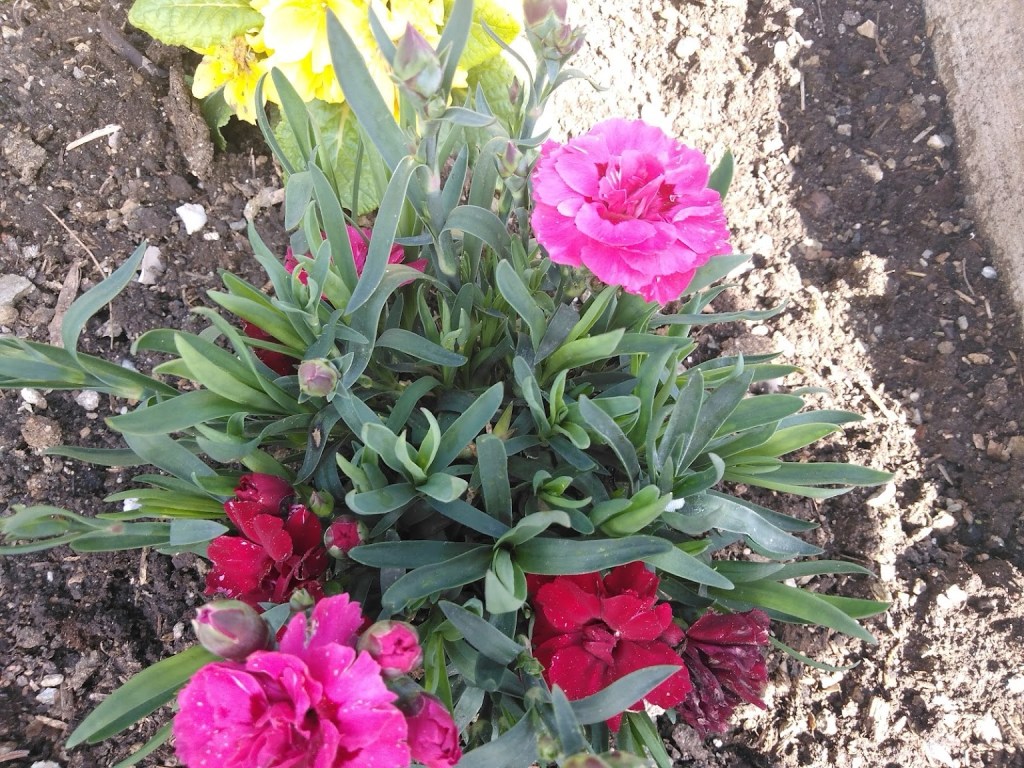
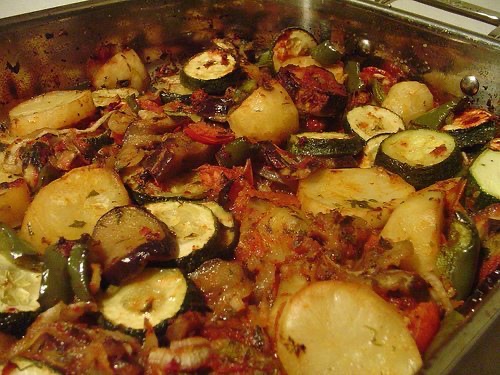
Enwrapped in such beauty and holiness, immersed in the Theotokos, one forgets tiredness, drowsiness, even hunger, but the semantron summons us again, this time for our midday meal of Greek Briam, a traditional Mediterranean recipe that uses all homegrown summer vegetables —potatoes, zucchini, aubergines, red onions, and tomatoes—and bakes them together in olive oil.
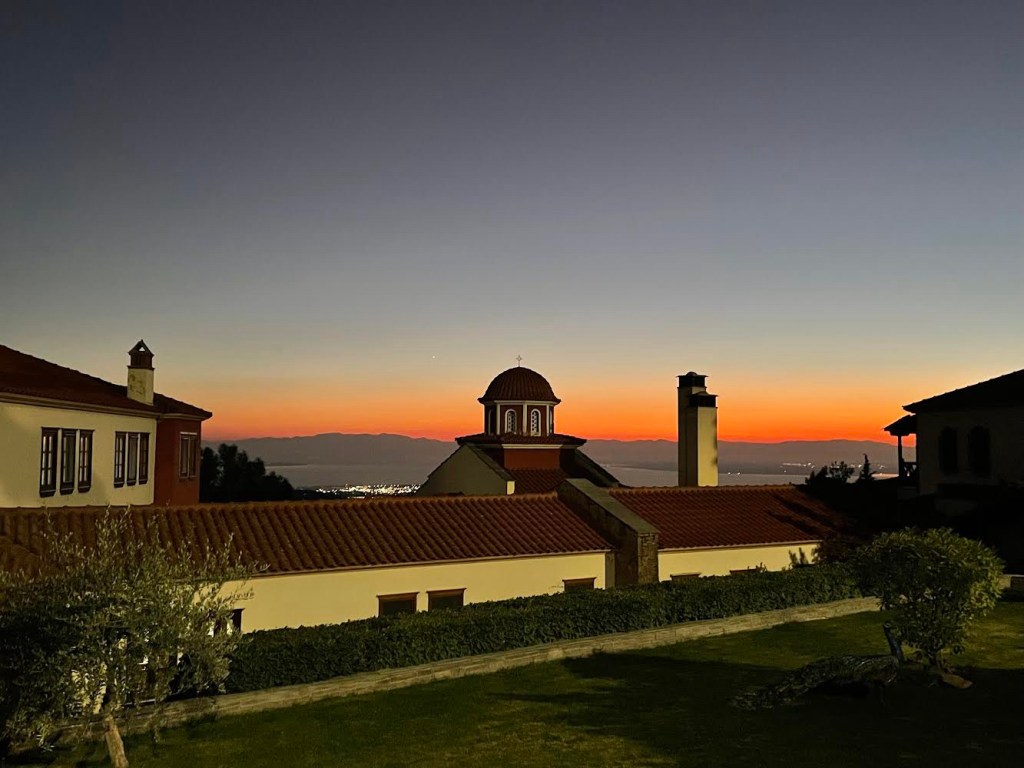
Siesta, quiet time follows, then Great Vespers, Compline, and another, very light, fasting meal, since most of the pilgrims are preparing for Holy Communion. Cars and pilgrims keep arriving in large numbers, especially now that weekend has started. At the sunset, pilgrims and monastics, all together, in small groups, share precious fellowship time in the monastery gardens. Even at the close of the day, Sisters continue to be amazing busy-bees with their obediences, errands, charity and gracious hospitality.
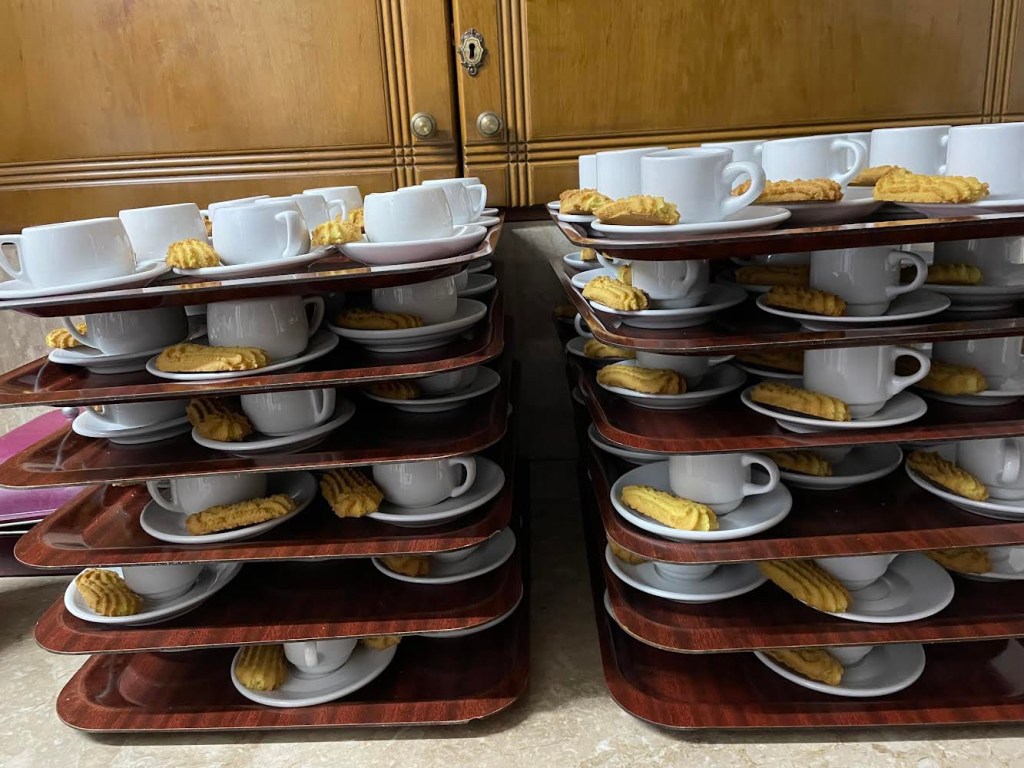
The blessing of Gerondissa Melani seals our day and we retreat to hesychia in our cells. How richly, orderly, deeply and blessedly time flows in a monastery! So different to the hasty, stressful, exhausting, chaotic perception of time in our lives.
To the Theotokos, let us run now most fervently
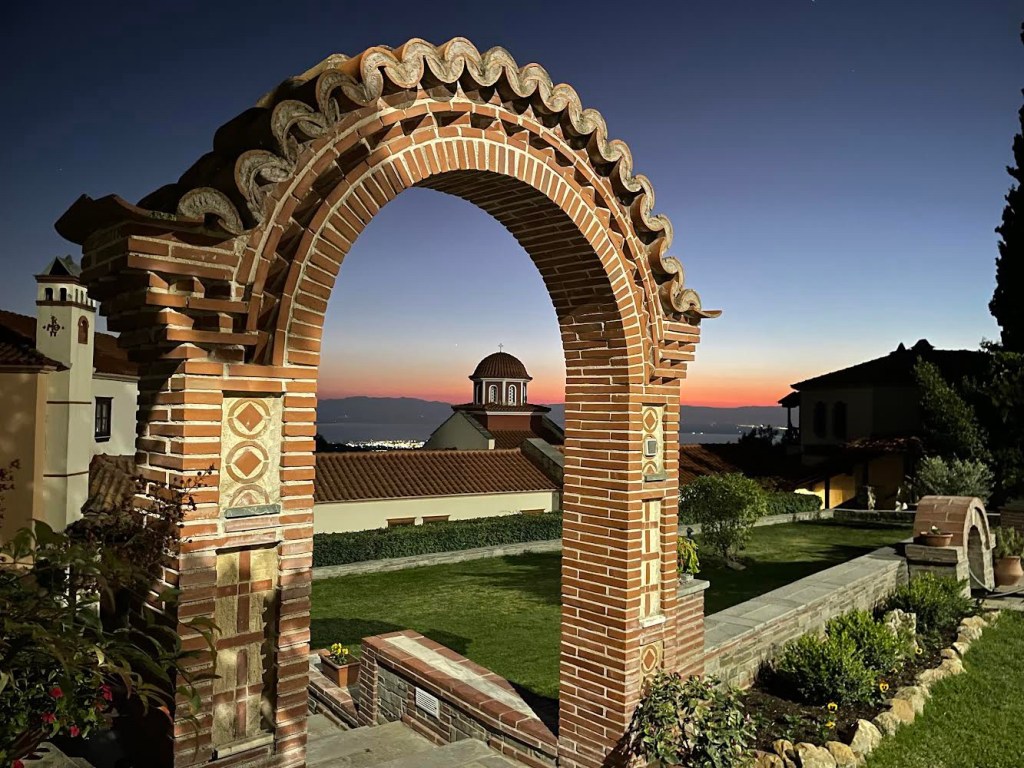
Saint Porphyrios of Kavsokalyva on the Panagia:
“Our Church highly honours our Panagia. I very much love our Panagia. When I was young on the Holy Mountain I very much adored her. I had a small icon of the Panagia under my pillow. Morning and night I embraced her. I lived with her night and day. Whatever happened to me, I resorted to her. What can I tell you? She is better than a mother. There was nothing else I wanted more. She had everything”.
(1) The oldest prayer we know of dedicated to the Virgin Mary. The earliest text of this hymn was found in a Coptic Christmas liturgy of the third century. It is written in Greek and dates to approximately 250 A.D. It is used in the Coptic liturgy to this day, as well as in the Orthodox, Ambrosian, and Latin liturgies. Orthodox Christianity Then and Now.


 ORTHODOX CHRISTIAN FAITH AND LIFE