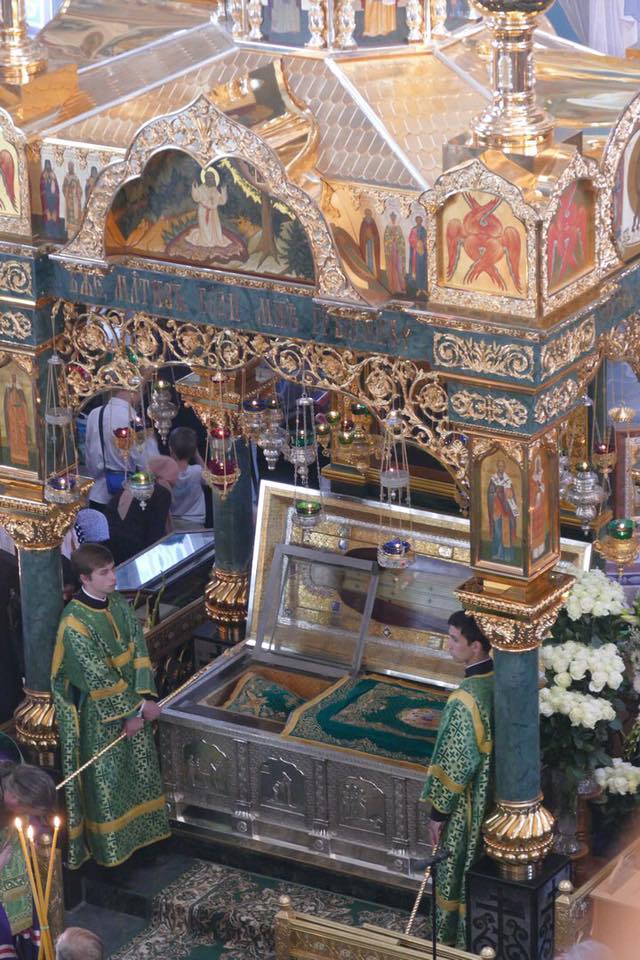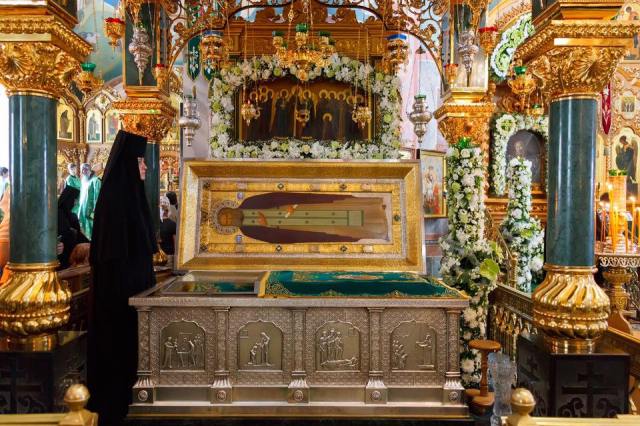
Day trip to the Monastery of Saint John the Forerunner at Serres (II)

timios26.jpg

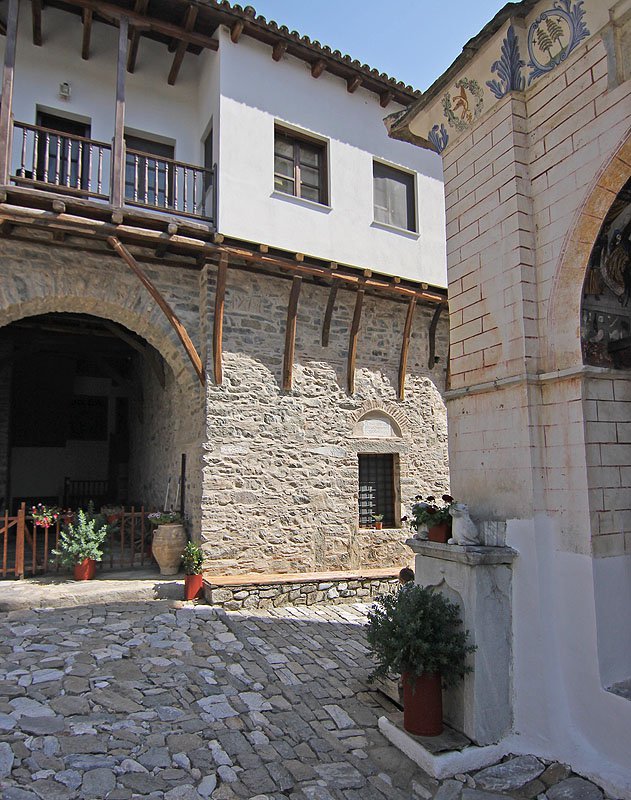
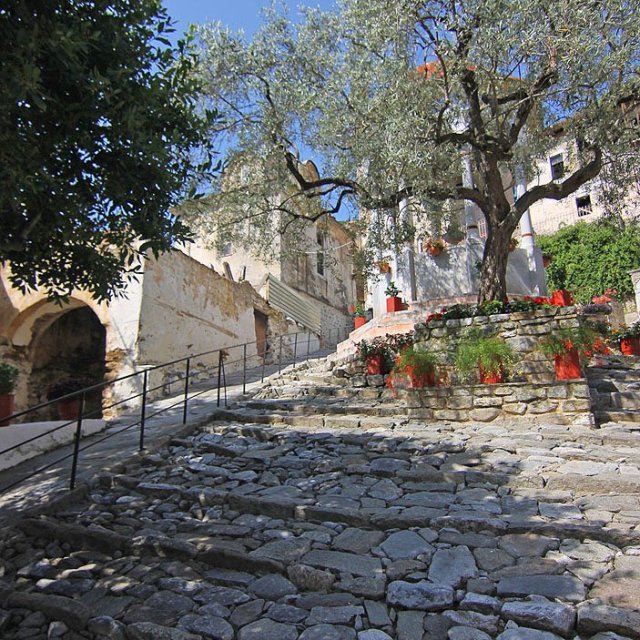
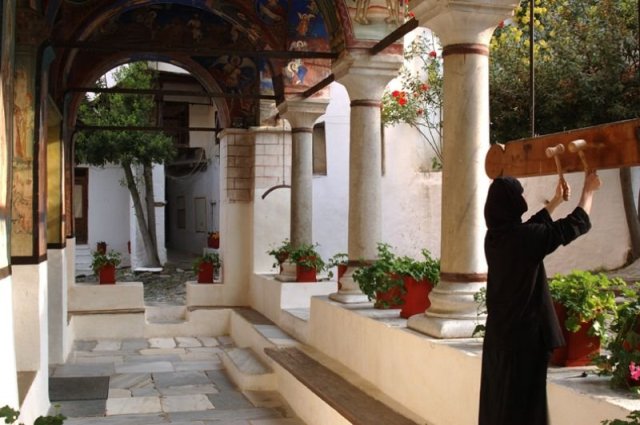
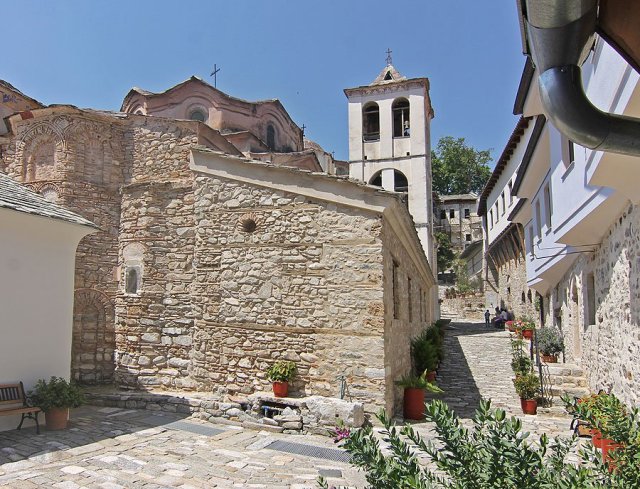
The courtyard behind the main church

Photo Gallery (II) – Monastery of Saint John the Forerunner – Serres, Greece

timios27.jpg

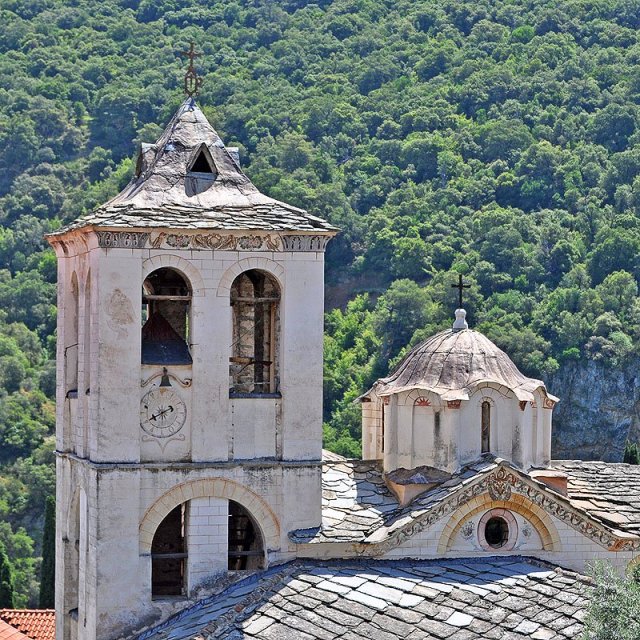
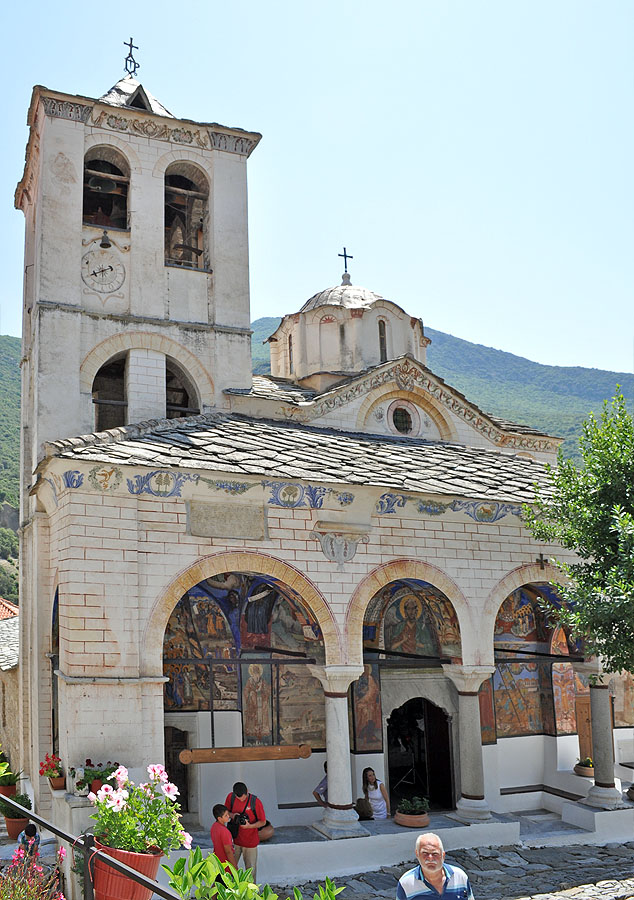
The bell tower

In the bottom of a ravine on Mt. Menikion, 8 kilometres north of Serres lies the Monastery of Timios Prodromos (Venerable Forerunner). Since 1270 when the monastery was founded by Saint Ioannikios from Serres and later taken over by his nephew Saint John, this holy monastery has offered tremendous help in the spiritual and ethnic struggles of Hellenism.

A University school operated within the monastery for 300 years where many people graduated as doctors, teachers, priests, etc. The first Patriarch after the fall of Constantinople, Gennadius Scholarius, lived as a monk in the monastery and remained there until his death. His grave is found in the Mesonyktiko of the monastery’s church.

A great deal of the monstery’s destruction was caused by the Bulgarians during their raids in 1917 and in 1941. Most of the monks were killed, and the consecrated vessels and a vast array of manuscripts and books were stolen. Recently the stolen treasures were found in Sofia, Bulgaria, but have yet to be returned to the monastery. After the second raid and the killing of its monks, the monastery was left in ruins. However, with God’s help, the monastery became a convent in 1986. From then onwards, the new sisterhood has continued the Orthodox tradition passed on by the Fathers of the monastery, not only in the restoration of the ruined buildings but even more, in offering the pious people who visit, all the spiritual aid they yearn for.


timios28.jpg

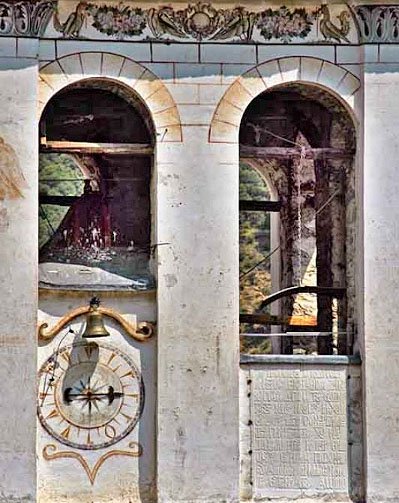
The bell tower

timios29.jpg

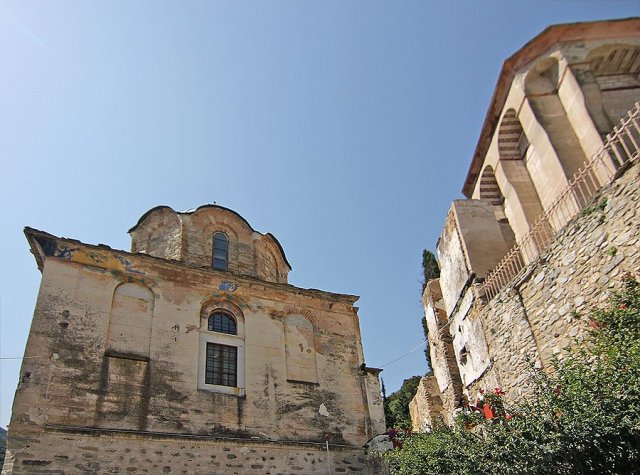
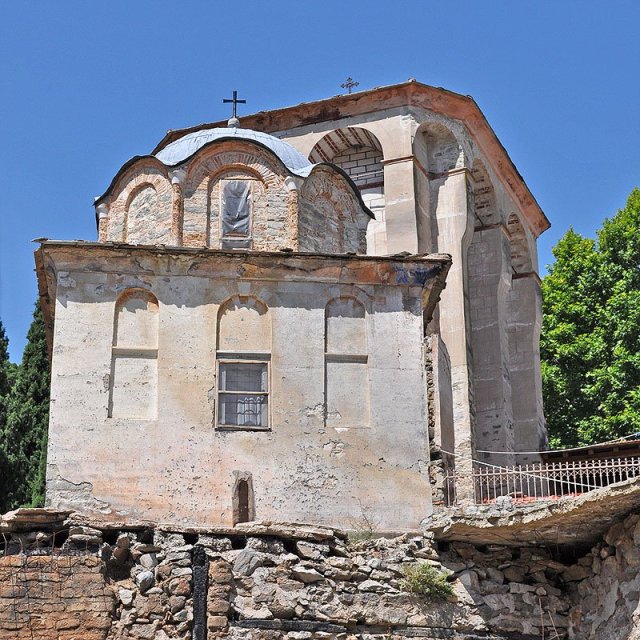
A smaller church

timios30.jpg

Another small church

timios31.jpg

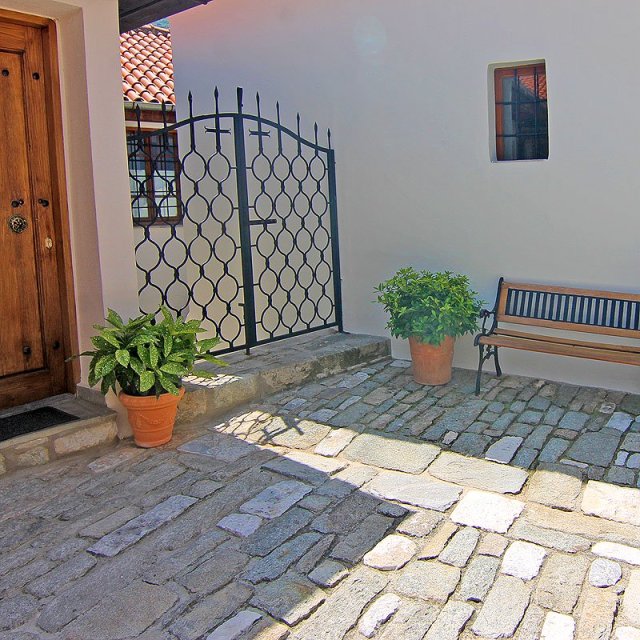
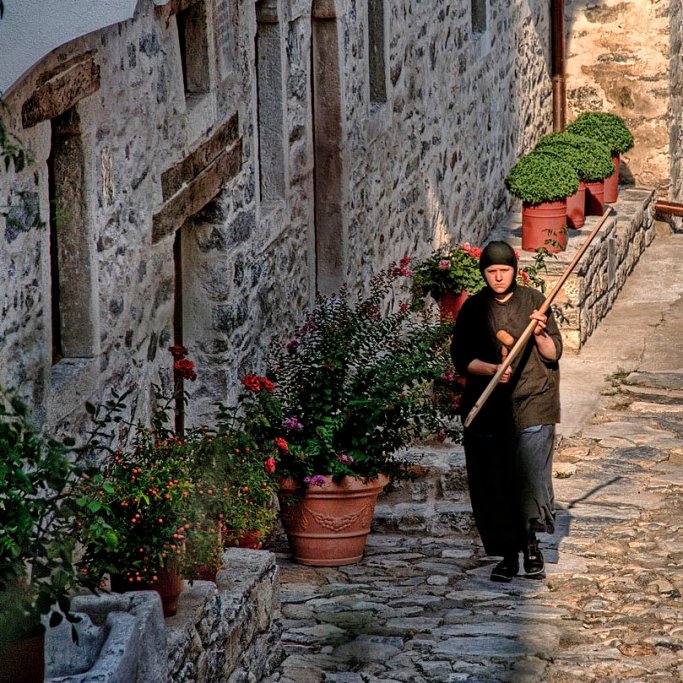
In front of a kelli, ie cell

timios32.jpg

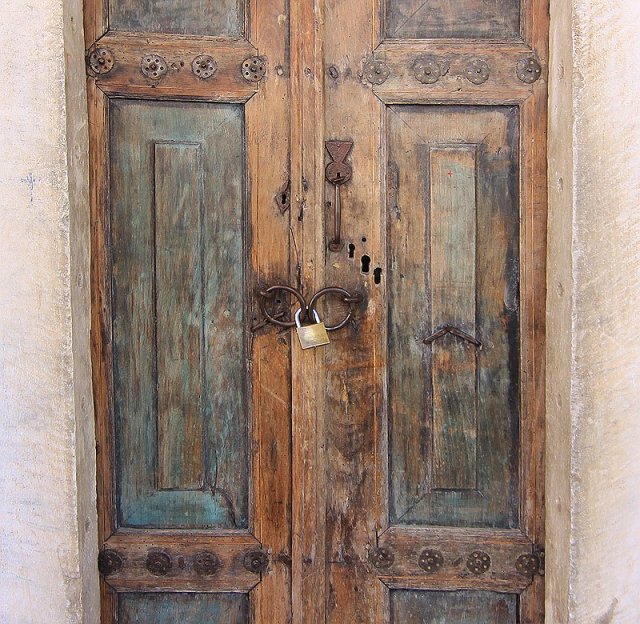
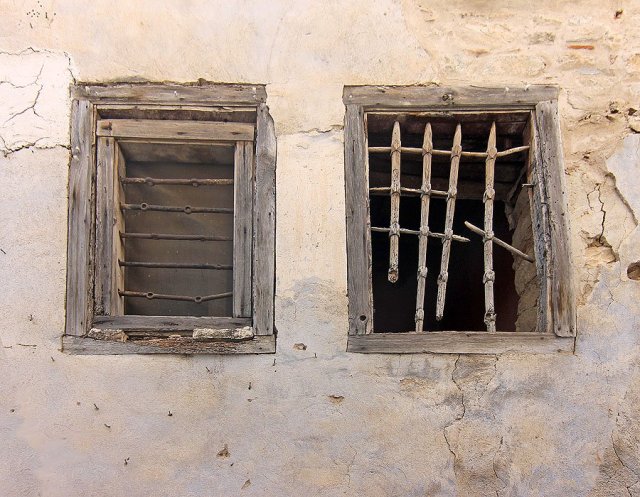
Old doors

timios33.jpg

Unrestored area

timios34.jpg

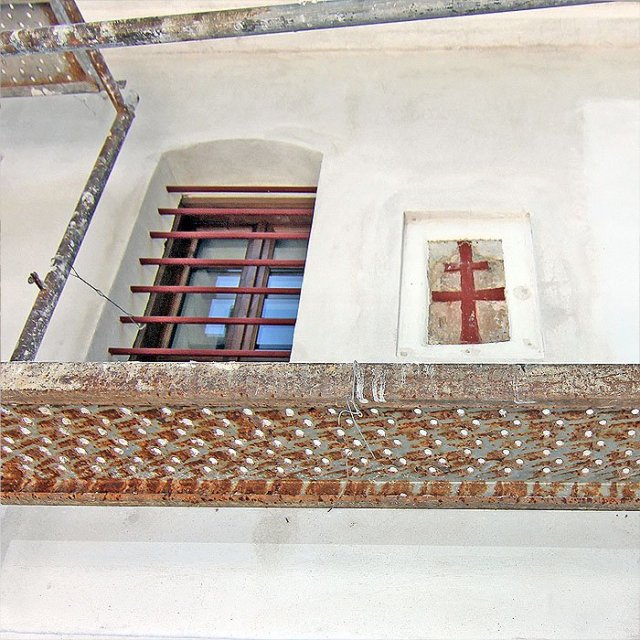
Area under restoration

timios35.jpg

timios36timios37

timios38

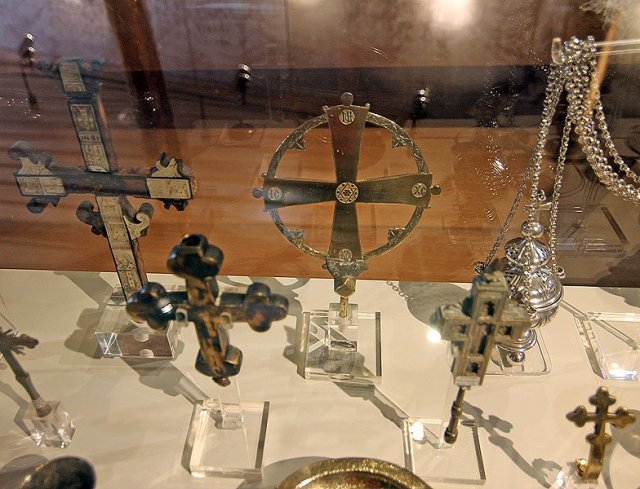
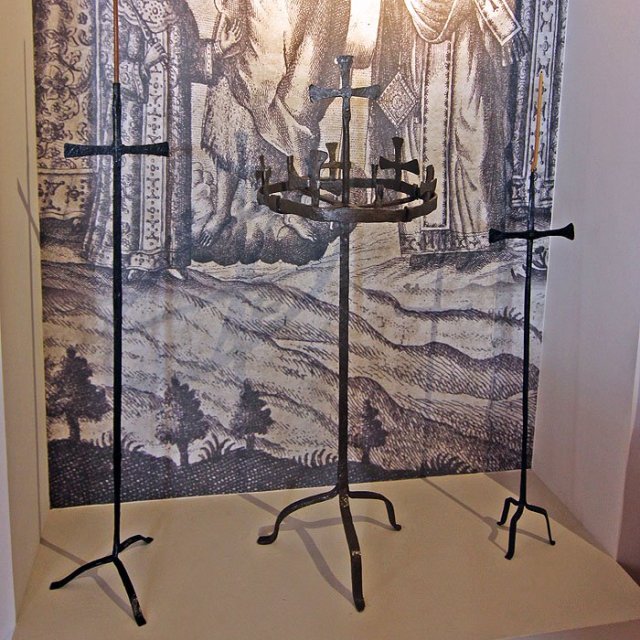
The museum of the monastery is rich, in spite of the pillage of 1917

timios39.jpg

Ecclesiastical items from the museum

timios40.jpg

timios41.jpg

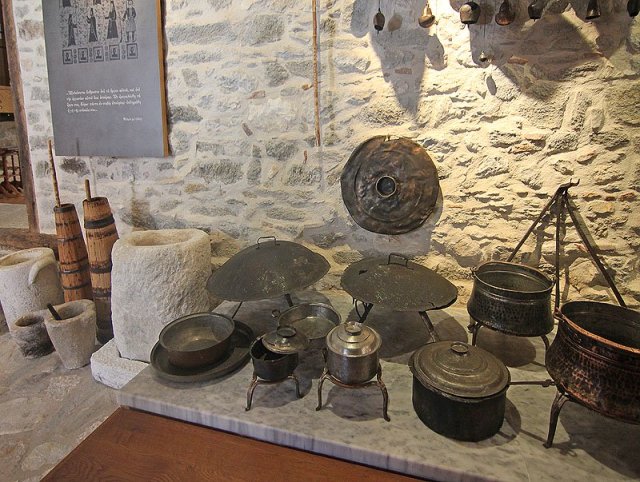
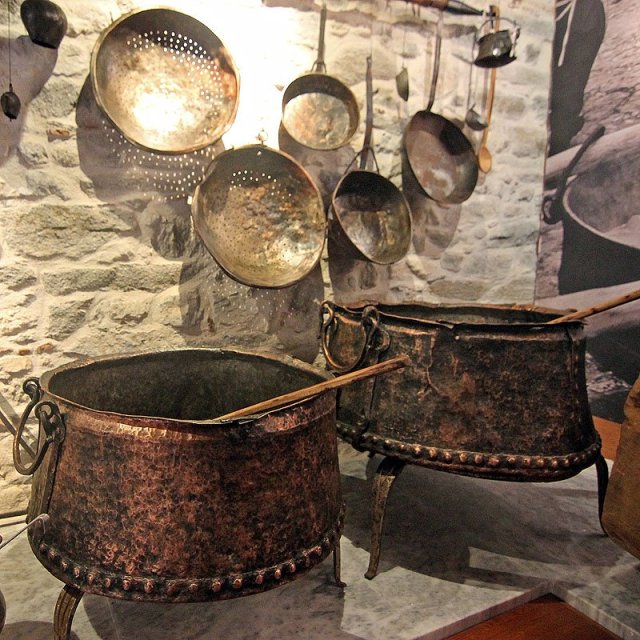
Old kitchenware

timios42

timios43

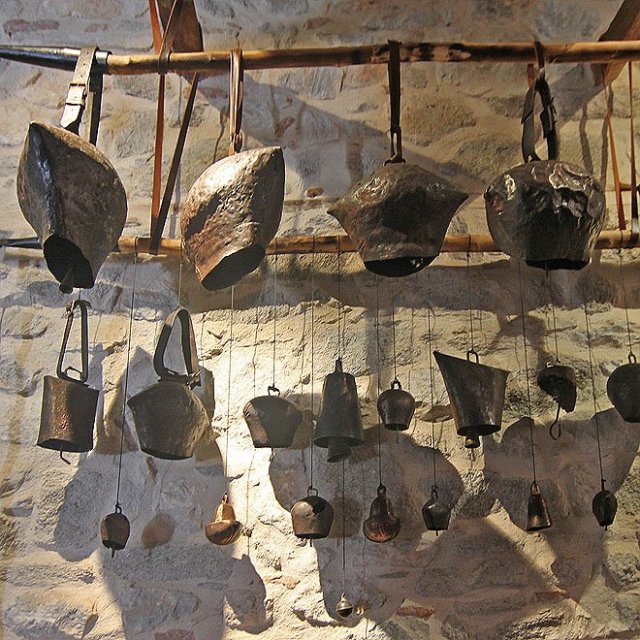
Bells and cowbells

timios44.jpg

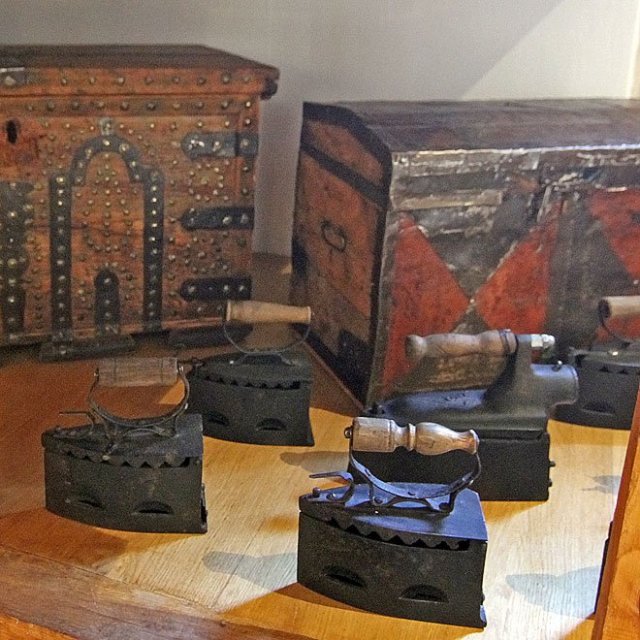
Old chests and irons

timios45.jpg

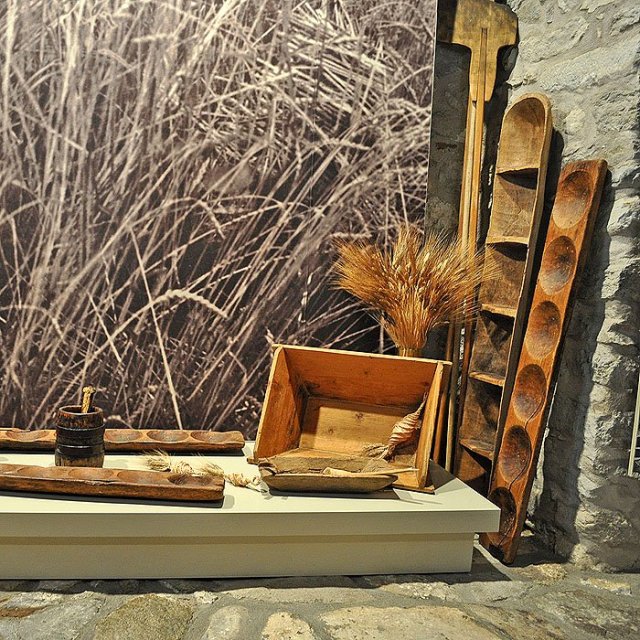
Bakery tools

timios46.jpg

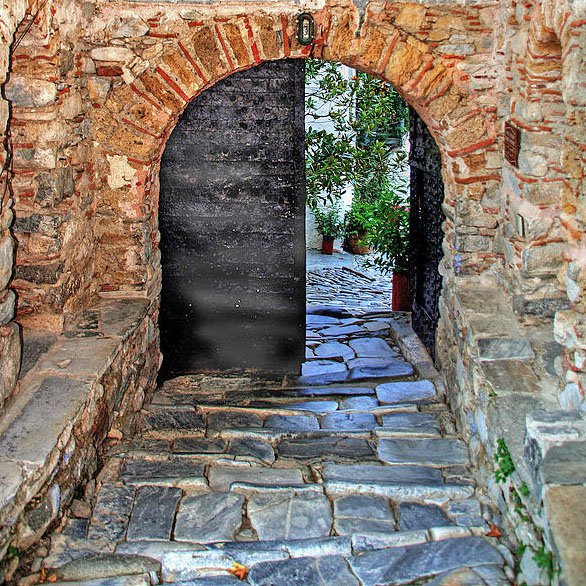
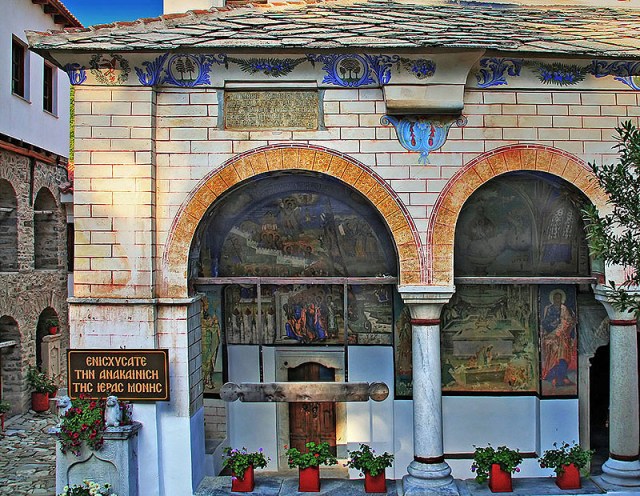
The main entrance of the monastery


*


timios47.jpg

For Day Trip, Part I, go here


Day trip to the Monastery of Saint John the Forerunner at Serres (I)

timios1.jpg

The Monastery of Saint John the Forerunner is 7 miles away from the city of Serres, in Northern Greece. The monastery was founded by Saint Ioannikios, an athonite monk, at the end of the 13th Century.

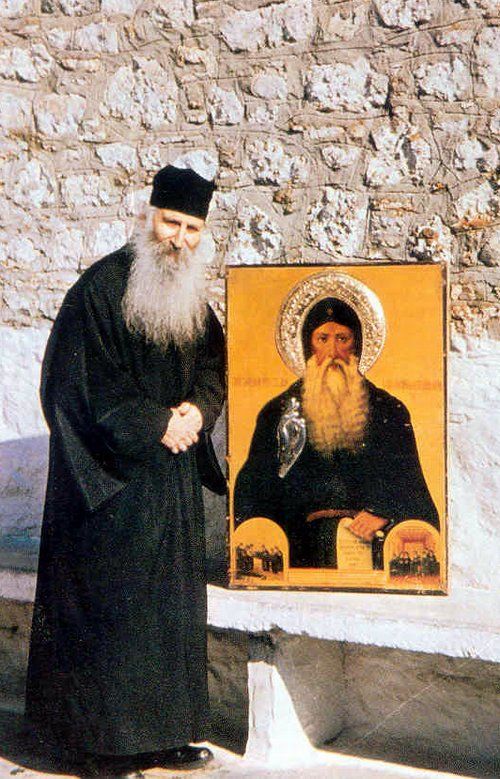
A photo gallery of a day of blessed fellowship at the Timios Prodromos Monastery together with friends, which were spiritual children of + Elder Eusebios Vittis . Memory Eternal +

*

To all my New Calendar friends: Happy Synaxis of St John the Baptist.
To all my Old Calendar friends: Merry Christmas. с праздником. 
timios2.jpg

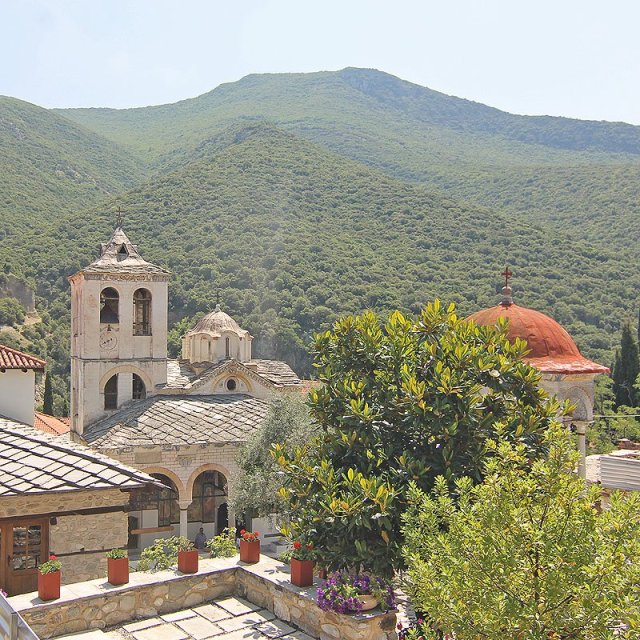
The Serbian armies partially destroyed the monastery in 1345.
timios3.jpg

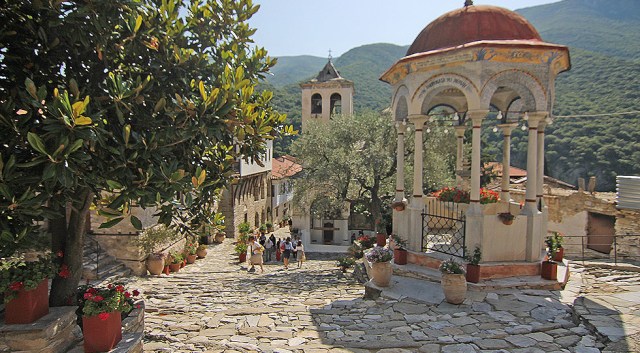
Saint Gennadius Scholarius, Patriarch of Constantinople, retired here between 1457 and 1462. The school of the Monastery was famous and the library was so rich in manuscripts that the monastery was called “of the Grammarians”.
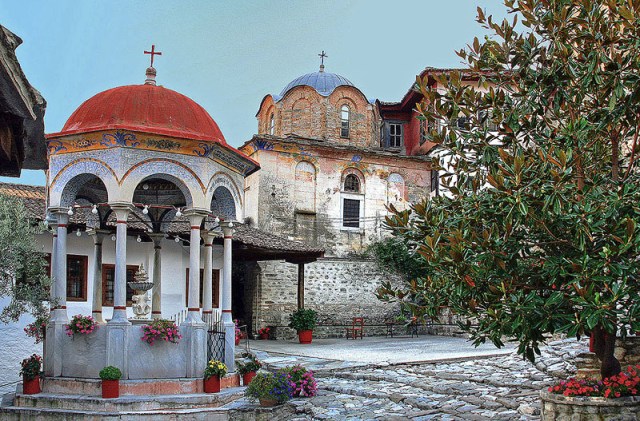
timios4.jpg

In 1917, the Bulgarian Army pillaged the monastery, stealing over 200 manuscripts, 1800 old printed books and other treasures, now found in museums all over Europe.
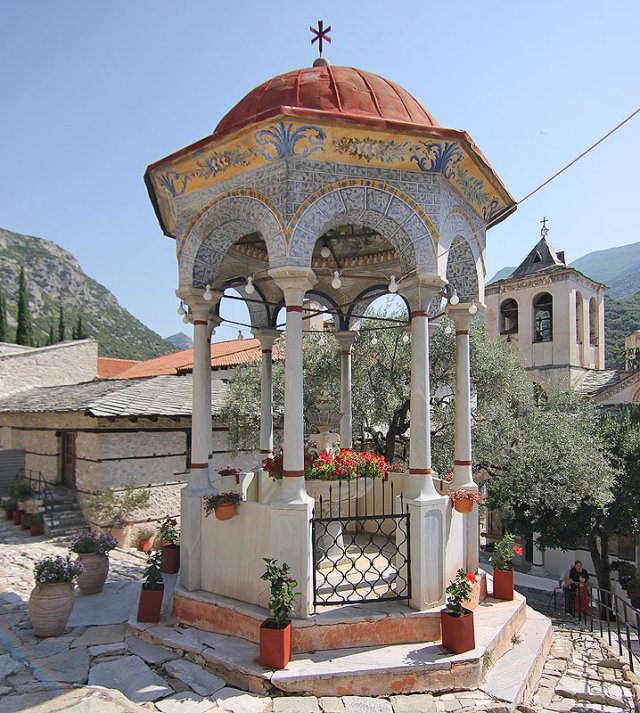
timios5.jpg

After the Second World War, the monastery became deserted. It got repopulated by nuns in 1986. In 2010, part of it burned to the ground. The reconstruction work still continues to day.
timios6.jpg

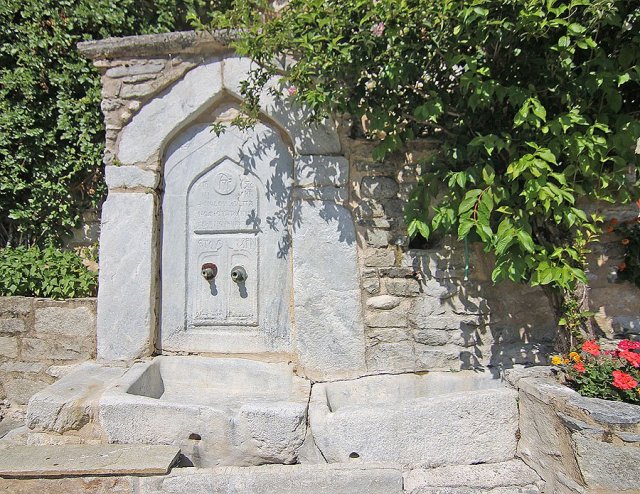
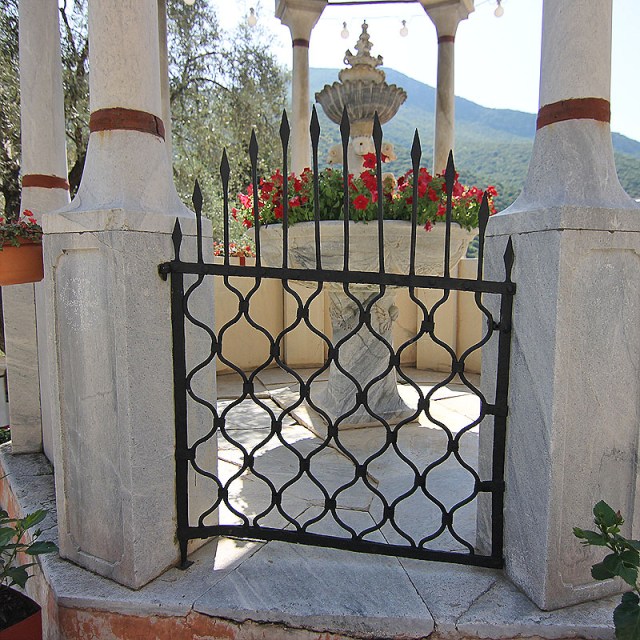
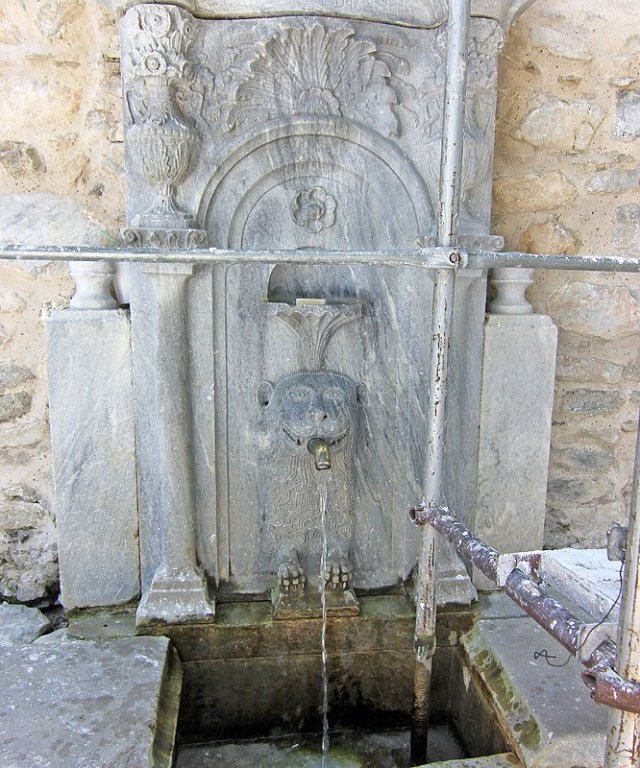
Pavilion with old fountain with holy water, now serving as flowerpot

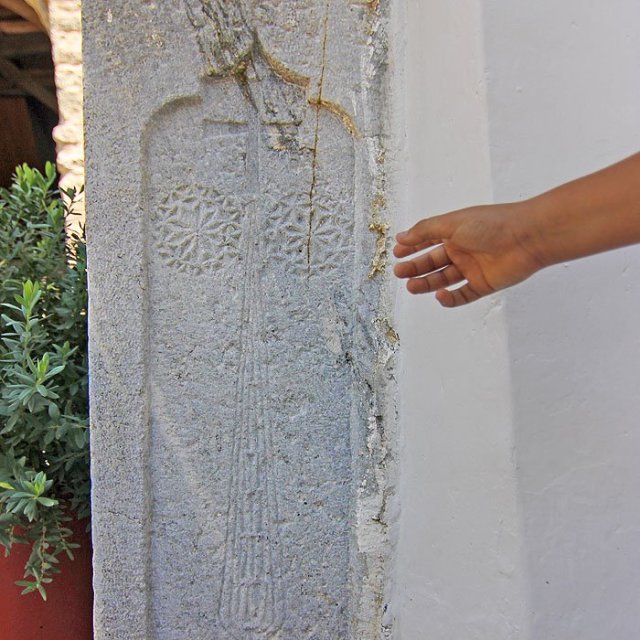
timios7.jpg

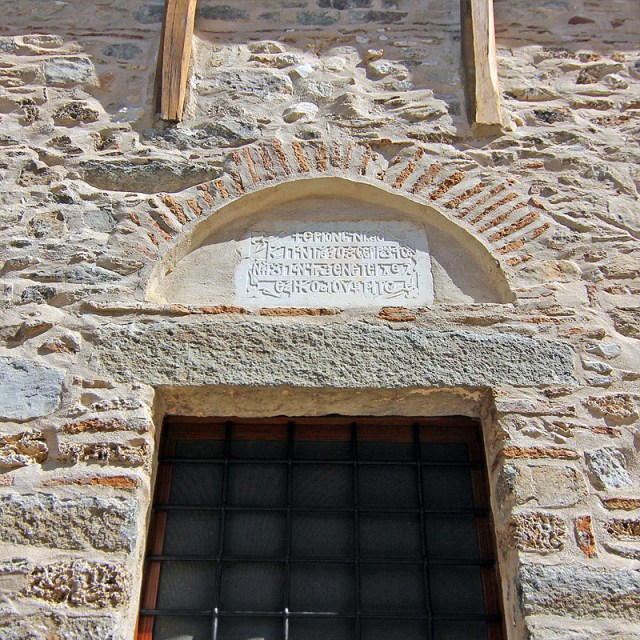
Old inscription

timios8.jpg

Old relief

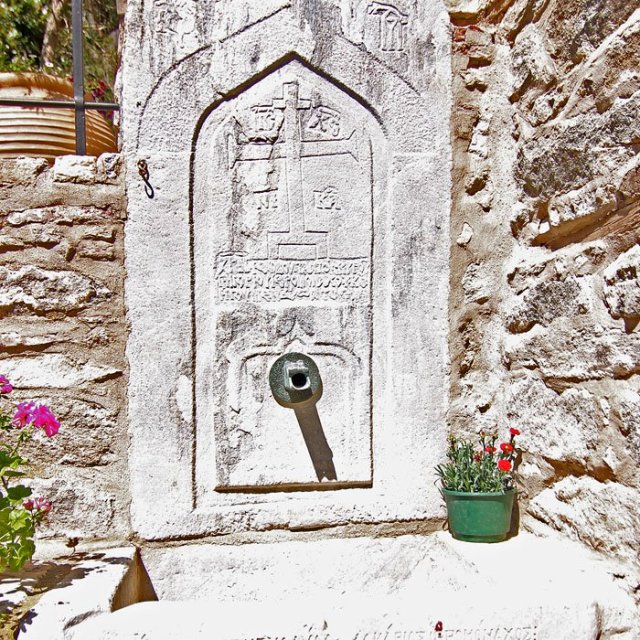
timios9.jpg

There are many springs redirected to the monastery courtyard
timios10

Twelve kilometres northeast of Serres, to the west of a deep ravine Mountain Menikiou, is located the Monastery of St. John the Baptist, one of the historical monasteries and most beautiful monasteries in Macedonia, Greece and one of the major centres of Orthodox monasticism in the Balkans. The natural beauty surrounding the monastery is just breathtaking. The Holy Monastery of Timios Prodromos of Serres is a pilgrimage of stunning beauty.

The establishment of the Monastery in 1270 and its long history testifies the culture, tradition and the rich spirituality of Byzantium, and is an astonishing monument of Byzantine art.

The monastery was built in 1270 AC by Ioannikios, who served as bishop os Ezeve (Dafni). Afterwards, his nephew, Joakim Metropolite of Zihni, during the year 1300 surrounded the nunnery with high, solid walls and endowed it with royal donations (monastery dependency and land).

In 1345 AC the land belonging to the nunnery was almost destroyed by the invasion of the Serbs. Only due to Helen wife of the Serbian Krali Stefanos Dousan, the area wasn’t destroyed.
timios11

timios12.jpg

The main church (the katholikon) is devoted to Saint John the Forerunner

During the Turkish domination, the nunnery had the great honour of welcoming the first Patriarch Gennadios Scholarios after the fall of Constantinople. According to history, Gennadios was Patriarch for three years, from 1453 to 1457 and then he resigned and came to the Nunnery. In 1462 he was invited to the Patriarchal throne for the second time, which lasted only for one year. In 1464 he returned to the Patriarchal throne for the third time, but he was replaced by Joasaph the 1st, not having even completed one year and as a result, he returned to the Nunnery, where he died in 1472. According to tradition, Gennadios grave was in the middle part of the Catholic church of the Nunnery, close to the graves of the founders. The removal of his relics took place in May of 1854 and now are placed in a box. Close to the tomb there is a marble sign, engraved with an honourable epigram by the poet Helias Tantalidis, which was sent by the Patriarchate of Constantinople, at the time of the removal of the wise Patriarch’s relics.

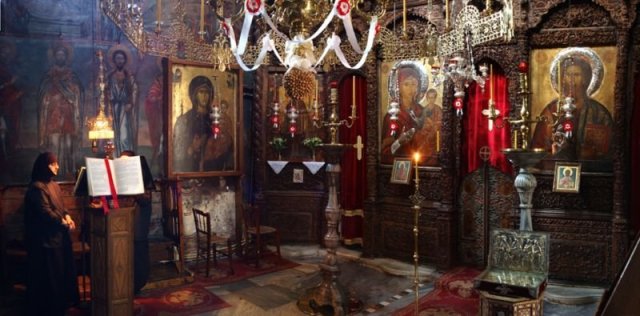
The nunnery has been the centre of a constant painting movement. There are icons of the 14th century, some of the most interesting in our country and also beautiful wall paintings from the year 1630. There is also an incredible icon screen made out of walnut wood and very artistically engraved in 1804.

In the square ancient tower of the nunnery, that was converted into a library, there were 100 hand-written volumes in vellum, 200 hand-written volumes in paper, 1500 volumes of different kinds of books, 4 golden bulls of Byzantine emperors, in vellum, 5 patriarchal sigils, 4 old codes and many other religious articles that were stolen by the Bulgarians during 1913 and 1917.

Since the early years of its establishment enjoyed the favour of the Byzantine emperors. With donations and the grants acquired considerable wealth and quickly developed into an essential monastic centre.
timios13.jpg

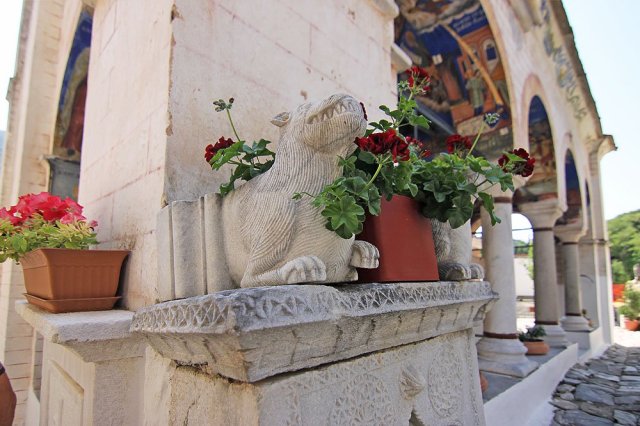
The narthex of the katholikon

timios14.jpg

The narthex of the katholikon. Carved detail.
timios15.jpg

The narthex

timios16.jpg

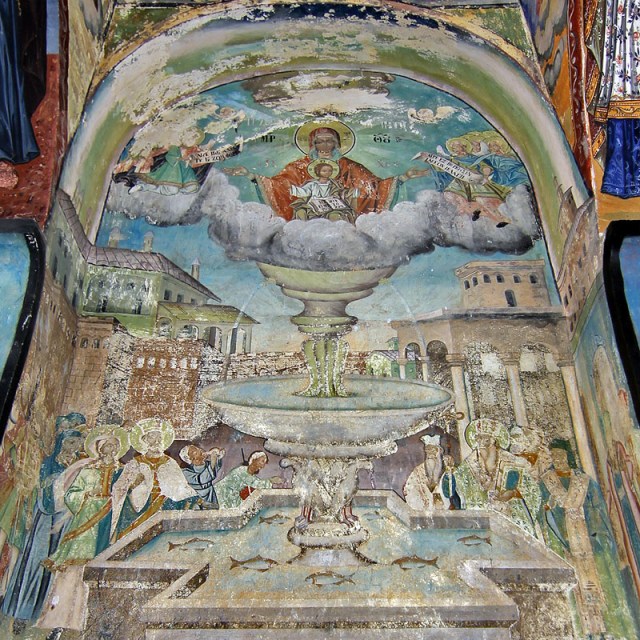
Postbyzantine fresco from the narthex: The Life giving Spring
timios17.jpg

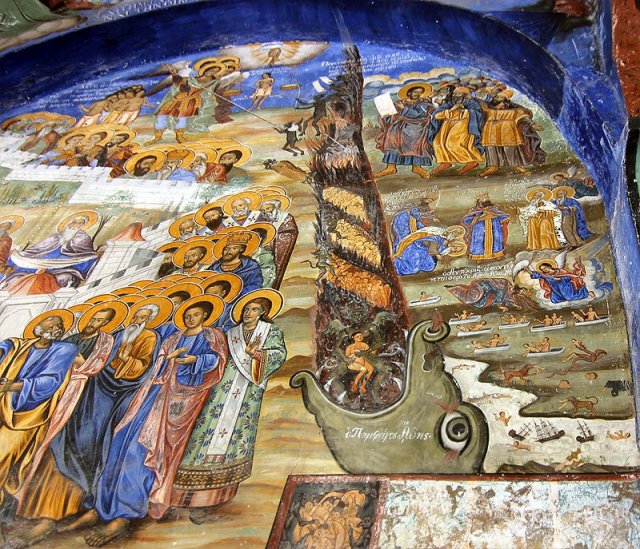
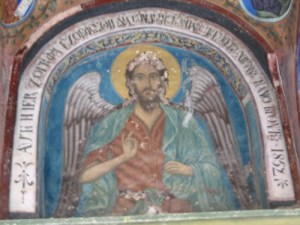
Postbyzantine fresco: The Last Judgement

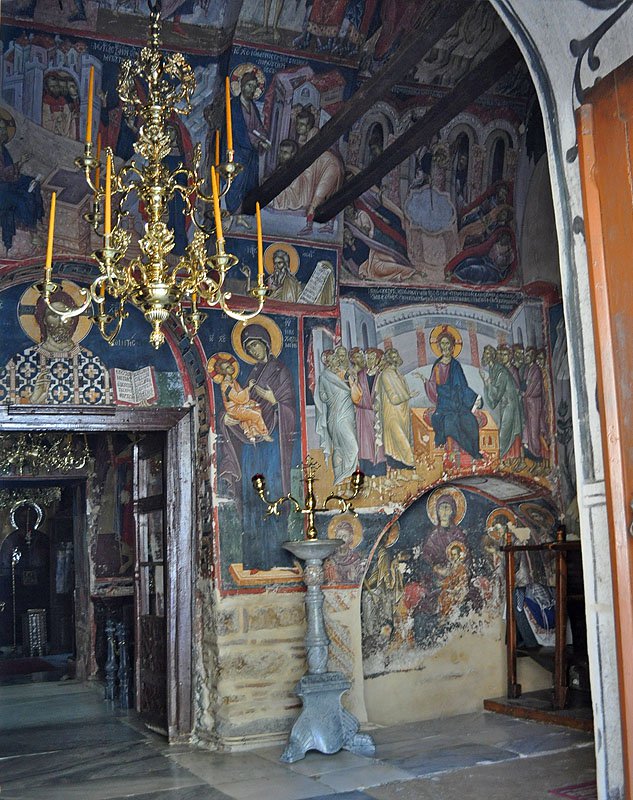
The main temple is stone built, and there are many Byzantine frescoes. The iconostasis is carved and dates back to 1804. In the cathedral, magnificent frescoes are preserved belonging to different chronological phases and in various stylistic trends from the 14th century onwards — a living museum of Byzantine and post-Byzantine art.

The Cathedral is a monument of Byzantine hagiography, whose frescoes are attributed to Macedonian hagiographer M. Panselinos. Along with the surviving pictures, heirlooms, manuscripts and other objects of miniaturisation, they all give a complete picture of the artistic and intellectual radiation experienced by the monastery since its inception to date.

The operation of a Greek school since 1825 and a Seminary from 1869 confirmed the name rightly won as a “Monastery of Literature”.
timios18.jpg

The entrance to the nave

timios19.jpg

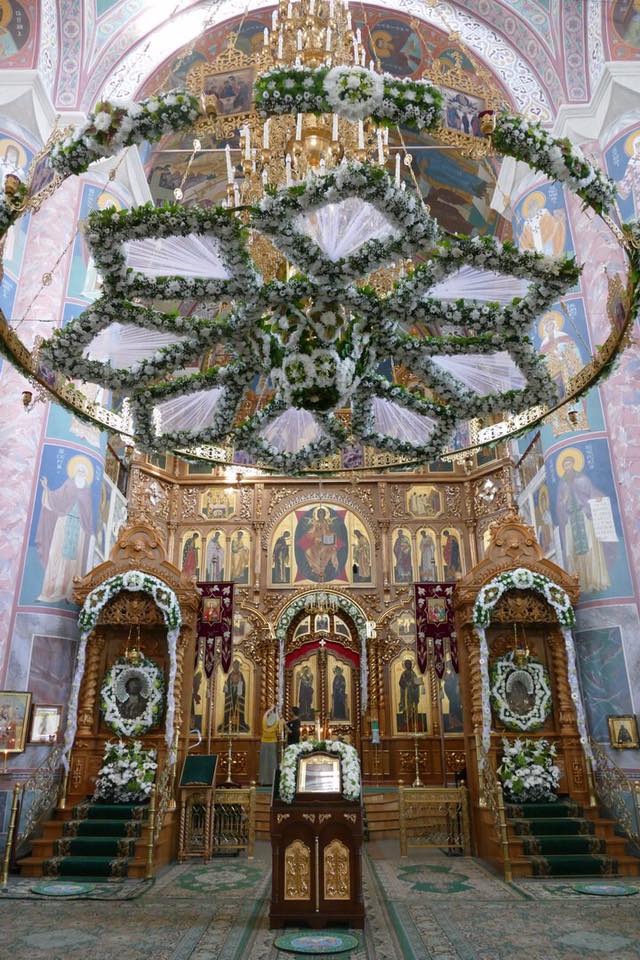
Inside the main church

timios20.jpg

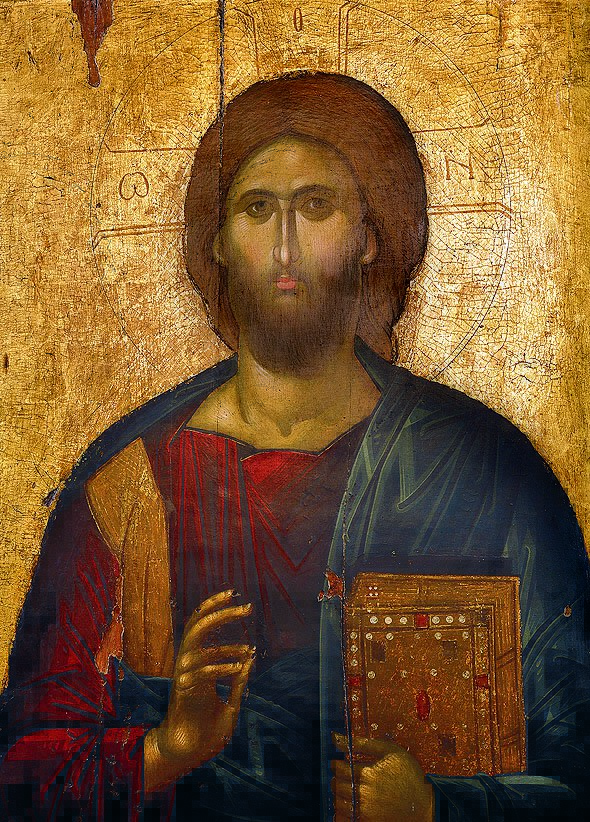
Jesus Christ the Saviour, icon fom the iconostasis

timios21.jpg

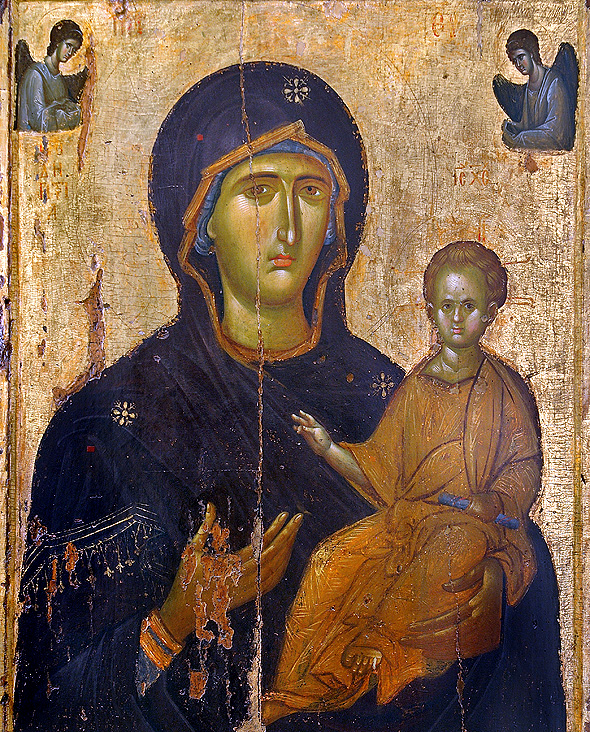
Mother of God, icon fom the iconostasis

timios22.jpg

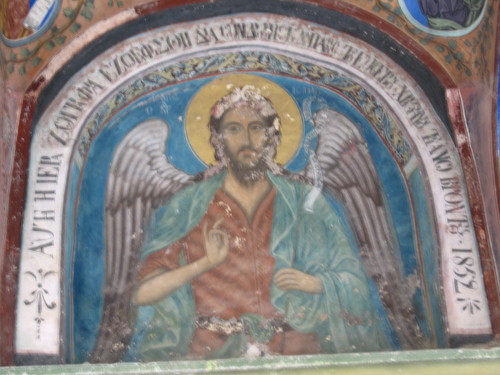
Fresco from the main church

timios23.jpg

Christ before Pontius Pilate, fresco from the main church
timios24.jpg

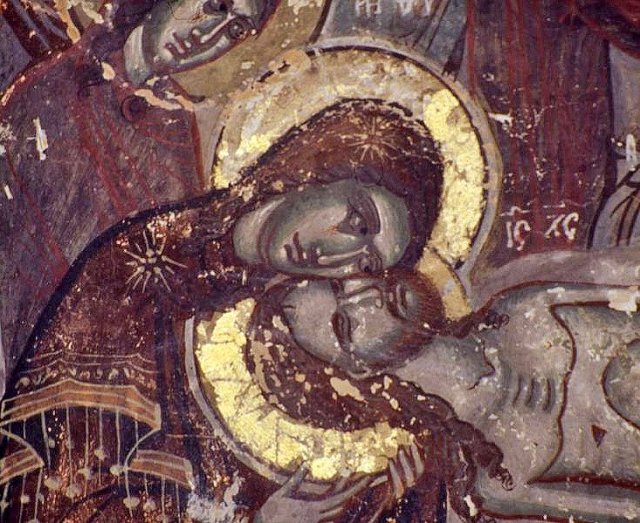
The Burial of Christ, fresco from the main church

The age of the monastery, the permanent residence of thirty nuns and the large turnout of believers led to the need for reconstruction of the new Catholic, built in the architectural standards of the Byzantine monasteries.

Since 1986, there have been nuns in the Monastery,  mostly university graduates who chose poverty, chastity and obedience over careers, relationships and motherhood, who came from the Monastery of Panagia Odigitria of Volos and are under the obedience of Elder Efraim of Arizona. The life of nuns is dedicated to worship, reading, and working in the monastery. In addition to their attendance at church, the sisters spent several hours in private prayer and meditation. Often people struggle with the idea of a young woman, even a college graduate, entering religious life: “It seems so different to be readily accepted by others. For several years my parents didn’t recognise it… However, it was a conscious choice through internal need” (Νun Iosephia).

The monastic community is engaged with various daily work and chores: cooking, raising the necessary supplies of vegetables and fruits, producing wine, oil and honey, embroidery, iconography and so many others.

The fraternity under the guidance of Αbbess Fevronia makes every effort to reconstitute the complex with remarkable results. The old distillery of Monastery wine now forms a small cosy museum. On December 13, 2010, the monastery was hit by a fire that destroyed the hospice, the old showroom, the guest room and other buildings. The 30 nuns are trying hard to reconstruct the building complex of the Monastery which was ruined in 1986. Since then, the monastic community in cooperation with the Authority of Byzantine Antiquities in Kavala has undertaken the work of conservation and restoration of the monastery.
timios25.jpg

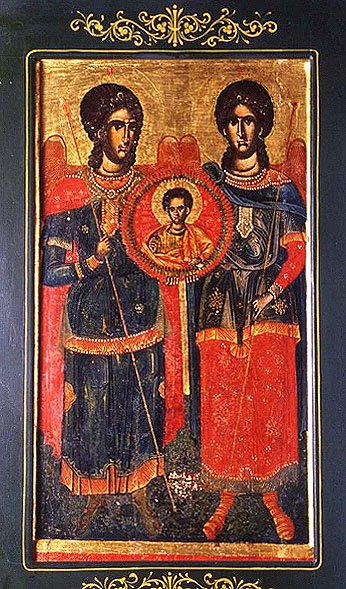
Saints Archangels Michael and Gabriel, old tempera on wood

A Brief History of the Timios Prodromos Monastery

The katholicon (main church) was built in the 14th century and belongs to the single-aisled domed type with lite, narthex, exonarthex and an oblong roofed portico on the south side (Makrynariki)

On the north side are two chapels and the belfry. The rest of the buildings are organized around the katholicon: cells, abbot’s quarters, school, refectory, library, hostel. The wall paintings of the katholicon were executed in 1300-1333 and were continued in several periods, by various artists.

The monastery was founded in 1275-1278 by Monk Ioannikios from Serres and a few years later it was renovated by his nephew, Ioakeim, bishop of Zichne. It soon developed to an important monastic centre with great financial prosperity, because it was favoured by the Byzantine emperors. Patriarch George Scholarios (Gennadios) died here and was buried in the katholicon.

As the spiritual centre of Hellenism in eastern Macedonia, during the Balkan wars the monastery of Timios Prodromos (Saint John the Baptist) provoked the fury of the Bulgarians, who took pains to strip it of its historic treasures. Greek historical documents and in particular the monastic library were carried off to Sofia in their entirety in 1912. The quest for these invaluable sources of Macedonian history has since occupied, as it continues to occupy, much scholarly research.

The monastery, still functioning today, acquired its final form with the addition of many buildings during the Turkish occupation.

In the years between 1972 and 1986 the roofs of several buildings were repaired. Since 1986 restoration has been carried out at the cells of the east wing and at the north wing.

This is the most important monastery of Serres (Serrhai).


St. Seraphim Sarov and a child’s love for his spiritual father

st seraphim5st seraphim1st seraphim4

This is a story about St Seraphim which Fr. Seraphim from Mull Monastery first heard from one of the sisters at his Monastery in Diveyevo:

“When St Seraphim was living as a hermit in the forest, two young men who were novices at the monastery in Sarov had him as their spiritual father (can you imagine that?). One was called Sasha; I don’t remember the name of the second one.
At one point, St Seraphim gave them an obedience to go and pray to the Saints of the Monastery of the Caves in Kiev. He had been there as a young man himself, just before entering the monastery in Sarov, and he probably wanted his two spiritual sons to receive the same blessings he had.

Anyway, having received this obedience and a blessing from the Monastery, they left for Kiev. On the way to Kiev though (which would have taken weeks), Sasha grew increasingly sad and weak. He was missing his spiritual father so much that he felt he could not go on without St Seraphim.


st seraphim3

As they were travelling further from Sarov, things got increasingly worse, his heart ached so much, his pain cut so deep that he fell physically ill. He suffered for a few days, tormented by the love he felt for the great Saint and the separation from him, until he eventually died.

He died missing his spiritual father. This is a story I’ve struggled with for a long time, until last year, I asked my own spiritual father about it. What happened to the soul of poor Sasha? Was that not spiritual death, to get so attached to a human being that you could not live without that person?

My spiritual father only said: ‘that young man was not missing St Seraphim, but Christ’s image in the great elder’. He may not have had the spiritual maturity to understand this, but the love he felt, that beyond-human need to be united with St Seraphim, was actually the craving, the longing, the love his heart felt for Christ.

st seraphim2


St Seraphim had revealed to him Christ Himself. Sasha had felt Christ’s love in the saint’s love. His soul understood that there is no life apart from his spiritual father, because – unknown to his simplicity – he had learnt that there is no love apart from Christ. So when the young man died, he did not become separated from his spiritual father, but he finally became One with the Lord of his heart.”


* Dedicated to my dearly loved spiritual Father

I know how the monk  Sasha ( Alexander) felt. When away on pilgrimages, the break in my heart gets wider and tears begin to fall. I miss him so much, though,  it seems, it has not been to death so far! 


An Orthodox Bible Reading Plan for 2019

bible study

Is reading the whole Bible” one of your New Year’s Resolutions? Want a plan that will get you through the entire Bible in one year? Then have a look at this one year plan which has a lot to commend. Indicatively, a few of its most attractive features are:

1. The Scriptures are read in sync with the Church- the epistle and Gospel readings accord with the Lectionary of the Church;

2. Those Scriptures which the Church has most emphasised are emphasised- Using this plan we can read the Gospels and the Psalms through twice a year. (An Orthodox priest suggested the Psalms are recited rather than just read silently);

3. The daily readings are further divided, thematically,  into two separate sittings.

*
Your thoughts?

 *

To download this one year Bible plan, click here.

To download its accompanying Psalm calendar, click here.

For more details and the rationale behind this specific reading plan, click here.

Pilgrimage to Evia

evia all saints.jpg

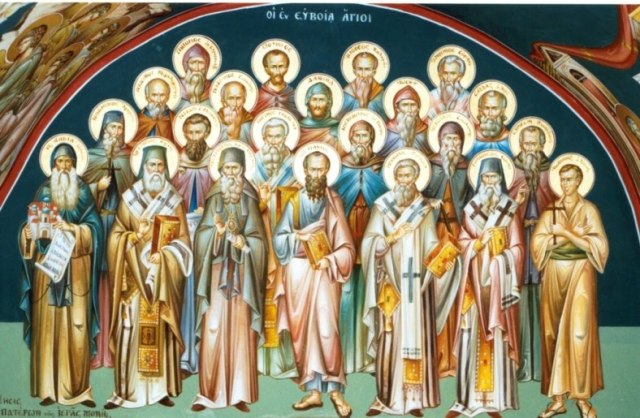
Synaxis of All Saints of Euboea (Evia)

Blessed New Year 2019! May He who is the Alpha and Omega Christ our True God grant us every strength and all virtues necessary for our salvation in this year of His grace 2019. May we honour our calling and chosen way as Christians. Soon, I will start uploading lots of stories and photographs from a recent pilgrimage to Euboia.


st iakovos tsalikis.jpg

St. Iakovos Tsalikis and St. David of Evia

Ten Orthodox New Years Resolutions

new year
Making New Years resolutions? Consider the following Ten Points for a better Orthodox way of life. These will nourish your soul and bring you closer to God and an eternal heir to His kingdom.
1. Praying Daily: Have a regular prayer rule that includes morning and evening prayer.
2. Worshiping and Participating in the Sacraments: Attend and participate in the Divine Liturgy receiving Holy Communion regularly as well as regular participation in Confession.
3. Honoring the Liturgical Cycle: Follow the seasons of the church and participate in the fasts and feasts of the Church.
4. Using the Jesus Prayer: Repeat the Holy name whenever possible throughout the day or night.
5. Slowing Down and Ordering Your Life: Set priorities and reduce the stress and friction caused by a hurried life.
6. Being Watchful: Give full attention to what you are doing at the moment.
7. Taming the Passions: Overcome your habits, attachment to your likes and dislikes, and learn to practice the virtues.
8. Putting Others First: Free yourself from your selfishness and find joy in helping others.
9. Spiritual Fellowship: Spend time regularly with other Orthodox Christians for support and inspiration.
10. Reading Scripture and the writings of the Church Fathers.
Link to guidance on these ten points: Ten Points for an Orthodox way of life

*


Happy New Year 2019 to all dearly loved in the countries of my heart, and to all the world! This New Year is yet one more plain covered with snow, unspoiled, pure … Let us tread responsibly on this expanse of whiteness still unspoiled. So much depends on the way in which we tread it. Will there be a road cutting through the plain following Light and Love? Or wandering steps that will only soil the whiteness of the snow?

The Remarkable Christmas Homily of Kyros Panopolites

Probably the most laconic ever Christmas homily!


In the 440’s a remarkable and unusual sermon was delivered on Christmas Day before a hostile congregation.


Kyros, a poet of some repute, came to Constantinople from his native Egypt and used his literary ability and the patronage of the empress Eudokia to become praefectus urbi about 435 and praefectus praetorio by 439. He held both offices simultaneously for about four years, but his career was ruined when Emperor Theodosius II accused him of being a pagan, removed him from power, and confiscated his property. Whether paganism was really the issue is difficult to say, as several sources claimed that the emperor’s real motive was envy of Kyros’ popularity among the people of Constantinople.


Stripped of his office, Kyros sought sanctuary in the Church and became a priest. Then, on the emperor’s orders, he was sent as bishop to Kotyaion in Phrygia. The rather unusual choice of an accused pagan as an episcopal appointee was explained by the reputation of the people of Kotyaion. They had killed four of their previous bishops, and Theodosius supposedly hoped that they would do the same to Kyros, thus ridding him once and for all of a dangerous rival.


Kyros arrived in Kotyaion at Christmas-time and was officiating in the church when the people, who had learned that he might be a pagan, suddenly called out for him to preach, presumably to test the validity of the report. It was under these circumstances that Kyros delivered his only recorded sermon. He ascended the ambo, gave the greeting of peace, and spoke:


“Brethren, let the birth of God our Savior Jesus Christ be honored with silence, because the Word of God was conceived in the holy Virgin through hearing alone. To him be glory for ever. Amen.”


The sermon had taken perhaps half a minute, and the reaction of the people was instant and unanimous. Instead of killing Kyros on the spot, they rejoiced and praised him, and he lived on to administer his see piously for many years. Kyros was a figure around whom Christian lore collected (cf. the story of the miraculous icon), and an element of hagiography may be operating in our accounts of this event. But we should remember that the evidence for Kyros’ sermon seems to come originally from Priskos of Panion, a contemporary observer and one not always favorable to Christian luminaries.


*

Read more here.

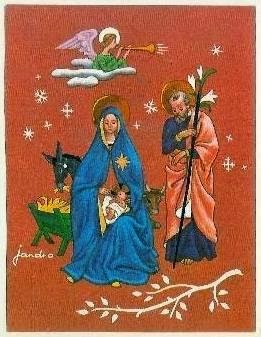
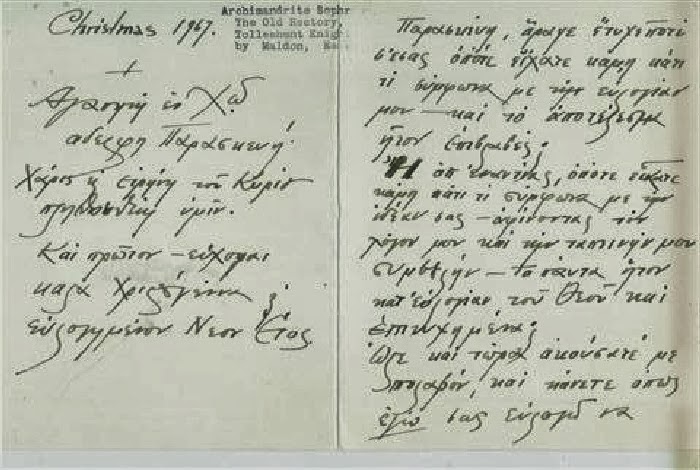
A Christmas Card from Elder Sophrony Sakharov


Archimandrite Sophrony
The Old Rectory, Tolleshunt Knight
by Maldon, Essex


Christmas 1967


Beloved in Christ,
Sister Paraskevi!
May the grace and peace of the Lord multiply to you.
And first – I wish you a Good Christmas and a blessed New Year.
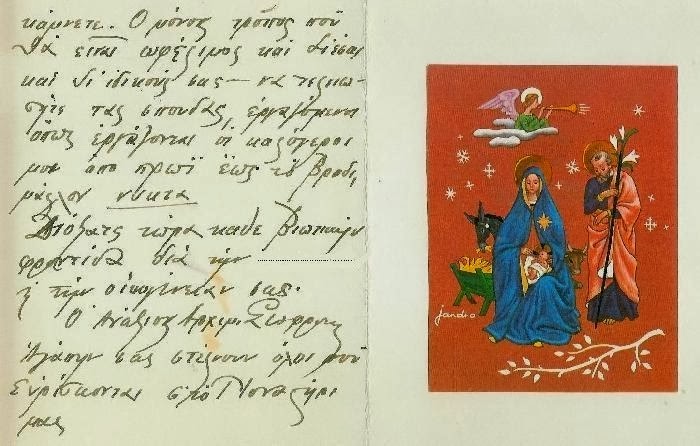
Pareskevi, has it ever occurred to you perhaps that you did something with my blessing, and the result was harmful? Or on the contrary, have you ever done something consistent with your ideas and having abandoned my words and my humble advice, that everything was done according to the good pleasure of God and successful? So also now listen to me like a crazy person, and do as I bless you to do.
The only way that will be beneficial to you and yours, is to complete your studies working as my monks work, from morning until evening – or rather night. Dispel now every care of life for [the third person the Elder speaks of here is left anonymous to not be known] and your family.
The unworthy Archimandrite Sophrony,
I send you the love of all who are to be found in our Monastery.


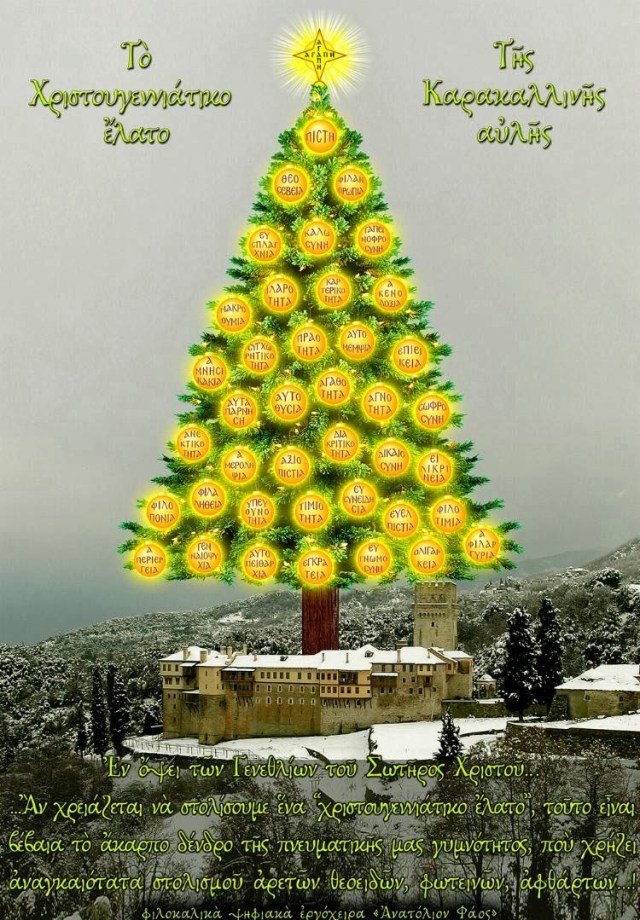
The Christmas Tree of Virtues

Christmas Tree.jpg

On top it says:

The Christmas Tree in the Courtyard of Karakalou Monastery


On the bottom it says:

In view of the Nativity of the Savior Christ … if we need to decorate a Christmas tree, this would surely be the fruitless tree of our spiritual nakedness, which requires the needed decoration of the God-seeing, illuminating and incorruptible virtues…!


The tree is decorated with 40 ornaments of virtues, the top three being reverence for God, philanthropy and faith. It is then topped with the star of love.

*

On this Holy Nativity, our wishes are for each human being to make his or her heart a cave for the King of Glory. We also pray to the newborn Child for you, that peace and quietness may abound in your heart, the peace that comes from the Lord of peace, to Whom we give glory and honour forever, Amen.

A Christmas letter

letter1.jpg

My dear sister K.,

I have been thinking of you and wishing you patience and joy in your time away from us. After a difficult time, in as much as it was manic and full of varied temptations, I feel peace is about to descend. On a worldly front, I am sitting in my house alone, having finished my last day of work. Just finished reading the Gospels and will now listen to Christmas Carols. Bliss! So peaceful and such a contrast to my daily noise. The rest of the family have gone to L. on a family visit and are staying overnight. I feel sleep would be a waste. I want to enjoy the peace awake and alert. It was such a blessed idea to read the Gospels. I feel my whole being has never been so awake to the Word. There is still a very long way to go for me, but I feel with every reading it’s like another thin veil is lifted from my brain and my heart so I can be a little step closer to the Word of the Lord. 
I hope you and the family are well and I wish you a very blessed Feast of the Nativity, filled with love and joy! Looking forward to our reunion in flesh and prayer and to our next endeavour in Christ.
Lots of love,
A.