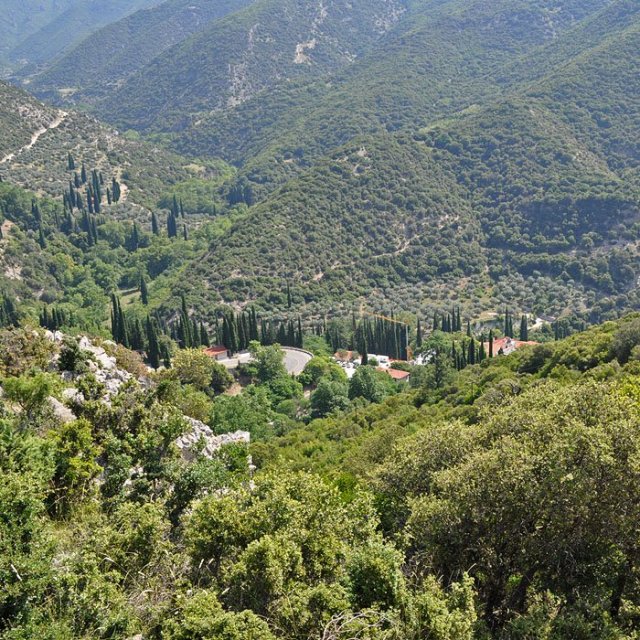
The Monastery of Saint John the Forerunner is 7 miles away from the city of Serres, in Northern Greece. The monastery was founded by Saint Ioannikios, an athonite monk, at the end of the 13th Century.
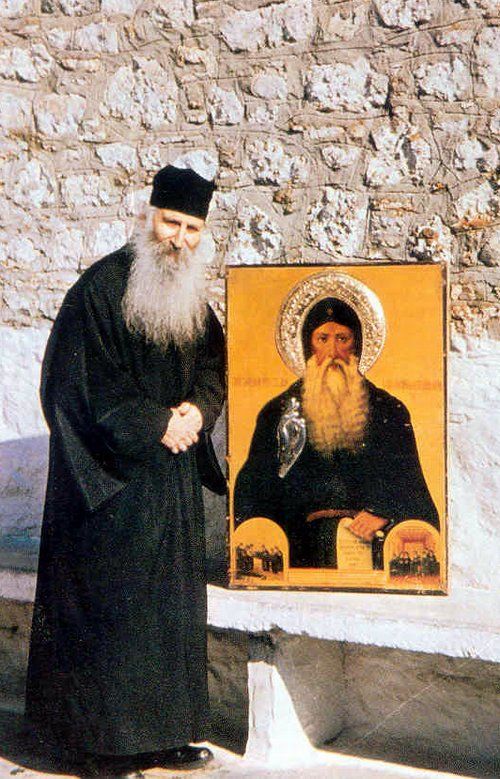
A photo gallery of a day of blessed fellowship at the Timios Prodromos Monastery together with friends, which were spiritual children of + Elder Eusebios Vittis . Memory Eternal +
*
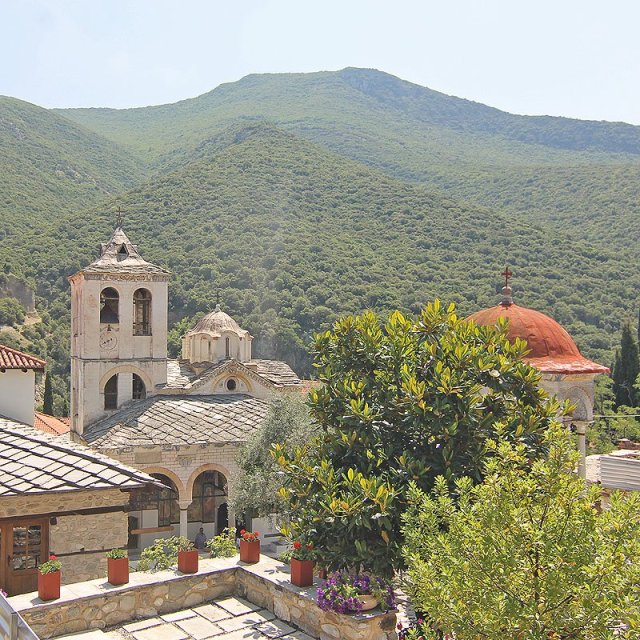
The Serbian armies partially destroyed the monastery in 1345.
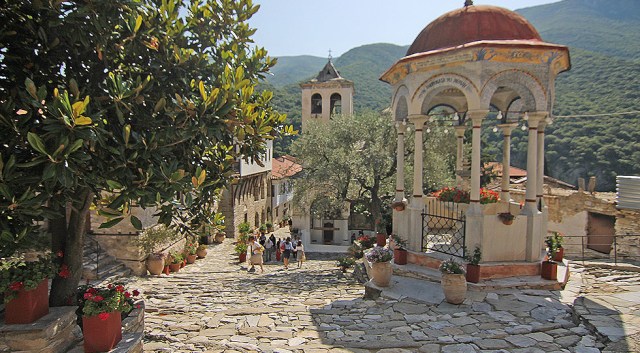
Saint Gennadius Scholarius, Patriarch of Constantinople, retired here between 1457 and 1462. The school of the Monastery was famous and the library was so rich in manuscripts that the monastery was called “of the Grammarians”.
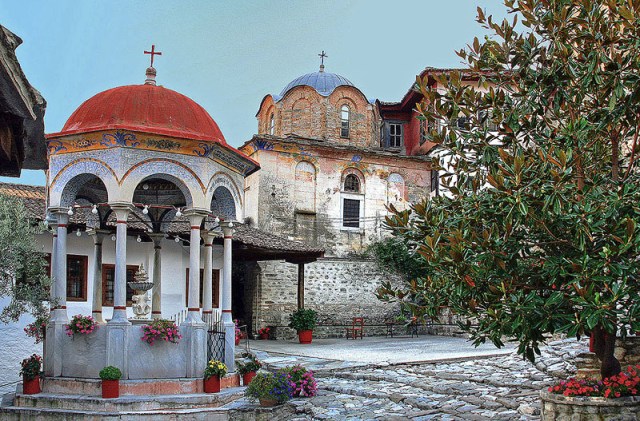
In 1917, the Bulgarian Army pillaged the monastery, stealing over 200 manuscripts, 1800 old printed books and other treasures, now found in museums all over Europe.
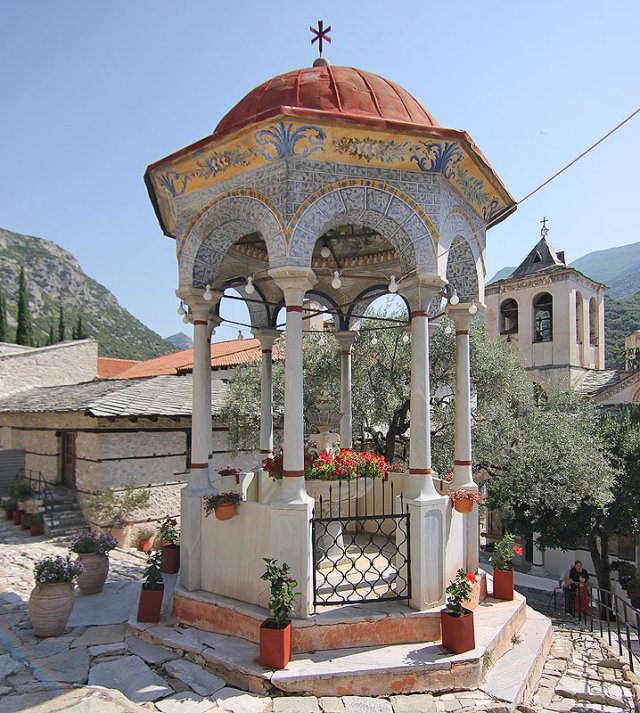
After the Second World War, the monastery became deserted. It got repopulated by nuns in 1986. In 2010, part of it burned to the ground. The reconstruction work still continues to day.
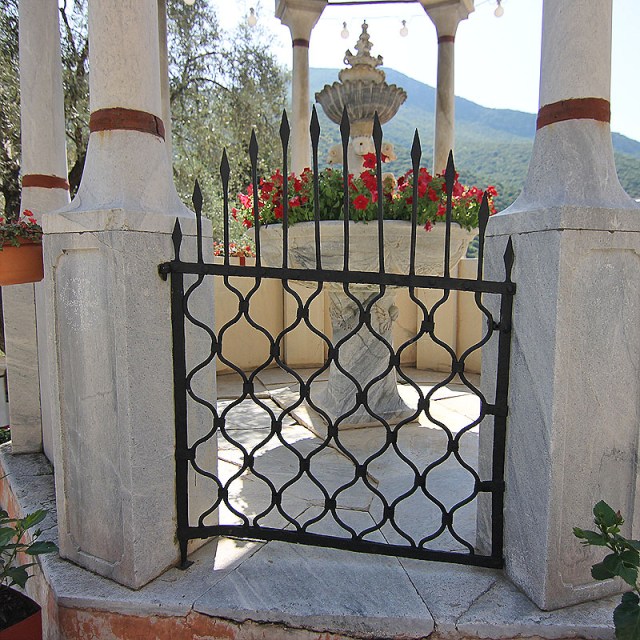
Pavilion with old fountain with holy water, now serving as flowerpot
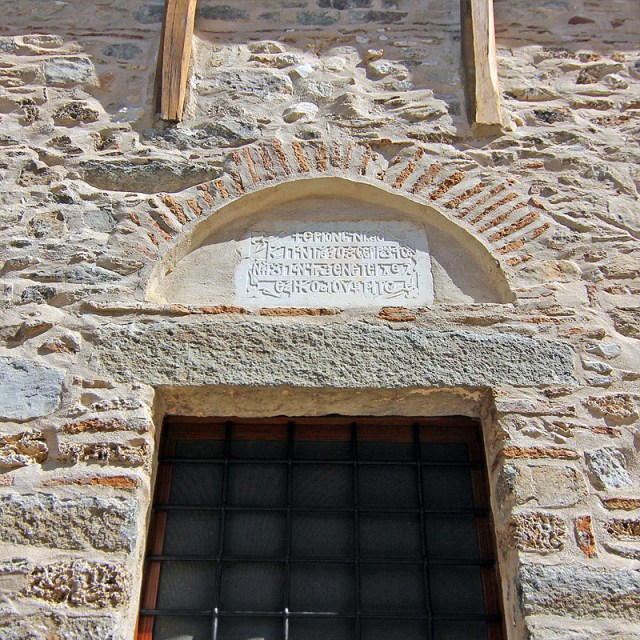
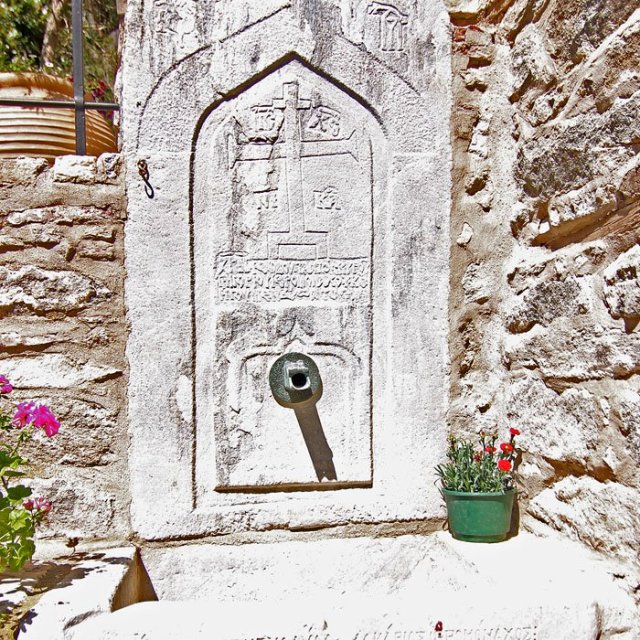
Old inscription
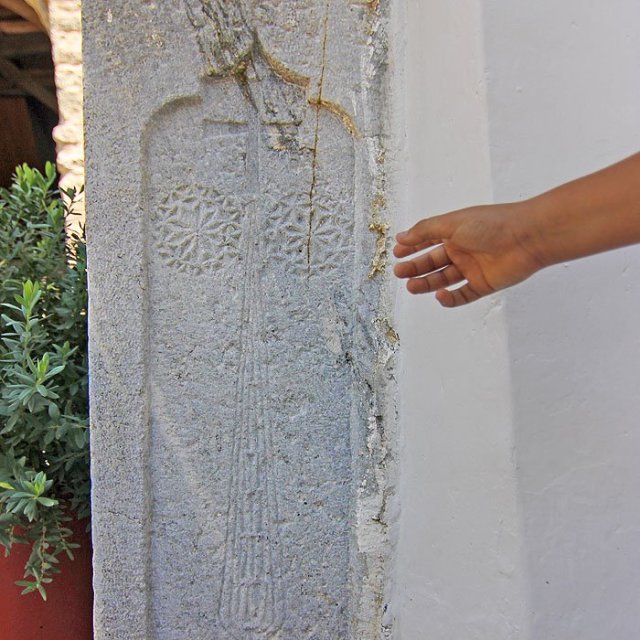
Old relief
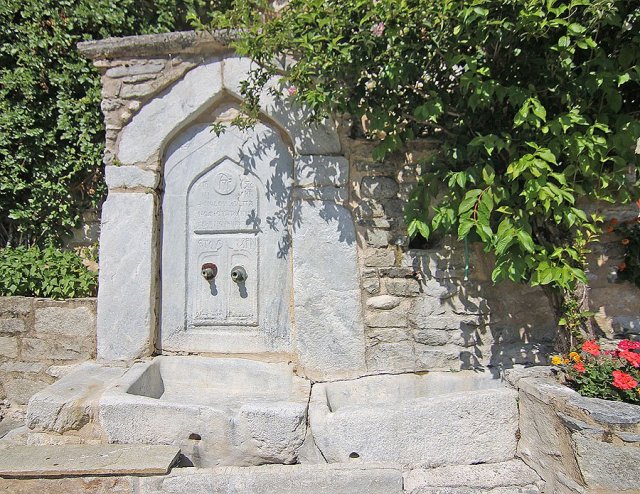
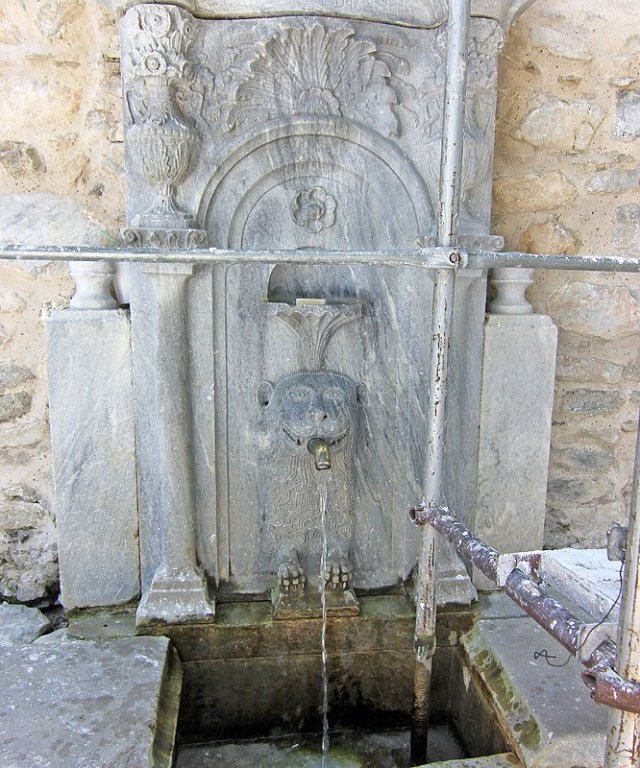
There are many springs redirected to the monastery courtyard
Twelve kilometres northeast of Serres, to the west of a deep ravine Mountain Menikiou, is located the Monastery of St. John the Baptist, one of the historical monasteries and most beautiful monasteries in Macedonia, Greece and one of the major centres of Orthodox monasticism in the Balkans. The natural beauty surrounding the monastery is just breathtaking. The Holy Monastery of Timios Prodromos of Serres is a pilgrimage of stunning beauty.
The establishment of the Monastery in 1270 and its long history testifies the culture, tradition and the rich spirituality of Byzantium, and is an astonishing monument of Byzantine art.
The monastery was built in 1270 AC by Ioannikios, who served as bishop os Ezeve (Dafni). Afterwards, his nephew, Joakim Metropolite of Zihni, during the year 1300 surrounded the nunnery with high, solid walls and endowed it with royal donations (monastery dependency and land).
In 1345 AC the land belonging to the nunnery was almost destroyed by the invasion of the Serbs. Only due to Helen wife of the Serbian Krali Stefanos Dousan, the area wasn’t destroyed.
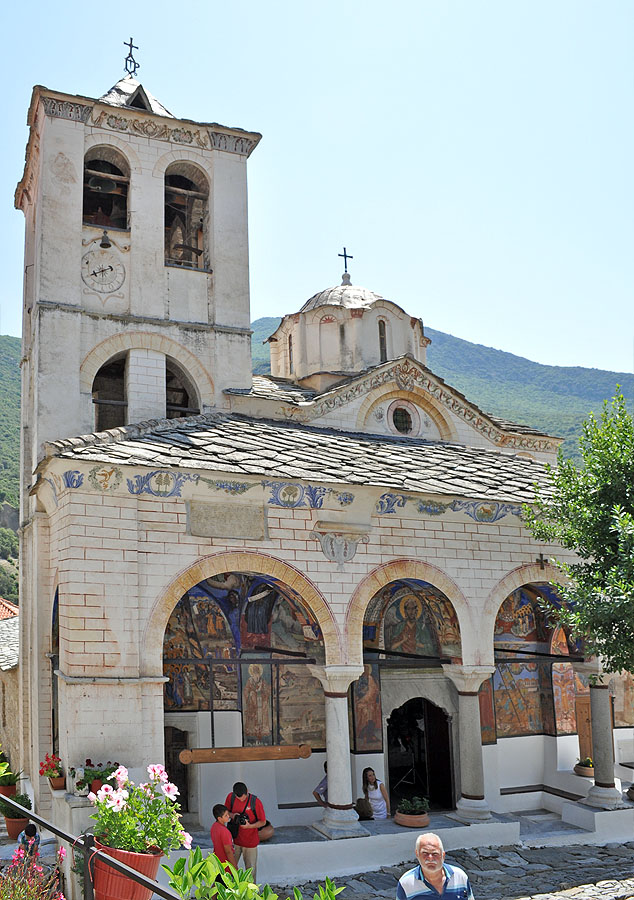
The main church (the katholikon) is devoted to Saint John the Forerunner
During the Turkish domination, the nunnery had the great honour of welcoming the first Patriarch Gennadios Scholarios after the fall of Constantinople. According to history, Gennadios was Patriarch for three years, from 1453 to 1457 and then he resigned and came to the Nunnery. In 1462 he was invited to the Patriarchal throne for the second time, which lasted only for one year. In 1464 he returned to the Patriarchal throne for the third time, but he was replaced by Joasaph the 1st, not having even completed one year and as a result, he returned to the Nunnery, where he died in 1472. According to tradition, Gennadios grave was in the middle part of the Catholic church of the Nunnery, close to the graves of the founders. The removal of his relics took place in May of 1854 and now are placed in a box. Close to the tomb there is a marble sign, engraved with an honourable epigram by the poet Helias Tantalidis, which was sent by the Patriarchate of Constantinople, at the time of the removal of the wise Patriarch’s relics.
The nunnery has been the centre of a constant painting movement. There are icons of the 14th century, some of the most interesting in our country and also beautiful wall paintings from the year 1630. There is also an incredible icon screen made out of walnut wood and very artistically engraved in 1804.
In the square ancient tower of the nunnery, that was converted into a library, there were 100 hand-written volumes in vellum, 200 hand-written volumes in paper, 1500 volumes of different kinds of books, 4 golden bulls of Byzantine emperors, in vellum, 5 patriarchal sigils, 4 old codes and many other religious articles that were stolen by the Bulgarians during 1913 and 1917.
Since the early years of its establishment enjoyed the favour of the Byzantine emperors. With donations and the grants acquired considerable wealth and quickly developed into an essential monastic centre.
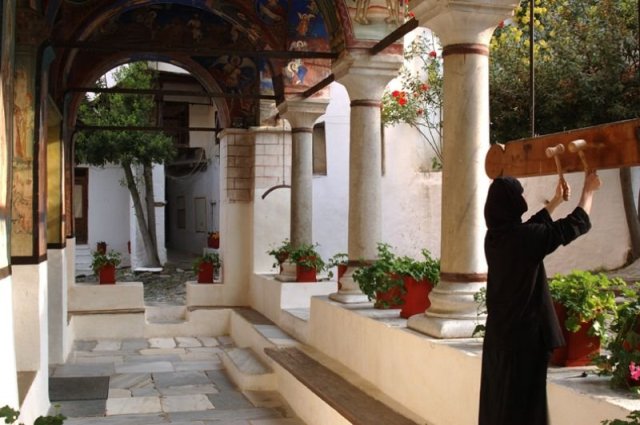
The narthex of the katholikon
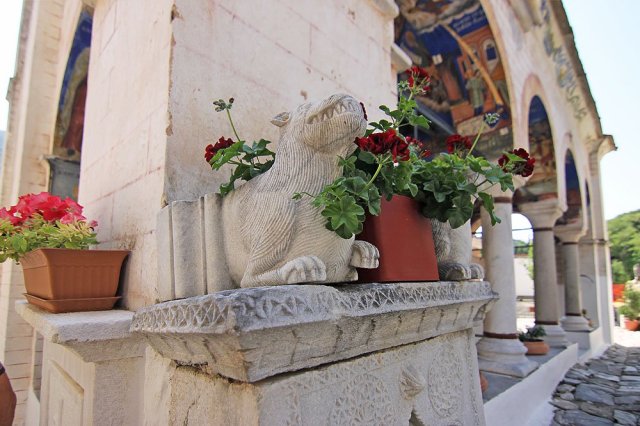
The narthex of the katholikon. Carved detail.
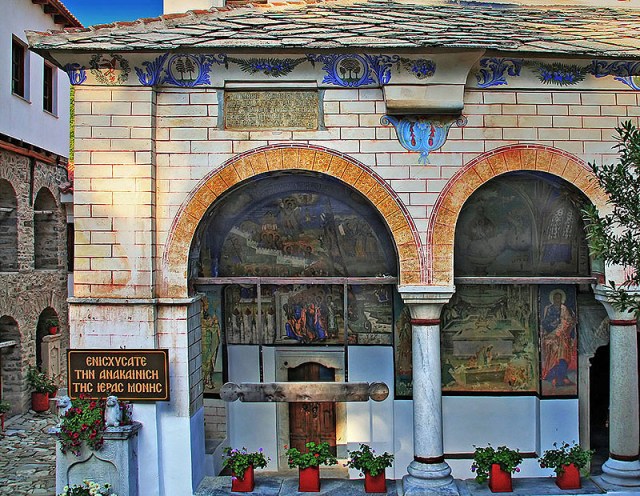
The narthex
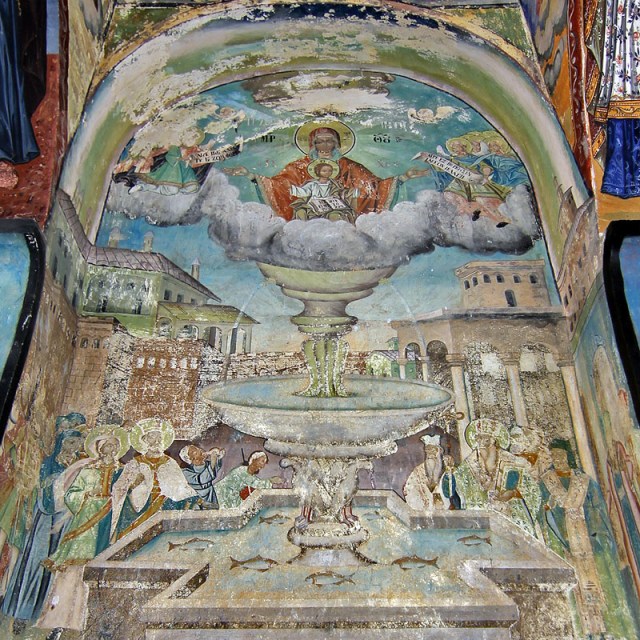
Postbyzantine fresco from the narthex: The Life giving Spring
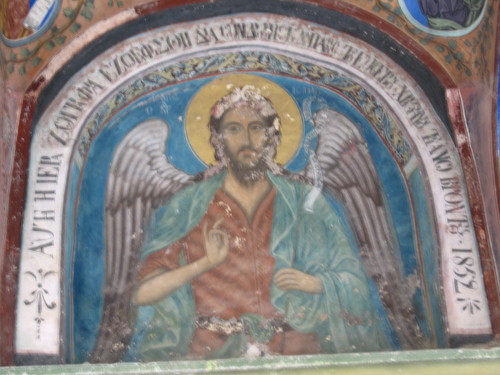
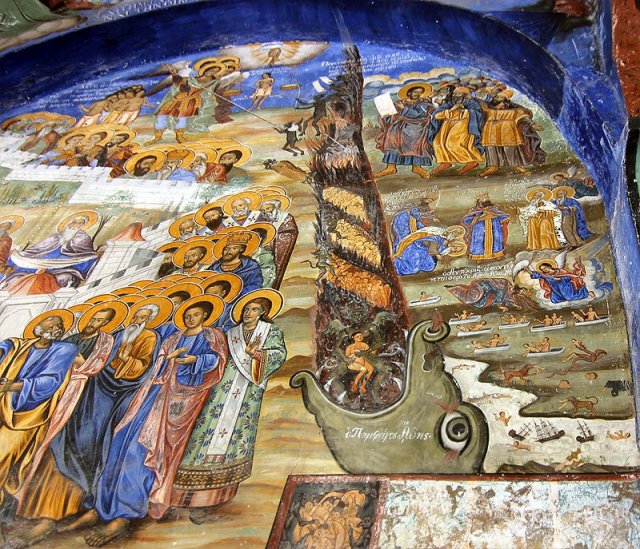
Postbyzantine fresco: The Last Judgement
The main temple is stone built, and there are many Byzantine frescoes. The iconostasis is carved and dates back to 1804. In the cathedral, magnificent frescoes are preserved belonging to different chronological phases and in various stylistic trends from the 14th century onwards — a living museum of Byzantine and post-Byzantine art.
The Cathedral is a monument of Byzantine hagiography, whose frescoes are attributed to Macedonian hagiographer M. Panselinos. Along with the surviving pictures, heirlooms, manuscripts and other objects of miniaturisation, they all give a complete picture of the artistic and intellectual radiation experienced by the monastery since its inception to date.
The operation of a Greek school since 1825 and a Seminary from 1869 confirmed the name rightly won as a “Monastery of Literature”.
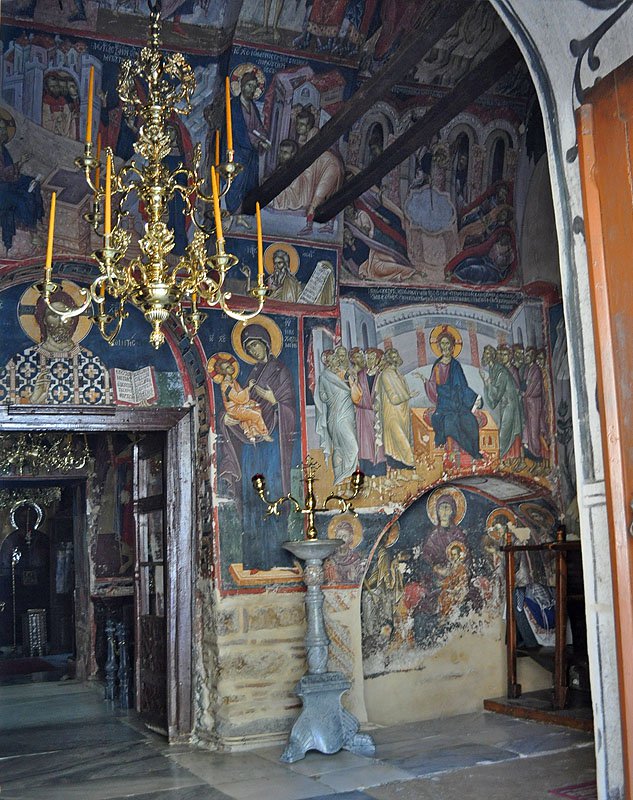
The entrance to the nave
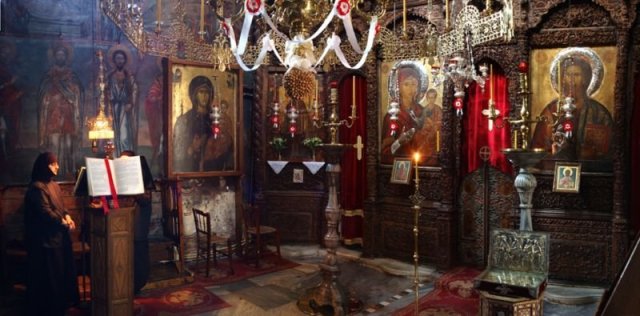
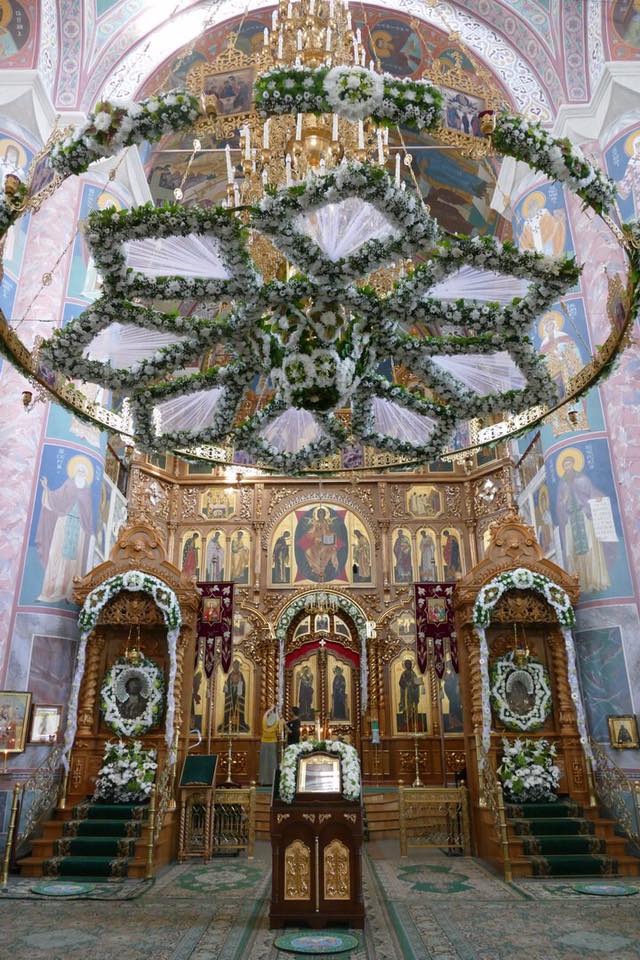
Inside the main church
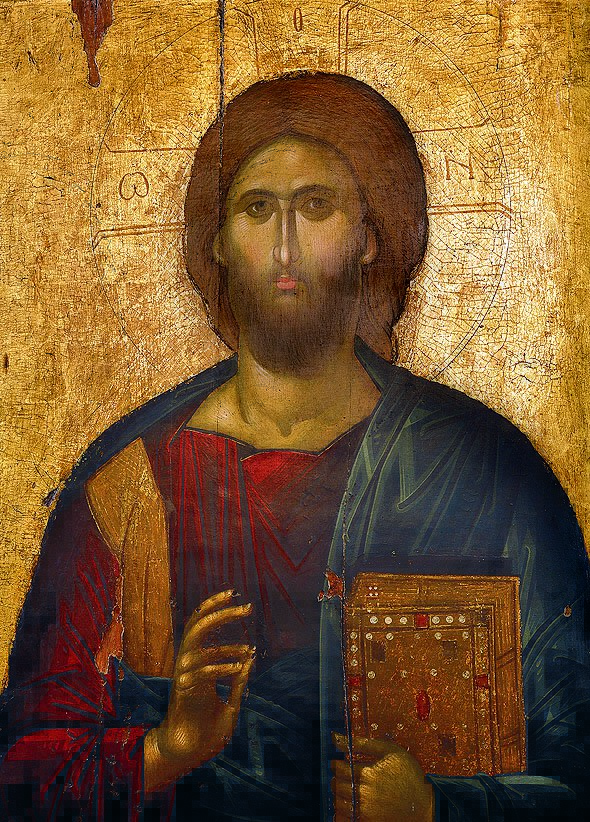
Jesus Christ the Saviour, icon fom the iconostasis
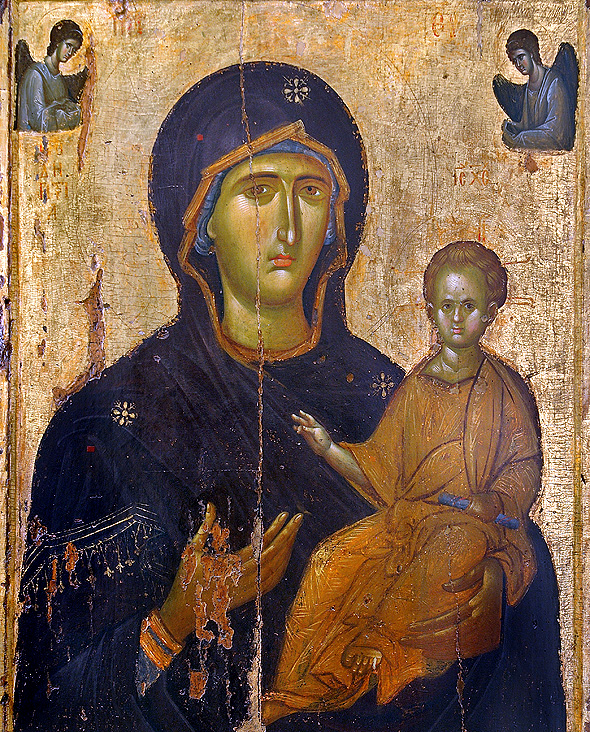
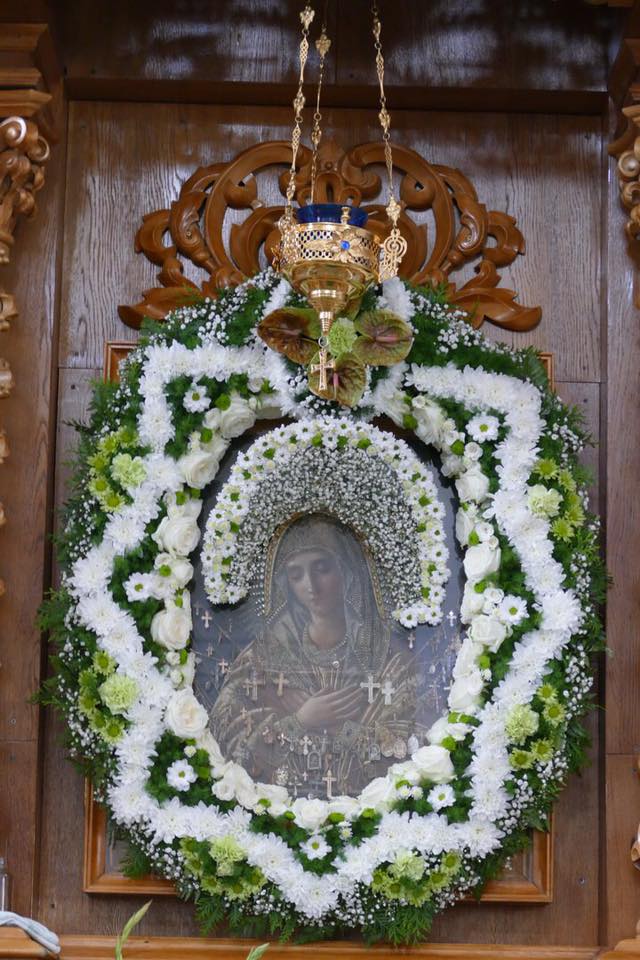
Mother of God, icon fom the iconostasis
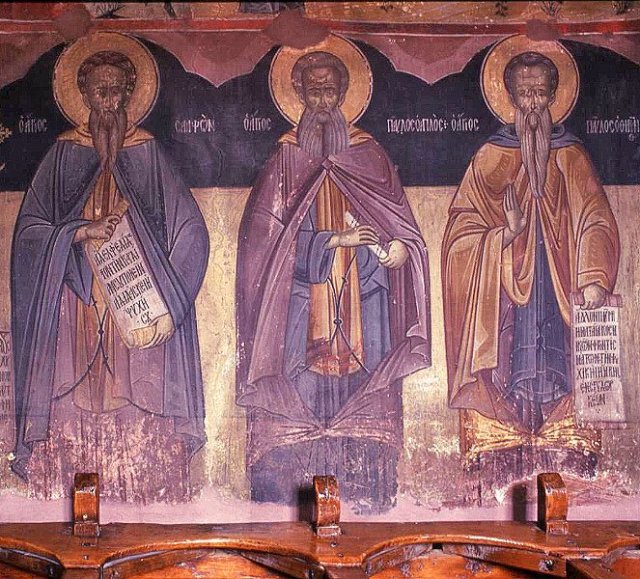
Fresco from the main church
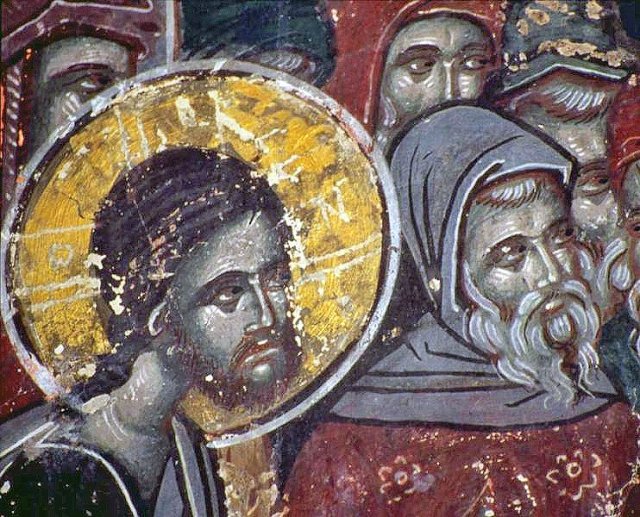
Christ before Pontius Pilate, fresco from the main church
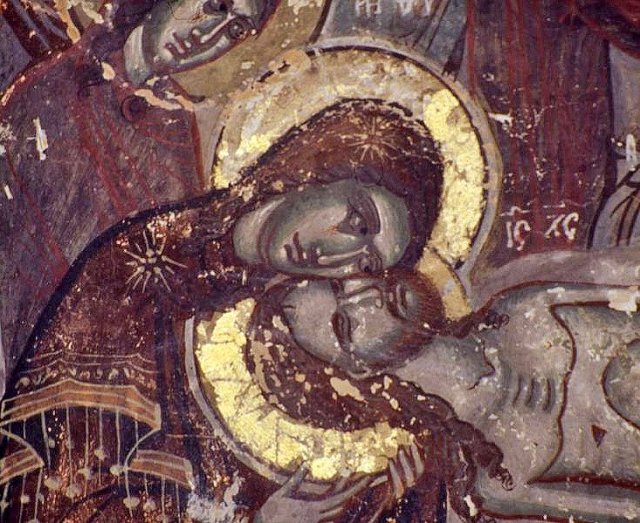
The Burial of Christ, fresco from the main church
The age of the monastery, the permanent residence of thirty nuns and the large turnout of believers led to the need for reconstruction of the new Catholic, built in the architectural standards of the Byzantine monasteries.
Since 1986, there have been nuns in the Monastery, mostly university graduates who chose poverty, chastity and obedience over careers, relationships and motherhood, who came from the Monastery of Panagia Odigitria of Volos and are under the obedience of Elder Efraim of Arizona. The life of nuns is dedicated to worship, reading, and working in the monastery. In addition to their attendance at church, the sisters spent several hours in private prayer and meditation. Often people struggle with the idea of a young woman, even a college graduate, entering religious life: “It seems so different to be readily accepted by others. For several years my parents didn’t recognise it… However, it was a conscious choice through internal need” (Νun Iosephia).
The monastic community is engaged with various daily work and chores: cooking, raising the necessary supplies of vegetables and fruits, producing wine, oil and honey, embroidery, iconography and so many others.
The fraternity under the guidance of Αbbess Fevronia makes every effort to reconstitute the complex with remarkable results. The old distillery of Monastery wine now forms a small cosy museum. On December 13, 2010, the monastery was hit by a fire that destroyed the hospice, the old showroom, the guest room and other buildings. The 30 nuns are trying hard to reconstruct the building complex of the Monastery which was ruined in 1986. Since then, the monastic community in cooperation with the Authority of Byzantine Antiquities in Kavala has undertaken the work of conservation and restoration of the monastery.
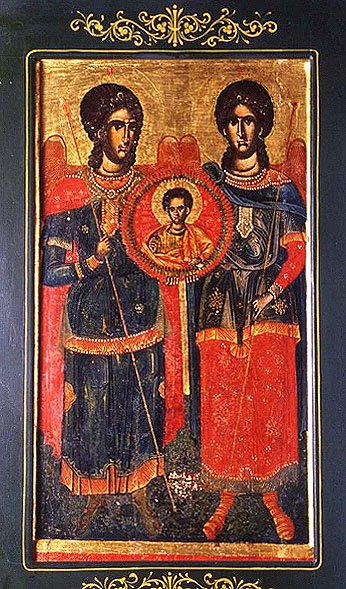
Saints Archangels Michael and Gabriel, old tempera on wood
A Brief History of the Timios Prodromos Monastery
The katholicon (main church) was built in the 14th century and belongs to the single-aisled domed type with lite, narthex, exonarthex and an oblong roofed portico on the south side (Makrynariki)
On the north side are two chapels and the belfry. The rest of the buildings are organized around the katholicon: cells, abbot’s quarters, school, refectory, library, hostel. The wall paintings of the katholicon were executed in 1300-1333 and were continued in several periods, by various artists.
The monastery was founded in 1275-1278 by Monk Ioannikios from Serres and a few years later it was renovated by his nephew, Ioakeim, bishop of Zichne. It soon developed to an important monastic centre with great financial prosperity, because it was favoured by the Byzantine emperors. Patriarch George Scholarios (Gennadios) died here and was buried in the katholicon.
As the spiritual centre of Hellenism in eastern Macedonia, during the Balkan wars the monastery of Timios Prodromos (Saint John the Baptist) provoked the fury of the Bulgarians, who took pains to strip it of its historic treasures. Greek historical documents and in particular the monastic library were carried off to Sofia in their entirety in 1912. The quest for these invaluable sources of Macedonian history has since occupied, as it continues to occupy, much scholarly research.
The monastery, still functioning today, acquired its final form with the addition of many buildings during the Turkish occupation.
In the years between 1972 and 1986 the roofs of several buildings were repaired. Since 1986 restoration has been carried out at the cells of the east wing and at the north wing.
This is the most important monastery of Serres (Serrhai).




 ORTHODOX CHRISTIAN FAITH AND LIFE