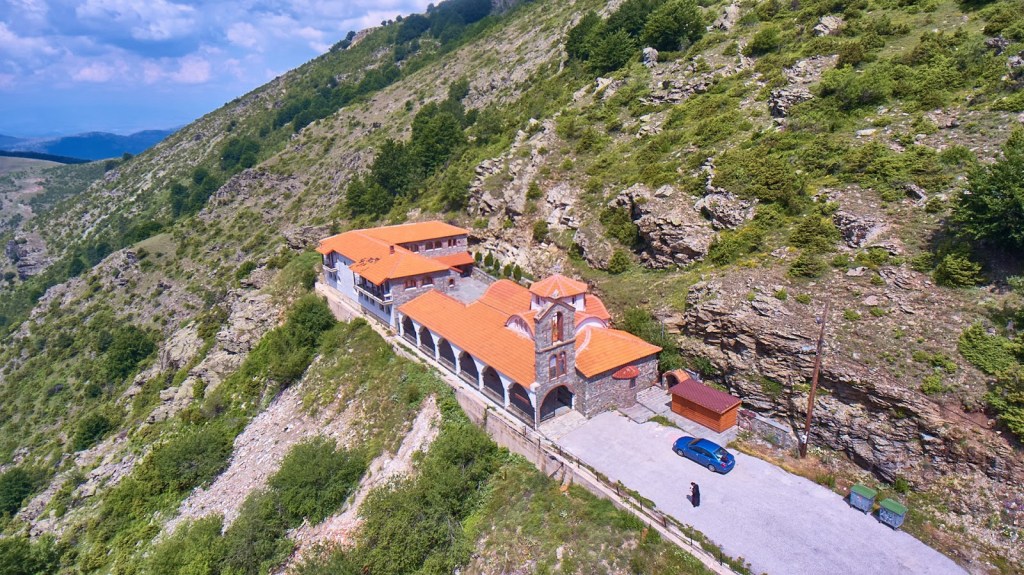
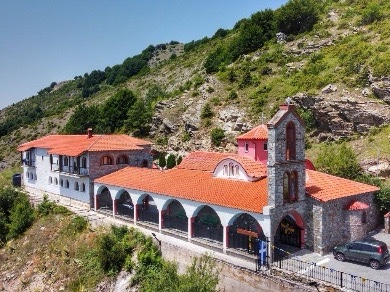
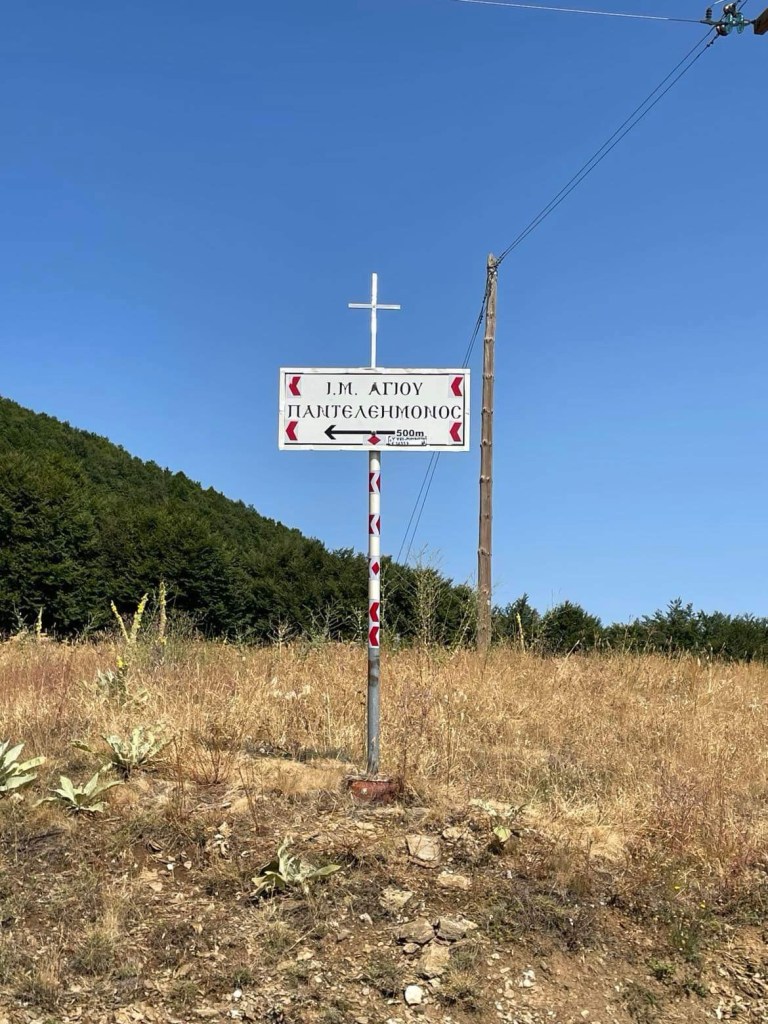
Last week, on the eve of St Panteleimon’s Feast, I arrived at his monastery at the suburbs of Vlasti, and 33km away from the bustling heart of Kozani, to help the monastic synodeia there for the Feast.
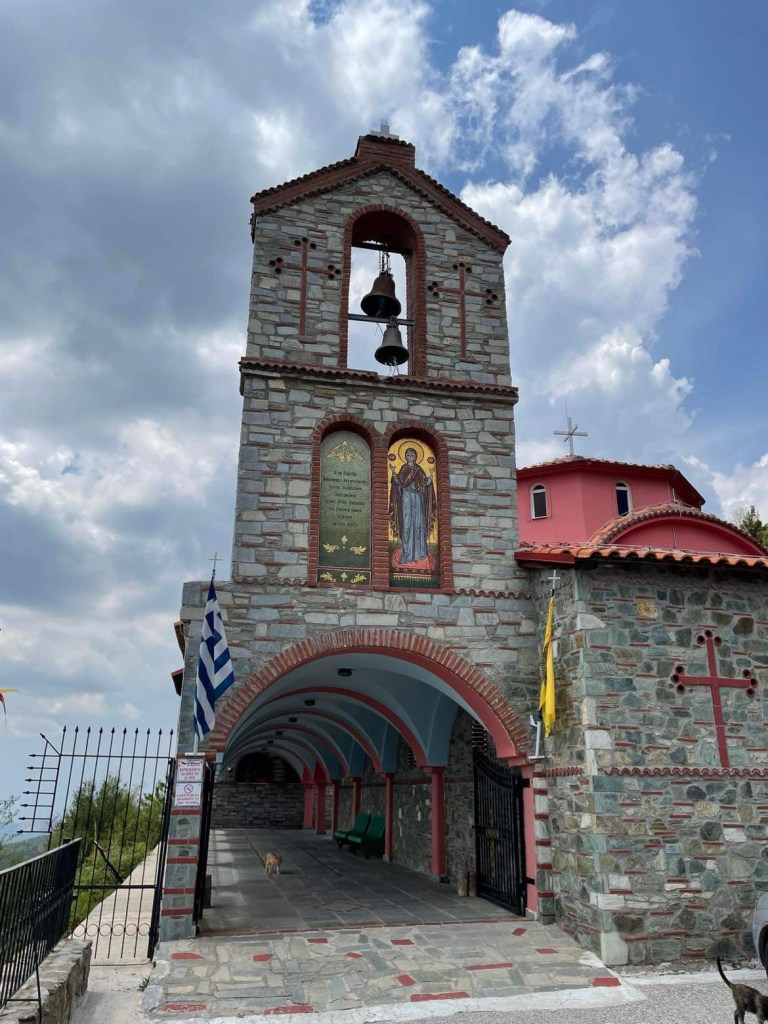
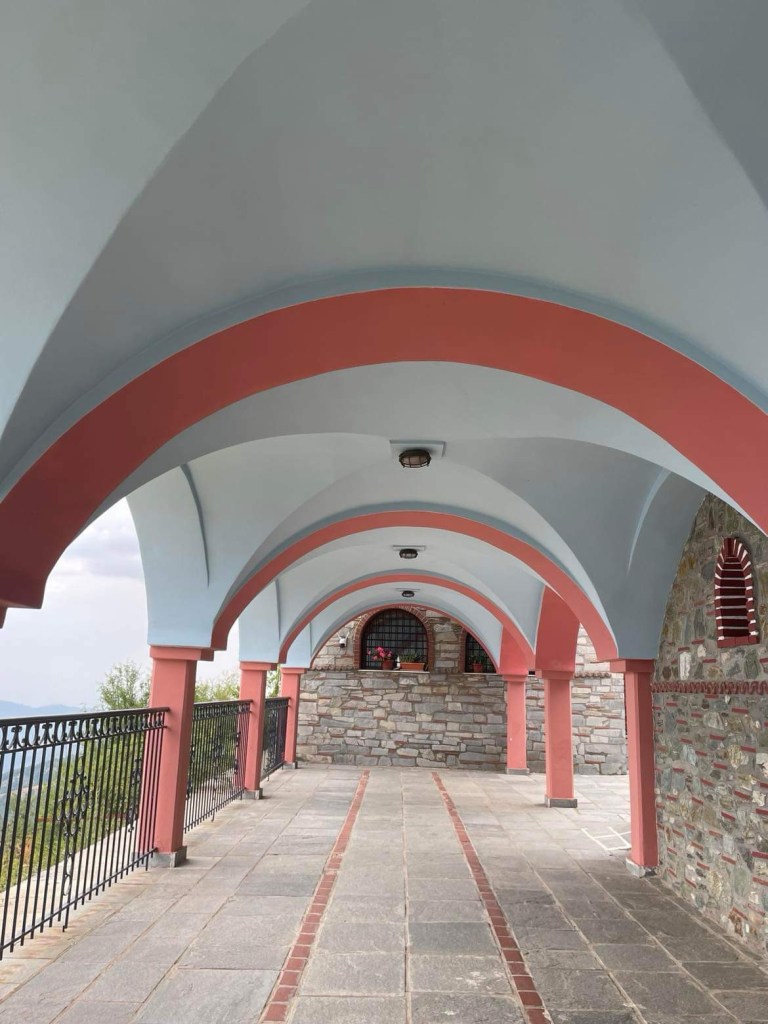
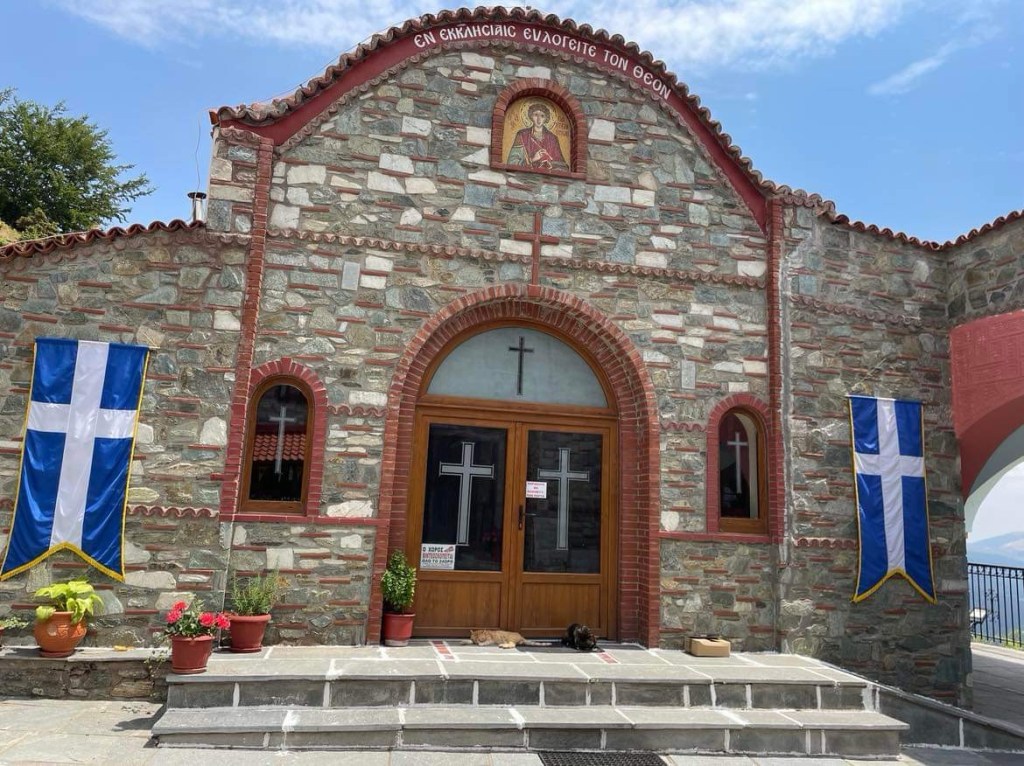
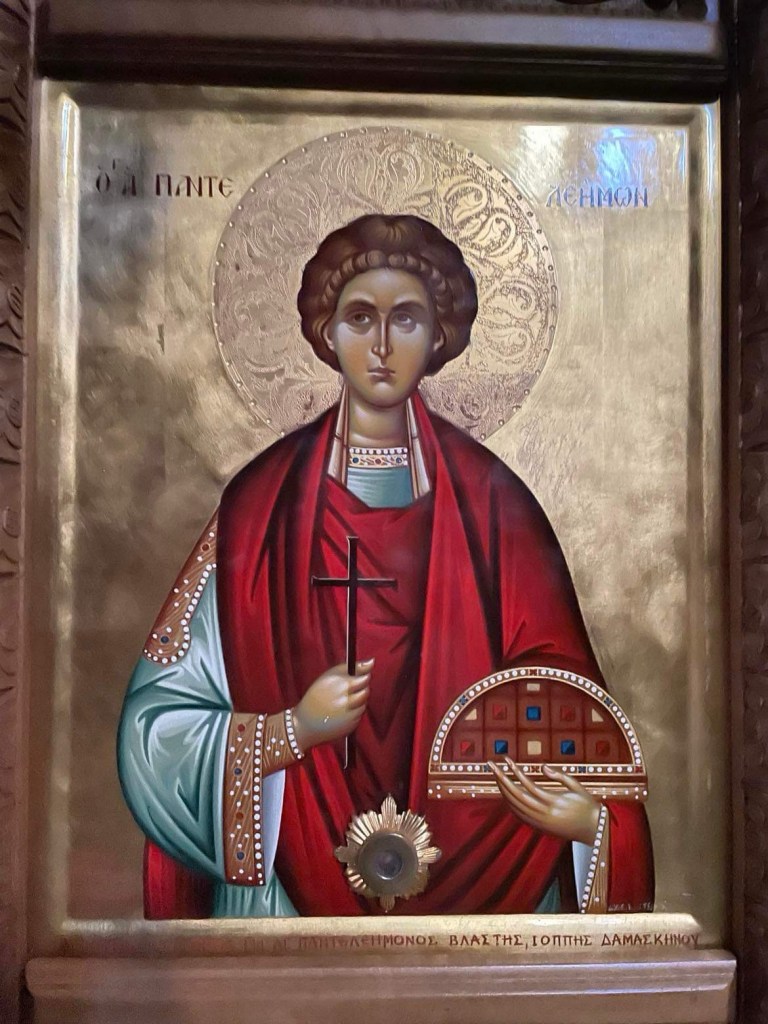
This was my first time there and the surrounding landscape scenery at 1650 m altitude was stunning. The landscape altered among numerous fields with sparse cedar, lammergeyer, oak and pine forests. At the higher positions, sheer rocks and alpine fields add a particular mountainous character. St Panteleimon’s misty and mystic monastery dates back to the 15th century and is almost permanently capped by gray clouds and fog. It is by far the monastery at the highest altitude all over Greece, Mount Athos included.
For stunning views of this mystic and misty monastery and the surrounding landscape, go to this YouTube link:
https://youtu.be/33sjBZ1Uty4?si=dwtg5uAWG4PQ0cEQ
Except for the incomparable beauty, this area is also known for its ecological characteristics, as it constitutes a biotope of bears and other predatory birds such as the war eagles, haggard eagles, snake eagles and the bullfinches. Vegetation is also lush, with a great variety of wild flowers and herbs. This travel/ pilgrimage destination indeed beckons not only pilgrims, but travelers seeking tranquility and untouched beauty.
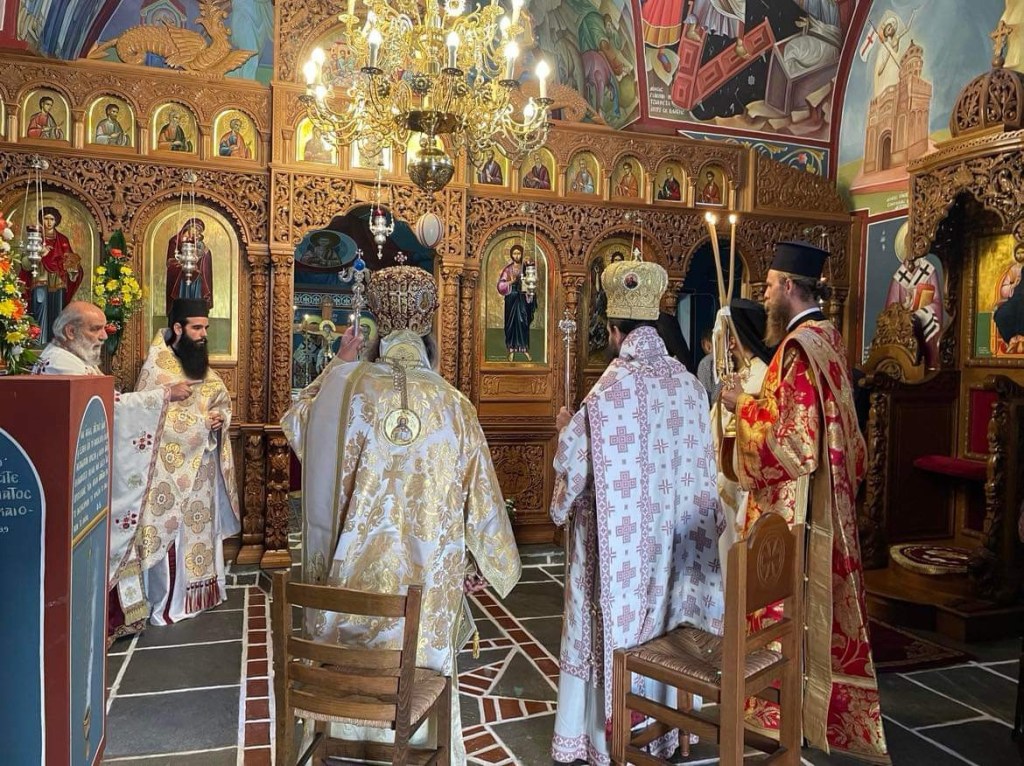
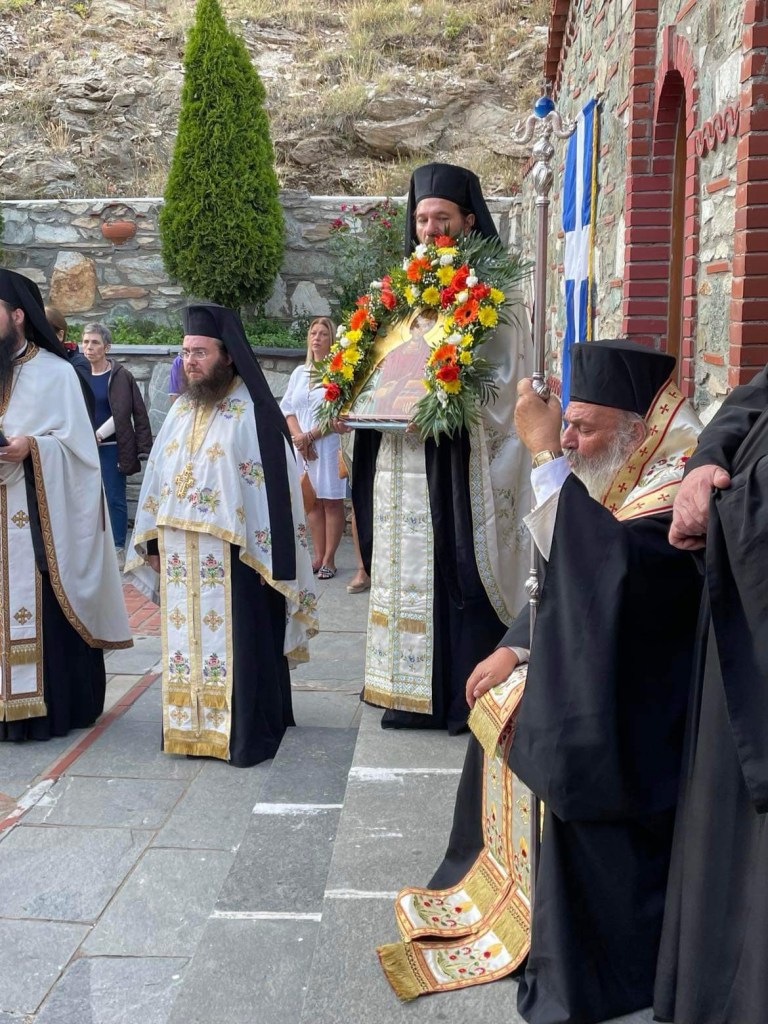
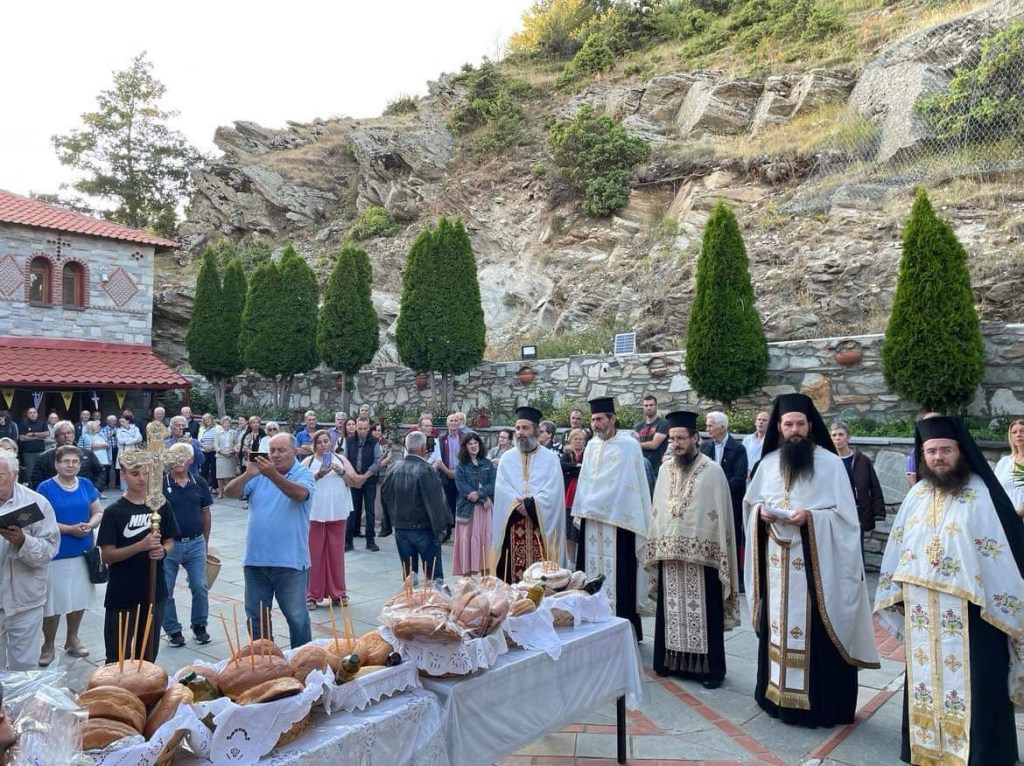
For video excerpts of the church services these two days (Vespers and Matins- Holy Liturgy), go the following YouTube link:
https://youtu.be/M67AiZ3W9bk?si=Ko-VVexrZQrVKet_
Though I normally share with you church services highlights, everyday Saints stories and elders’ spiritual encounters from my pilgrimages, this time I would like to introduce to you two local customs during the Feast, which I have encountered only in this area: the Horse Riders’ Tama (votive offering) to St Panteleimon and the Tranos Choros (Grand / Magnificent Dance).
The Horse Riders Tama to St Panteleimon
On the Feast day, the inhabitants of the nearest village Vlasti, as well as friends and relatives all over the world, who come specifically for St Panteleimon’s and later Panagia’s Feast on August 15, prepare their horses (some may borrow), and climb up to the monastery of Agios Panteleimon on Mount Muriki, so that they can attend church and honour the Saint.
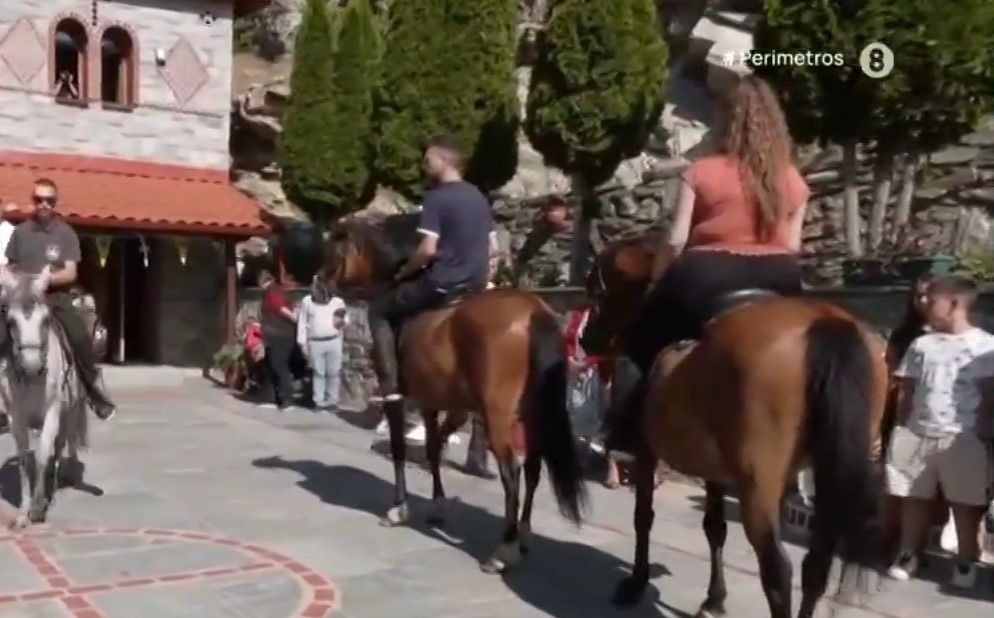
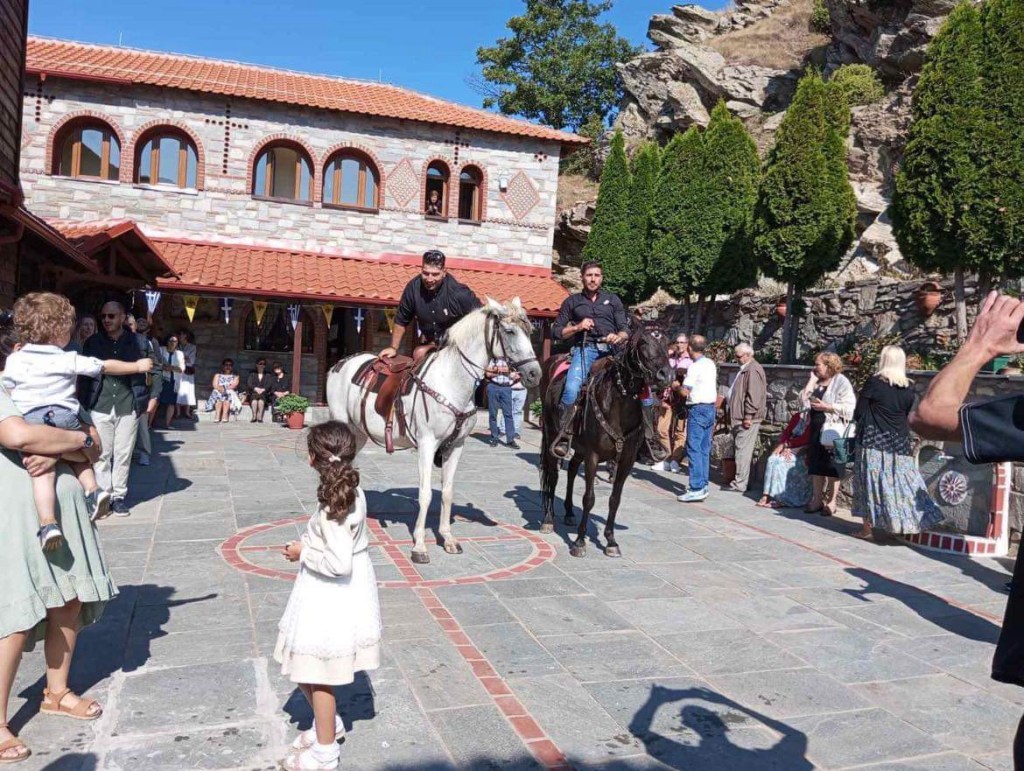
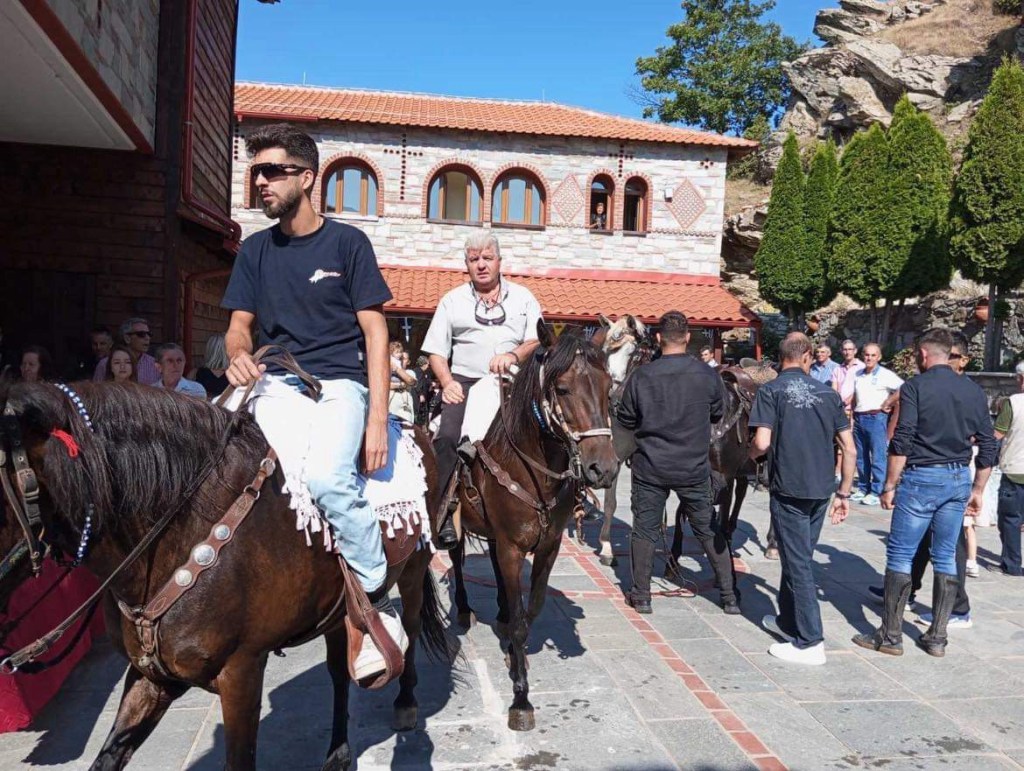
After the Divine Liturgy, the horse riders descend from the beautiful, meandering paths of the mountain, to the center of Vlasti, a nearby picturesque village, just 4 km away from the monastery, nested in the mids of alpine landscape and lushy fields, and sitting at an elevation of 1200m. Background music accompanies them all the way unto the monastery and back to the village feast.
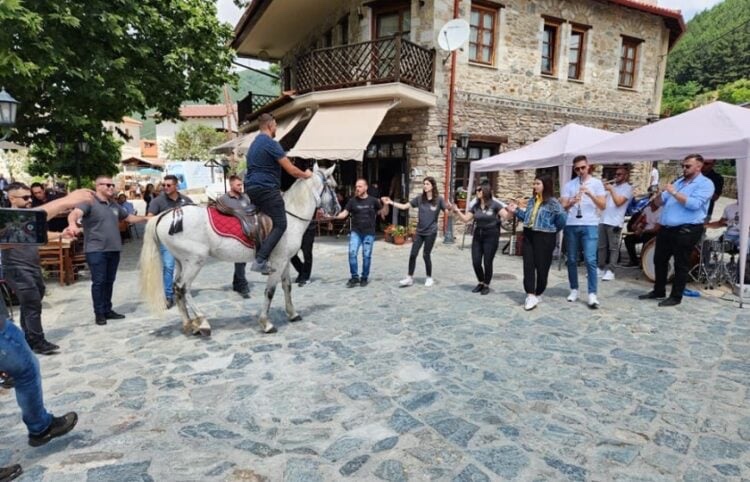
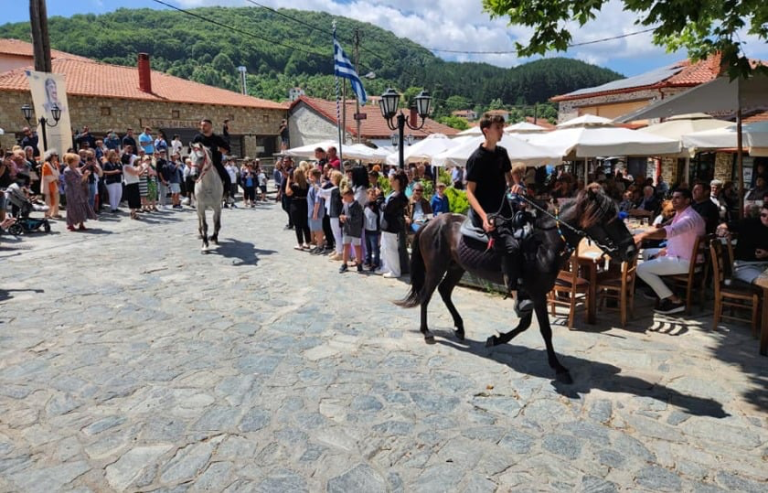
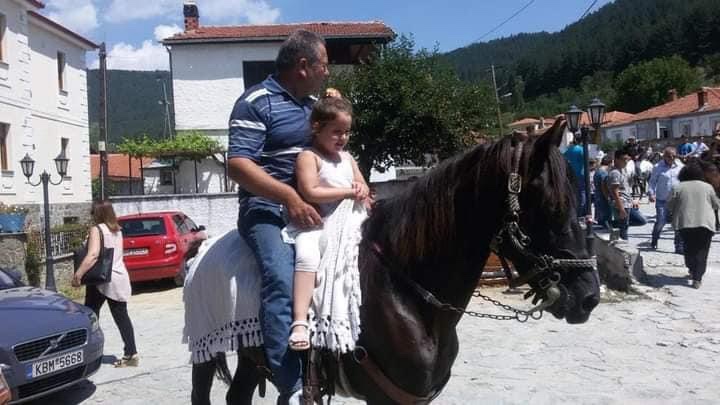

Again, for video excerpts of the horse riders’ tama, and the village feast visit the following two YouTube links:
https://youtu.be/fvWVa5p3WqE?si=8s_Cua_sGHX5q8hT
https://youtu.be/XDf5ESyQhpk?si=SaSdyhfSe-wxU9iO
The Tranos Choros (Tranls. Grand / Magnificent Dance)
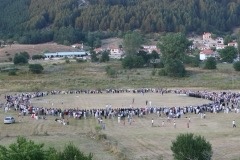
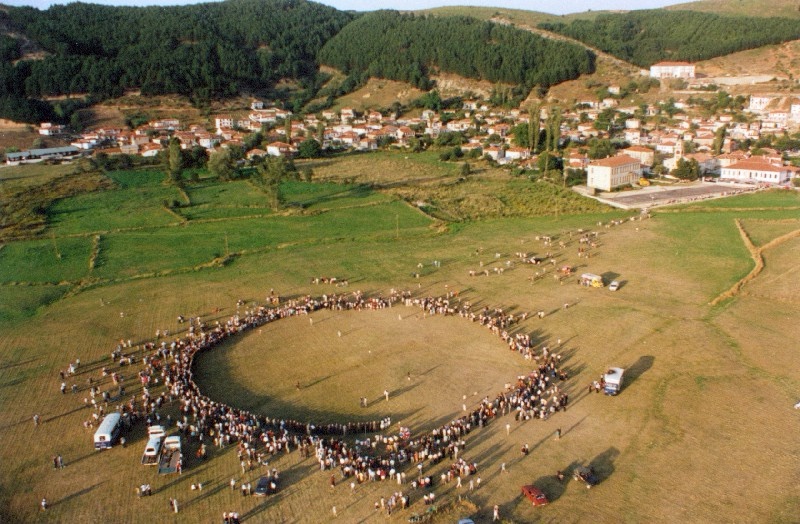
This dance is a traditional community event based on the dual elements of «song – dance» (a capella, ie. vocals and dance without the accompaniment of musical instruments). It bears a ritual character, passed on from one generation to the next. The term Tranos denotes the universal participation of the local community in its performance and its great importance to the community.
The dance is performed not only by permanent residents of the community, but also by Vlatsiotes all over the world, who, although are no longer inhabitants in their land of origin, make a point of returning to visit every summer during these feasts, with the aim of reconnecting with their village and reconfirming their group identity.
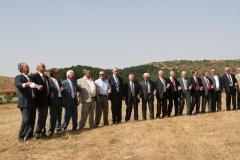
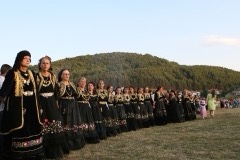
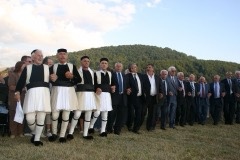
The Tranos Choros (Grand/ Magnificent Dance) is danced annually in Vlasti in the afternoon of July 27, day of the feast of Saint Panteleimon, as well as on the two days of the feast of the Dormition of our Lady Theotokos, on August 15 and 16.
The Tranos dance in Vlasti has its own rules. These rules define what time the dancers gather, their hierarchical position in the circle, the dance pattern, the order of songs, the specific dance motifs.
Hierarchy, based on gender and age, is a characteristic of its structure. The men lead the dance, positioned in order of seniority, those wearing traditional dress first . Age is again the criterion for each woman’s position in the dance circle. In the case of women of the same age, the criterion is their wedding date. Traditionally, the leading dancer is the eldest, an expert on both songs and rhythm.
The dance begins at the moment when the leading dancer crosses his left foot over the right. It is a particularly symbolic move, with the leading dancer raising his left leg and holding it above the right for the dance to begin. For the Tranos dance, this move has the same role as the raising of the conductor’s baton in a symphony orchestra. The movement is accompanied by a simultaneous move of the hand holding the kerchief and the rendering of the first verse of the song.
The lead dancer is joined in song by most of the men. The lyrics are repeated by the women’s semi-chorus and the men who are last in line. This ritual dance in the minds and hearts of the locals evokes people long departed. “This place has existed and will always exist. To paraphrase the poet George Seferis, «as the pines retain the form of the wind, even when the wind has gone and is no longer there»”
Watch this communal, ritual dancing in the following two YouTube videos:
https://youtu.be/Cl6WbI5brVw?si=cSt6-UyMcdMWUjy0
https://youtu.be/uLNkx5FSeUk?si=2lmqaKg8SgLzDG3e

 ORTHODOX CHRISTIAN FAITH AND LIFE