Day 8- Part A: Not for the Faint-Hearted

About vigils, the Feast of the Theotokos’ Sacred Veil (Skepi) and Her Holy Protection, the power of the Psalter and the monastery’s chicken coop!

“By Fasting, Vigil and Prayer Thou didst Obtain Heavenly Gifts” (Fourth Great Lent Sunday- St. John of the Ladder , Troparion, tone 1)

Not for the faint-hearted! A most ascetic monastery, I must admit. I, for one thing, thought that I had no problem with fasting, and yet here, I realise that I am such a dainty eater! I have had enough of their plain bread, watery, fasting soups and fruit!

As to vigils, rising at ungodly [sic!] hours to chant Psalms, after two consecutive vigils, one at St Demetrios’ Feast in Thessaloniki and the other one here, at the monastery, for the Sunday Holy Liturgy, I believe that I have reached my limit. If I had any doubts (which I did not have) now I feel confident that I am not yet ready for this second step in this ladder, for this “violence” on our flesh. Not to mention the third ring, prayer …

By Fasting, Vigil and Prayer Thou didst Obtain Heavenly Gifts”

“And from the days of John the Baptist until now the kingdom of heaven suffereth violence, and the violent take it by force.” Matthew 11:12

Oh dear! A most ascetic long weekend. I have been so food deprived, so heat deprived, and so sleep deprived—the worst part— that I cannot put it to words. I certainly need time and rest to recover from all this ascetic labour. I do feel blessed and most grateful, I am floating, but this monastery’s specifications are for angels, fleshless, holy beings. The sisters are of course lenient with us poor guests, yet even the “compromise” they bless for us is so hard for my spiritual level! I cannot even begin to imagine how it is to spend Great Lent here, with only meal a day, and what a meal …
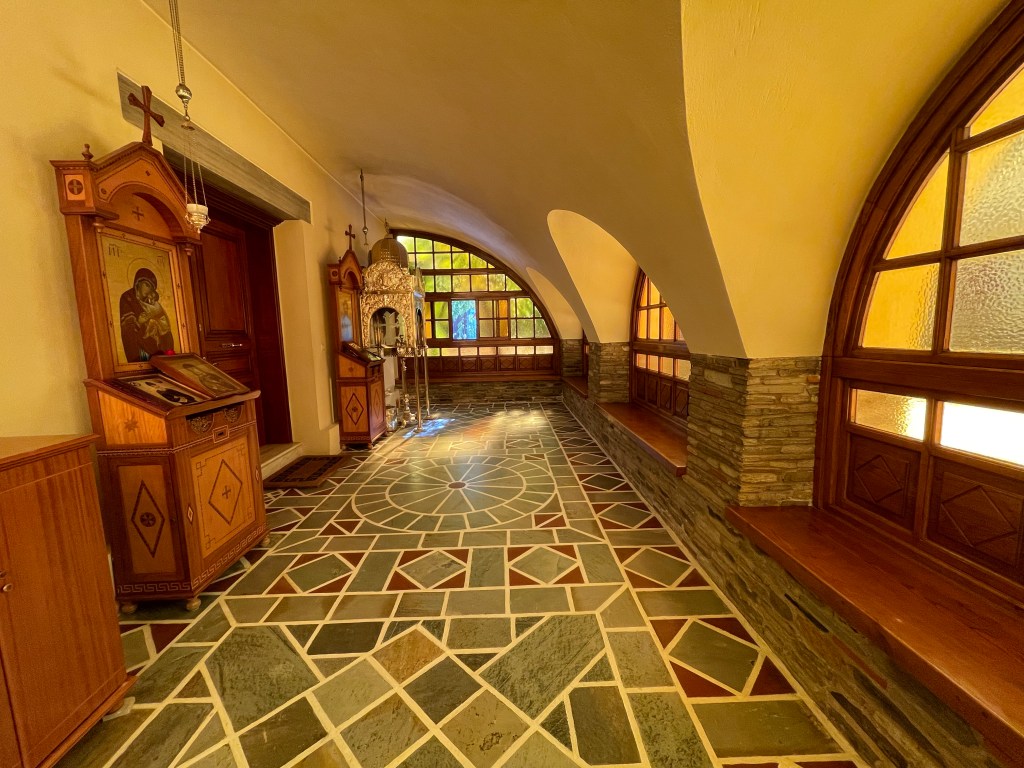
One can”feel” their asceticism even in their etherial chanting. Indeed, an ascetic hue to the spectrum of light explored so far on my way of a pilgrim. And so “hidden”! Adding a wholly  empirical dimension to the verse “our lives being hidden in Christ!” So very different to my previous two pilgrimages to Dormition monastery in Panorama and St George Karslides monastery in Sipsa. Such a humbling experience! Probably because of all this most demanding typikon, this monastery has the least pilgrims or faithful attending, even when its gates are open. As to the sisters, they humbly believe that they they are useless, lukewarm, “end of times” monastics, not honouring their calling.

Matushka Constantina is so right when she writes at her blog (Lessons from a Monastery): “Encountering monastics reminds the pilgrim that there are better Christians than himself (not that he cannot also learn this in the parish, he most certainly can, but it is an indisputable fact that one is faced with at a monastery). Hence the famous statement: “Angels are a light for monastics, and monastics are a light for the world.”[9] The monastic is simultaneously humbled and enlightened by reading the lives of the saints, just as the layman is when he compares his life with that of a monastic. … the layman makes pilgrimages to monasteries in order to draw the soul away from the distracting world and into an environment of stillness and prayer, where the atmosphere is conducive to taking stock of one’s life alongside that of a dedicated monastic, and to allow the grace of the monastery to help him see his own sinfulness.”
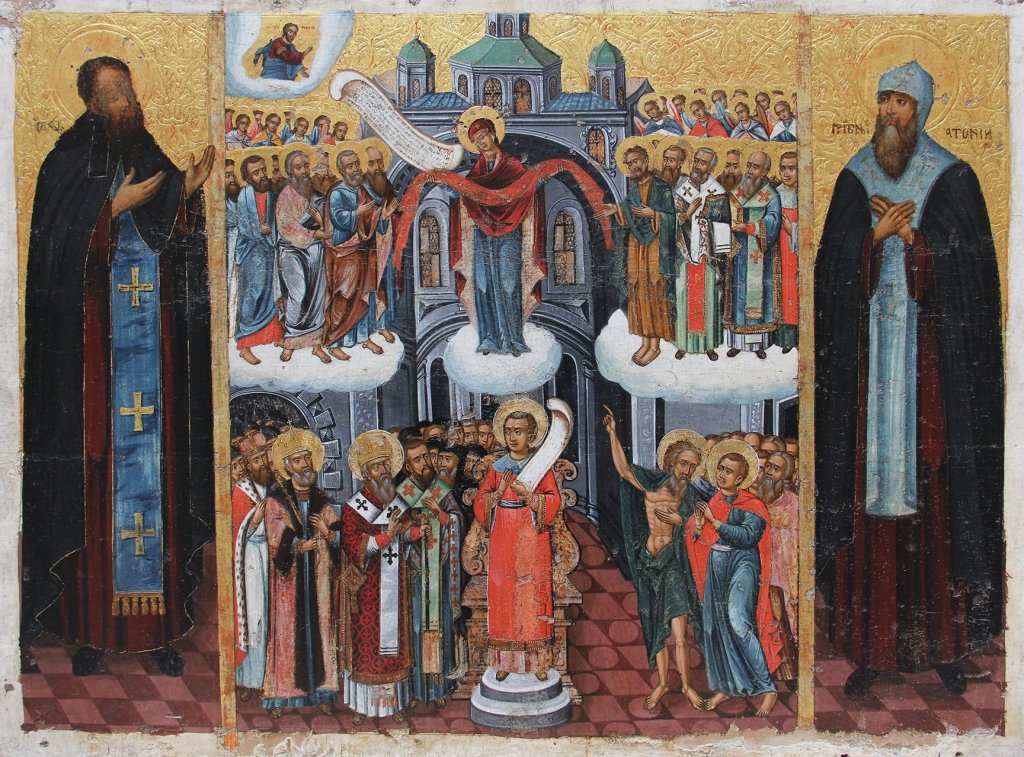
Economia is granted to me and I arrive late at the morning church service. I don’t think I could take one third consecutive vigil in a row. Today, on October 28, the Holy Orthodox Church in Greece commemorates the Holy Protection of our Most Holy Lady, the Theotokos and Ever-virgin Mary, that is, her sacred veil (skepi) kept in the treasury of the sacred temple of Blachernae; and we also remember how the righteous Andrew, the Fool for Christ’s sake, beheld it spread out above and covering all the pious.
The Feast was originally marked on October 1st, yet the Greek Orthodox church, in 1952, transferred its celebration of the Protection to October 28 in conjunction with “Okhi Day” as a testament to the rejection of European aggression and as a day of national remembrance.
Before daybreak on October 28, 1940, the Italian ambassador to Greece, representing Italian dictator Benito Mussolini, went to Greek general Ioannis Metaxas with an ultimatum. Italy wanted full control of Greece to occupy “strategic locations”; otherwise it would brutalise the country. General Metaxas shouted “Okhi!” meaning “No!” Thus, Greece was plunged into the Second World War, as Italy burst through, and then Nazi Germany eventually, wreaking havoc and horrors on the Greek people.
Both dates recognise the Ever-virgin’s constant defence for all the faithful, all over the world, whenever we prayerfully seek her protection and shelter in distress and strife. It goes without saying that we must ask the Theotokos to extend her protection and intercession every day of our life.

A holy, sacred place, an agios topos
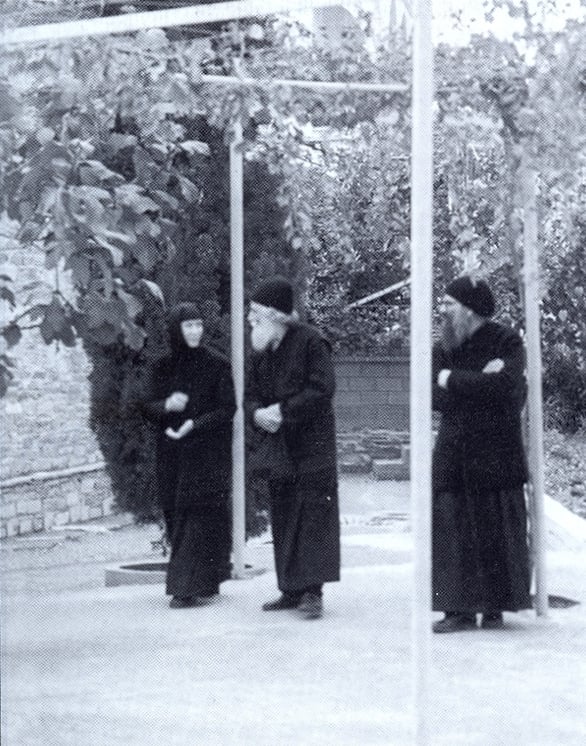
St Paisios, the spiritual founder and father of this monastery, +Gerondas Gregorios, St Paisios spiritual child, founder and spiritual father of the monastery, and +Gerondissa Euphemia

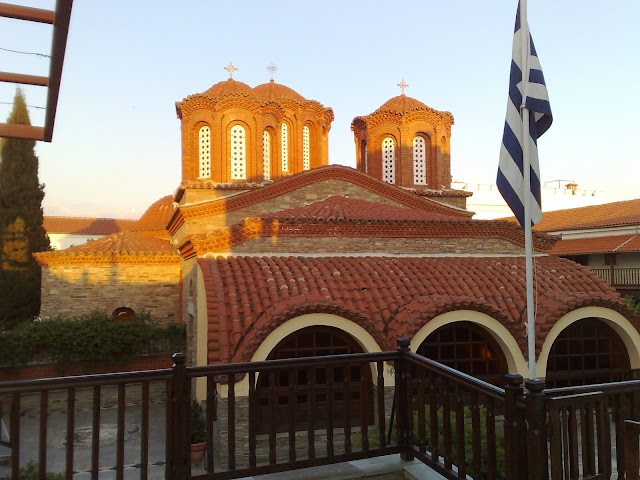
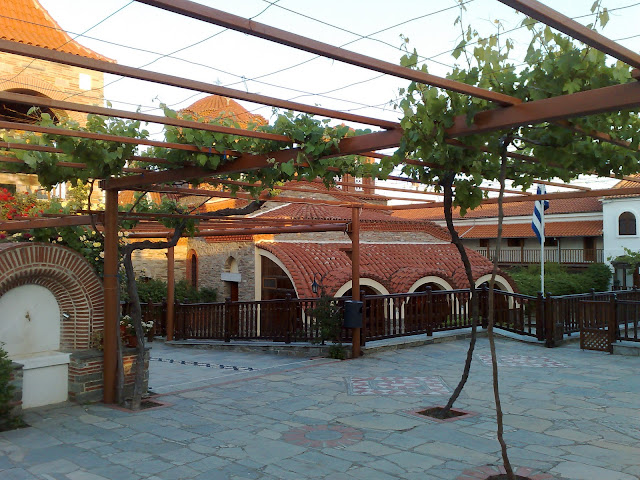
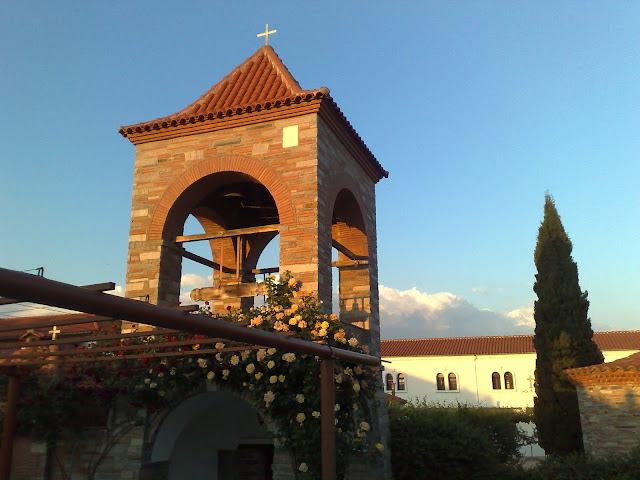
Everything is holy in the grounds of a monastery. It is an agios topos, a holy, sacred place. The prayers of the monastics, the saints that dwell within, the angels that protect it, its chapels and the temple of God in its grounds, all these sanctify the place. “And Moses said, I will go near and see this great sight, why the bush is not consumed. And when the Lord saw that he drew nigh to see, the Lord called him out of the bush, saying, Moses, Moses… loose thy sandals from off thy feet for the place whereon thou standest is holy ground” (Exodus 3: 3-5). All monasteries I have visited so far feel holy, sacred places, yet this monastery seems the most etherial, otherworldly of all. This holiness permeates all its grounds.
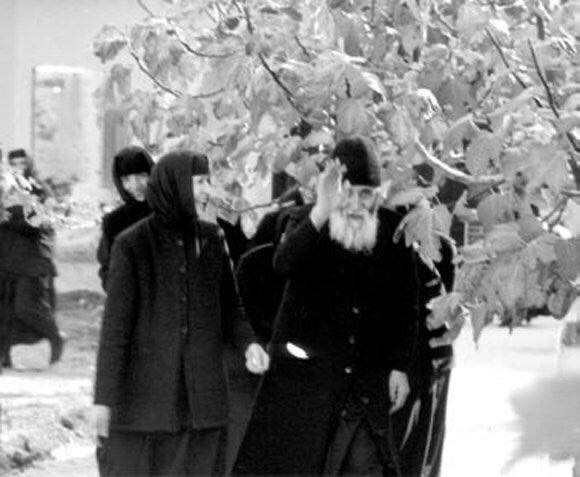
St Paisios, + Gerondissa Euphemia and Sister Paisia, looking at the camera behind Gerondissa. I had the privilege to spend quite some time during my stay here with Sister Paisia.

11 For He will give His angels charge over you, to guard you in all your ways. 12 Upon their hands they will lift you up, lest you strike your foot against a stone. 13 You will tread upon the lion and cobra, trample the young lion and serpent. (Psalm 91:11-13)
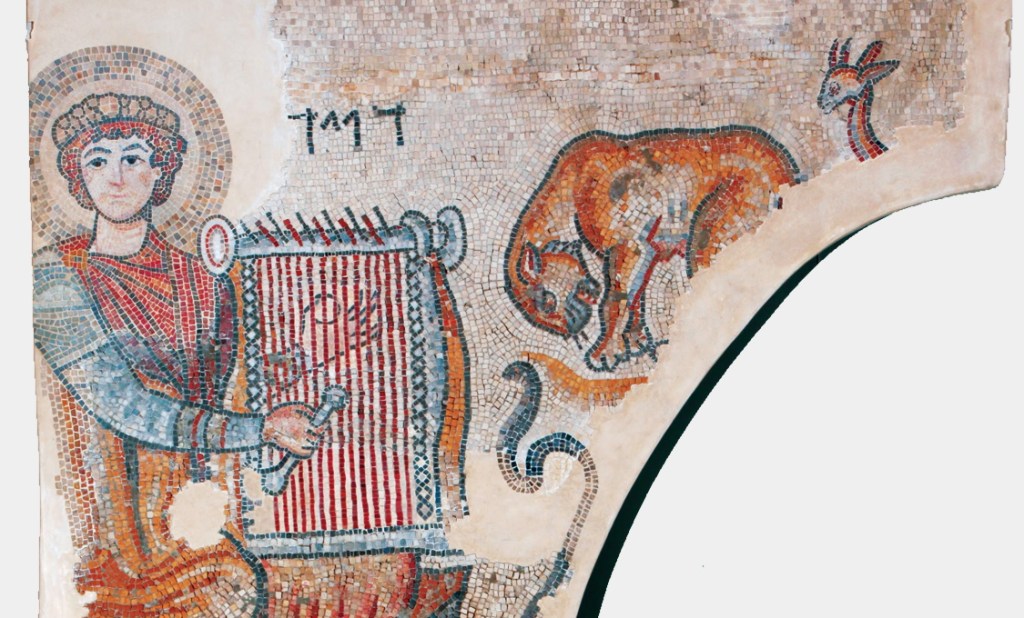
Let me share with you a story which a sister here told me about the power of the Psalter, transfusing holiness

… even to their chicken coop!
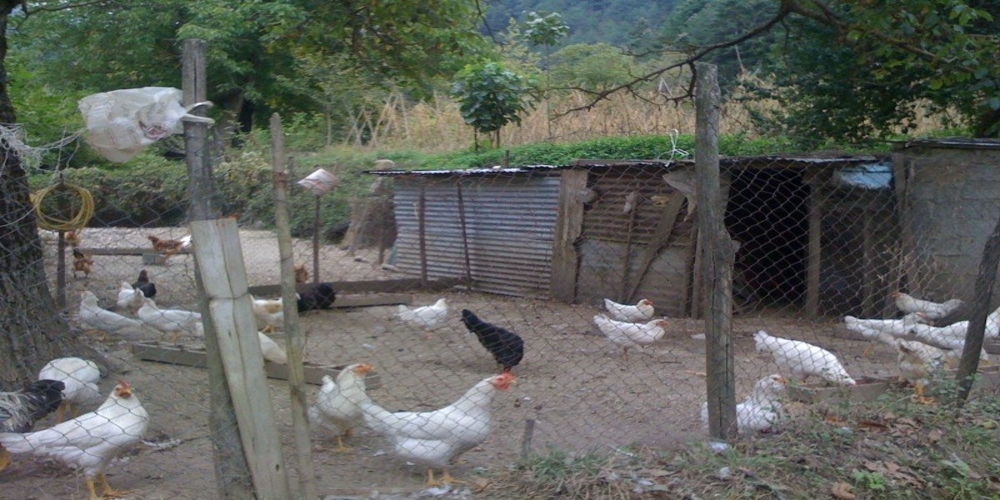
This is what the monastery’s chicken coop looks like. You can tell that it is unprotected from the top and sadly the sisters had many problems with hawks attacking and snatching their chickens. The sisters would take turns, one after another, every hour, to protect their chickens, to no avail really, until Sister T. appeared, a frail, old sister …

This sister had a particular affection for the Psalter. Rather than recite the kathismata in her cell, she got the blessing from Gerondissa to sit on her chair inside the chicken coup grounds and recite the psalter there, together with the chickens. She kept doing this every day, for two years before reposing in the Lord.

These two years, all hawk attacks suddenly ceased! Not only this, but even after her sleep in the Lord, for 16 years counting until now, no hawk has attempted a single attack on the chicken! Amazing! For 16 years going! So, the sisters have stopped guarding the chicken coop and chasing predators away. The sister who told me this story, added that Gerondas Gregorios of blessed memory, after this sister’s sleep in the Lord, wondered how long her psalter protection will last. Well, it lasted 16 years and going! This frail, old sister with the particular affection for the Psalter died a holy death on an Easter night, after receiving Holy Communion at the Pascal holy Liturgy. Glory to God for all things!
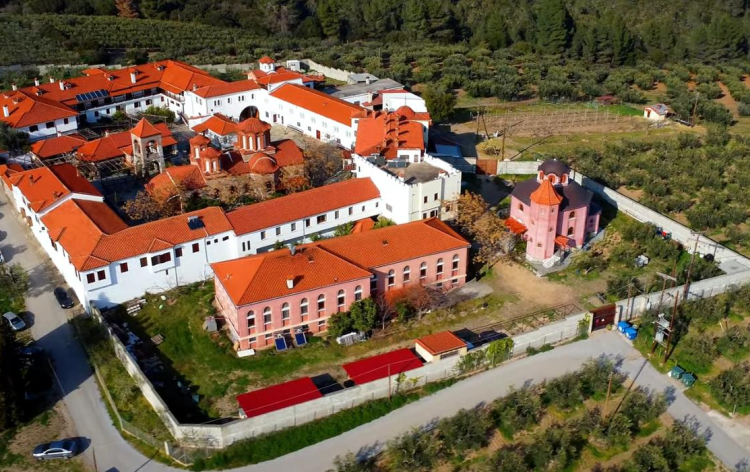
Sadly, the time for my departure has arrived, but I am not leaving alone. I have to drive two university students first to the church of St. Demetrios, and then one of them to the airport for Cyprus. Glory to God for all things! What an amazing synodeia! The family of one of these two students I am offering this drive has 10 children (!), her father is a priest and a teacher, and their mother comes from a family of … 13 children! They have all moved from Athens to Metamorfosi and build their house here to live next to the monastery, together with all their nephews, children and grandchildren.

How many stories have I heard on the way! What a joy and a privilege to be together with these young people! How fast time flies! A few decades ago, other pilgrims drove me back to Thessaloniki, to spare me the buses, the walking and the long hours of waiting. Now it is my turn to return the favour. Glory to God for all things!


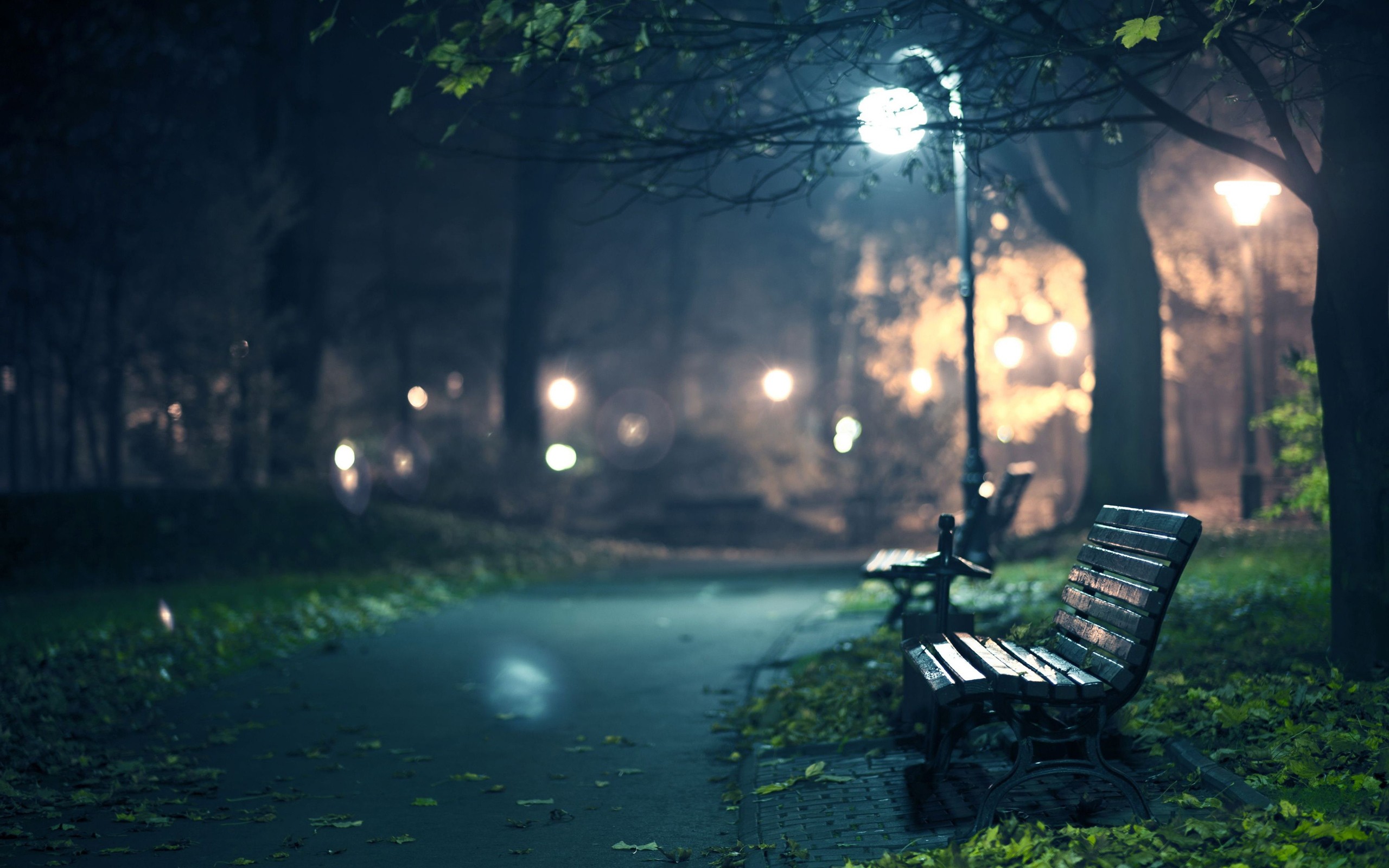
Prayer By Night

night.jpg

Pray by night. Pray alone. Pray using no book, no image, no thought. Just stay awake for ten minutes after you wake up to have a glass of water, after your child or a nightmare wakes you. Stand there in the dark, and make no move or sound. Make time stand still, capture that moment and bring it before Christ as your humble offering: this is me; this is who I am; THIS is who You must save.

night2

In fact, it may be useful to even forget that you need to pray. Most of us have such terribly deformed ideas about what prayer is, that it is better to simply forget you are meant to pray. Just stand there and look into the darkness outside your window. Other times, make a prostration and even close your eyes while you are on the floor; and stay there; wait there. Keep your body in a state of tension, but your mind empty. Say nothing. Think nothing. Imagine nothing. Do not pray. Do not move. Just wait for His presence. Wait for Him to notice your silence, your stillness, your death. Wait for Christ, and He will come, because Love forces Him.

20131001-IMG_9385

This is the advantage of praying at this time; night is a shield against thoughts, against images and feelings. Try to be present in that moment, try to be aware of the silence that surrounds you, let the void of that darkness embrace you, let it enter you and fill you with peace and silence. There is something almost sacramental in this hidden silence and stillness before Christ. This darkness, this solitude, this instinctive awareness of one’s mortality, they all force one to open up in ways which would be impossible by daytime.

Be aware that you are awake before Christ while the world lies asleep, defenseless and vulnerable. You are awake before Christ, fighting for the world; you have become an intercessor for this fallen, sleeping world which is one with you, and for which Christ has died.

night3

Ten minutes alone with Christ, night after night, will change your life. When you wake up and you face the worries of the new day, there is something in you that rejoices – you and Christ share a secret, you and Christ share a fight. Your soul knows that it has been fed, and it also knows that, whatever happens during the day, the night will always return with its silence and its stillness. You will live through the day waiting for the night, because when the night falls, you will again bring yourself as an offering before your Creator, and your Creator will feed you once more.

Source: Father Seraphim http://www.mullmonastery.com/monastery-blog/prayer-by-night/

An Ineffable Fragrance

It is impossible to describe how exquisite and noble are the podvizhniki![1] These people—although they bear the traces of harsh struggles, although their bodies are so withered and emaciated—have a fragrance and grace imprinted on their wondrous souls.

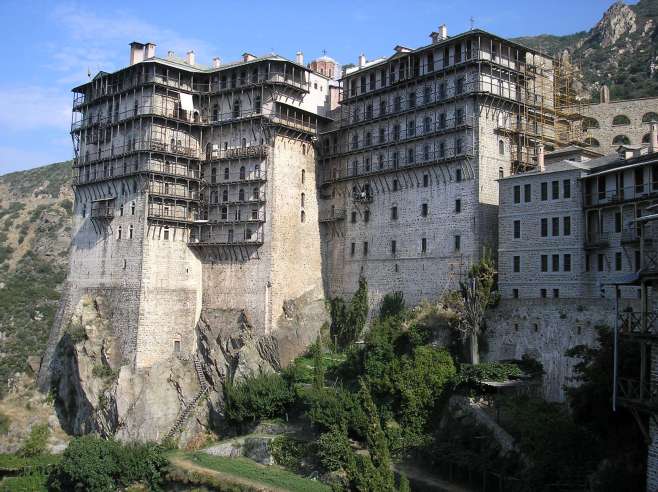
1976. The month of August—July 22 Old Style. The Altar Feast (Panegyr) of St. Mary Magdalene in Simonopetra. How they love this saint in her monastery! Her left hand is kept here—her wrist, palm, and fingers—with the skin and tendons. Its temperature holds steadily at 98.6 °F/37° C—proof that this is the hand of a living witness of the Resurrected Christ, living proof of the fact that “death hath no more dominion over” her, either (Rom. 6:9).

At the All-Night Vigil[2], they showed me a stasidion[3] practically in the center. Next to me there was a grey-haired little starets.[4] He stood as straight as a candle, without stirring. During the course of the service he weakened—he was obviously tired. Most likely, he was sleeping. But not relaxed as people usually sleep. His state was distinct and interesting: his head was leaning on his hand, his eyes almost shut. From time to time you could hear him snore a little, gently and peacefully. But every time the singers would make a mistake, he would come into action and without delay correct it. And then return to … his rest. “The body sleeps out of nature’s need, but his heart keeps awake out of its great love.” And truly, his mind keeps vigil. This man, it seems, lives in another world.

We came to the exapostilarion.[5] All the fathers stood, took off their skufias,[6] and bowed low when the serving priest performed the litany over the relics of the great saint and protectress of the monastery, which were lying on a silver tray. Soon the veneration began—I was stunned… I watched what the others did, and I felt that I wasn’t with them. I tried to understand what to do and how to do it correctly, but I couldn’t touch the secret. Everyone around me, I felt, was experiencing an event that I had no idea about. The choir intensified the celebration. The monks showed by their whole appearance that they were experiencing something the likes of which I could not perceive. The only thing that I was able to do was to follow what was going on—superficially and with curiosity. Soon the starets standing next to me left his place and goes in his turn up to the relics. Making three prostrations, he kissed them, was anointed by the priest, and with deep emotion he returned to his stasidion.

“You go, too,” he says to me, “don’t be shy—today the Saint is fragrant. Receive some of her grace.”

I did what he said and went up to the relics. This is what, apart from everything else, the others had done, too. But my doubts stayed with me. I didn’t particularly believe in all this. I went up in a reverie. And I was astonished by the fragrance. I had an insatiable desire to confirm the statement of this fact from an investigative point of view and to venerate the relics again. But I felt awkward—it was an inappropriate time for experiments! I returned to my place—physically—but mentally I stayed with the Saint. My questions multiplied, but my faith did not increase. It was the “sign” that I had been asking for, but it wasn’t the “sign” that I needed. I couldn’t believe in it, but again, I couldn’t imagine that the monks were lying. They had such pure countenances, and they experienced what was going on without reasoning or arguments. I had no reason to suspect them of lying.

“Geronda[7], how does this happen?” I asked. “Maybe out of piety the fathers sprinkled a little perfume? Or are the relics themselves fragrant?”

“Here reverence is ruined as soon as you sprinkle perfume. Reverence is increased when you receive the ineffable fragrance in simplicity. The Holy Mountain is full of such occurrences.”

“What does ‘ineffable fragrance’ mean?”

“If we sprinkled a little perfume from a perfume store, then it would be “fragrance.” Now, when we don’t sprinkle anything but the fragrance pours out all by itself, that is called ‘ineffable fragrance’.

I bowed and kissed his hand. He himself also was fragrant, as if he had been handling incense. The all-night vigil continued—it lasted twelve hours.

A monk whom I knew came up to me:

“Did you get a blessing from Elder Arsenios?”

“Who is that?” I asked, not having any idea who he was referring to.

“The little old man who was standing next to you.”

“The little old man who was sleeping next to me,” I said to myself.

“He has the ‘gift of not washing’, added the monk. “It has already been ten years since he has washed his face and he is fragrant all over. He is as pure as a tear. He lives in Kalamitse, in a cell alone, an hour and a half walk from here. Run, before he leaves!”

I did not catch up with him. He had withdrawn to his cell before the beginning of the festive trapeza. He was filled with the Divine service. He didn’t need food or words in order to fill his soul. He stood, sat, drifted off for twelve hours, and still every second breathed in the sweetness of the all-night vigil. He hath chosen the good part, which will not be taken awayfrom him (Luke 10:42).

From: A Still Small Voice by Metropolitan Nicholas of Mesogaia and Lavreotiki, Phoni avras leptis, Athens 2006, pp. 139–144. Translated from the Russian version on Pravoslavie.ru.

Metropolitan Nikolaos of Mesogaia and Lavreotiki
Translation by Dimitra Dwelley

[1] Podvizhnik: a “spiritual athlete,” one who struggles spiritually, takes on podvigs. Podvig – a difficult spiritual task taken on voluntarily.—Trans.

[2] Agrypnia: the very long Divine service celebrated with great solemnity on Athos on Sundays, great feasts and feasts of the saints in whose honor churches are named, and likewise on days commemorating particularly revered saints.

[3] Stasidion: in Orthodox monasteries, a special wooden chair with high armrests and a seat that can be lifted up out of the way, so that a monk can stand up during the long vigils while being able to rest his arms on the armrests. When it is allowed or necessary out of weakness, the seat may be folded down so he may sit. —Trans.

[4] starets (here, “starchik”, an affectionate form): an elder, usually monastic, who through long experience, obedience, spiritual struggles, love and humility is given special spiritual gifts and to whom others come for spiritual guidance. —Trans.

[5] The Dismissal Hymn, the troparion that follows the Canon at Matins, near the end of the service. Sometimes called svetilen/photogogikon, because it sings of Christ the Light of the world. It is connected with the Matins Gospel.

[6] Skufia: priest’s or monastic’s hat.

[7] Geronda: Greek for “elder” or “starets.”

Simonopetra_Aug2006.jpg

Who is Metropolitan Nikolaos?
The Metropolitan of Messogea and Lavreotiki, Nikolaos, was born on April 13th 1954 in Thessaloniki, Greece. He studied physics at the University of Thessaloniki. He continued his studies at Harvard and MIT (USA) where he obtained postgraduate degrees and doctorates. He worked as a researcher and research assistant in the laboratory of angiology of the New England Deaconess Hospital (U.S.). At the same time he was a scientific associate of the United States Company NASA and the company Arthur D. Little.
He taught courses at Harvard and M.I.T, the Medical School of University of Crete and the Medical School of Athens University. He studied theology at the Theological School of the Holy Cross in Boston in the United States and was named honorary student of the Theological School of the University. He was the director of the Center for Biomedical Ethics and the President of the Synodical Bioethics Committee of the Church of Greece. He spent two years on Mount Athos, after which he became a monk on March 18, 1989 at the Holy Stomiou Konitsis Monastery, and the next day he was ordained deacon and then priest on September 10th of that year. Later he entered into the Holy Monastery of Simonopetra. Between 1990 and 2004 he served as a parish priest to the Athonite dependency (Metohion) of the Saviour’s Ascension (Simonopetra Monastery) in Byrona, a suburb of Athens. He was elected Metropolitan of Mesogaias and Lavreotikis on April 26th 2004. Listen to him at a recent Symposium at Madingley Hall, Cambridge https://www.youtube.com/watch?v=POCEGvMRGeA