Etheria’s Pilgrimage

Dear Fathers, brothers and sisters,

Christ is in our midst. Please forgive my absence of nearly a month, but this was a time of intensive reflection after my first ’round’ of pilgrimages to monasteries so that we could decide what to do and where to go next. By the way, this month I also visited another monastery, which was so hesychastic and hidden that I did not have the blessing to share with you anything, be it photographs or discussions with the monastics there!

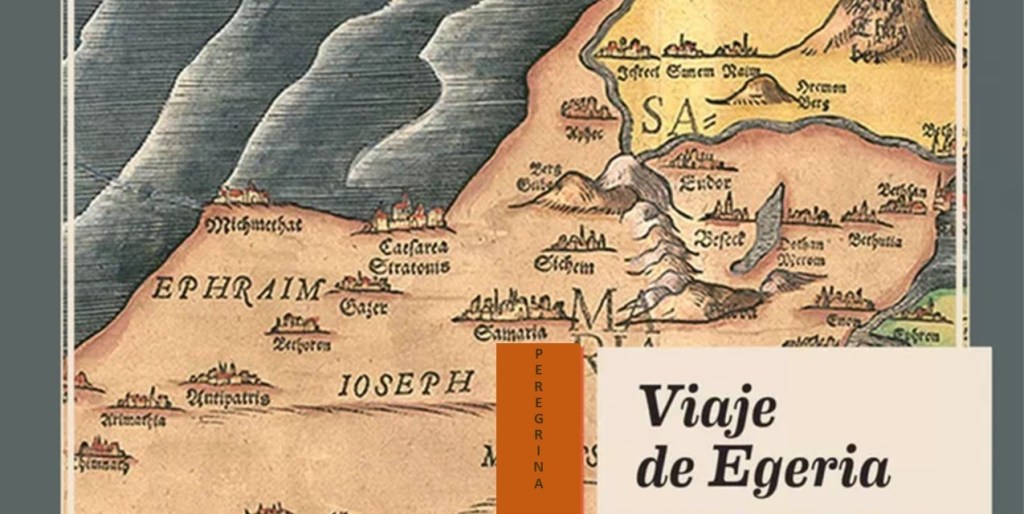
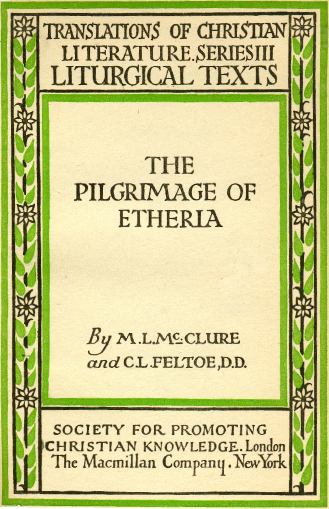
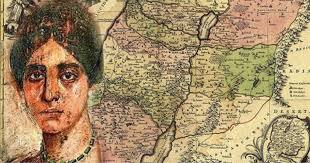
During these quiet weeks of reflection, hesychia and quiet, friends introduced me to the Travels of Egeria, alias Pilgrimage of Aetheria or Pilgrimage to the Holy Lands (Peregrinatio or Itinerarium Egeriae), the earliest extant graphic account of a Christian pilgrimage to the Holy Land about 381/2–384, from Mount Sinai to Constantinople.

Who is this Egeria, this Christian woman who took a journey lasting four years to the Middle East in the middle of the fourth century c.e. and wrote a journal of her travels?

Her manuscript lay dormant until the late 1800s. Other Latin writers made mention of her, so her accounts circulated among religious pilgrims before they were lost for centuries. Her name was Egeria (also known as Eutheria, Aetheria, and Silvia), and she was writing for other religious women who lived in Europe, perhaps on the Atlantic coast of Spain or France.

Most likely she was a nun commissioned by her community to put her curious and adventurous mind to work for the benefit of the spiritual life of her sisters. She went on pilgrimage to the most important sites of the Christian and Jewish world of her day.

Her account is one of the most valuable documents scholars have of the fourth-century world of travel, piety, early monasticism, women’s roles, and even the development of late Latin.

Her book has two parts. The first part is a travelogue and is simply her report of her pilgrimage. She tells her sisters of her visits to such hallowed and historical places as Jerusalem, Edessa, sites in Mesopotamia, Mount Sinai, Jericho, the Jordan River, Antioch, and Constantinople, and of meeting people (usually monks and mystics) serving the places.

She follows the itinerary of the people who made the places famous and prays there. Often her comments about the rustics at the sacred sites show a bit of dry humour.

Her tourist program has many other objectives, such as following the path of Moses through the desert to Mt. Sinai, her plan to visit the home of Abraham’s family (Carrhae or biblical Harran, southeast of Edessa), and her hope to go to Thomas the Apostle’s tomb in Edessa.

The travelogue is incomplete, for like any good pilgrim she concocted ever more schemes to visit other places like Ephesus to pray at the tomb of the John the “Beloved” Apostle. This part of her travels is missing from the manuscript.

The second part is more a journalistic report on the church of Jerusalem’s liturgical practices over the three years she lodged there. Her record of the practices surrounding daily life and prayer of the church is the first one that scholars have on the topic.

She also reports on how the church’s celebrations correspond to its unique location in the Holy Land. The liturgies she describes are hardly stationary ceremonies in one church location, but they involve processions from place to place according to the occasion. In addition, her descriptions are useful for historians of church architecture.

Her account allows modern readers to see things like the need for military escorts in various places of the Holy Land, the unfailing hospitality of the monasteries along the way, the road network, and the system of inns maintained by the empire.

She speaks of the monks, the nuns, and the religious laity in the Holy Land and their patterns of fasting and the instruction of the candidates for entrance into the church. Finally, she epitomises the heart of the pilgrim and shows pluck and pithiness as she describes each stage of her spiritual journey. Having done part of this pilgrimage myself, even the ascent of Sinai, I have to say how impressed I am by her fearlessness and stamina !

THE ASCENT OF SINAI

We reached the mountain late on the sabbath, and arriving at a certain monastery, the monks who dwelt there received us very kindly, showing us every kindness; there is also a church and a priest there. We stayed there that night, and early on the Lord’s Day, together with the priest and the monks who dwelt there, we began the ascent of the mountains one by one. These mountains are ascended with infinite toil, for you cannot go up gently by a spiral track, as we say snail-shell wise, but you climb straight up the whole way, as if up a wall, and you must come straight down each mountain until you reach the very foot of the middle one, which is specially called Sinai. By this way, then, at the bidding of Christ our God, and helped by the prayers of the holy men who accompanied us, we arrived at the fourth hour, at the summit of Sinai, the holy mountain of God, where the law was given, that is, at the place where the Glory of the Lord descended on the day when the mountain smoked.1 Thus the toil was great, for I had to go up on foot, the ascent being impossible in the saddle, and yet I did not feel the toil, on the side of the ascent, I say, the toil, because I realised that the desire which I had was being fulfilled at God’s bidding. In that place there is now a church, not great in size, for the place itself, that is the summit of the mountain, is not very great; nevertheless, the church itself is great in grace. When, therefore, at God’s bidding, we had arrived at the summit, and had reached the door of the church, lo, the priest who was appointed to the church came from his cell and met us, a hale old man, a monk from early life, and an ascetic as they say here, in short one worthy to be in that place; the other priests also met us, together with all the monks who dwelt on the mountain, that is, not hindered by age or infirmity. No one, however, dwells on the very summit of the central mountain; there is nothing there excepting only the church and the cave where holy Moses was.2 When the whole

1 Exod. xix. 18.
2 Exod. xxxiii. 22.


passage from the book of Moses had been read in that place, and when the oblation had been duly made, at which we communicated, and as we were coming out of the church, the priests of the place gave us eulogiae,1 that is, of fruits which grow on the mountain. … I began to ask them to show us the several sites. Thereupon the holy men immediately deigned to show us the various places. They showed us the cave where holy Moses was when he had gone up again into the mount of God,2 that he might receive the second tables after he had broken the former ones when the people sinned; they also deigned to show us the other sites which we desired to see, and those which they themselves well knew.

1 This word is still used in the Eastern Church for food which has been blessed by a priest, e. g. the first fruits from an orchard or a vineyard.
2 Exod. xxxiv. 4.


… From the summit of the central mountain, those mountains, which we could scarcely climb at first …From thence we saw Egypt and Palestine, and the Red Sea and the Parthenian Sea,1 which leads to Alexandria and the boundless territories of the Saracens, all so much below us as to be scarcely credible, but the holy men pointed out each one of them to us.”

This is a highly readable, exciting book, available as a full Audio Book, read by David Wales, and available online, which I strongly recommend you to have a look at, if you haven’t already.

Between Son and Mother

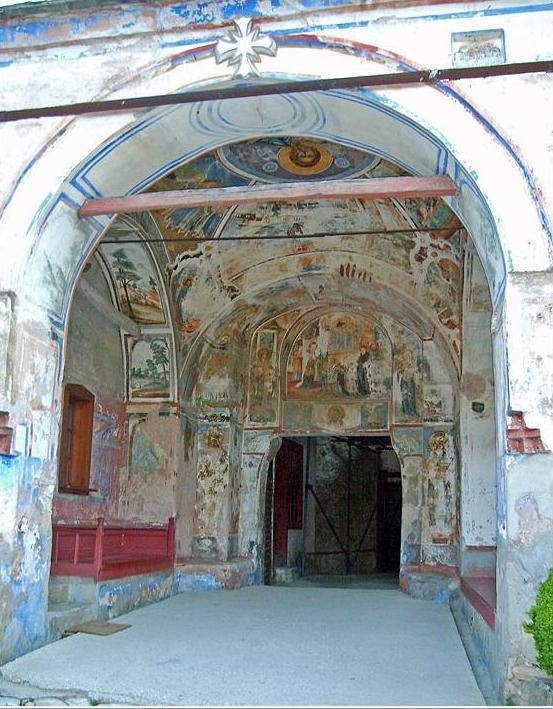
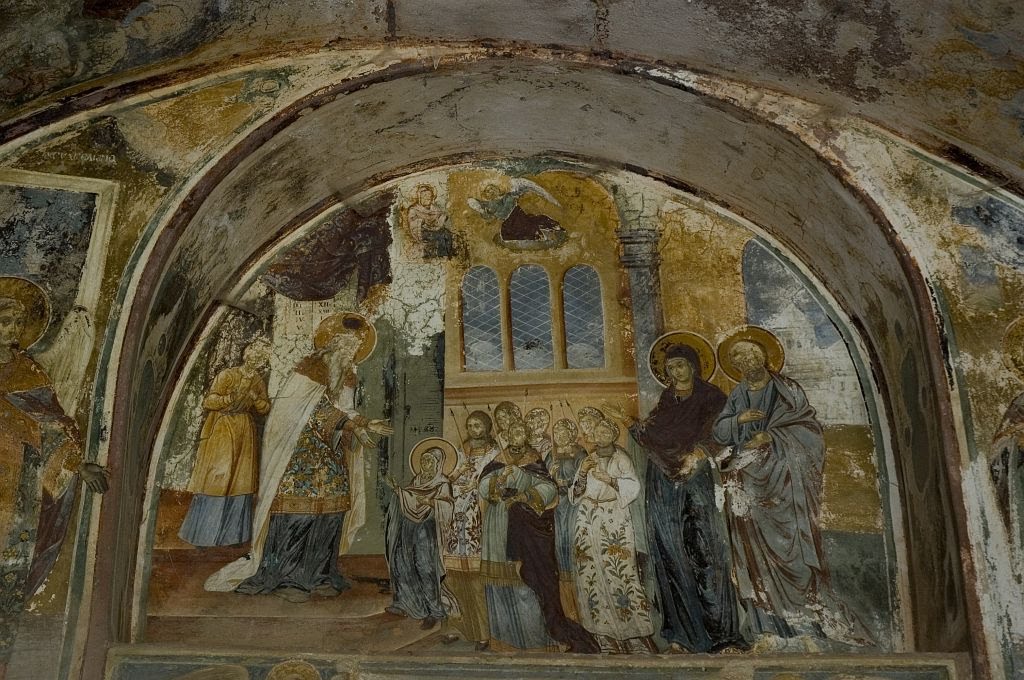
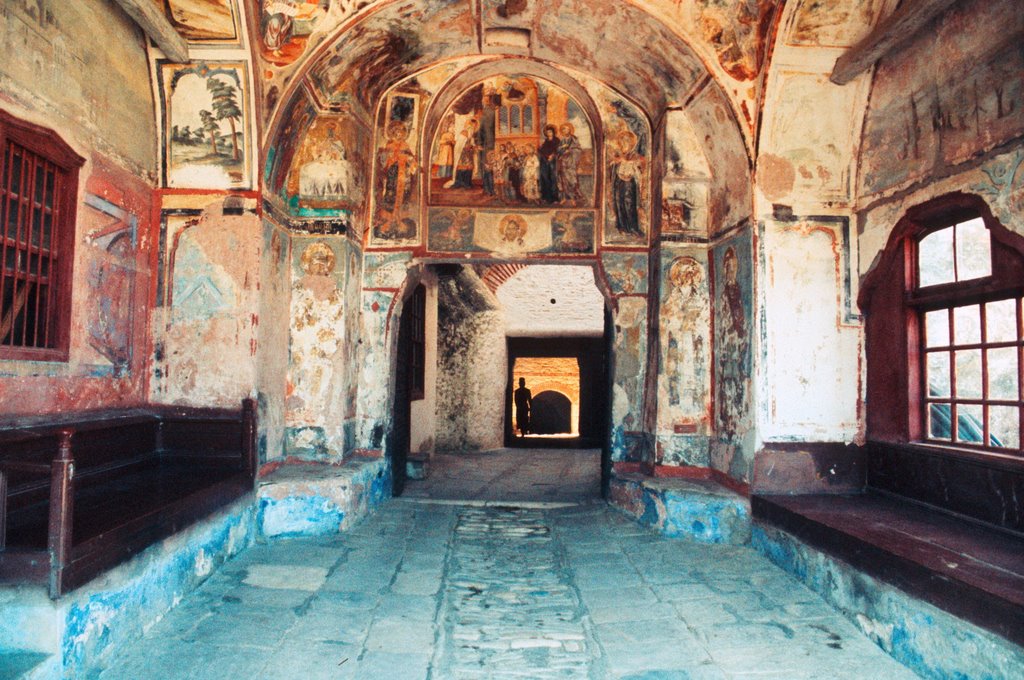
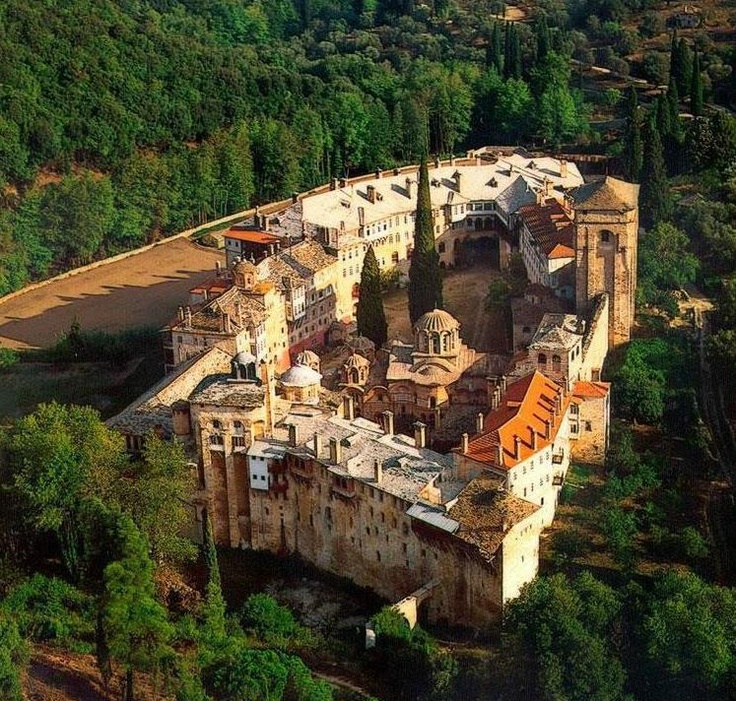
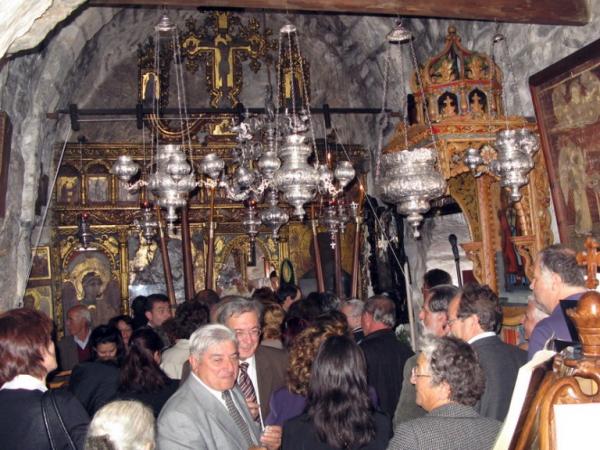
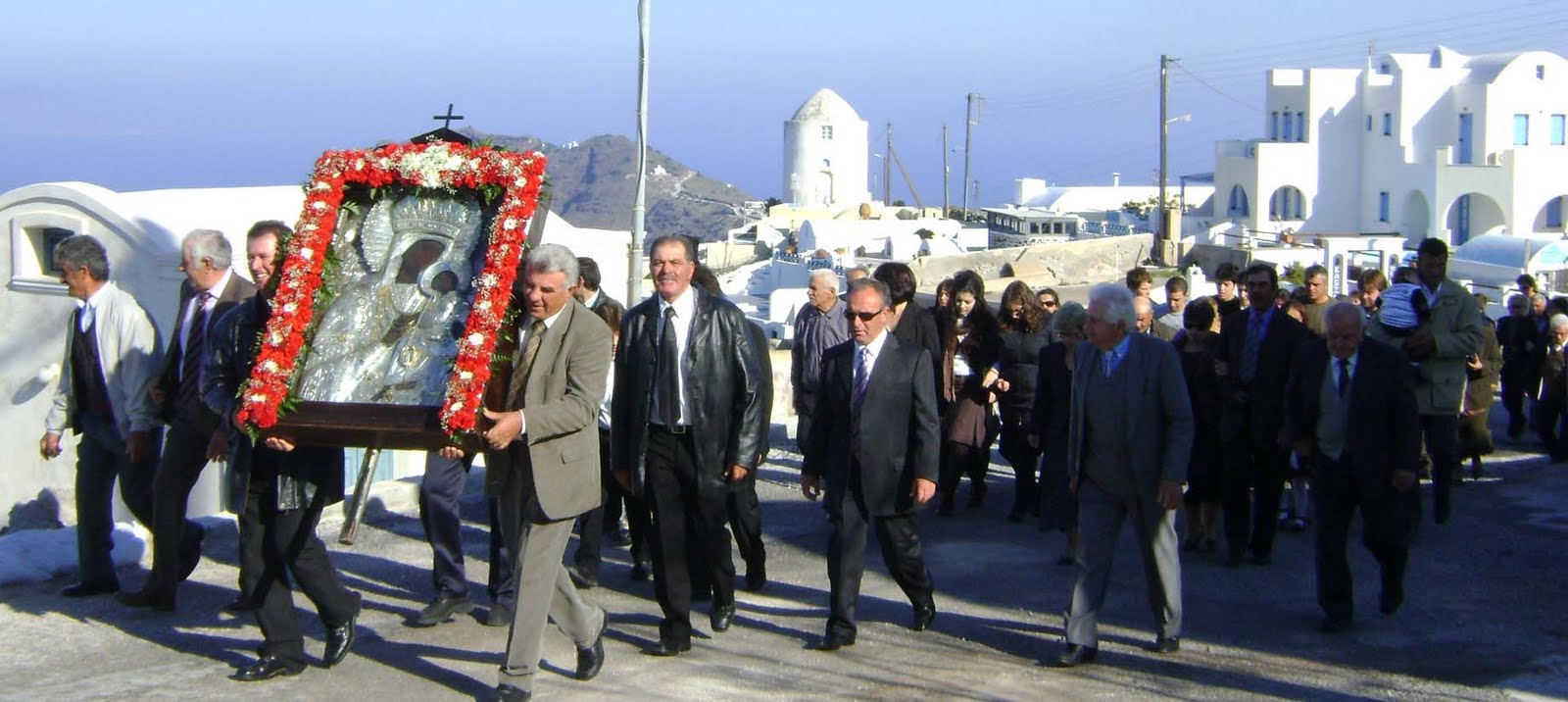
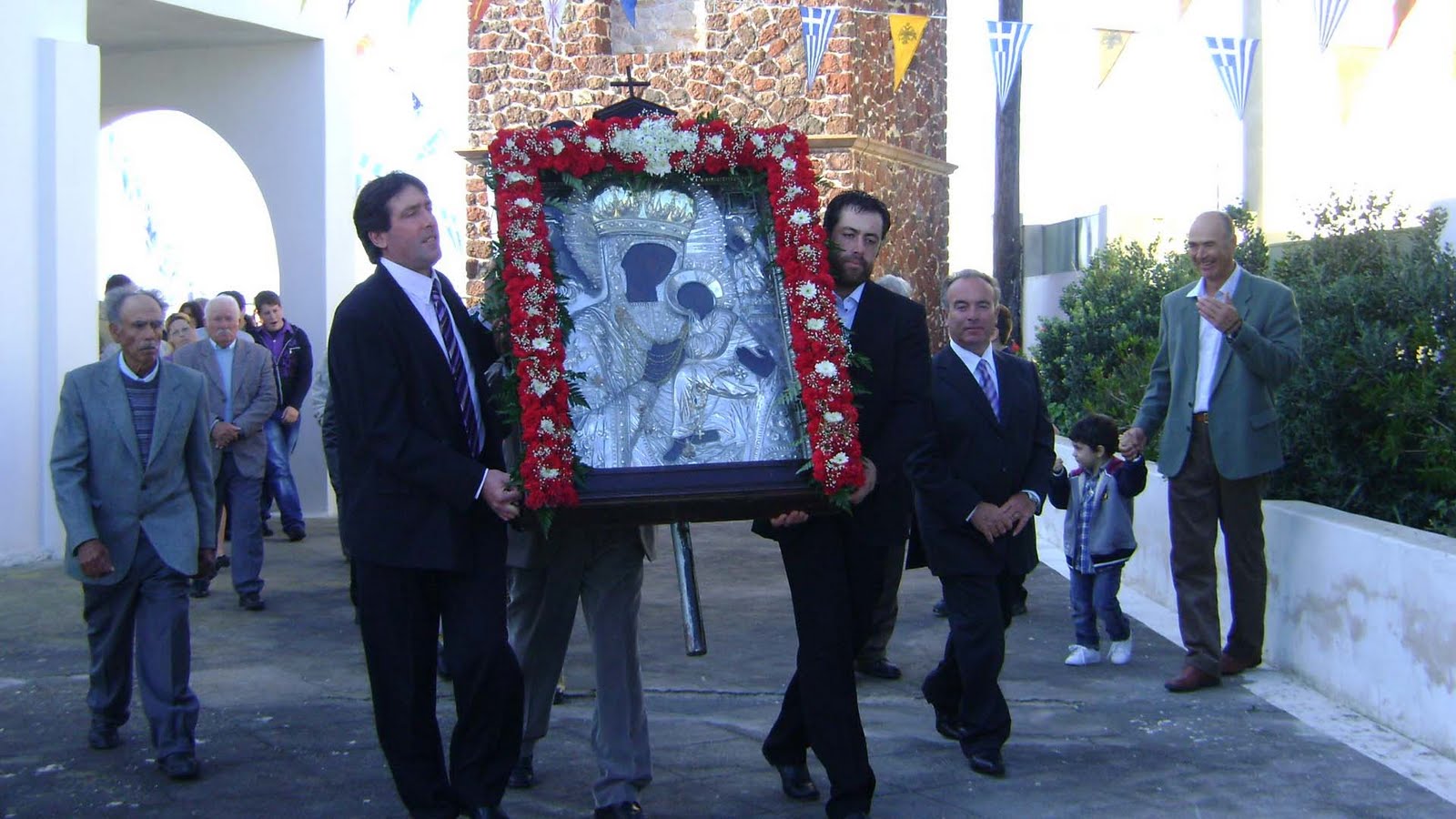
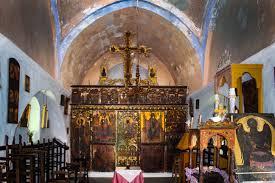
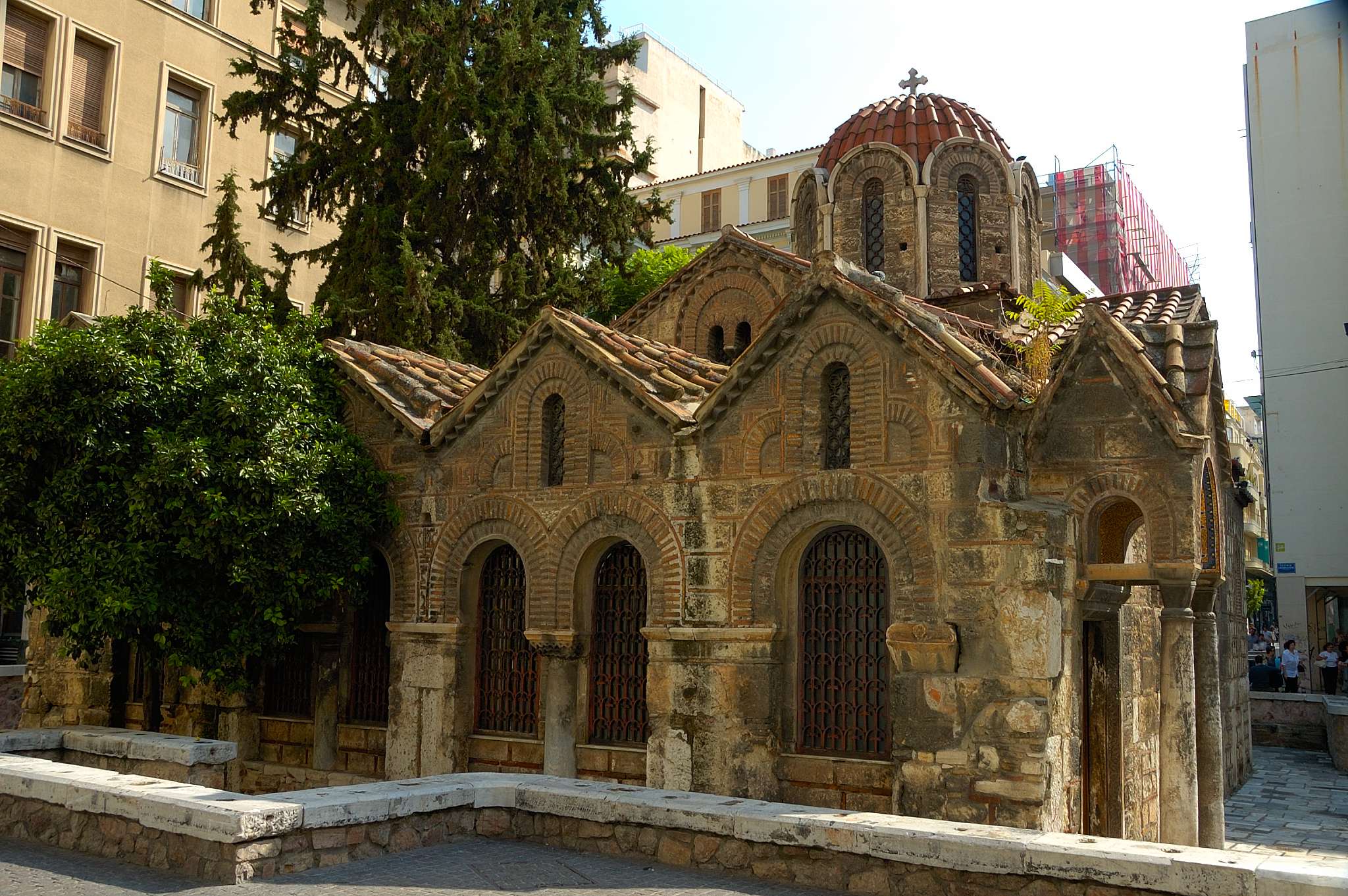
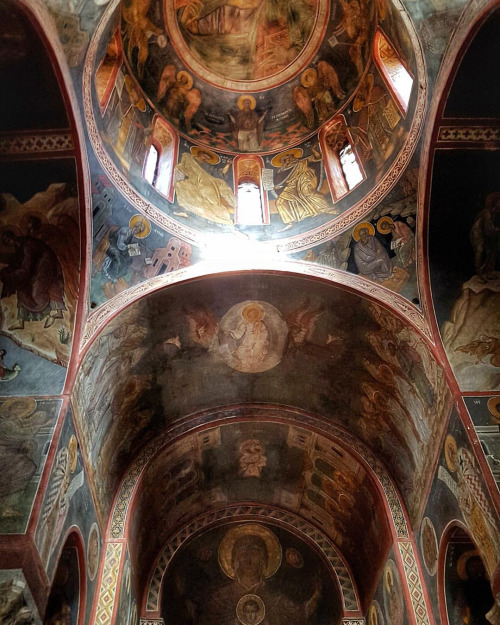
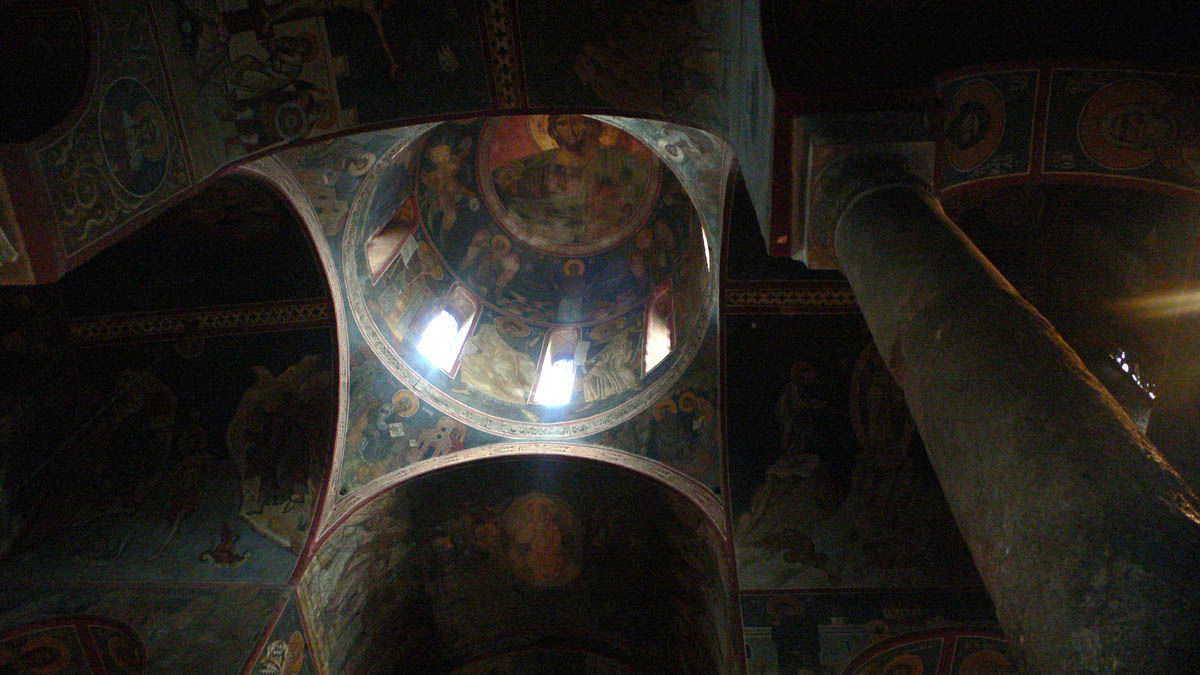
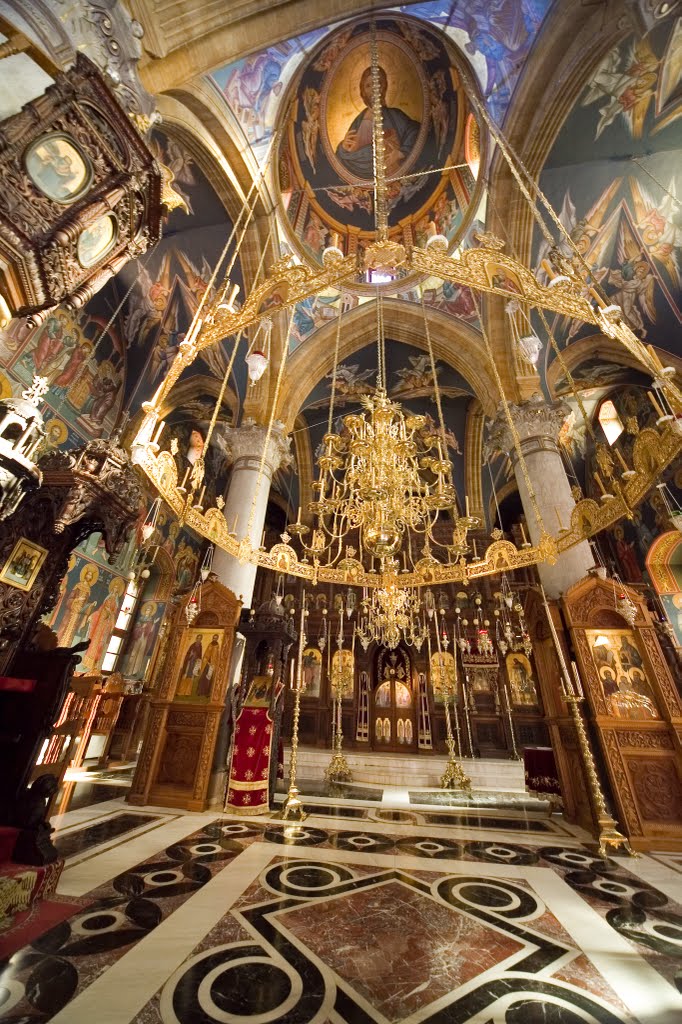
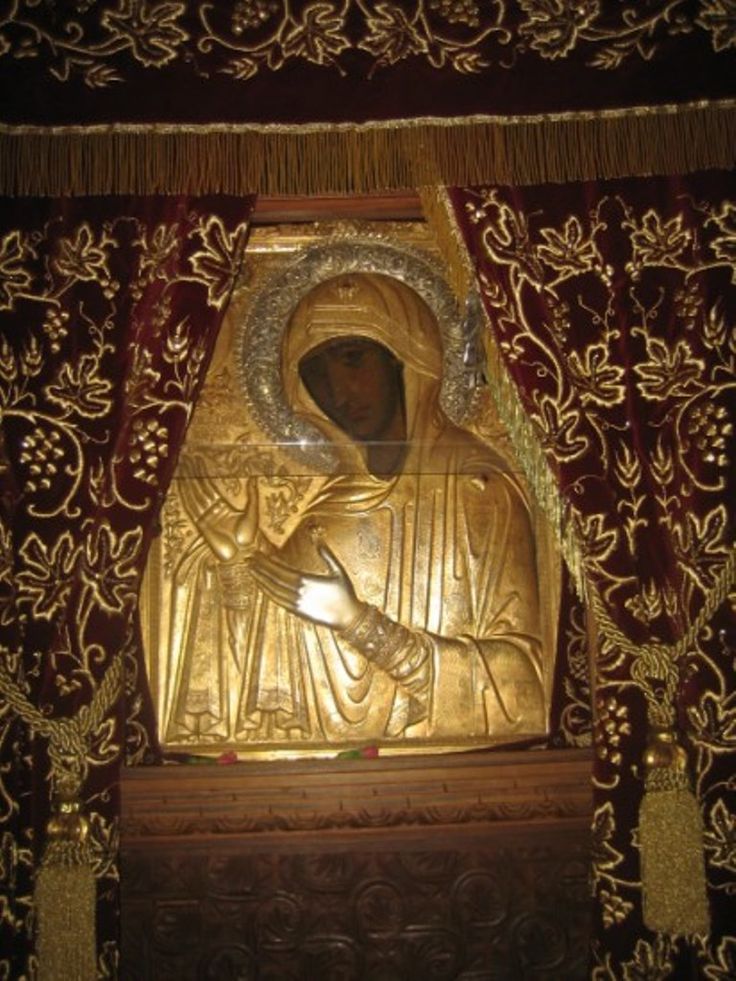
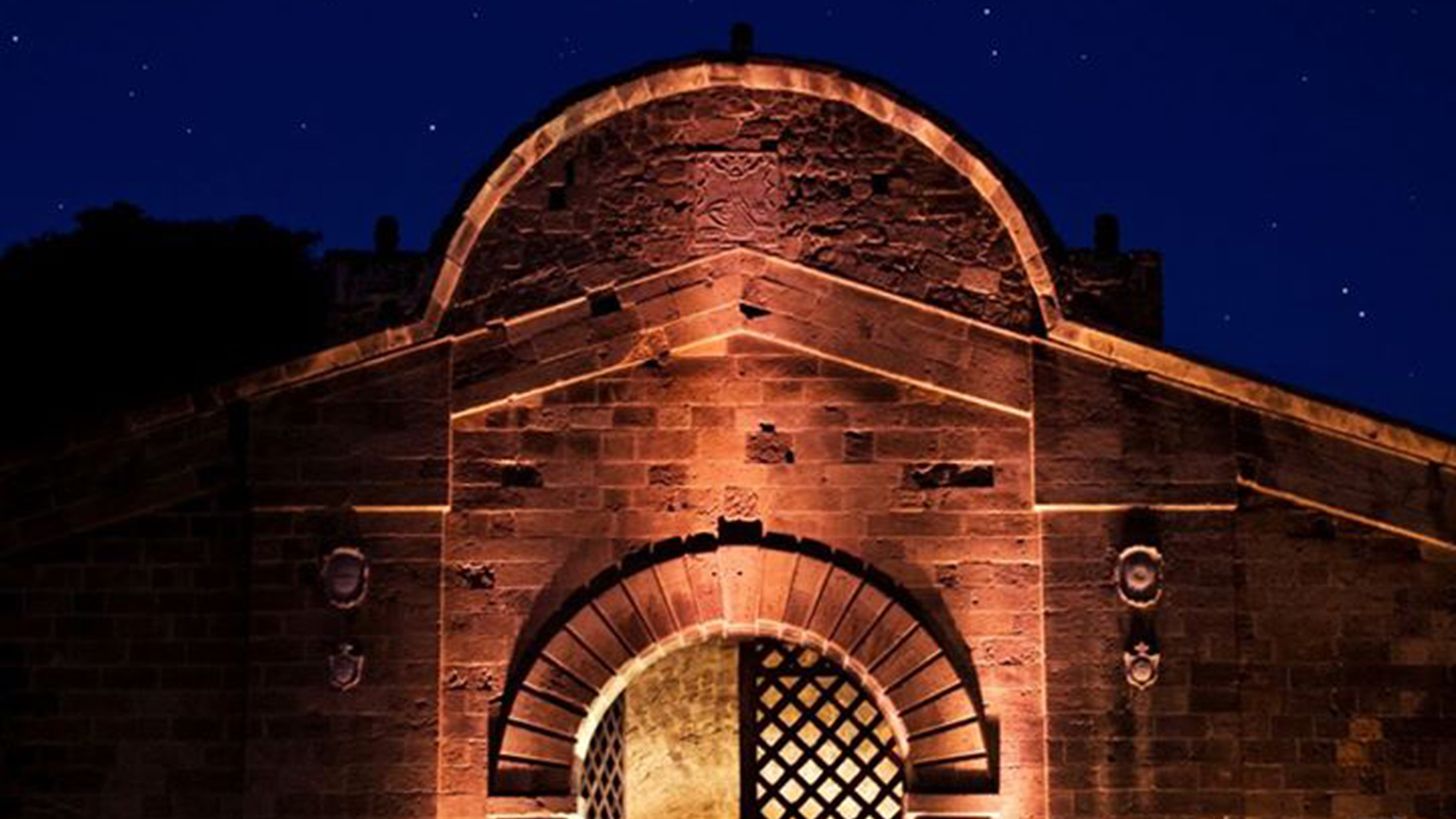
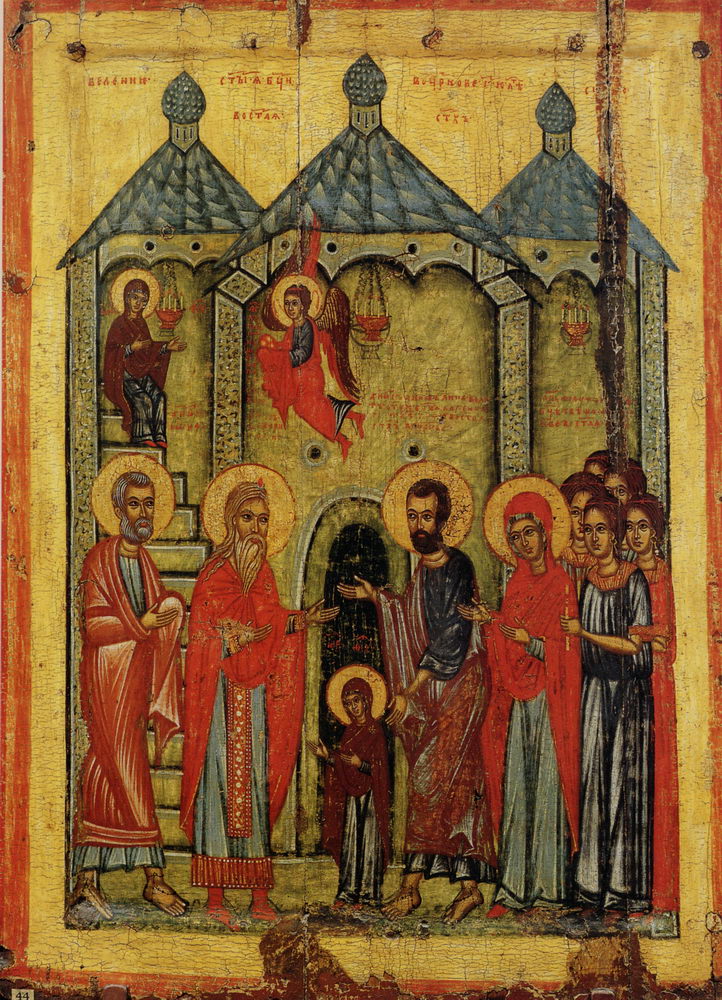
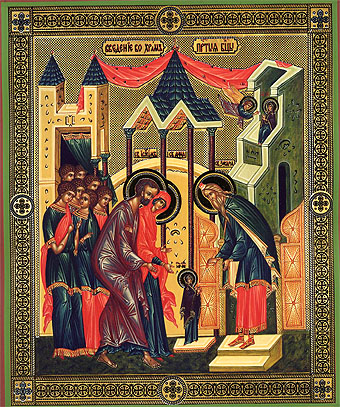
A virtual, photographic pilgrimage to shrines in Greece and Cyprus dedicated to the Feast of the Mother of God Presentation or Entry, Entrance, Eisodos in the Temple (November 21)

blue-swirl-divider-hi

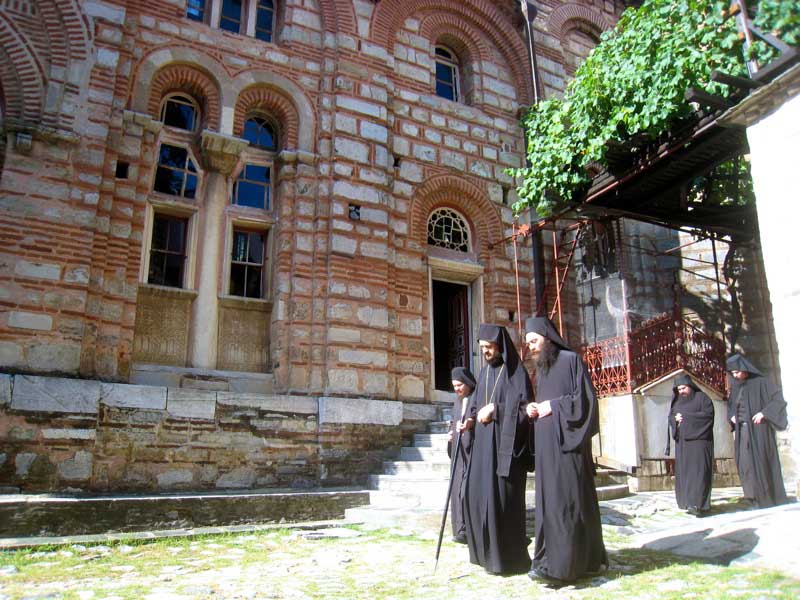
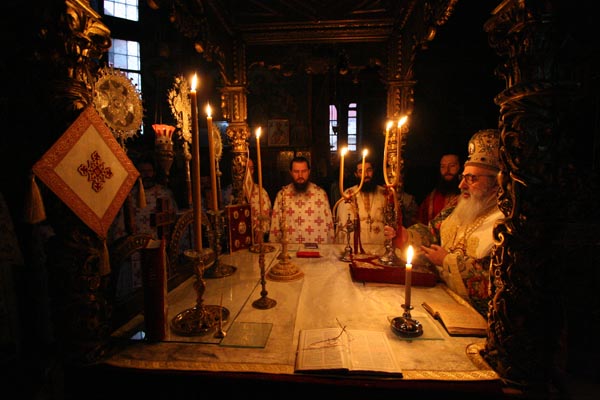
Iconography of the Entrance of the Theotokos at Hilandari Monastery–MOUNT ATHOS

entry3entry4ENTRY300ENTRY302ENTRY304ENTRY305

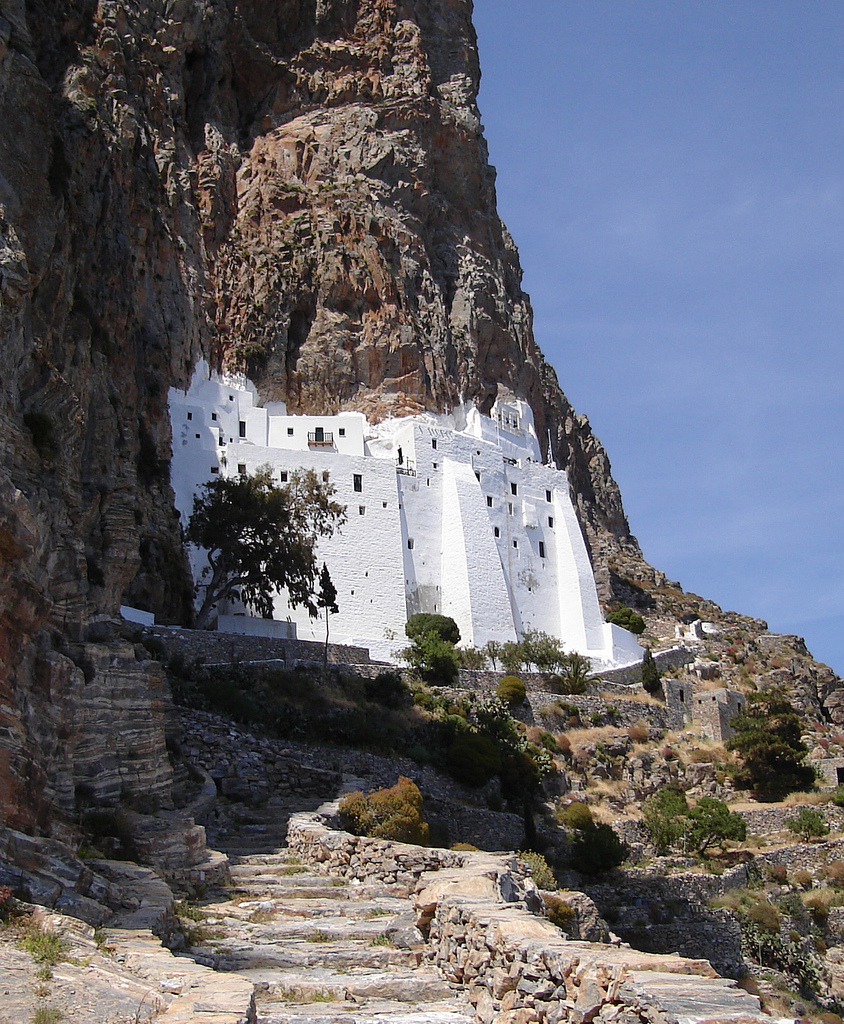
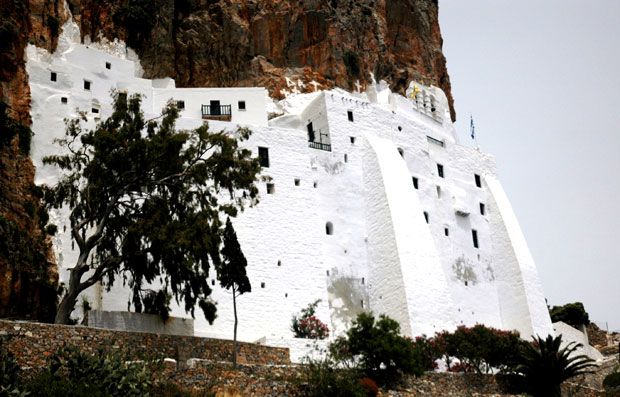
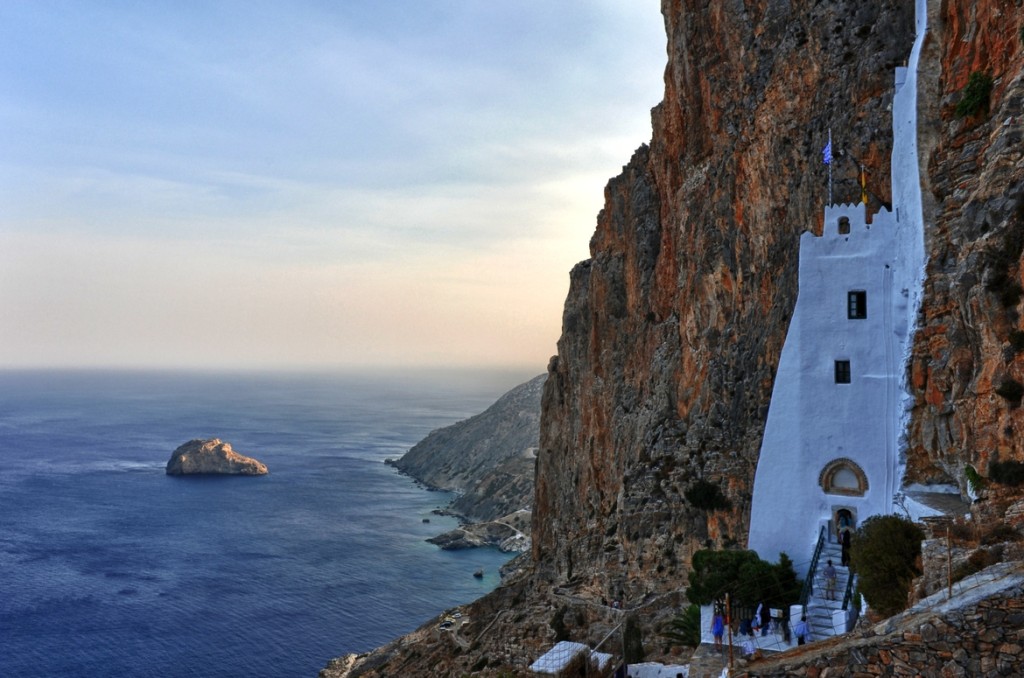
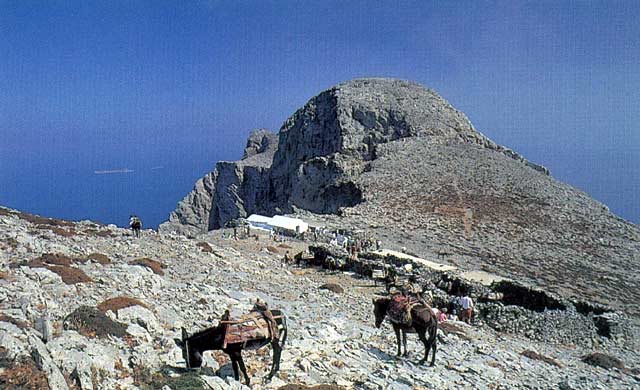
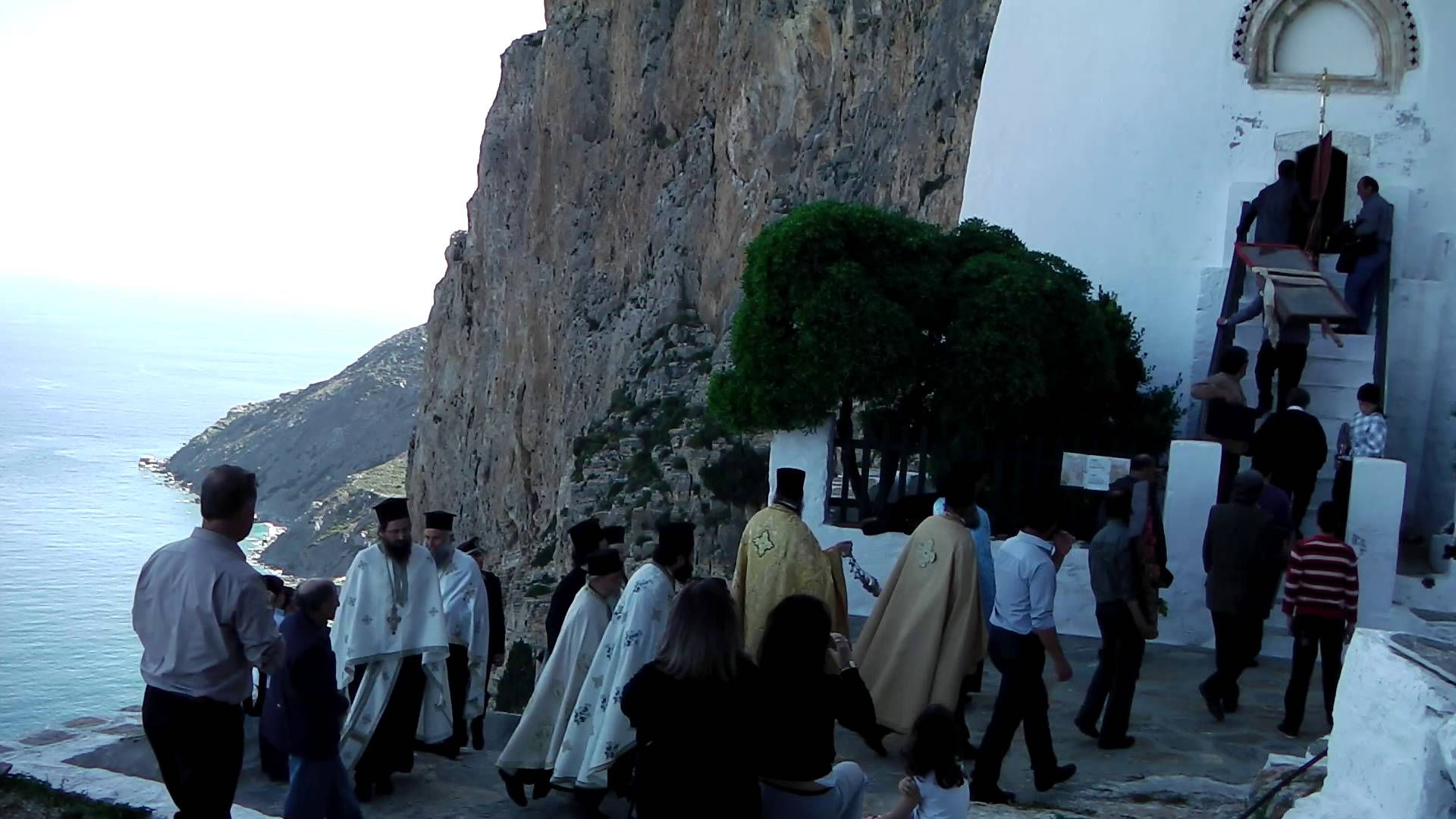
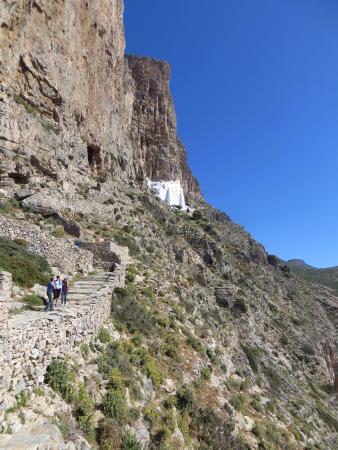
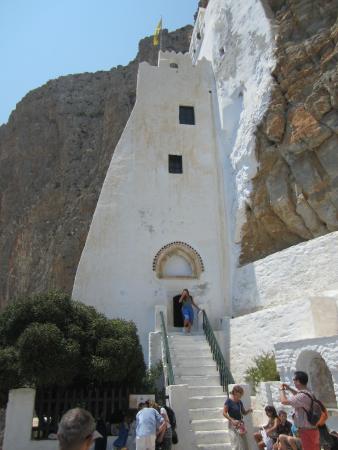
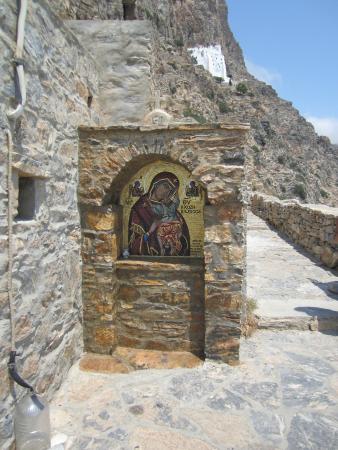
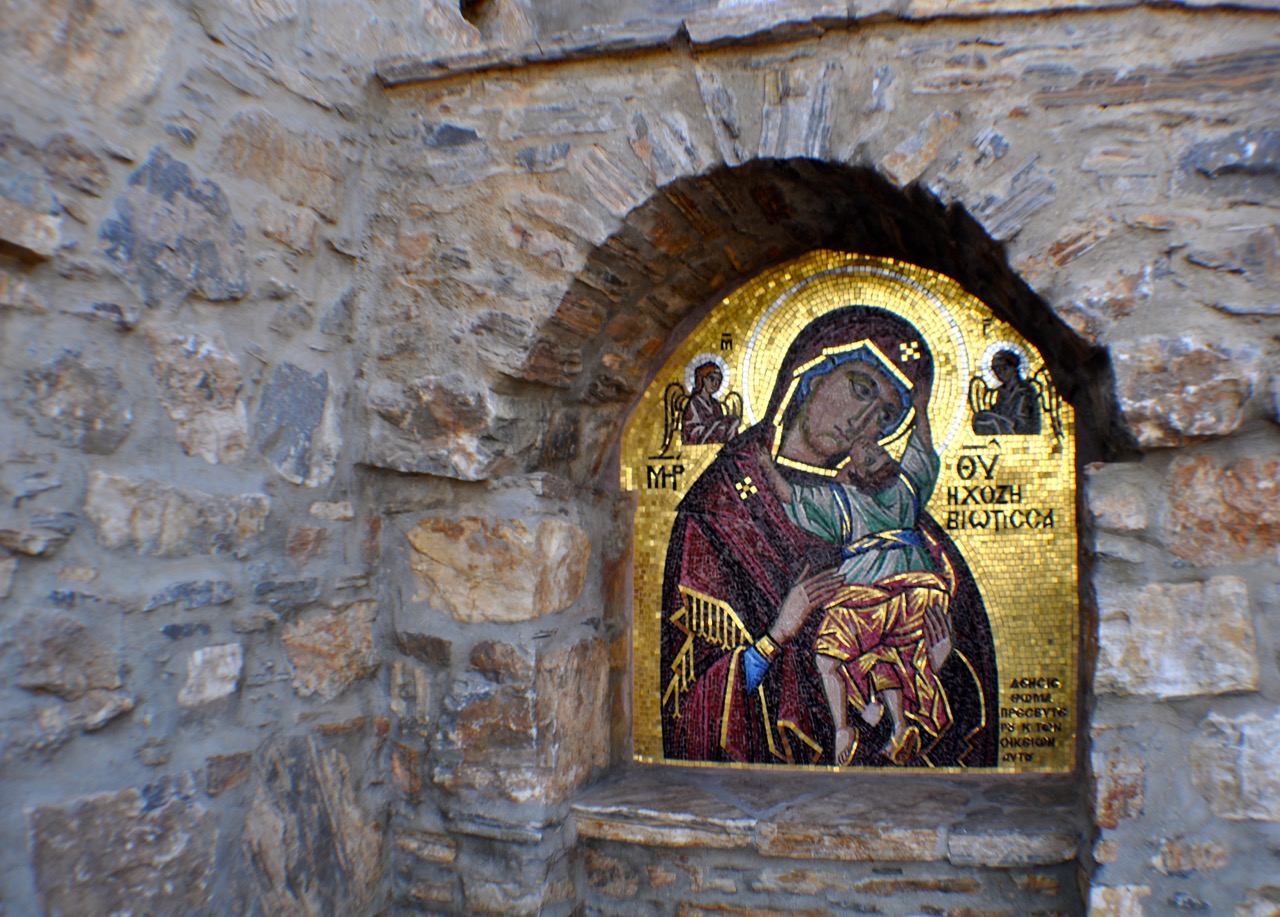
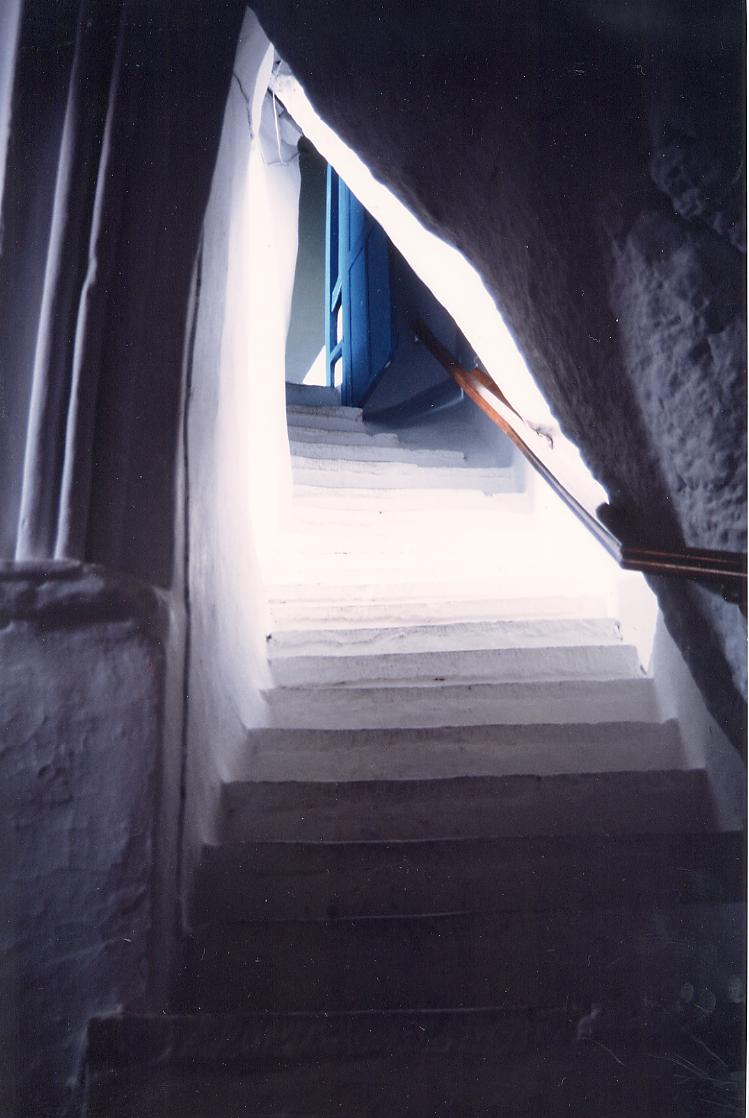
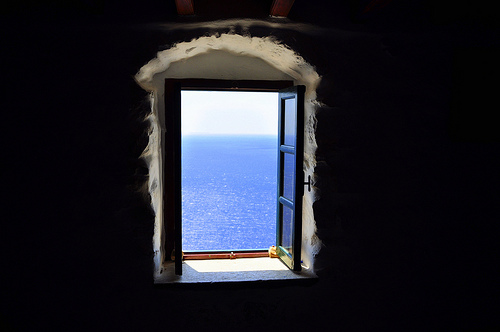
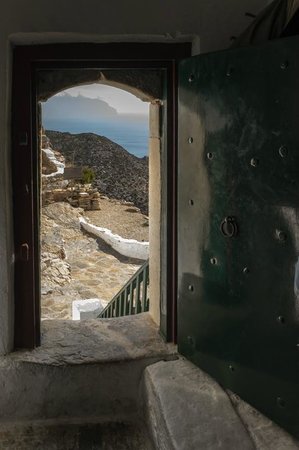
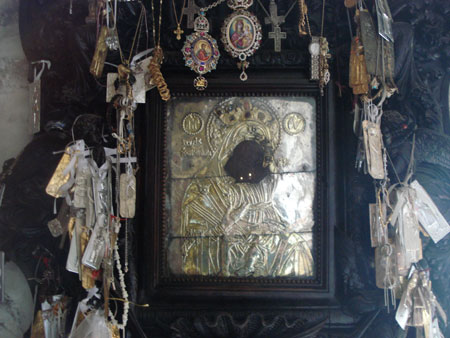
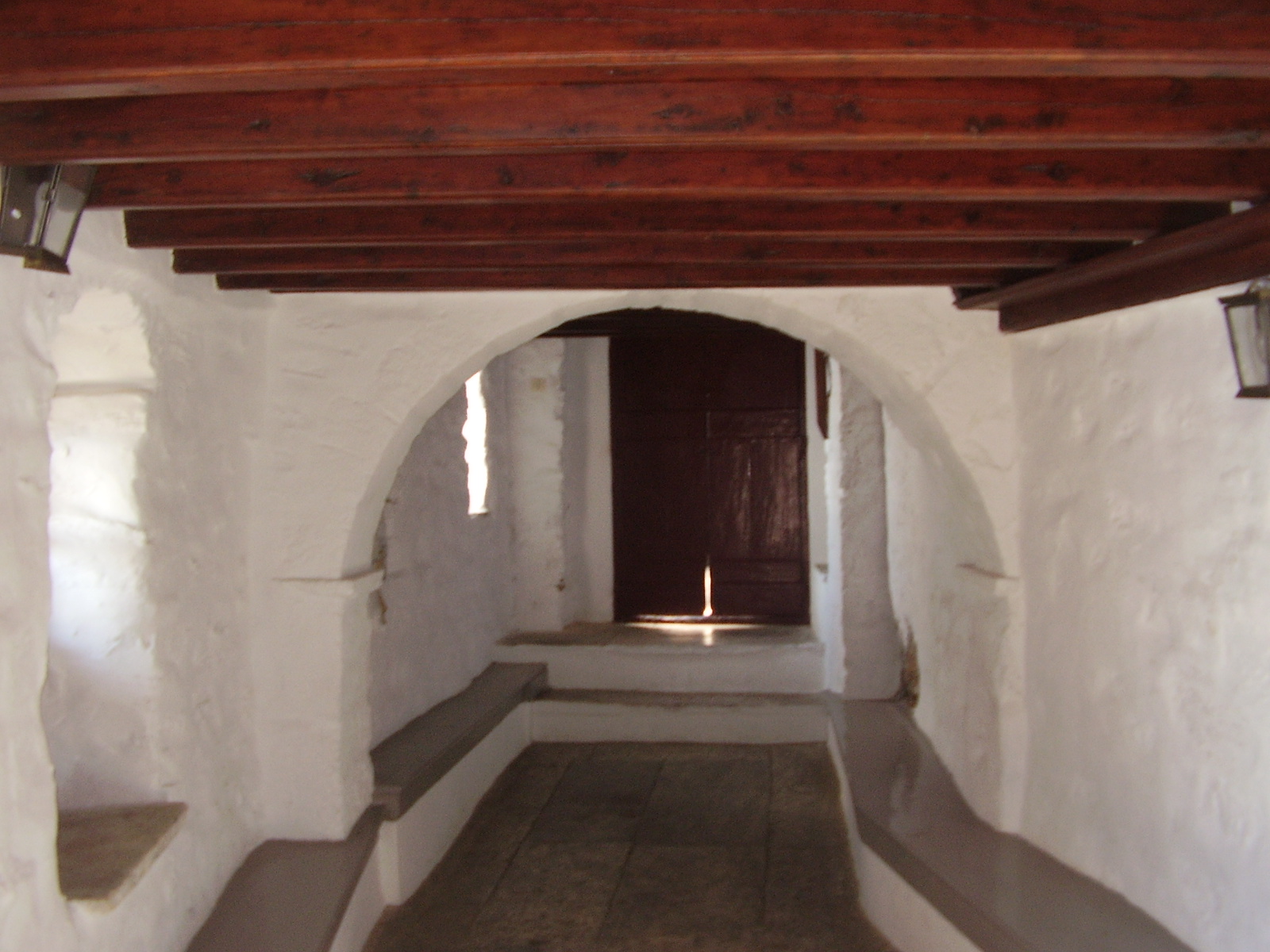
The Monastery of Panagia Hozoviotissa in AmorgosENTRY96entry7
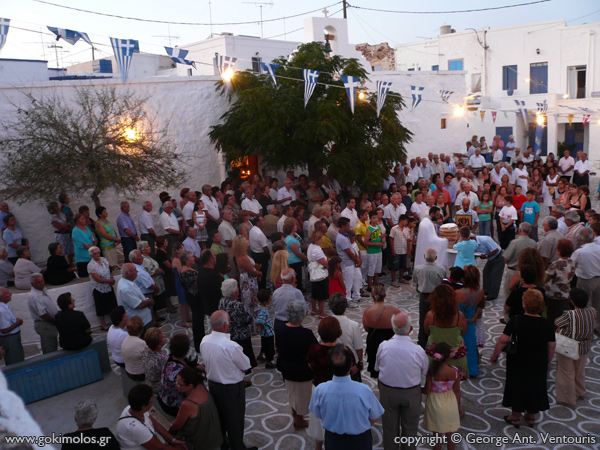
ENTRY91ENTRY98ENTRY99ENTRY92entry15ENTRY93entry9entry10entry11ENTRY95entry12OLYMPUS DIGITAL CAMERAentry16

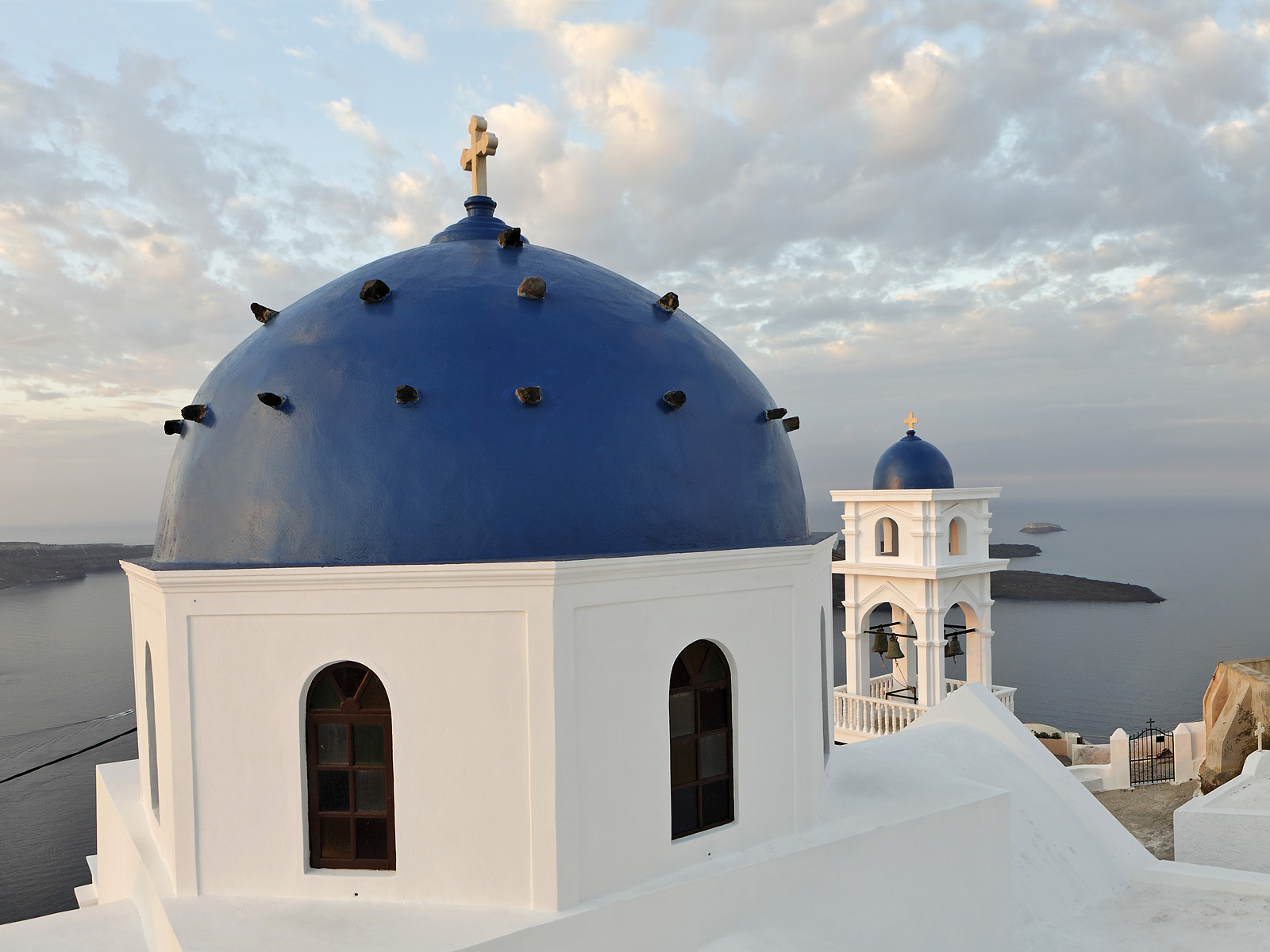
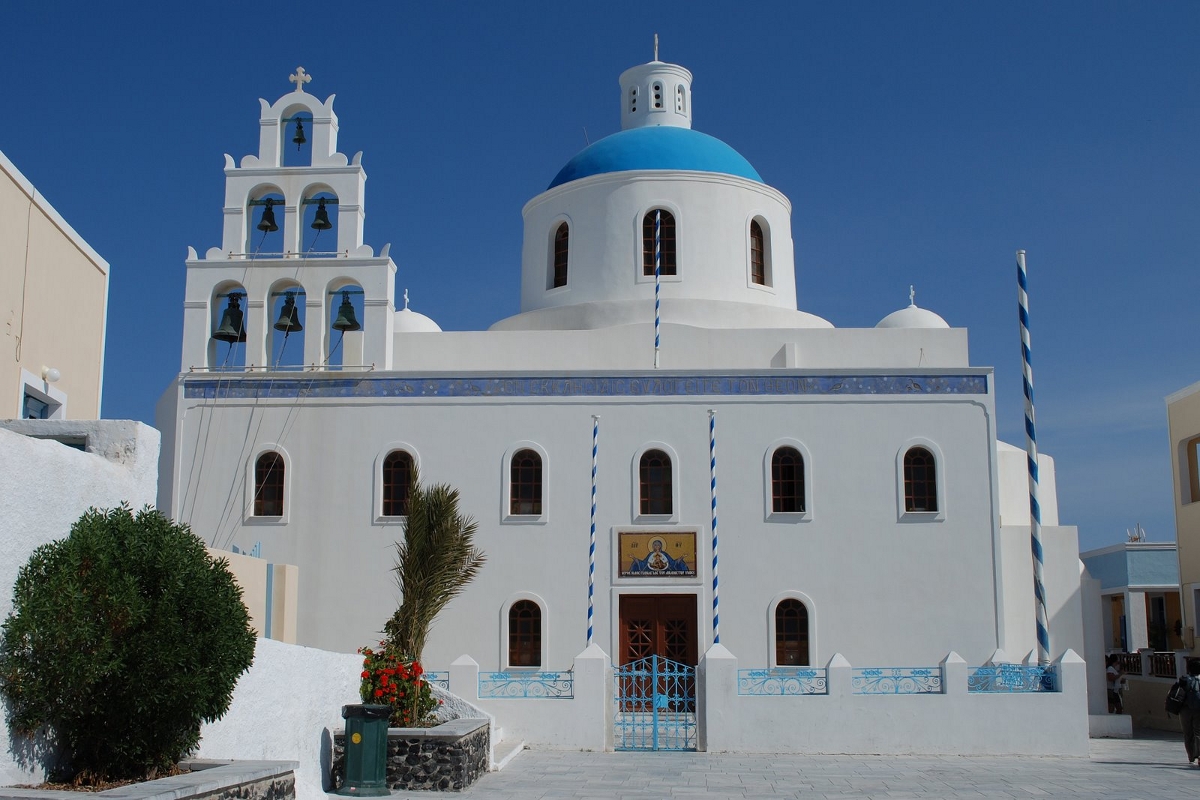
Panagia Malteza of Santorini
IBR-172888entry20entry23entry19

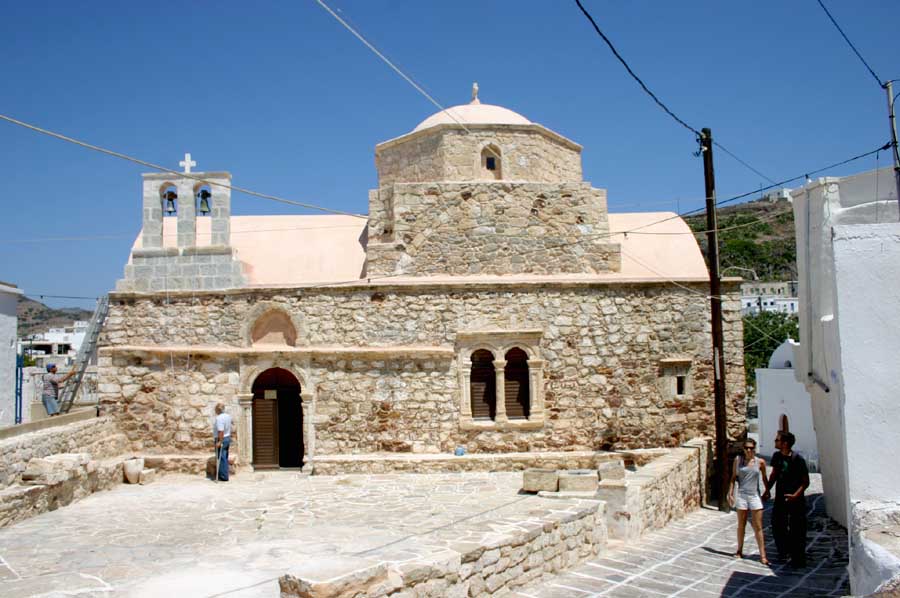
Panagia Odigitria of Kimolos

entry26entry30entry31

entry25

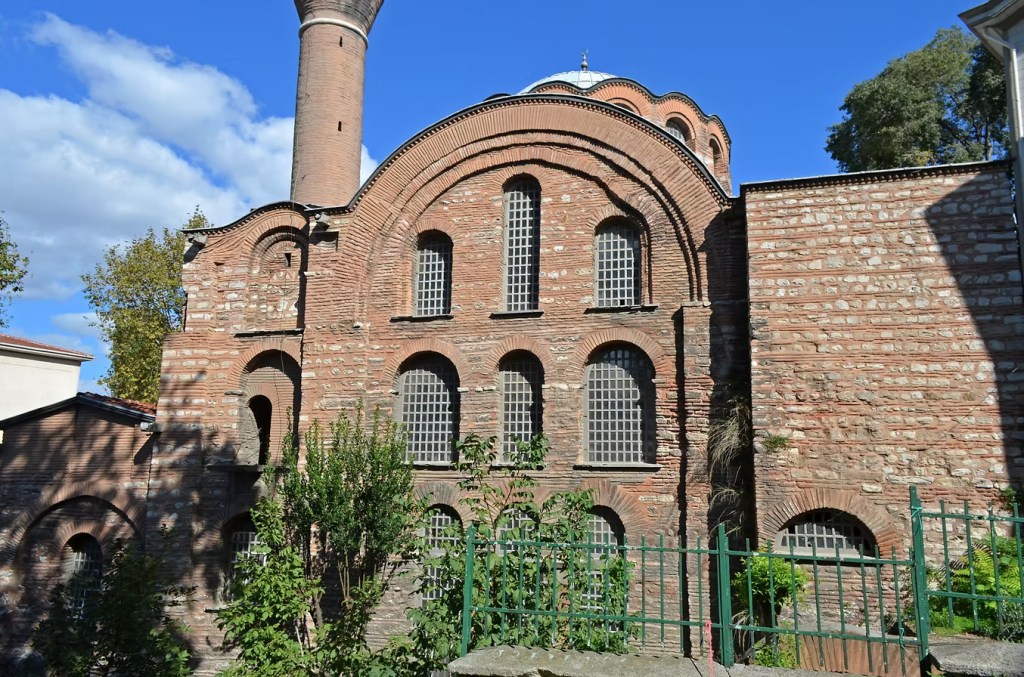
The 11th Century Church of Panagia Kapnikarea in Athens

entry43

entry39entry40

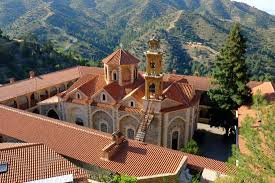
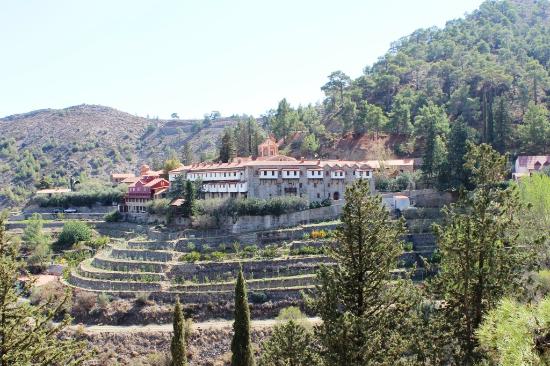
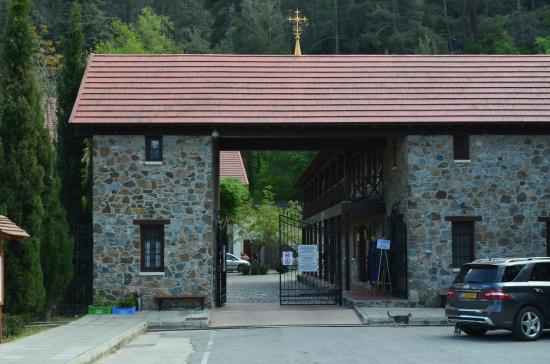
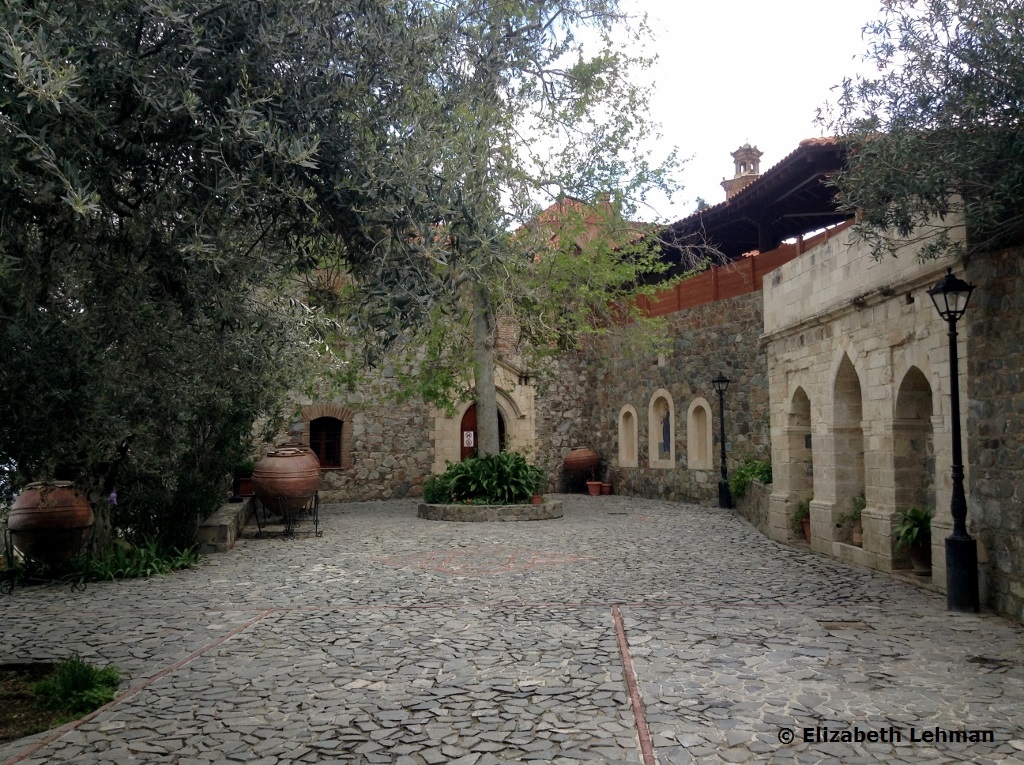
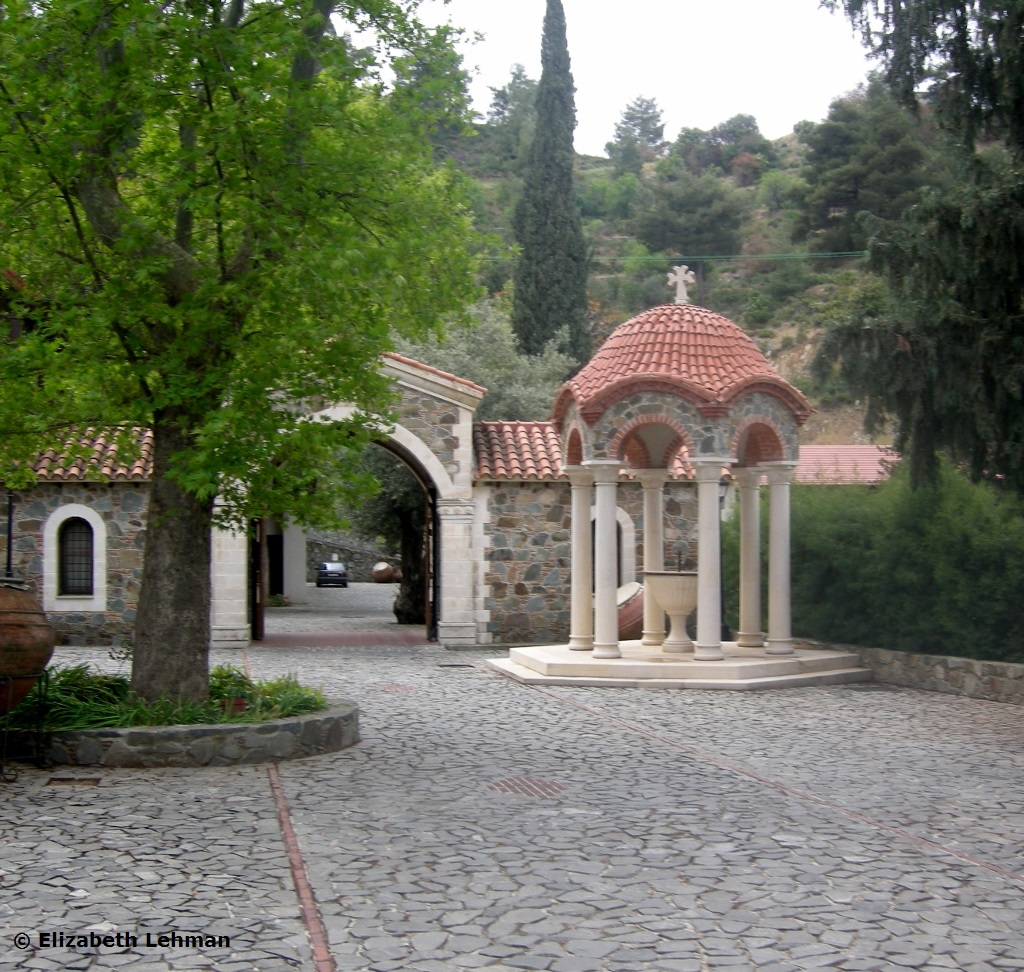
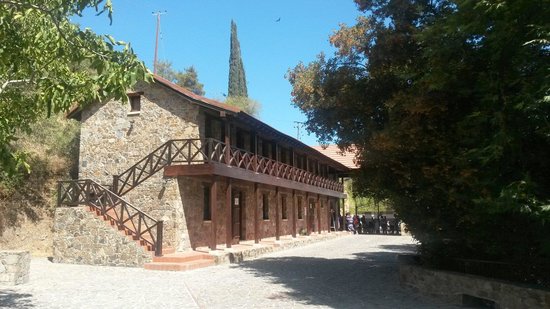
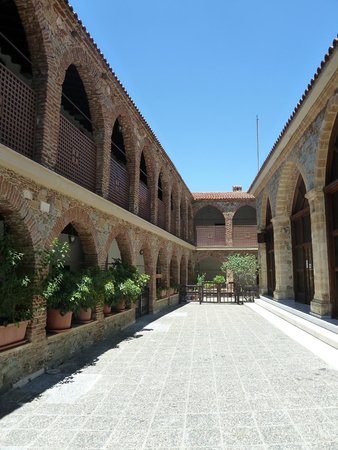
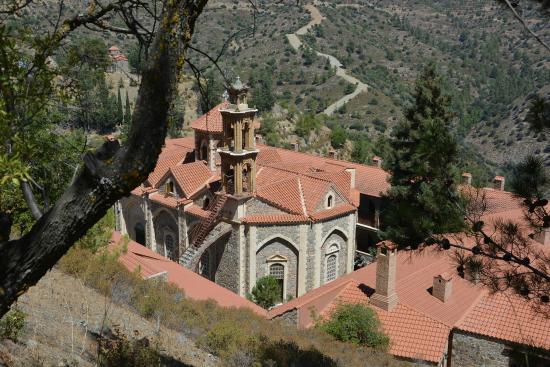
The Monastery of Panagia of Machairas in Cyprus

entry75

entry71entry73entry74entry45entry51entry60entry61entry77entry79entry78entry46entry82entry44entry49entry83


blue-swirl-divider-hi

No one stands between Son and Mother

Give us salvation


ENTRY200


“Today, the most pure temple of the Savior, the precious bridal chamber and Virgin, the sacred treasure of God, enters the house of the Lord, bringing the grace of the Divine Spirit. The Angels of God praise her. She is the heavenly tabernacle.”


entry600


Scilly Celtic Saints

scilly1

scilly4

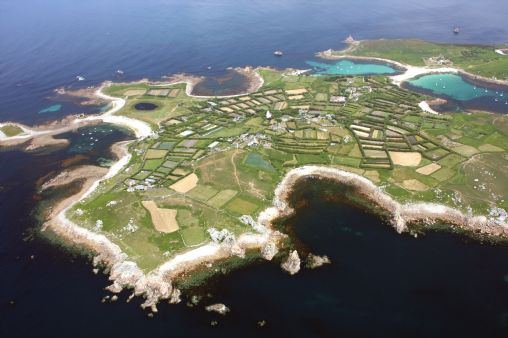
Isles_of_Scilly_NASA

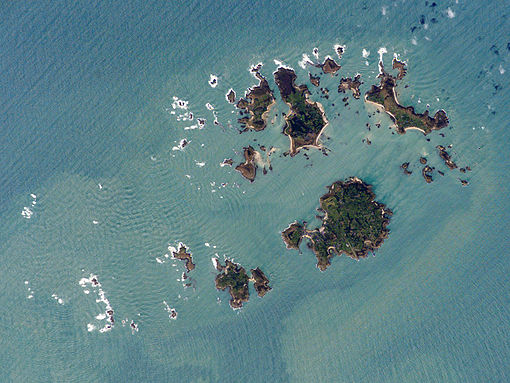
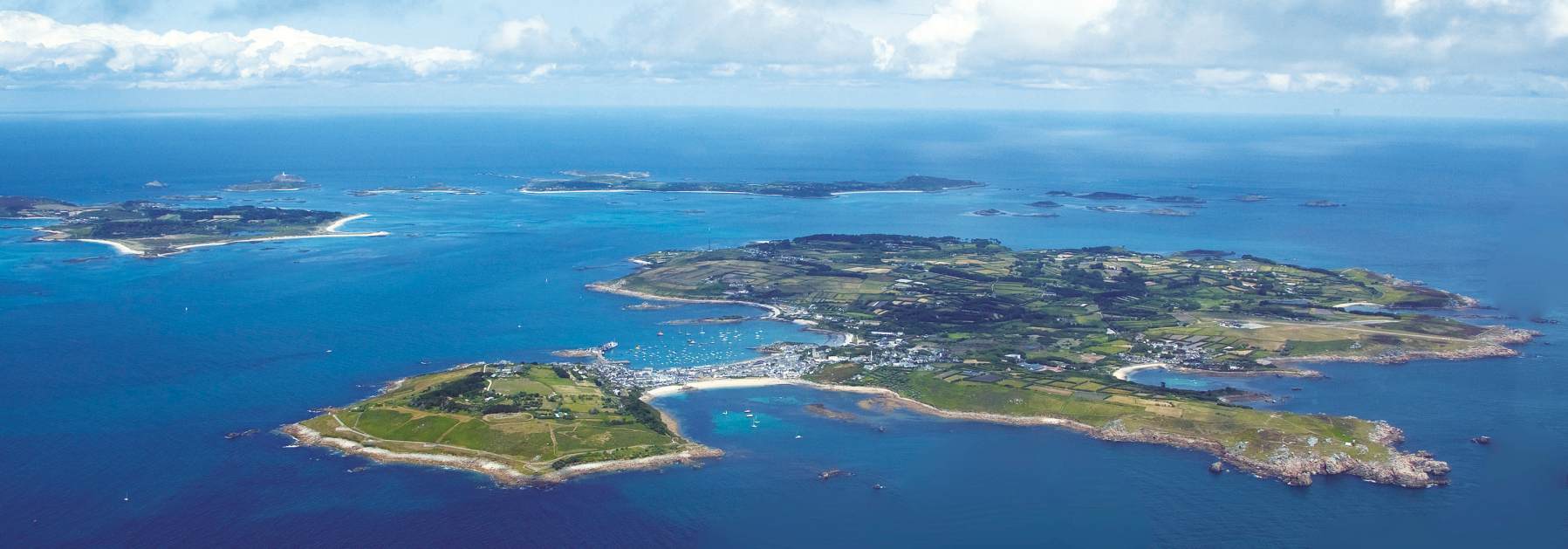
Aerial photo of the Isles of Scilly

*

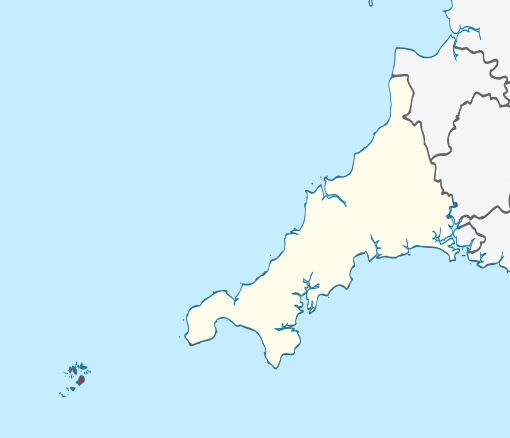
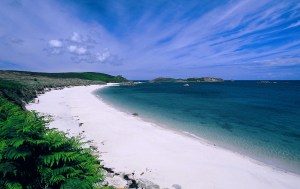
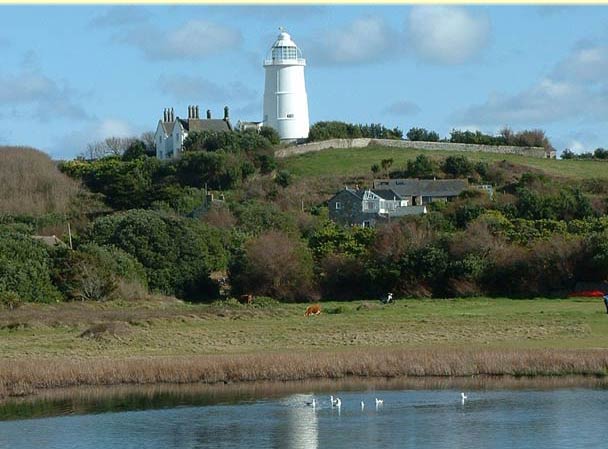
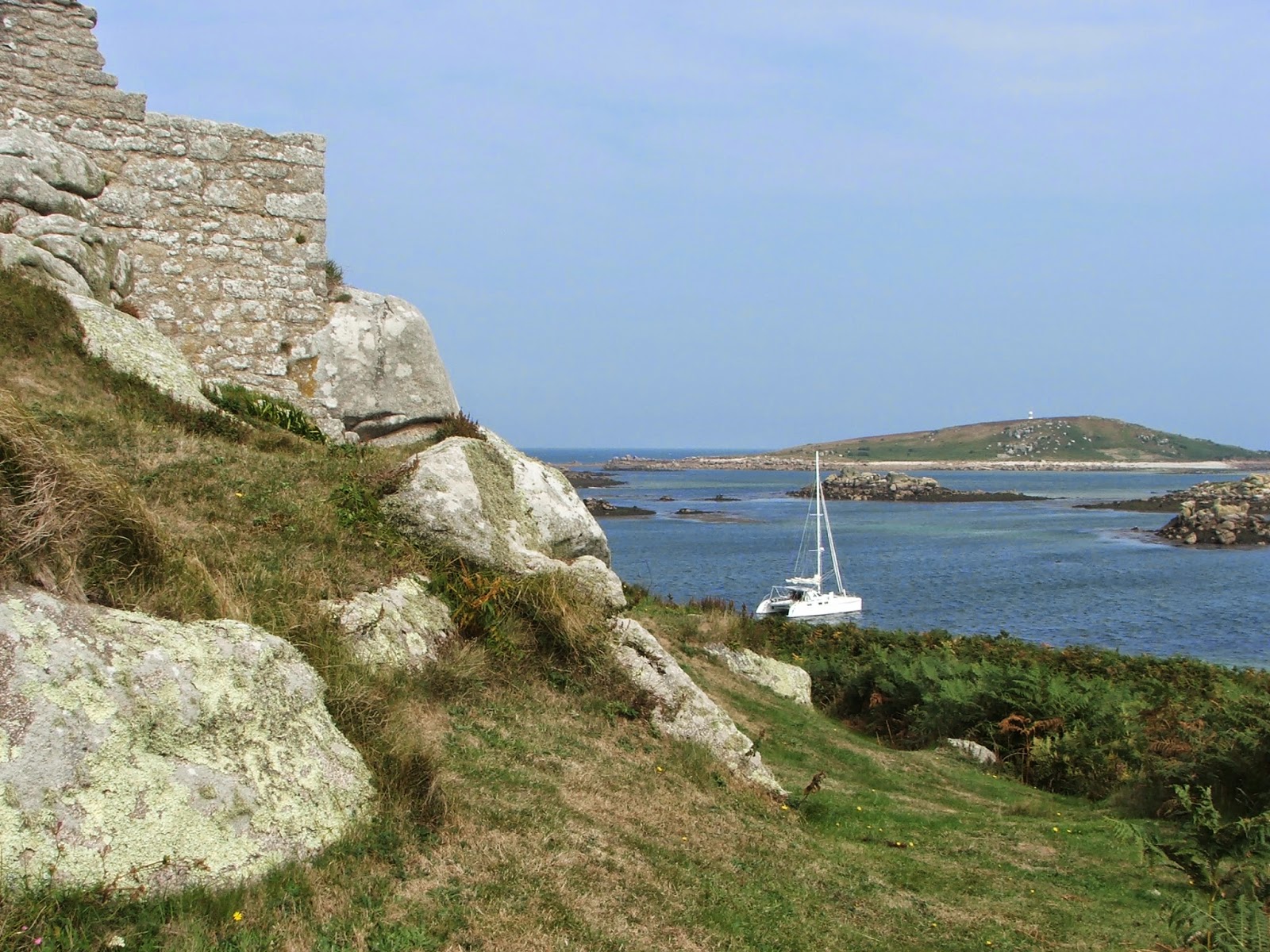
To continue our pilgrimage to the Celtic sacred sites and pilgrim routes of England, our next stop is Scilly –pronounced “silly”–Islands! Yet another look at Christian faith from a Celtic perspective. Have you been there? The Isles of Scilly (/ˈsɪli/CornishSyllan or Enesek Syllan) (Introduction of the “c” may be to prevent references to “silly” men or saints!) are an archipelago off the southwestern tip of the Cornish peninsula of Great Britain, comprising  5 Major, inhabited islands,St Mary’sTrescoSt Martin’sBryherSt Agnes and 140 others. 

Isles_of_Scilly_in_Cornwall

The Isles of Scilly (bottom left corner) are a part of the ceremonial county of Cornwall (white)

scilly3

Scilly Saints

Holiday Reflections on these Holy Isles

By Father Jonathan Hemmings

scilly2

“For since in the wisdom of God the world through its wisdom did not know him, God was pleased through the foolishness of what was preached to save those who believe.” (1 Corinthians 1:21)

*

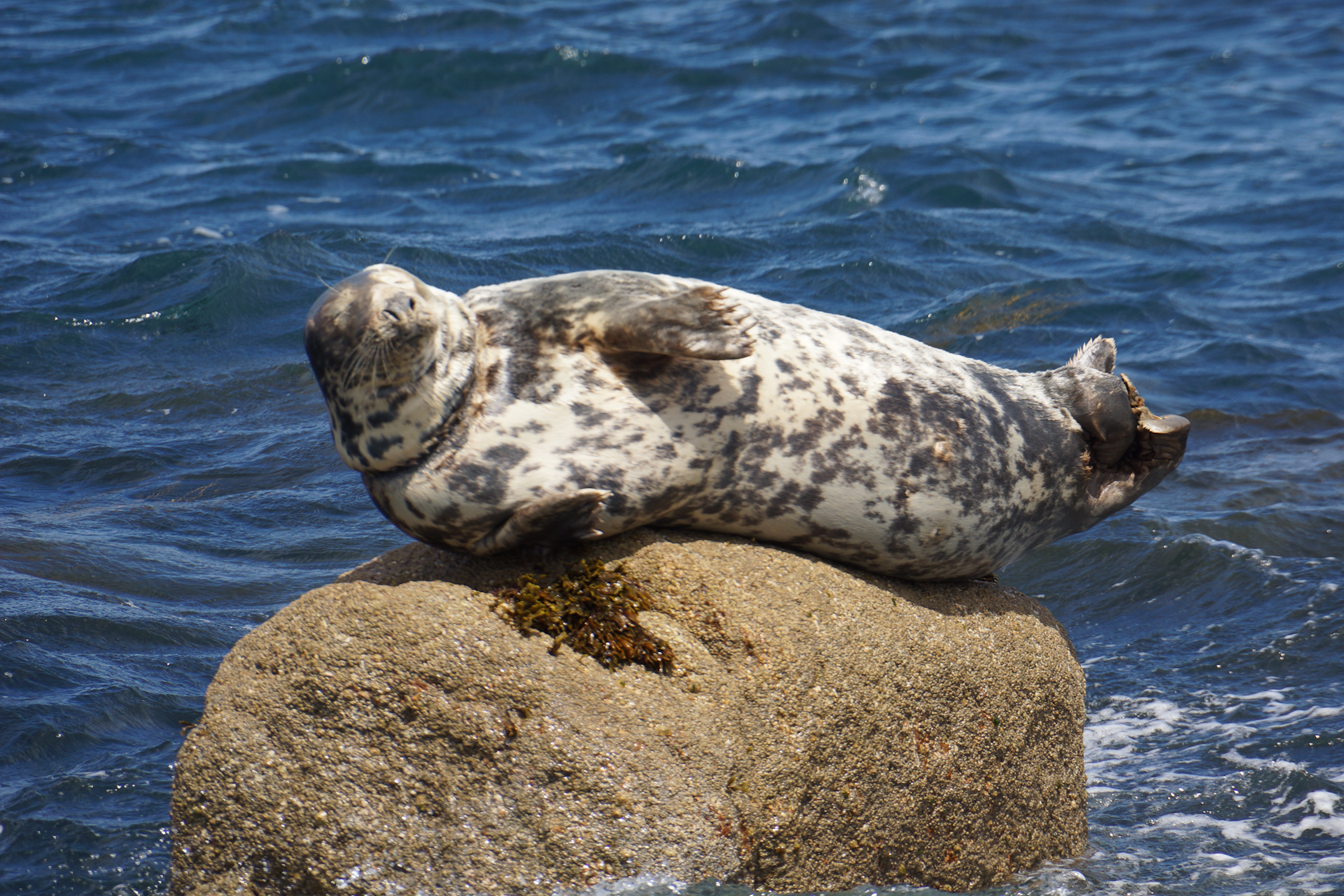
Forty miles south west off the Cornish coast are the beautiful Scilly Islands. Bathed by clear water, graced by an equitable and temperate climate, surrounded by wildlife in sea and air, seals, puffins and dolphins, they have a flora unique to the British Isles. The very names of some of these Islands, St.Mary, St.Agnes, St.Martin, St.Helen, suggest a link between faith and culture. Look a little deeper and one finds an important vein of Celtic Orthodox spirituality etched, sometimes quite literally into the very granite of the rocks that form the base of life in these offshore outposts of faith and spiritual powerhouses of prayer.

 *

St. Mary’s

The largest of the Islands, it was known at first as Ennor, the origin of which is obscure, it seems that the name of the island was taken from the dedication of the Church in the Old Town to Our Lady in mediaeval times. As “Star of the Sea” (Steren an Mor) the intercessions of the Mother of God are still sought for those who sail in these shipwreck strewn islands where the hazards of shallow tides and hazardous rocks still persist and catch the unwary voyager. [ For a list of shipwrecks of the Isles of Scilly go to http://list of shipwrecks of the Isles of ScillyThere is a little valley in the middle of the island known as Holy Vale.

scilly-st mary

scilly-st mary and tesco

scilly-st mary1

scilly-st mary3

scilly-st mary5

scilly-st mary6

scilli-st mary's9

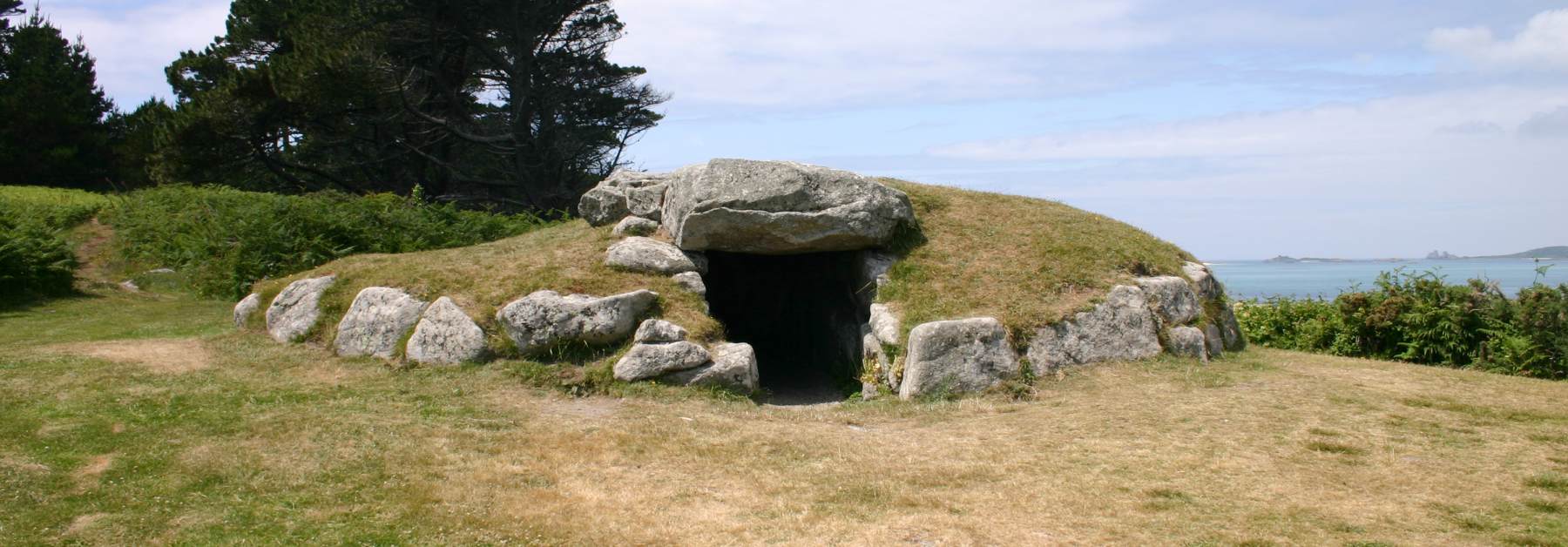
Bants Carn, St Mary’s

 scilly-st mary8

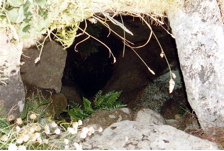
Scilly St Mary’s Bant burial chamber entrance

*

St. Agnes

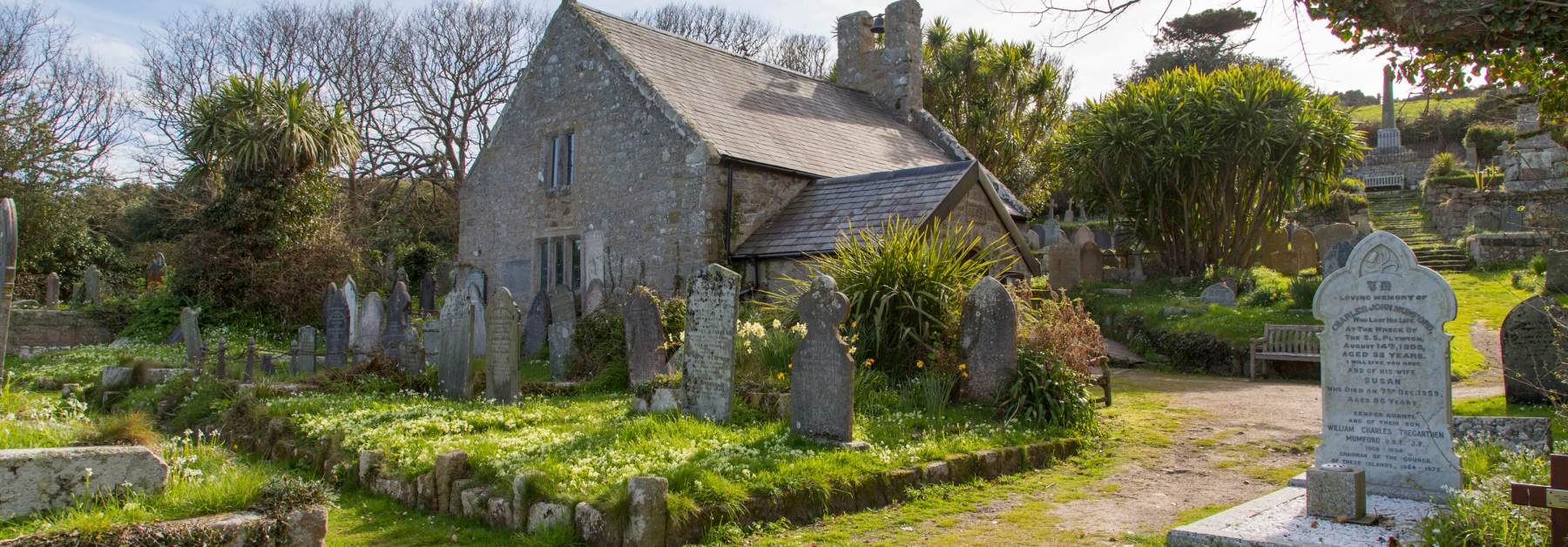
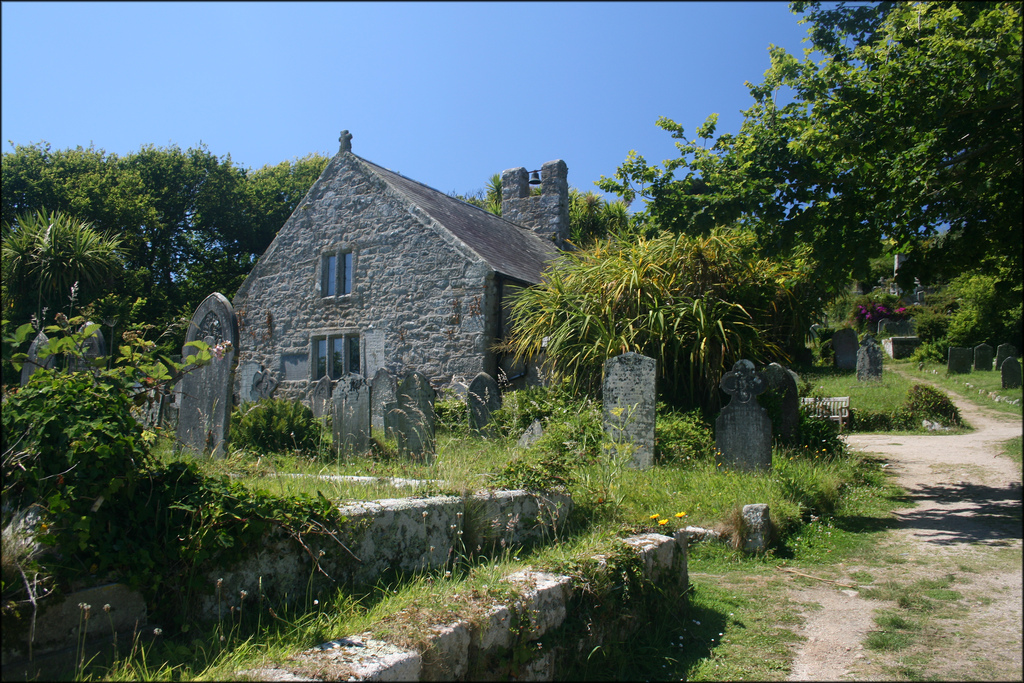
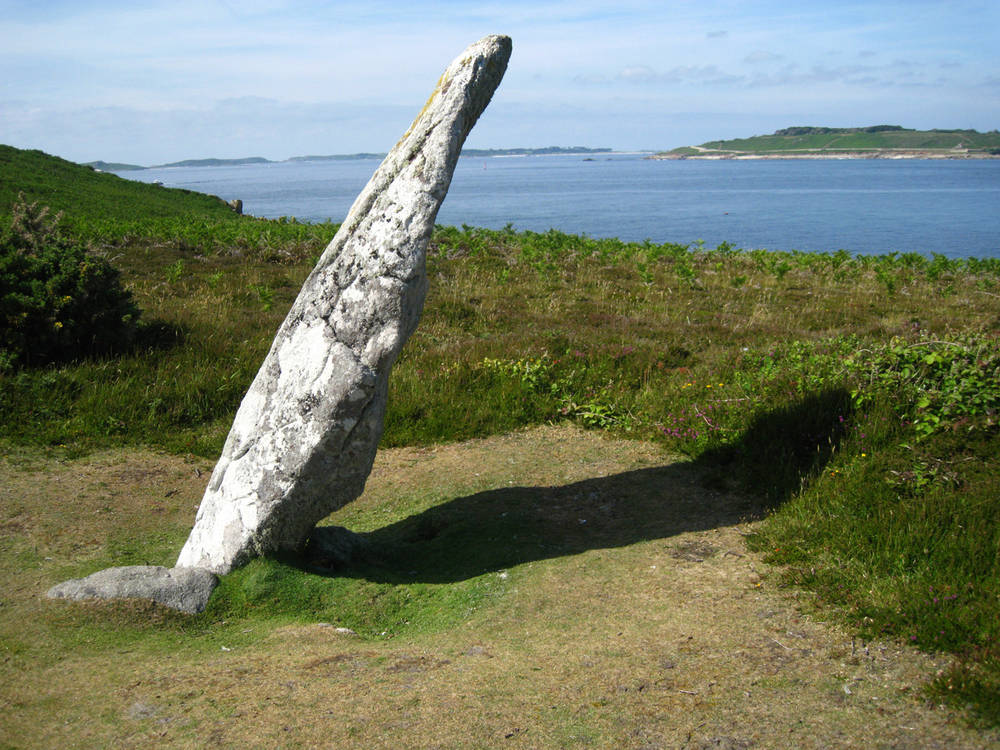
The southernmost Island is that of St. Agnes. Named after the Roman Saint we find during Norman times the replacing of celtic saints with popular western saints. However, to the south east of the Island is the crescent- shaped St. Warna’s Cove which marks the spot where this Irish celtic nun landed and made her dwelling-place after sailing single handed from Ireland. It is remarkable to ponder on the courage and fearless spiritual enterprise of the Celtic Christians who used the Irish Sea much as we today would use the M6 motorway. St. Warna is the patron saint of the Scilly Island of St Agnes and prays for the salvation of those subject to wrecks. It may be noted that it is said that some of the more pagan element wanted shipwrecks in order to plunder the cargo in past times. At St. Warna’s Cove there is a holy well near to the shore where the saint lived in her hermitage and prayed. Nearby there is a large standing granite stone with an impressive and distinctive Cross emblazoned on its face made by the weathering of the wind!

scilly-st agnes2

scilly-st agnes3

scilly-st agnes4

Porth Conger, St Agnes

scilly-st agnes

St Agnes, isles of Scilly and The Bar of sand which connects it to Gugh

scilly-st agnes7

Views taken on or on the way to St Agnes

scilly-st agnes9

Summer Sky – St Agnes, Scilly Isles

scilly-st agnes5

Troy Town Maze, St. Agnes, Isles of Scilly

scilly-st agnes6

Gugh. Gugh, St. Agnes, Isles of Scilly

scilly-st warna5

On the island of St Agnes, St Warna is the patron saint of shipwrecks

 *

St. Martin’s

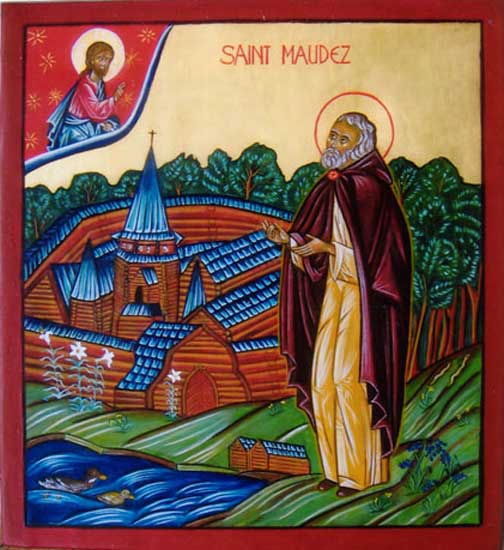
The Island was originally called Mauded which is similar to the Breton name for the Cornish St. Mawes who has a small town named after him near Falmouth where he lived for a time after sailing from south Wales. In the Roman Calendar his feast day is November 18th. According to tradition he was a 6th Century Welsh hermit and Abbot, also called Maudetus or Maudez. He lived as a solitary and then went to an island off the coast of Brittany, France, where he is revered as St.Maudez. He is believed to have founded other monasteries and churches in Cornwall and Brittany. There is a tradition that Saint Mawgan ( a place near Newquay, Cornwall which has a holy well), if he is to be identified as the same, was at one time Bishop of the Scilly Islands. The transition to a completely different saint, St. Martin seems to be a “latinization” of the name, again from the time of Norman occupation.

 scilly-st maws

scilly-st martin's1

scilly-st martins

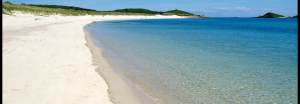
Offshore and inshore islands, St Martin’s, The Isles of Scilly

*

Bryher Isles

scylli-bryher2

SCILLY-bryher1

scylli-bryher3

Bryher is the smallest inhabited island in the Isles of Scilly. It’s famous for the spectacular Hell Bay with it’s pounding waves crashing over the rocks on.

Tresco

The name of the Island was at one time St. Nicholas the patron saint of sea farers which seems most appropriate. This beautiful island boasts a Benedictine Priory established in 1114, the remains of which can still be seen today within the gardens of Tresco. It was probably established from the Abbey at Tavistock in Devon which was also dedicated to St. Nicholas.

scilly-tresco

scilly-tresco1

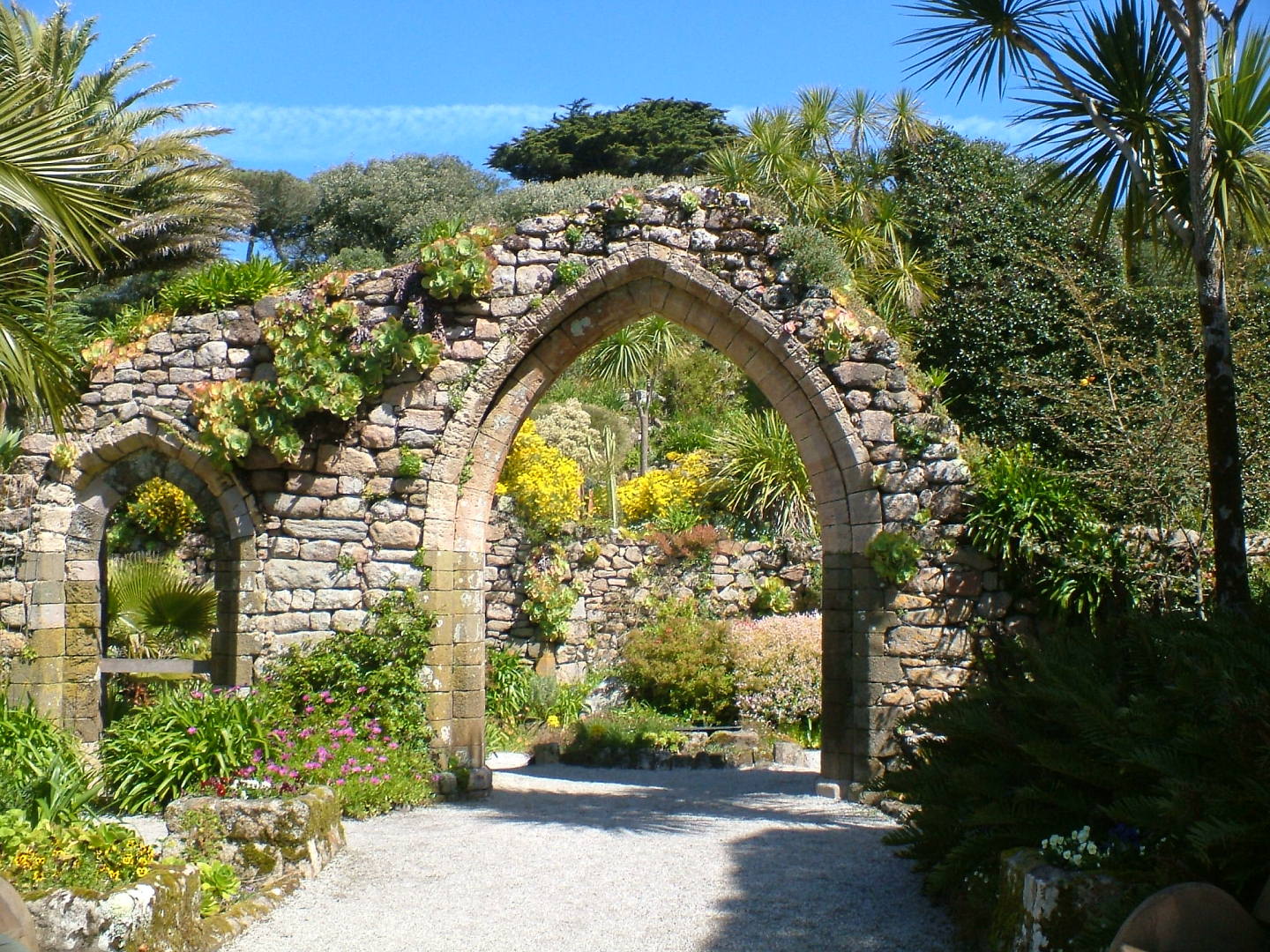
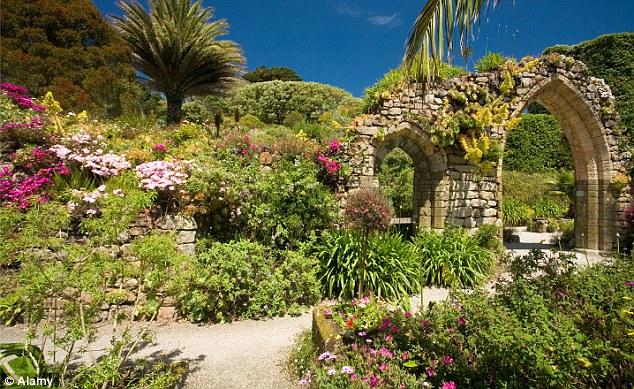
The arch from the wall of the mediaeval monastery in Tresco Abbey Gardens

scilly-tresco5

Abbey Gardens Tresco

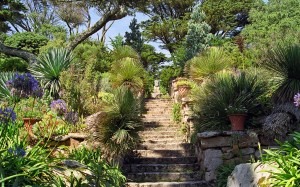
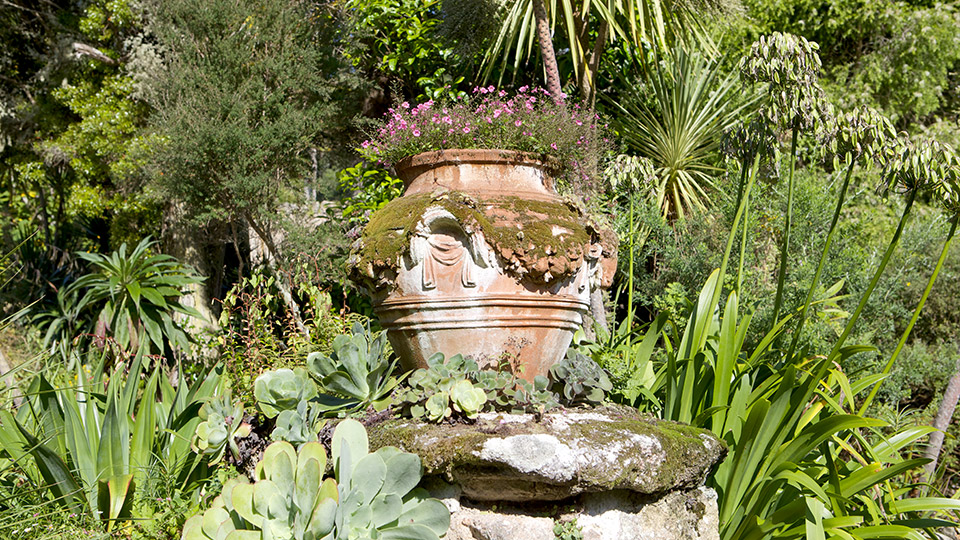
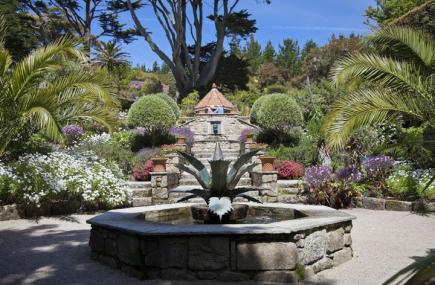
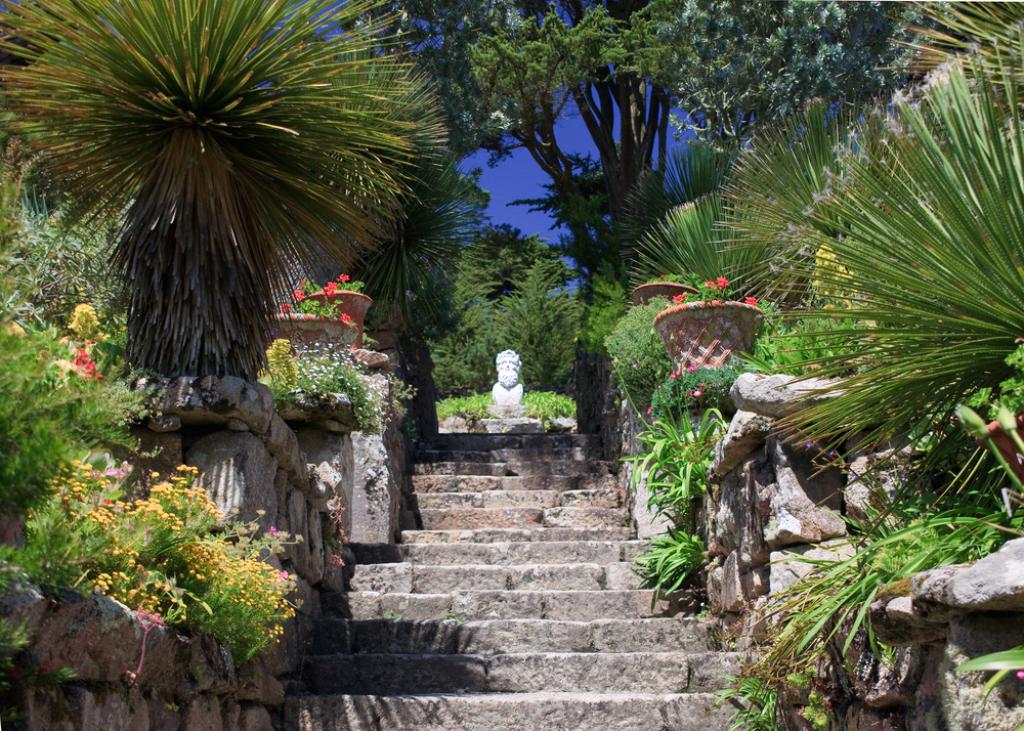
Tresco Abbey Gardens, Scilly Isles, UK Looking at the plants in this garden it is difficult to believe that Tresco Abbey Gardens is situated in the British Isles. Containing sub-tropical plants from Australia, South Africa and South America – including Echiums, Agaves, Aloes, Proteas, Aeoniums, Strelitzias and palm trees, this garden looks as though it should be situated in the Mediterranean! However, it is located in England, on the small island of Tresco in the Scilly Isles (approximately 28 miles from the south west tip of Cornwall in the United Kingdom). The photographs in this set where taken in late August when a lot of the color had already left the gardens. However, the varied planting provides a superb example of the value of a clear garden structure filled with diverse and contrasting foliage – creating a wonderful green tapestry of architectural plants throughout the year. Details: With a stunning background of white sandy beaches and vivid turquoise sea, Tresco Abbey Gardens is an outstanding historic garden set amid the romantic ruins of a 16th century priory. The gardens were started by Augustus Smith, who moved to the island in 1834. The garden has subsequently been developed by four succeeding generations of the family from Augustus Smith. The gardens have many delightful features, often seen at their best in the warmth of the afternoon sun, ranging from the Abbey arch, the Neptune steps, the shell house and a number of tastefully placed sculptures (including one to the earth goddess Gaia), all bordered by fantastic foliage of varying shapes, textures, sizes and hues. Surrounded by sea and in the warmth of the Gulf Stream the climate is exceptionally mild and totally frost free in most years. With south facing terraces, these gardens have often been referred to as ‘Kew gardens without the roof’, because in mainland UK, you would only find these plants in a botanical garden glass house. Location: Tresco Abbey Gardens, Tr

Tresco Abbey Gardens, Scilly Isles, UK
Looking at the plants in this garden it is difficult to believe that Tresco Abbey Gardens is situated in the British Isles. Containing sub-tropical plants from Australia, South Africa and South America – including Echiums, Agaves, Aloes, Proteas, Aeoniums, Strelitzias and palm trees, this garden looks as though it should be situated in the Mediterranean! However, it is located in England, on the small island of Tresco in the Scilly Isles … With a stunning background of white sandy beaches and vivid turquoise sea, Tresco Abbey Gardens is an outstanding historic garden set amid the romantic ruins of a 16th century priory. The gardens were started by Augustus Smith, who moved to the island in 1834. The garden has subsequently been developed by four succeeding generations of the family from Augustus Smith. The gardens have many delightful features, often seen at their best in the warmth of the afternoon sun, ranging from the Abbey arch, the Neptune steps, the shell house and a number of tastefully placed sculptures (including one to the earth goddess Gaia), all bordered by fantastic foliage of varying shapes, textures, sizes and hues. Surrounded by sea and in the warmth of the Gulf Stream the climate is exceptionally mild and totally frost free in most years. With south facing terraces, these gardens have often been referred to as ‘Kew gardens without the roof’, because in mainland UK, you would only find these plants in a botanical garden glass house.

scilly-tresco3

Tresco Abbey Gardens

scilly-tresco6

scilly-tresco4

scilly-tresco7

King Charles’ Castle is a ruined coastal artillery fort near the north extremity of the island that dates back to the sixteenth century

scilly-tresco8

Samson

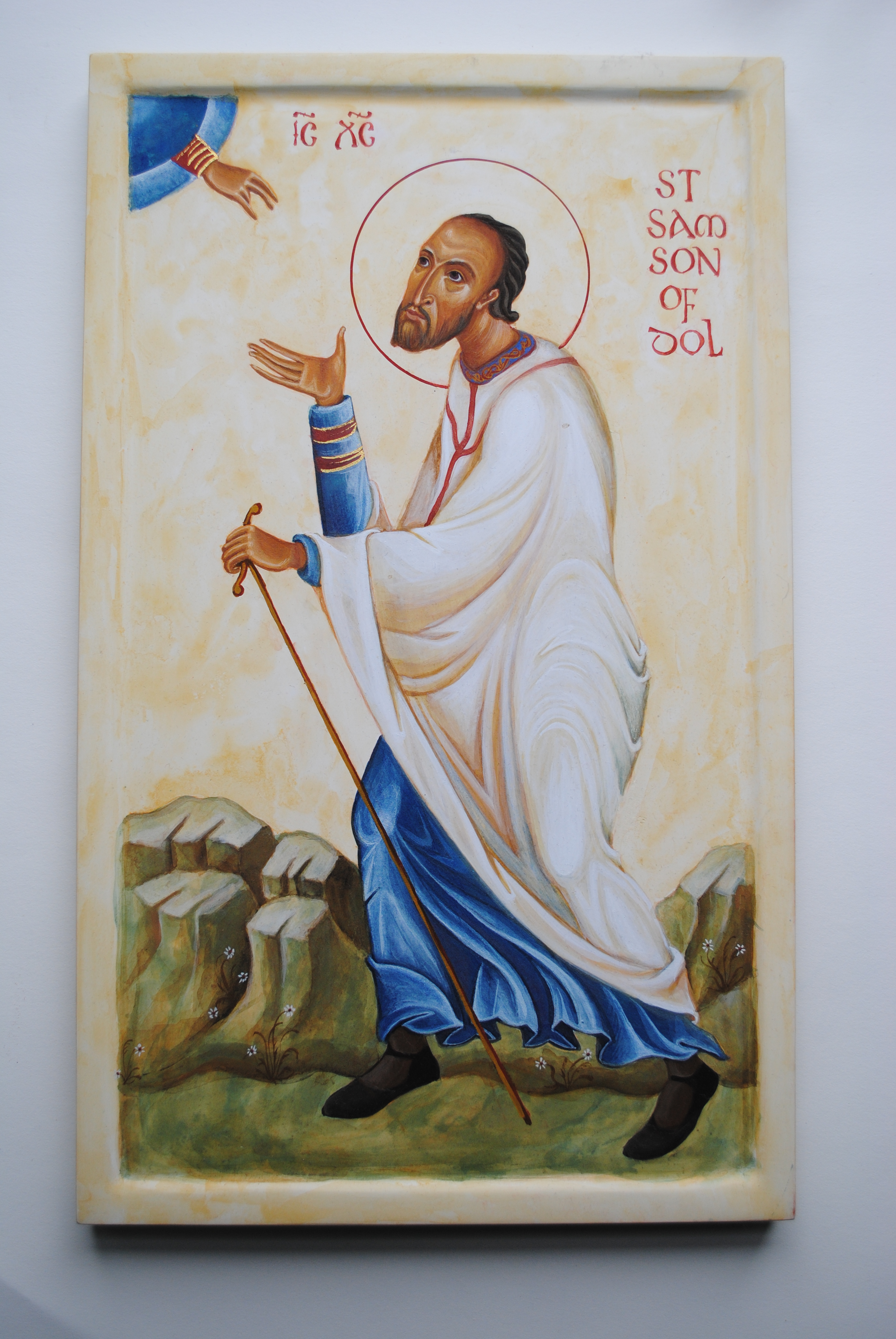
The island is connected with the welsh saint St. Samson of Dol who travelled to Cornwall, Brittany and the Channel Isles. Samson was educated by St. Illtud at the Abbey of Llanilltud Fawr (Llantwit Major) in Glamorganshire; where he was ordained a deacon and then a priest. Samson of Dol found it necessary by the Will of God to remove himself to the monastery on Ynys Byr (Caldey Island). He eventually became Abbot there and considerably established a strong community. Later in his life he chose the life of a hermit near the River Severn but, being made a Bishop, he turned to missionary work in Cernow (Cornwall) and came to the Scillies where one of the islands is named after him. He died on 28th July AD 565 and was buried in Dol Cathedral in Brittany. His ‘Life’ which survives, was written the following century. In the AD 930s, King Aethelstan acquired a number of his relics – including an arm and his crozier – which were proudly displayed in Milton Abbey (Dorset) until the time of the Reformation. The Island of Samson was inhabited until quite recently.

scilly-samson2

Old Cottage on South Hill, Samson

scilly-st samson

Tean

This little northern island was also inhabited until recently. The name Tean derives from the name Theona. There are ruins of her dwelling place still where once as a hermit she prayed and gave glory to the Holy and Life Giving Trinity and also remains of some celtic graves of the 6th century nearby. Recent excavations have unearthed some interesting Romano-British finds. These include an older ‘toothless’ woman whose head lies under the altar of the later built chapel, she may in fact be St.Theona, after whom the island is named.

   Tean,_Isles_of_Scilly._View_from_the_Great_Hill_-_geograph.org.uk_-_260948

Tean, Isles of Scilly. View from the Great Hill – geograph.org

scilly-tean2

Hedge Rock and Tean, Isles of Scilly

scilly-tean

Old Man, Tean, Isles of Scilly

*

St. Helen’s

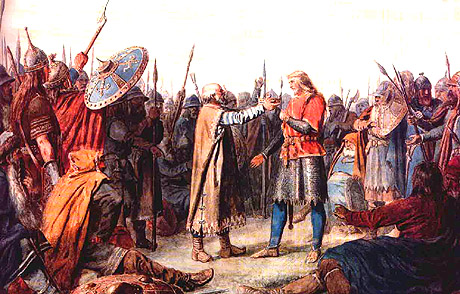
We know that this island was called St. Helen, the Blessed mother of Holy Constantine the Great, from 16th century maps but it is associated with another ancient saint, that of Elidius or St. Lide as he is also known. On the uninhabited island of St. Helen’s are the remains of St. Elidius’ Hermitage which contains an 8th century Christian monastic chapel which was active until the 11th. century. This holy place is still honoured today with local people making a Pilgrimage to the site on 1st August. There is an interesting connection between the Scilly Islands and the Christian mission to Norway. In 980 Olaf Tryggvason came to the Scilly Islands. Snori Sturluson recounts in his “Saga” that this notorious marauding Viking met Saint Elidius and heard of “the God of the Christians.” He was converted to Christianity and agreed to be baptized and all those with him. He took the faith with him returning to Norway and Iceland with “three priests and other learned men.” As King of Norway he began the process of evangelism which was continued by his successor Saint Olaf.

Peter_nicolai_arbo,_olaf_tryggvasson_king

Olaf Tryggvason, who visited the islands in 986. It is said an encounter with a cleric here, at St. Helen’s, led him to Christianise Norway

st helen

St. Helen

scilli-st helen9

St. Helen’s Viewed From The Block House. Tresco

scilli-st helen's1

On the uninhabited island of St. Helen’s are the remains of St. Elidius’ Hermitage which contains an 8th century Christian chapel

scilli-st helen2

St. Helen’s Pool

scilli-st helen's3

Early mediaeval chapel on St Helen’s

scilli-st helen4

Well known for its pest house, in which sailors infected with plague would be quarantined, St Helen’s is a prominent landmark on the Scilly coastline

scilli-st helen6

Church of St Elid on the island of St Helen’s

*

Sailing into history

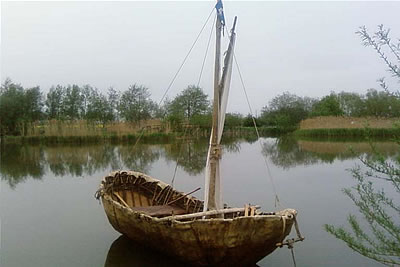
What strikes me about these saints is their adventurous and persistent spirit in Christ-their sheer delight and desire to bring Christ to every part of these Islands however small, blessing this part of God’s vineyard by their work, prayers and holiness of life. Whilst on St.Mary’s I learned from the curator of the Museum, that in August 2000, on June 28th a Breton vessel named Saint Efflam (founder of a monastery in Brittany, France. He was the son of a British prince) from an enterprise called Odysee Celtique (Celtic Odyssey) sailed into St. Mary’s harbour re-enacting ancient celtic monastic voyages-it was a Breton vessel and a reconstruction of a traditional curragh.

curragh

Curragh

The boat was constructed from a frame of hazel poles over which was stretched tar-covered canvas imitating the ox skins which would have been used originally. Whilst at sea the crew slept on the open boat and had few concessions to modern facilities during the voyage. As Amanda Martin says in her article in Scilly 2000 in “The Voyage of the Sant Efflam” such an experience was not for the faint hearted. “The whole feat requires a tremendous physical effort not to be undertaken lightly.”

These living saints give inspiration to us today by their energy and boldness for the gospel’s sake. In Christ we should imitate their humility, simplicity and calling.

*

A prayer

*

My boat is small

The ocean vast

Lord fill my sail

Maintain my mast

Christ my captain

Spirit’s power

Save me Lord

In danger’s hour.

Amen

*

These “fools for Christ” saved many because they preached Christ crucified and many believed and so they put the Christ in Scilly. Perhaps we, in this our time of God’s good grace need to make a similar Scilly Pilgrimage!