I am but earth and ash — two documentaries

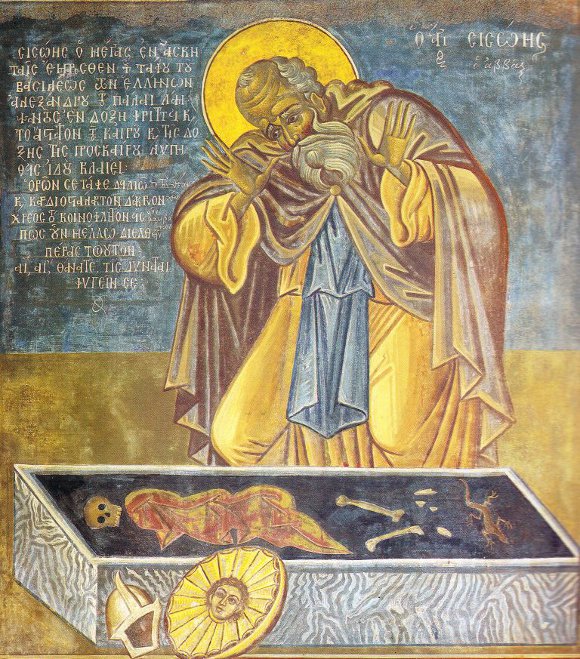
The “Astonishment of Sisoes” (*)

At the recommendation of my spiritual father, I have been watching two exceptional documentaries on monastic life: Athos – Mount Athos Monks’ Republic Documentary and The Good Struggle: Life In A Secluded Orthodox Monastery. Interestingly enough, I found all their insights pertinent not only to monastics, but to laymen too. What truly struck a chord in my heart was their emphasis on the transience and ‘futility’ of our ‘ordinary’ lives, and a remarkable miracle entitled “Christ is Risen”, the first documentary records.

Athos, the first documentary is exceptional partly because for the first time, a filmmaker was given access to all forms of monastic life on the holy mountain (ie. cenobitic monasteries, sketes and monastic cells).

The Good Struggle, the second documentary, is about a monastic community thriving within the confines of a Greek Orthodox Christian monastery, high up in the mountains of Lebanon. The documentary offers rare insight to their almost silent way of life.

What I found most moving in both documentaries is the “school of philosophy” in the Gerondes’ own words: the insights into the monks’ burial place, their bones eventually stored in a separate charnel house, within the consecrated grounds of the cemetery (20:06–21:28 and 1:25:38—1:28:10 — first documentary), or under the church (23:35–24:36 –second documentary).

“So we can always pray for them and join them. This is due to the church’s belief that those who depart are not removed from us, but we are always connected through prayer. We don’t see them but they are connected to us through prayer. They pray for us and we pray for them. We always visit them to encourage ourselves that death is not a calamity but a meeting with the Lord Jesus Christ. We honour and greet them because they have done the good struggle and God has accepted them in His Kingdom.”

So moving and at the same time so sobering forour [vain] affection for earthly things”! “And once again I looked with attention on the tombs, and I saw the bones therein which of flesh were naked; and I said, … Where is the pleasure in life which is unmixed with sorrow? … All things are weaker than shadow, all more illusive than dreams; comes one fell stroke, and Death in turn, prevails over all these vanities. All is dust, all is ashes, all is shadow. … Like a blossom that wastes away, and like a dream that passes and is gone, so is every mortal into dust resolved… ” (St. John of Damascus, Orthodox Funeral Service Troparia)

*

Christ is Risen! He is Risen Indeed!

*

(*) “Sisoes, the great ascetic, before the tomb of Alexander, king of the Greeks, who was once covered in glory. Astonished, he mourns for the vicissitudes of Time and the transience of glory, and tearfully declaims thus:The mere sight of your tomb, dismays me and causes my heart to shed tears, as I contemplate the debt we, all men, owe. How can I possibly stand it? Oh Death! Who can evade you?’

Monastery Diaries Day 1: A Time of Healing

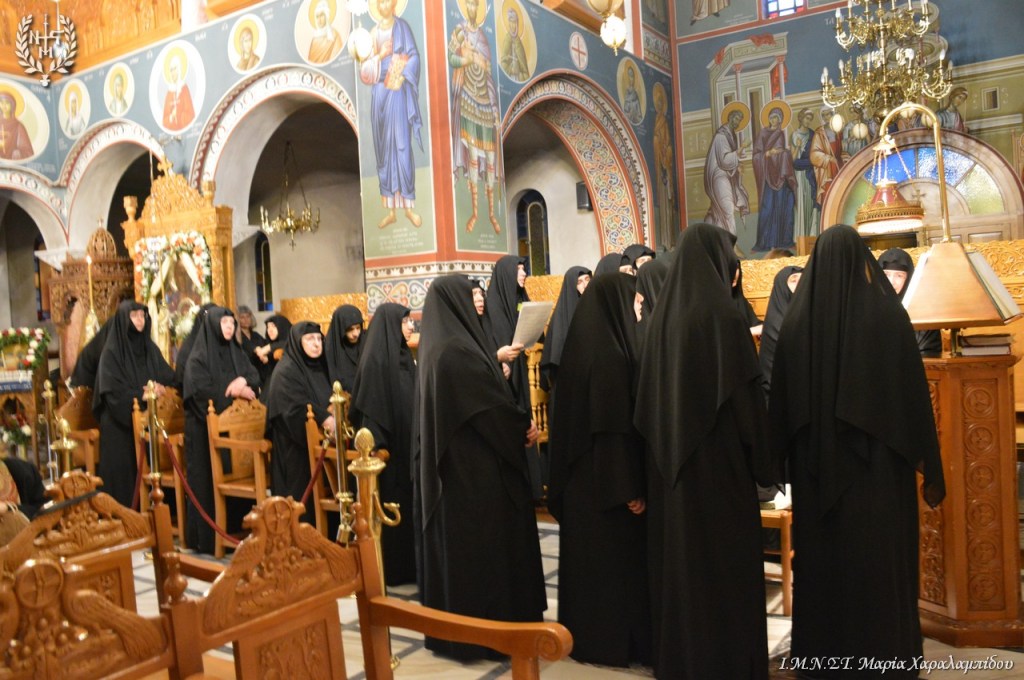
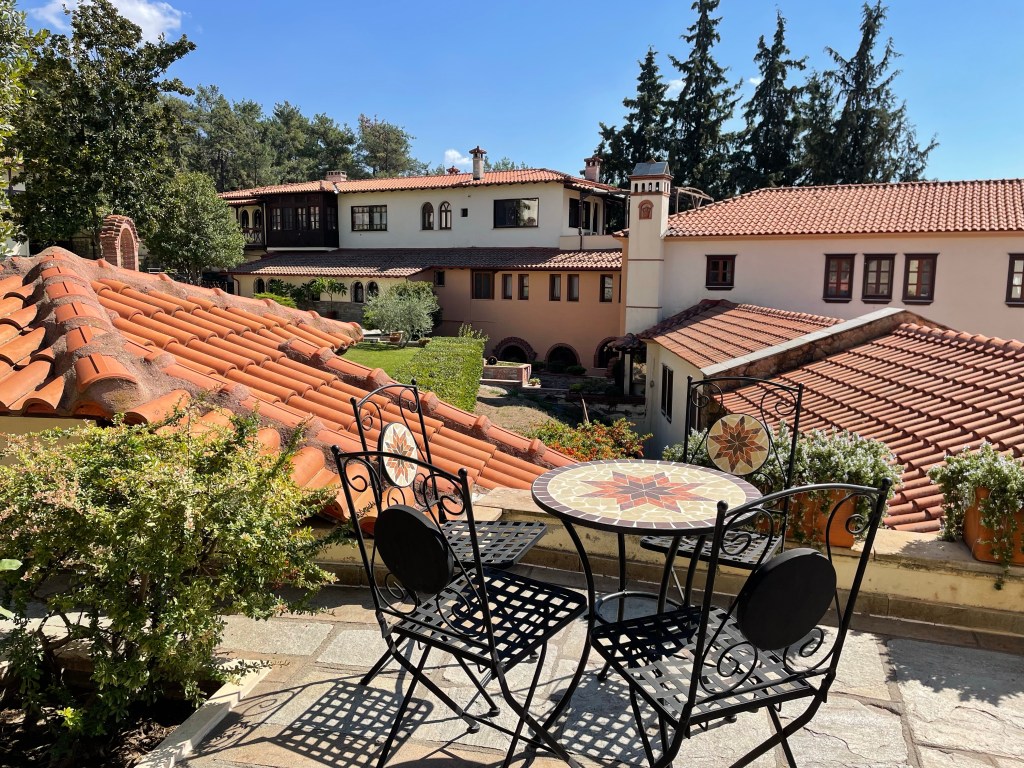
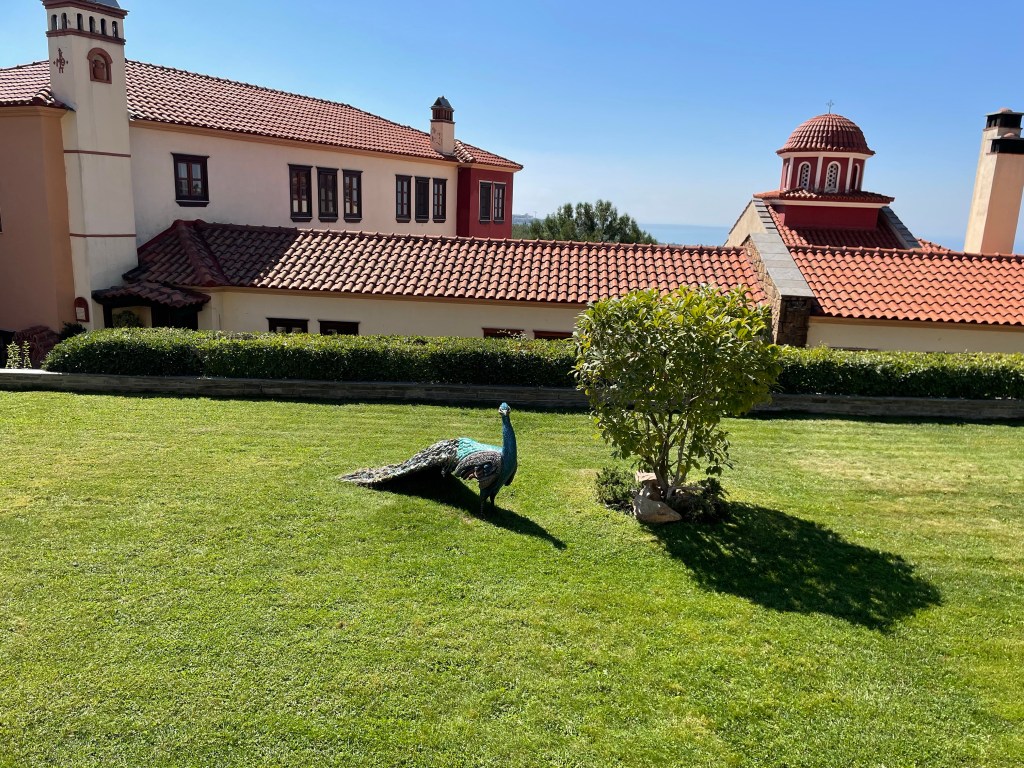
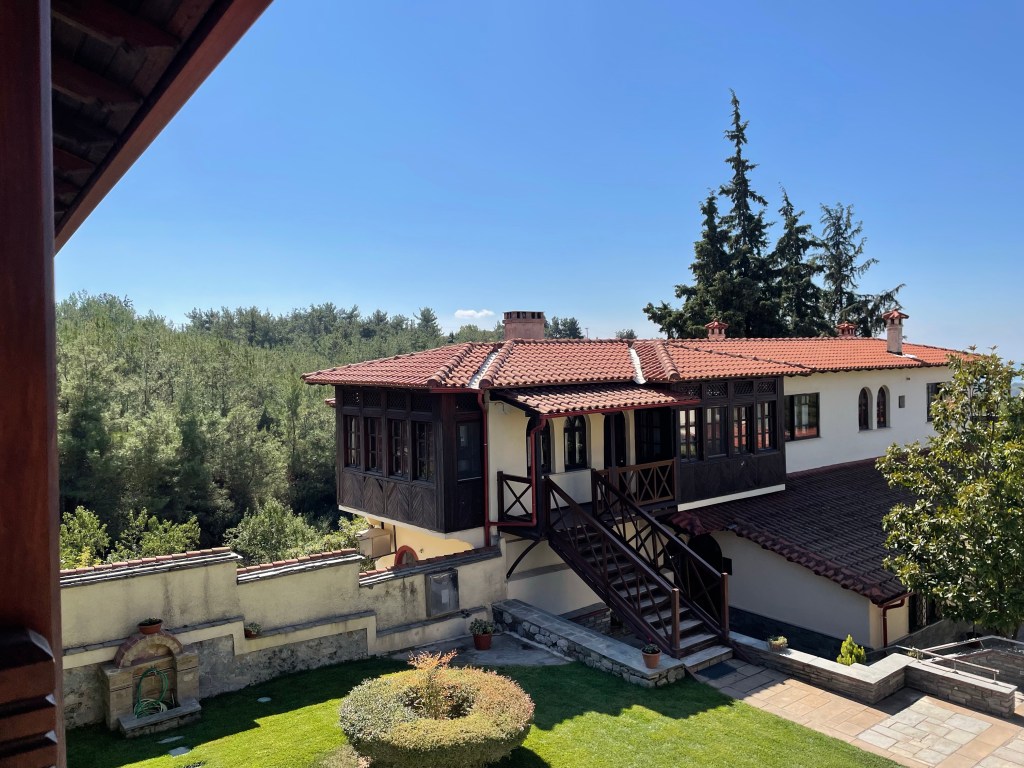
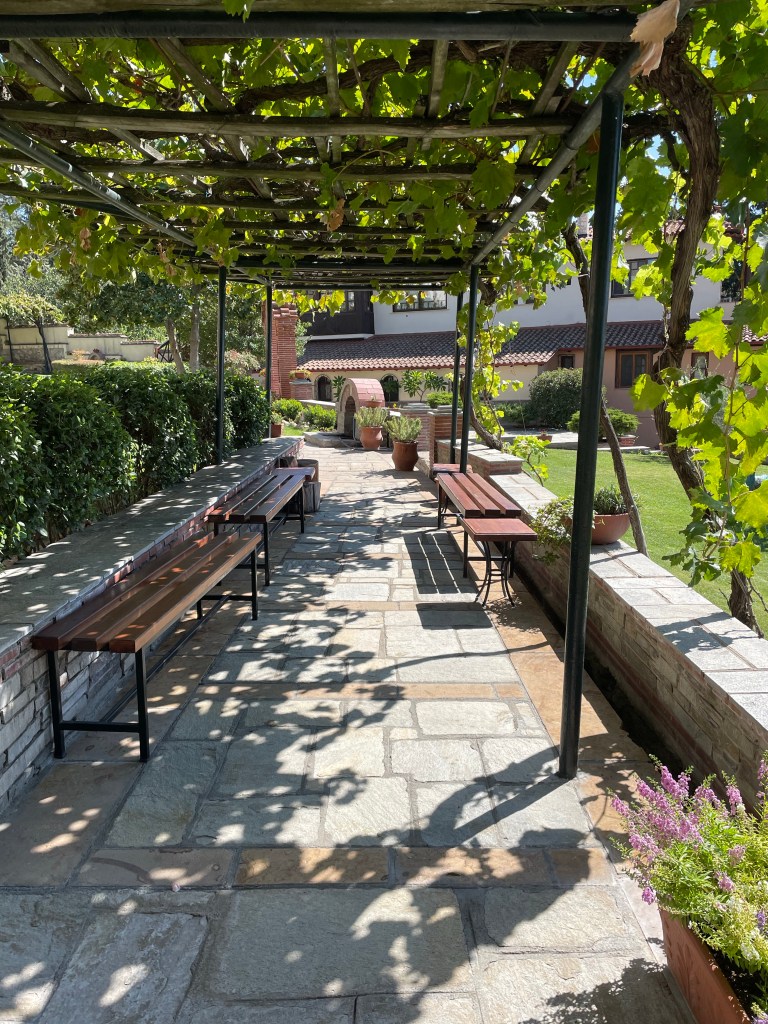
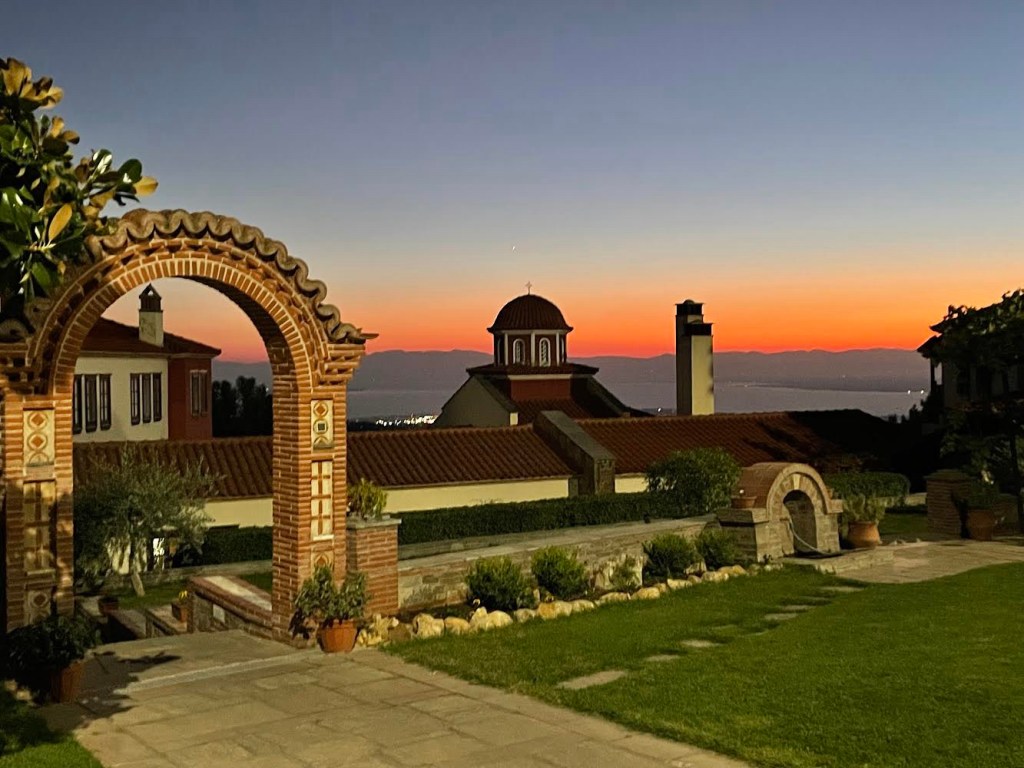
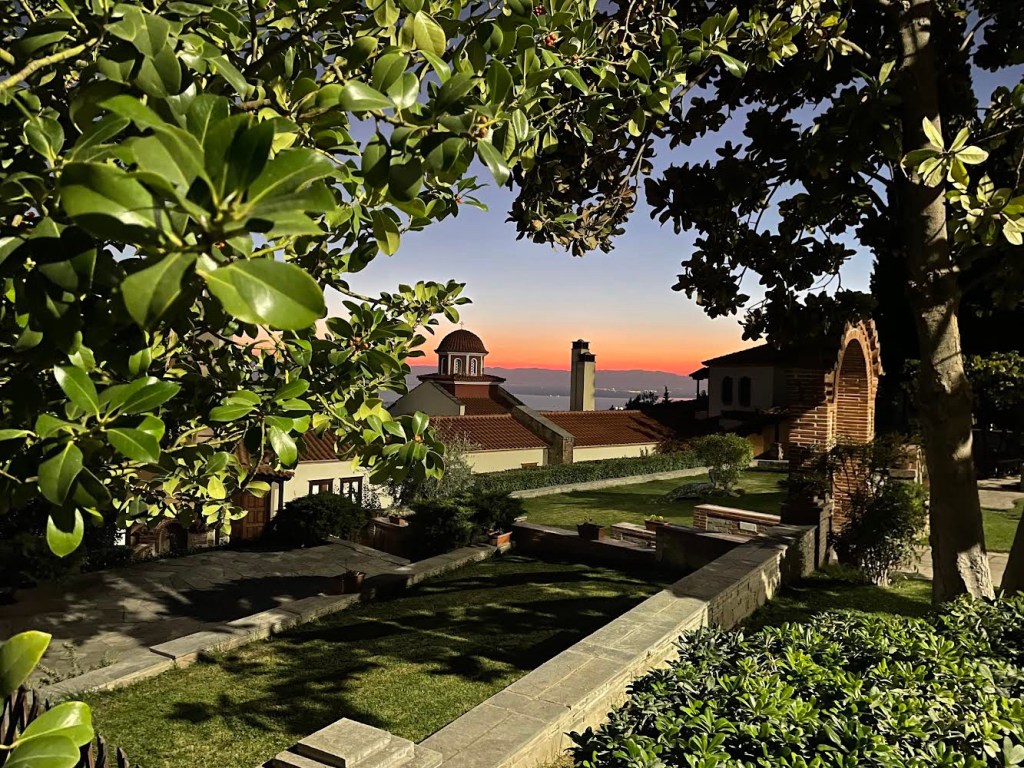
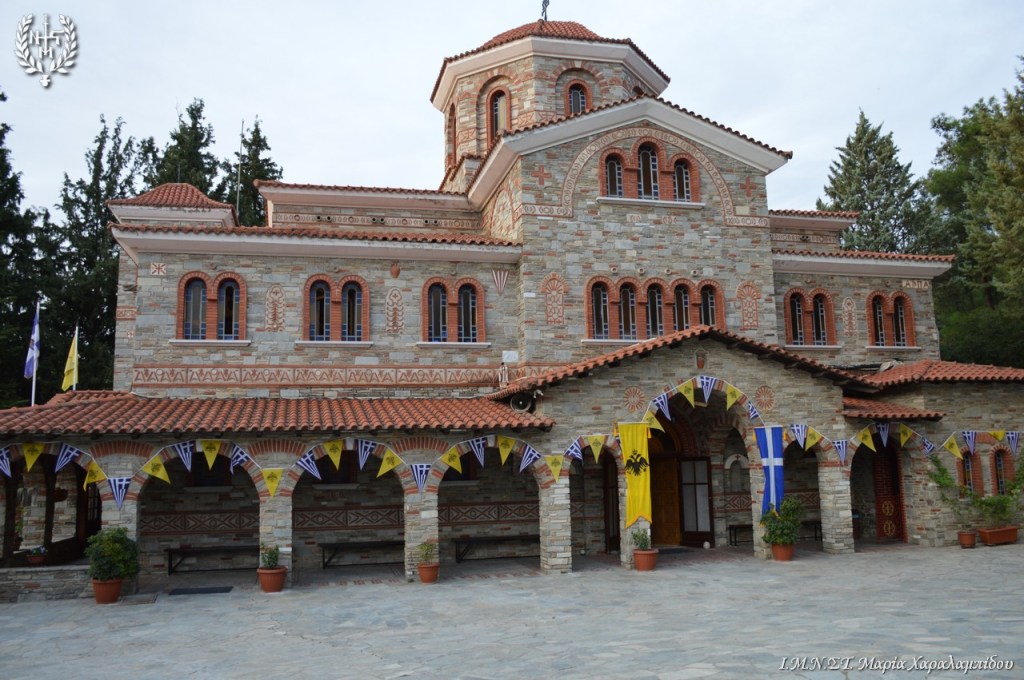
The time has come! The day has finally arrived! After a long, tiring month full of all kinds of jobs and obediences —other than a blessed Synaxis at Holy Cross, UK —and an especially hard time last week, I have finally arrived at the first monastery in my pilgrimage “list”: the Dormition of the Theotokos monastery at the Panorama suburbs of Thessaloniki.

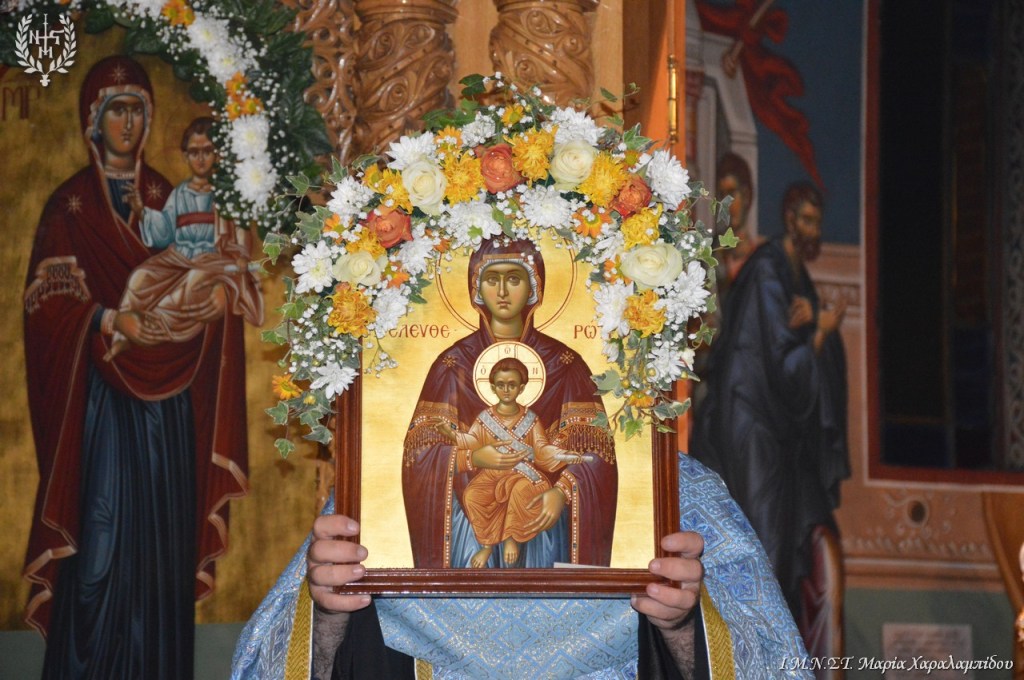
This most beautiful monastery is dedicated to Panagia Elefterotria, the Liberator. It was founded in 1957, has 60 nuns and Melania is their Mother Superior.

Last August, we visited this monastery together with Father J. but our visit was very brief …

I remember so little from our visit last year. I cannot find my way anywhere around. I have arrived so upset, sad and stressed out. Yet here at the monastery, there is an hesychia and a fullness of the Holy Spirit that is most healing.

The hospitality and kindness of the sisters is felt in their warm smiles and their radiant, kind, prayerful eyes. They offer me breakfast, ask me to wash the guests’ dishes, then take me to my room and I start meeting pilgrims from all over the world!

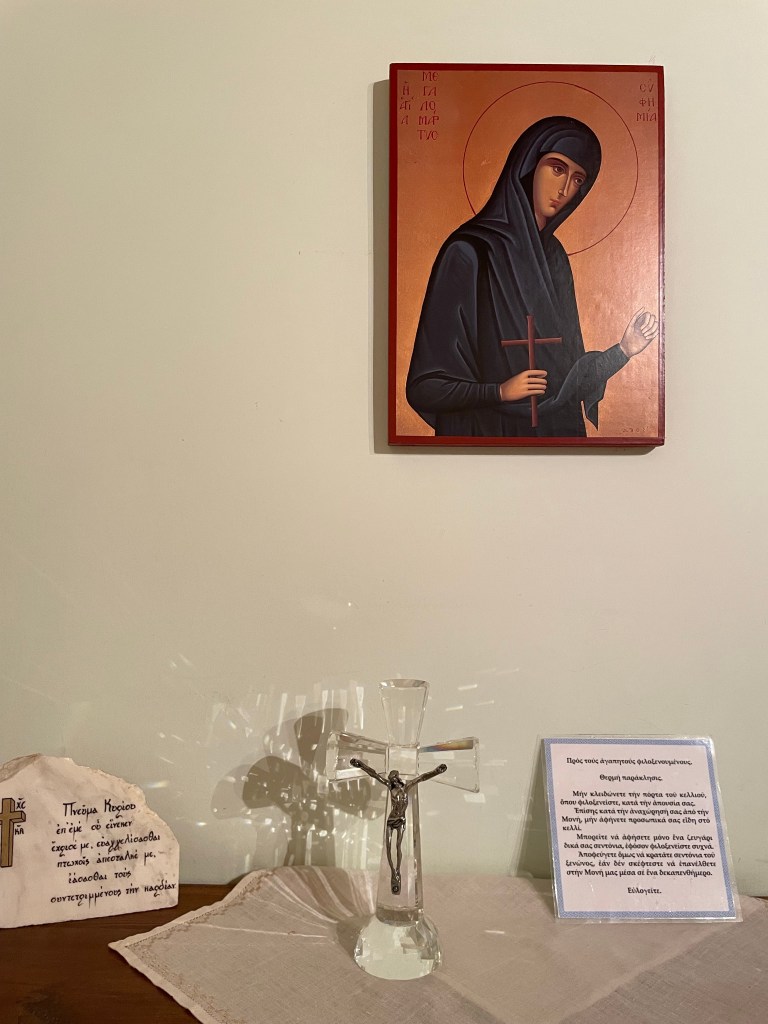
Talking about hospitality, please have a close look at this notice in my cell:

I translate the last two paragraphs: “To our dear guests: A humble request: … You can leave a pair of your own bedsheets if you are a frequent guest. Please do not keep the monastery bedsheets, if you are not considering returning to our monastery within a fortnight”. “Returning to our monastery within a fortnight”!

Everything is happening very fast and with as few words as possible. The sisters work hard and very fast, they multitask, they are such bright busy-bees, yet more importantly they constantly pray. They had to accommodate nearly 300 (!) pilgrims during Dormition Fast in August.

My first obedience, upon arrival, is ivy pruning. I sense that this will be my obedience all these days, until I leave, as the monastery fence is a very long, miles long fence. The other pilgrims from other countries cannot suffer the heat and the sun. As for me, after all this prolonged, all summer training of 40-45 Celsius here, this 30+ C heat and sun feels a bit autumn-like breeze!

So, I prune and pray and hope my sadness will fade away since this is what my spiritual father reassured me and is praying about. I always love to work in nature, yet even here my thoughts, my logismoi still bother me and interfere. But I have faith in my Gerondas’ words. I am under obedience, he will stand by my side on Judgment Day before our Lord, surely he knows better.

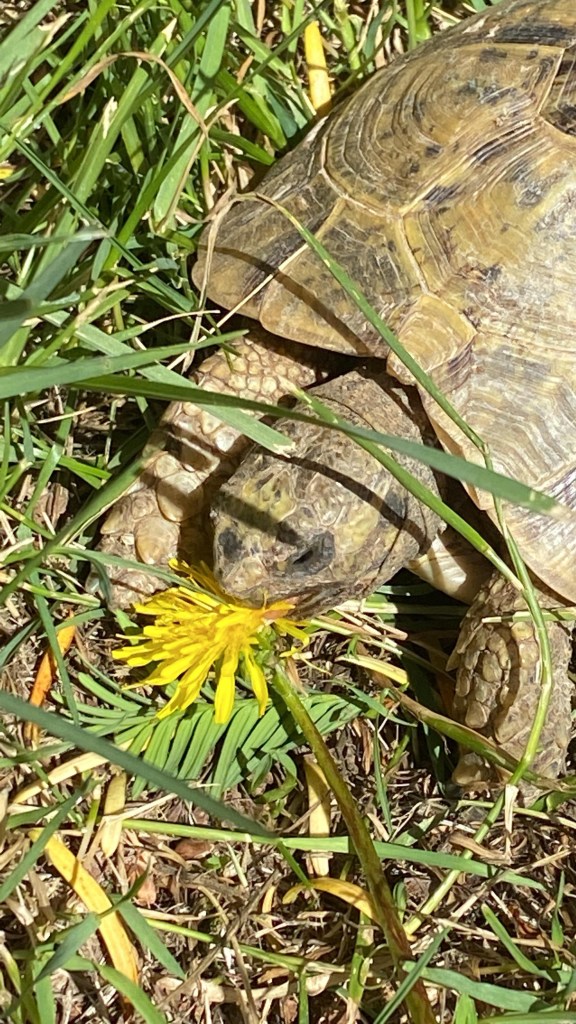
Hours pass under the sun with pruning and the Jesus prayer. A little tortoise seems confused with our pruning and we have gently to carry her across the road to greener paths. Glory to God! Little by little, my sorrow begins to evaporate with this heat, sun and prayers. So Gerondas was right, again! “A disciplined schedule, manual labour, study and prayer” (Abba Isaiah of Scetis Ascetic Discourses), and this blessed monastic community did work miracles for my pusillanimity and faintheartedness.

No time for logismoi, thoughts, moaning, worries, fear, sorrow and self-pity. This is the time, καιρός, for metanoia, obedience, faith, and joyful, godly, bright sorrow, “Charmolipi” (an old Greek work made up of ‘chara’ (joy) and ‘lipi’ (sadness). There is no equivalent word in English; it means a feeling of happiness and sadness at the same time.

10 Godly sorrow brings repentance that leads to salvation and leaves no regret, but worldly sorrow brings death. (2 Corinthians 7:10)

Lunch is served at midday, delicious crispy veggie balls and rice, and then a few words and fellowship with the other pilgrims before a bit of rest and Vespers and Little Compline. Of all the pilgrims I met today, I am most impressed by two, one from the States and the other from Canada, both baptised at a mature age, and both really close to Elder Efraim monasteries: Holy Protection Monastery, Pittsburgh, Pennsylvania and St. Kosmas Aitolos Greek Orthodox Monastery, Ontario and Holy Monastery of Virgin Mary the Consolatory, Panagia Parigoritissa, Quebec.

One has literally moved next to the monastery to be there all the time, and the other one does not mind driving 6 hours to be at the church services and the fathers of the monastery! This pilgrim was baptised in a Roman Catholic Church due to his Orthodox parents “carelessness and ignorance” — the pilgrim’s own words— but our Lord found him, guided him to His Church, and he is now on pilgrimage together with his mother! Glory to God for all things! All these Elder Efraim’s monasteries, 20 in total, I believe, in USA and Canada, are all following the Cenobitic way of monastic life (“Cenobitic” is derived from the Greek word “Keenovio” which means “common way of life”) therefore consisting of common work, common meals, and common rest periods.

These monasteries have wrought such a miraculous renewal and perform such amazing missionary work according to all first-hand testimonies I hear from our Protestant brethren finding the true faith and the true church. The value of this treasure and the unquestionable contribution of the Elder Ephraim to the Orthodox of North America and Canada is beyond appraisal.

After Little Compline, a small fasting dinner and then hesychia. My sorrow has been healed and joy fills my heart. What a transformation in just a few hours! My spiritual father was right: “The time there will be a time of healing”. All this prayer and few idle words, manual labour and study, have wrought a miracle.

Abba Isaiah of Scetis

Observe these three things: your manual labour, your study, and your prayer. Think to yourself daily, “I only have this day to do something in this world” and you won’t sin before God.