From Puppeteer to Actor of Christ 

This image has an empty alt attribute; its file name is josef.jpg


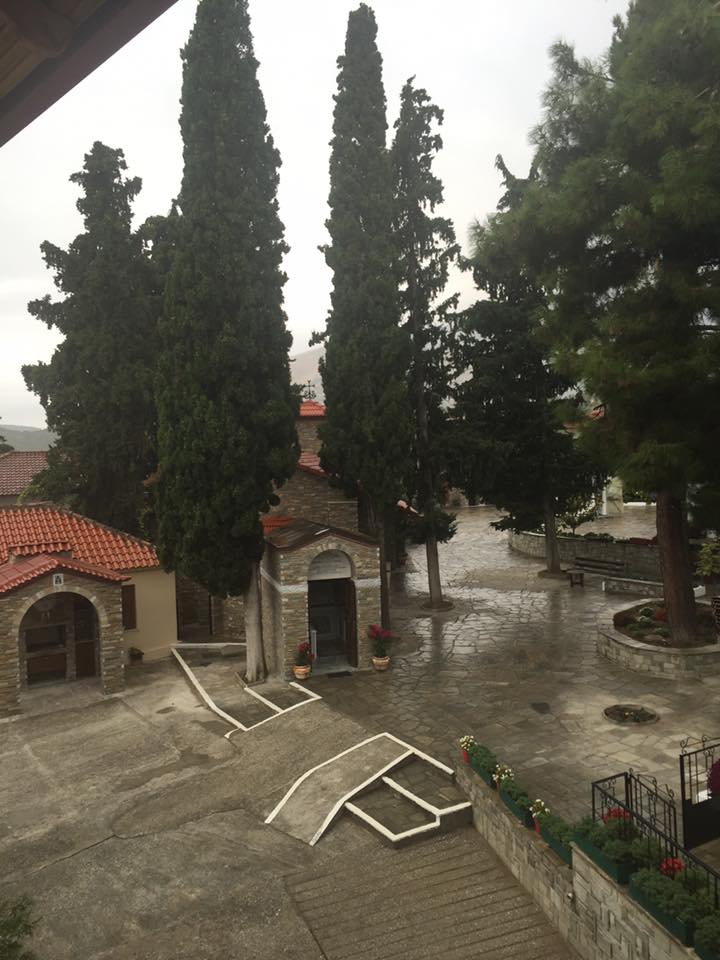
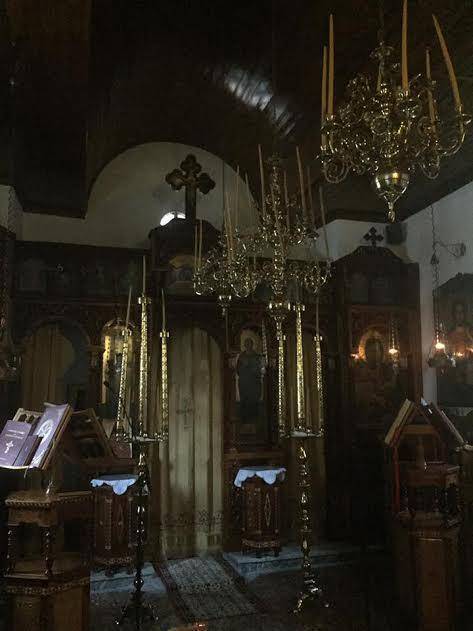
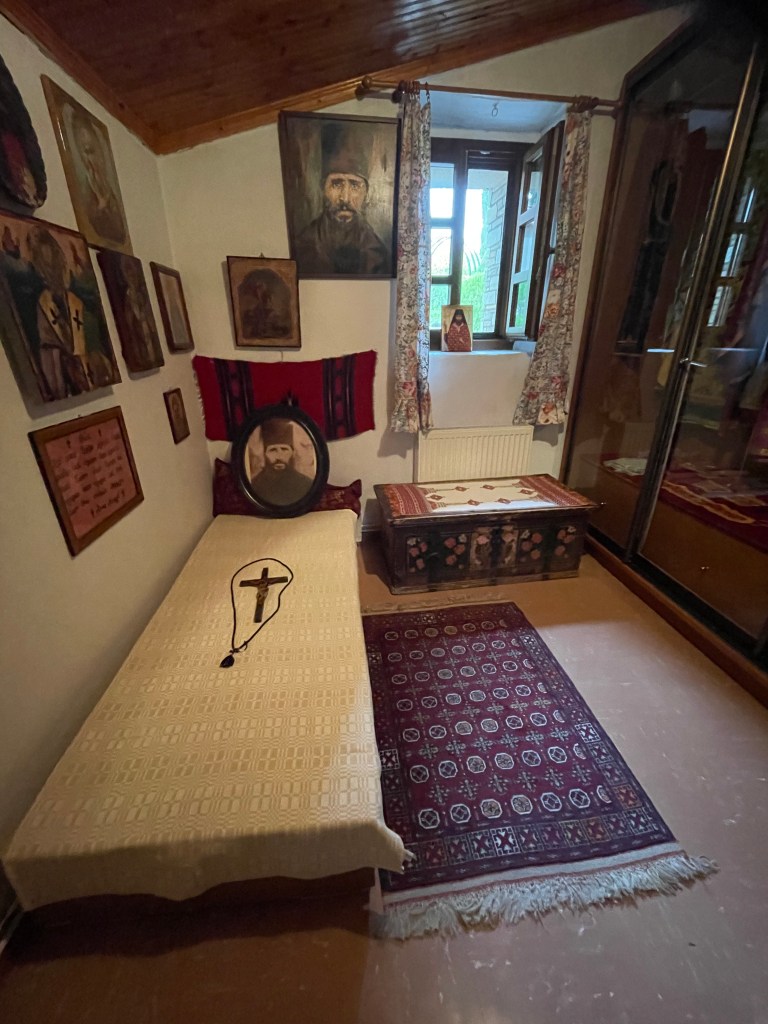
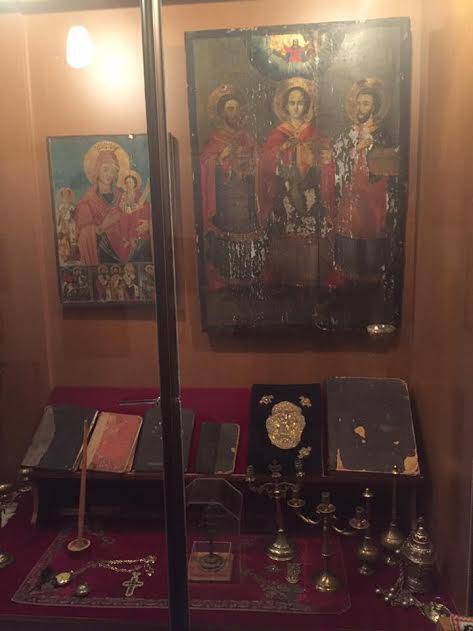
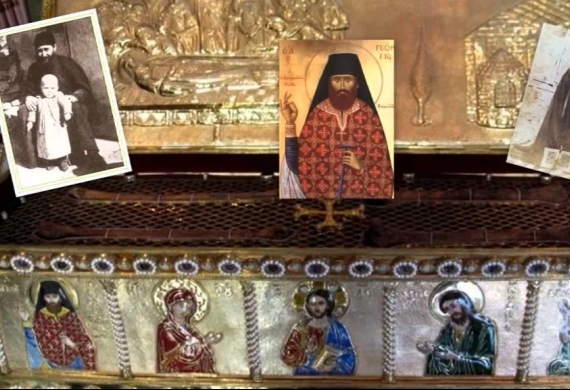
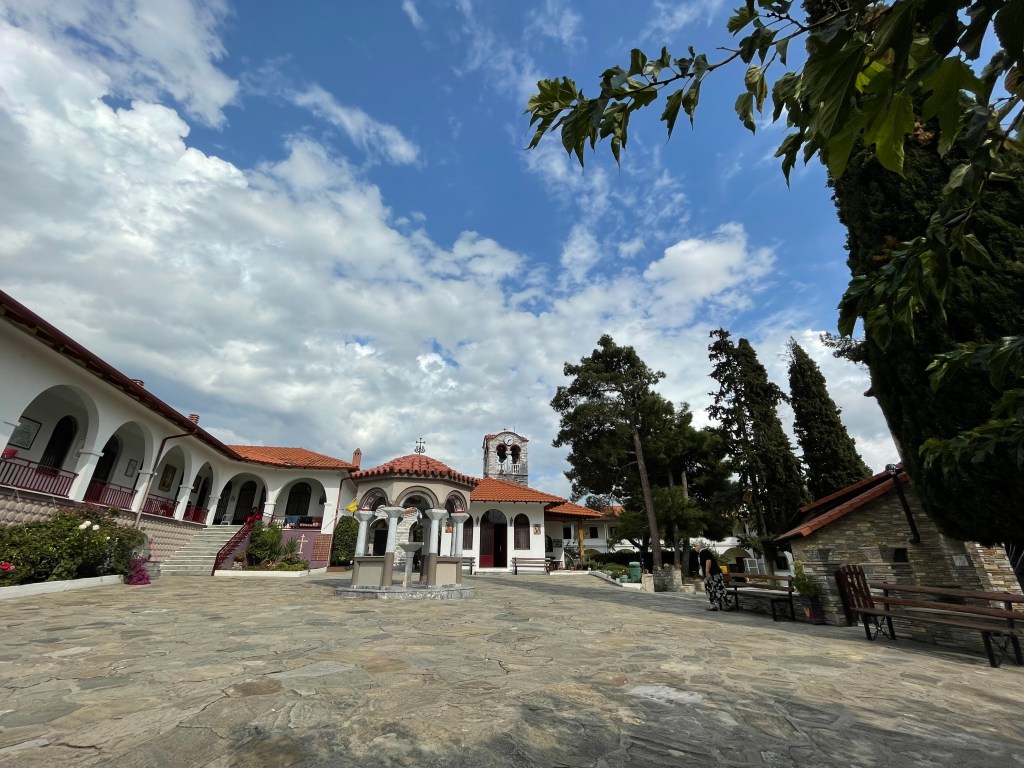
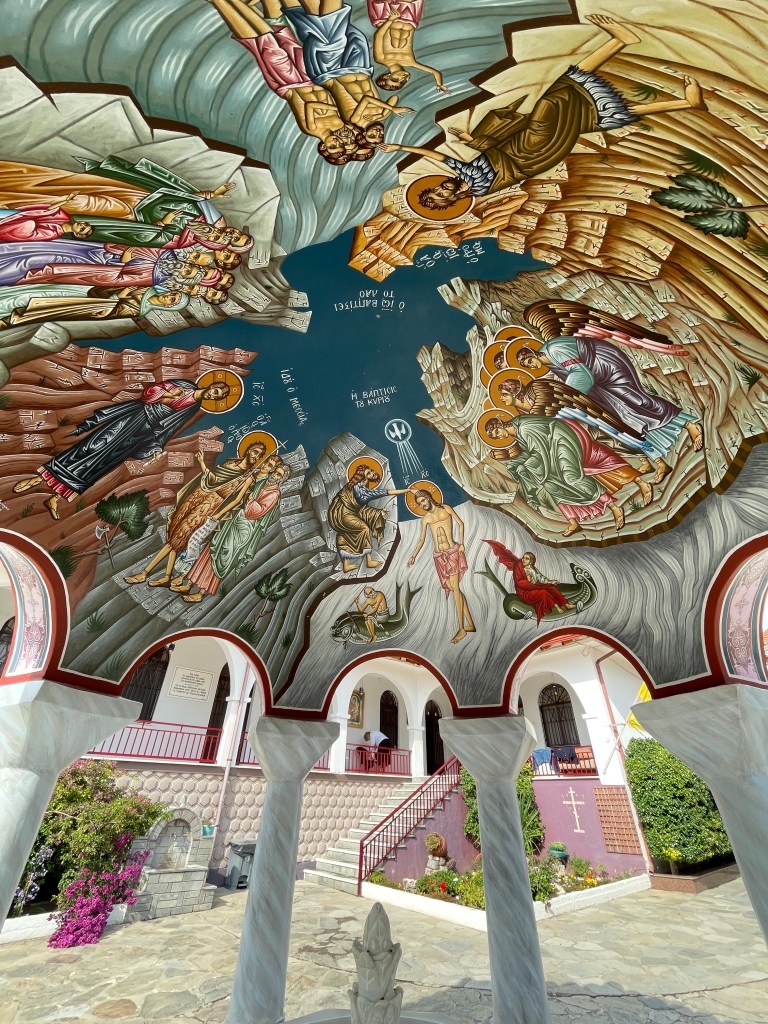
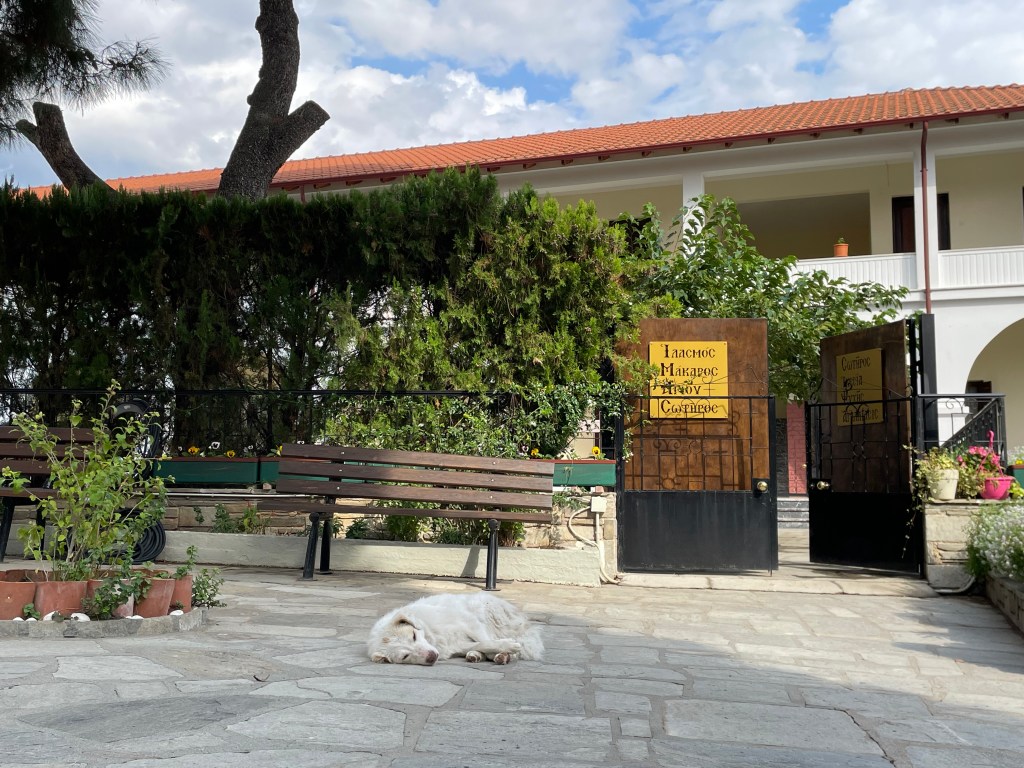
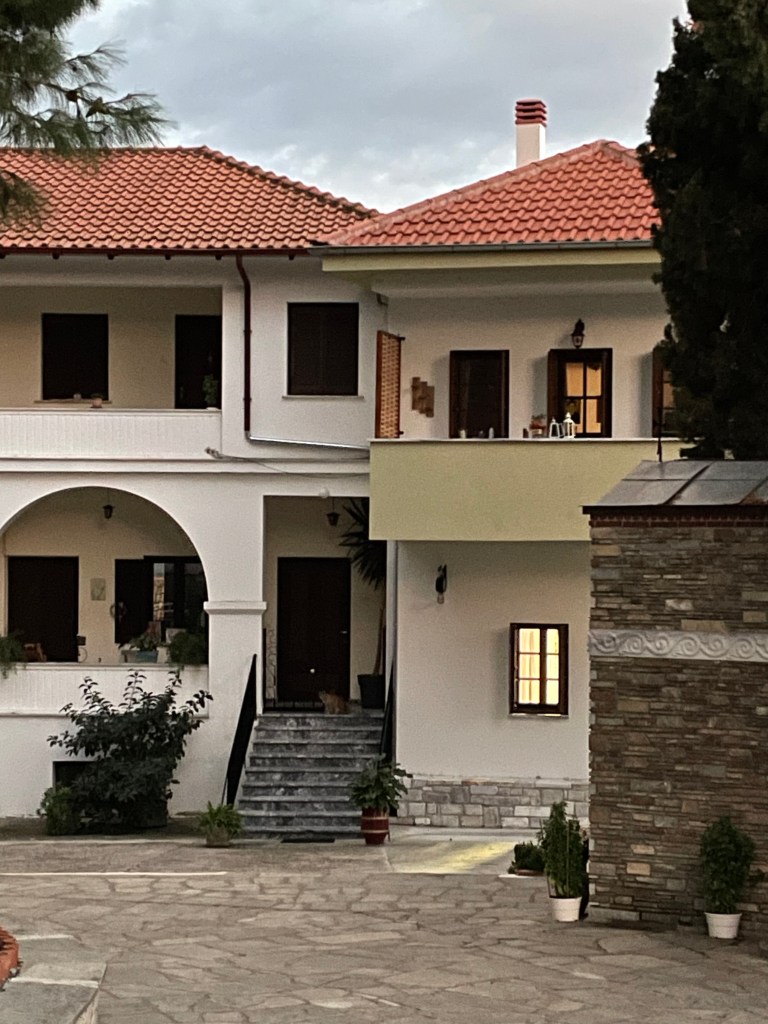
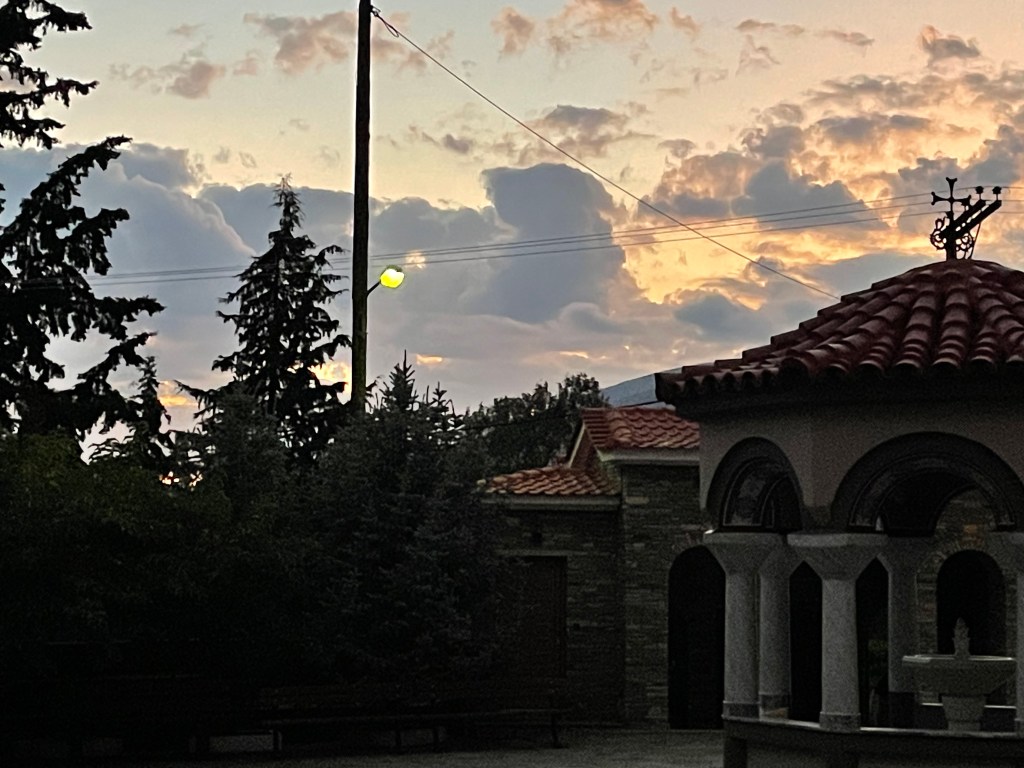
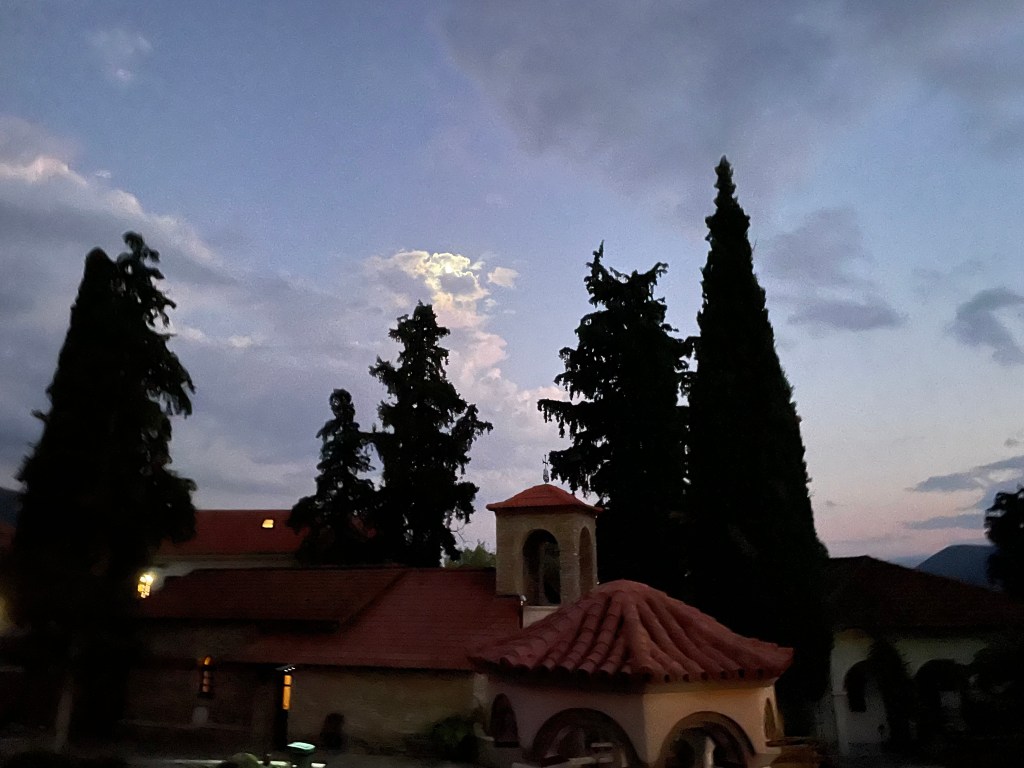
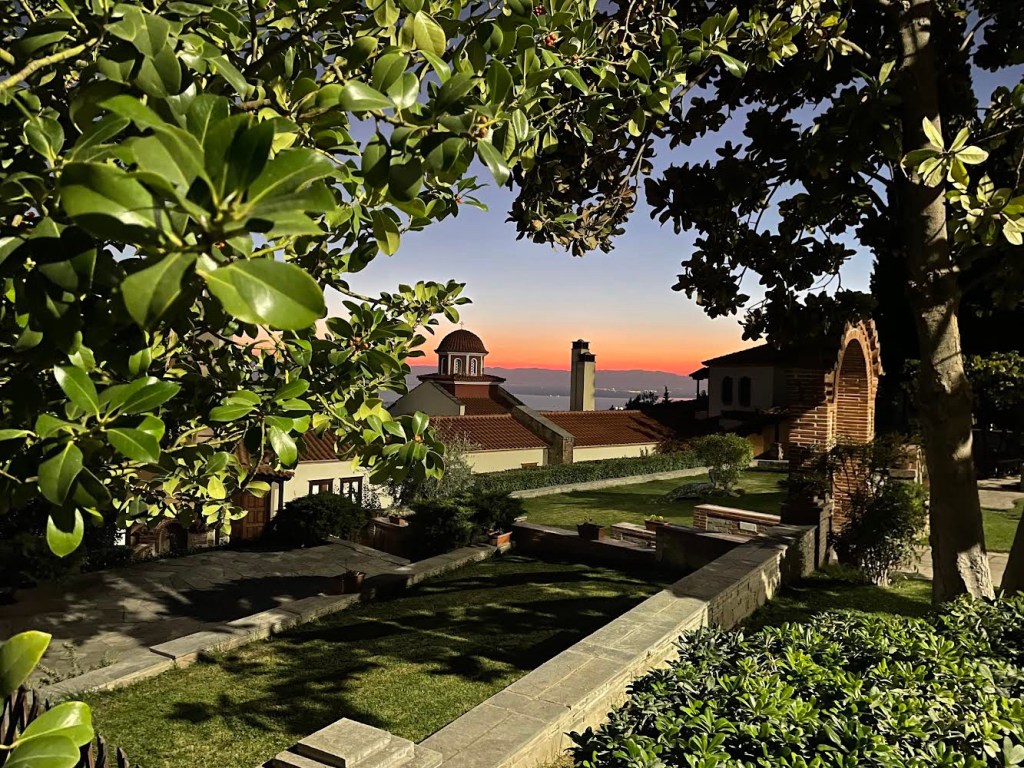
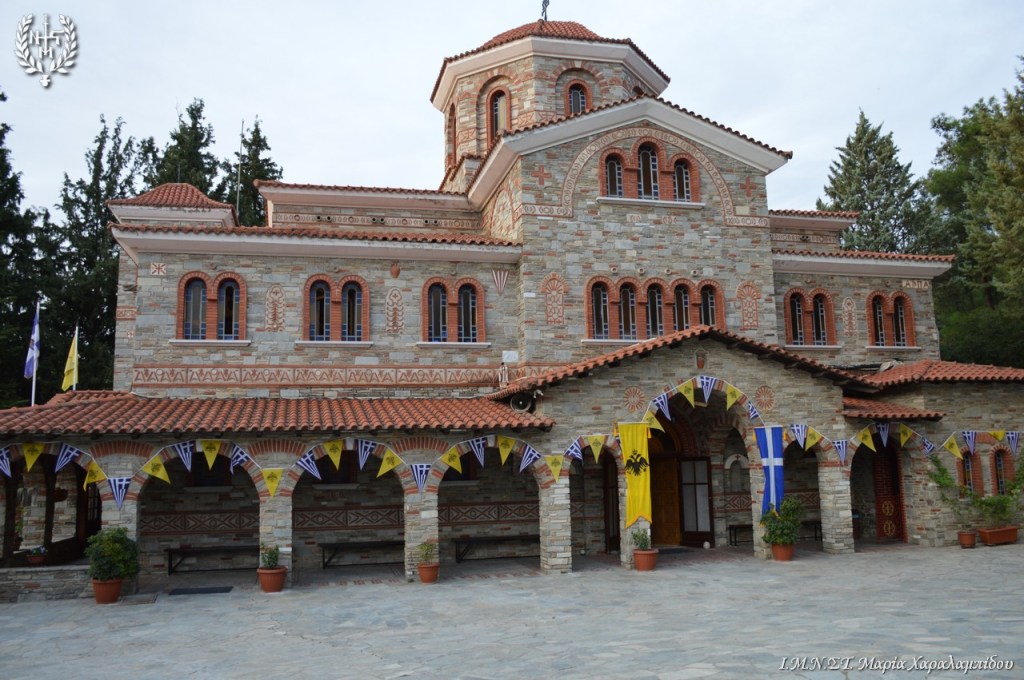
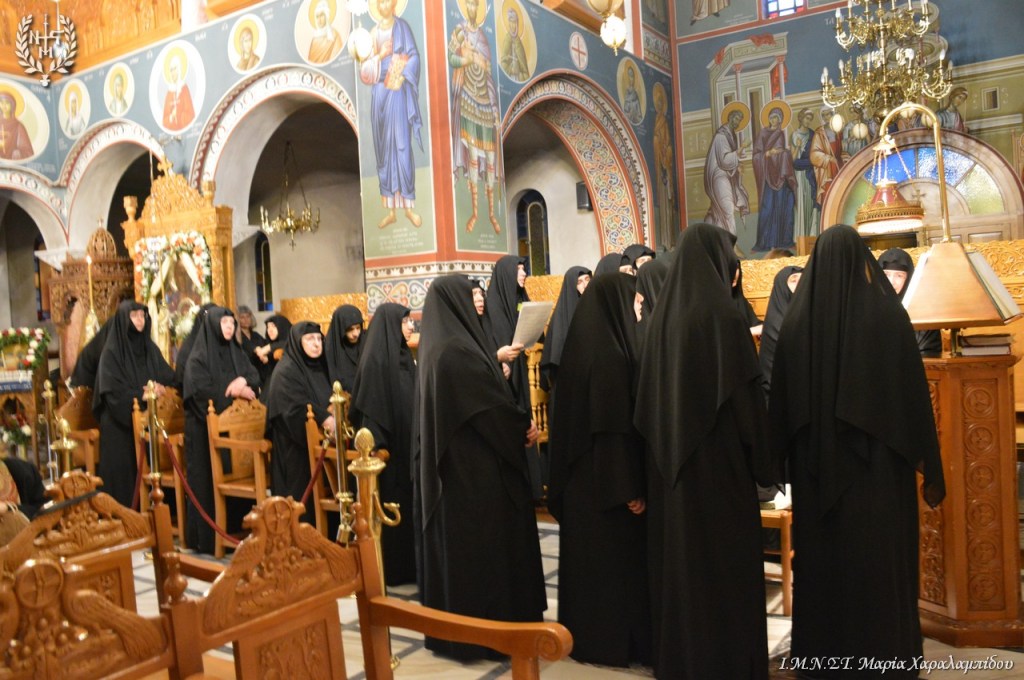
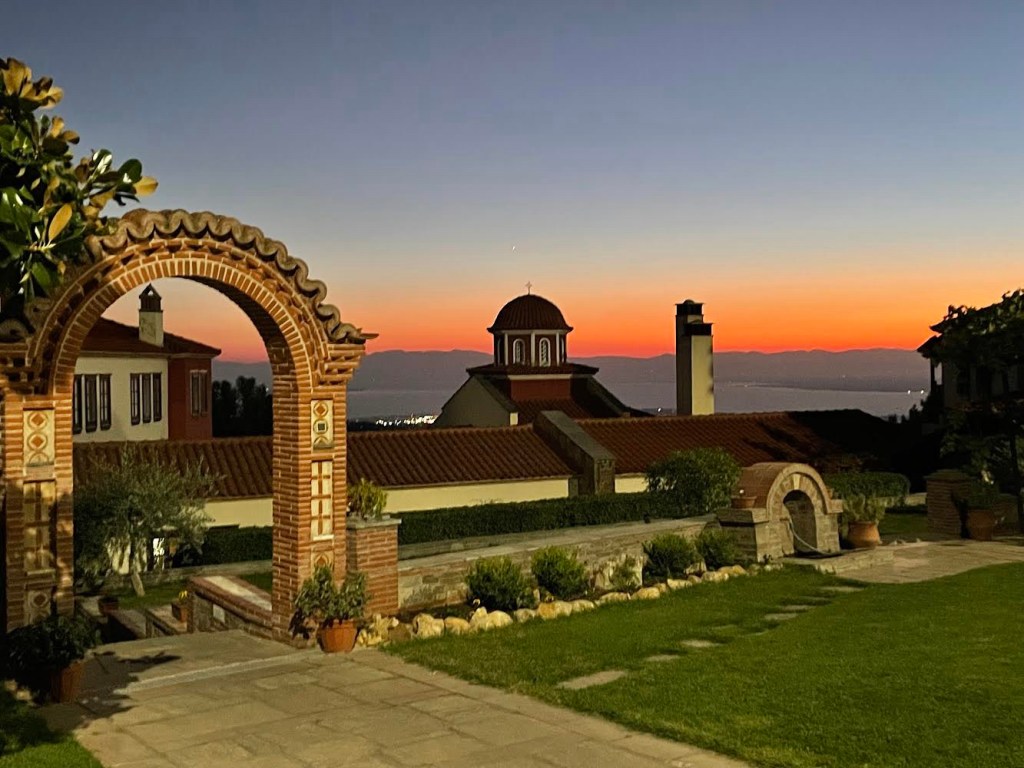
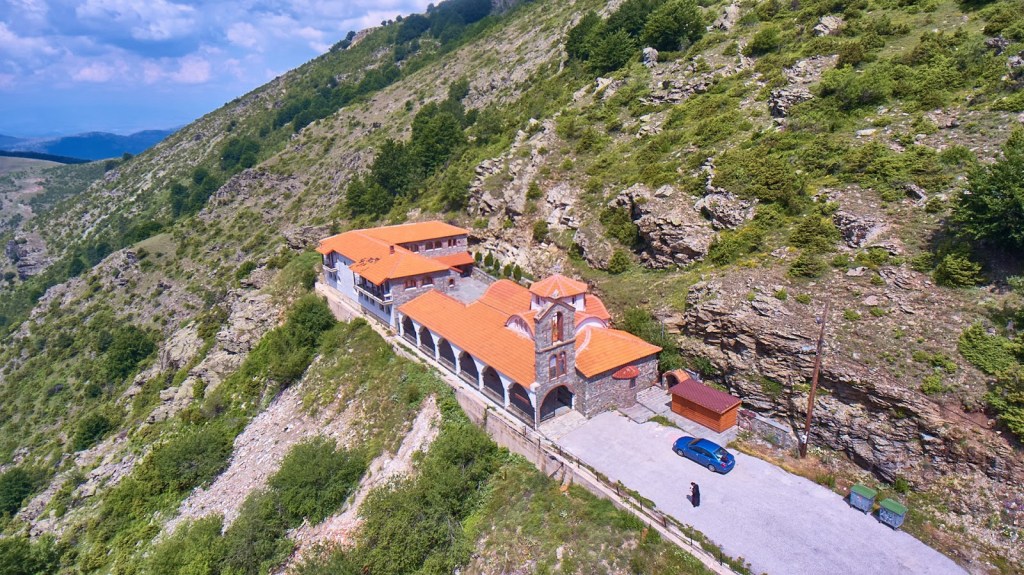
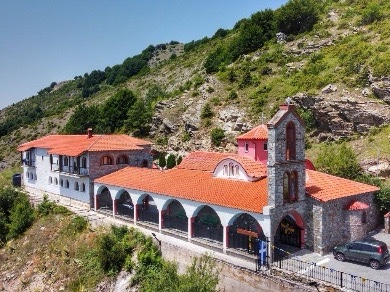
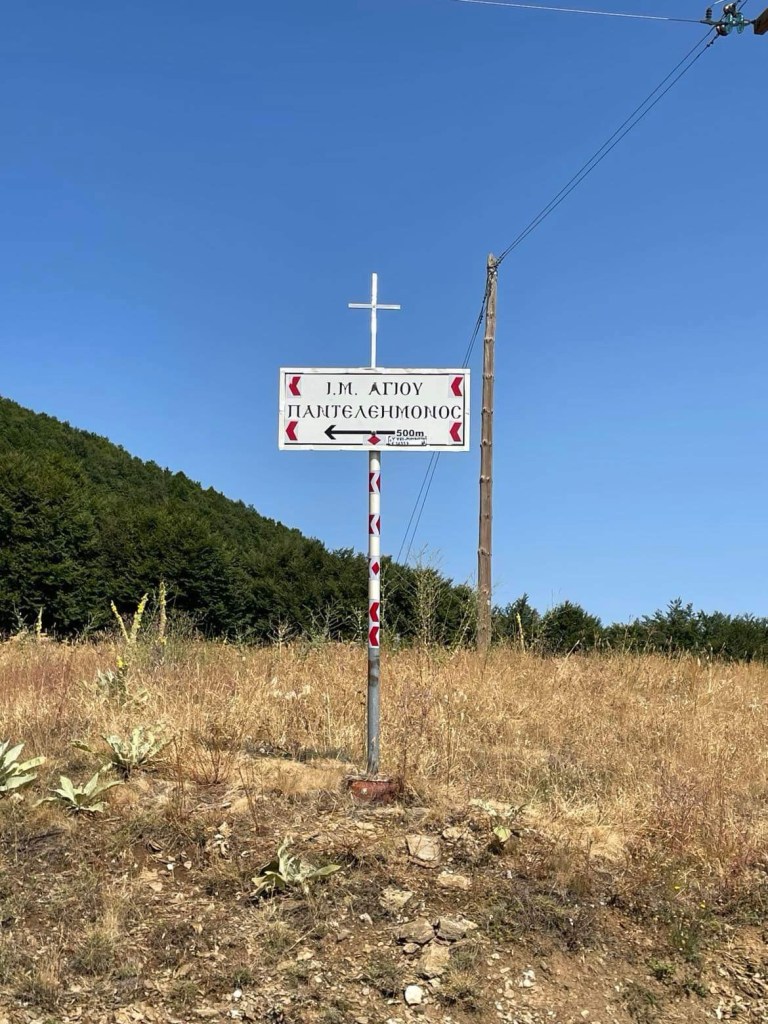
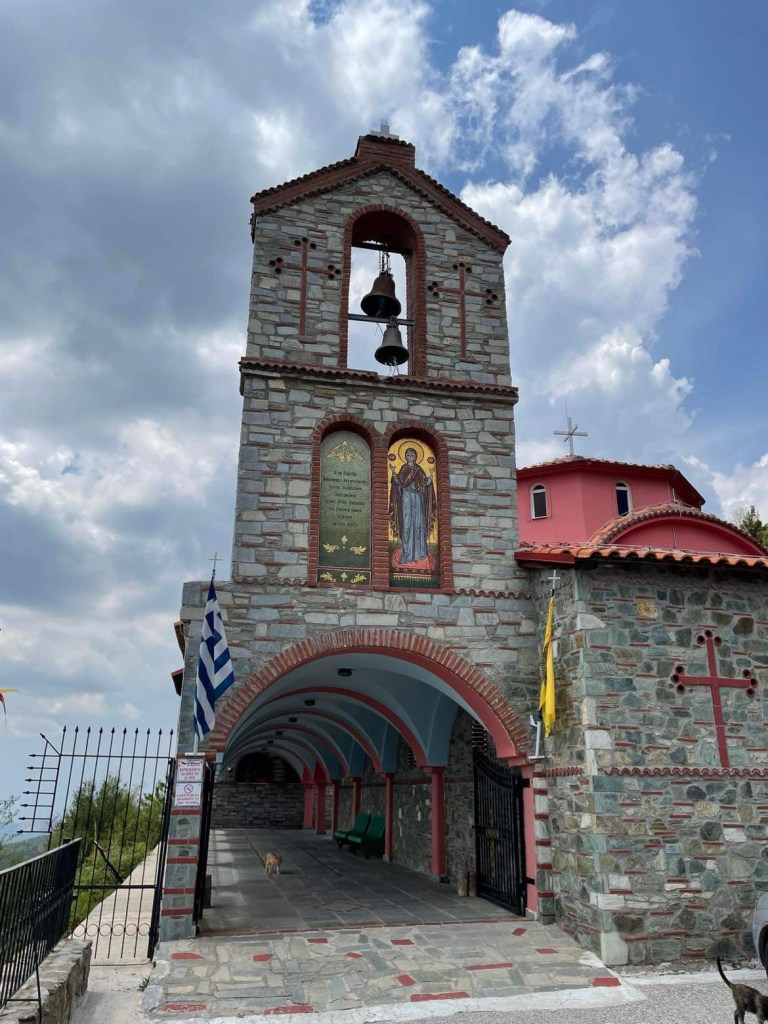
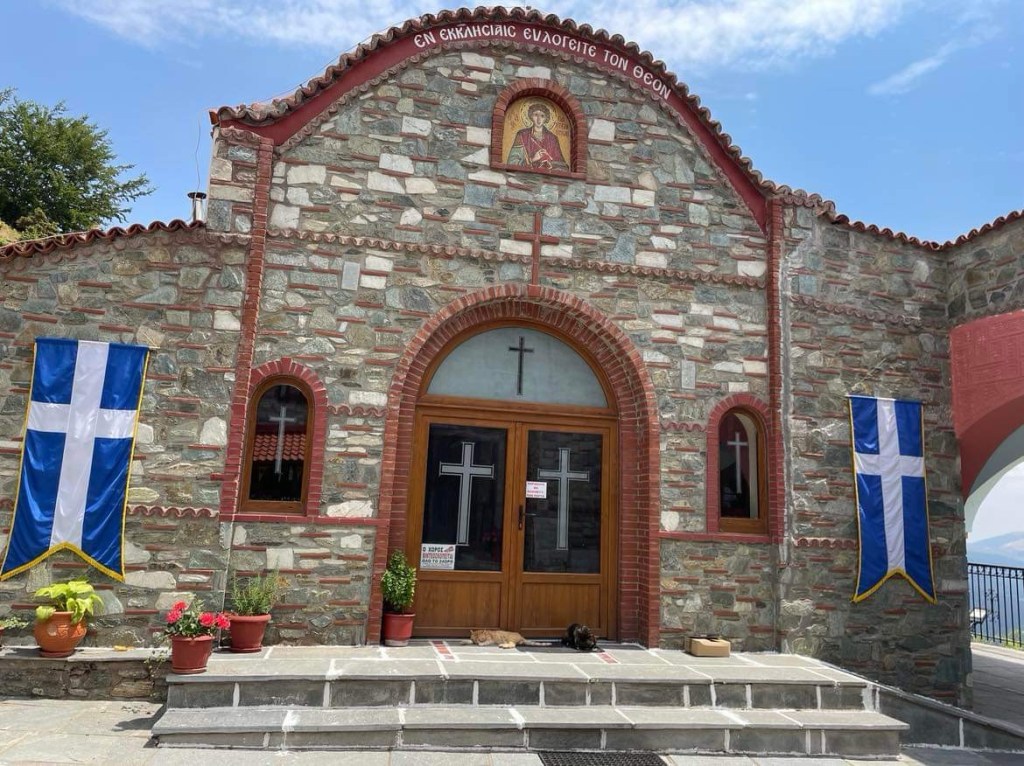
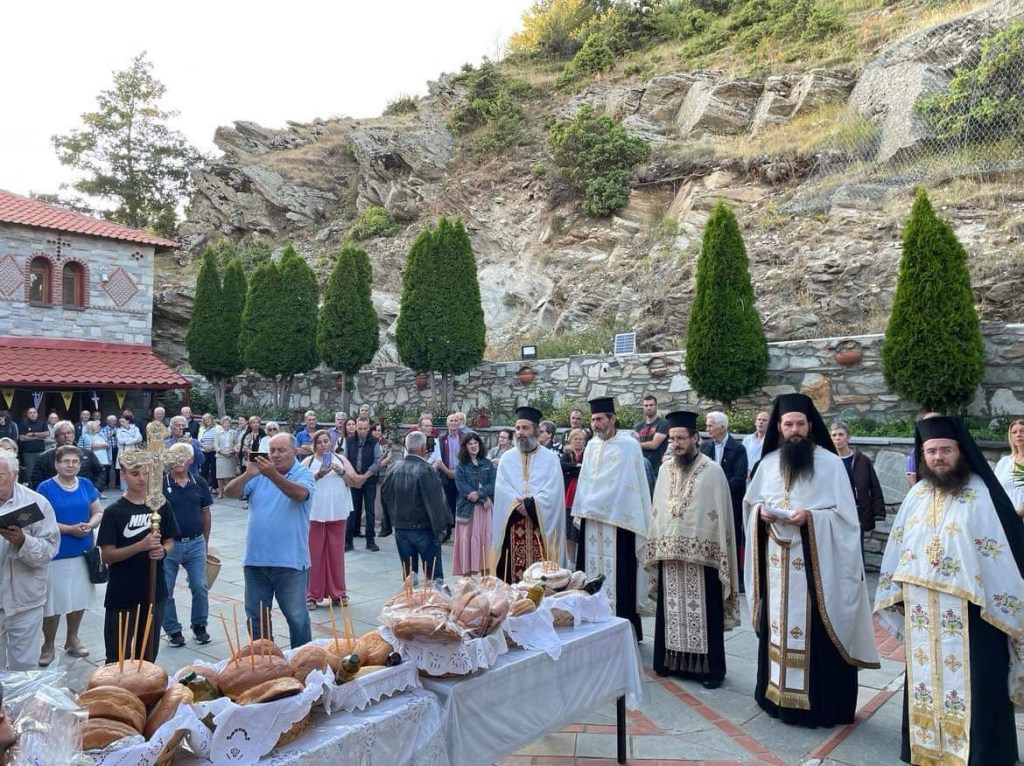
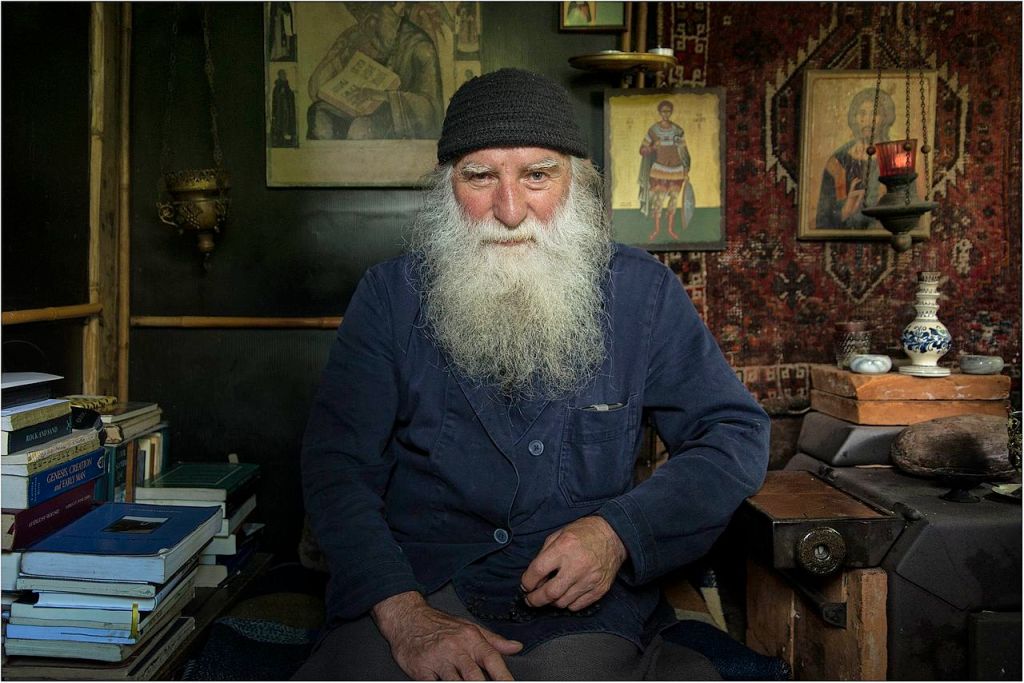
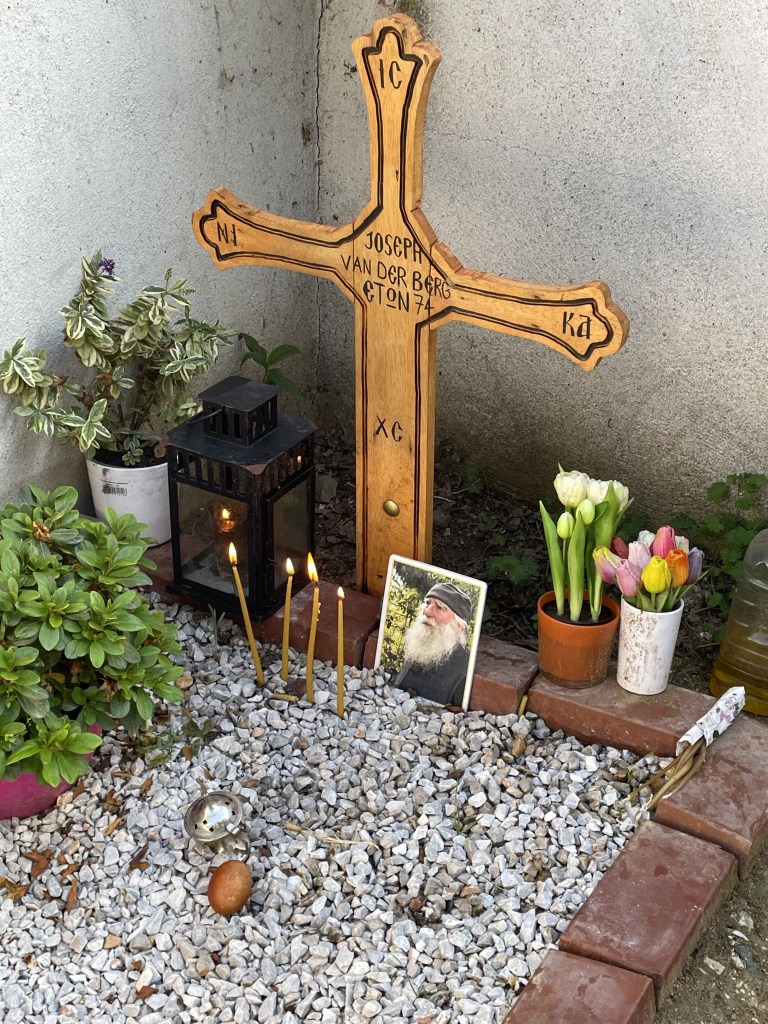
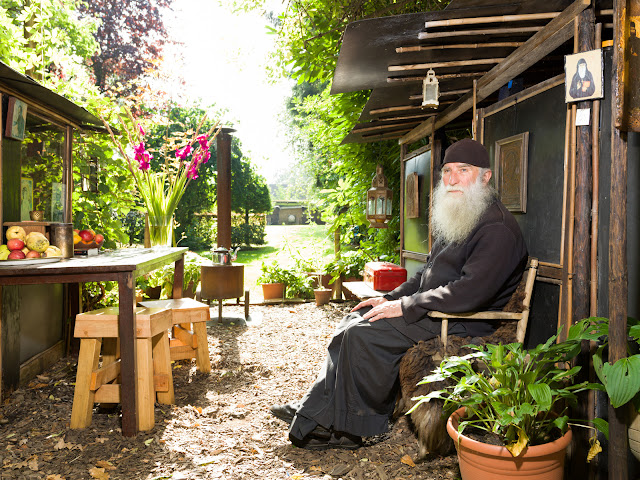
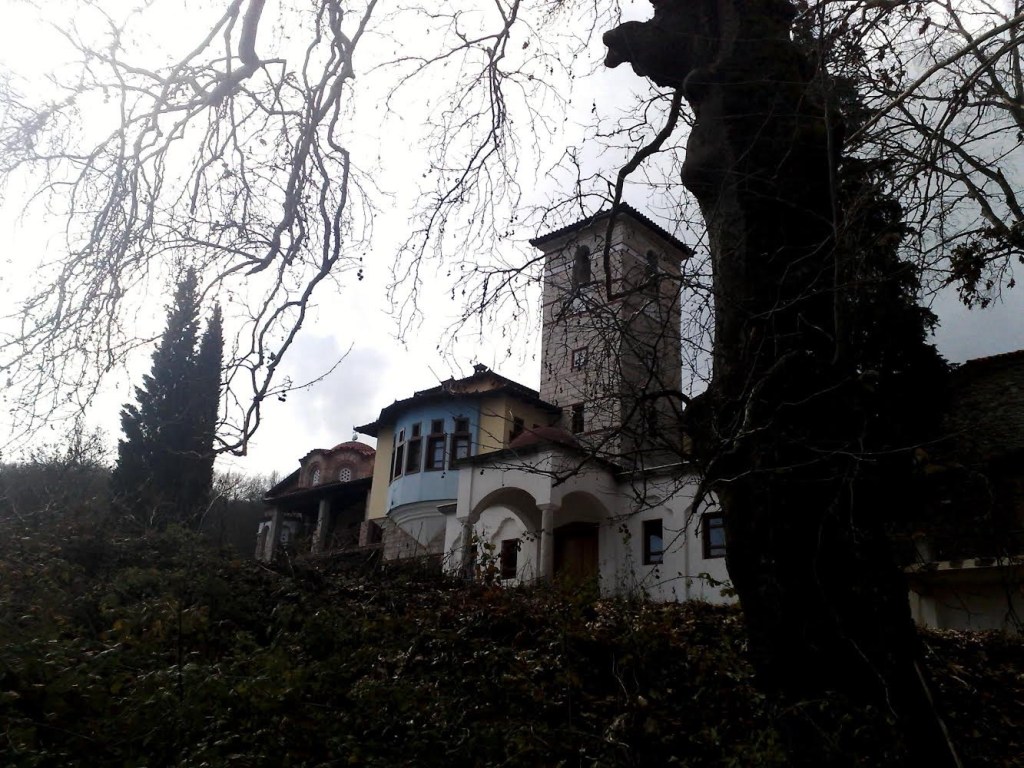
Yesterday, Saturday, June 1st, some friends from St. George Metochion took me to a pilgrimage to various hermitages outside Thessaloniki, near Ossa, where valiant Mothers lead ascetic lives, all alone, together with God, in the mountain wilderness. Surrounded by all these hermitages is the Transfiguration of Our Saviour Orthodox Monastery, in Sochos, a male monastery I have always wanted to visit for the last 12 months, since Josef Van den Berg has reposed there at 74, after an amazing meta-noia, conversion to God. (+ Oct. 16, 2023)

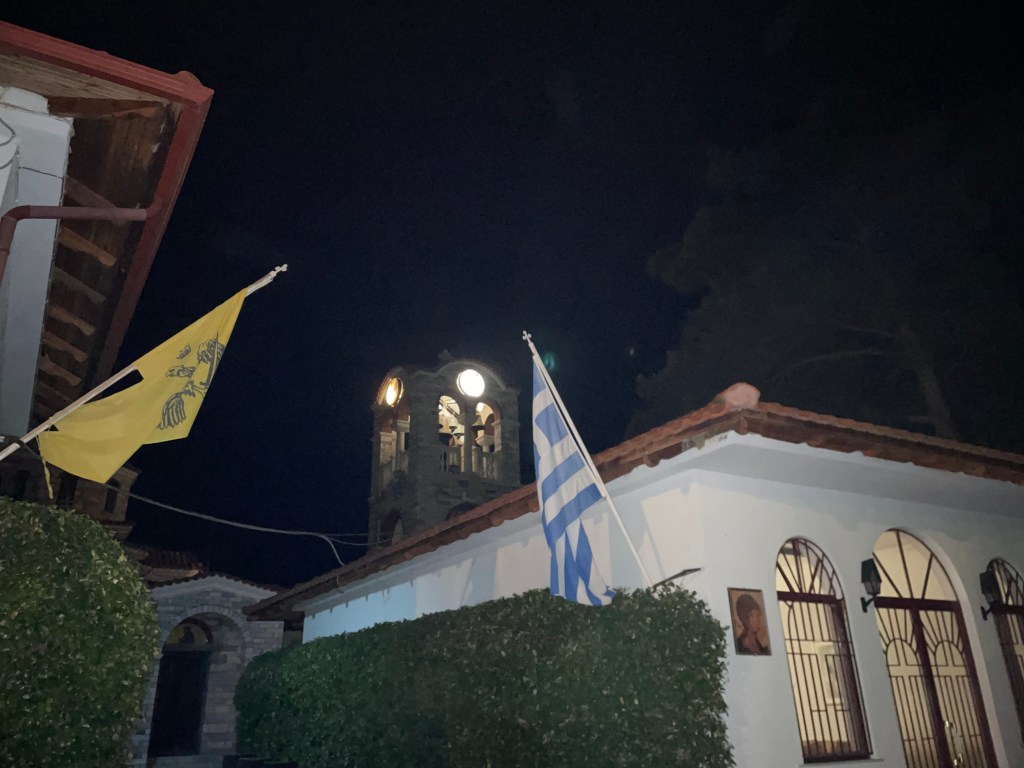
On Friday, October 13th 2023, the famous Dutch actor and puppeteer, Jozef Van den Berg, turned Orthodox Christ hermit reposed in the Lord at the age of 74 at Holy Transfiguration Monastery in Sochos, where he went to live the last few months of his life on earth, due to his failing health. His funeral was held on Tue 17th at the same Monastery and he was buried there. It was a blessing to light a candle and pray at his grave.

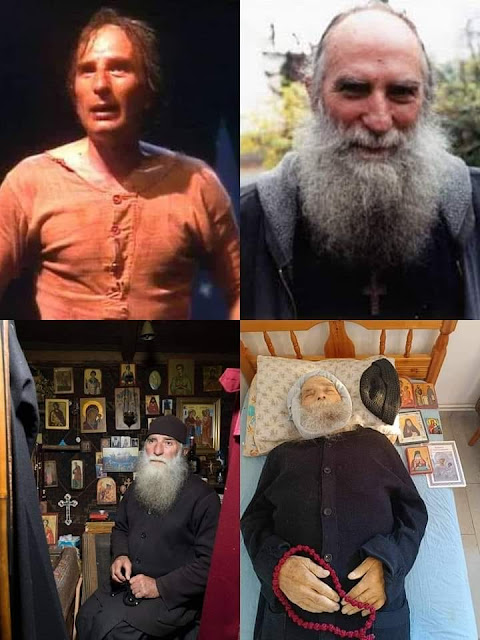
Jozef, who was born in Beers of the Netherlands on the 22nd of August 1949, was a very well known actor in the 1970’s and 1980’s in the Netherlands. He was initially an atheist and married with four children. Later, he began a successful career as a wandering puppeteer for children. Then he made his own performances in the theater, for children and adults. Van den Berg travelled the world, from Australia to Canada. In the 1980’s, Jozef Van den Berg played in his last play “Enough Wait” for his brother who was seriously ill and was in a wheelchair. On September 14, 1989, he would bring that performance to the De Sing but then something very special happened.

Let me begin a little earlier. On September 12th, 1989 was the Belgian première of Genoeg Gewacht at Antwerp [Belgium is a predominantly Dutch-speaking country]. That afternoon, Van den Berg had an encounter with God, as he described it later on. Sitting in his dressing room, he wrote a letter he wanted to use that night for the first time in his play. God asked him this question by his own pen: “Why don’t you ever see that I cannot come because I’m already here?” On September 12, 1989 he still played the premiere, which later turned out to be his very last show. Van den Berg was – according to his own words – being called by God, and had to answer that.

Before the evening show on September 14th, 1989 at De Singel Arts Center in Antwerp, he took his Bible and asked God what to do. He opened the Bible at the following words: “Go away from their midst and separate yourself” (II Cor. 6:17).

Before the beginning of the play he said to his audience:

“I will try to explain it to you. I hope that you have one thing for me and that is respect for my decision. I will never play again. I have approached a reality which cannot be played anymore. I have searched for a tremendously long time; have been everywhere. Eventually I came to the conclusion, and this conclusion, I have to admit, is that the seeker seeks but he is found. That’s why tonight is the last time I’m on stage. You don’t believe me, but that’s the deceitful side of theater.  Therefore, ladies and gentlemen, for this man, for Christ only, have I searched for this peace I wanted. And I know that it is so, and I quit this profession. For me, it’s over. I seek reality. I can’t say things that are not true for me anymore. I wish you a good day. I go. May you all go well. The money you paid can be given back at the box office.”

The audience was stunned. Was this real or was it theater? A deadly silence followed, and the theater audience reacted emotionally. Thus, on September 1989 at 7:55 pm, the theater career of Joseph Van den Berg came to an end.

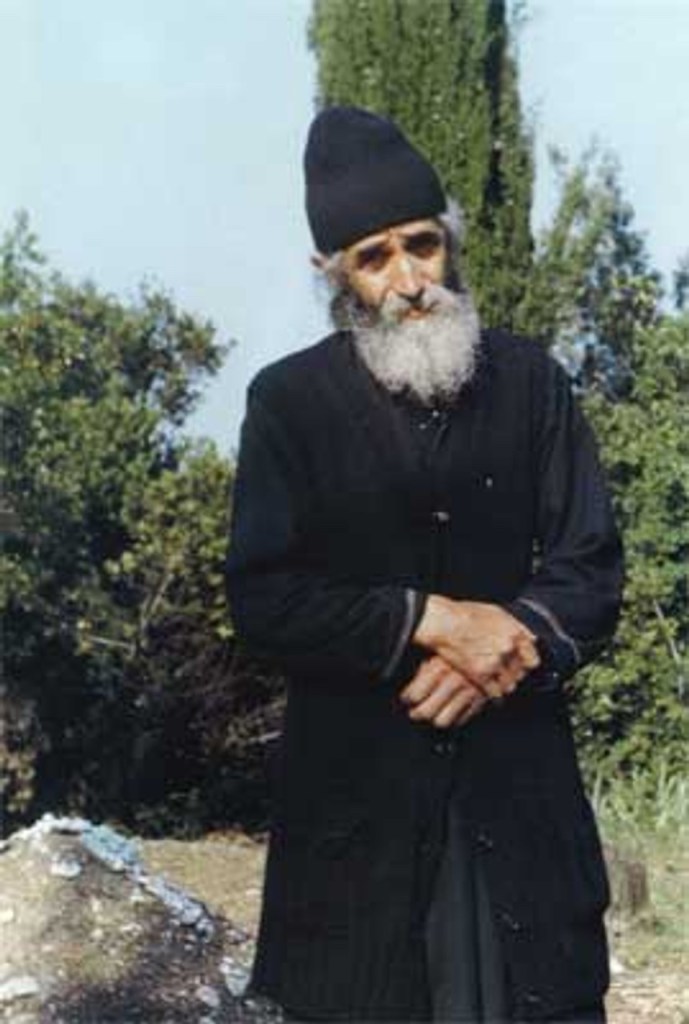
That night was the beginning of an extraordinary conversion and odyssey. His quest led him to Maldon (Essex), Athens and the Holy Mountain of Athos, to further find out how he had to continue his road with God. His children and wife had difficulties understanding his conversion, and he was left all alone. Alone with God! Jozef gave up everything, job, fortune, family, everything, started living like a beggar, and eventually converted to Orthodox Christianity a year later, after paying visits to Elder Sophrony in Essex, Elder Porphyrios in Athens and Elder Paisos in Mount Athos.

An important event preceeded his conversion: a woman he knew from the Gurdjieff movement died in a serious traffic accident, and she had pointed out that she wanted to be buried in the Orthodox way. This happened on August 17th at Eindhoven. There, he heard the Trisagion for the first time in Dutch. That’s where he began to see that Gurdjieff wasn’t right.

At the end of September 1989 he went to the Greek Orthodox Monastery of Saint John the Baptist at Maldon, Essex, England, where he talked with Elder Archimandrite Sophrony, and he confirmed the experience God had given him and urged him to repentance. Elder Sophrony told him that he cannot sustain God’s Love if he does not endure the furnace of repentance. At the beginning of January 1990 he had a very important meeting in Athens with the Greek Elder Porphyrios. This last one too confirmed the experience God had given him in Antwerp, and he told him that he has to now to become an Actor of Christ. Saint Porfyrios urged him not to betray Christ and turn down His calling. He was then sent by Father Porphyrios to the Holy Mountain of Athos, where he had a meeting with Father Paisios, who too blessed him.

Back to Netherlands, with the blessing of three saints, things evolved in a different way than expected, everything started going seriously wrong as all three Saints had “warned” him, and he got in more and more trouble on all fronts. He couldn’t sleep anymore and  became over-tired. In the middle of this crisis, on June 18, 1990, he asked a priest in order to be accepted into the Orthodox Church. Months passed by in “dead-ends” and “walls” were raised all around him.

During the night of the 1st to the 2nd of June, he realized that he was left alone, and on June 2nd, 1991 he attended the Divine Liturgy at the [small Orthodox] Monastery of the Holy Prophet Elias at St. Hubert. That’s where he left what was left of his money on the collection plate. “Lord, from now on, You have to take care of me. I totally surrender.” There, Archimandrite Pachom read from the Gospel of that Sunday of All Saints: “He that loves father or mother more then me, is not worthy of me: and he that loves son or daughter more then me, is not worthy of me. And he that takes not his cross, and follows after me, is not worthy of me. He that finds his life, shall lose it: and he that loses his life for my sake, shall find it” (Matthew 10:37-39). Two hours later, after the Liturgy, he went straight to the Orthodox Monastery of the Nativity of the Theotokos near Asten, where he stayed for 19 days, and where he left his Mercedes Combi, because it didn’t want to start again. For him. It started for his brother a day later!
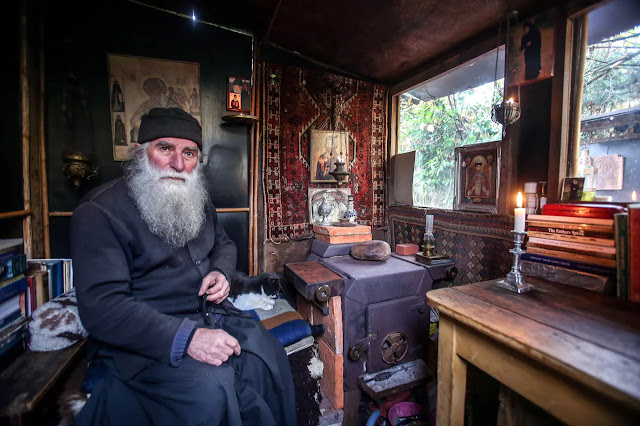
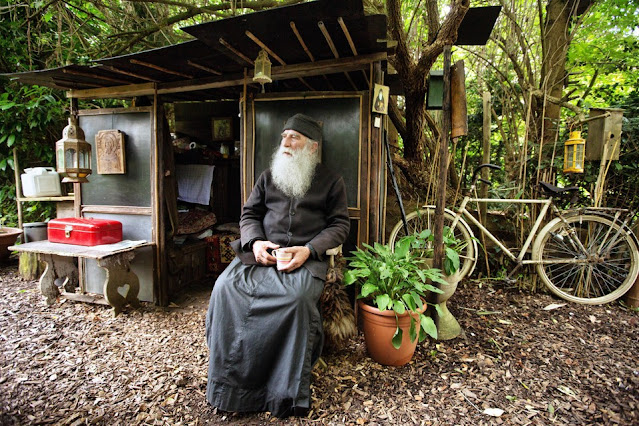
His only question was: “How does God want me to shape my calling?” Slowly, peace returned to him. From July 1991, Jozef Van den Berg started living as a hermit, first in the bicycle shed of the town hall in Neerijnen, later in a self-built chapel in the backyard of a fellow villager. There were four poles close to the quince tree, and Joseph understood from this that he had to build the “Pull-Up” under the quince tree. With this “messenger”, he built a small chapel of 2 by 1.5 meters, which still stands today. He prayed and received people every day. He lived on whatever people brought him. He had no connection to any utility whatsoever. Eventually, there was a toilet in the castle garden, which Joseph and his guests could use, and the last few years he hasd a mobile phone for emergencies.He obviously received a lot of a media due to his lifestyle since then…

In the end, he left Neerijnen in August 2023 and traveled to Sochos in Greece, where he reposed on the 13th 2023 at the age of 74 in the Greek Orthodox Transfiguration Monastery.

Read more here and here

More about this monastery and its founder and spiritual father, Archimandrite Ioannikios Kotsonis, the theologian and poet, the spiritual son of Saint Porfyrios in the next blogpost.

Under the Archangel’s Mighty Wings

This year, Holy Week was especially difficult due to an enforced isolation. A little city hermit delights in quietness and solitude, but not an enforced one, and not together with somebody else who is ‘difficult’, where one has to practice cutting your own will every minute. Nonetheless, His Will may be done, and so this painful week passed and that and most demanding obedience was concluded for the time being…

Thank God, the Bright Week which followed was “bright-er”. Its highlight was a pilgrimage by St. Arsenios Monastery, and especially our visit to the Monastery of Archangel Michael in Thassos on Bright Wednesday, the following day of its litany:

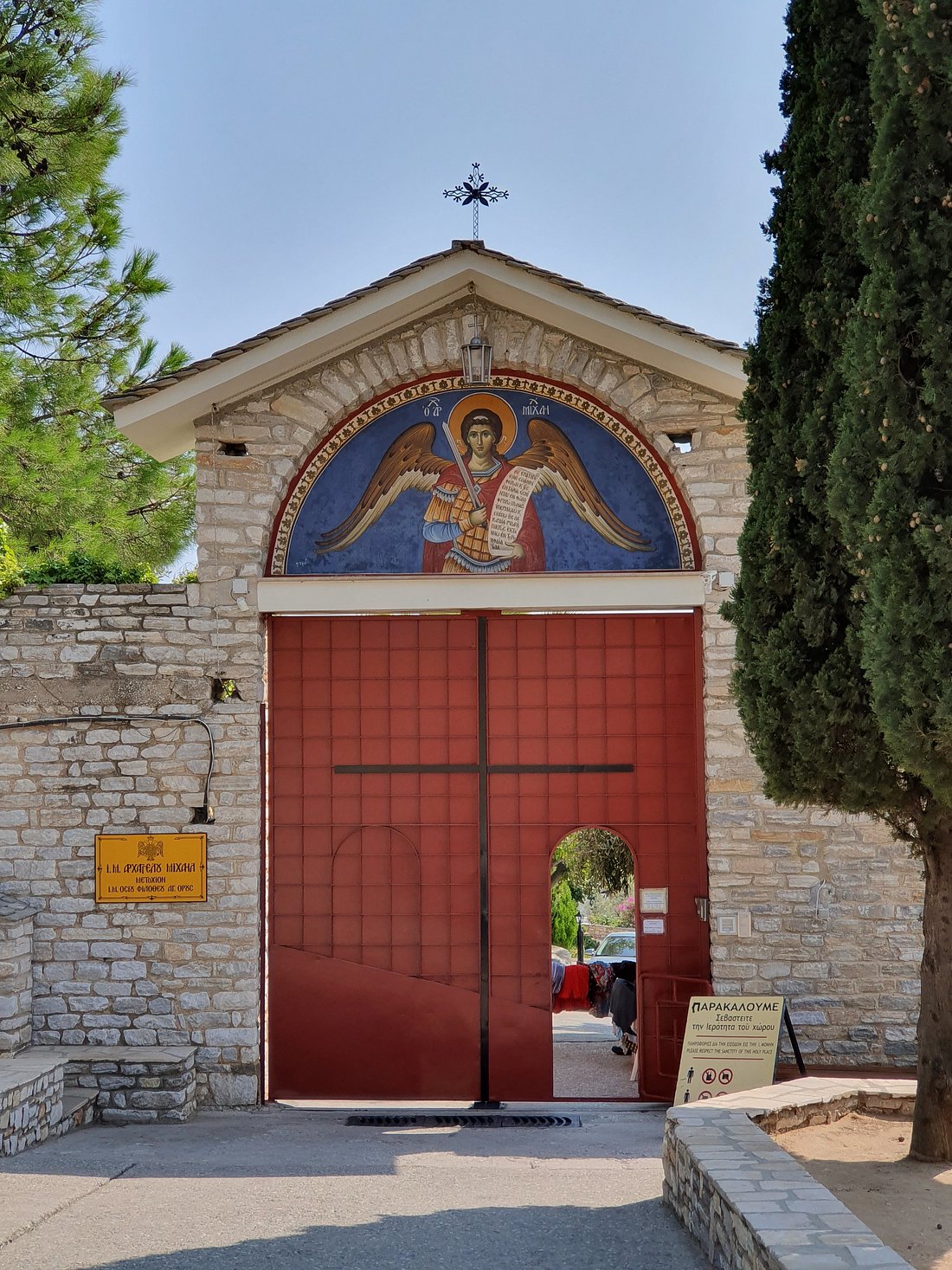
The Monastery of Archangel Michael is located on the way to Alyki, about 25 km, south of Limenas. It is built on the edge of a cliff, thus it gives a spectacular view of the Aegean Sea.

The view…

The Archangel Monastery is the biggest and by far the most popular monastery of Thassos, to pilgrims and tourists alike.


The monastery is a share of the Holy Monastery of Philotheos (at the monastic state of Mount Athos). Its historical origin is set in the Byzantine times. In 1090 AD the hermit Luke built a small chapel at the place obeying the command of Archangel Michael, who hit with his hand and a holy spring gushed out there. The holy water, which has been a source of many miracles, flowed in the chapel until the occupation of Thassos by the Turks. Then some irreverent Turks tried to pollute the spring mocking our faith and the result was that the spring dried out. Later the holy water gushed out again and keeps flowing until today in a different position, in a cave under some rocks near the sea. It is called the “on the knees” holy water because you enter the spring on your knees. It is still the source of miracles to the pilgrims who pray and ask for the Archangel’s help. 

In the convent is also found a piece of the Holy Nail, put in the right hand of the crucified Christ and it is kept in an artistically crafted hexapterygo (ie. silver six-winged plate) for the pilgrims to worship and for the protection of the convent and the island. This was dedicated to the Monastery of Philotheos by the emperor Nikiforos III Botaneiates and it was miraculously moved to this chapel as the Archangel wished. As part of religious celebration, every year, on the first Tuesday after Easter, the Monastery conducts a procession that starts at a small village of Theologos. During the procession, they carry the Holy Nail back to the convent.

This Monastery share remained abandoned until 1974, when the blessed Ephraim, Abbot of the Monastery of Philotheos, brought the first sisterhood in this place, where the facilities were rudimentary. The nuns have worked very hard to reconstruct the place and bring the convent to its present amazing condition.

The grace of the Holy Nail and the Archangel, as well as the plethora of miracles attract many pilgrims from all over the world, praying for help and protection from the trials and tribulations of life.  

Inside the cave

The Agiasma – Holy Water​

Nuns are most cautious when eager pilgrims want to visit the cave of the holy water. They insist that you should know that: 

  • Because  the journey has many difficulties, you must have the  appropriate physical health and condition and  ability and undertake personal  responsibility for the effort.
  • Most of the route consists of climbing  the rocks. Essential  supplies for the route are sports shoes and water. 
  • The duration is determined by the capabilities of each pilgrim.  It lasts an average of 2-5 hours.

From all 40 of us, only Father Nikodemus and two pilgrims attempted the descent and made it to the cave. The descent and the ascent took them a total of 6 hours, and then they disappeared for about another 6 hours to restore themselves until the night prayers. Have a look at the video below of the descent with the two company of two goats to see how difficult this descent is.

For more information about the miraculous spring of the Archangel and the Discovery of the Honorable Nail of the Saviour, go here.

Pilgrimage to the Holy Monastery of Panagia Dobra and St. Luke the Surgeon

Another blessing of Mount Athos Gregoriou Metohion in Thessaloniki and Father Deacon Nephon and his synodeia.

During this pilgrimage, even before arriving at the monastery, I had the blessing to hear moving Confessions, such as that of:

an old lady, Konstantina, who told me (and truly meant it) how she had wasted all her life, saw only errors and sins behind her, had grown old and had not yet started repenting about all this;

a young student, Eirini, who told me how she was visited by Saint Luke Symferoupol during a scary hospital stay, decided to become a surgeon like him, dedicated her life to the Church and has been together with this Saint at every step of her life since;

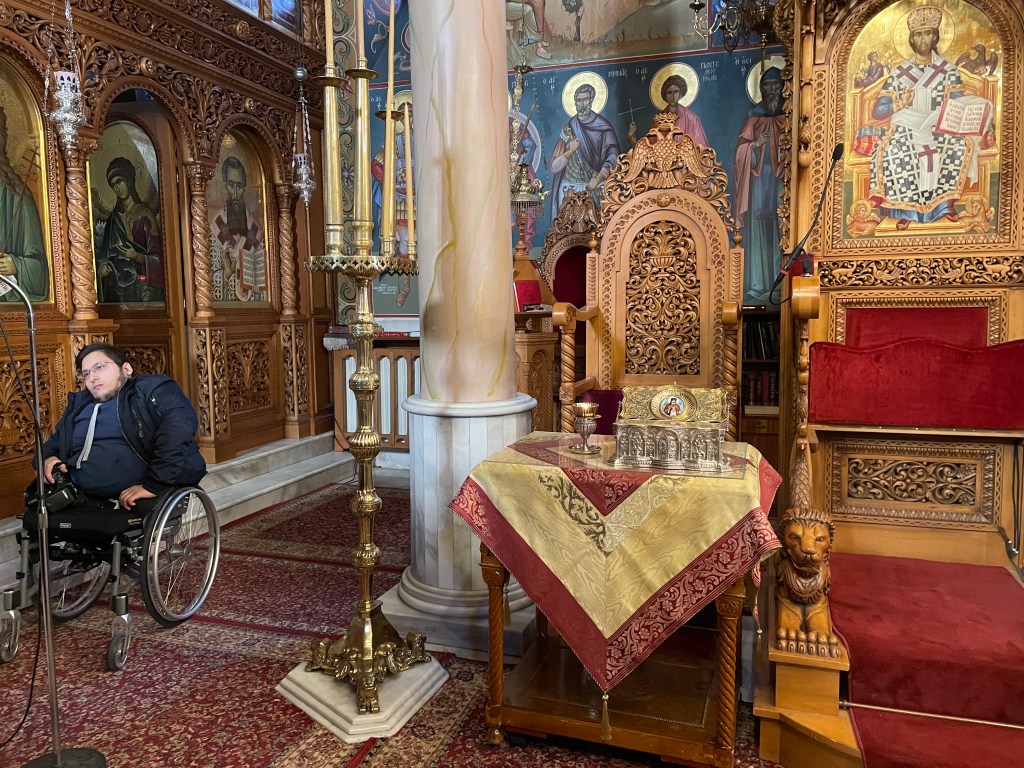
a young invalid, Pandelis, and his tragic story: how first his father, and later his mother, abandoned him because they could not bear his disability since birth, the fact that they had to take care of a ‘half’ son (see photo below), and how he now lives all alone, but together with God and with the help of some of the faithful;

a courageous middle-aged widow and artist, Anna, and her martyrdom in taking care of her invalid husband after a car accident;

a brilliant architect, Anastasia, and her cancer martyrdom …

All these stories, together with lots of tears and prayers, were on our way to the monastery, and many more during our visit and on our way back to Thessaloniki. Stories of suffering, yet transfigured into joy, by His Love. After each Confession, especially Pandelis’, I felt even more shame for my own faintheartedness and unmanliness in my struggles and tiny Cross.

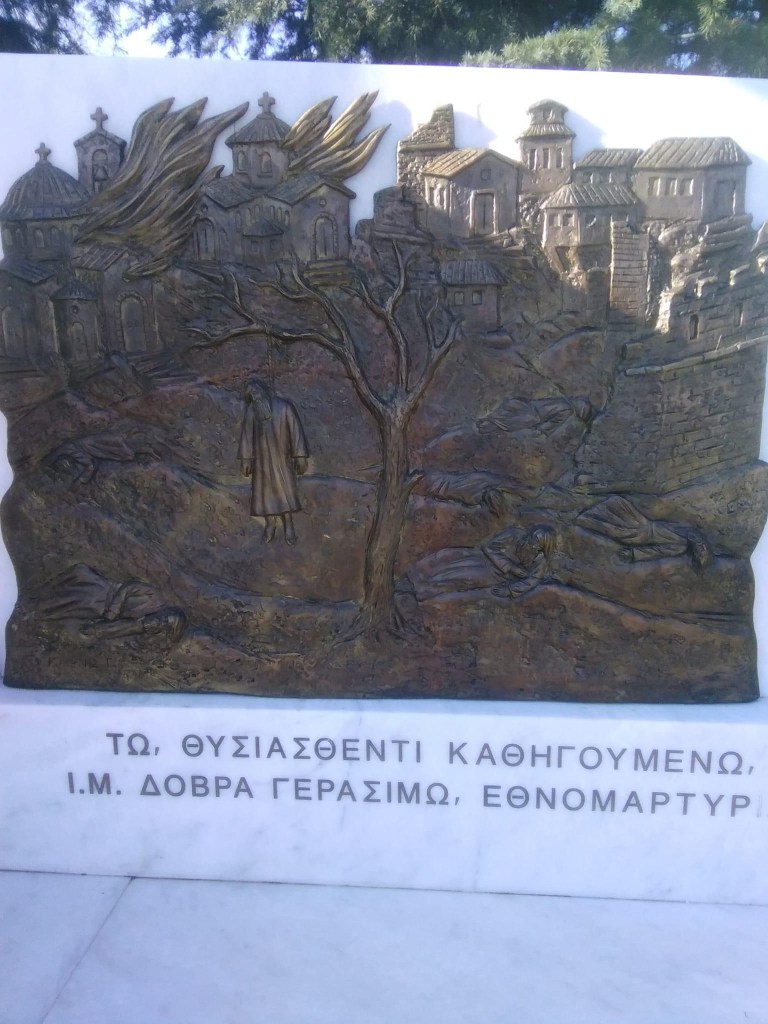
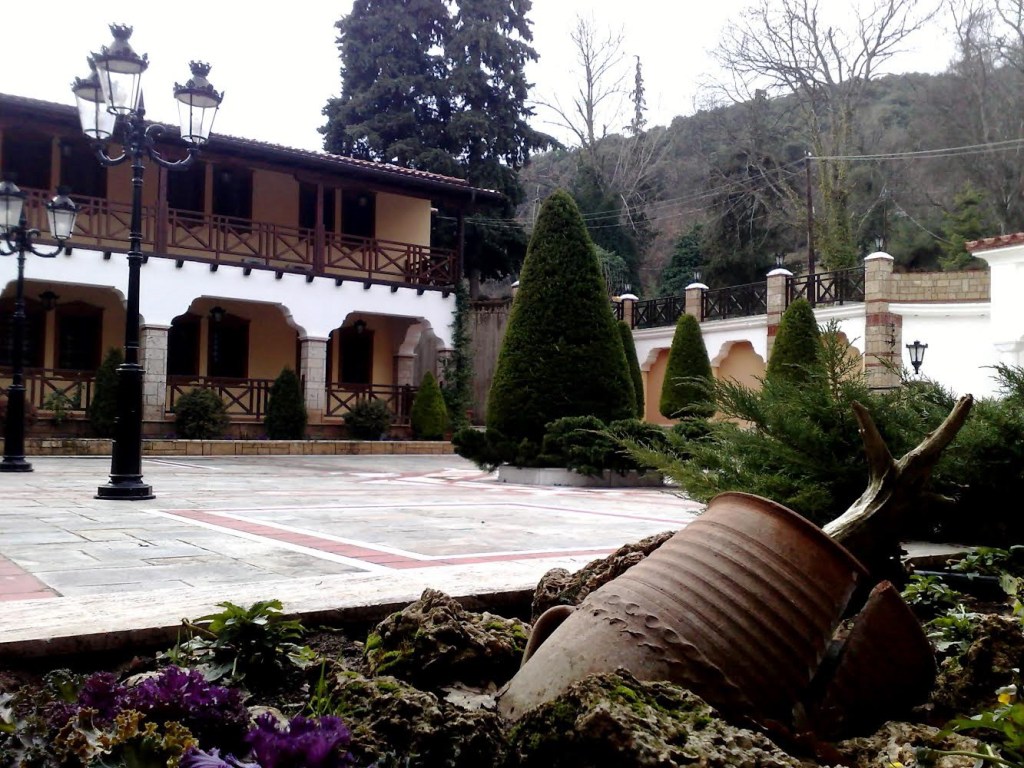
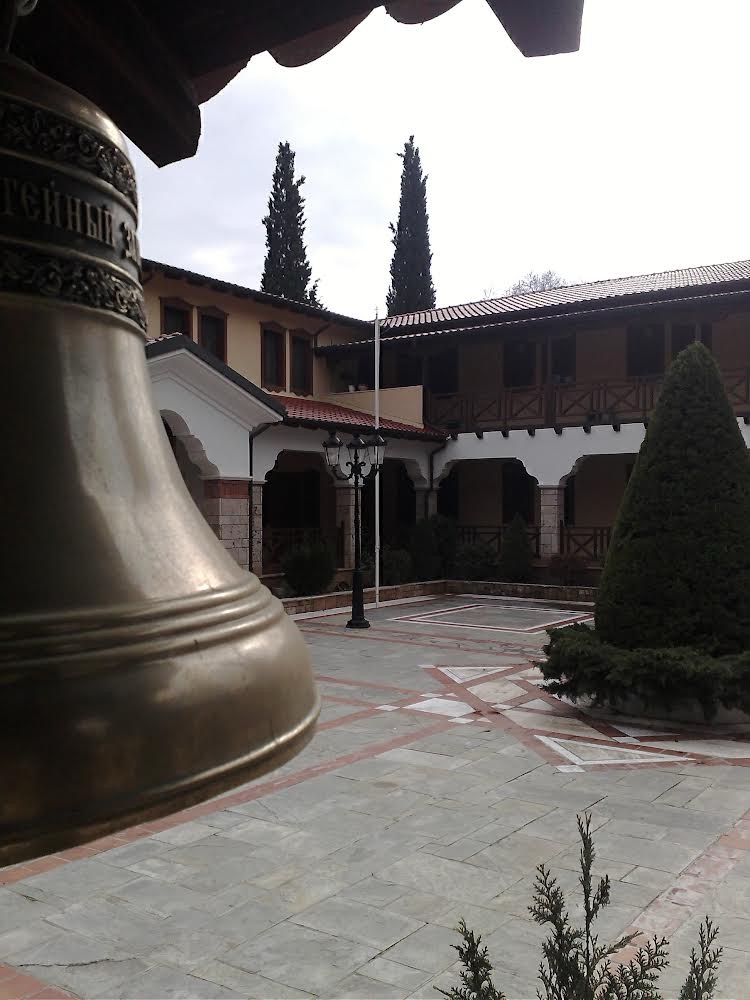
This Monastery honours the Dormition of the Theotokos and was founded in the 12th century according to a document in the National Library of Athens. Since then the Monastery has been serving ceaselessly the Holy Liturgy until 1822. During the period of the Greek Revolution, it was one of the most important national and religious centres of the region. It was here that the actions of Chief Karatassos were developed, and it was here, unfortunately, that the Turkish authorities were successful in dealing with them. The Monastery was burned in 1822, and his abbot, Hieromonk Gerasimos, was hung.

The Monastery was reformed in 1995 as a Cenobitic Monastery for Men.

The Katholikon which remains to this day was built in 1844.

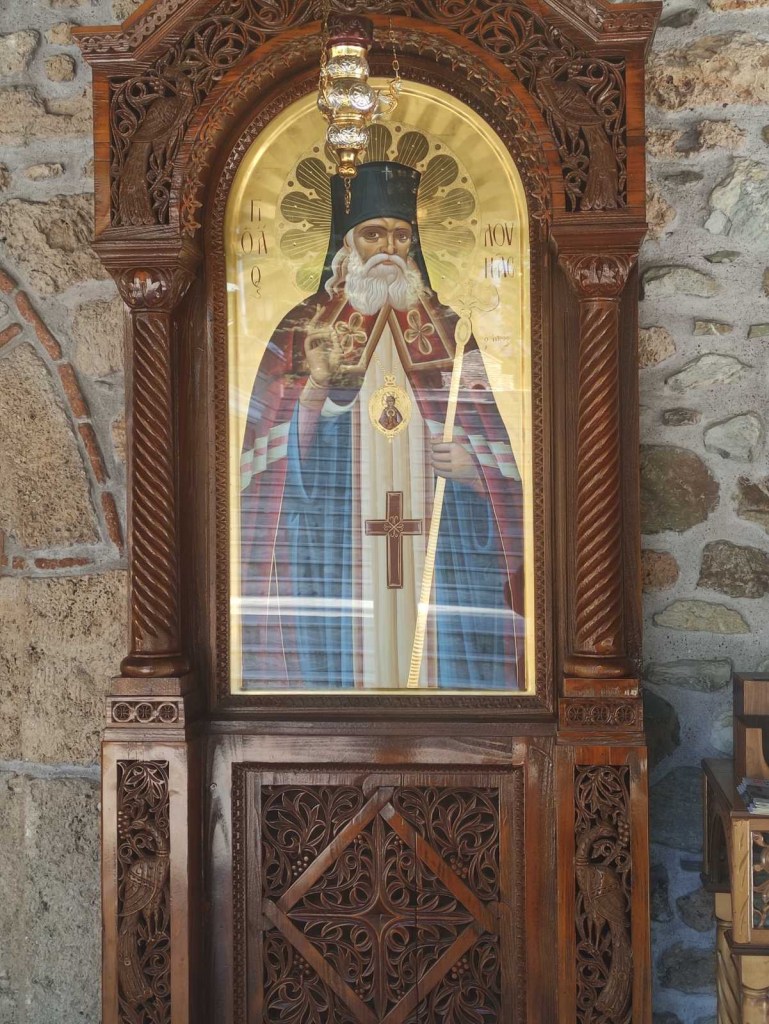
In the year 2005, the brotherhood of the Monastery became acquainted with the newly-revealed Saint of the Russian land, St. Luke the Surgeon and Wonderworker, the Bishop of Simferopol. The holy Monastery preserves a portion of the Holy relic of the Saint.

The many miracles and the palpable presence of the Saint in the Monastery and in the surrounding region immediately made the Saint known, and at the initiative of the Metropolitan and through the support of pious Christians, the first large church in honour of St. Luke the Surgeon, at least in Greece, was founded on the grounds of the Holy Monastery. Every Saturday Divine Liturgy is served, and every Tuesday evening Vespers and Paraklesis are served in the Holy Church of the Saint under construction. Each of the faithful has the opportunity to venerate his grace-flowing relics.

In the area of the Monastery also are the ecclesiastical camps and the educational centre of Byzantine Arts (iconography, mosaics, woodworking, and preservation).

Panagia Dobra’s famous Holy Water and one of the many monastery cats swimming in it and sipping it joyfully

Video on the Monastery of Panagia Dobra

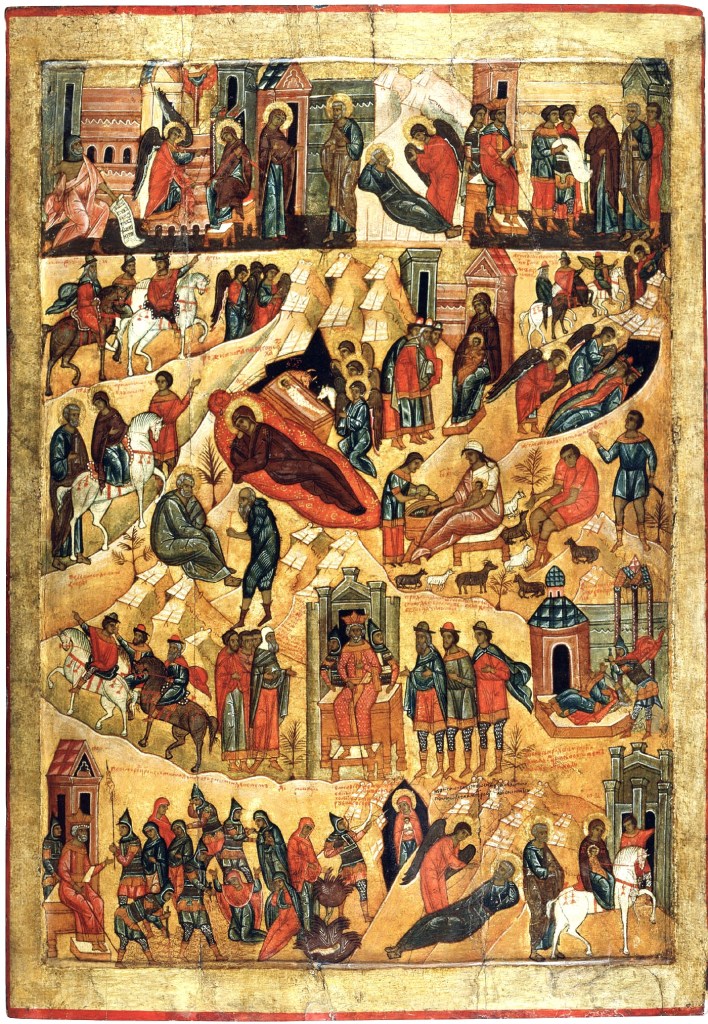
My Twelve Days of Christmas — Part A

Dec 24 — Eve of the Nativity of Christ, Eugenia the Righteous Nun-martyr of Rome and those with her

Suddenly our friend D. is in hospital, and soon in intensive care. Agony, heartache and a complete mess at work.

Dec 25 — THE NATIVITY OF OUR LORD AND SAVIOR, JESUS CHRIST

Thank God, we made it to church and received Holy Communion. Only our Christmas meal got cancelled as our hosts got down with the flu. So we brought them chicken soup, exchanged presents and wishes in the balcony, and spent the remainder of the day in hesychia.

Dec 26 — SYNAXIS OF THE HOLY THEOTOKOS

Thank God, an invitation from dear brothers and sisters from the Metochion of St. George to rescue us from our ‘lockdown’. These days are difficult when you are alone or together with difficult family members. The meal, the company and the carols were a great blessing despite the little temptation on our way when both of our back tyres got flat/ punctured (a neighbour’s prank) and we had to call road assistance etc.

The greatest blessing of all was our hostess, A., a widow and a valiant Christian soul. When that car hit her husband’s car, cut him half and left him paralysed from the waist down, she bore bravely the Cross for 10, even more, years, becoming the pillar of her family, until her husband reposed in the Lord, supporting her orphan young boy. This day brought me even closer to dear A., and I am sure I can learn a lot how one should live, just by being next to her and observing her.

Dec 27 — STEPHEN, ARCHDEACON & FIRST MARTYR

Back to work and hospital/ doctors check about D. Thankfully, lots of chanting rehearsals too.

Dec 28–20, 000 Martyrs burned in Nicomedia, Simon the Myrrhbearer, Founder of Simonopetra, Monastery of Mount Athos, Afterfeast of the Nativity

Dec 29–14,000 infants (Holy Innocents) slain by Herod in Bethlehem

St. Anysia’s relics

The evening at St Demetrius’ church, in front of St. Anysia’s relics, was a blessing words cannot describe. The choir’s hymns were celestial.

Look at this little Romanian pilgrim venerating the Saint! Isn’t she beautiful?! She is real!

Dec 30 — Anysia the Virgin-martyr of Thessaloniki

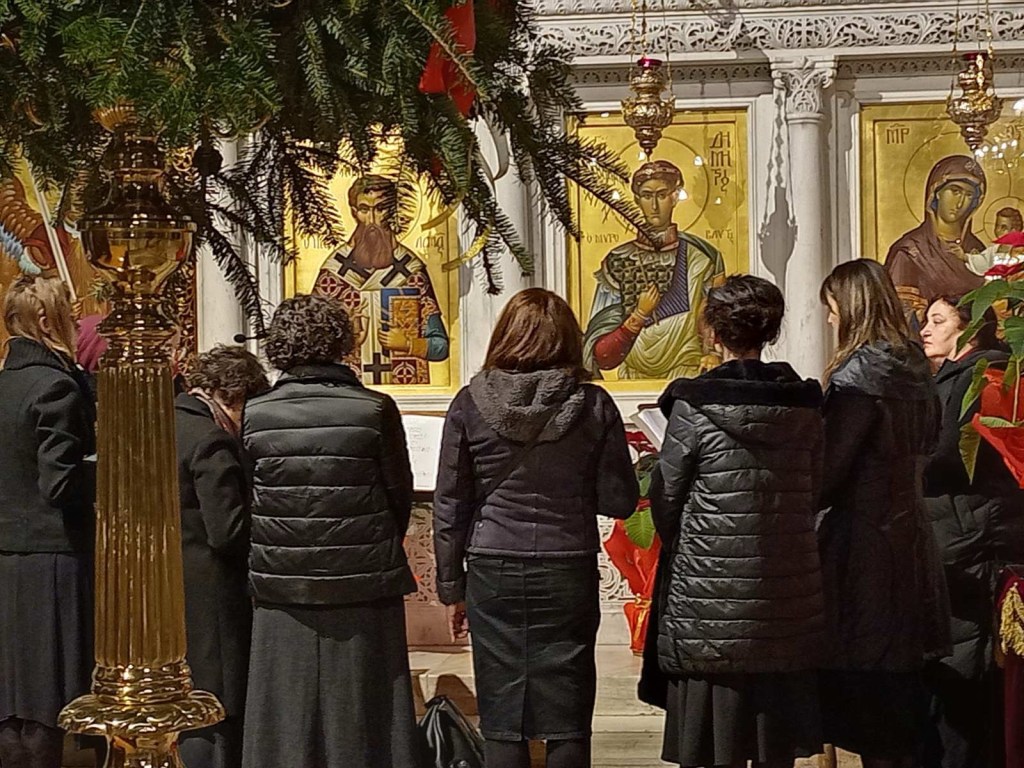
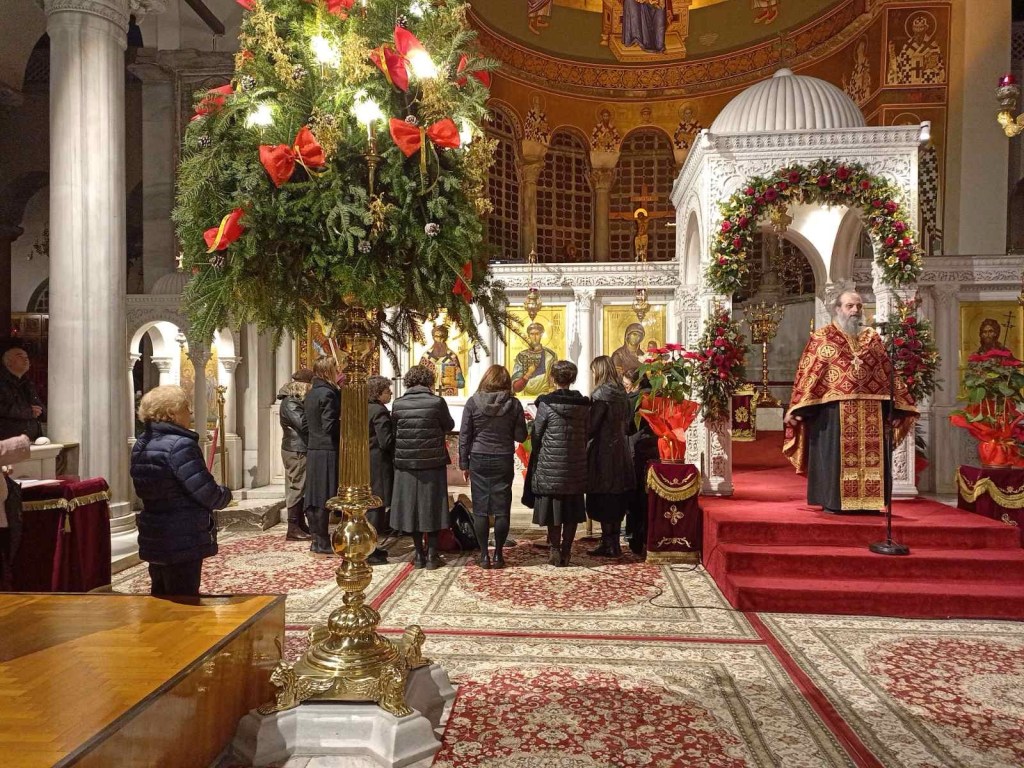
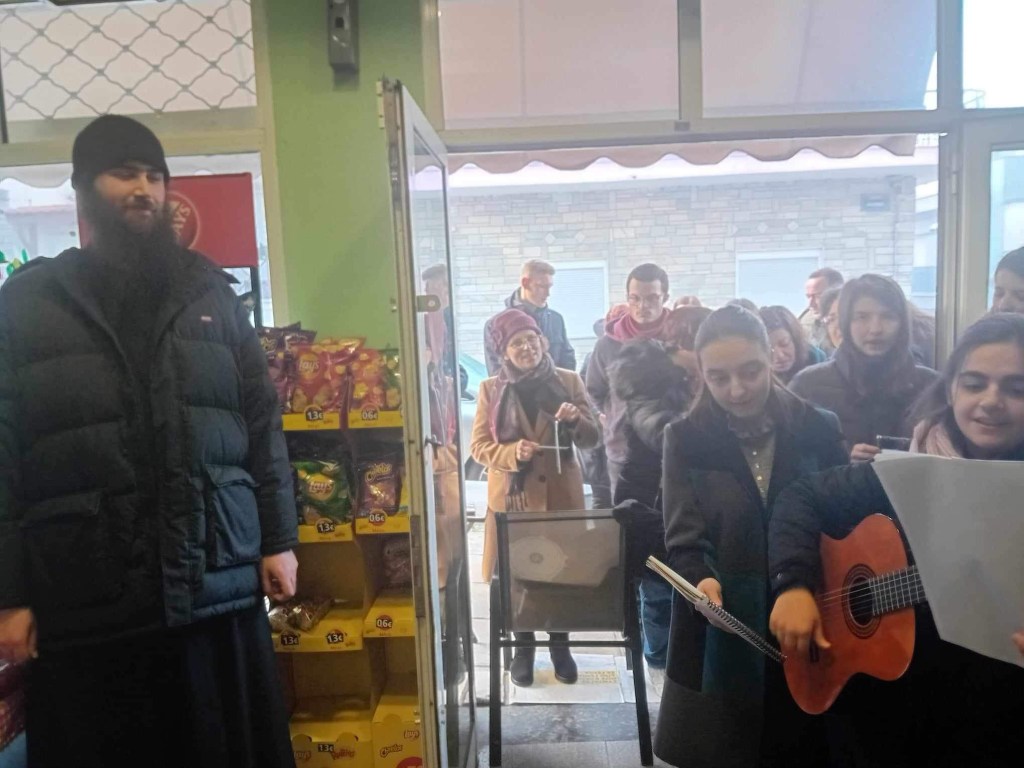
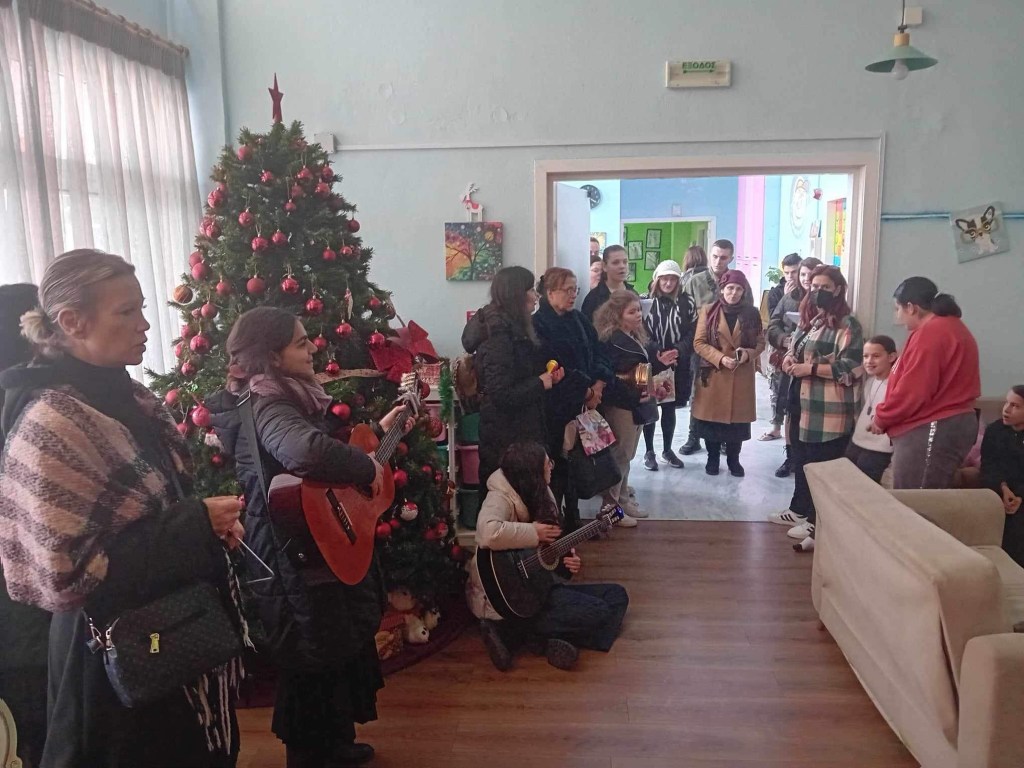
Christmas carols to local charity stores, hospitals, orphanages etc, with St George Metochion choir of all the faithful. Father Deacon Nephon on the right (2.17 m tall) is the heart and soul of all our activities, and such a help and consolation in our lives!

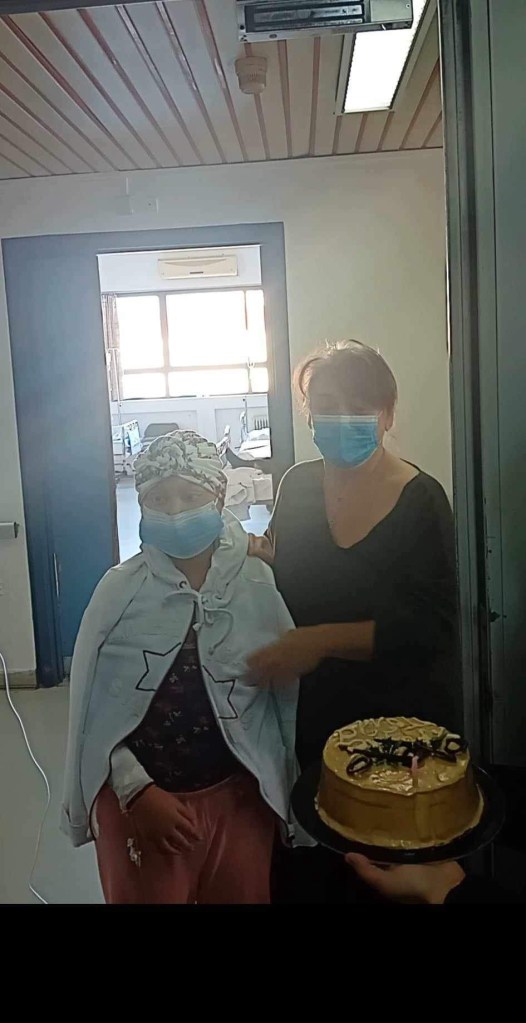
The highlight of the visit was, of course, Konstantina, a little girl, suffering from a range of diseases, kidney failure to terminal cancer, pleading God, as Fr. Deacon Nephon told us, to end her life as she could take no more suffering. We sang carols to her, offered her presents and lit a birthday cake.

This tour to hospitals and orphanages made me realise how little I am suffering bearing my own Cross, whereas I believe that my burden is sooo heavy. Little did I know!

Later in the afternoon, we drive to Serres to spend the weekend and New Year’s Day together with dear friends. Such a blessing again not to be left alone these days. These Christmas blues … But it seems that we can never have enough of hospitals these days. Three hours after our arrival, V.’ mother nearly collapsed and we had to take her to Serres’ hospital. We spent a long vigil there until 03:30, but thank God, although she had to stay in hospital, her condition was stabilised.

Dec 31 —Apodosis of the Nativity of Our Lord and Savior, Jesus Christ, Melania the Younger, Nun of Rome, 

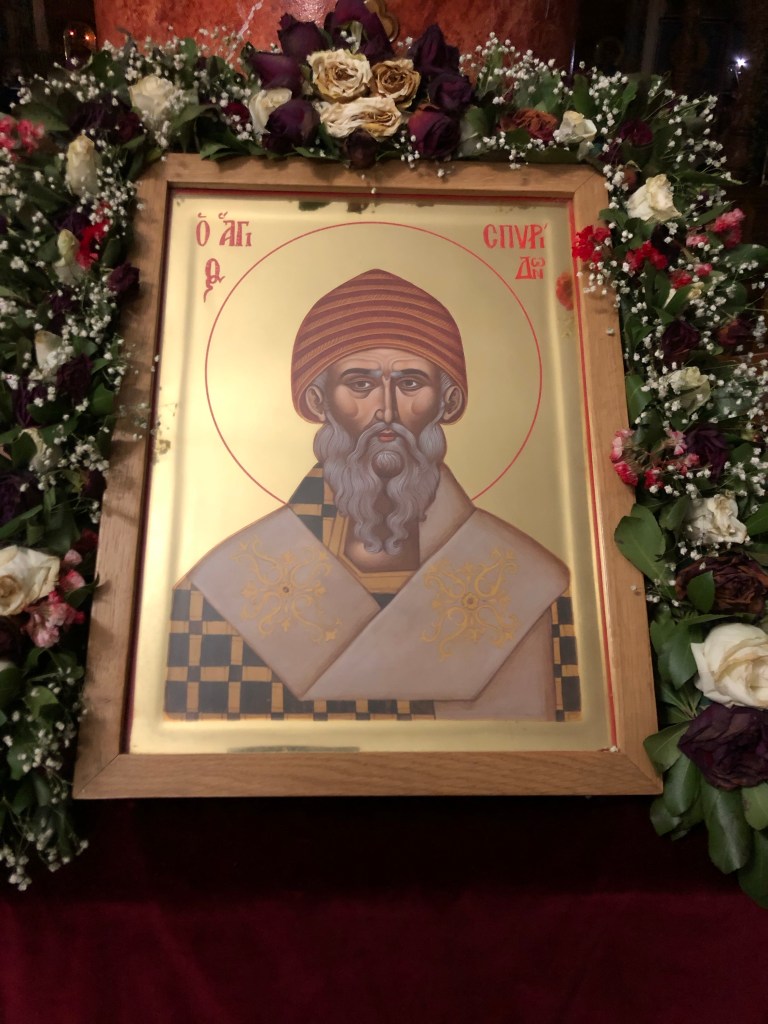
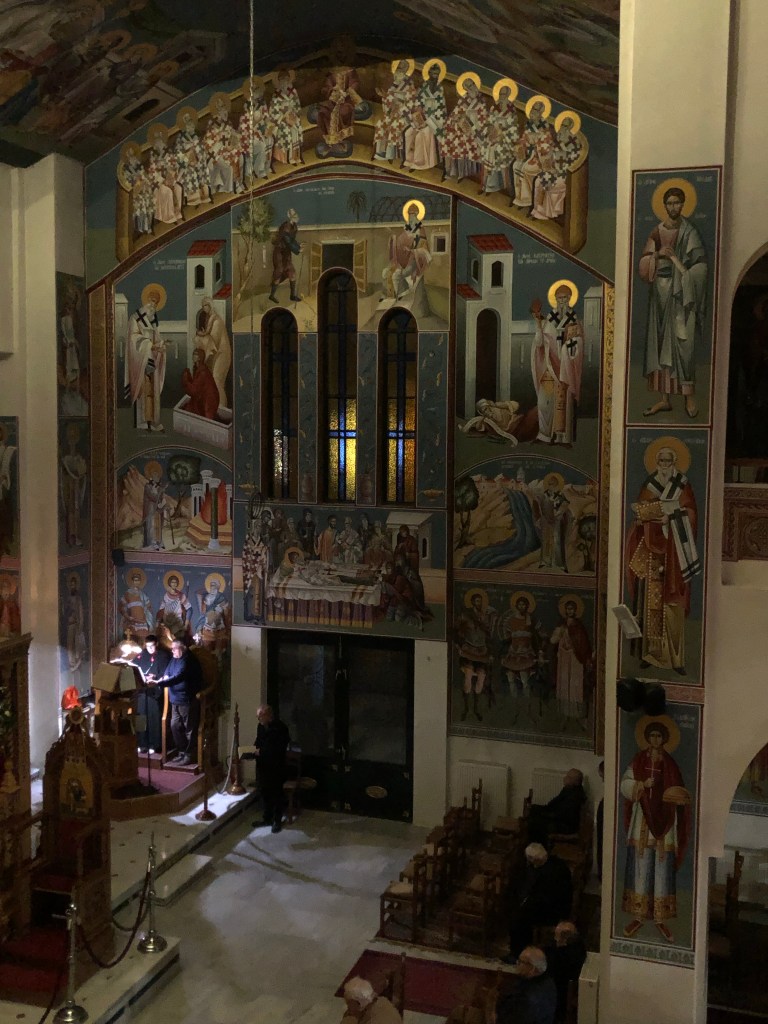
I barely made it to church in the morning with just three hours sleep, and then slept most of the day after we got back. We welcomed the New Year in church, in a vigil, and it was the first time in my life that while we were on our way to Holy Communion, we could hear all the fireworks and celebrations outside. The vigil took place in a beautiful, new church, dedicated to St. Spyridon.

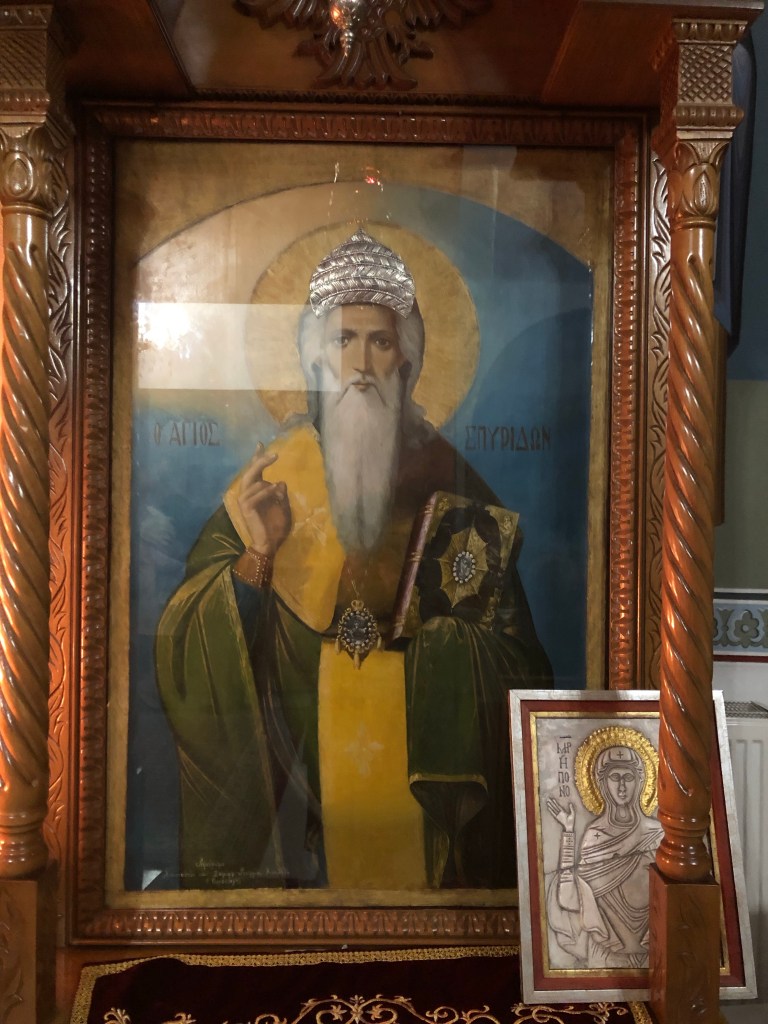
I forgot to mention that in the evening of Dec 30, right after our arrival in Serres, Father Ioustinos from Jacob’s Well in Jerusalem, 83 years young, called me, after so many years, and together with his news, he offered to make an icon, possibly of St Spyridon!!!

Jan 1–Circumcision of Our Lord and Savior Jesus Christ, Basil the Great, Archbishop of Caesarea in Cappadocia

Today, we made a pilgrimage to the monastery of St. John the Forerunner in Serres.

This is a monastery I have visited in the past, but this time our friend V. led me inside a hidden chapel-within- the-chapel from 1270! Of course, it was dedicated to St Spyridon!

Nature was so beautiful outside and everywhere little chapels awaited us to be discovered.

By C.

To be continued …

Travelling Light

Today, my good friend A. sent me this:

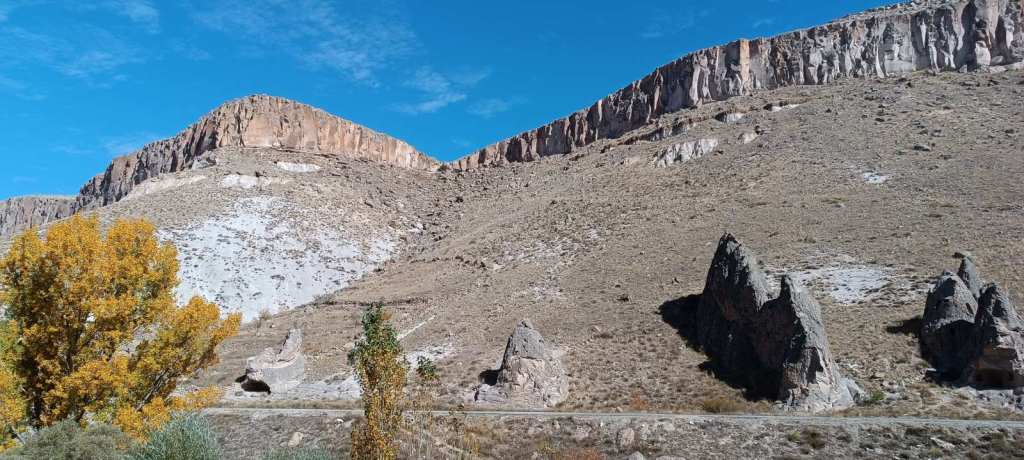
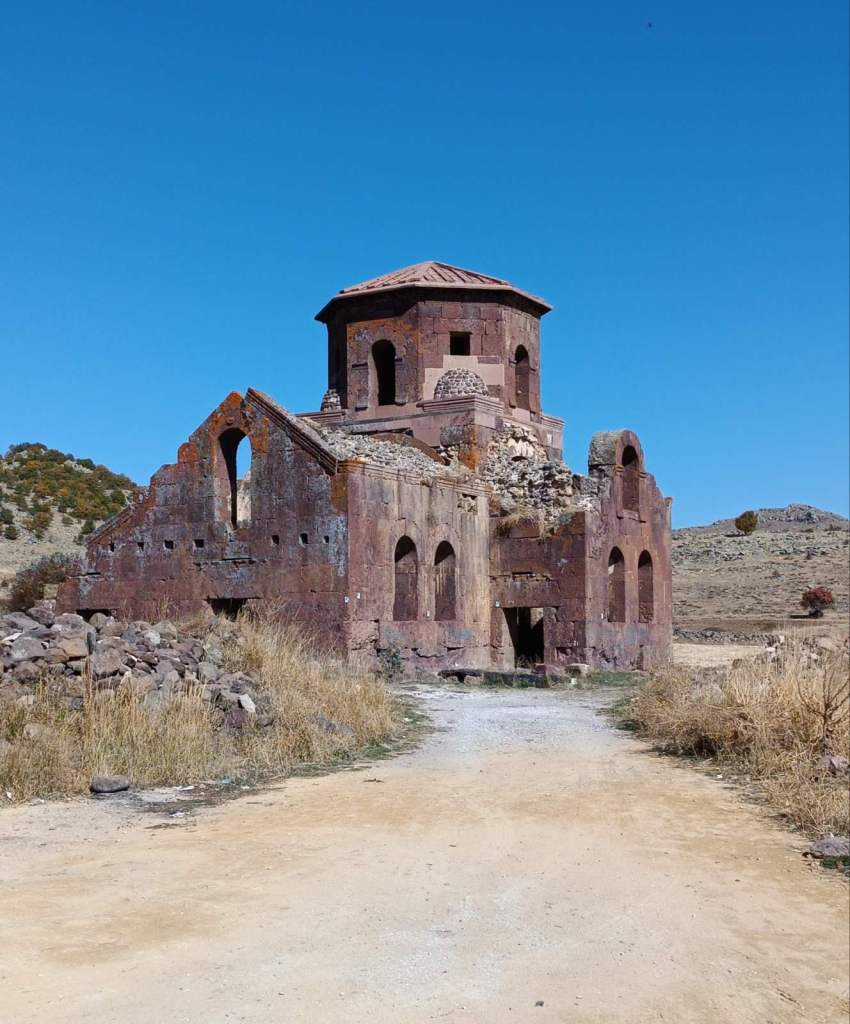
“We are travelling to an unknown city of Cappadocia, walking in the midst of volcanic valleys …

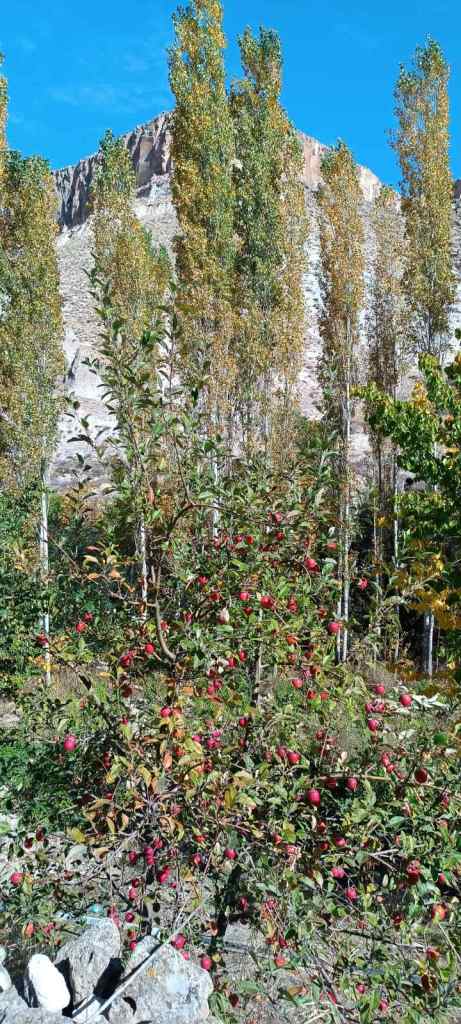
… which Greek people have turned into fertile land …

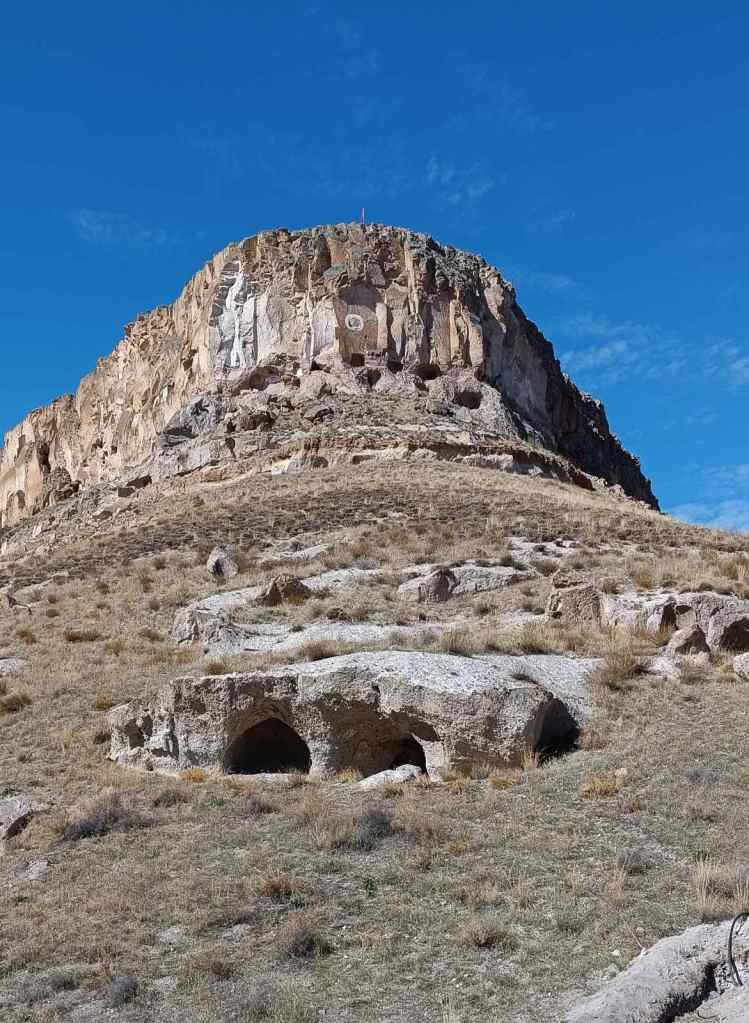
… climbing high, up to the crenellations where Digenes Akrites (1) raised their swords …

… where the powers of Light fought those of Darkness …

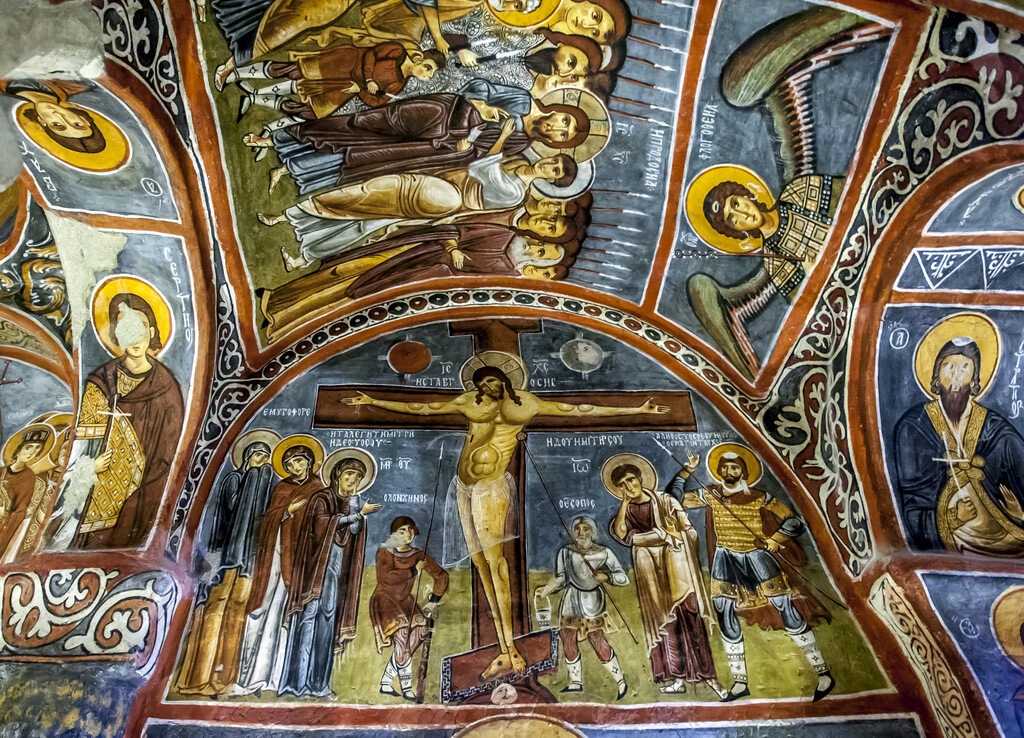
We are going to celebrate Holy Liturgy there, in an orthodox temple (2)

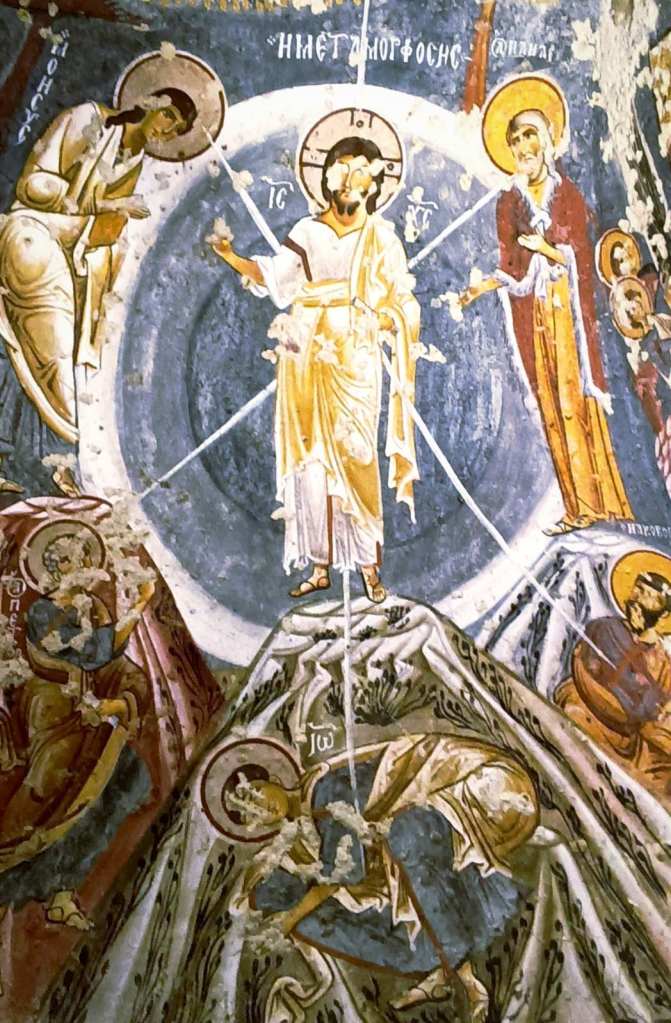
… so that Tabor light will shine in our souls (3)

… and all mankind

(1) Digenes Akritas: “digenes” literally means “born of two races”, i.e. “Roman” (Byzantine/Greek) and “Saracen” and “Akritas” means “frontiersman.”, existing at the borders between Christendom and Islamic lands

(2) Kizil Kilise, the Red Church

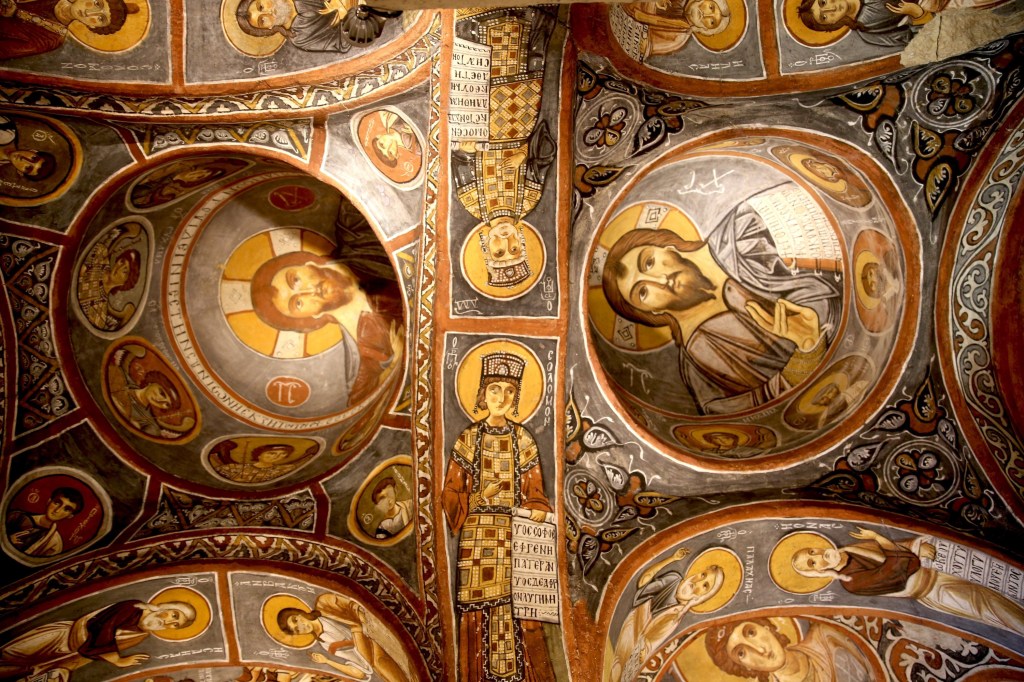
(3) Karanlik Kilise in Goreme

All creation is groaning in labor pains


Rom. 8:22
Alone, scared, shocked, and confused, with no mate, and no offspring, this black vulture is staring at his home, his natural habitat, Dadia Forest, all burnt out. The fire in Evros is finally in remission, where extinguishing efforts continue for the 17th day. As reported by ERT, as of Sunday evening 3/9/2023, there is no active front, however, more than 930,000 (!) acres have already turned to ash. A minimum of a 150 years (!) estimated by scientists that is required for Nature to heal and restore this forest.

Adam and Eve my little apple trees

20200701_113238

Grown from pips!

20200630_113324

Kimberly, Tom and Kristian

20200630_174046

Dear Friends in Christ,
I hope that you are all well and safe. I apologise for my disappearance but I have recently started “offcially” chanting at two (!) parishes in the suburbs of Thessaloniki. In fact, I am so busy chanting all the time (or preparing for the services) and I spend so much time in church that I sometimes have to politely decline a chanting obedience since I cannot be in both parishes at the same time 🙂
Church services in Greece have dramatically multiplied since the release of the lockdown, for as long as it lasts, so chanters are in great demand as there is no end to our vigils, processions and forty days liturgies!

How are the churches doing in your countries?

sparrow1
PS. Not my hand 🙂 This is from a spiritual brother in Lesvos who is the closest I have known of a “bird whisperer” 🙂
Christ is in our midst!

Keeping Ison

IMG-2298IMG-2302IMG-2303IMG-2304IMG-2311IMG-2315

Dear friends in Christ,

Let me introduce to you my feathered sisters who daily assist me in Matins and Vespers . Please help me with names.

Εν Χριστώ

My “congregation”

20200615_162535

From left to right:

Say cheese-plant!

Kimberly the cucumber; Basil the Basil plant; Kristian the yellow pepper; Petra the variagated palm; Catharis the server; Irene the peace plant; Tom the tomato plant; Panteleimon the palm 
By a Joyoys Pustinnyk

Kandylakia: History and Traditions of the Roadshine Shrines in Greece

OLYMPUS DIGITAL CAMERA

The small roadside shrines scattered here and there, along the curvy roads in Greece, are an important part of the Greek culture.

kandylaki2

History and Traditions of Kandylakia

During any trip to Greece, travellers come across, photograph and wonder about these shrines. Known as kandylakia the roadside shrines are usually made of wood, stone, metal or concrete. Clearly visible on the edges of the narrow winding mountainous roads, they commemorate the lives both lost and saved.

Over the years, in the farthest mountainous villages that can only be reached through narrow dark roads — many tales of frightening rides have been recounted over and over again. The challenging terrain marked with these shrines gives the traveler a sense of caution and an opportunity of spiritual reflection.

Some of these shrines are as old as the roads, built in the middle of nowhere with a flame of a candle burning inside.

Roadside-shrines-in-Greece-2-2

Kandylakia are emblems of an old tradition which is greatly valued in most of the households and very much preserved until this day.

Unique characteristics of the roadside shrines

Although road accidents are mostly the reason for placing these shrines –a driver soon learns to assess the danger of a particular turn simply by calculating the number of Kandylakia,  3, 4 or 5 !!!! –on numerous occasions they are placed as a promise and a gesture of thankfulness. They celebrate miracles and those who survived dedicate a kandylaki to their patron saint. Another reason for these shrines is a way to indicate that there is a monastery or church in vicinity especially in less populated areas where the church might be completely out of sight.

Roadside-shrines-in-Greece-5Roadside-shrines-in-Greece-6

Some churches which are located far away from the villages are now being locked up to protect them from theft. In such cases, small proskynitaria are erected in front of the church to allow the worshippers to light a candle and to say their prayers.

If you admire them closely, you will notice that every shrine has an icon of a saint. Sometimes, there is even more than one kandyli which is a floating wick oil lamp, flowers and personal items. It is a custom that every anniversary relatives and loved ones pay a visit to the shrine which draws upon the ecclesiastical tradition. This tradition represents the Greeks outlook on religion, family ties, remembrance of family history, culture and finally fate. These unique roadside shrines are there to remind us to appreciate every second and every opportunity to be alive.

Roadside-shrines-in-Greece-4-2

chapel1chapel2chapel3chapel4chapel5chapel6chapel7chapel8jpgchapel9chapel101

Sources: Fly me to the Moon and Messy Nessy Chic