On the board outside in large red letters on the white background SILENCE — EXAMINATION IN PROGRESS. Complete silence is hardly possible.
The history of silence, ironically it seems, starts, as physicists say with the “big bang” — I say ironically because there was no one there to hear it unless you believe in God and since the big bang may have happened in a vacuum, there was no sound.
Our lives more than ever are filled with sound; it seems as though we cannot do without distractions; from the mp3s to the music that invades our lives. We need to have space, peace and quiet.
John Cage
4′33″ (pronounced Four minutes, thirty-three seconds or, as the composer himself referred to it, Four, thirty-three) is a three-movement composition by American avant-garde composer John Cage (1912–1992). It was composed in 1952 for any instrument (or combination of instruments), and the score instructs the performer not to play the instrument during the entire duration of the piece throughout the three movements (the first being thirty seconds, the second being two minutes and twenty-three seconds, and the third being one minute and forty seconds). Although commonly perceived as “four minutes thirty-three seconds of silence” — the piece actually consists of the sounds of the environment that the listeners hear while it is performed. Over the years, 4′33″ became Cage’s most famous and most controversial composition. The writer composer is trying to show that there is no such thing as silence — that there is a movement and dynamic — he invites us to listen.
Silence sometimes has a bad press in the Bible — often when it is used, it refers to God silencing His people to stop their mouths:
He silences the lips of trusted advisers and takes away the discernment of elders. (Job 12:20)
But the king will rejoice in God; all who swear by God’s name will praise him, while the mouths of liars will be silenced. (Psalm 63:11)
“Therefore, her young men will fall in the streets; all her soldiers will be silenced in that day,” declares the LORD. (Jeremiah 50:30)
Hearing that Jesus had silenced the Sadducees, the Pharisees got together…. (Matthew 22:34)
In a positive way however, silence is the space in which God speaks. A relationship between two people involves dialogue — speaking and listening. If we cannot listen we cannot have a relationship. My silence allows others to speak and your silence allows you to hear me. At the very heart of God’s universe is a dialogue between heaven and earth — from creation onwards it has always been so. It is in fact what happens in an iconic way with the Holy Liturgy. When Christ came to earth there were those who heard him and those that did not. If you want to acquire a quality of reception on your radio, you have to turn it on and tune in until your radio receiver allows you to hear. Our hearts, minds and souls are like radio receivers — if you want to acquire a quality of prayer, you must tune your heart towards God in a qualitative receptive silence.
Silence between notes makes music, silence between words makes language — otherwise we have cacophony and noise. Any teacher can vouch for that truth and every pupil knows it.
We need space and silence. When the desert father went into the silence of the desert in the fourth century they found the devil and themselves before they found God. When Jesus went into the desert he was tempted too by the voice of the devil. St Seraphim went into the desert of the Northern Thebaid in Russia as a hermit but not before he had learned obedience and humility within a community. Without obedience to a rule one would go mad. Silence can be torture and is a torture with white noise. Yet in solitude we can listen to other things — the birds of the air, the wind, the sea — we never have complete silence for the whole of Creation is either singing or groaning. We can be part of a communal silence in the monastic tradition — the silence of a community is a dynamic silence — it is not the silence of the one — the monolith — but of corporate sharing— full and replete — like the dynamic of the Holy Trinity.
The definition that Metropolitan Kallistos gives of prayer is, I think, so valuable — “I just sit and look at God and He just sits and looks at me.” Sometimes words are unnecessary — when one is in love with another person words sometimes becomes an interruption to that shared mutual appreciation.
Prayer is a relationship with God and an encounter with the real world not limited by time and space — it is not two dimensional but brings us into the very reality of our being. It brings us into contact with those invisible dimensions which interpenetrate our life. For life lived without prayer, without God is only two dimensional — it is a flat world and it is lived in relationship only to self. But in fact Visible and Invisible coexist as fire is present in red hot iron as hydrogen and oxygen co-exist to bring us thirst quenching water. They are not mutually exclusive.
Prayer as Metropolitan Antony Bloom said in “Courage to Pray” is an end to isolation — it is living our life with someone. Prayer makes us aware of God’s presence which we would not be if we did not pray — like switching the radio on and tuning in we have to make the effort to hear God speaking. Indeed he who does not pray is in isolation — the more we pray the more we realise our need upon God — the reality of our vulnerable state of mortality comes to the for, but at the same time we begin to appreciate more grace and divine support. Prayer does not change God — prayer changes us, because it is God the Holy Spirit praying in us. C. S. Lewis, that great friend of Orthodoxy, expresses it like this in his poem on Prayer:
Master they say that when I seem
To be in speech with you,
Since you make no replies, it’s all a
dream – One talker aping two.
They are half right, but not as they
imagine; rather, I
Seek in myself the things I meant to
say, And lo! The wells are dry.
Then, seeing me empty, you forsake
The listener’s role, and through
My dead lips breathe and into utterance wake
The thoughts I never knew.
And thus you neither need reply
Nor can; thus while we seem
Two talking, thou art One forever, and I
No dreamer, but thy dream.
– C.S. Lewis
So we need to distinguish between negative silence, which is isolation from God, and positive quietude — calm, hesychia — which is union with God. The experienced use of mental prayer (or prayer of the heart), requiring solitude and quiet, is called “Hesychasm” (from the Greek “hesychia”, meaning calm, silence), and those practicing it were called “hesychasts.” “A sign of spiritual life is the immersion of a person within himself and the hidden workings within his heart.”
“Acquire a peaceful spirit, and around you thousands will be saved.” (St Seraphim of Sarov.)
In our busy life bombarded by sound — we value things by what we do, what is achieved, the end product, the target fulfilled, the box ticked, but perhaps rather than the measure of doing perhaps we need to recalibrate our lives into being — after all we are not human doings but human beings. We should try to set aside at least half an hour each day for quiet reflection and application: SILENCE — EXAMINATION IN PROGRESS – — since we shall experience it sooner or later:
[The Seventh Seal and the Golden Censer] When he opened the seventh seal, there was silence in heaven for about half an hour. (Revelation 8:1)
In the name of the Father and of the Son and of the Holy Spirit, One God. Amen “You are the Light of the world”…(Matthew 5:14-16)
14 You are the light of the world. A city that is set on a hill cannot be hidden. 15 Nor do they light a lamp and put it under a basket, but on a lamp stand, and it gives light to all who are in the house. 16 Let your light so shine before men, that they may see your good works and glorify your Father in heaven.
We are called to be lights in the world, not only in our parish, but to our family, community, city where we live, because Christ is the Light of the world. How we become lights and how we share this light with others rests in the gift of God and in our response to that grace, a synergy of love.
We must share Christ’s Light because the world is so full of darkness. It is thirsty and suffering and in need of Christ — the flame in our hearts is to be shared and offered. St John Chrysostom said “You are the light of the world, not of a single nation or of cities but of the whole world.” Minister to those you meet, share the gospel, attend to your own salvation all in the spirit of love, joy, humility and service. Each of us has talents — maybe 5, maybe 3, maybe just 1, — but we must use those talents to the glory of God and within the love of God and Light of Christ. The one thing about Light is that it does not draw attention to itself but to everything else, one candle in a dark room will reveal all the obstacles in that room so that we may negotiate our way around them.
I want, if you will indulge me, to speak about those who have been lights in the world to me in my own journey of faith. The lights of Christ cross boundaries of borders, culture, time and geography. Indeed the saints show are no boundaries to God’s love. My own encounter with the light of Orthodoxy came when I was an undergraduate studying Biblical Studies, Hebrew and Greek at Sheffield University. I had been brought up in the Christian faith, I attended church, sang in the choir, served at the altar. I believed in God; from my earliest memories I loved Christ. When I went to University I found that all those doctrines, teachings and beliefs were questioned, not by me but by a new analytical liberal critical theology which questioned everything, Christ’s miracles, his teachings even his Resurrection. It was deeply troubling.
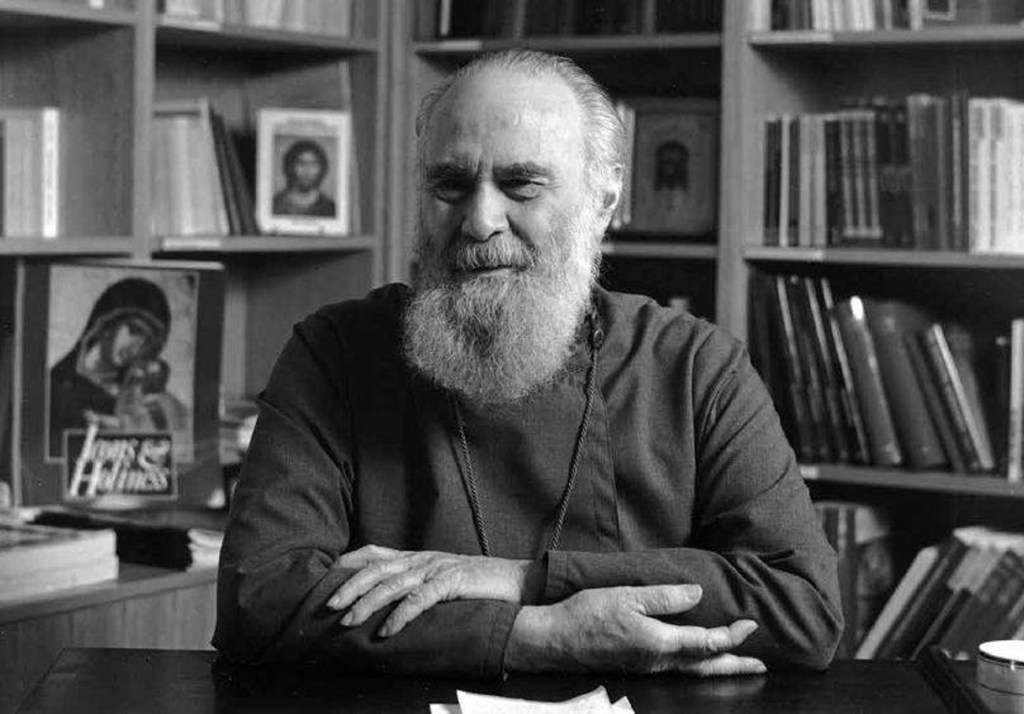
Metropolitan Antony of Sourozh
Into this maelstrom of confusion and darkness shone a light to lighten the darkness to my delight. I was invited to go to a lecture by a certain Metropolitan Antony of Sourozh. I had never met the Orthodox before but later I found out that this man had spoken the Epilogue on the BBC when T.V.s were in black and white and when programmes finished at 10.00 p.m. When this man spoke a flood of light pierced the darkness of my disappointed soul, and I said to myself “if all orthodox are like this, then they have something very special to offer the world.” He spoke with authority, simplicity, humility and wisdom. It was so reassuring that some eminent figures spoke the truth in love against the prevailing tide of fashionable skepticism. The words in St John’s Gospel 1:5 “The light shines in the darkness and the darkness has not overcome it…” reveal how darkness did not understand Light or overpower it or appropriate it or absorb it. Authentic preaching always brings light and pierces gloom with the sword of the truth of the Gospel.
Light also points the way, it is timely, providential and even prophetic.. I can think of three other men of God who were lights to lighten my path: Archimandrite Barnabas of New Mills. He wrote in 1987 a post card at Christmas to me in which he said “ you will be Orthodox in the place where you now teach.” Eight years later I became Orthodox and his words came true. Archimandrite David of Walsingham was prophetic too, When I asked him to write an Icon of the Mother of God of Walsingham for me he said “If I paint this icon of the Mother of God for you, you realise you will become Orthodox”. I was an Anglican deacon at the time! When I was studying at Oxford to be an Anglican priest a then Archimandrite Kallistos was my tutor in Early Church History. He enlightened me to the teachings of the fathers – — how timely and providential was that light!
Metropolitan Kallistos of Diokleia, Archimandrite Barnabas, Metropolitan Anthony, all of thrice blessed memory. They are not yet glorified, but I know many people who were influenced by them. You see brothers and sisters, nothing is ever lost in Christ, A remote hermit whose monastery in Wales did not develop yet his words touched the hearts so many. An icon painter who could transmit the love of Christ not in words but in brush strokes, an academic who transmitted the light of Christ through teaching. What talents! All of these took their faith seriously but lightened this truth with their delivery, self-effacement, and sense of kind humour. Orthodoxy is not like brash strip lighting — it attracts gentleness of the soul because it is a gentle light flame of a candle that gives a mellow light whilst burning itself up in ascetic self-sacrifice.
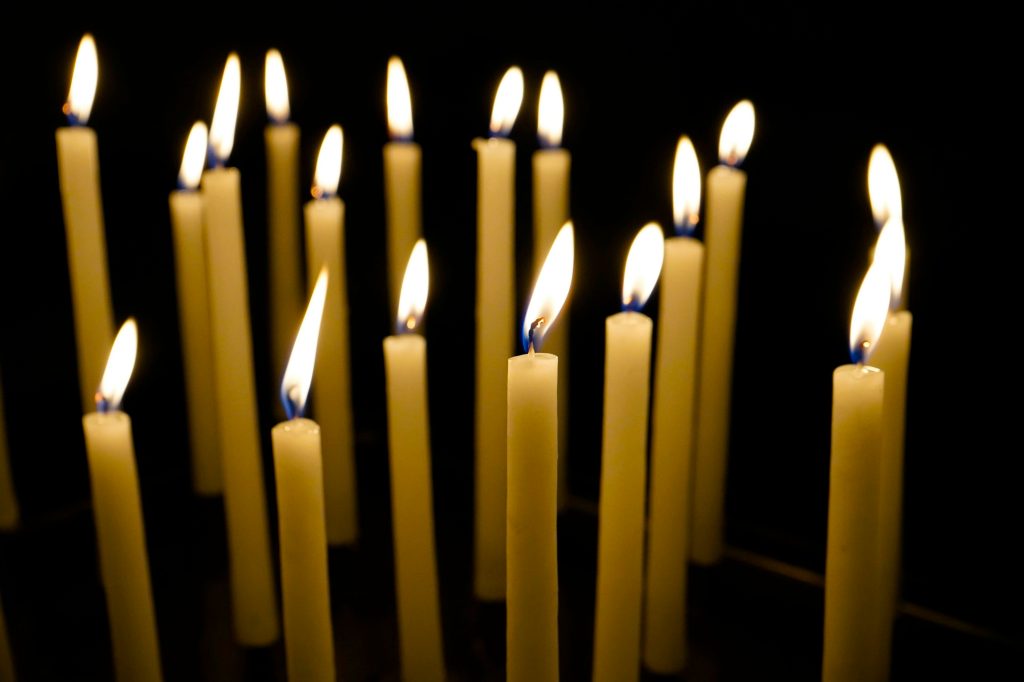
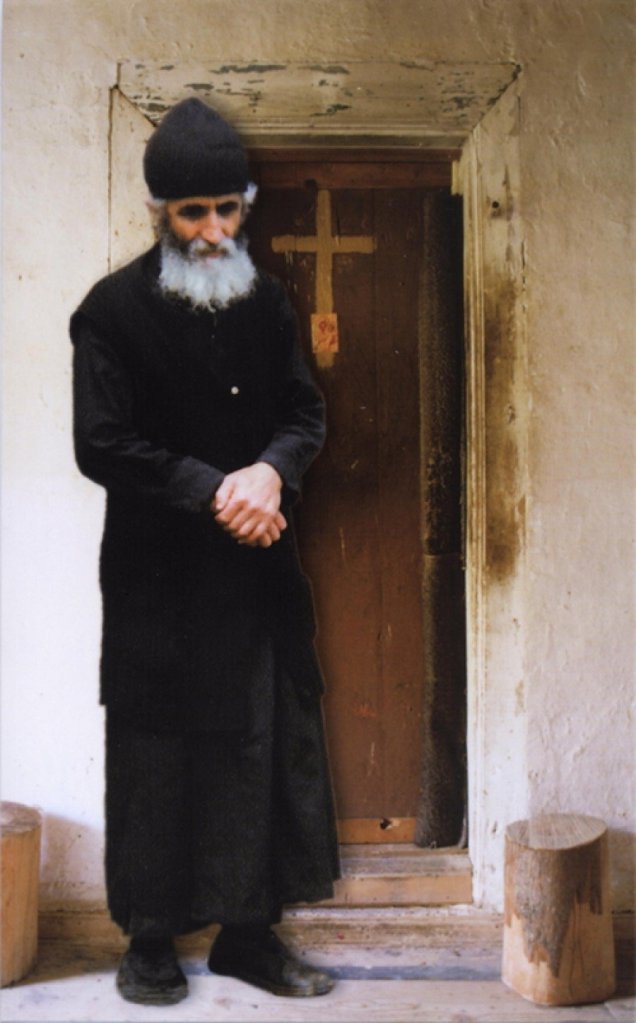
St. Paisios on Prayer and Lighting Candles: “Elder, when we light a candle, do we say that it is for some purpose? — You are lighting it, but where do you send it? Aren’t you sending it somewhere? With a candle, we are seeking something from God. When you light it, you should say: “For those who are suffering in body and soul”, “for those who have the greatest need”, and among them is also the living and the reposed. Do you know how much rest the departed sense when we light a candle for them? Thus, one has spiritual communication with the living and with the reposed. The candle, in a few words, is an antenna that brings us into communication with God, with the sick, with the departed, etc.”
In our parish we have a candle maker, once a month after gathering all the candles, she recycles the ends and brings them back to church. Perhaps you could have a candle maker in your parish to provide lights someone to trim the lamps, supply the wicks and oil — this is a service, however humble. We have someone who cleans the floors. We have someone who puts the chairs out and sets up church — humble duties but so vital for worship as preparation.
We must not be discouraged in bringing the light of Christ to others, when we see no growth or little response. Do not give up when you are frustrated or disappointed, be persistent even when only a few attend the Great Vespers or Holy Liturgy. The newly gloried Cleopa of Sihastria used to say to his spiritual children “Rabdare Rabdare Rabdare” — “Patience, patience, patience!” There will be growth! The newly glorified Saint Amphilochios of Patmos said: “Do not be afraid because of your Orthodoxy because as an Orthodox in the west you will often be isolated and always in a small minority. Do not make compromises but do not attack other Christians. Be neither defensive nor aggressive, simply be yourself.” I would add, “be yourself simply.”
Simplicity was the hallmark of many of the recent saints. St Pophyrios, St Paisios, St Nicholas Planas to name but three. Of course as a compliment to St Amphilochios, St Arsenios of Paros said “when the church of the British Isles begins to venerate their own saints then the Church will begin to grow.” We see this in our parishes. All Orthodox churches now have enquirers and catechumens. God is doing something truly wonderful. As Metropolitan Kallistos of blessed memory said; “We know where the Holy Spirit is we cannot say where he is not, for he moves where he wills.”
Indeed the Holy Spirit is guiding people into the Light of Orthodoxy. There is a hunger and thirst after righteousness, a discontent with diluted, liberal teaching to suit the political correctness of popular culture. We must feed them with the bread of heaven and give them living waters to drink. Light makes things grow in all of creation. The harvest is ready but the labourers are few. It is usually the same people who you can count on your fingers that help in a Parish — those who give their time and talents with fervour.
The parable of the talents is most appropriate – we all have talents, to deny this is to deny the creativity of God. We had a most devout parishioner Barnabas of blessed memory. At 90 years of age, he drove 90 miles from his home and back to church every Sunday and he gave a lift to other Parishioners going out of his way, because they had no transport. Perhaps we can offer lifts to those with no transport. I recall travelling through Romania from Bucharest to Ploiesti and in the fields there were thousands of sun flowers. As we made our way the sun flowers had their heads lifted high tracking the sun up above. As the sun moved so the heads of the flowers moved until the sun went down when they bowed their heads. We must track the Son of God the Light of the world.
As St Paul says in Hebrews: “Keep your eyes fixed on Christ who is the author and finisher of your life”. God said “Let there be light and there was Light”. God speaks and it is so. We have to have ears to hear God’s word and eyes to see His light — an inner spiritual ear and inner spiritual sight, which is why we seal these senses at chrismation with the seal of the gift of the Holy Spirit with holy chrism oil so God may sanctify our life and make our body the temple of the Holy Spirit. We must always be aware that in order to be lights first we must listen to the voice of God bowing our heads to listen to His will for us. It is equally true about listening to others. Metropolitan Antony of Sourozh writes in his book Courage to pray: “Hearing means bowing our heads in humility which is capable of accepting what the other person is sowing on the ground of our mind and heart. This is the true meaning of the word humility. The word comes from the latin “humus,“ meaning fertile soil. Like the rich, silent creative earth we should offer ourselves to the Other, receiving His word in the fertile soil of our minds and hearts”. We see this humility in many of our saints St Porphyrios, St Paisios, St Silouan and St Nicholas Planas just to name a few.
St.Porphyrios taught parents to love their children: “Lord Jesus Christ, give Your light to my children I entrust them to You. You gave them to me, but I am weak and unable to guide them, so, please, illuminate them…” When children grow up in an atmosphere of freedom and at the same time are surrounded by the good example of grown-ups, they are a joy to see. The secret is to be good and saintly and to inspire and radiate. The life of the children seems to be affected by the radiation of their parents. If the parents insist, ‘Come on now, go and make confession, go and receive Communion’, and so on, nothing is achieved. But what does your child see in you? How do you live and what do you radiate? Does Christ radiate in you? That is what is transmitted to your child.
This is where the secret lies. Does Christ’ light radiate in you? That’s the secret, that’s the key to everything, isn’t it? Does Christ’s light radiate in us? If He does, the children indeed, the people you meet will feel Him radiating. Does Christ radiate in you? What a thing to say to us, what an invitation the idea that Christ could radiate in us, in us, unworthy, sad, overworked and worn out parents, in the tired Sunday School teachers and the overworked youth ministry worker. Does Christ radiate in you? Stop talking. Pray, pray, pray. Let Him fill you up, so that He will radiate light in you and pour into the children who surround you and who absorb Him from you.
Our local saint is just a mile away St Patrick — yes, he is British not Irish — he was taken by pirates from the north west coast of Britain, after escaping from Ireland he returned to convert the Irish to Christianity but not before establishing a monastery in Heysham next to Morecambe. It is still there today. Sayedna has visited the remains of the chapel and the monks cells. There are even caves where the hermits used to live. He was born in Britain but St Patrick became the Enlightener of the Irish. You may be born in Romania or Lebanon or Russia but God sent you here to be lights in His world. Perhaps you could be a light to the children helping in Sunday school. Parents bring your children to Church bring them up in the Light of the Gospel.
One of my favourite verses in the Bible is from the Psalms: “The sacrifices of God are a broken spirit, a broken and a contrite heart, these O God You will not despise.” (Psalm 51:17) In order for lives to be filled with Christ’s light we need a broken heart, broken by and repentant for our sins. Unless our heart is cracked the light cannot enter into the tomb. If it is cracked, the light can flood in, otherwise it is hard, and like stone, impermeable, immovable and self- contained. “The eye is the lamp of the body. If your eyes are good, your whole body will be full of light. But if your eyes are bad your whole body will be full of darkness. If then the light within you is darkness how great is that darkness.” (Matthew 6:22-23)
I am blessed to be here in Staffordshire which is my home county. The motto of the city in which I was born which was then in south Staffordshire (now in the west midlands) is “Out of darkness cometh light.” We bring those in darkness to Christ so that they too may become children of the light by adoption and grace. God’s power is revealed in our weakness, in these earthen broken vessels. 2 Corinthians 4:6-18 is to be read. (1 Thess. 5:5-11) “You are children of the light and the day; we are not of the night, nor of darkness. Therefore let us not sleep, as do others; but let us watch and be sober.” So here we see how watchfulness is also a prerequisite for becoming lights in our parishes. First attend to your own salvation before addressing the needs of others do not be blind guides as our Lord called the Pharisees. (Matthew 15:14.)
I am not a physicist, far from it, but according to the law of physics light is composed of photons, which are packets of electromagnetic energy. We in a spiritual sense must become packets of Christ’s magnetic energia, delivering like a holy postal service, the parcels of Christ’s gifts to the household of faith. In Colossians 1:29 the holy Apostle Paul says that he labours with all his energy and that God powerfully works within him.
The Story of St Nikolaos Planas Papa Nicholas Planas was not a missionary to foreign lands. He was not a confessor or martyr who suffered or died for his faith in Christ. He was not a learned, gifted theologian who wrote books and taught the Faith, indeed he had a speech impediment. He was simply a parish priest who prayerfully served the Liturgy, day in and day out, month after month, year after year for fifty years. He had very few words to say at all – even to his closest followers. His life has no astounding feats of asceticism; he was a priest on the outskirts of a city. He did not die for the Faith or preach to the multitudes. He built no monasteries, no philanthropic institutions, nor even a single church. Indeed, for some time he didn’t have a church of his own, he just went from church to church.
Yet each year on March 2 the Orthodox Church universally recognises Papa-Nicholas as a saint worthy of veneration and emulation. This is because he did the most important thing that any Christian can do, a simple task that he unwaveringly followed to his salvation and canonisation: he listened to and performed God’s will to the fullest degree possible within his circumstances. Simplicity is the theme of Papa-Nicholas’ life. He was a simple parish priest, who modestly performed the mysteries and services of the church, who cared for his flock with meekness, and who treated all with love and in innocence. It is this very simplicity which serves as an example for all of us.
At the proskomede St Nicholas Planas would often take hours praying for so many people. One of his servers used to say “Oh, come on, dear father are you praying for the whole world?” When one young server saw him raised above the floor in the Divine Liturgy, the little boy remarked on this miracle to his mother and when questioned about this St Nikolaos said with due humility “all priests do this.” He used to go around with two bags tied around his waist with the names of the living and departed which he called his debts and invoices.
Now I have used the examples of the fathers of the church and of present day priests, Bishops and monks but families can bless a Parish in so many ways. The monks on Mt Athos say that prayer, attention and work are the hallmarks of service to Christ. No less in a parish than in a monastery. Prayer which involves acquiring stillness, the virtue of humility and obedience, attention which involves opening the senses and discernment to what talents God has given us and work which involves drawing upon the power and energy of the Holy Spirit will make us lights in the Parishes where we serve. We see these three elements in the lives of the modern saints of our time.
So given these prerequisites how then can we be lights in our parishes? What practical ways can we be lights to others? I invite you to think about them and I leave this question with you. The glory be to God.
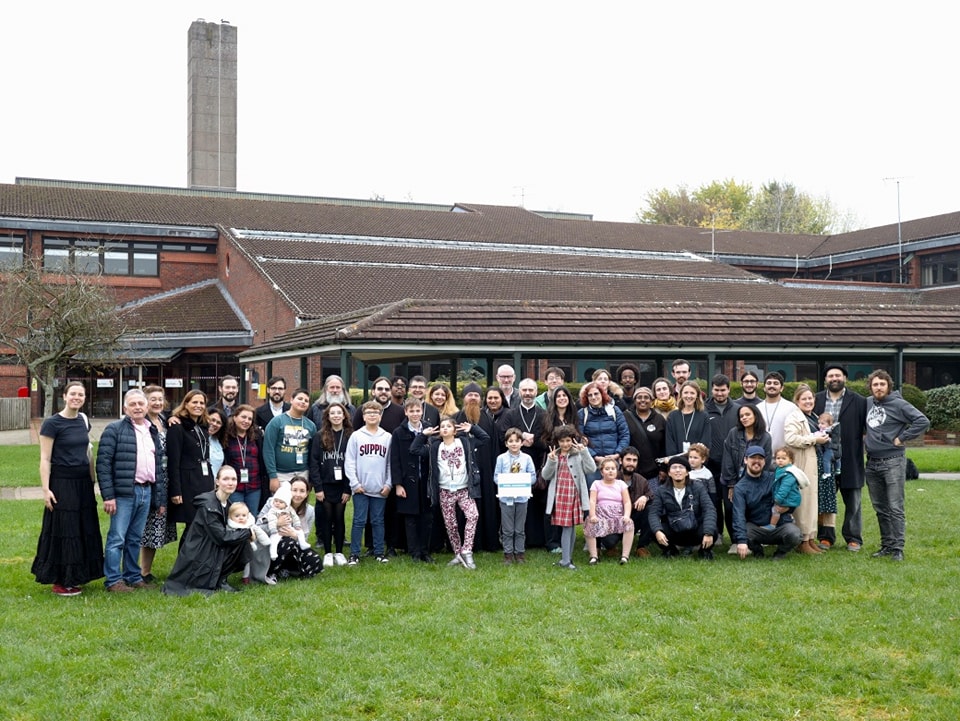
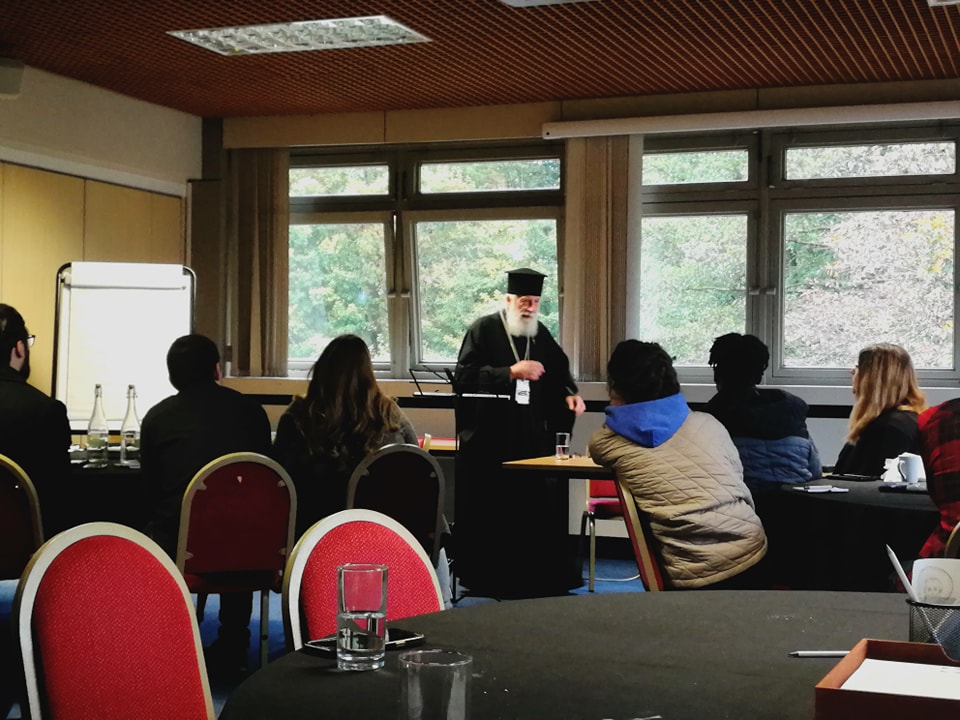
A key-talk at the Antiochian Orthodox Christian Archdiocese of the British Isles and Ireland Family Retreat (Nov.2024)
By Father Jonathan Hemmings from the Holy Cross parish, Morecambe
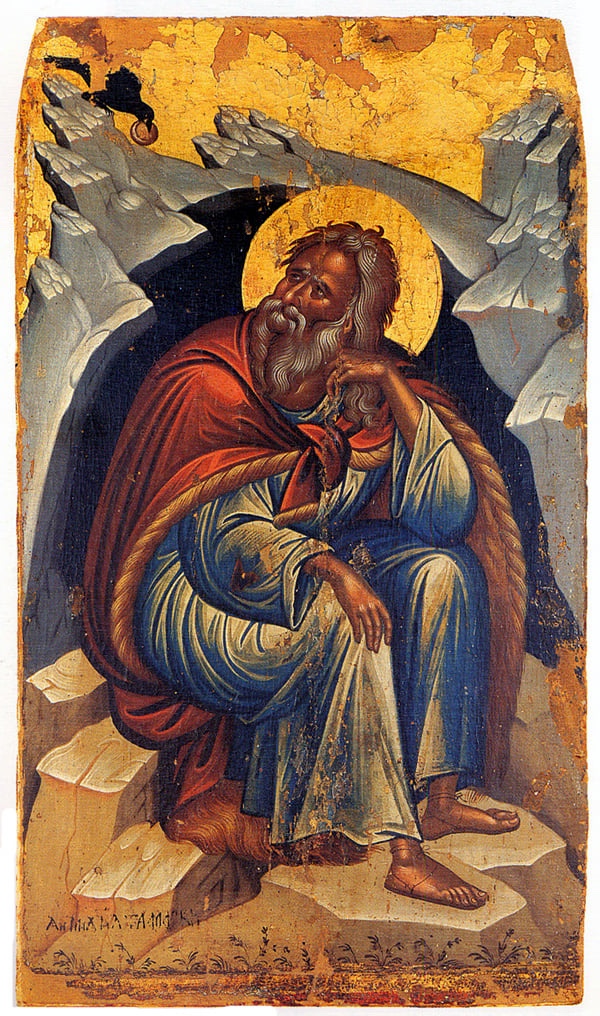
How an icon of Prophet Elijah (20th July) was a revelatory moment for Fr Jonathan Hemmings in his conversion to Orthodoxy
The grace bearing nature of Icons within Holy Orthodoxy means that we encounter a window into heaven. The veneration of an icon is the expression of the love we have for our Lord and Saviour, His most Holy Mother and His sanctified family, the righteous who foretold His coming and the saints who followed His example; it is the physical expression and consequence of our belief in the communion of saints. We venerate the prototype who is worthy and who in turn prays for us. The grace that is given to each Icon, which in its very formation and writing is the fruit of prayer rather than art, brings us to a deeper understanding of our own salvation.
I remember some years ago on the feast of the St. Elijah (Elias) looking at the Icon of the Prophet. I had read the story of this bold ambassador of God’s word as a student of the Old Testament years before; how he dared to speak the word of God to his own people who were following other gods and how he earned the wrath of the evil Queen Jezebel and her 400 hundred prophets of Baal. Exhausted by his labours the righteous prophet seeks refuge in a cave. There God sustains him through commanding ravens to feed his servant. The Icon of the prophet shows him in a cave with a black bird with food in his beak coming to feed the prophet. 1 Kings 17:2-6 (New King James Version) 2Then the word of the LORD came to him, saying, 3“Get away from here and turn eastward, and hide by the Brook Cherith, which flows into the Jordan. 4And it will be that you shall drink from the brook, and I have commanded the ravens to feed you there.” 5So he went and did according to the word of the LORD, for he went and stayed by the Brook Cherith, which flows into the Jordan. 6The ravens brought him bread and meat in the morning, and bread and meat in the evening; and he drank from the brook.
This for me, as I looked at the Icon was a revelatory moment. Exhausted spiritually, these words came back to me with great force for I too was hungry for spiritual food which was to be found in the East and God sent black robed priests from the west to come and feed me and others so that we could be strengthened and sustained.
Archimandrite Ioannikios Kotsonis, Saint Porfyrios’ spiritual child
“Be still and know that I am the Lord God.” Psalm 46:10
The excerpts below describe what happened to me when I met archimandrite Ioannikios Kotsonis, the spiritual father, the theologian and poet, at the Holy Monastery of the Transfiguration of our Saviour at Sohos last week. I was absorbed in the presence of the Holy Spirit and “reduced” to silence. “Be still and know that I am the Lord God.” Everybody else was asking him all kinds of questions, and only me remained silent by his side, so that in the end, puzzled he turned to me and asked me why I was not asking him any questions. “It is enough for me to see you, Father”, I replied. I was so absorbed in his presence! Such a tangible presence of holiness!
*
Fountains in the Desert (27)
Three Fathers used to go and visit blessed Anthony every year and two of them used to discuss their thoughts and the salvation of their souls with him, but the third always remained silent and did not ask him anything. After a long time, Abba Anthony said to him, “You often come here to see me, but you never ask me anything,” and the other replied, “It is enough for me to see you, Father.”
*
“In the summer of 2004, on a tour of Romanian Monasteries with a group of pilgrims from Ploiesti including my spiritual brother in Christ Fr. Bogdan Costin Georgescu, I had the privilege and blessing of meeting Father Ioanichie Balan in Sihastria Monastery. Father Ioanichie took us to the cell of his spiritual Father, Elder Cleopa and gave us a full tour of the monastery. As we made our way around the grounds he made the observation: “The English priest (referring to me) is very quiet!” After a translation, I replied “Forgive me Father but I have nothing to say!”
It was not that I was disinterested or reserved, quite the contrary I was fully engaged in the moment, and it had nothing to do with the language barrier. I was aware of being in the presence of a holy man and in a holy place. At such moments and places it is better to say nothing because the veil between heaven and earth is thin and we should cherish a glimpse of the uncreated light. We learn by listening and looking, but more than this, contentment of soul is to be found in sensitive stillness. For those in love, words are not necessary when one is absorbed in the presence of the other. Likewise when we live in harmony with God in the tangible presence of holiness, silence is to be preferred.”
Fr. Jonathan Hemmings
*
Elder Ioannikios was taught by Saint Porfyrios two things for spiritual grace: “the cheerful obedience to my Elders” and “unceasing noetic prayer, “Lord Jesus Christ, Son of God, have mercy on me.”
“Elder Porphyrios also stressed that, he had been greatly helped by study and diligence, that stillness – according to the expression, “Be still and know that I am the Lord God.”– generally found in the hymnography of our Church. He very much loved the hymns of our Church. He also liked to read, recite and sing them.
The hymns, the spiritual treasure of Orthodoxy, give a commentary, in the best possible way, of the Holy Scriptures, our Orthodox Tradition, the Patristic texts, the doctrines of the Church and the whole of Theology.”
Visit Here for more prophesies, testimonies and experiences with Saint Porfyrios —Elder Ioannikios
“but if you can do anything, have pity on us and help us.” And Jesus said to him, “If you can believe, all things are possible to him who believes.” [THE GOSPEL The Reading from the Holy Gospel according to St. Mark. (9:17-31)–4th Sunday of Lent]
If, αν, если, dacă is a very small word but it has a large range of interpretations from the negative desperation of hopeless regret “If only”- to positive intention, intervention and the releasing potential. “If” – “If we do this her life will be saved.” If “ is a word upon which faith can be strengthened or weakened.
The Athenians send a message to the Spartans: “If we come to your city, we will burn it to the ground” to which the stoic Spartans replied just one word “If”! Such can be the tenacious force of the word. If is one of the saddest words too- “If only I had acted sooner“: “ if only I had not said those unkind words.”
Martha and Mary on the falling asleep of their brother Lazarus said to Jesus “If only you had been here, our brother would not have died!”
“If” is one of satan’s favourite words. When the devil tempted Our Lord in the wilderness he prefixed each temptation with the word” if”:
If you are the Son of God prove it!!
If you are the Son of God turn these stones into bread
If you are the Son of God throw yourself down …. “and the angels will bear you up lest you hit your foot against the stone.” Yes even Satan can quote scripture Psalm 90
If you fall down and worship me I will give you all these kingdoms.
“If only” are words which are full of regret but it is not necessarily full of repentance. Repentance means moving and trying again and moving forward not looking back.
We have within us deeply rooted weaknesses, passions, and defects. This can not all be cut out with one sharp motion, but patience, persistence, care and attention. The path leading to perfection is long. Pray to God so that he will strengthen you. Patiently accept your falls and, having stood up, immediately run to God, not remaining in that place where you have fallen. Do not despair if you keep falling into your old sins. Many of them are strong because they have received the force of habit. Only with the passage of time and with fervour will they be conquered. Don’t let anything deprive you of hope. (St. Nectarios of Aegina, Path to Happiness, 3)
This is the If that we find in the Bible, in the Psalms and the Prophets and in the Gospels.“If God is for us, who is against us?” Rom 8:30
“If a man loves me, he will keep my word, and my father will love him…” John 14:23
The man in today’s Gospel brought his child and said to Jesus “If you can do anything….” This cry was an “if” born from despair and voiced against the power of the One who works miracles. Our Lord turns this round and God addresses the man’s lack of faith; not if I can, but if you can believe. If only we can believe all things are possible. The positive if lies not with God, of course, He can do anything but it lies with us. God’s everlasting love and power are boundless. Like the man whose tears showed his repentance, we may find ourselves saying likewise:” Lord I believe, help my unbelief.”
Do we see a mother with her child in her arms and bending to give the child a kiss, her heart overflowing with emotion? Do we notice how her face lights up as she holds her little angel? These things do not escape a person with the love of God. He sees them and is impressed by them and he says, ‘If only I had those emotions towards my God, towards my Holy Lady and our saints!’ Look, that’s how we must love Christ our God. You desire it, you want it, and with the grace of God you acquire it.”
― Elder Porphyrios, Wounded by Love
In these difficult and testing times we must and again become people of prayer, people of perseverance, people of hope, people of zeal, people of faith, people of God; we must again become Christians.
Reflections by two spiritual sisters who started gardening this summer and dedicated their allotments to Sts. Hilda and Melangell
In every fruitful garden, there is a collaboration between the Creator, Maker of all seeds, plants, soils and the gardener who has a specific role. Genesis 2:15; “Then the Lord God took the man He formed and put him in the garden to tend and keep it”. Whether the gardener has the wisdom and awareness to understand or not, every little happening in his garden is the fruit of this blessed cooperation, in which all aspects are mystically interconnected giving life and purpose to each other.
Together, we have embarked on various gardening projects, and as we have learnt about the life of plants, through reflection on many wonders and failures in nature, a clear parallel emerged between the life of a garden and spiritual life. Below, are just a few fruits born from these conversations.
The soil
The journey of growth begins in winter, with the preparation of the soil, which needs to be “made ready” to receive the seed, just as our souls need to be made ready to receive the Lord by weeding out, digging and enriching. It is a most sobering reflection that if you weed a patch of land with the greatest care and dig it over making it thus perfect for planting, but delay planting, the land will become overgrown with weeds in the blink of an eye. Similarly, if you ready yourself for the Lord by uprooting all your passions and destroying all evil propensities (if such a thing were possible), but delay in placing Christ therein, in planting the seed of the Holy Spirit, your soil will only become fertile ground for new, over grown passions. Secondly, as soon as you stop tending and watering your heavenly garden, it will begin to wither, giving space to weeds. Therefore, it is necessary to watch over the garden of our hearts carefully and to cultivate the good seed of virtue, letting it multiply on the prepared soil.
It is also a matter of wonder that the soil is enriched by adding into it decayed matter, like rotten leaves, discarded cut tings, manure. All things dead and rejec ted transform into nourishment for the soil. May we find the wisdom and know ledge to transform all of our rejected, failed plans and endeavours into a matter which will enrich the soil of our hearts. This reminds me of the first lesson in Physics and its heading: Matter does not appear nor disappear, it only transforms –as Christians we are called to transform by the Holy Spirit. Romans 12:3; “Be transformed by the renewing of your mind”.
The wonder of the seed
Germination is without a doubt the most wondrous stage (and my favourite) in gardening. It is similar to the birth of a child. From an infinitesimal seed, life bursts forth. The miracle of Creation is encompassed in the Parable of the mustard seed “which indeed is the least of all seeds: but when it is grown, it is the greatest among herbs” (Matthew 13:3132). We can only marvel at the fact that every tree was once a tiny seed, which you can hold between two fingers. Every germination is a small miracle because life itself is encased in a tiny, inconspicuous looking ball or speck, in this sense the Lord has made us partakers and co-creators of Creation.
If we look at our own lives, we can sometimes pinpoint the moment of germination. The seed of faith was planted in us at different times and in ways specific to each of us: by a friend, a parent, a book or an experience. But often, it lies dormant in the soil of our being, until all elements are right for germination: temperature, light, humidity. And then, suddenly, the tree of faith bursts forth out of the tiny seed. It is sadly too true that some seeds never germinate, but there is always hope. Take the case of the Mathu selah palm tree. During an archaeological excavation of a fortress in Masada, some seeds were found. After spending some years in a researcher’s drawer, one of the 2000-year-old seeds of a palm tree was germinated in 2005. This species of palm tree had been extinct in the area for hun dreds of years. Life had slept inside the tiny seed for 2000 years! The tree is now over 3 metres tall and produces dates.
Like all new life, germination holds the promise of beauty and perfection. Every time a new plant emerges from the soil, you can picture in your mind’s eye the beauty of its maturity.
The battle for growth
The stage of growth or the journey from newborn to maturity is the hardest part of gardening. It requires immense energy of the gardener to combat all threats to the plant (pests, disease, competition from weeds), to water, feed and protect
It is a matter of relentless watchful ness. It demands patience (in short sup ply in our garden) to watch the plant grow and also wisdom and faith in equal measure. The wisdom to accept the loss of plants to disease and pests, but the faith to carry on tending to the few little plants left. We see thus that gardening is a spiritual school. How many seeds of the Spirit have germinated in our souls only to die, prey to our bad habits, laziness or forgetfulness? Accepting the loss, rather than mourning over it, going to confession and starting germination afresh in faith is an essential lesson for spiritual growth.
Some gardening techniques, which strengthen the plants and give them a better chance to survive are startlingly useful in our spiritual life. It all starts with grading, which involves discarding the seedlings which appear weak or dis eased and only leaving the strong, healthy ones. We sometimes need to choose the best seedlings in our lives, and when they are old enough, we sometimes need to pinch the ends out. This pain in inflicted on young plants makes them grow stronger, with healthier roots, so that when the time comes to bring them out side into the cold and the wind, they can survive and reach maturity.
Bearing fruit
Finally, most people’s favourite part is when the crop is ready – the fruit of God’s labour through us. We can feast on the fruit of love and patience, gift it to others and give thanks to the Lord for the completion of our endeavours.
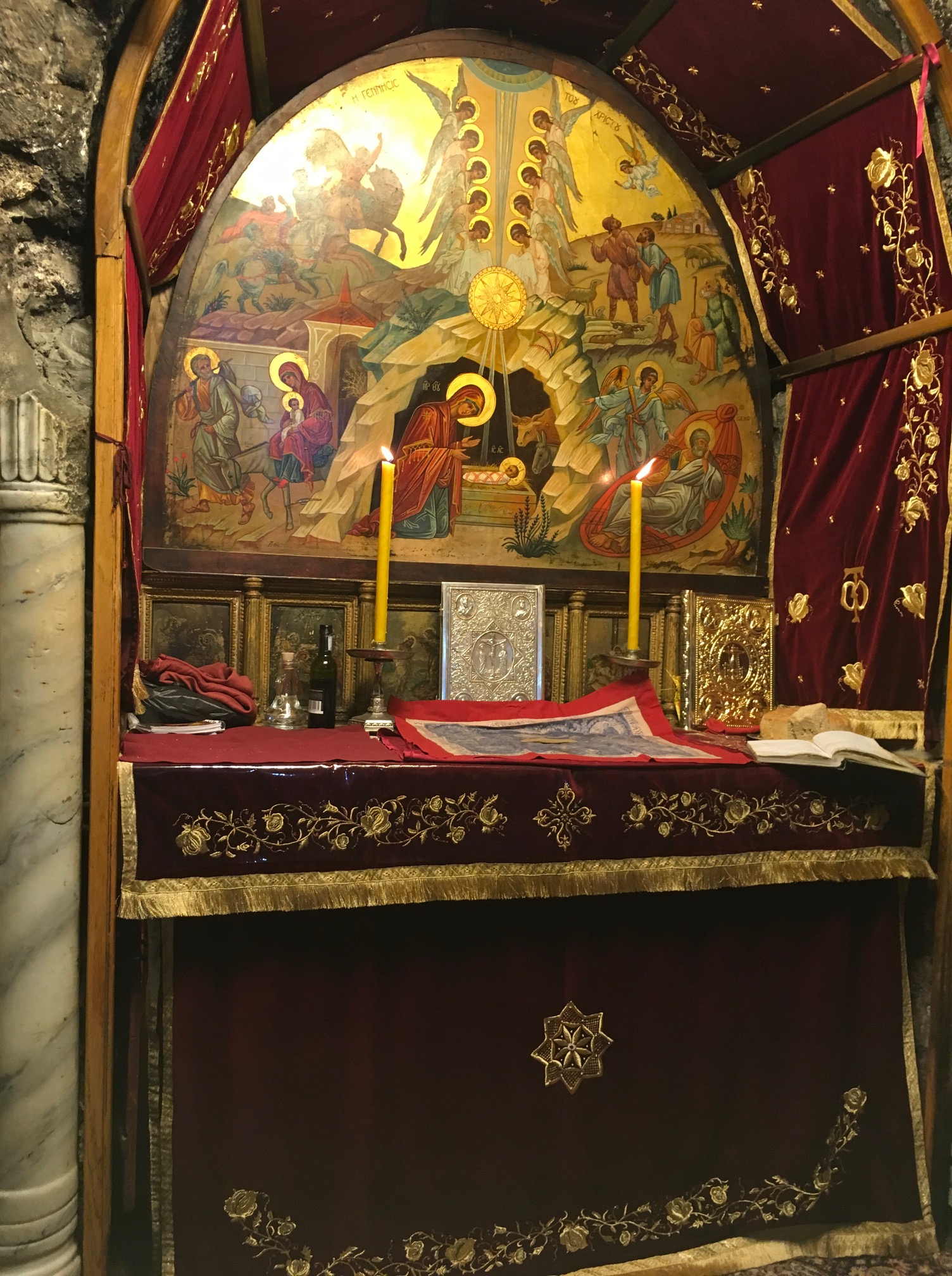
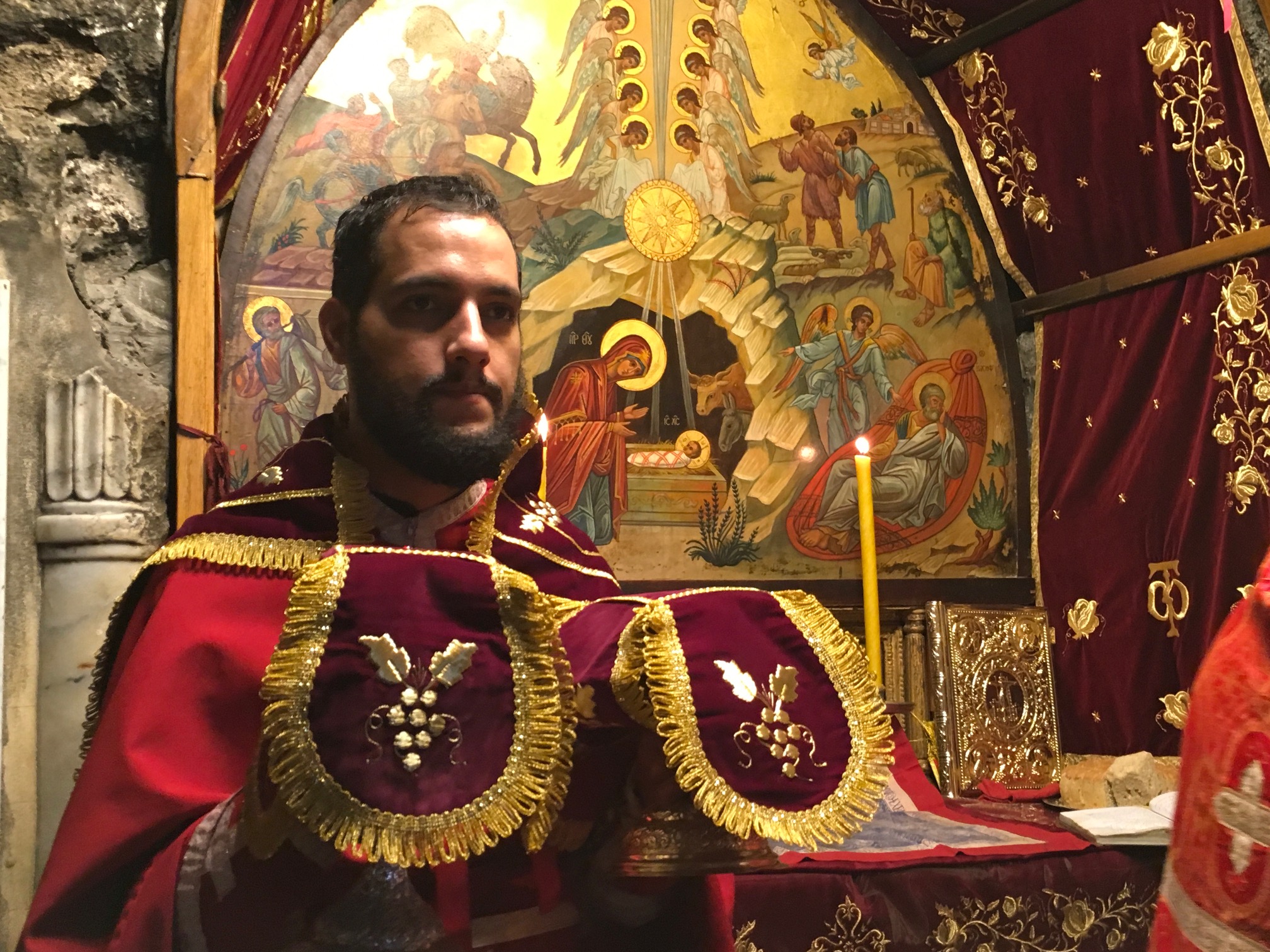
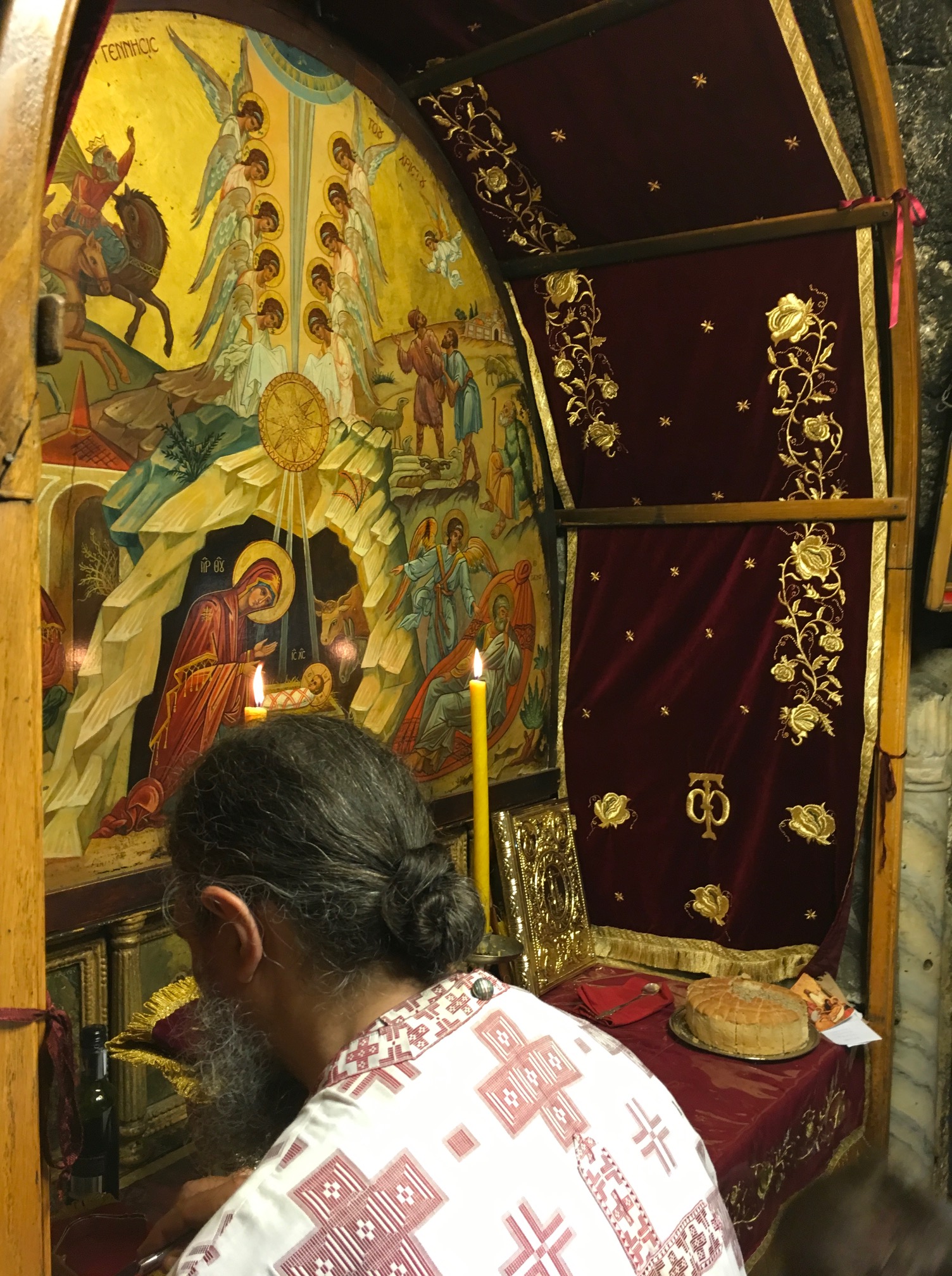
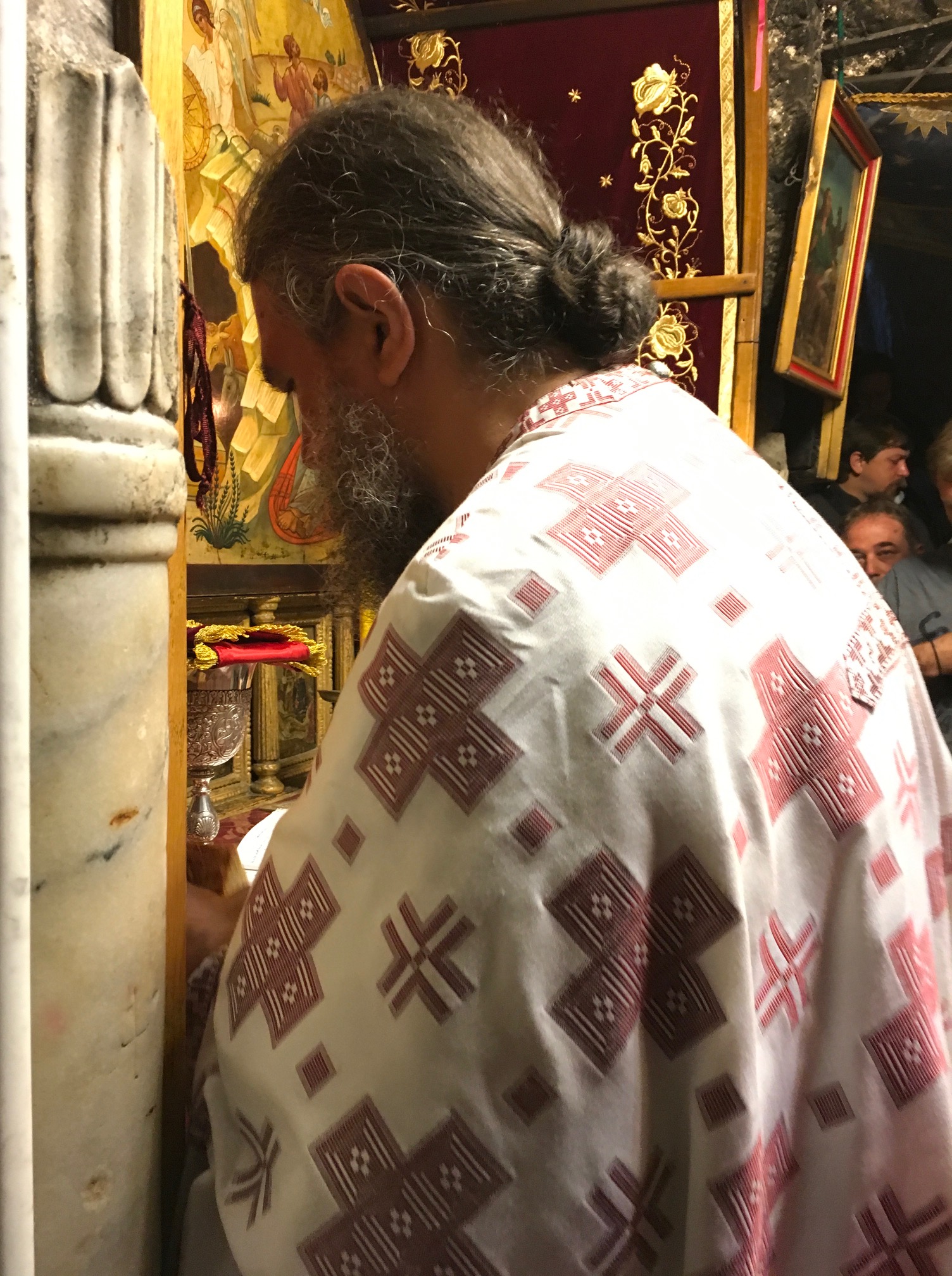
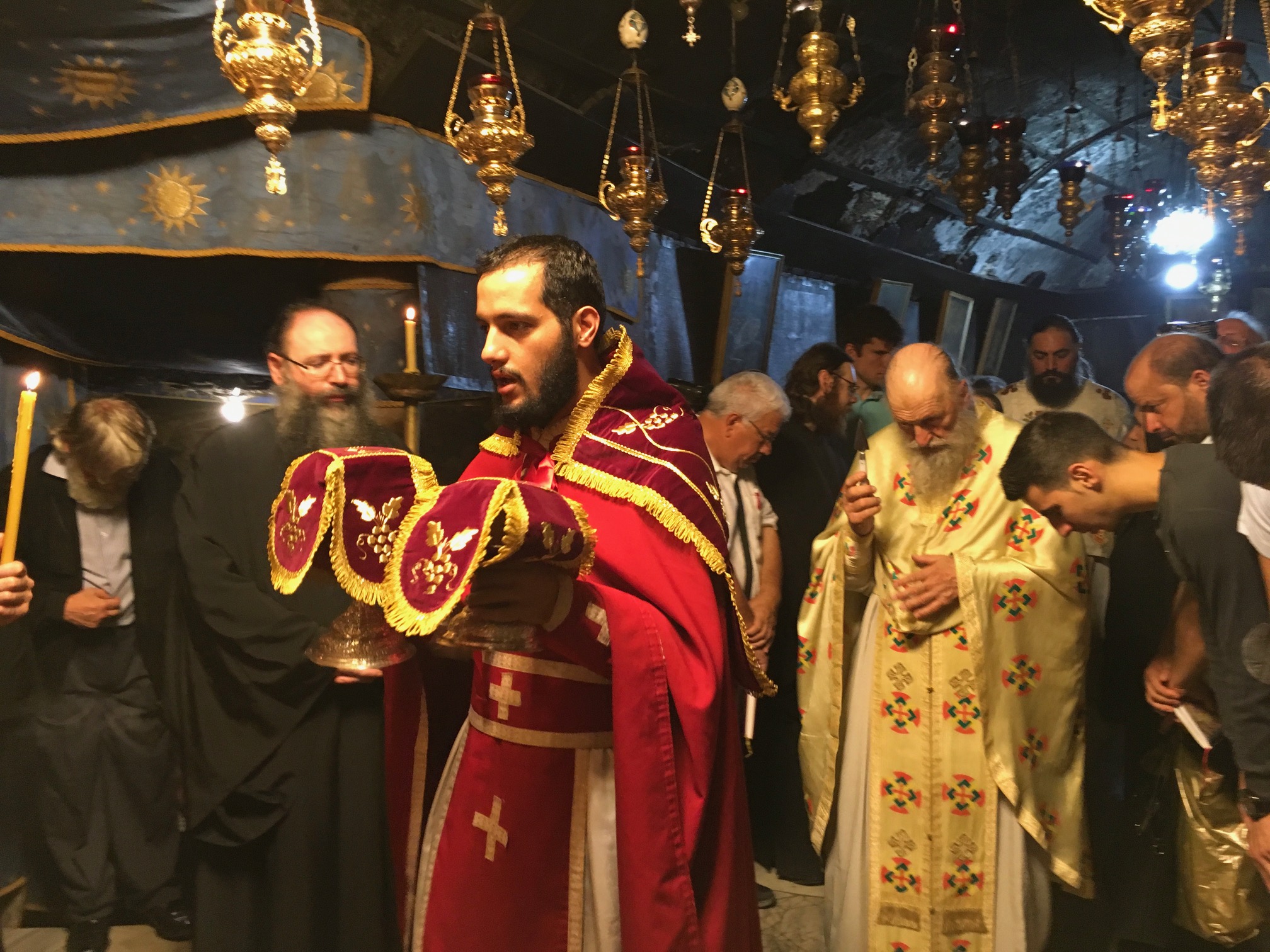
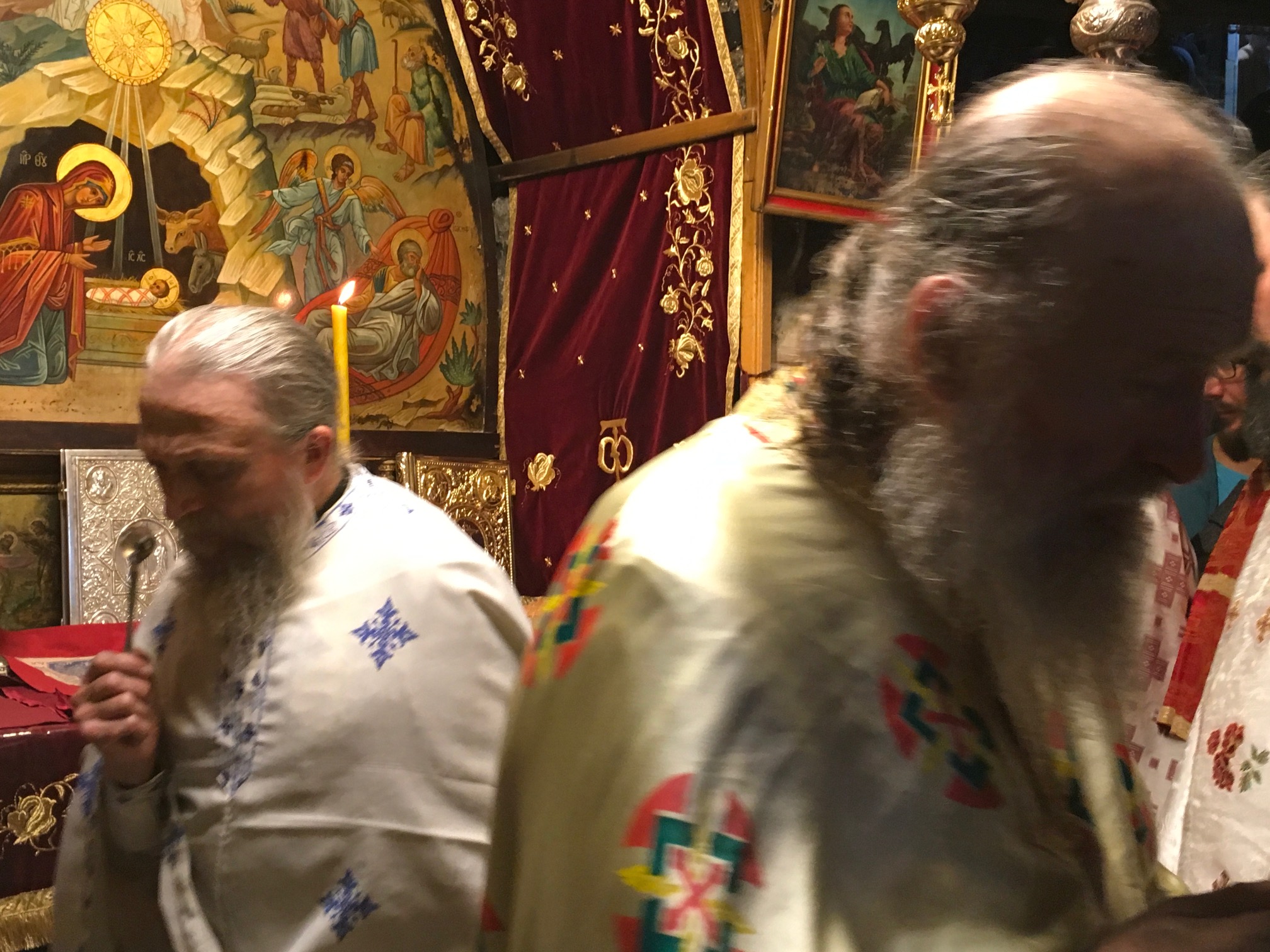
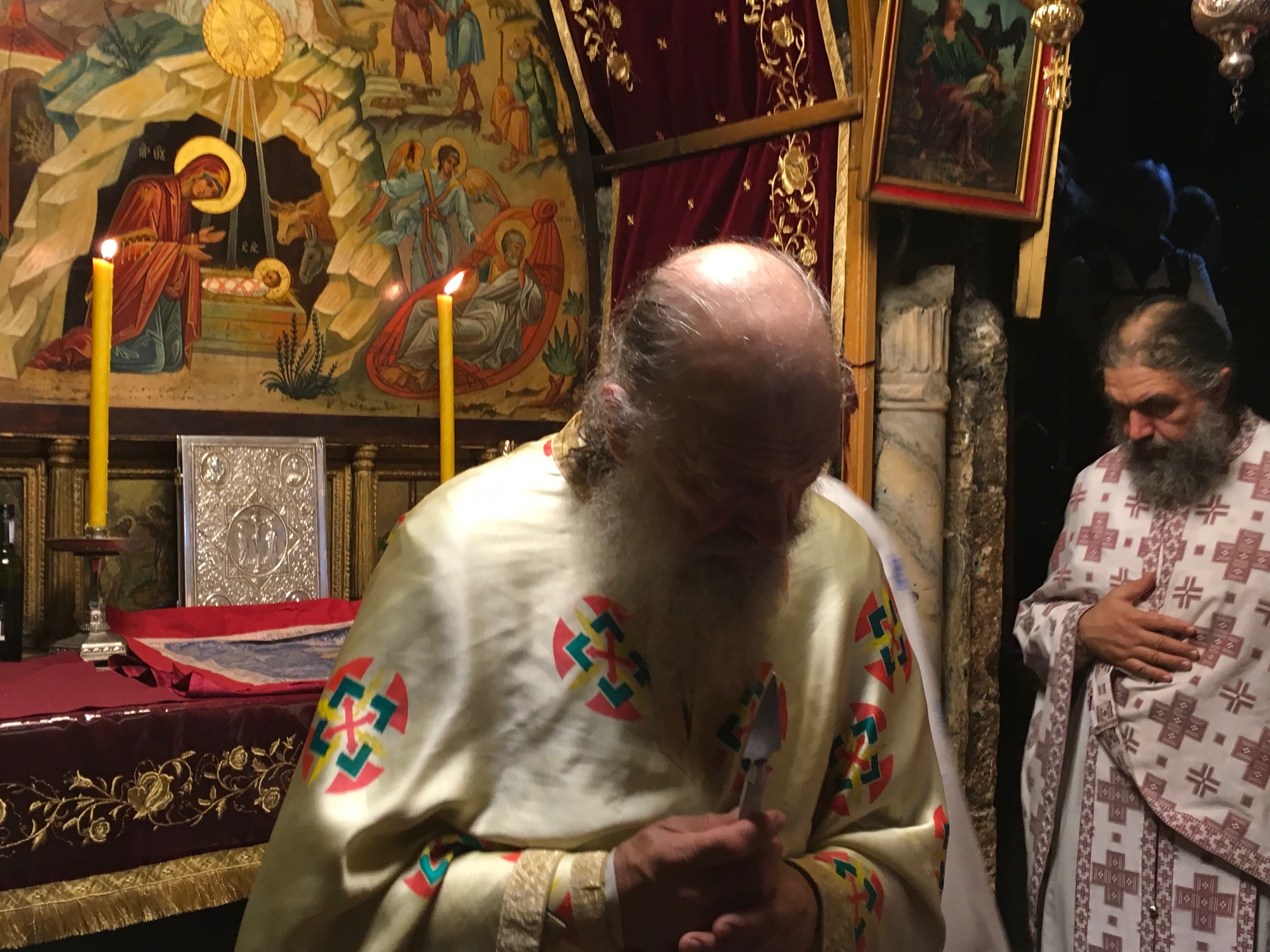
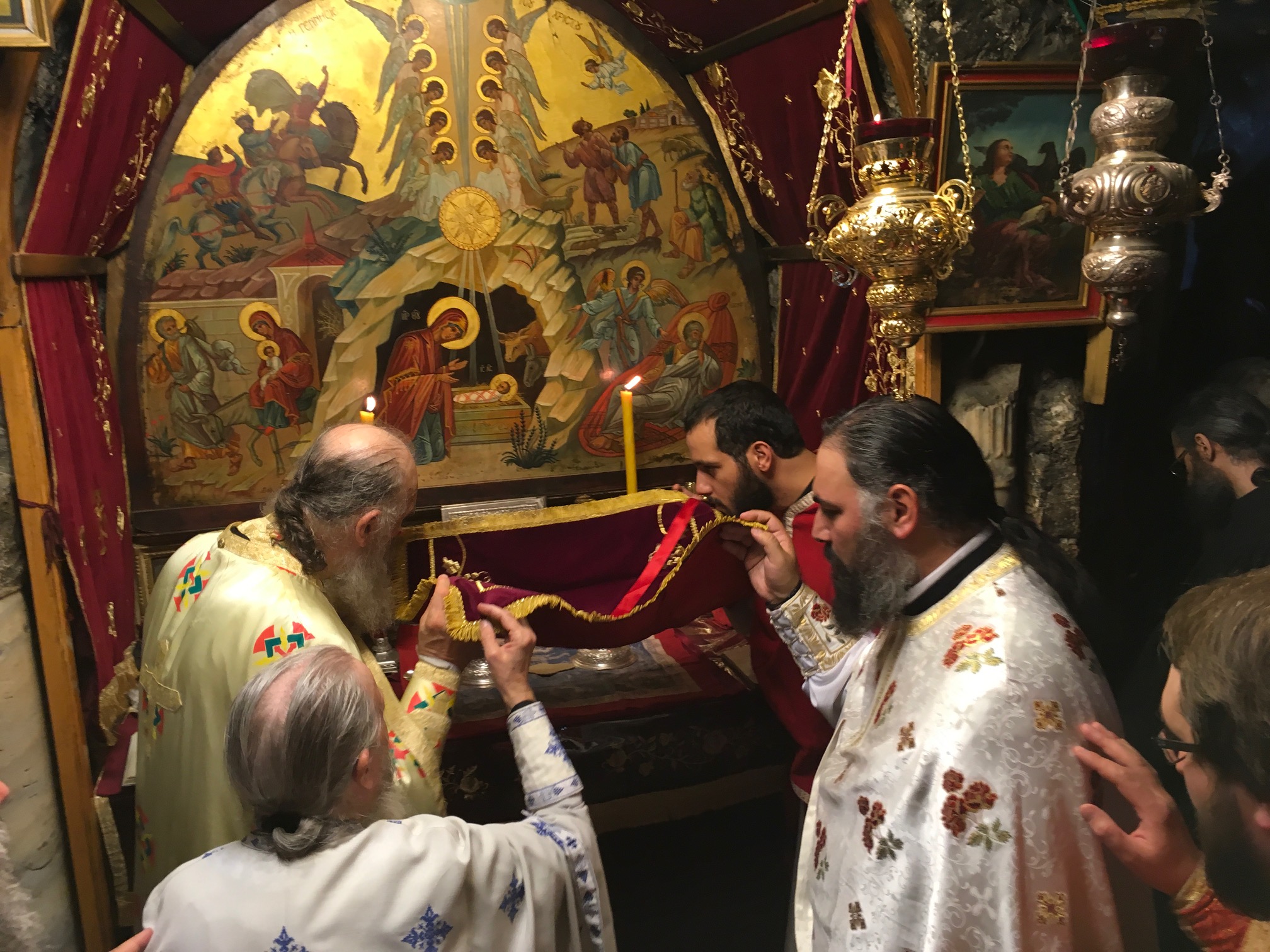
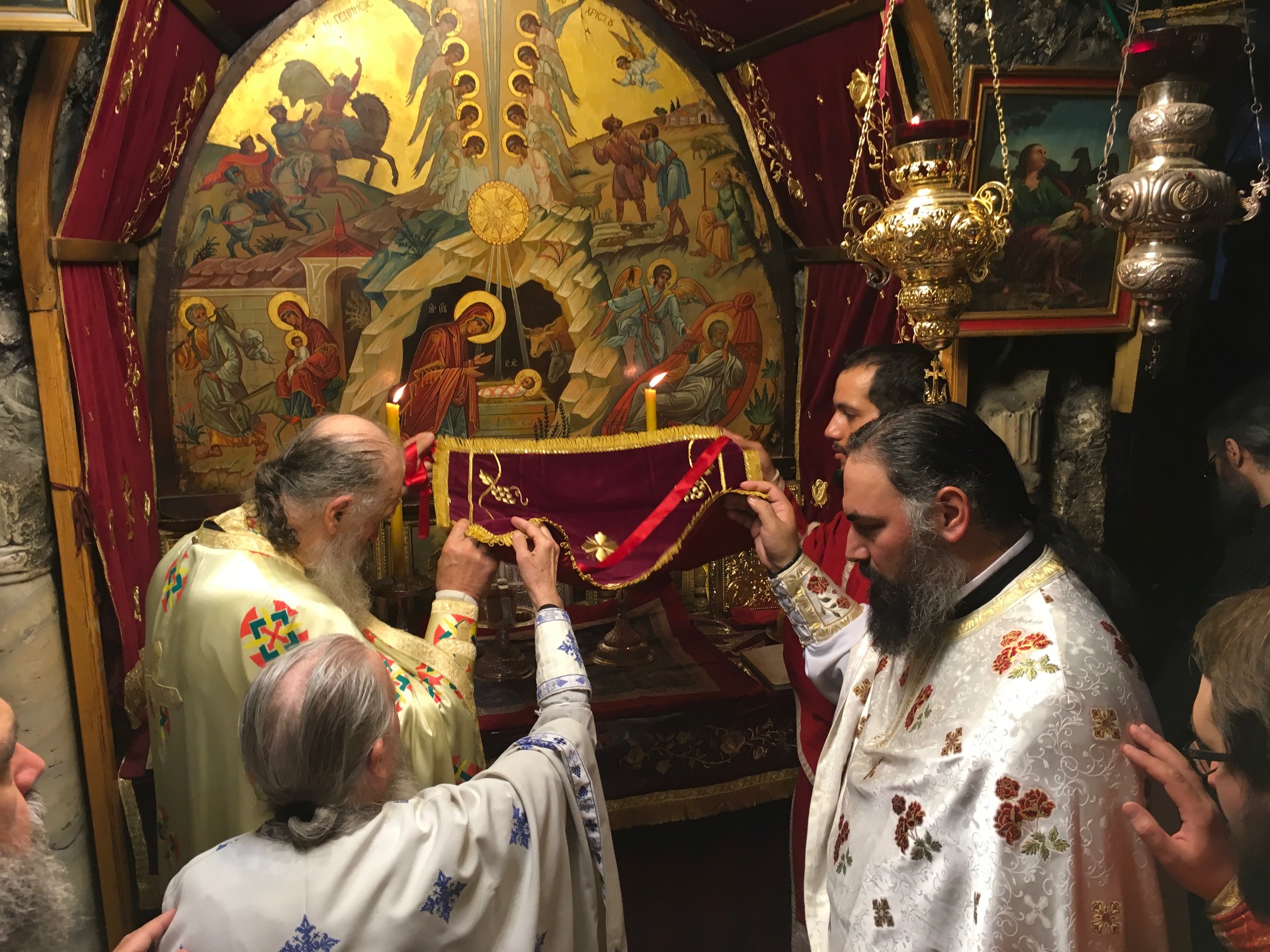
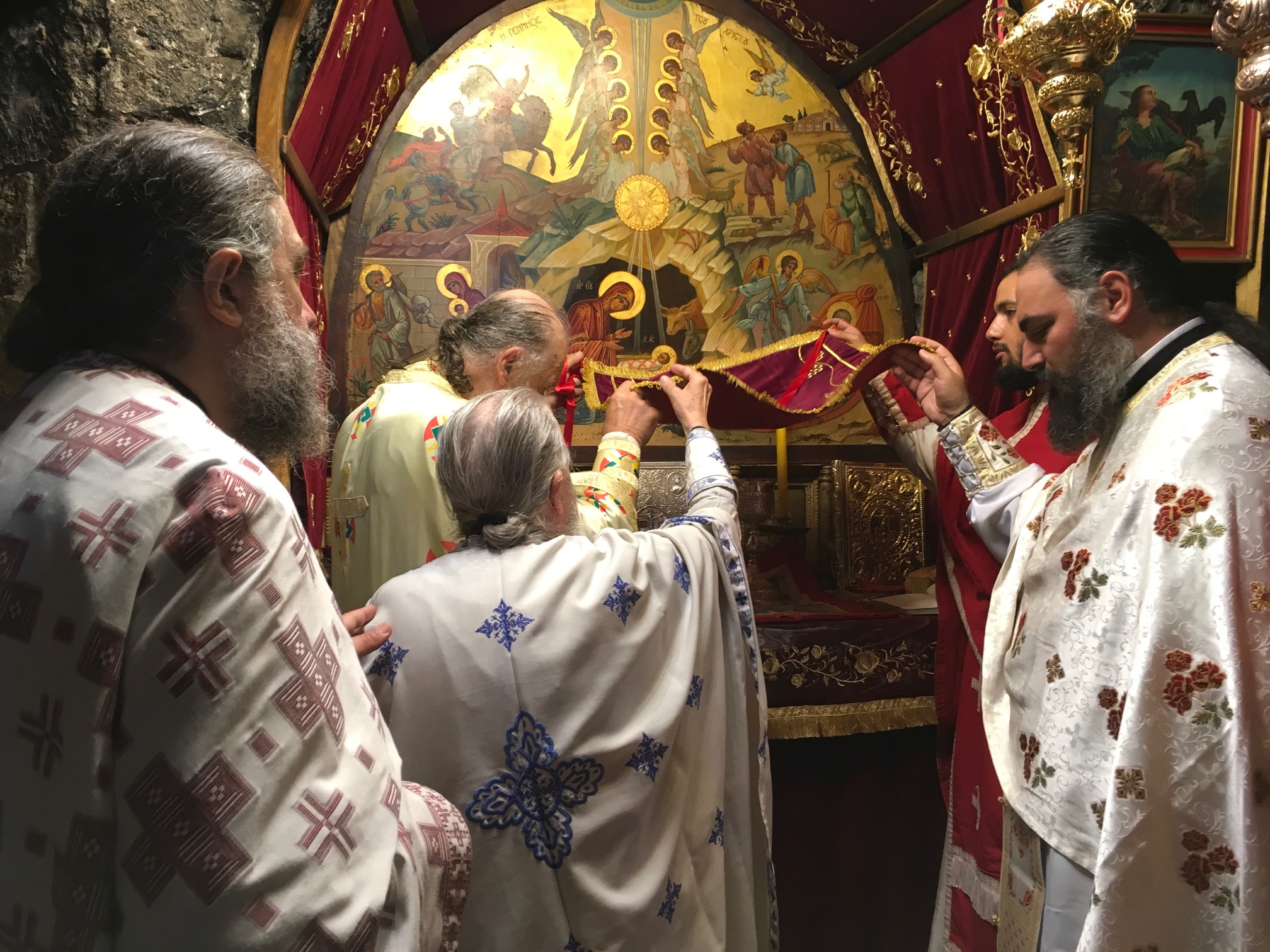
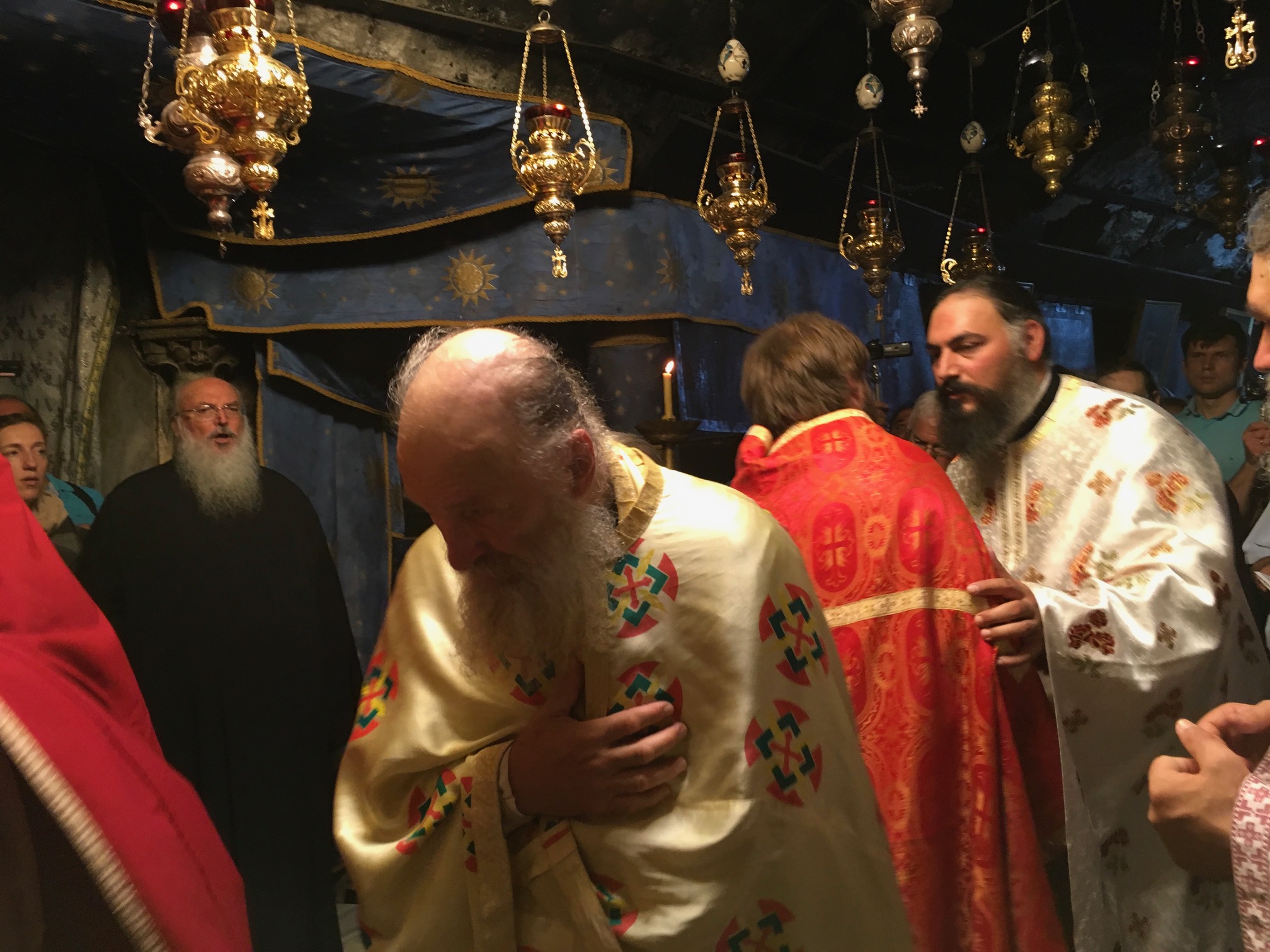
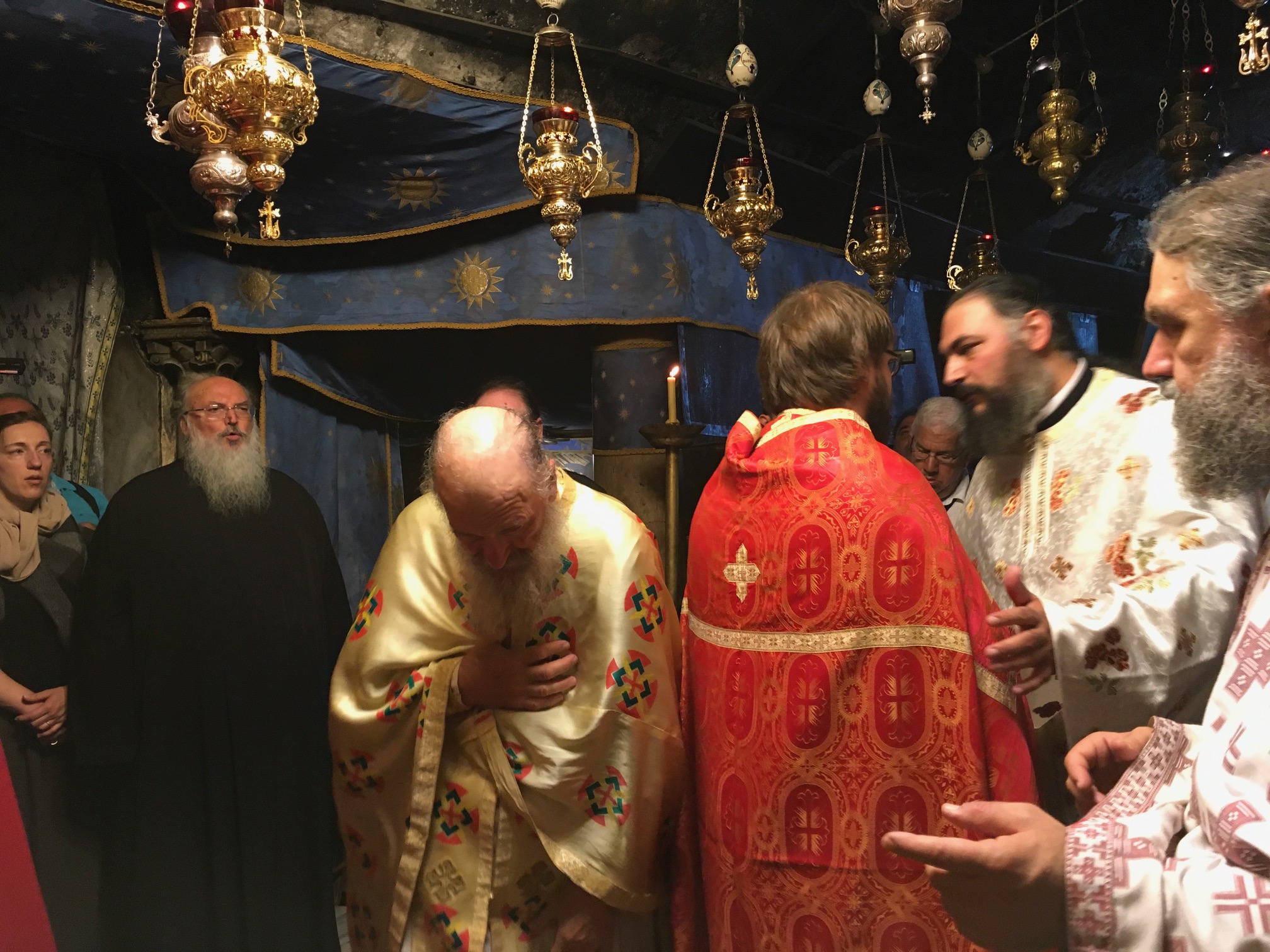
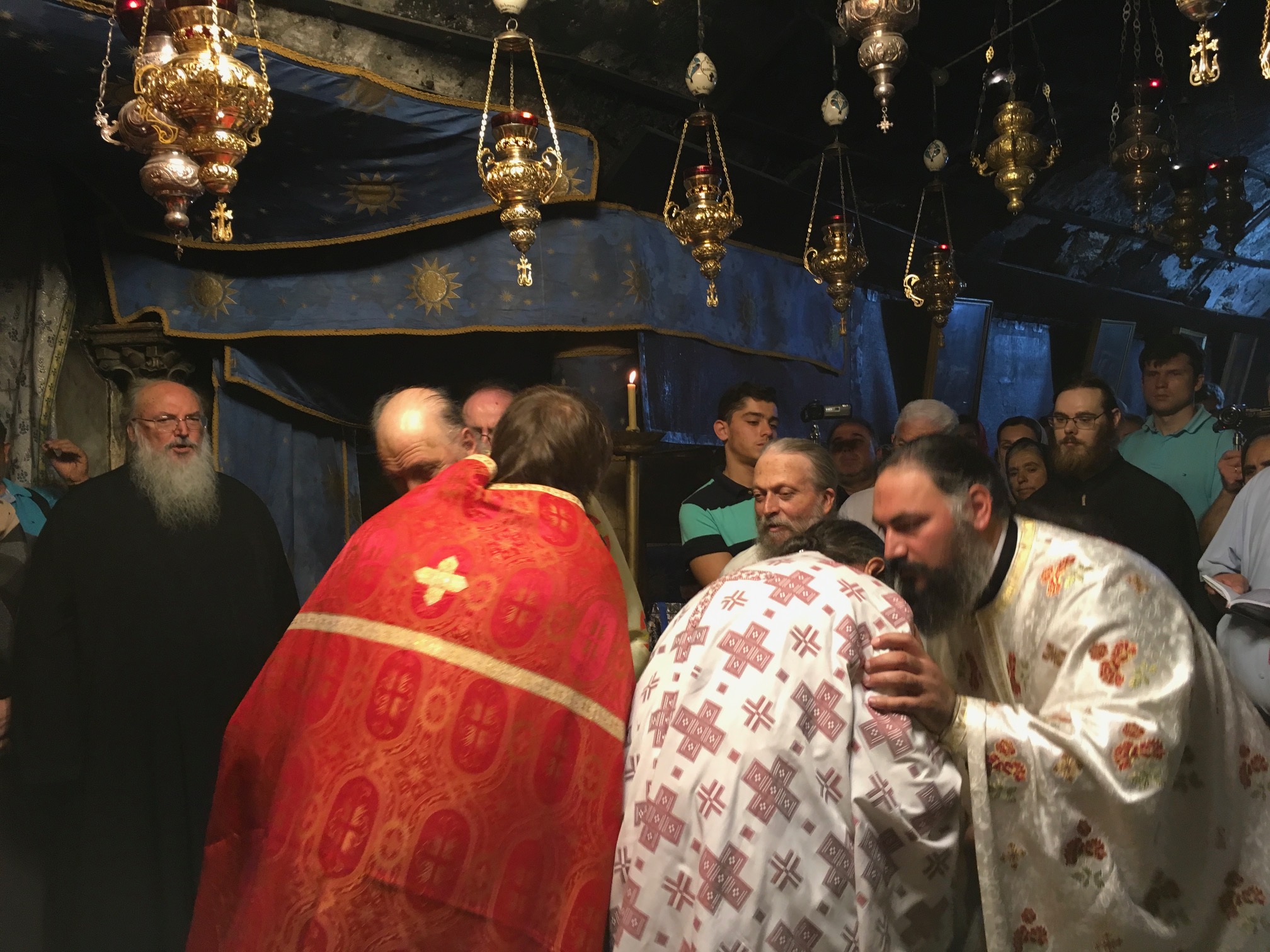
Bethlehem! The birthplace of our Lord and Savior and the cradle of biblical history. Bethlehem (Hebrew: בֵּית לֶחֶם Bet Lehem, [bet ˈleχem], “House of Bread”) is located five and half miles from Jerusalem. No town in the world has such a glorious history as Bethlehem. Our Elders together with a number of Holy Land Hieromonks offer a Holy Liturgy at the Church of the Nativity.
A Greek Orthodox Church, which has been built over the birthplace of Our Lord by the Emperor Justinian and is over 1,500 years old. It is the second oldest Orthodox Church in existence. It was not destroyed by the Persians, as they saw a mosaic of the Magi dressed in Persian wear over the front door. Words cannot communicate what we experienced in venerating and touching the actual ground where Jesus was born. A few feet away is the Holy Manger.
Where is Bethlehem?
Micah 5:
2 “ But you, Bethlehem Ephrathah, Though you are little among the thousands of Judah, Yet out of you shall come forth to Me The One to be Ruler in Israel, Whose goings forth are from of old, From everlasting.”
…
“I am the Life” Our Saviour said
Where is the house of Living bread?
Where does this birth of new life start?
The chamber of a loving heart
Is Bethlehem.
St.Athanasius of Alexandria(On the Incarnation, 54): “For He was made man that we might be made God (divine)”
Sunday of the Righteous Forefathers 2009 JAH (Fr. Jonathan Hemmings)
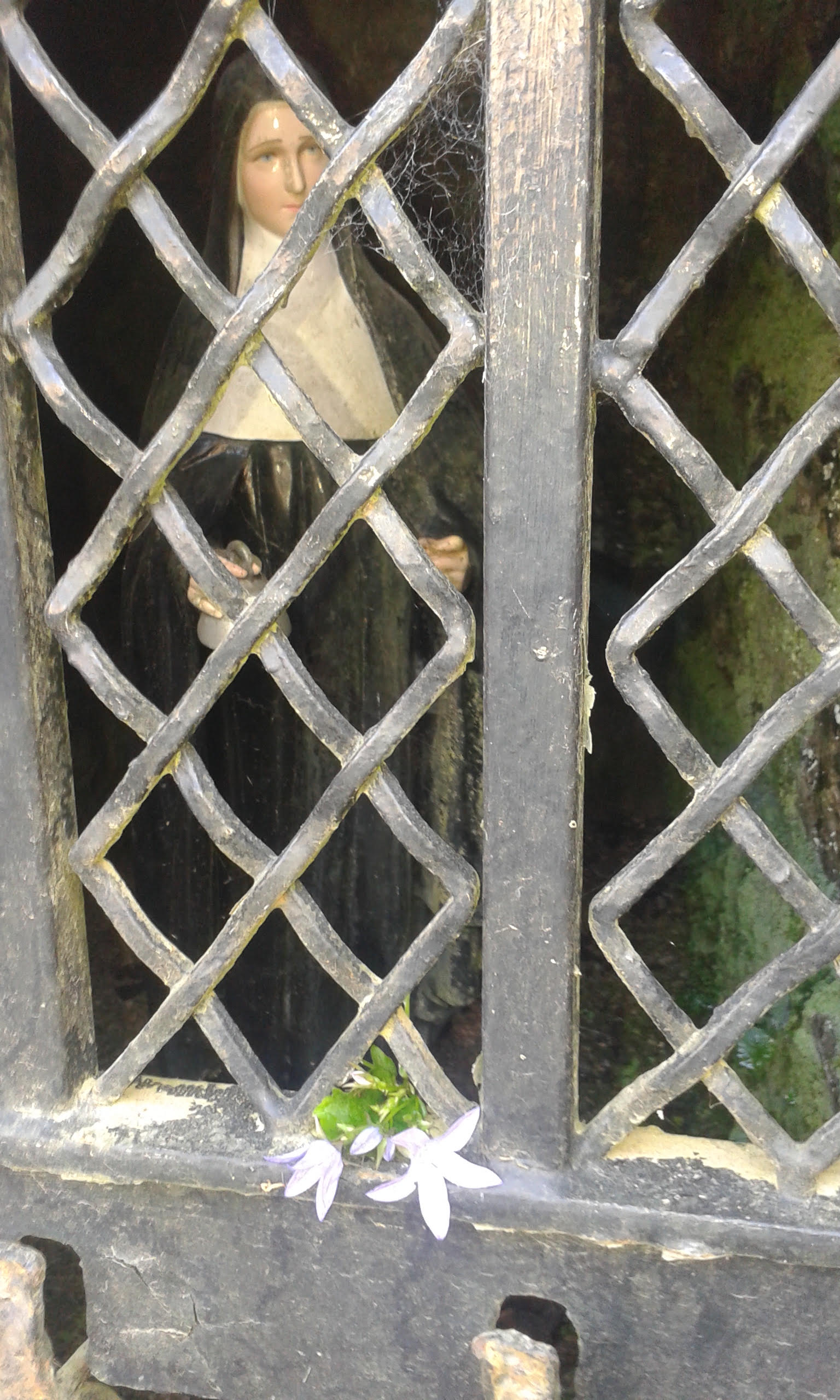
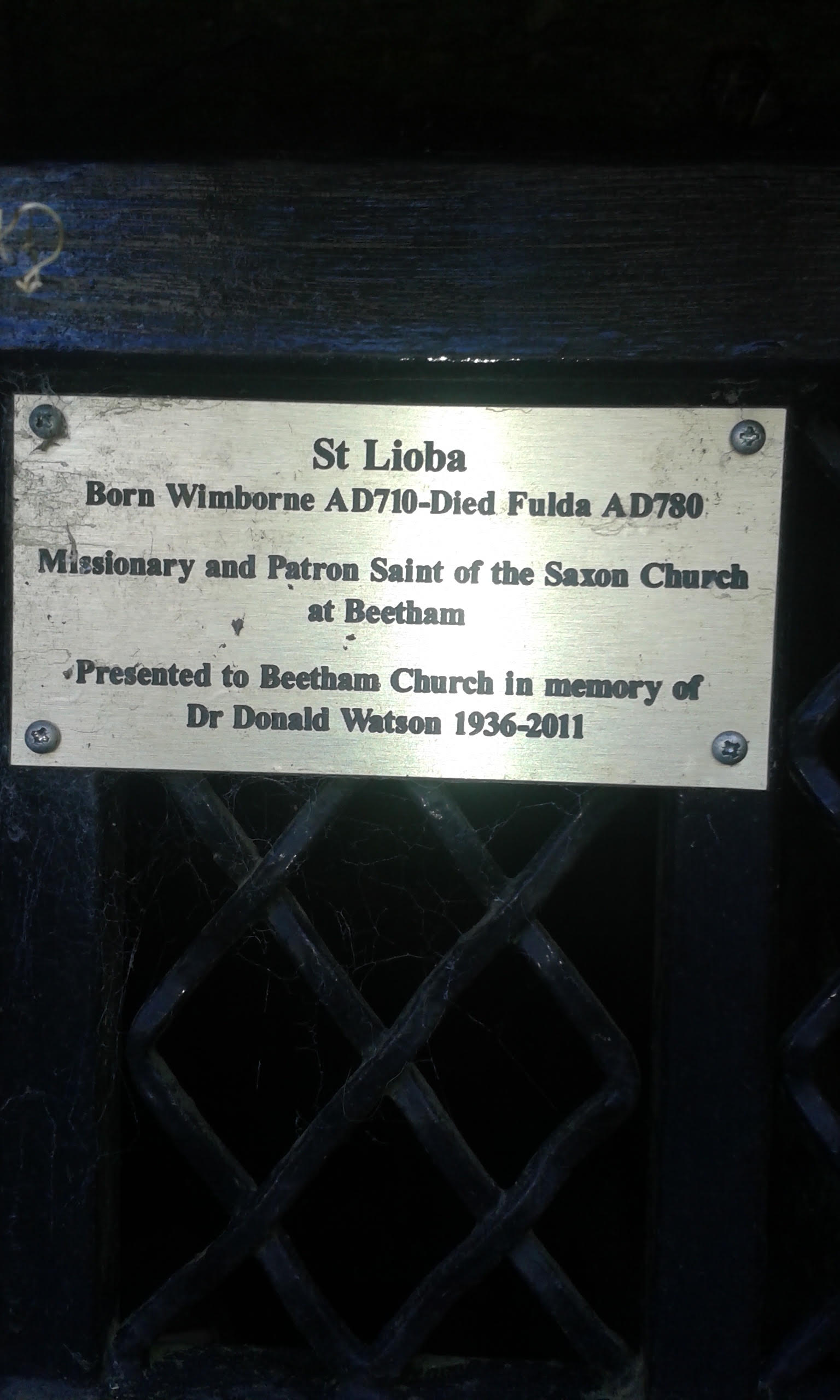
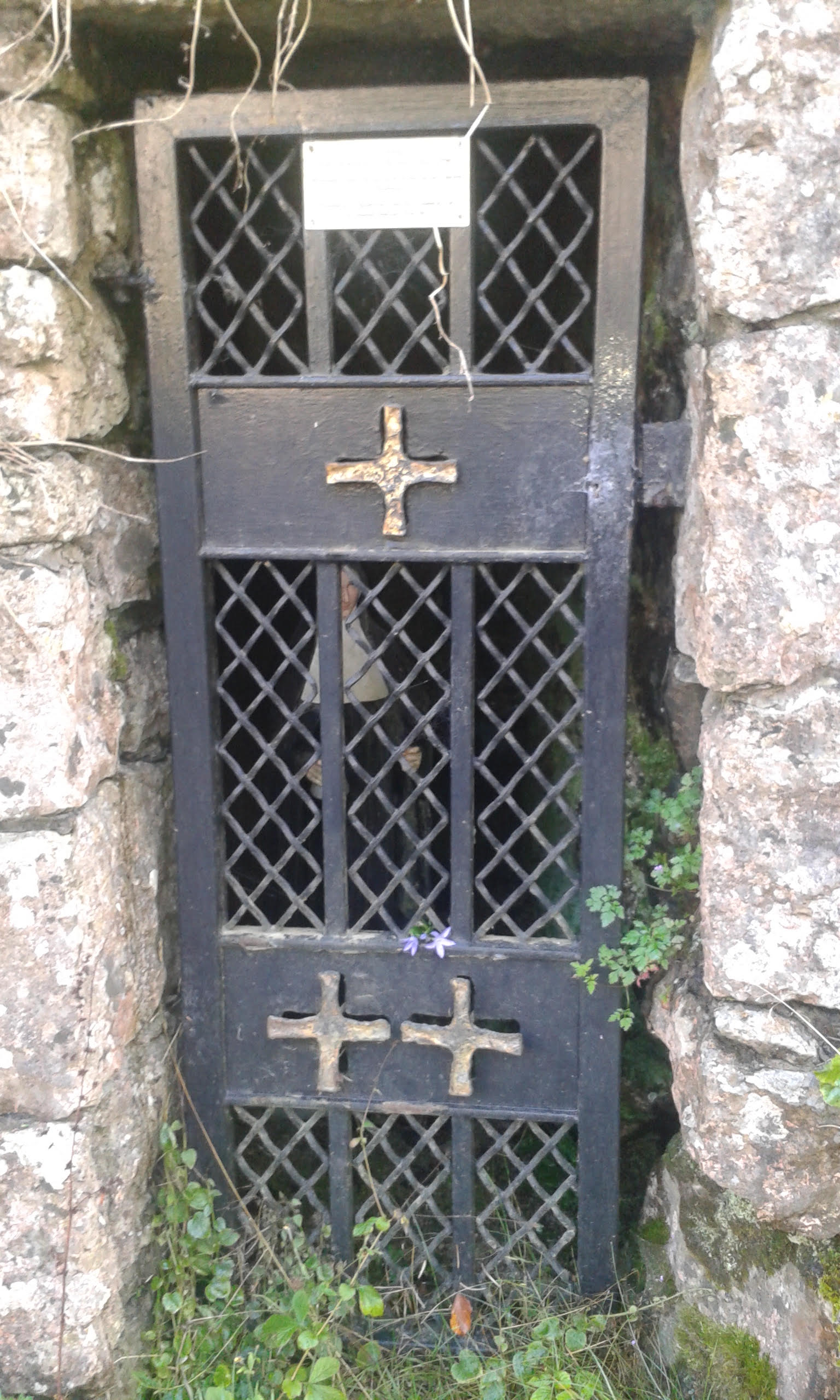
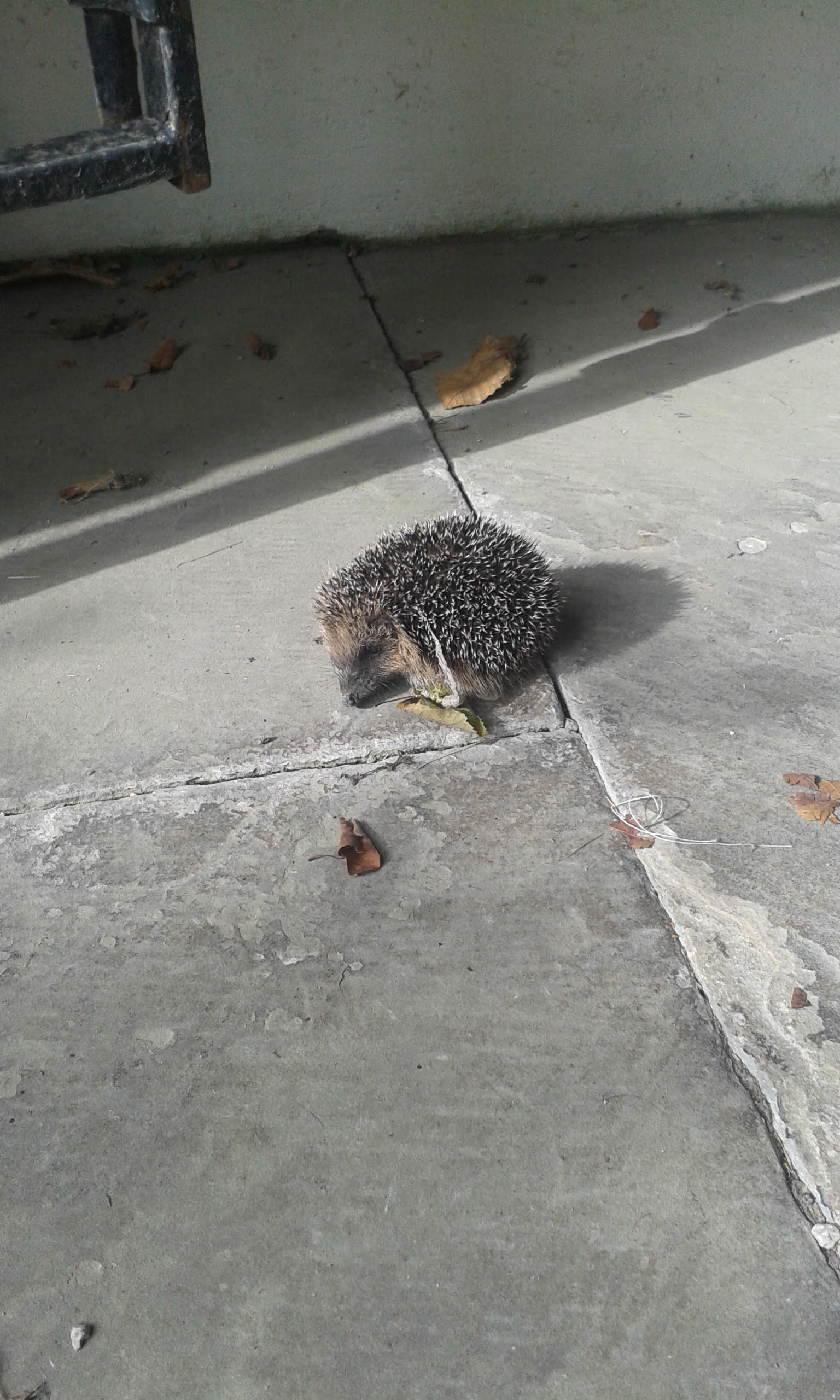
I forward photos from my little pilgrimage to St Lioba’s Church at Beetham on this her feast day. [+ 28 Sept.] I prayed for you all in Church and later at her little “shrine.” In the Church porch I saw a little hedgehog enjoying the sun.
Through the prayers of St Lioba Lord Jesus Christ have mercy.
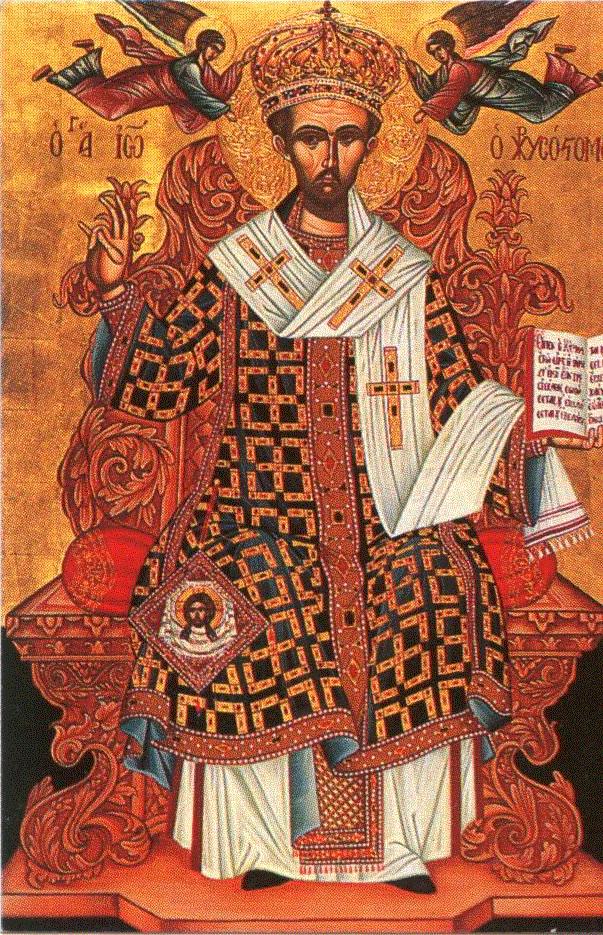
The most famous Reader of all, St. John Chrysostomos the Golden-Mouthed, Archbishop of Constantinople, enthroned. He was tonsured a Reader in 370.
Impressions from a mid-October gathering “What is a Reader?”
An Anglican Reader: “Your Vespers took really long [60 min +] but we forgot time or the pain in our feet [bravely standing up throughout] , immersed as we were in the beauty of pure worship”
Abouna Philip: “I think it is almost impossible to go to an Orthodox Church without being fed a lot. “
Another Anglican Reader: “If this is how you fast [the event took place on a Friday], then how do you feast?!”
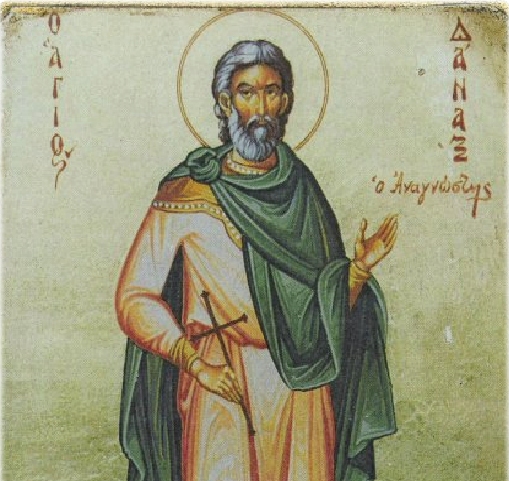
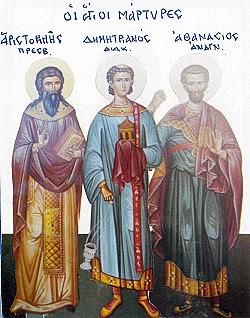
Holy Martyr Danax the Reader, Patron Saint of Readers
What is a Reader? In-mid October a gathering of 20 Readers from the Anglican church from all Lancashire area took place at the parish of Holy and Living Cross at Lancaster, UK. The goal was to introduce them to the office of the Reader in the Orthodox Church. The evening began with Vespers, was followed by a presentation and a question and answer session, and was concluded with a rich tea buffet.
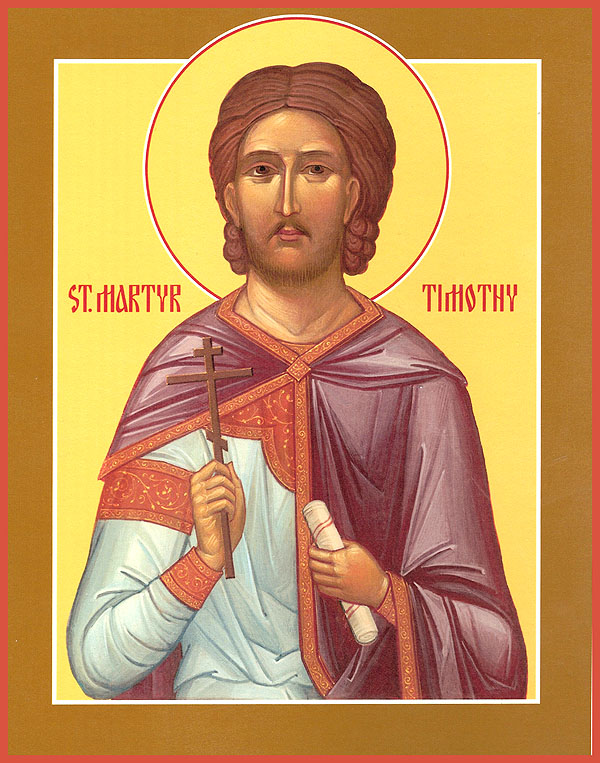
The Reader Timotheos from the Thebaid of Egypt, who underwent martyrdom by Diocletian, together with his wife, Mavra.
The Office of Reader is of course a very ancient one. Lectors used to read the epistle at the Eucharist in the early church, but Reader ministry in the Church of England today has developed in a radically different manner than that of the Lector.
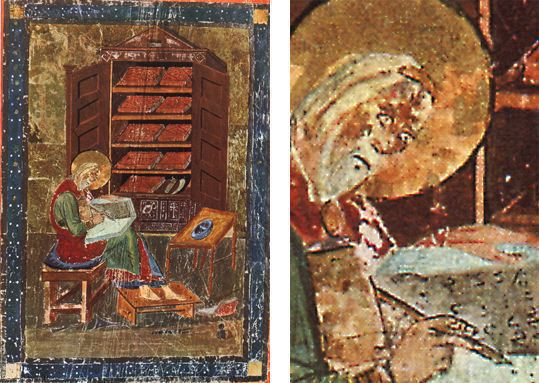
Ezra, the first Reader. “For Ezra had devoted himself to the study and observance of the Law of the LORD, and to teaching its decrees and laws in Israel.” Ezra 7:10
What is a Reader?
We learn a great deal about what it means to be a Reader from the admonition that the bishop gives to a Reader after he is tonsured (i.e. made a Reader):
“My son, the first degree in the Priesthood is that of Reader. It behooveth thee therefore to peruse the divine Scriptures daily, to the end that the hearers, regarding thee may receive edification; that thou in nowise shaming thine election, mayest prepare thyself for a higher degree. For by a chaste, holy and upright life thou shalt gain the favor of the God of loving-kindness, and shalt render thyself worthy of a greater ministry, through Jesus Christ our Lord: to whom be glory unto the ages of ages. Amen.”
This tells us that the office of the Reader is the first rank of the priesthood, and so can only be a man, with the exception of women’s monasteries. Readers are tonsured, which means that rather than being ordained in the Altar, they are set apart by having some of their hair cut in the form of the Cross (as also happens at baptism, and when someone is made a monastic) and ordained in the Nave of the Church, as are Subdeacons, who are also minor clergy. Their office thus is sacramentally instituted and defined.
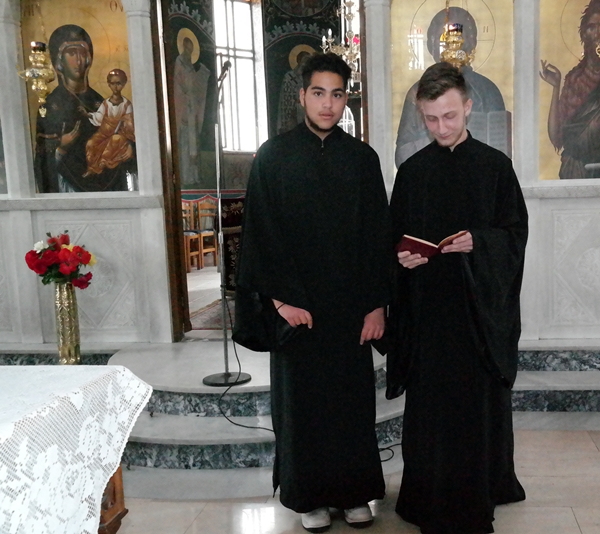
Newly tonsured Orthodox Readers
Readers in the Anglican church, on the other hand, are lay people, male as well as female, trained and licensed by the Church to preach, teach, lead worship and assist in pastoral, evangelistic and liturgical work.
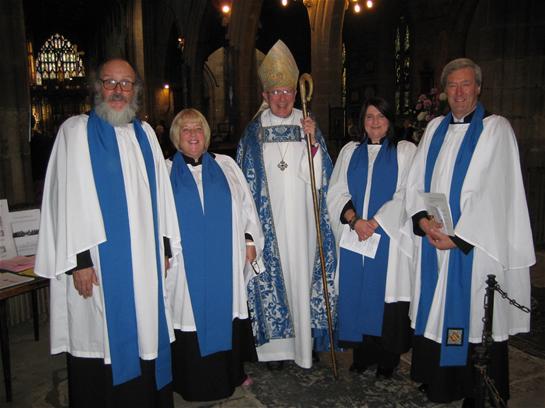
In church, Anglican Readers can be distinguished from their ordained colleagues by the distinctive blue Readers’ scarf, whereas an Orthodox Reader would ideally wear clerical attire at all times, and it is at minimum necessary that he should wear a cassock on Church grounds, and at any Church functions off Church grounds.
This picture shows the four new Readers licensed [sic] at the service at the Diocese of Newcastle
Specifically. The duties of a Reader in the Orthodox Church are primarily focused on the prayerful, liturgical ‘dialogue’ with the priest throughout all church services, representing the dialogue between heaven and earth. The Reader is also often the chanter, especially in the absence of a choir. He is not only essential to the Liturgical life, but in terms of the amount of the liturgy, he chants more than the priest! This became most apparent to the Anglican Readers who attended Vespers, because they themselves noticed how prominent the role of the Reader was throughout, since he was practically reading, intoning and chanting more than the 7/10, even 8/10 of the service.
Conversely, the duties of the Readers in the Anglican Church are varied, broad and diverse, differing from parish to parish, depending on the local priest, and encompass even
authorisation to preach;
presiding at Services of the Word;
taking the traditional role of deacon at the Eucharist;
distributing the sacrament of Holy Communion in church and/or to the sick at home or in hospital;
reading Banns of Marriage.
Anglican Readers ‘work’ even in schools, prisons, hospitals, hospices, factories and shops, among seafarers and in the Armed Forces, with children and young people, the elderly, housebound and bereaved, and with those preparing for baptism, confirmation and marriage. Such ‘duties’ would be unthinkable to an Orthodox Reader, and the delineation of their duties applies throughout all orthodox churches.
Finally, as the first rank of the clergy in the Orthodox church, a Reader should conduct himself with the humility, sobriety, and care appropriate to his order, in order to prepare himself “for a higher degree.” In other words, a Reader should be preparing himself for the possibility of serving in a higher rank of the clergy.











 ORTHODOX CHRISTIAN FAITH AND LIFE