The Mind of the Chalice

Uncreated Light2

Holy Communion and Uncreated Light

Fr. Christos, Leros island, Greece, around 1990 — a real story told to a friend by the priest himself, now of + Blessed Memory


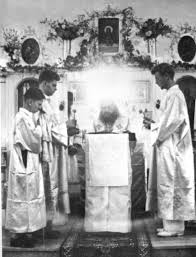
“It was Saturday morning. We had just finished Holy Liturgy and I was about to consume the Holy Gifts from the Chalice. Suddenly, a young neighbour entered the Altar, worried, sweating and panting, and told me:

‘Fr. Christos save us. My father thinks he is dying and wants to make a Confession and receive the Holy Communion.’

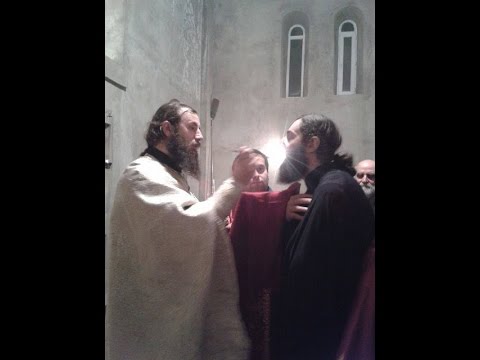
I got in a sweat. This young man’s father was the most difficult and mean man in the village. He was quarrelling with everybody. He had never set a foot to church, not even in funerals, weddings or baptisms. I made my Cross and felt that God was calling me to go to him with the Holy Gifts. When we entered the house of the dying, his name was Giannis, I put the Holy Chalice with the Holy Communion, an inch at least, on the nightstand, next to Giannis’ bed. I told him: ‘Giannis, in order to offer you Holy Communion, I must at first hear your Confession and read the prayer of forgiveness. Do you want this?’ ‘Yes’, he replied, so I put on my stole, he told me what was in his heart, I read to him the prayer of forgiveness, and then I got ready to offer him Holy Communion. I turn to pick the Chalice, and what do I see? The Holy Chalice was completely empty, not even a drop of Holy Communion. I nearly fainted. I say to Giannis: ‘I will hurry back to church to get Holy Communion, because I honestly do not know what happened and the Chalice is now empty.’ Then, Giannis started sobbing and told me: ‘Christ is doing this for me, Father. What I told you during my Confession were all lies because I was ashamed to tell you my real sins, which are a lot heavier.’ So, it happened. Then, I read him for a second time the forgiveness prayer and asked him to wait for me, so that I can go back to Church and fetch him Holy Communion. ‘Go’, Giannis told me, ‘and I will wait for you.’ I pick up the Holy Chalice, and what do I see? Pay attention to this miracle. An inch of Holy Communion was now inside the Holy Chalice. I made my Cross and offered Communion to the dying man. His face shone in peace, and he died that very minute in front of me, in repentance. Glory be to our Lord for all things! With what compassion, wisdom and discretion did Christ forgive and save Giannis!Memory Eternal! W should never despair of our salvation, even if we are the worst sinners of the world. May we all enter Paradise with repentance and an honest, humble Confession”

The Sandals

Jesus-temptation.jpg

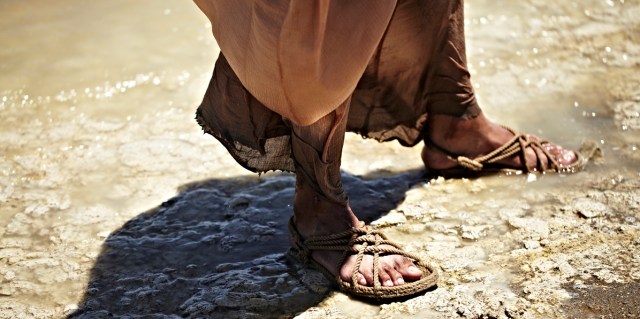
Amma Theodora said: A certain monk, afflicted by many sorrows, said to himself, “Leave this place.” With these words he began to put his sandals on his feet, and suddenly he saw the devil in the form of a man sitting in the corner of his cell. The devil was also putting on his sandals. He said to the monk, “Are you leaving here because of me? Well then, wherever you go, I will be there before you.
(St. Ignatius Brianchaninov, Patericon)

What God has promised


st john maximovich

God’s grace always assists those who struggle, but this does not mean that a struggler is always in the position of a victor. Sometimes in the arena the wild animals did not touch the righteous ones, but by no means were they all preserved untouched.

What is important is not victory or the position of a victor, but rather the labou

r of striving towards God and devotion to Him.

Though a man may be found in a weak state, that does not at all mean that he has been abandoned by God. On the cross, the Lord Jesus Christ was in trouble, as the world sees things. But when the sinful world considered Him to be completely destroyed, in fact He was victorious over death and hades. The Lord did not promise us positions as victors as a reward for righteousness, but told us,

“In the world you will have tribulation — but be of good cheer, for I have overcome the world” (Jn. 16:33).

The power of God is effective when a person asks for the help from God, acknowledging his own weakness and sinfulness.

This is why humility and the striving towards God are the fundamental virtues of a Christian.


By St. John Maximovitch

As a fruitful vine

st nektarios

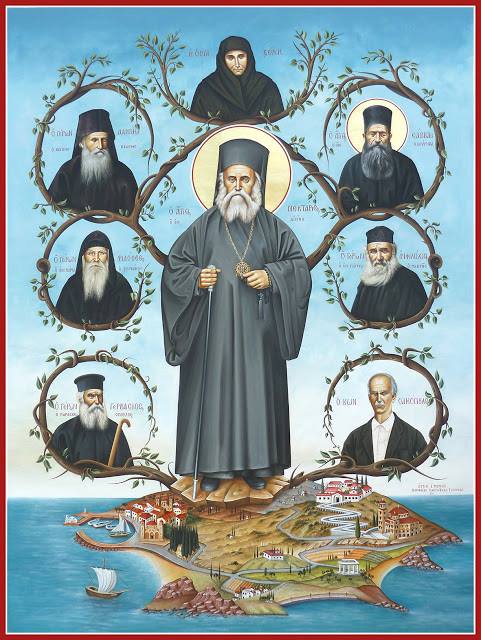
St. Nektarios and his spiritual children. May he intercede for us!

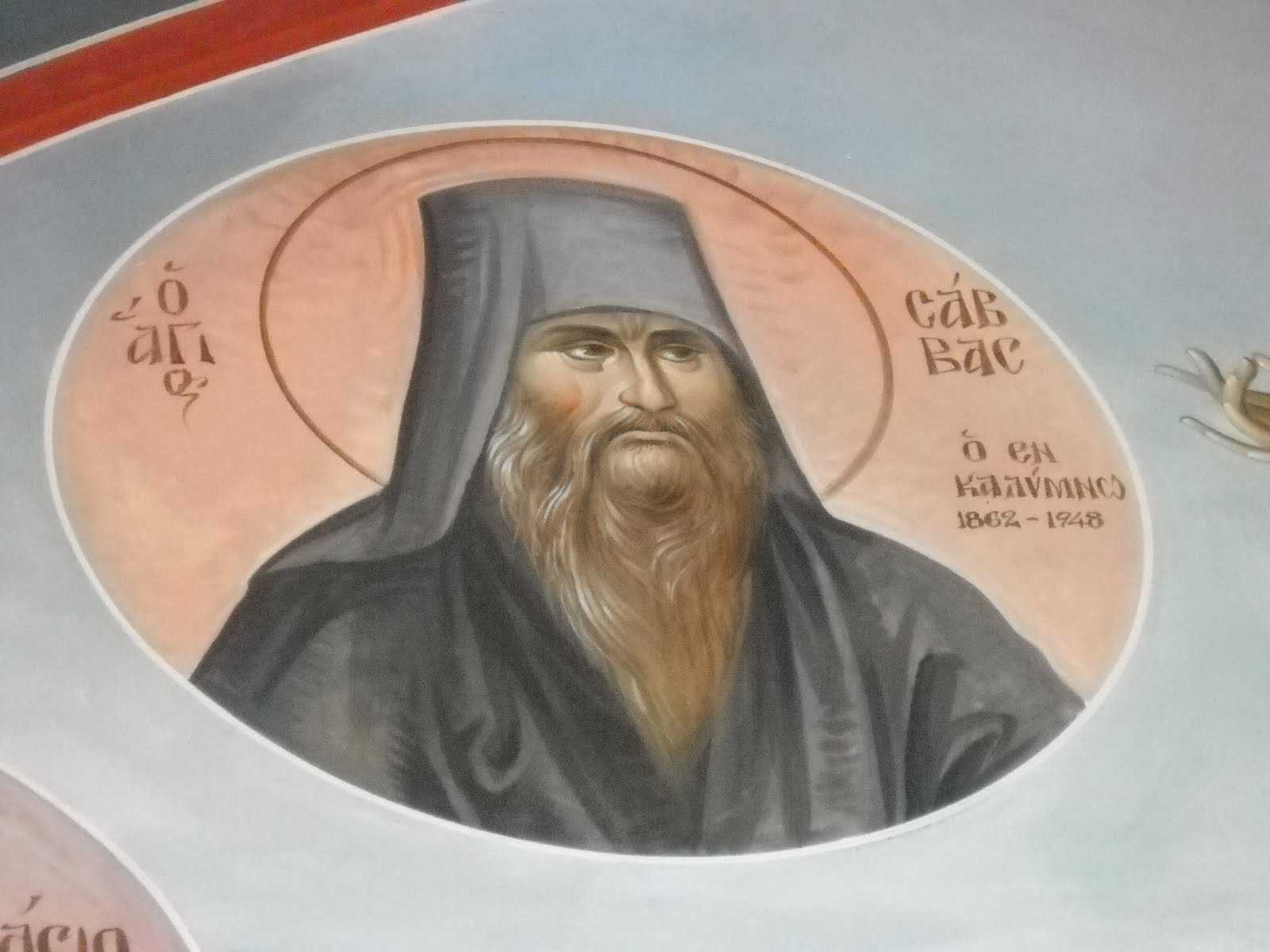
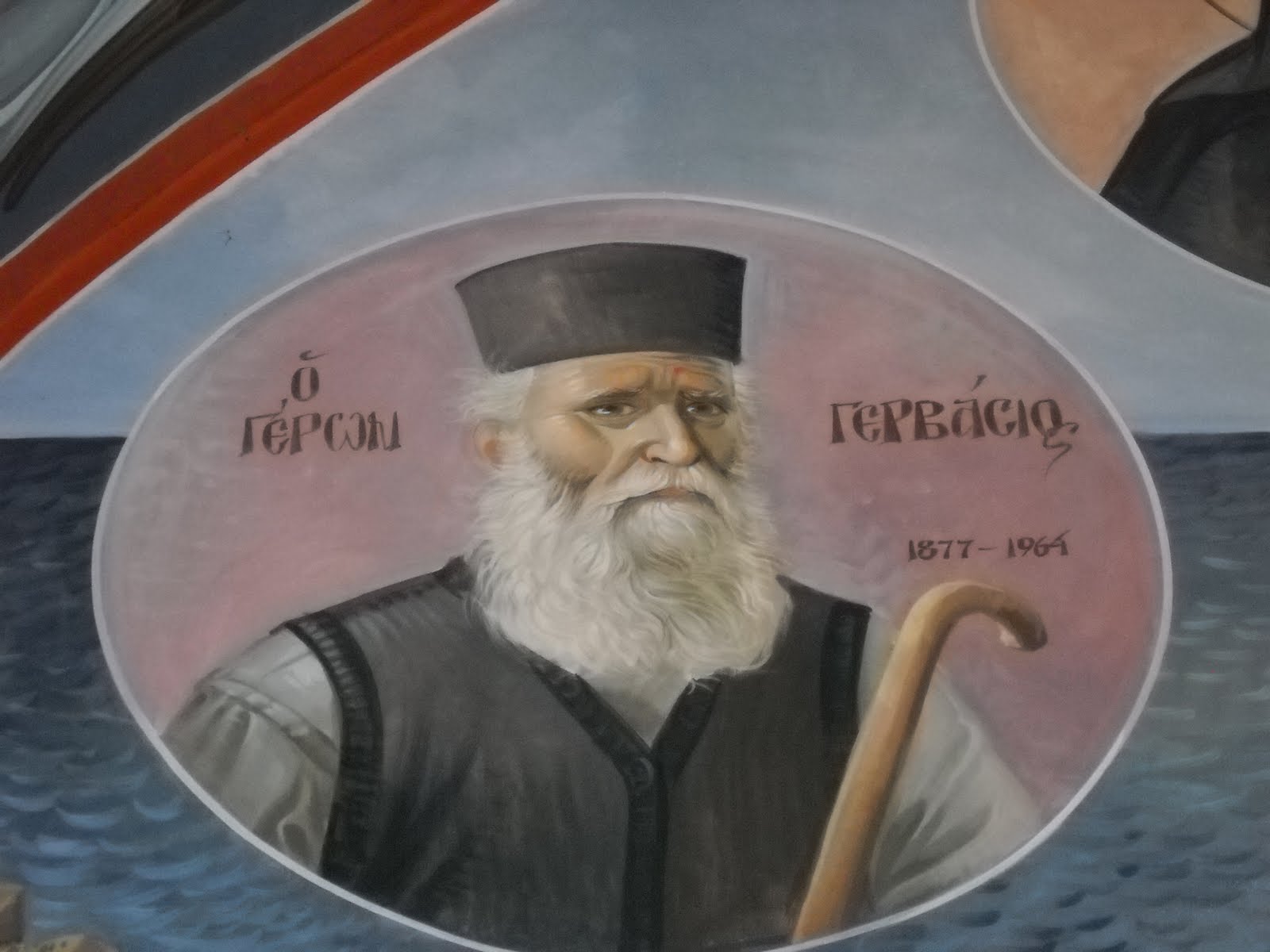
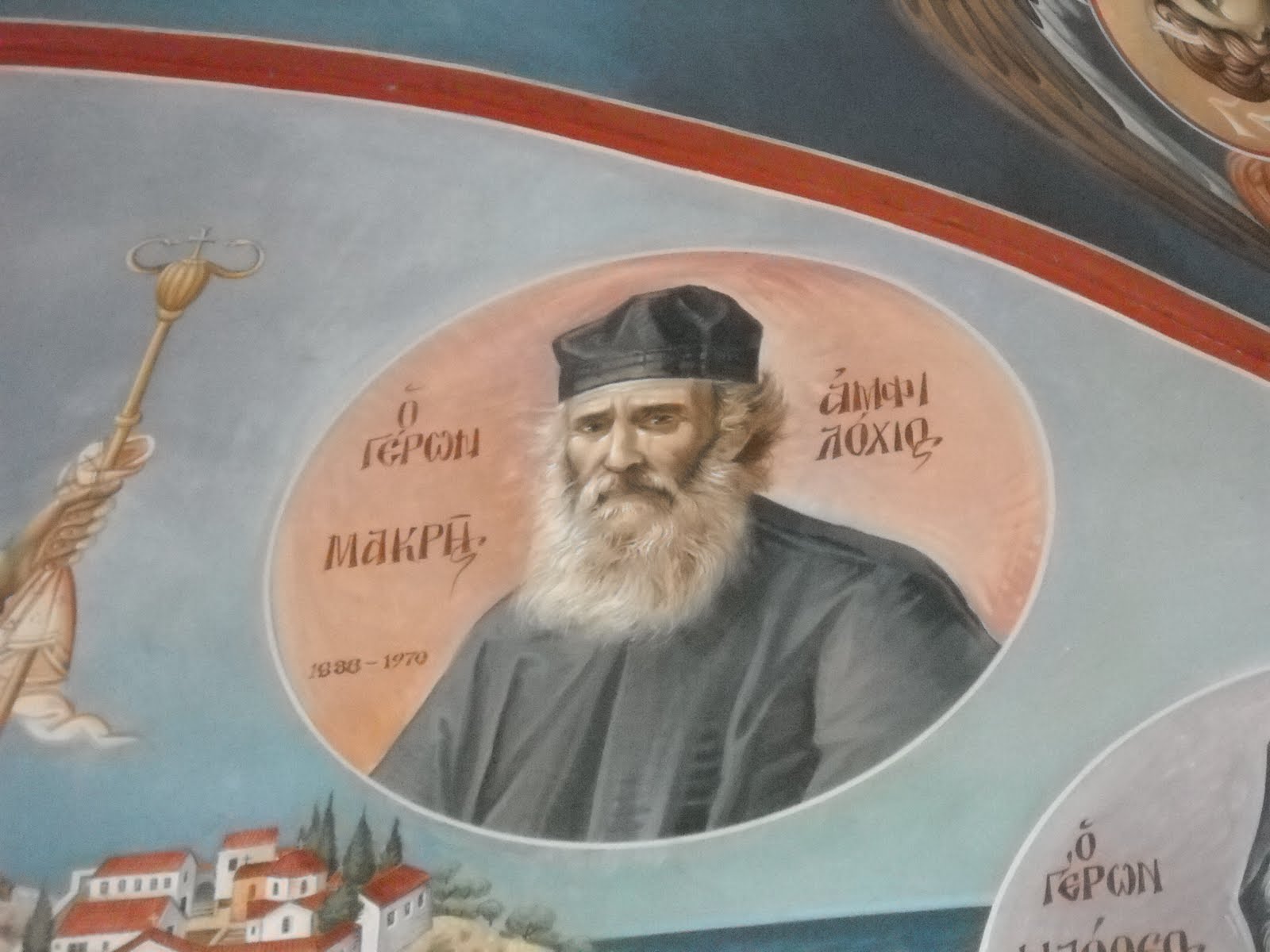
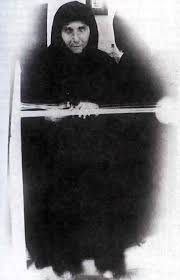
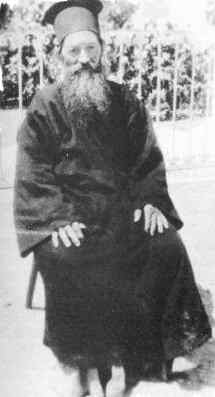
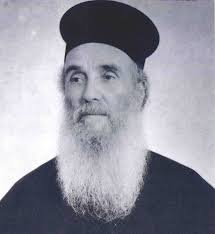
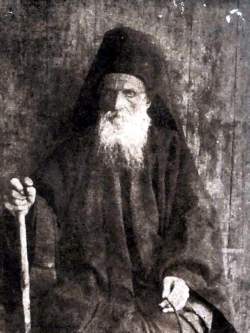
From right to left: Blessed Xenia, the blind, first abbess of St. Nektarios’ monastery in Aegina; Saint Savvas the New of Kalymnos; St. Amphilochios Makris of Patmos; Konstandinos Sakkopoulos, a little city hermit and St. Nektarios’ ‘right hand’; Elder Daniel Katounakiotis; Elder Philotheos Zervakos; Elder Gervasios Paraskevopoulos.


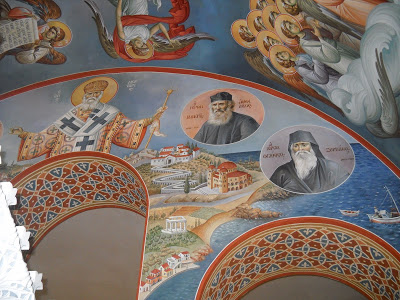
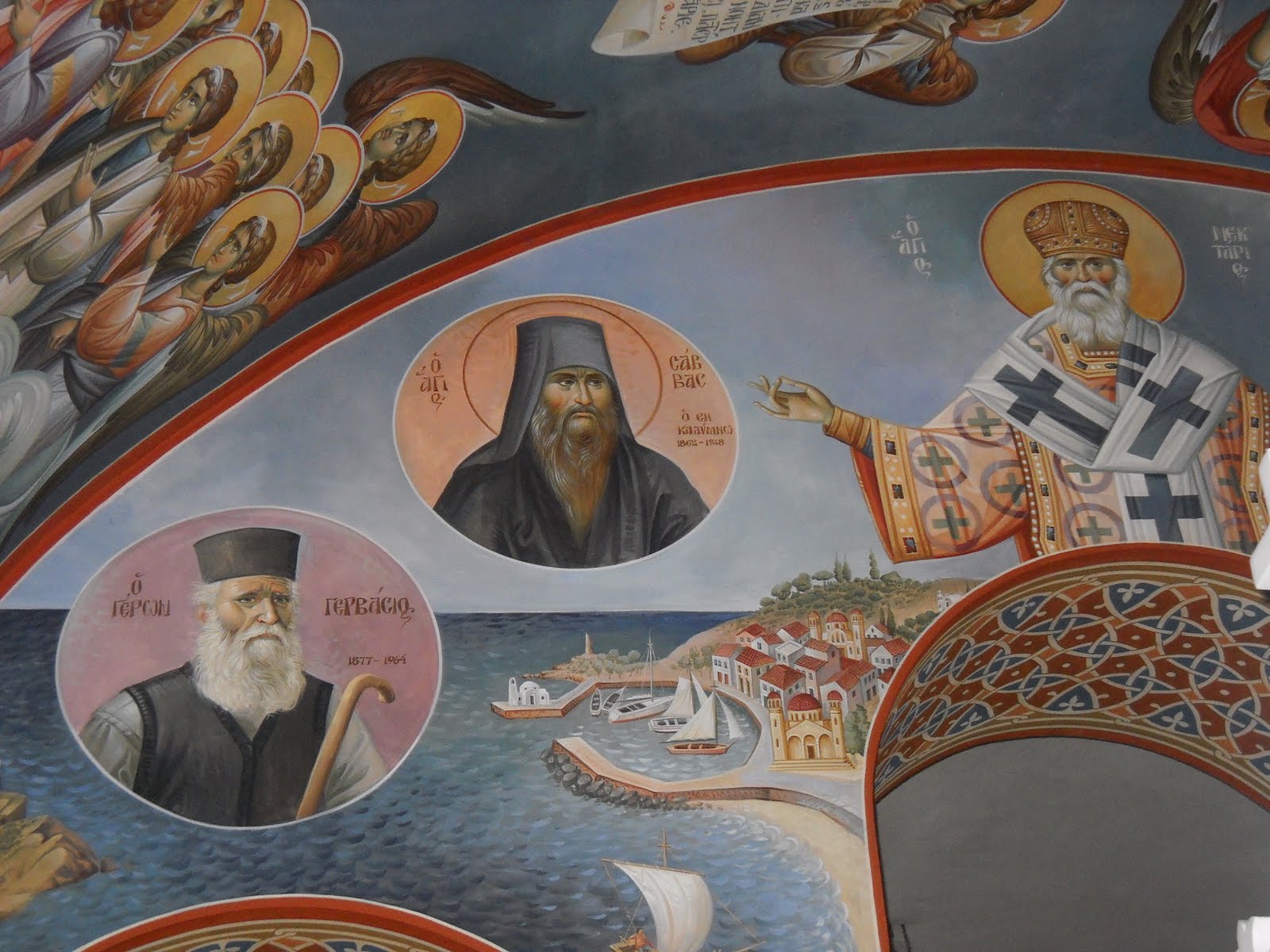
The following depiction is in the Church of Saint Nektarios in Aegina:

elder gervasios
+ May they all intercede for us!

Like a swift sparrow

sparrow

O much-suffering Stephanie, * with the crown of the gifts of grace * hath the Lord now crowned thee, who gavest up thyself * to willing torments and pains in the nobility of thy soul: * ’twixt two palm trees thou wast bound, * and thereby thou wast rent in twain, * spreading out thy wings, * flying up unto God like a swift sparrow and forsaking to the fowlers * thy mortal body, O wondrous one. [Ainos (Praise) from the Orthros November 11]

*It is said that + Martyr Stephanie in Damascus was 16 years old at the time of her martyrdom.
*

Isn’t that an amazing transfiguration of a horrid death? What a stunning testimony to the transformative power of Christ’s Resurrection! This hymn reminded me today of St. Porphyrios and his precious advice on immersing ourselves in the Church’s hymns for their great healing power to overcome all the gloom, the sadness, the failure, and the death that seem to surround us.

*

The Elder Porphyrios once asked a pilgrim visiting him:

— Do you know the troparion that begins, “We celebrate the slaying of death …”?

— Yes, elder, I know it.

— Then say it.

—“We celebrate the slaying of death, the destroying of hell, the beginning of another way of life that is eternal. And leaping for joy, we sing a hymn to the Cause, the only blessed and most glorious God of our fathers.”

—Do you understand it?

—Certainly I understand it.

I thought that he was asking me for a translation into modern Greek.

The Elder then waved his hand dismissively saying,

— Little George, you didn’t understand anything at all! You said it quickly like a chanter in a hurry. Listen to what awesome things are said in this hymn: Through Christ and His resurrection, we do not get across a river, a gorge, a canal, a lake, or even the Red Sea. We have moved across an abyss that no human being could cross on his own. Ages came and went with the world waiting for this Pascha, for this passage. Our Christ passed from death to life! That’s why today “we celebrate the slaying of death, the destroying of hell.” Death is no more. We celebrate today “the beginning of another way of life that is eternal,” a life with Him.

Speaking with enthusiasm and conviction, the Elder was clearly moved. The elder paused and continued more energetically:

— Now there is no more chaos, no more death, no more slaying, no more Hell. Now everything is joy, thanks to the resurrection of our Christ. Human nature is resurrected with Him. Now we too can rise again that we might live with Him eternally … What bliss is contained in the Resurrection! “And leaping for joy, we sing a hymn to the Cause.” Have you seen how young goats now in the spring frolic on the green grass? They drink some of their mother’s milk and then prance about leaping for joy, and so do we celebrating the ineffable joy of the resurrection of our Lord.

He then stopped speaking. Pure joy was now in the air. And the elder continued,

—Can I give you some advice? In every sorrow, with every failure, in anything that causes you pain, collect yourself for half a minute and slowly say this hymn. Then, you will see that the most important thing in your life and in the life of the entire universe has already been accomplished with the resurrection of Christ. It is our salvation. And then, you realize that all our setbacks are so insignificant, that you don’t need to allow them to spoil your mood.

— St. Porphyrios, Wounded by Love

That locked door

st nektarios.jpg

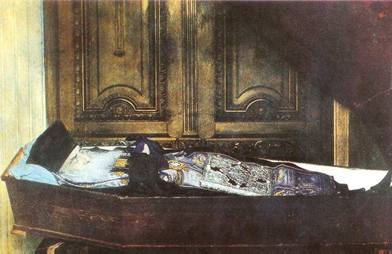
St. Nectarios on his coffin, locked outside the church (!), waiting the boat to Aegina … a sad symbol of the persecution and slander he suffered all his life for Christ, of the bitter Cup he drank. That closed door … and the open gate to Paradise with angels and hierarchs welcoming the Saint!   + Asking for his holy prayers ….

God and the Geese

geese in a snowstorm.jpg

There was once a man who didn’t believe in God, and he didn’t hesitate to let  oth­ers know how he felt about religion and religious holidays. His wife, however, did believe, and she raised their children to also have faith in God and Jesus, despite his disparaging comments. One  snowy eve, his wife was taking their children to service in the farm community in which they lived. They were to talk about Jesus’ birth. She asked him to come, but he re­ fused. “That story is nonsense!” he said. “Why would God lower Himself to come to Earth as a man? That’s ridiculous!”

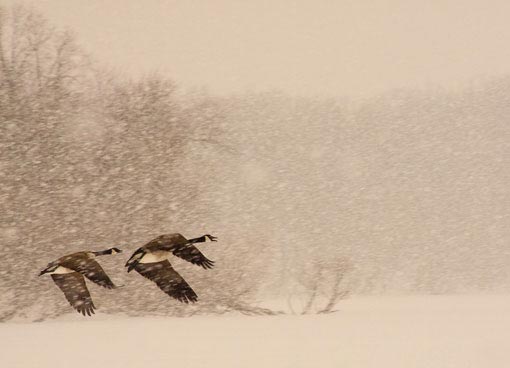
So she and the children left, and he stayed home. A while later, the  winds grew stronger and the snow turned into a blizzard. As the man looked out the win­ dow, all he saw was a  blinding snowstorm. He sat down to relax before the fire for the evening. Then he heard a loud thump. Something had hit the win­ dow. He looked out, but  couldn’t see more than a few feet. When the snow let up a little, he ventured outside  to  see what could have been beating on his win­ dow. In the field near his house he saw a flock of wild geese. Apparently they had been flying south for the winter when they got caught in the snowstorm and couldn’t go on. They were lost and stran­ded on his farm, with no food or shelter. They just flapped their wings and flew around the field in low circles, blindly and aimlessly. A couple of them had flown into his window, it seemed.

The man felt sorry for the geese and wanted to help  them. The  barn would be a great place for them to stay, he thought. It’s warm and safe; surely they  could spend the night and wait out  the  storm. So he walked over to the  barn and opened the doors wide, then watched and waited, hoping they would notice the  open barn and go inside.

But the geese just fluttered around aimlessly and didn’t seem to notice the barn or realize what it could mean for them. The man tried to get their atten­tion, but that just seemed to scare them, and they moved further away. He went into the house and came  with some  bread, broke it up, and made a bread crumb trail leading to the barn. They still didn’t catch on.

Now he was getting  frustrated.  He got behind them and tried to shoo them toward the barn, but they only got more scared and scattered in every direction except toward the barn. Nothing he did could get them to go into the barn where they would be warm and safe. “Why don’t they follow me?” he exclaimed. “Can’t they see this is the only place where they can survive the storm?”

He thought for a moment and real­ised that they just wouldn’t follow a hu­man. “If only I were a goose, then I could save them”, he said out loud. Then he had an idea. He went into barn, got one of his own geese, and carried it in his arms as  he circled around behind the flock of wild geese.

He then released it. His goose flew through the flock and straight into the barn; and one­by ­one, the other geese followed it to safety.

He stood silently for a moment as the words he had spoken a few minutes  earlier replayed in his mind: “If only I  were a goose, then I could save  them!”  Then he thought about what he had said  to his wife earlier.  “Why  would God want to be like us? That’s ridiculous!”

Suddenly it all made sense. That is what God had done. We were like the geese blind, lost, perishing. God had His Son become like us so He could show us the way and save us.


Story from the website of the Antio­chian Orthodox Archdiocese of Australia, New Zealand and the Philippines

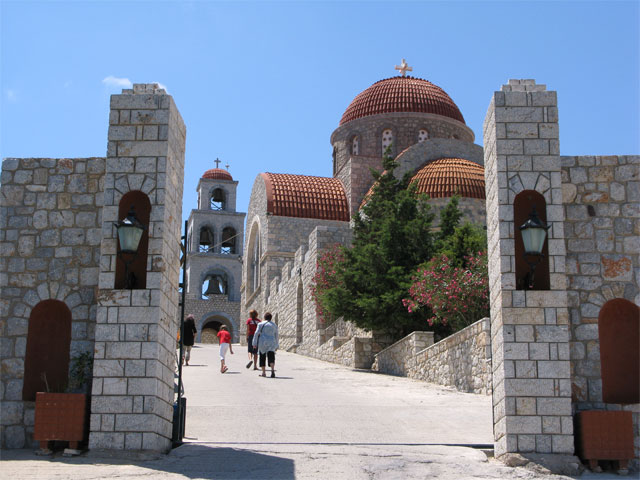
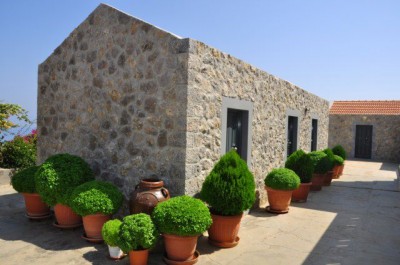
Monastery of St. Savas the New of Kalymnos

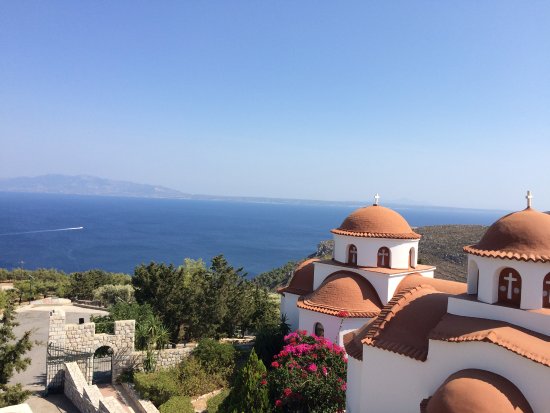
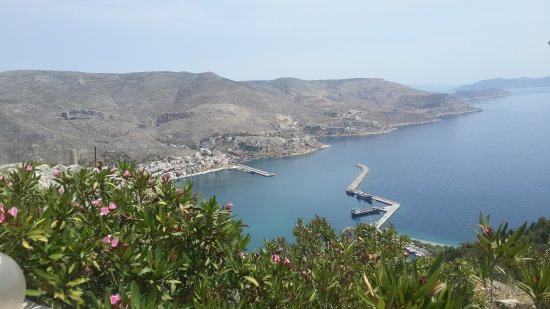
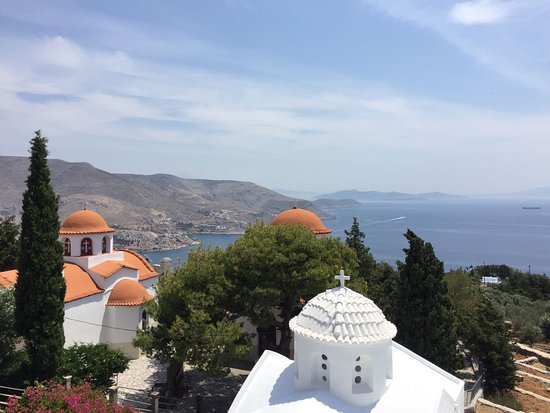
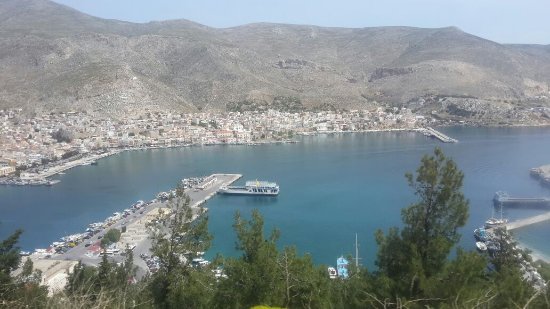
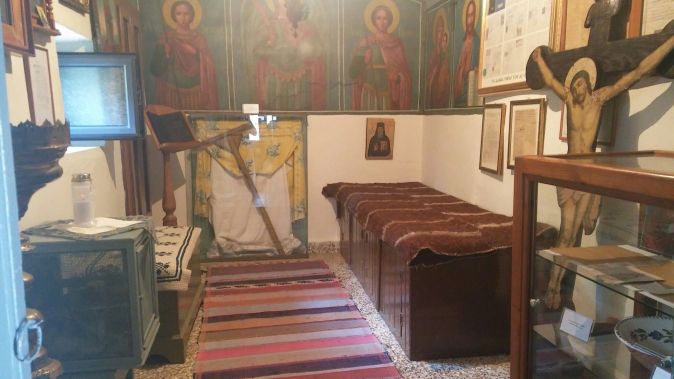
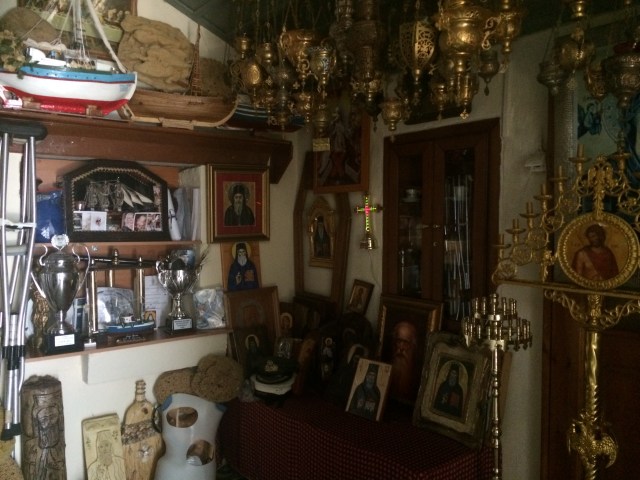
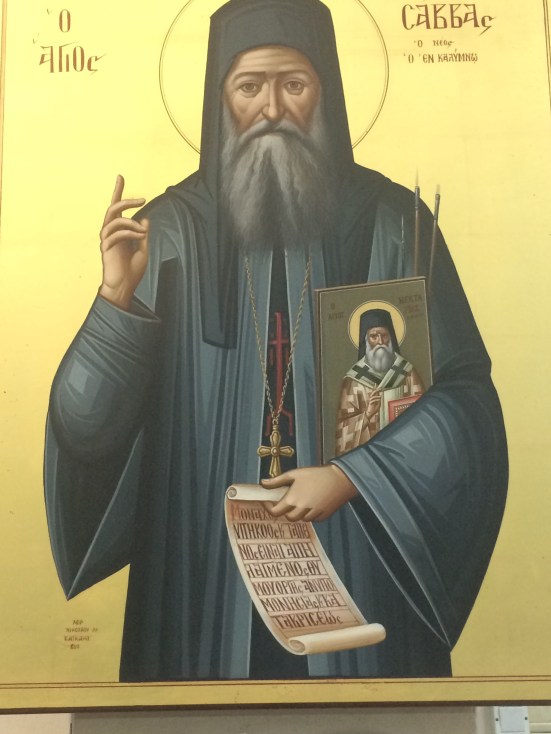
I discovered Saint Savas and his monastery during my recent pilgrimage to Kalymnos. It is an awe-inspiring place , a place one step below heaven. Iconography beyond aesthetic, historical and religious value and the Saint is so alive! The patron saint of the island, Agios Savvas, has performed miracles and has blessed homes all over the world.

kalymnos4agios-savvas-monasterykalymnos8kalymnos3kalymnos9kalymnos1IMG_3946kalymnos10

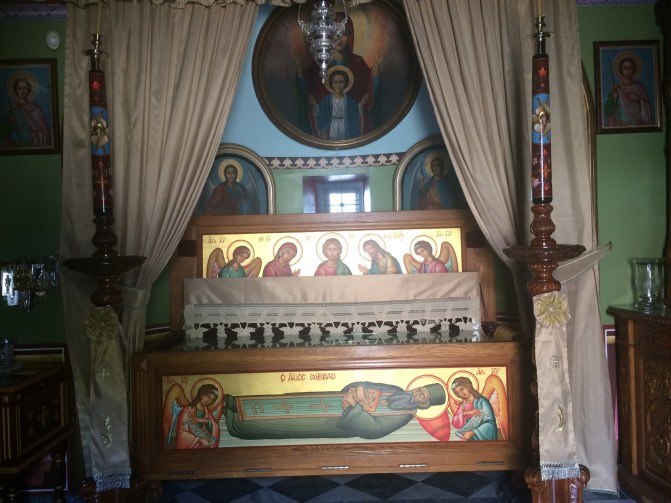
Inside his cell

IMG_3945IMG_3943IMG_3942IMG_3941kalymnos14kalymnos12IMG_3944

For two episodes from his life and his special relationship with Saint Nektarios, go to my previous blog post, Holy Father Savvas the New of Kalymnos 


Holy Father Savvas the New of Kalymnos

agios_sabbas

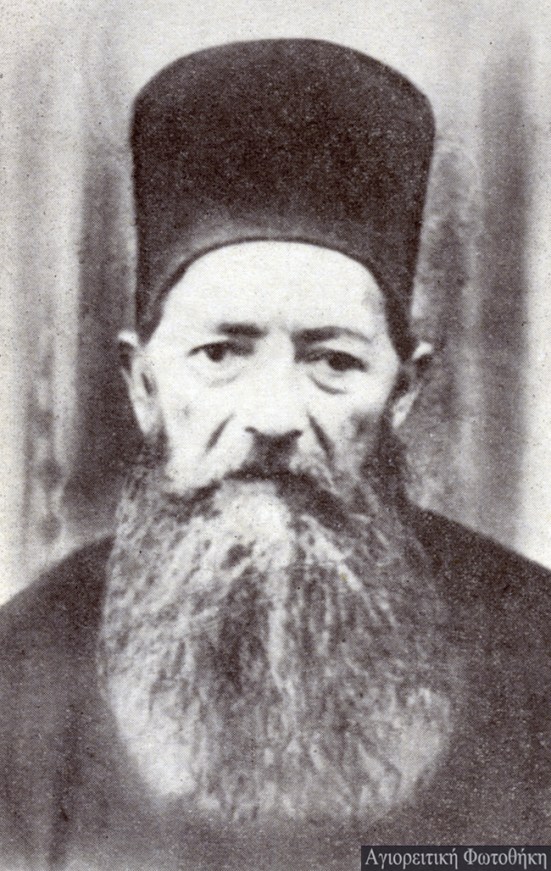
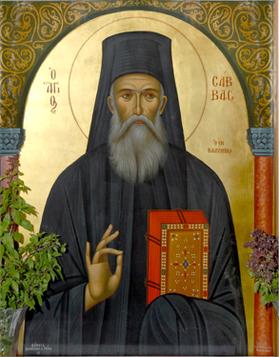
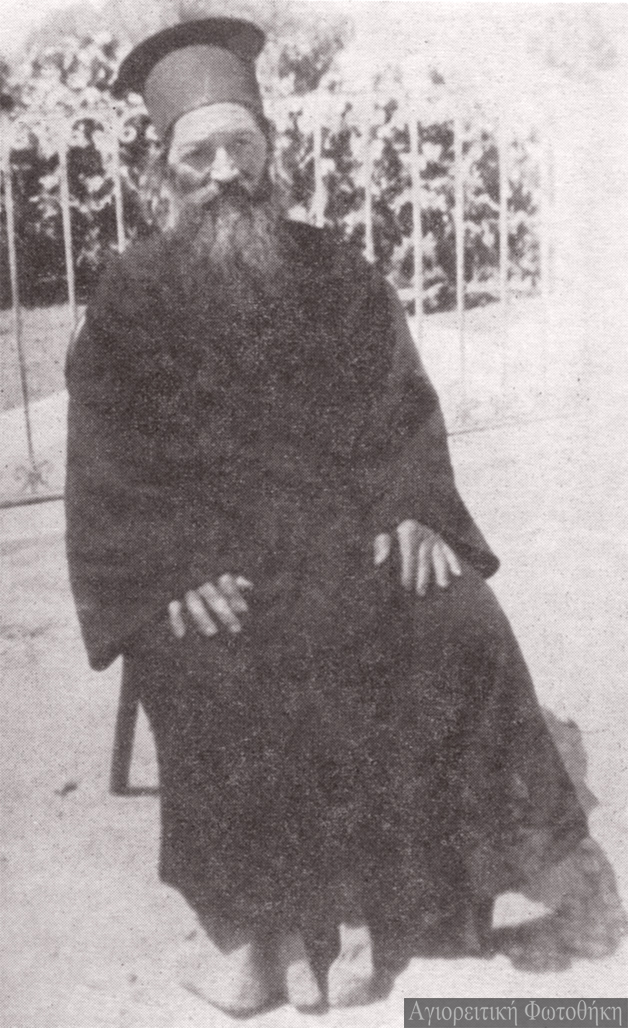
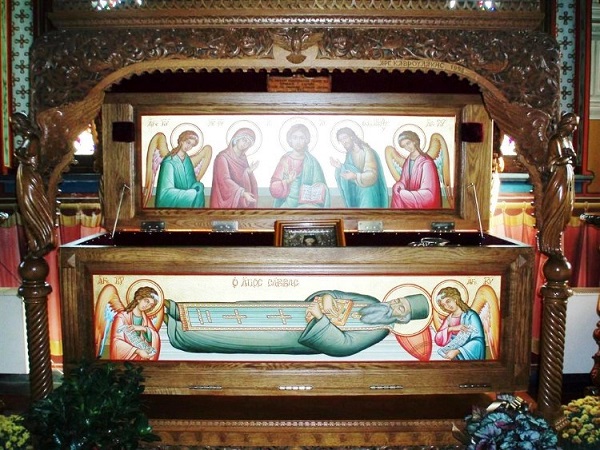
During my recent pilgrimage to Patmos, on my way back through Kalymnos, I venerated the incorrupt relics of an amazing ascetic and Saint of the “latter days”, our Holy Father Savvas the New of Kalymnos. I even spoke to people whose parents confessed to him and remember with tears his love, compassion and angelic purity. 

Saint_Savvas_from_Church

I would like to share here two episodes from his life which made a big impression on me (recorded in the monastery’s edition of his life):


In Athens he met the acolyte of Saint Nektarios, who informed him that Saint Nektarios was looking for him. Based on this fact, it is assumed that the two saints had met before; in fact, most biographers agree that St Savvas was St. Nektarios’ spiritual child. Therefore, he went from Athens to Aegina in 1919, where he was with Saint Nektarios until he reposed. There he served as a priest in the Convent of the Holy Trinity. He taught the nuns iconography and ecclesiastical music. Upon the repose of Saint Nektarios in 1920, Savas witnessed the first miracle of the Saint when, after his repose, St. Nektarios leaned over so that St. Savas could attire him with his epitrahelion [ie. stole], and then the Saint returned back to his previous rigour mortis (ie. postmortem rigidity). St. Savas performed the funeral and for the first three nights he continued his communication with St. Nektarios over his grave, asking him a number of questions and listening to his answers! St. Savvas’ biographers have recorded those facts from first-hand witnesses and the stunned nuns’ testimonies.
Then, St. Savas enclosed himself in a cell for forty days where he lived in strict prayer and fasting, and emerged holding an icon of Saint Nektarios he had painted, which was the first icon of the Saint to exist. He gave the icon to the abbess ordering her to offer to the faithful for veneration. The abbess told him that this was not possible, as St Nektarios had not been yet officially canonised despite his numerous miracles from the very first moment of his repose and that such an action was not prudent and might get them in trouble with the ecclesiastical authorities and even cause the shutting down of the monastery. But St. Savas insisted that “You must obey. Take this icon and offer it for veneration and do not scrutinise God’s Ways”.
IMG_3965.JPG
The second episode too happened again in Aegina. A young nun, Nektaria, wanted to see for one last time the face of St. Nektarios after his repose and started digging stealthily his tomb. The other nuns caught her in the act and reported her to the Abbess. She rebuked her and then sent her to St. Savas. He too rebuked her sternly and told her that her action was called grave-robbing and she should not receive Holy Communion until Holy Thursday. The young nun started to cry and beg for forgiveness, telling St. Savas that she did not know that what she had been doing was wrong and sinful. As soon as she left St. Savas’ cell, St. Nektarios appeared to St. Savas, smiling,  and told him: “Elder, forgive her. She is very young. She didn’t know, she didn’t know that this was a sin. Offer her Holy Communion on Holy Thursday. Actually, offer her Holy Communion before Holy Thursday. Did you hear, Elder? Have mercy on her. She did not know. Did you hear? Thank you.”


Apolytikion
Let us faithful praise Holy Savvas, the glory and protector of Kalymnos, and peer of the Holy Ascetics of old; for he has been glorified resplendently as a servant of Christ, with the gift of working miracles, and he bestows upon all God’s grace and mercy.
Kontakion
Today the island of the Kalymnians celebrates your holy memory with a rejoicing heart; for it possesses as truly God-given wealth, your sacred body that has been glorified by God, O Father Savvas, approaching which they receive health of both soul and body.
Megalynarion
Rejoice, thou new star of the Church, the offspring of Thrace and the beauty of Kalymnos, O God-inspired Savvas, fellow citizen of angels and equal of all the saints.


You contended with the saints of old Savas,
And are glorified with them by your numerous miracles.

This angel on earth and a human in heaven was born in 1862 Herakleitsa, Eastern Thrace, Ottoman Empire and reposed in our Lord on 7 April 1947 (aged 85). He lived as a monastic and practiced the arts of Iconography and Ecclesiastical Music in the Saint Anna’s Skete (Mount Athos), the historic Monastery of Saint George Chozeba, the Convent of the Holy Trinity (Aegina), the monastery of St John the theologian and Evangelist (Patmos) and the Convent of All Saints (Kalymnos) and a number of caves and hermitages all over the world.  His feast day is 7 April (25 March), The Fifth Sunday in Lent and was canonised in 1992.

For those who have never heard of him, a synopsis of his life can be found at the Mystagogy Resource Page.