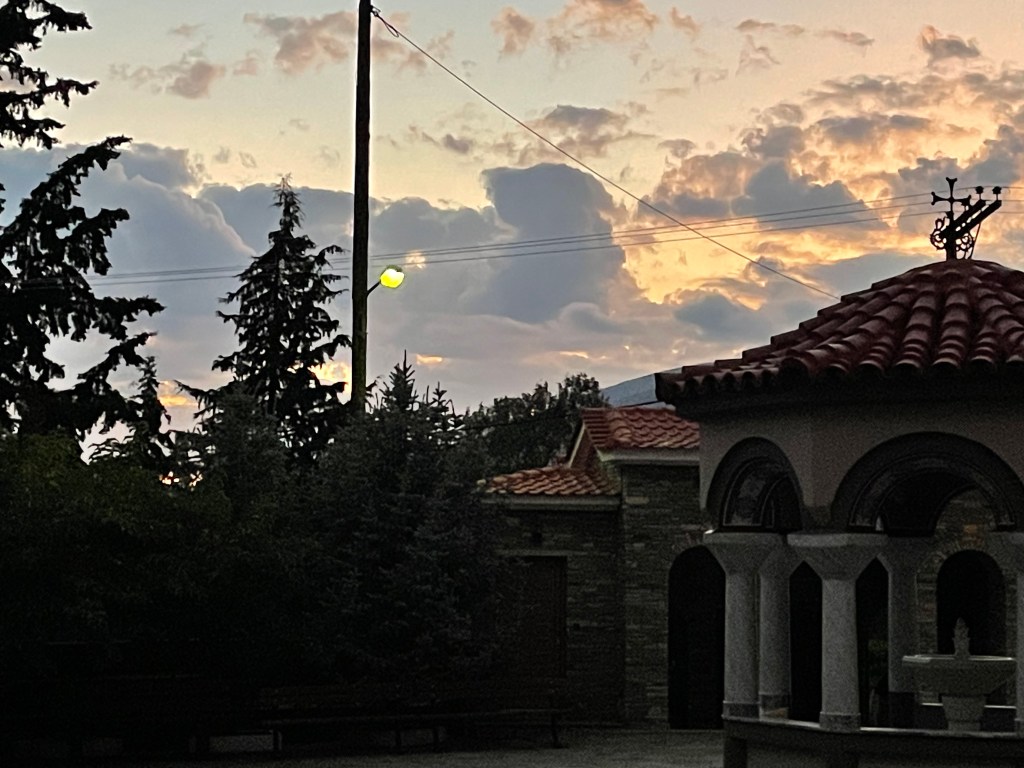
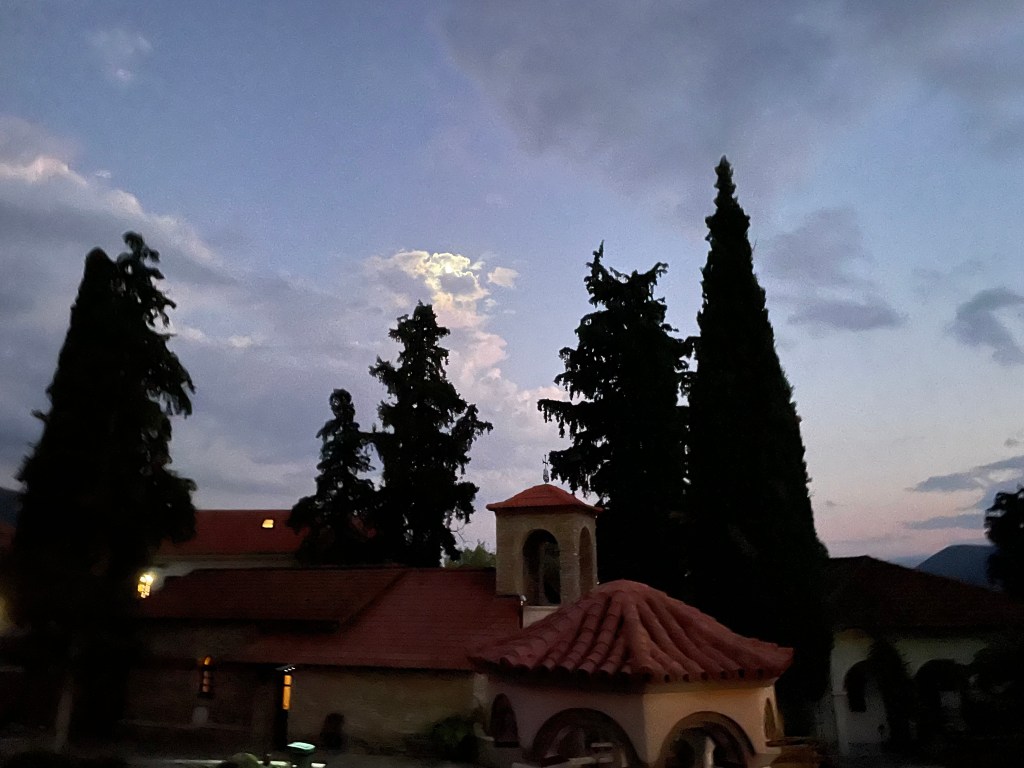
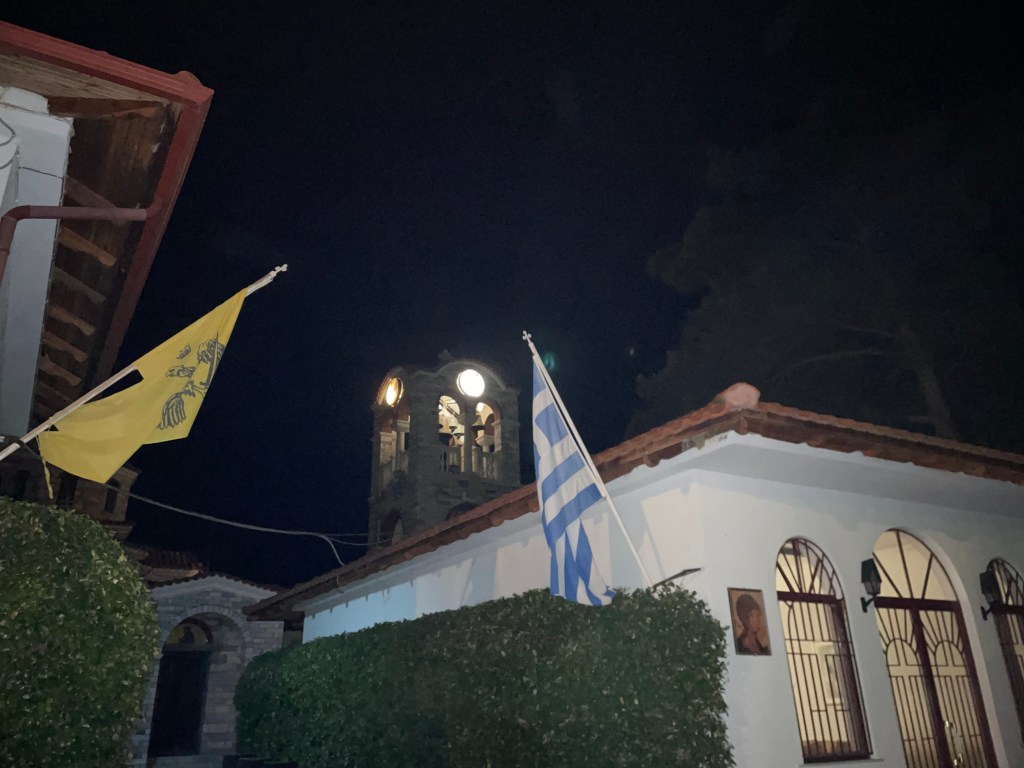
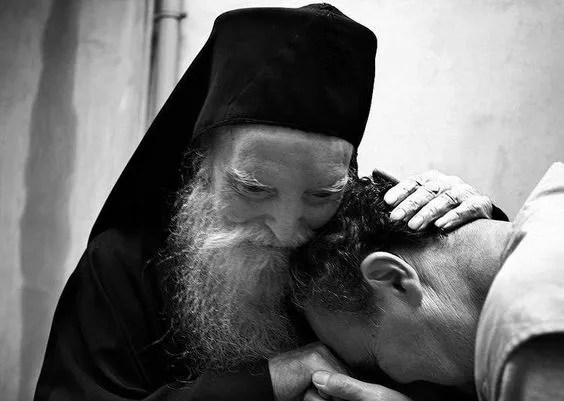
Born for Eternity

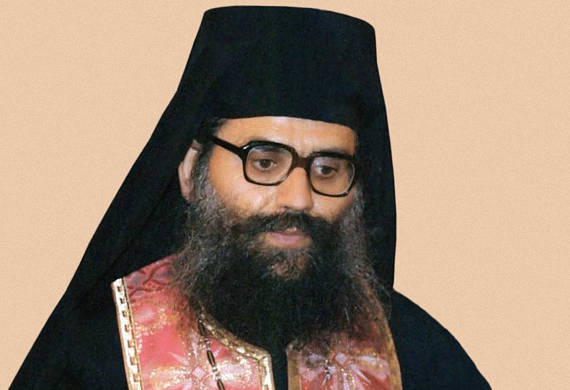
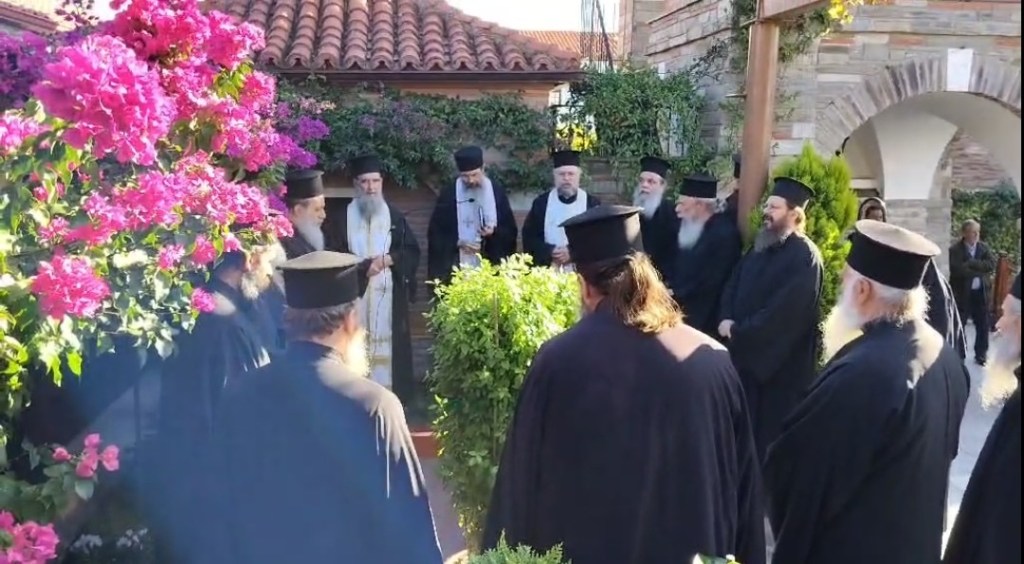
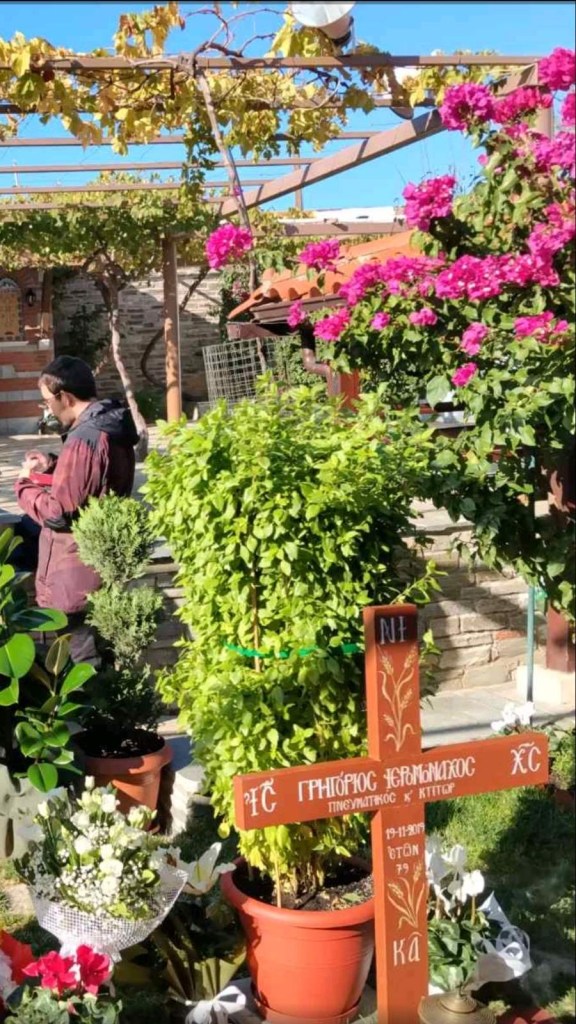
+ Father Gregorios, 19 November, 2019 — 6th year Memorial service

Memory Eternal, dearest Father!

“Love in Christ is a sacrificial Love, a self-sacrificing, self-denying Love, Agape. You sacrifice everything for the person you love, “your neighbour”. By “our neighbour”, we mean every person as God’s Image, even our enemy. By “love” we do not mean that we should do whatever the other person wants us to do, but to love him with Christ’s burning and flaming Heart, for his salvation” (+ Elder Gregorios Papasotiriou)

*

This is how we have always felt his love! For yearsGerondas Gregorios of blessed memory offered his prayers with tears and his never-to-be-forgotten spiritual guidance. My rebirth in Christ ((John 3:4), my new life literally started with his guidance about 40 years ago. I feel so unworthy of such a blessing!

*

Father Gregorios, born Dimitrios Papasotiriou, was born on February 16, 1940 in Paleokomi, Serres, to pious parents, Alexios and Efthymia.

From his childhood, he was characterized by an inclination for life in Christ and very early he felt the divine call for the priesthood and complete dedication to the Lord through the monastic calling. Thus, after completing his studies at the Theological School of Aristotle University of Thessaloniki, he came to the Holy Metropolis of Kassandria, where he was ordained a deacon and priest by the blessed Metropolitan Synesios Visvinis. During his stay in Polygyros, the Elder, together with other fathers under the guidance of Fr. Spyridon Trantelis (later Metropolitan of Lagadas), formed a group that served the people of God, as well as the children of the Polygyros boarding school for boys, with much love and self-sacrifice.

From his student years, the Elder particularly loved Mount Athos. He visited it very often and was particularly associated with the Holy Monastery of Saint Dionysios and the blessed Hegumen Fr. Gabriel, who became his spiritual father for a number of years. However, the main turning point in the Elder’s spiritual journey was his acquaintance with Saint Paisios the Athonite. He became connected to him with an unbreakable spiritual bond, becoming his disciple and striving throughout his life to imitate his holy life. In fact, Saint Paisios also became his godfather during the monastic tonsure of Elder Gregory in the cell of the Holy Cross in the year 1977.

In the year 1970, the flame of hesychia led Father Gregory to the then dilapidated Metochion of the Holy Monastery of Saint Dionysios in Metamorphosis, Chalkidiki, where, with the blessing of the local Bishop, he settled in a monastic cell-barn next to the Church of the Holy Forerunner.

This place from then on became the arena of his great ascetic struggles and the base for his priestly-pastoral ministry here in Chalkidiki. Only God knows his ascetic labors and efforts in order to serve the people of God with the pilgrimages, the preaching, the confession, the holy services, the vigils, the divine Liturgies. Saint Porphyrios, who attended a divine Liturgy in 1974, commented: “When Father Gregory serves the Holy Liturgy, all of God is within him and all of Father Gregory is within God.”

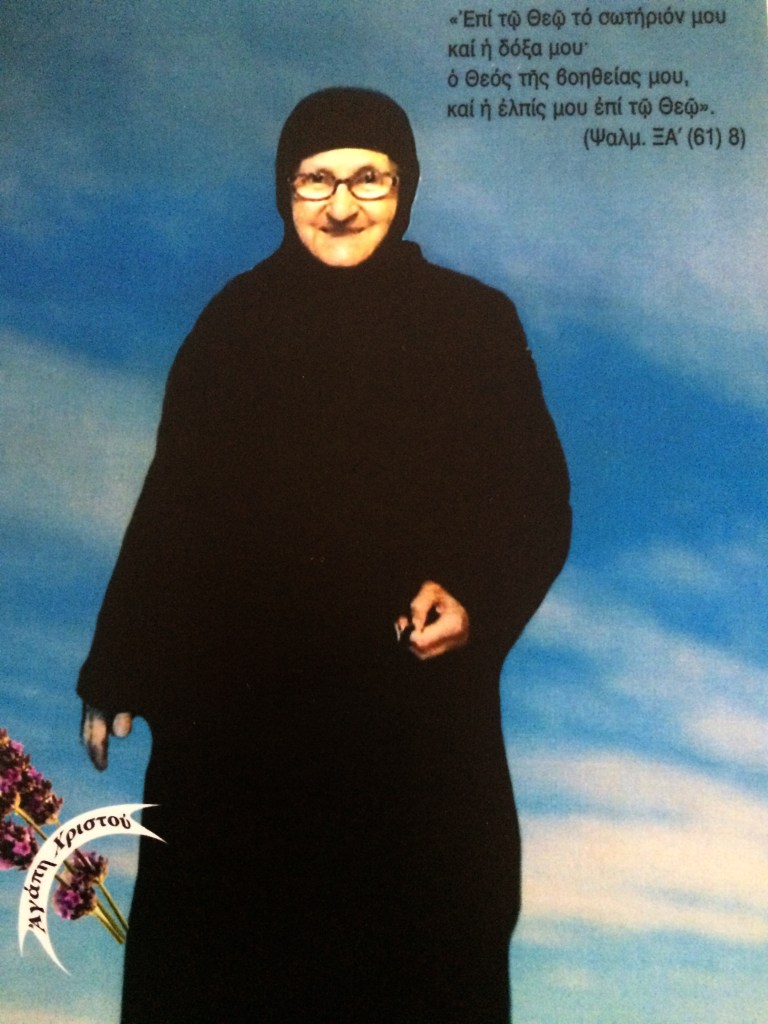
With the encouragement or rather the command of Saint Paisios, the life of the Monastery begins in 1975. The Holy Monastery of Dionysios grants the necessary area for the construction of the Holy Hesychasterion. The blessed Abbots Fr. Gabriel and Fr. Charalambos supported Elder Gregory with great love, foreseeing that the now deserted place of the old Metochion would be transformed into a spiritual oasis. Then the first group of spiritual children of the Elder was established, which formed the nucleus of the later sisterhood. The first Abbess was Eleni Paschaloglou from Rodolivos, Serres – herself a spiritual child of Elder Gregory -, later Elder Ephemia, who passed away to the Lord almost five months after the Elder’s “fallen asleep” after 45 years of sacrificial ministry in the Monastery.

The life of Father Gregory is henceforth spent in material and spiritual labours for the construction of the Hesychastirion, for the guidance of the Monastics, but also in his great offering as a priest, preacher and above all a spiritual father to the people of God. The Elder who abhorred worldly prominence and loved humility and obscurity, is now becoming well known as Father Gregory the Spiritual Father. Hundreds of souls found the path to salvation with him, thousands rested under his rock, countless were helped by his spiritual guidance.

The blessed Elder suffered from many illnesses throughout his life, which he bore with great patience and a doxological disposition as if someone else were suffering. Especially the last few years were a cross of painful trials and a life of patience, because the pain and illnesses reached their peak.

The good God, wanting to rest the good shepherd and His faithful steward, called him to Himself after a sudden stroke on November 19, 2019. The funeral service and burial were held on November 21, the day of the Feast of the Entrance into the Temple of Our Most Holy Lady the Theotokos and Ever-Virgin Mary, the birthday of the Monastery, when 45 years ago Saint Paisios gave the blessing and the command to Father Gregory to begin the great work for which he sacrificed his life.” (Ραδιοχρηστότητα, by his spiritual son and priest Father Nikolaos at St. Palnteleimon, Mesimeri )

May we have his prayers! “Kai sta dika mas.” “And to our own!”  May we be reunited with you dearest Father in Heaven in God’s Kairos!

From Singer to Monk, From Cancer to His Kingdom

“We pray again for the repose of the soul of your servant Dionysios the Monk… † October 19, 1993

The famous and great singer Dionysios Theodosis who became a monk at Mikra Agia Anna on Mount Athos, shortly before cancer led him to Christ at the age of 35…

No one knew his secret throughout his battle with the incurable disease, until at his funeral procession at the Church of St Thomas the Apostle in Goudi, his spiritual director, Fr. Spyridon Mikragiannanitis, mentioned:
“We pray again for the repose of the soul of your servant Dionysios the Monk!”
Everyone was speechless.

Dionysios Theodosis (June 16, 1958 – October 19, 1993) was a Greek singer.
During his career, he collaborated with well-known Greek composers including Yiannis Spanos, Giorgos Hatzinasios and Marios Tokas and with singers such as Giorgos Dalaras, Dimitra Galani and Haris Alexiou.

He was experiencing great existential impasses, until he met Saint Paisios, who discerned his pain and said:
“You, my child, are bringing me a lot of pain, you need to confess, and to a good spiritual father.
Go to the Mikra Agia Anna and talk to Father Dionysios, he is good and will help you”.

Dionysis followed the advice and set off by boat for Mikra Agia Anna.
A monk next to him struck up a conversation and introduced himself: “Father Dionysios Mikragiannanitis”.
After the initial surprise, they struck up a conversation for a while, but Dionysis thought he was a “jester” since this was not the image he had had until then of a spiritual person:
that is, a serious, perhaps even grim old man.
His illness, however, came to radically change the landscape.
He began chemotherapy in London.
His visits to Mikra Agia Anna intensified and he announced to the Fathers that he wanted to become a monk!
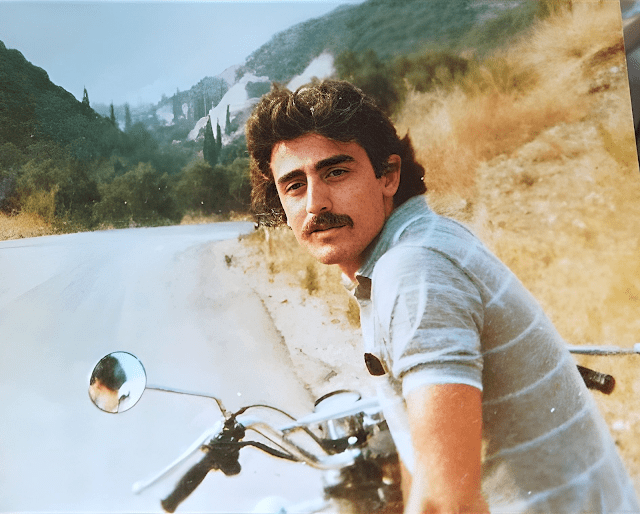
At least once a month when he finished at dawn his work he would take his motorcycle and travel to Mount Athos.

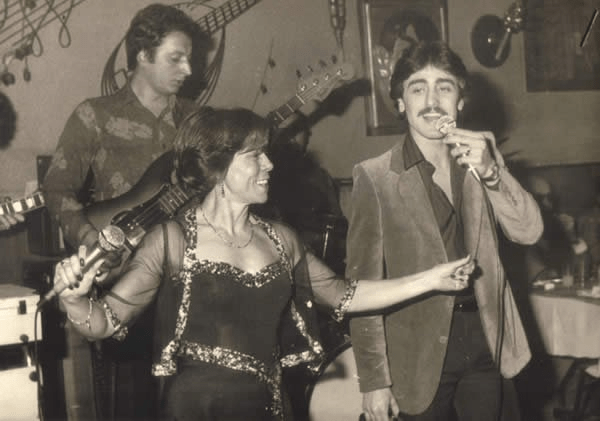
With his mother, also a singer, in a shop somewhere in Istanbul…

During that time, the song “As Long as a Coffee Lasts” was also written, which he performed himself and which few know that he dedicated to his Elder!

He wished to get well and dedicate his life to hesychasm.
His elder, Dionysios, before leaving for treatment abroad, shaves his head and allows him to visit the hospital in England without his cassock.

On Mount Athos, together with Elder Efraim Katounakia

No one knows his secret, not even his mother Despo, who stands by his side in his last moments and reads a book he gave her about the garden of the Virgin Mary.

She is impressed by what he tells her about Mount Athos.

She prays to God in her heart:
“May my son get well and with my blessing come to serve you.”

Dionysios says his prayers in the bed of the hospital and she does not know that those prayers are his monastic rule!
One day, the English nurse tells Dionysis’ mother in a lacklustre voice, lacking any real emotion: «he died».

The funeral took place in Greece.
Among other relatives, friends, well-known singers, actors and musicians, his elder, Dionysios, also attended.

Fr. Spyridon revealed the secret at the ceremony when he said the name of the deceased: “the servant of God, monk Dionysios”(!)
The congregation was amazed.

Immediately after the ceremony the Fathers took his body, wrapped it in a sheet and monk Dionysios was buried in Mikra Agia Anna, in the place where he wanted to become a monk.

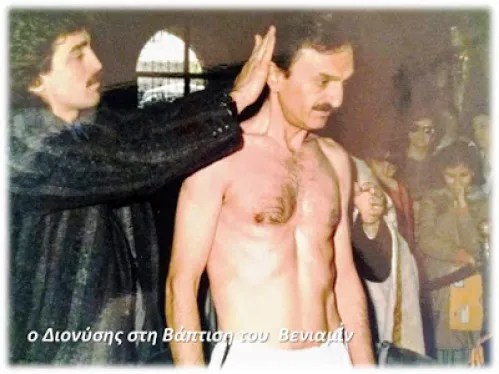
His stepfather and godson Benjamin Koul, a person who converted to Orthodoxy by Dionysis often visited his grave, knowing the people of Mikra Agia Anna.
(Benjamin was a Turk and was baptized in Greece.
His son, Dionysis Theodosis, was his godfather in the Sacrament…)

At the baptism of his step-father and godson


His wish was to be buried next to his child when he departed this life.

His wish was fulfilled.
He fell ill a few years later and also departed this life, adding another painful loss to the lady-Despo who, when the three years of his burial had passed, took the bones and brought them to Ouranoupoli.

There the monks received them and buried them next to those of his spiritual father, godfather and child, monk Dionysis.

From the page, “Dionysis Theodosis / DionisisTheodosis” and Amfoterodexios

Please watch monk Dionysis sing the song he dedicated to his spiritual father. At first sight, it looks erotic but it is about Agape!

As long as a coffee lasts

Dedicated to his spiritual father

Don’t leave me alone this night,
I am roaming in a minefield
When I drink you up and dry up this night
Either I’ll be saved or I’ll be lost

Stay a little longer
Until I escape
And if you want, hold me
As long as a coffee lasts
Stay a little longer
Until I escape
And then say bye
And that you will come again

Don’t leave me alone this night
My mind turns to evil
Comfort my pain this night
Lead me on with your love, like a baby

Stay a little longer
Until I escape
And if you want, hold me
As long as a coffee lasts
Stay a little longer
Until I escape
And then say bye
And that you will come again (2)

Memory Eternal! Christ is Risen!

The Thebaid Desert Fathers Death to the World

Dear brothers and sisters,

Christ is in our midst.

An interim to all these prophesies I have recently posted. Kindly have a look at this conclusion of a chapter I am in the process of translating for Gregoriou monastery of Mount Athos.

“Here is a beautiful summary of spiritual work left to us by Abba John the Dwarf, one of the most discerning and holy ascetics. With this we end this brief presentation.

Every morning, make a beginning with every virtue and commandment of God.

And strive

With much patience,

With fear and long-suffering,

With love of God,

With all the readiness of soul and body,

With much humility,

With patience bearing the sorrow of the heart and carefully guarding it,

With much prayer,

With prayer for others with sighs,

With purity of tongue,

With watchfulness over the eyes.

Do not be angry,

even if you are insulted,

but have peace within yourself;

Do not return evil for evil;

Do not pay attention to the mistakes of others;

Do not give value to yourself, who is below all creation;

Oppose and renounce the material world

and everything that has to do with the flesh.

Live:

With a willingness to take up your cross,

With a fighting spirit,

With poverty of spirit,

With askesis and spiritual determination,

With repentance and tears,

With a warlike struggle,

With discernment,

With purity of soul, With food as much as it should be,

Working quietly at your handiwork,

With night vigils,

Enduring hunger and thirst, cold and nakedness,

By toiling.

And above all and with all these together:

To seal yourself your coffin lid as if you have died,

Bearing in mind that death is near you every minute … ( Abba John the Dwarf, 34).

“Will modern man want to hear these messages sent to us by the ancient ascetics of Thebaid and their other peers? Will he want to?” (+ Elder Eusevios Vittis of blessed memory)

Day 6 Silence as Sacrament

Reflections on silence and holy obedience

“Be silent, all flesh, before the Lord,” exclaims the prophet Zechariah (Zech 2:13).

Upon entrance, silence envelops me. Abruptly, I am separated from the tumult, noise, busyness and endless distractions of the outside world.

“Peace, be still!” Jesus orders the wind of noise, confusion and tumult to cease in the midst of our own storms and turmoil.

I feel separated from other people, all people, too! Is anybody here?! What a contrast to last night’s feast! There, at the vigil in St. Demetrios church, in Thessaloniki, an amazing Resurrectional experience unfolded in a packed church! So many holy chalices all around the Royal Doors! So many people receiving Holy Communion and then, at the dismissal of the holy liturgy, flooding the streets outside the church. Here, I am all alone — the silence of the heart! And what a deafening, thundering silence that is!

“When the Lamb opened the seventh seal, there was silence in heaven for about half an hour.” (Rev. 8:1)

Yet, how can it be that a monastery of more than 50 sisters plus novices and postulants look and feel so uninhabited, so “desolate”! Am I really all alone here? ...

“Let us love silence till the world is made to die in our hearts.” St. Isaac of Syrian

Sister Elizabeth approaches and welcomes me. She gently inquires about my news. This sister was coordinating my endless faxes to Gerondas when I was at the UK and sending his replies. She knows everything about me! Her question: “Have you got a spiritual father now?”

This question will become a refrain during my brief stay here, asked by all sisters who spend some time with me. In fact, a refrain addressed not only to me, but to all pilgrims and visitors here. It is not that the sisters are not concerned with/about our problems and sorrows, but our obedience to a spiritual father seems of paramount importance and the key to everything. Even if with his guidance and help, our problems are eventually not “solved”. The mystery of holy obedience. Obedience shows love for Christ. And Christ especially loves the obedient” (St. Porphyrios, Wounded by Love, p. 25).

Saint Simeon the New Theologian wrote the following to one of his spiritual children:  “We conceived you through teaching, we underwent labour pains through repentance, we delivered you with much patience and birth pangs and severe pain and daily tears”  (Epistle 3, 1-3).

Barsanuph’s soul-stirring prayer makes the immense love of a spiritual father for his spiritual children more palpable: «Behold, here am I and the children that You gave to me; protect them in Your Name, shelter them with Your right hand. Lead us to the harbor of Your Will and inscribe their names in Your book…  Lord, either include my children along with me in Your Kingdom, or erase me also from Your Book… » (Nicodemus of the Holy Mountain, “Book of Barsanuph and John”, Response 99).

Reciprocally, in this mystery of Christ, the spiritual child should place everything at his Father’s feet, with humility and filial trust. Saint Basil the Great urges us to “not keep any movement of the soul secret, but to bare whatever is hidden in the heart”  (“Oroi Kata Platos” – Conditions breadthwise, 26, ΒΕΠΕΣ 53, 184). Nothing should be concealed from our spiritual father. That is the only way our sins are forgiven by God.  We are freed of the burden of guilt. We uproot our passions. And the spiritual father thereafter guides us safely through our spiritual life. There is simply no other way! Our goal is not simply to manage/ solve all our problems here on earth, but “receive the end of your faith—the salvation of your souls”. (1 Peter 1:9)

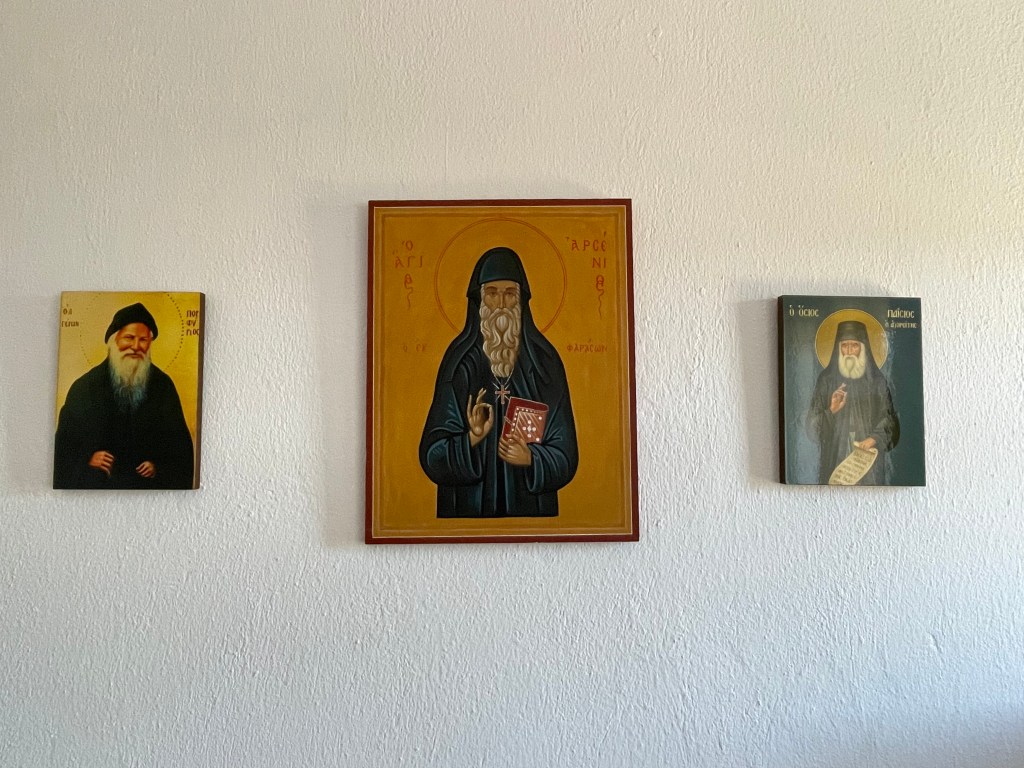
Other sisters soon join us for a minute to welcome me and hear the news about St Demetrios’ vigil in his church –it is after all his feast today– but they quickly disappear. Not a minute of idle or small talk. I am shown to my St Paisios, St Arsenios and St Porfyrios (!) cell, and there is still some free time until our common meal at 15:00 to take a quiet walk inside the monastery or … sit in my cell.

Inside my cell

“A brother came to Scetis to visit Abba Moses and asked him for a word. The old man said to him, ‘Go, sit in your cell, and your cell will teach you everything.’

God calls each one of us in silence and invites us to go into our inner “room,” shut the door and pray to our Father in secret, assured that He will answer our prayer (Mt 6:6). It is only in this silence and stillness that we can listen to Him, hear His “still small voice” (1 Kings 19:11-13). The quiet water of Siloe flows without noise or sound, “goes softly’ (Is. 8:6).

Gradually, the guests house starts to get filled: two young ladies, university students, in their early twenties, settle in, then another one arrives, this one still in high school, with fond memories of +Elder Gregorios treating her with candies and hugs, and finally a young engineer who attended at the nearby Ormylia monastery a service of monastic tonsure.

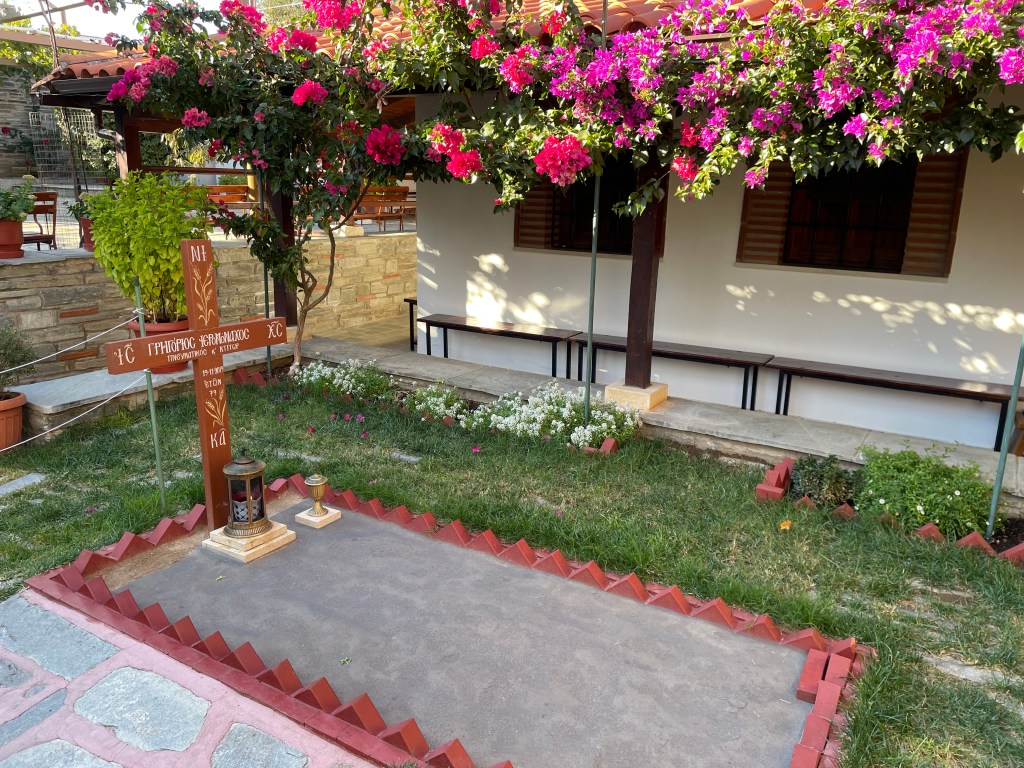
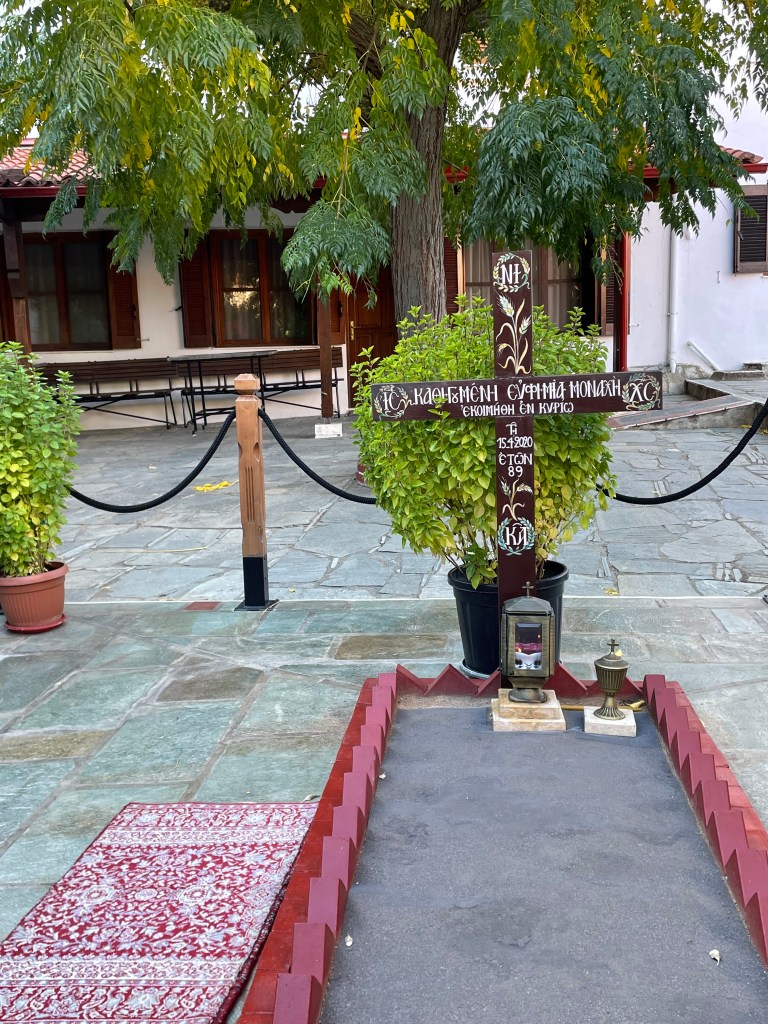
Gerondissa Euphemia’s grave (+15 April 2020, 88 years old). She was the first Abbess of the monastery and fell asleep in the Lord shortly after Gerondas Gregorios’ departure to Heaven (19 Νοεμβρίου 2019).

Bells ring and the common meal with the sisters begins, with a reading of Saint Gregory Palamas’ homily on St Demetrios. Our meal is a very ascetic one, as we are all preparing for Sunday Holy Communion.

We retire very early in our cells. The Sunday service will be a vigil from 23:00 to 03:00!

At the insistence of Sister Elisavet, I prepare a brief note for Abbess Mariam. Briefly, I share my news and ask her blessing. No questions or requests. Only her blessing to allow me to stay here longer and more often. –Which was one of the things +Gerondas Gregorios had always urged me to do, Sister Elisavet points out to me …

I give the note to the sister in charge of the guests’ house, pray and wait. After all, our vigil will begin very soon.

*

“Do not be afraid that there will be no fruit when all dies down; there will be! Not everything will die down. Energy will appear; and what energy!” St. Symeon the New Theologian

“Silence is the sacrament of the world to come” — St Isaac the Syrian

Day 4 “Take off your shoes”

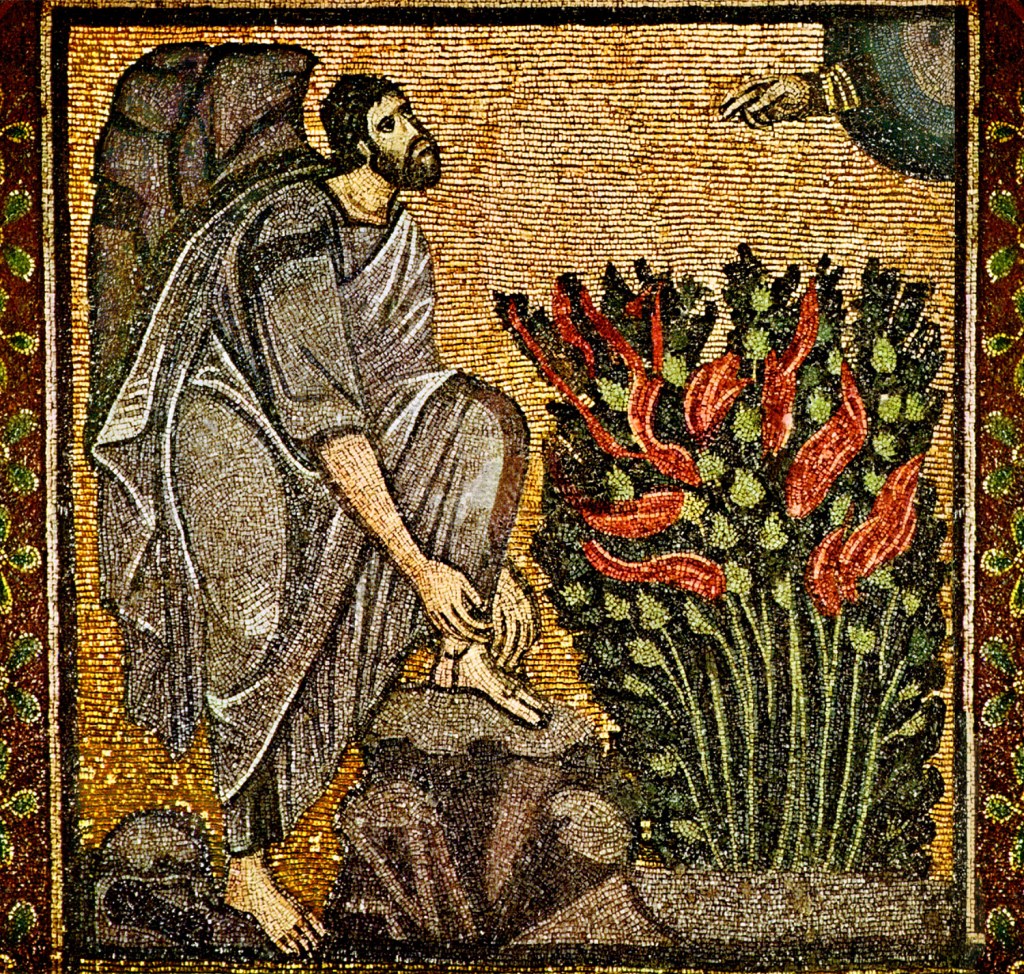
The Burning Bush

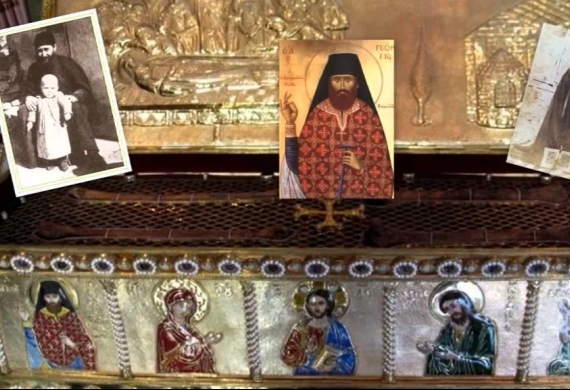
His holy presence is immediately felt upon entering the monastery gates! This Saint is St. Georgios’  Karslidis, the New Confessor of Drama, the founder and first spiritual father of the Ascension Monastery. A bit exhausted after the long drive, off we rush to kneel before his relics and venerate them. … Rush! Waste no more time! “The doors are not yet shut; the bridegroom hears you”. St. Basil the Great

“Take off your shoes”

Hundreds and thousands of the faithful, all these years, especially since his canonisation in 2008, have knelt before him, to seek comfort in life’s trials and tribulations. So many miracles are happening and are being recorded every day!

“Take off your shoes”

Next, we kneel at Gerondissa Akylina‘s grave. Saint Paisios characterized her as “Gerondissa of Gerondisses; ie. Abbess of Abbesses” and Saint Porphyrios of Kausokalyvite called her “Cherub with golden wings”. Her canonisation is expected to take place soon and her relics are now displayed inside the Ascension Church, next to those of St.George Karslides, for veneration too.

So many contemporary Saints and spiritual Fathers and Mothers have blessed her diaconate: Saint Paisios, +Gerondas Iosif Vatopedi, +Gerondas Gavriil Dionysiatis, +Gerondas Gerasimos Mikragiannanitis, +Gerondas Theofilos (Lydia), Elder Efraim of Arizona, establishing her prayer rule, +Elder Georgios Kapsanis Gregoriou, +Elder Aimilianos, Saint Porfyrios, Mother Nikodemi-Ormylia monastery, +Mother Fevronia-Dormition Panorama monastery, to name just a few.

(Mother Porfyria’s obedience for a decade was the exclusive care of the elderly and frail Gerondissa Akylina).

“Take off your shoes.” 

The nuns welcome us, show us to our rooms, offer us a meal, in the separate guests’ house, and leave us to rest before Vespers. Yet, what seems most urgent is the need to repent. Now, on the interpretation of the Greek Fathers of the Burning Bush, St. Gregory of Nyssa for example, shoes, made from the skins of dead animals, signify the deadness of repetition, boredom, inattentiveness. 

“And the angel of the LORD appeared unto him in a flame of fire out of the midst of a bush: and he looked, and, behold, the bush burned with fire, and the bush was not consumed. … And he [God] said, Draw not nigh hither: put off thy shoes from off thy feet, for the place whereon thou standest is holy ground.” (Exodus 3:2-5 KJV )

“Take off your shoes.” 

Start afresh, free yourself from what is lifeless, from enslavement to the trivial, the mechanical, the repetitive. Shake off the deadness of boredom. Wake up. Come to yourself. Open your spiritual eyes. Cleanse the doors of your perception. Look and see! Listen!

“Take off your shoes.”

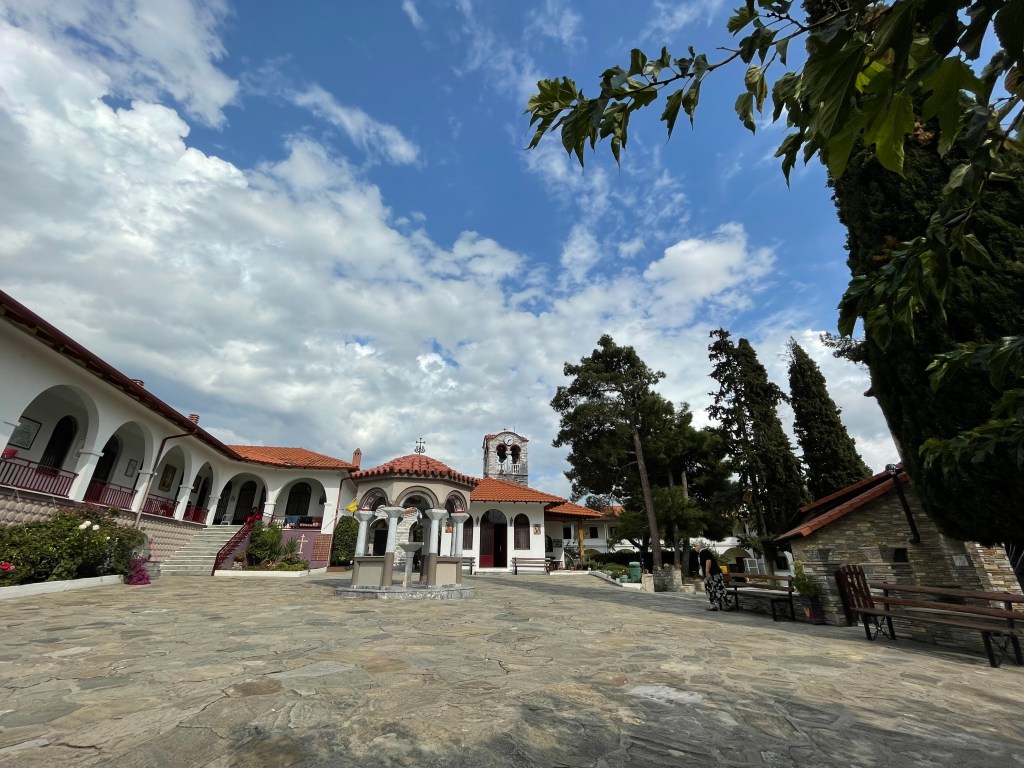
The monastic triptych of “prayer, study and work” (Abba Isaiah of Scetis ascetic discourses) is observed here too, but with a greater austerity than in other monasteries, probably because of the +Gerondas’ and +Gerondissa’s relics’ omnipresence and the specific typikon they follow, at the inspiration of +St. Efraim of Arizona. A variation of this salvific triptych is “prayer, attention and work”. This triptych offers balance, healing, consolation. There are 38 sisters in this monastery, and lots of young novices and postulants, pre-novices. Nuns come and go busy bees, novices and postulants race all round, pilgrims flock, beautiful gardens and fields surround us, yet everything fades before my eyes. My heart has been struck, smitten (Psalm 102:4)

“Take off your shoes.” 

In the evening, I text to Gerondissa Porfyria to plead for a meeting, even for 5 minutes, anytime, before we leave the next day. The day is coming to a close. We retire to our cells. I pray and wait …

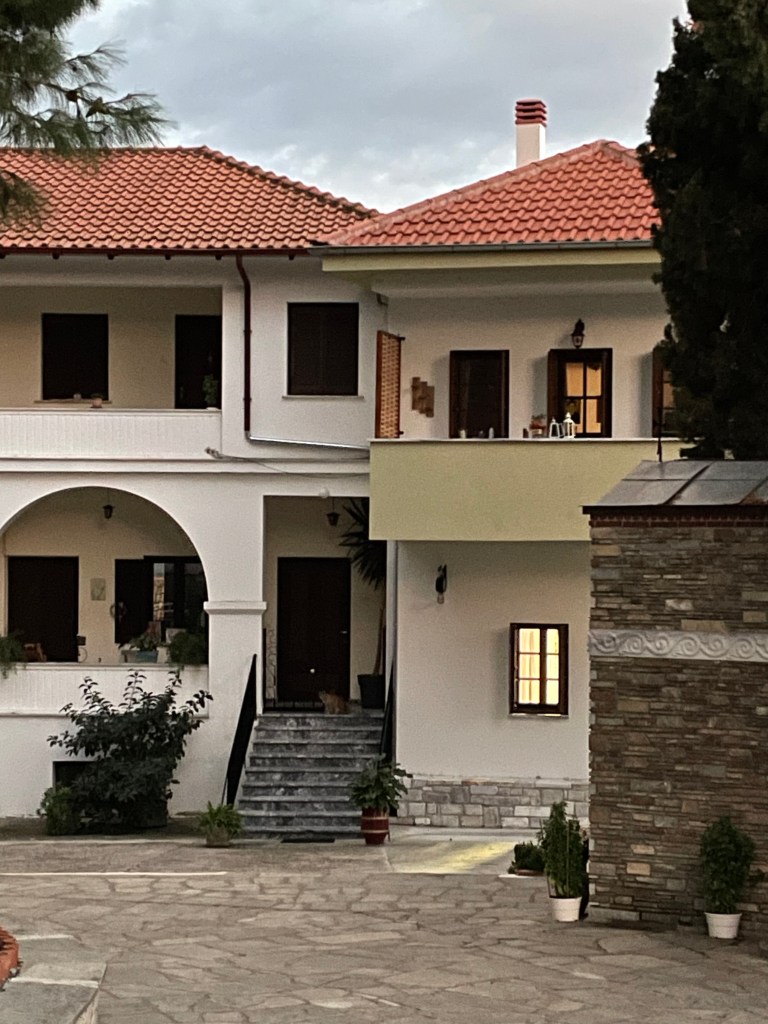
Gerondissa Porfyria’s balcony is the one with the lanterns

St. Gregory of Nyssa

Sandaled feet cannot ascend that height where the light of truth is seen, but the dead and earthly covering of skins, which was placed around our nature at the beginning … must be removed from the feet of the soul.

St. George Karslides

“God cares for everyone. Despair is in effect a lack of faith.”

For Granted

Taking things for granted is a trap most of us fall into. It is easy to get used to things and to stop noticing. We stop noticing God’s little gifts, little gestures of love of those around us, our comforts and advantages. The last four weeks, since Father J. has been taken gravely ill, have been a time of deep sadness but also of reflection and hopefully of growth.


Familiarity is a dangerous element in our spiritual life. I have spent so much time with Father J. over the last 18 years, I have relied so much on his advice, prayers, lifts to church, on his love, tolerance and good will that I think I have come to take it all for granted. In any crisis, I assume that he will be there to guide me and especially pray for me. In this crisis, for the first time, I had to pray for him and couldn’t ask for his guidance. I felt lost, but I also felt more than ever the power of prayer, the strengthening bonds of fellowship and I experienced once again the manifold grace of brothers and sisters in Christ praying together. For years now, I have felt that father joyfully carried me and every single person in his church on his back like a cross. His care and prayers make up for our negligence and lack of zeal, for all our lack of love towards God, the church and others.

As a community, especially the cradle Orthodox, we always take for granted that we shall have a church where the Holy Liturgy will be served every Sunday (take it or leave it as it suits us), that there will be a Father to come bless our house, cars, food and visit us when we are ill, that there will be a Father to sign the papers of church attendance for our children to get a place at a desired school and give us a reference of good character, that this Father will pray for us whenever we ask him, that he will be there to hear our confession whenever
we feel burdened, that he will settle our little squabbles, that he will baptise our children and read us the prayers on our death bed and serve at our funeral. In the case of our parish, we take for granted even more than that, that our Father will make sure everyone has transport to get to church, that he will answer the phone to hear our little troubles at any hour of the day or night, that he will arrive first in church and leave last and generally make sure that everything is well with the church and in our life. The last weeks have forcefully reminded me that all these are not our due or by any means guaranteed to be there and that we are blessed to have had all these for so many years through God’s grace and Father J.’s love, faith and energy.

Umberto Eco said: “Absence is to love as wind is to fire: it extinguishes the little flame, it
fans the big.” I cannot exactly quantify my affection for Father J., but I have thought
of him more over the last month than ever before. In his absence, so many touching memories and images came flooding in bringing along both sadness and joy. One of my favourite mental snapshots is of Father looking up to see somebody come through the church door. Every time his eyes light up with joy when his gaze rests on you as you come in through the door and I noticed that Father’s joy is even greater when someone comes who has not been to the church in months or years. This joyful, loving gaze makes you feel so welcome and loved and somehow special. It makes you feel that you are coming home. And this image lead on to another memory of Father crying when he reads the Gospel of the Return of the prodigal son. I cannot remember him ever reading it without tears in his eyes. His love for all these many prodigal children that we are is so great that he stands by us in prayer before God no matter what we are or have done. I know for sure he has stood by me with gentleness and patience even when I disobeyed his spiritual guidance or I argued back or wanted to leave the church.

St John of the Ladder teaches that it is more fearful to anger your Spiritual Father than to
disobey and anger God himself. If we anger God, our spiritual father has the grace to pray for us, to intercede and obtain forgiveness for us, but if our spiritual father turns away from us, we have no defence or advocate before God. This is how I have felt about my Spiritual Father, about Father J. He has been my advocate before God, my safety rope for the rock climbing. This rope has kept me connected to the rock when I fell, it stopped me from walking away and giving up when the going got too hard.

Fr Seraphim of Mull Monastery tells the story of the advice he received from his spiritual
father just before he was ordained. He told him that the value of his priesthood will be measured in the madness of his love for every single human being who will stand before him irrespective of what they look like, who they are, where they come from, what they have done.

This is exactly how I see Father’s ministry. In his love of all people and in his joyful daily sacrifices for us, I see the reflection of God’s love for all his children. By knowing Father, I feel I have come a step closer to understanding God’s love for every single one of us.


The church or monastery is like a beehive. The spirit of the queen permeates the whole hive and sets the tone for all the bees. If the queen bee is aggressive the whole hive will be an aggressive one, just so when a community has a very loving father, like us, the whole community is loving and gentle. And if at times this isn’t the case, Father dissipates all tension by his prayers and mild spirit.


As Father is recovering from his illness and there is a general sigh of relief in the community and a sense of joy and expectation, I have made a vow not to take my spiritual father for granted ever again or any of God’s gifts to our community, but rejoice in each of them and see them for what they are – signs of God’s love: the beautiful church filled with the gifts from Old parishioners, the people who have prepared the prosphoro, brought the wine, oil and candles and cleaned the church, the people who have come to give and receive and most of all the presence of a father through whose hand a gentle and humble God reaches out to his people. None of my or anyone’s giving of time, money or energy can match the wonder of these gifts.

A. McC.

* Kalo Stadio! A blessed Great Lent!

Thin Places (III)

A Journey into Celtic Christianity
 

celtic53

Llwyngwril St Celynin

*

“The Church in The British Isles will only begin to grow 

when She begins to again venerate Her own Saints

 *

(Saint Arsenios of Paros †1877)

*


Celtic Monasticism, A Model of Sanctity By Hieromonk Ambrose (Father Alexey Young) — Part III of IV 
celtic75

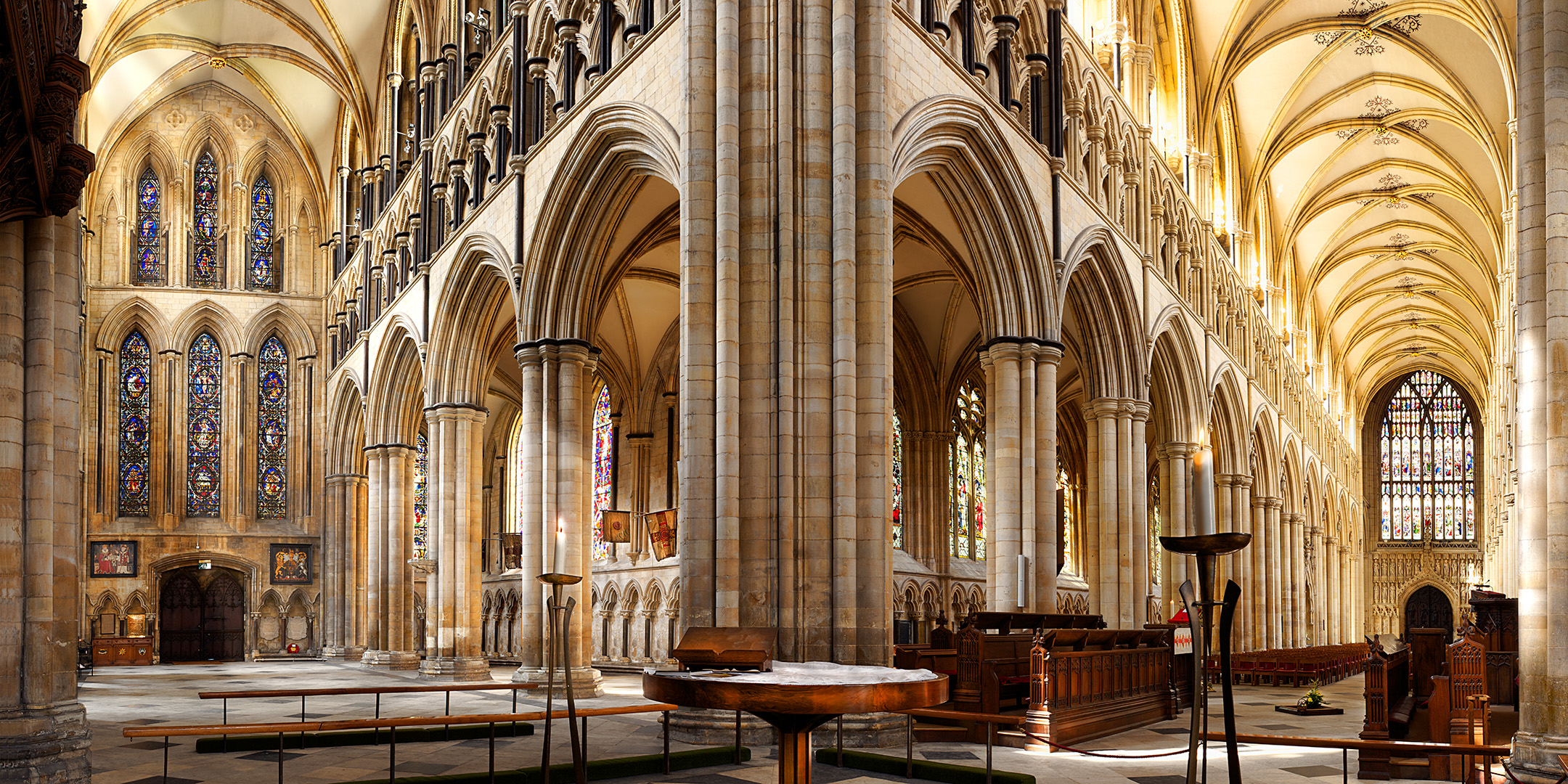
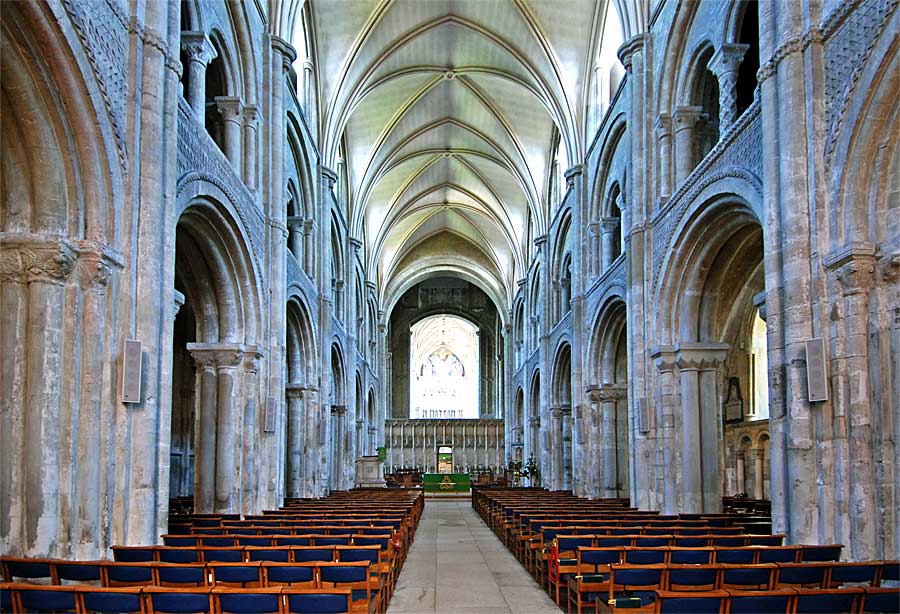
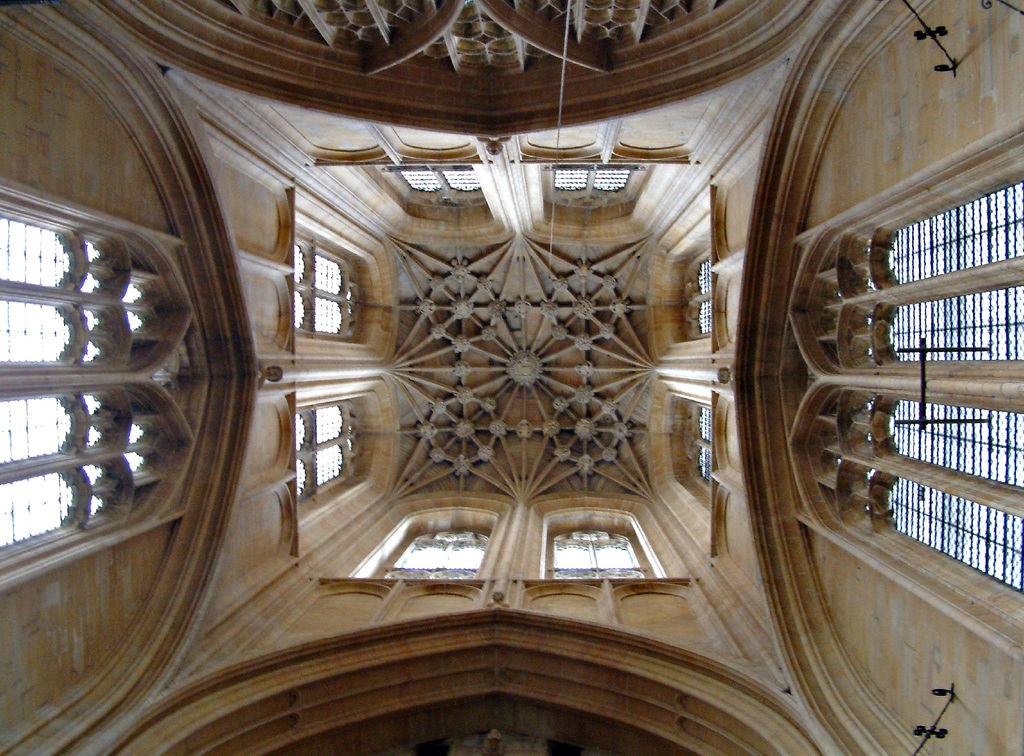
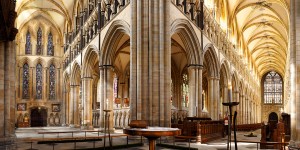
Beverley Minster, East Yorkshire, England 

St. David of Wales lived in the 6th century. He came from a monastery which had been founded by a disciple of St. John Cassian. So great is St. David that he deserves a whole lecture to himself, but today I’ll just mention him in connection with the wisdom of the Egyptian desert: he possessed the gift of tears, spoke alone with angels, subdued his flesh by plunging himself into ice cold water while reciting all of the Psalms by heart, and spent the day making prostrations and praying. “He also fed a multitude of orphans, wards, widows, needy, sick, feeble, and pilgrims.” (Edward C. Sellner, Wisdom of the Celtic Saints). The Roman Catholic scholar, Edward Sellner, adds: “ Thus he began; thus he continued; thus he ended his day. He imitated the monks of Egypt and lived a life like theirs.” (Ibid.) The same writer assures us that “because of its [the Celtic Church’s] love of the desert fathers and mothers, it has a great affinity with the spirituality of the Eastern Orthodox [today].”
celtic43

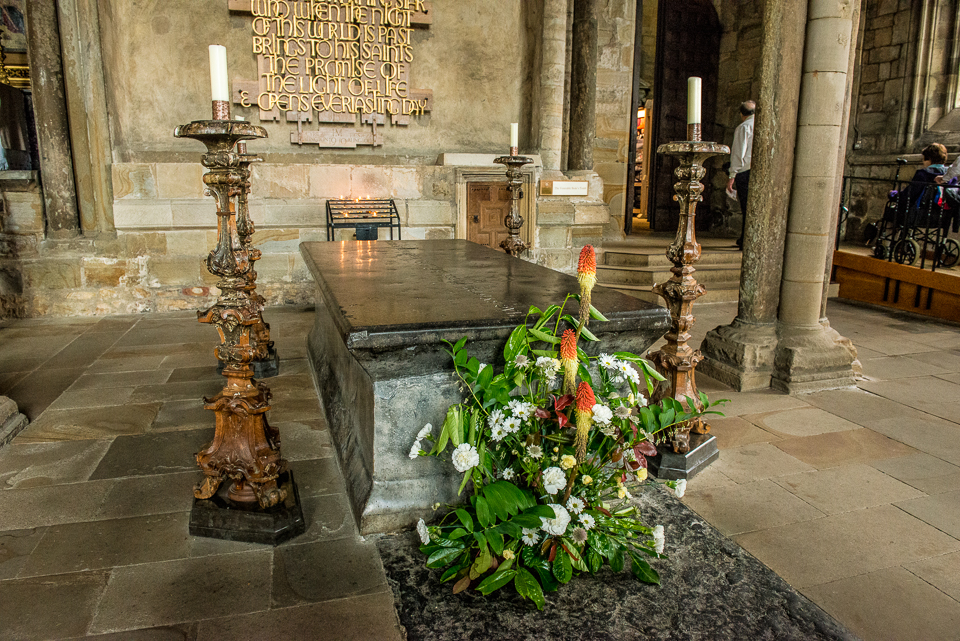
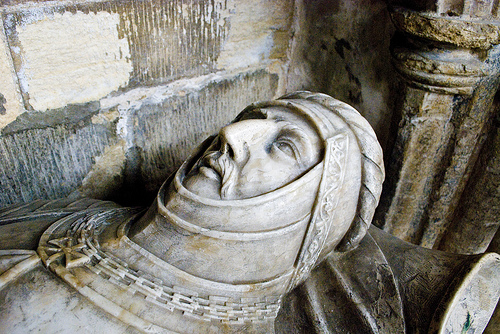
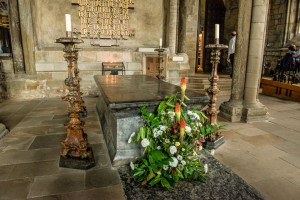
Tomb of Venerable Bede, Durham Cathedral

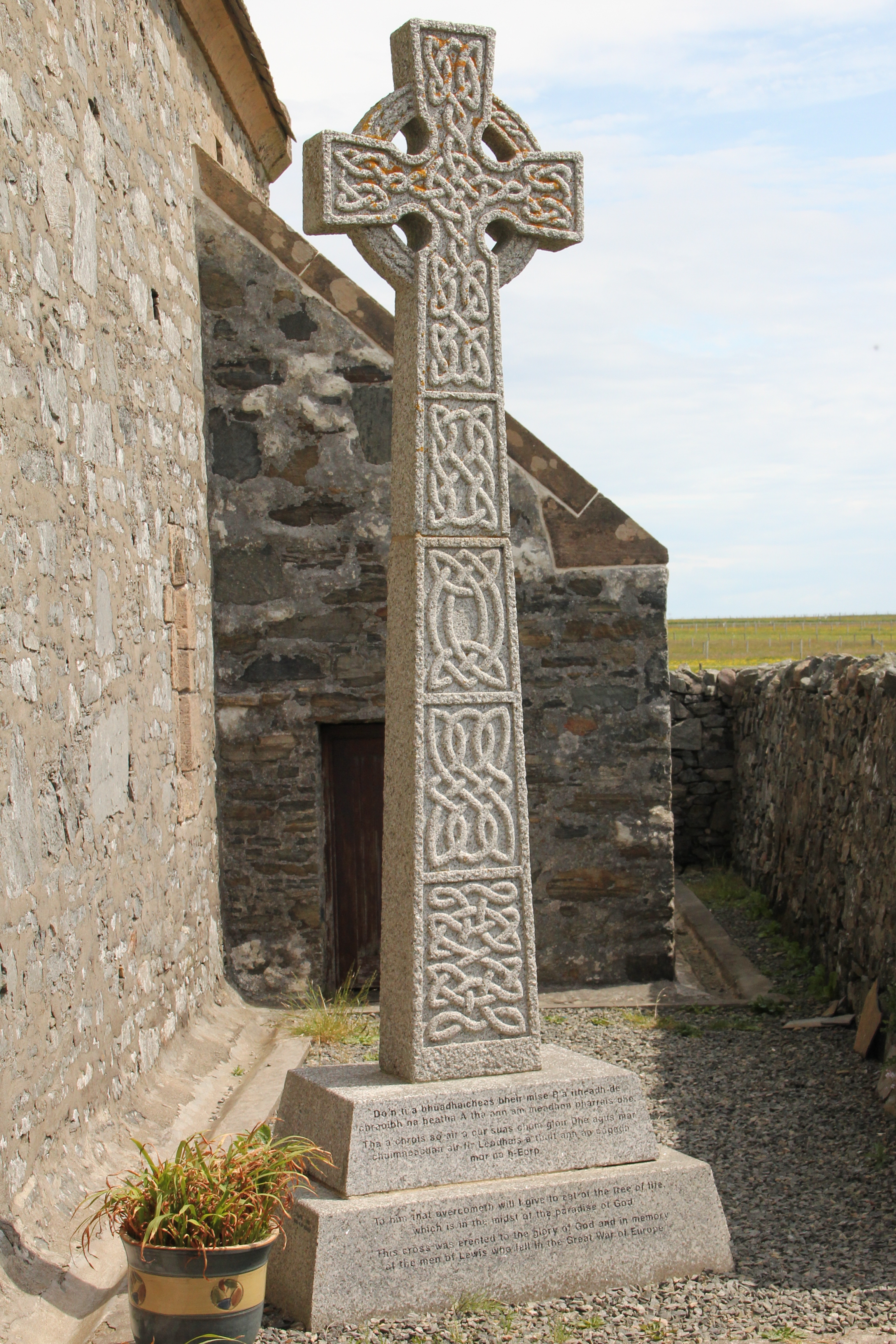
There are many other evidences of Eastern and Egyptian contact and influence, too numerous to list now. But in his interesting study, The Egyptian Desert in the Irish Bogs, Fr. Gregory Telepneff mentions also the fascinating interlacing knots and complex designs found on the famous standing High Crosses, which show Egyptian or Coptic influence. “Celtic manuscripts show similarities to the Egyptian use of birds, eagles, lions, and calves….In the Celtic Book of Durrow, one can find not only a utilization of the colors green, yellow, and red, similar to Egyptian usage, but also ‘gems with a double cross outline against tightly knotted interlacings,’ which recall the ‘beginnings of Coptic books.’ [Henry, Irish Art]. There is at least one instance of the leather satchel of an Irish missal and the leather satchel of an Ethiopian manuscript of about the same period which “resemble each other so closely that they might be thought to have come from the same workshop’ [Warren, Liturgy].” (Telpneff)
celtic46

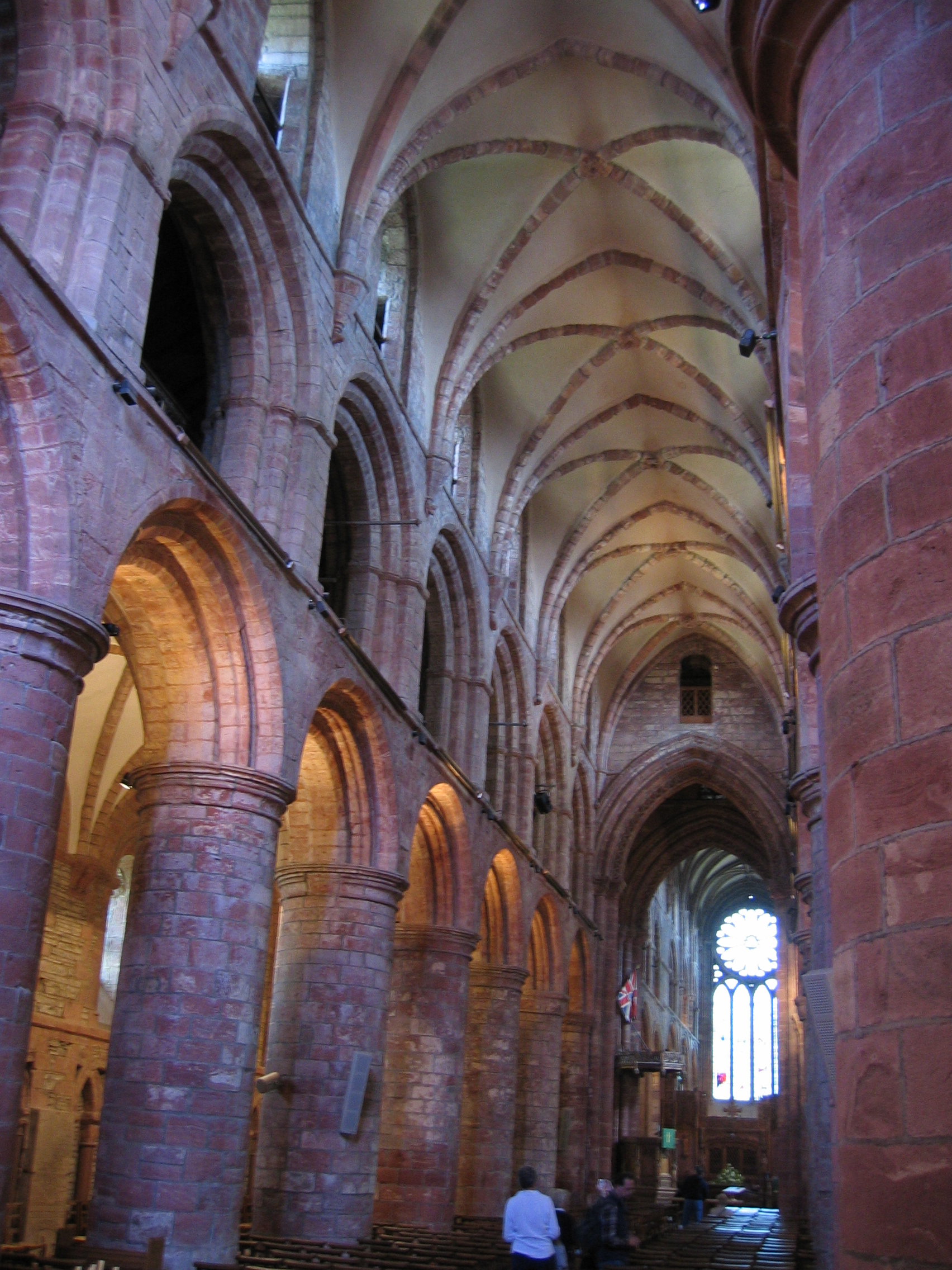
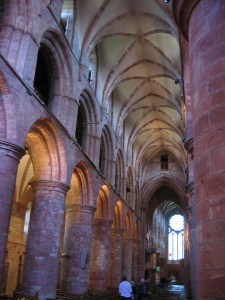
St. Magnus Cathedral Kirkwall

*

Culturally, then, I suggest that Celtic culture was a unique

and intriguing blend of Egyptian and other Middle Eastern influences

with native or indigenous cultural elements.

*
celtic41

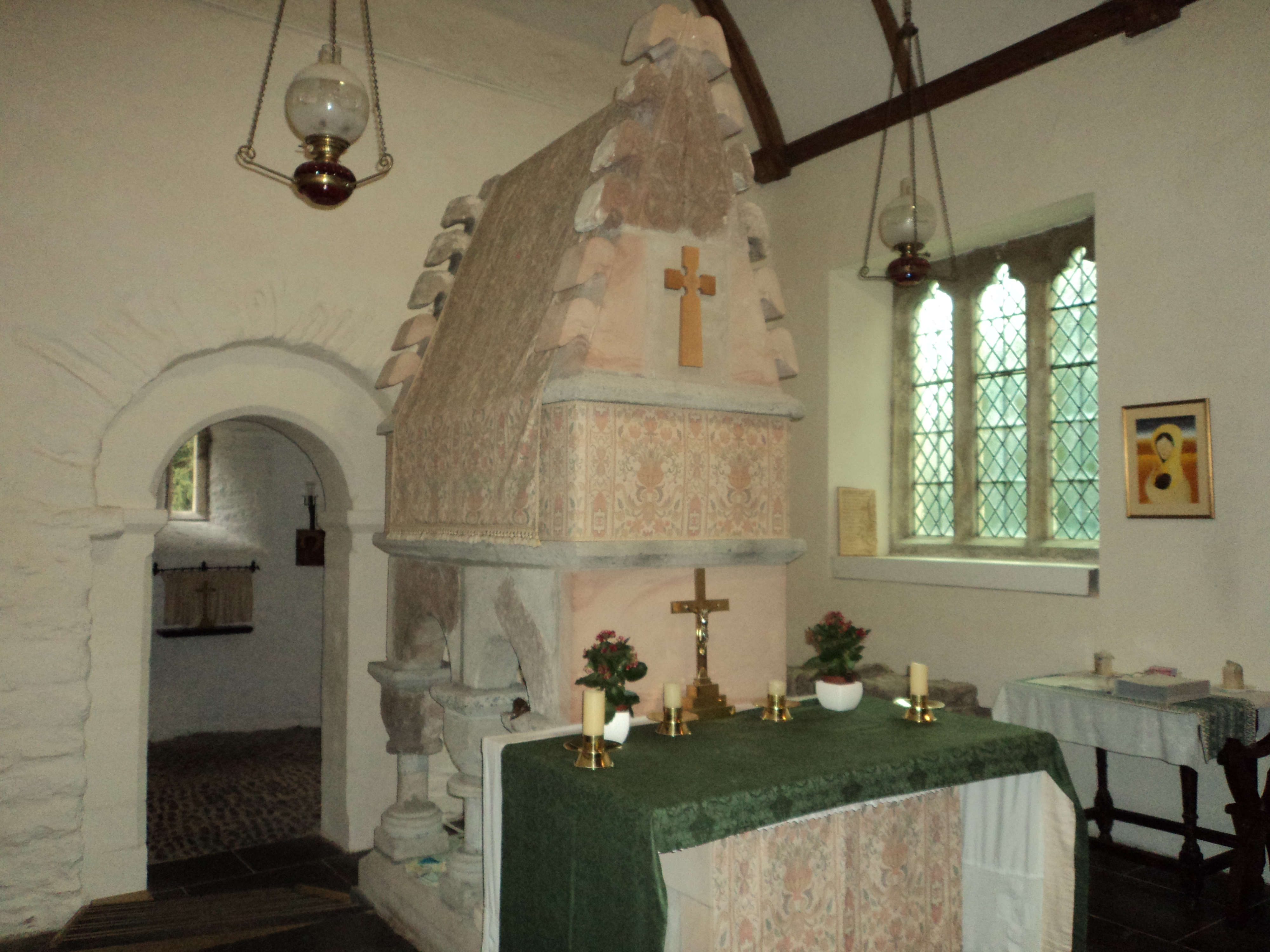
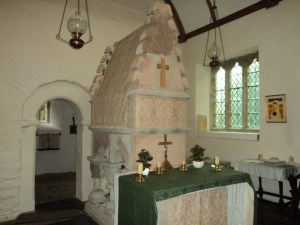
12th century Shrine of Saint Melangell

Before going further I want to say a few words about the term “spirituality.” In our time this has become a wastebasket word into which we put whatever we want the word to mean. Our English word, “spirituality”, comes from the French, and originally described someone who was clever, witty, or perhaps even mad! But our ancient Christian ancestors, whether from Russia, Europe, the Middle East, or the lands of the Celts, did not have such a concept. Certainly they did not see spiritual life as something separate from the rest of life. For them, spirituality was how they lived, how they prayed, how they worshiped God–and it was all bound up together, not separated out. Today, however, we have managed to artificially compartmentalize ourselves and our lives, making “spirituality” something that we do in addition to or separate from regular life. This has made possible a very artificial approach to the Celts.celtic42
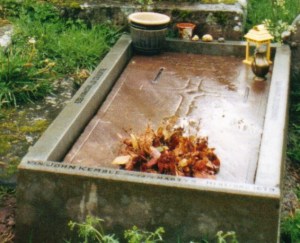
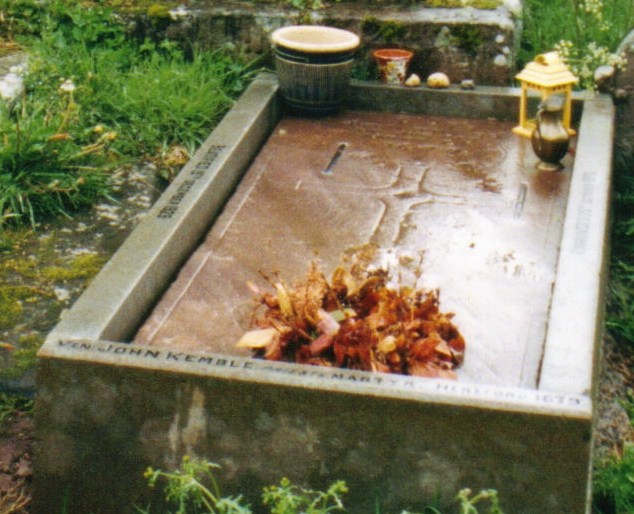
Tomb of St. John Kemble

Thomas O”Loughlin, one of the best of our present-day writers on the subject of Celtic Christianity, make the following sage observation in his book, Journeys on the Edges:

“In the last decade interest in the attitudes and beliefs of the Christians of the Celtic lands in the first millennium has swollen from being a specialist pursuit among medievalists and historians of theology into what is virtually a popular movement. In the process more than a few books have appeared claiming to uncover the soul of this Celtic Christianity in all its beauty….[Many writers] operate by offering their own definitions of ‘Christianity’ past and present, and then setting these against their definition of ‘Celt’ or ‘Celtic’. In this way they can reach the conclusion they want.”

Typical of our modern arrogance and intellectual- spiritual poverty, we project our own feeble ideas back onto a more robust and spiritually rich time, treating the world of Celtic Christianity like a smorgasbord, where we take those things we happen to already “like,” and put them together to form our own very distorted and sometimes even perverted “version” of the Celts.
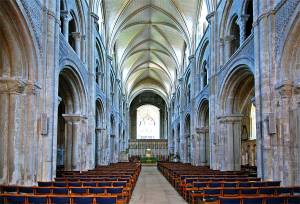
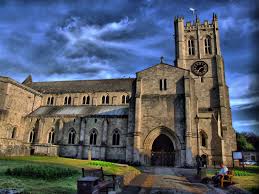
celtic47

celtic48

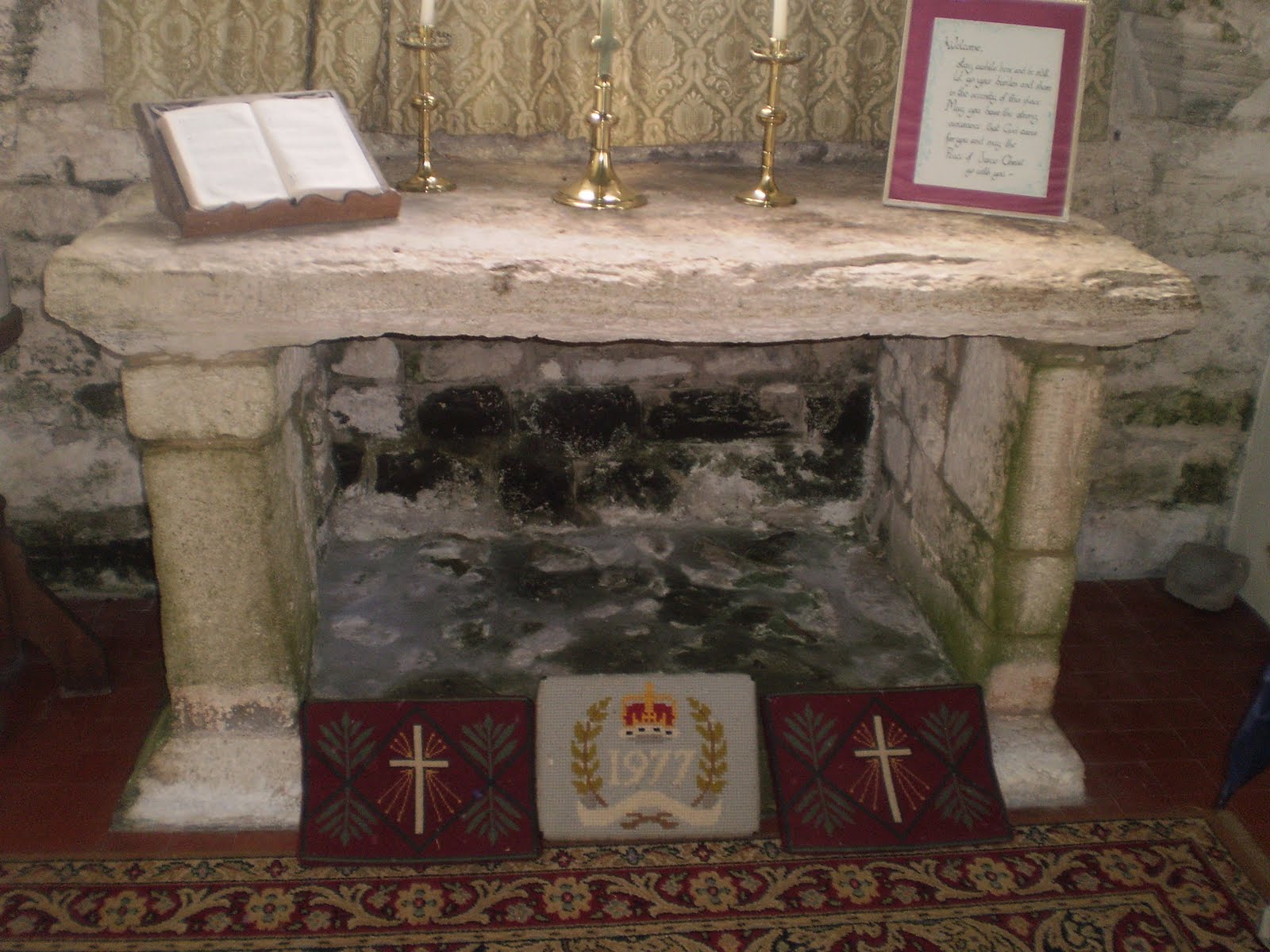
1177: Priory Church of the Holy Trinity, Christchurch, Dorset, England

An example: It is a fact that in the early Christian centuries, Ireland, Scotland and parts of Wales were never subject to Roman rule–neither the old Roman Empire nor the Church of Rome held sway over “Celts.” But some modern writers interpret this to mean that Celtic Christians, since they were “non-Roman,” were therefore anti-Roman or even anti-authority and against the idea of an organized, patriarchal Church. There is absolutely no evidence for such a conclusion, although in fact Celtic Christians did have a quite different way of organizing communities than did Christians on the continent–but this was not out of rebellion, but because their own models were from Egypt and the East, not from Europe! The simple fact is that “the Irish church had always been at the edges of Roman Christianity, [and considered to be a] a barbarian church of limited interest to the Popes.” (Paul Cavill, Anglo-Saxon Christianity: Exploring the Earliest Roots of Christian Spirituality in England) “Although the climate and situation of Britain were very different from the hot deserts of Egypt, there were principles–simplicity, prayer, fasting, spiritual warfare, wisdom, and evangelism–that were easy to translate to the communities of these isles.” (Michael Mitton, The Soul of Celtic Spirituality in the Lives of Its Saints)
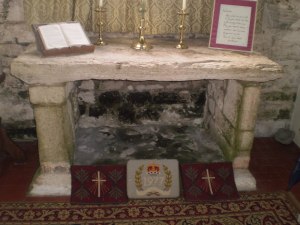
celtic45

The Shrine of St. Wite

But this means that entering into the spiritual, mental, emotional, and physical world of a Celtic Christian monk is difficult–not impossible, but difficult.

First we must realize that the Celts–had no concept of privacy or individuality such as we have today. Families did not live in separate rooms, but all together; no one thought about the idea of “compartmentalizing space” and only hermits and anchorites felt a calling to be alone in spiritual solitude with God, although monks had separate cells, just as monastics did in the Egyptian Thebaid.

The idea that people are separate individuals from the group was not only unheard-of, but would have been considered dangerous, even heretical. Self-absorption, “moods,” and being temperamental–all of these things would have been considered abnormal and sinful.

It wasn’t until the 13th and 14th centuries that people in the West started keeping journals or diaries, and there were no memoirs–also signs of individuality and privacy, of singling oneself out from the family, group, or community–nor were there actual real-life portraits of individuals, until the 14th century. (The art of realistic portraiture developed in response to the medieval idea of romance–for an accurate portrait was a substitute for an absent husband or wife.)
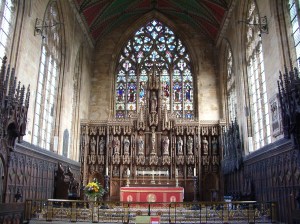
celtic50

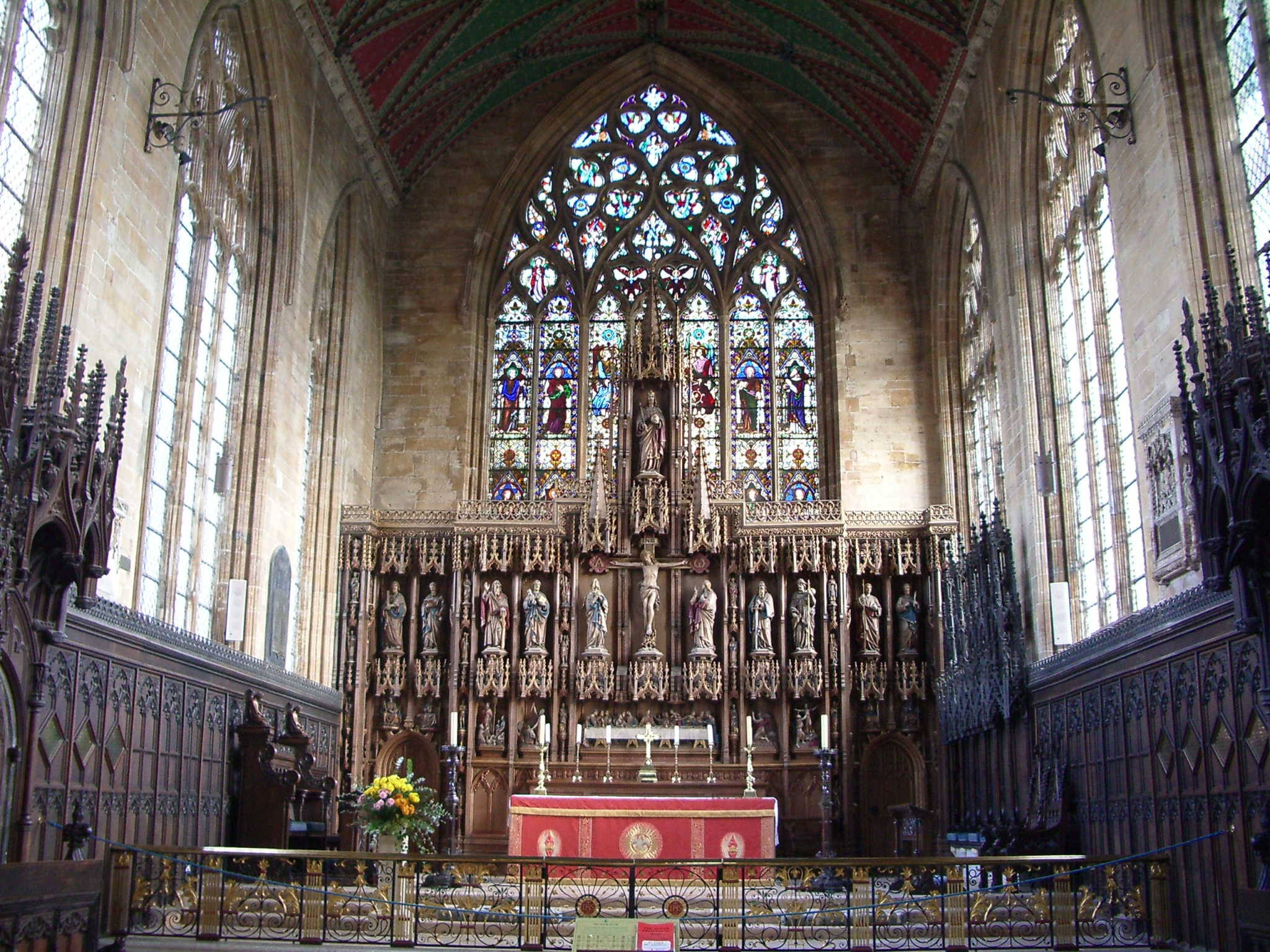
Beverley Minster, East Yorkshire, England 

*

Celtic Christian understood, just as do

Eastern Christians, that man is saved in community;

if he goes to hell, he goes alone.

*

Furthermore, “‘the dominant institution of Celtic Christianity was neither the parish church nor the cathedral, but the monastery, which sometimes began as a solitary hermit’s cell and often grew to become a combination of commune, retreat house, mission station…school [and, in general] a source not just of spiritual energy but also of hospitality, learning, and cultural enlightenment.” (Ian Bradley, quoted in Mitten, Ibid.) It was only much later that people began to be gathered into separate parishes, and even later before bishops had dioceses that were based on geographical lines rather than just being the shepherd of a given tribe or group, “being bishops of a community, rather than ruling areas of land. The idea of ‘ruling a diocese’ was quite foreign to the Celtic way of thinking.” (Ibid.)
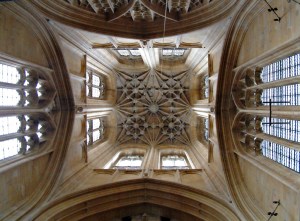
celtic52

Beverley Minster, East Yorkshire, England 

*

If you think about what all of this means in terms of how we today view ourselves, the world in which we live, and the values that we have today, you can see how difficult it’s going to be for us to enter into the world of the Celts. Today we are quite obsessive about such things as privacy and individuality, of “being our own selves” and “getting in touch with the inner man” and other such self- centered nonsense. But the Celtic Christian understood, just as did and do Eastern Christians, that man is saved in community; if he goes to hell, he goes alone.
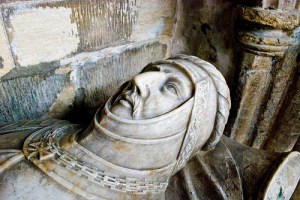
celtic51

Beverley Minster, East Yorkshire, England 

So the orientation of those Christian Celts to God and the other world was very different than the orientation of our modern world, no matter how devout or pious we may be, and this makes the distance between us and the world of Celtic monasticism far greater than just the span of the centuries. A renowned scholar, Sir Samuel Dill, writing generally about Christians in the West at this same period of time, said: “The dim religious life of the early Middle Ages is severed from the modern mind by so wide a gulf, by such a revolution of beliefs that the most cultivated sympathy can only hope to revive in faint imagination ….[for it was] a world of…fervent belief which no modern man can ever fully enter into….It is intensely interesting, even fascinating…[but] between us and the early Middle Ages there is a gulf which the most supple and agile imagination can hardly hope to pass. He who has pondered most deeply over the popular faith of that time will feel most deeply how impossible it is to pierce its secret.” (Quoted in Vita Patrum, Fr. Seraphim Rose)
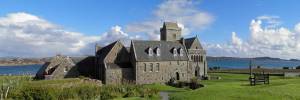
celtic61

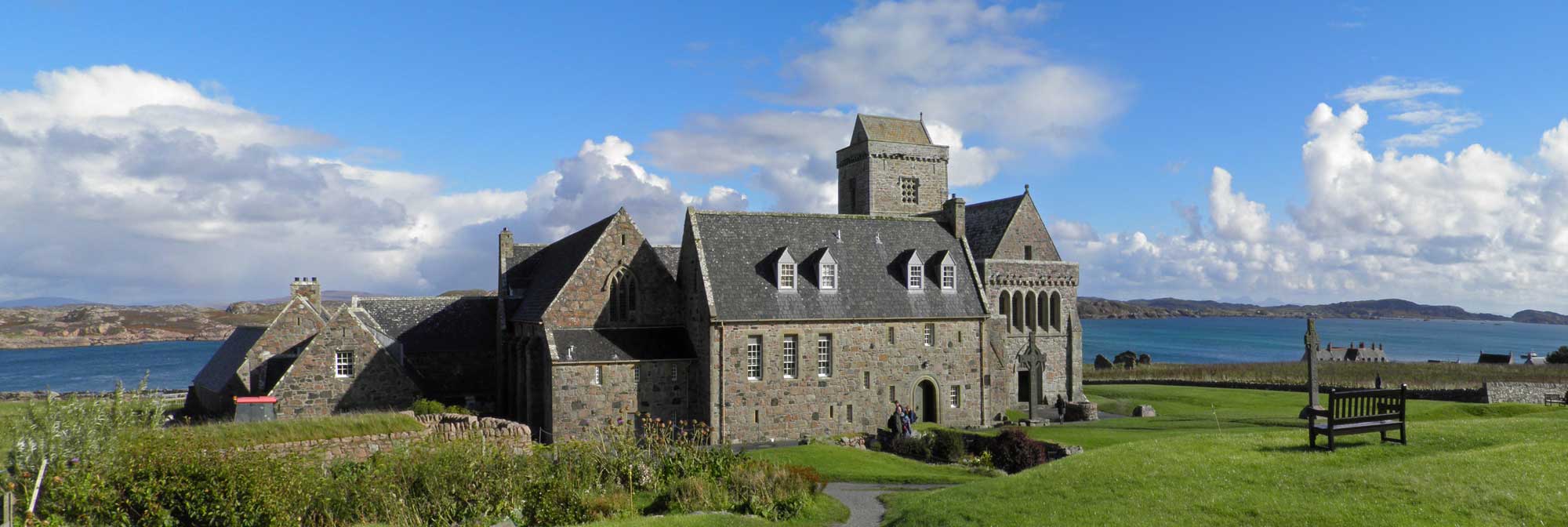
Iona Abbey, Scotland 

But is it really “impossible”? To enter their world–the world of Celtic Christianity, which is the same as Celtic monasticism–we must find a way to see things as they did–not as we do today–; to hear, taste, touch, pray, and think as they did. And this is what I mean by the word “spirituality”–a whole world-view. We must examine them in the full context of their actual world–which was a world of Faith, and not just any Faith, but the Christian Faith of Christians in both the Eastern and Western halves of Christendom in the first thousand years after Christ. Spirituality is living, dogmatic, theology. This is the only way we can begin to understand how Celtic Monasticism can be a model of sanctity for us living today, more than a millennium after their world ceased to be. Remember, I said it would be difficult to enter their world; difficult, but not impossible… When we speak of someone or something being a “model,” what do we mean? In this instance–speaking about Celtic monasticism as a “model”–we mean something that is a standard of excellence to be imitated. But here I’m not speaking of copying external things about Celtic monasteries–such as architecture, style of chant, monastic habit, etc., which are, after all cultural “accidents.” I’m speaking of something inward, of an inner state of being and awareness. It’s only in this sense that Celtic monasticism can be, for those who wish it, a “model of sanctity.”
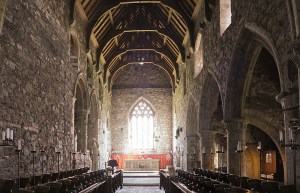
celtic60

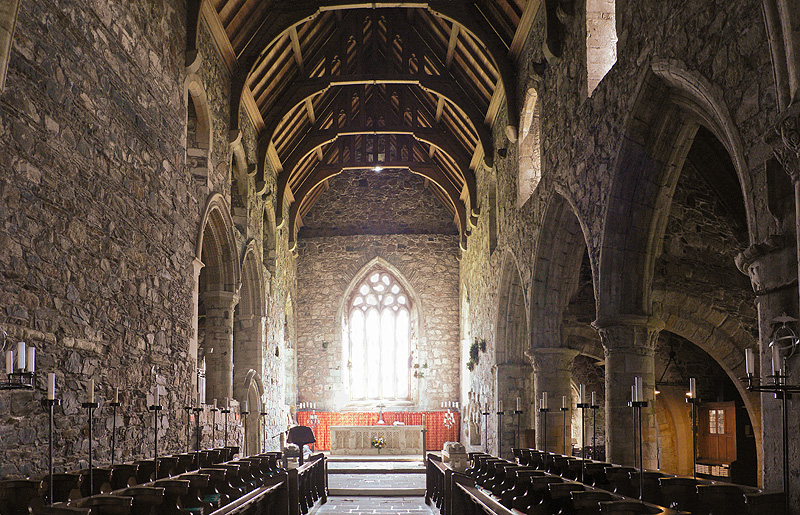
Iona Abbey, Scotland 

But what do I mean by “sanctity”? We must be careful not to slip into some kind of vague, New Age warm “fuzzies” which are more gnostic than Christian and have more to do with being a “nice” person than encountering the Living God in this life. By sanctity I mean what the Church herself means: holiness–which is nothing more or less than imitation of Christ in the virtues, and striving to die to oneself through humility, so as to be more and more alive to Christ, successfully cutting off one’s own will in order to have, only the will of Christ, as St. Paul says in his epistle to the Galatians (2:20): “I am crucified with Christ: nevertheless I live; yet not I, but Christ liveth in me…” So, holiness means dying to oneself and especially to one’s passions, more and more, so as draw closer and closer to the Lord God Himself, through Jesus Christ, and Him crucified and risen. In addition, Celtic Christians had the concept of “hallowing” or “hallowed”–an old fashioned term that today has survived only in the unfortunate pagan holiday called “Halloween” (from “All Hallows Eve”–which began as the vigil for the Western Feast of All Souls Day and later took on vile pagan overtones). To early British Christians, something or someone that was “hallowed” was “set apart” from others and sanctified for service to God. Thus, a priest’s ordination or a monastic’s tonsuring was his “hallowing.”
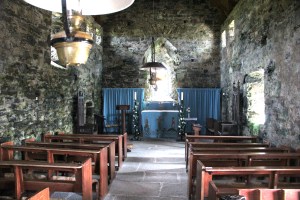
celtic63

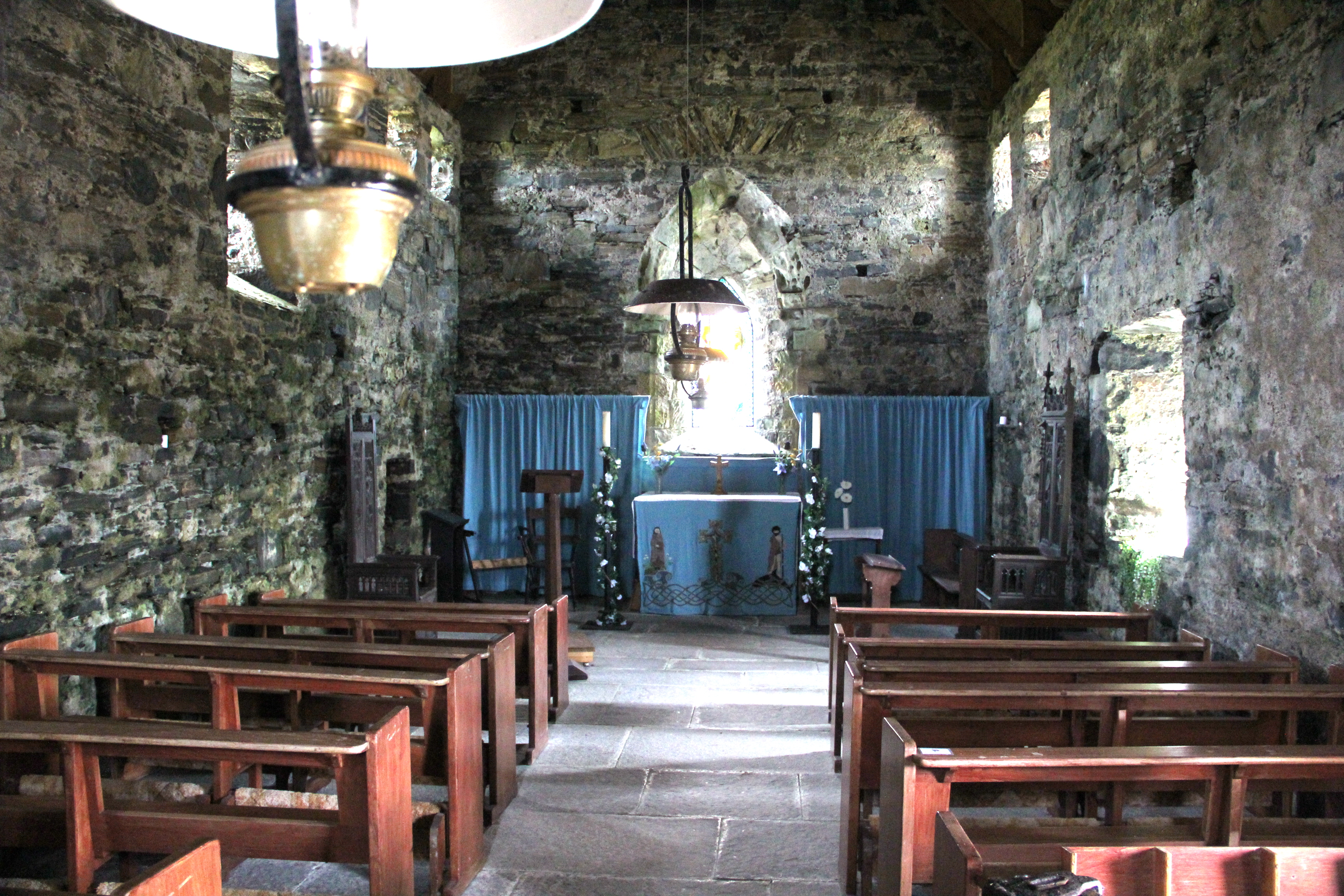
St Moluag, Eoropaidh, Isle of Lewis 

And so, thus it was that those blessed and hallowed monastics of Celtic lands modeled forth certain principles that we can still see, study, understand, and imitate today.

The Celts were masters of Christian simplicity. Nowadays there is a movement in our culture to recover some simple basics, but the model is often that of the Quakers or the Shakers or the Amish. Perhaps that’s because those groups are easier and more attractive to imitate; I don’t know. For the Celts, however, simplicity wasn’t so much a question of externals–like furniture, architecture, and so forth. It was something internal, and it was founded upon the Lord’s Prayer–in particular the phrase, “Thy will be done”, as we find in the later commentaries of the Venerable Bede of Jarrow and Alcuin of the court of Charlemagne. This was crucial to living a simple Christian life: “Thy will be done” meant God’s will, not our own–placing absolute trust in the Providence of God for everything–one’s health, one’s finances, the size of one’s family or the size of a monastic community–everything. It meant dying to oneself, not having opinions and not judging others. This was where simplicity began, and from there it easily expressed itself in outward forms, such as not owning five tunics when just two or even one would be sufficient.
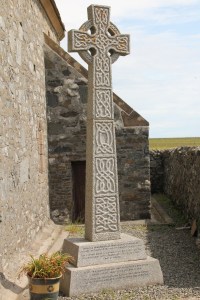
celtic64

St Moluag, Eoropaidh, Isle of Lewis

Simplicity did not necessarily mean “plainness,” as we’ll see shortly when we look at the intricate sacred art of the High Crosses. Celtic Christians were not “Plain People,” like Quakers or the Amish. But they were “Simple People,” in that they were single-minded and intensely focused on the other world and the journey through this life to God.
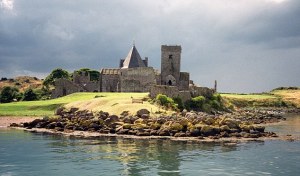
B5A2FH Inchcolm Island and Abbey Firth of Forth, Scotland

Inchcolm Island and Abbey Firth of Forth, Scotland

In common with all Christians at that time, the Celts had no concept of “private prayer” in the sense of spontaneously thinking of words or phrases to say to God. This practice belongs to a much later period in Christian history, when ideas of privacy and individualism had become more important than traditional ways of seeking God through prayer. This didn’t mean that a Celtic Christian didn’t pray outside the divine services, but for them, prayer was primarily liturgical, and this meant the Psalms. Most monks and nuns memorized the complete Psalter. Occasionally a particularly gifted monk would compose a prayer, such as the one I read by St. Columban at the beginning of this lecture. But in moments of need one remembered verses and phrases from the Psalms – such as “In my distress I cried unto the Lord, and He heard me,” from Psalm 120, and “Hide not Thy face from me, O Lord, in the day of my trouble” (Psalm 10, or”In the Lord I put my trust” (Psalm 11).

*

[To Be Continued …]

*

Source: http://www.asna.ca/angloceltic/celtic-monasticism.pdf

Also, listen to Hiermonk Ambrose (Father Alexey Young) about THE UNIQUENESS OF CELTIC MONASTICISM at http://www.asna.ca/angloceltic/

For more information on Celtic Orthodoxy, go to http://www.mullmonastery.com and follow father Seraphim’s struggles to found the first Orthodox monastery in the Hebrides in over a millennium.

For Part IV go to https://orthodoxcityhermit.com/2015/11/01/thin-places-a-journey-into-celtic-christianity-part-iv/

To follow an alternate route at our pilgrimage to the Celtic sacred sites and pilgrim routes of England, you may go to https://orthodoxcityhermit.com/2015/11/05/scilly-pilgrimage/ and visit Scilly –pronounced “silly”–Islands! (/ˈsɪli/Cornish: Syllan or Enesek Syllan) (Introduction of the “c” may be to prevent references to “silly” men or saints!) Yet another look at Christian faith from a Celtic perspective. The Isles of Scilly  are an archipelago off the southwestern tip of the Cornish peninsula of Great Britain, comprising  5 Major, inhabited islands,St Mary’sTrescoSt Martin’sBryherSt Agnes and 140 others. 
Checkers, An Atheistic Enterprise

science1

Science vs. Religion. Fr Aidan (Alvin) Kimel from Eclectic Orthodoxy is amused at how Edward Feser decimates the amateur pseudo-philosopher Lawrence Krauss: “Lawrence Krauss’s “argument” for atheism is like that of an artist who confines himself to using black and white materials and then concludes that, since color doesn’t show up in his drawings of fire engines and apples, it follows that fire engines and apples are not really red.”  Read the rest of the article at Scientists Should Tell Lawrence Krauss to Shut Up Already

Archangel Ethiopian Manuscript

A selection of folios from an illuminated manuscript of 17th century Ethiopia, produced during the cultural boom, especially in painting, brought about by the establishment of a permanent court at Gondar by the Solomonic emperor Fasilädäs (who reigned 1632-67). The nearly 50 full-page illuminations of this particular manuscript tell the story of the Archangel Michael who, under the patronage of Emperor Zär’a Ya’eqob, had became the most venerated of all archangels in Ethiopia. He is depicted undertaking a vast host of miracles and heroic feats including saving the faithful from the burning flames of hell, healing the sick and treading on Satan. The illustrations can also teach us about the Ethiopia of the time. According to The Walters Art Museum, “the minutely rendered textiles in these pictures suggest a connection with the fashions of the Gondarine court and indicate that the painters depicted their scriptural subjects using a visual language rooted in contemporary culture.”

Left – Above: How Astaraniqos slept on his bed using the picture of St. Michael as a pillow; Below: How a blacksmith toiled in making a panel for the picture of St. Michael. Right – Above: How Satan flew away like a raven/crow when Euphemia showed him the picture of St. Michael; Below: How Satan came (again) looking like four women and St. Michael trod on him.
Left – St. Michael rescues the faithful from the flames of Hell. Right – The Faithful Rescued by Saint Michael in Paradise.
The Archangel helping Hezekiah of Judah defeat Sennacherib of Assyria.
The Archangel paying tribute to Adam.
The Archangel casting an evil spirit from his church.
The Archangel healing a sick woman.
The Archangel helping seafarers.
The Archangel healing a Jew.
The Archangel helping Susanna preserve her purity.
The Archangel rescuing the Three Holy Children.
The story of Qison continues.
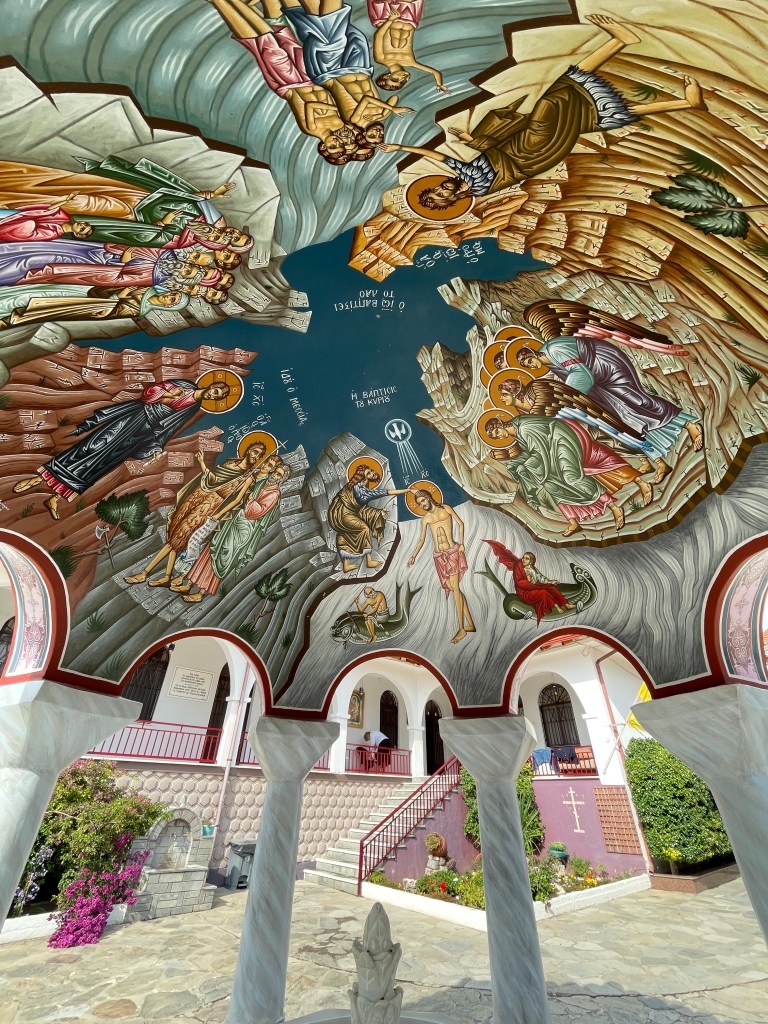
The Archangel rescuing the child from drowning.
Source: The Public Domain Review