One Saturday morning, a very young woman dressed in black came to the church of Saint Constantine in Glyfada, where we were at the time, holding her two young children in her arms.A 5-year-old girl and a 7-year-old boy. She had lost her husband, who was also very young, and with him she lost the land beneath her feet.She had come to confess to Fr. Constantine, and she had brought her children for Catechism.
Naturally, during her confession, she wondered and asked Fr. Constantine, as she later confided in me, what would happen to her children if she died too! The Father had reassured her that if she died, he would take care of her children, which would be very good for them!
But when she wondered why such great evil had befallen her, and why God did not take pity on her and gave her something she could not bear, then Father asked her:
– May I ask you for a moment for a favour?
– Of course, Father, whatever you want.
– Here outside the sanctuary, they have left a sack of potatoes for me. Should we call your son to bring it here, so I can give it to you?
– Thank you, Father, but my son is only 7 years old. How many kilograms does the sack weigh?
– It is 20 kilograms.
– Well, a 7-year-old child cannot lift a 20-kilogram sack of potatoes!
– Yes, but I want to give it to you. How can he bring it to us?
– How? Should we give him a little bag to put a few potatoes in, as many as he can lift, and bring them to us here, little by little? Or bring them to us little by little with his little hands if you don’t have a bag? What do you say?
– Is this what you are suggesting? Little by little?
– How else? He can’t carry them all at once, since he is a little child.
– Ah! So youare thinking of your child who can’t lift 20 kilos of potatoes, and God doesn’t think of you, who are His child, and gives you more than you can lift?
– Oh Father, what are you saying to me now?
– I’m telling you the truth. God doesn’t think of you, who are His child, while you think of your son?
The sequel is amazing since this advice took root in the family.
Recently, I saw the widow in question by chance on the street and now a grandmother! After we hugged and kissed, she told me that her children got married and had children too, and the family grew, but her daughter’s husband got cancer with all that that entails…
“But”, she tells me, “whenever I say to my daughter, ‘Ah, my child, what you are going through!’, she answers me 40 years after that confession of mine, ‘Mom! Remember the potatoes! I can handle what I’m lifting’ “.
Her son’s wife abandoned them, and the widowed mother says to her son, “Ah, my child, why did that girl leave and leave you? What harm she has done to us!” And my son replies, “Mom! The potatoes! That’s all I can handle!”
“So”, she tells me, “as you can see, potatoes have been on the agenda in our house for 40 years now, and so we can’t complain about anything!”
This was Father Konstantinos. Inventive about everything!
He changed our minds! He gave breath and impetus to our lives! He healed our pains and our souls!
He often said about whining in his speeches, what a soul-destroying disease it is.
(As Much as a Book can Hold, Memories by Fr. Konstantinos Stratigopoulos)
*
That is a powerful sentiment to start the year! Whether those “potatoes” are unexpected challenges or the daily grind, whatever heavy stuff life throws our way, having the resilience to carry them, the perspective to see the harvest ahead, and most importantly, faith and trust in His Providence, makes all the difference. May we all carry our ‘bags of potatoes’, without whining, this year and all our lives! May our “sack” be light, our grip be strong, and our harvest be plentiful. Amen!
*
The photograph was taken last year at a wedding in Glyfada by a child. The priest dressed in white, holding the Gospel, is the spiritual father of the newlyweds, who had already reposed long before. He was not visible at the time the photo was taken, yet he appeared in the image.One can see the glorious light surrounding him…Saintly Father, please pray for us!!
He is identified as Father Konstantinos Stratigopoulos. More about this saintly Father at a future blog. Your prayers
+ Father Gregorios, 19 November, 2019 — 6th year Memorial service
Memory Eternal, dearest Father!
“Love in Christ is a sacrificial Love, a self-sacrificing, self-denying Love, Agape. You sacrifice everything for the person you love, “your neighbour”. By “our neighbour”, we mean every person as God’s Image, even our enemy. By “love” we do not mean that we should do whatever the other person wants us to do, but to love him with Christ’s burning and flaming Heart, for his salvation” (+ Elder Gregorios Papasotiriou)
*
This is how we have always felt his love! For years, Gerondas Gregorios of blessed memory offeredhis prayers with tears and his never-to-be-forgotten spiritual guidance. My rebirth in Christ ((John 3:4), my new life literally started with his guidance about 40 years ago.I feel so unworthy of such a blessing!
*
“Father Gregorios, born Dimitrios Papasotiriou, was born on February 16, 1940 in Paleokomi, Serres, to pious parents, Alexios and Efthymia.
From his childhood, he was characterized by an inclination for life in Christ and very early he felt the divine call for the priesthood and complete dedication to the Lord through the monastic calling. Thus, after completing his studies at the Theological School of Aristotle University of Thessaloniki, he came to the Holy Metropolis of Kassandria, where he was ordained a deacon and priest by the blessed Metropolitan Synesios Visvinis. During his stay in Polygyros, the Elder, together with other fathers under the guidance of Fr. Spyridon Trantelis (later Metropolitan of Lagadas), formed a group that served the people of God, as well as the children of the Polygyros boarding school for boys, with much love and self-sacrifice.
From his student years, the Elder particularly loved Mount Athos. He visited it very often and was particularly associated with the Holy Monastery of Saint Dionysios and the blessed Hegumen Fr. Gabriel, who became his spiritual father for a number of years. However, the main turning point in the Elder’s spiritual journey was his acquaintance with Saint Paisios the Athonite. He became connected to him with an unbreakable spiritual bond, becoming his disciple and striving throughout his life to imitate his holy life. In fact, Saint Paisios also became his godfather during the monastic tonsure of Elder Gregory in the cell of the Holy Cross in the year 1977.
In the year 1970, the flame of hesychia led Father Gregory to the then dilapidated Metochion of the Holy Monastery of Saint Dionysios in Metamorphosis, Chalkidiki, where, with the blessing of the local Bishop, he settled in a monastic cell-barn next to the Church of the Holy Forerunner.
This place from then on became the arena of his great ascetic struggles and the base for his priestly-pastoral ministry here in Chalkidiki. Only God knows his ascetic labors and efforts in order to serve the people of God with the pilgrimages, the preaching, the confession, the holy services, the vigils, the divine Liturgies. Saint Porphyrios, who attended a divine Liturgy in 1974, commented: “When Father Gregory serves the Holy Liturgy, all of God is within him and all of Father Gregory is within God.”
With the encouragement or rather the command of Saint Paisios, the life of the Monastery begins in 1975. The Holy Monastery of Dionysios grants the necessary area for the construction of the Holy Hesychasterion. The blessed Abbots Fr. Gabriel and Fr. Charalambos supported Elder Gregory with great love, foreseeing that the now deserted place of the old Metochion would be transformed into a spiritual oasis. Then the first group of spiritual children of the Elder was established, which formed the nucleus of the later sisterhood. The first Abbess was Eleni Paschaloglou from Rodolivos, Serres – herself a spiritual child of Elder Gregory -, later Elder Ephemia, who passed away to the Lord almost five months after the Elder’s “fallen asleep” after 45 years of sacrificial ministry in the Monastery.
The life of Father Gregory is henceforth spent in material and spiritual labours for the construction of the Hesychastirion, for the guidance of the Monastics, but also in his great offering as a priest, preacher and above all a spiritual father to the people of God. The Elder who abhorred worldly prominence and loved humility and obscurity, is now becoming well known as Father Gregory the Spiritual Father. Hundreds of souls found the path to salvation with him, thousands rested under his rock, countless were helped by his spiritual guidance.
The blessed Elder suffered from many illnesses throughout his life, which he bore with great patience and a doxological disposition as if someone else were suffering. Especially the last few years were a cross of painful trials and a life of patience, because the pain and illnesses reached their peak.
The good God, wanting to rest the good shepherd and His faithful steward, called him to Himself after a sudden stroke on November 19, 2019. The funeral service and burial were held on November 21, the day of the Feast of the Entrance into the Temple of Our Most Holy Lady the Theotokos and Ever-Virgin Mary, the birthday of the Monastery, when 45 years ago Saint Paisios gave the blessing and the command to Father Gregory to begin the great work for which he sacrificed his life.” (Ραδιοχρηστότητα, by his spiritual son and priest Father Nikolaos at St. Palnteleimon, Mesimeri )
May we have his prayers! “Kai sta dika mas.” “And to our own!” May we be reunited with you dearest Father in Heaven in God’s Kairos!
“Someone recently described Thessaloniki as like a dry cake. I’m not sure about this simile. I would prefer to describe it in terms of warm slices of bread. Exchanging a cold, windy, wet Manchester of 13C for a calm, warm late evening 25C, Thessaloniki was indeed a taster of what was to come. Having navigated the vicissitudes of the roaming signal with a friendly local, a familiar “taxi” driver arrived to pick me up from the terminal.
I have often thought that the word terminal speaks of rather sad endings rather than the springboard and opening to new adventures.
Having been delivered to my assigned apartment I enjoyed the sleep of the just traveller.
The five days in Thessaloniki spent with my spiritual children had both an eternal and a brief dimension. Time expands and contracts according to God’s ordinance.
House blessings, Confessions, Social Gatherings, Prayers, Church and Monastery Visits and the not so mundane coffee stops roll into a well risen loaf with the yeast of kindness and the warmth of hospitality.
In just one day we visited:
The Holy Church of St Nicholas Orphanos
The Church of Pammegistoi Taxiarches where there was a Byzantine Crypt and huge Basil bushes outside.
Vlatadon Monastery.
Latomos Monastery and later the cave Church of St David the Dendrite.
St Demetrios Church.
St Theodora Monastery and Church where we venerated the holy relics of St Theodora and St David.
Church of St Theodora
Stopping for late lunch the first thing to arrive on our table was warm sliced bread — a gift and a symbol of the spiritual slices of holiness we had tasted earlier.
St Demetrios church St Anysia relicsChurch of Pammegistoi Taxiarches with byzantine cryptSt Nicholas OrphanosBasil bushOsios David the Dendrite Latomos monasteryView from Vlatadon Monastery
We took the bread, blessed it, gave thanks, broke it and shared the humble gift with the meal — a eucharistic pattern that is woven into every fabric of the Christian Life.
So many precious memories in a short space of time — but God’s time (kairos not chronos). For these treasured moments I give thanks to God”.
Somereflections on “hiding” and “hiddeness” in God, on holy obedience, on the force of the preposition ‘in’, and lovely, amplifying words by George Herbert, my favourite metaphysical poet(1593 – 1633), in his poem‘Colossians 3:3’
Eothinon VII
Mode grave
“Ἰδοὺ σκοτία καὶ πρωΐ… Lo, darkness and early dawn. And why, Mary, are you standing by the grave, your mind full of darkness? Why do you seek where Jesus has been laid? But see the disciples running together, see how they have realised the Resurrection from the grave clothes and the napkin, and have remembered the Scripture concerning this. With whom and through whom we too have believed and sing your praise O Christ, the Giver of Life.”
*
“For you have died, and your life has been hidden with Christ in God.” (Col 3:3)
*
It is probably my first ever Sunday Holy Liturgy at about 02:00!! Other than Easter Sunday of course. Only “one worth comes to mind with the chanting,…ethereal! I meant word but indeed it is worth in the true sense of a noun … the level at which someone or something deserves to be valued or rated.”
I feel surrounded by angels, not monastics. These sisters never sleep! They pray all the time and they are hidden from the world.
I kneel to receive the blessing of Gerondissa Mariam before Holy Communion and she tells me that she has read my note and gives me her blessing to come as often as I want, unconditionally… What a gift!Such undeserved mercy and graciousness!
Inside the church, other than the sisters and the priest, it is only the five of us, fellow pilgrims. How strange for a Sunday Holy Liturgy even in a monastery, let alone a parish in the world, to be so “empty” at the Sunday Holy Liturgy!
After the dismissal of the Liturgy, silently we retire to our cells for some rest and hesychia, and then proceed to the morning common meal where we eat while listening to a sister reading Saint Gregorios Palamas’ homily on Nestor. Then Gerondissa Mariam takes the floor and offers a homily on the mystery of holy obedience to our spiritual father: (Just in case, we had missed that key point in all the sisters’ words yesterday: that Holy Obedience is the “one thing needful … that good part which shall not be taken away” ,Luke 10:41–42).
“St Nestor first received the blessing from his spiritual father, St Demetrios in the prison “bath-house” where he was chained, and then contested and defeated Lyaeus. This is so revealing of the power of holy obedience. St Demetrios blessed Nestor and in fact told him that he would be victorious but would then be martyred. Receiving the Saint’s blessing and sealing himself with the sign of the precious Cross, Nestor presented himself in the arena, and prayed, “O God of Demetrios, help me!” –“Ο Θεός του Δημητρίου βοήθει μοι”, uniting his will with that of his spiritual father, and ultimately with God’s Will.
Straightway he engaged Lyaeus in combat, and much to everyone’s surprise, the stripling novice smote Lyaeus with a mortal blow to the heart, leaving the former boaster lifeless upon the earth, and defeating the previously undefeated imperial champion. Nestor thus stroke a blow against idolatry. Many of the spectators believed that “the God of Dimitrios” had, indeed, helped him. This infuriated Galerius, who must have suffered considerable loss of face, and he ordered the decapitation of the young man. See the fruit of holy obedience? This we must all imitate!”
Our morning common meal comes to an end, prayers are said, and all nuns swiftly disappear back to their cells to pray, other than the very few ones whose obedience are the guests. No visitors yet, as the monastery gates are still closed and will open up only much later in the afternoon.
If yesterday it was the silence of the monastery which struck me, that true hesychasm, today it was the mystery of its hiddeness which permeated me.Certain experiences are so difficult to express in words.
The rest of the morning is spent in silent strolls, the Jesus prayerand quiet conversations with a few nuns around us, “pondering the mystery of “hiddeness” in our heart” (Luke 2:19). A different ‘spiritual surgical procedure’ in the “Antechambers of paradise”.
St. Paul says that “our true life is hid with Christ in God” (Col. 3:3). Such a rich verse that apophatically speaks of theosis, true mysticism!The sisters humbly admit that these lines are beyond their understanding.
It is this preposition “in” that makes all the difference. I don’t believe that there is a God, intellectually; I believe in God empirically. I believe you….or should I say …I believe in you. What force this has! “I believe in one God ….”
+ Gerondas Gregorios’ cell outside the monastery
Let us now see how George Herbert, a favourite metaphysical poet of mine, expands these Bible words ‘Our life is hid with Christ in God’, taken from St. Paul’s letter to the Colossians and how these words are themselves hidden within this poem. Pay attention also to how he personalises the words– ‘our’ is changed to ‘my’.
Colossians 3:3′
My words and thoughts do both express this notion, That Life hath with the sun a double motion. The first Is straight, and our diurnal friend, The other Hid, and doth obliquely bend. One life is wrapped In flesh, & and tends to earth: The other winds towards Him, whose happy birth Taught me to live here so, That still one eye Should aim and shoot at that which Is on high: Quitting with daily labour all My pleasure, To gain at harvest an eternal Treasure.
Isn’t this beautiful? As in many of his poems, Herbert uses pattern and shape to explore his theme. The expanded line runs diagonally through the poem, creating a tension which is only resolved in the final line. Double meanings help to create the tension. On the one hand, we live our everyday, earthly lives. On the other hand, we live our eternal, heavenly lives. Our life ‘wrapt in flesh’ pulls us down to earthly things: the upward movement ‘winds towards Him’. Christ himself experienced a double motion. Not only did he come down to earth from heaven in his human birth, but he was raised to heaven in his resurrection.
As in other poems by Herbert, ‘sun’ and ‘Son’ are punned. The movement of the sun is used to shine light on the movement of the Son of God. For the sun has a double motion – we are most familiar with its daily east to west motion, ‘our diurnal friend’. However the sun moves annually from west to east, and this pattern was illustrated by an oblique or diagonal band around the globe. ‘It doth obliquely bend’.
There is a hidden quality to the ways in which people live out their faith in God, for there is a hidden quality in the way God is active in the lives of people. We do not always recognise God’s purposes and ways of working in the world. We do not see the whole until the end, but for Herbert, the treasure to be found during earthly and eternal life is Christ.
The day is coming to a close. At long last, the monastery is full of pilgrims, even if briefly. Vespers follow, coffee, and social time for everybody. Then obediences for us in the kitchen, washing and tidying. The kitchen seems to be always the busiest area in any “home” 🙂
“Be silent, all flesh, before the Lord,” exclaims the prophet Zechariah (Zech 2:13).
Upon entrance, silence envelops me. Abruptly, I am separated from the tumult, noise, busyness and endless distractions of the outside world.
“Peace, be still!” Jesus orders the wind of noise, confusion and tumult to cease in the midst of our own storms and turmoil.
I feel separated from other people, all people, too! Is anybody here?! What a contrast to last night’s feast! There, at the vigil in St. Demetrios church, in Thessaloniki, an amazing Resurrectional experience unfolded in a packed church! So many holy chalices all around the Royal Doors! So many people receiving Holy Communion and then, at the dismissal of the holy liturgy, flooding the streets outside the church. Here, I am all alone — the silence of the heart! And what a deafening, thundering silence that is!
“When the Lamb opened the seventh seal, there was silence in heaven for about half an hour.” (Rev. 8:1)
Yet, how can it be that a monastery of more than 50 sisters plus novices and postulants look and feel so uninhabited, so “desolate”! Am I really all alone here? ...
“Let us love silence till the world is made to die in our hearts.” St. Isaac of Syrian
Sister Elizabeth approaches and welcomes me. She gently inquires about my news. This sister was coordinating my endless faxes to Gerondas when I was at the UK and sending his replies. She knows everything about me! Her question: “Have you got a spiritual father now?”
This question will become a refrain during my brief stay here, asked by all sisters who spend some time with me. In fact, a refrain addressed not only to me, but to all pilgrims and visitors here. It is not that the sisters are not concerned with/about our problems and sorrows, but our obedience to a spiritual father seems of paramount importance and the key to everything. Even if with his guidance and help, our problems are eventually not “solved”.The mystery of holy obedience. “Obedience shows love for Christ. And Christ especially loves the obedient” (St. Porphyrios,Wounded by Love, p. 25).
Saint Simeon the New Theologian wrote the following to one of his spiritual children: “We conceived you through teaching, we underwent labour pains through repentance, we delivered you with much patience and birth pangs and severe pain and daily tears” (Epistle 3, 1-3).
Barsanuph’s soul-stirring prayer makes the immense love of a spiritual father for his spiritual children more palpable: «Behold, here am I and the children that You gave to me; protect them in Your Name, shelter them with Your right hand. Lead us to the harbor of Your Will and inscribe their names in Your book… Lord, either include my children along with me in Your Kingdom, or erase me also from Your Book… » (Nicodemus of the Holy Mountain, “Book of Barsanuph and John”, Response 99).
Reciprocally, in this mystery of Christ, the spiritual child should place everything at his Father’s feet, with humility and filial trust. Saint Basil the Great urges us to “not keep any movement of the soul secret, but to bare whatever is hidden in the heart” (“Oroi Kata Platos” – Conditions breadthwise, 26, ΒΕΠΕΣ 53, 184). Nothing should be concealed from our spiritual father. That is the only way our sins are forgiven by God. We are freed of the burden of guilt. We uproot our passions. And the spiritual father thereafter guides us safely through our spiritual life.There is simply no other way!Our goal is not simply to manage/ solve all our problems here on earth, but “receive the end of your faith—the salvation of your souls”. (1 Peter 1:9)
Other sisters soon join us for a minute to welcome me and hear the news about St Demetrios’ vigil in his church –it is after all his feast today– but they quickly disappear. Not a minute of idle or small talk. I am shown to my St Paisios, St Arsenios and St Porfyrios (!) cell, and there is still some free time until our common meal at 15:00 to take a quiet walk inside the monastery or … sit in my cell.
Inside my cell
“A brother came to Scetis to visit Abba Moses and asked him for a word. The old man said to him, ‘Go, sit in your cell, and your cell will teach you everything.’“
God calls each one of us in silence and invites us to go into our inner “room,” shut the door and pray to our Father in secret, assured that He will answer our prayer (Mt 6:6). It is only in this silence and stillness that we can listen to Him, hear His “still small voice” (1 Kings 19:11-13). The quiet water of Siloe flows without noise or sound, “goes softly’ (Is. 8:6).
Gradually, the guests house starts to get filled: two young ladies, university students, in their early twenties, settle in, then another one arrives, this one still in high school, with fond memories of +Elder Gregorios treating her with candies and hugs, and finally a young engineer who attended at the nearby Ormylia monastery a service of monastic tonsure.
Gerondissa Euphemia’s grave (+15 April 2020, 88 years old). She was the first Abbess of the monastery and fell asleep in the Lord shortly after Gerondas Gregorios’ departure to Heaven (19 Νοεμβρίου 2019).
Bells ring and the common meal with the sisters begins, with a reading of Saint Gregory Palamas’ homily on St Demetrios. Our meal is a very ascetic one, as we are all preparing for Sunday Holy Communion.
We retire very early in our cells. The Sunday service will be a vigil from 23:00 to 03:00!
At the insistence of Sister Elisavet, I prepare a brief note for Abbess Mariam. Briefly, I share my news and ask her blessing. No questions or requests. Only her blessing to allow me to stay here longer and more often. –Which was one of the things +Gerondas Gregorios had always urged me to do, Sister Elisavet points out to me …
I give the note to the sister in charge of the guests’ house, pray and wait. After all, our vigil will begin very soon.
*
“Do not be afraid that there will be no fruit when all dies down; there will be! Not everything will die down. Energy will appear; and what energy!” St. Symeon the New Theologian
“Silence is the sacrament of the world to come” — St Isaacthe Syrian
Archimandrite Ioannikios Kotsonis, Saint Porfyrios’ spiritual child
“Be still and know that I am the Lord God.” Psalm 46:10
The excerpts below describe what happened to me when I met archimandrite Ioannikios Kotsonis, the spiritual father, the theologian and poet, at the Holy Monastery of the Transfiguration of our Saviour at Sohos last week. I was absorbed in the presence of the Holy Spirit and “reduced” to silence. “Be still and know that I am the Lord God.” Everybody else was asking him all kinds of questions, and only me remained silent by his side, so that in the end, puzzled he turned to me and asked me why I was not asking him any questions. “It is enough for me to see you, Father”, I replied. I was so absorbed in his presence! Such a tangible presence of holiness!
*
Fountains in the Desert (27)
Three Fathers used to go and visit blessed Anthony every year and two of them used to discuss their thoughts and the salvation of their souls with him, but the third always remained silent and did not ask him anything. After a long time, Abba Anthony said to him, “You often come here to see me, but you never ask me anything,” and the other replied, “It is enough for me to see you, Father.”
*
“In the summer of 2004, on a tour of Romanian Monasteries with a group of pilgrims from Ploiesti including my spiritual brother in Christ Fr. Bogdan Costin Georgescu, I had the privilege and blessing of meeting Father Ioanichie Balan in Sihastria Monastery. Father Ioanichie took us to the cell of his spiritual Father, Elder Cleopa and gave us a full tour of the monastery. As we made our way around the grounds he made the observation: “The English priest (referring to me) is very quiet!” After a translation, I replied “Forgive me Father but I have nothing to say!”
It was not that I was disinterested or reserved, quite the contrary I was fully engaged in the moment, and it had nothing to do with the language barrier. I was aware of being in the presence of a holy man and in a holy place. At such moments and places it is better to say nothing because the veil between heaven and earth is thin and we should cherish a glimpse of the uncreated light. We learn by listening and looking, but more than this, contentment of soul is to be found in sensitive stillness. For those in love, words are not necessary when one is absorbed in the presence of the other. Likewise when we live in harmony with God in the tangible presence of holiness, silence is to be preferred.”
Fr. Jonathan Hemmings
*
Elder Ioannikios was taught by Saint Porfyrios two things for spiritual grace: “the cheerful obedience to my Elders” and “unceasing noetic prayer, “Lord Jesus Christ, Son of God, have mercy on me.”
“Elder Porphyrios also stressed that, he had been greatly helped by study and diligence, that stillness – according to the expression, “Be still and know that I am the Lord God.”– generally found in the hymnography of our Church. He very much loved the hymns of our Church. He also liked to read, recite and sing them.
The hymns, the spiritual treasure of Orthodoxy, give a commentary, in the best possible way, of the Holy Scriptures, our Orthodox Tradition, the Patristic texts, the doctrines of the Church and the whole of Theology.”
Visit Here for more prophesies, testimonies and experiences with Saint Porfyrios —Elder Ioannikios
The Holy Monastery of the Transfiguration of Christ (celebrated August 6th), though technically a dependency, was founded by St. Porphyrios of Kavsokalyvia in Milesi, Attica, geographically between Oropos and Malakassa in the northern suburbs of Athens.
From one’s first step as a pilgrim in the area, one encounters the sanctity of the place and the total silence. One is struck by the astonishing Holy Church and the beautiful green surroundings.
A multitude of people hasten to the holy Hesychasterion which honors the memory of the Venerable Porphyrios on December 2nd, the day of his repose, in order to partake in the grace of this Saintly Elder.
The building of the monastery began in 1981, and the building occurred in stages, with the Katholikon being founded in 1990, with permission of Archbishop Seraphim of Athens. The walls of the church were completed in the spring of 1992, a few months after the repose of St. Porphyrios. (1)
St Porphyrios on his bed at the monastery near the end of his life
Upon arrival, we were blessed with the Supplication to the Saint, chanted by a small group of pilgrims, and personal memories with the Saint treasured and shared by their priest.
The Earthly and the Celestial Pilgrims— Part 1
The first fellow pilgrim to honour is certainly Archimandrite Mark Manolis of blessed memory. Father Mark is the spiritual father of both Father deacon N. and the local “guide/ “driver” M. who helped me throughout this pilgrimage to St Porphyrios. Many a times, all these hours together with both of them, I have wondered if such are Father Mark’s spiritual children, what a blessed spiritual father he must have been.
Upon arrival in Athens, at the airport, M. gave me a recent edition of her late spiritual father’s life, and ever since I started reading this book, on my flight back home, I was unable to put it down before reading it completely at one stretch!
The more I reflect and distil the blessings, the clearer it becomes to my mind how important it is to be under the obedience of and in close interaction with a true spiritual father. Also: how crucial is to discover and become a member in a spiritual family, cultivate the fellowship in a sisterhood/ brotherhood/ parish for our spiritual growth.
“For none of us lives for ourselves alone, and none of us dies for ourselves alone.” Romans, 14:7
One of the many testimonies about the late Hieromonk Markos Manolis at St. George parish church, in Dionysos, Attica (at the foot of Penteli Mountain, near Athens) is the following:
“I met hieromonk at the age of 23. The heights of his ascetics and self-sacrifice were unparalleled. He never slept and was always there for his spiritual children. A great many of his spiritual children had seen him walking above the ground during the Holy Liturgy. When he first saw me, he called me by my first name. I had never known him before. How come he knew my name?
His great humility and abstention from sleep and unceasing prayers had opened his spiritual eyes and he was endowed with the gift of foresight. He was one of the most militant adversaries of ecumenism, spiritual leader of the “Orthodox Press” newspaper, but above all a true spiritual father and leader of many spiritual brothers and sisters in Christ in villages, towns, hospitals, jails around Athens and in Athens itself.
Hieromonk Markos Manolis possessed the power of foresight which had been validated on multiple occasions . Personally speaking, he had foretold my future encounter with my husband two years before his departure from this world.” (2)
Inscribed on the tombstone: ‘Then I heard a voice from heaven saying to me, “Write: ‘Blessed are the dead who die in the Lord from now on.’ ” “Yes,” says the Spirit, “that they may rest from their labors, and their works follow them.” Revelation 14:13
Taking things for granted is a trap most of us fall into. It is easy to get used to things and to stop noticing. We stop noticing God’s little gifts, little gestures of love of those around us, our comforts and advantages. The last four weeks, since Father J. has been taken gravely ill, have been a time of deep sadness but also of reflection and hopefully of growth.
Familiarity is a dangerous element in our spiritual life. I have spent so much time with Father J. over the last 18 years, I have relied so much on his advice, prayers, lifts to church, on his love, tolerance and good will that I think I have come to take it all for granted. In any crisis, I assume that he will be there to guide me and especially pray for me. In this crisis, for the first time, I had to pray for him and couldn’t ask for his guidance. I felt lost, but I also felt more than ever the power of prayer, the strengthening bonds of fellowship and I experienced once again the manifold grace of brothers and sisters in Christ praying together. For years now, I have felt that father joyfully carried me and every single person in his church on his back like a cross. His care and prayers make up for our negligence and lack of zeal, for all our lack of love towards God, the church and others.
As a community, especially the cradle Orthodox, we always take for granted that we shall have a church where the Holy Liturgy will be served every Sunday (take it or leave it as it suits us), that there will be a Father to come bless our house, cars, food and visit us when we are ill, that there will be a Father to sign the papers of church attendance for our children to get a place at a desired school and give us a reference of good character, that this Father will pray for us whenever we ask him, that he will be there to hear our confession whenever we feel burdened, that he will settle our little squabbles, that he will baptise our children and read us the prayers on our death bed and serve at our funeral. In the case of our parish, we take for granted even more than that, that our Father will make sure everyone has transport to get to church, that he will answer the phone to hear our little troubles at any hour of the day or night, that he will arrive first in church and leave last and generally make sure that everything is well with the church and in our life. The last weeks have forcefully reminded me that all these are not our due or by any means guaranteed to be there and that we are blessed to have had all these for so many years through God’s grace and Father J.’s love, faith and energy.
Umberto Eco said: “Absence is to love as wind is to fire: it extinguishes the little flame, it fans the big.” I cannot exactly quantify my affection for Father J., but I have thought of him more over the last month than ever before. In his absence, so many touching memories and images came flooding in bringing along both sadness and joy. One of my favourite mental snapshots is of Father looking up to see somebody come through the church door. Every time his eyes light up with joy when his gaze rests on you as you come in through the door and I noticed that Father’s joy is even greater when someone comes who has not been to the church in months or years. This joyful, loving gaze makes you feel so welcome and loved and somehow special. It makes you feel that you are coming home. And this image lead on to another memory of Father crying when he reads the Gospel of the Return of the prodigal son. I cannot remember him ever reading it without tears in his eyes. His love for all these many prodigal children that we are is so great that he stands by us in prayer before God no matter what we are or have done. I know for sure he has stood by me with gentleness and patience even when I disobeyed his spiritual guidance or I argued back or wanted to leave the church.
St John of the Ladder teaches that it is more fearful to anger your Spiritual Father than to disobey and anger God himself. If we anger God, our spiritual father has the grace to pray for us, to intercede and obtain forgiveness for us, but if our spiritual father turns away from us, we have no defence or advocate before God. This is how I have felt about my Spiritual Father, about Father J. He has been my advocate before God, my safety rope for the rock climbing. This rope has kept me connected to the rock when I fell, it stopped me from walking away and giving up when the going got too hard.
Fr Seraphim of Mull Monastery tells the story of the advice he received from his spiritual father just before he was ordained. He told him that the value of his priesthood will be measured in the madness of his love for every single human being who will stand before him irrespective of what they look like, who they are, where they come from, what they have done.
This is exactly how I see Father’s ministry. In his love of all people and in his joyful daily sacrifices for us, I see the reflection of God’s love for all his children. By knowing Father, I feel I have come a step closer to understanding God’s love for every single one of us.
The church or monastery is like a beehive. The spirit of the queen permeates the whole hive and sets the tone for all the bees. If the queen bee is aggressive the whole hive will be an aggressive one, just so when a community has a very loving father, like us, the whole community is loving and gentle. And if at times this isn’t the case, Father dissipates all tension by his prayers and mild spirit.
As Father is recovering from his illness and there is a general sigh of relief in the community and a sense of joy and expectation, I have made a vow not to take my spiritual father for granted ever again or any of God’s gifts to our community, but rejoice in each of them and see them for what they are – signs of God’s love: the beautiful church filled with the gifts from Old parishioners, the people who have prepared the prosphoro, brought the wine, oil and candles and cleaned the church, the people who have come to give and receive and most of all the presence of a father through whose hand a gentle and humble God reaches out to his people. None of my or anyone’s giving of time, money or energy can match the wonder of these gifts.
A sister in Christ forwarded this article to me when the situation with our seriously ill spiritual father began exploding and imploding our lives, to help me free my heart from every attachment, even to my spiritual father! Indeed, “The Lord tears us away from what the heart becomes attached, even the spiritual.The heart must be attached only to the Lord Jesus Christ Himself. Only this is worthy and meet—all else is a mixture of the lofty and the human, the passions, and tender feelings—not divine, but human, emotional. Therefore, the Lord changes situations in life…” 31 years of prayers–only five years of happiness!
“Happy is the man who has a place on the earth that he loves more than anything, a place where his heart lies. A place, a land, that as the ancient tales say, gives him strength. And for me, this place on the earth is the Pskov Caves Monastery. It’s the most beautiful, most beloved place, and can never be replaced in my heart. Although I grew up in Moscow, and have been to many places in Russia, to many other countries, there is no more beautiful, warmer, closer place than the Pskov Caves Monastery.
I thank God with all my heart that thirty-one years after I had to leave for Moscow on obedience, He heard my prayers. Thirty-one years went by, and I returned here. How could I ever have imagined that I, first a pilgrim and then a novice in the cow barn, would return to the Pskov Caves Monastery, which was wholly then and still is for me a sacred place, from every stone to every person, and though sinful and unworthy, become its abbot. But this happiness did not last long (smiles)—only five years. The Lord tears us away from what the heart becomes attached, even the spiritual. The heart must be attached only to the Lord Jesus Christ Himself. Only this is worthy and meet—all else is a mixture of the lofty and the human, the passions, and tender feelings—not divine, but human, emotional. Therefore, the Lord changes situations in life—sometimes inside the monastery, and sometimes outside of it.“
Our Spiritual Father is seriously ill! How one can endure such sorrow and “silence”? Especially when all this happened so unexpectedly?! He had never been “away” from any one of us more than a day, and now we are 3-4 weeks “apart”!His “absence” made me reflect on our past correspondence and God’s gift of a spiritual father:
–Dearest Father, please enlighten me on the following matter: what is exactly a spiritual father and how does one find one?
–Strangely in the mystery of prayerful apprehension I knew this was the question you were going to ask me from the message you left me on my house phone, without any indication except that it was nothing to so with P. Your observation about asking for a blessing rather than taking the hand of the priest reveals much understanding. The search for a spiritual father (or mother) is one that takes us deeply into the mystery of our spiritual growth. There are of course monks whose lives are filled with prayer whose insight into the condition of a person is a gift from God. The staretz and spiritual fathers of the Holy Mountain are such cases who see into the soul of a person. Yet God in His mercy and grace does not reserve this gift solely for the monk- again love and being wrapped by the care of some kind God filled soul is, as you say yourself, a key to this.
Obedience and mutual respect is a beautiful gift within this relationship. Just as we are drawn to friends, the Holy Spirit leads us to find the one whom God has prepared for us if we are open to the leading of the Holy Spirit and recognise those living signposts whom God has set before our path.
Even though I am unworthy to be called a spiritual father, God has entrusted to me spiritual children who phone me constantly-thanks be to God. Only last evening one of my spiritual children … phoned me for more than one hour for spiritual advice.
Like all mysteries they are beautiful and difficult to explain- yet we know when something is ” right.” … If we ask, then God will answer. God will put such living signposts before us and in this kairos moment we seize the opportunity-” will you be my spiritual father?” Don’t expect always an immediate “yes, I will”- for this is a process like theosis itself.
There is no such thing as coincidence, only Divine providence.
I leave the last word to Metropolitan Kallistos Ware whom God put in my path… (Fr. J.H)
*
“One who climbs a mountain for the first time needs to follow a known route; and he needs to have with him, as companion and guide, someone who has been up before and is familiar with the way. To serve as such a companion and guide is precisely the role of the “Abba” or spiritual father—whom the Greeks call “Geron” and the Russians “Starets”, a title which in both languages means “old man” or “elder”. [1]
The importance of obedience to a Geron is underlined from the first emergence of monasticism in the Christian East. St. Antony of Egypt said: “I know of monks who fell after much toil and lapsed into madness, because they trusted in their own work … So far as possible, for every step that a monk takes, for every drop of water that he drinks in his cell, he should entrust the decision to the Old Men, to avoid making some mistake in what he does.” [2]
This is a theme constantly emphasized in the Apophthegmata or Sayings of the Desert Fathers: “The old Men used to say: ‘if you see a young monk climbing up to heaven by his own will, grasp him by the feet and throw him down, for this is to his profit … if a man has faith in another and renders himself up to him in full submission, he has no need to attend to the commandment of God, but he needs only to entrust his entire will into the hands of his father. Then he will be blameless before God, for God requires nothing from beginners so much as self-stripping through obedience.’” [3]
This figure of the Starets, so prominent in the first generations of Egyptian monasticism, has retained its full significance up to the present day in Orthodox Christendom. “There is one thing more important than all possible books and ideas”, states a Russian layman of the 19th Century, the Slavophile Kireyevsky, “and that is the example of an Orthodox Starets, before whom you can lay each of your thoughts and from whom you can hear, not a more or less valuable private opinion, but the judgement of the Holy Fathers. God be praised, such Startsi have not yet disappeared from our Russia.” And a Priest of the Russian emigration in our own century, Fr. Alexander Elchaninov (+ 1934), writes: “Their held of action is unlimited… they are undoubtedly saints, recognized as such by the people. I feel that in our tragic days it is precisely through this means that faith will survive and be strengthened in our country.” [4]
The Spiritual Father as a ‘Charismatic’ Figure
What entitles a man to act as a starets? How and by whom is he appointed?
To this there is a simple answer. The spiritual father or starets is essentially a ‘charismatic’ and prophetic figure, accredited for his task by the direct action of the Holy Spirit. He is ordained, not by the hand of man, but by the hand of God. He is an expression of the Church as “event” or “happening”, rather than of the Church as institution. [5]
There is, of course, no sharp line of demarcation between the prophetic and the institutional in the life of the Church; each grows out of the other and is intertwined with it. The ministry of the starets, itself charismatic, is related to a clearly-defined function within the institutional framework of the Church, the office of priest-confessor. In the Eastern Orthodox tradition, the right to hear confessions is not granted automatically at ordination. Before acting as confessor, a priest requires authorization from his bishop; in the Greek Church, only a minority of the clergy are so authorized.
Although the sacrament of confession is certainly an appropriate occasion for spiritual direction, the ministry of the starets is not identical with that of a confessor. The starets gives advice, not only at confession, but on many other occasions; indeed, while the confessor must always be a priest, the starets may be a simple monk, not in holy orders, or a nun, a layman or laywoman. The ministry of the starets is deeper, because only a very few confessor priests would claim to speak with the former’s insight and authority.
But if the starets is not ordained or appointed by an act of the official hierarchy, how does he come to embark on his ministry? Sometimes an existing starets will designate his own successor. In this way, at certain monastic centers such as Optina in 19th-century Russia, there was established an “apostolic succession” of spiritual masters. In other cases, the starets simply emerges spontaneously, without any act of external authorization. As Elchaninov said, they are “recognized as such by the people”. Within the continuing life of the Christian community, it becomes plain to the believing people of God (the true guardian of Holy Tradition) that this or that person has the gift of spiritual fatherhood. Then, in a free and informal fashion, others begin to come to him or her for advice and direction.
It will be noted that the initiative comes, as a rule, not from the master but from the disciples. It would be perilously presumptuous for someone to say in his own heart or to others, “Come and submit yourselves to me; I am a starets, I have the grace of the Spirit.” What happens, rather, is that—without any claims being made by the starets himself—others approach him, seeking his advice or asking to live permanently under his care. At first, he will probably send them away, telling them to consult someone else. Finally the moment comes when he no longer sends them away but accepts their coming to him as a disclosure of the will of God. Thus it is his spiritual children who reveal the starets to himself.
The figure of the starets illustrates the two interpenetrating levels on which the earthly Church exists and functions. On the one hand, there is the external, official, and hierarchial level, with its geographical organization into dioceses and parishes, its great centers (Rome, Constantinople, Moscow, and Canterbury), and its “apostolic succession” of bishops. On the other hand, there is the inward, spiritual and “charismatic” level, to which the startsi primarily belong. Here the chief centçrs are, for the most part, not the great primatial and metropolitan sees, but certain remote hermitages, in which there shine forth a few personalities richly endowed with spiritual gifts. Most startsi have possessed no exalted status in the formal hierarchy of the Church; yet the influence of a simple priest-monk such as St. Seraphim of Sarov has exceeded that of any patriarch or bishop in 19th-century Orthodoxy. In this fashion, alongside the apostolic succession of the episcopate, there exists that of the saints and spiritual men. Both typesof succession are essential for the true functioning of the Body of Christ, and it is through their interaction that the life of the Church on earth is accomplished.
Flight and Return: the Preparation of the Starets
Although the starets is not ordained or appointed for his task, it is certainly necessary that he should be prepared.The classic pattern for this preparation, which consists in a movement of flight and return, may be clearly discerned in the liyes of St. Antony of Egypt (+356) and St. Seraphim of Sarov (+1833).
St. Antony’s life falls sharply into two halves, with his fifty-fifth year as the watershed. The years from, early manhood to the age of fifty-five were his time of preparation, spent in an ever-increasing seclusion from the world as he withdrew further and further into the desert. He eventually passed twenty years in an abandoned fort, meeting no one whatsoever. When he had reached the age of fifty-five, his friends could contain their curiosity no longer, and broke down the entrance. St. Antony came out and, ‘for the remaining half century of his long life, without abandoning the life of a hermit, he made himself freely available to others, acting as “a physician given by God to Egypt.” He was beloved by all, adds his biographer, St. Athanasius, “and all desired to ‘have him as their father.” [6] Observe that the transition from enclosed anchorite to Spiritual father came about, not through any initiative on St. Antony’s part, but through the action of others. Antony was a lay monk, never ordained to the priesthood.
St. Seraphim followed a comparable path. After fifteen years spent in the ordinary life of the monastic community, as novice, professed monk, deacon, and priest, he withdrew for thirty years of solitude and almost total silence. During the first part of this period he, lived in a forest hut; at one point he passed a thousand days on the stump of a tree and a thousand nights of those days on a rock, devoting himself to unceasing prayer. Recalled by his abbot to the monastery, he obeyed the order without the slightest delay; and during the latter part of his time of solitude he lived rigidly enclosed in his cell, which he did not leave even to attend services in church; on Sundays the priest brought communion to him at the door of his room. Though he was a priest he didn’t celebrate the liturgy. Finally, in the last eight years of his life, he ended his enclosure, opening the door of his cell and receiving all who came. He did nothing to advertise himself or to summon people; it was the others who took the initiative in approaching him, but when they came—sometimes hundreds or even thousands in a single day—he did not send them empty away.
Without this intense ascetic preparation, without this radical flight into solitude, could St. Antony or St. Seraphim have acted in the same ‘degree as guide to those of their generation? Not that they withdrew in order to become masters and guides of others. ‘They fled, not, in order to prepare themselves for some other task, but out of a consuming desire to be alone with God. God accepted their love, but then sent them back” as instruments of healing in the world from which they had withdrawn. Even had He never sent them back, their flight would still have been supremely creative and valuable to society; for the monk helps the world not primarily by anything that he does and says but by what he is, by the state of unceasing prayer which has become identical with his innermost being. Had St. Antony and St. Seraphim done nothing but pray in solitude they would still have been serving their fellow men to the highest degree. As things turned out, however, God ordained that they should also serve others in a more direct fashion. But this direct and visible service was essentially a consequence of the invisible service which they rendered through their prayer.
“Acquire inward peace”, said St. Seraphim, “and a multitude of men around you will find their salvation.” Such is the role of spiritual fatherhood. Establish yourself in God; then you can bring others to His presence. A man must learn to be alone, he must listen in the stillness of his own heart to the wordless speech of the Spirit, and so discover the truth about himself and God. Then his work to others will be a word of power, because it is a word out of silence.
What Nikos Kazantzakis said of the almond tree is true also of the starets: “I said to the almond tree, ‘Sister, speak to me of God,’ And the almond tree blossomed.”
Shaped by the encounter with God in solitude, the starets is able to heal by his very presence. He guides and forms others, not primarily by words of advice, but by his companionship, by the living and specific example which he sets—in a word, by blossoming like the almond tree. He teaches as much by his silence as by his speech. “Abba Theophilus the Archbishop once visited Scetis, and when the brethren had assembled they said to Abba Pambo, ‘Speak a word to the Pope that he may be edified.’ The Old Man said to them, ‘If he is not edified by my silence, neither will be he edified by my speech.’” [8] A story with the same moral is told of St. Antony. “It was the custom of three Fathers to visit the Blessed Antony once each year, and two of them used to ask him questions about their thoughts (logismoi) and the salvation of their soul; but the third remained completely silent, without putting any questions. After a long while, Abba Antony said to him, ‘See, you have been in the habit of coming to me all this time, and yet you do not ask me any questions’. And the other replied, ‘Father, it is enough for me just to look at you.’” [9]
The real journey of the starets is not spatially into the desert, but spiritually into the heart. External solitude, while helpful, is not indispensable, and a man may learn to stand alone before God, while yet continuing to pursue a life of active service in the midst of society. St. Antony of Egypt was told that a doctor in, Alexandria was his equal in spiritual achievement: “In the city there is someone like you, a doctor by profession, who gives all his money to the needy, and the whole day long he sings the Thrice-Holy Hymn with the angels.” [10] We are not told how this revelation came to Antony, nor what was the name of the doctor, but one thing is clear. Unceasing: prayer of the heart is no monopoly of the solitaries; the mystical and “angelic” life is possible in the city as well as the desert. The Alexandrian doctor accomplished the inward journey without severing his outward links with the community.
There are also many instances in which flight and return are not sharply distinguished in temporal sequence. Take, for example, the case of St. Seraphim’s younger contemporary, Bishop Ignaty Brianchaninov (t1867). Trained originally as an army officer, he was appointed at the early age of twenty-six to take charge of a busy and influential monastery close to St. Petersburg. His own monastic training had lasted little more than four years before he was placed in a position of authority. After twetity-four years as Abbot, he was consecrated Bishop. Four years later he resigned, to spend the remaining six years of his life as a hermit. Here a period of active pastoral work preceded the period of anachoretic seclusion. When he was made abbot, he must surely have felt gravely ill-prepared. His secret withdrawal into the heart was undertaken continuously during the many years in which he administered a monastery and a diocese; but it did not receive an exterior, expression until the very end of his life.
Bishop Ignaty’s career [11] may serve as a paradigm to many of us at the present time, although (needless to say) we fall far short of his level of spiritual achievement. Under the pressure of outward circumstances and probably without clearly realizing what is happening to us, we become launched on a career of teaching, preaching, and pastoral counselling, while lacking any deep knowledge of the desert and its creative silence. But through teaching others we ourselves begin to learn. Slowly we recognize our powerlessness to heal the wounds of humanity solely through philanthropic programs, common sense, and psychiatry. Our complacency is broken down, we appreciate our own inadequacy, and start to understand what Christ meant by the “one thing that is necessary” (Luke 10:42). That is the moment when we enter upon the path of the starets. Through our pastoral experience, through our anguish over the pain of others,’ we are brought to undertake the journey inwards, to ascend the secret ladder of the Kingdom, where alone a genuine solution to the world’s problems can be found. No doubt few if any among us would think of ourselves as a starets in the full sense, but provided we seek with humble sincerity to enter into the “secret chamber” of our heart, we can all share to some degree in the grace of the spiritual fatherhood. Perhaps we shall never outwardly lead the life of a monastic recluse or a hermit—that rests with God—but what is supremely important is that each should see the need to be a hermit of the heart.
The Three Gifts of the Spiritual Father
Three gifts in particular distinguish the spiritual father. The first is insight and discernment (diakrisis), the ability to perceive intuitively the secrets of another’s heart, to understand the hidden depths of which the other is unaware. The spiritual father penetrates beneath the conventional gestures and attitudes whereby we conceal our true personality from others and from ourselves; and beyond all these trivialities, he comes to grips with the unique person made in the image and likeness of God. This power is spiritual rather than psychic; it is not simply a kind of extra-sensory perception or a sanctified clairvoyance but the fruit of grace, presupposing concentrated prayer and an unremitting ascetic struggle.
With this gift of insight there goes the ability to use words with power. As each person comes before him, the starets knows—immediately and specifically—what it is that the individual needs to hear. Today, we are inundated with words, but for the most part these are conspicuously not words uttered with power. [12] The starets uses few words, and sometimes none at all; but by these few words or by his silence, he is able to alter the whole direction of a man’s life. At Bethany, Christ used three words only: “Lazarus, come out” (John 11:43) and these three words, spoken with power, were sufficient to bring the dead back to life. In an age when language has been disgracefully trivialized, it is vital to rediscover the power of the word; and this means rediscovering the nature of silence, not just as a pause between words but as one of the primary realities of existence. Most teachers and preachers talk far too much; the starets is distinguished by an austere economy of language.
But for a word to possess power, it is necessary that there should be not only one who speaks with the genuine authority of personal experience, but also one who listens with attention and eagerness. If someone questions a starets out of idle curiosity, it is likely that he will receive little benefit; but if he approaches the starets with ardent faith and deep hunger, the word that he hears may transfigure his being. The words of the startsi are for the most part simple in verbal expression and devoid of literary artifice; to those who read them in a superficial way, they will seem jejune and banal.
The spiritual father’s gift of insight is exercised primarily through the practice known as “disclosure of thoughts” (logismoi). In early Eastern monasticism the young monk used to go daily to his father and lay before him all the thoughts which had come to him during the day. This disclosure of thoughts includes far more than a confession of sins, since the novice also speaks of those ideas and impulses which may seem innocent to him, but in which the spiritual father may discern secret dangers or significant signs. Confession is retrospective, dealing with sins that have already occurred; the disclosure of thoughts, on the other hand, is prophylactic, for it lays bare our logismoi before they have led to sin and so deprives them of their, power to harm. The purpose of the disclosure is not juridical, to secure absolution from guilt, but self-knowledge, that each may see himself as he truly is. [13]
Endowed with discernment, the spiritual father does not merely wait for a person to reveal himself, but shows to the other thoughts hidden from him. When people came to St. Seraphim of Sarov, he often answered their difficulties before they had time to put their thoughts before him. On many occasions the answer at first seemed quite irrelevant, and even absurd and irresponsible; for what St. Seraphim answered was not, the question his visitor had consciously in mind, but the one he ought to have been asking. In all this St. Seraphim relied on the inward light of the Holy Spirit. He found it important, he explained, not to work out in advance hat he was going to say; in that case, his words would represent merely his own human judgment which might well be in error, and not the judgment of God.
In St. Seraphim’s eyes, the relationship between starets and spiritual child is stronger than death, and he therefore urged his children to continue their disclosure of thoughts to him even after his departure to the next life. These are the words which, by his on command, were written on his tomb: “When I am dead, come to me at my grave, and the more often, the better. Whatever is on your soul, whatever may have happened to you, come to me as when I was alive and, kneeling on the ground, cast all your bitterness upon my grave. Tell me everything and I shall listen to you, and all the bitterness will fly away from you. And as you spoke to me when I was alive, do so now. For I am living, and I shall be forever.”
The second gift of the spiritual father is the ability to love others and to make others’ sufferings his own. Of Abba Poemen, one of the greatest of the Egyptian gerontes, it is briefly and simply recorded: “He possessed love, and many came to him.” [14] He possessed love—this is indispensable in all spiritual fatherhood. Unlimited insight into the secrets of men’s hearts, if devoid of loving compassion, would not be creative but destructive; he who cannot love others will have little power to heal them.
Loving others involves suffering with and for them; such is the literal sense of compassion. “Bear one anothers burdens and so fulfill the law of Christ” (Galatians 6:2). The spiritual father is ‘the one who par excellence bears the burdens of others. “A starets”, writes Dostoevsky in The Brothers Karamazov, “is one who takes your soul, your will, unto his soul and his will…. ” It is not enough for him to offer advice. He is also required to take up the soul of his spiritual children into his own soul, their life into his life. It is his task to pray for them, and his constant intercession on their behalf is more important to them than any words of counsel. [15] It is his task likewise to assume their sorrows and their sins, to take their guilt upon himself, and to answer for them at the Last Judgment.
All this is manifest in a primary document of Eastern spiritual direction, the Books of Varsanuphius and John, embodying some 850 questions addressed to two elders of 6th-century Palestine, together with their written answers. “As God Himself knows,” Varsanuphius insists to his spiritual children, “there is not a second or an hour when I do not have you in my mind and in my prayers … I care for you more than you care for yourself … I would gladly lay down my life for you.” This is his prayer to God: “O Master, either bring my children with me into Your Kingdom, or else wipe me also out of Your book.” Taking up the theme of bearing others’ burdens, Varsanuphius affirms: “I am bearing your burdens and your offences … You have become like a man sitting under a shady tree … I take upon myself the sentence of condemnation against you, and by the grace of Christ, I will not abandon you, either in this age or in the Age to Come.” [16]
Readers of Charles Williams will be reminded of the principle of ‘substituted love,’ which plays a central part in Descent into Hell. The same line of thought is expressed by Dostoevsky’s starets Zosima: “There is only one way of salvation, and that is to make yourself responsible for all men’s sins… To make yourself responsible in all sincerity for everything and for everyone.” The ability of the starets to support and strengthen others is measured by his willingness to adopt this way of salvation.
Yet the relation between the spiritual father and his children is not one-sided. Though he takes the burden of their guilt upon himself and answers for them before God, he cannot do this effectively unless they themselves are struggling wholeheartedly for their own salvation. Once a brother came to St. Antony of Egypt and said: “Pray for me.” But the Old Man replied: “Neither will I take pity on you nor will God, unless you make some effort of your own.” [17]
When considering the love of a starets for those under his care, it is important to give full meaning to the word “father” in the title “spiritual father”. As father and offspring in an ordinary family should be joined in mutual love, so it must also be within the “charismatic” family of the starets. It is primarily a relationship in the Holy Spirit, and while the wellspring of human affection is not to be unfeelingly suppressed, it must be contained within bounds. It is recounted how a young monk looked after his elder, who was gravely ill, for twelve years without interruption. Never once in that period did his elder thank him or so much as speak one word of kindness to him. Only on his death-bed did the Old Man remark to the assembled brethren, “He is an angel and not a man.” [18] The story is valuableas an indication of the need for spiritual detachment, but such an uncompromising suppression of all outward tokens of affection is not typical of the Sayings of the Desert Fathers, still less of Varsanuphius and John.
A third gift of the spiritual father is the power to transform the human environment, both the material and the non-material. The gift of healing, possessed by so many of the startsi, is one aspect of this power: More generally, the starets helps his disciples to perceive the world as God created it and as God desires it once more to be. “Can you take too much joy in your Father’s works?” asks Thomas Traherne. “He is Himself in everything.” The true starets is one who discerns this universal presence of the Creator throughout creation, and assists others to discern it. In the words of William Blake, “If the doors of perception were cleansed, everything will appear to man as it is, infinite.” For the man who dwells in God, there is nothing mean and trivial: he sees everything in the light of Mount Tabor. “What is a merciful heart?” inquires St. Isaac the Syrian. “It is a heart that burns with love for ‘the whole of creation—for men, for the birds, for the beasts, for the demons, for every, creature. When a man with such a heart as this thinks of the creatures or looks at them, his eyes are filled with tears; An overwhelming compassion makes his heart grow! small and weak, and he cannot endure to hear or see any suffering, even the smallest pain, inflicted upon any creature. Therefore he never ceases to pray, with tears even for the irrational animals, for the enemies of truth, and for those who do him evil, asking that they may be guarded and receive God’s mercy. And for the reptiles also he prays with a great compassion, which rises up endlessly in his heart until he shines again and is glorious like God.”’ [19]
An all-embracing love, like that of Dostoevsky’s starets Zosima, transfigures its object, making the human environment transparent, so that the uncreated energies of God shine through it. A momentary glimpse of what this transfiguration involves is provided by the celebrated conversation between St. Seraphim of Sarov and Nicholas Motovilov, his spiritual child. They were walking in the forest one winter’s day and St. Seraphim spoke of the need to acquire the Holy Spirit. This led Motovilov to ask how a man can know with certainty that he is “in the Spirit of God’:
Then Fr. Seraphim took me very firmly by the shoulders and said: “My son, we are both, at this moment in the Spirit of God. Why don’t you look at me?”
“I cannot look, Father,” I replied, “because your eyes are flashing like lightning. Your face has become brighter than the sun, and it hurts my eyes to look, at you.”
“Don’t be afraid,” he said. “At this very moment you have yourself become as bright as I am. You are yourself in the fullness of the Spirit of God at this moment; otherwise you would not be able to see me as you do… but why, my son, do you not look me iii the eyes? Just look, and don’t be afraid; the Lord is with us.”
After these words I glanced at his face, and there came over me an even greater reverent awe. Imagine in the center of the sun, in the dazzling light of its mid-day rays, the face of a man talking to you. You see the movement of his lips and the changing expression of his eyes and you hear his voice, you feel someone holding your shoulders, yet you do not see his hands, you do not even see yourself or his body, but only a blinding light spreading far around for several yards and lighting up with its brilliance the snow-blanket which covers the forest glade and the snowflakes which continue to fall unceasingly [20].
Obedience and Freedom
Such are by God’s grace, the gifts of the starets. But what of the spiritual child? How does he contribute to the mutual relationship between father and son in God?
Briefly, what he offers is his full and unquestioning obedience. As a classic example, there is the story in the Sayings of the Desert Fathers about the monk who was told to plant a dry stick iii the sand and to water it daily. So distant was the spring from his cell that he had to leave in the evening to fetch the water and he only returned in the following morning. For three years he patiently fulfilled his Abba’s command. At the end of this period, the stick suddenly put forth leaves and bore fruit. The Abba picked the fruit, took it to the church, and invited the monks to eat, saying, “Come and taste the fruit of obedience.” [21]
Another example of obedience is the monk Mark who was summoned by his Abba, while copying a manuscript, and so immediate was his response that he did not even complete the circle of the letter that he was writing. On another occasion, as they walked together, his Abba saw a small pig; testing Mark, he said, “Do you see that buffalo, my child?” “Yes, Father,” replied Mark. “And you see how powerful its horns are?” “Yes, Father”, he answered once more without demur. [22] Abba Joseph of Panepho, following a similar policy, tested the obedience of his disciples by assigning ridiculous tasks to them, and only if they complied would he then give them sensible commands. [23] Another geron instructed his disciple to steal things from the cells of the brethren; [24] yet another told his disciple (who had not been entirely truthful with him) to throw his son into the furnace. [25]
Such stories are likely to make a somewhat ambivalent impression on the modern reader. They seem to reduce the disciple to an infantile or sub-human level, depriving him of all power of judgment and moral choice. With indignation we ask: “Is this the ‘glorious liberty of the children of God’?” (Rom. 8:21)
Three points must here be made. In the first place, the obedience offered by the spiritual son to his Abba is not forced but willing and voluntary. It is the task of the starets to take up our will into his will, but he can only do this if by our own free choice we place it in his hands. He does not break our will, but accepts it from us as a gift. A submission that is forced and involuntary is obviously devoid of moral value; the starets asks of each one that he offer to God his heart, not his external actions.
The voluntary nature of obedience is vividly emphasized in the ceremony of the tonsure at the Orthodox rite of monastic profession. The scissors are placed upon the Book of the Gospels, and the novice must himself pick them up and give them to the abbot. The abbot immediately replaces them on the Book of the Gospels. Again the novice take the scissors, and again they are replaced. Only when the novice him the scissors for the third time does the abbot proceed to cut hair. Never thereafter will the monk have the right to say to the abbot or the brethren: “My personality is constricted and suppressed here in the monastery; you have deprived me of my freedom”. No one has taken away his freedom, for it was he himself who took up the scissors and placed them three times in the abbot’s hand.
But this voluntary offering of our freedom is obviously something that cannot be made once and for all, by a single gesture; There must be a continual offering, extending over our whole life; our growth in Christ is, measured precisely by the increasing degree of our self-giving. Our freedom must be offered anew each day and each hour, in constantly varying ways; and this means that the relation between starets and disciple is not static but dynamic, not unchanging but infinitely diverse. Each day and each hour, under the guidance of his Abba, the disciple will face new situations, calling for a different response, a new kind of self-giving.
In the second place, the relation between starets and spiritual child is not one- but two-sided. Just as the starets enables the disciples to see themselves as they truly are, so it is the disciples who reveal the starets to himself. In most instances, a man does not realize that he is called to be a starets until others come to him and insist on placing themselves under his guidance. This reciprocity continues throughout the relationship between the two. The spiritual father does not possess an exhaustive program, neatly worked out in advance and imposed in the same manner upon everyone. On the contrary, if he is a true starets, he will have a different word for each; and since the word which he gives is on the deepest level, not his own but the Holy Spirit’s, he does not know in advance what that word will be. The starets proceeds on the basis, not of abstract rules but of concrete human situations. He and his disciple enter each situation together; neither of them knowing beforehand exactly what the outcome will be, but each waiting for the enlightenment of the Spirit. Each of them, the spiritual father as well as the disciple, must learn as he goes.
The mutuality of their relationship is indicated by certain stories in the Sayings of the Desert Fathers, where an unworthy Abba has a spiritual son far better than himself. The disciple, for example, detects his Abba in the sin of fornication, but pretends to have noticed nothing and remains under his charge; and so, through the patient humility of his new disciple, the spiritual father is brought eventually to repentance and a new life. In such a case, it is not the spiritual father who helps the disciple, but the reverse. Obviously such a situation is far from the norm, but it indicates that the disciple is called to give as well as to receive.
In reality, the relationship is not two-sided but triangular, for in addition to the starets and his disciple there is also a third partner, God. Our Lord insisted that we should call no man “father,” for we have only one father, who is in Heaven (Matthew 13:8-10). The starets is not an infallible judge or a final court of appeal, but a fellow-servant of the living God; not a dictator, but a guide and companion on the way. The only true “spiritual director,” in the fullest sense of the word, is the Holy Spirit.
This brings us to the third point. In the Eastern Orthodox tradition at its best, the spiritual father has always sought to avoid any kind of constraint and spiritual violence in his relations with his disciple. If, under the guidance of the Spirit, he speaks and acts with authority, it is with the authority of humble love. The words of starets Zosima in The Brothers Karamazov express an essential aspect of spiritual fatherhood: “At some ideas you stand perplexed, especially at the sight of men’s sin, uncertain whether to combat it by force or by humble love. Always decide, ‘I will combat it by humble love.’ If you make up your mind about that once and for all, you can conquer the whole world. Loving humility is a terrible force; it is the strongest of all things and there is nothing like it.”
Anxious to avoid all mechanical constraint, many spiritual fathers in the Christian East refused to provide their disciples with a rule of life, a set of external commands to be applied automatically. In the words of a contemporary Romanian monk, the starets is “not a legislator but a mystagogue.” [26] He guides others, not by imposing rules, but by sharing his life with them. A monk told Abba Poemen, “Some brethren have come to live with me; do you want me to give them orders?” “No,” said the Old Man. “But, Father,” the monk persisted, “they themselves want me to give them orders.” “No”, repeated Poemen, “be an example to them but not a lawgiver.” [27] The same moral emerges from the story of Isaac the Priest. As a young man, he remained first with Abba Kronios and then with Abba Theodore of Pherme; but neither of them told him what to do. Isaac complained to the other monks and they came and remonstrated with Theodore. “If he wishes”, Theodore replied eventually, “let him do what he sees me doing.” [28] When Varsanuphius was asked to supply a detailed rule of life, he refused, saying: “I do not want you to be under the law, but under grace.” And in other letters he wrote: “You know that we have never imposed chains upon anyone… Do not force men’s free will, but sow in hope, for our Lord did not compel anyone, but He preached the good news, and those who wished hearkened to Him.” [29]
Do not force men’s free will. The task of the spiritual father is not to destroy a man’s freedom, but to assist him to see the truth for himself; not to suppress a man’s personality, but to enable him to discover himself, to grow to full maturity and to become what he really is. If on occasion the spiritual father requires an implicit and seemingly “blind” obedience from his disciple, this is never done as an end in itself, nor with a view to enslaving him. The purpose of this kind of shock treatment is simply to deliver the disciple from his false and illusory “self”, so that he may enter into true freedom. The spiritual father does not impose his own ideas and devotions, but he helps the disciple to find his own special vocation. In the words of a 17th-century Benedictine, Dom Augustine Baker: “The director is not to teach his own way, nor indeed any determinate way of prayer, but to instruct his disciples how they may themselves find out the way proper for them … In a word, he is only God’s usher, and must lead souls in God’s way, and not his own.” [30]
In the last resort, what the spiritual father gives to his disciple is not a code of written or oral regulations, not a set of techniques for meditation, but a personal relationship. Within this personal relationship the Abba grows and changes as well as the disciple, for God is constantly guiding them both. He may on occasion provide his disciple with detailed verbal instructions, with precise answers to specific questions. On other occasions he may fail to give any answer at all; either because he does not think that the question needs an answer, or because he himself does not yet know what the answer should be. But these answers—or this failure to answer—are always given the framework of a personal relationship. Many things cannot be said in words, but can be conveyed through a direct personal encounter.
In the Absence of a Starets
And what is one to do, if he cannot find a spiritual father?
He may turn, in the first place, to books. Writing in 5th-century Russia, St. Nil Sorsky laments the extreme scarcity of qualified spiritual directors; yet how much more frequent they must have been in his day than in ours! Search diligently, he urges, for a sure and trustworthy guide. “However, if such a teacher cannot be found, then the Holy Fathers order us to turn to the Scriptures and listen to Our Lord Himself speaking.” [31] Since the testimony of Scripture should not be isolated from the continuing witness of the Spirit in the life of the Church, the inquirer will also read the works of the Fathers, and above all the Philokalia. But there is an evident danger here. The starets adapts his guidance to the inward state of each; books offer the same advice to everyone. How is the beginner to discern whether or not a particular text is applicable to his own situation? Even if he cannot find a spiritual father in the full sense, he should at least try to find someone more experienced than himself, able to guide him in his reading.
It is possible to learn also from visiting places where divine grace has been exceptionally manifested and where prayer has been especially concentrated. Before taking a major decision, and in the absence of other guidance, many Orthodox Christians will go on pilgrimage to Jerusalem or Mount Athos, to some monastery or the tomb of a saint, where they will pray for enlightenment. This is the way in which I have reached the more difficult decisions in my life.
Thirdly, we can learn from religious communities with an established tradition of the spiritual life. In the absence of a personal teacher, the monastic environment can serve as guru; we can receive our formation from the ordered sequence of the daily program, with its periods of liturgical and silent prayer, with its balance of manual labor, study, and recreation. [32] This seems to have be en the chief way in which St. Seraphim of Sarov gained his spiritual training. A well-organized monastery embodies, in an accessible and living form, the inherited wisdom of many starets. Not only monks, but those who come as visitors for a longer or shorter period, can be formed and guided by the experience of community life.
It is indeed no coincidence that the kind of spiritual fatherhood that we have been describing emerged initially in 4th-century Egypt, not within the fully organized communities under St. Pachomius, but among the hermits and in the semi-eremitic milieu of Nitria and Scetis. In the former, spiritual direction was provided by Pachomius himself, by the superiors of each monastery, and by the heads of individual “houses” within the monastery. The Rule of St. Benedict also envisages the abbot as spiritual father, and there is no provision for further development of a more “charismatic” type. In time, of course, the coenobitic communities incorporated many of the traditions of spiritual fatherhood as developed among the hermits, but the need for those traditions has always been less intensely felt in the coenobia, precisely because direction is provided by the corporate life pursued under the guidance of the Rule.
Finally, before we leave the subject of the absence of the starets, it is important to recognize the extreme flexibility in the relationship between starets and disciple. Some may see their spiritual father daily or even hourly, praying, eating, and working with him, perhaps sharing the same cell, as often happened in the Egyptian Desert. Others may see him only once a month or once a year; others, again, may visit a starets on but a single occasion in their entire life, yet this will be sufficient to set them on the right path. There are, furthermore, many different types of spiritual father; few will be wonder-workers like St. Seraphim of Sarov. There are numerous priests and laymen who, while lacking the more spectacular endowments of the startsi, are certainly able to provide others with the guidance that they require.
Many people imagine that they cannot find a spiritual father, because they expect him to be of a particular type: they want a St. Seraphim, and so they close their eyes to the guides whom God is actually sending to them. Often their supposed problems are not so very complicated, and in reality they already know in their own heart what the answer is. But they do not like the answer, because it involves patient and sustained effort on their part: and so they look for a deus ex machina who, by a single miraculous word, will suddenly make everything easy. Such people need to be helped to an understanding of the true nature of spiritual direction.
Contemporary Examples
In conclusion, I wish briefly to recall two startsi of our own day, whom I have had the happiness of knowing personally. The first is Father Amphilochios (+1970), abbot of the Monastery of St. John on the Island of Patmos, and spiritual father to a community of nuns which he had founded not far from the Monastery. What most distinguished his character was his gentleness, the warmth of his affection, and his sense of tranquil yet triumphant joy. Life in Christ, as he understood it, is not a heavy yoke, a burden to be carried’ with resignation, but a personal relationship to be pursued with eagerness of heart. He was firmly opposed to all spiritual violence and cruelty. It was typical that, as he lay dying and took leave of the nuns under his care, he should urge the abbess not to be too severe on them: “They have left everything to come here, they must not be unhappy.” [33] When I was to return from Patmos to England as a newly-ordained priest, he insisted that there was no need to be afraid of anything.
My second example is Archbishop John (Maximovich), Russian bishop in Shanghai, in Western Europe, and finally in San Francisco (+1966). Little more than a dwarf in height, with tangled hair and beard, and with an impediment in his speech, he possessed more than a touch of the “Fool in Christ.” From the time of his profession as a monk, he did not lie down on a bed to sleep at night; he went on working and praying, snatching his sleep at odd moments in the 24 hours. He wandered barefoot through the streets of Paris, and once he celebrated a memorial, service among the tram lines close to the port of Marseilles. Punctuality had little meaning for him. Baffled by his unpredictable behavior, the more conventional among his flock sometimes judged him to be unsuited for the administrative work of a bishop. But with his total disregard of normal formalities he succeeded where others, relying on worldly influence and expertise, had failed entirely—as when, against all hope and in the teeth of the “quota” system, he secured the admission of thousands of homeless Russian refugees to the U.S.A.
In private conversation he was very gentle, and he quickly won the confidence of small children. Particularly striking was the intensity of his intercessory prayer. When possible, he liked to celebrate the Divine Liturgy daily, and the service often took twice or three times the normal space of time, such was the multitude of those whom he commemorated individually by name. As he prayed for them, they were never mere names on a lengthy list, but always persons. One story that I was told is typical. It was his custom each year to visit Holy Trinity Monastery at Jordanville, N.Y. As he left, after one such visit, a monk gave him a slip of paper with four names of those who were gravely ill. Archbishop John received thousands upon thousands of such requests for prayer in the course of each year. On his return to the monastery some twelve months later, at once he beckoned to the monk, and much to the latter’s surprise, from the depths of his cassock Archbishop John produced the identical slip of paper, now crumpled and tattered. “I have been praying for your friends,” he said, “but two of them”—he pointed to their names—’are now dead and the other two have recovered.” And so indeed it was.
Even at a distance he shared in the concerns of his spiritual children. One of them, superior of a small Orthodox monastery in Holland, was sitting one night in his room, unable to sleep from anxiety over the problems which faced him. About three o’dock in the morning, the telephone rang; it was Archbishop John, speaking from several hundred miles away. He had rung to say that it was time for the monk to go to bed.
Such is the role of the spiritual father. As Varsanuphius expressed it, “I care for you more than you care for yourself.”
Endnotes
1. On spiritual fatherhood in the Christian East, see the well-documented study by I. Hausherr, S. L., Direction Spintuelle en Orient d’Autrefois (Orientalia Christiana Analecta, 144: Rome 1955). An excellent portrait of a great starets in 19th-century Russia is provided by J. B. Dunlop, Staretz Amvrosy: Model for Dostoevsky’s Staretz Zossima (Belmont, Mass. 1972); compare also I. de Beausobre, Macanus, Starets of Optina: Russian Letters of Direction 1834-1860 (London, 1944). For the life and writings of a Russian starets in the present century, see Archimandrite Sofrony, The Undistorted Image. Staretz Silouan: 1866-1938 (London, 1958).
2. Apophthegmata Patrum, alphabetical collection (Migne, P.G., 65, pp. 37-8).
3. Les Apophtegemes des Pères du Desert, by J. C. Guy, S.jj. (Textes de Spiritualité Orientale, No. 1: Etiolles, 1968), pp. 112, 158.
4. A. Elchaninov, The Diary of a Russian Priest, (London, 1967, p. 54).
5. I use “charismatic” in the restricted sense customarily given to it by contemporary writers. But if that word indicates one who has received the gifts or charismata of the Holy Spirit, then the ministerial priest, ordained through the episcopal laying on of hands, is as genuinely a “charismatic” as one who speaks with tongues.
6. The Life of St. Antony, chapters 87 and 81 (P.G. 26, 965A, and 957A.)
7. Quoted in Igumen Chariton, The Art of Prayer: An Orthodox Anthology (London, 1966), p. 164. [Webmaster Note: I could not determine where this footnote appeared in the original article.]
8. Apophthegmata Patrum, alphabetical collection, Theophilus the Archbishop, p. 2. In the Christian East, the Patriarch of Alexandria bears the title “Pope.”
9. Ibid., Antony p. 27.
10. Ibid., Antony, p. 24.
11. Compare Ignaty’s contemporary, Bishop Theophan the Recluse (+l894) and St. Tikhon of Zadonsk (+l753).
12. Three of the great banes of the 20th century are shorthand, duplicators and photocopying machines. If chairmen of committees and those in seats of authority were forced to write out personally in longhand everything they wanted to communicate to others, no doubt they would choose their words with greater care.
13. Evergetinos, Synagoge, 1, 20 (ed. Victor Matthaiou, I, Athens, 1957, pp. 168-9).
14. Apophthegmata Patrum, alphabetical collection, Poemen, p. 8.
15. For the importance of a spiritual father’s prayers, see for example Les Apophtegmes des Peres du Désert, tr. Guy, “série des dits anonymes”, P. 160.
16. The Book of Varsanuphius and John, edited by Sotirios Schoinas (Volos, 1960), pp. 208, 39, 353, 110 and 23g. A critical edition of part of the Greek text, accompanied by an English translation, has been prepared by D. J. Chitty: Varsanuphius and John, Questions and Answers, (Patrologia Orientalis, XXXI, 3, Paris, 1966). [This and many other fine books on spiritual direction are available from St. Herman Press.—OCIC Ed.
17. Apophthegmata Patrurn, alphabetical collection, Antony, p. 16.
18. Ibid., John the Theban, p. 1.
19. Mystic Treatises of Isaac of Nineveh, tr. by A. J. Wensinck, (Amsterdam, 1923), p. 341.
21. Apophthegmata Patrum, alphabetical collection, John Colobos, p. 1.
22. Ibid., Mark the Disciple of Silvanus, pp. 1, 2.
23. Ibid., Joseph of Panepho, p. 5.
24. Ibid., Saio, p. 1. The geron subsequently returned the things to their rightful owners.
25. Les Apophtegmes des Peres du Desert, tr. Guy, “serie des dits anonymes,” p. 162. There is a parallel story in the alphabetical collection, Sisoes, p. 10; cf. Abraham and Isaac (Gen. 22).
26. Fr. André Scrima, “La Tradition du Père Spirituel dan l’Eglise d’Orient.” Hermes, 1967, No. 4, p. 83.
27. Apophthegmata Patrurn, alphabetical collection, Poemen, p. 174.
28. Ibid., Isaac the Priest, p. 2.
29. The Book of Varsanuphius and John, pp. 23, 51, 35.
30. Quoted by Thomas Merton, Spiritual Direction and Meditation. (1960), p. 12.
31. “The Monastic Rule,” in G. P. Fedotov, A Treasury of Russian Spirituality, (London, 1950) p.96.
32. See Thomas Merton, op. cit., pp. 14-16, on the dangers of rigid monastic discipline without proper spiritual direction.
33. See I. Gorainoff, “Holy Men of Patmos”, Sobornost (The Journal of the Fellowship of St. Alban and St. Sergius), Series 6, No. 5 (1972) pp. 341-4.
From Cross Currents (Summer/Fall 1974), pp. 296-313.

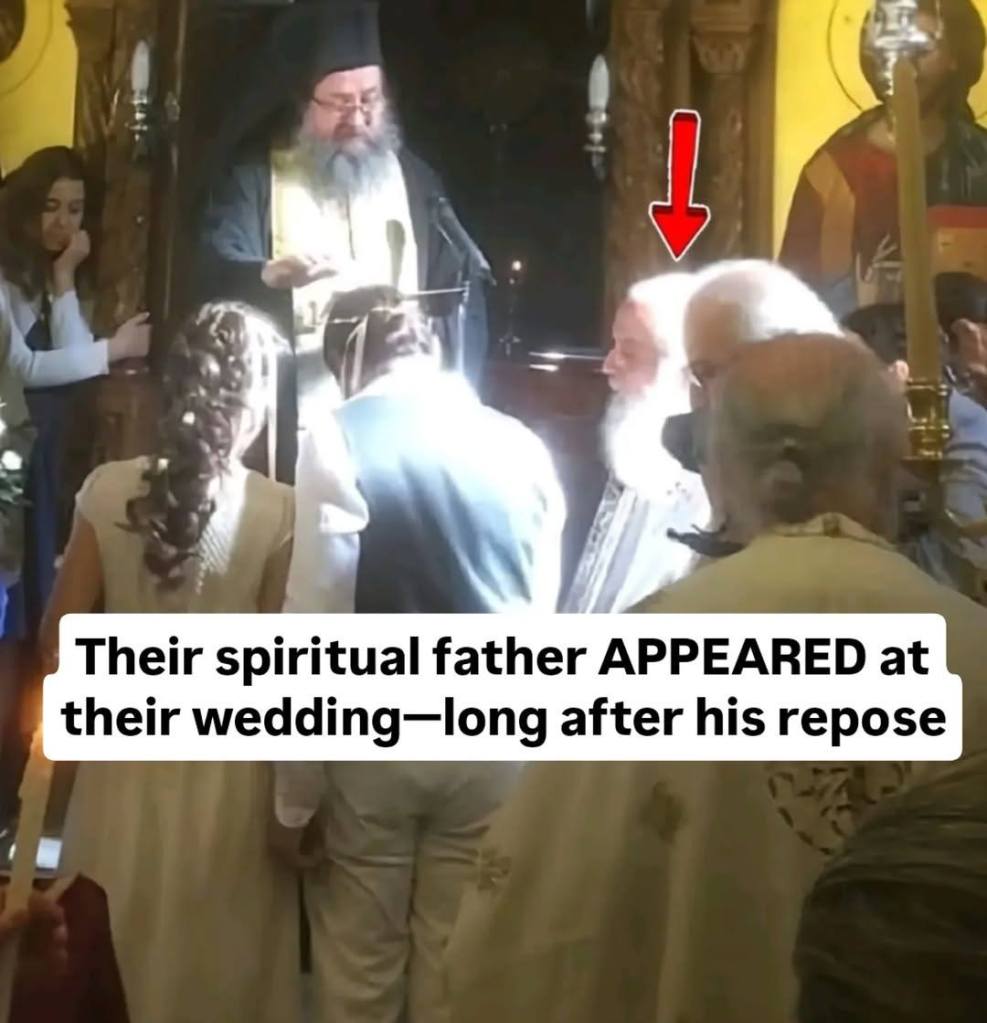
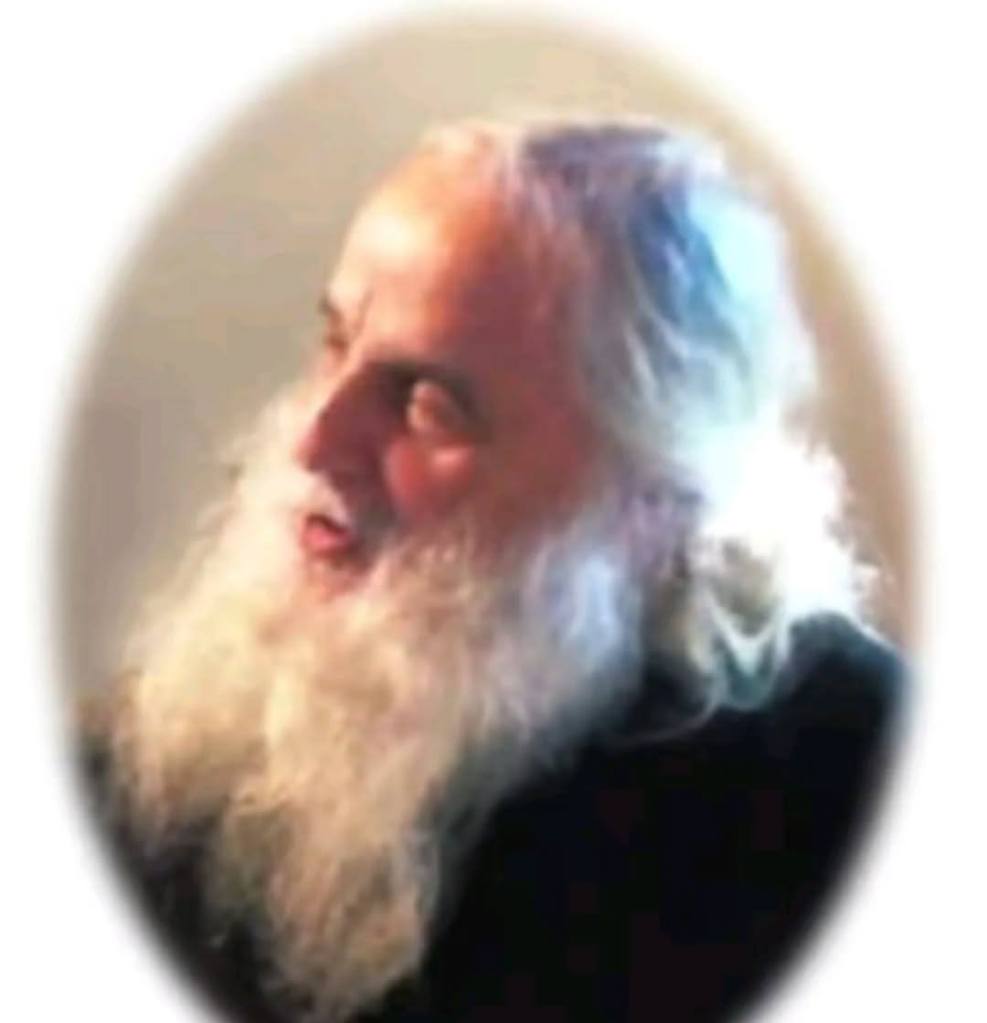

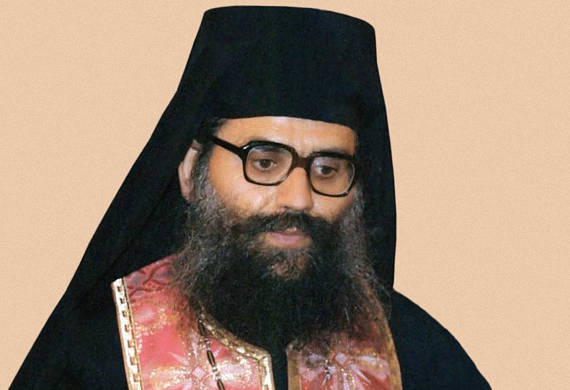
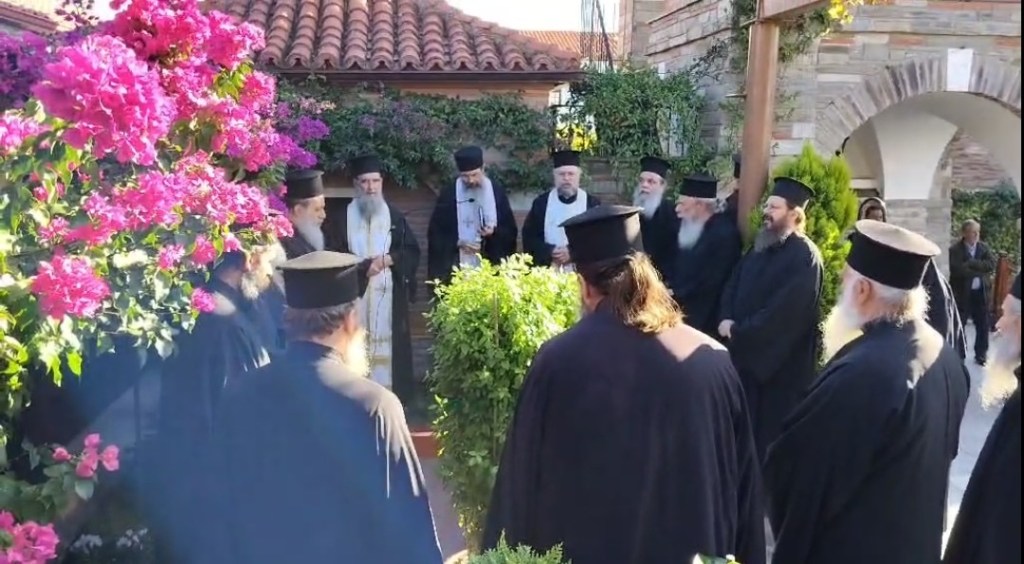
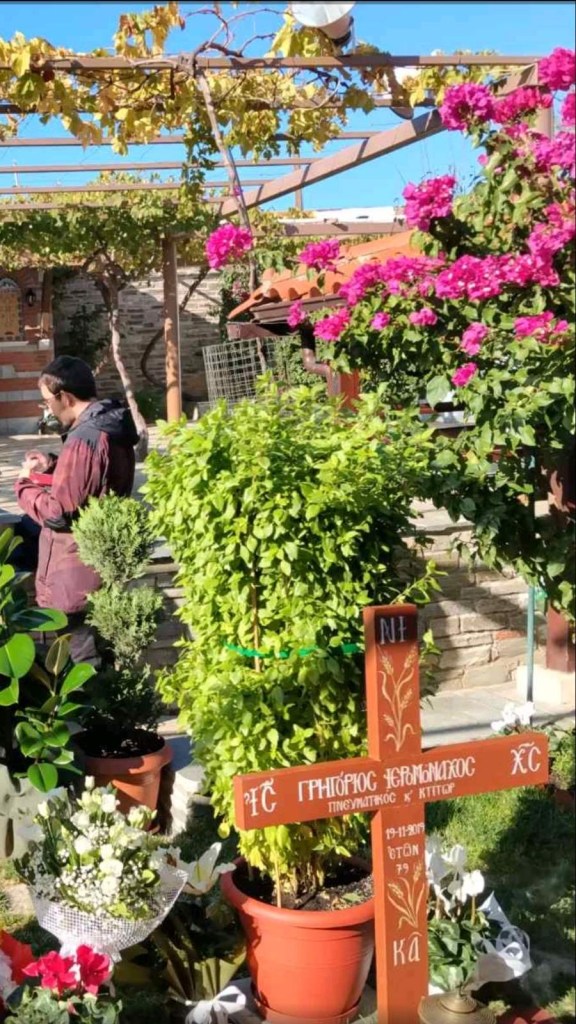

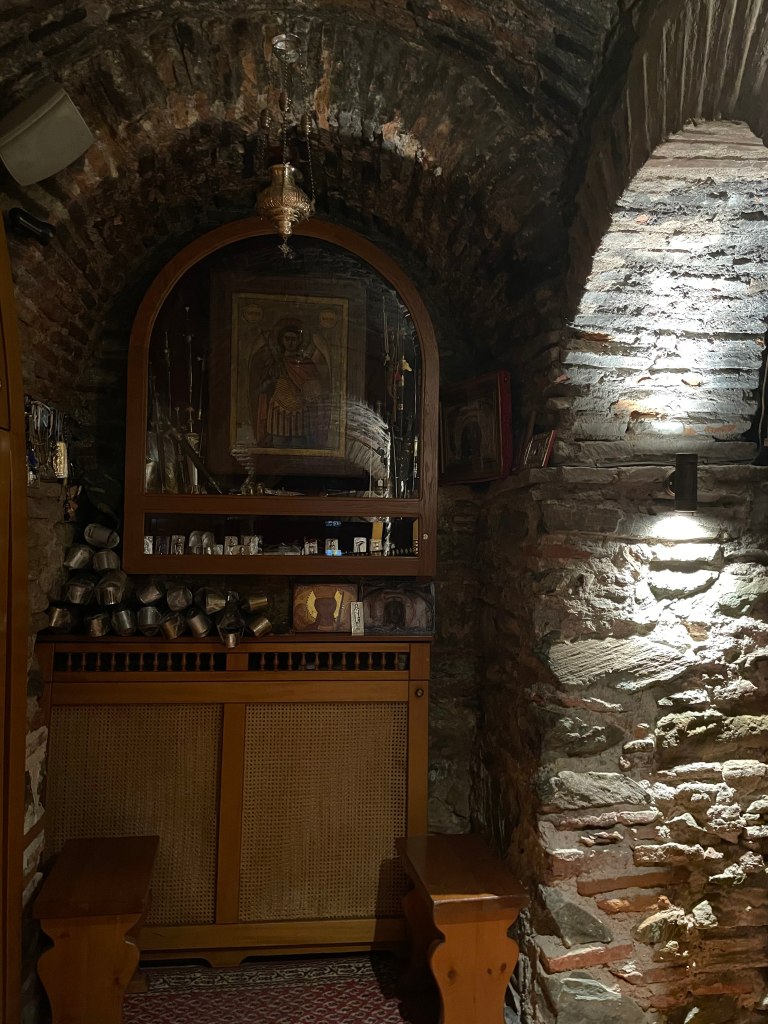
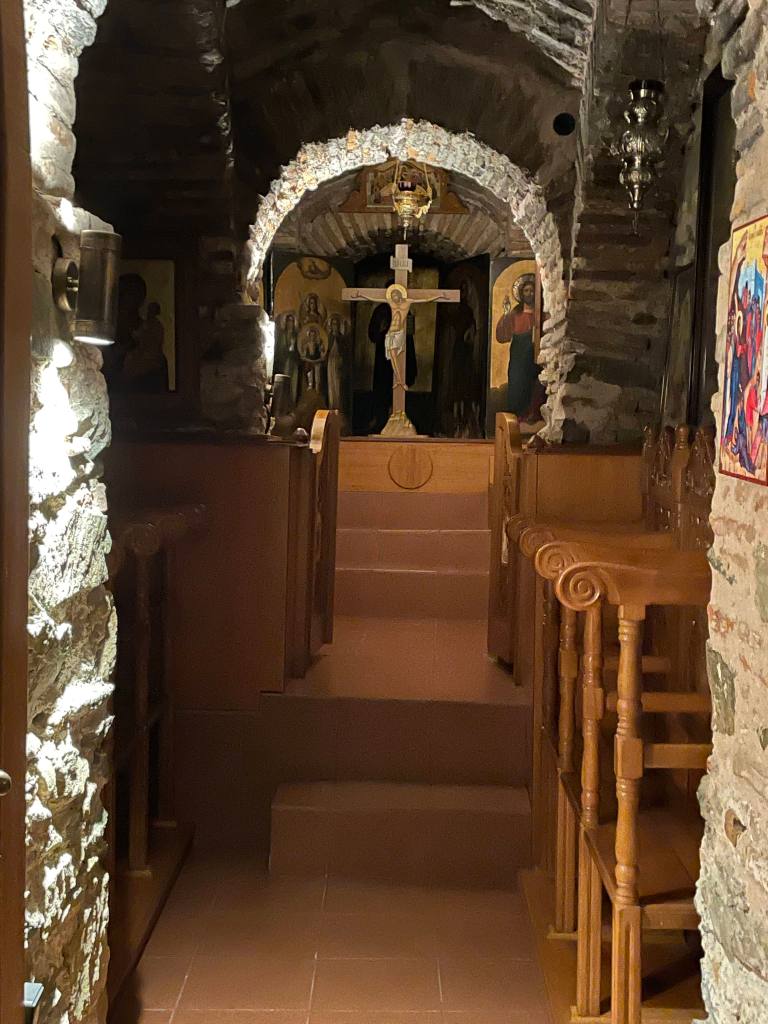
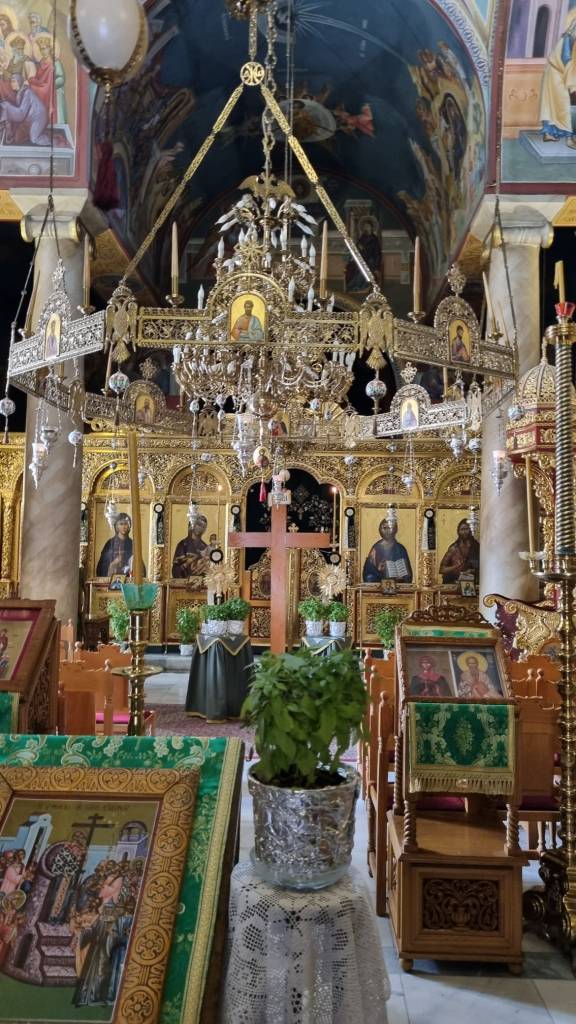

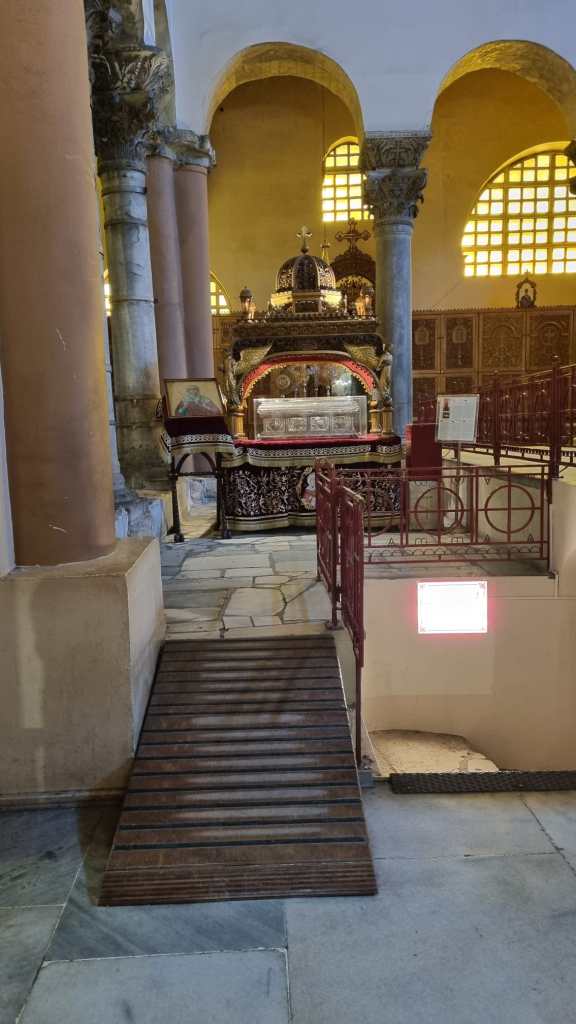
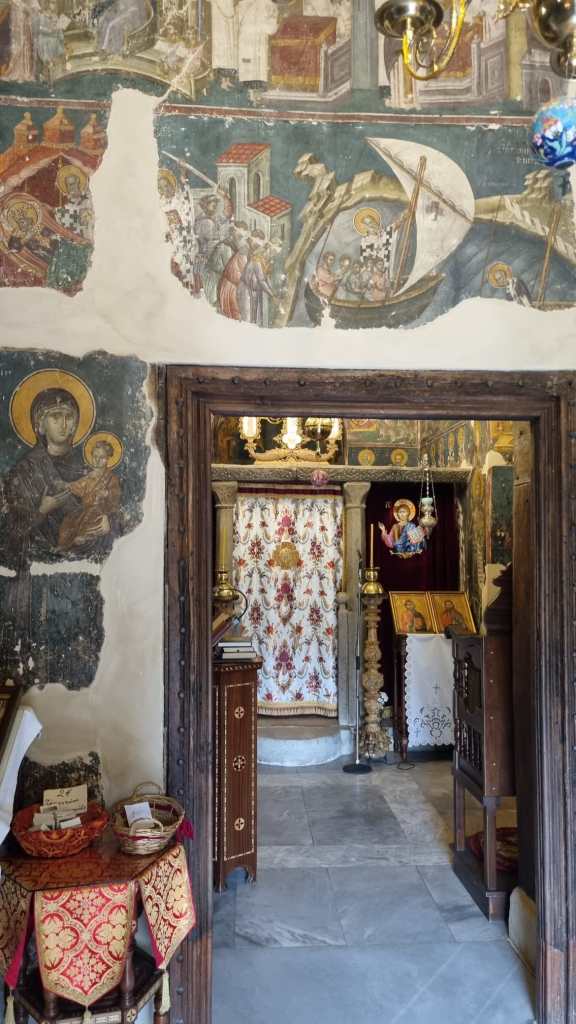
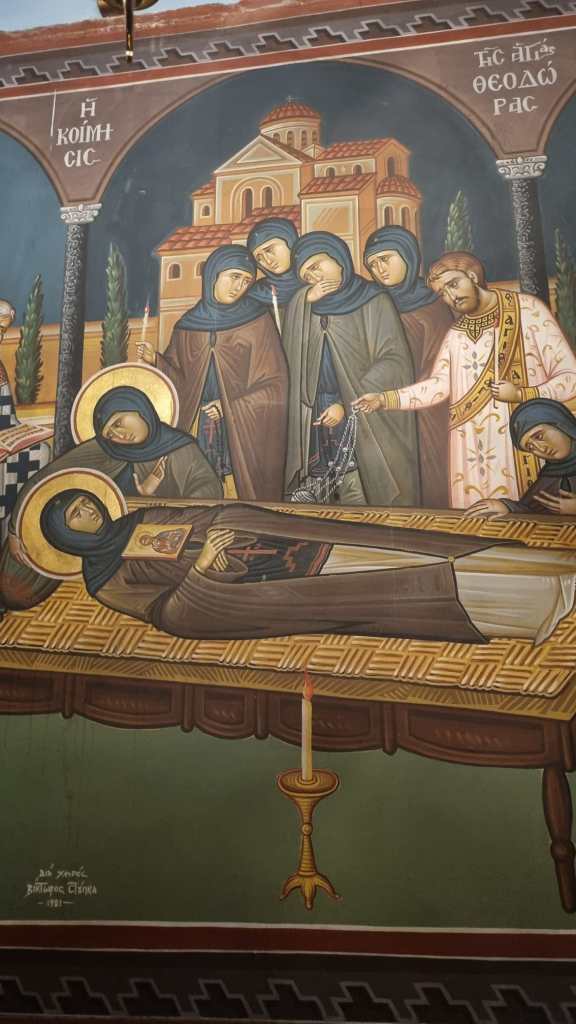
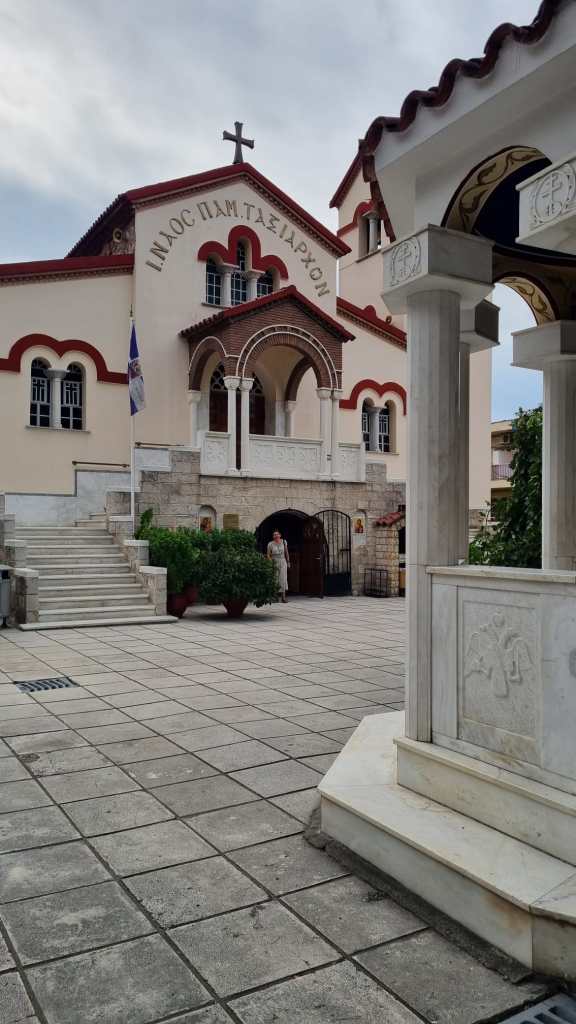

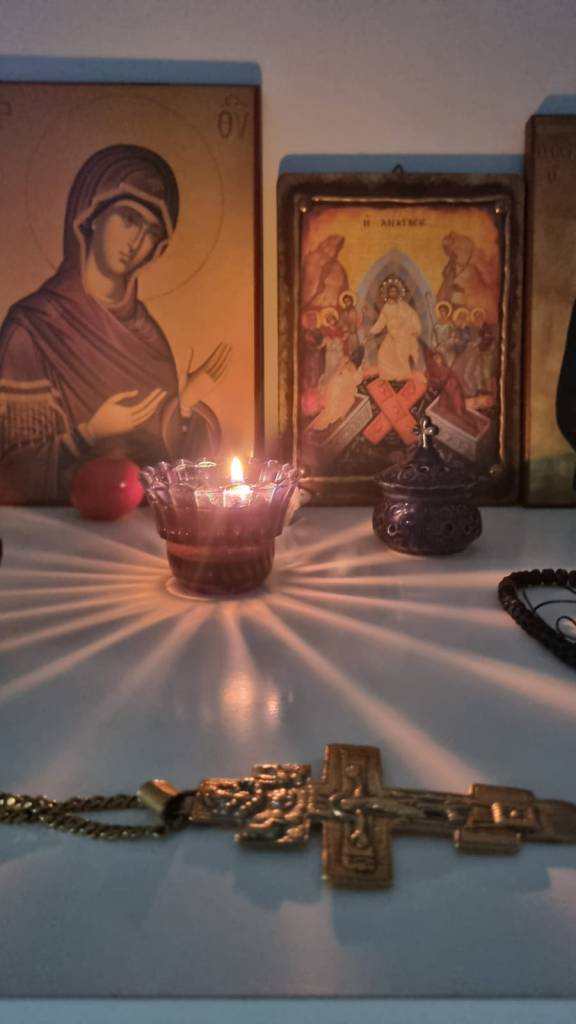

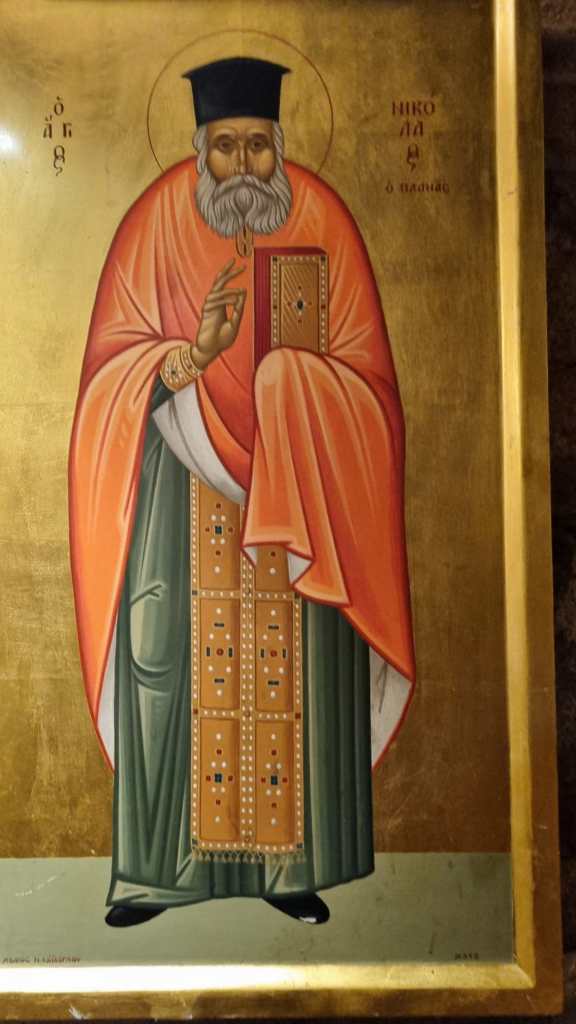
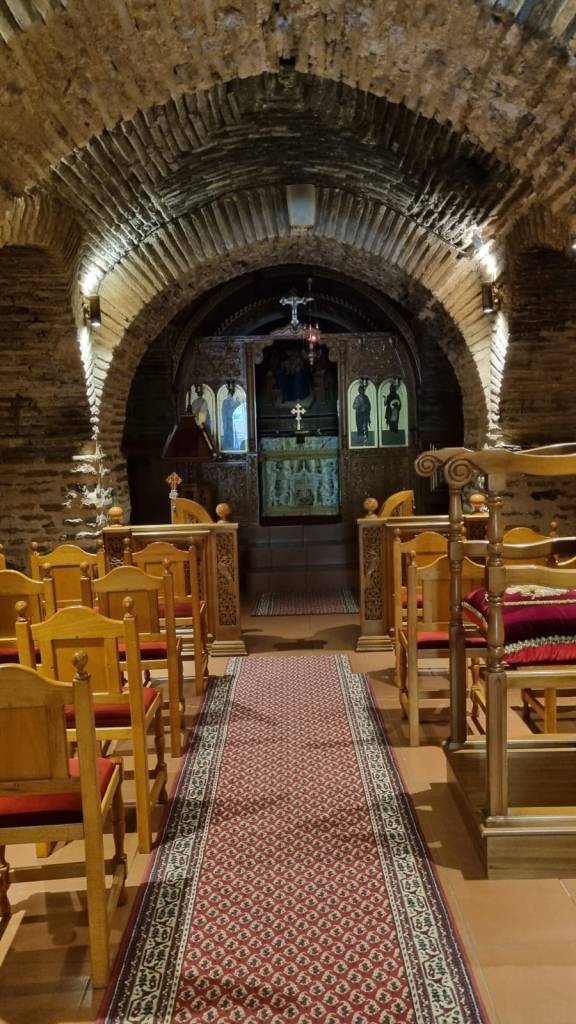
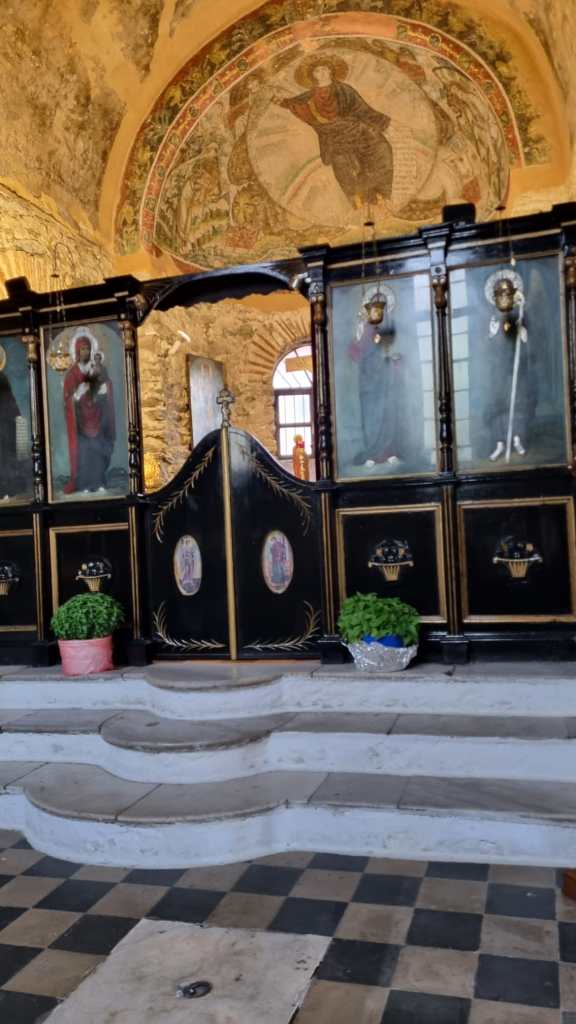
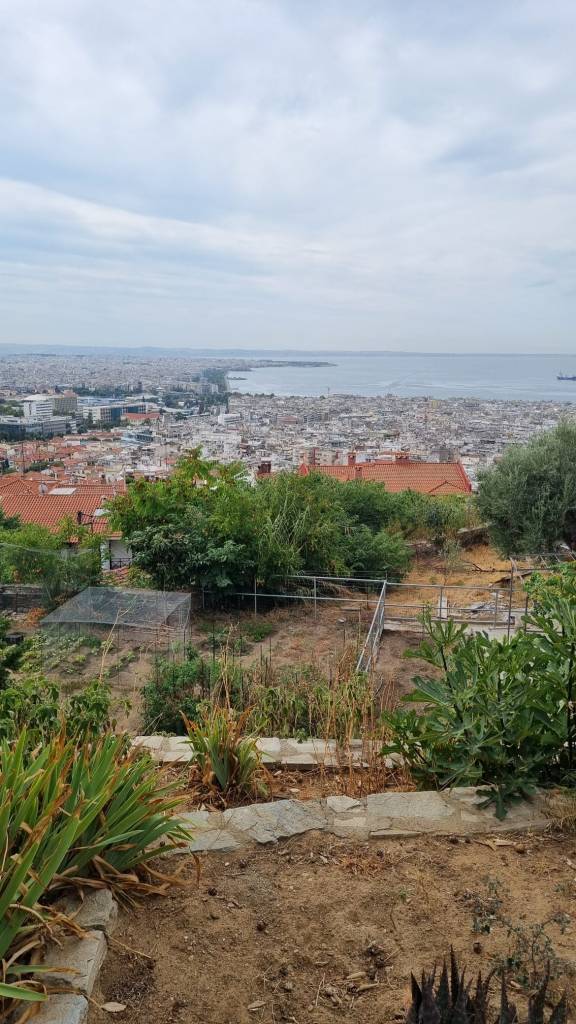
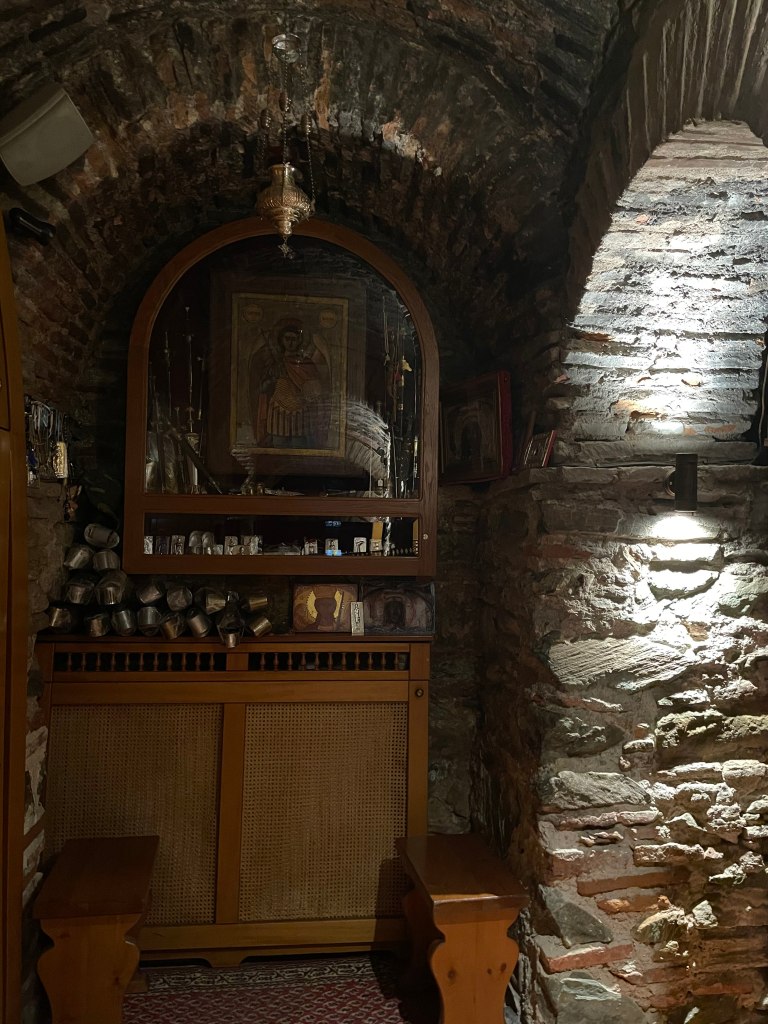
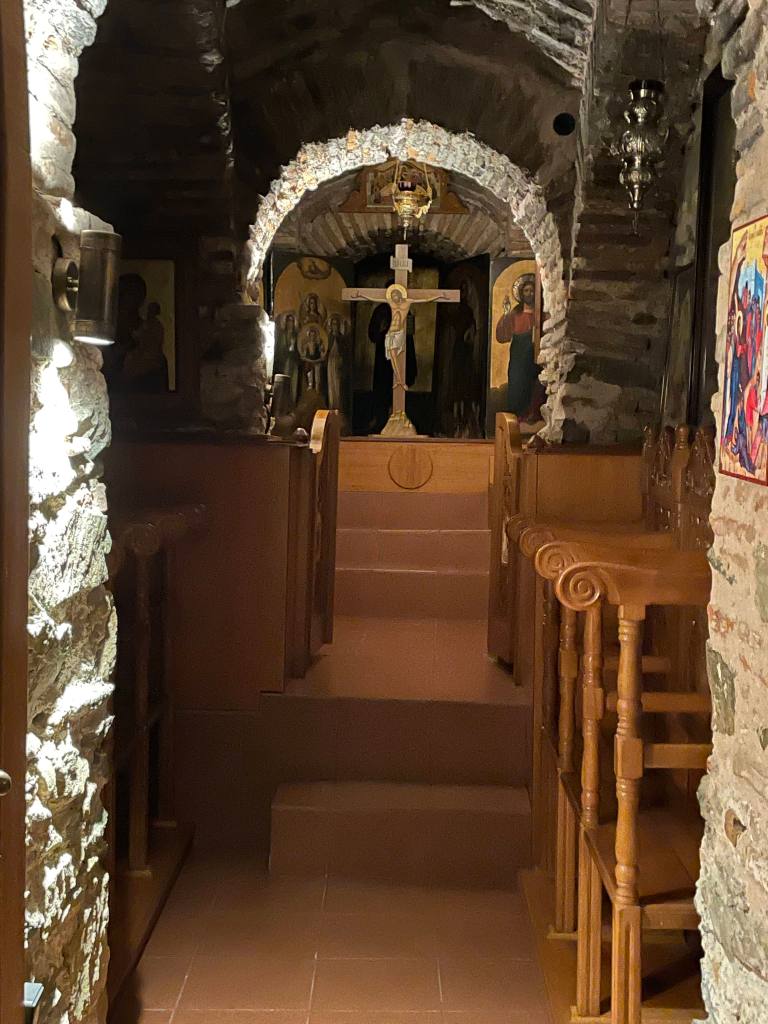

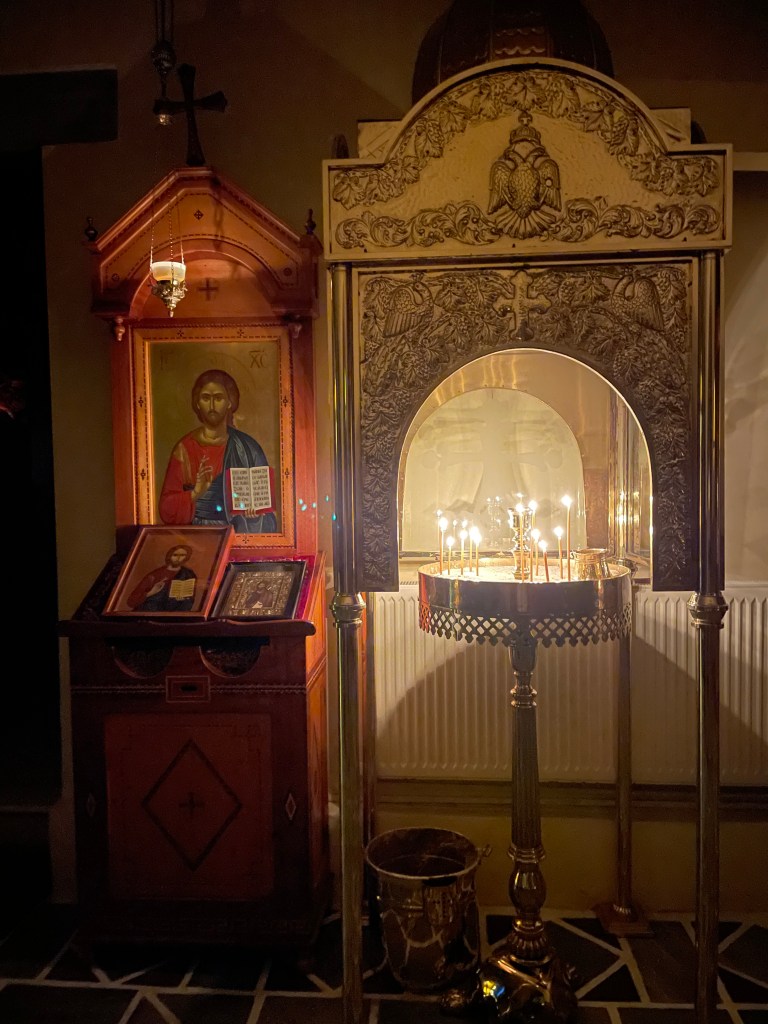
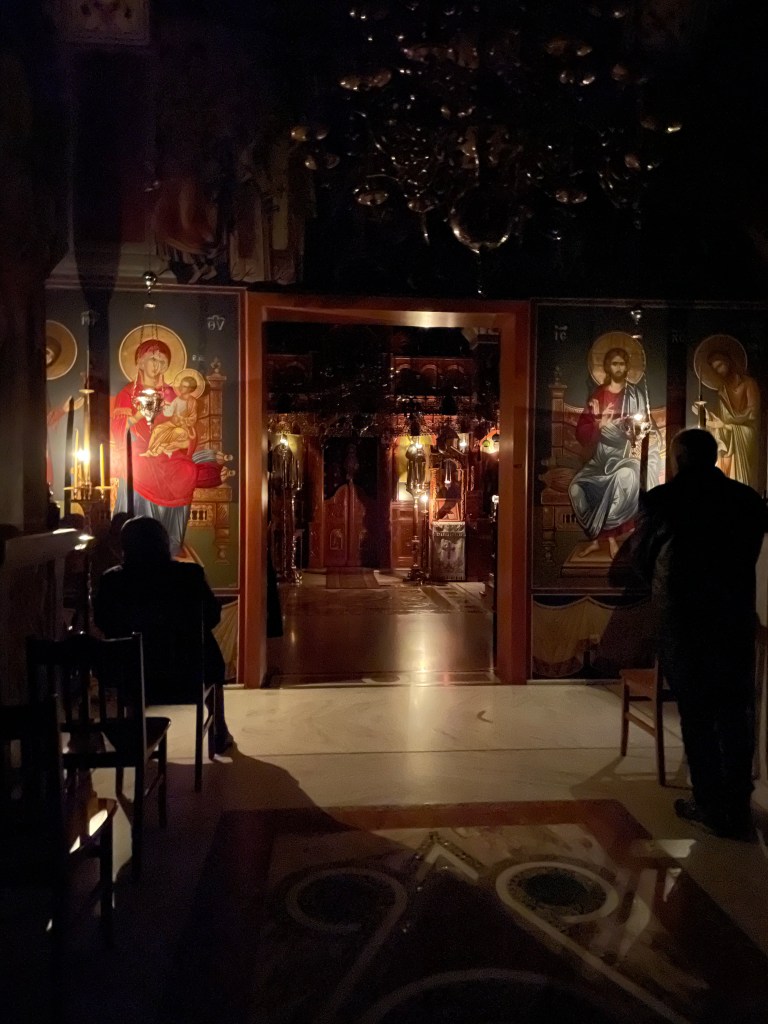
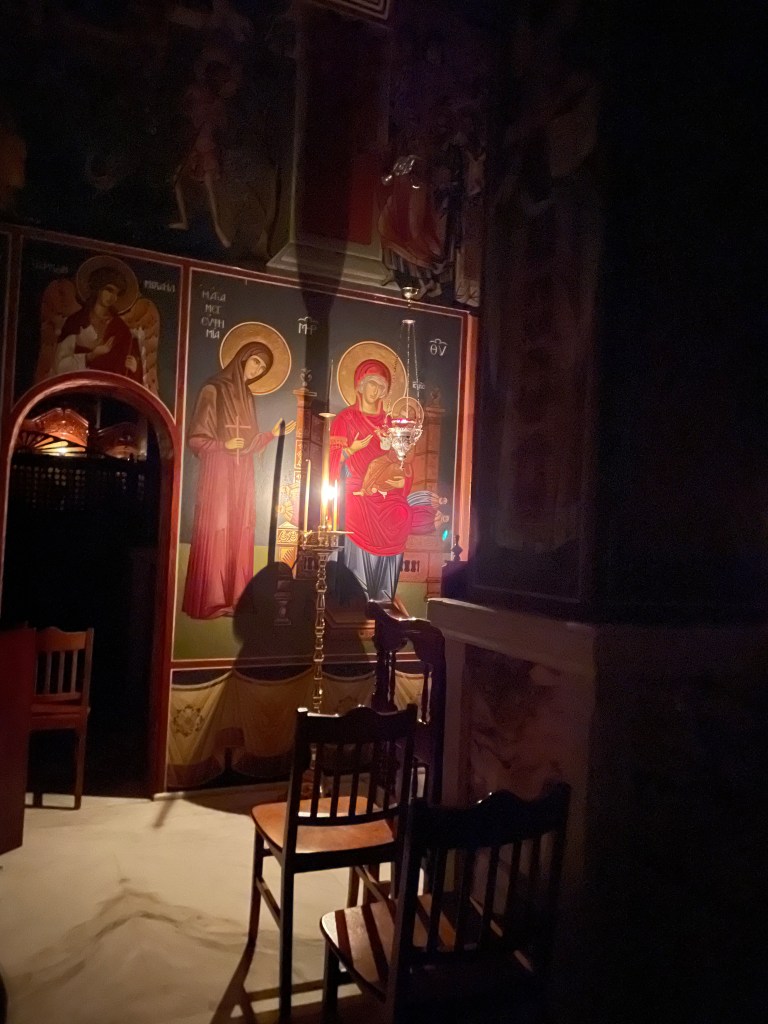
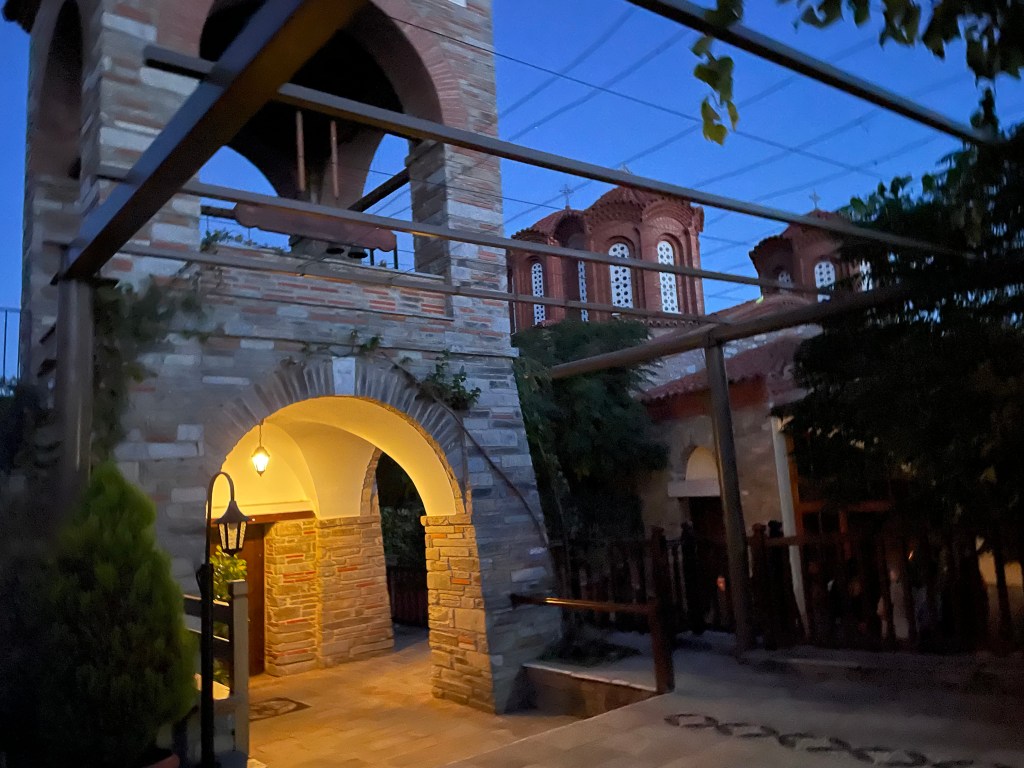


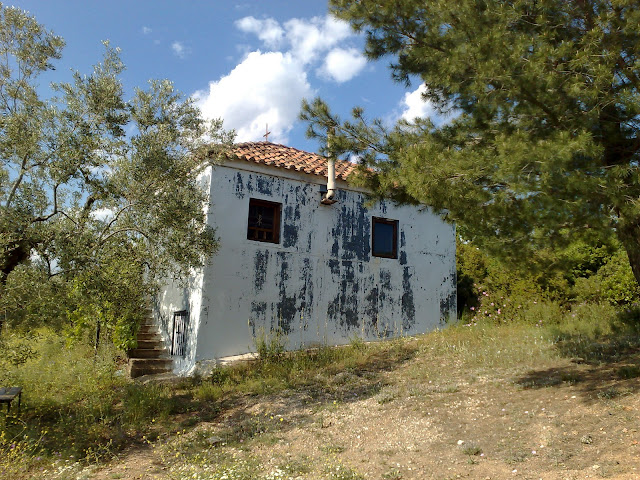
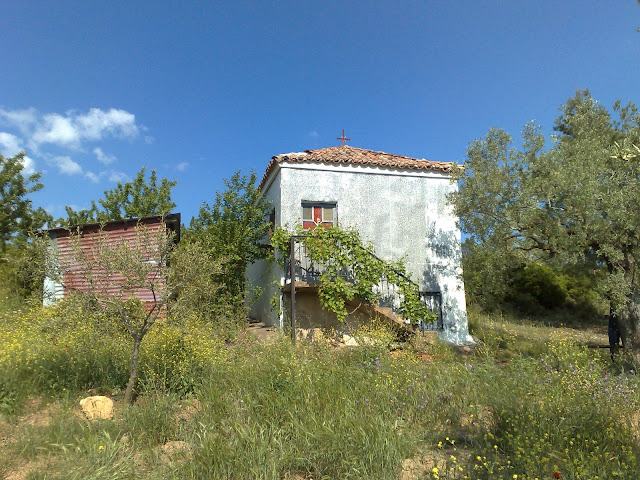

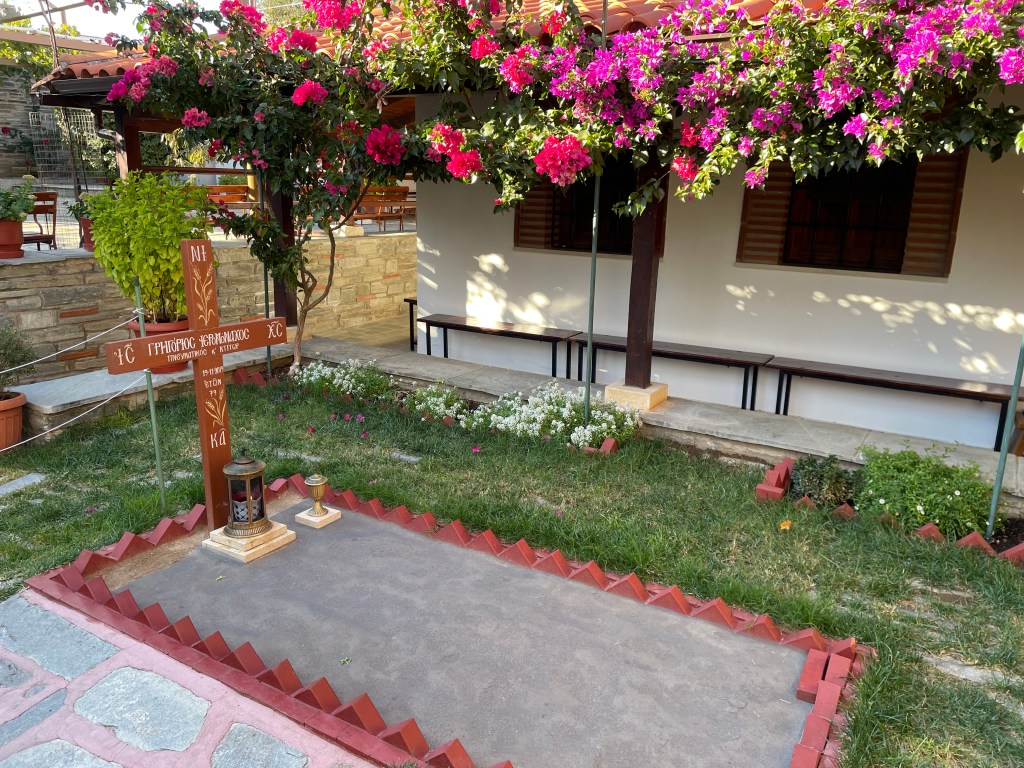
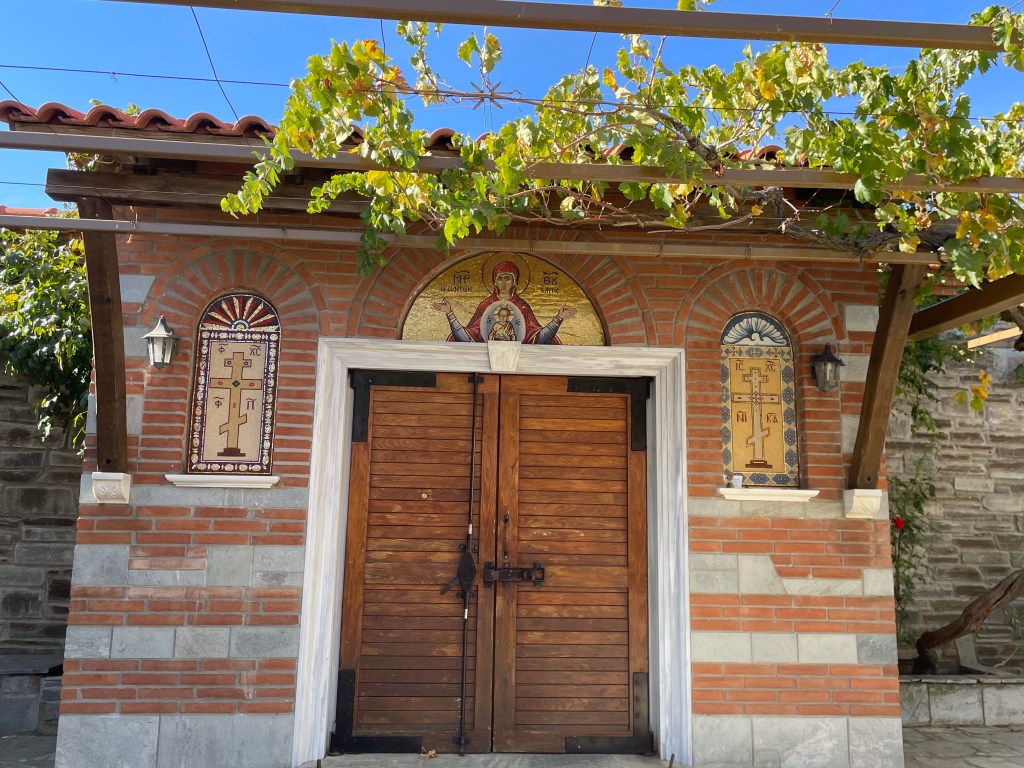
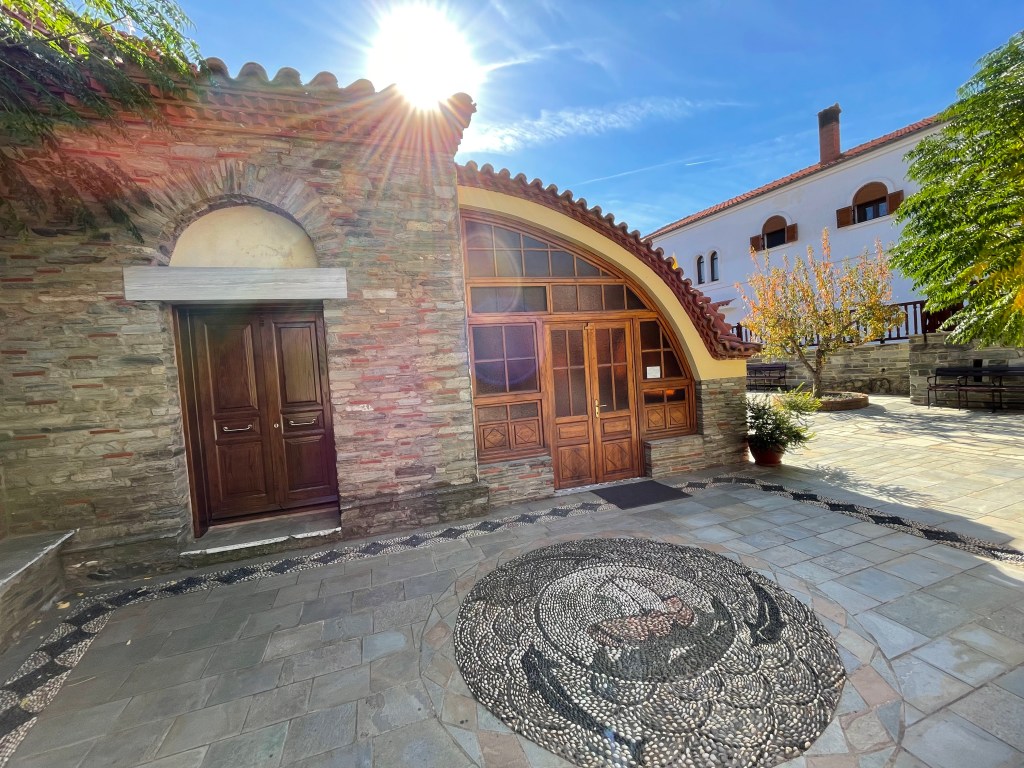
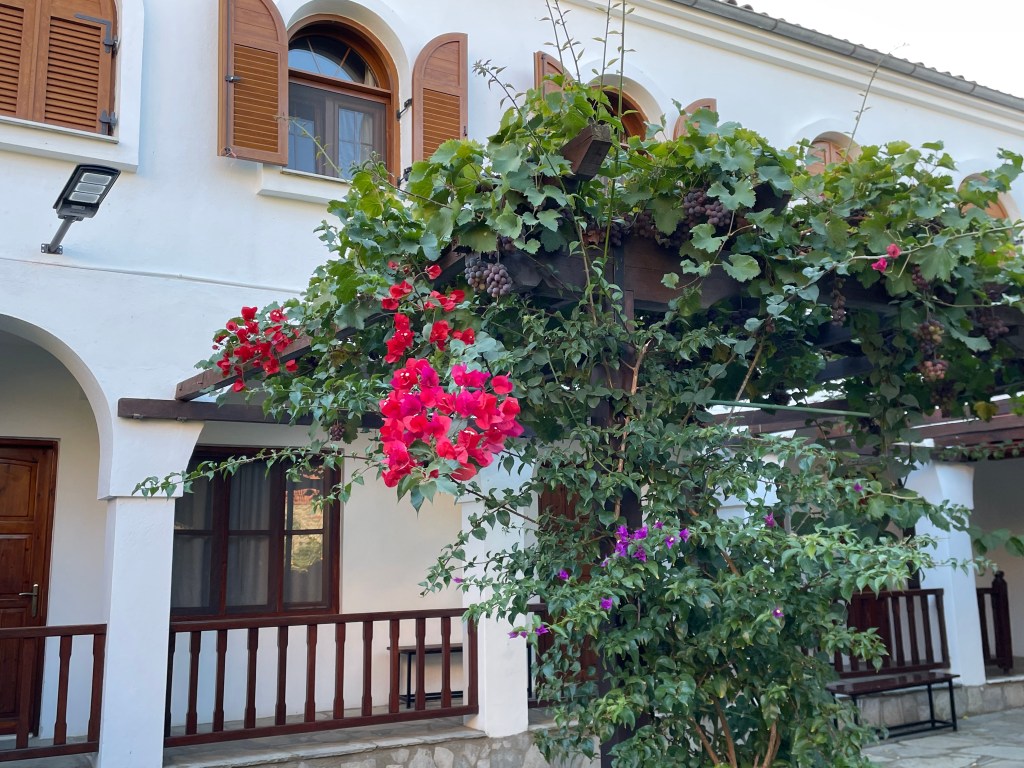
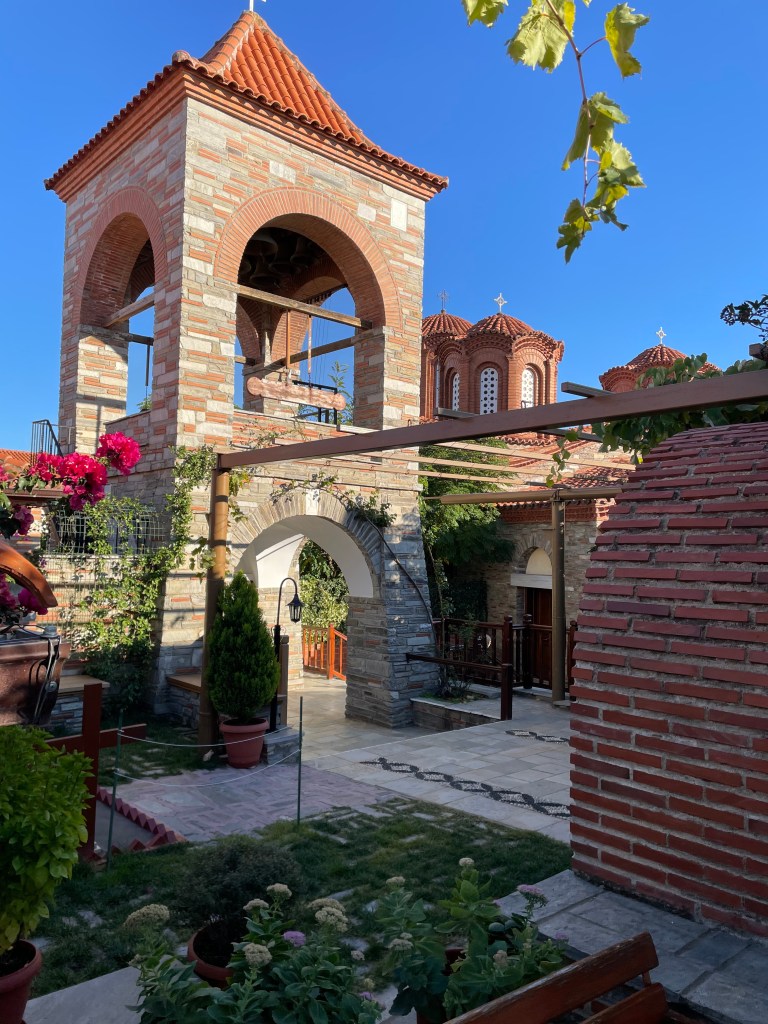
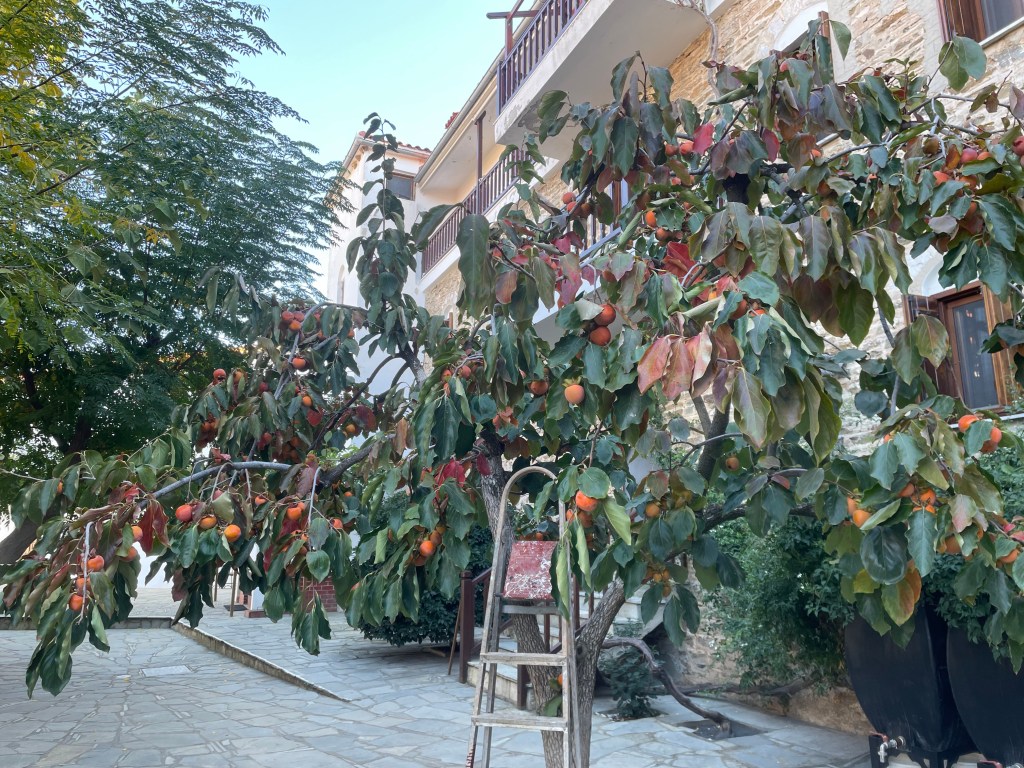
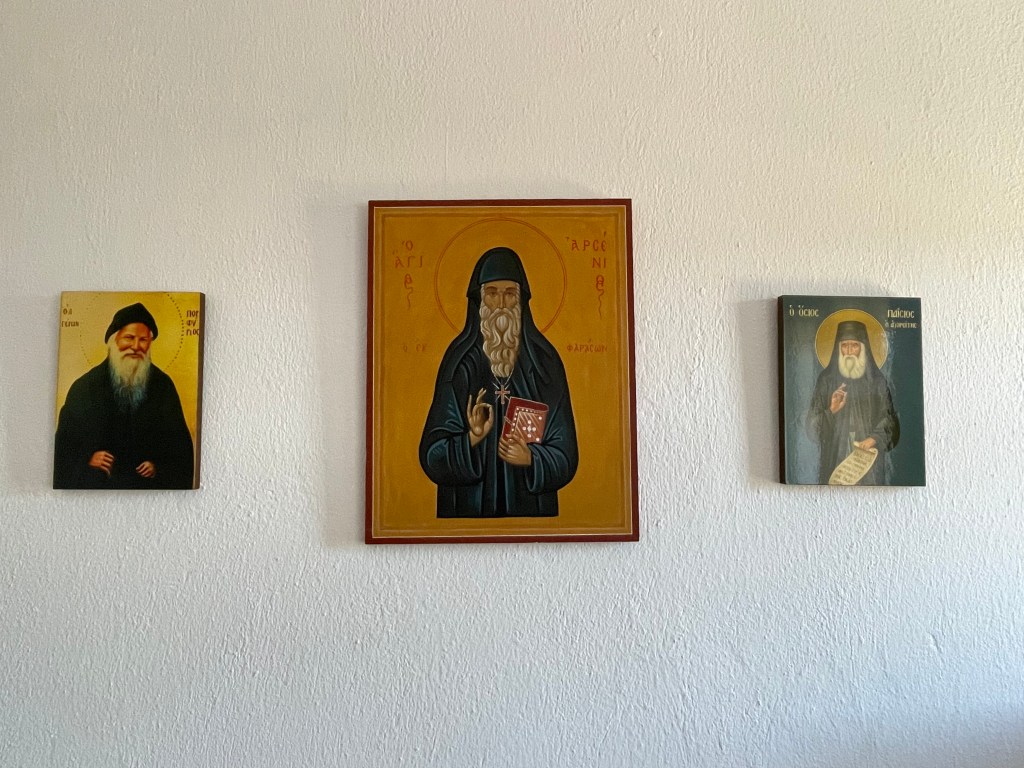
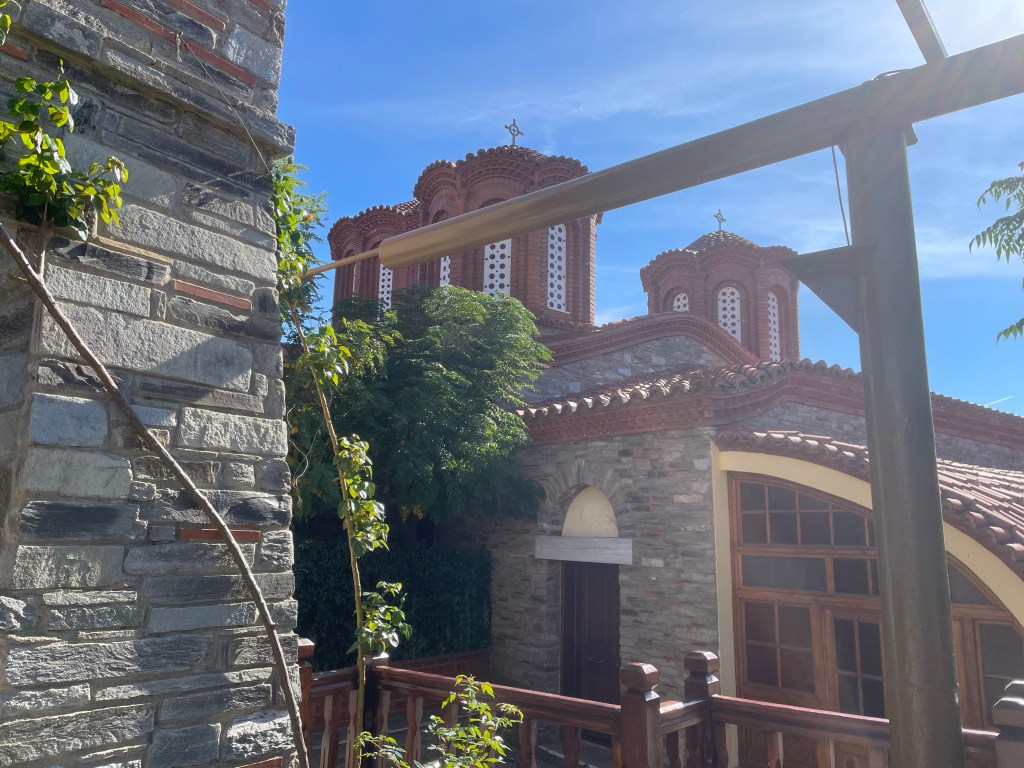
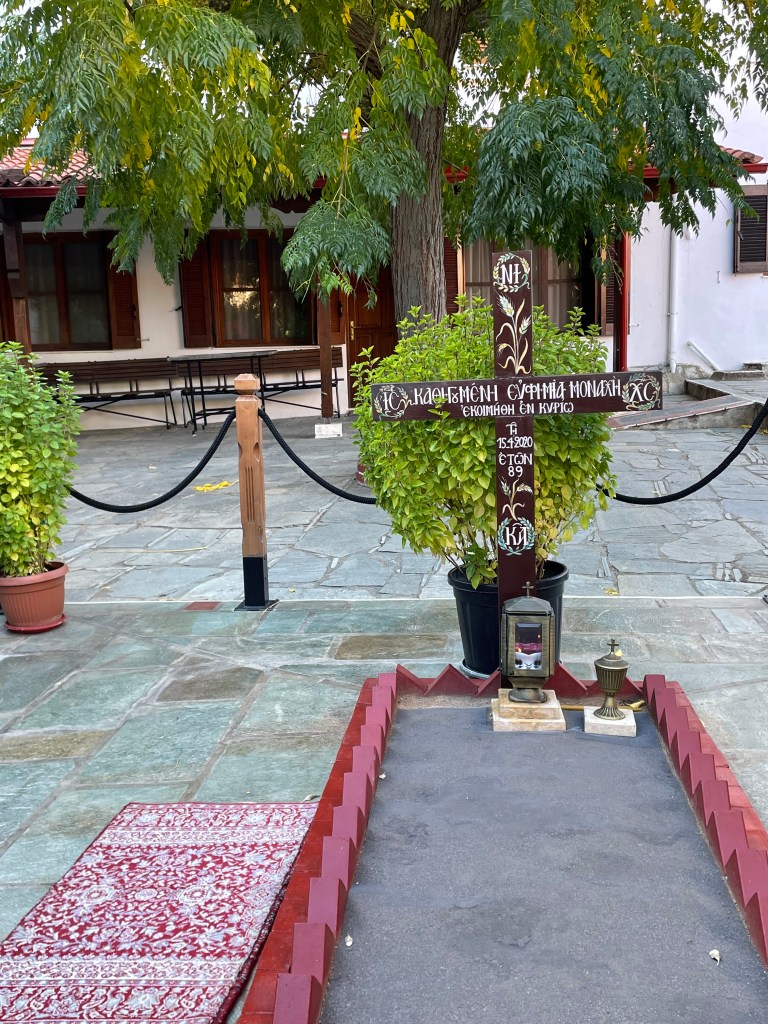


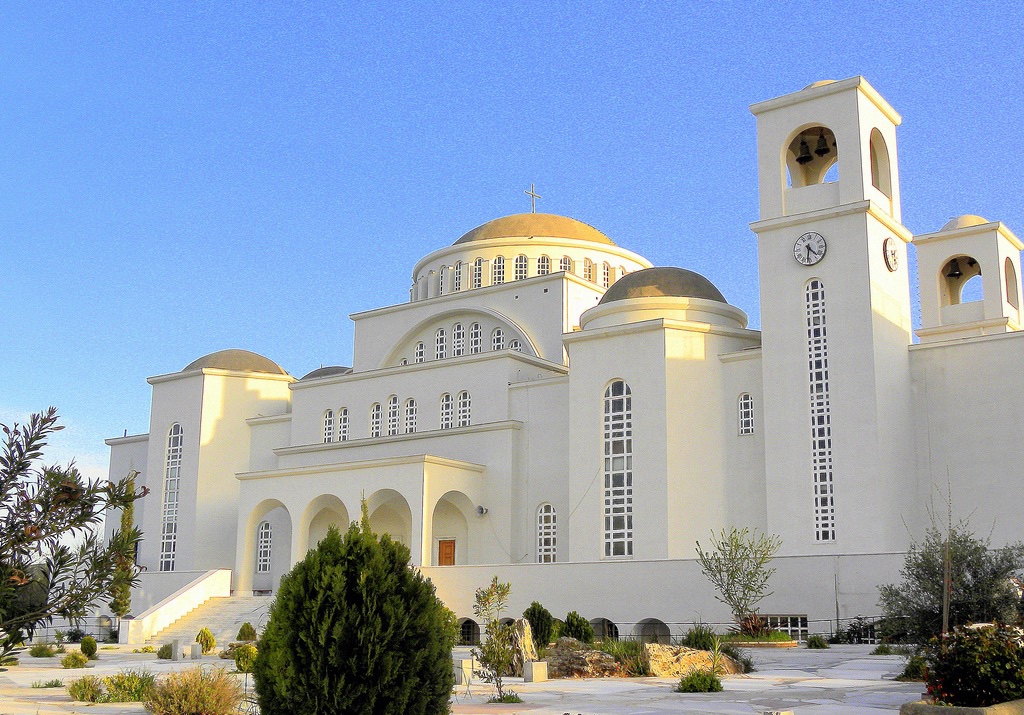
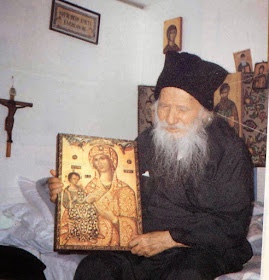

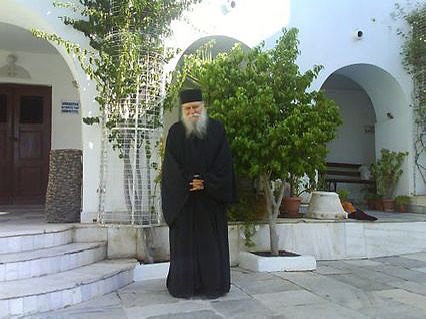
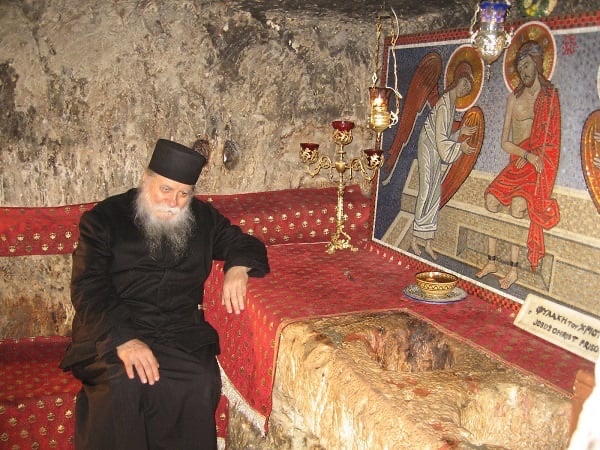
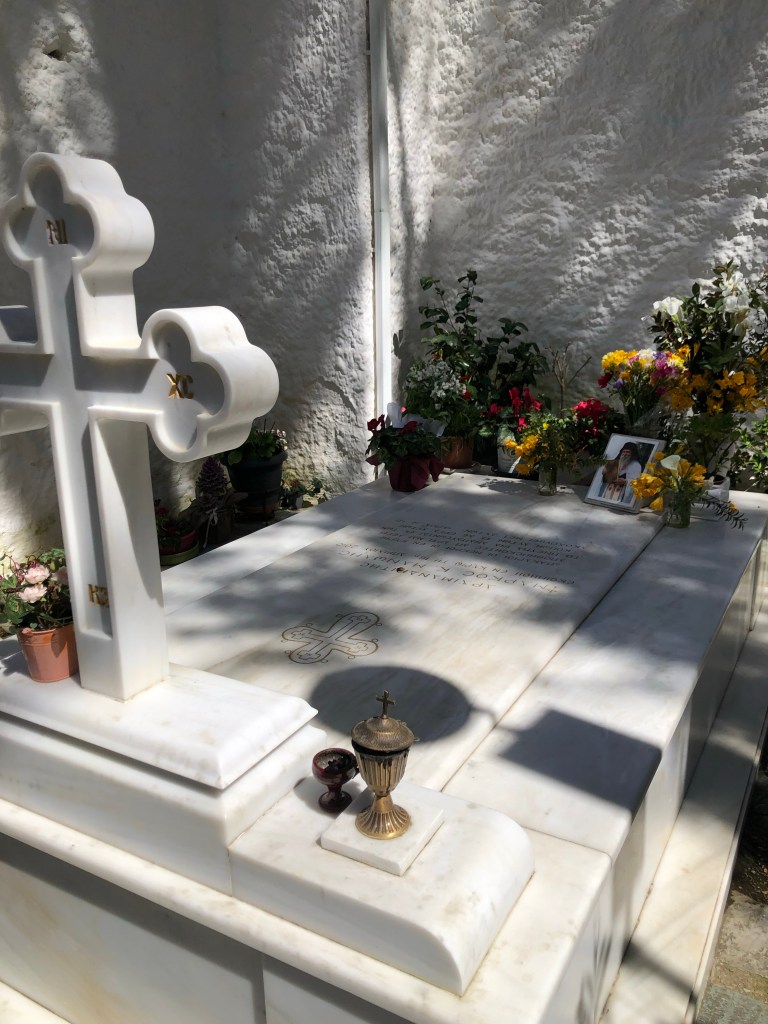

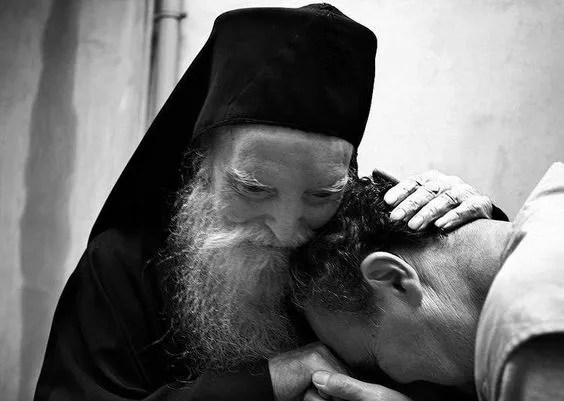


 ORTHODOX CHRISTIAN FAITH AND LIFE