The Easter of Saint Demetrios

This year, I had the privilege to attend Saint Demetrios “Holy Week” in his church in Thessaloniki. The services here are very different from the ones all over the world; they are unique. Listen to a few recordings from this year’s Easter Vigil of Saint Demetrios in his church and further down, have a look at a few hymns from the Holy Week of St. Demetrios.
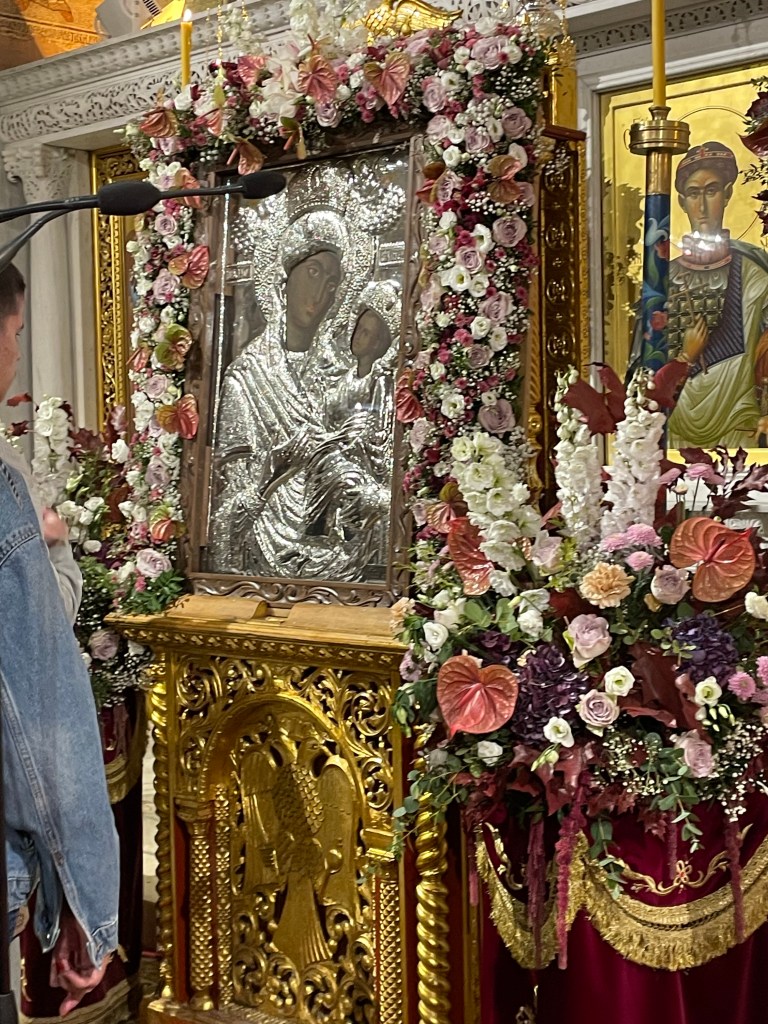
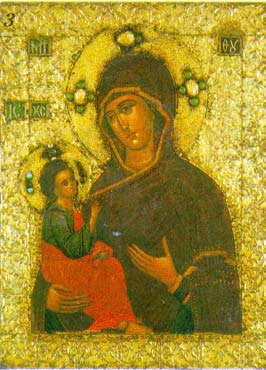
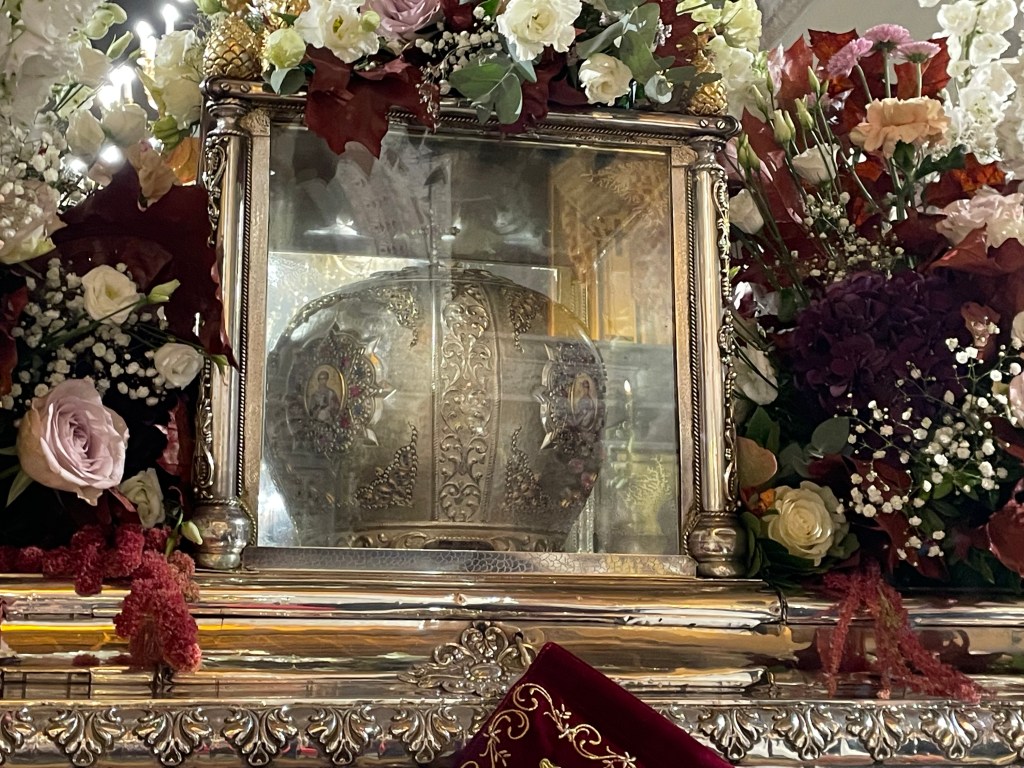
St Demetrios and Panagia Faneromeni 🙏 The Panagia Faneromeni icon, from the the island of Evia has arrived as part of the extended celebrations of Thessaloniki’s patron, St. Demetrios the Great Martyr and Myrrh-streamer, whose feast falls on October 26, 2024. Every year, a different miraculous icon of the Theotokos arrives.

The love and devotion towards St. Demetrios the Great Martyr and Myrrh-streamer from the Orthodox faithful of Thessaloniki is truly immense. Though to some it may seem a bit extreme, St. Demetrios has worked countless wonders both for the city of Thessaloniki, and for all the Orthodox faithful throughout the world. In praise of Christ Who strengthened him in his martyrdom, and in honour and thanksgiving to this great Wonderworker, various hymnographers have composed hymns beyond those of the standard Menaia in praise of St. Demetrios.

Many of these hymns comprise the so-called “Holy Week of St. Demetrios”. This is a collection of pre-festal hymns from various sources in honour of the Saint, and are generally modelled after and grouped correspondingly to the days of Holy Week (i.e. the Passion and Resurrection of Christ). Thus, they begin on October 19th (“Palm Sunday”) and proceed to the feast of St. Demetrios on October 26th (“Pascha”). Many of the hymns have been written by St. Symeon of Thessaloniki (+1429), so we can see how this is an old and established tradition of this local Orthodox Church.

What a paradox! What a marvel! The thrice-blessed Demetrios is pierced by a lance for the sake of Christ….

The martyrdom of the Saint is compared to the passion of Christ. We even find this in the hymnography of the Menaion. In the Doxastikon, for example, of the Stichera of Vespers, we chant: “Rejoice, you who were pierced in your members, your blessed passion is spiritually reenacted for us like Christ;” and in the Doxastikon of the Liti, we chant: “Your undefiled side, was pierced all-revered one, imitating the One who was pierced on the wood.” Saint Symeon of Thessaloniki in the 14th century wrote of the feast of Saint Demetrios: “This bright day is an image of the resurrection of the Saviour.” Saint Philotheos Kokkinos calls the martyrdom of Saint Demetrios: “An imitation of Christ (“Christomimito”).

Professor John Foundoulis is primarily responsible for the modern revival of the special liturgical honour of Saint Demetrios, with the publication of the services in The Holy Week of Saint Demetrios. On the basis of two 15th century codices, originating from Thessaloniki, but also from other manuscripts, he reconstructed the order and content of the pre-festal services of the seven days that precede the feast of Saint Demetrios. Of course, the days of the “Holy Week of Saint Demetrios” are not the same as the days of the same name in the calendar. For example, Holy Monday of the Holy Week of Saint Demetrios is always October 20th, regardless of which day the current year’s calendar shows, and October 26th is Easter Sunday, even if the calendar shows Thursday, as this year’s feast.
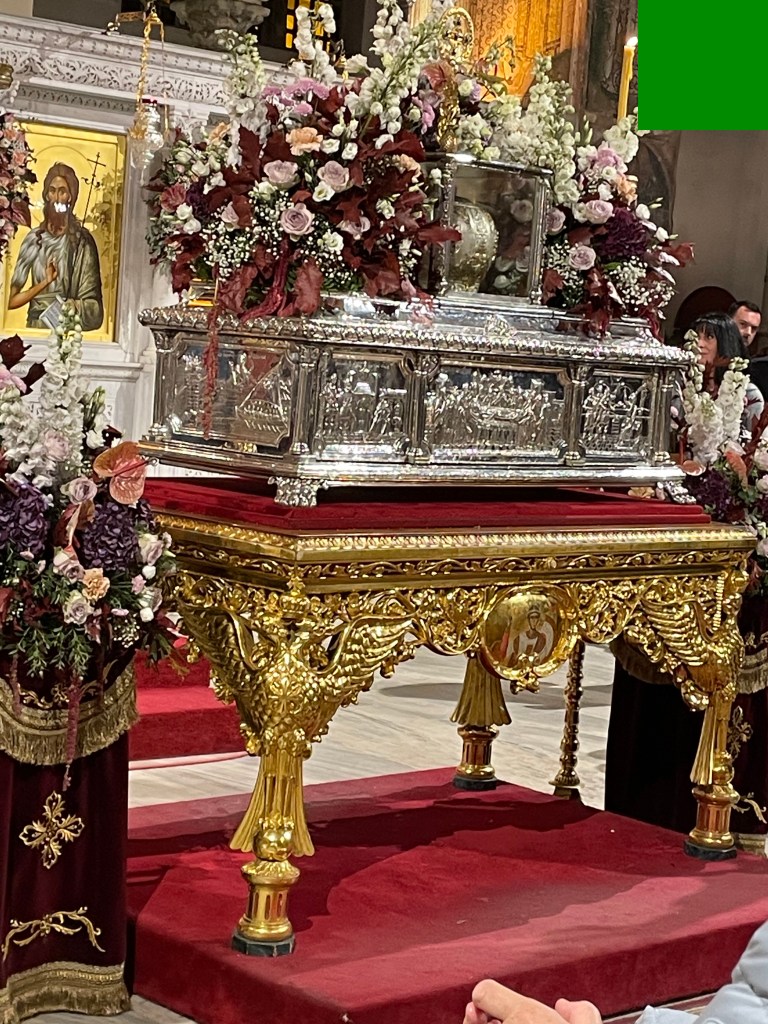
This predominance of Easter and the other days of Holy Week in the services of Saint Demetrios, I have found profoundly moving. But what made the most lasting impression on me was the vigil for his feast: St. Demetrius “Easter Sunday”.

Like Easter Sunday, the priests begin with a procession, carrying the Saint’s icon all around the church, proceeded with a Gospel reading in front of the Royal Doors, and a variation of the well-known melody of “Christ is Risen” is chanted lots of times, with words adapted to St. Demetrios’ martyrdom, while bells are ringing. Easter Matins follow, where the canon of the Saint is chanted, based, in melody and verses, on St. John Damascene’s Paschal Canon.

What follows are some recordings from the vigil, and if any of my readers want more recordings, please do not hesitate to contact me.

Apolytikion of St Demetrios

Great have you been found/ / in time of peril/ a great champion/ For all the world/ As you emerged the victor in routing the barbarians/ For as you brought to naught the boasts of Lyaios/ imparting courage to Nestor in the stadium/ in like manner, holy, great Martyr Demetrios/ invoke Christ God for us/ that He may grant us His great mercy.he side of the Savior, which was fearsomely pierced, made passage for the noble and godly-wise thief.he side of the Savior, which was fearsomely pierced, made passage for the noble and godly-wise thief.

St. Dimitrios Resurrection Bells and procession of his icon

St. Demetrios ‘Christ is Risen’ variation–“Χριστού την δόξαν μαρτυρεί/ πηγάζων εκ πλευράς τα μύρα/ ο μάρτυς Δημήτριος ˙/ αυτόν μεγαλύνομεν». “St Demetrios bears testimony to Christ’s Glory/ gushing myrrh at his side/ him do we glorify”

“Easter” Matins canon for St Demetrios —
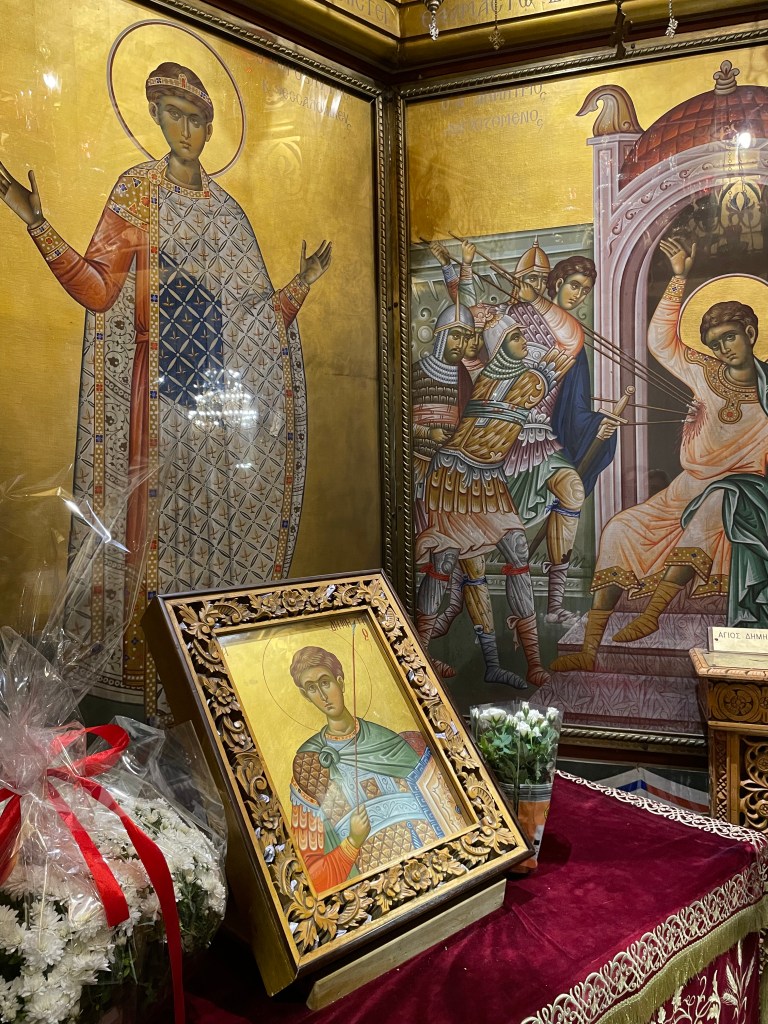
The full services for the Holy Week of St. Demetrios (in Greek) are available online here: http://analogion.com/forum/showthread.php?t=14355. Below are a few hymns from the Holy Week of St. Demetrios. They are beautiful, compunctionate and theological works by two Fathers of our Church, in praise of such a great role model and servant of Christ, St. Demetrios. May he intercede for us all, and heal us of the passions of body and soul!

The Holy Week Services of St. Demetrios the Myrrh-streamer

Doxastikon of the Praises in the Plagal of the Second Tone
(of Palm Sunday of St. Demetrios)

By St. Symeon of Thessaloniki

Before the days of his passion, the champion being in prison, the holy Nestor approached him and said to him: “O glorious one, how will I be able to conquer the terrible Lyaios?” He encouraged him, saying: “Go to that stadium, and you will find me fighting with you, interceding for you to the Lord, and make the sign of the cross, and in the midst of the battle cry: O God of Demetrios help me! And you will defeat him.

Kontakion in the Plagal of the Fourth Tone
(of Holy Monday of St. Demetrios)

As a second Jacob, you wrestled with your enemy, and as the chaste Joseph who ruled over the passions, we honour you, O martyr, for you were not a slave to sin or to error, and you, O blessed one Demetrios, received grace for your struggle and an incorruptible crown.

Kontakion in the Second Tone
(of Holy Tuesday of St. Demetrios)

Your nous trampled upon the enemies, and you dissolved all of their deceits; you were granted victory from above, O most-praised Martyrs, and cry out together: ‘How good and pleasant it is to be numbered with Christ’.

Oikos

In the heavens, O Christ, dwell Demetrios and Nestor, and they are arrayed by you in divine light. Hasten speedily to me, who walk in the darkness of ignorance, to heal the passions, O only Immortal One, and grant me the garment of incorruption, that being arrayed in white, I might praise their light-bearing feast, and cry to You, O Lord: How good and pleasant it is to be numbered with Christ.

Kontakion in the Fourth Tone
(for the Holy Wednesday of St. Demetrios)

By St. Romanos the Melodist

Victory-bearing champion of the Immortal Master, mighty soldier of the King of Glory, O Demetrios, we the faithful praise you, saying: You have done well, to grant life everlasting.

Oikos

Which should I hymn, O martyr Demetrios? Your pre-struggles? Your struggles? Your post-struggles? All three I am compelled to praise. First, your pure way of life, second, your struggles, third, your many miracles which you have worked and continue to work from your tomb. Therefore, each of the faithful approaches your living relic in faith, reaping as from Paradise, life everlasting.

Doxastikon of the Stichera in the Eight Tones
(of Holy Friday of St. Demetrios)

First Tone

Our thrice-perfect protector, O greatly-glorified Demetrios, the abyss of martyrdoms, the unfading flower, the fragrant apple, the vine which brings the fruit of the various graces of the Spirit,

Second Tone

Your name is wondrous through all the earth, for the grandeur of your miracles has reached the heavens above.

Third Tone

I sing to you at this time with the instrument of David, for you imitated the God-man Word of the all-exalted Father, as His close servant.

Fourth Tone

For though you did not ascend the cross, your most clean body was pierced, and was shown forth as consumed.

Plagal of the First Tone

And now we praise your precious passion, for though formerly Eden was guarded by the fiery sword,

Plagal of the Second Tone

The side of the Saviour, which was fearsomely pierced, made passage for the noble and godly-wise thief.

Grave Tone

Because of thus, your name is wondrous through all the earth, and the greatness of your glory is magnified from the ends of the world.

Plagal of the Fourth Tone

Therefore, protecting your mother land, you look upon the Thessalonians, and they are sheltered by you from all types of continuous trials.

Kontakion in the Second Tone
(for the Holy Saturday of St. Demetrios)

By St. Symeon of Thessaloniki

Desiring Christ, the incorrupt and living, you were run through with spears and killed, and thrown in a well, and were not buried, not being granted your holy tomb. You poured forth myrrh, and grant grace to those who cry out: This is the body of the all-pure Demetrios, in whom Christ was glorified, Who lives, having risen on the third day.

Oikos

When He Who holds all things in His palm was crucified, creation praised Him. When this zealous Demetrios was crucified by spears, and in eros stretched out his hands, and accepted piercing in his side, he was rendered as dead, and consigned to the well, and as the sea poured forth a never-emptying river of myrrh, and granted streams of wonders, healing the souls and bodies of many, and put to end all error, and Lyaios is shamed, and with Christ who granted myrrh to the faithful, we cry out: This is the body of the all-pure Demetrios, in whom Christ was glorified, Who lives, having risen on the third day.

Ode I of the Canon in the First Tone.
(of Holy Pascha of St. Demetrios)
It is the day of Resurrection…

It is the day of resurrection, the slaughter of Demetrios, for the error falls, and the Church of Christ is radiantly resurrected, and greets in joy, and cries out to God a joyous ode.

Let us all purify ourselves, and gather, arrayed in white, at the relics of Demetrios, which shine. And beholding them as we have heard, to the martyr let us say: Rejoice.

Truly the heavens declare the glory of God, and the faithful glorify the work of His hands, the firmament hymns the martyr, the work of the hands of God, and because of this rejoices.

(http://analogion.com/forum/showthread.php?t=14355)

A Miracle by St. Etheldreda

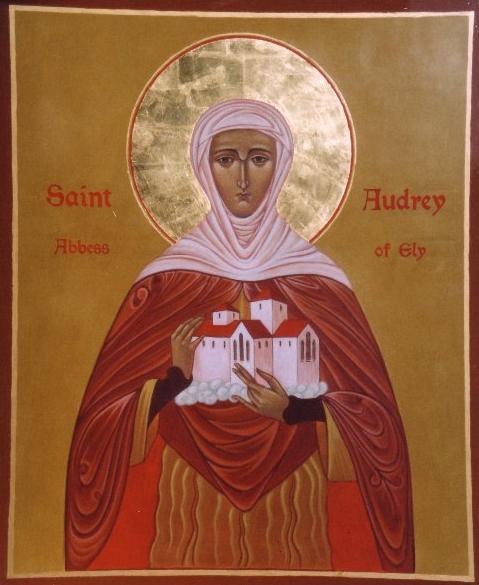
In thee the Image of God was preserved, O noble Audrey, for thou didst take up thy cross and follow Christ. Royal virgin, thou didst teach the multitude by thine example that the flesh is to be scorned as fleeting, while the soul needeth great care as immortal. Wherefore, O holy Audrey, thou dost now make glad with the angels.

VENERABLE ETHELDREDA, ABBESS OF ELY

Commemorated: June 23

Holy Queen St. Etheldreda, Abbess of Ely (AD. 636-679), (Aethelthryth, Audrey) is the most venerated English female saint. A Saint renowned for her perpetual virginity-despite her two marriages!- and glorified by incorruption.
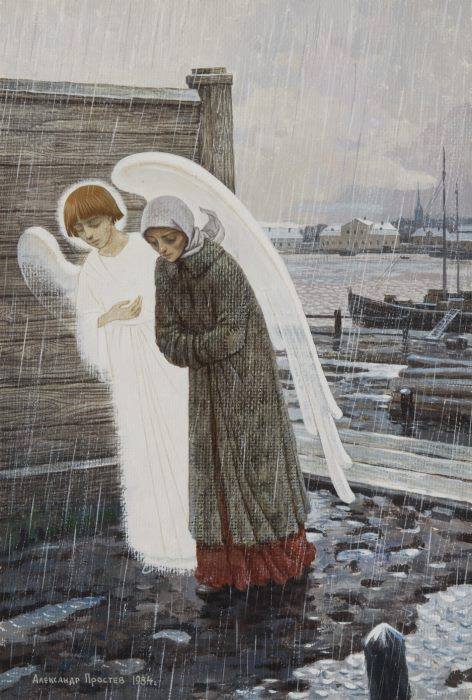
Back on 18th July 2018, the Saint decided to make a powerful entrance into our lives, revealed herself as the patron Saint for our fellowship, and Father J. organically became the fellowship’s spiritual Father.

A powerful entrance indeed! I remember most vividly how we folded various female saints’ names as potential patrons in lots, put them in Father’s skoufia to draw, and when her name was picked and Father started blessing us with holy water, these ‘water’ drops burned, literally so, the surface of the table where the water bowl was placed on! Perplexed we turned to Father to explain to us what was happening, but he bowed and left in silence. God is glorified in His Saints!

What we found most moving in St Etheldreda’s podvig was the central role her spiritual father, St. Wilfrid of York, “the Apostle of Sussex”, played throughout her brief, yet tumultuous and full of suffering, sanctified life. This most powerful Patron Saint, always ready to help everybody in distress, especially married women in trouble with their husbands, humbly obeyed her spiritual father in every step she made and decision she took in her life. A holy rebel and a scandal she was, yet always under an Omoforion and an Epitrahelion!

To begin with, it was her spiritual father, who blessed her vow of chastity at a very young age and guided her during all her patient waiting for 15 or more years, until she would become a nun. (And until she had been twice married!) 

St. Wilfrid was such a close adviser to her that Egfrith, hew lawful, second husband —her first husband had already reposed after three years of “marriage” —entreated him to use his influence to induce his wife to become, in fact, what, as yet, she had been only in name. He even promised Wilfrid great things for himself and for his churches, should he be able to persuade the Queen that her duty to God was her duty to her husband. But Wilfrid feigned to enter into the King’s view of the matter, whereas, in fact, he steadfastly encouraged the Queen to persist in her celibate life and even advised her to ask permission to leave the court and become a nun. (Egfrith never forgave him.) 

During one of her escapes, it was St. Wilfrid who tonsured her a nun, and later on, when St Etheldreda eventually retreated to Ely and founded a double monastery there with communities for monks and nuns, who lived separately but prayed together in the common church, and became the first Abbess, her spiritual father continued to support her. It was St. Wilfrid who made her abbess and gave the veil to her first nuns. He obtained special privileges for her, from the Pope, and often visited her and helped her with advice and suggestions useful in the management of her large establishment. 

We found most moving this strong connection of the Saint with her spiritual Father. Nothing seemed to be able to separate her from him. Through her example, we understood more clearly how essential for all of us and vital in our sanctification is our obedience to a spiritual Father, especially through the sacrament of Confession, in the Church. Especially in times of suffering and temptation, when only the Church, the Saints and your spiritual father can truly support you and be your Rock, your icon of Christ the Rock.

This holy relationship between the faithful and their spiritual Fathers is a pattern we observe in many Celtic women Saints. For example, St Dymphna and her spiritual Father, St Gerebernus, fled together defying the Father King’s immoral demand to marry his daughter, crossed the Channel, and eventually faced martyrdom together. St Winifred and St Beuno is another like Celtic holy pair, where Winifred, from an early age, was instructed in the spiritual life by St. Beuno and lived under his care a chaste life, dedicated to God, until she met her martyrdom. Beuno took Winifred’ head and replaced it to her body, then prayed to God that she be restored whole. By St. Beuno’s prayers, Winifred came back to life. This miracle was just one of many in their holy relationship and life together until their glorification.

St Etheldreda, a queen and most powerful lady, is setting a clear example to us how important it is to endure the martyrdom of the dying of our will in our obedience to our spiritual father, in order to overcome our fallen nature, our old self, our tendency to become autonomous, form our own opinions, and become thus self-centred rather than God-centred. In all our life’s decisions, momentous or ‘small’. St Etheldred, the Saint and queen, may have abandoned two husbands but understood all too well that following our conscience and not acting in obedience, even in our most ‘pious’ endeavours, is a very tricky path and most of the times, if not all, the beginning of prelest.

By C.

The Coronavirus Diary of a Joyous Pustinik — 34

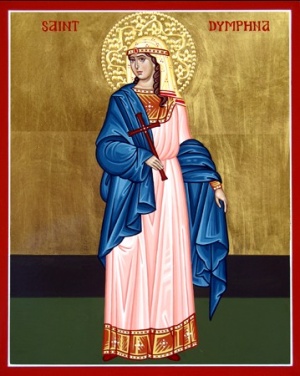
st dymphna

St Dymphna

Dear friends in Christ

 Christ is Risen!

I hope you are all well.

 Since I have not written a diary for a few days, some people are asking if I am well!  Glory to God, by your prayers. I am well. I thought that I would write a little note to you all on the Feast of  St Dymphna!

I wish you every blessing on this Feast of St Dymphna the Virgin Martyr or Ireland (650). I was introduced to her by the priest who Chrismated me. I recall that we were visiting St Patrick’s Chapel. I think he had an affinity with saint being himself of Irish descent but his spiritual father, Blessed Seraphim Rose held her in veneration and had a garden in the Monastery in California dedicated to the Celtic saints. He said, as he spread himself upon the chapel walls, how powerful were her prayers and that since ” not many people know her, she is not so busy, so she has time to intercede for us.” If you don’t know her then please read about her extraordinary life.

A short time later, I had cause to call upon her intercessions on behalf of someone. St Dymphna put it into my mind to go and to search for the article that the person had lost and to go three times to this certain place and on the third occasion, I would find the missing article. It was a test of faith, but sure enough on the third visit there was the missing article, and I can tell you that there was much joy when it was found. I have had occasion to call upon the saint subsequently and each time her intercessions have proved most powerful and fruitful. I share this story, so more people may come to know her and call upon her prayers before Christ.


Through the prayers of St Dymphna

Eν Χριστώ


Conscripted Saints in Coronavirus time

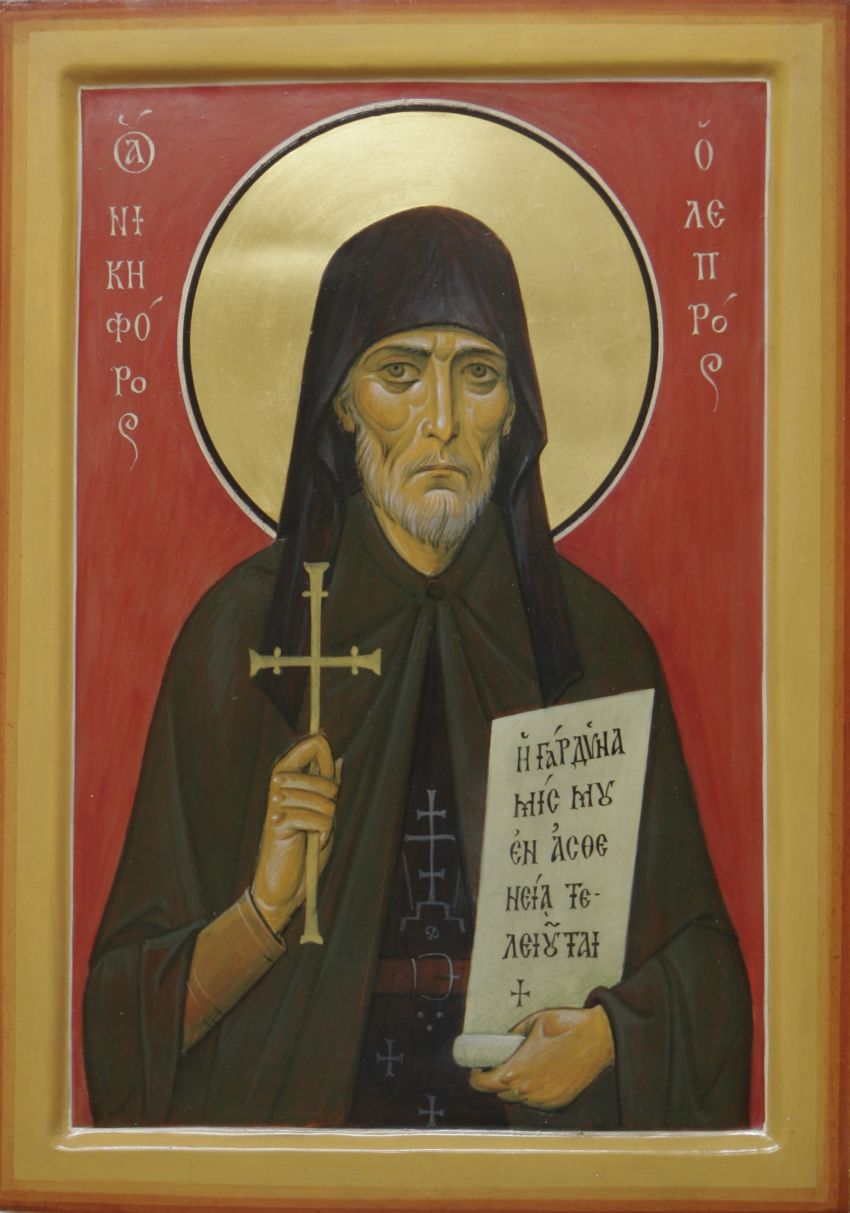
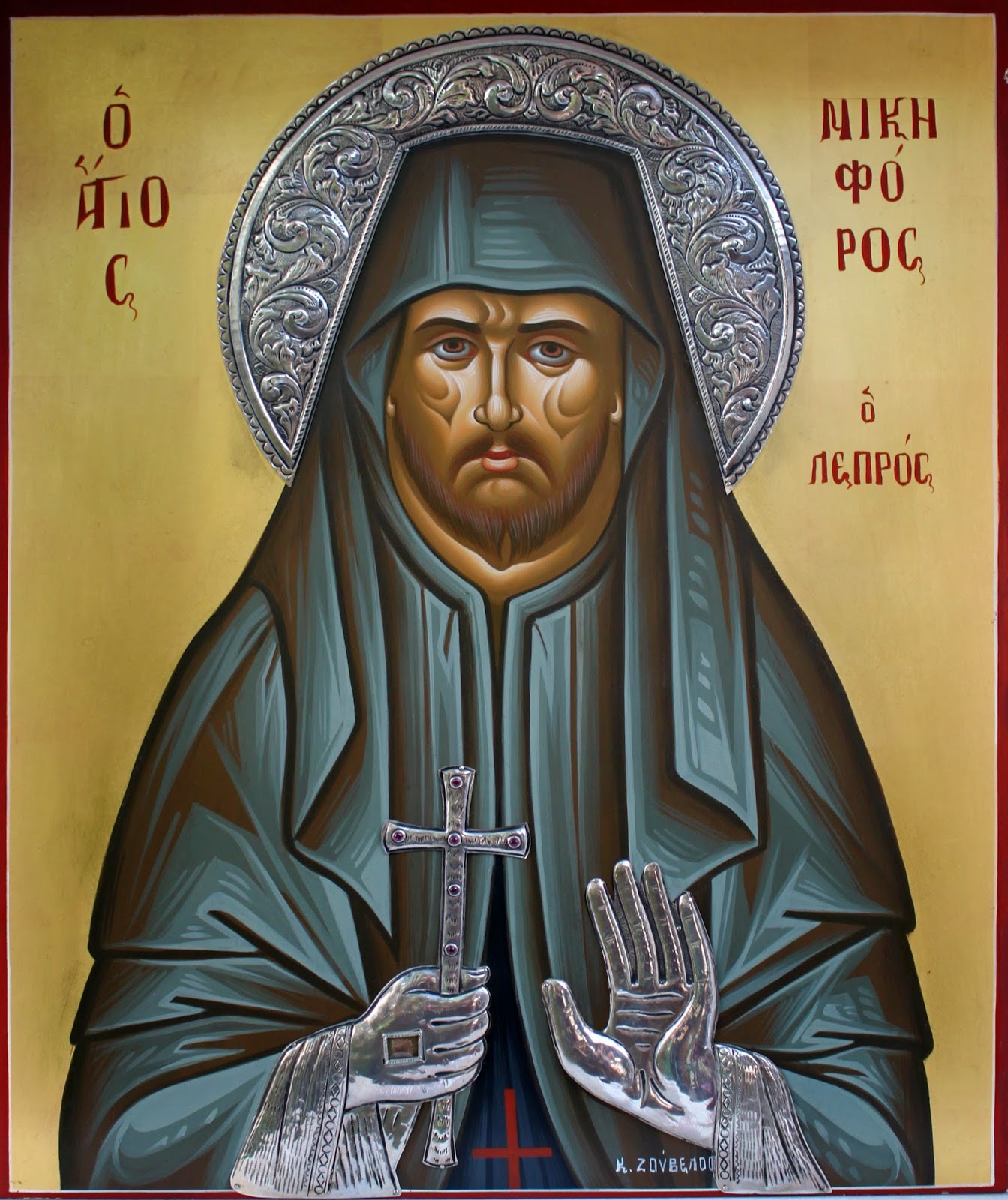
osios-nikiforos-lepros

Nikephoros the Leper and the Pandemic

Dearest brothers and sisters,Christ in our midst.Here in Greece and in Cyprus, the faithful are especially praying to Saint Nikephoros the Leper these days. Metropolitan of Morfou Neophytos has revealed in a recent homily that this Saint has appeared to a charismatic elder and informed him that he has received special Grace from God to help in these times of need: the Grace to protect and heal from coronavirus those who ask for his prayers.


Next to God who honoured you, * O Nikiforos, * you do stand with boldness now, * like the tenth leper who returned * in great thanksgiving and gratefulness; * so, as is fitting, we honour your memory. May St. Nikephoros help all mankind. His life and hymn follow below. Your prayers
 

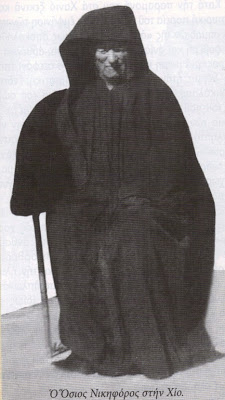
St Nikephoros

Father Nikephoros (Nicholas Tzanakakis in the world) was born in 1890 in a mountainous village in Khania, in Sikari, Kastanohori to the west of the prefecture with a healthy climate, with beautiful forests, rich waters, gorges and caves. This village has a peculiarity that we do not often encounter: it is divided into eleven neighbourhoods, which have also been named after the families who first settled there. So Saint Nikephoros was born in the neighbourhood of Kostoyianides.

His parents were simple and pious villagers, who died when he was still a young child, leaving him as an orphan. So, at the age of thirteen, he left his home. His grandfather, who had undertaken to raise him, went to Khania to work there in a barbershop in order to learn the job. Then he showed the first signs of Hansen’s disease, i.e. leprosy. The lepers were isolated on the island of Spinalonga because leprosy was a contagious disease and it was treated with fear and dismay.

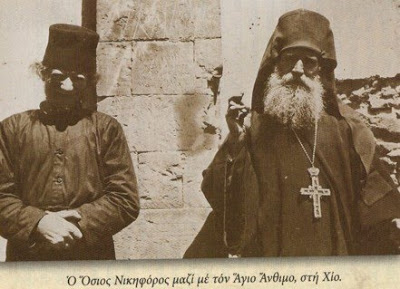
Nicholas was sixteen years old when signs of the disease began to become more conspicuous, so he left on a boat to Egypt in order to avoid being confined to Spinalonga. He remained in Alexandria, working in a barbershop again, but the signs of the disease became more and more apparent, especially on his hands and face. That is why, through the intervention of a cleric, he went to Chios, where there was a church for lepers at that time, and the priest was Father Anthimos Vagianos, later Saint Anthimos (+ February 15).

St. Anthimos and Fr. Nikephoros

Nicholas arrived in Chios in 1914 at the age of twenty-four. In the leper hospital of Chios, which was a complex with many homesteads, there was a chapel of Saint Lazarus, where the wonderworking icon of Panagia Ypakoe1 (Feb. 2) was kept. In this space, the course of virtues was opened for Nicholas. Within two years Saint Anthimos considered him ready for the angelic Schema and tonsured him with the name Nikephoros. The disease progressed and evolved in the absence of suitable drugs, causing many large lesions (a drug was found in 1947).

Father Nikephoros lived with unquestioning, genuine obedience to his Spiritual Father, and with austere fasting, working in the gardens. He also recorded the miracles of Saint Anthimos, which he had witnessed with his own eyes (many of these were related to the deliverance of those possessed by demons).

There was a special spiritual relationship between Saint Anthimos and the monk Nikephoros, who always remained close to him, as Father Theoklitos Dionysiatis writes in his book Saint Anthimos of Chios. Father Nikephoros prayed at night for hours on end making countless metanias, he did not quarrel with anyone, nor injure anyone’s heart, and he was the master chanter of the temple. Because of his illness, however, he slowly lost his sight, and so he chanted the troparia and the Epistles from memory.

The Chios leprosarium was closed in 1957 and the remaining patients, together with Father Nikephoros, were sent to Saint Barbara’s home for lepers in Athens, in Aigaleo. At that time, Father Nikephoros was about 67 years old. His members and his eyes were completely altered and distorted by the disease.

There, Father Eumenios also lived there at the home for lepers. He also suffered from Hansen’s disease, but with the medication he received, he was completely cured. However, he decided to remain in the home for lepers for the rest of his life near his fellow sufferers, caring for them with much love. Thus he submitted to Father Nikephoros, to whom the Lord had given many gifts as a reward for his patience. A crowd of people gathered in the humble cell of the leper Nikephoros, in Saint Barbara in Aigaleo to obtain his prayers. Here are some testimonies of those who met him:

“While he was prostrate with wounds and pains, he did not complain, but he showed great patience.”

“He had the charisma of consoling those who were sad. His eyes were permanently irritated, and he had limited sight. He also had stiffness in his hands and paralysis in his lower limbs. Nonetheless, he endured all of this in the sweetest, meek, smiling, delightful way, and he was also pleasant and lovable.”

“His face, which was eaten away by the marks of his illness, and his wounds, shone. It was a joy for those who saw this destitute and seemingly feeble man saying, May His holy name be glorified.”

Father Nikephoros reposed on January 4, 1964, at the age of 74. After three years, his holy relics were exhumed and found to be fragrant. Father Eumenios and other believers reported many cases where miracles occurred by calling on Saint Nikephoros to intercede with God.

The life of Saint Nikephoros was a brilliant example and model for everyone. He was pleasing to God because he had endured so much. For this reason, we have many testimonies that our saint received from the Holy Spirit the gift of discernment as and a host of other charisms. We should note that most of the miracles are recorded, and today the saint gives generous help to anyone in need. Surely there will be many more miracles which not have not yet been made manifest.

St Nikephoros 2


1 The name of the icon honours the obedience of the Theotokos to God’s will for her to give birth to His Son, so by her obedience people would also obey His will. The Greek word Υπακοή means “obedience.“


To Be Continued


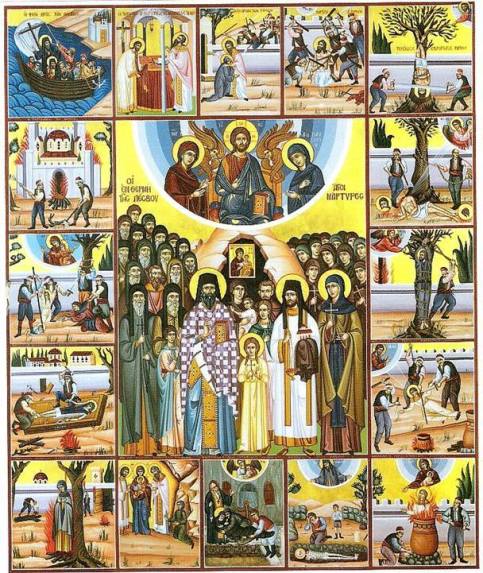
Vasiliki Rallis on the Revelation of Saints Raphael, Nicholas and Irene of Lesvos

saints rafael, nikolaos, irene.jpg

I have no words for this testimony by Mrs Vasiliki Rallis! She was one of the many simple villagers who witnessed the appearing and miracles and the finding of the Holy Relics of Sts. Raphael, Nicholas and Irene in Thermi of Lesvos. I have personally met Mrs Vassiliki years ago in Greece at the Monastery of Saint Arsenios in Chalkidiki. Her talk is in Greek with English subtitles. Please watch this video.


https://www.youtube.com/watch?v=-wux76g65y0&t=1147s

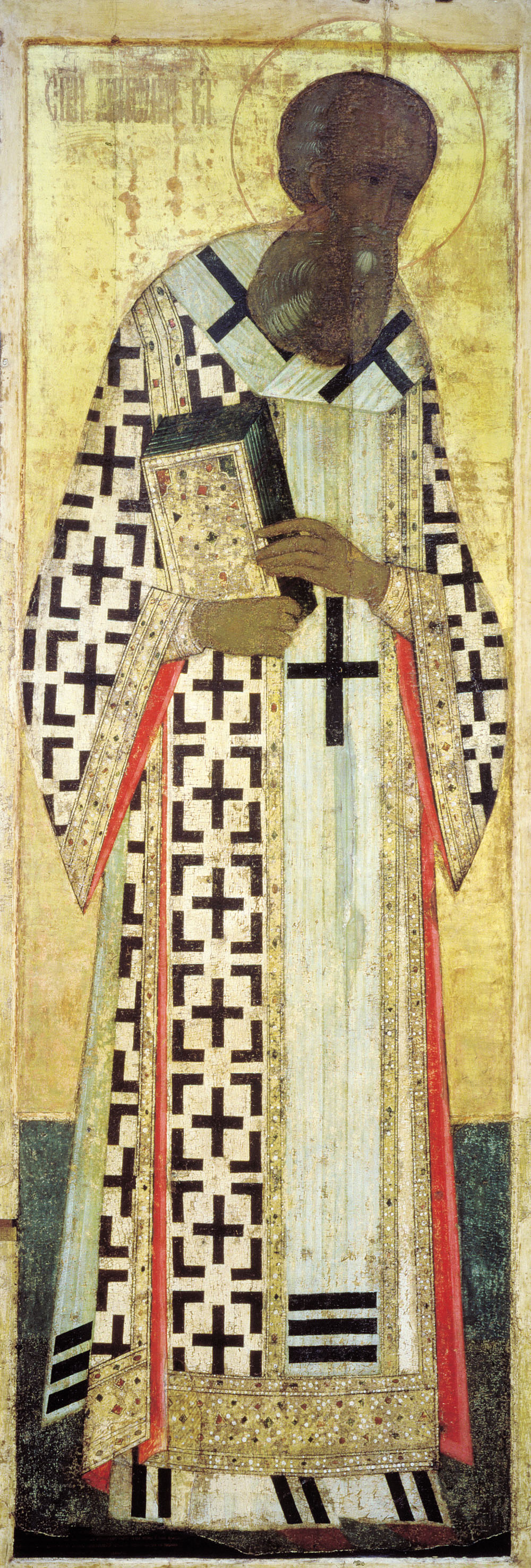
St Gregory the Theologian in Spiritual Warfare

gregory-the-theologian-1408.jpeg

Gregory the Theologian, 1408 – Andrei Rublev

Flee swiftly from my heart, all-crafty one.
Flee from my members and from my life.
Deceiver, serpent, and fire, Belial, sin,
death, abyss, dragon, night, snare, and frenzy,
chaos, manslayer, and ferocious beast!
Thou didst entice into perdition those
first-formed folk, my foreparents, offering them
at the same time the taste of sin and death.
Christ, the Ruler of all commandeth thee to
flee into the billows, to fall upon the rocks,
or to enter the herd of swine, O baleful one,
as once He bade that presumptuous Legion.
Nay, yield forthwith, lest I smite thee with the Cross,
whereat all things tremble;
Oh, flee!
I bear the Cross upon me, in all my members.
I bear the Cross whene’er I journey, whene’er I sleep.
I hold the Cross in my heart. The Cross is my glory.
O mischievous one, wilt thou never cease from
dogging me with traps and laying snares for me?
Wilt thou not dash thyself upon the precipices?
Seest thou not Sodom? Oh, wilt thou not speedily
assail the shameless herds of ungodly heretics,
who, having so recklessly sundered the Almighty
Godhead, have witlessly destroyed and abolished It?
But comest thou against my hoariness? Comest thou
against my lowly heart? Thou ever blackenest me,
O foe, with darksome thoughts, pernicious thoughts.
Thou hast no fear of God, nor of His Priests.
This mind of mine, most evil one, was verily
a mighty and loud-voiced herald of the Trinity.
And now it beholdeth its end, whither it goeth in haste.
Confuse me not, O slimy one, that I might, as pristine,
meet the pure lights of Heaven, that they might
shine like lightning flashes upon my life.
Lo, receive me; lo, I stretch forth my hands.
Farewell, O world! Farewell, thou who bringest woes upon me!
Pity be shown to all that shall live after me.


He Invited a Demon to Possess Him

john-climacus-ladder
Once there came to Bishop Parthenios of Lampsakos a man who was possessed by a most malicious demon, and no one knew of it, not even the possessed one himself. The Saint, however, recognized the demonic possession, because he was inspired and enlightened by God. When that man greeted him, the holy one offered no response but kept silent as if he were mute. The demon was angered at the bishop’s conduct. The demon then, with haughtiness and pride, addressed the meek Parthenios in a wrathful tone:
“We have a true desire to see you, and have journeyed a long way to greet you; but you do not even condescend to speak to us at all?”
The Saint replied: “Behold, you have seen me.”
The demon retorted: “I have seen you and been constrained to speak the truth.”
The blessed one answered: “If you know who I am, then depart from the creation of God.”
The demon rejoined: “I have dwelt in this man for a long time, ever since his childhood, and no one has learned of it, save yourself. If you should cast me from this dwelling place, I know not where I shall go!”
The Saint replied: “I will give you a man. You may dwell in him – if you so wish it.”
The demon then departed from the longtime sufferer, but he asked the Saint to keep his promise. The holy one suddenly opened his mouth and declared: “Behold, I am a man, enter into me and dwell!”
And the demon, as if he were consumed by fire, fled crying and shouting aloud: “Woe is me, wretch that I am! If the sight of you alone inflames me, how shall I dare enter into you?”
As the demon said this, he fled. As for the formerly possessed man, he became whole and gave thanks to Saint Parthenios.
+Feast Day – February 7
Source: Daimonologia by Sanidopoulos

A Canon to the Paraclete

st maximos3
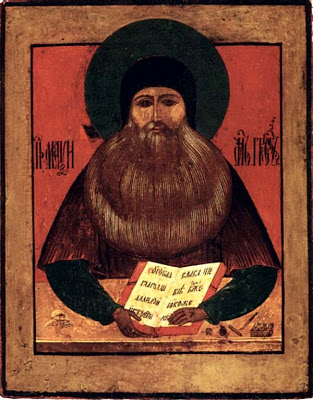
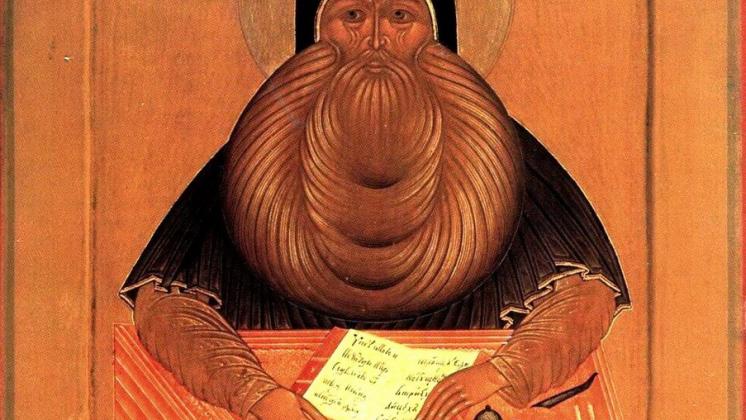
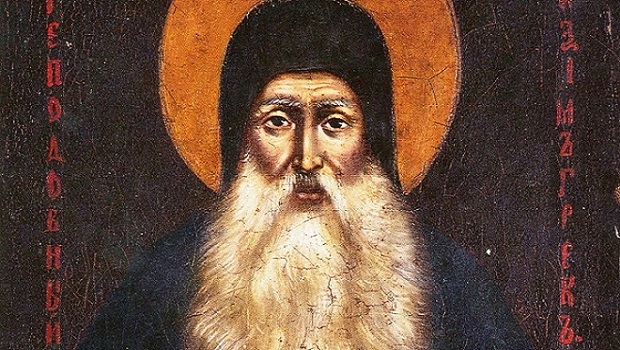
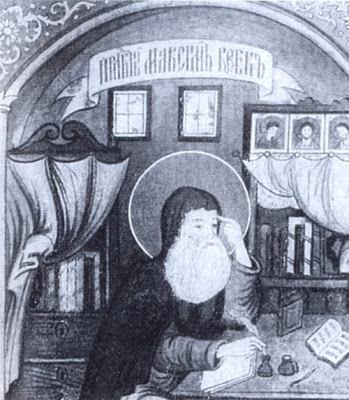
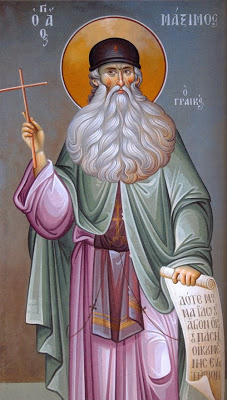
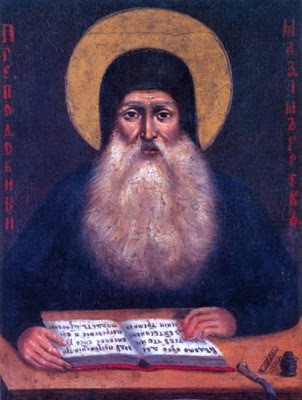
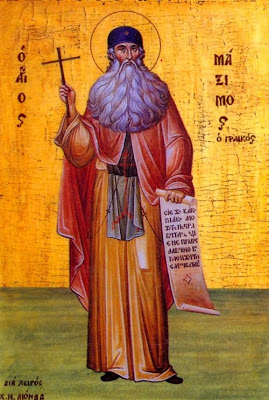
St. Maximos the Greek (+ 21 January 1556) was imprisoned in Russia, banished to the Monastery of Volokolamsk, where he suffered from hunger, bitter cold and all kinds of torments. There he was bereft of everything, even being deprived of Holy Communion and books, yet prayer alone sustained him. The Lord did not abandon him, but one day an angel appeared to him and said: “Have patience! You will be delivered from eternal torment by the sufferings here below.” To thank God for this heavenly consolation, St. Maximos composed a poetical canon in honor of the Holy Spirit. Deprived of paper and pen, he wrote it on the walls of his cell in charcoal! This canon is sung on the Monday of the Holy Spirit in certain Russian and Serbian monasteries.

st maximos

A Canon to the Divine, Worshipful & All-Holy Spirit, the Paraclete
By Saint Maximos the Greek
In Tone IV
Ode 1
lrmos: He who was slow of speech, having been covered with divine darkness, gave utterance unto the divinely written law; for, having shaken off the mire from his noetic eyes, he beheld the One Who Is and learned the understanding of the Spirit, uttering praise with hymns divine.
Refrain: Glory to Thee, O our God, glory to Thee!
O Master, Who of old didst feed Israel with manna in the desert, fill Thou my soul with the most Holy Spirit, that for such I may continually serve Thee in God-pleasing manner.
Refrain: Glory to Thee, O our God, glory to Thee!
Making bold, with Thine incorporeal ministers I sing to Thee the hymn of the thrice-holy cry, though I am earth and ashes, O true Trinity and allgood Unity.
Refrain: Glory to Thee, O our God, glory to Thee!
Ever assailed in my soul by the storms of destructive passions and spirits, I set my hope of salvation on Thee, the most good Paraclete, in that Thou art God.
Refrain: Glory to Thee, O our God, glory to Thee!
See also “ST MAXIMUS AS A MONK AT THE VATOPEDI MONASTERY” by Archimandrite Ephraim

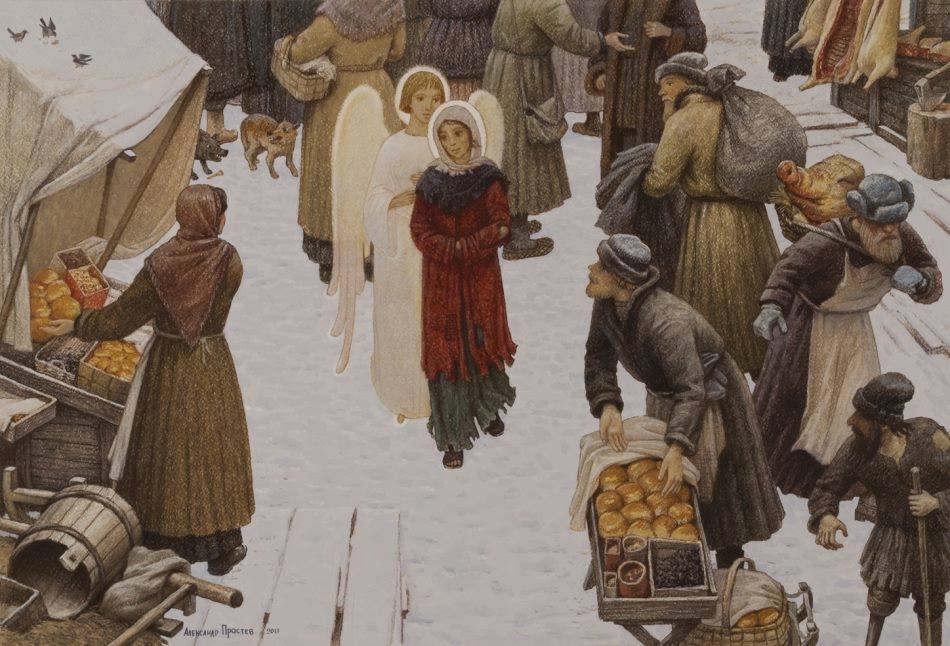
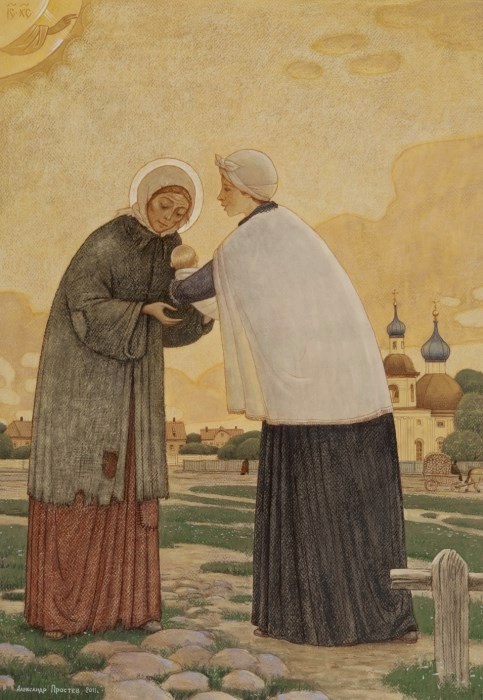
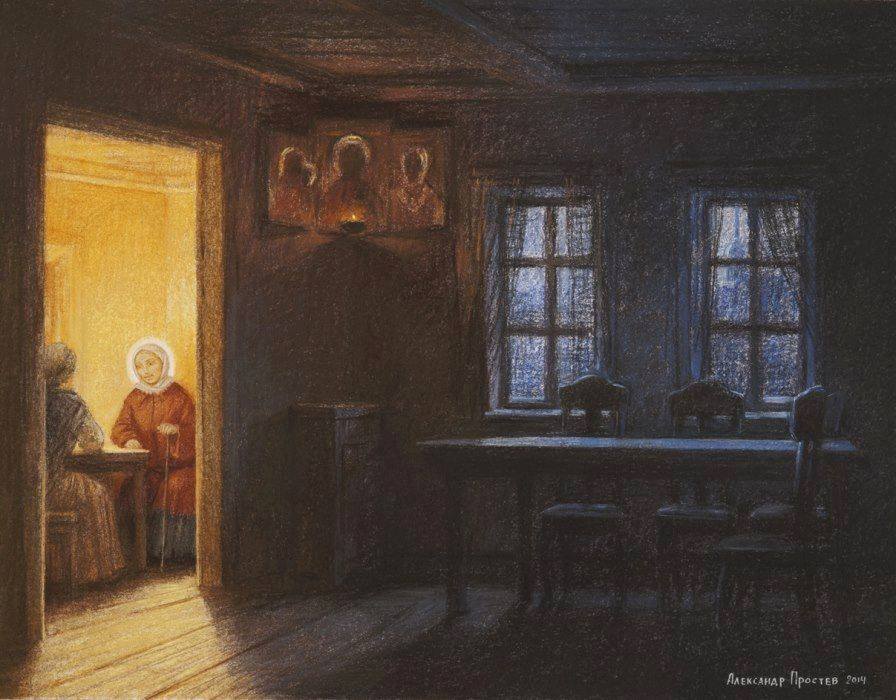
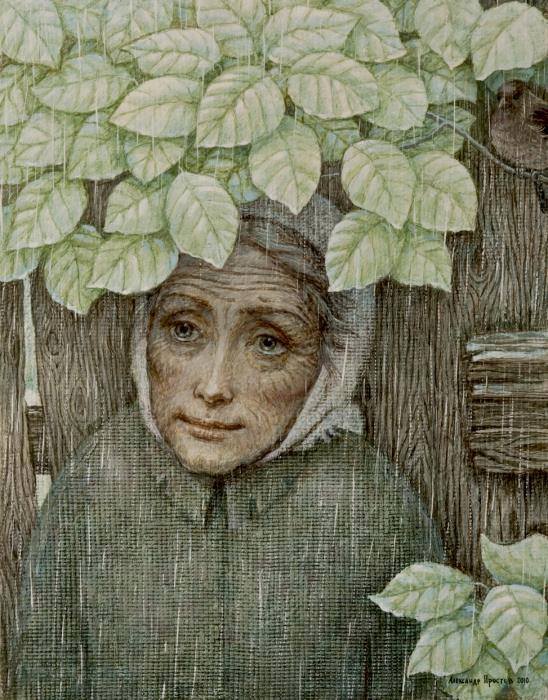
A Synaxarion in 33 Paintings

a1

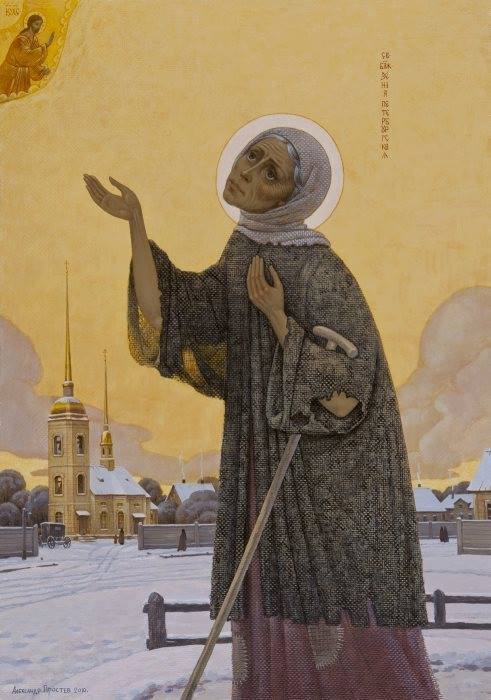
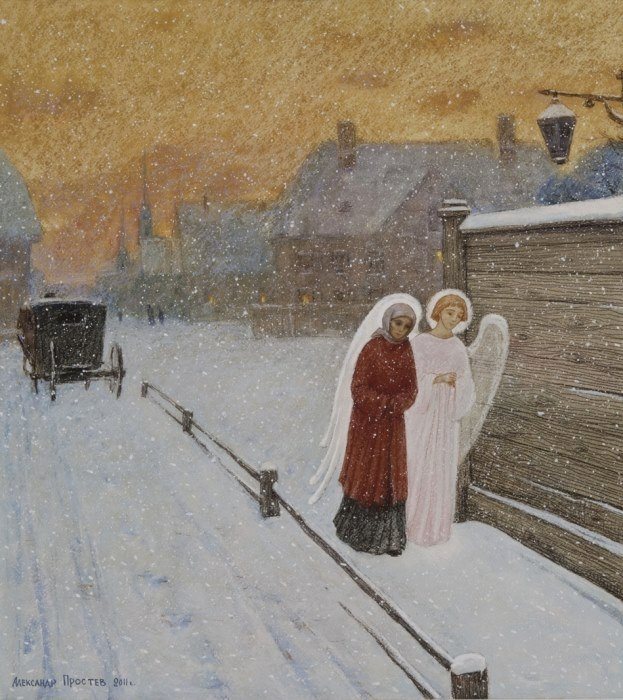
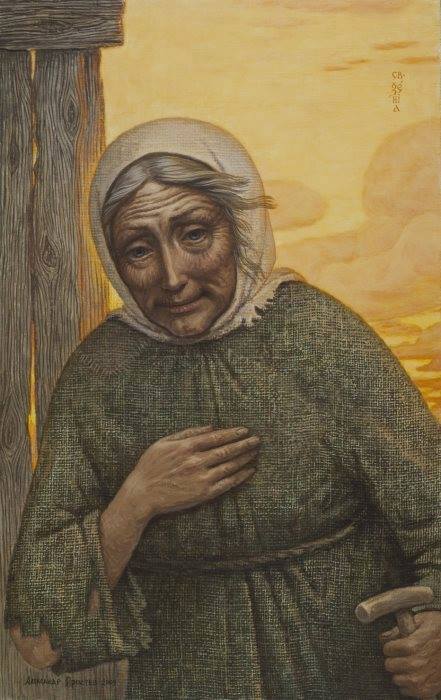
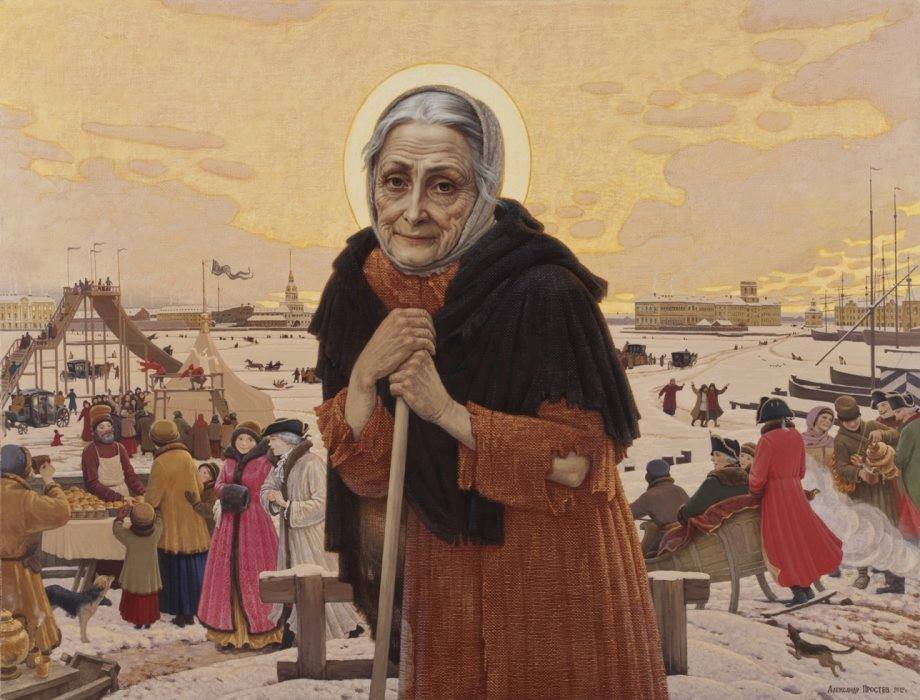
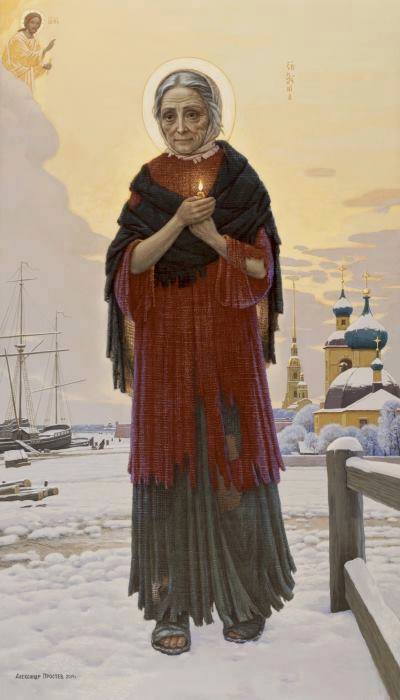
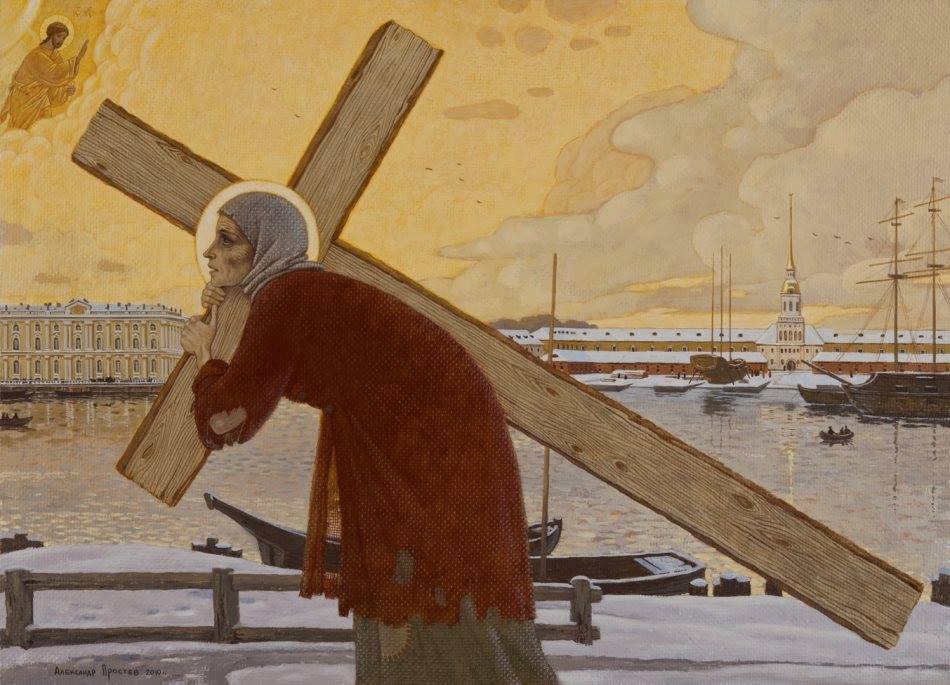
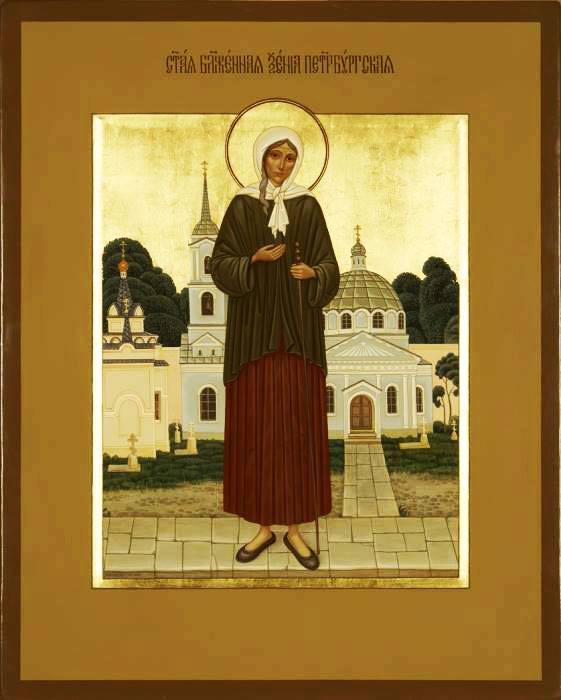
ST. XENIA 

a2a3a4a5a6a7a8a9a10a12a13a14a15a16a17a18a19a20a21a22a23a24a25a26a27a28a29a30a31a32a33

FOOL-FOR-CHRIST

Source

The Life of Blessed Xenia of St. Petersburg, ST. XENIA FOOL-FOR-CHRIST

Maximus the Greek

St Maximos the Greek
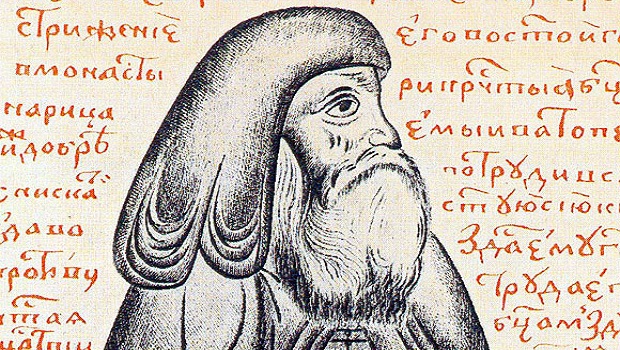
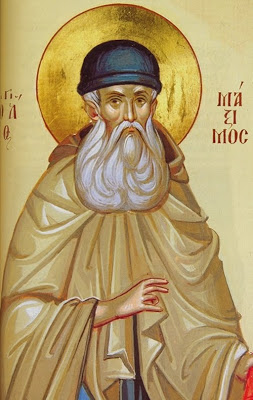
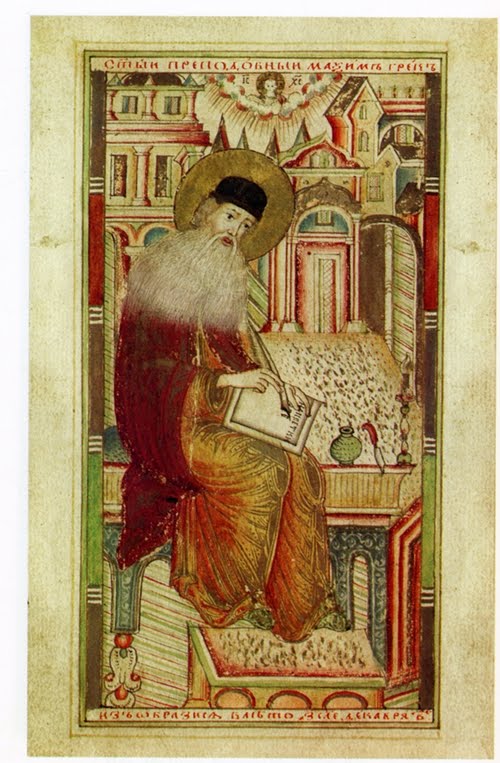
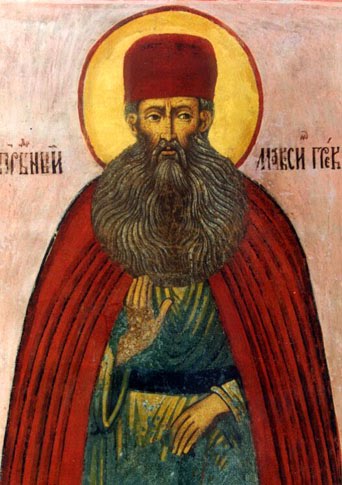
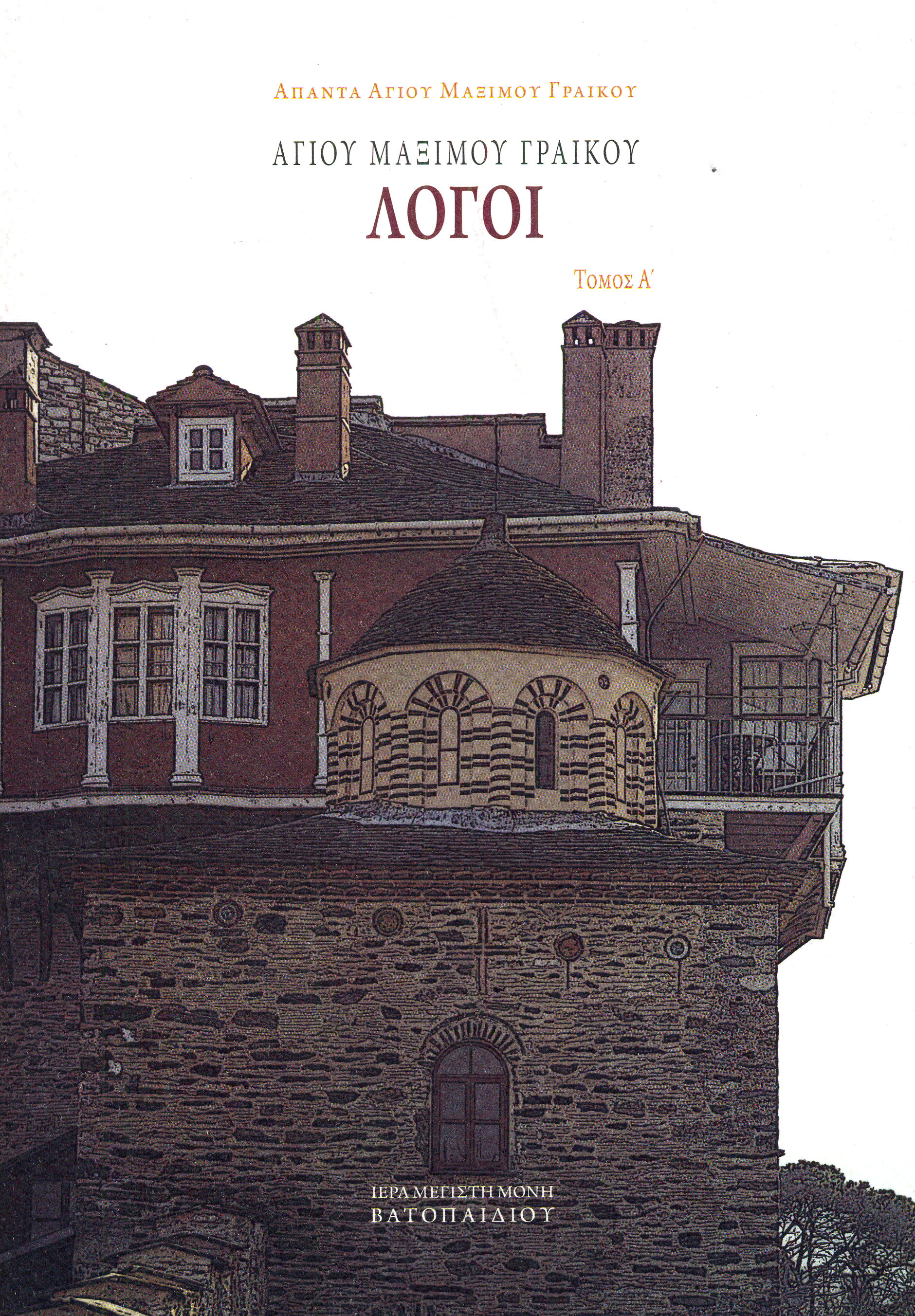
I (re) discovered our venerable father Maximus the Greek of Vatopedi, Μάξιμος ο Γραικός, ὁ Ἁγιορείτης (+ January 21),   the Enlightener and Equal-to -the-Apostles during our recent pilgrimage to Constantinople. I was so impressed by this Greek monk of Vatopaidi, the missionary, publicist, writer, scholar, humanist, and translator active in Russia, that I started researching and studying his entire collected works upon return to England.  (For select English and Greek bibliography go to the bottom of the post*) What I discovered moved me deeply. What humility (*) and patience at his martyrdom, a heavy cross of unjust imprisonments and tribulations unto death, of which fourteen years in iron bonds (1525-1539), and a total of twenty-six years in a prison cell! He was not permitted to receive Holy Communion for eighteen full years because he was condemned a heretic! And yet, our Lord granted him celestial visions and consolations  recorded by this valiant soldier of Christ with charcoal on his prison wall! Below follows a narrative of his life written By Archimandrite Ephraim, Abbot of the Holy Monastery of Vatopaidi.  The sections “His imprisonment” and “Dealing with his tribulations” and the Greek/Russian documentary by Vatopedi monasteryΆγ. Μάξιμος Γραικός ντοκυμανταίρ Ι. Μ. Βατοπαιδίου” at the end,  are especially worth your time.
St Maximos the Greek2st maximos2
St. Maximos the Greek (Feast Day – January 21)
An Indomitable Herald of Patristic Tradition
By Archimandrite Ephraim,
Abbot of the Holy Monastery of Vatopaidi

During its historic past, the spiritual activity of the Holy Monastery of Vatopaidi [one of the twenty monasteries on the Holy Mountain of Athos—Trans.] has proved to be twofold. On the one hand, the monastery has lived in hesychia (silence, stillness) and freedom from cares, which are the preconditions for deification; and, on the other hand, it has sent forth its deified and sanctified children as missionaries, so that they might offer a good witness to the Orthodox Athonite Tradition for the strengthening of the people of God—something not extraneous to the life of the Church throughout the ages. We can say that the monastery became very distinguished in this field, such that it undertook missionary work not only within Greece, but also in other Orthodox nations.

St. Maximos of Vatopaidi—better known as St. Maximos the Greek—was one of the most learned monks of his time, distinguishing himself as a theologian, philosopher, author, and poet during the first half of the sixteenth century, and became known as the “enlightener and reformer of the Russian nation.”

He was born in the city of Arta [northwestern Greece] in 1470 to a wealthy, illustrious, and pious family, and was named Michael Triboles. His parents gave him his basic education at the schools of Arta and Kerkyra (Corfu). At twenty years of age, he went to Italy, where he pursued higher studies for some fifteen years at the universities of Venice, Padua, Ferrara, Florence, and Milan. One of the more distinguished biographers of St. Maximos, E. Golubinsky, maintains that, had the Saint ultimately remained in Italy, he would have become one of the most eminent university professors of his age.

St. Maximos, however, gave himself over to an intense search for an authentic way of Christian life, having seen for himself the nakedness of humankind bereft of God’s Grace while living in Italy, where Renaissance humanism was then flourishing. At the same time, moralism had turned the world to the senseless passions of hypocrisy, avarice, inhumanity, and dissoluteness. Thus, upon hearing about the monastic republic of the Holy Mountain and yearning to achieve the highest human calling—that of deification—and having discerned the vanity of every earthly glory and wisdom, he decided to dedicate his life to the Lord as a monk in this glorious cradle of Eastern Orthodox Tradition, eventually settling in the Holy Monastery of Vatopaidi.

st maximos6
His departure for the Holy Mountain

At the Monastery of Vatopaidi, he lived in asceticism for approximately ten years. He exercised himself in the basic virtues of obedience and abstinence, thereby essentially avoiding all human passions, since he cut off his every will, desire, greed, and pride. His insatiable yearning for the acquisition of virtues and his enviable diligence in exercising himself therein rendered him a vessel of the loftiest virtues of humility, nonacquisitiveness, and love. By means, again, of these virtues, he constantly sacrificed himself for his fellow ascetics and fellow men. Simultaneously, he united his soul with God through unceasing prayer, becoming an abode of the Holy Spirit.

The monastery’s rich library also nourished the Saint spiritually; he found great delight in studying its books. From the library’s rare manuscripts, he garnered the wisdom of his predecessors in the Orthodox monastic tradition. At the same time, the example of the monastery’s other learned Fathers became a luminous guiding light in the Angelic, monastic life.


The monastery’s Fathers soon discerned the cultivation of his soul, so rich in virtues and spiritual gifts. They thus entrusted him with necessary work outside of the monastery, which the holy Father used as opportunities to strengthen our suffering Orthodox people, who were assailed by illiteracy, the bonds of the Turkish Yoke, and the heresies of the West.

In 1515, Grand Prince Vasily Ivanovich [of Russia] asked the Ecumenical Patriarchate and the Protos of the Holy Mountain for an experienced, learned, and virtuous monk, who could translate Church texts into the Slavonic language and correct erroneous translations and copies of Holy Scriptures and Patristic texts.

Monk Sabbas of Vatopaidi was initially chosen, but he refused on account of his advanced age. The lot thus fell to the eminent Monk Maximos.

st maximos3
His mission in Russia

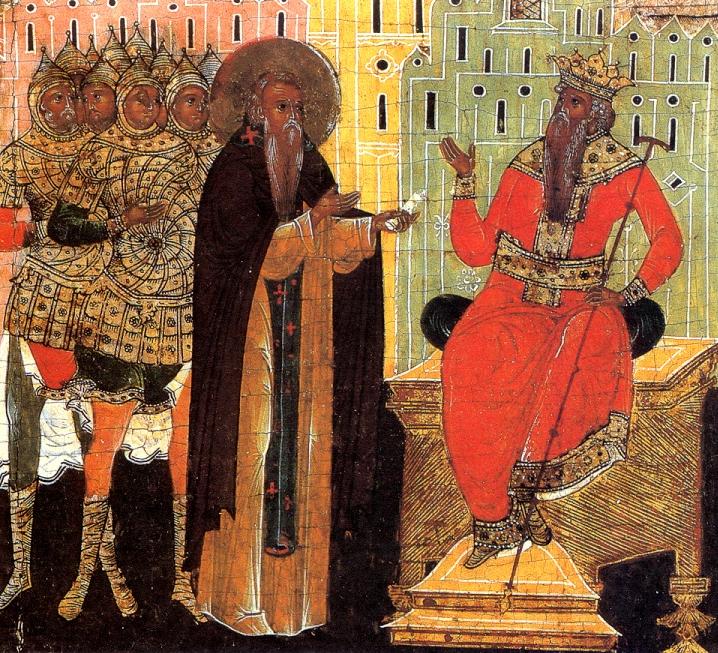
St. Maximos left the Holy Mountain in 1516. Representing the Russian people, Metropolitan Varlaam of Moscow and Grand Prince Vasily Ivanovich welcomed the Athonite monk and those with him.

Unfortunately, at that time the Russian nation was being scourged by new ideologies, which had slipped even into Orthodox ecclesiastical books, perhaps not fortuitously.

St. Maximos began his work of writing, translating, correcting, and exegesis. At the same time, his genuine Orthodox way of life soon came to attract the Grand Prince and the Metropolitan, as well as the Russian people and numerous eminent and distinguished people, who recognized in him a sagacious monk with the ability to resolve, by the power of God and his wise teachings and counsels, the multifarious problems pertaining to people of all social classes and walks of life. Thus, he began his advisory work chiefly before the Russian ruler and the Metropolitan, who directed matters relating to the State and the Church, respectively.

We should also note that St. Maximos was the first to initiate the Russian people into ancient Greek philosophy and literature, thanks to his many years of profound studies at Western universities. Moreover, he was the first to introduce the art of printing into Russia, owing to his close ties with the renowned Italian typographer and savant, Aldus Manutius.

Generally speaking, St. Maximos the Enlightener and Equal-to -the-Apostles acted resourcefully and wisely, taking care to educate a multitude of people, who subsequently continued his colossal work of enlightening Russia in Orthodox Christianity, for the salvation of the people and the glory and joy of the Church of Christ.

These cultural activities of the Saint underscore his manifold acts of beneficence, showing him forth not only as a missionary worker, but also as a civilizer of the Russian people, who at that time were in a state of illiteracy and ignorance.

St. Maximos’ missionary activities lasted eight years. He bore a heavy cross, however, with his work on behalf of the Faith; or rather, the Devil, the enemy of the truth, attempted to destroy St. Maximos’ work, though the Evil One ultimately failed in this regard, since the “grain of wheat fell on good ground and sprang up, and bore fruit a hundredfold” (cf. St. Luke 8:8).

st maximos4

Conflict with the political and ecclesiastical leadership

More specifically, owing to irregularities on the part of certain political and ecclesiastical figures—due, in large part, to ignorance—the Athonite Father was compelled to expostulate with and censure certain individuals, on the basis of the principles of the Gospel and in accordance with the ecclesiastical capacity afforded him by the Russian Church and the country’s royalty.

Unfortunately, however, not only did things not improve, but St. Maximos was now additionally confronted with the enmity of those he had censured, among them the Grand Prince and the new Metropolitan of Russia, Daniel, who disregarded the Saint’s sincere concern for their salvation and for the right direction of the Russian Church.

Thenceforth the Saint was to bear a heavy cross of imprisonments and tribulations unto death. Precisely these tribulations perfected St. Maximos spiritually, however, such that today the equal-to-the-apostles, confessor, martyr, and ascetic is regarded as one of the foremost illustrious children of the Holy Monastery of Vatopaidi, and of our Orthodox Church in general. It is he who, by Divine calling, accumulated all of the charisms; and all of the aforementioned appellations befit him to such an extent that not one of them can be deemed an exaggeration.

St. Maximos censured representatives of the Church for living in a manner unbecoming to the clergy and monasticism, as well as for inappropriate behavior towards the people. At the same time, he also reprimanded political representatives for similar matters, just as St. John the Forerunner—who was put to death in prison for censuring the King for committing adultery—had done. Thus, St. Maximos became a confessor by upholding moral standards with strictness and by rebuking those who did not live morally, regardless of their office or rank.

He did not become conceited by the honors shown to him by the Grand Prince, nor by the fact that he was the foremost royal counsellor and ate with the Grand Prince at the same table for eight whole years, as if he were himself a prince. None of these things made him forget that he was a monk—and an Athonite monk at that—who had been called by Divine behest to correct the morals of the Russian people. Nor did he take into account that he would lose favor with the Grand Prince and representatives of the Church, along with the honors they showed him, by censuring them.

st maximos1
His imprisonment

He was condemned, as an alleged heretic, to life imprisonment in fetters and deprived of partaking of the Holy Mysteries. Placed in solitary confinement, he was forbidden to have any communication with the faithful. He suffered all of these things, as we said above, because he had censured his accusers for immoral behavior, using Christian morals as his basis. Likewise, he was prohibited from carrying on correspondence or reading books. The final prohibition was a martyrdom in itself for the learned monk-philosopher, since his spiritual nourishment and delight were derived from the study and writing of books.

Metropolitan Daniel, who was primarily responsible for St. Maximos’ ordeals, placed in his prison cell two cruel and inhuman guards, who tormented him without mercy for six continuous years. As St. Maximos later wrote to Metropolitan Makarios of Moscow: “Imprisoned, I was kept in bonds, dying from the cold, smoke, and hunger.”

His biographer, Kurbsky, writes that:

“He suffered much from the burdensome bonds and the long confinement in a frightful prison, …being exceedingly beleaguered and mercilessly tortured, both physically and mentally, by intolerable ordeals for six years in iron fetters. …As a result of these tortures, St. Maximos would often fall completely unconscious, almost to the point of death. At one point, wishing to alleviate his affliction, he wrote a Canon to the Holy Spirit on the prison wall with a piece of charcoal, since he was not permitted paper on which to write. Under these conditions, he never grumbled or condemned anyone! At the end of his earthly life, St. Maximos would write a letter in which he prayed with regard to Metropolitan Daniel, who was the primary cause of his myriads of tortures: ‘May God not lay this sin to his charge’!”

During his first imprisonment in the Monastery of Volokolamsk, and, following that, during his second transfer to the Monastery of Otroch, he was confined to a damp and dark, subterranean prison, deprived of light and heating, and of every human consolation to which even the vilest of malefactors is entitled.

Who is capable of describing his martyrdom, and especially his deprivation of the Divine Eucharist? Only one who has come to know the love of our sweetest Jesus could describe such a martyrdom.

Despite the Saint’s protests over this harsh and unjust epitimion (penance), and despite his pleas at least to be permitted to partake of the Divine Mysteries—saying, with deep pain: “I ask that you vouchsafe me to partake of the All-Immaculate and Live-giving Mysteries of Christ, which I have been denied for seventeen years now. …Grant me, I beseech you, this favor…, save this lost soul….” “…I seek mercy and benevolence….” “…I ask for mercy; show me mercy, that you might also be vouchsafed the same Grace”—unfortunately, the clergy of iniquity did not pay him heed. They confined him without permitting him Holy Communion for eighteen full years.

Moreover, as we said above, his martyrdom was heightened by the tremendous pain caused by being enchained for six years at the prison of Volokolamsk, and then again during the first eight years of confinement in the prison of the Monastery of Otroch. In total, he spent fourteen years in iron bonds (1525-1539), and was imprisoned for a total of twenty-six years.

st maximos5
Dealing with his tribulations

Saint Maximos suffered all of his ordeals with patience and without resentment. Never did he reproach those who had caused him to undergo such great sufferings, nor did he ever depart from the bounds of spiritual nobility and meekness. This he achieved through humility. Emulating other holy Fathers, while protesting against his condemnation as a heretic and a blasphemer, he nevertheless accepted his trials as if they had been permitted by God on account of his sins.

Thus, he wrote to Metropolitan Daniel: “But I tell you in this regard that you have [unjustly] condemned me for heresy and prohibited me from partaking of the Divine Mysteries. As for my other many and innumerable sins, I am not able to open my mouth. I must not despair, however, but rather hope in God’s immeasurable mercy….” And elsewhere: “The Just Judge, Who desires that all men be saved, Who has permitted me to undergo these afflictions on account of my many great sins, and not for heresy or blasphemy…”

The Saint’s patience was also due to Divine strengthening, in accordance with the Psalm: “According to the multitude of my sorrows in my heart, Thy comforts have given gladness to my soul.”

The consolations of the Holy Spirit were such that not only they equiponderated the Saint’s sorrows, his pains from the tortures, and his tears, but additionally they caused Divine love to overflow in his heart, becoming his “bread day and night.”

The venerable Father was also vouchsafed a vision of a Holy Angel, who descended into the prison and offered him the Body and Blood of our Lord Jesus. Following this miracle and his Divine vision and succor, in Divine exaltation he composed and wrote with charcoal on the prison wall the aforementioned Ode to the Holy Spirit, which begins: “O, the manna by which Thou once didst feed Israel in the desert…,” followed by “with Thy Bodiless Ministers, I also chant to Thee…” which imply the vision of the Angel who transmitted to him the Body and Blood of our Lord.

As for the further Divine succor granted to him, who could know or tell of it? God guided him, through this hard path, towards perfection. We also see this from the exhortation by the Holy Angel, who appeared to him and said: “Maximos, be patient in these sufferings, that you might escape the sufferings of eternal chastisement.”

Thus, St. Maximos, by Divine revelation, became completely aware that he was fulfilling the Will of God when he was forlorn and reckoned an abomination by all, a stranger in a foreign land. In a state of extreme humility of spirit, he put into his heart that he was the lowest person on earth, humbled with Divine knowledge that the Lord had permitted his sufferings; for through the path of extreme humility He wished to guide him to spiritual perfection.

Living in seclusion and silence, he prayed unceasingly, with wordless groanings of the heart, noetically calling from the depths of his heart upon the Name of his sweetest Bridegroom, Jesus Christ.

Thus, through his martyrdom and through bearing the Cross of the Lord with knowledge, the Saint became perfected in Christ, completely dispassionate, a pleasant psaltery and sonorous cittern of the Holy Spirit, and a dwelling-place of the Holy Trinity!

St. Maximos was among the few monastic Saints who conducted their spiritual struggles devoid of a guide and human solidarity— without a spiritual Father or Elder to comfort and strengthen him as he bore his cross, and even without the solidarity of like-minded brothers, according to the saying: “A brother helped by a brother is as a strong and fortified city.”

He was faced with “external battles,” “imprisoned, kept in bonds, dying from the cold, smoke, and hunger,” but also with “internal fears,” lest he repine against God over the multitude of his tribulations or transgress God’s commandments by becoming angry with those who had done him injustice, revile them, or bear them resentment.

At the same time, a whole mob of other passions raged against him. The battle was gigantic, and the conditions under which the Saint struggled were not only incomprehensible, but even inconceivable to us. He conquered, however, with the alliance of the Lord, Who loved him and Who had given Himself over unto death for the sake of all.

His sentence is mitigated

Saint Maximos saved the entire Russian Church from prejudices, superstitions, and heretical beliefs that held sway at that time in Russia.

While imprisoned in the Monastery of Otroch (1531-1551), he was given relative freedom of communication by Metropolitan Akaky of Tver (following a sign from God), so that this light might not remain “under a bushel” (cf. St. Matthew 5:15).

Thus, while bound in chains for years in a dark, damp, subterranean prison, he tirelessly continued to write, translating sacred texts into Slavonic and composing, among many other things, anti-heretical works, for the sake of protecting and enlightening the Russian people. In addition, with fatherly affection, he once again began preaching, comforting the Christians who hastened to his prison cell to hear his advice and seek his prayers.

Several years after the imprisonment of Metropolitan Daniel, Metropolitan Makary of All Russia released the Saint from his unjust punishment of excommunication, which had lasted eighteen years (1525-1543).

From time to time, he would fervently beseech to be liberated, so as to return to his beloved monastery on Mt. Athos, but never received a response. When Tsar Ivan the Terrible ascended the royal throne, the Greek monk repeated his appeal, but again without positive results. Likewise, Patriarch Dionysios of Constantinople (in 1545), Patriarch Germanos of Jerusalem, the Patriarch of Alexandria (on September 4, 1545), and the Monastery of Vatopaidi all sent requests to the Tsar to release St. Maximos.

In one of his own letters to the Tsar, St. Maximos wrote:

“Please deign, by the Name of the Lord, to show mercy to me, the wretch. Grant me to see the Holy Mountain, where prayer is sent up for the whole world. Restore me to the holy Fathers and to my brethren, who pray on your behalf. Yield in a Christian manner to their entreaties and tears. Do not wish to appear disobedient to the OEcumenical Patriarch, who is entreating you on my behalf.”

And elsewhere:

“Judge for yourself, I beg you, if I am worthy of hatred for all that I rightly corrected, and if I was justly slandered by certain ones as a heretic and denied communion with the faithful and of the Divine Gifts for so many years…. If, then, I speak rightly and credibly, show me, the wretch, your goodness and mercy, as a pious and unbiased judge, and acquit me of the unjust slanders and these ordeals, which I have been suffering for many years now…. Grant me, I implore your reverence, to return to the Holy Mountain, where I toiled in many and various ways both spiritually and bodily in hope of salvation, that I might lay down my bones there in peace.”

And elsewhere:

“Return me, most devout Tsar, to the venerable monastery of the Theotokos of Vatopaidi. Spiritually gladden its holy monks, your servants and fervent intercessors. Do not desire to grieve them.”

It is worth noting that in each of his letters the Saint pleaded to be returned to the Holy Mountain, repeating the phrase: “that I might lay down my bones there in peace.”

Yet his martyrdom continued. His return was deemed dangerous by the Tsar and Church leaders of the time, since the Saint knew all of the negative aspects of the political and ecclesiastical life of Russia, and they were afraid that he would hold them up to public opinion and reveal the ill will they had shown him.

St. Maximus’ crucified life and homilies in the original Greek language